

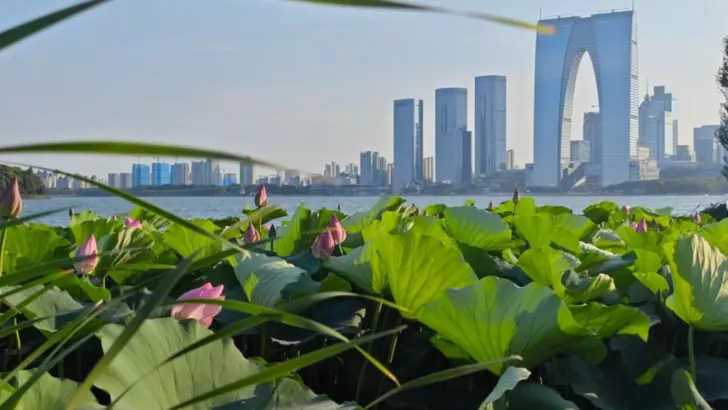
Suzhou is a city situated in Jiangsu Province, China, known for its rich history, classical gardens, and canals.
History: Suzhou has a history dating back over 2,500 years, with its development closely tied to the Grand Canal and its strategic location on major trade routes. It flourished during the Ming and Qing dynasties as a center of arts, culture, and commerce.
Culture and Arts: Suzhou is famous for its classical gardens, which are UNESCO World Heritage sites. These gardens, such as the Humble Administrator’s Garden and Lingering Garden, showcase exquisite landscaping, architecture, and cultural significance. The city is also known for its silk industry, producing some of China’s finest silk products.
Canal City: Often called the “Venice of the East,” Suzhou is crisscrossed with canals, which were historically used for transportation and irrigation. The canals contribute to the city’s charm and scenic beauty, especially in areas like Pingjiang Road and Shantang Street.
Modern Suzhou: Today, Suzhou is a thriving industrial and technological hub, known for its high-tech industry and manufacturing. It has developed rapidly while preserving its historical and cultural heritage, making it a popular destination for tourists and a comfortable city for residents.
Tourist Attractions: Apart from gardens and canals, Suzhou offers attractions such as Suzhou Museum, Tiger Hill, and the historic Pingjiang Road. Its classical operas and traditional arts continue to be celebrated, adding to the city’s cultural richness.
1. Humble Administrator’s Garden (Zhuozheng Yuan) – A UNESCO World Heritage site, this is the largest and most famous classical garden in Suzhou

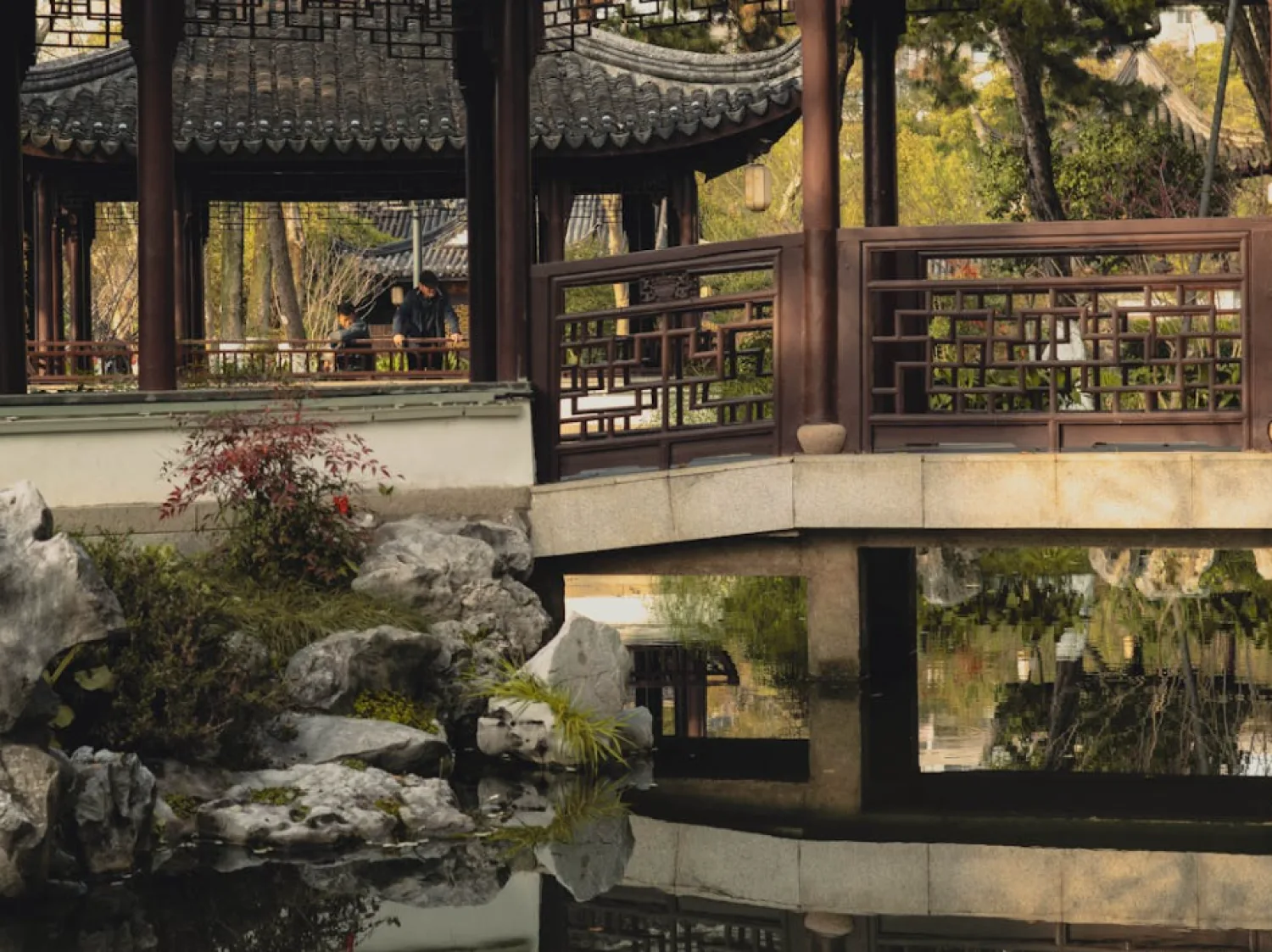
The Humble Administrator’s Garden (Zhuozheng Yuan) is one of the most famous classical gardens in China, located in Suzhou, Jiangsu Province. Covering approximately 52,000 square meters, it is the largest garden in Suzhou and is considered a masterpiece of classical Chinese garden design.
The garden was initially constructed during the Ming Dynasty in 1509 by Wang Xiancheng, a retired government official. It features a variety of traditional elements including pavilions, halls, stone bridges, and a large central pond. The layout is designed to create a harmonious blend of natural landscapes and man-made structures, with winding paths, lush vegetation, and intricate rock formations.
The Humble Administrator’s Garden is divided into three main sections: the Eastern, Central, and Western sections, each with its unique characteristics and attractions. The Central section is the most famous, housing the main buildings and the largest body of water.
Renowned for its elegance and natural beauty, the Humble Administrator’s Garden is a UNESCO World Heritage Site and a prime example of Chinese garden art, reflecting the philosophical and aesthetic principles of traditional Chinese culture.
2. Lingering Garden (Liu Yuan) – Another UNESCO-listed garden known for its beautiful architecture and artful landscaping

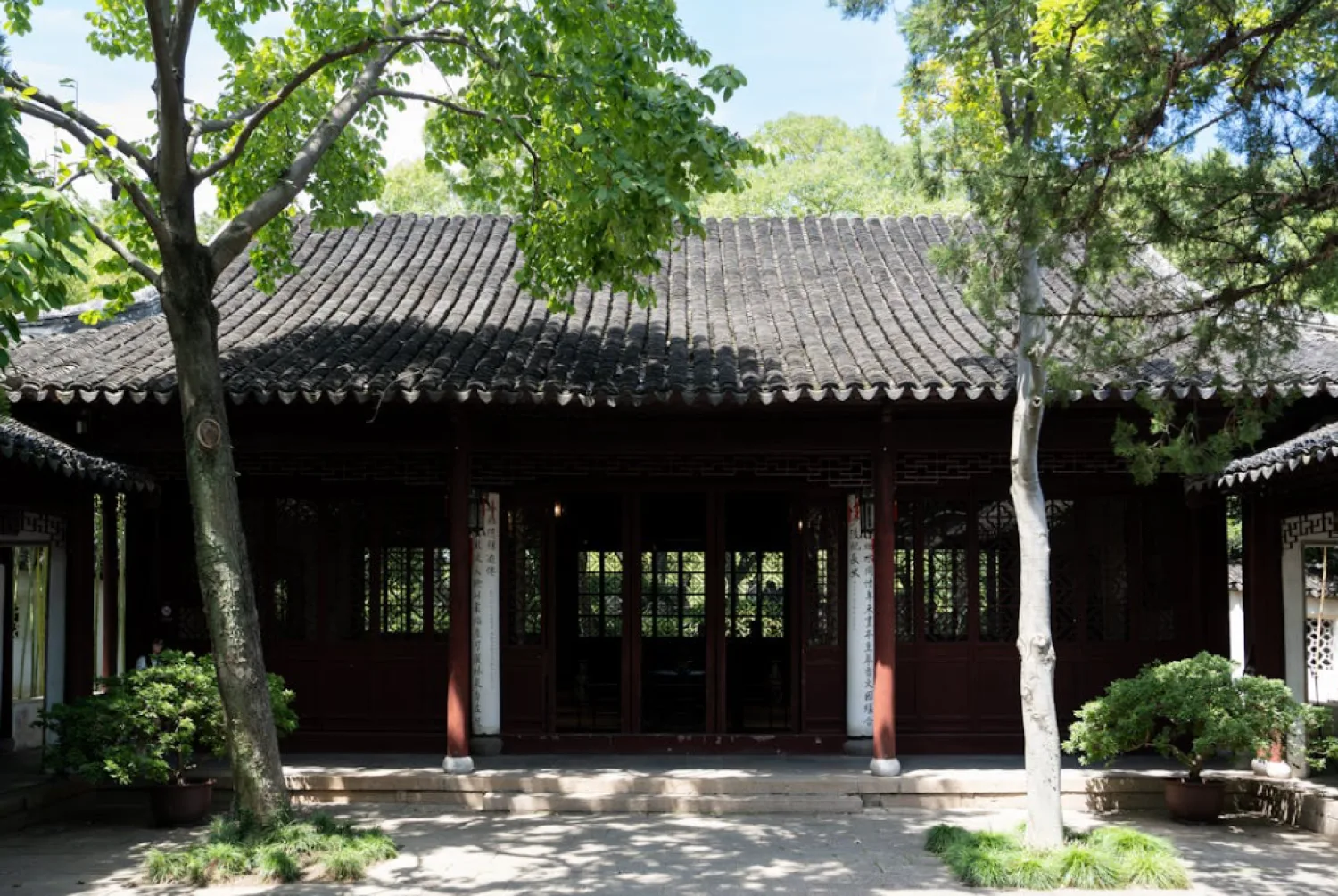
The Lingering Garden (Liu Yuan) is one of the renowned classical gardens in Suzhou, Jiangsu Province, China. It is recognized for its exquisite architectural style and artistic beauty, spanning an area of about 23,310 square meters.
Originally built in 1593 during the Ming Dynasty by Xu Taishi, an official, the garden has undergone several restorations and ownership changes over the centuries. It is celebrated for its elaborate design, particularly the use of space and the seamless integration of buildings, rocks, water, and plants.
The Lingering Garden is divided into four distinct sections: the East, Central, West, and North sections. Each section has its unique features, with the Central section being the most prominent, containing the main buildings and the large pond.
Notable for its use of Taihu rocks, intricate pavilions, corridors, and halls, the garden also features an impressive collection of ancient trees and bonsai. It is designed to offer varied views and experiences, with winding pathways and framed vistas that change as visitors move through the space.
The Lingering Garden is a UNESCO World Heritage Site, praised for its representation of traditional Chinese garden artistry and its embodiment of the aesthetic principles and cultural values of its time.
3. Lion Grove Garden (Shizi Lin) – Famous for its labyrinthine rock formations and intricate design

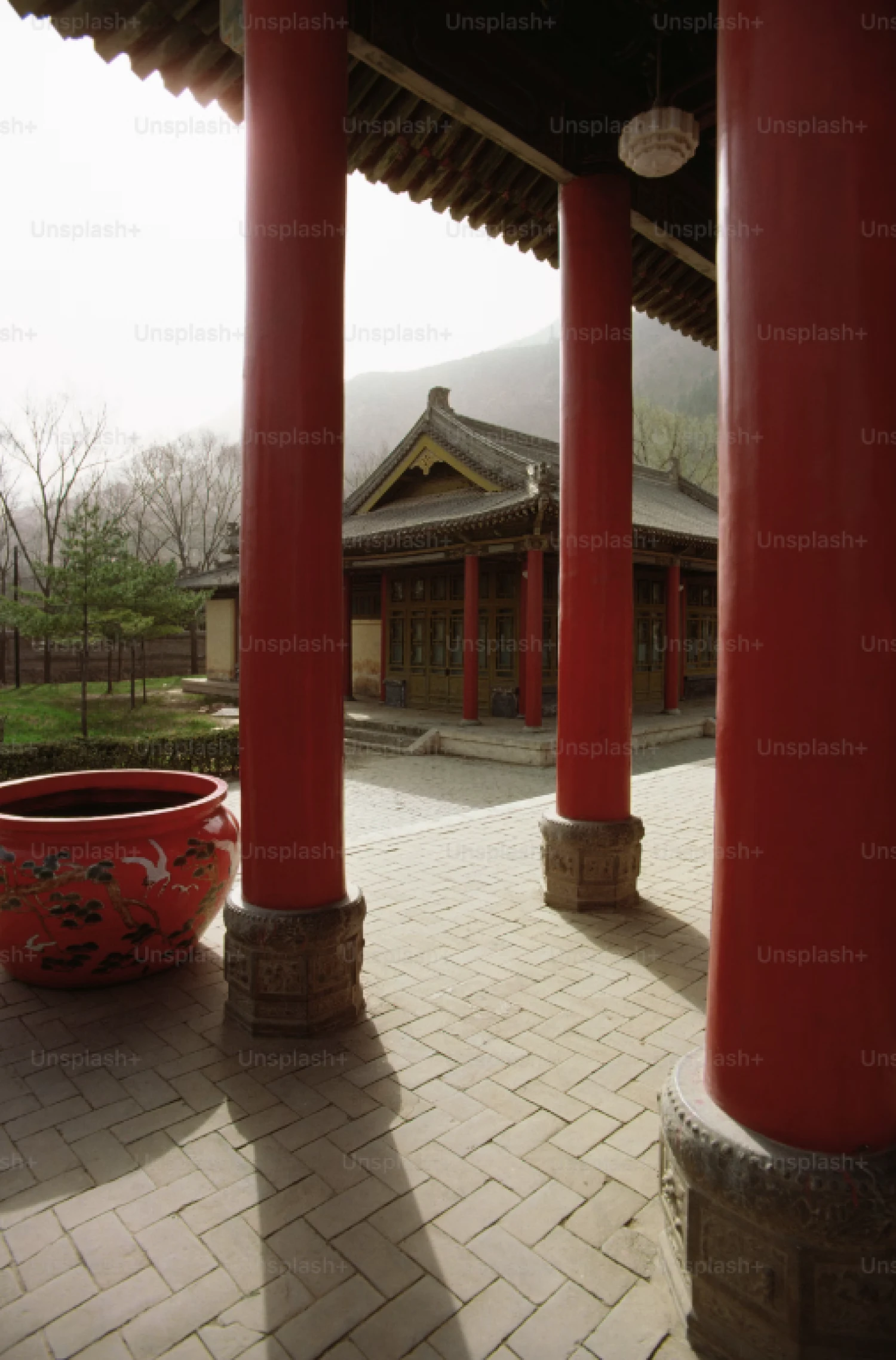
Lion Grove Garden, also known as Shizi Lin, is a classical Chinese garden located in Suzhou, Jiangsu Province.
It is renowned for its intricate rockeries, which are designed to resemble lions in various poses, giving the garden its name.
The garden, built during the Yuan Dynasty in 1342, features traditional Chinese architectural elements such as pavilions, bridges, and corridors, all harmoniously integrated with the natural landscape.
The garden is noted for its labyrinthine layout, with winding paths and hidden grottoes, creating an illusion of boundless space within its relatively small area.
Lion Grove Garden is celebrated as one of the Four Great Gardens of Suzhou, reflecting the aesthetic and philosophical ideals of Chinese garden design.
4. Master of the Nets Garden (Wangshi Yuan) – A smaller but exquisitely designed classical garden

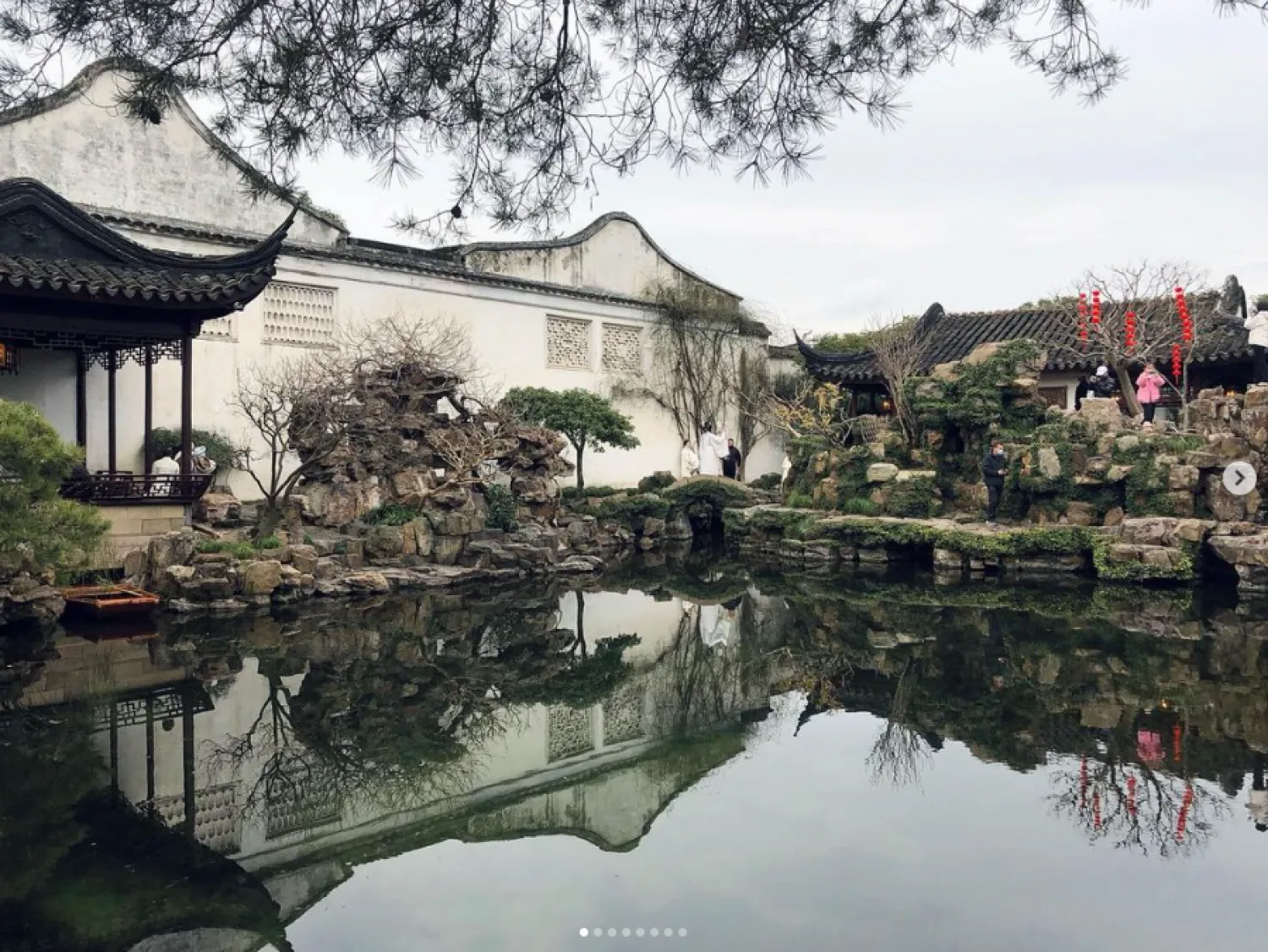
Master of the Nets Garden, also known as Wangshi Yuan, is a famous classical Chinese garden located in Suzhou, Jiangsu Province.
Originally built during the Southern Song Dynasty in the 12th century and later restored in the 18th century, the garden is known for its elegant and compact design.
Despite its small size, it skillfully creates an illusion of a much larger space through the strategic use of pavilions, ponds, and rockeries.
The garden is celebrated for its harmonious blend of architecture and nature, with highlights including the “Hall of Distant Fragrance” and the “Pavilion for Watching the Moon.” Master of the Nets Garden is considered a masterpiece of Chinese garden design, embodying the principles of simplicity and balance.
5. Suzhou Museum – Designed by the renowned architect I.M. Pei, this museum showcases ancient Chinese art and artifacts

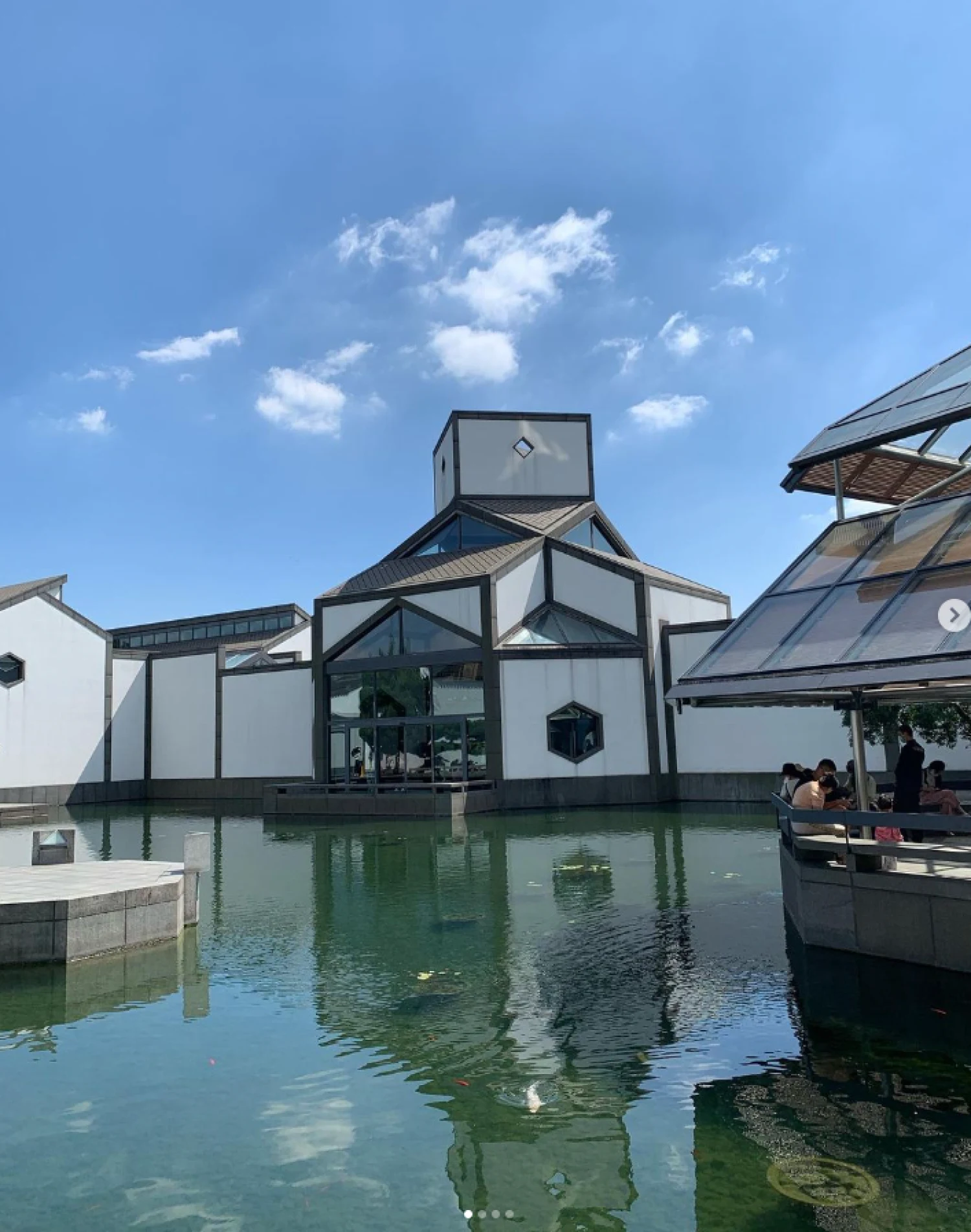
Suzhou Museum, located in Suzhou, Jiangsu Province, is a renowned cultural institution designed by the famous architect I.M. Pei. Opened in 2006, the museum blends traditional Chinese architectural elements with modern design.
It features a collection of over 15,000 artifacts, including ancient paintings, calligraphy, ceramics, and crafts that highlight the rich cultural heritage of Suzhou and the surrounding region.
The museum’s design harmonizes with its historical surroundings, including the adjacent Zhong Wang Fu (Prince Zhong’s Mansion) and several classical gardens.
The tranquil courtyards, reflective pools, and minimalist interiors create a serene atmosphere, making Suzhou Museum a significant cultural and architectural landmark.
6. Pingjiang Road – A historic street along a canal with traditional houses, shops, and teahouses

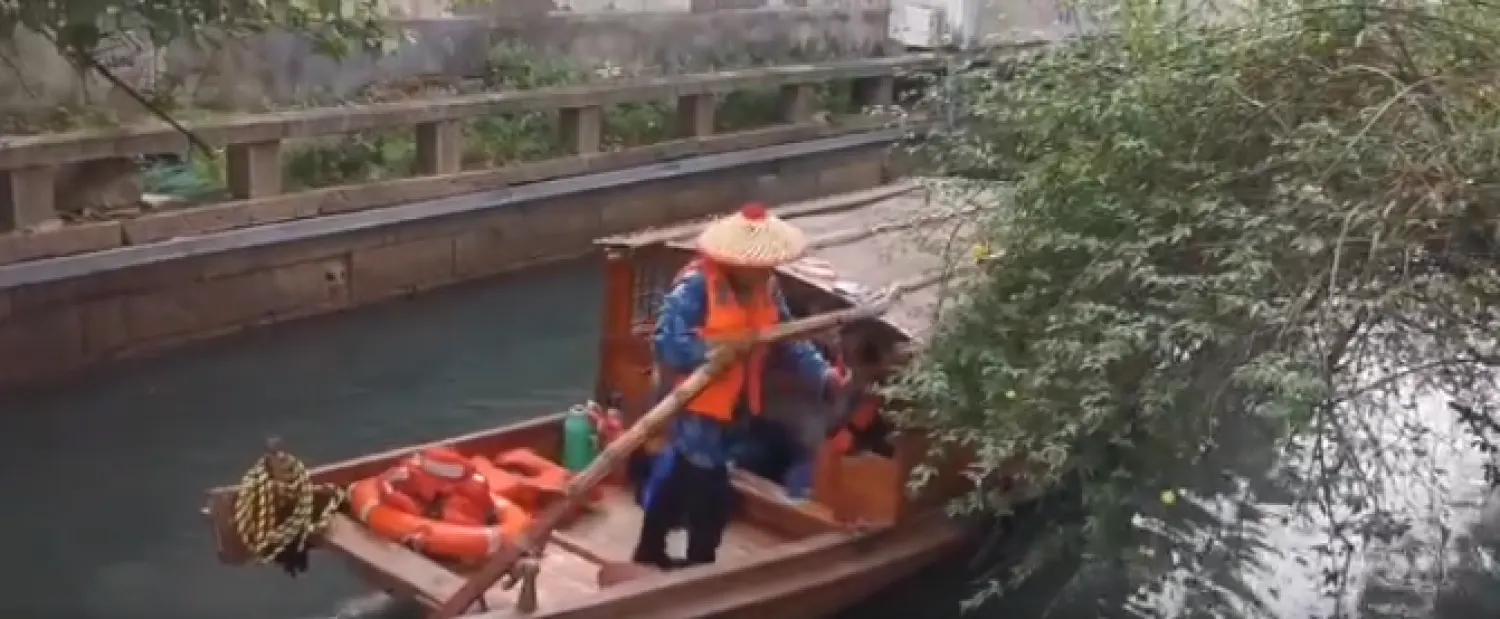
Pingjiang Road is a historic and picturesque street located in the heart of Suzhou, Jiangsu Province. This ancient thoroughfare dates back over 800 years to the Song Dynasty and runs alongside a scenic canal, showcasing the charm of traditional Chinese water towns.
The narrow, cobblestone street is lined with well-preserved traditional houses, teahouses, cafes, shops, and cultural sites, offering a glimpse into Suzhou’s rich history and vibrant local life.
Visitors can enjoy strolling along the canal, crossing its quaint stone bridges, and exploring the various boutiques and eateries that highlight local crafts and cuisine.
Pingjiang Road is celebrated for its timeless beauty and is a popular destination for both tourists and locals seeking to experience the authentic ambiance of ancient Suzhou.
7. Shantang Street – Another picturesque historic street ideal for a scenic walk

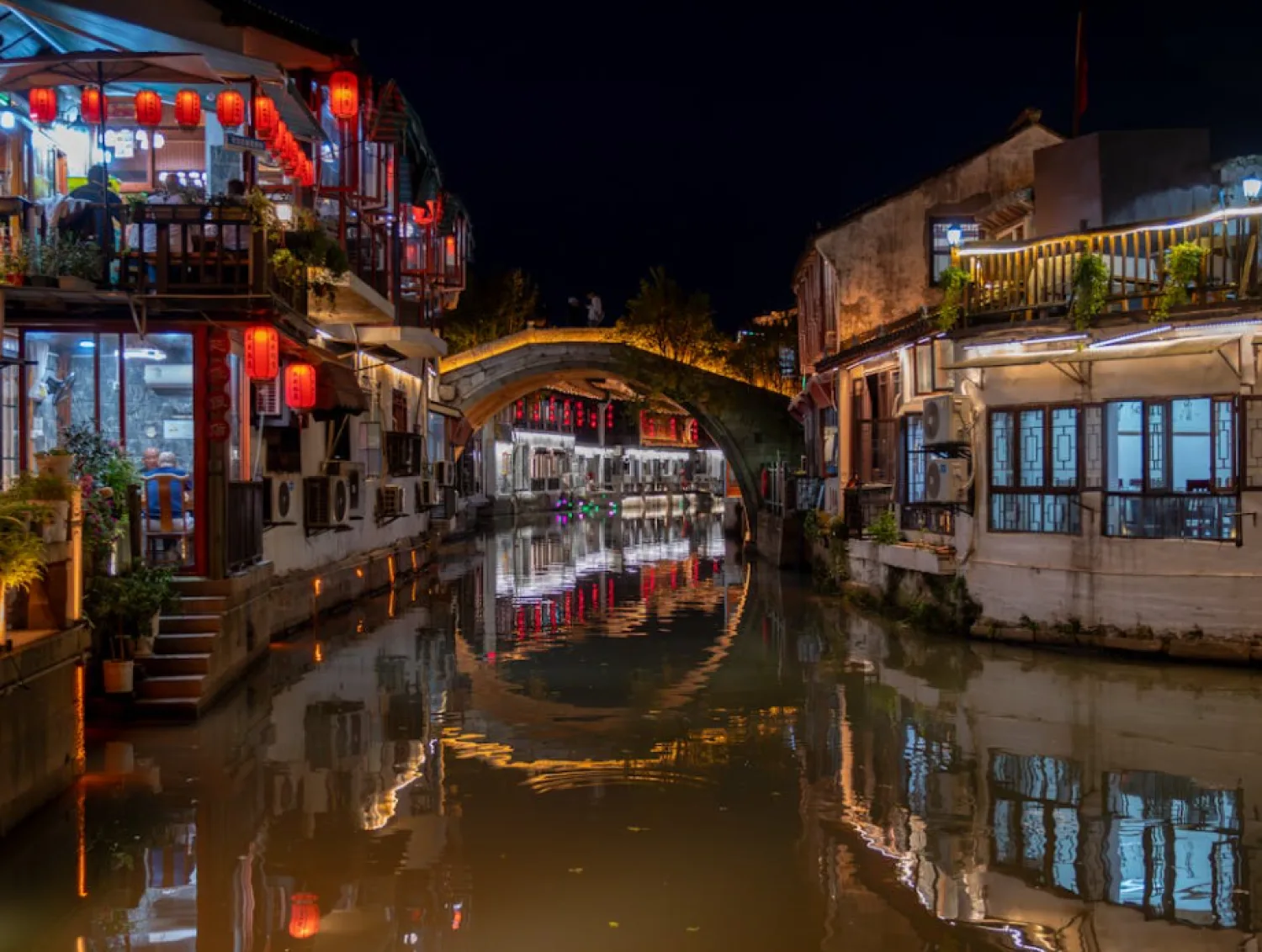
Shantang Street is a historic and scenic street in Suzhou, Jiangsu Province, often referred to as “Seven-Li Shantang” due to its length of approximately seven li (around 3.5 kilometers).
Established over 1,200 years ago during the Tang Dynasty, this ancient street stretches along the Shantang River, providing picturesque views of traditional Chinese architecture and waterways.
Shantang Street is renowned for its well-preserved buildings, stone bridges, and bustling atmosphere, with a variety of shops, teahouses, restaurants, and cultural attractions lining its path. The street is a vibrant hub of activity, offering visitors a chance to experience the charm and culture of old Suzhou through its lively markets, local delicacies, and traditional performances.
Shantang Street is a must-visit destination for those looking to explore the historical and cultural essence of the city.
8. Tiger Hill (Hu Qiu) – Known for its leaning Yunyan Pagoda and beautiful scenery

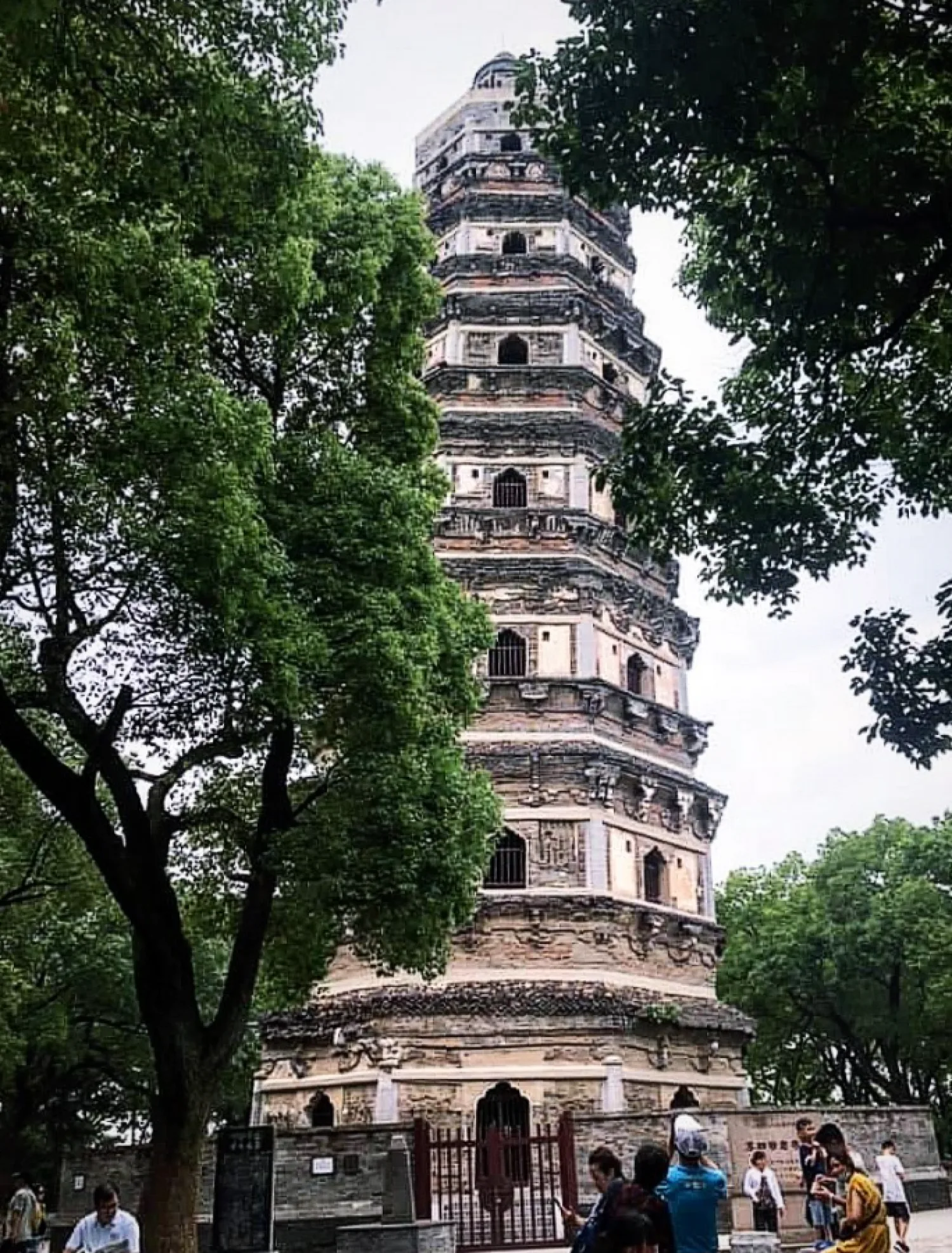
Tiger Hill, also known as Hu Qiu, is a historic and scenic site located in Suzhou, Jiangsu Province. Renowned for its natural beauty and cultural significance, Tiger Hill has been a popular destination for over 2,500 years.
The hill is famous for its leaning Yunyan Pagoda, also known as the Tiger Hill Pagoda, which dates back to the Northern Song Dynasty and is often compared to Italy’s Leaning Tower of Pisa.
Tiger Hill offers a blend of natural landscapes, including ancient trees, rock formations, and a flowing creek, alongside historical structures such as temples, tombs, and pavilions.
One notable feature is the Sword Pool, a legendary site said to be the burial place of the famous swords of King He Lu. The hill’s name originates from a legend that a white tiger appeared to guard the hill after King He Lu was buried there.
Visitors to Tiger Hill can explore its winding paths, historical relics, and serene gardens, making it a must-visit location for those interested in the natural beauty and rich history of Suzhou.
9. Panmen Gate (Pan Men) – The only well-preserved water-and-land city gate in the world

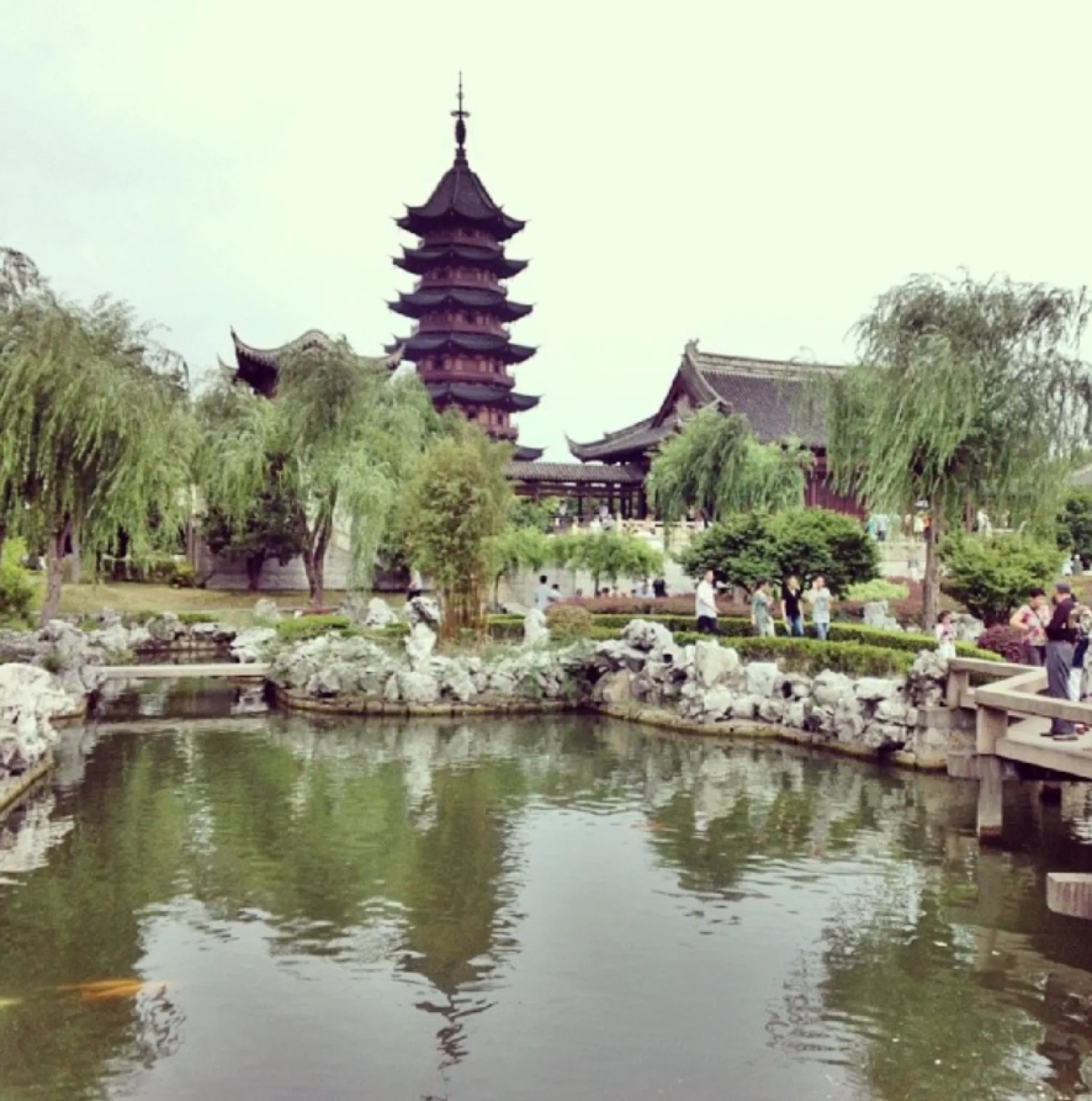
Panmen Gate, also known as Pan Men, is a historical landmark located in Suzhou, China. It is part of the ancient city wall and is renowned for its architectural and historical significance. Built during the Spring and Autumn period (770-476 BCE), it is one of the few remaining sections of Suzhou’s original city defenses.
Key features of Panmen Gate include:
Water and Land Gate: It is the only surviving land and water gate in China, designed to provide access both by land and by the Grand Canal. This dual functionality made it a crucial point for transportation and defense.
Ruiguang Pagoda: This ancient pagoda, situated near Panmen Gate, dates back to the Three Kingdoms period (220-280 CE). It is the oldest pagoda in Suzhou and adds to the cultural landscape of the area.
Wumen Bridge: An ancient stone bridge that complements the historical ambiance of Panmen Gate and provides scenic views of the surrounding area.
Historical Significance: As part of Suzhou’s ancient city wall, Panmen Gate is a testament to the city’s rich history and strategic importance in ancient China. It is a symbol of Suzhou’s enduring heritage.
Today, Panmen Gate is a popular tourist attraction, offering visitors a glimpse into Suzhou’s past and its impressive ancient engineering.
10. Hanshan Temple (Hanshan Si) – A famous Buddhist temple known for its bell-ringing ceremony


Hanshan Temple, also known as Hanshan Si, is a renowned Buddhist temple located in Suzhou, Jiangsu Province, China. The temple dates back to the Liang Dynasty (502-557 AD) and is named after the Tang Dynasty poet and monk Hanshan, who is said to have lived there.
Hanshan Temple is famous for its cultural and historical significance, particularly its association with classical Chinese poetry. The temple gained widespread fame through the Tang Dynasty poem “A Night Mooring by Maple Bridge” by Zhang Ji, which describes the poet hearing the midnight bell of Hanshan Temple.
The temple complex features traditional Chinese architecture, beautiful gardens, and several important cultural relics. Key structures within the temple include the Grand Prayer Hall, the Bell Tower, and the Fengjiang Pavilion. The temple’s bell, which is traditionally rung on New Year’s Eve, is a significant attraction and is said to bring good luck.
Hanshan Temple is not only a place of worship but also a popular tourist destination, known for its serene environment and rich cultural heritage.
11. Suzhou Silk Museum – Learn about the history and production of silk in Suzhou

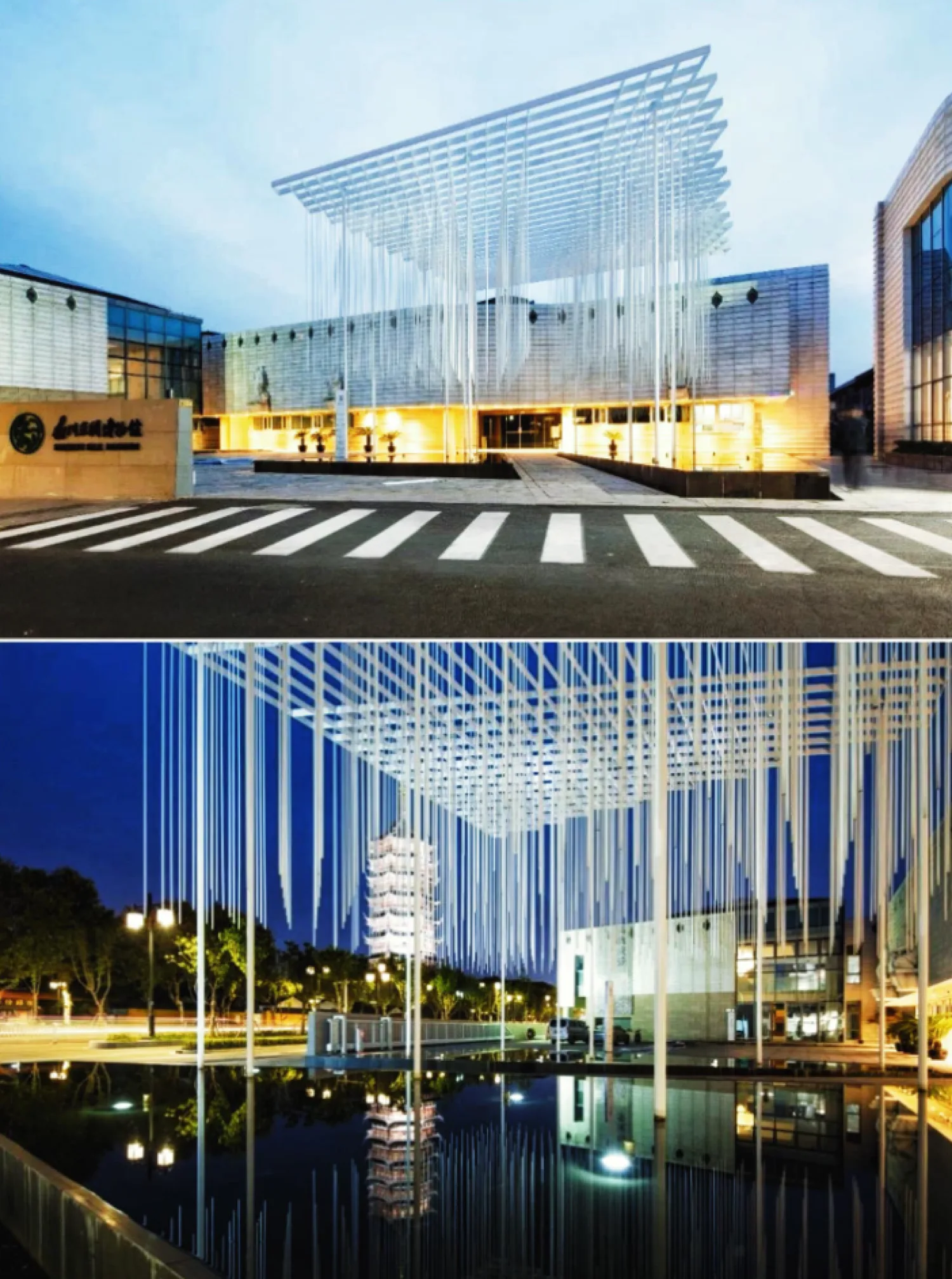
The Suzhou Silk Museum, located in Suzhou, China, is dedicated to the rich history and intricate craftsmanship of silk production, which has been a significant aspect of the region’s culture for over 4,000 years.
The museum offers visitors a comprehensive view of the silk-making process, from the cultivation of silkworms to the weaving of silk fabrics.
Exhibits include ancient silk garments, historical tools, and detailed displays explaining sericulture (silk farming) and weaving techniques.
The museum also features live demonstrations, showcasing traditional silk production methods.
Established in 1991, the Suzhou Silk Museum aims to preserve and promote the heritage of silk in China, providing an educational and engaging experience for visitors.
12. Jinji Lake (Jinji Hu) – A modern area with beautiful waterfront views, ideal for relaxation and entertainment

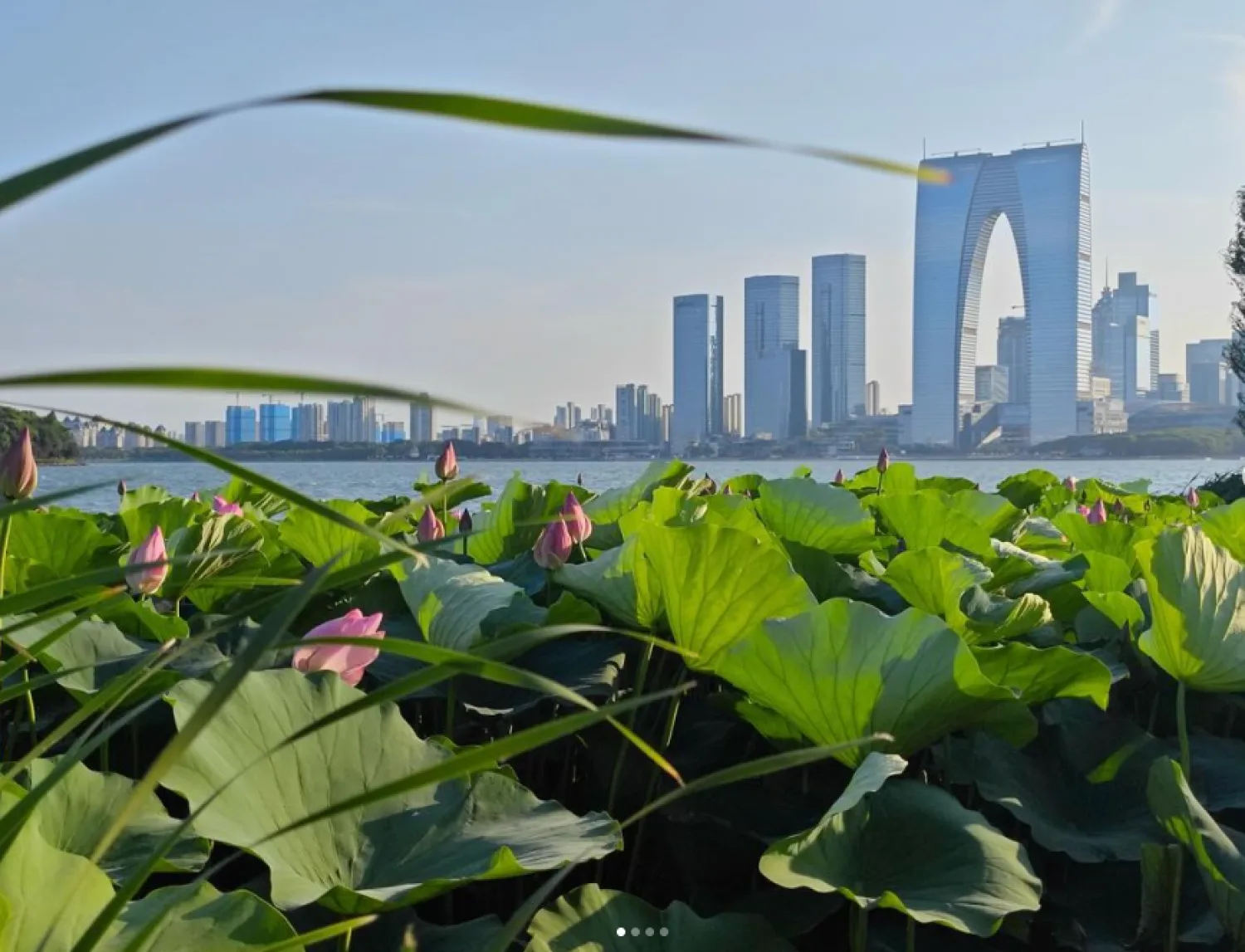
Jinji Lake (Jinji Hu) is a large, scenic lake located in Suzhou, Jiangsu Province, China. Covering an area of about 7.4 square kilometers (2.9 square miles), it is a key feature of the Suzhou Industrial Park, a major economic and technological development zone.
Named after the golden rooster (Jinji) from Chinese folklore, the lake is known for its picturesque surroundings and modern infrastructure. The area around Jinji Lake boasts a variety of attractions, including luxury hotels, shopping malls, cultural venues, and recreational facilities. Notable sites include the Suzhou Ferris Wheel, Ligongdi, and the Eslite Bookstore.
Jinji Lake is also renowned for its impressive night views, particularly the light shows that illuminate the surrounding buildings and bridges.
Additionally, the lake area hosts various events and festivals throughout the year, making it a popular destination for both tourists and locals. The combination of natural beauty and modern amenities makes Jinji Lake a vibrant and attractive area in Suzhou.
13. Suzhou Industrial Park (SIP) – A vibrant area with shopping, dining, and cultural activities

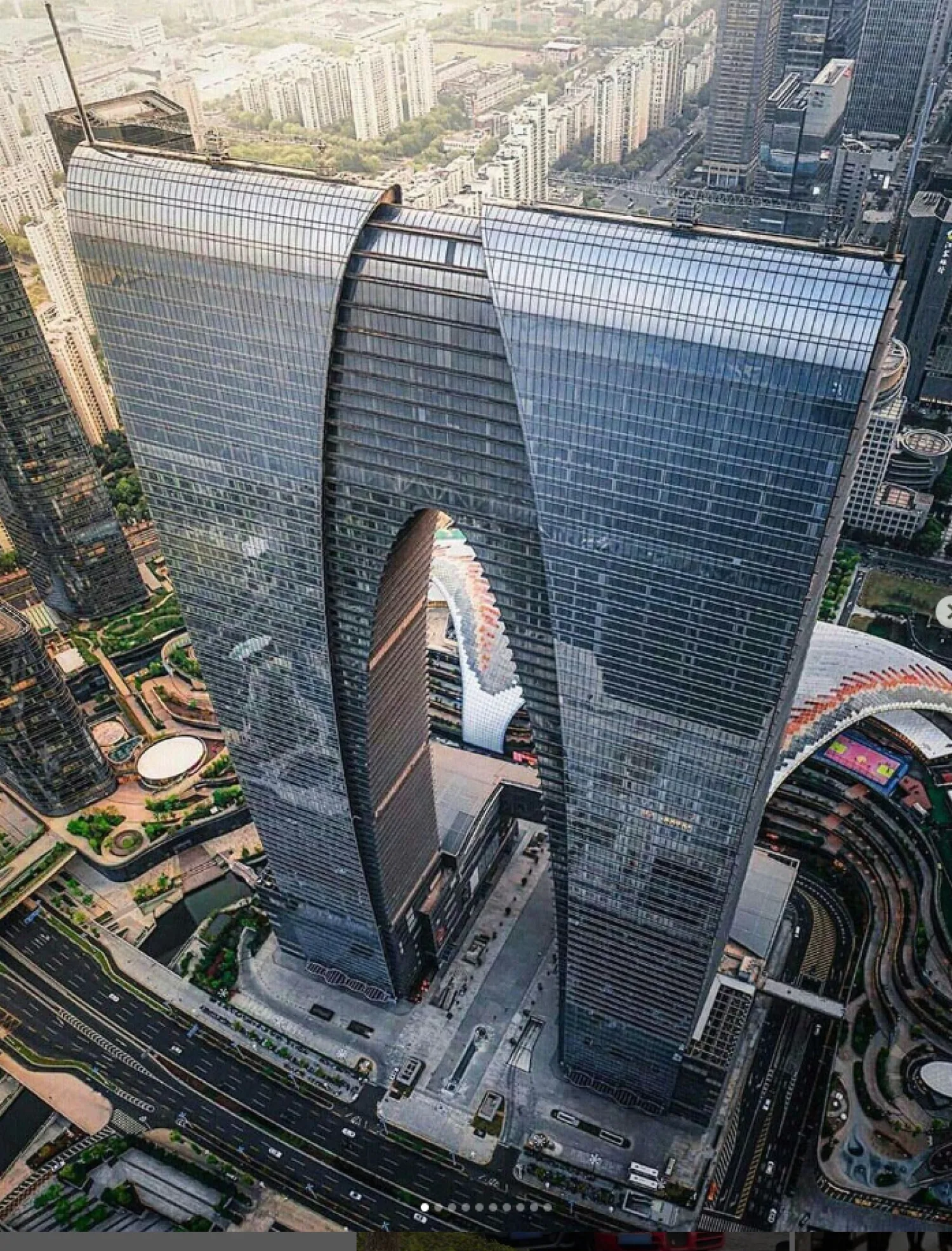
The Suzhou Industrial Park (SIP) is a prominent economic development zone located in Suzhou, Jiangsu Province, China. Established in 1994, it is a collaborative project between the governments of China and Singapore, designed to promote industrialization, urbanization, and modernization in the region.
SIP covers an area of approximately 288 square kilometers (111 square miles) and is strategically positioned along the eastern coast of China. It is known for its advanced infrastructure, high-tech industries, and modern urban planning. The park hosts numerous multinational corporations, research institutes, educational facilities, and residential areas.
Key features of SIP include Jinji Lake, a scenic lake at its heart, as well as various commercial and cultural hubs such as Suzhou International Expo Center, Suzhou Culture and Arts Center, and a range of shopping and dining options.
SIP is recognized for its role in driving economic growth through innovation and industry. It serves as a model for successful international cooperation in economic development and urban planning in China.
14. Suzhou Culture and Arts Centre – Offers performances, exhibitions, and cultural events

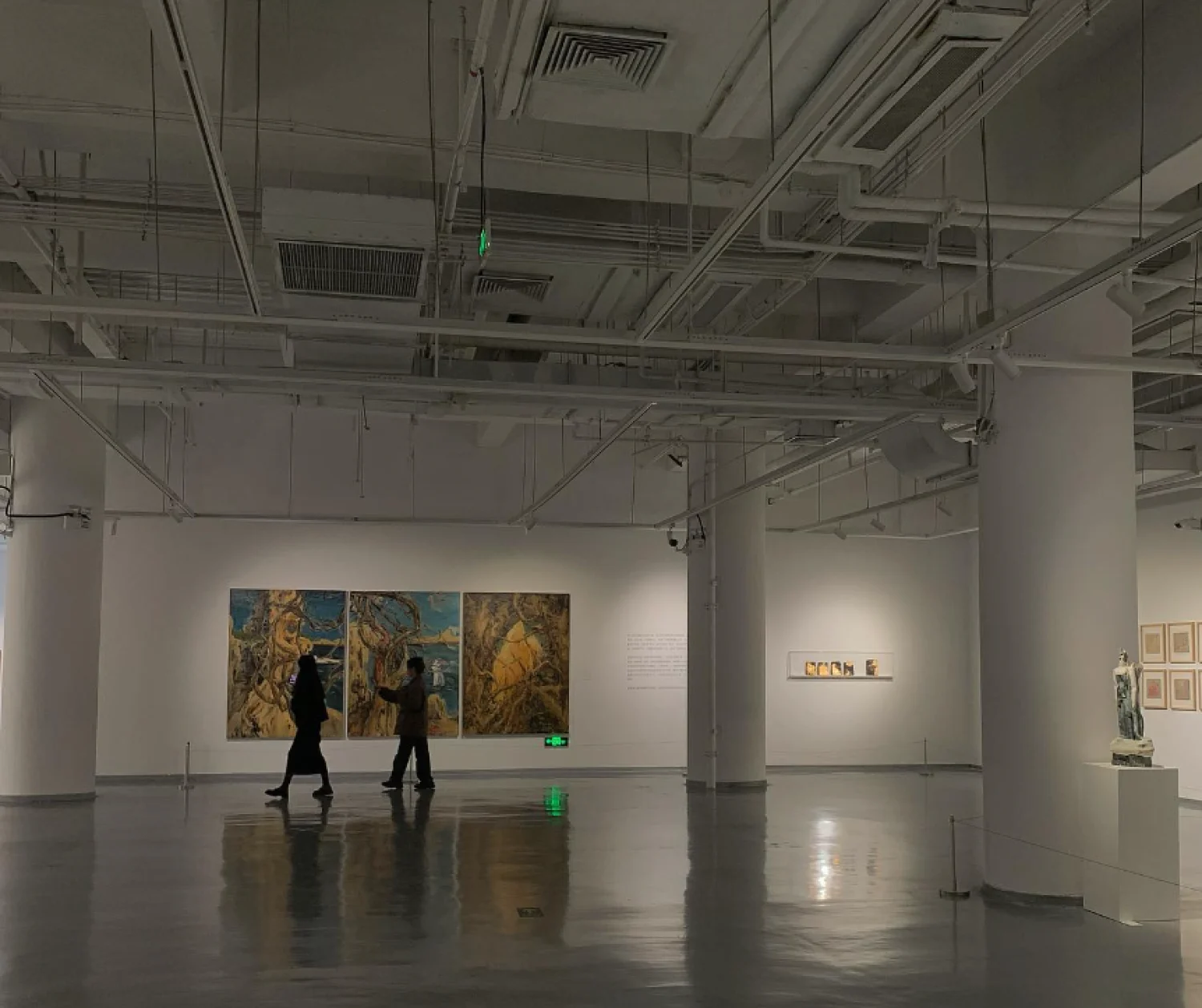
The Suzhou Culture and Arts Centre, also known as Suzhou Grand Theatre, is a prominent cultural venue in Suzhou, China.
Designed by renowned architect Paul Andreu, it features a modern and striking architectural design characterized by its large, circular structure with a distinctive glass curtain exterior.
The center hosts a variety of cultural events including operas, concerts, theater performances, and art exhibitions, making it a hub for artistic expression and cultural activities in Suzhou.
15. The Classical Gardens of Suzhou – Beyond the major gardens, explore other lesser-known but equally beautiful classical gardens

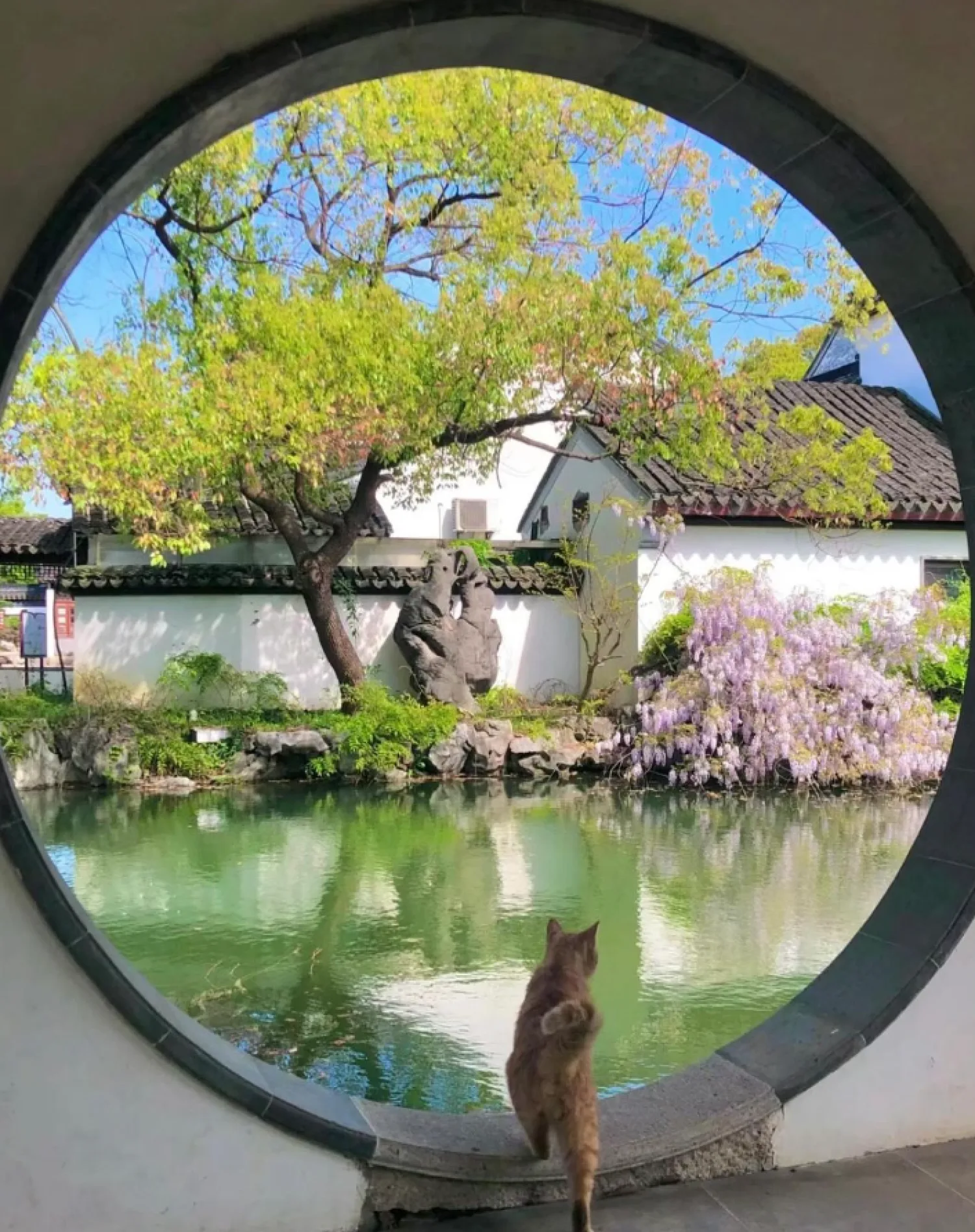
The Classical Gardens of Suzhou are a UNESCO World Heritage site renowned for their exquisite design and deep cultural significance.
These gardens, dating back to the 11th-19th centuries, showcase classical Chinese garden artistry with elements such as pavilions, ponds, bridges, and meticulously arranged plants.
They exemplify harmony between human creations and natural landscapes, reflecting philosophical and artistic ideals of Chinese culture.
Each garden, like the Humble Administrator’s Garden and the Lingering Garden, offers a serene retreat blending architecture, water, rocks, and plants into harmonious compositions.
16. Twin Pagodas (Shuang Ta) – Ancient pagodas offering a glimpse into the city’s history


The Twin Pagodas, also known as Shuang Ta in Chinese, are a famous landmark in Suzhou, China.
Built during the Northern Song Dynasty (959-1126 AD), these pagodas stand beside the Shuang Ta Temple on Tiger Hill (Huqiu).
The East Pagoda, known as Yunyan Pagoda or Cloud Rock Pagoda, is older and leans noticeably due to structural issues, similar to the Leaning Tower of Pisa. The West Pagoda, built later during the Yuan Dynasty (1271-1368 AD), is taller and more sturdily constructed.
Together, they symbolize Suzhou’s rich cultural heritage and attract visitors with their historical significance and architectural charm.
17. Xiyuan Temple – A peaceful Buddhist temple with beautiful gardens

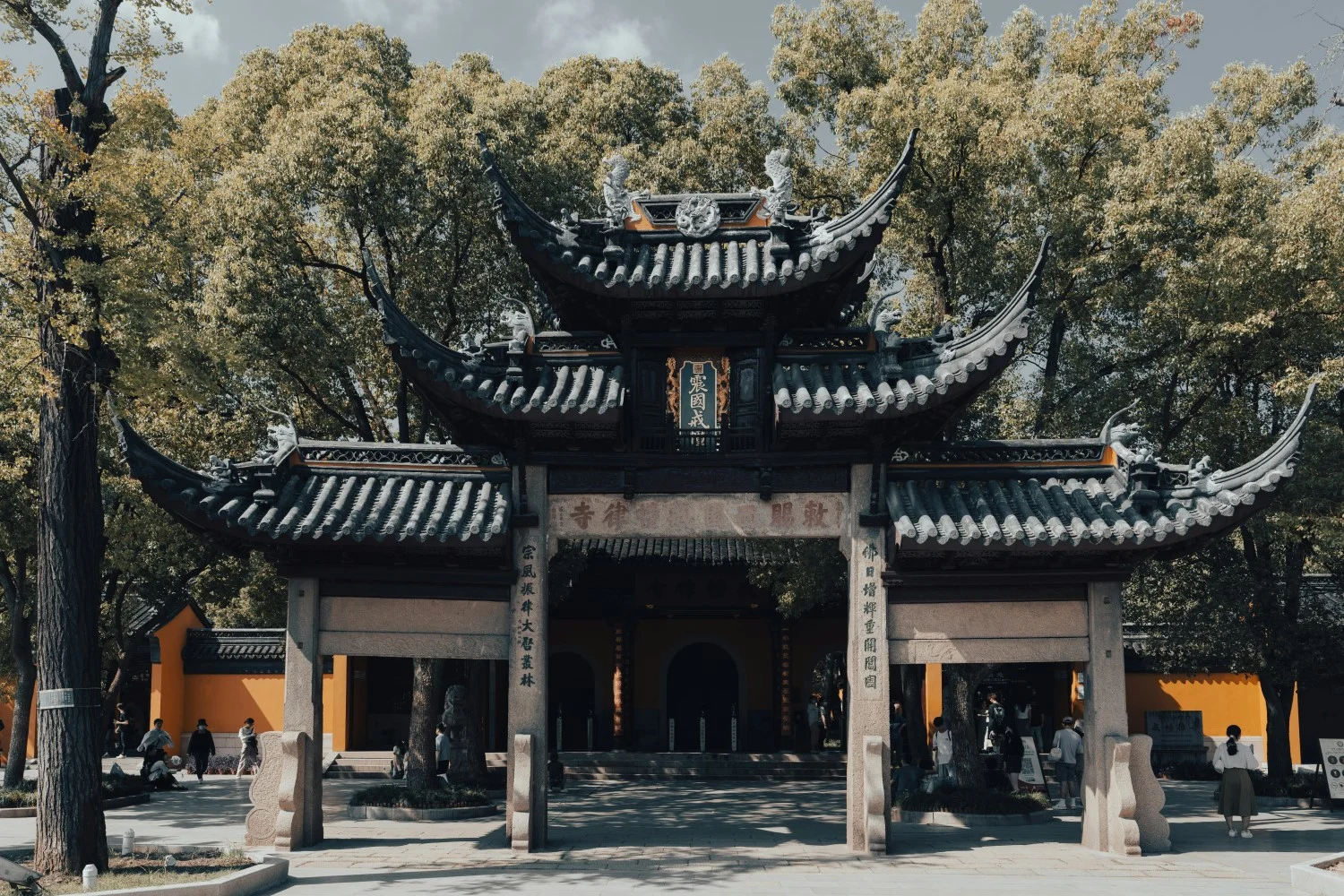
Xiyuan Temple, also known as the Xiyuan Monastery, is a prominent Buddhist temple located in Suzhou, China.
It dates back over a thousand years to the Tang Dynasty (618-907 AD) and is renowned for its historical and cultural significance.
The temple complex features traditional Chinese architecture with ornate halls, pagodas, gardens, and statues of Buddha.
It serves as a center for Buddhist worship, meditation, and learning, attracting both pilgrims and tourists interested in exploring Suzhou’s spiritual and architectural heritage.
18. Suzhou Center Mall – A modern shopping center with a variety of shops, restaurants, and entertainment options


Suzhou Center Mall is a modern shopping and entertainment complex located in Suzhou, China.
It is known for its sleek and contemporary design, offering a wide range of retail stores, restaurants, cafes, and entertainment facilities.
The mall features a spacious layout with high-end fashion brands, electronics stores, and a variety of dining options catering to diverse tastes.
It is a popular destination for both locals and tourists seeking shopping, dining, and leisure experiences in Suzhou’s urban center.
19. Suzhou Ferris Wheel – Enjoy panoramic views of the city from this giant wheel

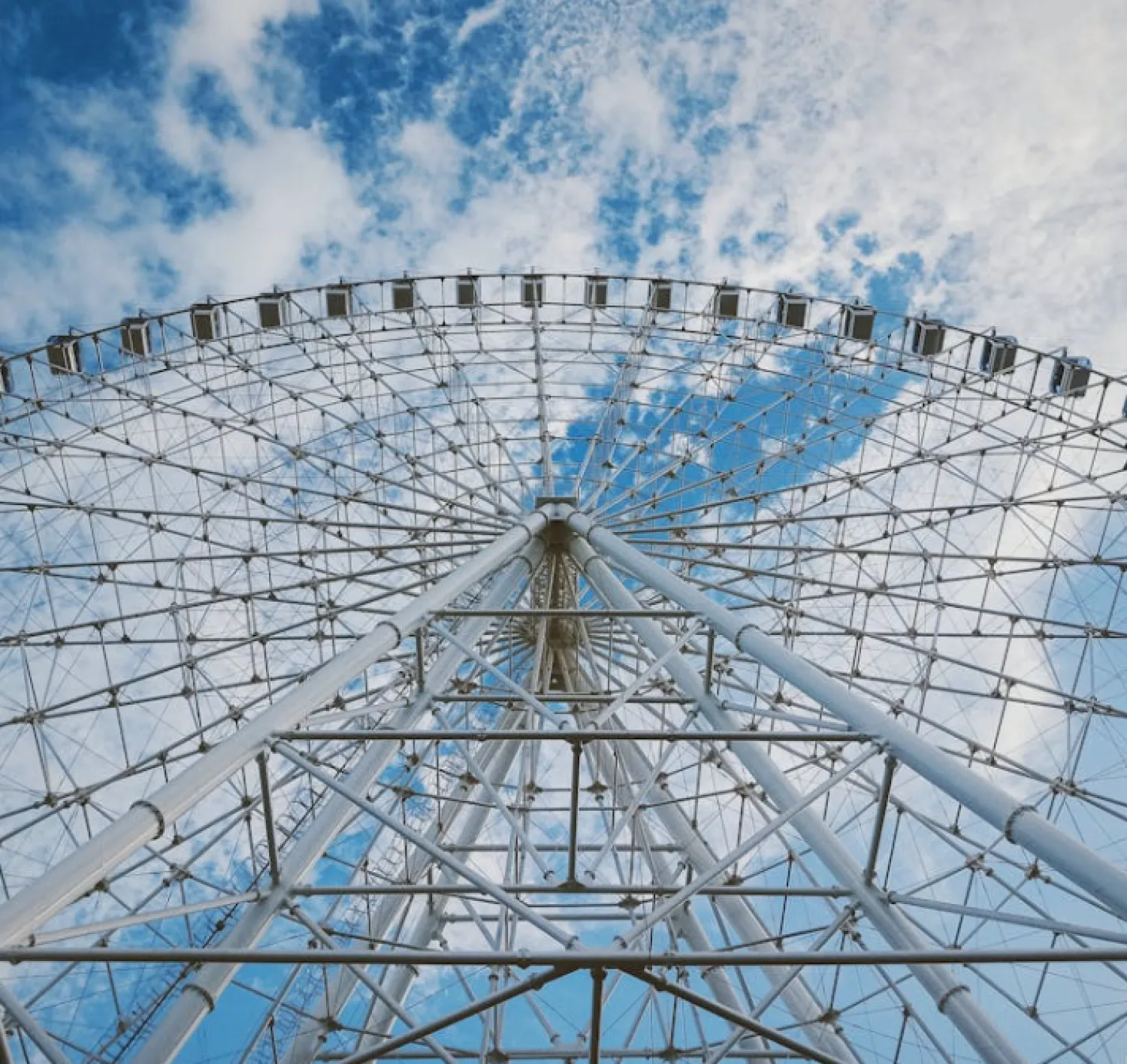
The Suzhou Ferris Wheel, also known as the Suzhou Zhongnan Center Ferris Wheel, is a prominent landmark in Suzhou, China.
Located in the Suzhou Industrial Park, this Ferris wheel stands at a height of approximately 120 meters (394 feet). It offers panoramic views of Suzhou’s skyline and the picturesque Jinji Lake.
The Ferris wheel is equipped with climate-controlled cabins, providing visitors with a comfortable and scenic experience as they enjoy a leisurely ride above the cityscape.
It serves as both an attraction and a vantage point for capturing stunning views of Suzhou’s modern urban landscape and natural surroundings.
20. Suzhou Amusement Land – A fun place for families with various rides and attractions

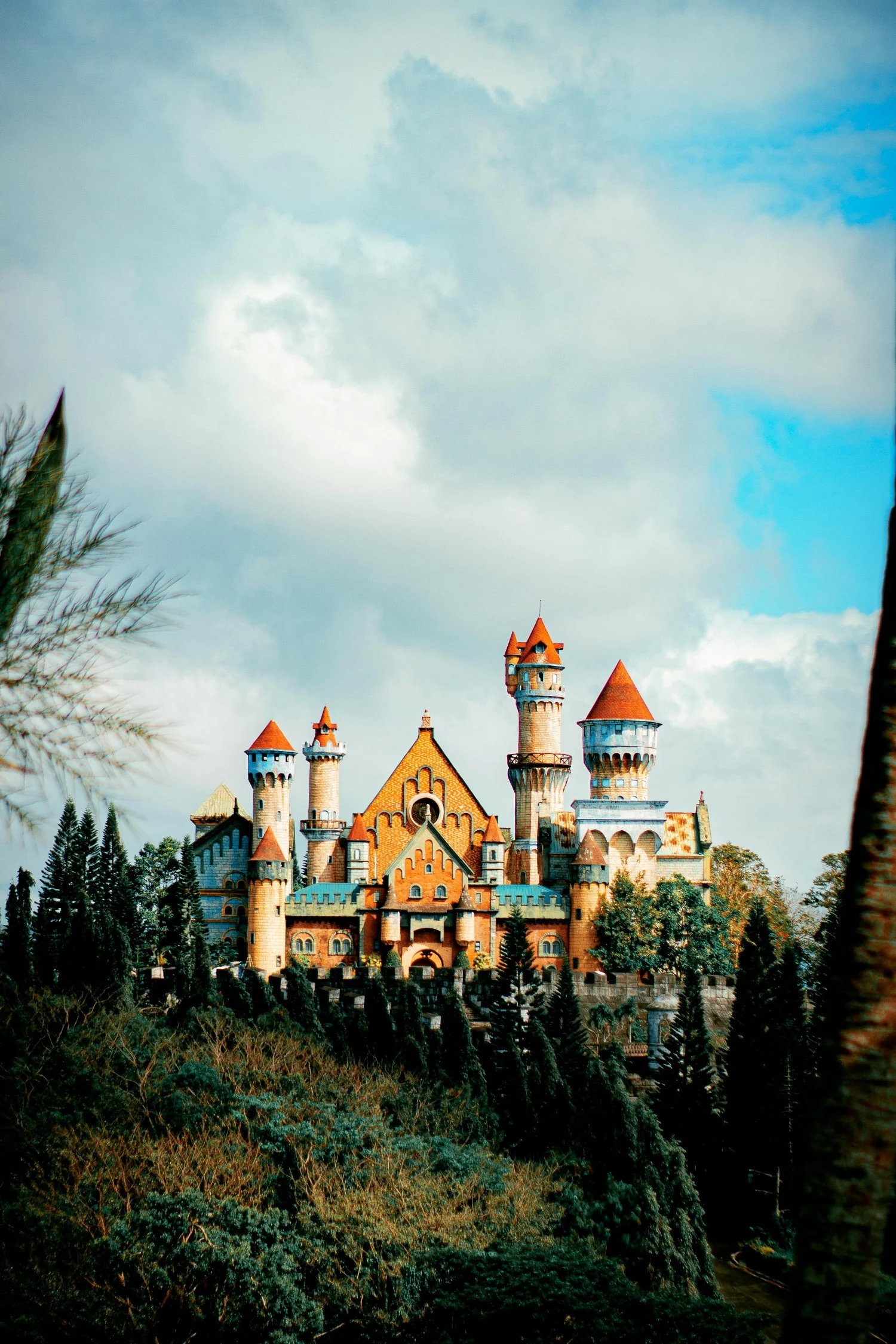
Suzhou Amusement Land, also known as Suzhou Amusement Park, is a popular recreational destination in Suzhou, China. It features a variety of attractions and rides suitable for all ages, including roller coasters, carousel, bumper cars, and water rides.
The park is known for its vibrant atmosphere with colorful decorations, themed areas, and entertainment shows.
It offers a mix of thrilling rides for adrenaline seekers and family-friendly activities for leisurely enjoyment.
Suzhou Amusement Land is a favorite spot for both locals and tourists looking to have a fun-filled day with friends and family in Suzhou.
21. Zhouzhuang Water Town – A nearby ancient water town often referred to as the “Venice of the East.”

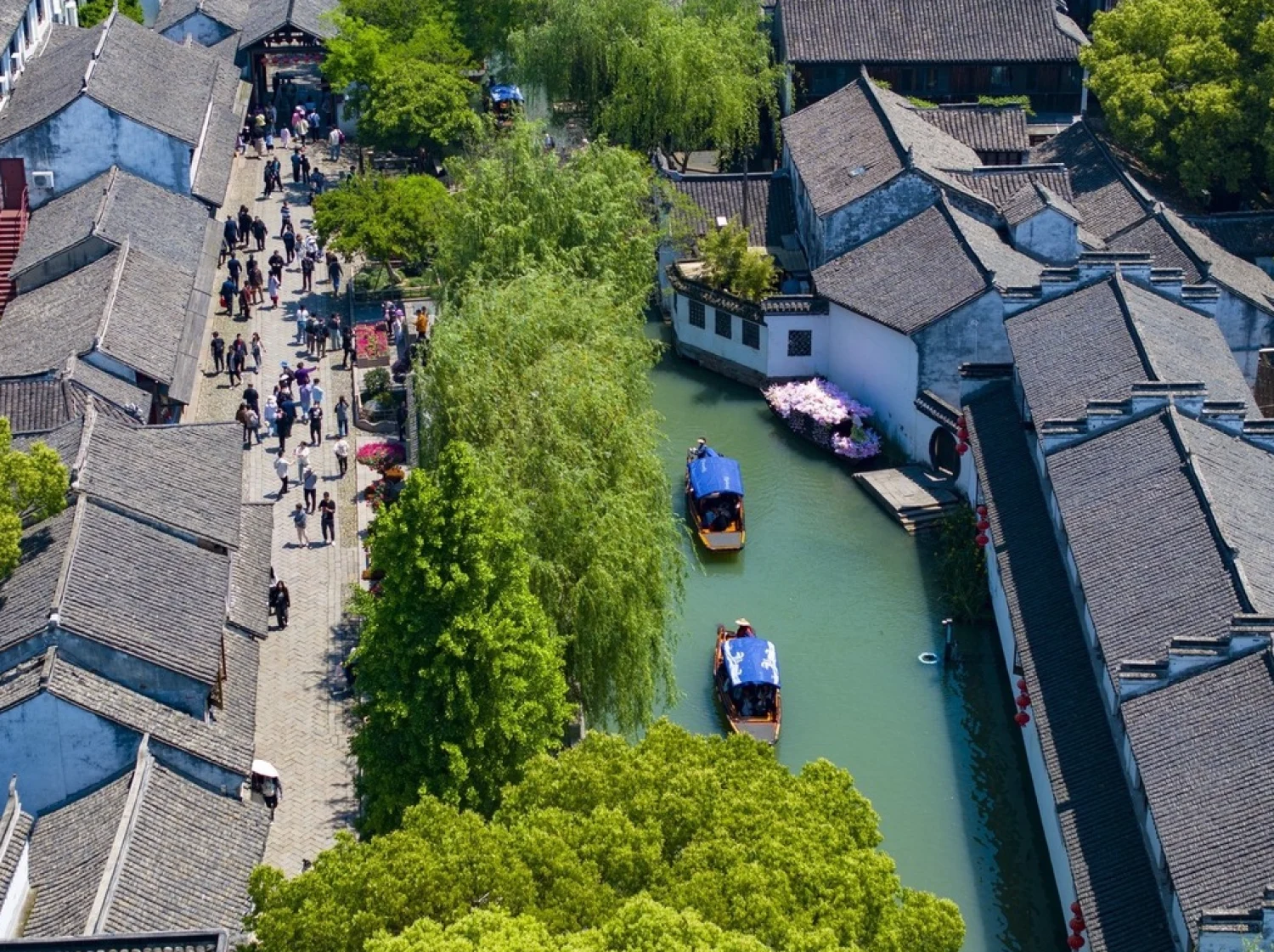
Zhouzhuang Water Town is a historic and picturesque water town located near Suzhou, China. Known as the “Venice of the East,”
Zhouzhuang is famous for its ancient canals, stone bridges, and well-preserved Ming and Qing dynasty architecture.
Visitors can explore narrow lanes lined with traditional whitewashed houses, visit ancient temples and gardens, and take boat rides along the tranquil waterways.
Zhouzhuang offers a glimpse into traditional Chinese life and culture, attracting tourists seeking a serene and authentic experience amidst its charming old-world ambiance.
22. Tongli Water Town – Another nearby water town known for its canals, bridges, and ancient buildings

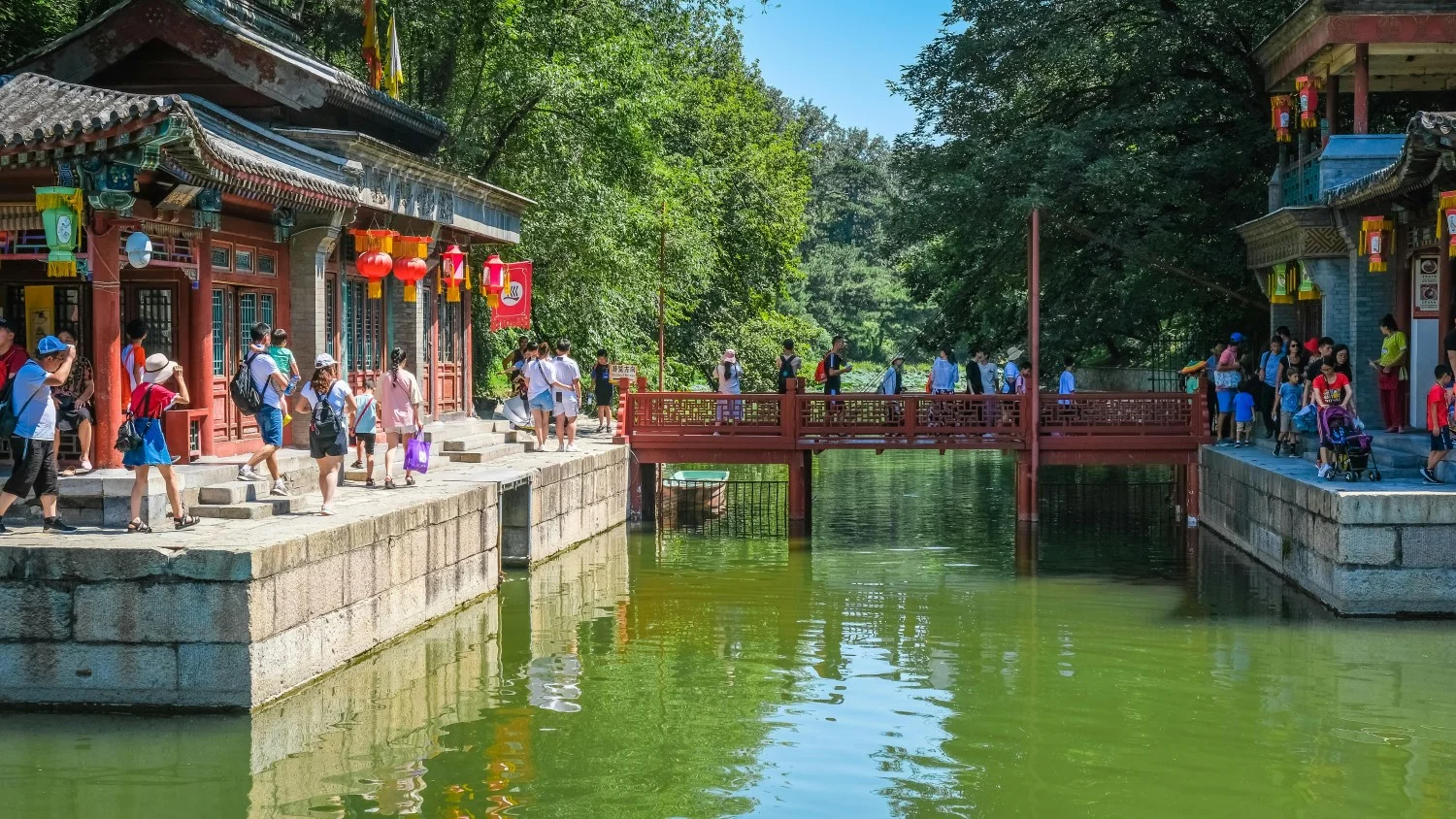
Tongli Water Town is a scenic ancient town located near Suzhou, China, known for its well-preserved Ming and Qing dynasty architecture and serene waterways.
It features a network of canals, stone bridges, and traditional buildings with whitewashed walls and black tiled roofs.
Visitors can explore historic landmarks such as Tuisi Garden, a UNESCO World Heritage site, and enjoy leisurely boat rides along the canals.
Tongli offers a tranquil atmosphere, picturesque scenery, and a glimpse into traditional Chinese culture, making it a popular destination for tourists seeking to experience the charm of ancient water towns in the region.
23. Mudu Ancient Town – Explore traditional Chinese architecture and gardens in this historic town

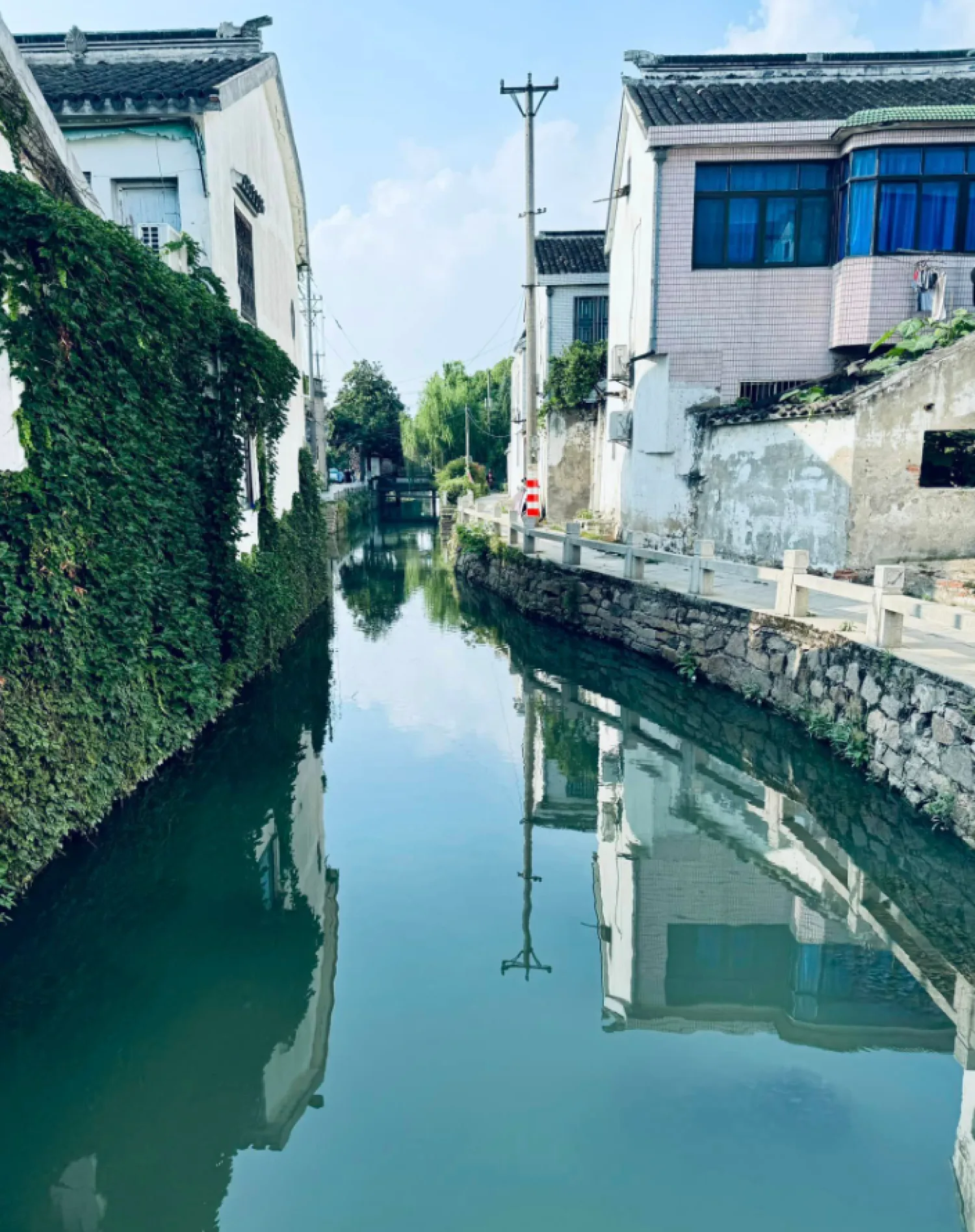
Mudu Ancient Town is a historic town located on the outskirts of Suzhou, China, renowned for its cultural heritage and scenic beauty.
It dates back over 2,500 years and is known for its well-preserved Ming and Qing dynasty architecture, tranquil gardens, and picturesque landscapes.
Visitors can explore ancient streets lined with traditional houses, visit historic temples and pagodas, and stroll through peaceful bamboo forests and tea plantations.
Mudu offers a serene escape from urban life, showcasing traditional Chinese culture and providing insights into Suzhou’s rich history.
24. Suzhou Grand Canal – Take a boat tour on the world’s longest man-made waterway

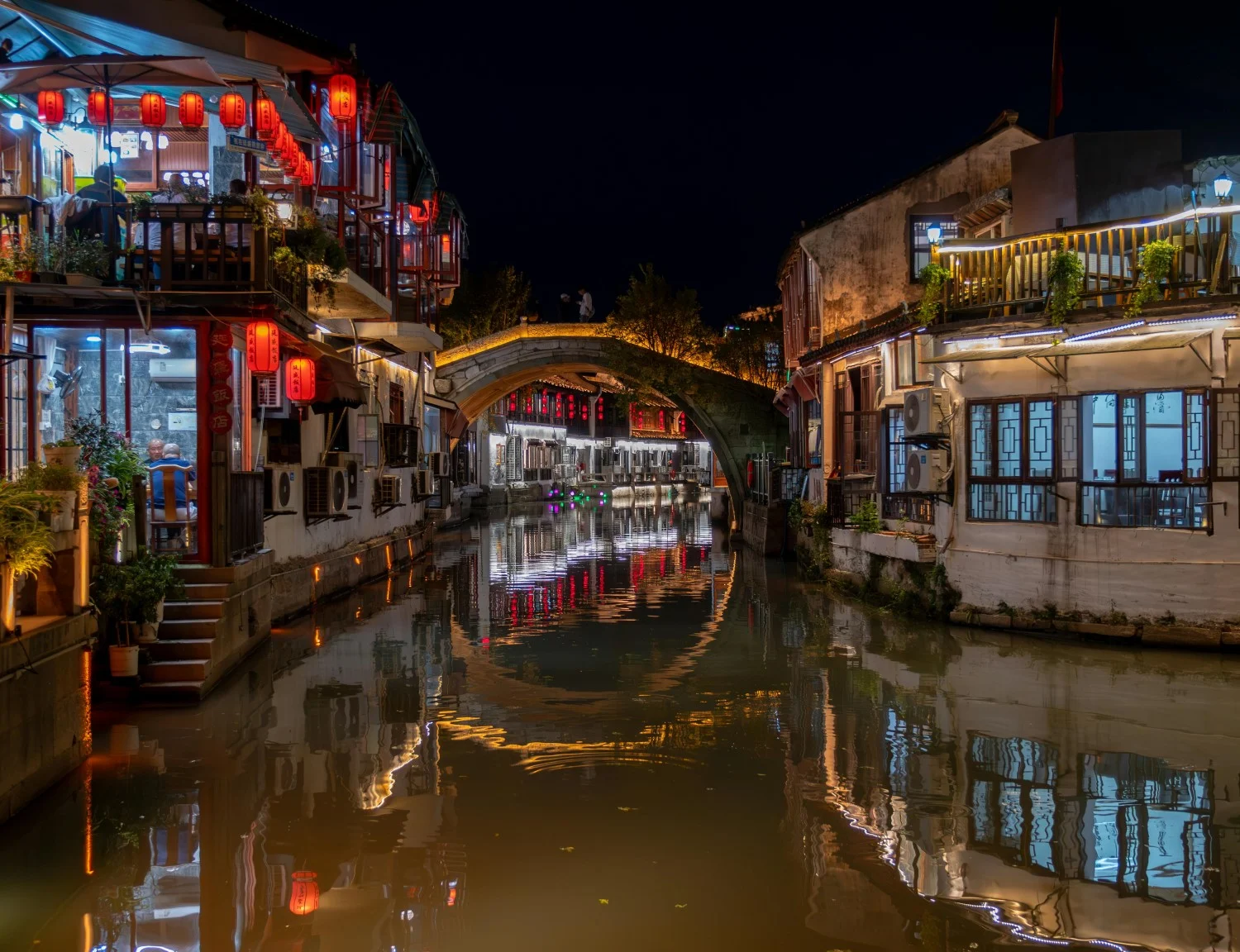
The Suzhou Grand Canal is a historic waterway that runs through Suzhou, China, connecting Beijing and Hangzhou. It is part of the Grand Canal of China, which is the longest canal in the world.
The Suzhou section of the canal is renowned for its scenic beauty, lined with ancient stone bridges, traditional buildings, and historic landmarks.
Visitors can take boat rides along the canal to admire the traditional architecture, explore canal-side gardens, and experience the rich cultural heritage of Suzhou.
The Suzhou Grand Canal remains a vital part of the city’s history and identity, reflecting its importance as a major water transportation route and cultural symbol.
25. Suzhou International Expo Center – Hosts various exhibitions and events throughout the year

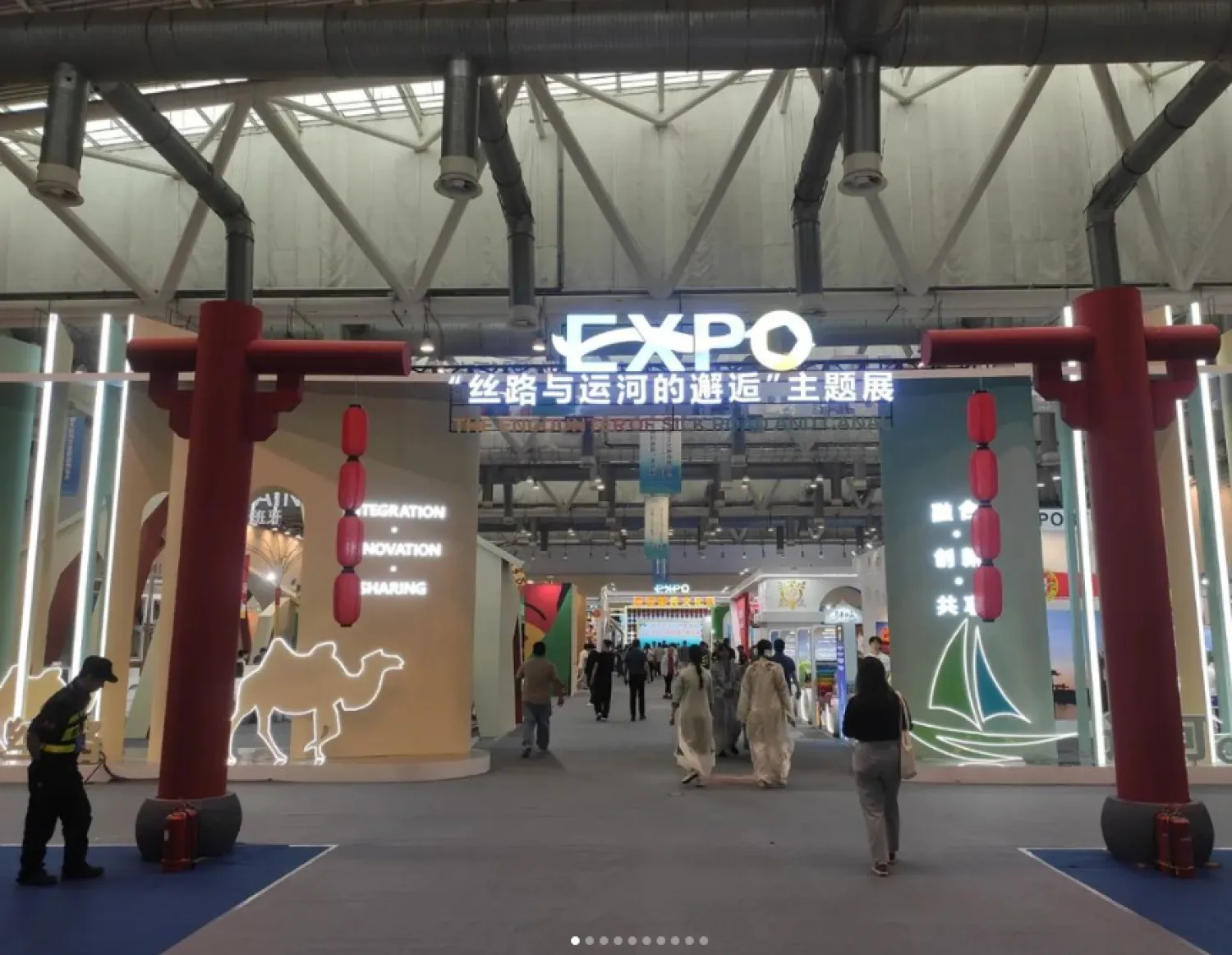
The Suzhou International Expo Center is a modern exhibition and convention venue located in Suzhou, China.
It is known for its contemporary architectural design and state-of-the-art facilities, making it a hub for international trade shows, conferences, and events.
The Expo Center hosts a wide range of exhibitions across various industries, including technology, manufacturing, automotive, and consumer goods. It offers spacious exhibition halls, conference rooms, and amenities to accommodate large-scale gatherings and business events.
The Suzhou International Expo Center plays a significant role in promoting economic development and cultural exchange in Suzhou and the surrounding region.
Food In Suzhou

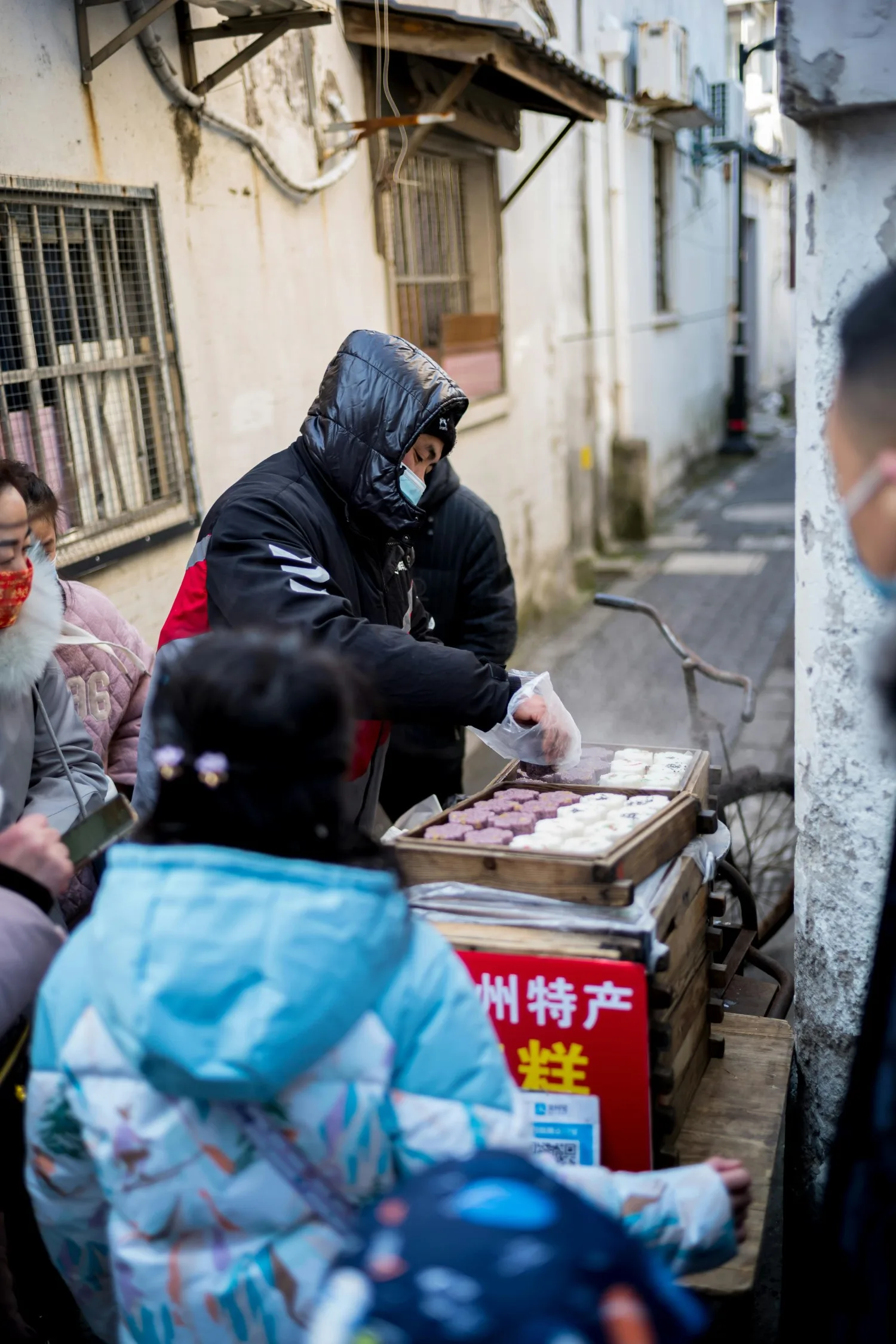
Nestled in the heart of Jiangsu Province, Suzhou is not only renowned for its classical gardens and picturesque water towns but also for its rich culinary heritage. Known as the “Venice of the East” for its intricate network of canals and bridges, Suzhou offers a culinary journey that delights both locals and visitors alike with its diverse flavors and traditional delicacies.
Traditional Suzhou Cuisine
Suzhou cuisine, also known as Jiangsu cuisine, is characterized by its emphasis on fresh ingredients, delicate flavors, and meticulous preparation techniques. With a history spanning centuries, the cuisine of Suzhou reflects the region’s agricultural abundance and the refined tastes of its scholars and nobles.
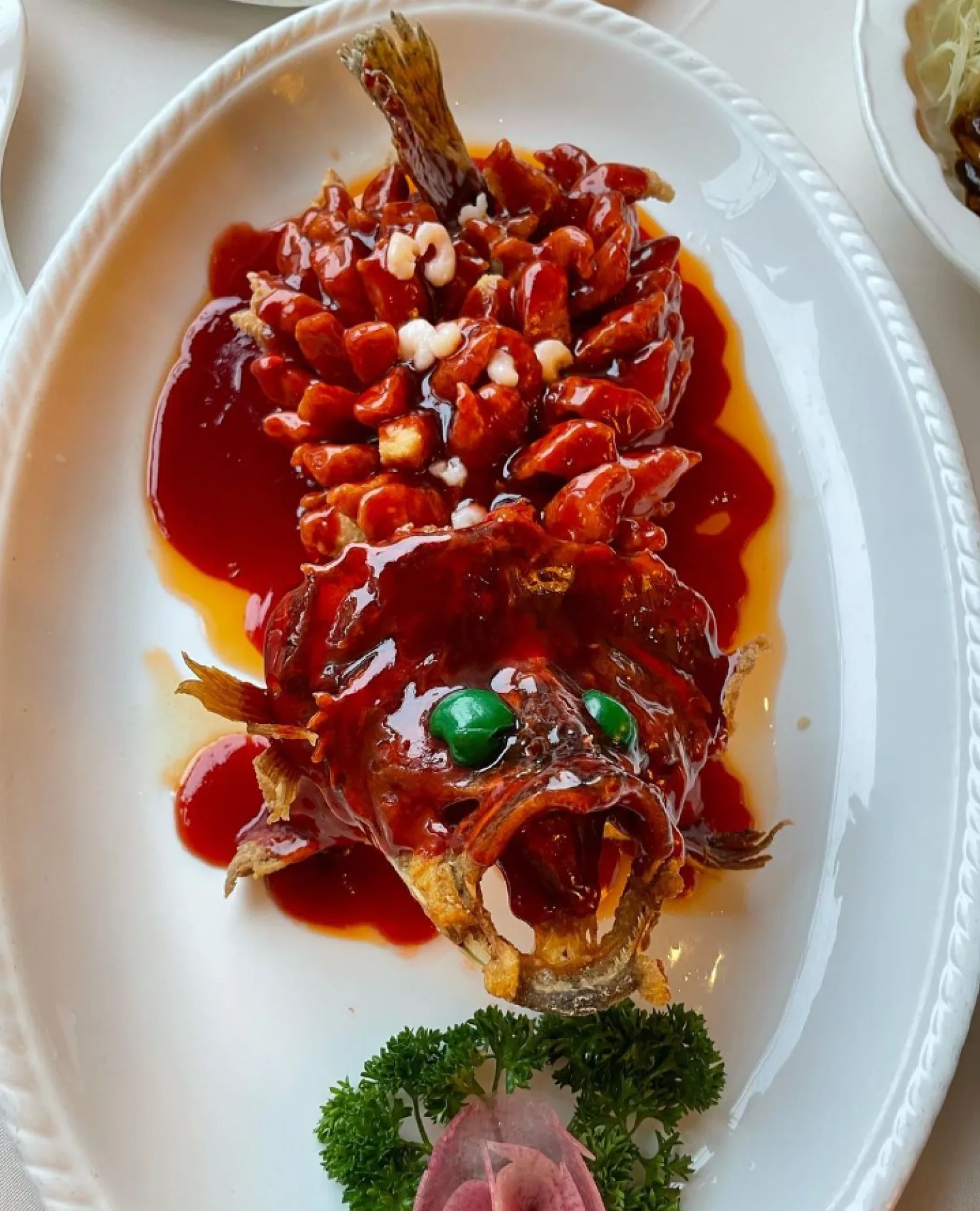
One of the hallmark dishes of Suzhou is Squirrel-shaped Mandarin Fish (松鼠鳜鱼). This dish features a whole fish, typically a mandarin fish, delicately sliced to resemble a squirrel’s tail and fried to a crispy perfection. It is often accompanied by a sweet and sour sauce made from vinegar, sugar, and soy sauce, creating a harmonious balance of flavors that is both savory and tangy.
Another iconic dish is Braised Pork Belly in Brown Sauce (东坡肉), named after the famous poet Su Dongpo from the Song Dynasty. This dish involves slow-cooking pork belly in a savory sauce made from soy sauce, sugar, and spices until the meat becomes tender and flavorful, with a melt-in-your-mouth texture that is simply irresistible.
Snacks and Street Food
Exploring Suzhou’s streets reveals a treasure trove of snacks and street food that are beloved by locals and tourists alike. Suzhou-style Mooncakes (苏式月饼) are a must-try, especially during the Mid-Autumn Festival. These mooncakes are smaller and sweeter compared to their northern counterparts, filled with red bean paste, lotus seed paste, or minced meat, and encased in a flaky crust.
Osmanthus Rice Cake (桂花糕) is another popular snack in Suzhou, made from glutinous rice flour and sweet osmanthus flowers, imparting a fragrant aroma and a delightful chewy texture.
For those craving a savory snack, Pan-fried Pork Buns (生煎包) are a local favorite. These buns are filled with juicy minced pork and pan-fried until crispy on the bottom, offering a satisfying combination of crunchy exterior and tender filling.
Tea Culture
No exploration of Suzhou’s culinary scene would be complete without experiencing its vibrant tea culture. Suzhou is famous for its delicate Biluochun Green Tea (碧螺春茶), known for its sweet aroma and refreshing taste. Visitors can enjoy a traditional tea ceremony at local teahouses, where skilled tea masters demonstrate the art of brewing and serving tea while imparting wisdom about tea culture and etiquette.
Suzhou’s culinary landscape is a testament to its rich history and cultural diversity, offering a tantalizing array of dishes that blend tradition with innovation. Whether savoring a sumptuous banquet in a traditional restaurant or indulging in street-side snacks, each bite in Suzhou tells a story of craftsmanship and culinary passion. Exploring the flavors of Suzhou is not just a journey through food but a journey through history, culture, and the art of living well.
Visitors to Suzhou are invited to immerse themselves in this culinary paradise, where every meal is an opportunity to discover the essence of Jiangsu cuisine and experience the warmth of Suzhou hospitality.
Top 20 Restaurant In Suzhou

De Yue Lou (德悦楼) – Known for its traditional Suzhou cuisine.
Song He Lou (松鹤楼) – Famous for its local delicacies like squirrel-shaped mandarin fish.
Xiang Si Lou (相思楼) – Offers a mix of Suzhou and Cantonese dishes.
Wang Xiang Yuan (望湘园) – Specializes in Hunan cuisine.
Lion’s Head Restaurant (狮子头大酒楼) – Renowned for its lion’s head meatballs.
Wu Men Ren Jia (吴门人家) – Offers authentic Suzhou dishes in a historical setting.
Zhi Wei Guan (知味观) – A chain restaurant offering Suzhou and Shanghainese cuisine.
Shun Feng Er (顺风耳) – Famous for its freshwater seafood dishes.
Tong De Xing (同德兴) – Specializes in local Suzhou snacks and dishes.
Yi Feng Tang (怡丰堂) – Offers a variety of traditional Suzhou desserts and snacks.
Su Zhe Hui Guan (苏浙会馆) – Combines Suzhou and Zhejiang cuisine.
Tang Shan Ren Jia (唐山人家) – Known for its homestyle Suzhou dishes.
Lao Si Chuan (老四川) – Offers Sichuan cuisine in Suzhou.
Xiao Bai Hua (小百花) – Specializes in Huaiyang cuisine.
Jiang Nan Lou (江南楼) – Offers a variety of Jiangsu cuisine dishes.
Xiang Yu Ge (湘煜阁) – Known for its Hunan cuisine.
Xin Mei Yuan (新梅园) – Offers Suzhou-style dim sum and snacks.
Lou Wai Lou (楼外楼) – Famous for its local Suzhou dishes and scenic location.
Xiao Niu Rou (小牛肉) – Known for its beef noodles and Northern Chinese dishes.
Yi Di Xian (一滴鲜) – Offers seafood hot pot and fresh ingredients.
Transportation In Suzhou

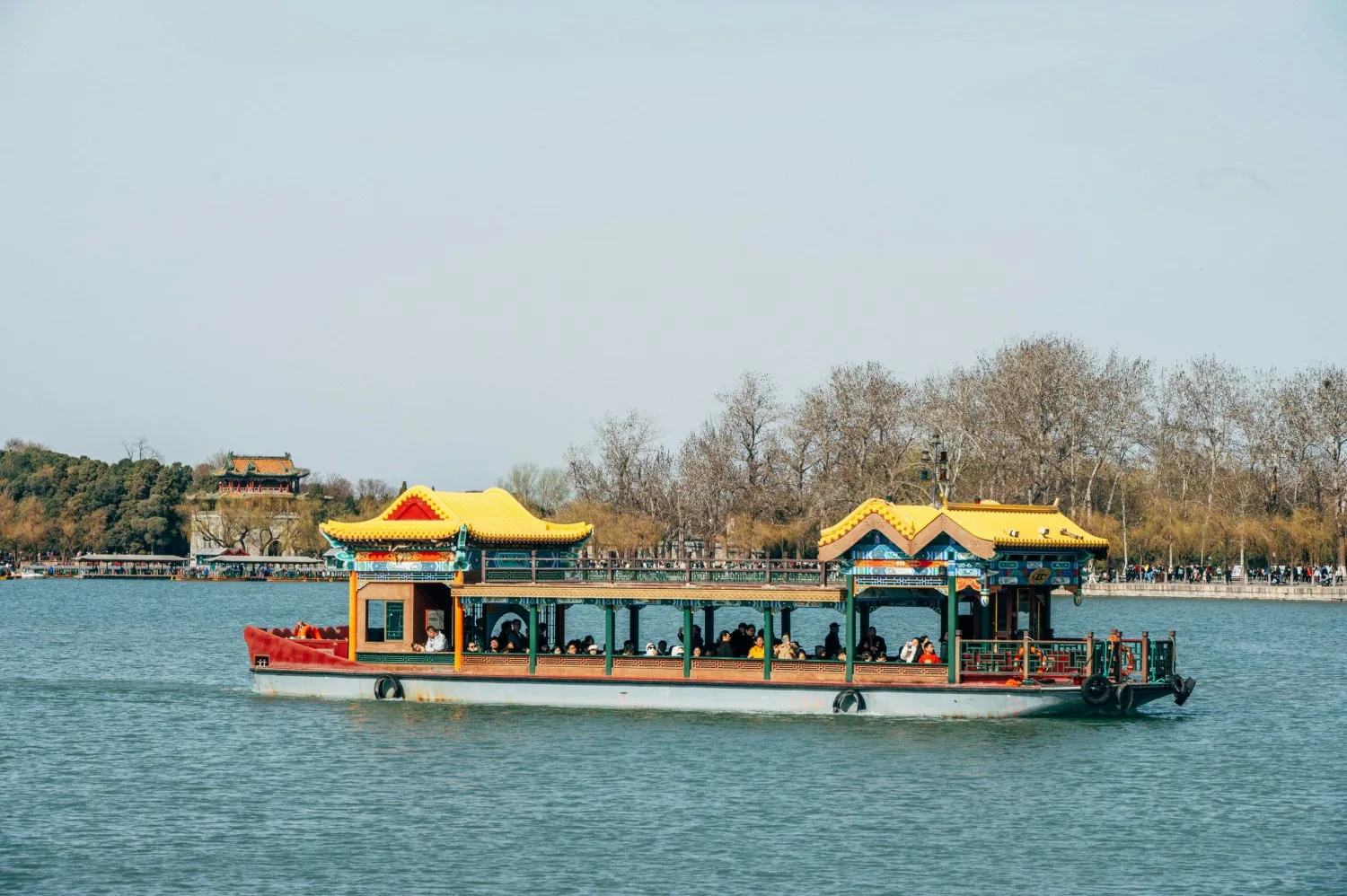
Transportation in Suzhou is characterized by a mix of modern infrastructure and traditional modes of travel, reflecting its status as a rapidly developing city with a rich cultural heritage.
Metro: Suzhou has a well-developed metro system with several lines connecting key areas of the city. The metro is efficient, clean, and relatively easy to navigate, making it a popular choice for both residents and visitors.
Buses: Suzhou has an extensive network of buses that cover virtually every part of the city and its suburbs. Buses are generally affordable and operate on various routes, providing a convenient way to get around.
Taxis: Taxis are widely available in Suzhou and offer a convenient option for traveling within the city. They are metered, and most drivers are familiar with major tourist attractions and hotels.
Bicycles: Bicycles are a popular mode of transportation in Suzhou, particularly for shorter trips and exploring the city’s scenic areas like the old town and canals. Many roads have dedicated bike lanes, making cycling a safe and enjoyable option.
Private Cars: Private car ownership is increasing in Suzhou, especially among residents in suburban areas. The city has well-maintained roads and highways, although traffic congestion can be a challenge during peak hours.
High-speed Rail: Suzhou is well-connected to other major cities in China via high-speed trains. Suzhou Railway Station and Suzhou North Railway Station are the main stations serving the city, offering convenient travel options for both business and leisure travelers.
Waterways: Suzhou’s famous canals not only add to its charm but also serve as a historical transportation network. While not as extensively used for commuting today, they still provide scenic boat rides for tourists.
Transportation Hubs: Places like Suzhou Industrial Park (SIP) and Suzhou New District are major transportation hubs with comprehensive infrastructure, catering to both residential and commercial needs.
In conclusion, Suzhou stands as a testament to China’s rich cultural heritage and dynamic development. With its classical gardens, serene canals, and vibrant arts scene, Suzhou offers a unique blend of history and modernity. Its UNESCO World Heritage gardens and picturesque waterways draw visitors seeking to immerse themselves in ancient traditions and architectural marvels. At the same time, Suzhou’s role as a center of innovation and industry underscores its significance in contemporary China. Whether exploring its historic landmarks or experiencing its bustling markets and modern amenities, Suzhou continues to captivate and inspire, embodying a harmonious coexistence of past and present.
Leave a comment