

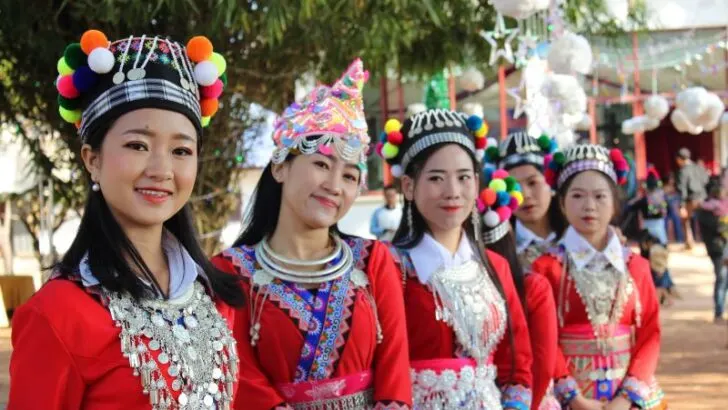

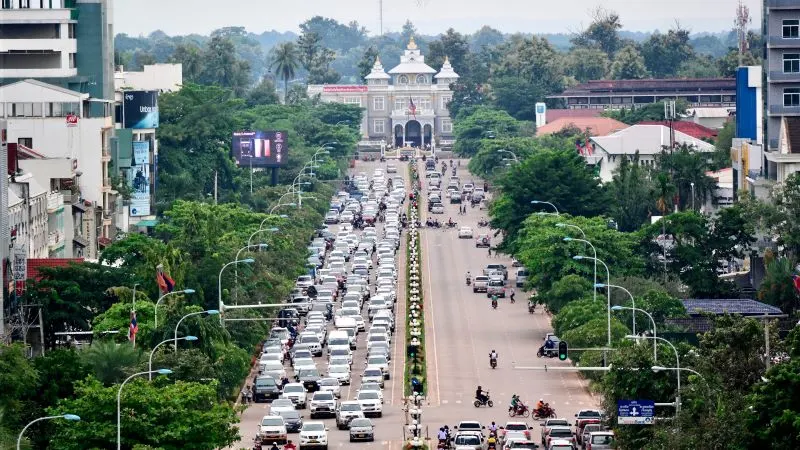
Vientiane, nestled along the banks of the mighty Mekong River, is the capital and largest city of Laos. Despite its status as the capital, Vientiane maintains a laid-back and charming atmosphere, making it a delightful destination for travelers seeking a blend of history, culture, and natural beauty.
With its mix of traditional temples, French colonial architecture, vibrant markets, and stunning river views, Vientiane offers a unique and enchanting experience that captures the essence of Laos.
Historical Significance: Vientiane has a rich history that dates back to the 9th century when it was a significant settlement of the Khmer Empire.
Over the centuries, Vientiane evolved into a prominent city in the Lan Xang Kingdom and later became the capital of French Indochina in the late 19th century. Today, remnants of its historical past can be seen in the city’s architectural treasures, temples, and museums, which serve as windows into Laos’ fascinating past.
Cultural Heritage: Vientiane is deeply rooted in Lao culture and Buddhism. The city is home to numerous ornate temples, including the revered Wat Si Saket, known for its thousands of Buddha statues, and the iconic golden stupa of Pha That Luang, the national symbol of Laos. Exploring these temples provides insights into Lao religious practices and offers moments of tranquility amidst the bustling city.
French Influence: Vientiane’s colonial past under French rule is evident in its architecture and culinary scene. French colonial buildings, such as the Presidential Palace and the former French Governor’s Mansion, add a distinct charm to the city’s landscape.
Alongside the colonial architecture, French-inspired bakeries, cafes, and restaurants serve up delectable pastries, baguettes, and fusion dishes, creating a unique blend of Lao and French flavors.
Natural Beauty: The picturesque setting of Vientiane, with the Mekong River flowing alongside the city, adds to its allure. The riverfront promenade offers scenic views, especially during sunset, and is a popular spot for leisurely strolls and outdoor activities.
The nearby islands of Don Det and Don Khon in the Si Phan Don (Four Thousand Islands) region provide opportunities for serene river cruises, encounters with the rare Irrawaddy dolphins, and a chance to experience rural Lao life.
Relaxed Atmosphere: One of the defining characteristics of Vientiane is its laid-back atmosphere. Unlike bustling metropolises, Vientiane maintains a slower pace of life, allowing visitors to unwind and immerse themselves in its tranquil ambiance. This relaxed atmosphere is evident in the city’s cozy cafes, riverside restaurants, and the leisurely approach to daily life.
Vientiane, the capital city of Laos, is a captivating destination that seamlessly blends history, culture, and natural beauty. With its temples, French colonial architecture, vibrant markets, and breathtaking river views, Vientiane offers a unique experience that captures the essence of Laos.
Whether you’re exploring ancient temples, indulging in the flavors of Lao cuisine, or simply enjoying the serene riverside atmosphere, Vientiane invites you to discover its hidden treasures and embrace the warmth and charm of this enchanting city.
1. Visit Wat Si Saket: Explore the oldest temple in Vientiane with its thousands of Buddha statues

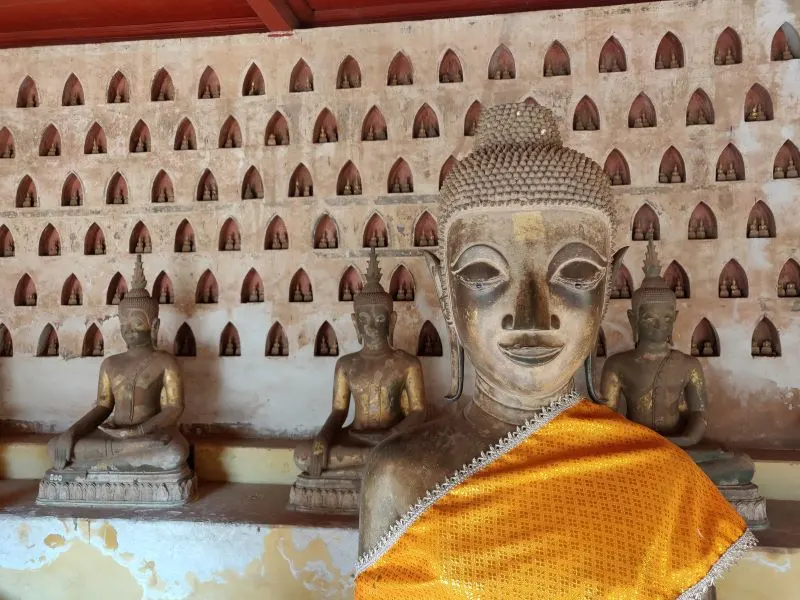
Wat Si Saket is a renowned Buddhist temple located in Vientiane, the capital city of Laos. It is one of the oldest and most significant temples in the city, known for its unique architecture and cultural significance. Here’s a description of Wat Si Saket:
Wat Si Saket was built in 1818 during the reign of King Anouvong and is known for its remarkable blend of Lao and Thai architectural styles. The temple is situated in a serene compound surrounded by a beautiful cloister wall adorned with intricate and well-preserved frescoes depicting Buddhist teachings, Jataka tales, and scenes from daily life.
One of the most striking features of Wat Si Saket is its collection of thousands of small Buddha statues, which are housed within the temple’s main hall and its surrounding corridors.
These statues, made from various materials such as wood, stone, and bronze, are displayed on shelves and alcoves, creating a mesmerizing sight. The vast number of Buddha statues is a testament to the devotion and reverence of the local people.
The main hall of Wat Si Saket, known as the ordination hall, is an exquisite example of traditional Lao architecture. Its multi-tiered roof, intricately carved wooden walls, and ornate gilded decorations showcase the craftsmanship of the period. Within the hall, you’ll find a large central Buddha statue and several beautifully decorated side chapels dedicated to different Buddhist deities.
Wat Si Saket also houses a small museum that showcases a collection of artifacts, religious objects, and statues from different periods of Lao history. The museum provides visitors with a deeper understanding of Buddhism and the cultural heritage of Laos.
The temple complex offers a peaceful and serene atmosphere, making it an ideal place for contemplation and spiritual reflection. Visitors can stroll around the courtyards, admire the stunning architecture, and enjoy the tranquility of the surroundings.
Wat Si Saket is not only a place of worship but also an important cultural and historical site. It has withstood the test of time and witnessed the transformations of Vientiane over the years. Its architectural beauty, rich history, and spiritual significance make it a must-visit attraction for those exploring the capital city of Laos.
2. Explore Pha That Luang: Marvel at the golden stupa, the national symbol of Laos

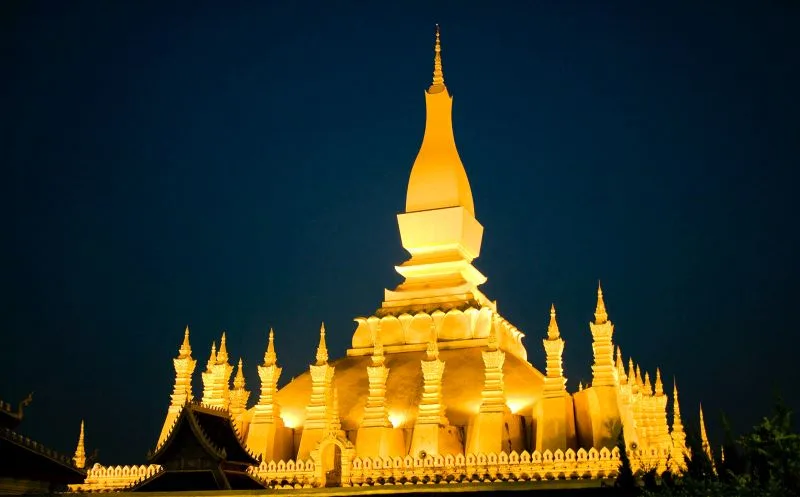
Pha That Luang is a magnificent golden stupa and one of the most iconic landmarks in Vientiane, the capital city of Laos. It holds great religious and cultural significance for the Lao people and is considered the national symbol of Laos. Here’s a description of Pha That Luang:
Pha That Luang, meaning “Great Sacred Stupa,” is a grand Buddhist monument that stands tall in the heart of Vientiane. Its gleaming golden exterior is an awe-inspiring sight, visible from a distance and captivating visitors with its splendor. The stupa’s design is an exquisite blend of Lao and Khmer architectural styles, reflecting the rich cultural heritage of the region.
The centerpiece of Pha That Luang is its towering main stupa, which reaches a height of about 45 meters (148 feet). The entire structure is meticulously covered in gold leaf, creating a radiant and ethereal appearance that shimmers in the sunlight. The top of the stupa is adorned with a gilded spire, called a parasol, symbolizing protection and spiritual enlightenment.
Surrounding the central stupa are smaller stupas and various structures, including prayer halls, pavilions, and beautiful gardens. The complex is enclosed by a perimeter wall adorned with intricate carvings and elaborate gates that lead to the inner courtyards.
Pha That Luang holds immense religious importance for Buddhists in Laos. It is believed to house a relic of the Buddha, and it serves as a pilgrimage site for devotees who come to pay their respects and offer prayers.
During important Buddhist festivals, such as Boun That Luang, the stupa becomes a focal point of celebrations, attracting thousands of worshippers who gather to participate in religious rituals and festivities.
Visiting Pha That Luang offers not only a glimpse into the spiritual side of Laos but also a chance to appreciate the country’s rich history and cultural heritage.
The complex is well-maintained, with manicured gardens and serene surroundings, providing a peaceful atmosphere for contemplation and reflection.
Exploring Pha That Luang allows visitors to marvel at the grandeur of the stupa, admire its intricate details, and soak in the spiritual ambiance.
The surrounding area is also home to other attractions, including a small museum that showcases religious artifacts and historical information related to Pha That Luang and Lao Buddhism.
Whether you are interested in religious architecture, cultural heritage, or simply seeking a place of tranquility, Pha That Luang is a must-visit destination in Vientiane.
Its golden splendor and historical significance make it a truly captivating and memorable experience for visitors from around the world.
3. Take a stroll along the Mekong River: Enjoy the scenic views and visit the night market

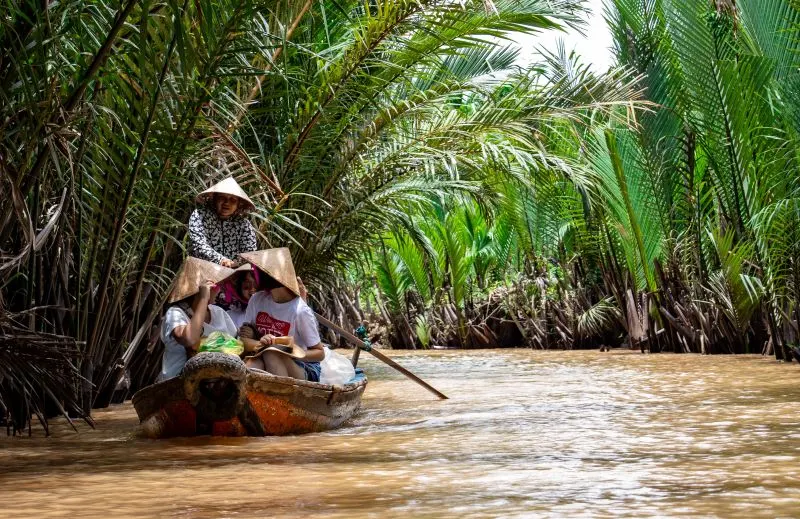
Taking a stroll along the Mekong River in Vientiane offers a delightful and scenic experience, allowing visitors to immerse themselves in the natural beauty and vibrant atmosphere of the city. Here’s a description of strolling along the Mekong River:
The Mekong River, one of the world’s major waterways, flows alongside Vientiane, providing a picturesque backdrop for leisurely walks and moments of relaxation. As you stroll along the river, you’ll be greeted by the gentle breeze and the soothing sounds of the water flowing.
The riverfront promenade, known as the Mekong Riverside Park, offers a pedestrian-friendly pathway that stretches for several kilometers, allowing you to explore different sections of the riverbank.
The park is beautifully landscaped, with well-maintained gardens, shady trees, and seating areas where you can pause to take in the view.
Along the Mekong River, you’ll encounter various points of interest and attractions. The area is dotted with cafes, restaurants, and small shops, making it a vibrant hub of activity. You can find a spot to sit and enjoy a cup of coffee or try some delicious local snacks while enjoying the river views.
As you walk, you’ll also come across small vendors selling handicrafts, souvenirs, and traditional Lao textiles. It’s an excellent opportunity to browse for unique gifts or mementos to bring back home.
The Mekong River is particularly enchanting during sunset. As the sun begins to descend, the river reflects the golden hues, creating a breathtaking spectacle. The sky is painted with vibrant colors, casting a magical glow over the surroundings. This is an ideal time to capture stunning photographs or simply bask in the beauty of nature.
Another attraction along the river is the Night Market, which comes alive in the evening. Here, you can explore a bustling array of stalls selling handicrafts, clothing, accessories, and street food.
It’s a vibrant and lively atmosphere, perfect for sampling local delicacies, practicing your bargaining skills, and soaking up the lively ambiance.
The Mekong River is not only a place of natural beauty, but it also holds cultural significance for the local population. It serves as a gathering point for festivals and events, and it plays a crucial role in the daily lives of the people who depend on it for fishing and transportation.
Whether you’re seeking a tranquil escape, a place for a leisurely walk, or a vibrant hub of activity, strolling along the Mekong River in Vientiane offers a memorable experience.
The combination of scenic views, cultural attractions, and lively atmosphere makes it a must-visit destination for both locals and visitors alike.
4. Visit Patuxai (Victory Monument): Climb to the top for panoramic views of the city

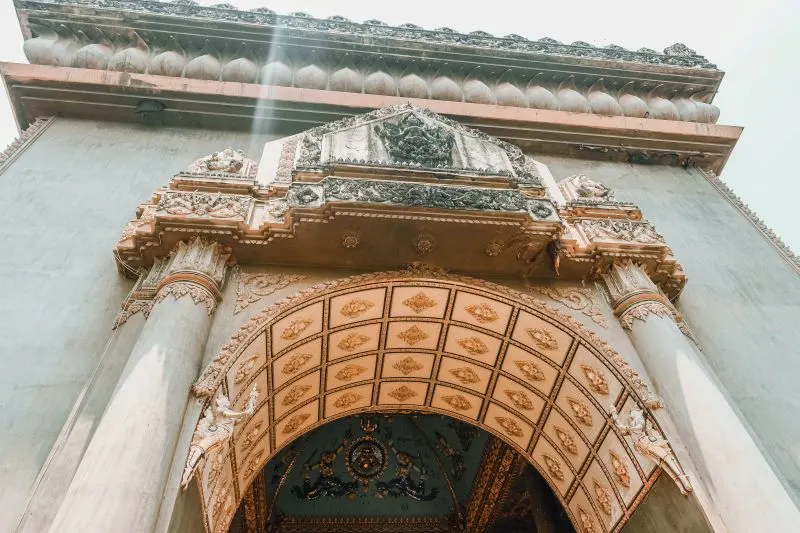
Patuxai, also known as the Victory Monument, is a prominent landmark located in the heart of Vientiane, the capital city of Laos. It is a symbol of national pride and represents the country’s struggle for independence. Here’s a description of visiting Patuxai:
Patuxai stands tall as a majestic monument, reminiscent of the Arc de Triomphe in Paris, but with a distinct Lao architectural style. The monument was constructed in the 1960s to commemorate the Lao people’s fight for independence from foreign colonization.
As you approach Patuxai, you’ll be greeted by an imposing structure that rises into the sky. The monument is adorned with intricate carvings, elaborate friezes, and beautiful ornamental details, showcasing a blend of traditional Lao motifs and contemporary design elements. The exterior is constructed primarily of concrete, giving it a solid and grand appearance.
Visitors can climb the stairs or take an elevator to reach the top of the monument, where a viewing platform offers panoramic vistas of Vientiane.
From this vantage point, you can admire the cityscape, with its mix of modern buildings and traditional temples, as well as the lush greenery of nearby parks and the flowing Mekong River.
Inside the monument, you’ll find several levels that house exhibitions, displays, and galleries that provide insight into the monument’s historical significance and its role in celebrating Laos’ independence.
The exhibitions showcase photographs, artifacts, and informative panels that offer a deeper understanding of the country’s struggle for freedom.
Patuxai is surrounded by a park-like area, providing a peaceful and pleasant atmosphere. The park features well-manicured gardens, shaded areas, and benches where visitors can relax and take in the surroundings. It is a popular spot for locals and tourists alike to gather, enjoy a picnic, or engage in leisurely activities.
Adjacent to Patuxai, you’ll find a bustling area with shops, stalls, and vendors selling a variety of items such as souvenirs, handicrafts, clothing, and local snacks. It’s an opportunity to explore and find unique keepsakes or taste delicious Lao treats.
Patuxai is especially captivating during the evening when the monument is illuminated, casting a warm glow and creating a captivating sight. The atmosphere becomes even more enchanting as the surrounding fountains light up and provide a soothing ambiance.
Visiting Patuxai allows you to appreciate the historical and cultural significance of Laos, as well as enjoy panoramic views of the city. It stands as a testament to the nation’s determination and resilience, making it a must-visit attraction in Vientiane for those interested in history, architecture, and national pride.
5. Explore Buddha Park (Xieng Khuan): Discover a collection of Buddhist and Hindu sculptures on the outskirts of the city

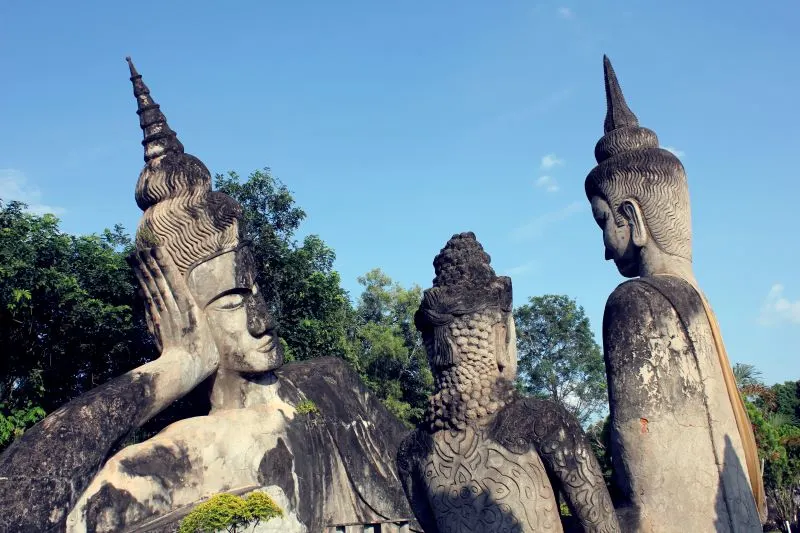
Buddha Park, also known as Xieng Khuan, is a unique and fascinating attraction located on the outskirts of Vientiane, the capital city of Laos. It is an open-air sculpture park that showcases a diverse collection of Buddhist and Hindu sculptures. Here’s a description of exploring Buddha Park:
Buddha Park is a captivating destination that offers a glimpse into the mystical and spiritual world of Buddhism and Hinduism. As you enter the park, you’ll be greeted by a sprawling landscape dotted with an array of sculptures, statues, and structures.
The park is the brainchild of a visionary artist and monk named Luang Pu Bunleua Sulilat. He spent decades creating this extraordinary display of religious art, inspired by both Buddhist and Hindu mythology.
The sculptures are a blend of traditional iconography and imaginative interpretations, resulting in a truly unique and thought-provoking experience.
Among the prominent sculptures at Buddha Park is a massive reclining Buddha, reaching a length of over 40 meters (131 feet). This impressive sculpture is intricately carved and exudes a sense of tranquility and serenity.
Additionally, you’ll find numerous statues depicting various deities, mythological creatures, and symbolic figures from both Buddhist and Hindu traditions.
The park is meticulously landscaped, with well-maintained pathways that guide visitors through the different sections and around the sculptures.
Along the paths, you can take your time to admire the intricate details of each sculpture, marvel at the artistic craftsmanship, and perhaps even contemplate their spiritual and philosophical meanings.
Buddha Park offers a peaceful and serene atmosphere, with the verdant surroundings adding to the overall ambiance. You’ll find shaded areas where you can rest and reflect, allowing the serene environment to envelop you.
Photography enthusiasts will find plenty of opportunities to capture unique and striking images within the park. The sculptures, against the backdrop of the lush greenery, provide a visually stunning setting for memorable photographs.
For those seeking a deeper understanding of the sculptures and their symbolism, there are informative panels and descriptions available throughout the park.
They offer insights into the stories behind the sculptures, the religious beliefs they represent, and the cultural significance of each artwork.
Buddha Park is a popular destination for both locals and tourists, and it is not uncommon to see visitors engaged in meditation or quiet contemplation amidst the sculptures.
The park’s tranquil setting and the profound presence of the sculptures make it an ideal place for introspection and spiritual connection.
Exploring Buddha Park allows you to immerse yourself in a world of artistic expression, cultural symbolism, and spiritual contemplation. It’s an opportunity to witness the beauty of religious art and gain a deeper appreciation for the rich spiritual heritage of Laos.
6. Wander around the Morning Market (Talat Sao): Shop for traditional handicrafts, textiles, and fresh produce

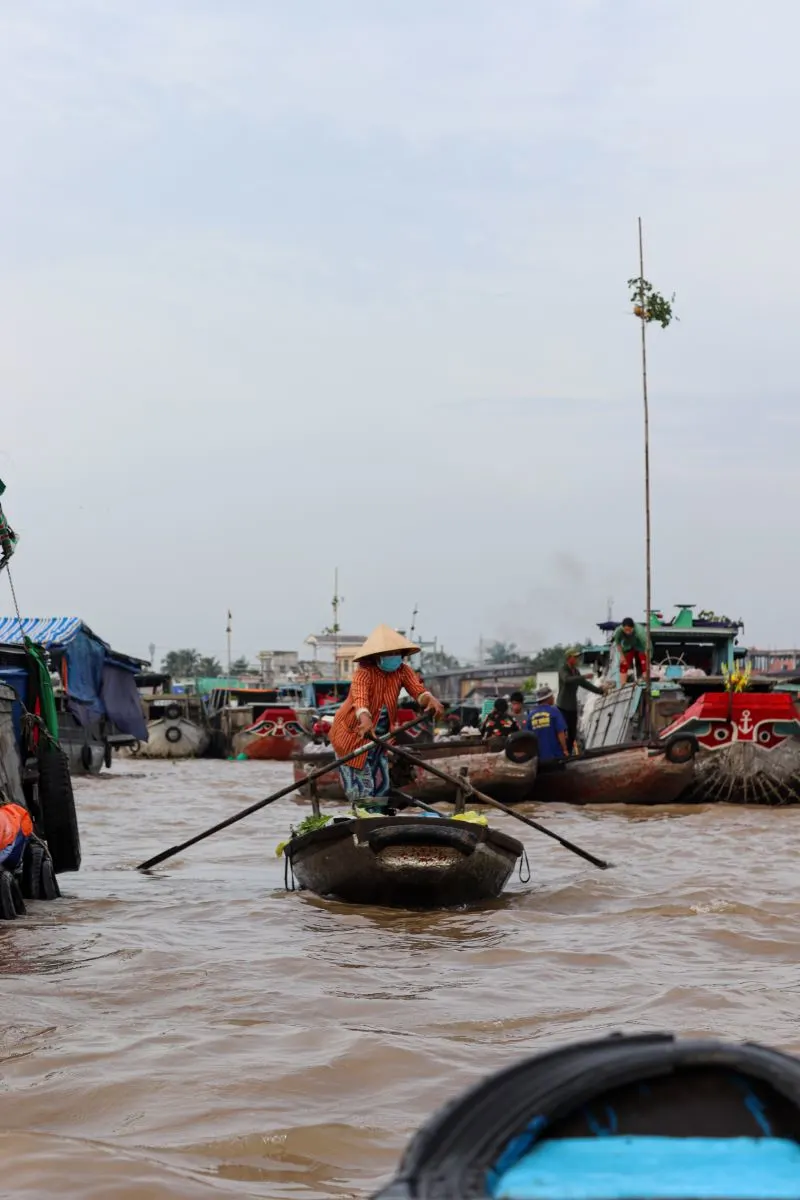
The Morning Market, also known as Talat Sao, is a bustling marketplace located in the heart of Vientiane, the capital city of Laos. It is a vibrant hub of activity where locals and tourists come together to shop for a wide variety of goods. Here’s a description of wandering around the Morning Market:
The Morning Market is a labyrinth of narrow aisles and bustling stalls, creating a lively and colorful atmosphere. As you enter the market, you’ll be greeted by a whirlwind of sights, sounds, and scents, making it a sensory feast for visitors.
The market is a treasure trove of goods, ranging from traditional Lao handicrafts to modern clothing, electronics, accessories, and much more. You’ll find row upon row of stalls displaying an array of items, each offering its own unique selection and deals.
Exploring the Morning Market allows you to immerse yourself in the local culture and observe the daily life of the people of Vientiane.
You’ll encounter friendly vendors who are eager to showcase their products and engage in friendly banter. It’s an opportunity to interact with locals, practice your bargaining skills, and experience the vibrant energy of the market.
The market is particularly known for its textiles and handicrafts. You’ll find an impressive selection of traditional Lao fabrics, such as silk and cotton, intricately woven with beautiful patterns and motifs.
These fabrics are often used to create traditional clothing, scarves, and home decor items. Additionally, the market offers a wide range of handicrafts, including wooden carvings, silverware, ceramics, and jewelry, all showcasing the artistic skills of the Lao artisans.
The food section of the Morning Market is a culinary delight. You’ll find vendors selling fresh fruits, vegetables, herbs, and spices, giving you a glimpse into the local ingredients used in Lao cuisine. You can also sample a variety of local snacks, street food, and beverages, offering a chance to taste the flavors of Laos.
Wandering through the Morning Market is an opportunity to discover unique souvenirs and gifts to bring back home. Whether you’re looking for traditional crafts, stylish clothing, or unique trinkets, the market offers an extensive selection to suit every taste and budget.
The market is bustling throughout the day, but it’s especially vibrant in the morning when it comes to life with activity. As you explore the market, you’ll witness the ebb and flow of shoppers, the vibrant displays of goods, and the lively exchanges between buyers and sellers.
Visiting the Morning Market provides a cultural immersion experience, allowing you to engage with the local community, witness the vibrant trading culture, and find unique treasures to take back as memories of your time in Vientiane.
7. Take a tour of COPE Visitor Center: Learn about the impact of unexploded ordnance and the rehabilitation efforts in Laos

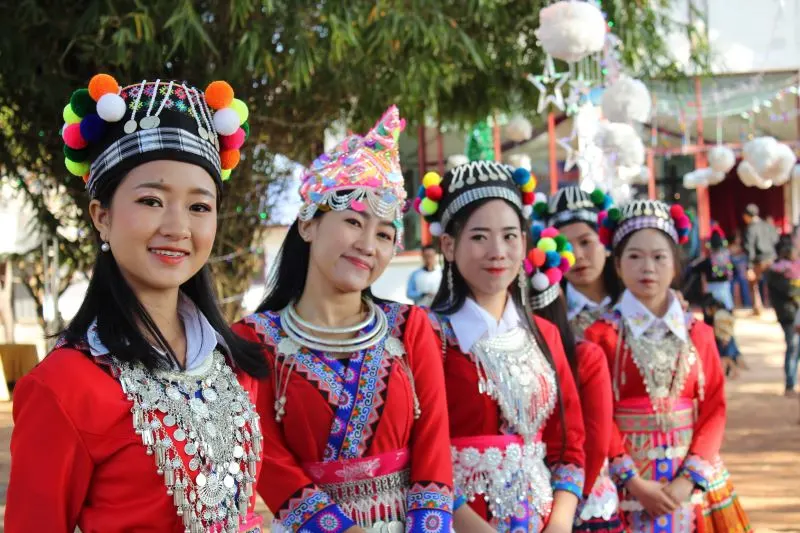
The COPE Visitor Center in Vientiane offers a poignant and informative tour that sheds light on the impact of war and the efforts to support those affected by unexploded ordnance (UXO) in Laos. Here’s a description of taking a tour of the COPE Visitor Center:
The COPE Visitor Center provides visitors with a deep understanding of the history and ongoing challenges faced by the people of Laos due to the legacy of war.
The center’s mission is to educate and raise awareness about the devastating impact of UXO, which continues to affect the lives of many Laotians.
As you embark on a tour of the COPE Visitor Center, you’ll be guided through a series of exhibits and displays that showcase the history, stories, and humanitarian work related to UXO in Laos.
Knowledgeable guides or informative audio guides are available to provide comprehensive explanations and answer any questions you may have.
The exhibits feature photographs, videos, artifacts, and interactive displays that highlight the consequences of war, including the extensive use of cluster bombs during the Vietnam War era.
You’ll learn about the challenges faced by individuals who have been affected by UXO, from injuries and disabilities to the socioeconomic impact on communities.
The COPE Visitor Center also provides insights into the important work being done to support affected individuals. You’ll learn about the efforts of COPE (Cooperative Orthotic and Prosthetic Enterprise) and other organizations in providing medical assistance, rehabilitation services, and the production of prosthetic limbs for those in need.
The center emphasizes the resilience and strength of the individuals who have overcome adversity and the ongoing efforts to create a safer environment for future generations.
Throughout the tour, you’ll have the opportunity to see examples of prosthetic limbs and other assistive devices, as well as learn about the techniques and technologies used in their creation.
The center also highlights the community development projects aimed at promoting education, awareness, and UXO clearance initiatives.
By taking a tour of the COPE Visitor Center, you’ll gain a deeper appreciation of the challenges faced by the people of Laos and the impact of UXO on their lives.
The center provides a platform for reflection and understanding, offering visitors an opportunity to contribute to the ongoing efforts to create a safer and more inclusive society.
Visiting the COPE Visitor Center is not only educational but also a chance to support the cause through donations or the purchase of handicrafts made by individuals affected by UXO. It’s a meaningful and eye-opening experience that encourages empathy, awareness, and engagement with the global issue of unexploded ordnance.
8. Visit the Lao National Museum: Explore the country’s history and cultural heritage

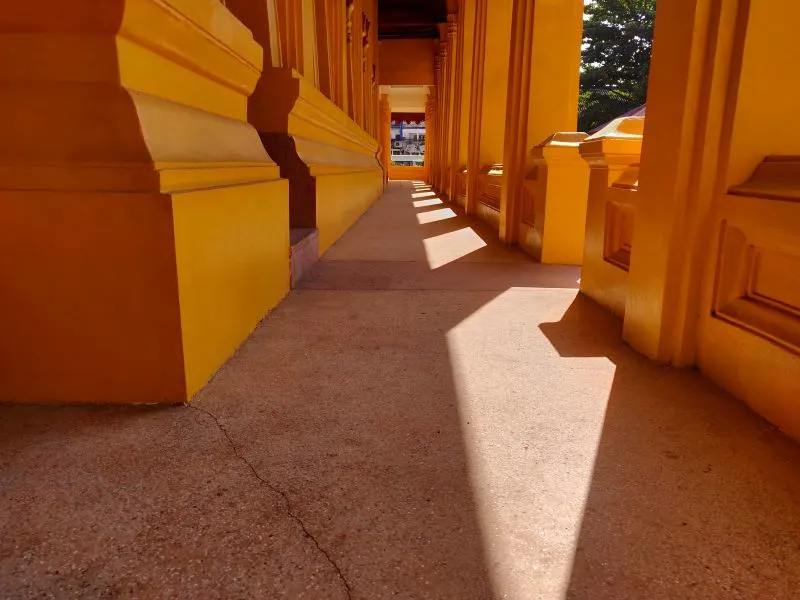
The Lao National Museum, located in Vientiane, is a significant cultural institution that offers visitors a comprehensive look into the history, culture, and heritage of Laos. Here’s a description of visiting the Lao National Museum:
Visiting the Lao National Museum is like stepping back in time and embarking on a journey through Laos’ rich past. Housed in a historic French colonial-era building, the museum provides a comprehensive overview of the country’s history, starting from prehistoric times to the present day.
As you enter the museum, you’ll be greeted by well-curated exhibits that showcase a diverse collection of artifacts, photographs, artwork, and informative displays.
The exhibits are organized chronologically, guiding visitors through different periods of Lao history and offering insights into various aspects of the country’s cultural, social, and political development.
The museum’s exhibits cover a wide range of topics, including ancient civilizations, traditional arts and crafts, religious practices, colonialism, and the struggles for independence.
You’ll have the opportunity to explore the rich cultural heritage of Laos, including exhibits on traditional clothing, musical instruments, religious artifacts, and intricate carvings.
One of the highlights of the Lao National Museum is its collection of archaeological discoveries, which provide valuable insights into the early civilizations that thrived in Laos. These artifacts include ancient tools, pottery, and sculptures, showcasing the creativity and craftsmanship of Lao ancestors.
The museum also features exhibits that shed light on more recent historical events, such as the Vietnam War and its impact on Laos. It offers a perspective on the country’s involvement in the conflict and the subsequent challenges faced by the Lao people.
The Lao National Museum is known for its informative and engaging displays, accompanied by detailed descriptions in both Lao and English.
The information provided offers a deeper understanding of the exhibited items and their historical context, allowing visitors to appreciate the significance and relevance of each piece.
Exploring the museum at your own pace, you’ll find that it offers a tranquil and contemplative atmosphere. The historic building itself adds to the charm, with its elegant architecture and well-preserved interior.
The Lao National Museum is an important cultural institution that offers visitors an opportunity to delve into the rich tapestry of Laos’ history and culture. It provides a deeper appreciation for the country’s heritage and serves as a valuable educational resource for both locals and tourists alike.
Visiting the Lao National Museum is an enriching experience that allows you to gain insights into the country’s past, fostering a deeper understanding and connection with the people and culture of Laos.
9. Enjoy a sunset at That Dam: Admire the black stupa located in the heart of the city

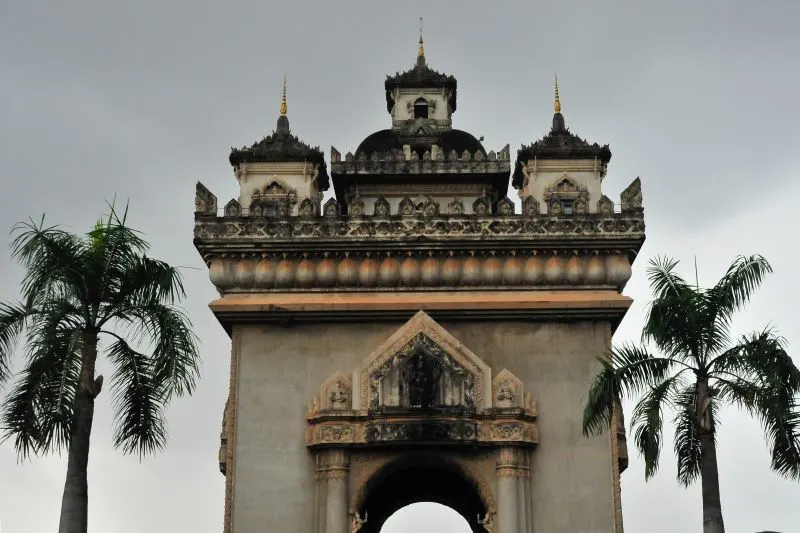
That Dam, also known as the Black Stupa, is a historic monument located in the heart of Vientiane, Laos. Enjoying a sunset at That Dam offers a tranquil and picturesque experience. Here’s a description:
As the sun begins its descent, casting a warm golden hue across the city, That Dam presents an ideal spot to witness a breathtaking sunset. The Black Stupa stands tall against the colorful sky, creating a dramatic silhouette that adds to the enchantment of the moment.
That Dam is a sacred site with a fascinating history. Legend has it that the stupa was once covered in a layer of pure gold, hence its name, which translates to “Black Stupa.” Over time, the gold was stolen, leaving the stupa in its distinctive black color, cloaked in mystery and intrigue.
Located in a small park area, That Dam offers a serene and peaceful atmosphere, making it an ideal place to unwind and enjoy the beauty of the setting sun. You’ll find benches and shaded areas where you can sit and take in the captivating view.
As the sun slowly descends on the horizon, the surrounding landscape takes on a warm and magical glow. The changing colors of the sky create a mesmerizing backdrop for the Black Stupa, enhancing its presence and creating a sense of serenity.
Watching the sunset at That Dam allows you to escape the hustle and bustle of the city, providing a moment of tranquility and reflection. It’s an opportunity to appreciate the natural beauty of Laos and soak in the peaceful ambiance of the surroundings.
Photography enthusiasts will find plenty of opportunities to capture stunning shots of the sunset and the striking contrast between the dark stupa and the vibrant sky. The interplay of light and shadow creates a visually captivating scene that is sure to leave you with memorable images.
After enjoying the sunset, you can take a leisurely stroll around the area, exploring the nearby streets and discovering the local shops, cafes, and restaurants. That Dam is centrally located, making it convenient to continue your evening adventures in Vientiane.
Visiting That Dam for a sunset experience allows you to immerse yourself in the rich history and natural beauty of Laos. It offers a serene and picturesque setting, providing a moment of tranquility and appreciation for the charm and mystique of this iconic monument.
10. Visit Ho Phra Keo: Explore the former royal temple, which now houses a museum of religious art

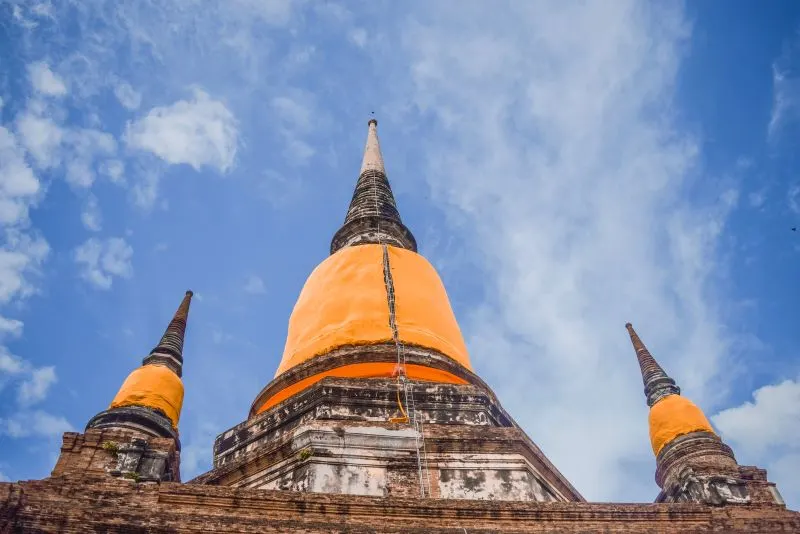
Ho Phra Keo, also known as Haw Phra Kaew, is a significant cultural and religious site located in Vientiane, Laos. It is a temple with a rich history and stunning architectural features. Here’s a description of visiting Ho Phra Keo:
Stepping into Ho Phra Keo is like entering a sanctuary of serenity and beauty. The temple, once home to the Emerald Buddha, houses a collection of religious artifacts and artwork that showcases the rich cultural heritage of Laos.
As you approach the temple, you’ll be captivated by its striking architecture, featuring intricate carvings, elaborate gables, and ornate details. The temple’s design is a fusion of Lao and Thai influences, reflecting the historical connections between the two countries.
Upon entering the temple grounds, you’ll be greeted by a tranquil courtyard adorned with lush greenery and serene statues. The air is filled with a sense of tranquility, inviting you to explore the temple’s interior.
Inside Ho Phra Keo, you’ll find a well-preserved collection of Buddhist sculptures, murals, and artifacts. The dimly lit halls create an atmosphere of reverence, allowing you to appreciate the intricate craftsmanship and artistic mastery displayed throughout the temple.
One of the highlights of a visit to Ho Phra Keo is the opportunity to see the ornate shrine that once housed the revered Emerald Buddha. Although the original statue was taken to Thailand, a replica now stands in its place, offering visitors a glimpse into the temple’s historical significance.
The temple’s walls are adorned with vibrant murals depicting scenes from Buddhist mythology, local legends, and historical events. These exquisite paintings provide insight into the cultural and religious narratives that have shaped Laos’ identity.
The peaceful ambiance of Ho Phra Keo makes it an ideal place for quiet contemplation and reflection. The temple’s serene atmosphere invites visitors to take a moment to meditate or simply appreciate the beauty and tranquility of the surroundings.
Outside the temple, you can explore the well-maintained gardens, which feature manicured pathways and ornamental trees. This outdoor space offers a peaceful retreat and an opportunity to admire the temple’s architecture from different angles.
Visiting Ho Phra Keo allows you to immerse yourself in the spiritual and cultural traditions of Laos. It’s a chance to witness the artistry and devotion of the local craftsmen and gain a deeper understanding of the role Buddhism plays in the country’s cultural fabric.
The temple’s central location in Vientiane makes it easily accessible and often included in city tours. A visit to Ho Phra Keo provides a unique and enriching experience, allowing you to appreciate the architectural beauty, artistic treasures, and spiritual significance of this revered site.
11. Take a bike tour of the city: Cycle through Vientiane’s streets and explore the lesser-known neighborhoods

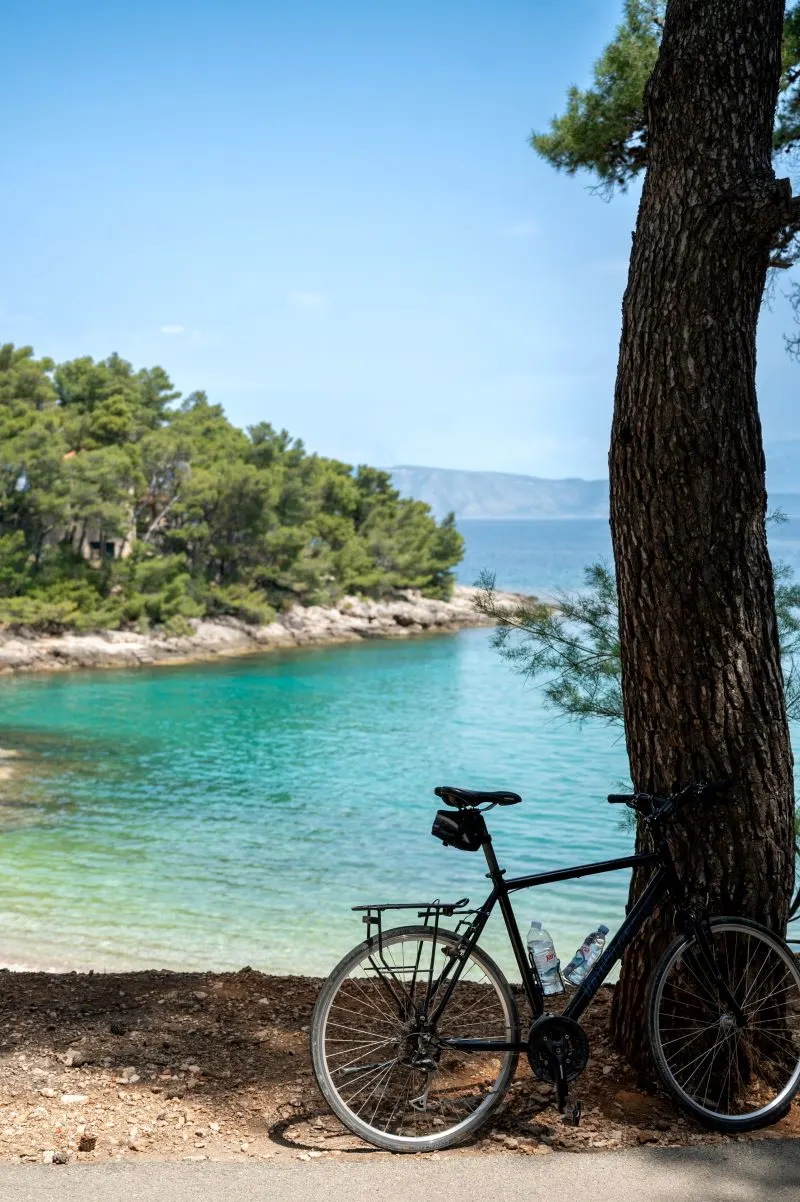
Taking a bike tour of the city in Vientiane, Laos, is a fantastic way to explore the local attractions, immerse yourself in the vibrant atmosphere, and enjoy the scenic beauty of the surroundings. Here’s a description of what you can expect:
Embarking on a bike tour of the city allows you to navigate through the streets of Vientiane at a leisurely pace, providing a unique and up-close perspective of the city’s landmarks, neighborhoods, and local life.
As you pedal through the city, you’ll feel the refreshing breeze against your face and experience the lively ambiance of Vientiane. The bike tour allows you to move effortlessly through the bustling streets, avoiding traffic congestion and enjoying the freedom to explore various areas at your own pace.
The tour typically starts with a knowledgeable guide who will lead you through the city’s main attractions and provide insightful commentary on the history, culture, and significance of each site.
You’ll have the opportunity to make stops along the way, allowing you to fully appreciate and capture the essence of each landmark.
The bike tour may take you to popular attractions such as Wat Si Saket, Patuxai (Victory Monument), Pha That Luang, and the Mekong River waterfront. You’ll have the chance to admire the stunning architecture, learn about the cultural significance of these sites, and capture memorable photographs.
In addition to visiting the main attractions, the bike tour may also take you through the local neighborhoods, where you can observe the daily life of the people and experience the vibrant atmosphere of the city.
You might pass by bustling markets, colorful temples, and charming cafes, providing a glimpse into the local culture and daily routines.
Cycling through the city’s streets allows you to discover hidden gems and lesser-known spots that are off the beaten path. These could include local parks, peaceful residential areas, or lesser-known temples that showcase the authentic charm of Vientiane.
One of the highlights of a bike tour is the flexibility it offers. Unlike other forms of transportation, biking allows you to easily stop and explore interesting sights, take photos, or interact with the locals. It provides a sense of freedom and adventure, allowing you to fully immerse yourself in the city’s vibrant energy.
Taking a bike tour of Vientiane also offers health and environmental benefits. It’s an eco-friendly way to explore the city while staying active and enjoying the fresh air. The tour is suitable for all fitness levels, and the pace is usually relaxed, making it accessible for everyone.
Before embarking on a bike tour, ensure that you have a well-maintained bicycle, wear a helmet for safety, and follow the guidance of your tour guide. It’s also advisable to wear comfortable clothing, bring sunscreen, and stay hydrated throughout the tour.
A bike tour of the city in Vientiane provides an immersive and memorable experience. It allows you to see the city from a different perspective, engage with the local culture, and create lasting memories as you explore the vibrant streets, landmarks, and hidden corners of this charming capital.
12. Take a boat trip to the nearby islands: Visit Don Chan Island or Ban Khone for a relaxing day on the river

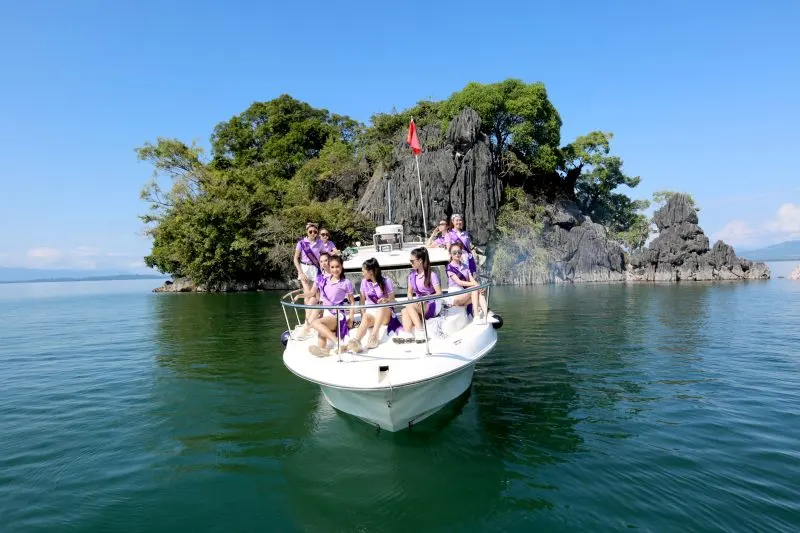
Taking a boat trip to the nearby islands from Vientiane or Luang Prabang in Laos is a wonderful way to explore the natural beauty of the region and experience the tranquility of the Mekong River. Here’s a description of what you can expect:
Embarking on a boat trip to the nearby islands is a delightful adventure that allows you to escape the bustling cities and immerse yourself in the serene riverine landscapes of Laos.
Whether you’re in Vientiane or Luang Prabang, you’ll find options for boat tours that take you to the picturesque islands along the Mekong River.
As you set sail, you’ll be greeted by the gentle breeze and the soothing sounds of the river. The boat ride itself offers a unique perspective, allowing you to witness the local river life and observe the scenic surroundings as you navigate through the tranquil waters.
The nearby islands are known for their natural beauty and peaceful ambiance. These islands often serve as sanctuaries away from the urban hustle and bustle, offering a serene retreat where you can relax, unwind, and connect with nature.
Depending on the specific tour you choose, you may visit islands that feature lush greenery, sandy beaches, or stunning rock formations. Some islands may also have small villages or temples that offer insights into the local culture and traditions of riverine communities.
During the boat trip, you’ll have the opportunity to enjoy panoramic views of the river and its banks, which are often dotted with traditional riverside villages and fields of crops.
The tranquil atmosphere and scenic landscapes provide ample photo opportunities and a chance to appreciate the natural beauty of Laos.
Many boat tours also offer opportunities for swimming, fishing, or simply basking in the sun on the sandy shores of the islands. You can take a leisurely stroll along the beaches, explore the island’s flora and fauna, or simply find a peaceful spot to relax and enjoy the surroundings.
Some tours may also include stops at floating markets or riverside restaurants, where you can sample local cuisine or purchase traditional handicrafts from the local communities. These experiences allow you to engage with the local culture and support the livelihoods of the riverside communities.
Whether you choose a half-day tour or a multi-day excursion, a boat trip to the nearby islands offers a refreshing break from the city and a chance to connect with the natural beauty of Laos. It’s an opportunity to slow down, unwind, and appreciate the tranquility of the Mekong River and its picturesque islands.
Remember to check with local tour operators for the best options and safety guidelines for boat trips, and don’t forget to bring sunscreen, a hat, and drinking water to stay comfortable during your journey.
13. Visit the Lao Textile Museum: Discover the rich tradition of weaving and textile production in Laos

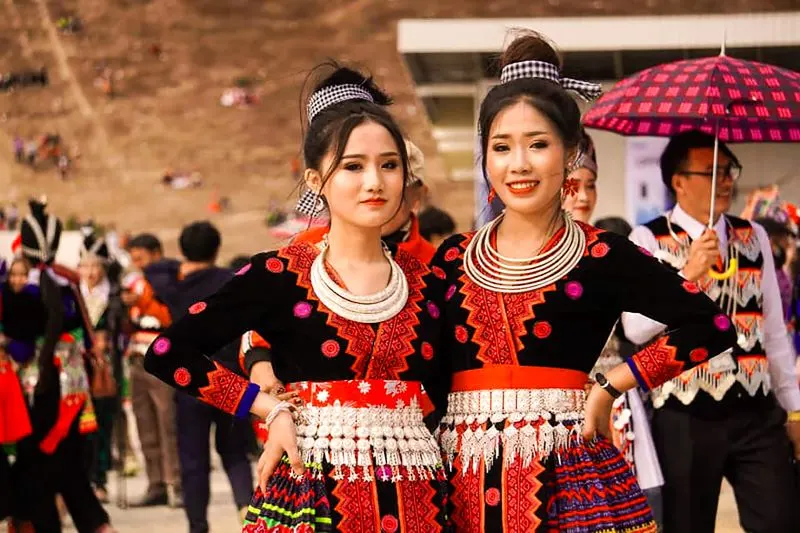
The Lao Textile Museum in Vientiane, Laos, is a captivating destination that offers visitors a unique opportunity to learn about the traditional textile arts and craftsmanship of the country. Here’s a description of visiting the Lao Textile Museum:
Located in a charming traditional Lao wooden house, the Lao Textile Museum is a treasure trove of knowledge and inspiration for textile enthusiasts and those interested in the rich cultural heritage of Laos.
As you enter the museum, you’ll be greeted by a warm and inviting atmosphere, with vibrant textiles adorning the walls and intricate weaving techniques on display.
The museum is dedicated to showcasing the artistry, techniques, and cultural significance of Lao textiles. It offers a comprehensive exploration of the diverse range of textiles found in different regions of Laos, each with its unique patterns, colors, and weaving styles.
As you explore the exhibits, you’ll have the opportunity to see a wide variety of textiles, including intricate silk weavings, traditional clothing, ceremonial textiles, and decorative items.
The displays highlight the traditional techniques used by Lao artisans, such as the intricate ikat dyeing process, intricate brocade weaving, and supplementary weft patterning.
The Lao Textile Museum provides a deeper understanding of the cultural and historical context of textiles in Laos. The exhibits often include informative explanations that delve into the symbolism, rituals, and social significance of textiles within Lao society.
One of the highlights of visiting the museum is the chance to witness traditional weaving demonstrations. Skilled weavers may be present, showcasing their expertise and allowing you to observe the intricate process of transforming silk threads into exquisite textiles. You may even have the opportunity to try your hand at weaving under the guidance of experienced artisans.
The museum also offers workshops and classes for those interested in learning more about traditional Lao textile techniques. These hands-on experiences provide an immersive and enriching opportunity to engage with the artistry and craftsmanship firsthand.
Beyond the exhibitions, the Lao Textile Museum often hosts cultural events, lectures, and exhibitions that celebrate the beauty and significance of Lao textiles.
These events provide a deeper insight into the preservation efforts, contemporary adaptations, and innovative approaches within the realm of Lao textile arts.
Before leaving the museum, don’t forget to visit the museum shop, where you can find a selection of high-quality textiles, handicrafts, and souvenirs.
These items make for unique and meaningful gifts, allowing you to support local artisans and take a piece of Lao textile heritage home with you.
Visiting the Lao Textile Museum is a journey into the world of Lao textiles, offering a captivating exploration of the country’s rich cultural heritage.
It provides a deeper appreciation for the artistry, techniques, and cultural significance of textiles in Laos and showcases the dedication and skill of the artisans who preserve these traditions.
14. Explore the Vientiane Night Market: Sample local street food, shop for souvenirs, and enjoy live performances

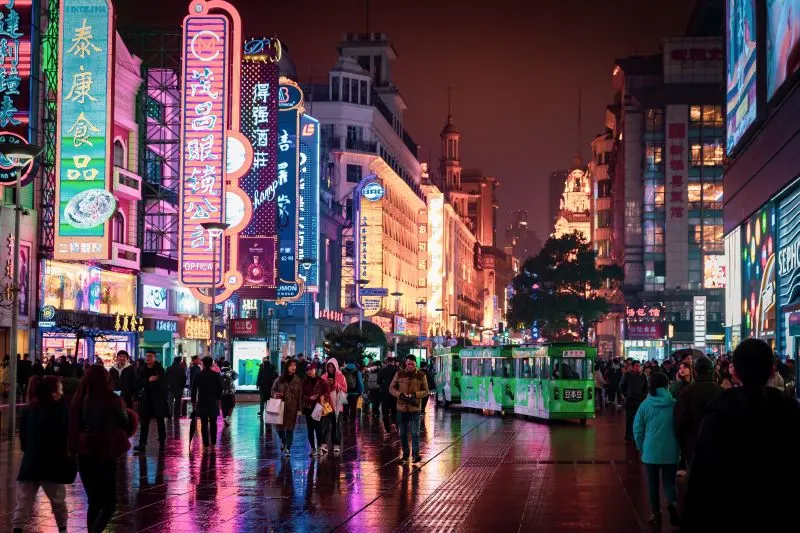
The Vientiane Night Market is a vibrant and bustling market located along the Mekong River in Vientiane, Laos. It offers a lively atmosphere, a wide array of goods, and a chance to immerse yourself in the local culture. Here’s a description of exploring the Vientiane Night Market:
As the sun sets and the city comes alive, the Vientiane Night Market begins to buzz with activity. The market stretches along the promenade of the Mekong River, transforming it into a lively and colorful hub of commerce and entertainment.
Walking through the market, you’ll be greeted by a kaleidoscope of sights, sounds, and scents. The vibrant stalls are filled with a variety of goods, ranging from traditional handicrafts and textiles to clothing, accessories, souvenirs, and local street food.
The market offers a fantastic opportunity to engage with local vendors and artisans, who take pride in their craft and are often eager to share stories and insights about their products.
You can browse through their offerings, admire the intricacy of handmade crafts, and learn about the cultural significance behind each item.
One of the highlights of the Vientiane Night Market is the traditional textiles and handicrafts. You’ll find a dazzling array of Lao silk scarves, intricately woven textiles, embroidered bags, and unique jewelry that showcase the artistry and craftsmanship of local artisans. These items make for meaningful and authentic souvenirs or gifts.
The market is also a haven for food enthusiasts. Alongside the rows of vendors, you’ll find stalls serving up delicious Lao street food.
From mouth-watering grilled meats and savory noodle dishes to refreshing fruit shakes and sweet treats, the market is a food lover’s paradise. Be sure to try some local specialties like sticky rice, papaya salad, or khao piak sen (Lao rice noodle soup).
As you explore the market, you’ll also encounter live performances and cultural displays. Traditional Lao music, dance, and puppet shows add to the vibrant ambiance, providing entertainment and a glimpse into the local performing arts scene.
The riverside location of the market adds to its charm. You can take a leisurely stroll along the promenade, enjoy the cool river breeze, and take in the panoramic views of the Mekong River. It’s a great place to relax, people-watch, and soak up the lively atmosphere.
The Vientiane Night Market is a popular gathering spot for locals and tourists alike. It offers a unique blend of shopping, dining, and cultural experiences, making it an excellent place to experience the local way of life and connect with the vibrant energy of Vientiane.
Remember to practice your bargaining skills when shopping at the market, as haggling is a common practice. Additionally, keep in mind that the market operates in the evening, typically from late afternoon until around 10 pm, so plan your visit accordingly.
Exploring the Vientiane Night Market is a must-do experience for visitors to the city. It’s a vibrant and lively place that showcases the diversity of Lao culture, offers a taste of local cuisine, and provides an opportunity to find unique souvenirs and treasures to take home.
15. Take a tuk-tuk ride around the city: Experience the local mode of transportation and explore different neighborhoods

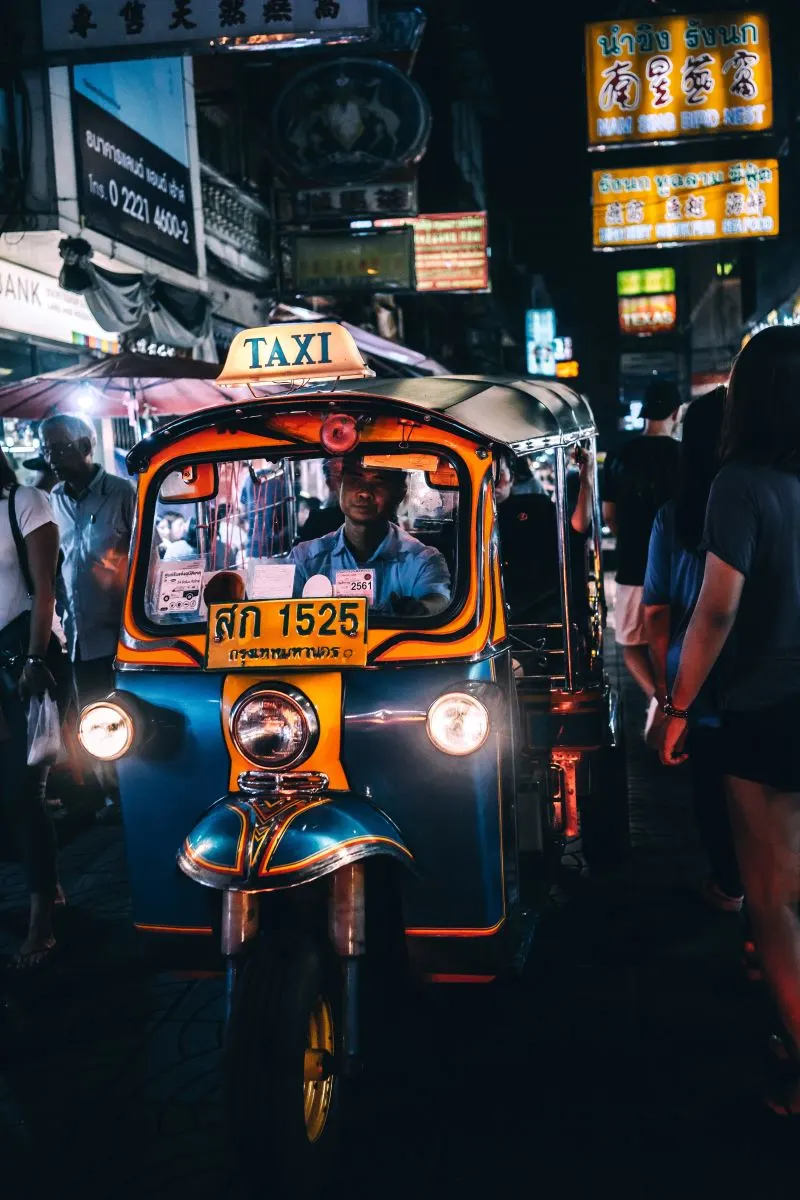
Taking a tuk-tuk ride around the city in Vientiane, Laos, is a popular and enjoyable way to explore the sights and sounds of the capital. Here’s a description of what you can expect:
A tuk-tuk is a three-wheeled motorized vehicle that serves as a common mode of transportation in many Southeast Asian countries, including Laos. It is a unique and iconic form of transportation that offers a fun and adventurous way to navigate the city streets.
When you embark on a tuk-tuk ride in Vientiane, you’ll find yourself in a compact yet open vehicle that allows you to experience the sights, sounds, and ambiance of the city up close.
The tuk-tuk’s open design provides an unrestricted view, allowing you to fully immerse yourself in the vibrant energy of the surroundings.
As you zip through the streets, you’ll feel the wind against your face and hear the sounds of the city. The ride can be exhilarating, with the nimble tuk-tuk maneuvering through traffic and taking you to your desired destinations.
A tuk-tuk ride offers the convenience of being able to visit multiple attractions in a relatively short period. You can easily hop on and off at various landmarks, temples, markets, or other points of interest along the way. Tuk-tuk drivers are familiar with the city and can provide recommendations and guidance if needed.
During your ride, you may pass by some of Vientiane’s iconic landmarks, such as Pha That Luang, Patuxai (Victory Monument), Wat Si Saket, or the bustling Morning Market.
The tuk-tuk can take you to places that may be a bit farther or harder to reach on foot, allowing you to cover more ground and explore different neighborhoods.
The tuk-tuk drivers themselves can add to the experience. They are often friendly, approachable, and willing to engage in conversation. They may share stories about the city, provide local insights, or even recommend hidden gems that are off the usual tourist path.
Another advantage of taking a tuk-tuk ride is the opportunity to observe the local way of life. As you travel through the streets, you’ll witness the daily routines of the city’s residents, see local shops and businesses, and experience the authentic atmosphere of Vientiane.
It’s worth noting that negotiating the fare with the tuk-tuk driver is common practice in Laos. Be prepared to haggle a bit to agree on a fair price before starting your journey. It’s also advisable to agree on the price and any additional stops or duration of the ride beforehand to avoid misunderstandings.
When taking a tuk-tuk ride, it’s important to prioritize safety. Make sure the tuk-tuk is in good condition and that the driver adheres to traffic rules. If possible, opt for licensed tuk-tuk drivers or those recommended by reliable sources.
16. Visit Wat Ho Phra Keo Museum: Explore the exhibits showcasing Buddhist artifacts and religious art

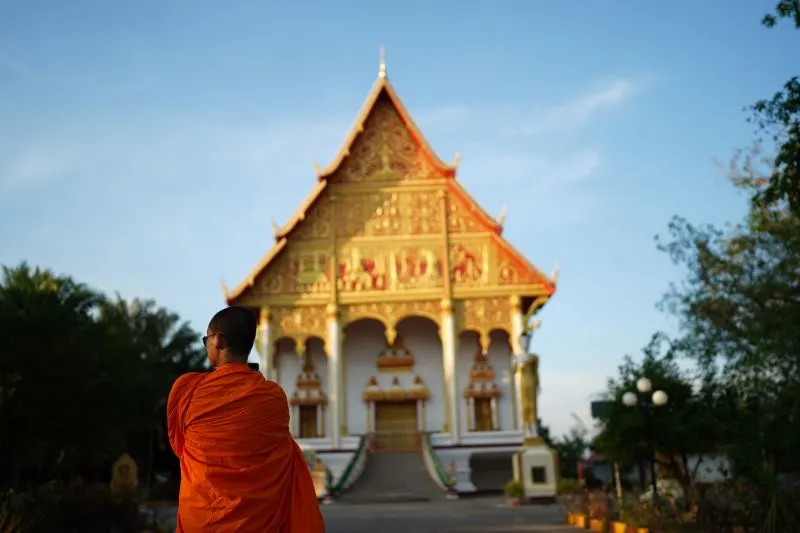
The Wat Ho Phra Keo Museum, also known as the Haw Phra Kaew Museum, is a significant cultural and historical site located in Vientiane, Laos. Here’s a description of visiting the museum:
The Wat Ho Phra Keo Museum is housed within a beautifully preserved temple complex that dates back to the 16th century. The temple, originally built to house the Emerald Buddha, now serves as a museum showcasing a collection of religious art and artifacts from various periods in Laos’ history.
As you approach the temple, you’ll be captivated by its elegant and ornate architecture. The temple’s exterior features intricate carvings, vibrant colors, and detailed craftsmanship, showcasing the rich artistic traditions of Laos.
Upon entering the museum, you’ll find yourself immersed in a tranquil and serene atmosphere. The interior of the temple has been transformed into exhibition halls that display a diverse range of religious art and cultural artifacts.
The museum’s collection includes exquisite Buddha images, ancient sculptures, intricate wood carvings, ornate temple furnishings, and intricately woven textiles. Each piece reflects the artistic styles and influences from different periods in Lao history, providing insights into the country’s rich cultural heritage.
One of the highlights of the museum is the display of the original Emerald Buddha statue. This highly revered and significant image was once enshrined in the temple but was later moved to Thailand.
A replica now stands in its place, allowing visitors to appreciate the craftsmanship and symbolic importance of the Emerald Buddha.
The museum offers informative descriptions and explanations of the exhibits, providing historical context and cultural significance. It’s a wonderful opportunity to learn about the traditions, beliefs, and religious practices of Laos, as well as the influences of neighboring countries on Lao art and culture.
While exploring the museum, you’ll have the chance to appreciate the intricate details of the artwork up close. The delicate carvings, gilded decorations, and meticulous craftsmanship highlight the skill and dedication of the artisans who created these masterpieces.
Beyond the exhibitions, the Wat Ho Phra Keo Museum also offers a serene environment for reflection and contemplation. The temple grounds feature beautifully manicured gardens, quiet courtyards, and shaded areas where you can sit and soak in the peaceful atmosphere.
Visiting the Wat Ho Phra Keo Museum provides a fascinating glimpse into the cultural and artistic heritage of Laos. It offers a unique opportunity to appreciate the beauty of religious art, learn about Lao history and traditions, and gain a deeper understanding of the country’s rich cultural identity.
Before visiting, it’s recommended to dress modestly and respectfully, as it is a religious site. This means wearing clothing that covers the shoulders and knees. It’s also customary to remove your shoes before entering the temple buildings.
Exploring the Wat Ho Phra Keo Museum is a rewarding experience that allows you to delve into the artistic, religious, and historical aspects of Laos. It’s a must-visit destination for those interested in cultural heritage, religious art, and the fascinating traditions of this captivating country.
17. Take a cooking class: Learn to prepare traditional Lao dishes like larb and sticky rice

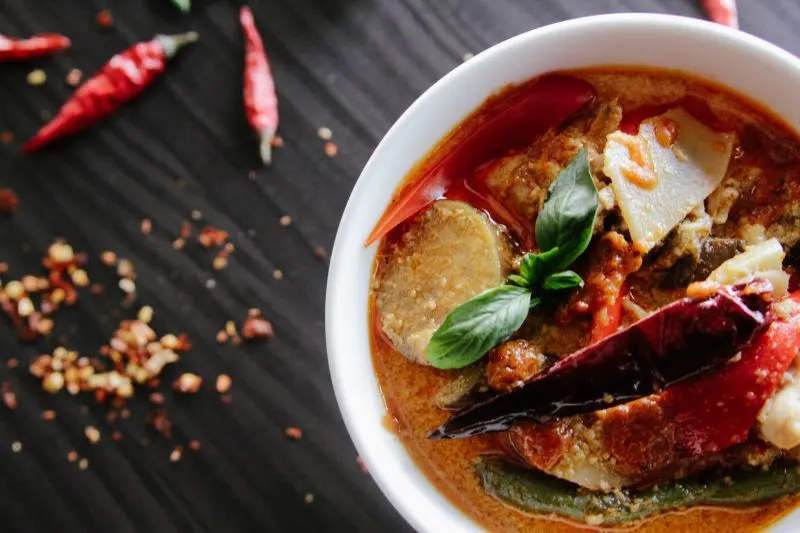
Taking a cooking class in Vientiane, Laos, is an excellent way to immerse yourself in the local culture, learn about traditional Lao cuisine, and acquire new culinary skills. Here’s a description of what you can expect when taking a cooking class:
When you sign up for a cooking class in Vientiane, you’ll have the opportunity to learn from experienced local chefs who are passionate about sharing their knowledge of Lao cuisine.
The classes are often held in well-equipped cooking schools or traditional Lao homes, providing an authentic and immersive environment.
The classes typically begin with a visit to a local market, where you’ll have the chance to explore the vibrant stalls and learn about the essential ingredients used in Lao cooking.
Your instructor will guide you through the market, pointing out various herbs, vegetables, spices, and other ingredients that are integral to Lao cuisine.
After the market visit, you’ll head to the cooking venue, where you’ll be provided with all the necessary equipment and ingredients. Under the guidance of your instructor, you’ll learn how to prepare a variety of traditional Lao dishes, from appetizers and main courses to desserts and snacks.
During the class, you’ll be introduced to the unique flavors and techniques of Lao cooking. You’ll learn how to balance the aromatic herbs, spices, and sauces that are central to Lao cuisine, creating dishes that are flavorful, fragrant, and distinctively Lao.
The classes are typically hands-on, allowing you to actively participate in the cooking process. Your instructor will demonstrate each step and provide helpful tips and techniques to ensure that you can recreate the dishes at home.
You’ll have the opportunity to chop, stir, season, and taste your way to mastering traditional Lao recipes.
As you prepare the dishes, you’ll gain insights into the cultural significance and regional variations of Lao cuisine. Your instructor may share stories and anecdotes about the origins of the dishes, the role of food in Lao traditions and ceremonies, and the importance of communal dining in Lao culture.
Once the cooking is complete, the best part awaits—the chance to savor the fruits of your labor. You’ll sit down to enjoy the delicious dishes you’ve prepared, accompanied by traditional Lao condiments and perhaps a refreshing drink.
This is a moment to appreciate the flavors, textures, and aromas of Lao cuisine while bonding with your fellow participants.
Beyond the culinary skills you’ll acquire, taking a cooking class provides an opportunity for cultural exchange and connection.
You’ll have the chance to interact with the instructor and fellow participants, sharing stories, laughter, and a love for food. It’s a wonderful way to make new friends and create lasting memories.
Whether you’re a novice in the kitchen or an experienced cook, a cooking class in Vientiane offers a rewarding and enriching experience. It allows you to delve into the heart of Lao cuisine, explore the local flavors, and gain a deeper understanding of the country’s culinary traditions.
Before signing up for a cooking class, it’s advisable to check the class duration, menu options, and any specific dietary requirements. Many cooking schools offer a range of class options, including half-day or full-day programs, and cater to different dietary preferences or restrictions.
Taking a cooking class in Vientiane is a delightful way to bring a piece of Lao culture into your own kitchen and create lasting memories of your time in Laos.
18. Relax at a traditional Lao spa: Indulge in a traditional massage or herbal sauna

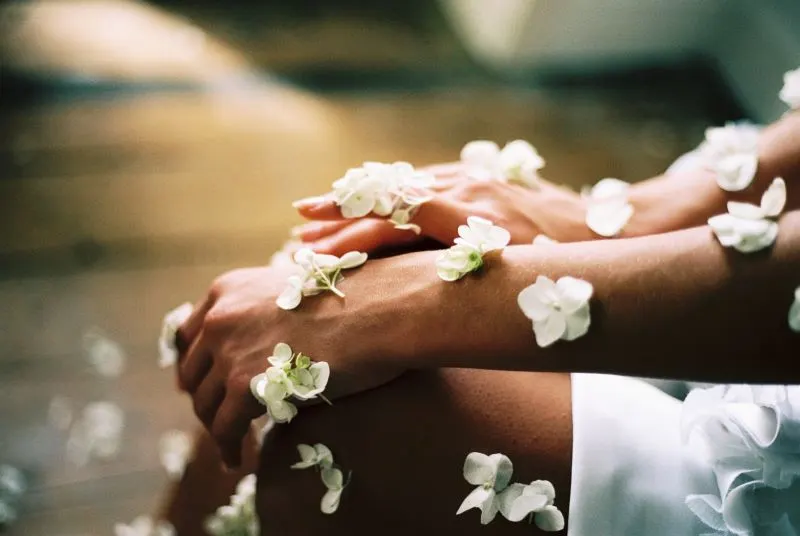
Relaxing at a traditional Lao spa in Vientiane offers a blissful retreat from the hustle and bustle of the city, allowing you to unwind, rejuvenate, and experience the therapeutic traditions of Laos. Here’s a description of what you can expect when visiting a traditional Lao spa:
When you step into a traditional Lao spa, you’ll be greeted by a serene and tranquil atmosphere. The spa is designed to create a sense of calm and relaxation, with soothing colors, soft lighting, and fragrant aromas that envelop you as you enter.
The spa menu will offer a range of treatments inspired by traditional Lao healing practices. Lao spas often incorporate natural ingredients and traditional techniques that have been passed down through generations, ensuring an authentic and culturally immersive experience.
One of the signature treatments you might find at a Lao spa is a traditional Lao massage. Lao massage combines elements of acupressure, stretching, and deep tissue massage to release tension, improve circulation, and promote overall well-being.
Highly skilled therapists will apply rhythmic pressure to specific points on your body, helping to relieve muscle stiffness and revitalize your energy.
Another popular treatment is herbal compress therapy. This therapy involves the use of heated herbal pouches filled with a blend of aromatic herbs.
The therapist gently applies the warm compresses to different parts of your body, allowing the herbal steam and therapeutic properties of the herbs to penetrate your skin, relax your muscles, and provide a sense of deep relaxation.
Many Lao spas also offer traditional herbal steam baths, known as herbal saunas or “kaa”. These herbal steam baths involve sitting in a small, enclosed space filled with steam infused with aromatic herbs.
The steam helps to open up your pores, cleanse your skin, and detoxify your body, leaving you feeling refreshed and revitalized.
In addition to massages and steam baths, you may find other treatments such as body scrubs, facials, and reflexology. Lao spas often incorporate local ingredients, such as herbs, flowers, and essential oils, into their treatments to enhance their therapeutic benefits and create a truly immersive experience.
Throughout your spa experience, you’ll be treated with warm hospitality and attentive service. The staff at Lao spas are trained to create a soothing and nurturing environment, ensuring that you feel comfortable and cared for throughout your visit.
After your treatment, you’ll have the opportunity to relax in a dedicated relaxation area. This space is designed to provide a peaceful and serene ambiance, allowing you to fully unwind and savor the lingering effects of your spa experience. You may enjoy a herbal tea or refreshing drink while basking in the tranquility of the surroundings.
Visiting a traditional Lao spa offers not only physical relaxation but also a connection to Lao culture and wellness traditions. It’s a chance to experience the healing practices that have been cherished for generations, promoting a sense of balance, harmony, and well-being.
Before visiting a spa, it’s recommended to make a reservation to ensure availability. It’s also advisable to communicate any specific preferences or concerns, such as pressure intensity or allergies, to ensure that the treatments are tailored to your needs.
Relaxing at a traditional Lao spa in Vientiane is a wonderful way to pamper yourself, relieve stress, and indulge in self-care. It provides a rejuvenating escape and an opportunity to immerse yourself in the therapeutic traditions of Laos, leaving you feeling refreshed, revitalized, and ready to continue your journey.
19. Visit the Lao Disabled Women’s Development Center: Support a good cause and purchase handmade crafts

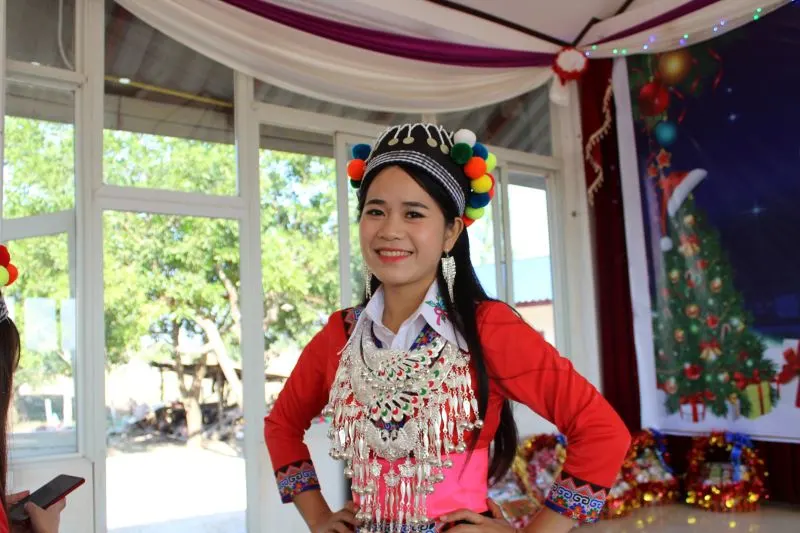
The Lao Disabled Women’s Development Center (LDWDC) is a remarkable organization located in Vientiane, Laos, that focuses on empowering disabled women and promoting their inclusion in society. Here’s a description of visiting the center:
The Lao Disabled Women’s Development Center is a place of inspiration, resilience, and empowerment. As you enter the center, you’ll immediately feel a warm and welcoming atmosphere.
The center is dedicated to supporting disabled women in various aspects of their lives, including education, vocational training, healthcare, and social integration.
During your visit, you’ll have the opportunity to learn about the center’s mission, programs, and initiatives. The center’s staff members are passionate advocates for disabled women’s rights and will be eager to share their experiences and stories with you.
The center offers various services and activities aimed at enhancing the well-being and independence of disabled women. These include skills training in handicrafts, sewing, weaving, and traditional Lao arts, providing the women with valuable vocational skills and income-generation opportunities.
You’ll have the chance to observe the women at work, showcasing their talents and creativity in producing a wide range of handmade products. From intricately woven textiles to unique crafts and accessories, the center’s products are a testament to the skills and resilience of the disabled women involved.
Interacting with the women at the LDWDC can be a deeply meaningful experience. You’ll witness their determination, strength, and positive spirit as they navigate their daily lives and pursue their goals.
It’s an opportunity to gain insights into the challenges they face and to appreciate their resilience and contributions to society.
In addition to the vocational training and income-generation activities, the center also focuses on providing disabled women with access to healthcare, education, and social support.
They offer counseling services, health screenings, and awareness programs to address the specific needs and concerns of disabled women.
During your visit, you may also have the opportunity to participate in workshops or activities organized by the center. These may include traditional Lao handicraft demonstrations, cultural performances, or discussions on disability rights and social inclusion.
These activities provide a deeper understanding of the center’s work and the broader issues surrounding disability in Laos.
By visiting the Lao Disabled Women’s Development Center, you’ll not only support a worthy cause but also contribute to changing perceptions and promoting inclusivity.
The center serves as a hub for fostering community engagement and awareness about the rights and capabilities of disabled women in Laos.
Before visiting the center, it’s advisable to check their opening hours and any specific guidelines for visitors. The staff will be happy to guide you through the center, answer your questions, and provide more information about how you can support their work.
Visiting the Lao Disabled Women’s Development Center is an opportunity to witness firsthand the transformative impact of empowering disabled women and promoting their participation in society.
It’s a chance to celebrate their achievements, learn from their experiences, and contribute to creating a more inclusive and equitable society in Laos.
20. Visit the Vat Chan Temple: Explore this beautiful temple known for its detailed woodwork and serene atmosphere

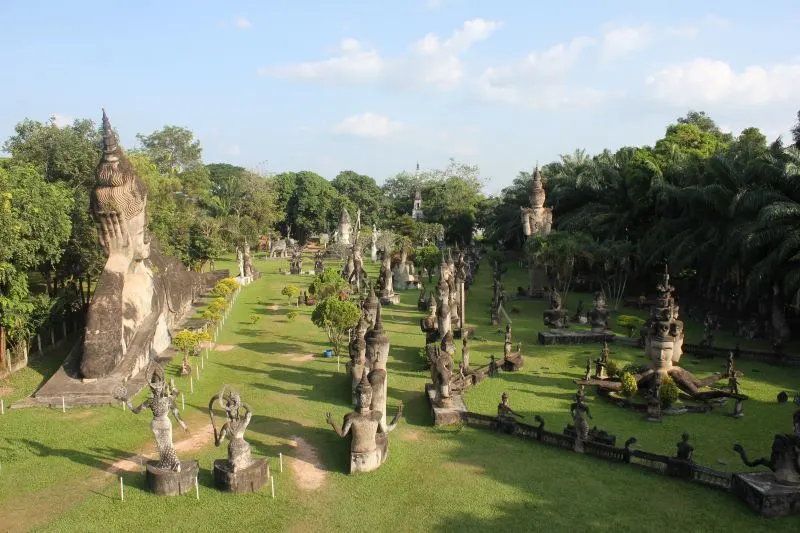
Vat Chan Temple, also known as Wat Chan, is a Buddhist temple located in Vientiane, the capital city of Laos. Here’s a description of what you can expect when visiting Vat Chan Temple:
Vat Chan Temple is a significant religious site that holds historical and cultural significance in Vientiane. As you approach the temple, you’ll be greeted by an intricately designed gateway and a spacious courtyard adorned with lush greenery and statues.
The temple’s architecture showcases traditional Lao Buddhist style, characterized by its ornate and gilded decoration. The main hall, or sim, features a multi-tiered roof adorned with intricate woodcarvings and golden motifs. The walls are often embellished with colorful murals depicting scenes from Buddhist mythology and the Jataka tales.
Inside the temple, you’ll find a serene and sacred atmosphere. The air is filled with the scent of incense, and soft lighting creates a tranquil ambiance.
The main attraction is the central Buddha image, which is often large and lavishly adorned. Visitors can offer prayers, light incense, and make offerings as a sign of respect and reverence.
As you explore the temple grounds, you’ll likely come across smaller structures such as pavilions, stupas, and meditation halls. These areas provide quiet spaces for contemplation and meditation, where you can experience a sense of tranquility and inner peace.
Vat Chan Temple is not only a place of worship but also a hub for cultural and community events. Throughout the year, the temple hosts religious ceremonies, festivals, and other important Buddhist gatherings.
Attending these events can provide a deeper understanding of Lao Buddhist traditions and allow you to witness the vibrant spirit of the local community.
Visiting Vat Chan Temple offers a chance to engage with the local Buddhist culture and gain insight into the religious practices of Laos. It’s a place where you can witness the devotion and faith of the local community, and perhaps even have the opportunity to interact with monks who reside at the temple.
When visiting any temple in Laos, it’s important to dress modestly and respectfully. Both men and women should ensure their shoulders and knees are covered, and it’s customary to remove your shoes before entering the main temple hall.
Exploring Vat Chan Temple provides a serene and reflective experience, allowing you to connect with the spiritual traditions of Laos and appreciate the intricate beauty of Lao Buddhist architecture.
Whether you’re seeking spiritual solace or simply want to explore the cultural heritage of Vientiane, a visit to Vat Chan Temple is a worthwhile and enriching experience.
21. Attend a traditional Lao dance performance: Experience the grace and beauty of classical Lao dance

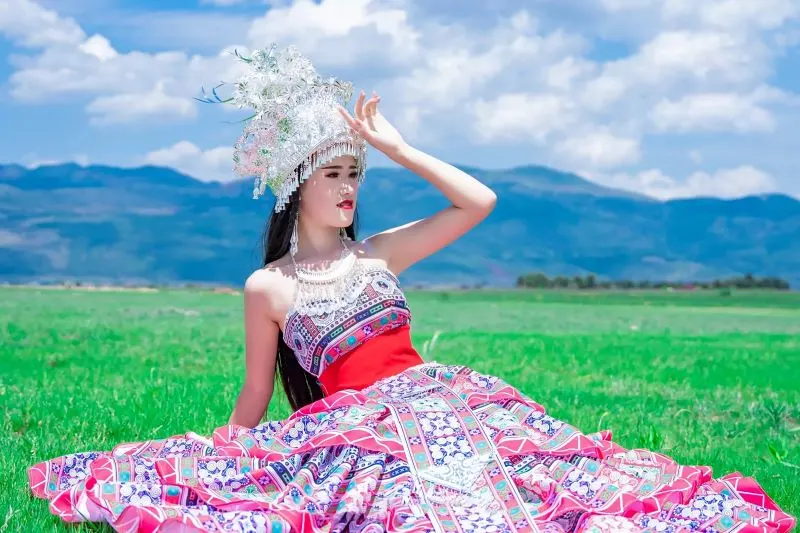
Attending a traditional Lao dance performance in Vientiane offers a captivating experience that showcases the rich cultural heritage of Laos. Here’s a description of what you can expect:
Traditional Lao dance is an art form that has been passed down through generations, reflecting the country’s history, folklore, and religious beliefs. The performances typically take place in specially designated venues or during cultural events and festivals.
As you arrive at the venue, you’ll be immersed in an atmosphere of anticipation and excitement. The stage is set with vibrant decorations, and the lighting casts a warm glow, creating an inviting ambiance.
The dance performance begins with an introduction that may include traditional music, storytelling, or a brief explanation of the dances and their significance.
The emcee or a knowledgeable host might provide insights into the cultural context, costumes, and symbolism behind the dances, enhancing your understanding and appreciation of the performance.
Lao traditional dance is characterized by its grace, fluidity, and intricate hand gestures. The dancers, often dressed in elegant traditional attire, move with precision and poise, depicting various themes and narratives. The choreography may showcase mythological stories, traditional rituals, or scenes from Lao history and folklore.
Accompanying the dancers, live traditional music is played, featuring instruments such as the khene (a bamboo mouth organ), the drum, and the xylophone.
The music adds depth and emotion to the performance, enhancing the overall atmosphere and creating a rhythmic backdrop for the dancers’ movements.
During the performance, you’ll witness a variety of dance styles, each with its own unique characteristics. The graceful movements, intricate footwork, and expressive facial expressions of the dancers combine to tell stories and convey emotions. The performances are often accompanied by traditional songs or chants, further enriching the cultural experience.
Traditional Lao dance is not only a visual delight but also a reflection of Lao customs and beliefs. It provides insights into the country’s folklore, religious traditions, and cultural practices.
You’ll have the opportunity to witness traditional costumes adorned with elaborate embroidery, vibrant colors, and exquisite details, which add to the visual spectacle.
Attending a traditional Lao dance performance is not merely a passive experience; it’s a celebration of Lao culture and a connection to the local community.
After the performance, you may have the chance to interact with the dancers, ask questions, and learn more about their training and the significance of the dances.
Keep in mind that traditional Lao dance performances may be scheduled during specific events or festivals, so it’s advisable to check the local tourism websites or inquire about upcoming performances beforehand. These performances can be found at cultural centers, theaters, or during special events in Vientiane.
Attending a traditional Lao dance performance offers a mesmerizing and immersive experience, allowing you to witness the beauty, grace, and cultural significance of this ancient art form.
It’s an opportunity to connect with the heritage of Laos, appreciate the talent and dedication of the performers, and gain a deeper understanding of the country’s rich cultural tapestry.
22. Visit the French Cultural Center: Enjoy cultural events, exhibitions, and film screenings

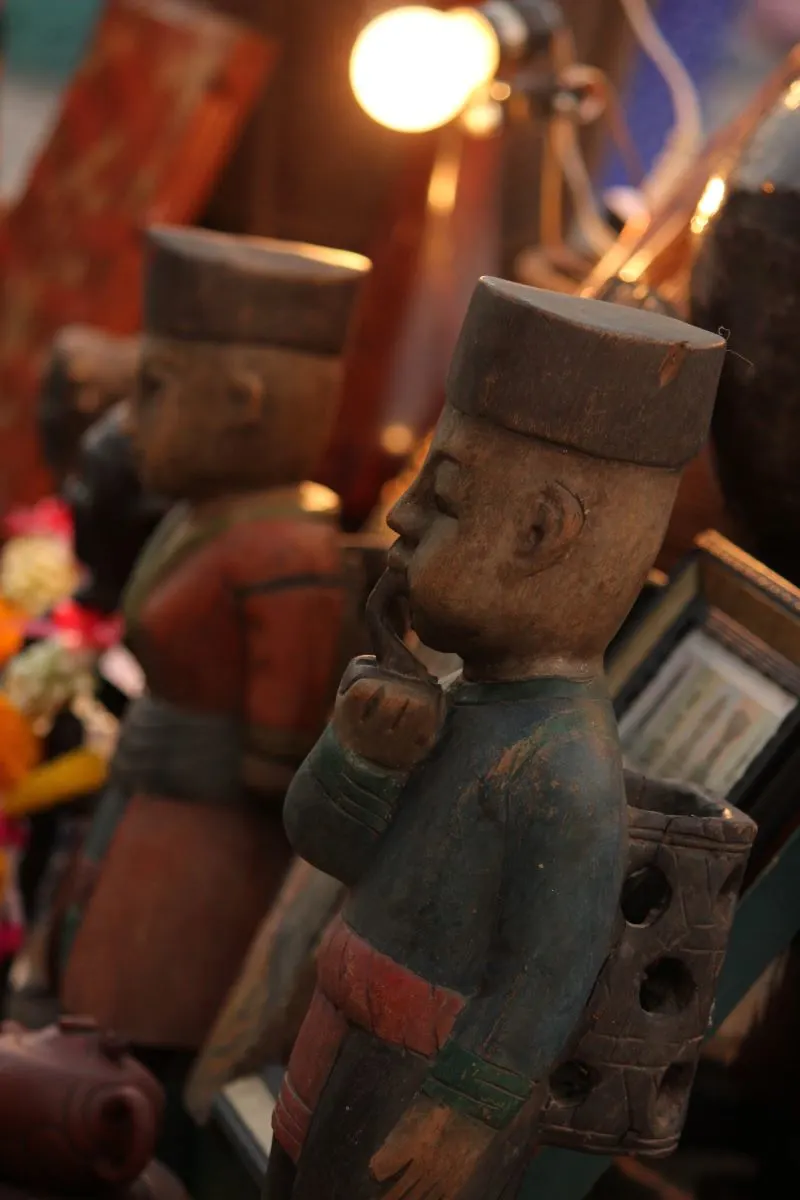
The French Cultural Center, also known as the Centre Culturel Français (CCF), is a cultural institution located in Vientiane, Laos. Here’s a description of what you can expect when visiting the French Cultural Center:
The French Cultural Center is a hub for promoting French language, arts, and culture in Vientiane. As you approach the center, you’ll notice its distinctive architectural style, influenced by French colonial design, which adds to its charm and historical appeal.
Upon entering the center, you’ll find a welcoming and vibrant atmosphere. The center aims to foster cultural exchange and collaboration between Laos and France, providing a space for both locals and visitors to engage with French language and culture.
The center offers a variety of programs and activities that cater to different interests. One of the main attractions is the library, which houses an extensive collection of books, magazines, and multimedia resources in French. Visitors can browse the shelves, read or borrow books, and immerse themselves in French literature and language.
The French Cultural Center often hosts cultural events, including film screenings, art exhibitions, theater performances, and concerts.
These events showcase the richness and diversity of French culture, offering a platform for local and international artists to showcase their talents. Attending these events provides a unique opportunity to experience French arts and entertainment in the heart of Vientiane.
If you’re interested in learning French or improving your language skills, the center offers language courses for various levels. These courses are taught by qualified instructors who use interactive teaching methods to engage students and provide a comprehensive language learning experience.
In addition to language classes, the French Cultural Center also organizes workshops and seminars on various topics related to art, literature, history, and social issues. These events provide a platform for intellectual exchange and foster a deeper understanding of French and Lao cultures.
The center may also have a café or a restaurant where you can enjoy French cuisine and beverages. This provides an opportunity to savor French flavors and indulge in culinary delights, creating a truly immersive experience.
Visiting the French Cultural Center allows you to explore the historical and cultural ties between Laos and France. It’s a space that celebrates the French language, arts, and intellectual exchange while promoting cultural diversity and mutual understanding.
Before visiting the French Cultural Center, it’s recommended to check their website or contact them directly to inquire about their current programs, events, and opening hours.
This will ensure that you can make the most of your visit and participate in any activities or exhibitions that may be of interest to you.
Whether you’re interested in French language, arts, literature, or simply want to immerse yourself in a cultural experience, the French Cultural Center in Vientiane offers a welcoming environment where you can engage with the richness and diversity of French culture in the heart of Laos.
23. Explore the Wat Si Muang Temple: Witness local religious ceremonies and admire the stunning architecture

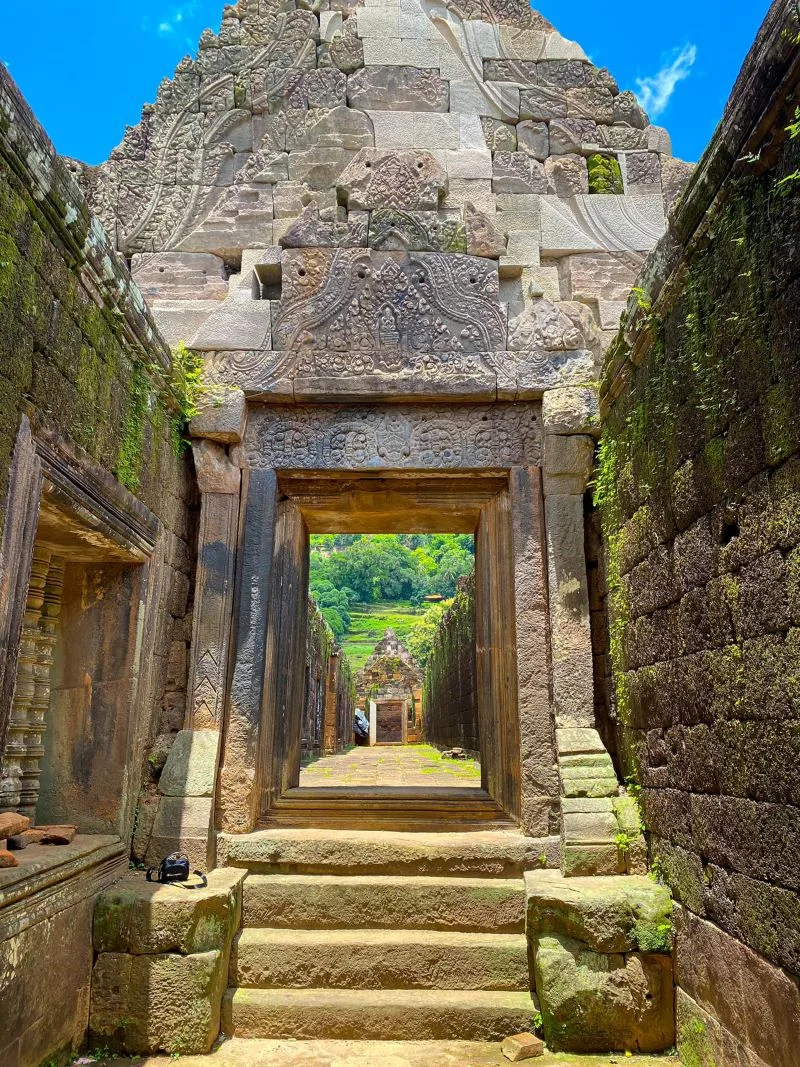
Wat Si Muang is a revered Buddhist temple located in Vientiane, the capital city of Laos. Here’s a description of what you can expect when exploring Wat Si Muang:
Wat Si Muang holds significant religious and cultural importance in Vientiane. As you approach the temple, you’ll notice its distinctive architecture, characterized by its elegant design and ornate decorations. The entrance is often marked by a grand archway or gateway, inviting visitors to enter and explore.
Upon entering the temple grounds, you’ll find yourself immersed in a serene and spiritual atmosphere. The main hall, or sim, is the focal point of the temple and is adorned with intricate woodcarvings, gilded ornaments, and colorful murals depicting Buddhist stories and motifs. The architecture reflects a blend of Lao and Thai influences, creating a unique visual experience.
One of the notable features of Wat Si Muang is the pillar or stupa located within the temple grounds. This pillar is believed to be the home of the guardian spirit of Vientiane, and it holds great significance for the local community. Visitors often come to pay their respects, offer prayers, and make offerings at this sacred site.
Wat Si Muang is also known for its association with local folklore and beliefs. Legend has it that a young woman named Si Muang sacrificed herself during the construction of the temple to ensure its stability and protect the city from misfortune. As a result, the temple was named after her and has since become a place of worship and reverence for locals.
Exploring the temple grounds, you’ll encounter various smaller structures, such as smaller chapels, meditation areas, and statues of Buddha.
These areas provide peaceful spots for contemplation and reflection, allowing visitors to connect with their spiritual side and soak in the tranquility of the temple surroundings.
You may also have the opportunity to witness or participate in religious ceremonies or rituals during your visit. Wat Si Muang is often bustling with activity, especially during important Buddhist festivals or auspicious occasions.
These events offer a glimpse into the local religious practices and provide a deeper understanding of Lao Buddhist traditions.
As with any temple visit, it’s important to dress modestly and respectfully. Both men and women should ensure their shoulders and knees are covered, and it’s customary to remove your shoes before entering the main temple hall.
Exploring Wat Si Muang offers a chance to immerse yourself in the spiritual and cultural heritage of Laos. It’s an opportunity to witness the devotion and faith of the local community, learn about Buddhist traditions, and appreciate the beauty of Lao temple architecture.
Visiting Wat Si Muang allows you to experience the profound spiritual atmosphere and gain a deeper understanding of the role Buddhism plays in the lives of the Lao people.
It’s a place where you can find solace, connect with the local community, and appreciate the cultural significance of this historic temple in Vientiane.
24. Visit the Presidential Palace: Take a guided tour of the presidential residence and admire its architecture

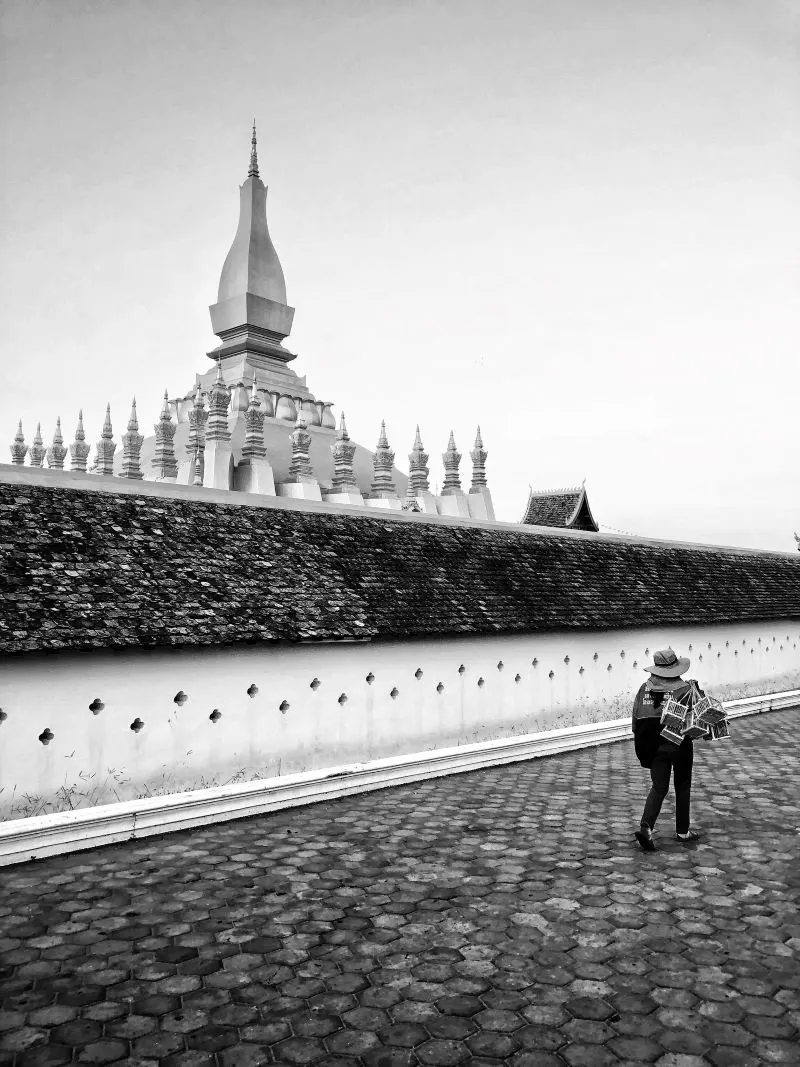
Visiting the Presidential Palace in Vientiane, Laos provides a glimpse into the country’s political history and governmental institutions. Here’s a description of what you can expect when visiting the Presidential Palace:
The Presidential Palace, also known as the “Haw Kham,” is an iconic landmark located in the heart of Vientiane. It serves as the official residence of the President of Laos and is a symbol of the nation’s governance.
As you approach the Presidential Palace, you’ll be greeted by its grand and stately architecture. The building showcases a blend of traditional Lao and French colonial architectural styles, reflecting the country’s historical influences.
Its impressive facade, characterized by graceful arches, intricate carvings, and sweeping balconies, exudes an aura of dignity and authority.
The Presidential Palace is often surrounded by lush gardens and manicured lawns, creating a serene and picturesque environment. These green spaces offer a tranquil retreat amidst the bustling city, and visitors can take leisurely walks or find shaded spots to relax and enjoy the scenery.
It’s important to note that the Presidential Palace is an official government building, and public access to the interior may be restricted. However, the exterior of the palace provides an excellent opportunity to admire its architectural beauty and capture photographs of this iconic landmark.
The palace is typically guarded, and you may see ceremonial guards in traditional attire stationed at the entrance. Their presence adds a sense of ceremony and importance to the location.
While you may not be able to enter the Presidential Palace itself, it’s worth considering that the area surrounding the palace is often open to the public and can be explored.
This includes nearby parks, gardens, or promenades, which offer scenic views of the palace and the opportunity to observe the building from different angles.
Visiting the Presidential Palace provides an appreciation of the political and historical significance of Laos. It’s an opportunity to witness the grandeur of the country’s governance and understand its role in shaping the nation’s identity.
When visiting the Presidential Palace, it’s important to respect any security measures in place and abide by any rules or regulations that govern public access to the area. It’s recommended to check in advance whether there are any specific visiting hours or restrictions in place.
Exploring the vicinity of the Presidential Palace allows you to appreciate the architecture, ambiance, and symbolic importance of this significant governmental building.
It’s a chance to witness the blend of Lao and French influences in the country’s architectural heritage and gain a deeper understanding of Laos’ political landscape.
25. Explore the Talat Khua Din Fresh Market: Experience the vibrant atmosphere and taste local delicacies

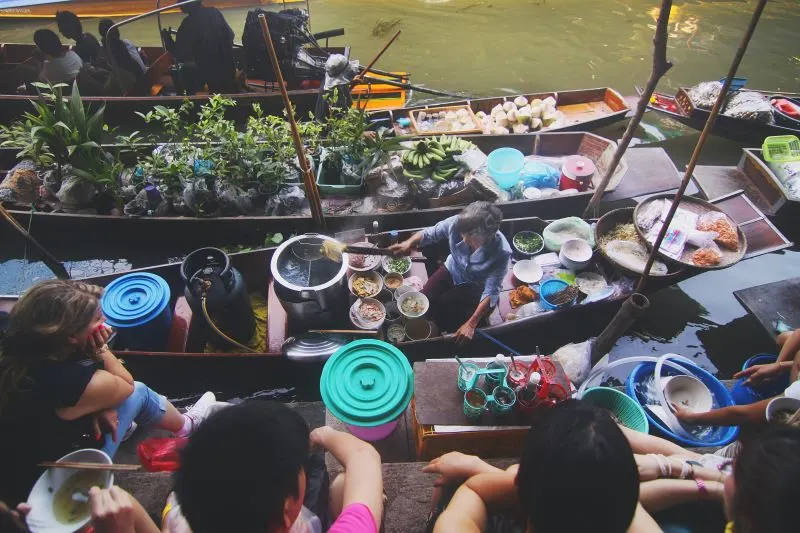
Exploring the Talat Khua Din Fresh Market in Vientiane, Laos offers a vibrant and immersive experience where you can discover the local flavors, ingredients, and daily life of the city. Here’s a description of what you can expect when exploring Talat Khua Din Fresh Market:
Talat Khua Din Fresh Market is a bustling market known for its wide variety of fresh produce, local delicacies, and everyday essentials. Located in the heart of Vientiane, it provides a glimpse into the daily routines and culinary traditions of the local people.
As you approach the market, you’ll be greeted by a vibrant and lively atmosphere. The market is typically filled with stalls and vendors showcasing an array of colorful fruits, vegetables, herbs, spices, and other fresh ingredients. The sights, sounds, and aromas combine to create a sensory experience that immerses you in the local culture.
Wandering through the market, you’ll have the opportunity to interact with friendly vendors and observe the local way of life.
You can marvel at the variety of exotic fruits and vegetables on display, some of which may be unique to the region. The market is also a great place to learn about traditional Lao ingredients, such as sticky rice, fish sauce, and aromatic herbs, which form the foundation of Lao cuisine.
In addition to fresh produce, Talat Khua Din Fresh Market often features sections dedicated to meats, seafood, and poultry. Here, you’ll find an assortment of locally sourced meats, including pork, beef, chicken, and fish. It’s a chance to see the range of cuts available and understand the importance of these ingredients in Lao cooking.
Beyond the food items, the market also offers a variety of other goods. You’ll come across stalls selling traditional Lao crafts, textiles, clothing, household items, and even electronics. Exploring these sections allows you to witness the diverse array of products available and perhaps find unique souvenirs to take home.
Throughout the market, you’ll find small food stalls and vendors selling freshly prepared snacks and meals. This is an excellent opportunity to sample local street food and taste authentic Lao flavors.
From savory noodle dishes to grilled meats, sticky rice, and traditional desserts, there is something to satisfy every palate.
Visiting Talat Khua Din Fresh Market provides an insight into the everyday lives of the local people in Vientiane. It’s a chance to witness the vibrant energy of the market, interact with friendly vendors, and explore the rich culinary heritage of Laos.
When visiting the market, it’s advisable to come early in the day when the market is at its liveliest and the produce is fresh. It’s also recommended to wear comfortable shoes, dress appropriately, and be mindful of your belongings in crowded areas.
Exploring Talat Khua Din Fresh Market offers an authentic and immersive experience, where you can discover the diverse flavors, ingredients, and local culture of Vientiane.
It’s a place where you can engage with the community, indulge in delicious food, and gain a deeper appreciation for the culinary traditions of Laos.
These are just a few of the many activities and attractions that Vientiane has to offer. Enjoy your time exploring the capital city of Laos!
Food In Vientiane

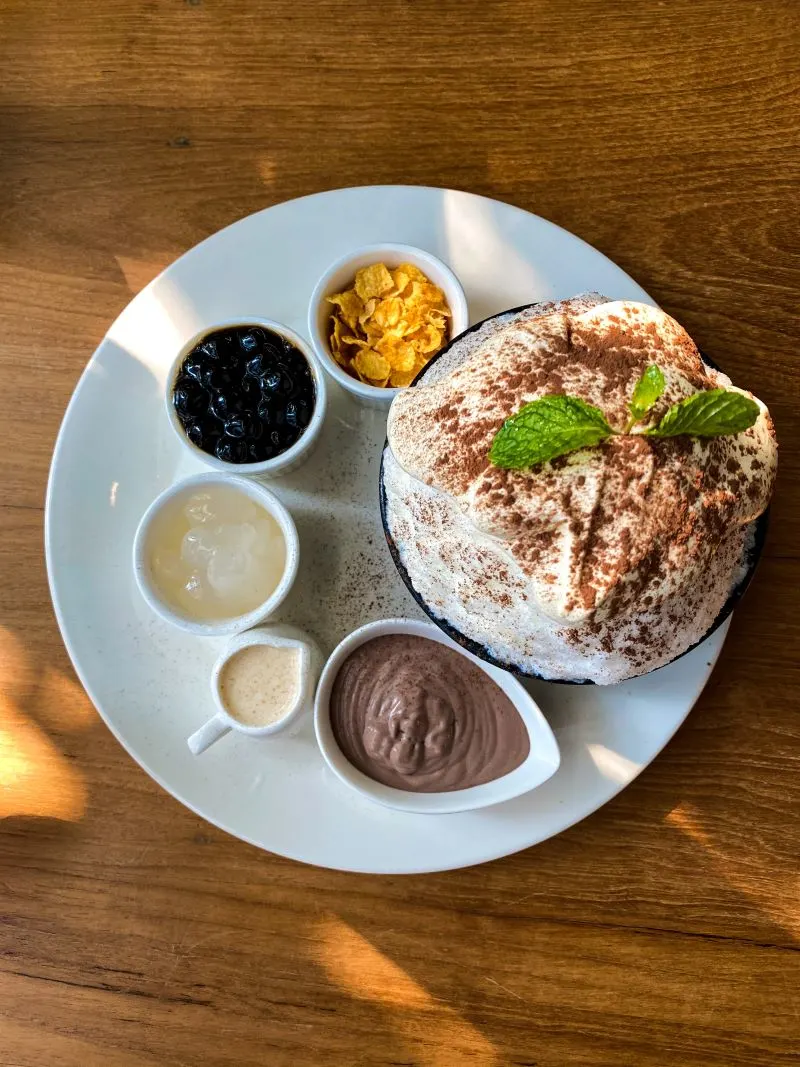
Vientiane, the capital city of Laos, is not only known for its rich history, beautiful temples, and laid-back atmosphere, but also for its vibrant and diverse food culture.
From aromatic street food stalls to charming riverside restaurants, Vientiane offers a gastronomic journey that delights the taste buds and introduces visitors to the flavors of Laos. Let’s embark on a culinary adventure and discover the unique dishes and culinary traditions that make Vientiane a food lover’s paradise.
Traditional Lao Cuisine: At the heart of Vientiane’s food culture lies traditional Lao cuisine, which combines fresh ingredients, aromatic herbs, and a balance of flavors. Sticky rice, known as “khao niao,” is a staple and often enjoyed with various dishes.
Local favorites include “laap,” a minced meat salad seasoned with herbs, lime juice, and chilies, and “tam mak hoong,” a spicy green papaya salad. These dishes showcase the bold and vibrant flavors that define Lao cuisine.
Street Food Delights: Exploring the streets of Vientiane reveals a myriad of enticing street food stalls, where you can indulge in delicious bites on the go. Don’t miss the opportunity to try “sai oua,” a flavorful Lao sausage made with minced pork, lemongrass, and spices, or “khao jee pate,” a baguette sandwich filled with a spread of pâté, cold cuts, and fresh vegetables.
Other street food favorites include “moo ping” (grilled pork skewers), “kanom krok” (coconut pancakes), and “ping kai” (grilled chicken).
Riverside Dining: Vientiane is blessed with a picturesque location along the Mekong River, and it’s here that you’ll find charming riverside restaurants offering not only delectable cuisine but also breathtaking views.
Whether you’re in the mood for traditional Lao dishes or international fare, the riverside dining establishments cater to diverse palates. Savour a spicy “tom yam” soup, feast on fresh river fish, or indulge in a succulent steak while enjoying the serene ambiance and mesmerizing sunsets over the Mekong River.
French Influence: Due to its colonial past, French influence is evident in Vientiane’s culinary landscape. The city boasts an array of French-inspired bakeries and cafes where you can savor buttery croissants, freshly baked baguettes, and delicate pastries. Pair your breakfast with a strong cup of Lao coffee, known for its rich and robust flavor.
French fusion dishes are also available, combining the best of Lao and French culinary traditions, creating a unique and delightful fusion of flavors.
Night Markets: Vientiane truly comes alive in the evenings with its vibrant night markets, such as the famous “Vientiane Night Market” and “Talat Sao Night Market.” These markets offer a treasure trove of food stalls where you can sample an array of snacks, street food, and local delicacies.
Indulge in grilled meats, fresh seafood, fried noodles, and sweet treats like mango sticky rice or coconut pancakes. The night markets are not only a culinary adventure but also a social gathering place, bustling with locals and visitors alike.
Exploring the food culture of Vientiane is a delightful journey that immerses you in the flavors, aromas, and traditions of Laos. From traditional Lao cuisine to tantalizing street food, charming riverside dining to French-inspired treats, and lively night markets, Vientiane offers a culinary experience that satisfies all palates.
So, come prepared to embark on a gastronomic adventure and let the flavors of Vientiane enchant your taste buds, leaving you with lifelong memories of the city’s vibrant food culture.
Top 20 Best Restaurants In Vientiane, Laos


- Makphet Restaurant – Offering delicious Lao cuisine made with fresh, locally sourced ingredients.
- L’Adresse de Tinay – A French-inspired restaurant known for its elegant ambiance and delectable dishes.
- Kong View Restaurant – Located by the Mekong River, it offers stunning views and a menu featuring both Lao and international cuisine.
- The Spirit House – A popular choice for fusion cuisine, combining Lao flavors with international influences.
- Kualao Restaurant – Known for its traditional Lao dishes and beautiful riverside setting.
- Doi Ka Noi – Offers a mix of Lao and Thai cuisine in a charming garden setting.
- Ray’s Grille – A steakhouse and seafood restaurant with a relaxed atmosphere and mouthwatering dishes.
- Khop Chai Deu – A well-known restaurant with a diverse menu, featuring both local and international dishes.
- Chez Alexandre – A cozy French restaurant serving classic French dishes in a charming colonial-style house.
- Bor Pen Nyang – Offers a unique dining experience on a floating restaurant, serving a variety of Asian and Western dishes.
- Lao Kitchen – Known for its authentic Lao flavors and traditional dishes.
- Naked Espresso – A cozy cafe known for its artisanal coffee and delectable brunch options.
- Pimentón – A Spanish restaurant offering tapas, paella, and other Spanish specialties.
- Dokchampa Restaurant – Specializes in Northern Lao cuisine, featuring dishes from the Luang Prabang region.
- The Scandinavian Bakery – Famous for its freshly baked bread, pastries, and sandwiches.
- Lao Bowling Centre Restaurant – A casual restaurant that offers Lao and Western dishes along with bowling lanes for entertainment.
- Tamnak Lao Restaurant – Provides an upscale dining experience with a menu featuring refined Lao dishes.
- Le Banneton – A French bakery and cafe known for its delectable pastries, bread, and light meals.
- Cafe Nomad – Offers a fusion of Asian and Western flavors with a cozy and relaxed atmosphere.
- Xang Khoo – A riverside restaurant with a diverse menu, including Lao, Thai, and Western dishes.
These restaurants represent the diverse culinary scene of Vientiane, offering a range of cuisines and dining experiences to suit different tastes and preferences. Whether you’re seeking traditional Lao flavors, international cuisine, or fusion dishes, these establishments promise a memorable dining experience in the capital city of Laos.
Transportation In Vientiane
- Tuk-tuks: Tuk-tuks are a popular mode of transportation in Vientiane. These three-wheeled vehicles, often brightly decorated, can be found throughout the city. Tuk-tuks are ideal for short distances and offer a convenient and affordable way to get around. Negotiate the fare before getting in, as they usually don’t have meters.
- Taxis: Taxis are another option for getting around Vientiane. They are usually available at major hotels, tourist areas, and near the airport. It’s advisable to use reputable taxi companies or ask your hotel to arrange a taxi for you. Ensure that the meter is used or negotiate a price before starting the ride.
- Bicycle: Vientiane is a relatively flat city, making it suitable for cycling. Many guesthouses and hotels offer bicycle rentals, allowing you to explore the city at your own pace. Cycling can be an enjoyable way to navigate the quieter streets of Vientiane and discover hidden gems.
- Motorbike Rentals: For those comfortable riding motorbikes, renting one can be an efficient way to get around Vientiane. Several rental shops cater to tourists and offer a range of motorbike options. Ensure you have the necessary driving license and wear a helmet for safety.
- Public Buses: Vientiane has a limited public bus system, which consists of both standard and mini-buses. These buses are inexpensive but may not be the most convenient option for tourists, as routes and schedules can be challenging to navigate. However, they can be an option for those looking for a budget-friendly means of transportation.
- Songthaews: Songthaews are shared minivans or pick-up trucks converted into passenger vehicles. They operate on fixed routes and pick up passengers along the way. Songthaews are typically used for longer distances, connecting Vientiane with neighboring towns and villages.
- Walking: Vientiane is a compact city, and many of its attractions are within walking distance of each other. Walking allows you to immerse yourself in the city’s atmosphere, explore its streets, and discover hidden gems along the way. Just be mindful of traffic and use designated pedestrian crossings when necessary.
- Car Rentals: Renting a car is an option for those who prefer the flexibility and convenience of having their own vehicle. Several car rental companies operate in Vientiane, offering a range of vehicles to suit different needs. Remember to familiarize yourself with the local traffic rules and have the necessary documents before renting a car.
It’s important to note that traffic in Vientiane can be congested, especially during peak hours. Plan your journeys accordingly and allow extra time for travel. Additionally, be cautious when crossing roads and follow local traffic rules for your safety.
Vientiane, the capital city of Laos, offers a wealth of experiences that captivate travelers seeking to immerse themselves in the country’s rich history, vibrant culture, and natural beauty.
From exploring ancient temples and strolling along the picturesque Mekong River to indulging in delectable cuisine and discovering the city’s French colonial heritage, Vientiane has something to offer for every visitor.
Whether you’re a history enthusiast, a food lover, or a nature enthusiast, this charming city invites you to embark on a journey of exploration and discovery.
Throughout your visit to Vientiane, you’ll have the opportunity to marvel at the intricate details of temples like Wat Si Saket and Pha That Luang, gaining insight into Lao religious traditions and history.
You can delve into the city’s French colonial past by admiring the architecture of landmarks like the Presidential Palace and sampling the delightful fusion of Lao and French flavors in its cafes and restaurants.
The vibrant markets, such as the Morning Market (Talat Sao) and the Vientiane Night Market, provide a glimpse into local life and offer opportunities to purchase unique souvenirs and handicrafts.
Nature lovers can enjoy the serene beauty of the Mekong River by taking a boat trip to nearby islands or simply strolling along its banks to witness breathtaking sunsets.
The city’s green spaces, like Buddha Park (Xieng Khuan) and the That Luang Marsh Exhibit, offer tranquil retreats where you can connect with nature and admire the artistry of Lao sculptures and installations.
Moreover, Vientiane is a city that embraces relaxation and a slower pace of life. You can pamper yourself with a traditional Lao spa experience, unwind at a riverside cafe, or take a leisurely bike tour of the city to explore its hidden gems at your own pace.
The city’s vibrant cultural scene also offers opportunities to attend traditional Lao dance performances, visit museums like the Lao National Museum and COPE Visitor Center, and delve into the traditional arts and textiles at centers like the Traditional Arts and Ethnology Center and the Lao Textile Museum.
In conclusion, Vientiane invites you to embark on a journey of discovery, where ancient traditions meet modern influences, and where the past coexists harmoniously with the present.
Whether you’re drawn to its historical landmarks, culinary delights, natural landscapes, or cultural treasures, Vientiane promises a memorable and enriching experience that will leave you with lasting memories of this enchanting capital city of Laos.
Leave a comment