

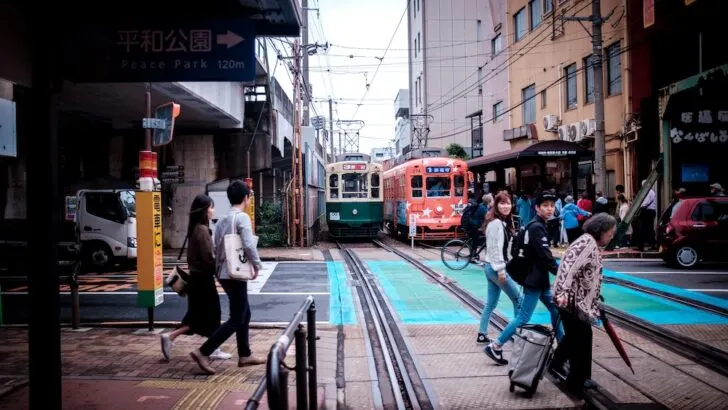
Nagasaki, a city of profound historical significance and cultural diversity, rests on the picturesque shores of Kyushu Island in southwestern Japan.
Often remembered for its tragic past as one of the two cities targeted by atomic bombings during World War II, Nagasaki’s story is one of resilience, renewal, and a commitment to global peace.
Nagasaki is more than a city; it’s a living testament to the power of resilience, cultural exchange, and the pursuit of peace.
Its historical legacy, international influences, and commitment to a harmonious future make it a destination that captivates the heart and mind.
As you explore its streets, savor its flavors, and learn about its stories, Nagasaki invites you to embark on a journey of understanding, reflection, and appreciation for the ties that bind humanity across time and borders.
1. Nagasaki Peace Park: Pay your respects at this memorial park dedicated to the victims of the atomic bombing in 1945

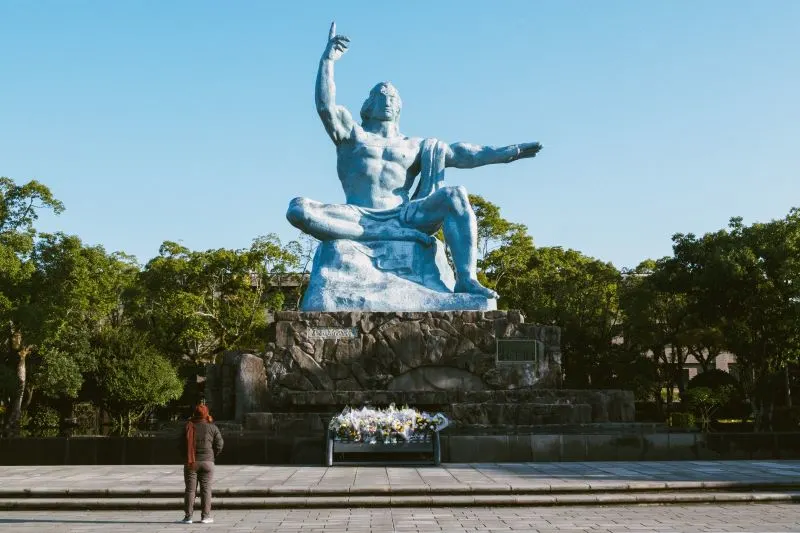
Nagasaki Peace Park is a solemn and reflective memorial park located in Nagasaki, Japan. It serves as a tribute to the victims of the atomic bombing that occurred during World War II on August 9, 1945.
The park’s central feature is the Peace Statue, a tall bronze figure with one arm pointing upward to symbolize the threat of nuclear weapons, and the other arm stretched horizontally to represent peace.
Surrounded by lush greenery and serene landscaping, the park includes various monuments, sculptures, and structures dedicated to promoting peace, commemorating the lives lost, and emphasizing the importance of nuclear disarmament.
The Atomic Bomb Museum is also nearby, offering visitors a comprehensive understanding of the historical context and devastating impact of the bombing.
Nagasaki Peace Park is not only a place for remembrance but also a space for contemplation and a reminder of the need to work towards a world without nuclear weapons.
The annual Peace Memorial Ceremony takes place here on August 9th, bringing together people from around the world to remember the tragedy and advocate for a peaceful future.
2. Atomic Bomb Museum: Gain insights into the tragic history of the atomic bombing and its aftermath

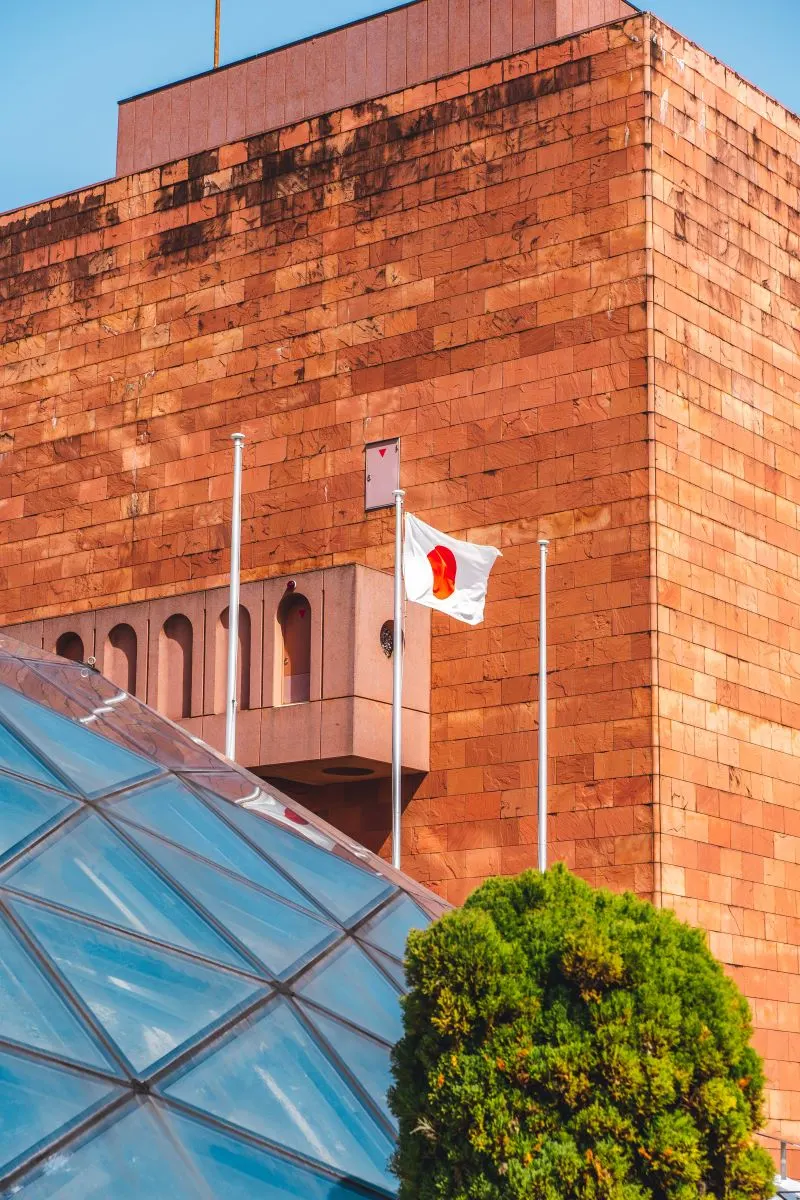
The Atomic Bomb Museum in Nagasaki, Japan, is a poignant and informative museum dedicated to preserving the memory of the atomic bombing that took place in the city on August 9, 1945, during World War II.
The museum’s primary purpose is to educate visitors about the devastating impact of nuclear weapons, the human suffering caused by the bombing, and the importance of promoting peace and disarmament.
Inside the museum, visitors can explore a variety of exhibits that include artifacts, photographs, and personal testimonies of survivors (known as hibakusha).
These displays provide a detailed and emotional account of the events leading up to the bombing, its immediate aftermath, the medical and environmental consequences, and the long-term effects on the survivors and their families.
The museum’s exhibits aim to raise awareness about the horrors of nuclear warfare and emphasize the need for global efforts to prevent such tragedies from happening again.
Through its informative displays and touching stories, the Atomic Bomb Museum serves as a solemn reminder of the catastrophic consequences of war and the urgent importance of pursuing peace and nuclear disarmament.
3. Glover Garden: Explore this hillside garden featuring Western-style homes and panoramic views of the city

Glover Garden is a captivating historical site located on a hillside overlooking Nagasaki, Japan. It is known for its collection of well-preserved Western-style buildings and lush gardens, offering visitors a glimpse into the international influence and cultural exchange that characterized Nagasaki during its port city era.
The garden takes its name from Thomas Glover, a Scottish merchant who played a significant role in introducing Western industrialization to Japan during the late 19th century.
The main attractions of Glover Garden include several Western-style residences, such as the Glover Residence and the Ringer House, which were once occupied by foreign residents. These buildings showcase architectural styles from various countries and provide insights into the lives of the people who lived there.
Visitors can wander through the beautifully landscaped gardens, stroll along cobblestone pathways, and enjoy panoramic views of Nagasaki Harbor and the surrounding cityscape.
The garden’s tranquil atmosphere and well-maintained historic structures create a unique and peaceful environment for exploration and photography.
Glover Garden offers a blend of cultural heritage and natural beauty, making it a popular destination for tourists interested in the history of Nagasaki and its interactions with the Western world.
4. Dejima Island: Visit the historic Dutch trading post and museum that played a significant role in Japan’s isolationist past

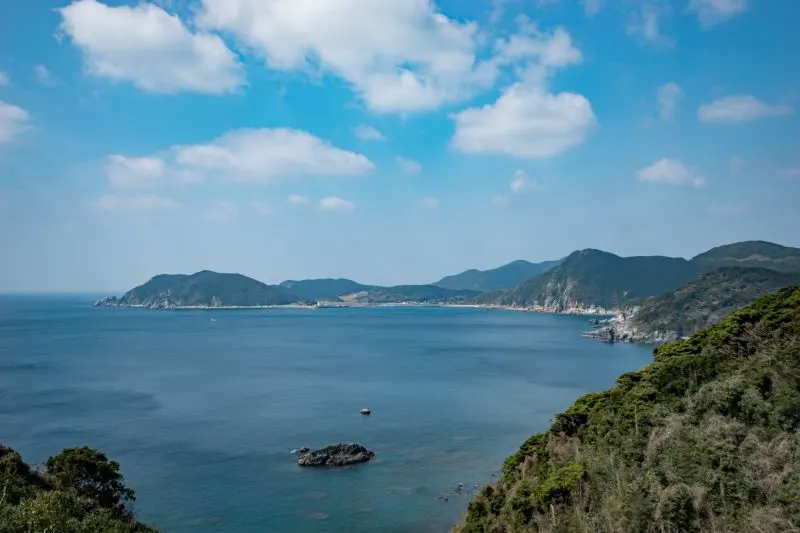
Dejima Island, located in Nagasaki, Japan, holds a significant place in history as a symbol of Japan’s isolationist policies during the Edo period (17th to 19th centuries).
Originally constructed as a man-made island in Nagasaki Harbor, Dejima served as a Dutch trading post and played a crucial role in facilitating cultural and economic exchange between Japan and the outside world when the country had strict restrictions on foreign interactions.
The Dutch traders on Dejima were some of the only foreigners allowed to remain in Japan during its period of isolation.
They engaged in trade, primarily with the Dutch East India Company, exchanging goods and information that were otherwise inaccessible to the Japanese. This unique cultural crossroads allowed the exchange of knowledge in various fields, including science, technology, and culture.
Today, Dejima has been partially reconstructed to offer visitors a glimpse into this historical era. The Dejima Dutch Trading Post Museum stands as a testament to the island’s history, showcasing artifacts, dioramas, and models that depict daily life on the island during its trading heyday.
The museum provides insights into the interactions between the Dutch residents and the Japanese population, highlighting the impact of these exchanges on both sides.
Visiting Dejima Island allows tourists to step back in time and learn about the pivotal role it played in shaping Japan’s relationship with the outside world.
The island’s historical significance and its contribution to cross-cultural understanding make it a noteworthy destination for those interested in Japan’s history and its interactions with foreign cultures.
5. Nagasaki Chinatown: Enjoy the vibrant atmosphere, delicious Chinese cuisine, and cultural events in this bustling neighborhood

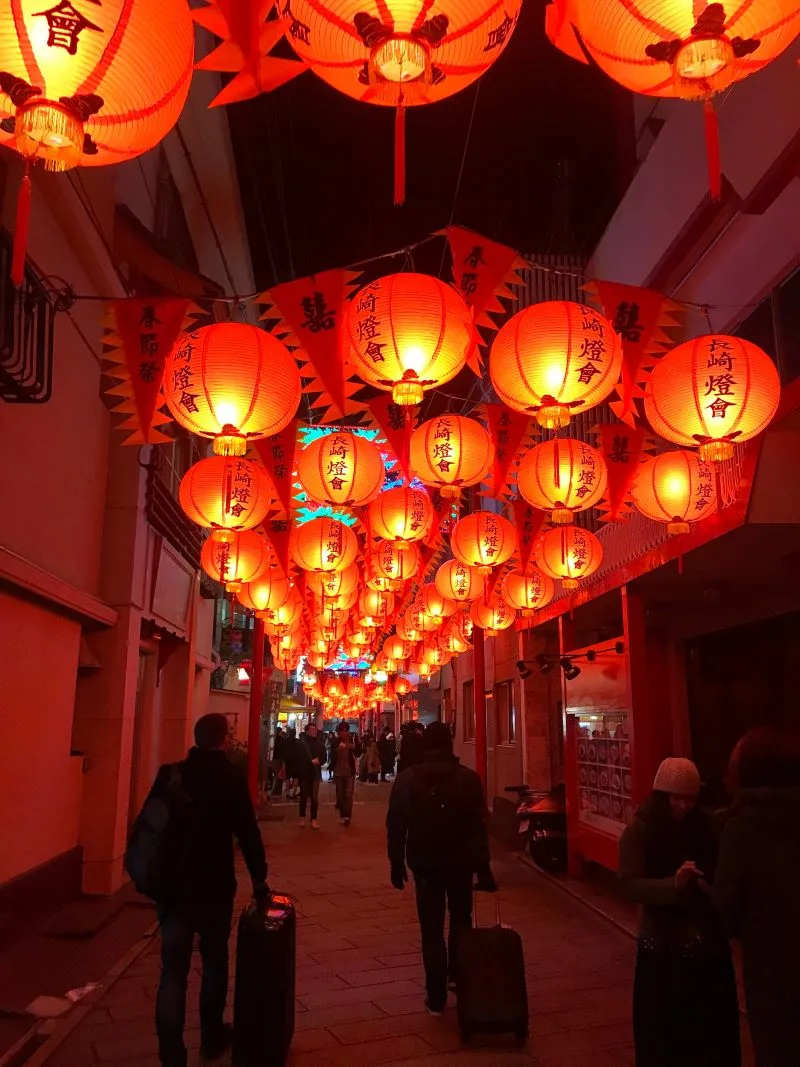
Nagasaki Chinatown, known as Shinchi Chinatown, is a vibrant and culturally rich neighborhood located in Nagasaki, Japan. It is one of the oldest Chinatowns in the country and holds a significant historical and culinary presence in the city.
The Chinatown area is characterized by its colorful and ornate traditional Chinese architecture, adorned with intricate decorations and vibrant reds and golds.
Visitors to Nagasaki Chinatown can expect a bustling atmosphere filled with the aromas of various Chinese dishes and the sounds of street vendors, creating an immersive experience that captures the essence of Chinese culture.
One of the main draws of Nagasaki Chinatown is its culinary offerings. Numerous restaurants, stalls, and food vendors line the streets, offering a wide array of authentic Chinese cuisine.
From dumplings and dim sum to steamed buns and noodles, visitors can indulge in a variety of delicious dishes that reflect the diverse flavors of China.
In addition to its culinary delights, Nagasaki Chinatown hosts various cultural events and celebrations throughout the year, particularly during Chinese New Year.
Traditional performances, dragon dances, and lantern festivals are common sights during these festivities, adding to the lively and festive ambiance of the neighborhood.
6. Unzen Onsen: Soak in the therapeutic hot springs of Unzen and enjoy the natural beauty of the area

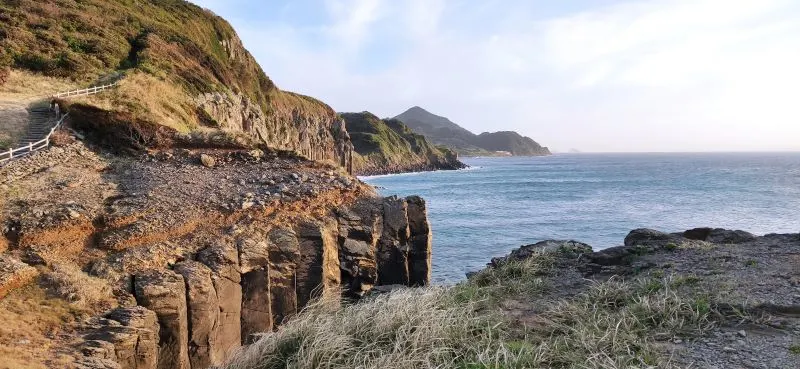
Unzen Onsen is a famous hot spring resort located in the city of Unzen in Nagasaki Prefecture, Japan. Nestled in the scenic and geologically active Unzen National Park, the onsen offers visitors a serene and rejuvenating experience surrounded by natural beauty.
The onsen’s mineral-rich, geothermal waters are believed to have therapeutic properties that can help relax muscles, soothe ailments, and provide overall relaxation.
Unzen Onsen boasts a variety of traditional Japanese inns (ryokan) and modern resorts that offer accommodations with private or communal hot spring baths, allowing guests to immerse themselves in the healing waters while enjoying breathtaking views of the surrounding landscape.
Apart from the relaxing hot springs, the area offers opportunities for outdoor exploration.
The picturesque landscape includes lush forests, hiking trails, and the iconic Unzen Jigoku (“Unzen Hell”) hot spring area, where you can witness volcanic activity up close, including bubbling mud pools and steam vents.
7. Nagasaki Penguin Aquarium: Admire various species of penguins and marine life in an immersive environment


The Nagasaki Penguin Aquarium is a delightful and family-friendly attraction located in Nagasaki, Japan. As the name suggests, the aquarium focuses on penguins and marine life, offering visitors a unique opportunity to observe and learn about these fascinating creatures in an interactive and educational environment.
The aquarium features various exhibits showcasing different species of penguins, each with their own habitats designed to mimic their natural environments.
Visitors can watch penguins waddle, swim, and play in carefully crafted enclosures that prioritize their well-being. The facility also highlights conservation efforts aimed at protecting these birds and their habitats.
In addition to penguins, the Nagasaki Penguin Aquarium typically houses a diverse range of marine life, including fish, seals, sea lions, and other aquatic creatures.
The exhibits provide information about the biology, behavior, and conservation of these animals, promoting awareness and understanding of marine ecosystems.
8. Megane Bridge (Spectacles Bridge): Walk over this iconic stone bridge known for its double arches resembling spectacles

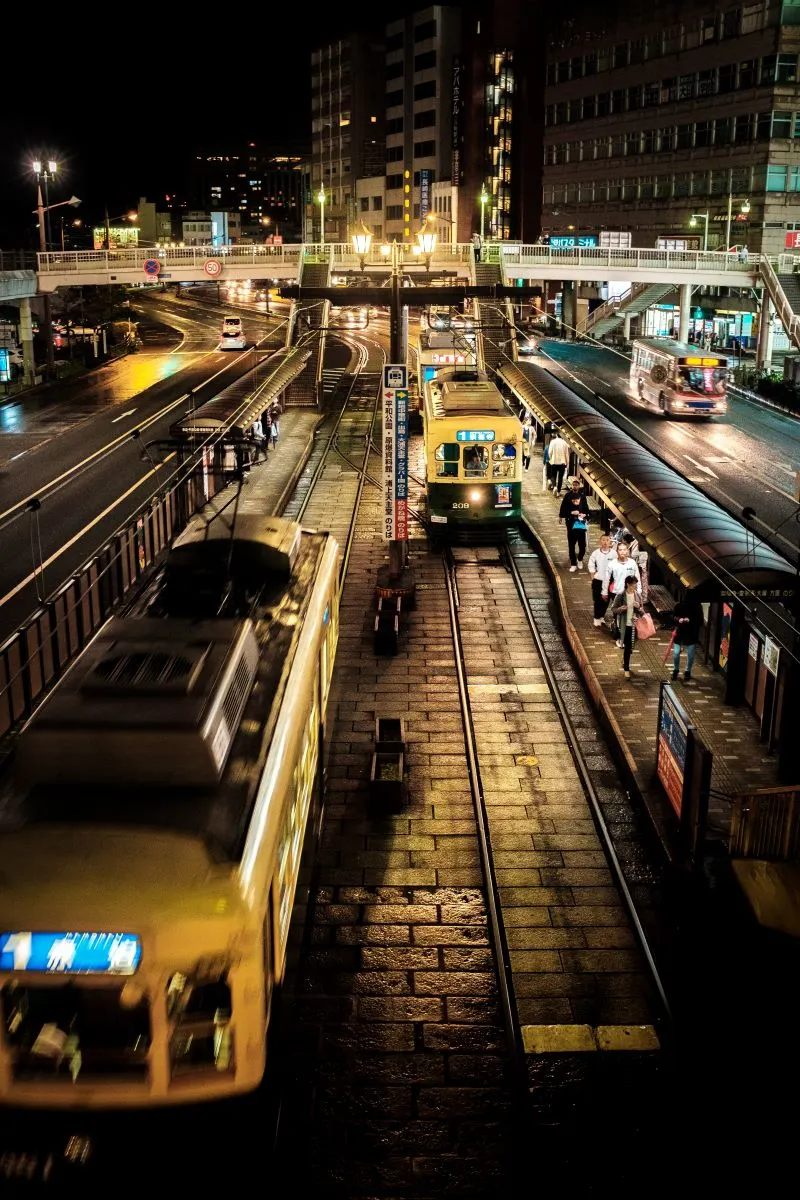
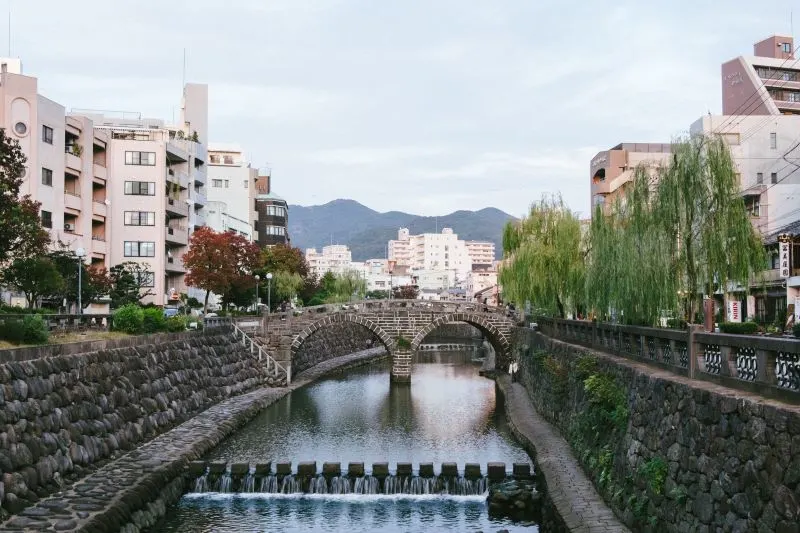
The Megane Bridge, also known as the Spectacles Bridge (Meganebashi), is a picturesque stone bridge located in Nagasaki, Japan. It’s famous for its unique double-arched design, which gives it the appearance of a pair of eyeglasses or spectacles when reflected on the water.
The bridge spans the Nakashima River, connecting two parts of Nagasaki’s city center. Its history dates back to the Edo period (17th to 19th centuries) when it was constructed to facilitate pedestrian and horse traffic. Over time, it became an iconic symbol of Nagasaki’s historical charm and architectural heritage.
The arched design of the Megane Bridge is not only visually appealing but also serves a practical purpose. The curved arches were intentionally built to accommodate the passage of boats and ships beneath the bridge, allowing maritime traffic to flow unimpeded along the river.
Surrounded by scenic views and charming streets, the Megane Bridge has become a popular spot for visitors and photographers looking to capture its unique shape and the reflections it creates on the water’s surface. It’s a historic landmark that adds to Nagasaki’s cultural allure and offers a glimpse into the city’s architectural past.
9. Huis Ten Bosch: Visit this Dutch-themed amusement park featuring replicas of European buildings and attractions

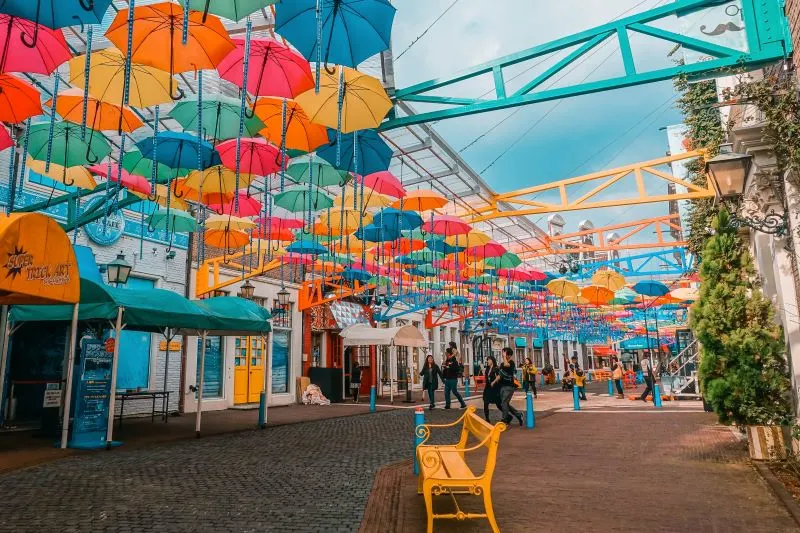
Huis Ten Bosch is a Dutch-themed amusement park located in Sasebo, Nagasaki, Japan. The name “Huis Ten Bosch” translates to “House in the Woods” in Dutch, and the park aims to replicate the charm and architecture of the Netherlands, offering visitors a unique European experience in the heart of Japan.
The park features meticulously recreated Dutch-style buildings, canals, gardens, and landmarks reminiscent of the Netherlands.
Visitors can stroll through picturesque streets lined with traditional Dutch houses, enjoy boat rides along the canals, and admire windmills that evoke the Dutch countryside.
Huis Ten Bosch is more than just a visual experience—it offers a range of attractions and entertainment options suitable for all ages.
These include thrilling rides, interactive exhibits, museums, seasonal events, and various forms of entertainment that showcase Dutch culture, history, and art.
The park is also known for its spectacular illuminations and light displays during the evening hours, creating a magical atmosphere that’s particularly enchanting after sunset.
10. Nagasaki Lantern Festival: Attend the annual lantern festival, celebrating Chinese New Year with stunning lantern displays

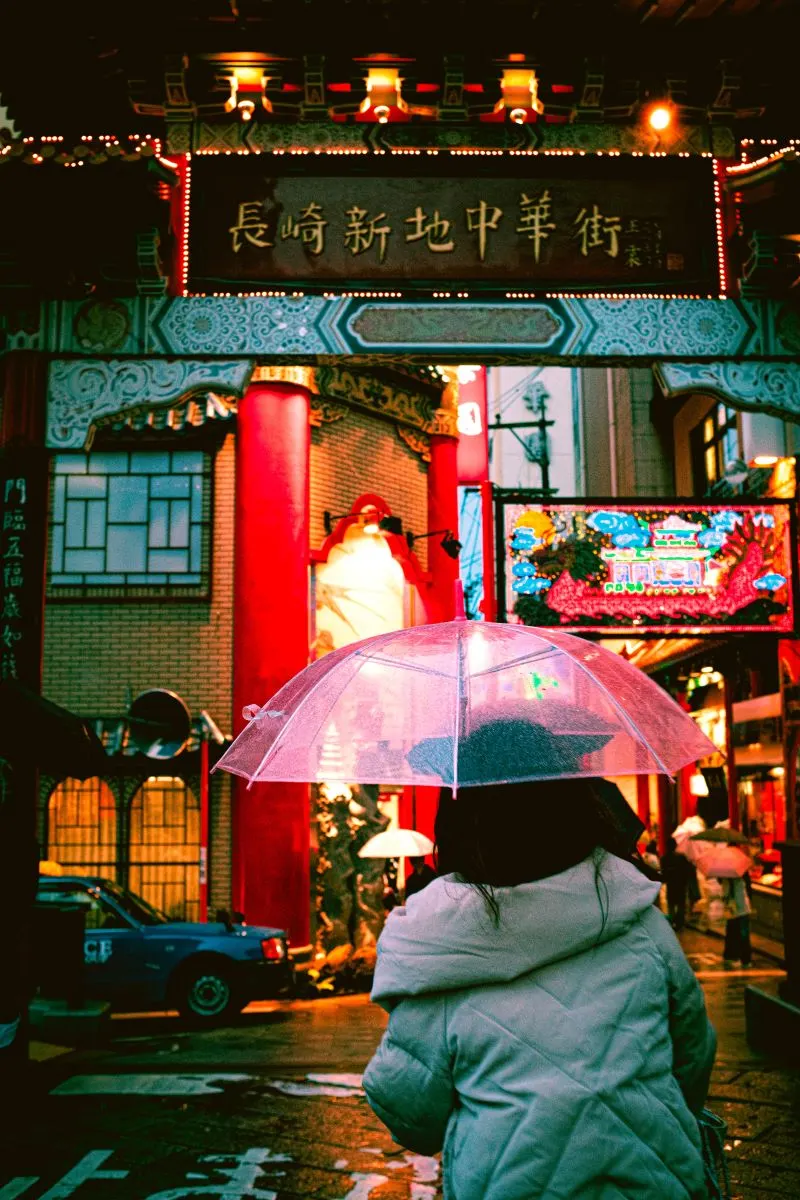
The Nagasaki Lantern Festival is an annual event that takes place in Nagasaki, Japan, usually around the time of the Chinese New Year. This vibrant and colorful festival celebrates the city’s historical ties with China and showcases a dazzling array of lanterns and decorations.
The festival is known for its captivating lantern displays that illuminate the streets, creating a magical and festive ambiance.
These lanterns come in various shapes, sizes, and designs, often depicting animals from the Chinese zodiac, mythological creatures, and other symbolic figures. The lanterns are meticulously crafted, showcasing intricate details and vibrant colors.
During the Nagasaki Lantern Festival, the city’s Chinatown area comes alive with cultural performances, traditional music, dance, and various forms of entertainment that highlight both Chinese and Japanese cultures.
Visitors can enjoy delicious Chinese cuisine from street vendors and participate in traditional activities and games.
One of the highlights of the festival is the dragon dance, where a long dragon made of lanterns and fabric is carried and danced through the streets by a group of participants. This dance is believed to bring good luck and fortune for the coming year.
11. Mt. Inasa: Take a cable car ride to the top of the mountain for breathtaking panoramic views of Nagasaki city


Mount Inasa, also known as Inasayama, is a prominent mountain located in Nagasaki, Japan. It is renowned for its stunning panoramic views of Nagasaki city, its harbor, and the surrounding landscapes.
The mountain’s observation deck offers visitors a breathtaking vista that’s particularly popular during sunset and after dark when the city’s lights create a mesmerizing view known as the “Ten Million Dollar Night View.”
Visitors can reach the summit of Mount Inasa by taking a cable car ride or driving up a winding road. Once at the top, the observation deck provides an unobstructed 360-degree view of Nagasaki and its picturesque surroundings, including the harbor, cityscape, and the mountains that frame the area.
The “Ten Million Dollar Night View” has gained international recognition for its beauty and has been ranked as one of the best night views in the world.
The observation deck is a popular spot for both tourists and locals to capture stunning photographs, relax, and enjoy the romantic and serene atmosphere.
12. Confucius Shrine: Explore the tranquil shrine dedicated to Confucius and his teachings


The Confucius Shrine in Nagasaki, Japan, is a peaceful and culturally significant site dedicated to Confucius, a revered Chinese philosopher. The shrine serves as a place of reverence and learning, embodying the teachings and principles of Confucianism.
This shrine is part of Nagasaki’s legacy as a city with historical connections to China and its cultural influences. It reflects the influence of Confucian philosophy on Japanese culture and education during certain periods of history.
The Confucius Shrine typically features traditional architectural elements, serene surroundings, and a sense of tranquility. Visitors can pay their respects, offer prayers, and reflect on Confucian teachings related to ethics, morality, and social harmony.
The shrine’s role goes beyond that of a religious site; it also serves as an educational institution. Confucius Shrines often have study halls where scholars and students can engage in contemplation, discussion, and learning based on Confucian texts and teachings.
13. Nagasaki Kunchi Festival: Experience Nagasaki’s vibrant autumn festival, showcasing traditional dance and music performances

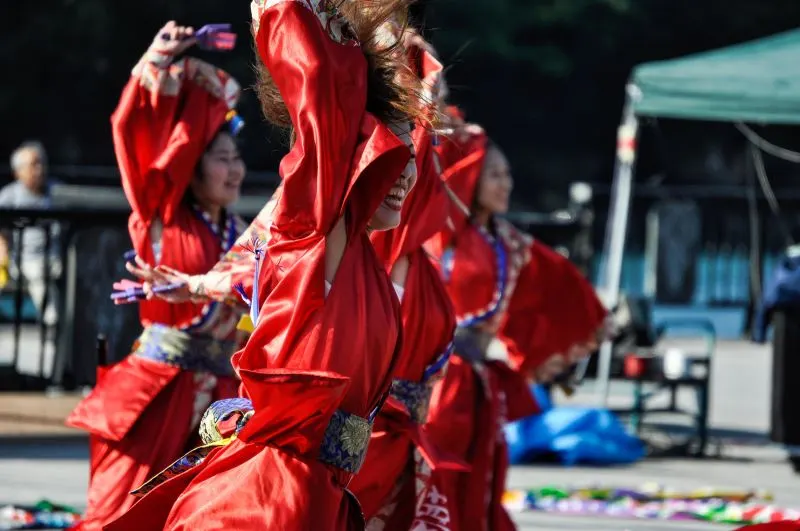
The Nagasaki Kunchi Festival is a vibrant and culturally rich event that takes place annually in Nagasaki, Japan. It’s one of the city’s most famous festivals, celebrated over several days in October.
The festival combines traditional dance, music, and performances with modern entertainment, creating a lively and captivating atmosphere.
Nagasaki Kunchi Festival has a history dating back to the Edo period (17th to 19th centuries) and is known for its unique blend of Japanese and international influences.
The festival’s origins lie in the appreciation of cultural diversity due to Nagasaki’s history as a major international port city.
Throughout the festival, various neighborhoods, or “machi,” showcase their own distinctive floats and performances. These floats, known as “hikiyama,” are elaborate and ornate creations that depict historical scenes, mythical creatures, and other themes. They are accompanied by dancers, musicians, and participants dressed in colorful traditional costumes.
One of the festival’s highlights is the “Shutsujin,” or procession, where the hikiyama are paraded through the streets of Nagasaki. The energetic dances and rhythmic music create a captivating spectacle that draws locals and visitors alike.
14. Nagasaki Penguin Aquarium: Enjoy the playful antics of penguins and other marine creatures in this well-designed aquarium


The Nagasaki Penguin Aquarium is a popular marine attraction located in Nagasaki, Japan. As the name suggests, this aquarium is known for its focus on penguins and other marine life, offering visitors a unique and engaging experience.
The aquarium features a variety of penguin species in carefully designed habitats that mimic their natural environments.
Visitors can observe penguins waddling, swimming, and interacting with each other, providing an up-close look at these charming creatures. The aquarium’s goal is to educate visitors about penguin behavior, conservation efforts, and the challenges they face in the wild.
In addition to penguins, the Nagasaki Penguin Aquarium showcases a diverse range of marine animals, including fish, sea lions, seals, and more. The exhibits provide insights into underwater ecosystems, highlighting the beauty and diversity of the marine world.
The aquarium often hosts entertaining and educational programs, including penguin feedings, interactive shows, and opportunities for visitors to learn about marine conservation efforts. These activities make the aquarium a family-friendly destination that combines entertainment with learning.
15. Oura Catholic Church: Marvel at Japan’s oldest Gothic-style church and its rich history in spreading Christianity


Oura Catholic Church, located in Nagasaki, Japan, is a historic and culturally significant religious site. Known as the oldest Gothic-style church in Japan, Oura Catholic Church holds a special place in the country’s history as a symbol of Christianity’s resilience and revival after centuries of suppression.
Built in the mid-19th century, Oura Catholic Church features stunning Gothic architecture with intricate stained glass windows, pointed arches, and a bell tower.
The church’s design reflects a blend of Western influences with Japanese craftsmanship, creating a unique and harmonious architectural style.
One of the church’s most notable historical moments was the discovery of the “Hidden Christians” in the region. During the Edo period when Christianity was forbidden, a small community of Japanese Christians secretly practiced their faith.
Oura Catholic Church played a role in uncovering this hidden community and rekindling the flame of Christianity in Japan.
Today, Oura Catholic Church stands as both a place of worship and a historical monument. It continues to attract visitors from around the world who come to admire its architectural beauty, learn about its historical significance, and reflect on the perseverance of faith in the face of adversity.
16. Nagasaki Prefectural Art Museum: Appreciate a diverse collection of art, including works by local and international artists

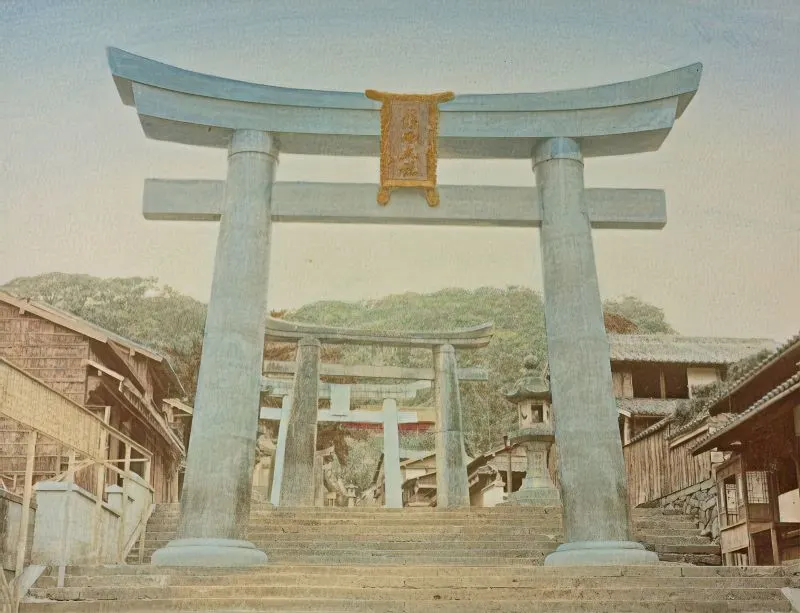
The Nagasaki Prefectural Art Museum is a cultural institution located in Nagasaki, Japan. It serves as a hub for artistic and cultural exploration, offering visitors a diverse range of exhibitions and collections that showcase both local and international art.
The museum features a variety of artworks, including traditional Japanese art, contemporary pieces, paintings, sculptures, ceramics, and more. The exhibits often rotate, providing visitors with the opportunity to experience different artistic styles and periods.
In addition to its permanent and temporary art exhibitions, the Nagasaki Prefectural Art Museum hosts educational programs, workshops, and events that encourage visitors to engage with art in meaningful and interactive ways.
The museum’s goal is to foster appreciation for artistic expression and creativity, making it a valuable resource for both residents and tourists.
Whether you’re an art enthusiast looking to explore different genres or a casual visitor interested in cultural experiences, the Nagasaki Prefectural Art Museum offers a dynamic space to immerse yourself in the world of art and creativity.
17. Nagasaki Museum of History and Culture: Learn about Nagasaki’s history and culture through various artifacts and exhibits

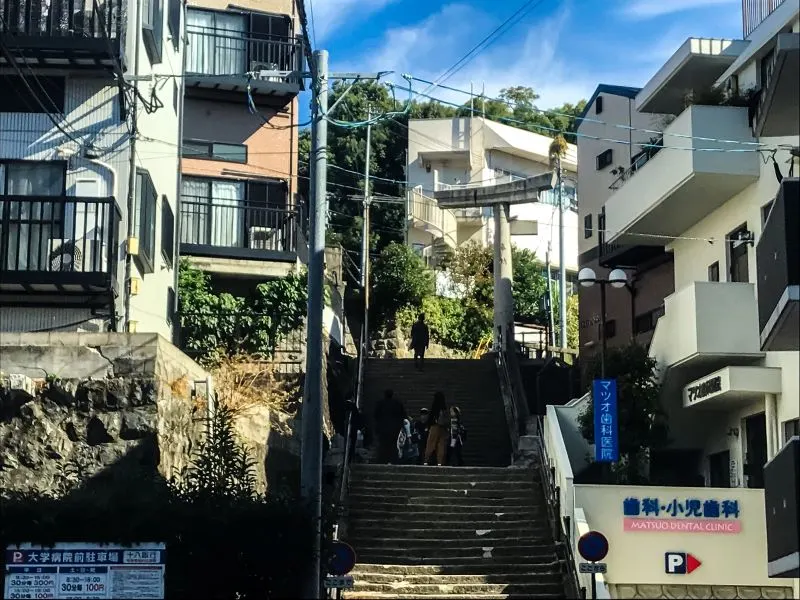
The Nagasaki Museum of History and Culture is a cultural institution in Nagasaki, Japan, dedicated to preserving and showcasing the city’s rich history and cultural heritage.
The museum offers visitors a comprehensive understanding of Nagasaki’s past, from its early origins to its role as an international port city and its historical significance in global trade and exchange.
The museum’s exhibits cover a wide range of topics, including the city’s interactions with foreign cultures, its role during Japan’s isolationist period, its connections to Christianity, and its experiences during World War II.
Through artifacts, documents, interactive displays, and multimedia presentations, the museum provides insights into Nagasaki’s social, economic, and cultural evolution over the centuries.
One of the museum’s highlights is its ability to depict both the positive and challenging aspects of Nagasaki’s history. It addresses topics such as the city’s role as a center of trade, its unique religious diversity, the impact of the atomic bombing during World War II, and the subsequent efforts towards peace and reconciliation.
The Nagasaki Museum of History and Culture serves as a valuable resource for those interested in delving into the intricate tapestry of Nagasaki’s past.
Whether you’re a history enthusiast, a cultural explorer, or simply curious about the city’s stories, this museum provides a comprehensive and insightful journey through Nagasaki’s history and its enduring spirit.
18. Nagasaki Glover Sky Road: Take a scenic walkway through the lush surroundings and enjoy the panoramic views

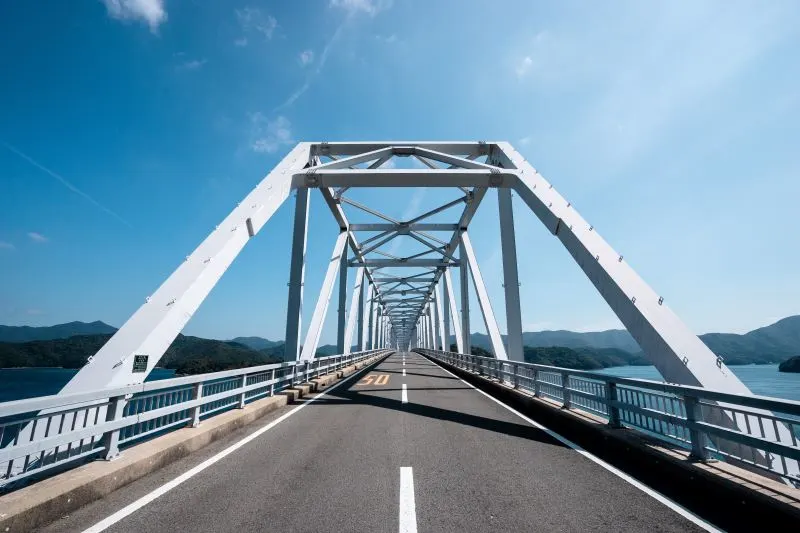
The Nagasaki Glover Sky Road, also known as Glover Garden Sky Road, is an elevated walkway located in Glover Garden, a historical park in Nagasaki, Japan.
This walkway offers visitors a unique perspective as they stroll through the lush surroundings of the garden while enjoying panoramic views of the city and Nagasaki Harbor.
The sky road is a series of elevated pathways and platforms that wind their way through the hillside garden, providing visitors with stunning vistas from various angles.
As you walk along the Sky Road, you’ll be treated to breathtaking scenes that include the iconic Megane Bridge (Spectacles Bridge), historic Western-style homes, the harbor, and the cityscape.
The elevated position of the Sky Road allows you to appreciate the beauty of Glover Garden’s carefully preserved Western-style houses and gardens, while also providing an opportunity to soak in the natural beauty of the surroundings.
Whether you’re interested in photography, enjoying scenic views, or simply taking a leisurely stroll through a historic and picturesque setting, the Nagasaki Glover Sky Road is a must-visit destination within Glover Garden that offers a unique and memorable experience.
19. Nagasaki National Peace Memorial Hall for the Atomic Bomb Victims: Reflect on the atomic bombing’s impact through personal stories and exhibits


The Nagasaki National Peace Memorial Hall for the Atomic Bomb Victims is a solemn and important memorial located in Nagasaki, Japan.
This facility is dedicated to honoring the memory of the victims who suffered as a result of the atomic bombing of Nagasaki during World War II and to promoting a message of peace and nuclear disarmament.
The memorial hall serves as a place of remembrance, reflection, and education. It features various exhibits, artifacts, and multimedia presentations that provide visitors with a deep understanding of the human impact of the atomic bombing.
Personal stories, photographs, and testimonies help convey the harrowing experiences of survivors, known as hibakusha, and emphasize the need to prevent such tragedies from occurring again.
One of the key elements of the memorial hall is its commitment to preserving the memory of individual lives affected by the bombing.
The facility aims to convey the profound human suffering and loss that occurred on that fateful day in 1945, while also encouraging visitors to actively work towards a world free from nuclear weapons.
The Nagasaki National Peace Memorial Hall serves as a poignant reminder of the devastating consequences of nuclear warfare and a testament to the importance of promoting peace, empathy, and understanding among nations.
It’s a space that honors the victims’ stories and legacy, fostering a commitment to creating a more peaceful and just world for future generations.
20. Iojima Island: Relax on this tranquil island known for its natural beauty, hot springs, and beaches

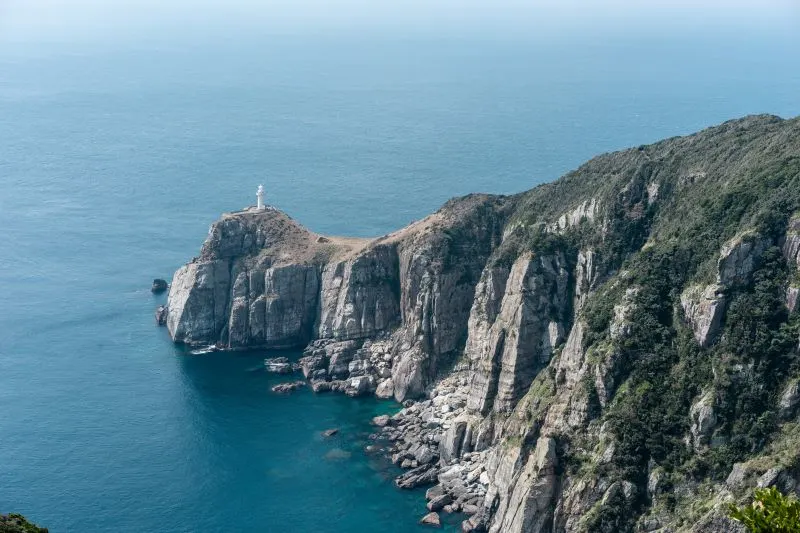
Iojima Island, also known as Iojima, is a serene and picturesque island located in Nagasaki Prefecture, Japan. Situated off the coast of Sasebo City, Iojima offers visitors a peaceful retreat characterized by natural beauty, hot springs, and pristine beaches.
The island is known for its lush landscapes, making it a popular destination for nature enthusiasts and hikers. Scenic trails wind through forests, leading to viewpoints that offer panoramic vistas of the surrounding seascape and Sasebo Bay.
Iojima is also famous for its rejuvenating hot springs, which are a major draw for visitors seeking relaxation and wellness.
The island boasts several ryokan (traditional Japanese inns) that offer accommodations with private and communal hot spring baths, allowing guests to immerse themselves in the therapeutic waters while enjoying tranquil views of the ocean.
The beaches on Iojima are another attraction, offering opportunities for swimming, sunbathing, and enjoying the coastal scenery. The pristine shores provide a peaceful environment for beachgoers to unwind and enjoy the ocean’s beauty.
21. Kofuku-ji Temple: Visit this historic temple with intricate architecture and serene surroundings

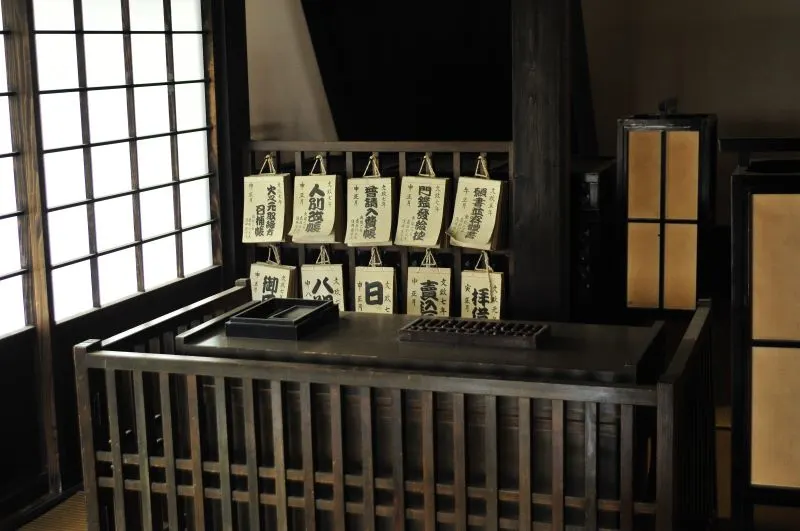
Kofuku-ji Temple, located in Nagasaki, Japan, is a historic and culturally significant Buddhist temple that has been a center of spiritual and religious activity for centuries.
The temple is associated with the Rinzai school of Zen Buddhism and holds a prominent place in Nagasaki’s religious landscape.
Kofuku-ji Temple is characterized by its traditional Japanese architecture, serene gardens, and tranquil atmosphere. The temple grounds feature various structures, including the main hall (hondo), meditation halls, pagodas, and well-maintained gardens that invite visitors to experience moments of reflection and contemplation.
One of the temple’s notable features is its five-story pagoda, which stands as an iconic symbol of Kofuku-ji. This pagoda is a recognized landmark in the city and is often depicted in photographs and artwork representing Nagasaki.
The temple also has a historical connection to foreign influences due to Nagasaki’s history as a port city. It was a significant place for interactions between Japanese locals and foreign traders, contributing to its diverse and culturally rich heritage.
22. Nagasaki Penguin Aquarium: Experience captivating penguin shows and learn about their behavior and conservation


The Nagasaki Penguin Aquarium is a popular and engaging marine attraction located in Nagasaki, Japan. This aquarium is known for its focus on penguins and other marine life, providing visitors with an immersive experience centered around these captivating creatures.
The aquarium features a variety of penguin species in carefully designed habitats that mimic their natural environments. Visitors can observe penguins swimming, playing, and interacting with each other, offering an up-close look at their behaviors and habits.
The aquarium’s goal is to educate visitors about penguin conservation, biology, and the challenges they face in the wild.
In addition to penguins, the Nagasaki Penguin Aquarium showcases a diverse range of marine animals, including fish, seals, sea lions, and other aquatic creatures.
The exhibits provide insights into underwater ecosystems, highlighting the beauty and diversity of marine life.
The aquarium often hosts interactive programs, educational shows, and feeding sessions that allow visitors to learn more about marine animals and their habitats.
It’s a family-friendly destination that combines entertainment with learning, making it enjoyable for visitors of all ages.
23. Nagasaki Hamanomachi Arcade: Shop for local products, souvenirs, and try regional snacks in this covered shopping street


Nagasaki Hamanomachi Arcade, also known as Hamanomachi Shopping Street, is a bustling and vibrant covered shopping arcade located in Nagasaki, Japan.
This arcade is a lively hub for shopping, dining, and entertainment, offering both locals and tourists a wide variety of experiences.
The arcade is characterized by its covered walkway, which provides shelter from the elements and allows visitors to explore the area regardless of the weather.
The arcade’s streets are lined with a diverse array of shops, boutiques, restaurants, cafes, and entertainment venues.
Shoppers can find everything from fashion and accessories to electronics, cosmetics, and souvenirs. The arcade is known for its local specialties and Nagasaki-themed products, making it a great place to pick up unique gifts and mementos from your trip.
In addition to shopping, Nagasaki Hamanomachi Arcade is a food lover’s paradise. It features a multitude of eateries, ranging from traditional Japanese cuisine to international flavors.
Whether you’re in the mood for street food, local delicacies, or international dishes, the arcade has something to satisfy every palate.
24. Nagasaki Penguin Aquarium: Participate in interactive programs to learn more about penguins and marine life


The Nagasaki Penguin Aquarium is a popular marine attraction in Nagasaki, Japan, that focuses on penguins and marine life. It offers visitors an immersive and educational experience centered around these charming creatures.
The aquarium is home to various species of penguins, each residing in habitats designed to replicate their natural environments.
Visitors can observe penguins swimming, playing, and interacting, providing an up-close view of their behaviors and characteristics. The aquarium’s goal is to raise awareness about penguin conservation and the challenges they face in the wild.
In addition to penguins, the Nagasaki Penguin Aquarium showcases a diverse range of marine animals, including fish, seals, sea lions, and other aquatic creatures.
The exhibits offer insights into underwater ecosystems, highlighting the beauty and diversity of marine life.
The aquarium hosts engaging and educational programs such as penguin feedings, interactive shows, and presentations that allow visitors to learn more about marine animals and their habitats.
It’s a family-friendly destination that combines entertainment with learning, making it suitable for visitors of all ages.
25. Inasayama Observation Deck: Capture stunning sunset views overlooking Nagasaki and its harbor

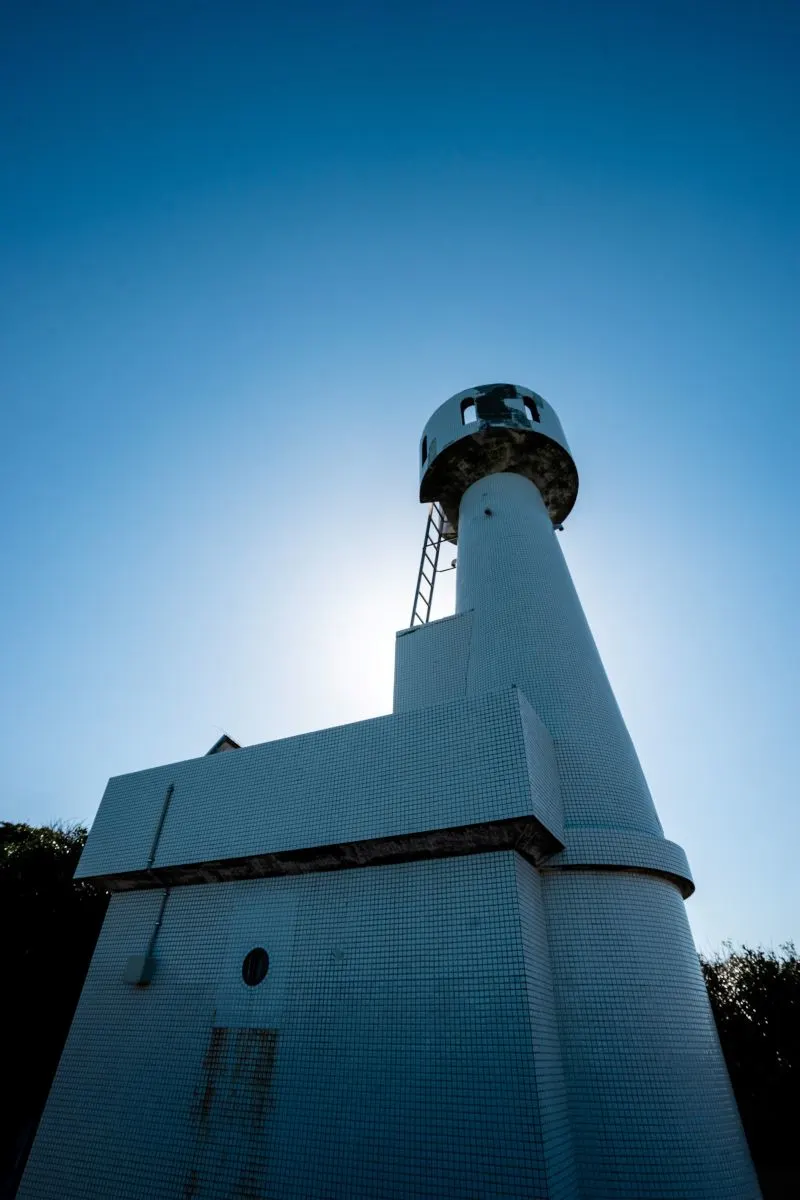
The Inasayama Observation Deck is a popular vantage point located in Nagasaki, Japan. Positioned atop Mount Inasa, this observation deck offers visitors a breathtaking panoramic view of Nagasaki city, its harbor, and the surrounding landscapes.
To reach the Inasayama Observation Deck, visitors can take a scenic cable car ride or drive up a winding road that leads to the summit of Mount Inasa.
Once at the observation deck, visitors are rewarded with an unobstructed 360-degree view that captures the city’s layout, the curvature of the harbor, and the picturesque hills that frame Nagasaki.
The observation deck is particularly renowned for its nighttime view, often referred to as the “Ten Million Dollar Night View.”
After sunset, the city’s lights illuminate the landscape, creating a mesmerizing scene that’s considered one of the best night views in the world. The deck provides an ideal setting for stargazing, photography, and enjoying the beauty of Nagasaki’s cityscape.
Whether you’re visiting during the day to appreciate the scenic beauty or at night to witness the captivating lights, the Inasayama Observation Deck offers an unforgettable experience and a must-visit attraction in Nagasaki for anyone seeking panoramic vistas and stunning views.
Food In Nagasaki


Nagasaki, a city rich in history and culture, boasts a culinary scene that reflects its diverse heritage and international connections. Located in Japan’s southwestern region, Nagasaki’s culinary offerings are a captivating fusion of Japanese and foreign flavors, shaped by centuries of trade and cultural exchange.
From delectable street food to traditional dishes with global influences, Nagasaki’s food scene is a delightful journey that explores the city’s past and present.
A Blend of Cultures on the Plate
Nagasaki’s history as an international port city has left a lasting mark on its cuisine. The city’s location as a gateway to the world led to the introduction of diverse culinary influences, resulting in a unique amalgamation of flavors. Chinese, Portuguese, Dutch, and Korean influences are evident in many of Nagasaki’s signature dishes.
Champon and Sara Udon
Two iconic Nagasaki dishes that showcase this blend of cultures are Champon and Sara Udon. Champon is a hearty noodle dish that combines Chinese-style stir-fried vegetables, seafood, and pork with Japanese ramen noodles in a flavorful broth.
Sara Udon, on the other hand, features crispy deep-fried noodles topped with a savory sauce, vegetables, seafood, and often pork. Both dishes are a testament to the city’s international heritage, offering a harmonious blend of textures and tastes.
Castella Cake
The Portuguese influence in Nagasaki is exemplified by the beloved Castella cake. This sponge cake, introduced by Portuguese merchants in the 16th century, has become a popular treat in Japan.
Made with simple ingredients like eggs, sugar, flour, and occasionally honey, Castella is known for its moist and delicate texture. It’s a delightful souvenir for visitors looking to savor a piece of Nagasaki’s historical flavors.
Nagasaki Ringer Burger
Nagasaki’s culinary scene also extends to modern innovations. The Nagasaki Ringer Burger is a creative fusion of local flavors and American fast food. This unique burger features a crispy fried pork cutlet (tonkatsu) served between soft buns along with lettuce, cabbage, and a tangy sauce.
The Nagasaki Ringer Burger offers a mouthwatering blend of textures and tastes that cater to both local preferences and global influences.
Delectable Street Food
Exploring Nagasaki’s vibrant street food scene is an essential part of the culinary journey. Whether wandering through the lively streets of Nagasaki Chinatown or strolling along the Hamanomachi Arcade, visitors will encounter an array of tempting bites.
Takoyaki (octopus-filled savory balls), kakuni-manju (steamed pork buns), and champon-filled croquettes are just a few examples of the flavorful street food offerings that allow visitors to experience Nagasaki’s culinary diversity on the go.
Nagasaki’s Unique Drinking Culture
In addition to its delectable dishes, Nagasaki is known for its distinct drinking culture. The city has a plethora of cozy izakayas (Japanese pubs) that offer an extensive selection of local sake and shochu.
Visitors can pair these libations with an array of appetizers and small plates, creating a delightful culinary adventure of pairing flavors and trying traditional Japanese drinking customs.
Nagasaki’s cuisine is a reflection of its rich history, global connections, and culinary creativity. From traditional dishes that hark back to the city’s international interactions to modern innovations that blend flavors in unexpected ways, Nagasaki offers a gastronomic journey that satisfies both the curious traveler and the discerning food enthusiast.
Exploring Nagasaki’s food scene is not just about savoring flavors; it’s about immersing oneself in the city’s cultural tapestry and experiencing the stories and influences that have shaped its culinary identity.
Top 20 Best Restaurants In Nagasaki, Japan


- Shunraku: Known for traditional Nagasaki cuisine and seafood dishes.
- Dan-dan: A popular local restaurant offering Champon and other Nagasaki specialties.
- Yosuko: Famous for its Nagasaki-style Sasebo Burger.
- Daidai: A cozy spot for enjoying traditional Japanese dishes.
- Nagasakiya: Offers a variety of local Nagasaki dishes.
- Shimanoya: Known for its Japanese-style Kaiseki dining experience.
- Shinchi Chinatown: Offers various Chinese dishes in the heart of Nagasaki Chinatown.
- Kita No Sushi: A sushi restaurant with fresh seafood from Nagasaki waters.
- Taian: Known for its Nagasaki Champon and other Japanese dishes.
- Aburayama Shimin Kaikan: Offers panoramic views of Nagasaki while dining.
- Cafe De Brats: A popular cafe offering a mix of Western and Japanese dishes.
- Yagamiya: Offers traditional Nagasaki-style Koto-Yaki dishes.
- Wafu Chuka Ichiriki: Serves Chinese-inspired dishes with a Nagasaki twist.
- Fujian Hanten: Offers Chinese cuisine with an emphasis on fresh ingredients.
- Kotako: Known for its delicious Japanese-style curry.
- Shonan: Offers a variety of sushi and seafood dishes.
- Imaike Restaurant: Serves a mix of Japanese and Western-style cuisine.
- Kunchi Ramen: A well-known ramen spot in Nagasaki.
- Unzen Kaiseki Maruhachi: Offers Kaiseki-style dining with seasonal ingredients.
- Sushi Takakura: A popular sushi restaurant with a diverse selection.
Transportation In Naga saki
Transportation in Nagasaki encompasses a variety of options that make getting around the city and its surrounding areas convenient and efficient. From public transit to private vehicles, Nagasaki offers a range of choices for both residents and visitors.
- Trains: Nagasaki is served by the JR Kyushu Nagasaki Main Line, which connects Nagasaki with other cities in the region. The journey from Hakata to Nagasaki on the Kamome limited express train is particularly scenic, offering picturesque views of the coastline and landscapes.
- Trams: Nagasaki Electric Tramway operates several tram lines that serve as a primary mode of public transportation within the city. The tram system is an iconic feature of Nagasaki and offers an affordable way to explore different parts of the city.
- Buses: Nagasaki has an extensive bus network that covers both the city and its outskirts. Buses are a convenient option for reaching destinations not easily accessible by tram or train. There are various bus routes connecting popular tourist spots, neighborhoods, and landmarks.
- Taxis: Taxis are readily available in Nagasaki and offer a flexible mode of transportation, especially for those looking for direct routes or specific destinations. Taxis can be found at train stations, major intersections, and popular tourist areas.
- Car Rentals: For travelers who prefer greater autonomy, car rentals are available in Nagasaki. Renting a car allows you to explore the city and surrounding areas at your own pace. However, keep in mind that parking in city centers can be limited and may incur fees.
- Bicycles: Bicycles are a popular mode of transportation for shorter distances in Nagasaki. Many areas of the city have dedicated bike lanes, and renting a bicycle can be a fun and eco-friendly way to explore the city and its neighborhoods.
- Ferries: Nagasaki’s harbor location means that ferry services are available to nearby islands and destinations. These ferries provide an opportunity to enjoy scenic sea views and explore the surrounding area.
- Walking: Nagasaki is a walkable city with many attractions and landmarks within reasonable walking distance. Exploring on foot allows you to discover hidden gems, enjoy the local atmosphere, and experience the city’s unique charm.
As with any travel destination, it’s recommended to plan your transportation options based on your preferences, itinerary, and the places you intend to visit.
The combination of public transit, taxis, and other modes of transportation ensures that you can navigate Nagasaki conveniently and enjoyably.
In the captivating tapestry of Nagasaki’s history, culture, and natural beauty, the 25 best things to do weave a narrative that transcends time and borders.
As you journey through this remarkable city, you’ll find yourself immersed in a blend of tradition and innovation, past and present, tranquility and vibrancy. From the poignant lessons of the Atomic Bomb Museum to the serene gardens of Glover Garden, Nagasaki offers a harmonious balance of reflection and exploration.
The city’s cultural diversity comes alive as you savor Champon in a local eatery, stroll through Chinatown’s bustling streets, or admire the unique architecture of Oura Catholic Church.
The Nagasaki Peace Park and Lantern Festival remind us of the enduring pursuit of global harmony, while Mount Inasa’s panoramic views offer an awe-inspiring perspective on Nagasaki’s landscapes.
Nagasaki’s legacy as a port city resonates through each experience, from the maritime charm of Dejima Island to the vibrant atmosphere of the Nagasaki Penguin Aquarium.
The city’s commitment to peace is beautifully captured in the Peace Statue and the messages shared at the Nagasaki National Peace Memorial Hall.
Yet, beyond its historical significance, Nagasaki enchants with its natural wonders. The healing waters of Unzen Onsen beckon those seeking relaxation, while Iojima Island and its tranquil beaches invite exploration and connection with nature.
Nagasaki’s rich heritage is a bridge that connects cultures, inviting you to engage with tradition and progress, humility and hope.
As you bid farewell to this enchanting city, you carry with you not only memories of captivating landscapes and memorable experiences, but also a deeper understanding of the resilience of the human spirit and the enduring power of peace.
Nagasaki leaves an indelible mark on your heart, reminding you of the boundless possibilities of unity, compassion, and a shared journey toward a brighter future.
Leave a comment