

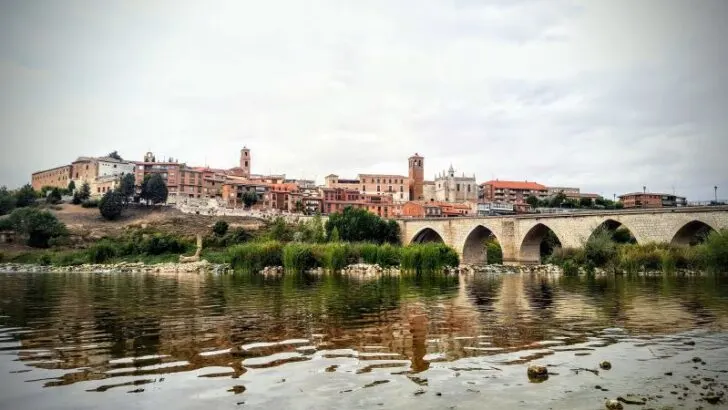
Welcome to Valladolid, Spain, a captivating city nestled in the heart of the Castile and León region. Steeped in history, culture, and architectural charm, Valladolid is a destination that beckons travelers with its rich heritage and warm hospitality.
As the former capital of the Kingdom of Castile, Valladolid carries the weight of its regal past, evident in its majestic landmarks and noble squares.
Once an influential hub during the Age of Exploration, Valladolid has evolved into a vibrant modern metropolis while preserving its traditional essence.
Visitors will be enchanted by its graceful blend of old and new, as the city’s ancient streets lead to contemporary art spaces, lively tapas bars, and bustling markets.
Home to some of Spain’s most celebrated authors, Valladolid has a profound literary legacy that continues to inspire and nurture the creative spirit.
But the city’s cultural wealth goes beyond literature, as it hosts a plethora of museums, theaters, and music venues that embrace the diverse expressions of art and performance.
Amidst the bustling urban life, Valladolid is blessed with verdant parks and tranquil gardens, offering moments of respite and reflection.
The city’s close proximity to the Ribera del Duero wine region provides an opportunity to savor some of Spain’s finest wines while soaking in the picturesque vineyard landscapes.
As you explore Valladolid, you’ll be captivated by its friendly locals, who take pride in their traditions and are eager to share the city’s hidden gems with curious travelers.
Whether you’re strolling through its historical streets, indulging in tapas at lively plazas, or attending its vibrant festivals, Valladolid promises an unforgettable experience that celebrates the very essence of Spanish culture and history.
So, embrace the allure of Valladolid and immerse yourself in a city that welcomes you with open arms and invites you to write your own chapter in its extraordinary tale.
1. Visit Plaza Mayor: The main square of Valladolid, surrounded by historic buildings and lively atmosphere

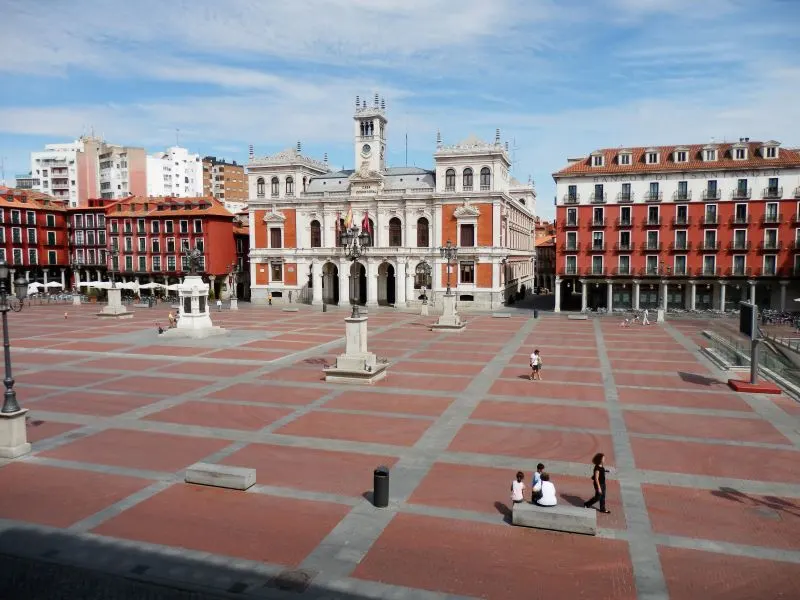
Plaza Mayor is the main square of Valladolid, Spain. It is a vibrant and bustling gathering place that serves as the heart of the city’s social and cultural life.
The square is surrounded by elegant buildings, most of which feature charming arcades on the ground floor. These arcades house a variety of shops, cafes, and restaurants, creating a lively atmosphere.
The architecture of Plaza Mayor is a mix of styles, reflecting the city’s history and development over the centuries. The square is flanked by historical landmarks, including the Town Hall, which adds to its overall grandeur.
Locals and tourists alike frequent Plaza Mayor to relax, socialize, and enjoy the vibrant energy of the city. It is a popular spot for people-watching and soaking in the local culture.
Throughout the year, various events, performances, and festivals take place in the square, making it a hub of activity.
Visiting Plaza Mayor is an essential experience for anyone exploring Valladolid, as it provides a glimpse into the city’s past and present while offering a charming setting to unwind and immerse oneself in the local atmosphere.
2. Admire Casa de Cervantes: The birthplace of the famous writer Miguel de Cervantes

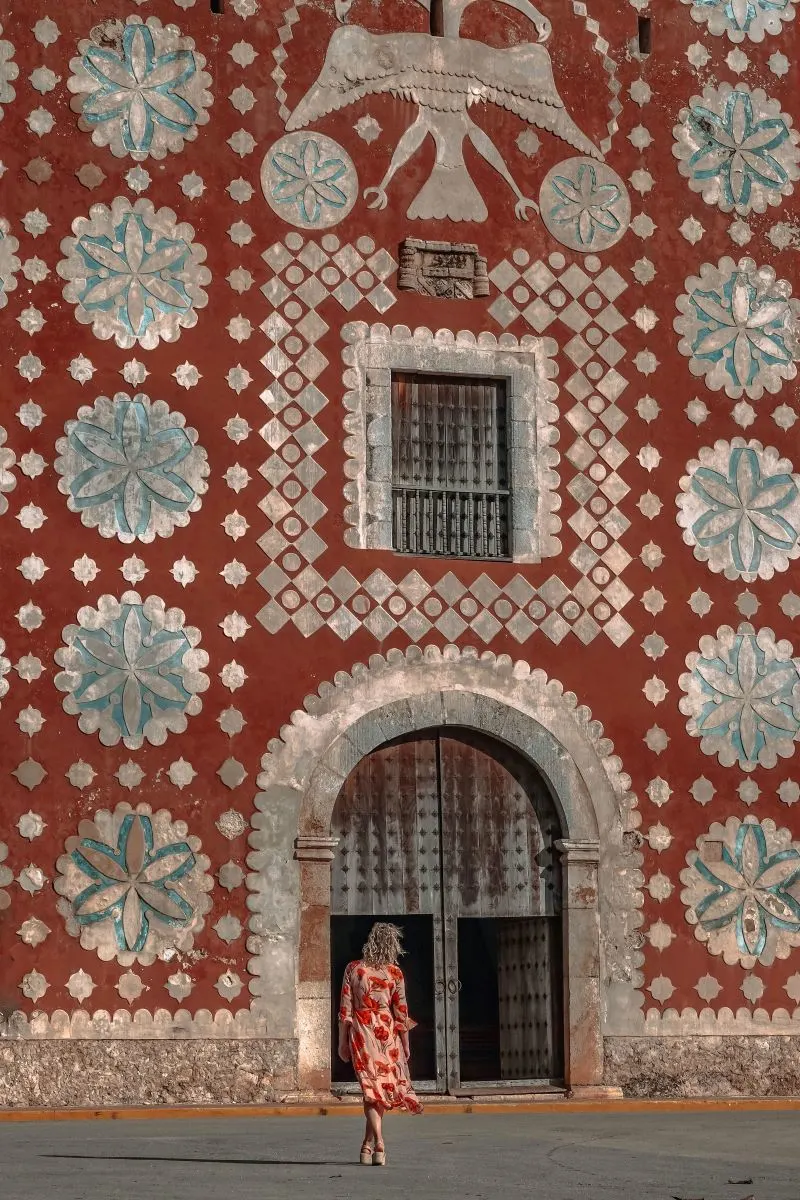
Casa de Cervantes is a historical building located in Valladolid, Spain. It is a significant landmark for literary enthusiasts, as it is believed to be the birthplace of the renowned Spanish writer, Miguel de Cervantes, who is best known for writing the classic novel “Don Quixote.”
The house is a well-preserved example of traditional Castilian architecture from the 16th century. It features a simple and elegant facade with wooden balconies and a characteristic Castilian courtyard.
Inside Casa de Cervantes, visitors can explore a small museum dedicated to the life and works of Miguel de Cervantes.
The museum exhibits various artifacts, documents, and memorabilia related to the author, providing insights into his literary contributions and his connection to Valladolid.
For literature enthusiasts and history buffs, a visit to Casa de Cervantes offers a unique opportunity to delve into the life and legacy of one of Spain’s most celebrated literary figures.
It’s a chance to learn more about Cervantes’ work and the cultural significance of “Don Quixote,” a novel that has left an indelible mark on world literature.
3. Explore Valladolid Cathedral: A stunning Gothic cathedral with beautiful stained glass windows


Valladolid Cathedral, also known as Catedral de Nuestra Señora de la Asunción (Cathedral of Our Lady of the Assumption), is a magnificent Gothic-style cathedral located in the heart of Valladolid, Spain. It stands as one of the city’s most iconic landmarks and an essential part of its historical and architectural heritage.
The construction of the cathedral began in the 16th century and took several decades to complete, resulting in a blend of Gothic and Renaissance architectural elements.
The exterior of the cathedral is characterized by its impressive facade adorned with intricate sculptures and decorative details.
Inside, visitors are greeted by a soaring nave, elegant columns, and beautiful stained glass windows that bathe the interior in a colorful glow. The cathedral houses several chapels, altars, and religious art, showcasing the rich artistic and religious heritage of the region.
One of the most notable features of Valladolid Cathedral is the High Altar, a stunning masterpiece of Baroque art created by the renowned sculptor Gregorio Fernández. It is a remarkable representation of religious devotion and craftsmanship.
The cathedral’s ambulatory and chapels also contain numerous religious relics and artifacts, making it a significant pilgrimage site for Catholics.
4. Discover the National Sculpture Museum: Home to an impressive collection of religious sculptures

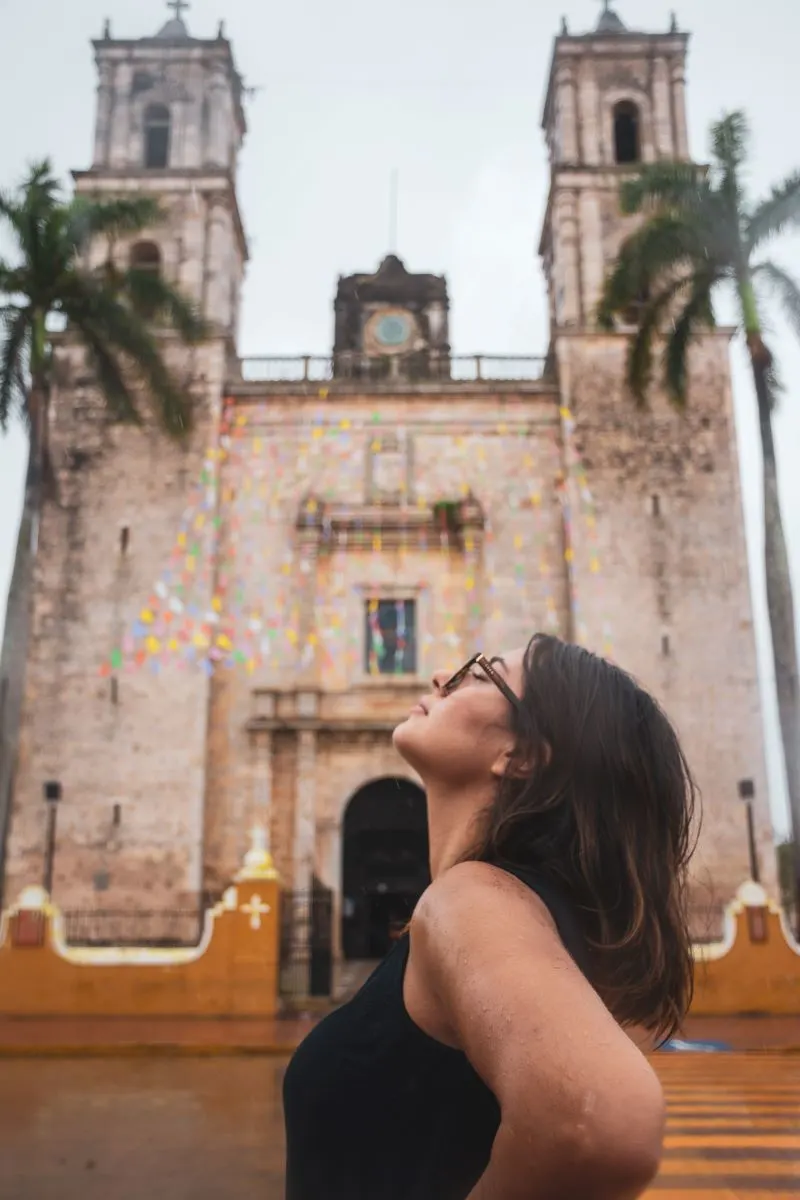
The National Sculpture Museum (Museo Nacional de Escultura) is a remarkable museum located in Valladolid, Spain, dedicated to the preservation and exhibition of religious sculpture.
Housed in the Colegio de San Gregorio, a historic building itself, the museum offers a captivating journey through the evolution of Spanish sculpture from the Middle Ages to the Baroque period.
Inside the museum, visitors can explore an extensive collection of religious sculptures, including works by renowned artists such as Alonso Berruguete and Juan de Juni.
These sculptures represent various religious themes, ranging from depictions of saints, angels, and the Virgin Mary to scenes from the life of Christ.
The Colegio de San Gregorio, where the museum is located, is a magnificent example of plateresque architecture, featuring an elaborately decorated facade that adds to the overall grandeur of the museum experience.
The National Sculpture Museum provides a unique opportunity to appreciate the intricacy and artistry of Spanish religious sculpture throughout different historical periods.
It offers a glimpse into the religious and artistic heritage of Spain, making it a must-visit destination for art enthusiasts, history lovers, and anyone interested in exploring the rich cultural tapestry of Valladolid and the Castilla y León region.
5. Walk along Paseo de Zorrilla: A charming avenue with shops, cafes, and green areas

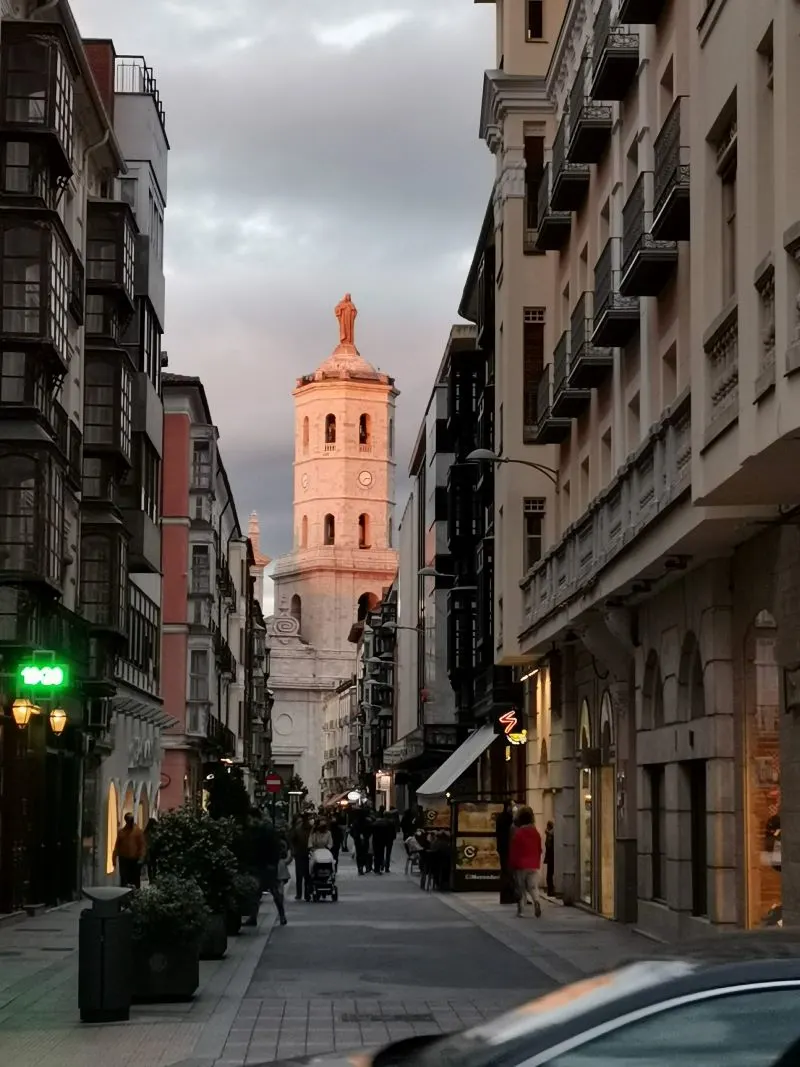
Paseo de Zorrilla is a prominent avenue in Valladolid, Spain, known for its charm, accessibility, and a variety of attractions. Stretching through the city, it offers a pleasant and picturesque route for pedestrians to explore.
The avenue is lined with beautiful trees, creating a green canopy that provides shade during the warmer months. Walking along Paseo de Zorrilla allows visitors and locals alike to enjoy a leisurely stroll in a relaxed and inviting atmosphere.
As you walk, you’ll find a mix of shops, boutiques, cafes, and restaurants along the avenue, making it an ideal spot for shopping, dining, or simply people-watching. The area is also well-connected to public transportation, making it easy to access various parts of the city.
Paseo de Zorrilla is popular among both residents and tourists for its vibrant and lively ambiance. It serves as a hub for social gatherings, cultural events, and celebrations, making it a bustling center of activity.
6. Visit the Church of San Pablo: A masterpiece of Spanish Renaissance architecture

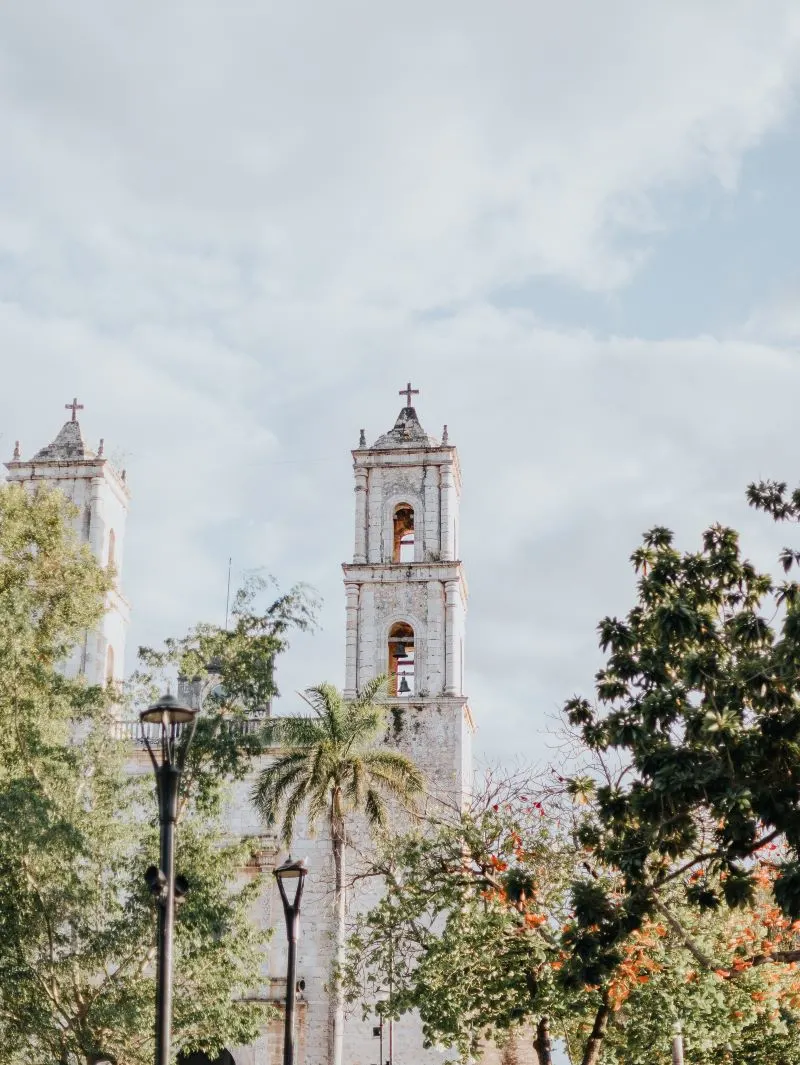
The Church of San Pablo is an architectural gem located in Valladolid, Spain. This historic church is an outstanding example of Spanish Renaissance architecture and an important cultural and religious landmark in the city.
The exterior of the Church of San Pablo is characterized by its impressive facade, adorned with intricate sculptures and decorative elements. The facade showcases the skillful craftsmanship and attention to detail typical of Renaissance architecture.
Inside, visitors are greeted by a vast and awe-inspiring interior space. The church features a grand nave with soaring ceilings supported by elegant columns, creating a sense of grandeur and solemnity.
The play of light through the beautifully designed stained glass windows adds a colorful and serene ambiance to the space.
One of the most striking features of the Church of San Pablo is its stunning altarpiece, a masterpiece of Renaissance art created by sculptor Felipe Bigarny. This altarpiece, dedicated to the Virgin Mary, is a remarkable example of religious artistry from the 16th century.
The Church of San Pablo holds significant historical and artistic value, and it serves as a place of worship and spiritual reflection for both locals and visitors.
Exploring this magnificent church allows visitors to appreciate the architectural and artistic heritage of Valladolid, making it a must-visit destination for history enthusiasts, art lovers, and those seeking a glimpse into the rich cultural legacy of the region.
7. See the Academy of Cavalry: A historic building with a magnificent courtyard

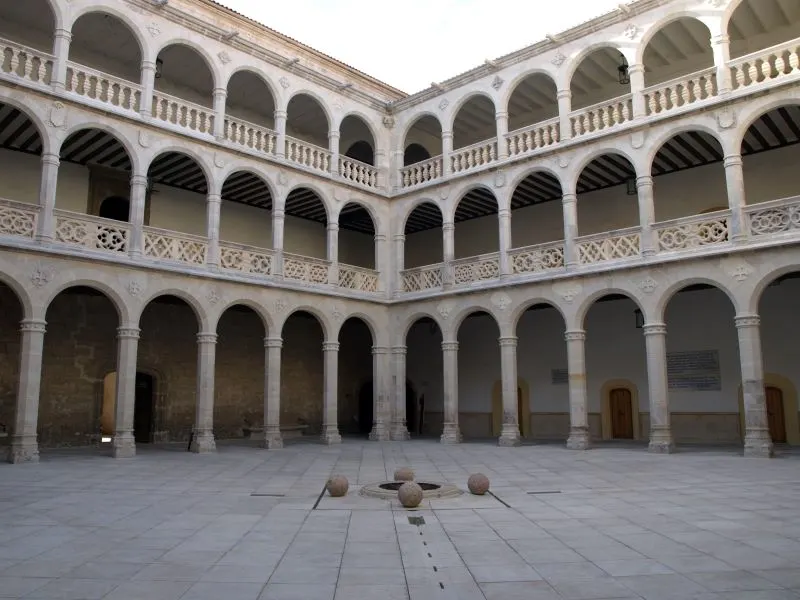
The Academy of Cavalry (Academia de Caballería) is a prestigious military institution located in Valladolid, Spain. It serves as an important center for the training and education of officers in the Spanish Army, specifically focusing on cavalry-related disciplines.
The Academy’s facilities are housed in a grand and historic building, reflecting the military tradition and heritage of the institution. The architecture exudes a sense of dignity and importance, befitting its role in training future leaders of the cavalry.
While the Academy of Cavalry primarily focuses on military training and education, it also plays a role in promoting military traditions and ceremonies.
As such, visitors may have the opportunity to witness military parades, events, or other formal activities when visiting the institution.
For those interested in military history and the armed forces, a visit to the Academy of Cavalry provides a glimpse into the training and preparation of officers in the Spanish Army.
The institution’s historical significance and commitment to preserving military traditions make it a noteworthy destination in Valladolid, offering a unique perspective on the role of the military in Spanish society and history.
However, it’s essential to note that access to certain areas within the Academy may be restricted to the public due to security and privacy concerns.
8. Stroll through Campo Grande Park: A lovely park with gardens, fountains, and peacocks

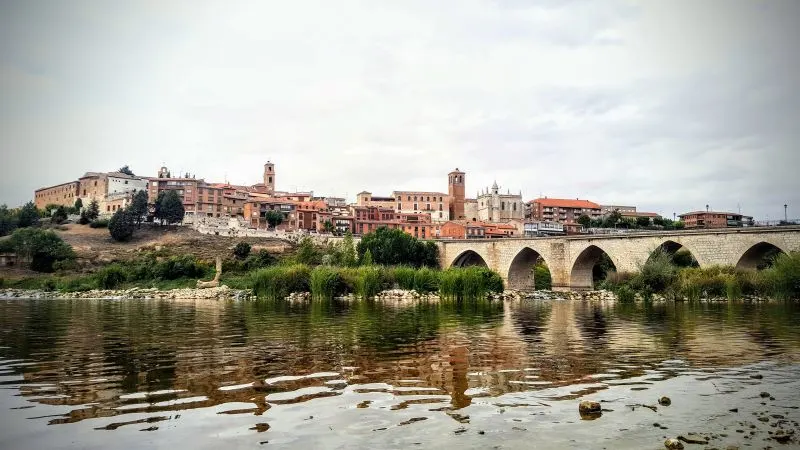
Campo Grande Park is a delightful green oasis located in the heart of Valladolid, Spain. This expansive and beautifully landscaped park offers a serene escape from the hustle and bustle of the city, providing locals and visitors alike with a peaceful place to unwind and enjoy nature.
The park’s main feature is its lush gardens, adorned with a variety of trees, flowers, and well-maintained lawns. As you stroll through Campo Grande Park, you’ll be surrounded by a symphony of colors and fragrances, creating a soothing and tranquil ambiance.
Within the park, you’ll find charming walking paths, perfect for leisurely walks or jogging, as well as benches where you can sit and relax while taking in the natural beauty around you.
One of the highlights of Campo Grande Park is its resident peacock population. These majestic birds freely roam the park, adding a touch of elegance and exoticism to the setting. Visitors often enjoy watching the peacocks’ vibrant displays and hearing their distinctive calls.
The park is also family-friendly, featuring playgrounds and recreational areas where children can play and have fun.
Campo Grande Park serves as a gathering place for locals, who come here to socialize, have picnics, or simply enjoy the tranquility of nature. It’s a popular spot for outdoor activities, such as reading, sketching, or practicing yoga.
9. Explore the Church of Santa María La Antigua: An important example of Romanesque architecture

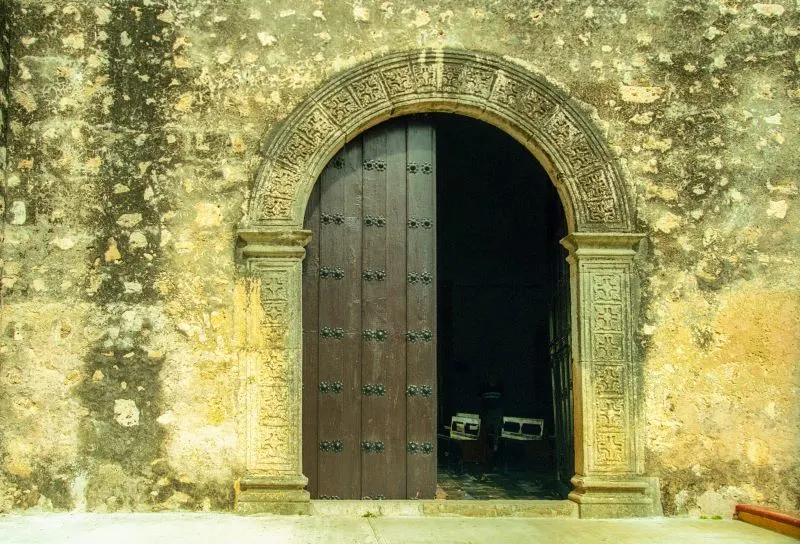
The Church of Santa María La Antigua is a captivating historical and architectural treasure situated in Valladolid, Spain. Dating back to the 12th century, this church is one of the oldest in the city and holds significant cultural and religious importance.
The exterior of the Church of Santa María La Antigua boasts a mixture of architectural styles, showcasing elements of Romanesque, Gothic, and Renaissance influences. The facade features intricate stone carvings and decorative details, reflecting the artistic craftsmanship of its time.
Upon entering the church, visitors are greeted by a serene and awe-inspiring interior. The soaring arches, elegant columns, and beautiful stained glass windows create an atmosphere of spiritual reverence and tranquility.
One of the highlights of the church is its remarkable altarpiece, a stunning example of Renaissance artistry created by the talented sculptor Juan de Juni.
This altarpiece, dedicated to the Virgin Mary, is a masterpiece of religious art and a testament to the talent of the artists who contributed to the church’s adornment.
The Church of Santa María La Antigua is not only a place of worship but also a living testament to the city’s rich religious and architectural heritage.
Exploring this historical gem allows visitors to immerse themselves in the history and culture of Valladolid, offering a captivating journey through centuries of art and devotion.
10. Visit the Oriental Museum: A unique collection of Asian art and artifacts

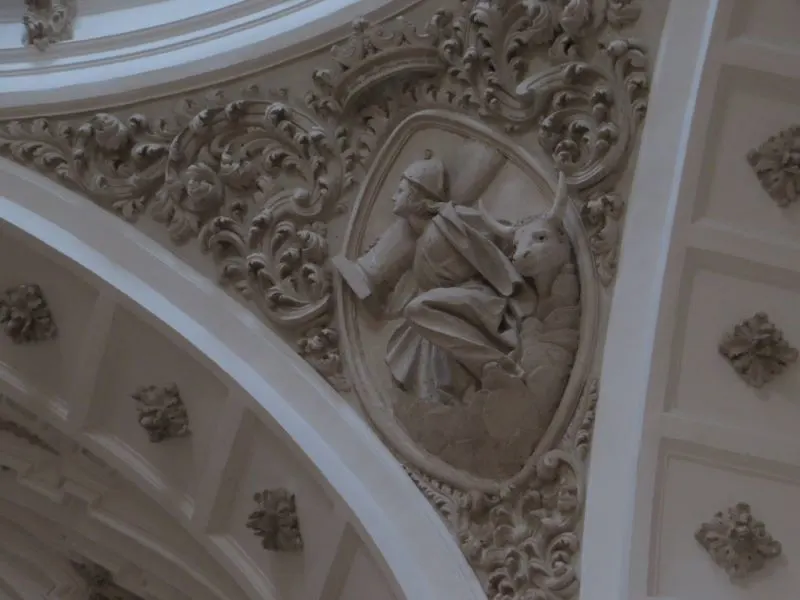
The Oriental Museum in Valladolid, Spain, offers a captivating and unique cultural experience. This museum is dedicated to showcasing a diverse collection of Asian art and artifacts, providing visitors with insights into the rich and varied cultures of the East.
Inside the Oriental Museum, you’ll find an impressive array of exhibits featuring items from countries such as China, Japan, India, and other Asian regions.
The collection includes ancient and contemporary artworks, traditional crafts, pottery, textiles, sculptures, and other cultural objects.
Visitors have the opportunity to learn about the history, customs, and beliefs of different Asian societies through the lens of their art and material culture.
The museum curates an engaging and educational experience, allowing you to appreciate the beauty and significance of these diverse art forms.
The Oriental Museum provides a unique opportunity to explore the artistic and cultural connections between the East and the West. It showcases the historical exchanges and influences that have shaped art and civilization across continents.
11. Admire the Church of San Benito: A beautiful church with a stunning altarpiece

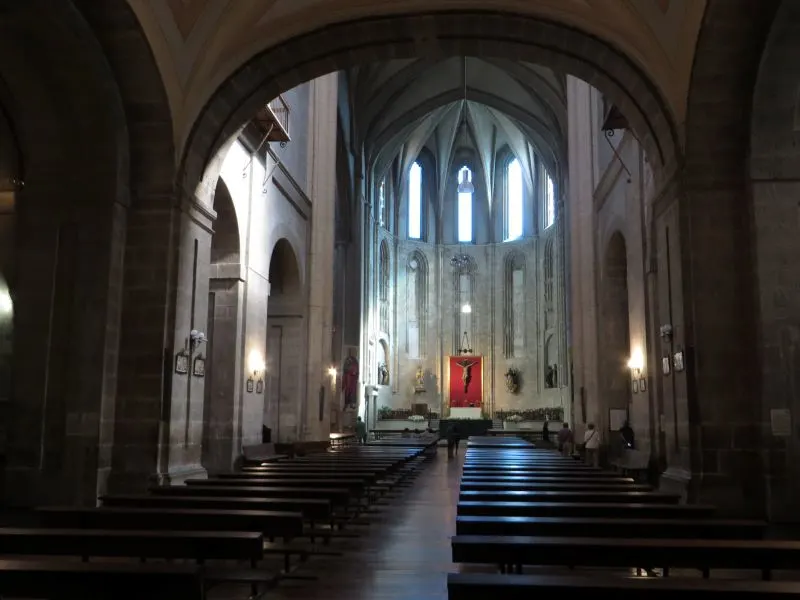
The Church of San Benito is a captivating religious landmark located in Valladolid, Spain. This historic church is renowned for its stunning architecture and rich history, making it a must-visit destination for those exploring the city’s cultural heritage.
The exterior of the Church of San Benito features an impressive Gothic facade adorned with intricate stone carvings and sculptures. The intricate details and craftsmanship on the facade reflect the artistic talent and devotion of its creators.
Upon entering the church, visitors are greeted by a grand and spacious interior. The high vaulted ceilings, elegant columns, and beautiful stained glass windows create a serene and spiritual ambiance, inviting visitors to reflect and appreciate the architectural beauty.
One of the highlights of the Church of San Benito is its exquisite altarpiece, a remarkable example of Baroque artistry created by the renowned sculptor Gregorio Fernández.
This altarpiece is dedicated to Saint Benedict, the church’s patron saint, and is a stunning display of religious devotion and artistic skill.
As you explore the Church of San Benito, you’ll also have the chance to admire other religious art and artifacts, further enriching your understanding of the church’s significance in the cultural and religious context of Valladolid.
12. Discover the Science Museum: Interactive exhibits for all ages, focusing on science and technology


The Science Museum in Valladolid, Spain, is an exciting and interactive space designed to engage visitors of all ages in the wonders of science and technology.
This museum offers a hands-on experience, making it an ideal destination for families, students, and anyone curious about the natural world.
Inside the Science Museum, you’ll find a diverse range of exhibits and interactive displays covering various scientific disciplines, including physics, biology, astronomy, and more. These exhibits are designed to entertain and educate visitors through fun and engaging activities.
The museum often hosts interactive demonstrations and workshops, allowing visitors to participate actively in scientific experiments and learn through direct experience. This hands-on approach fosters a deeper understanding and appreciation of scientific principles.
For children, the Science Museum offers a stimulating environment that encourages curiosity and critical thinking. It’s an excellent place for young minds to explore, ask questions, and discover the marvels of science.
The museum’s exhibits may include topics such as renewable energy, space exploration, the human body, and environmental conservation.
Visitors can expect to learn about cutting-edge scientific research and technological advancements that shape our understanding of the world.
13. Enjoy the Valladolid Film Festival (Seminci): If you’re lucky to visit during the festival, it’s a great opportunity to catch some fantastic films

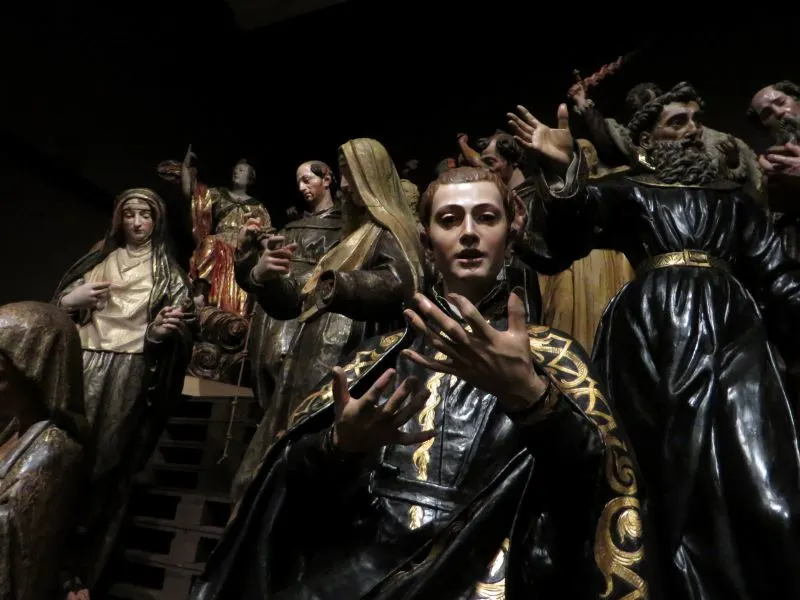
The Valladolid International Film Festival, commonly known as Seminci (Semana Internacional de Cine de Valladolid), is an annual cinematic celebration held in Valladolid, Spain.
This film festival is one of the oldest and most prestigious in the country, drawing film enthusiasts, industry professionals, and filmmakers from around the world.
During Seminci, the city becomes a hub of cinematic artistry and cultural exchange. The festival showcases a diverse selection of films from various genres and countries, including feature films, documentaries, short films, and animations.
It’s a platform for both established filmmakers and emerging talents to present their latest works and engage with audiences.
The festival’s program often includes special screenings, premieres, and retrospectives that pay homage to influential directors and cinematic classics. Seminci provides an opportunity to discover new voices in world cinema and explore different perspectives through storytelling.
Film enthusiasts can attend screenings, discussions, and Q&A sessions with directors, actors, and industry professionals.
This interaction fosters a deeper understanding of the filmmaking process and offers a chance to gain insights into the creative minds behind the films.
Besides the cinematic experience, Seminci contributes to the cultural richness of Valladolid, providing a vibrant atmosphere with film-related events, art exhibitions, and gatherings for filmmakers and film lovers to connect and share their passion.
14. Take a boat ride on the Pisuerga River: A relaxing way to see the city from a different perspective

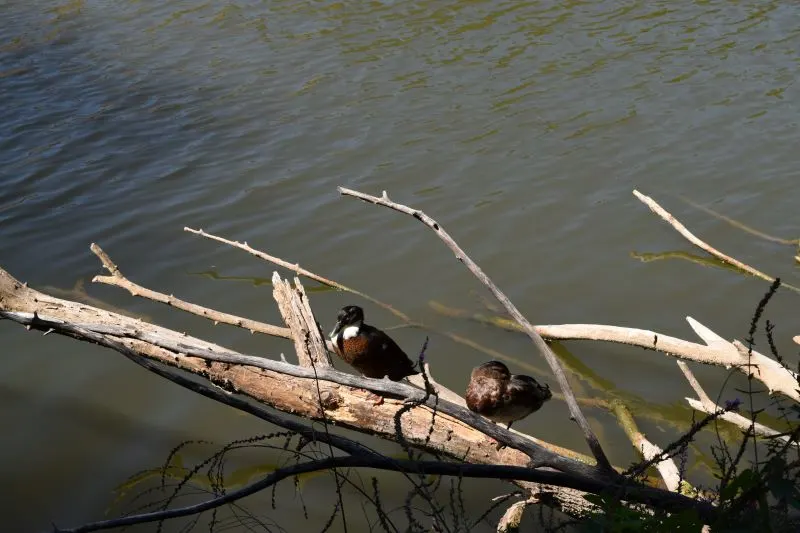
Taking a boat ride on the Pisuerga River is a delightful and scenic experience in Valladolid, Spain. The Pisuerga River is a picturesque waterway that flows through the city, offering a unique perspective on the surrounding landscapes and historical landmarks.
During the boat ride, you’ll have the opportunity to relax and enjoy the tranquil atmosphere as you gently float along the river’s gentle currents.
The boat glides past beautiful bridges, riverside parks, and charming urban scenery, providing a different viewpoint of Valladolid from the water.
As you cruise along the Pisuerga River, you can admire the city’s architectural beauty, with its historic buildings and contemporary structures reflected in the water’s surface.
The scenic views and soothing ambiance make it a perfect setting for both solo travelers seeking peace and couples or families looking for a romantic or leisurely outing.
Boat tours on the Pisuerga River are typically offered at various times throughout the day, allowing visitors to choose the best time that suits their schedule and preferences.
Some tours might include a guide who shares interesting facts and stories about the city and its river, enhancing the overall experience.
15. Taste local wines: Valladolid is in the heart of Spain’s wine country, so don’t miss a wine tasting experience


Tasting local wines in Valladolid, Spain, is a delightful and immersive experience for wine enthusiasts and anyone interested in exploring the region’s rich viticultural heritage. Valladolid is situated in the heart of Spain’s renowned wine country, making it an ideal destination for wine lovers.
The region is famous for producing a variety of exceptional wines, with Ribera del Duero and Rueda being two of the most well-known wine appellations nearby.
Ribera del Duero is celebrated for its robust and flavorful red wines made primarily from Tempranillo grapes, while Rueda is renowned for its crisp and refreshing white wines, often crafted from the Verdejo grape variety.
Tasting local wines in Valladolid typically involves visiting local wineries or wine cellars, known as “bodegas.” Here, you can learn about the winemaking process, from grape cultivation to fermentation and aging.
You’ll also have the chance to sample a selection of wines, guided by knowledgeable sommeliers or winemakers who can explain the unique characteristics of each wine and the terroir that contributes to its flavors.
Many bodegas offer wine tasting experiences that may include food pairings with regional delicacies, enhancing the flavors and allowing you to savor the best of the local cuisine alongside the wines.
Tasting local wines in Valladolid not only satisfies the palate but also provides insight into the centuries-old winemaking traditions of the region.
It’s an opportunity to immerse yourself in the culture and history of Spanish wine, appreciating the craftsmanship and dedication that go into producing these esteemed beverages.
16. Visit the Oriental Garden: A peaceful and well-maintained Chinese-style garden

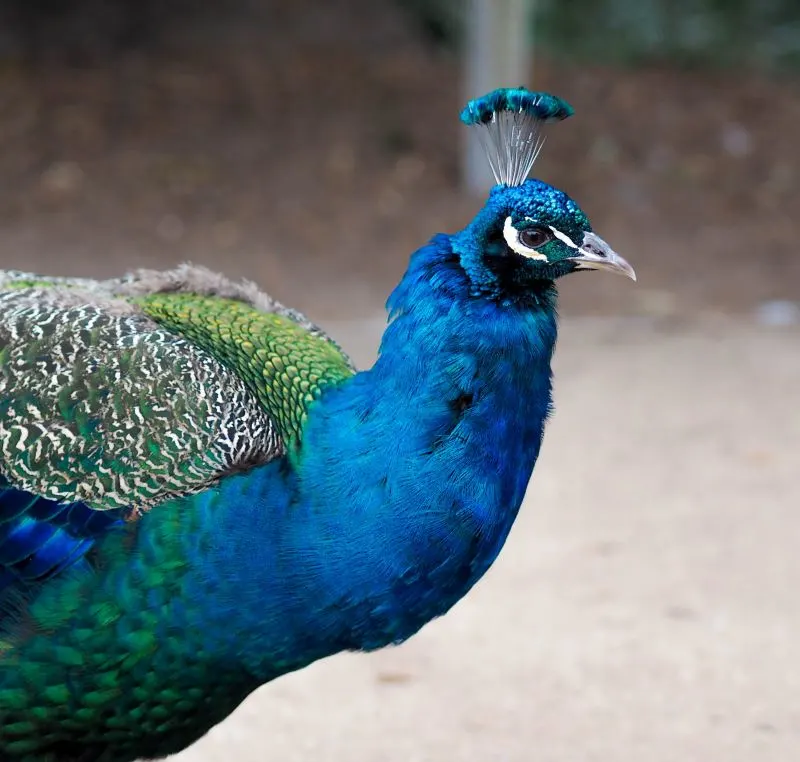
Visiting the Oriental Garden in Valladolid, Spain, offers a serene and captivating experience that transports visitors to a tranquil oasis inspired by Chinese-style gardens.
This enchanting garden provides a peaceful escape from the bustling city, allowing visitors to immerse themselves in the beauty of its carefully designed landscapes and traditional elements.
The Oriental Garden is a serene and harmonious space, featuring winding paths, decorative bridges, and serene water features like ponds and fountains.
The garden is adorned with lush greenery, colorful flowers, and carefully pruned trees, creating a picturesque setting reminiscent of traditional Chinese gardens.
As you explore the Oriental Garden, you’ll encounter ornamental rocks, symbolizing mountains and natural formations, and intricate sculptures, representing mythical creatures from Chinese folklore.
The garden is thoughtfully designed to promote relaxation and contemplation, making it an ideal place for quiet walks, meditation, or simply enjoying a moment of serenity amidst the beauty of nature.
Visitors can also find cozy pavilions and seating areas strategically placed throughout the garden, offering opportunities to sit and appreciate the surroundings or have a peaceful conversation.
17. Explore the Church of San Nicolás: A splendid example of Gothic architecture

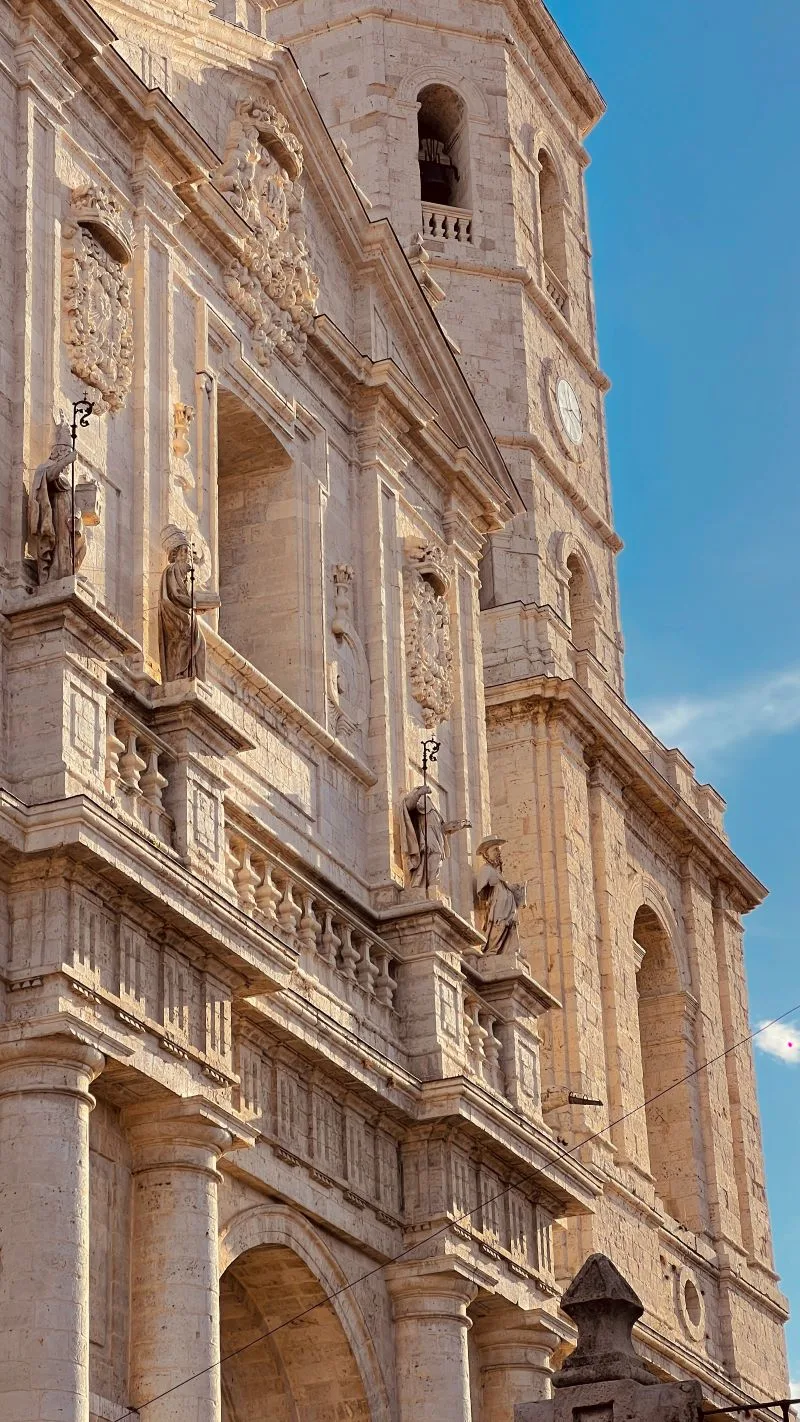
Exploring the Church of San Nicolás in Valladolid, Spain, offers a captivating journey into the city’s religious and architectural heritage. This historic church, dedicated to Saint Nicholas of Bari, is a gem of Gothic architecture and a significant cultural landmark.
The exterior of the Church of San Nicolás is characterized by its elegant facade, adorned with intricate stone carvings and decorative details. The facade showcases the skillful craftsmanship and attention to detail typical of Gothic architecture.
Inside the church, visitors are greeted by a grand and majestic interior. The soaring vaulted ceilings, graceful columns, and beautiful stained glass windows create a sense of awe and reverence, offering a glimpse into the church’s historical and spiritual significance.
One of the highlights of the Church of San Nicolás is its exquisite altarpiece, a stunning example of Renaissance artistry created by the sculptor Felipe Bigarny. This altarpiece, dedicated to the Virgin Mary, is a remarkable display of religious devotion and artistic skill.
The church’s ambulatory and side chapels also house various religious artifacts and sculptures, providing further opportunities for exploration and appreciation of its cultural treasures.
18. Admire the Columbus Monument: A statue dedicated to Christopher Columbus

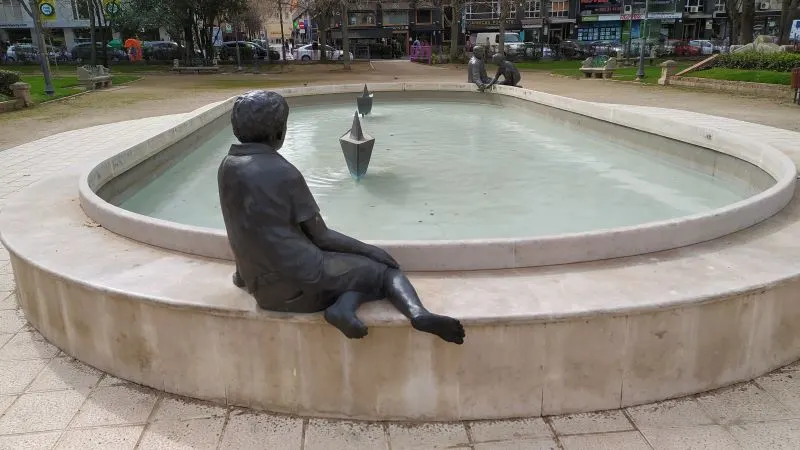
The Columbus Monument in Valladolid, Spain, is a historical landmark dedicated to the renowned explorer Christopher Columbus. The monument pays tribute to Columbus’s significant role in the Age of Exploration and his voyages to the Americas.
The monument features a prominent statue of Christopher Columbus, typically depicted standing atop a pedestal. The statue may portray Columbus with a globe in hand, symbolizing his impact on global exploration and discovery.
The Columbus Monument is often situated in a central or prominent location within the city, making it easily accessible to visitors and locals alike.
It serves as a reminder of the city’s historical connections to the Age of Discovery and its contribution to the exploration of new worlds.
Admiring the Columbus Monument allows visitors to connect with the historical figure of Christopher Columbus and the era of exploration that shaped world history.
It also provides an opportunity for reflection on the achievements and complexities of Columbus’s voyages and their impact on the course of human civilization.
For history enthusiasts and those interested in exploring the city’s historical landmarks, admiring the Columbus Monument in Valladolid offers a brief but meaningful glimpse into the exploration and discovery that transformed the world during the Age of Exploration.
19. Take a cultural tour at the Teatro Calderón: An important theater with a diverse program of shows

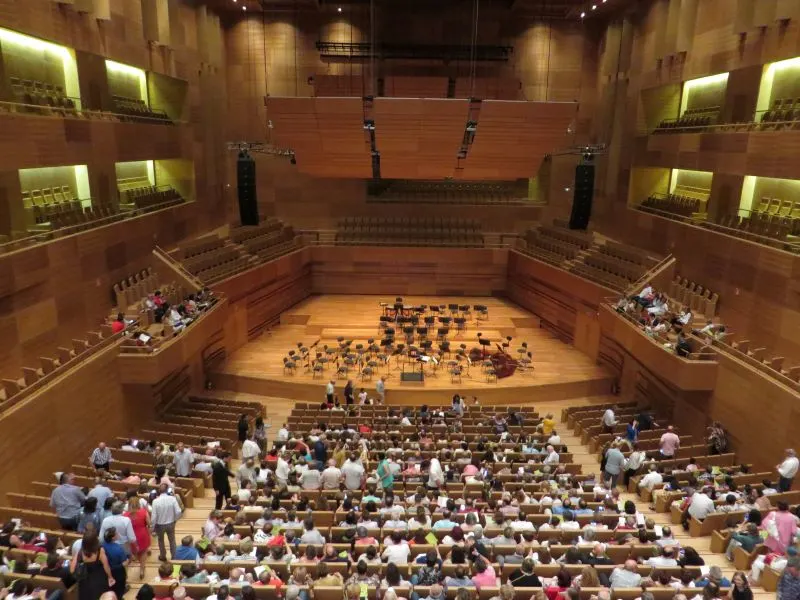
Taking a cultural tour at the Teatro Calderón in Valladolid, Spain, is a fascinating experience that allows visitors to immerse themselves in the city’s vibrant performing arts scene and rich theatrical heritage.
The Teatro Calderón is a historic theater known for its exquisite architecture and cultural significance. During the tour, visitors can explore the grand interior of the theater, which often features ornate decorations, elegant balconies, and opulent details that reflect the theater’s history and importance.
Knowledgeable guides lead the cultural tour, providing insights into the theater’s past, its architectural design, and its role in the city’s cultural life.
You’ll learn about the theater’s construction, the famous artists who have performed on its stage, and the evolution of performing arts in Valladolid over the years.
The tour may also include visits to backstage areas, dressing rooms, and other behind-the-scenes spaces, offering a glimpse into the workings of a theater and the efforts that go into staging performances.
The Teatro Calderón is renowned for hosting a diverse program of shows, including plays, operas, concerts, dance performances, and more.
During the tour, you might have the chance to see the theater’s main auditorium and other performance spaces, gaining a deeper appreciation for the artistic and technical aspects of live entertainment.
20. Visit the Museum of Contemporary Art Patio Herreriano: Exhibiting contemporary art in a former monastery

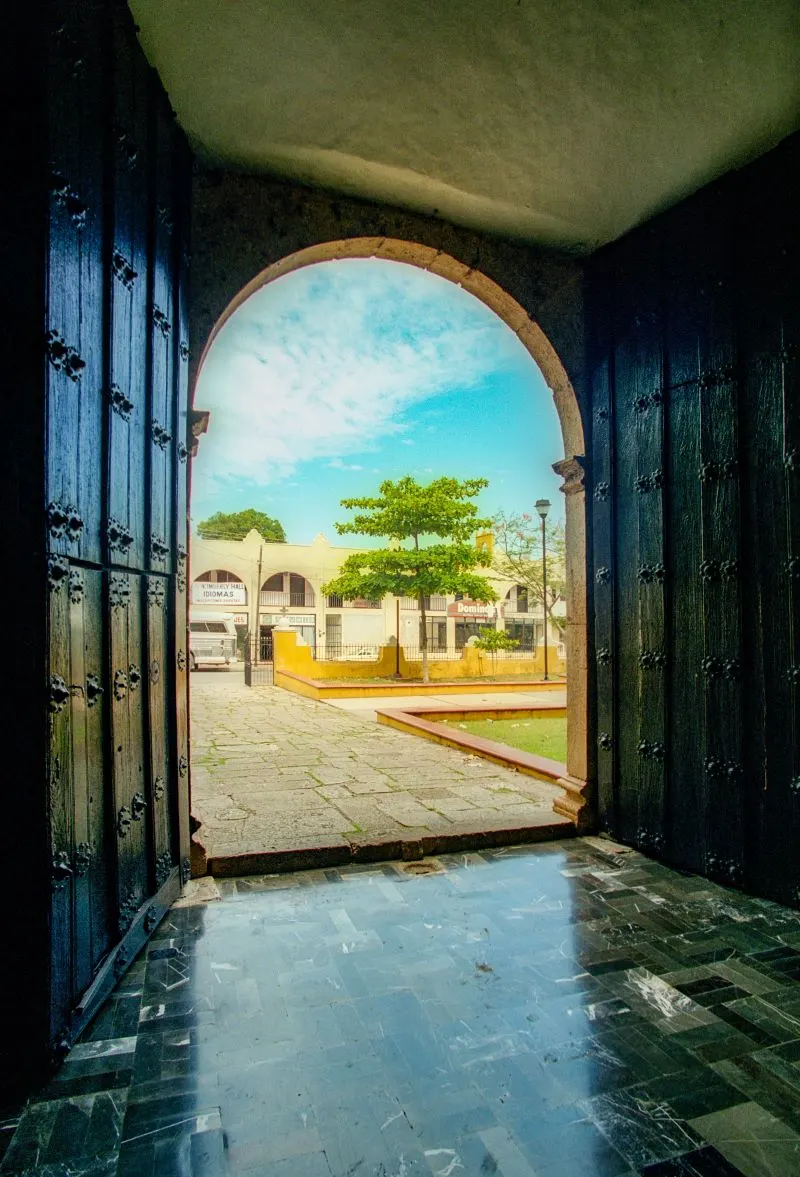
Visiting the Museum of Contemporary Art Patio Herreriano in Valladolid, Spain, is a captivating journey through modern and contemporary art.
Housed in a former Renaissance-style monastery with a charming courtyard (“Patio Herreriano”), the museum offers a unique setting for exploring a diverse collection of contemporary artworks.
The museum features an extensive range of modern and contemporary art, including paintings, sculptures, installations, and multimedia pieces.
It showcases the works of prominent Spanish and international artists, providing insight into the evolution of artistic expressions from the 20th century to the present.
As you explore the Museum of Contemporary Art Patio Herreriano, you’ll encounter a variety of art movements, styles, and themes, offering a dynamic and thought-provoking experience.
The collection includes works by influential artists such as Antoni Tàpies, Eduardo Chillida, and Luis Gordillo, among others.
The museum’s exhibitions are thoughtfully curated, providing context and narratives that enrich the understanding of the artworks and the artists’ creative processes.
It’s a space that encourages contemplation, critical thinking, and appreciation of contemporary art’s diverse forms and meanings.
The Patio Herreriano courtyard itself is a beautiful and tranquil space, offering a serene interlude amid the artistic exploration.
The combination of modern art and historical architecture creates a unique juxtaposition, adding to the museum’s distinctive charm.
21. Explore the Church of La Antigua: Another beautiful example of Gothic architecture in the city

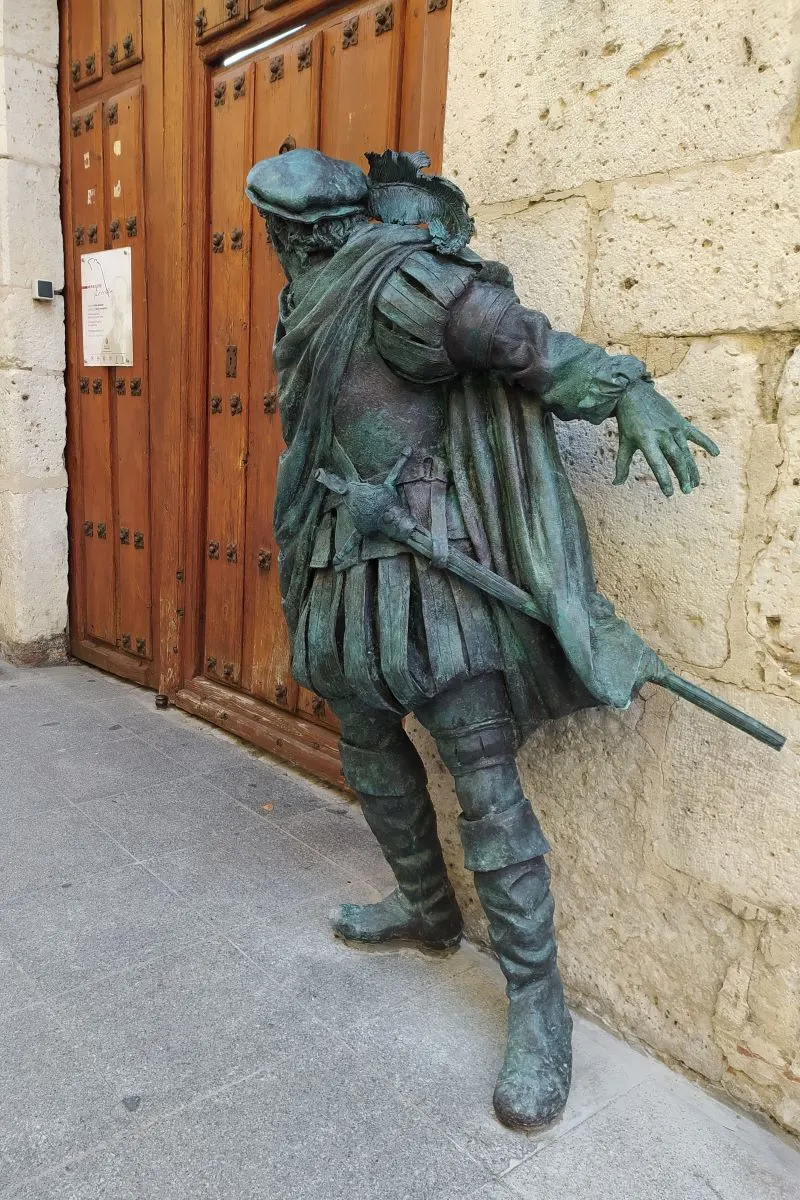
Exploring the Church of La Antigua in Valladolid, Spain, is a captivating journey into the city’s religious and architectural history.
This historic church is one of the most important Romanesque buildings in the region and holds significant cultural and spiritual value.
The exterior of the Church of La Antigua is characterized by its solid and majestic appearance, showcasing the distinctive features of Romanesque architecture.
The simple yet imposing facade is adorned with decorative elements, reflecting the architectural style of the period.
As you step inside the church, you’ll be greeted by a serene and reverent atmosphere. The interior features a vaulted nave supported by robust columns, creating a sense of sacred grandeur. The dimly lit ambience and beautiful stained glass windows contribute to the spiritual ambiance.
One of the highlights of the Church of La Antigua is the impressive main altarpiece, a stunning example of religious artistry crafted in the Renaissance style.
This altarpiece, dedicated to the Virgin Mary, is a masterpiece of woodcarving and gilding, representing the devotion and skill of its creators.
The church’s historical significance extends beyond its architectural beauty, as it has witnessed several important events throughout Valladolid’s history. It has served as a coronation site for Spanish kings and hosted significant religious ceremonies.
22. Visit the Museo de Valladolid: Learn about the city’s history and art collections

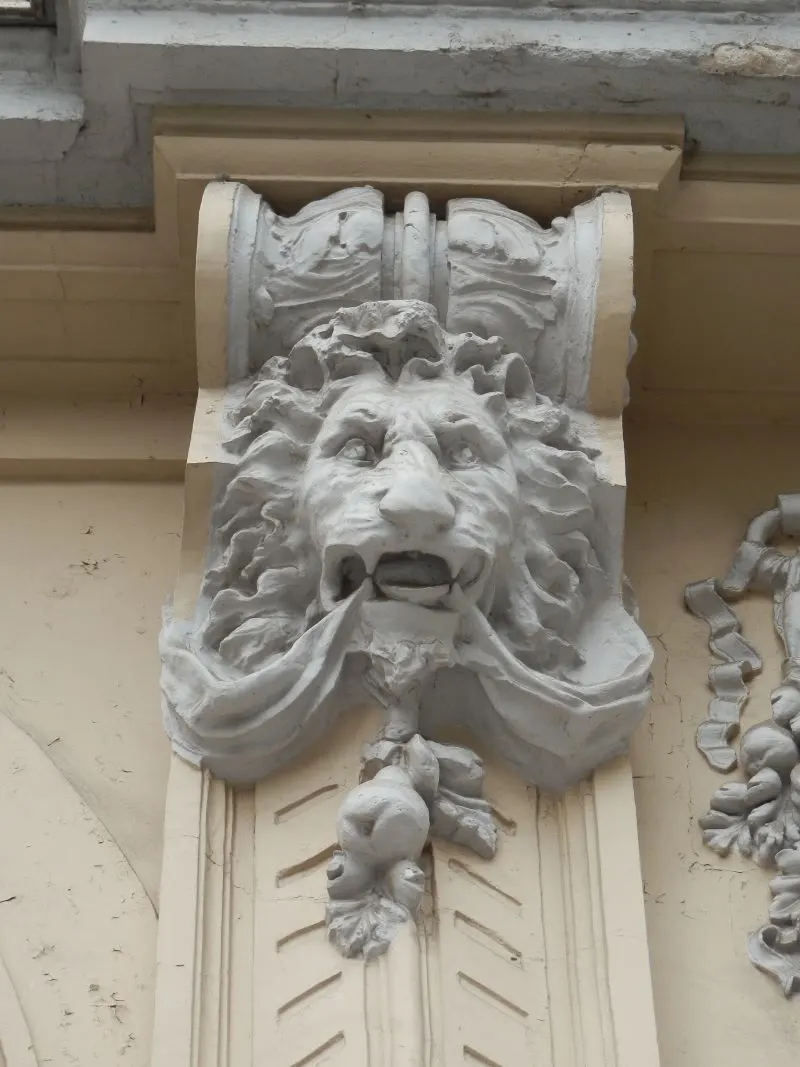
The Museo de Valladolid, also known as the Museum of Valladolid, is a cultural gem in Valladolid, Spain. Housed in the historic Palacio de Fabio Nelli, the museum showcases a diverse collection that spans the city’s rich history, art, and cultural heritage.
Visiting the Museo de Valladolid offers an immersive experience into the past and present of the city and the Castilla y León region. The museum’s exhibits cover a wide range of topics, including archaeology, fine arts, historical artifacts, and ethnographic objects.
You’ll find fascinating archaeological finds from different periods, providing insights into the ancient civilizations that once thrived in the area.
The museum’s art collection includes works by notable artists, offering a glimpse into the artistic traditions of Valladolid and its impact on Spanish art.
In addition to its permanent exhibits, the Museo de Valladolid often hosts temporary exhibitions that highlight specific themes or artists, adding variety and fresh perspectives to the visitor’s experience.
The Palacio de Fabio Nelli, where the museum is located, is an architectural gem in itself, providing a beautiful backdrop for the exhibits and a glimpse into the city’s historical architectural styles.
23. Visit the Valladolid Science Museum: A hands-on museum suitable for kids and adults

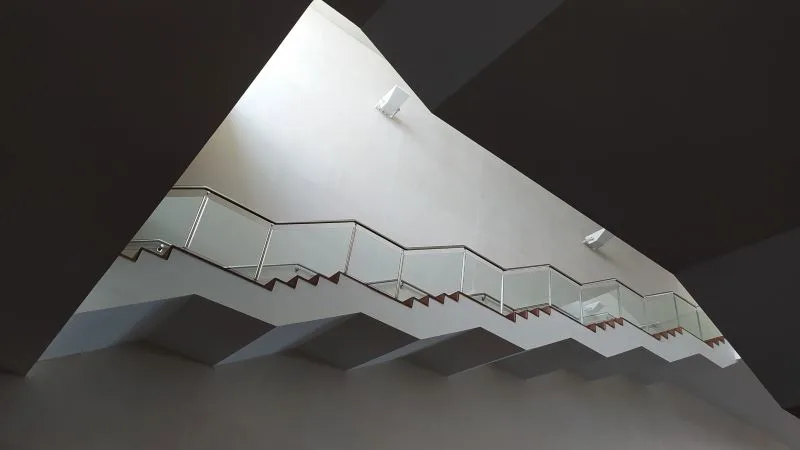
The Museum of Science of Valladolid is a popular and engaging destination for both children and adults interested in science, technology, and the natural world.
The museum offers interactive and educational exhibits that explore a wide range of scientific topics, making it a fun and enriching experience for visitors of all ages.
Inside the museum, you’ll find a variety of hands-on activities, interactive displays, and multimedia presentations that cover subjects such as physics, astronomy, biology, ecology, and more.
The exhibits are designed to encourage curiosity, critical thinking, and a deeper understanding of scientific principles.
The museum often hosts special workshops, demonstrations, and live shows that allow visitors to actively participate in scientific experiments and demonstrations, adding an extra layer of excitement and learning.
Whether you’re interested in space exploration, the human body, environmental conservation, or technology, a visit to the Museum of Science of Valladolid offers a fascinating opportunity to explore the wonders of the natural world and the marvels of scientific discovery.
24. Attend a traditional Spanish festival: Experience the local culture and traditions through festivals like Semana Santa (Holy Week) or Feria de Valladolid

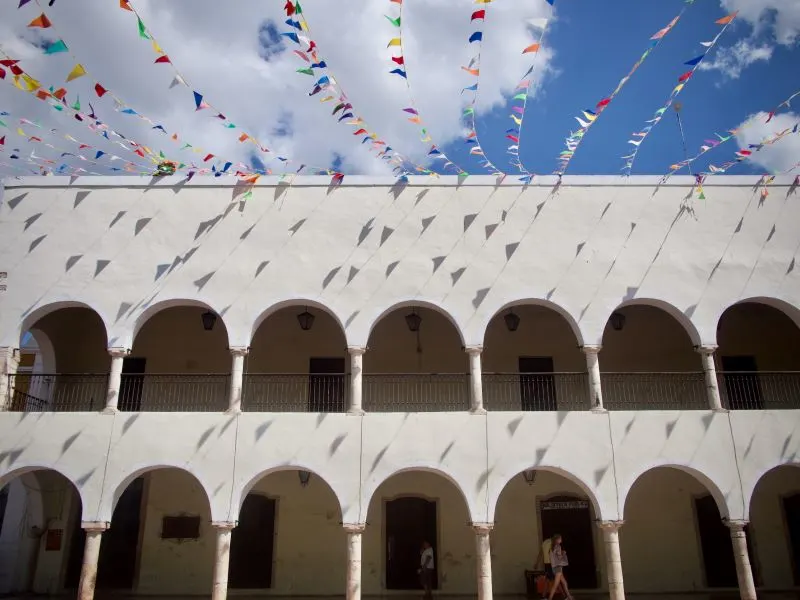
Attending a traditional Spanish festival, such as Semana Santa (Holy Week) or Feria de Valladolid, offers a captivating and immersive experience into the local culture and traditions of Valladolid, Spain.
Semana Santa (Holy Week) is one of the most significant religious festivals in Spain, celebrated in the week leading up to Easter Sunday.
During this time, the city comes alive with vibrant processions featuring elaborately decorated floats (pasos) depicting scenes from the Passion of Christ and the Virgin Mary. The processions are accompanied by solemn music and religious chants, creating a deeply moving and spiritual atmosphere.
Locals and visitors alike participate in the processions, which are often organized by religious brotherhoods and confraternities.
Attending Semana Santa in Valladolid allows you to witness the city’s devotion, experience its cultural traditions, and appreciate the artistry and craftsmanship of the pasos.
Feria de Valladolid, on the other hand, is a lively and colorful festival that typically takes place in early September. It’s a celebration of the city’s agricultural and commercial heritage, and it offers a mix of cultural events, entertainment, and trade shows.
The fairgrounds are filled with music, dance, food stalls, and amusement rides, creating a festive and joyful ambiance. Feria de Valladolid is a time for locals to come together, enjoy the festivities, and showcase the best of the region’s products and cultural offerings.
Attending this fair allows you to experience the vibrant spirit of Valladolid, immerse yourself in its traditions, and interact with locals in a festive and friendly atmosphere.
Both Semana Santa and Feria de Valladolid offer unique insights into the city’s customs, beliefs, and heritage. Participating in these traditional Spanish festivals allows you to create lasting memories, connect with the local community, and truly embrace the spirit of Valladolid’s rich cultural identity.
25. Taste tapas at Plaza de España: A vibrant area with numerous bars and restaurants serving delicious tapas

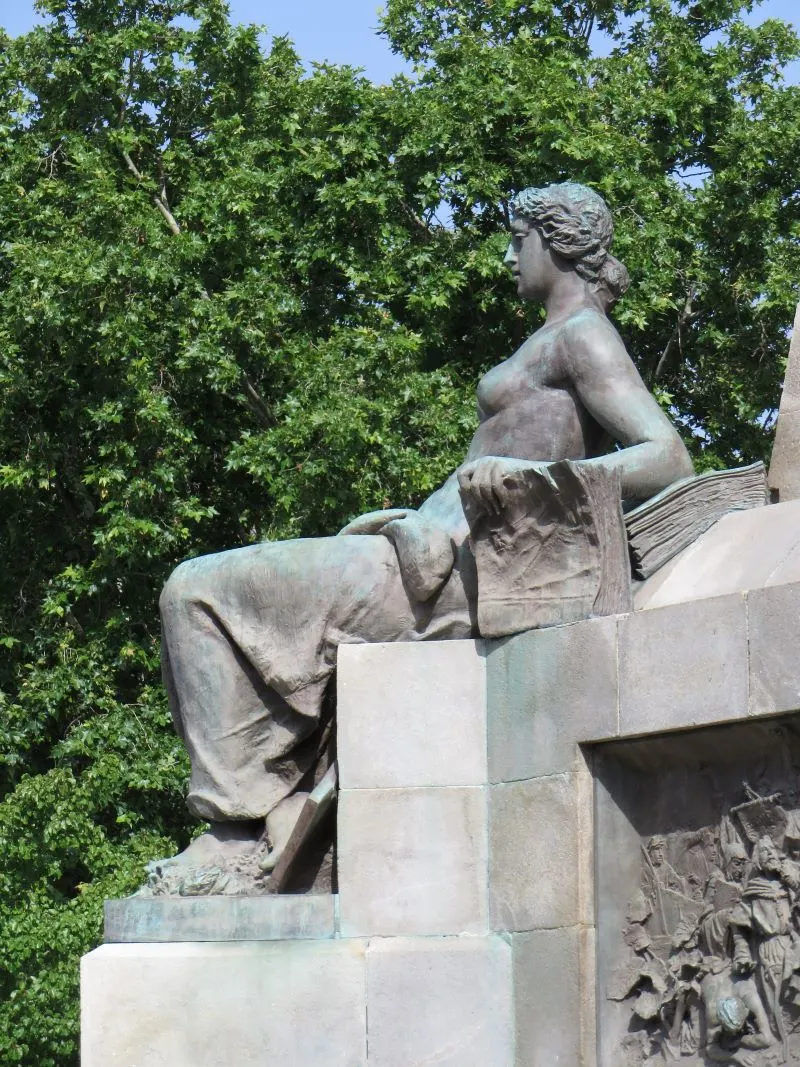
Tasting tapas at Plaza de España in Valladolid, Spain, is a delightful culinary experience that combines the charm of the city’s main square with the rich flavors of Spanish cuisine.
Plaza de España is a bustling and vibrant square, often lined with cozy cafes, restaurants, and tapas bars. The square’s central location makes it a popular gathering spot for locals and visitors alike, creating a lively atmosphere perfect for enjoying tapas.
Tapas are traditional Spanish appetizers or snacks, typically served in small portions, making it an excellent way to sample a variety of flavors in one sitting.
At Plaza de España, you can find an array of tapas bars offering a wide selection of delicious bites, each showcasing the regional culinary specialties and local ingredients.
As you stroll through the square, you’ll have the opportunity to indulge in an assortment of tapas, from classic dishes like patatas bravas (fried potatoes with spicy sauce) and Spanish omelet (tortilla española) to more elaborate creations crafted by skilled chefs.
The tapas culture in Valladolid encourages socializing and sharing food with friends and family. Many locals partake in the traditional “tapeo,” moving from one tapas bar to another, enjoying different flavors and savoring the vibrant ambiance of the city.
This list should give you a great overview of the best things to do and see in Valladolid, making your visit to the city a memorable experience. Enjoy your trip!
Food In Valladolid

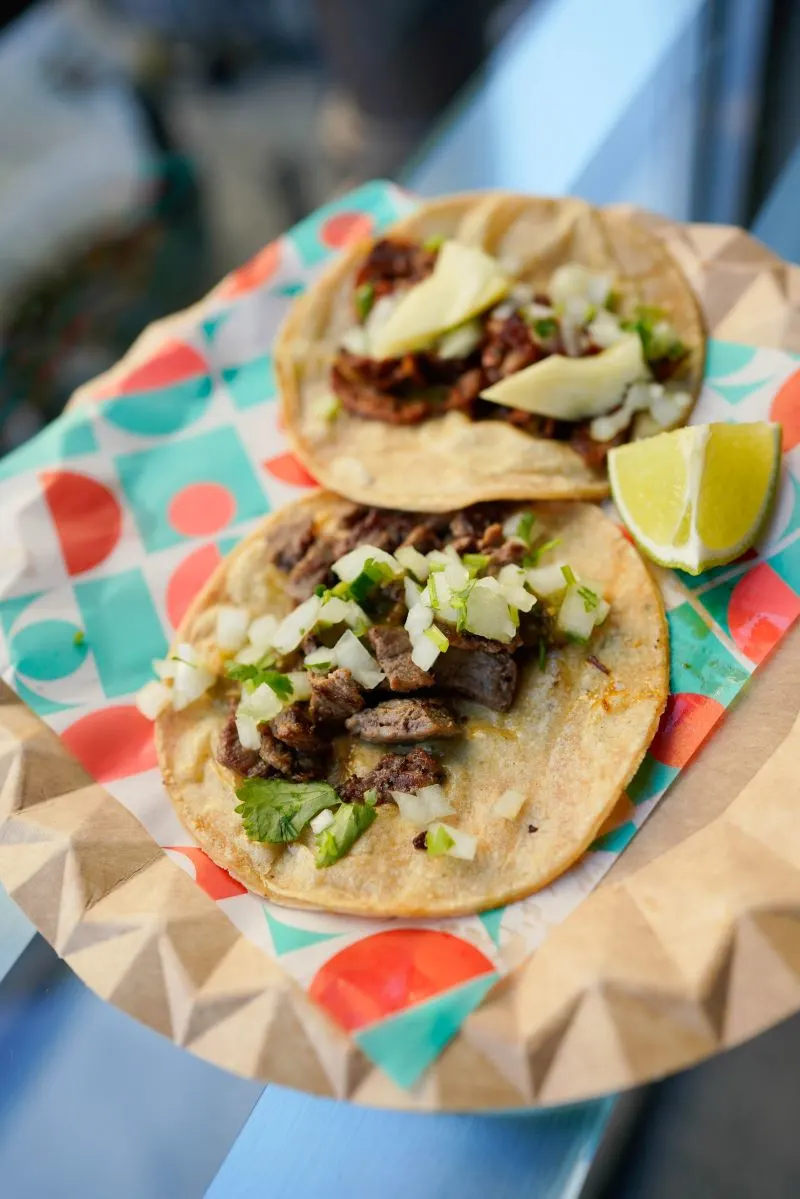
Valladolid, a charming city in the heart of Spain, is not only renowned for its historical landmarks and cultural heritage but also for its delectable culinary offerings.
As the capital of the Castile and León region, Valladolid boasts a rich gastronomic tradition that reflects the diverse influences of its past.
From traditional Castilian dishes to innovative creations, the city’s food scene is a paradise for food enthusiasts seeking a true taste of Spanish flavors. Join us on a gastronomic journey through the culinary delights of Valladolid.
- Tapas Galore:
In Valladolid, tapas reign supreme, and Plaza Mayor is the epicenter of this delightful tradition. Numerous tapas bars dot the square, each enticing passersby with an array of mouthwatering bites.
From succulent cured ham (jamón) to sizzling chorizo, and from delicate seafood delights to artfully prepared croquettes, the options are endless.
The tapas culture here encourages camaraderie and camaraderie, making it a perfect opportunity to share laughter and great food with friends and strangers alike.
- Savor the Suckling Pig:
Valladolid is famous for its lechazo, a succulent and tender suckling pig roasted to perfection. The region’s pastoral traditions have long celebrated this culinary gem, and many restaurants specialize in serving this delicacy.
The crackling skin and melt-in-your-mouth meat are a testament to the chef’s skill and the quality of local produce. A visit to Valladolid is incomplete without indulging in this age-old culinary tradition.
- Divine Wines:
As the gateway to the Ribera del Duero wine region, Valladolid offers wine enthusiasts an opportunity to savor some of Spain’s finest wines. The robust and flavorful red wines made from Tempranillo grapes are a source of pride for the region.
Several wineries in and around Valladolid offer tours and tastings, allowing visitors to learn about the winemaking process while enjoying the scenic vineyard landscapes.
- Classic Castilian Cuisine:
For a taste of traditional Castilian cuisine, head to one of Valladolid’s traditional restaurants. Here, you can indulge in hearty dishes like Cocido Vallisoletano, a delicious stew with chickpeas, meats, and vegetables.
Another local favorite is Pisto, a delightful vegetable medley similar to ratatouille. Wash it all down with a glass of refreshing tinto de verano, a blend of red wine and soda, or a glass of horchata, a refreshing and sweet drink made from tiger nuts.
- Pastries and Sweet Treats:
No culinary journey would be complete without exploring Valladolid’s sweet side. The city is known for its delectable pastries, with the Ponche Segoviano being a standout favorite.
This almond-based cake is layered with marzipan and covered in a luscious glaze, making it an irresistible treat for dessert lovers. Be sure to try other local delights, like the hornazo, a savory pastry filled with pork, chorizo, and egg.
Valladolid’s food scene is a celebration of the region’s cultural heritage and culinary prowess. From the lively tapas culture at Plaza Mayor to the indulgence of lechazo and Ribera del Duero wines, every meal in Valladolid is a culinary adventure.
The city’s passion for good food and wine is evident in every dish, making it an unforgettable destination for food enthusiasts seeking an authentic and flavorsome Spanish experience.
So, come and savor the rich flavors and warm hospitality that Valladolid has to offer on a gastronomic journey that will leave your taste buds longing for more.
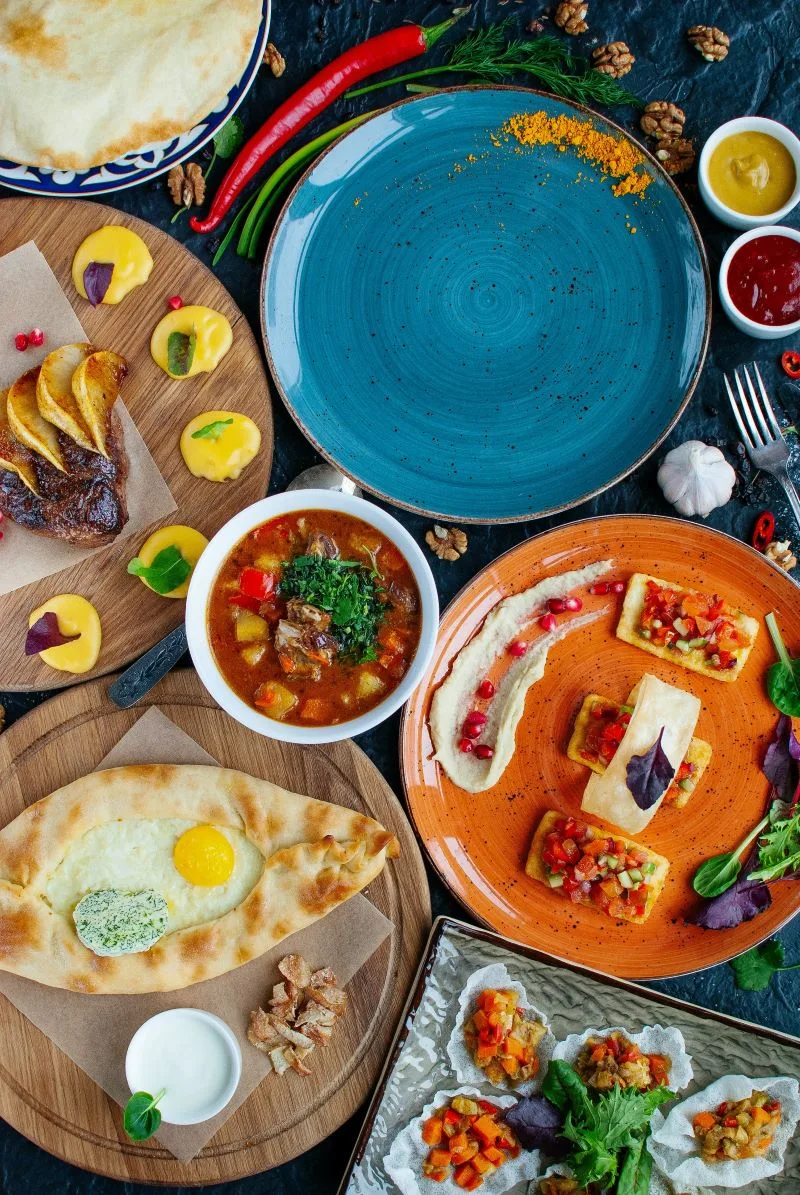
Top 20 Best Restaurants In Valladolid, Spain

- Restaurante Trigo
- Restaurante El Almacén
- Restaurante Los Zagales
- Restaurante La Criolla
- Restaurante El Figón de Recoletos
- Restaurante Ceylán
- Restaurante María
- Restaurante Noviembre
- Restaurante El Corte Inglés (Gourmet Experience)
- Restaurante El Jardín del Hotel Marqués de la Ensenada
- Restaurante Don Bacalao
- Restaurante El Monje
- Restaurante Pepe La Judería
- Restaurante La Parrilla de San Lorenzo
- Restaurante Las Llaves
- Restaurante La Taberna del Herrero
- Restaurante La Cripta
- Restaurante La Rúa
- Restaurante Tres Reyes
- Restaurante El Labrador
Transportation In Valladolid
- Public Bus System: Valladolid has an extensive public bus network operated by Auvasa. The buses cover the entire city and connect to nearby neighborhoods and suburbs. The bus service is reliable and provides an affordable way to get around Valladolid. Tickets can be purchased on the bus or at designated ticket machines.
- Taxis: Taxis are readily available throughout Valladolid. You can find them at taxi stands or hail one on the street. Taxis offer a convenient and quick mode of transportation, especially for shorter distances or when you need to reach specific destinations not served by public transportation.
- Train: Valladolid is well-connected by train, with the Valladolid-Campo Grande railway station being the main hub. High-speed trains (AVE) link Valladolid to major cities like Madrid, Barcelona, and Valencia. There are also regional and suburban trains that connect Valladolid to nearby towns and cities.
- Bicycles: Valladolid is a bike-friendly city, and cycling is a popular mode of transportation for both locals and tourists. The city has dedicated bike lanes and bike-sharing systems, making it easy to explore Valladolid on two wheels.
- Walking: Valladolid’s compact city center is pedestrian-friendly, and many of the main attractions are within walking distance of each other. Walking is an excellent way to immerse yourself in the city’s charm and discover its hidden gems.
- Car Rental: If you prefer the flexibility of driving, car rental services are available in Valladolid. However, driving in the city center can be challenging due to narrow streets and limited parking. It is advisable to use public transportation or taxis for inner-city travel and rent a car for exploring the surrounding areas.
- Private Transfers: Some hotels and tour companies offer private transfer services for travelers who want a hassle-free and personalized transportation experience.
In conclusion, Valladolid, Spain, is a treasure trove of experiences that captivate the hearts of travelers from near and far. With its rich history, stunning architecture, and vibrant cultural scene, this enchanting city offers an array of activities to suit every interest and taste.
From exploring its impressive landmarks like the Plaza Mayor and Valladolid Cathedral to immersing in the arts and history at the Oriental Museum and Museum of Contemporary Art Patio Herreriano, there’s a myriad of opportunities to delve into the city’s past and present.
Embrace the culinary delights by savoring tapas at Plaza de España, indulging in the city’s signature lechazo, and sampling fine wines from the Ribera del Duero region.
Enjoy the tranquil beauty of Campo Grande Park and the Oriental Garden, which offer serene retreats amidst the urban landscape. Take in the spiritual aura of the Church of La Antigua and the Church of San Nicolás, reflecting Valladolid’s deeply-rooted religious heritage.
Experience the vibrant local culture through festivals like Semana Santa (Holy Week) and Feria de Valladolid, where traditions come to life in a joyous celebration.
For a deeper connection with the city, partake in activities like a cultural tour at Teatro Calderón, a boat ride on the Pisuerga River, or a visit to the National Sculpture Museum and Casa de Cervantes.
As you bid farewell to Valladolid, you’ll carry with you cherished memories of a city that beckons you back with its warm hospitality, artistic flair, and historical significance.
Whether you’re a history enthusiast, a culinary connoisseur, an art lover, or simply seeking a vibrant city brimming with cultural riches, Valladolid promises an unforgettable journey that lingers in your heart long after you’ve left its enchanting streets.
Leave a comment