

Xi’an is the capital of Shaanxi Province and is one of the oldest cities in China with a history spanning more than 3,000 years.
It was once the capital of the Western Han dynasty (206 BC–9 AD) and the Tang dynasty (618–907 AD), and it played an important role in shaping the political, cultural, and economic landscape of China.
Xi’an Located in the middle of the Guanzhong Plain and surrounded by mountains on three sides, with the Wei River flowing through the city.
It has a temperate continental climate with four distinct seasons. Summers are hot and humid, while winters are cold and dry. Spring and autumn are mild and pleasant.
An Introduction To Xi’an

History: Xi’an has a rich history dating back to the Western Zhou dynasty (1046–771 BC), when it was known as Fenghao. It was during the Qin dynasty (221–206 BC) that Xi’an became the capital of a united China under Emperor Qin Shi Huang.
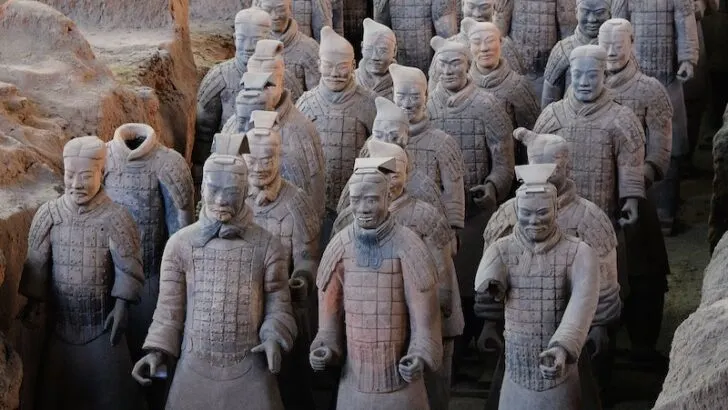
The emperor is also famous for his mausoleum, which is located near Xi’an and contains the famous Terracotta Army.
During the Tang dynasty, Xi’an was a cosmopolitan city and a cultural hub, known for its music, dance, literature, and art.
It was also an important center for trade and commerce, as it was the starting point of the famous Silk Road, which connected China to the Middle East and Europe. Xi’an was also the terminus of the Grand Canal, which linked the Yellow River with the Yangtze River.
Best 20 Things To Do In Xi’an China
Xi’an, China is a city steeped in history and culture, with a wealth of attractions and activities to explore. From ancient landmarks to modern marvels, there is no shortage of things to see and do in Xi’an. Here are the top 20 things to do in Xi’an, China:
1. Visit the Terracotta Warriors and Horses Museum

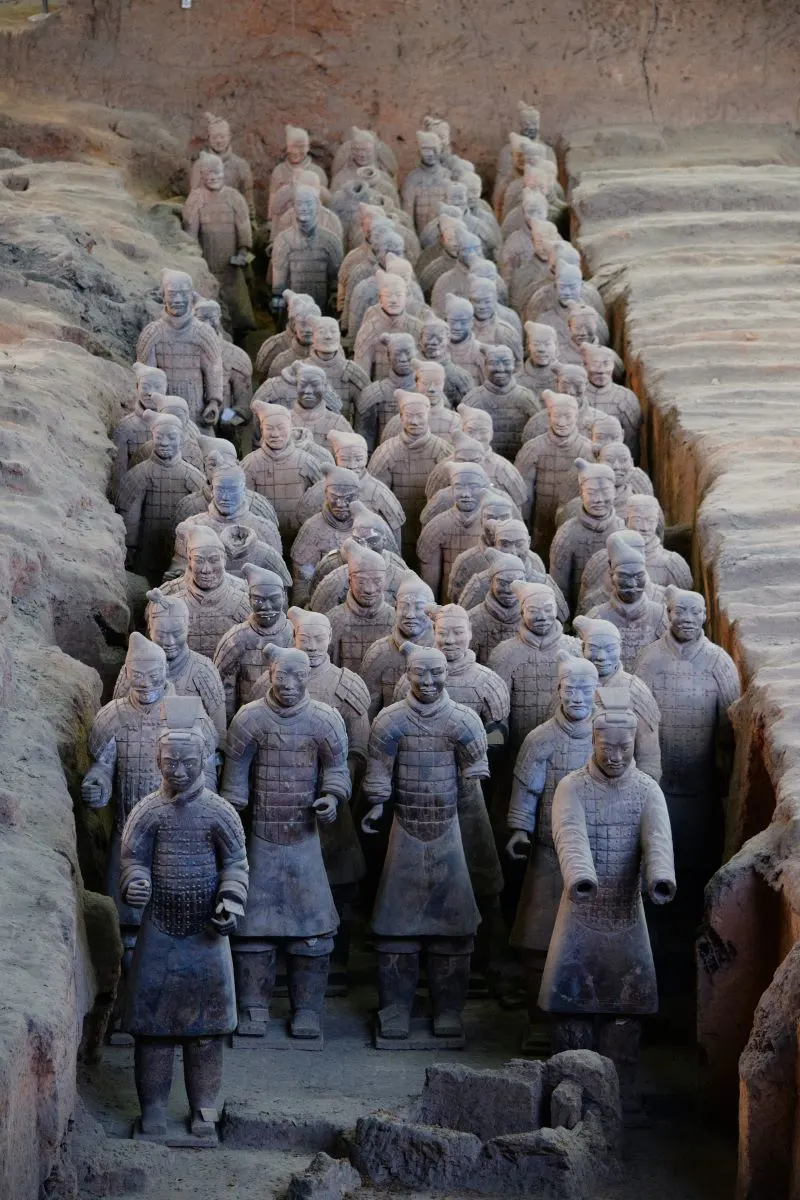
The Terracotta Warriors and Horses Museum is a world-renowned archaeological site located near Xi’an, China. The museum contains a collection of terracotta sculptures that depict the armies of the first emperor of China, Qin Shi Huang (259-210 BCE).
The sculptures, which were discovered in 1974 by local farmers, include thousands of life-sized soldiers, horses, and chariots, each with unique facial features and clothing.
The museum covers an area of over 16,000 square meters and features several excavation pits, where visitors can see the sculptures up close and learn about the history and significance of the site. The museum also includes a variety of exhibits, multimedia presentations, and a 360-degree cinema, which provides an immersive experience of the history and culture of the Qin Dynasty.
The Terracotta Warriors and Horses Museum is a UNESCO World Heritage site and is considered one of the most significant archaeological discoveries of the 20th century.
2. Walk or Cycle the Ancient City Wall of Xi’an

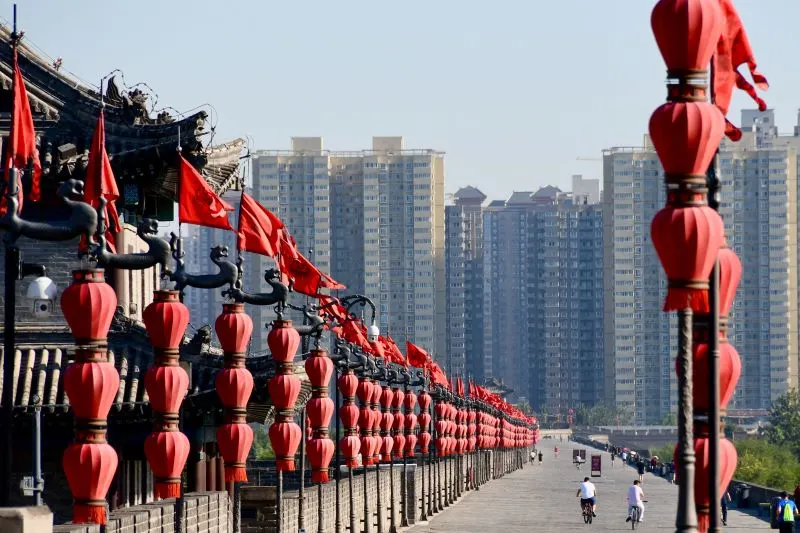
The City Wall is a massive fortification that surrounds the old city of Xi’an. Walking or cycling the Ancient City Wall of Xi’an is a popular tourist activity that allows visitors to explore the ancient fortifications that surround the city.
The Xi’an City Wall is one of the largest and best-preserved ancient city walls in China, dating back to the Ming Dynasty (1368-1644). The wall is over 14 kilometers long, and visitors can rent bicycles and ride along the top of the wall, taking in panoramic views of the city and its surroundings. Along the way, there are several watchtowers and gates that visitors can stop at and explore.
3. Explore the Muslim Quarter and its food markets
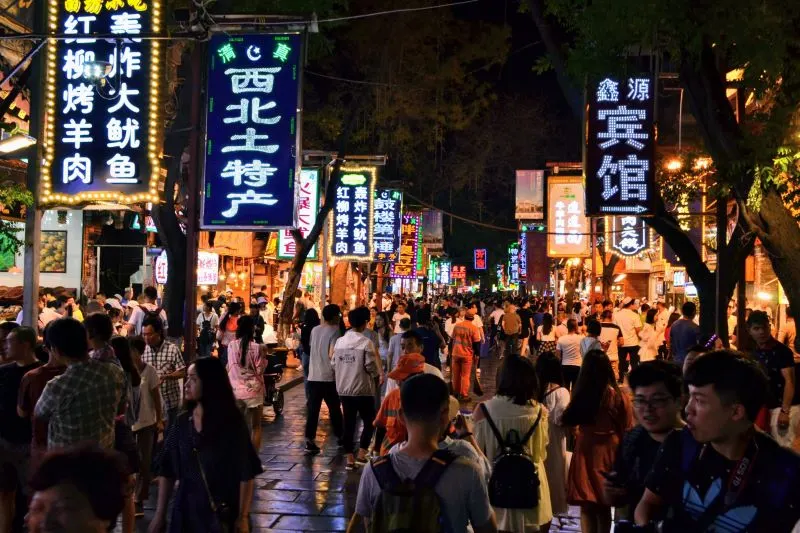
The Xi’an Muslim Quarter is a vibrant and bustling neighborhood located in the heart of the city, known for its rich history and delicious cuisine. The neighborhood is home to a large Muslim population, and visitors can explore the narrow streets and alleyways lined with traditional Islamic-style buildings, shops, and restaurants.
The highlight of the Xi’an Muslim Quarter is its food markets, where visitors can sample a wide variety of local Muslim-style dishes, such as roujiamo (Chinese-style hamburger), yangrou paomo (lamb soup with crumbled bread), and liangpi (cold noodles).
The food markets are especially popular in the evenings when the streets are lit up with colorful lights, and the air is filled with the aroma of various spices and cooking food.
Visitors can also find a variety of handicrafts, souvenirs, and Islamic-style clothing and accessories in the shops and stalls along the streets. The Xi’an Muslim Quarter is a unique and exciting destination for anyone interested in experiencing the vibrant street culture and delicious cuisine of Xi’an.
4. Visit the Big Wild Goose Pagoda

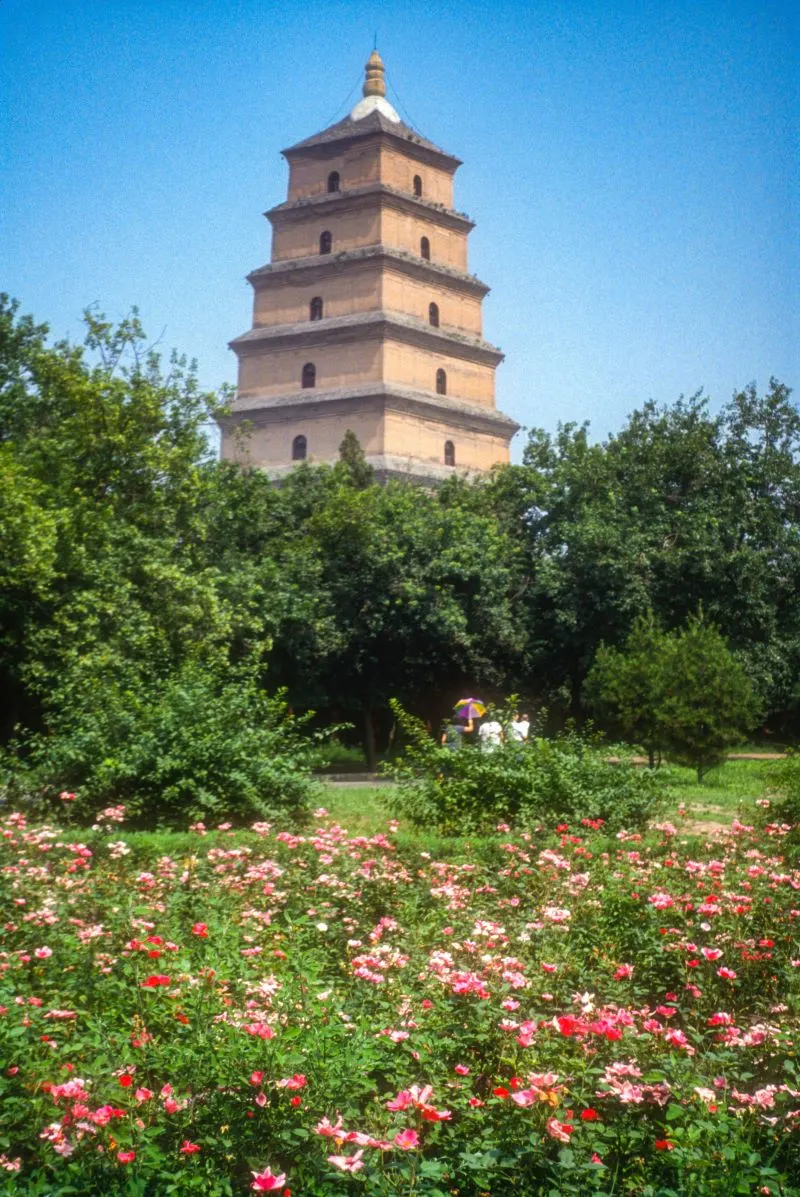
The Big Wild Goose Pagoda is a famous Buddhist pagoda located in Xi’an, China. Originally built during the Tang Dynasty (618-907 AD), the pagoda stands at a height of 64 meters and is a symbol of the city’s rich cultural and religious history.
The pagoda was built to house Buddhist sutras and other religious artifacts brought back from India by the famous Tang Dynasty monk Xuanzang.
Visitors to the Big Wild Goose Pagoda can climb to the top of the pagoda and enjoy panoramic views of the city, as well as visit the various Buddhist shrines and relics housed within the pagoda. The surrounding area is also home to a large park and several other historical landmarks, including the Shaanxi History Museum and the Da Ci’en Temple.
5. Visit Huaqing Palace

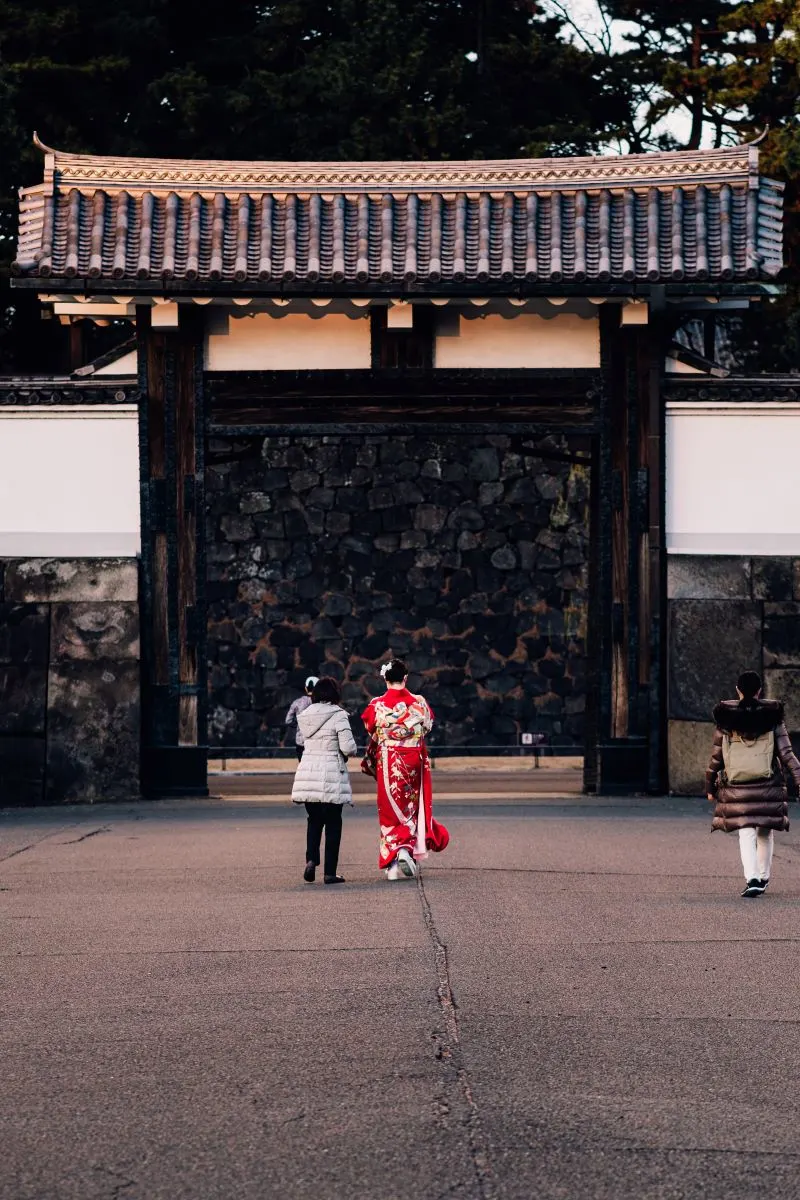
Huaqing Palace, also known as Huaqing Hot Springs, is a historic site located at the foot of Mount Li, about 30 kilometers east of Xi’an, China. The palace was originally built during the Tang Dynasty and served as an imperial residence for emperors to relax and enjoy the hot springs.
It is most famous for being the location of the love story between Emperor Xuanzong and his concubine Yang Guifei. Today, visitors can explore the palace complex, which includes several halls and pavilions, gardens, and the hot springs.
The site is also home to the Museum of Huaqing Pool, which displays artifacts and exhibits related to the history of the palace and the Tang Dynasty. Huaqing Palace is a popular tourist destination, known for its beautiful architecture, stunning natural scenery, and rich cultural heritage.
6. Discover the Shaanxi History Museum

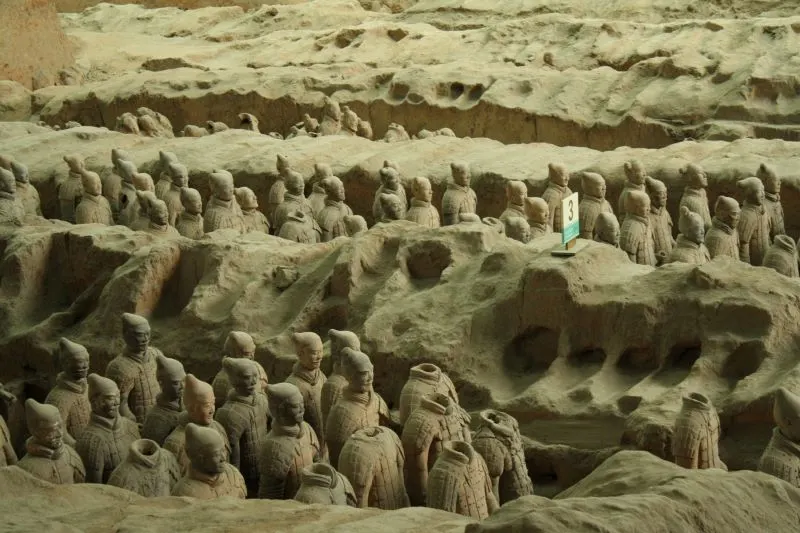
The Shaanxi History Museum is dedicated to the preservation and display of artifacts and relics from Shaanxi province’s rich history and culture. The museum covers an area of over 65,000 square meters and houses more than 370,000 exhibits, including pottery, bronze, gold and silver objects, jade, and terracotta sculptures, spanning from the prehistoric era to the modern times.
The museum is organized into several exhibition halls, including the Prehistoric Hall, the Qin and Han Dynasty Hall, the Tang Dynasty Hall, and the Song, Yuan, Ming, and Qing Dynasty Hall.
Visitors can explore the museum’s exhibits to learn about the history and culture of Shaanxi and see some of the most significant archaeological discoveries from the region. The museum is considered one of the best in China and is a must-visit destination for history and culture enthusiasts.
7. Walk around the Bell Tower and Drum Tower Square

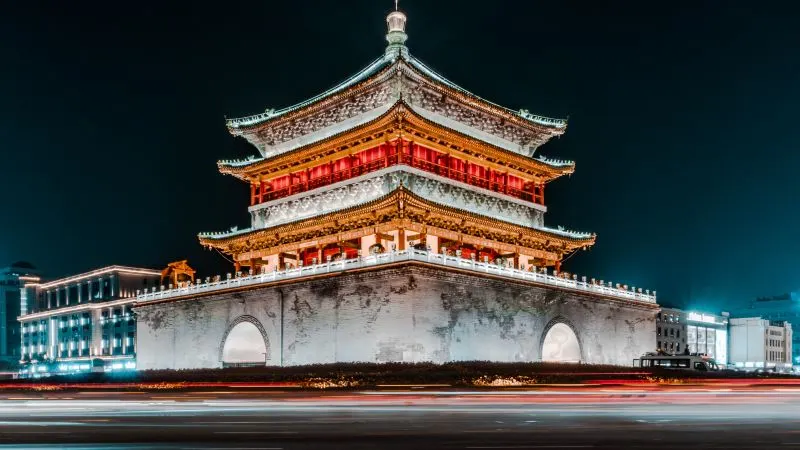
The Bell Tower and Drum Tower Square is a historic landmark and popular tourist destination located at the heart of Xi’an. The square is surrounded by several attractions, including the Bell Tower and Drum Tower, two iconic buildings that date back to the Ming Dynasty.
The Bell Tower, built in 1384, was used to announce the time and signal important events, while the Drum Tower, built in 1380, was used to keep time and signal the opening and closing of the city gates.
Today, visitors can climb to the top of the towers to enjoy panoramic views of the city or explore the exhibits inside the towers, which showcase the history and culture of the region.
The square is also a popular gathering place for locals and visitors alike, who come to enjoy street performances, shop for souvenirs, and sample local food and snacks. The Bell Tower and Drum Tower Square is a must-visit destination for anyone interested in the history and culture of Xi’an.
8. Visit the Great Mosque of Xi’an

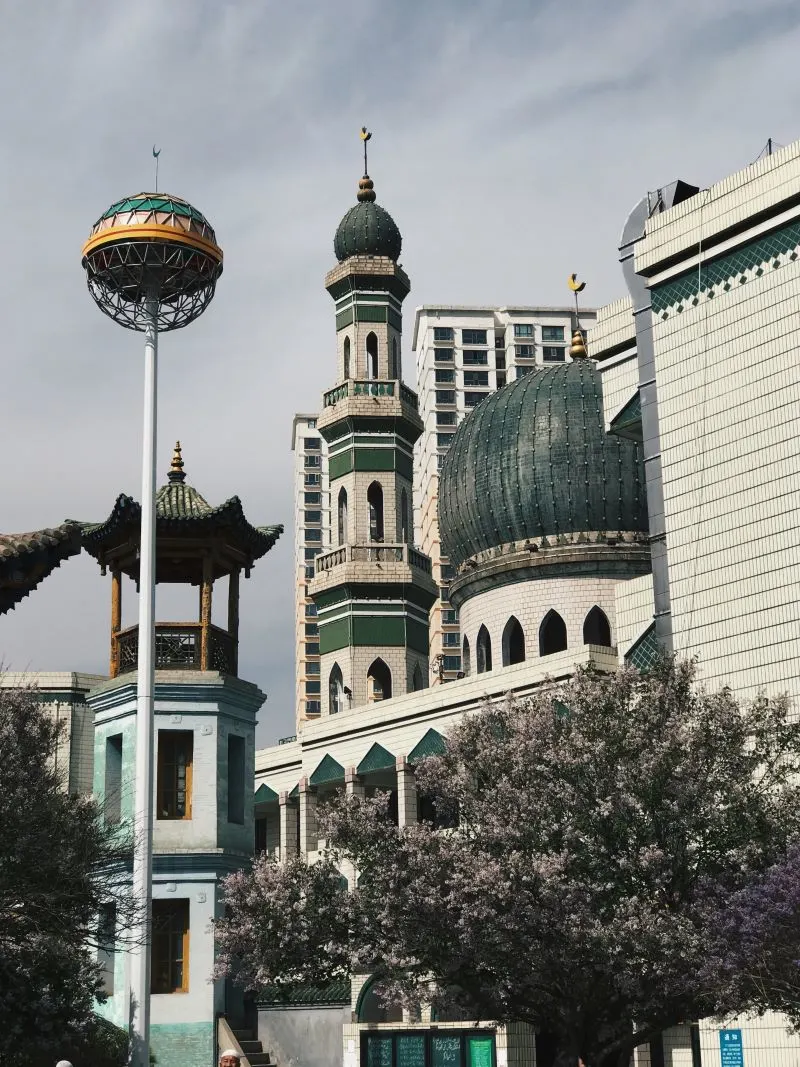
The Great Mosque is a historic mosque located in the heart of the Muslim Quarter of Xi’an, China. It was first built during the Tang Dynasty (618-907) and has undergone several renovations and expansions over the centuries, blending traditional Chinese and Islamic architectural styles.
The mosque covers an area of over 12,000 square meters and features several courtyards, pavilions, and prayer halls. The prayer hall is one of the largest in China and can accommodate up to 1,000 worshipers.
The mosque is also home to several cultural relics, including a copy of the Quran written in the Ming Dynasty and several ancient steles with inscriptions in Chinese and Arabic.
Visitors can explore the mosque and its surroundings, which are lined with street vendors selling traditional Muslim foods, souvenirs, and other goods.
The Great Mosque of Xi’an is not only a religious site but also a cultural landmark that showcases the fusion of Chinese and Islamic cultures in Xi’an.
9. Visit the Tang Paradise Theme Park

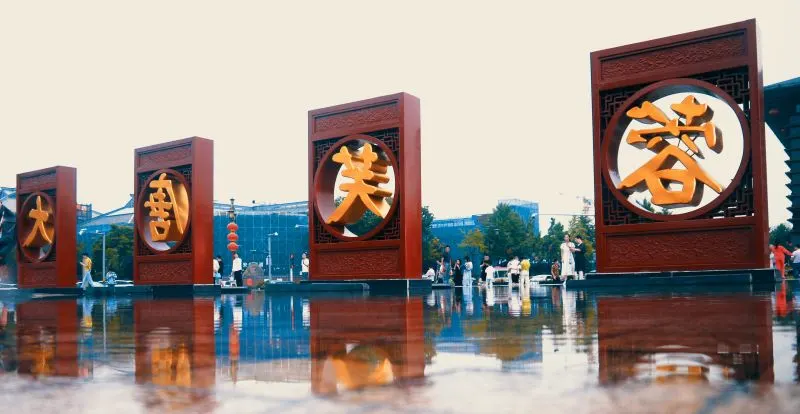
Tang Paradise Theme Park is a large cultural theme park which celebrates the Tang Dynasty (618-907) and its rich cultural heritage. The park covers an area of over 165 acres and is designed to resemble a Tang-style imperial garden, complete with lakes, pavilions, bridges, and gardens.
Visitors can explore the park’s attractions, which include replicas of famous Tang-era buildings, cultural performances, art exhibitions, and a variety of recreational activities, such as boat rides, horseback riding, and traditional Chinese games. One of the highlights of the park is the nightly performance, “Song of Everlasting Sorrow,” a large-scale multimedia show that tells the story of the famous Tang Dynasty love affair between Emperor Xuanzong and his concubine Yang Guifei.
The park also features numerous restaurants and shops selling traditional Tang-style food, handicrafts, and souvenirs. Tang Paradise Theme Park is a popular tourist destination and a must-visit attraction for anyone interested in Chinese history and culture.
10. Visit the Small Wild Goose Pagoda

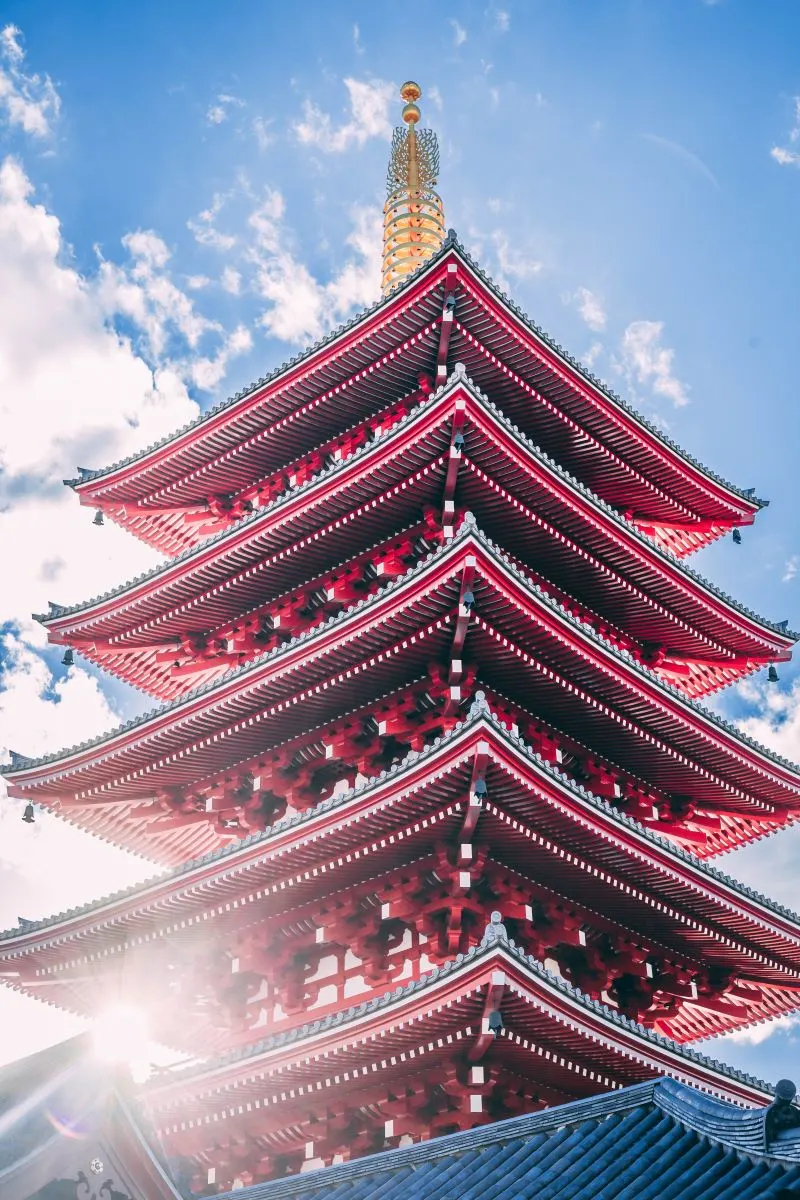
The Small Wild Goose Pagoda is another famous Buddhist pagoda located in Xi’an, China. It was also built during the Tang Dynasty (618-907 AD), and is smaller than the Big Wild Goose Pagoda, standing at a height of 43 meters.
Like its larger counterpart, the Small Wild Goose Pagoda was built to house Buddhist scriptures and other religious relics brought back from India by Xuanzang. The pagoda is surrounded by a large park and several other historical landmarks, including the Jianfu Temple and the Xi’an Museum.
Visitors can climb to the top of the pagoda for panoramic views of the city, and explore the various Buddhist shrines and relics housed within the pagoda.
11. Visit the Xi’an Beilin Stele Forest Museum

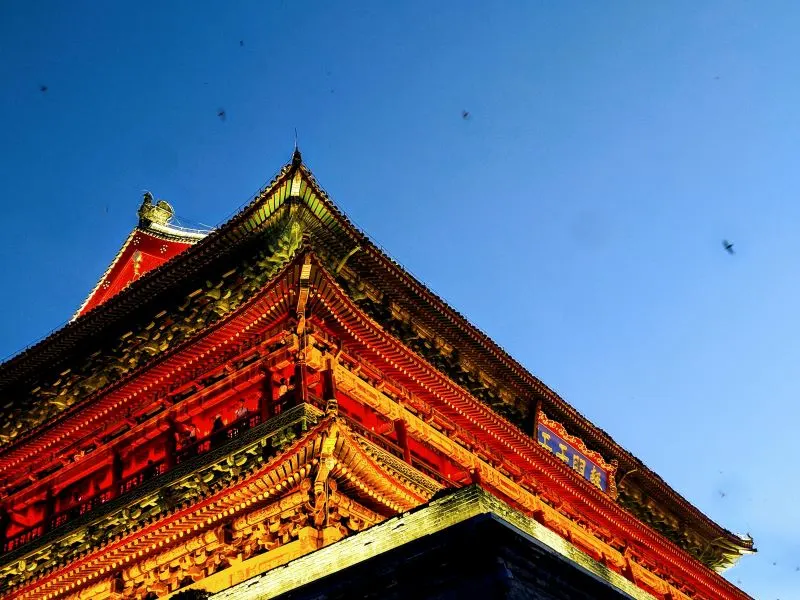
The Xi’an Stele Forest Museum, or Beilin Museum, is a repository of ancient stone inscriptions and steles, including Confucian classics, historical records, calligraphy, and artwork.
The museum is housed in a former Confucian temple, which was originally built during the Northern Song Dynasty (960-1127 AD) and later expanded during the Ming and Qing Dynasties.
The collection of steles in the museum dates back over a thousand years, and includes some of the most valuable and rare stone inscriptions in Chinese history.
Visitors can explore the museum’s halls and courtyards, and view the ancient steles up close, as well as learn about the history and significance of Confucianism and calligraphy in Chinese culture.
The Forest of Stone Steles Museum of the Temple of Confucius is a must-visit destination for anyone interested in Chinese history, culture, and art.
12. Tang Dynasty Dinner Show

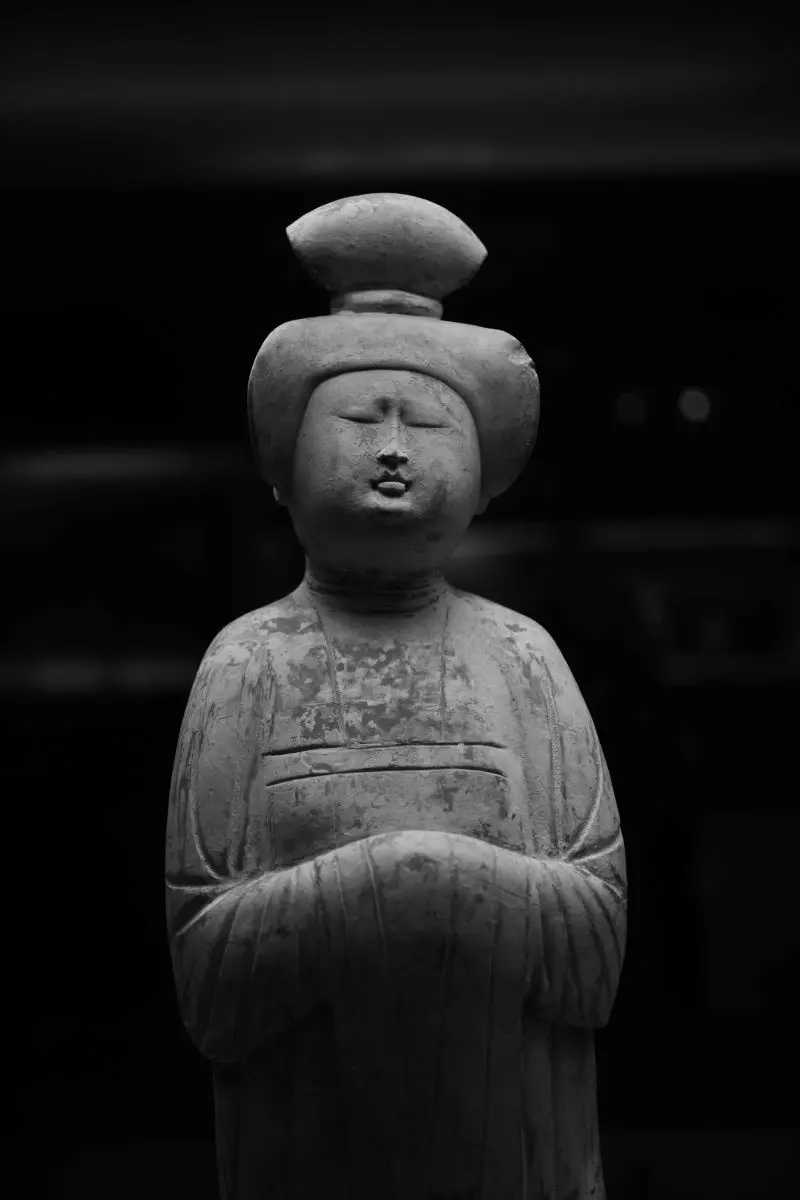
The Tang Dynasty Dinner Show in Xi’an is a cultural experience that offers visitors a glimpse into the vibrant art and music of China’s Tang Dynasty (618-907 AD). The dinner show typically takes place in a theater or restaurant, and features a range of traditional music, dance, and theater performances accompanied by a delicious feast of Chinese cuisine.
The performers are dressed in colorful costumes and often use a range of traditional instruments, including drums, flutes, and stringed instruments, to create a lively and immersive atmosphere.
The show typically lasts around two hours and provides a unique opportunity to learn about and appreciate the cultural heritage of Xi’an and China. The Tang Dynasty Dinner Show is a popular attraction for tourists visiting Xi’an and is highly recommended for those interested in Chinese history and culture.
13. Visit the Banpo Museum, the site of a Neolithic village

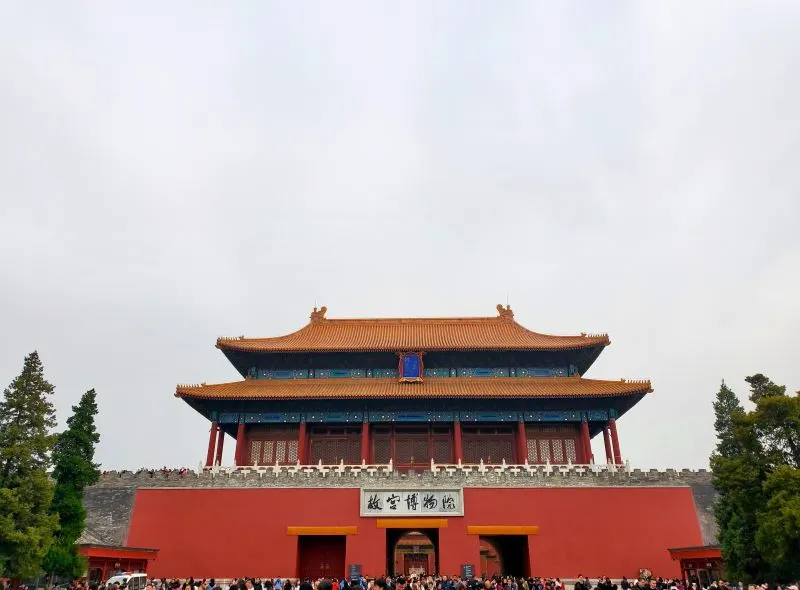
The Banpo Museum is an archaeological museum in Xi’an. The museum is dedicated to the Banpo archaeological site, which dates back over 6,000 years to the Neolithic era.
The site was discovered in the 1950s and contains the remains of a prehistoric village, including houses, tombs, pottery, tools, and other artifacts. The museum features a large collection of these artifacts, as well as reconstructed models of the village and its inhabitants.
Visitors can explore the various exhibits and displays, learn about the daily life and culture of the Banpo people, and see how they lived and worked in ancient times. The Banpo Museum is a fascinating and educational destination for anyone interested in archaeology, anthropology, or ancient history.
14. Climb Mount Huashan, one of China’s Five Great Mountains


Mount Huashan, also known as Huashan Mountain or simply Hua Shan, is a majestic mountain range located in the Shaanxi Province of China. It is famous for its steep and treacherous hiking trails, stunning natural scenery, and important religious and cultural sites.
The mountain has five main peaks, each of which has its own unique features and attractions. Visitors can hike to the top of the peaks, which offer breathtaking views of the surrounding landscape, or explore the many temples, shrines, and other cultural sites located throughout the mountain range.
The mountain is considered one of the most sacred and important mountains in Chinese culture and religion, and is a popular destination for both tourists and pilgrims. A visit to Mount Huashan is a must for anyone interested in Chinese culture, history, and natural beauty.
15. Explore Daming Palace National Heritage Park

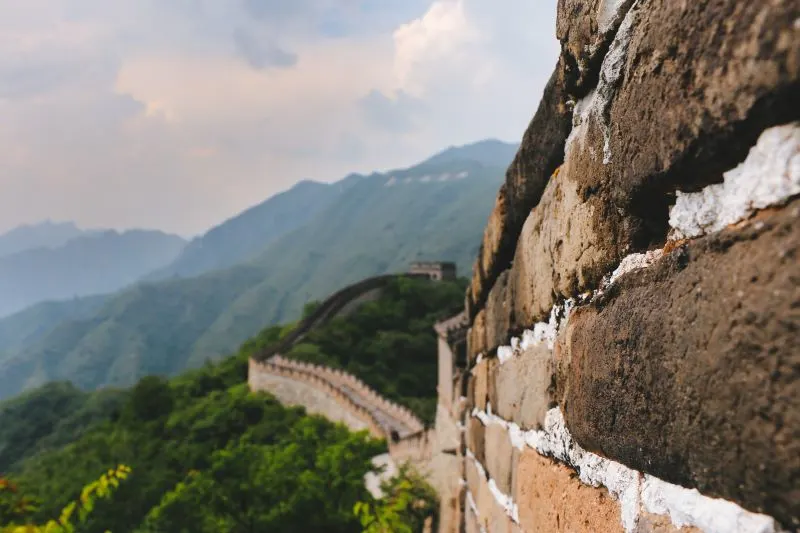
Daming Palace National Heritage Park is a large cultural and historical site located in the city of Xi’an. It was once the royal palace complex of the Tang Dynasty (618-907 AD), one of the most powerful and prosperous periods in Chinese history.
The palace was originally constructed in the 7th century, but was destroyed in the 9th century and has been largely reconstructed in recent years. The park covers a vast area and features a range of important cultural and historical sites, including palace buildings, gardens, lakes, and other attractions.
Visitors can explore the many exhibits and displays that showcase the rich history and culture of the Tang Dynasty, including artifacts, art, and architecture. The Daming Palace National Heritage Park is a must-see destination for anyone interested in Chinese history and culture, and offers a fascinating glimpse into the ancient world of China’s Tang Dynasty.
16. Tour Huimin Street

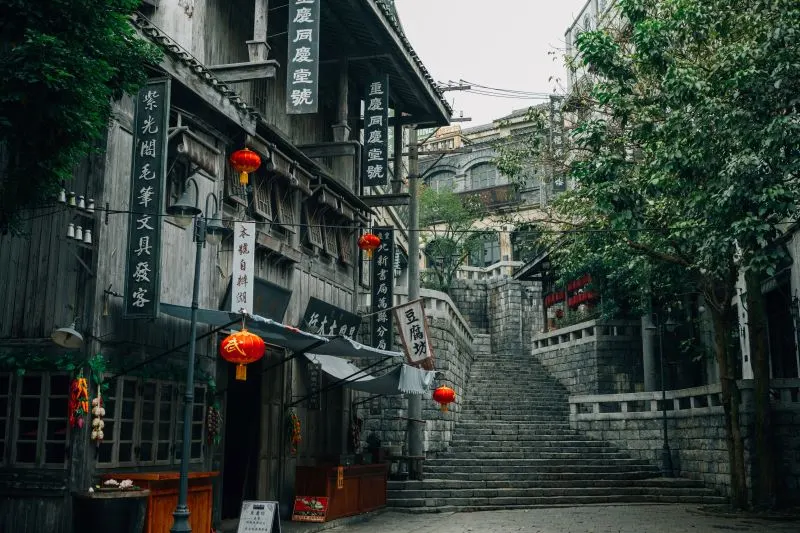
Huimin Street is a famous pedestrian street located in the Muslim Quarter of Xi’an, China. The street is approximately 500 meters long and is lined with various food stalls, souvenir shops, and traditional Chinese-style buildings.
Huimin Street is particularly known for its Muslim cuisine, with a wide range of street foods and snacks available, such as beef and lamb skewers, dumplings, and cold noodles. Visitors can also find various cultural and religious items for sale, including prayer mats, calligraphy, and Islamic clothing.
The street is a popular destination for tourists and locals alike, especially during festivals and holidays. In addition to the food and shopping, visitors can also explore the surrounding area, which includes several historic mosques and other cultural attractions.
17. Visit Xi’an Botanical Garden

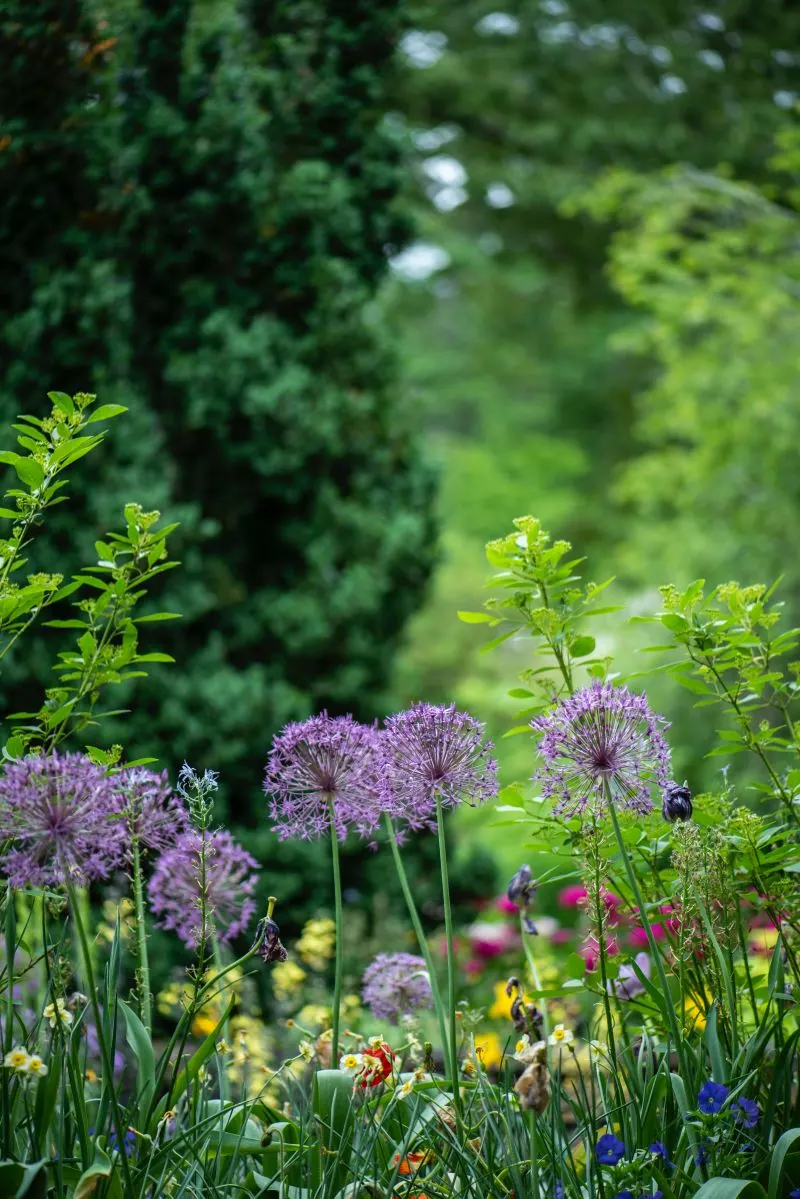
The Xi’an Botanical Garden is a large botanical garden located in the eastern suburbs of Xi’an, China. It covers an area of approximately 418 hectares and is home to a diverse collection of plant species, including rare and endangered ones.
The garden is divided into several sections, including a Chinese herb garden, a peony garden, a cherry blossom garden, and a wetland garden. Visitors can explore the garden on foot or by bicycle, and there are also electric carts available for those who prefer not to walk.
In addition to its plant collections, Xi’an Botanical Garden also features several lakes, waterfalls, and other scenic spots. There are also various facilities for visitors, such as a restaurant, a souvenir shop, and a children’s playground.
Xi’an Botanical Garden is a popular destination for both tourists and locals, especially during the spring and summer months when many of the plants are in bloom. It offers a peaceful and scenic escape from the busy city, as well as an opportunity to learn about the diverse flora of China.
18. Qinling Wildlife Park


Qinling Wildlife Park is a large wildlife park located in the southern suburbs of Xi’an, China. It covers an area of approximately 45 hectares and is home to a diverse collection of animals from China and other parts of the world.
The park is divided into several zones, including a safari zone, a bird park, and an animal performance zone. Visitors can explore the park on foot or by taking a guided tour on a bus, which allows them to see animals such as lions, tigers, bears, and giraffes up close.
In addition to its animal collections, Qinling Wildlife Park also features various facilities for visitors, such as a restaurant, a souvenir shop, and a children’s playground. There are also educational programs and activities available, such as animal feeding and keeper talks.
Qinling Wildlife Park is a popular destination for both tourists and locals, especially families with children. It offers a unique opportunity to see a wide range of animals in a natural and safe environment, as well as an opportunity to learn about the importance of wildlife conservation.
19. Tang West Market Museum

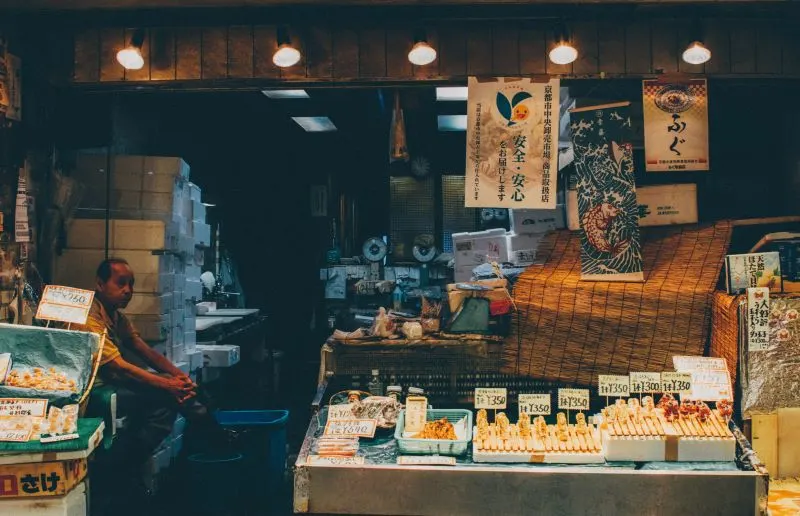
The Tang West Market Museum is a historical museum located in Xi’an, China. It is situated in the Qujiang New District, near the site of the Tang West Market, which was one of the largest and most prosperous markets in China during the Tang dynasty (618-907 AD).
The museum covers an area of approximately 17,000 square meters and features a collection of over 5,000 cultural relics and artifacts from the Tang dynasty, including pottery, jade, bronze, and silk items. Visitors can explore the exhibits and learn about the history and culture of the Tang dynasty, as well as the role of the Tang West Market as a hub of trade and commerce during that time.
In addition to its exhibits, the museum also features several interactive experiences, such as a virtual reality tour of the Tang West Market and a Tang-style costume dress-up activity. There is also a Tang-style garden on the museum grounds, which visitors can explore and enjoy.
The Tang West Market Museum is a popular destination for tourists and history enthusiasts, as well as for locals looking to learn more about the cultural heritage of Xi’an and China. It offers a unique and immersive experience that brings to life the vibrant and dynamic atmosphere of the Tang dynasty and its famous marketplace.
20. See the Hanyangling Museum, the tomb of the Han Emperor Jingdi
The Hanyangling Museum is a historical museum located in the Weiyang District of Xi’an, China. It is situated on the site of the tomb of Emperor Jingdi, who ruled China during the Western Han dynasty (206 BC-9 AD).
The museum covers an area of approximately 20,000 square meters and features a collection of artifacts and relics related to the Han dynasty, including pottery figurines, jade, bronze, and other cultural relics. Visitors can explore the exhibits and learn about the history and culture of the Han dynasty, as well as the life and rule of Emperor Jingdi.
One of the unique features of the museum is the excavation site, where visitors can see the tomb of Emperor Jingdi and the thousands of pottery figurines that were buried with him. There is also a large underground exhibition hall, which displays many of the artifacts and relics in a simulated tomb environment.
The Hanyangling Museum is a popular destination for tourists and history enthusiasts, as well as for locals looking to learn more about the cultural heritage of Xi’an and China. It offers a rare and fascinating glimpse into the ancient history and culture of the Han dynasty, and the elaborate burial customs and traditions of the time.
21. See the Qianling Mausoleum, the tomb of Tang Emperor Gaozong and Empress Wu Zetian
The Qianling Mausoleum is a famous ancient burial site located in the northwestern suburbs of Xi’an, China. It was constructed during the Tang dynasty (618-907 AD) and was the final resting place of two Tang emperors, Emperor Gaozong and Empress Wu Zetian.
The mausoleum covers an area of approximately 200,000 square meters and is situated on the slopes of Mount Liangshan, overlooking the Wei River valley. It features several buildings and structures, including the main tomb mound, which is over 75 meters high, and the surrounding subsidiary tombs and gardens.
One of the highlights of the mausoleum is the famous “Tang Dynasty stone statues”, which consist of over 60 stone figures of military officers, civil officials, and foreign envoys, each standing over 1.5 meters tall. These statues are considered some of the finest examples of Tang dynasty art and are highly prized by historians and art enthusiasts.
Visitors can explore the mausoleum and its surrounding gardens, which feature various trees and flowers, including the famous Tang Dynasty ginkgo tree. There is also a museum on site that displays many of the artifacts and relics discovered during the excavations of the mausoleum.
The Qianling Mausoleum is a popular destination for tourists and history enthusiasts, as well as for locals looking to learn more about the cultural heritage of Xi’an and China. It is a fascinating and important site that provides insight into the history, art, and culture of the Tang dynasty.
Best Xi’an’s Street Food To Must Try

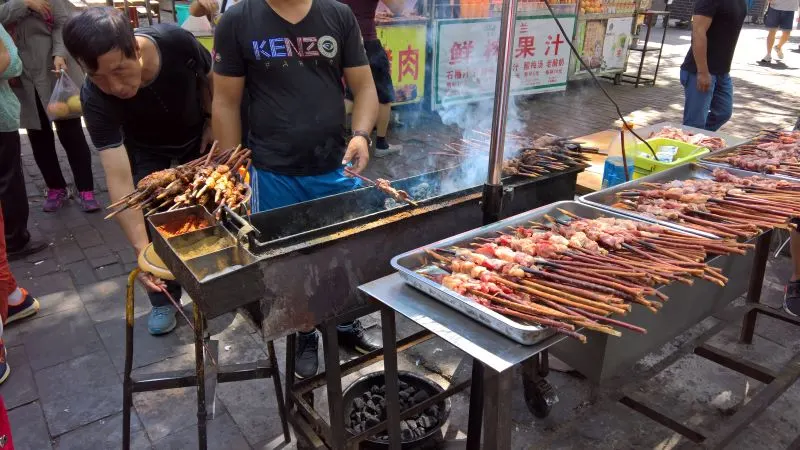
Xi’an has a rich cultural heritage and is known for its music, dance, literature, and art. The city is also famous for its cuisine, which is influenced by the flavors and ingredients of the region. Some of the signature dishes of Xi’an include:
- Roujiamo: Roujiamo is a type of sandwich made with pork, beef, or lamb stuffed in a type of flatbread called a “mo”. It is often described as the Chinese version of a hamburger.
- Biang Biang Noodles: Biang Biang noodles are a type of noodle dish that is made with wide, hand-pulled noodles. The dish is often served with a spicy sauce and vegetables.
- Yangrou Paomo: Yangrou Paomo is a traditional lamb soup that is made with bread that has been torn into small pieces. The bread is added to the soup and allowed to soak up the flavors of the lamb, resulting in a hearty and delicious dish.
- Liangpi: Liangpi is a cold noodle dish that is made with wheat or rice flour. The noodles are served with a variety of vegetables and a spicy sauce.
In addition to its cuisine, Xi’an is also known for its music and dance. The city is home to a number of traditional music ensembles, such as the Shaanxi Opera and the Qinqiang Opera, which feature music, dance, and acrobatics.
Xi’an is also home to a number of traditional folk dances, such as the Yangge dance and the Qinwa dance.
A bit on Xi’an’s economy
Xi’an has a thriving economy that is based on a number of industries, including electronics, machinery, energy, and chemicals.
The city is home to a number of multinational corporations, such as IBM, Microsoft, and Huawei. It is also an important center for research and development, with a number of universities and research institutions located in the city.
How To Get By in Xi’an

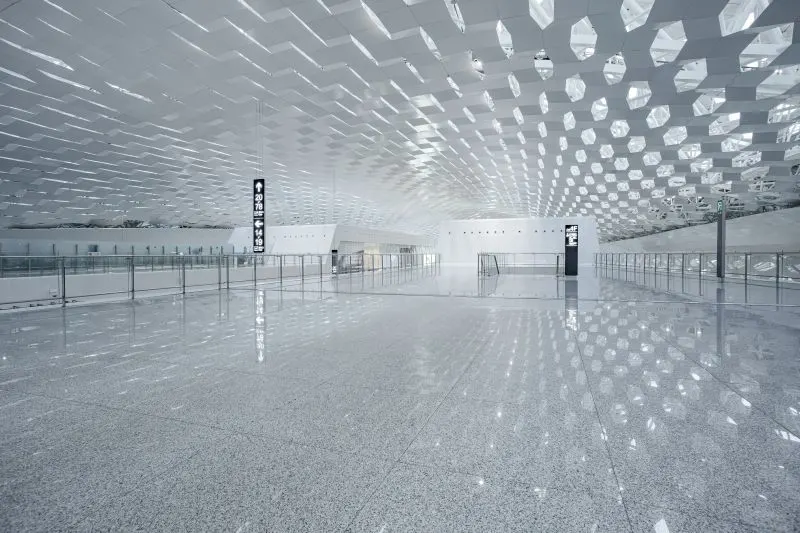
Xi’an is well-connected to the rest of China and the world through a number of transportation networks. The city has a modern airport, Xi’an Xianyang International Airport, which is one of the busiest airports in China.
The city is also connected to the rest of China by a high-speed railway network, with trains running to major cities such as Beijing, Shanghai, and Guangzhou.
In conclusion, Xi’an, China is a city that is rich in history and culture, with a wealth of attractions and activities for visitors to explore.
From ancient landmarks to modern marvels, there is something for everyone in Xi’an. The top 20 things to do in Xi’an provide a glimpse into the city’s fascinating past and vibrant present, and offer visitors a chance to experience the beauty and diversity of China.
Xi’an is a city in central China that is steeped in history and culture. It was the capital of several dynasties, including the Western Zhou, Qin, Han, Sui, and Tang, and played a crucial role in the development of Chinese civilization. Today, Xi’an is a vibrant city that blends ancient traditions with modern amenities, offering visitors a unique and fascinating glimpse into the past and present of China. With its rich cultural heritage, world-famous historical sites, and delicious cuisine, Xi’an is a must-visit destination for anyone interested in exploring the history and culture of China.
Leave a comment