

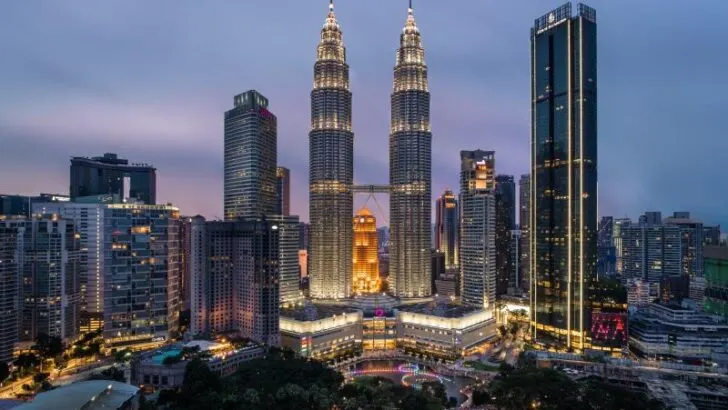
Kuala Lumpur is the capital city of Malaysia, and a melting pot of various cultures.
One really has to visit the city to know how its many citizens live in harmony despite their various beliefs and cultures.
It’s also an exciting city, with lots of things to see and do for solo travelers, couples and families.
Here are the top 10 things to check out:
The Petronas Twin Towers
This unmistakable landmark at the heart of the city is a stunning piece of architecture.
Most visitors come here to take a picture of themselves in front of these iconic twin towers.
They were completed in 1993 and have a mall, an orchestral theater, a state of the art aquarium, a splash pool and a large outdoor garden on the ground floor.

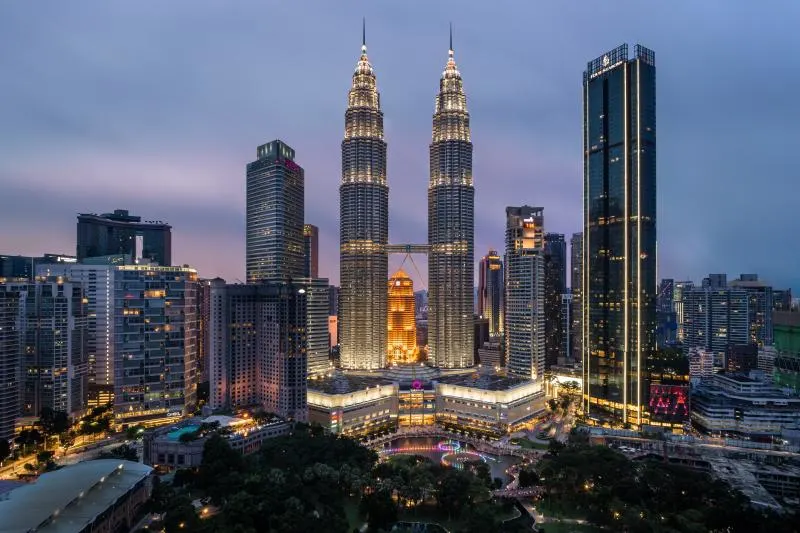
The Petronas Twin Towers.jpg
Visitors can also go up the towers for a small fee (RM98 for adults and RM50 for kids) from 10am to 5.30pm daily.
However, the best way to enjoy the Petronas Twin Towers is to gaze at it from below.
The Central Market Kuala Lumpur
This heritage building started out as a wet market in the late 1800s.
However, these days, it is the go-to place for souvenirs in KL.

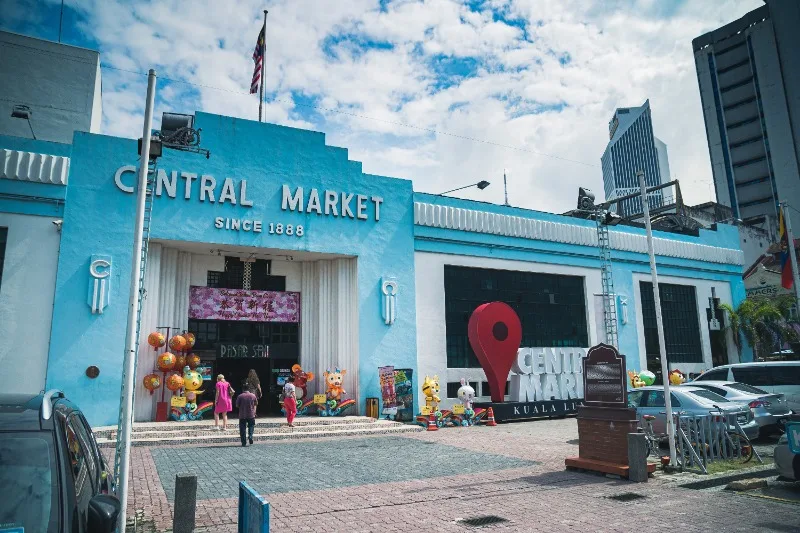
Central Market Kuala Lumpur.jpg
You’ll find plenty of unique handicrafts here, including batik.
This is a hand painted or printed fabric that uses wax to create patterns.
Additionally, you’ll also find traditional snacks, clothing, fashion, accessories, carvings and more.
Batu Caves
Batu Caves is an easily accessible destination about half an hour outside of downtown KL.
What you’ll see here is a large natural limestone cave with a Hindu temple located within it.
You’ll have a chance to climb the 272 steps leading up to the mouth of the cave and interact with some mischievous monkeys along the way.


Batu Caves.jpg
The Jamek Mosque
This is one of the oldest mosques in Kuala Lumpur, located on the banks of where the Klang and Gombak rivers meet.
You don’t have to worry about dress codes as they provide proper coverings for non-Muslim visitors.
The helpful caretakers will be more than willing to give you a free tour of the place, which includes classic Islamic architecture reminiscent of Moorish, Mughal and Indo-Saracenic influences.

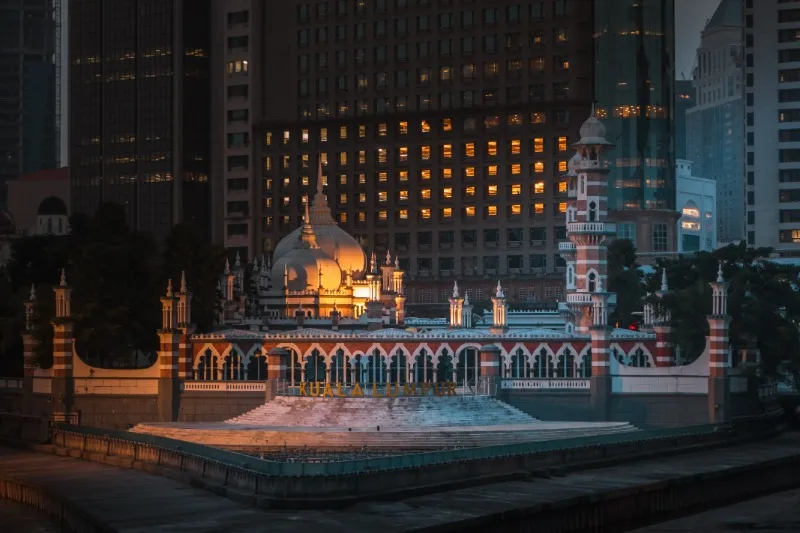
Image credit: Ajai Arif@Unsplash
Petaling Street
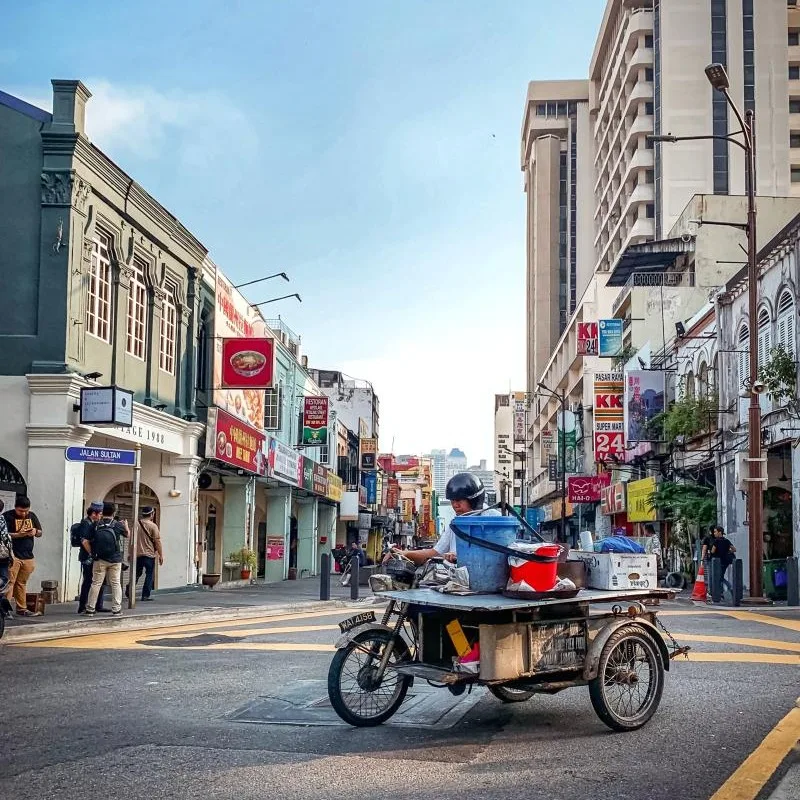
Often called the Chinatown of Kuala Lumpur, Petaling Street offers visitors great street food and shopping.
Treat yourself to some Apam Balik, tasty pancakes filled with peanuts from a vendor who has been selling them for decades.
Additionally, you can also stop by for some Hokkien Mee, noodles in dark soy sauce cooked over burning charcoal.

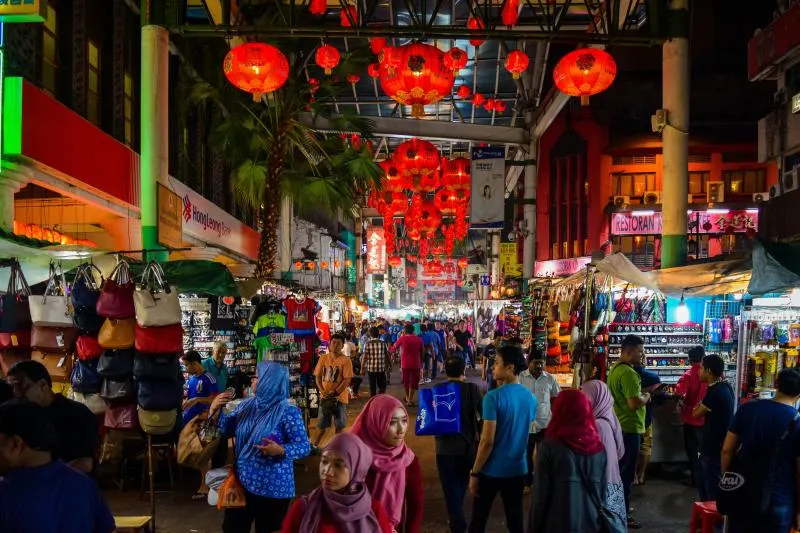
Petaling Street.jpg
Otherwise, you can bargain your way through some knockoff shoes, bags, wallets, watches and more.
Petaling street is also home to several heritage Buddhist and Hindu temples, which are worth visiting.
Pavillion KL and Bukit Bintang
One of the most exciting places in KL at night is the Bukit Bintang area.
It is home to one of KL’s landmark crossroads, called Malaysia’s Shibuya Crossing.

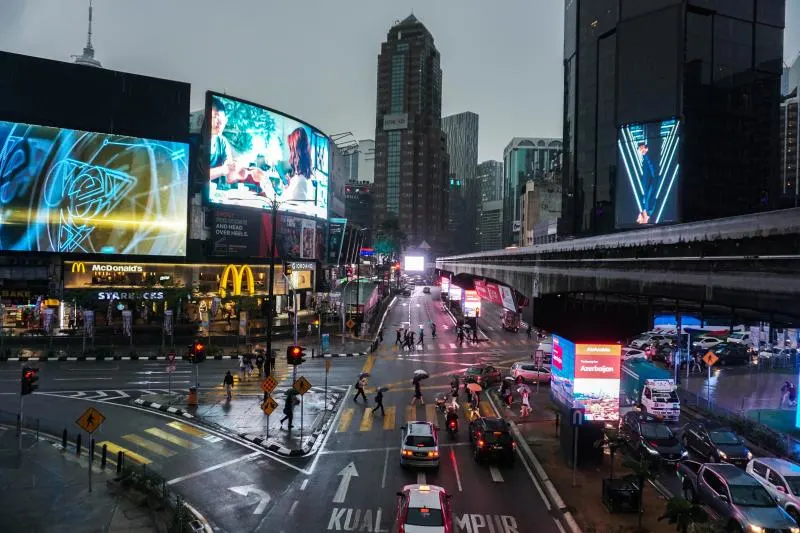
Pavillion KL.jpg
There are plenty malls to check out here, some of which, like Pavillion KL, are home to many luxury brands like Hermes, Chanel, Gucci, Prada, and Saint Laurent.
Bukit Bintang also comes alive at night with many street performers, who play instruments, dance and sing local songs.
Kuala Lumpur Tower
Here’s yet another landmark that you can spot from miles away.
This singular tower is a tourist attraction that you can go up to and have a 360 degree view of bustling Kuala Lumpur.
A ticket to KL Tower’s observation costs about RM 50 for foreign tourists, and you’ll have to pay a little extra is you want to experience the Sky Deck and Sky Box, which are glass chambers attached to the observation level.

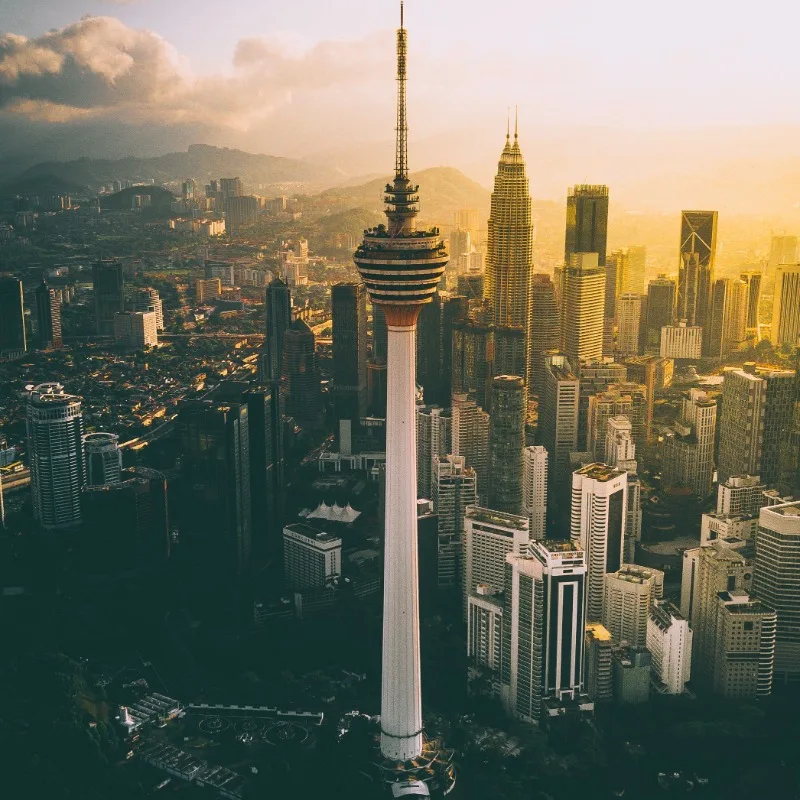
Kuala Lumpur Tower.jpg
Interestingly, you can also dine at the revolving restaurant located above the observation deck.
This restaurant moves at a slow and comfortable pace so that you can get a full view of KL while enjoying local and international cuisine.
Dataran Merdeka
Merdeka means ‘Independence’ in the local Malay language, and Dataran Merdeka or Merdeka Square is a historical landmark with lots to see and do.
For starters, you can take pictures of the heritage Sultan Abdul Samad building that lines the front of the square.
Walking around the square, you’ll also find KL’s ‘River of Life’ project and a textile museum you can visit.
The best time to come here is actually at night after the sun sets.
That way you’ll be able to see the various buildings, rivers and landmarks around Merdeka Square lit up beautifully.

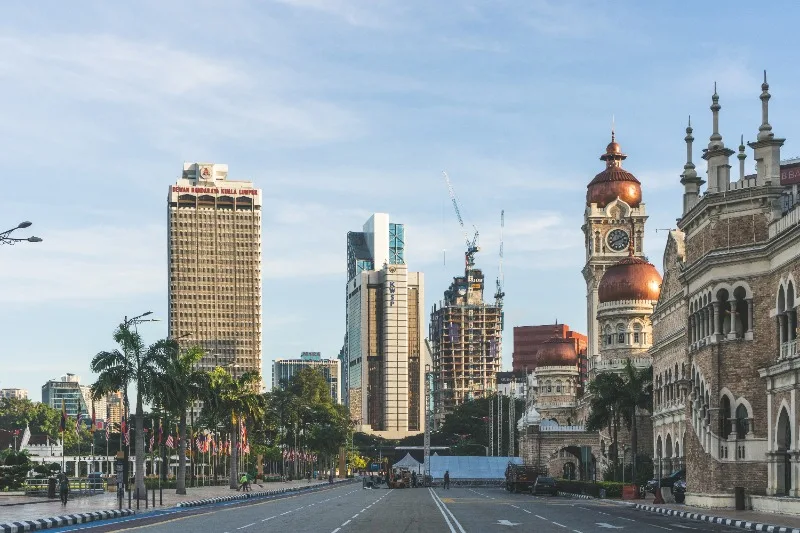
Dataran Merdeka.jpg
Thean Hou Temple
Thean Hou temple is a Buddhist temple that’s probably one of the most beautiful in Kuala Lumpur.
Built in 1989, Thean Hou boasts intricate artwork in many of its worship halls, as well as carvings in its surrounding structures.

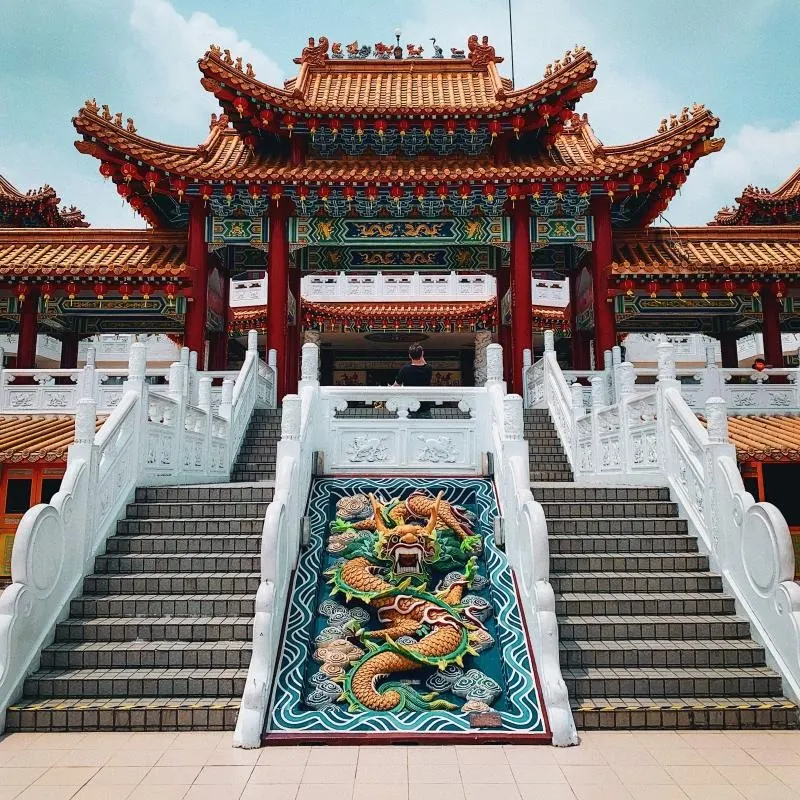
Thean Hou Temple.jpg
Colourful and detailed statues of Chinese deities as well as Zodian animals can be found all around the grounds too.
Additionally, you’ll be able to see pagodas and slanted roofs, typical of traditional Chinese architecture.
At night, the temple is lit with hundreds of lanterns, making it seem like a scene from a fairytale full of magic and wonder.
Kuala Lumpur Bird Park
KL Bird Park is located conveniently in a forested part of the city, near the KL Lake Gardens. It’s great for families, especially those with young children.
The park is home to more than 300 species and a total of more than 3000 birds, which are allowed to roam and fly freely.
Therefore, don’t expect to see cages in the park.
You’ll also see the larger birds walking alongside you as you explore the park on foot, as they’re pretty used to humans.
Some of the birds you’ll be able to meet here include Emus, African grey parrots, storks, peafowls and jungle fowls.
There’s even a special area dedicated to Hornbills, the national bird of Malaysia.

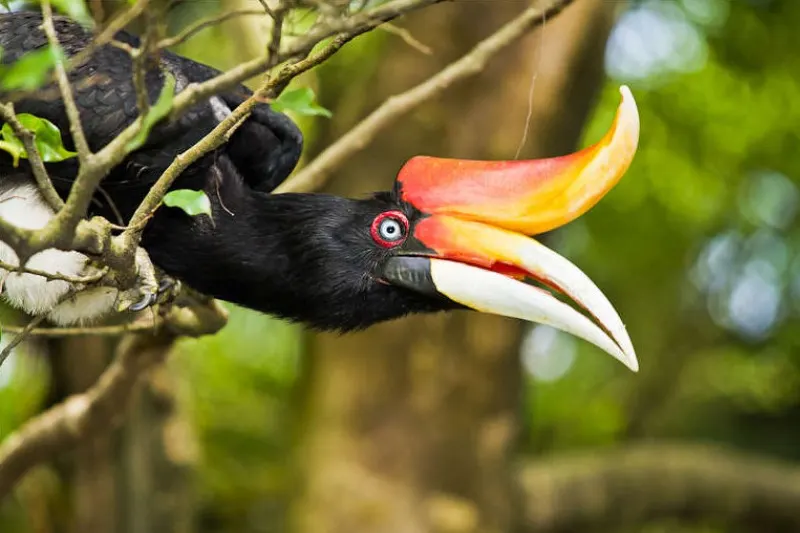
Kuala Lumpur Bird Park.jpg
Berjaya Times Square Theme Park

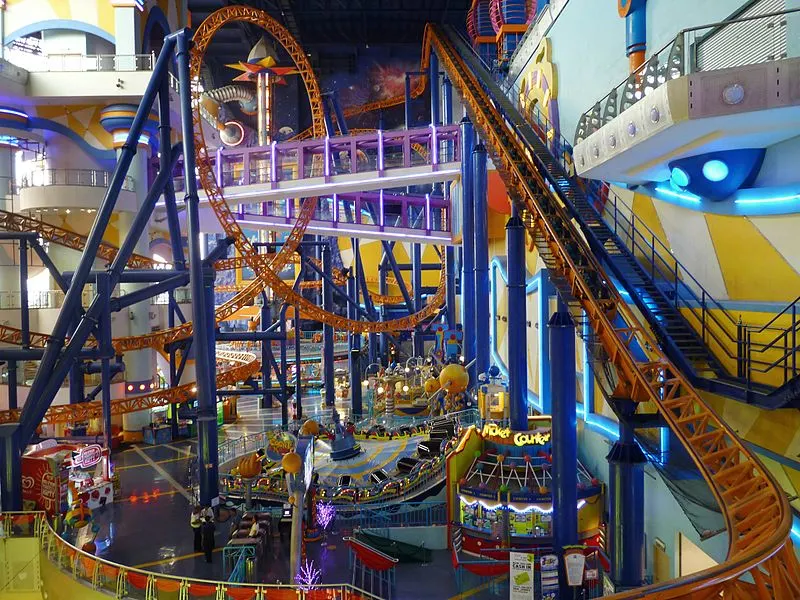
From the outside, Berjaya Time Square looks like you regular city mall. It does in fact function as one, and as you walk in you’ll be greeted by familiar brands and stores.
However, if you explore the mall deeper, you’ll be in for a surprise.
There’s actually a fully functioning theme park, located on the 5th to 7th floors. It’s a family friendly place with something for everyone.
Check out rides and activities like the Supersonic Odyssey Roller Coaster, the Space Attack Ride, the haunted house and a mini golf course.
The price for entry varies depending on the day you visit. For foreign visitors, tickets range from RM65 to RM 70 per adult and about RM55-RM 60 for kids below 12 years of age. Malaysian citizens are given a discounted entry price at about RM 40-RM45 for adults and RM30-35 for kids.
The National Monument (Tugu Negara)

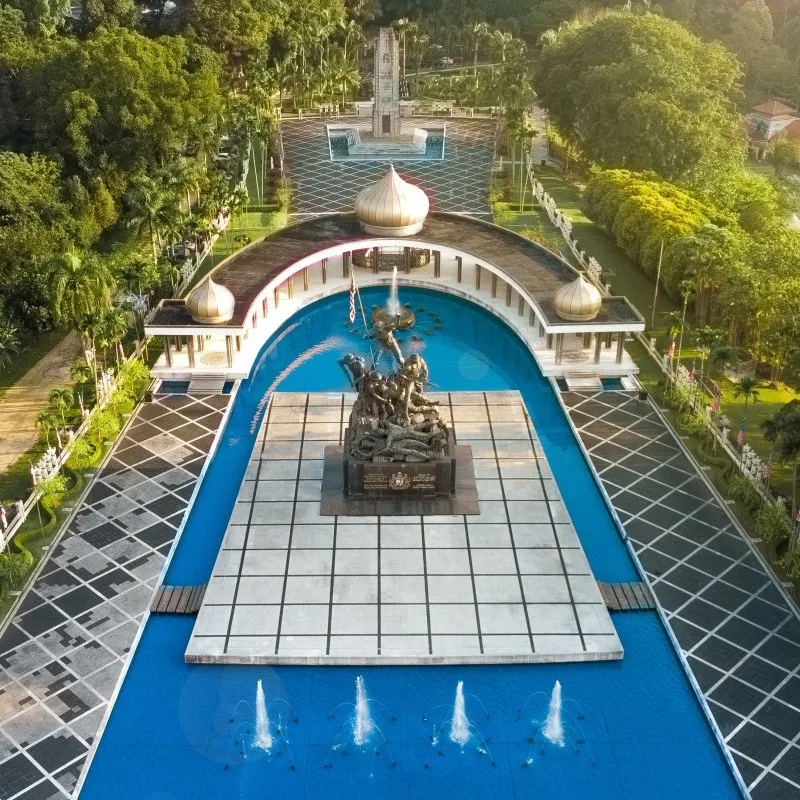
Also known as the Independence Monument, this memorial is located near Malaysia’s Parliament Building. It is essentially set in a garden and consists of a large bronze monument with seven statues of soldiers in various poses.
The monument is a tribute to the fallen soldiers who were involved in Malaysia’s struggle for independence, particularly during and after World War II.
It is free to enter, and a great place to learn about Malaysian history.
The Perdana Botanical Gardens

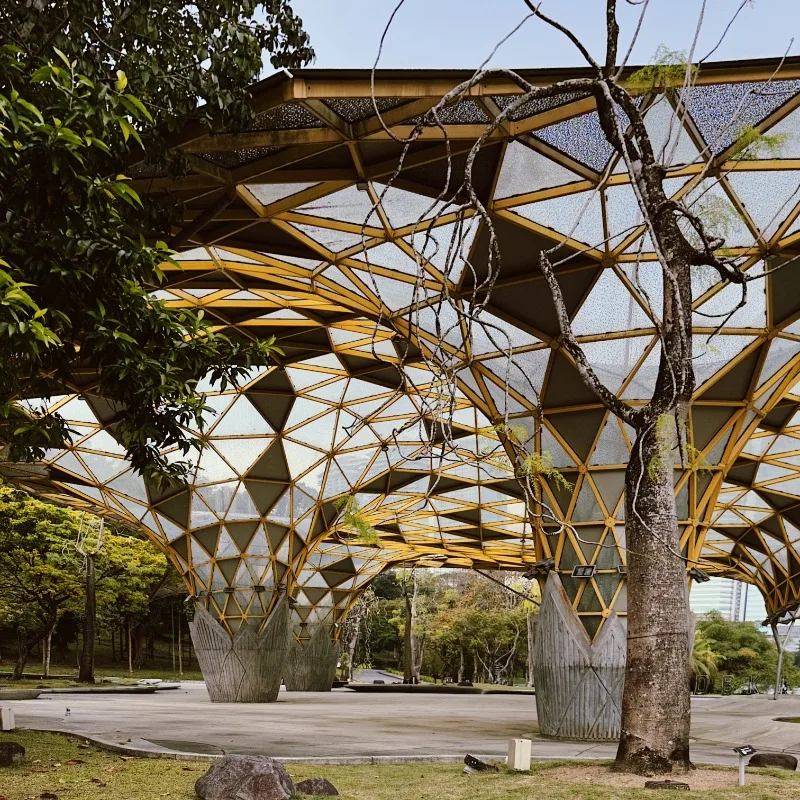
Just a stone’s throw away from the National Monument is the KL Lake Gardens, a large sprawling park in the middle of a bustling city.
This well kept garden features a large lake and several ponds, as well as themed areas such as a bamboo grove, herbarium and hibiscus garden.
Various artwork dot the area, as well as several animal enclosures featuring local mammals and birds.
The National Museum

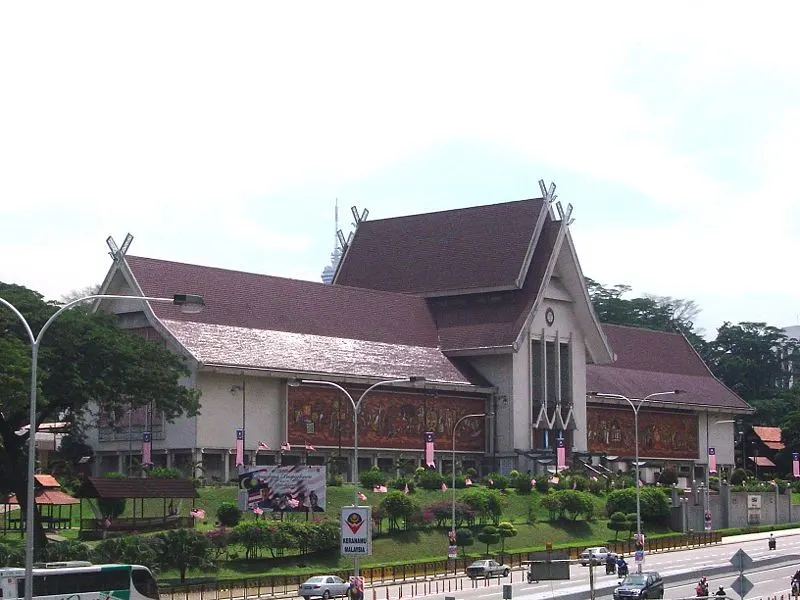
One good place to start if you want to know more about Malaysian history and culture is the National Museum.
There are several galleries here that introduce you to the history of Malaysia, its natural history, as well as the many ethnic groups that make up this country.
You’ll need tickets to go in, but they’re really affordable, at RM5 per adult and RM 2 per child for foreign visitors. Malaysian adults need only pay RM 2 and children enter free. You can buy them at the museum’s entrance
Jalan Alor Food Street

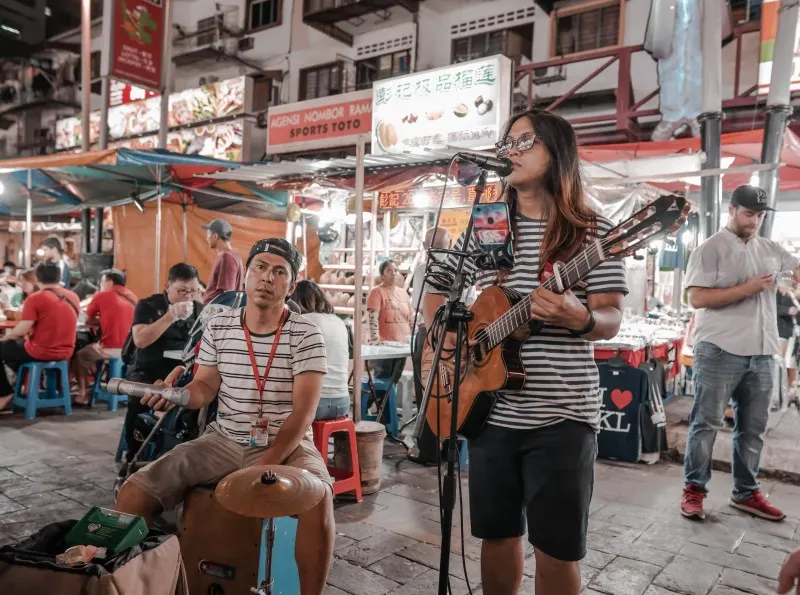
Located just beside the Bukit Bintang shopping area is Jalan Alor. This is where you head to if you want to sample authentic Malaysian street food.
The place is lined with open air restaurants serving freshly cooked seafood, and dishes to order. Apart from restaurants, there are plenty of smaller stalls selling local snacks, drinks and fruits.
If you’re lucky, you can also find the Malaysian King of Fruits here, the durian. These are sold freshly opened once you pick your fruit.
Royal Selangor Pewter

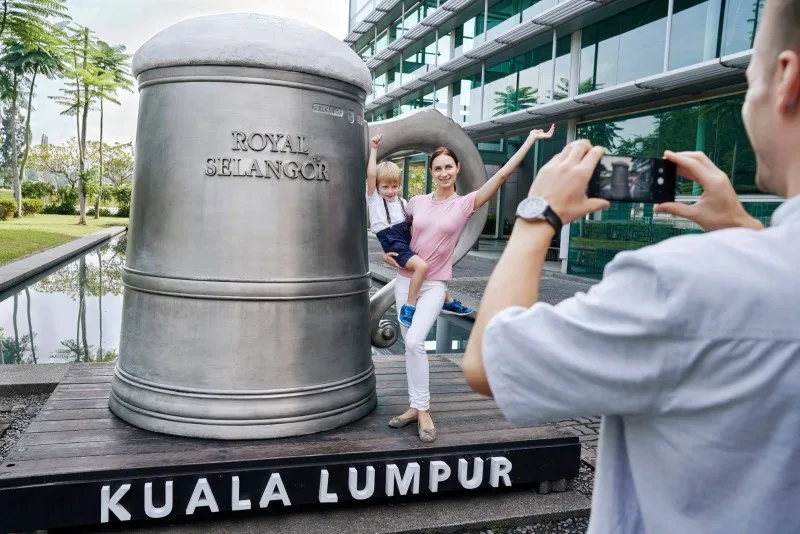
Not many tourists know of this spot that slightly outside of downtown KL. You may have to travel about half an hour from the heart of KL to an area known as Setapak.
The Royal Selangor Pewter brand has been around since the late 1800s, and you’ll be visiting its factory and workshop where various pewter artwork is created.
A tour is available for visitors to understand the pewter craft and the intricate art surrounding it. You can use their website to plan your itinerary, with a guided tour and various workshops available.
The Royal Museum ( The Old Palace)

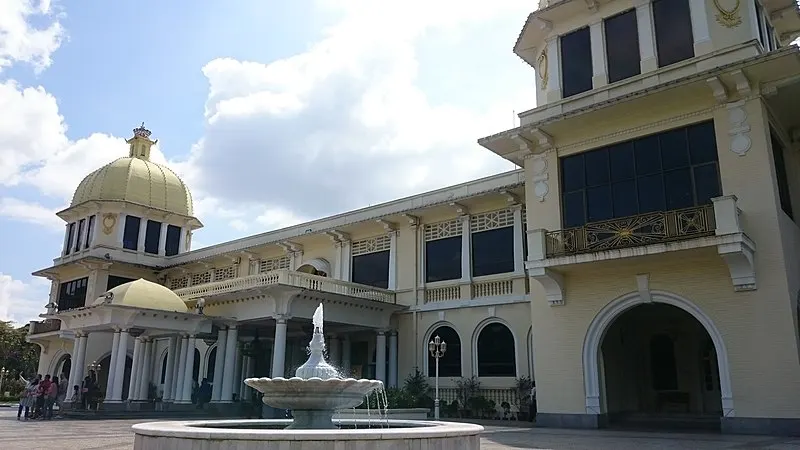
Also known as the Old Palace or the old Istana Negara, this double story building used to be the official residence of the Yang Dipertuan Agong (YDPA) of Malaysia, or the Monarch of the Malaysian Federation.
Originally built in 1928 as the residence of a Chinese tin tycoon, it was soon taken over and functioned as a royal palace until 2011 when a new palace was built.
Now visitors will be able to enjoy displays of previous YDPAs, see royal regalia and walk through the rooms that were once used by the royal families. It’s also a chance for first timers to learn about Malaysia’s unique rotational monarchy system. Entry to the old palace costs a very affordable RM10 for foreigners and RM5 for Malaysians. Tickets can be bought at the guard house just beyond the palace’s main gates.
Kwai Chai Hong

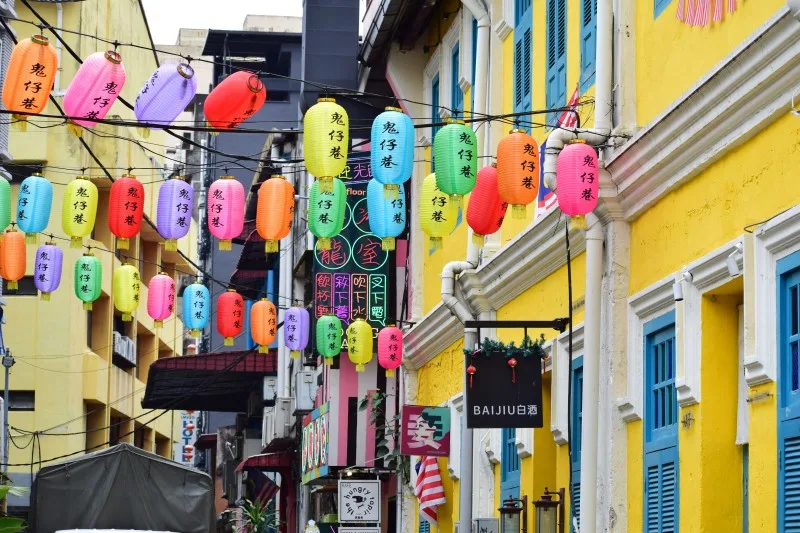
This recently restored back alley located near Chinatown in downtown KL is full of interesting things to see and do. Once you locate it, you have to cross a small wooden bridge to be greeted by an area full of murals and interactive art installations.
This interesting back alley used to be notorious for its shady activities, but now it hosts various art events, cafes and restaurants that everyone can enjoy. Entry to this back alley is free of charge too.
The Penghulu Abu Seman House
Here’s another lesser known attraction in KL that not many know of. The house of Abu Seman the Headman was built between 1910 and 1930 and is an archetypical representation of traditional Malay architecture.
It has been deconstructed from its original location in the village of Sungai Kechil and rebuilt beam by beam in downtown KL.
Visitors can enjoy a guided tour for a minimum donation of RM10 at 3pm from Tuesdays to Fridays. You’ll be able to learn more about Malay culture and try traditional Malay cooking here too.
Brickfields


Just outside of KL Central is a bustling area known as Brickfields where you’ll find a large concentration of Indian stores. Often called KL’s Little India, Brickfields is a testament to multiracial Malaysia, which has been home to ethnic Indians for centuries.
Here you’ll find a plethora of Indian snacks, jewelry, traditional clothing, temples and restaurants.
Bonus: The ZhongShan Building

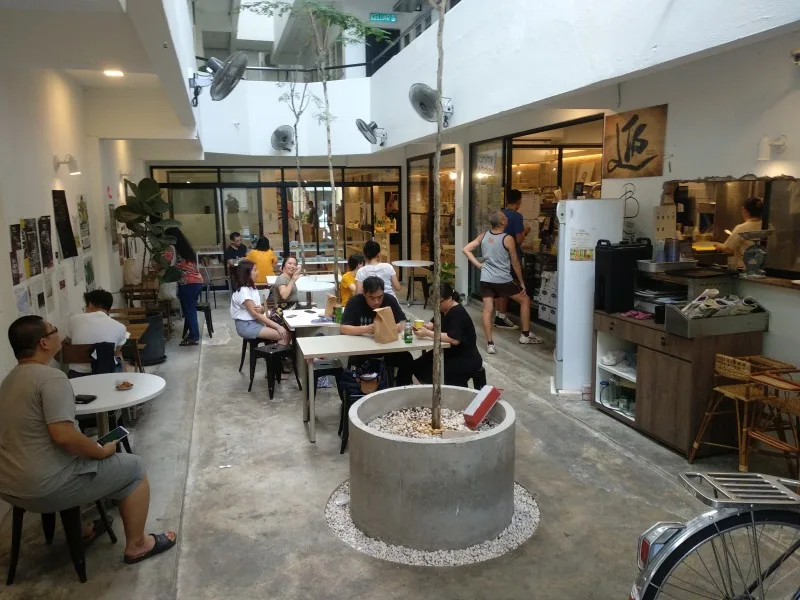
Art lovers will no doubt appreciate places like the ZongShan building, which is a four storey complex from the 1950s. It has been revived into an artist hub in recent years, housing art galleries, art collectives, cafés, a bakery and artisan creators.
Feel free to explore the area around the building too, where you’ll find plenty of engaging street art. If you’re lucky, there will be some art events going on that you can participate in.
Pro-Traveler Tips for Kuala Lumpur
Whether you’ve been to Malaysia or not, no one can deny that it’s generally a pretty low profile destination in comparison to its more popular neighbors like Thailand or Singapore.
That being said, it’s also pretty underrated.
If you ask travelers what stands out most about Malaysia, they would probably say the pristine beaches and tropical forests.
However, one of the best starting points in understanding this country has to be its capital city, Kuala Lumpur.
Kuala Lumpur: Location and Climate
Malaysia is made up of two parts, East and West Malaysia. East Malaysia is located on the island of Borneo, while West Malaysia is a peninsula jutting out from the Indo-Chinese mainland.
Kuala Lumpur is located in West Malaysia, almost in the middle.
As it is close to the equator, it enjoys tropical weather all year round, and has no seasons.

West Malaysia.jpg
This means that the weather is the same all the time, which is mostly humid and warm, with rainy days in between.
Some months are a bit wetter than others.
If you do visit KL, you’ll find that when it rains, it really rains.
However, in general the weather is mild.
Another wonderful thing about Malaysia is that it doesn’t suffer from natural disasters.
KL is free from volcanoes and earthquakes.
There may be the occasional flash floods but that is rare and resolves pretty quickly without much damage.
It does help to have a raincoat and umbrella when you’re out, as rain can be unpredictable.
However, most days are bright and sunny, so do keep hydrated.
You’ll find sports drinks in all convenience shops here, and coconuts are sold on the roadsides too.
The People and Cultures of KL
Kuala Lumpur is a cornucopia of cultures.
Among the Malaysians here, you’ll find different ethnic groups, mainly Malays, Chinese and Indians.
Ethnic Malays are the majority and they are Muslims, so you will notice many mosques in KL and might even want to visit them.

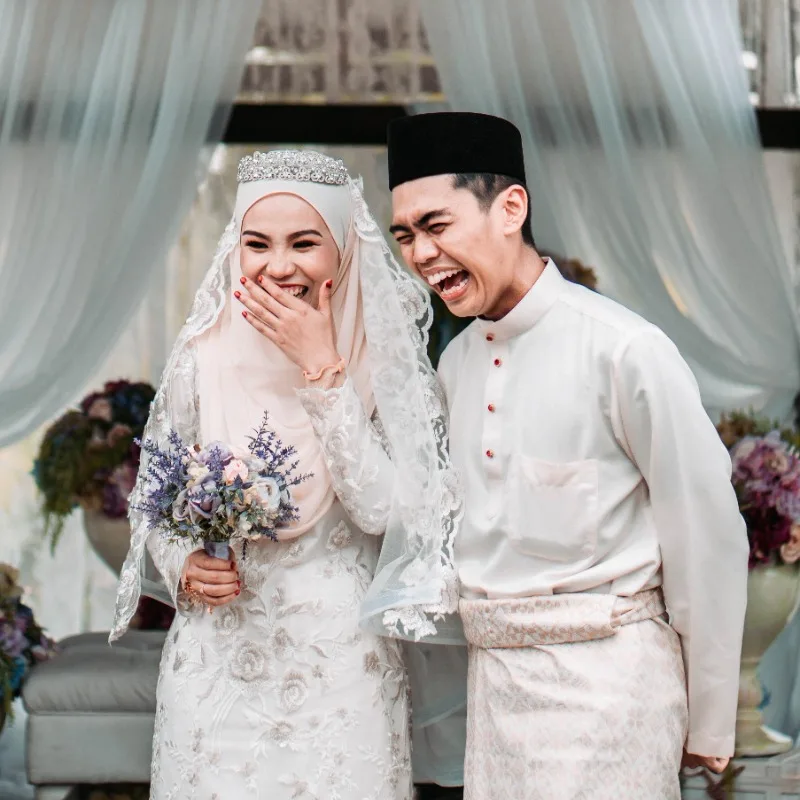
Ethnic Malays.jpg
Additionally, there are ethnic Chinese and Indians too, who together make up more than half of KL’s population.
The Chinese and Indians have been here for generations.
In the past, migrants from these two countries came here as laborers, traders and more.
They settled down and maintained many of their cultural practices.
Apart from these three major ethnic groups, Kuala Lumpur is also home to Eurasians, who are descended from Dutch, Portuguese and British ancestors.
You’ll also find Sabahan and Sarawakian ethnicities like Dayaks, Kadazans, Ibans, Melanaus, Muruts, and more.
The rich mixture of cultures can be seen in many aspects of daily KL life, especially in the food eaten and languages spoken.

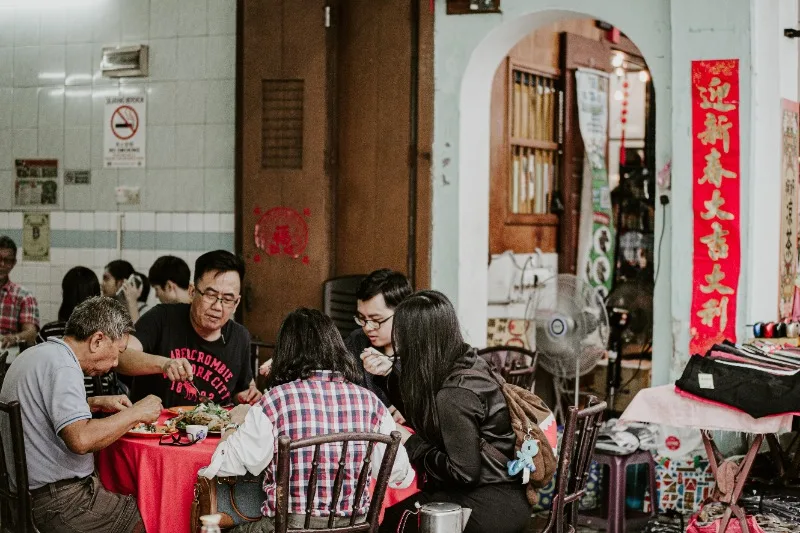
Sabahan and Sarawakian.jpg
Language and Communication in KL
Most Malaysians speak more than one language.
It is common for most Malaysians to know two or more languages, and English is commonly spoken in KL.
English is taught as a second language in schools and spoken in many homes here too.
That’s why you’ll have very little problems navigating your way around town and asking for directions.
Many of the signboards and instructions come in multiple languages, with English being one of them.
Apart from English, tourist spots often have signage in other languages too, including Chinese, Japanese, and Arabic.
Since there’s a rather high ethnic Chinese population in KL, you’ll also notice Chinese words on signboards.

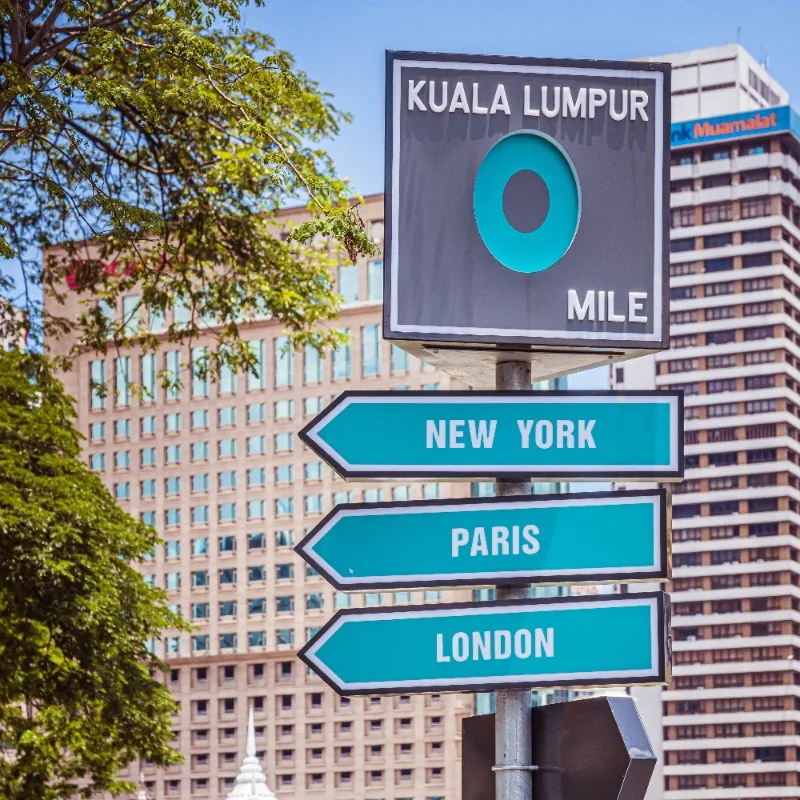
Chinese population in KL.jpg
These can be commonly seen at shops and restaurants.
That being said, Bahasa Melayu is the official language of Malaysia.
Bahasa Melayu literally translates into ‘Malay Language’.
It’s also pretty ubiquitous in KL and knowing a few phrases will make your interactions with the locals much more interesting.
Where to Stay in Kuala Lumpur?
KL offers a wide variety of lodgings, from humble backpackers’ hostels to five star establishments.
Accommodations are affordable and pretty reasonably priced.
We would advise you to look for a room that’s within walking distance to a train station.
This will give you increased mobility to all the different parts of the city.
Hostels here start from RM50 to RM80 per night.
A two to three star hotel will set you back about RM100 to RM250 a night whereas four to five star hotels range from RM 200 to RM2000 per night.

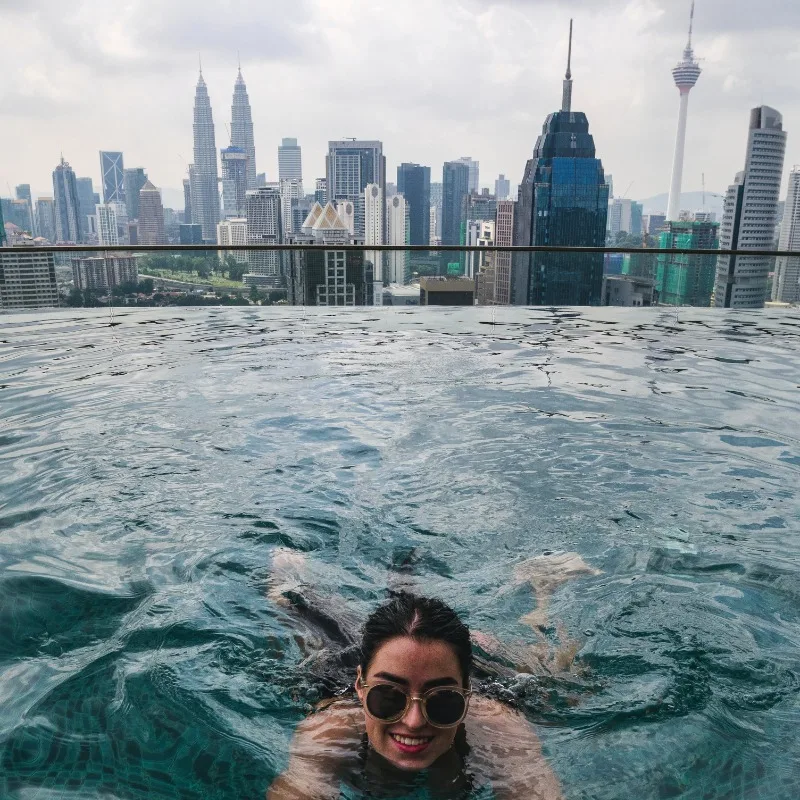
Kuala Lumpur.jpg
Many of these establishments also offer breakfast as part of their package so do check that out.
Hotels in KL maintain a check-in time between 2pm to 3pm, whilst check-out is set at 12pm. Many of the establishments with three stars and above also provide airport transfer.
Getting Around KL
Kuala Lumpur has public transport in the form of trains, so downloading a transit map will help you plan your journey better.
The main transit lines in the city are:
- The KTM ( Keretapi Tanah Melayu) Seremban line
- The KTM Port Klang line
- The LRT ( Light Rail Transit) Ampang line
- The LRT Sri Petaling line
- The LRT Kelana Jaya line
- The KL Monorail line
- The MRT (Mass Rapid Transit) Kajang line
- The ECRL transit train to KLIA
They criss-cross the Klang Valley, covering both KL and its satellite towns.

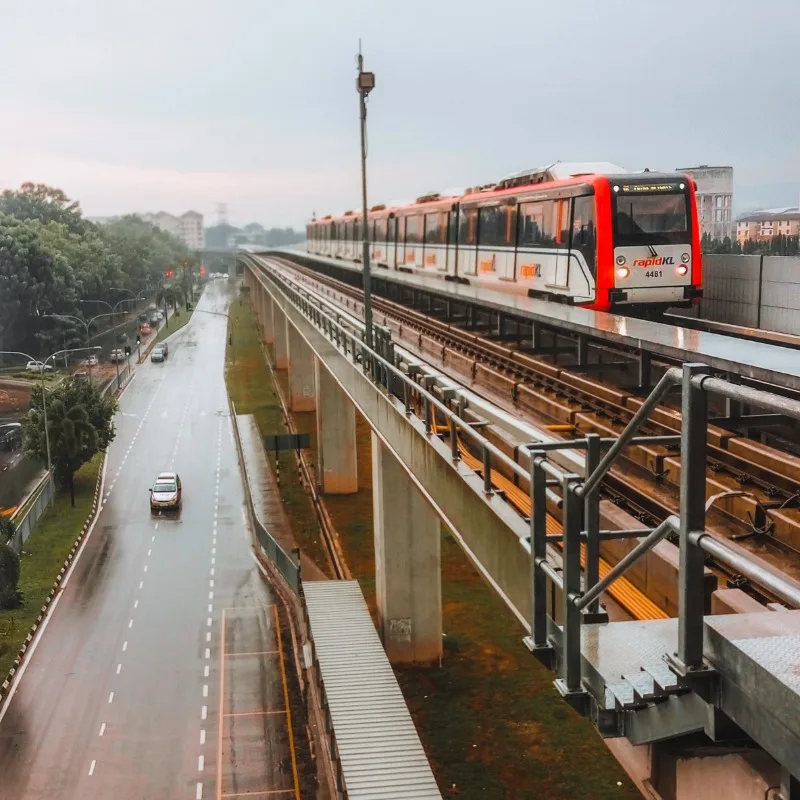
Klang Valley.jpg
Sometimes, you’ll have to stop at an interchange station to change lines to get where you want to go.
The biggest interchange station is KL Central, where all the lines converge.
It’s a good idea to get yourself a Touch N’ Go card once you land in Malaysia.
This is a prepaid card that can be used for all the transit lines as well as the bus system.
Kuala Lumpur’s major bus provider is Rapid KL.
You’ll want to check out their website for routes and other information.
Bus rides in KL won’t cost you more than RM5 to RM10 per ride.
Some rides cost as low as RM 1.
These days rapid KL also provides live locations of their buses and each bus can be tracked on the MyRapid PULSE app.
Additionally, there is Hop On Hop Off buses, a KL tour bus with about 19 stops .
Tickets start at about RM30 and you can drop off and ride again at your convenience. You may also want to consider the Go KL City buses that are provided by KL City Hall and is free for everyone.

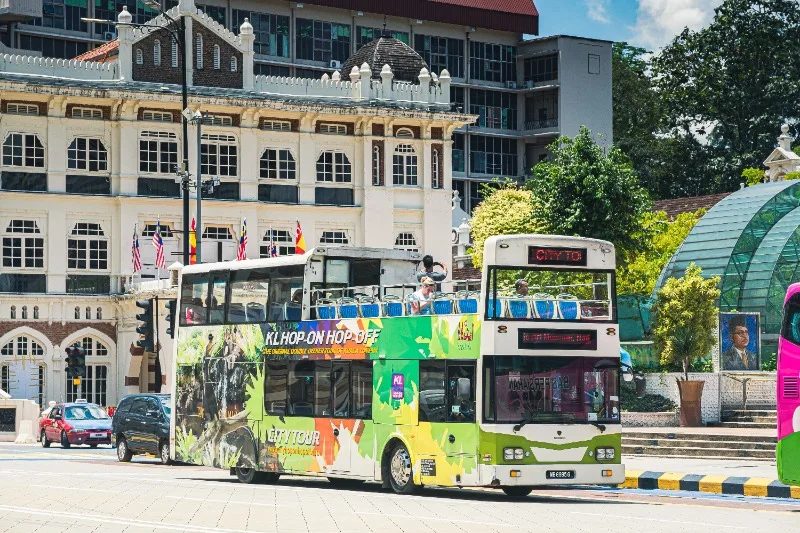
Hop On Hop Off buses.jpg
If buses and trains don’t do it for you, Malaysia has many ride hailing services that you can access through apps.
Some of the biggest ones are Grab, Airasia Ride, Maxim and GOJO.
Kuala Lumpur: A Friendly City
KL has many more destinations to explore.
Moreover, you can do so easily as the city has easy and accessible train lines which can get you to most places relatively fast.
The best way to know KL however, is by interacting with its people who are some of the friendliest in the world.
Leave a comment