
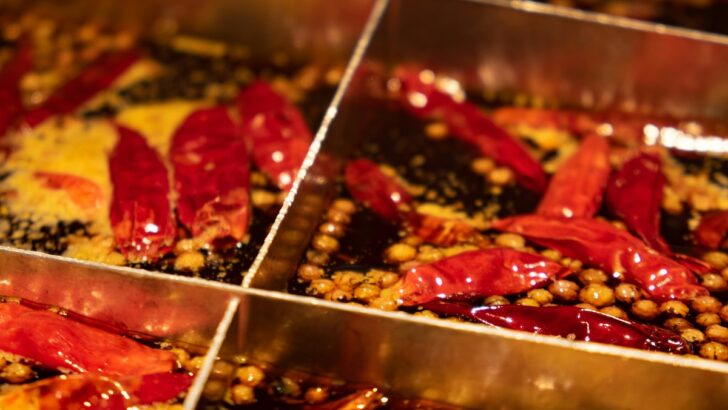
Mala soup, a cornerstone of Sichuan cuisine, is renowned for its numbing and spicy flavors. Originating from the Sichuan province of China, this dish has gained global popularity for its distinctive taste and sensory experience. The term “mala” (麻辣) translates to “numbing” (麻) and “spicy” (辣), aptly describing the dual sensations it imparts on the palate.
The Origins of Mala Soup
The origins of mala soup can be traced back to the Sichuan region in southwestern China, an area known for its bold and fiery culinary traditions. Sichuan cuisine, or Szechuan cuisine, is characterized by its liberal use of chili peppers and Sichuan peppercorns, which together create the unique numbing and hot sensations. Mala soup originally emerged as a popular street food among laborers who sought an inexpensive yet flavorful meal. Over time, it evolved into a beloved staple, both within China and internationally.
Key Ingredients of Mala
- Sichuan Peppercorns: These are not true peppercorns but the dried husks of the prickly ash tree. They produce a tingling, numbing sensation on the tongue, which is a hallmark of mala cuisine.
- Chili Peppers: Dried red chili peppers are essential for providing the heat in mala soup. They are often fried in oil to release their full flavor.
- Broth: The base of mala soup is typically made from a rich, flavorful broth, which can be meat-based (such as chicken, beef, or pork) or vegetable-based.
- Aromatic Spices: Ingredients such as garlic, ginger, star anise, and cinnamon contribute depth and complexity to the soup’s flavor profile.
- Fermented Bean Paste: Doubanjiang, a fermented broad bean and chili paste, is commonly used to add umami and a rich, savory taste.
- Soy Sauce and Vinegar: These ingredients add saltiness and acidity, balancing the intense heat and spice.
How Mala is prepared
The preparation of mala soup involves several key steps to ensure the development of its characteristic flavors:
- Infusing the Oil: Oil is heated and infused with Sichuan peppercorns and dried chili peppers. This step is crucial for extracting the numbing and spicy flavors.
- Building the Broth: Aromatics like garlic, ginger, and spices are added to the infused oil. The broth, often enriched with bones and meat, is then introduced and simmered to meld the flavors.
- Adding the Base Paste: Doubanjiang and other seasoning pastes are incorporated to enhance the umami and depth of the soup.
- Simmering: The soup is simmered to allow all the flavors to blend harmoniously. This process can take several hours, depending on the recipe.
Variations and Serving Styles of Mala Soup
Mala soup is incredibly versatile and can be customized to suit different tastes and dietary preferences. Some popular variations include:
- Hot Pot: Mala soup serves as the base for Sichuan hot pot, where diners cook a variety of ingredients such as meat, seafood, vegetables, and tofu at the table. The communal nature of hot pot makes it a popular choice for gatherings.
- Mala Tang: This is a more casual, street-food version of mala soup, often served in individual bowls. Diners select their preferred ingredients, which are then cooked in the mala broth and served hot.
- Vegetarian Mala Soup: By substituting the meat-based broth with a vegetable broth and using tofu or mushrooms, a vegetarian version of mala soup can be created without compromising on flavor.
Nutritional Information
Mala soup, while delicious, is known for its high sodium content due to the use of soy sauce and fermented bean paste. Additionally, the dish can be high in fat, depending on the amount of oil used. However, it is also rich in protein (from meat and tofu) and vitamins (from the various vegetables added).
For those mindful of their diet, it is possible to make a lighter version of mala soup by reducing the amount of oil and using low-sodium soy sauce.
Mala Soup
Mala soup is more than just a dish; it is a cultural experience. It exemplifies the bold flavors and communal eating practices of Sichuan cuisine. Sharing a mala hot pot is a social activity that brings people together, allowing them to enjoy a variety of flavors and textures in one meal.
Mala soup stands out as a testament to the bold and innovative spirit of Sichuan cuisine. Its unique combination of numbing and spicy sensations offers a culinary adventure for those willing to embrace its intensity. Whether enjoyed as a hot pot or a simple bowl of soup, mala soup continues to captivate palates worldwide, offering a taste of Sichuan’s rich culinary heritage.
Leave a comment