

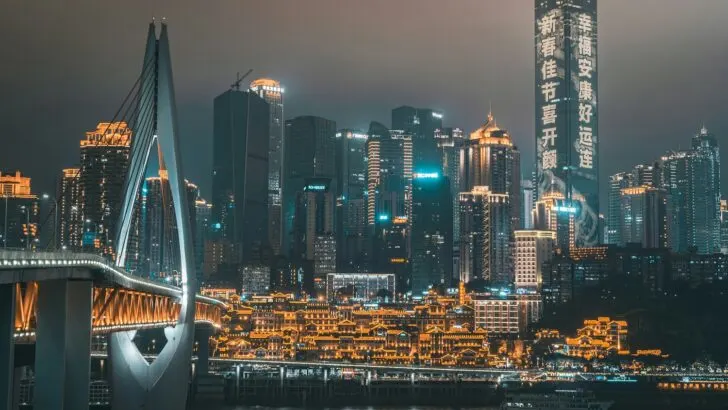
Chongqing, officially known as the Chongqing Municipality, is a sprawling and vibrant city located in southwestern China.
As one of the country’s four direct-controlled municipalities, Chongqing is not only a major economic and industrial hub but also a cultural and historical treasure trove. With a population of over 30 million people, it is one of the most populous cities in China.
Geographically, Chongqing is situated at the confluence of the Yangtze and Jialing Rivers, surrounded by mountains and stunning natural landscapes.
The city’s unique topography has earned it the nickname “Mountain City” or “City of Mountains and Rivers,” contributing to its scenic beauty and distinctive charm.
Chongqing boasts a rich history dating back over 3,000 years, with a legacy deeply rooted in ancient civilization. As a strategic location along the Yangtze River, the city has been a hub of trade, commerce, and cultural exchange since ancient times.
Throughout its history, Chongqing has served as a political, military, and economic center, witnessing dynastic shifts, cultural developments, and significant events that shaped the region and the nation.
In recent decades, Chongqing has experienced rapid urbanization and modernization, transforming into a bustling metropolis with a thriving economy.
The city is known for its strong industrial sector, particularly in areas such as automotive manufacturing, electronics, machinery, and chemicals. It is also a major transportation and logistics hub, playing a crucial role in linking the western regions of China with the rest of the country.
Beyond its economic prowess, Chongqing is renowned for its distinctive cuisine. As part of Sichuan Province, the local culinary scene is characterized by bold flavors, spicy dishes, and a love for Sichuan peppercorns.
Chongqing hotpot, Mala Xiang Guo (spicy stir-fry), and various street foods are must-try culinary delights for food enthusiasts.
Tourism in Chongqing is booming, thanks to its rich cultural heritage, natural wonders, and historical sites. Visitors can explore attractions such as the Dazu Rock Carvings, a UNESCO World Heritage Site featuring intricate stone carvings depicting Buddhist and Taoist influences, or take a scenic cruise along the Yangtze River to witness the breathtaking Three Gorges.
Chongqing’s modern skyline, vibrant shopping districts, cultural institutions, and lively nightlife further contribute to its appeal as a dynamic metropolis.
In conclusion, Chongqing is a captivating city that seamlessly blends its ancient heritage with modern developments. Its geographical beauty, historical significance, booming economy, and distinctive cuisine make it a compelling destination for both domestic and international travelers seeking an immersive experience in southwestern China.
1. Explore Ciqikou Ancient Town: Visit this historic town known for its traditional architecture, shops, and tea houses

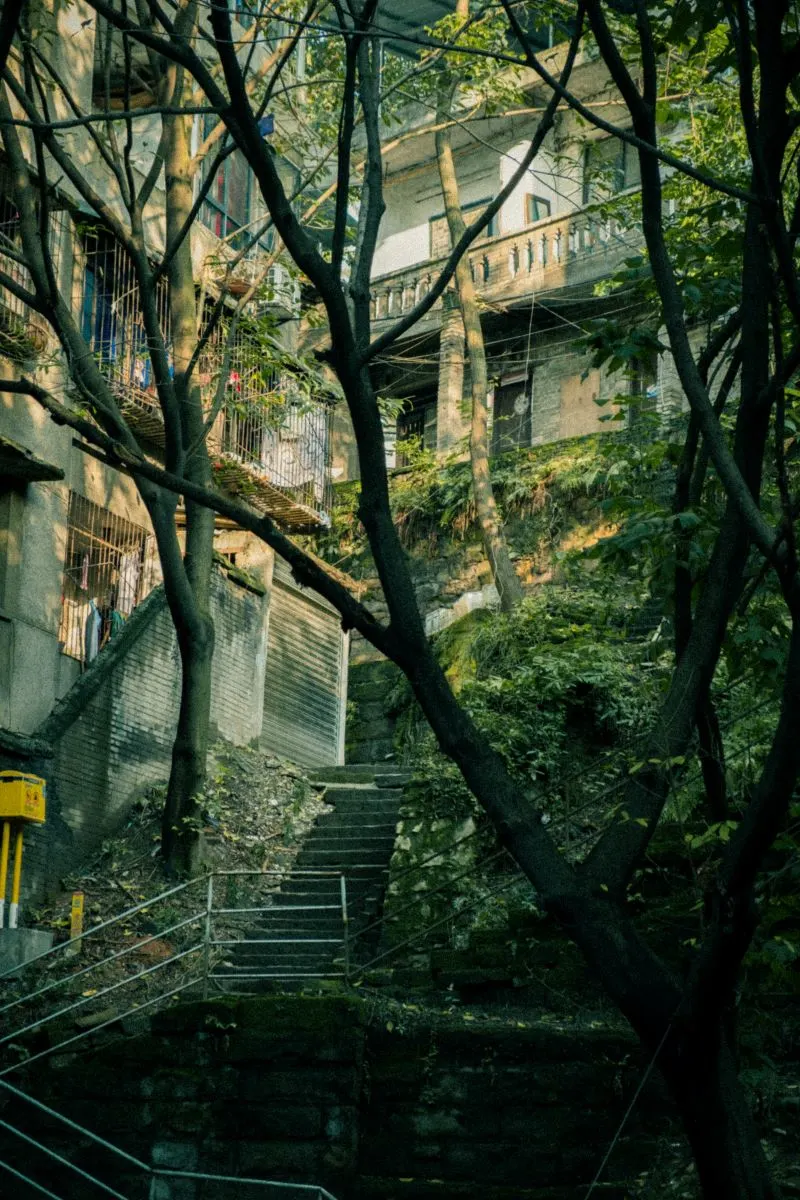
Ciqikou Ancient Town is a historic district located in the Shapingba District of Chongqing, China. It is renowned for its well-preserved traditional architecture, narrow alleys, and charming atmosphere that reflects the ancient culture of Chongqing.
The town dates back over 1,700 years and was once an important trading port along the Jialing River. Today, it has become a popular tourist destination where visitors can immerse themselves in the rich heritage and vibrant local life.
As you explore Ciqikou Ancient Town, you’ll encounter numerous traditional-style buildings, including old wooden houses, teahouses, shops, and street food stalls.
The architecture is characterized by its intricate carvings, sloping roofs, and red brick facades, giving the town a distinct charm.
Wandering through the narrow streets, you’ll have the opportunity to browse and shop for various souvenirs, handicrafts, and local products. The town is particularly known for its porcelain, and you can find many shops selling porcelain wares and ceramics.
Additionally, Ciqikou Ancient Town is famous for its tea culture, and you can relax at one of the traditional teahouses, sipping tea and enjoying the tranquil ambiance. It’s also a great place to sample local snacks and street food, such as spicy noodles, stinky tofu, and steamed buns.
Throughout the year, Ciqikou hosts various cultural activities and festivals, including traditional performances, dragon dances, and local art exhibitions.
These events offer a glimpse into the town’s lively cultural scene and provide visitors with an opportunity to engage with the local traditions.
2. Take a Yangtze River Cruise: Embark on a cruise along the Yangtze River, enjoying stunning scenery and passing through the famous Three Gorges

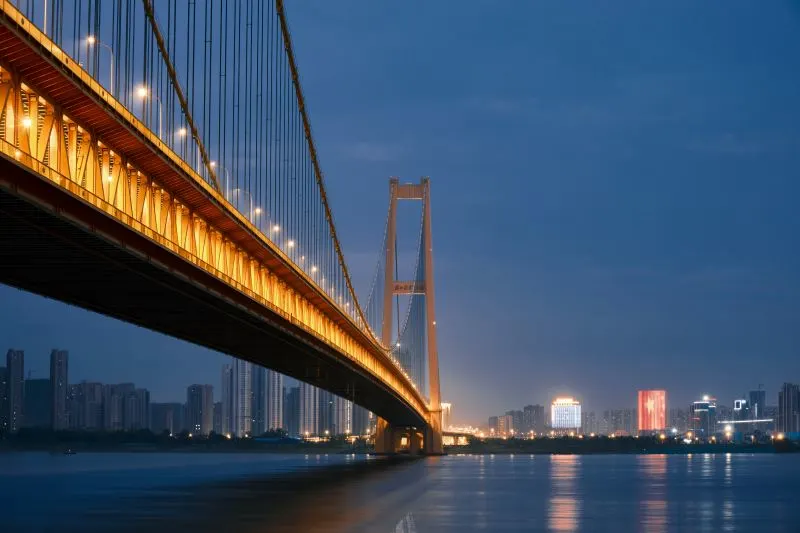
Taking a Yangtze River Cruise is a popular and scenic way to explore the majestic Yangtze River, one of China’s most iconic waterways.
The Yangtze River is the longest river in Asia and the third longest in the world, flowing through stunning landscapes and traversing several provinces. A Yangtze River Cruise typically covers the section between Chongqing and Yichang, or even further downstream to the city of Wuhan.
During the cruise, you’ll embark on a multi-day journey aboard a comfortable and well-equipped cruise ship, which offers a range of amenities and services. As you sail along the Yangtze River, you’ll be treated to breathtaking scenery, including towering cliffs, verdant hills, and the famous Three Gorges.
The Three Gorges, consisting of Qutang Gorge, Wu Gorge, and Xiling Gorge, are among the highlights of the cruise. These gorges are renowned for their sheer cliffs, dramatic rock formations, and picturesque landscapes. Cruising through them allows you to appreciate the natural beauty and grandeur of the Yangtze River.
Throughout the journey, you’ll have the opportunity to participate in various shore excursions and activities. These may include visiting historic sites, such as the Fengdu Ghost City or the Shibaozhai Pagoda, where you can explore ancient temples and learn about Chinese history and culture.
Additionally, some cruise itineraries offer the option to experience the famous Three Gorges Dam, the world’s largest hydropower project. You may have the opportunity to visit the dam site, learn about its construction, and witness the impressive engineering feat up close.
Onboard the cruise ship, you can relax and enjoy the amenities provided, such as comfortable cabins, restaurants serving both Chinese and Western cuisine, entertainment options, and even cultural performances showcasing traditional music and dance.
3. Visit the Dazu Rock Carvings: Marvel at the intricate and well-preserved stone carvings depicting Buddhist, Confucian, and Taoist sculptures

Visit the Dazu Rock Carvings is an extraordinary cultural site located in Dazu County, China. It is renowned for its remarkable collection of stone carvings that depict a fusion of Buddhist, Confucian, and Taoist sculptures.
These carvings, created between the 9th and 13th centuries, showcase intricate details and exceptional craftsmanship.
The Dazu Rock Carvings are a UNESCO World Heritage Site and are considered one of the most significant examples of Chinese religious art.
The site encompasses numerous grottoes, caves, and niches, each adorned with thousands of sculptures and inscriptions. These carvings portray various religious figures, mythical creatures, deities, and scenes from Buddhist and Taoist scriptures.
The artwork at Dazu Rock Carvings displays a harmonious blend of Buddhist compassion, Confucian ethics, and Taoist philosophy.
The sculptures convey moral teachings, religious beliefs, and historical events, providing a visual narrative of China’s cultural and religious heritage.
4. Explore Hongya Cave: Wander through this unique complex of stilted houses built along the steep cliffs of the Jialing River


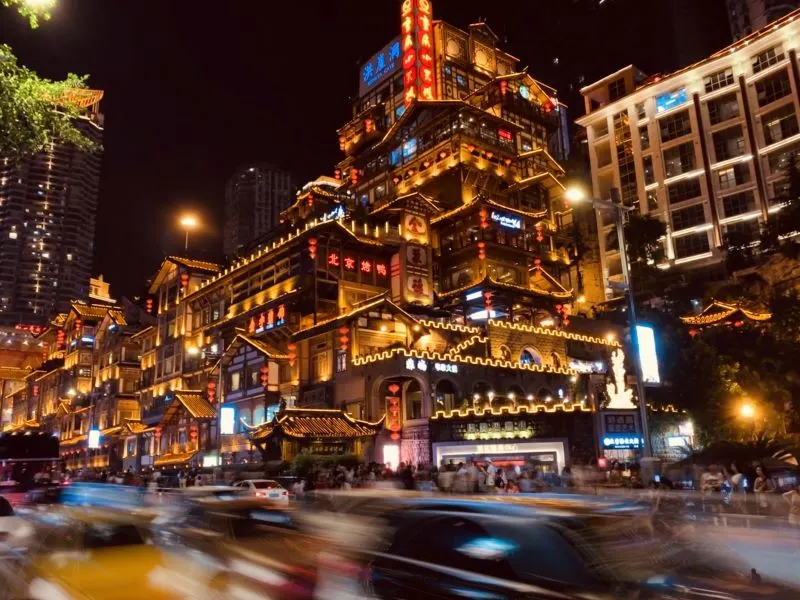
Explore Hongya Cave is a captivating architectural complex located along the picturesque Jialing River in Chongqing, China. This unique attraction is renowned for its stilted houses, which are built directly into the steep cliffs, creating a mesmerizing sight.
The Hongya Cave complex is a fusion of traditional and modern elements, offering a blend of history, culture, and stunning views.
The stilted houses are constructed in a style reminiscent of ancient Chinese architecture, featuring wooden facades, sloping roofs, and ornate decorations. These buildings cling to the cliffs, creating a multi-level structure that extends several stories high.
Wandering through Hongya Cave allows visitors to immerse themselves in a lively atmosphere filled with shops, restaurants, teahouses, and cultural exhibitions.
The interior spaces are adorned with vibrant colors, traditional motifs, and intricate craftsmanship, creating a vibrant and immersive experience.
The Jialing River flows beneath the Hongya Cave, providing a picturesque backdrop as visitors explore the complex. At night, the stilted houses are illuminated, casting a warm glow on the surroundings and enhancing the magical ambiance.
Besides its architectural charm, Hongya Cave offers panoramic views of the river and the surrounding cityscape. Visitors can ascend to the higher levels of the complex to enjoy breathtaking vistas, capturing the essence of Chongqing’s unique topography.
5. Discover Jiefangbei CBD: Explore Chongqing’s central business district, known for its modern skyscrapers, shopping malls, and vibrant atmosphere

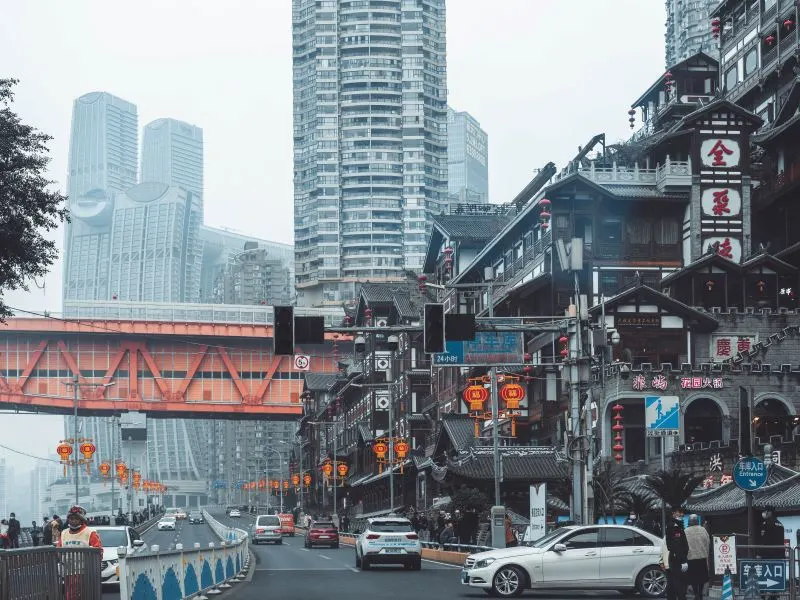
Discover Jiefangbei Central Business District (CBD) is a bustling commercial and cultural hub located in the heart of Chongqing, China. It is one of the most iconic and vibrant areas of the city, offering a blend of modern architecture, shopping, entertainment, and historical landmarks.
Jiefangbei CBD is anchored by the famous Jiefangbei Pedestrian Street, a lively avenue lined with high-end shopping malls, department stores, boutique shops, and a wide array of restaurants and cafes. This vibrant street is a shopper’s paradise, offering a diverse range of fashion, electronics, and local specialty stores.
The district is also home to numerous skyscrapers, showcasing impressive modern architecture that dominates the skyline. These towering structures house multinational corporations, luxury hotels, and commercial centers, making it a significant business and financial district in Chongqing.
At the center of Jiefangbei CBD stands the iconic Jiefangbei Monument, a historic landmark that symbolizes the city’s liberation and progress.
The monument is surrounded by a spacious square where locals and tourists gather to relax, socialize, and enjoy the energetic atmosphere.
Exploring Jiefangbei CBD offers more than just shopping and business opportunities. The district is also known for its vibrant nightlife, with an abundance of bars, clubs, and entertainment venues catering to a diverse range of tastes.
Additionally, the CBD is well-connected, with excellent transportation links, including a metro station that makes it easily accessible for visitors. It serves as a gateway to other popular attractions in Chongqing, such as the Yangtze River cableway and Ciqikou Ancient Town
6. Visit Chongqing Zoo: See a variety of animals, including pandas, at this large zoo located in the western suburbs of Chongqing


Chongqing Zoo is a popular tourist attraction located in Chongqing, China. It is a large zoological park that showcases a diverse collection of animals from around the world.
The zoo covers an expansive area and provides visitors with the opportunity to observe and learn about various species of wildlife.
One of the notable features of Chongqing Zoo is the Giant Panda House, which is home to China’s beloved giant pandas. Visitors can observe these adorable creatures in a habitat that closely resembles their natural environment, gaining insight into their behavior and conservation efforts.
Apart from giant pandas, Chongqing Zoo houses numerous other animals, including tigers, lions, elephants, giraffes, hippos, and a wide variety of bird species.
The zoo also offers educational exhibits and interactive displays that provide information about the animals’ habitats, diets, and conservation status.
Visitors can explore the zoo by walking along well-maintained pathways that lead to different animal enclosures. There are also amenities such as restaurants, snack stands, and souvenir shops scattered throughout the zoo, providing convenience and opportunities to purchase memorabilia.
7. Enjoy the Chongqing Hot Pot: Indulge in the city’s famous spicy hot pot, a delicious and popular local dish


Enjoying Chongqing hot pot is a culinary experience that immerses you in the vibrant and spicy flavors of Chongqing, a city in southwestern China known for its fiery cuisine.
Chongqing hot pot is a style of communal dining where a simmering pot of spicy broth is placed in the center of the table, and diners cook a variety of fresh ingredients in the broth.
The hot pot broth is typically rich and intensely flavored, often infused with Sichuan peppercorns, chili peppers, garlic, and other aromatic spices. It has a numbing and spicy taste that is characteristic of Sichuan cuisine, creating a unique and memorable dining experience.
To enjoy Chongqing hot pot, you’ll be presented with a wide selection of ingredients such as thinly sliced meats, fresh seafood, vegetables, tofu, and various types of noodles.
You can dip these ingredients into the simmering broth, allowing them to cook to your desired level of doneness. As the ingredients cook, the flavors meld with the spicy broth, creating a mouthwatering combination.
In addition to the spicy broth, Chongqing hot pot often includes a variety of dipping sauces that you can customize to your taste. These sauces can range from sesame-based to garlic-infused, allowing you to enhance the flavors of the cooked ingredients according to your preferences.
The social aspect of Chongqing hot pot is also a highlight. It’s a communal dining experience where friends and family gather around the table, sharing food and engaging in lively conversations. The interactive nature of cooking your own food in the hot pot fosters a convivial atmosphere.
8. Visit Eling Park: Relax in this serene park offering panoramic views of Chongqing’s skyline and the Yangtze River

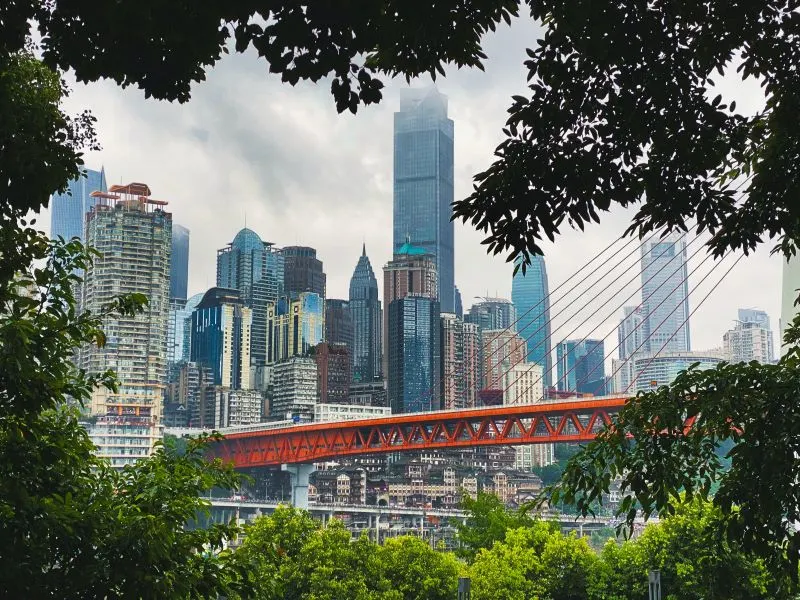
Eling Park is a picturesque park located in Chongqing, China, offering visitors a tranquil escape from the bustling city. Situated on a hilltop, the park provides panoramic views of the surrounding landscape, including the Yangtze River and the cityscape of Chongqing.
One of the highlights of visiting Eling Park is the opportunity to enjoy its serene atmosphere and lush greenery. The park is adorned with beautiful gardens, colorful flowers, and towering trees, creating a peaceful environment for relaxation and leisurely strolls.
Eling Park is known for its distinctive architecture, featuring traditional Chinese pavilions, bridges, and statues that add a touch of elegance to the surroundings.
The park’s centerpiece is the iconic Wishing Pavilion, which offers a vantage point to admire the scenic vistas and make a wish as per local traditions.
Within the park, there are various amenities and attractions to explore. These include tea houses where you can savor a cup of tea while enjoying the views, small shops selling souvenirs and local handicrafts, and even a small zoo that houses a collection of animals.
As you explore the park, you’ll also come across historical artifacts and landmarks that reflect the rich cultural heritage of Chongqing. Eling Park has witnessed significant events in history, and some areas showcase relics and statues that commemorate those moments.
9. Explore the People’s Liberation Monument: Admire this iconic landmark and explore the surrounding shopping streets

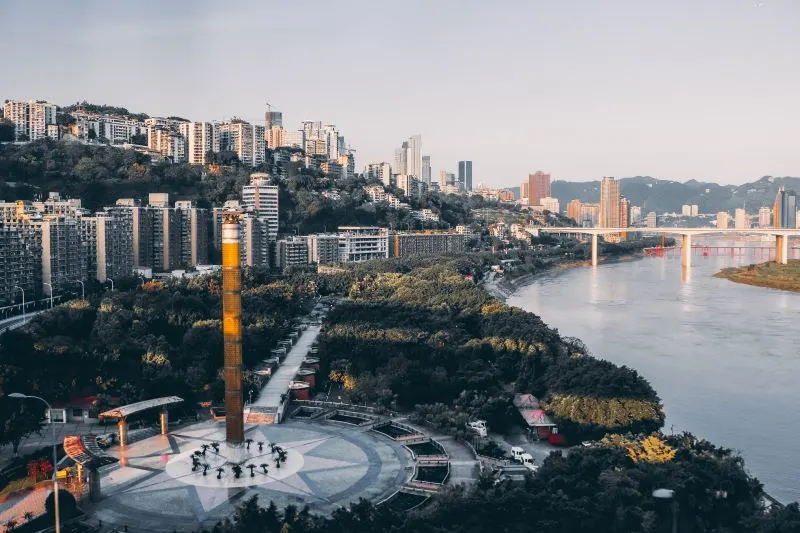
The People’s Liberation Monument, also known as the Liberation Monument or Jiefangbei, is a prominent landmark and a symbol of Chongqing’s history and resilience.
Located in the bustling downtown area of Chongqing, China, it serves as a popular gathering spot and a significant cultural and commercial hub.
The monument stands tall at the intersection of several busy streets and serves as the centerpiece of Jiefangbei Pedestrian Street, a vibrant area filled with shops, restaurants, and entertainment venues.
Its distinctive design features a towering white column with intricate carvings, topped by a large statue symbolizing the victory of the Chinese Communist Party in the Chinese Civil War.
Exploring the People’s Liberation Monument offers visitors a chance to delve into the city’s rich past and immerse themselves in its vibrant atmosphere.
The surrounding area is filled with modern buildings, high-end shopping malls, and a lively street scene that reflects Chongqing’s rapid development and urban energy.
As you wander around the monument, you can soak in the lively ambiance, observe the bustling crowds, and enjoy the vibrant neon lights that illuminate the area at night.
The pedestrian street offers a wide array of shops, ranging from international luxury brands to local boutiques, making it a popular destination for shopping enthusiasts.
Additionally, the People’s Liberation Monument serves as a hub for transportation, with several bus stops and subway stations nearby, making it easily accessible for both locals and tourists.
10. Take a cable car ride across the Yangtze River: Enjoy a thrilling ride across the river, offering spectacular views of the city

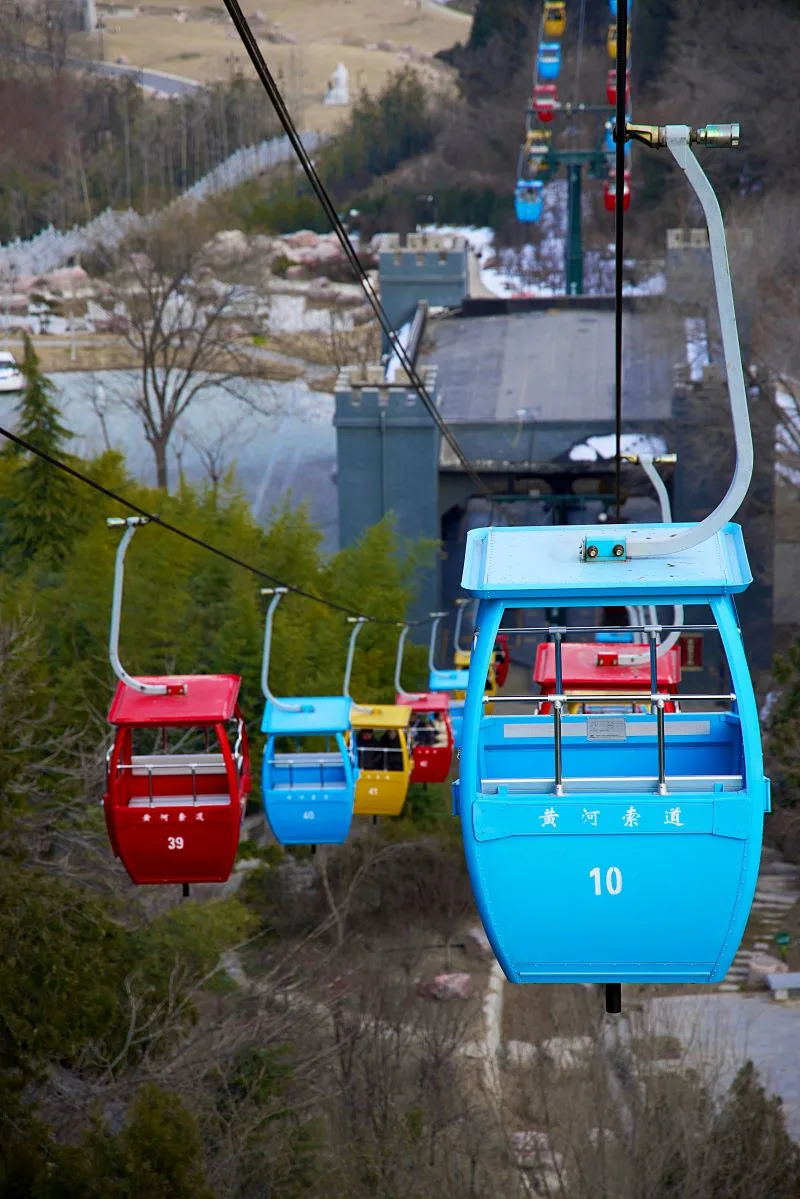
Taking a cable car ride across the Yangtze River offers a thrilling and scenic experience, allowing you to admire the grandeur of China’s longest and most iconic river from a unique vantage point.
The cable car ride typically begins from one side of the river, transporting passengers high above the water to the opposite bank. As you ascend, you’ll be treated to breathtaking views of the river, its surrounding landscapes, and the bustling cityscape if you’re crossing in an urban area such as Chongqing.
The Yangtze River, with its immense size and significance in Chinese culture, provides a mesmerizing backdrop for the cable car journey.
You’ll witness the vast expanse of the river, its gentle or powerful currents, and the diverse landscapes it flows through, such as mountains, valleys, and sprawling cities.
The cable car cabins are usually equipped with large windows or glass panels, ensuring unobstructed views and the opportunity to capture stunning photographs.
Whether you’re crossing during the day, when the sunlight dances on the water’s surface, or at night, when the city lights create a magical ambiance, the experience is sure to be memorable.
In addition to the visual spectacle, the cable car ride offers a unique sense of tranquility and a moment of respite from the bustling city below. As you glide across the river, you can appreciate the natural beauty and contemplate the significance of the Yangtze River in Chinese history, culture, and daily life.
The duration of the cable car ride can vary depending on the specific location and route. Some cable car systems may have intermediate stations or offer options for round-trip journeys, allowing you to enjoy the views in both directions.
11. Explore the Three Gorges Museum: Learn about the history, culture, and natural heritage of the Three Gorges region

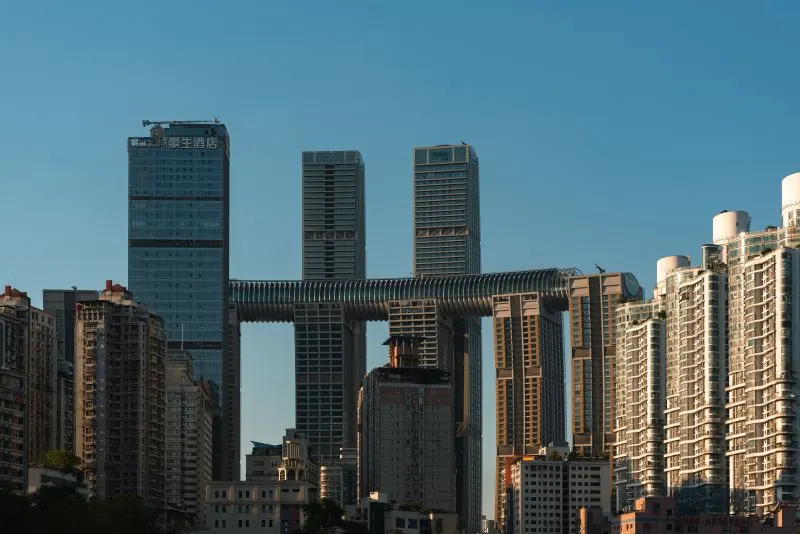
The Three Gorges Museum is a renowned museum located in Chongqing, China, dedicated to showcasing the history, culture, and natural heritage of the Three Gorges region.
The museum provides visitors with a comprehensive understanding of the area’s significance and its impact on China’s past and present.
The museum’s exhibits cover a wide range of topics, starting with the geological formation of the Three Gorges region and the ecological diversity found there. Visitors can learn about the unique natural features of the area, including its majestic mountains, rivers, and diverse wildlife.
Moving on to the cultural aspect, the museum delves into the rich history of the Three Gorges region, spanning thousands of years.
Exhibitions highlight the early civilizations that thrived in the area, such as the Ba and Shu cultures, and explore their contributions to Chinese civilization. Visitors can explore artifacts, archaeological finds, and interactive displays that bring the past to life.
The museum also pays special attention to the construction of the Three Gorges Dam, one of the largest hydroelectric power stations in the world.
Visitors can learn about the challenges faced during its construction, the environmental impact, and the benefits it has brought to the region.
In addition to the permanent exhibitions, the Three Gorges Museum often hosts temporary displays and special events, allowing visitors to experience a variety of topics related to the region’s history, culture, and natural heritage.
12. Visit the General Joseph W. Stilwell Museum: Discover the history of the China-Burma-India Theater during World War II and General Stilwell’s role


The General Joseph W. Stilwell Museum is a museum located in Chongqing, China, dedicated to commemorating the life and legacy of General Joseph W. Stilwell, a prominent figure in World War II and the China-Burma-India Theater.
The museum offers visitors a glimpse into the extraordinary life and military career of General Stilwell. Through a variety of exhibits and displays, visitors can learn about his leadership role in the Allied forces during the war and his significant contributions to the Chinese and American cooperation in the fight against Japan.
The museum showcases a vast collection of artifacts, photographs, documents, and personal belongings of General Stilwell, providing insight into his experiences and the challenges he faced during the war. Visitors can explore his strategies, the battles he led, and the relationships he forged with key figures of the time.
Moreover, the museum highlights General Stilwell’s deep admiration for and understanding of China. It sheds light on his efforts to support the Chinese people and his commitment to fostering strong ties between the United States and China. This aspect of the museum aims to promote cultural exchange and friendship between the two nations.
The General Joseph W. Stilwell Museum offers a unique opportunity for visitors to gain a deeper understanding of General Stilwell’s significant role in history and his lasting impact on the China-Burma-India Theater. It serves as a tribute to his leadership, dedication, and the enduring friendship between China and the United States.
13. Wander through Chongqing Grand Theater: Appreciate the stunning architecture of this modern performing arts venue and catch a show if available

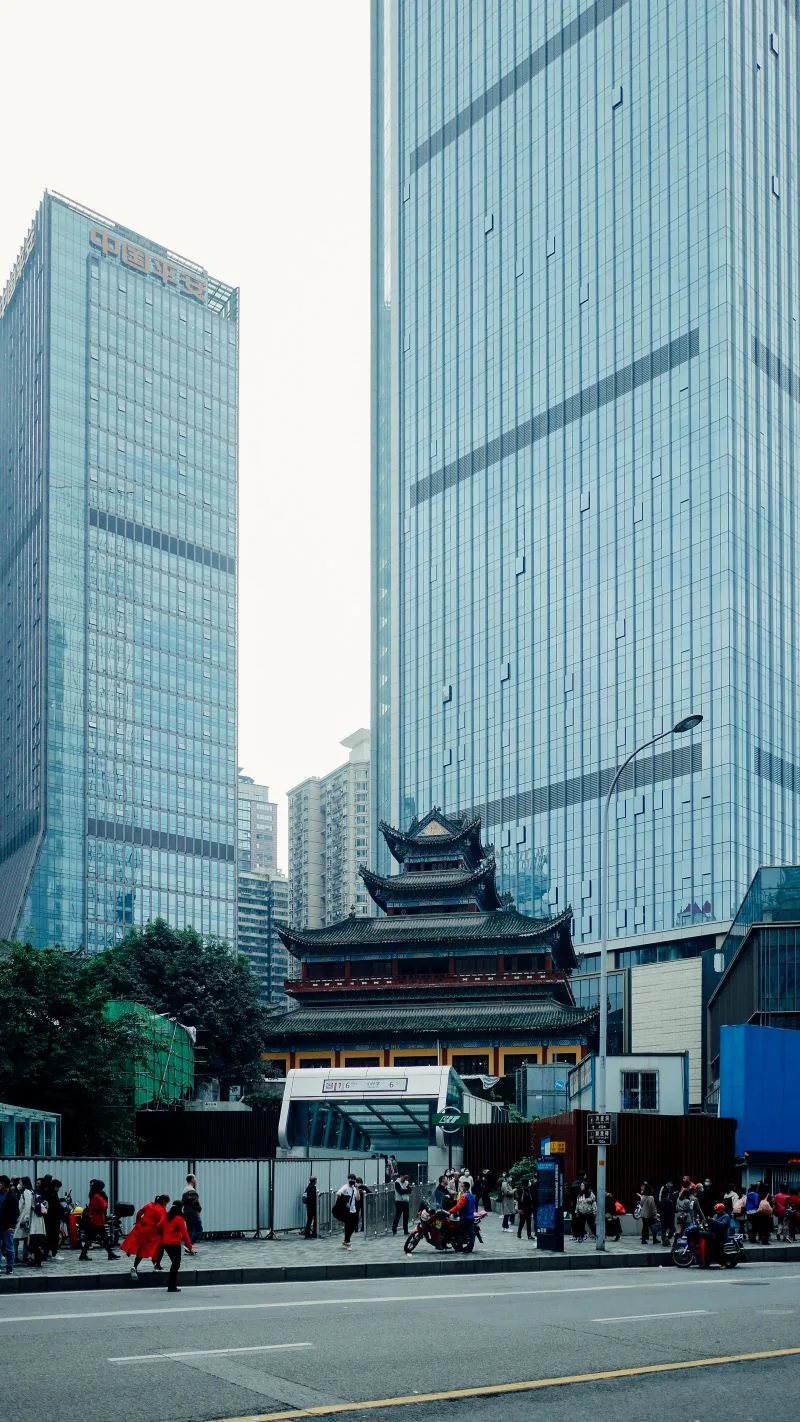
The Chongqing Grand Theater is a prominent performing arts venue located in Chongqing, China. It is a stunning architectural masterpiece and a cultural hub for music, dance, theater, and other performing arts.
Wandering through the Chongqing Grand Theater offers visitors a captivating experience of artistic excellence and architectural beauty. The theater’s design showcases a harmonious blend of traditional Chinese elements with modern aesthetics, creating a visually striking structure.
Inside the theater, visitors can immerse themselves in a world of artistic performances. The venue hosts a wide array of shows, including classical music concerts, ballet performances, opera, theater productions, and more.
The theater’s acoustics and state-of-the-art facilities ensure that every performance is a treat for the senses, delivering an unforgettable experience to the audience.
The Chongqing Grand Theater is not only a place to witness captivating performances but also an architectural landmark worth exploring.
Its elegant interior spaces, grand hallways, and impressive design details make it a visual delight. Visitors can take leisurely strolls through the theater, appreciating the blend of artistic expression and architectural finesse.
Additionally, the theater often hosts art exhibitions and cultural events, further enriching the experience for visitors. These events provide an opportunity to engage with various forms of artistic expression beyond the stage, creating a vibrant and dynamic atmosphere within the theater.
14. Take a stroll along Nanbin Road: Enjoy a leisurely walk along the Yangtze River, lined with restaurants, cafes, and shops


Taking a stroll along Nanbin Road offers visitors a delightful experience along the picturesque waterfront of Chongqing, China. Nanbin Road is a scenic promenade that stretches alongside the Yangtze River, offering breathtaking views and a vibrant atmosphere.
As you walk along Nanbin Road, you’ll be treated to stunning vistas of the river, the soaring skyscrapers of the city, and the iconic Yangtze River Bridge.
The road is lined with beautifully landscaped gardens, parks, and recreational areas, providing plenty of opportunities to relax and enjoy the scenery.
The vibrant atmosphere of Nanbin Road is enhanced by its bustling street life. The area is home to numerous restaurants, cafes, and shops, where you can indulge in local delicacies, sip a cup of tea, or shop for souvenirs. The aroma of delicious street food fills the air, tempting you to try some of the region’s culinary delights.
Nanbin Road is not just a place to enjoy the views and savor the flavors of Chongqing but also offers cultural experiences. Along the promenade, you may come across street performers, artists, and musicians showcasing their talents, adding to the lively ambiance.
The charm of Nanbin Road extends into the evening when the lights of the city illuminate the surroundings, creating a magical atmosphere. Walking along the riverfront at night allows you to witness the cityscape in all its glory, with colorful reflections dancing on the water’s surface.
15. Visit the Wulong Karst National Geology Park: Explore the unique karst landscape, known for its towering cliffs, natural bridges, and caves

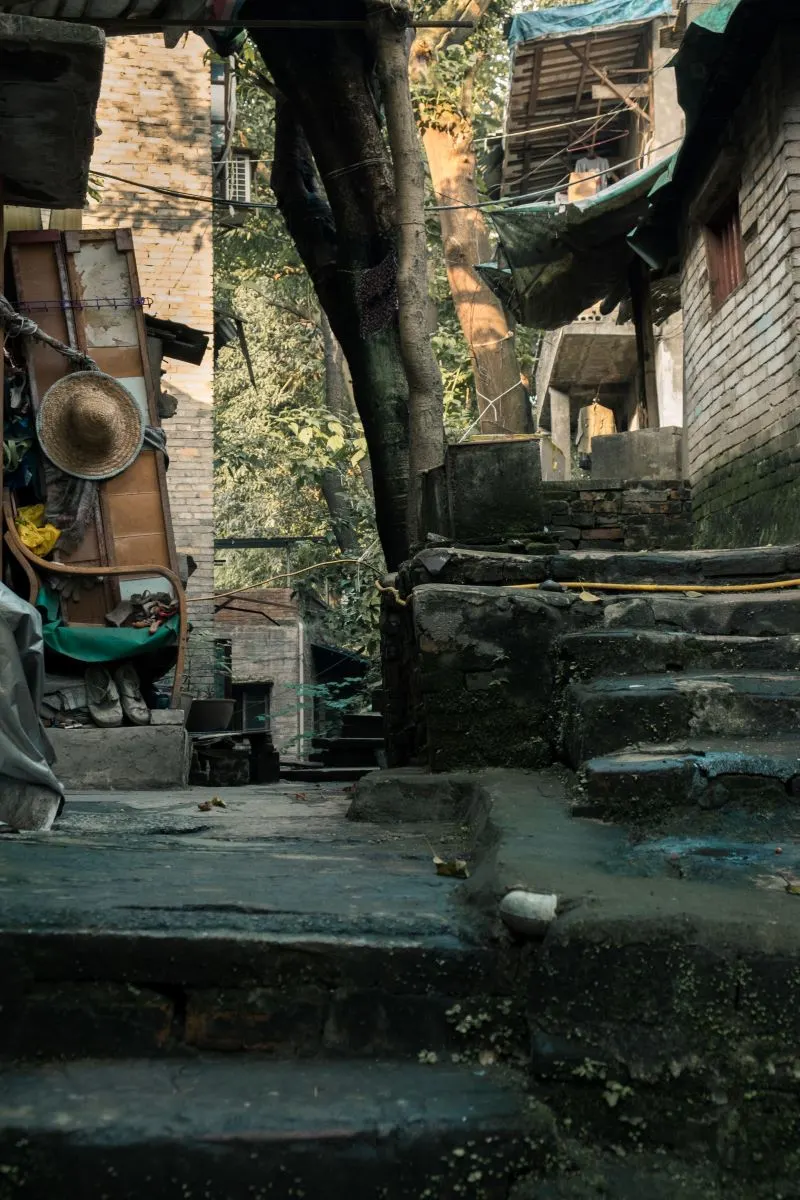
Visiting the Wulong Karst National Geology Park is an awe-inspiring experience that takes you on a journey through a remarkable natural wonderland. Located in Chongqing, China, the park is renowned for its breathtaking karst landscape, which is characterized by unique rock formations, deep gorges, sinkholes, and underground rivers.
Upon entering the Wulong Karst National Geology Park, you’ll be greeted by a mesmerizing scenery that showcases the power of nature’s sculpting over millions of years. The park is home to several iconic attractions, including the Three Natural Bridges, Furong Cave, and the Fairy Mountain.
The Three Natural Bridges are a trio of massive natural arches spanning the Furong River. These limestone formations are a testament to the forces of erosion and showcase the intricate beauty of nature’s craftsmanship. Visitors can walk across the bridges, appreciating the breathtaking views and the dramatic cliffs that surround them.
Furong Cave is another highlight of the park, offering a fascinating underground adventure. As you explore its vast chambers, you’ll be mesmerized by the intricate stalactite and stalagmite formations that decorate the caverns. The cave is also known for its unique karst features, including underground waterfalls and a subterranean river.
The Fairy Mountain, with its towering peaks and lush greenery, provides an opportunity for hiking and enjoying panoramic views of the surrounding karst landscape.
The trails wind through dense forests, ancient trees, and picturesque valleys, allowing visitors to immerse themselves in the natural beauty of the area.
Beyond these main attractions, the Wulong Karst National Geology Park is a haven for nature lovers and outdoor enthusiasts. The park offers opportunities for activities such as boating, river rafting, and exploring hidden caves, ensuring an adventurous and memorable visit.
16. Discover the Zhazidong Cave: Learn about the history of the Communist Party of China at this former hideout and museum

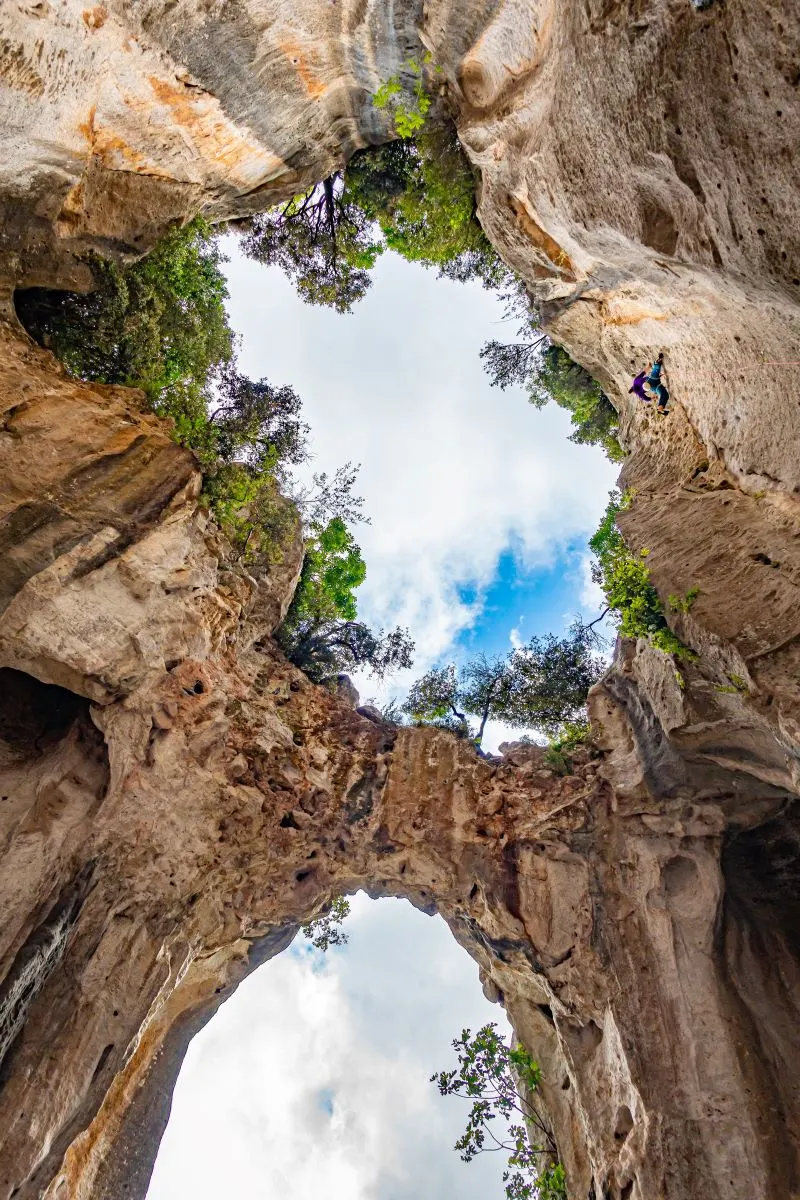
Situated in Yan’an, China, this location was once a secret hideout for CPC members during the Chinese Civil War. It played a significant role in the party’s development and served as a base for their operations.
The Zhazidong Cave provides visitors with a unique opportunity to delve into the history of the CPC and learn about the struggles, sacrifices, and triumphs of the revolutionaries who fought for the establishment of the People’s Republic of China.
The cave complex, once a secret refuge, has been transformed into a museum that showcases artifacts, exhibits, and multimedia presentations.
As you explore the Zhazidong Cave, you can discover the living conditions of the revolutionaries, understand the challenges they faced, and gain insights into their ideology and vision for a new China.
The museum displays historical documents, photographs, personal belongings, and even recreations of key moments in CPC history.
Visitors can also learn about the significant figures of the CPC, such as Mao Zedong, Zhou Enlai, and other prominent leaders who strategized and planned the revolution from this very site.
The museum offers a comprehensive overview of the party’s early days, its guerrilla warfare tactics, and its ultimate success in transforming China’s political landscape.
17. Explore the Stilwell Museum in Chongqing: Visit the former residence of General Stilwell and learn about his contributions during World War II


Explore the Stilwell Museum in Chongqing, China, and embark on a journey through the life and achievements of General Joseph W. Stilwell.
Located in the former residence of the general, this museum offers a fascinating glimpse into his role during World War II and his contributions to the Allied effort in China.
The Stilwell Museum serves as a tribute to General Stilwell, an influential figure known for his military leadership and close association with China. As you explore the museum, you will encounter a wide range of exhibits and displays that chronicle Stilwell’s life, his interactions with Chinese leaders, and the challenging conditions he faced.
The museum showcases a collection of artifacts, photographs, documents, and personal belongings that shed light on Stilwell’s experiences and the historical context of his time in China.
Visitors can gain insights into his strategic thinking, his efforts to strengthen the Chinese military, and his pivotal role in the China-Burma-India Theater of Operations.
Additionally, the Stilwell Museum provides visitors with an opportunity to understand the relationship between General Stilwell and Chinese leader Chiang Kai-shek, as well as the dynamics between the Allied forces and the Chinese during the war. The museum also explores Stilwell’s efforts to improve the living conditions and welfare of the Chinese people in the region.
Through its exhibits and informative displays, the Stilwell Museum offers a comprehensive overview of General Joseph W. Stilwell’s life, his military career, and his lasting impact on the Allied victory in World War II.
It provides visitors with a deeper appreciation for his contributions and the historical significance of the China-Burma-India Theater.
18. Enjoy Chongqing’s Nightlife: Experience the vibrant nightlife scene, with various bars, clubs, and live music venues to choose from

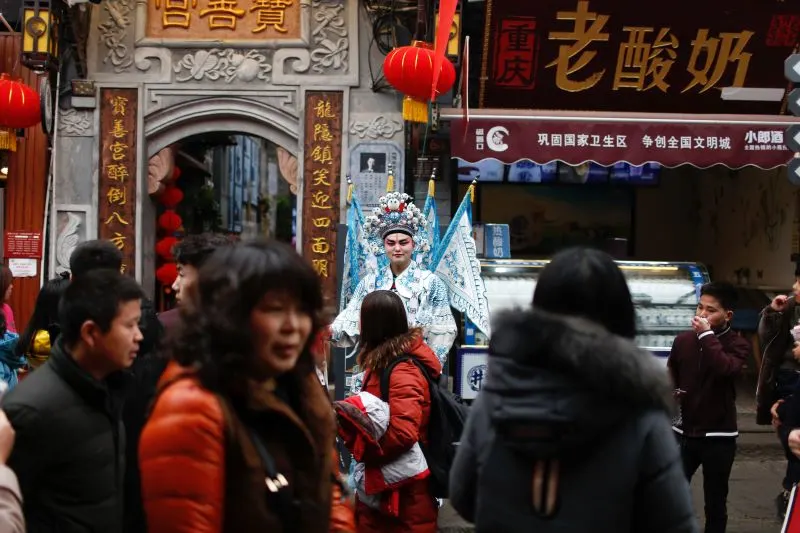
Enjoy Chongqing’s nightlife offers a vibrant and diverse experience in one of China’s largest cities. Known for its lively atmosphere, Chongqing boasts a range of entertainment options that cater to different tastes and preferences.
The city is famous for its delicious street food, and the night markets come alive with bustling crowds and enticing aromas. Visitors can indulge in local delicacies while exploring the vibrant streets filled with food stalls and small restaurants.
For those seeking a more upscale experience, Chongqing is home to a variety of trendy bars, clubs, and lounges. The Jiefangbei area, in particular, is known for its lively nightlife scene, with numerous establishments offering live music, DJs, and a vibrant atmosphere. Here, you can enjoy a night of dancing, socializing, and experiencing the city’s energetic vibe.
Chongqing is also famous for its traditional opera, especially the Sichuan Opera, which showcases impressive performances of singing, dancing, and acrobatics. The theaters in the city host nightly shows, providing an opportunity to witness the rich cultural heritage of the region.
For a more relaxed evening, visitors can take a leisurely cruise along the Yangtze River, enjoying breathtaking views of the city skyline illuminated by colorful lights. These river cruises often offer dinner options and live entertainment, creating a romantic and memorable experience.
19. Visit Arhat Temple: Explore this ancient Buddhist temple, known for its impressive collection of over 500 life-size arhat statues


The Arhat Temple, also known as the Luohan Si, is a prominent Buddhist temple located in Chongqing, China. It is considered one of the must-visit cultural and religious sites in the city.
The temple’s history dates back to the Ming Dynasty, making it over 500 years old. It was originally built to honor the 500 Arhats, who are revered figures in Buddhism known for their enlightenment and spiritual attainment.
The temple complex consists of several halls and pavilions, each displaying beautiful architecture, intricate carvings, and vibrant Buddhist artwork.
Upon entering the Arhat Temple, visitors are greeted by a serene and tranquil atmosphere. The peaceful ambiance, coupled with the scent of incense, creates a soothing environment for meditation and contemplation.
Inside the main hall, visitors can admire the statues of the Arhats, each with unique expressions and poses that reflect their individual personalities and spiritual achievements.
The temple’s courtyards and gardens are meticulously landscaped, offering scenic spots for relaxation and reflection. The surrounding natural beauty further enhances the spiritual experience of the temple visit.
Additionally, visitors can witness monks engaging in prayer and rituals, providing a glimpse into the daily life of Buddhist practitioners.
The Arhat Temple is not only a place of worship but also serves as a cultural and educational center. It hosts various Buddhist ceremonies, lectures, and cultural events throughout the year, providing opportunities for visitors to learn about Buddhism and Chinese traditional culture.
20. Take a scenic hike in Jinyun Mountain National Nature Reserve: Enjoy nature trails, waterfalls, and panoramic views of the surrounding mountains

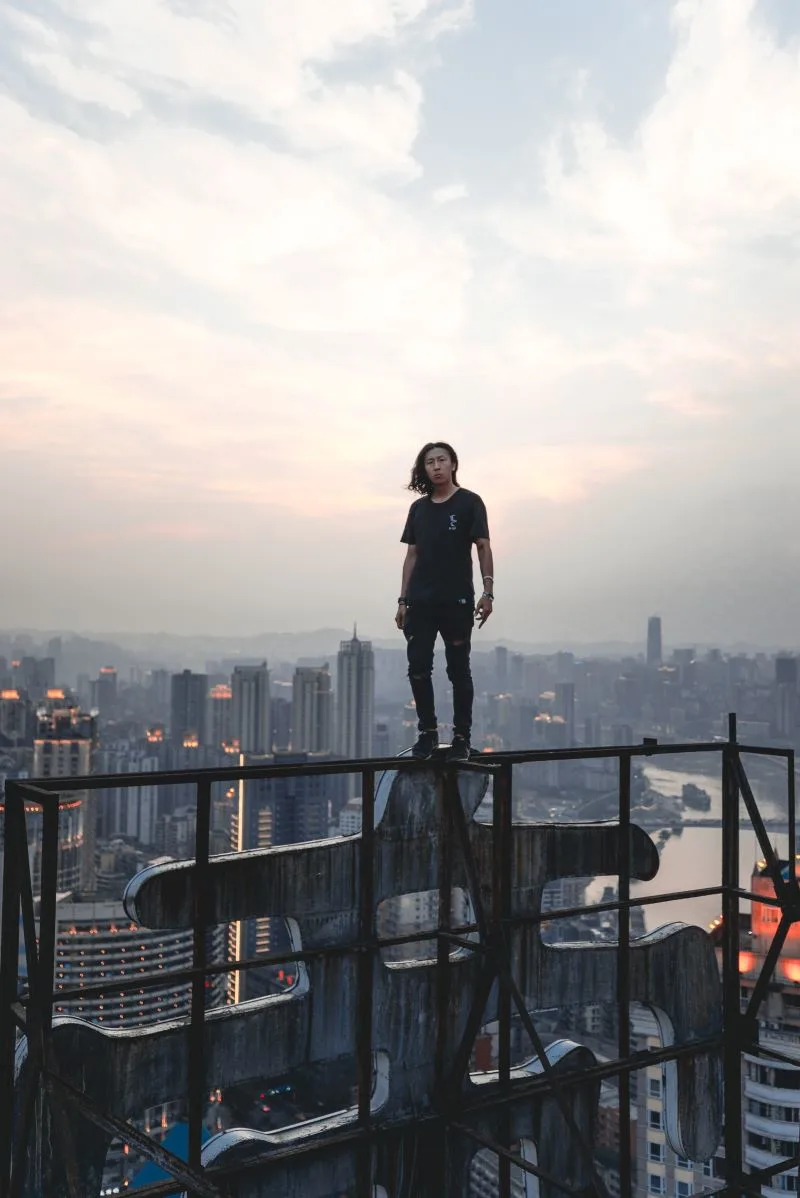
Jinyun Mountain National Nature Reserve offers a picturesque setting for a scenic hike. Located in [insert location], this nature reserve provides an excellent opportunity to immerse yourself in the beauty of nature. The reserve features well-maintained nature trails that wind through lush forests, meadows, and mountainous terrain.
During your hike, you’ll encounter numerous captivating sights, including cascading waterfalls that add a soothing ambiance to the surroundings.
The sound of rushing water and the sight of glistening streams create a tranquil atmosphere, perfect for relaxation and rejuvenation.
One of the highlights of the hike is the panoramic views of the surrounding mountains. As you ascend higher along the trails, you’ll be rewarded with breathtaking vistas that stretch across the landscape. These sweeping views allow you to appreciate the grandeur of nature and capture memorable photographs.
Throughout the hike, you can also expect to encounter diverse flora and fauna, adding to the richness of the experience. The nature reserve is home to a variety of plant species, and if you’re lucky, you may even spot some native wildlife along the way.
21. Explore the Chongqing Science and Technology Museum: Engage in interactive exhibits and learn about science and technology advancements

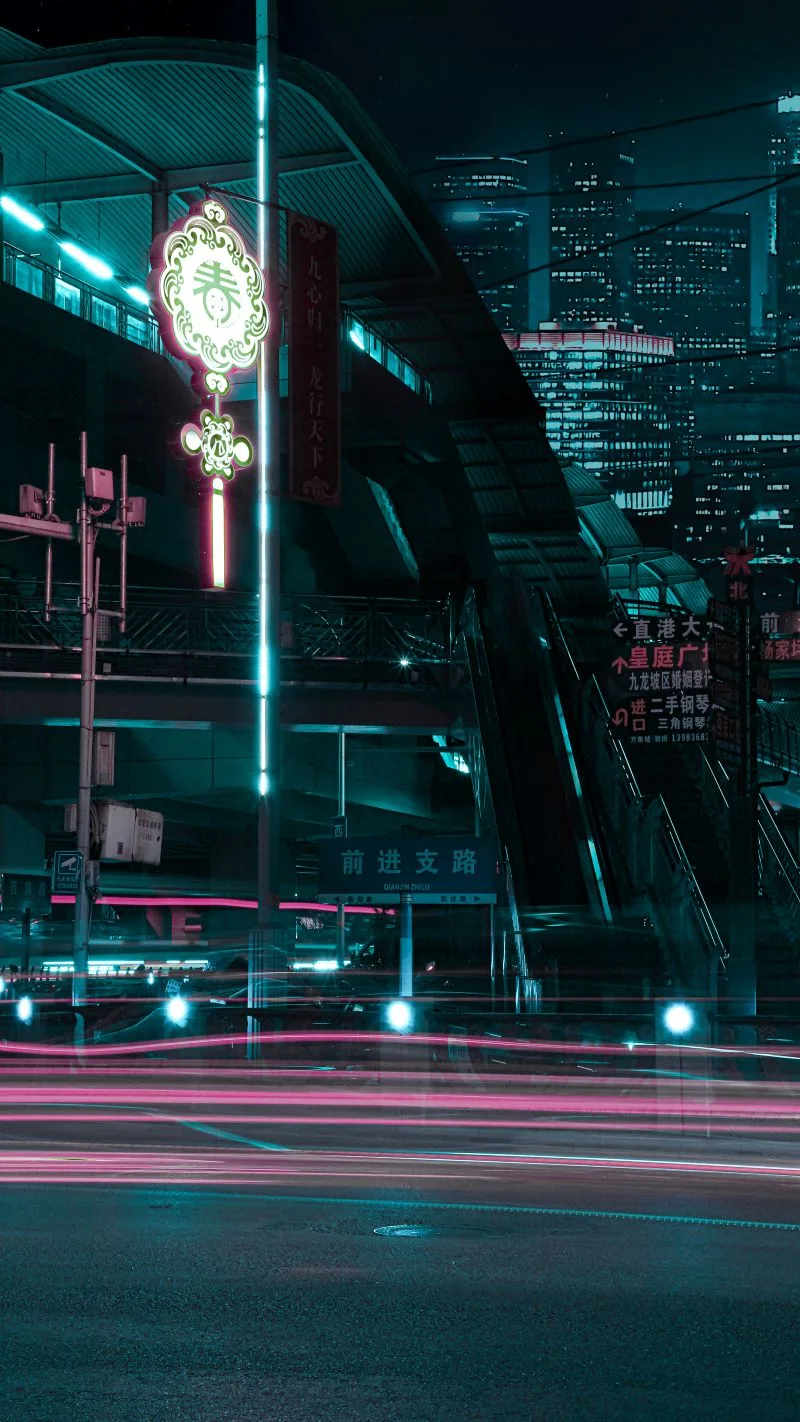
The Chongqing Science and Technology Museum is an engaging and educational destination for visitors of all ages. Located in [insert location], this museum offers a captivating exploration of science, technology, and innovation.
Upon entering the museum, you’ll find yourself immersed in a world of interactive exhibits and hands-on displays. The museum showcases a wide range of scientific disciplines, including physics, biology, astronomy, robotics, and more.
Through engaging and interactive displays, visitors have the opportunity to learn about complex scientific concepts in a fun and accessible way.
The museum houses a variety of galleries and exhibition halls, each dedicated to a specific field of science or technology. You can explore exhibitions that delve into the wonders of the universe, the intricacies of human anatomy, the marvels of engineering, and the latest advancements in cutting-edge technologies.
These exhibits are designed to stimulate curiosity, encourage exploration, and foster a deeper understanding of the world around us.
One of the highlights of the museum is the interactive workshops and demonstrations that take place regularly. Visitors can participate in science experiments, observe live demonstrations, and even engage with experts in various fields. These hands-on activities provide an opportunity to actively engage with scientific principles and enhance the learning experience.
The Chongqing Science and Technology Museum also offers educational programs and special events, catering to students, families, and science enthusiasts alike.
From science camps and workshops to lectures and science-themed festivals, there is always something new and exciting happening at the museum.
22. Discover the Chongqing Olympic Sports Center: Attend a sports event or simply explore the modern sports facilities and park surrounding the center

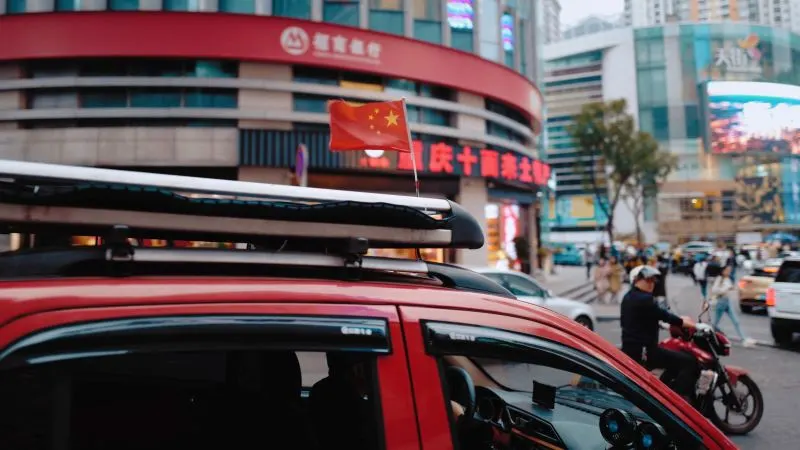
Discover the Chongqing Olympic Sports Center is a state-of-the-art sports complex located in Chongqing, China. It offers a range of modern sports facilities and a surrounding park, making it an ideal destination for both sports enthusiasts and those seeking a recreational outing.
The centerpiece of the complex is the Olympic Sports Center Stadium, a magnificent arena with a seating capacity of over 58,000 people.
It is designed to host various sporting events, including football (soccer) matches, athletics competitions, and concerts. Attending a sports event here allows you to experience the electrifying atmosphere and cheer for your favorite teams or athletes.
Apart from the stadium, the sports center encompasses additional facilities for different sports disciplines. These may include indoor arenas for basketball, volleyball, badminton, and tennis, as well as outdoor fields for football and athletics.
The facilities are equipped with top-notch amenities, ensuring a high-quality experience for both participants and spectators.
Beyond the sporting venues, the Chongqing Olympic Sports Center boasts a beautiful park surrounding the complex. This park provides a serene and scenic environment, perfect for leisurely strolls, picnics, or enjoying outdoor activities. You can explore the park’s green spaces, gardens, and pathways, offering a tranquil escape from the bustling city.
23. Visit the St. Joseph’s Cathedral: Admire the beautiful architecture of this Catholic cathedral, a historical landmark in Chongqing

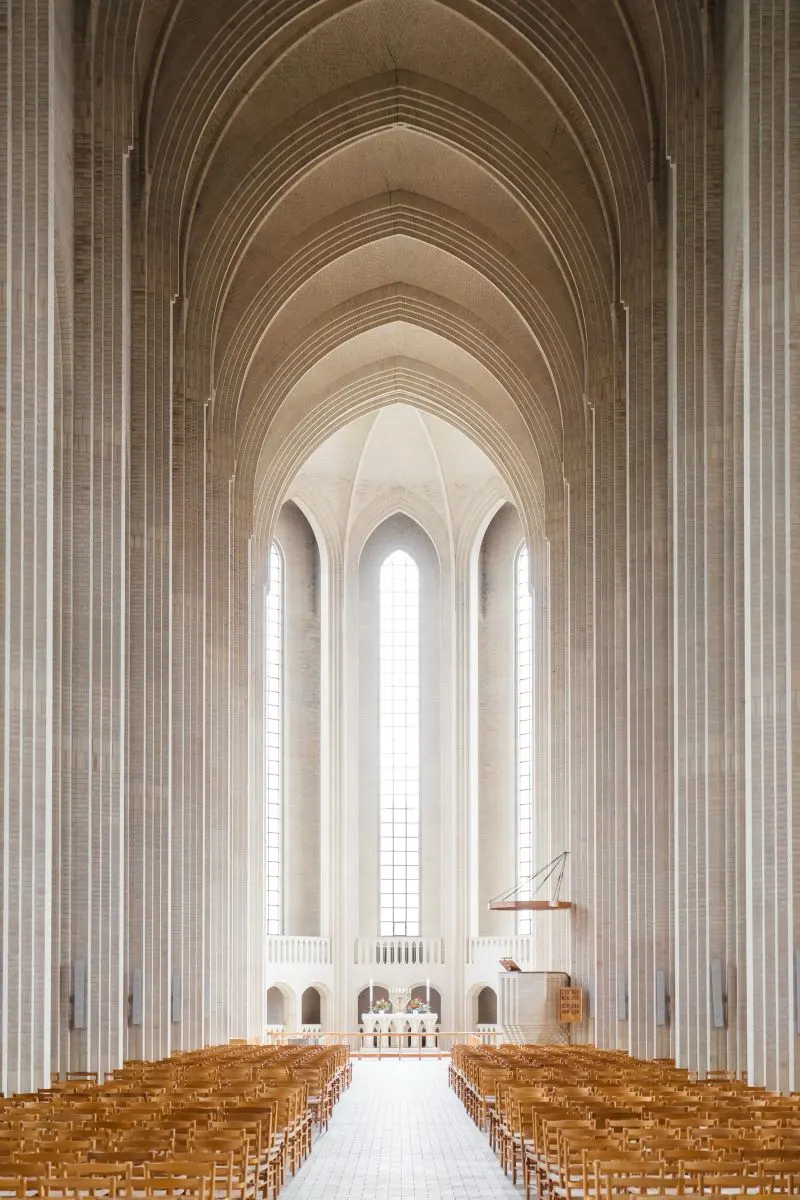
Visiting St. Joseph’s Cathedral in Chongqing is an opportunity to appreciate the exquisite architecture of this Catholic cathedral, which holds significant historical importance in the city.
St. Joseph’s Cathedral, also known as the Chongqing Catholic Church, is a magnificent structure that showcases a blend of Western and Chinese architectural styles.
Its construction dates back to the early 20th century when Catholic missionaries first established a presence in Chongqing. The cathedral’s design reflects a fusion of Gothic and Romanesque influences, characterized by its towering spires, ornate facades, and intricate detailing.
As you approach the cathedral, you’ll be captivated by its grandeur and beauty. The exterior features intricate carvings, stained glass windows, and arched doorways, all contributing to its timeless charm. The stunning facade is often adorned with delicate decorations, highlighting the craftsmanship of the era.
Stepping inside St. Joseph’s Cathedral, you’ll be immersed in an atmosphere of tranquility and reverence. The interior boasts a spacious nave, adorned with high ceilings, elegant columns, and more stained glass windows, casting colorful hues of light onto the interior surfaces.
The cathedral’s serene ambiance makes it an ideal place for reflection and contemplation, regardless of your religious affiliation.
Beyond its architectural splendor, St. Joseph’s Cathedral holds historical significance for Chongqing. It serves as a reminder of the city’s past and the influence of Catholic missionaries in the region.
The cathedral has witnessed the passage of time and various historical events, making it a living testament to Chongqing’s cultural heritage.
24. Explore the Chongqing Planning Exhibition Gallery: Learn about the urban development and future plans for Chongqing through interactive exhibits

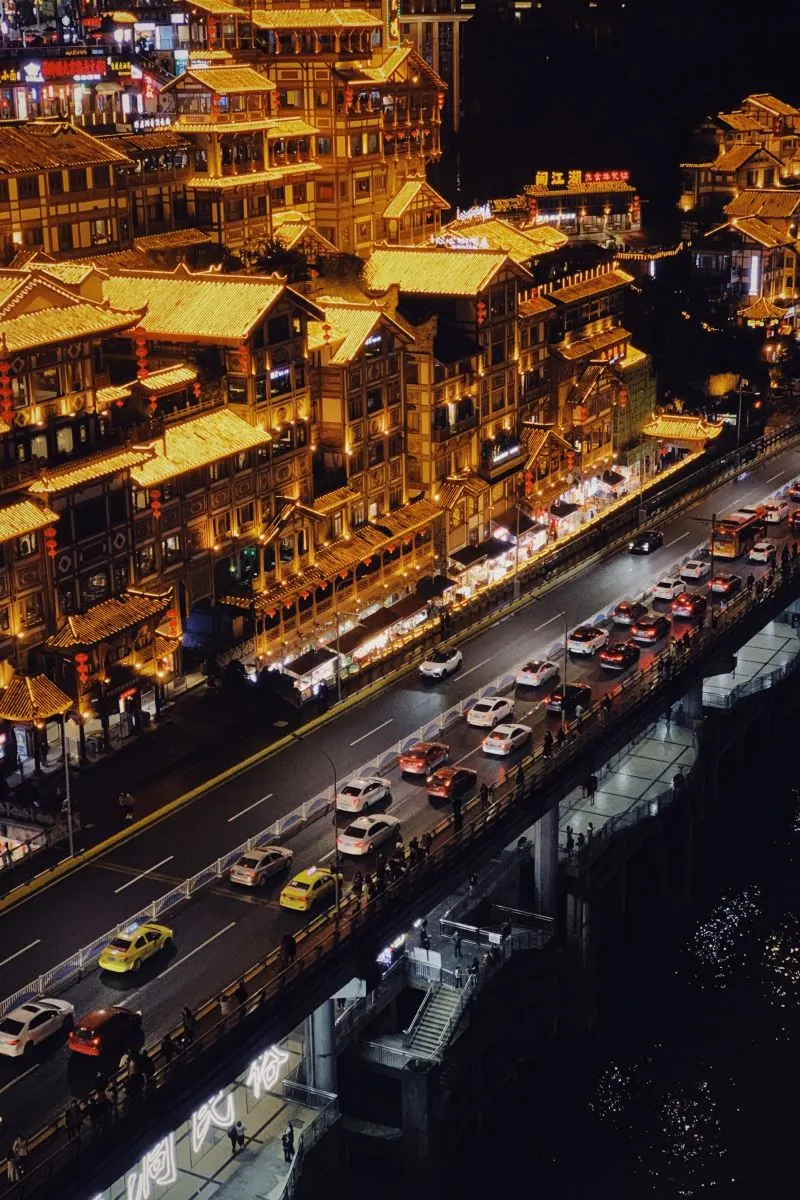
The Chongqing Planning Exhibition Gallery is a prominent cultural and educational institution located in Chongqing, China. It serves as a comprehensive museum dedicated to showcasing the city’s urban development, planning strategies, and architectural achievements.
The exhibition gallery offers visitors a comprehensive overview of Chongqing’s past, present, and future through various multimedia presentations, interactive displays, models, photographs, and informative exhibits. It aims to provide insights into the city’s rapid growth, urban planning initiatives, and transformation into a modern metropolis.
Visitors can explore the gallery’s diverse sections, which often include historical displays highlighting Chongqing’s rich heritage, urban planning concepts, infrastructure projects, environmental sustainability efforts, and future development plans.
The exhibits may cover topics such as transportation systems, residential areas, industrial zones, commercial districts, public spaces, and cultural landmarks.
Through detailed scale models, intricate architectural designs, and visual presentations, the gallery offers an immersive experience that allows visitors to understand the city’s urban development process and its future vision.
It serves as a platform to promote public awareness, appreciation, and engagement in the ongoing urban planning efforts of Chongqing.
25. Experience Chongqing’s Tea Culture: Visit a tea house and savor various traditional Chinese teas while enjoying the tranquil ambiance

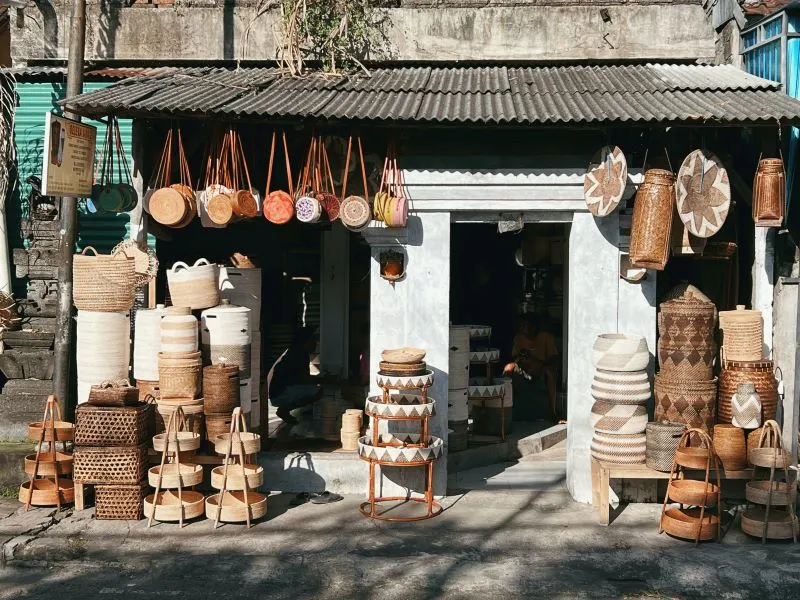
Experience Chongqing’s Tea Culture offers a delightful immersion into the rich and vibrant tea traditions of Chongqing, China. Chongqing, known as the “City of Mountains and Rivers,” has a long-standing tea culture deeply rooted in its history and daily life.
The experience typically takes place in traditional teahouses or tea gardens, where visitors can engage in a range of activities related to tea appreciation and tea ceremonies.
These activities allow participants to not only savor the flavors of Chongqing’s diverse tea varieties but also gain insights into the cultural significance and rituals associated with tea.
During the experience, visitors may have the opportunity to sample a wide array of teas, including renowned local specialties such as Heishancha (Black Mountain Tea), Rongxiang Tea, and Wulong Tea.
Knowledgeable tea experts or tea masters guide participants through the tasting process, explaining the unique characteristics, health benefits, and brewing techniques associated with each tea type.
Tea ceremonies, an integral part of Chongqing’s tea culture, are often performed, showcasing the elegance and mindfulness inherent in the art of tea.
Visitors can observe or actively participate in these ceremonies, learning about the proper etiquette, graceful movements, and symbolic gestures involved.
Additionally, participants may learn about the history of tea in Chongqing, its significance in Chinese society, and its role in fostering social connections and fostering a sense of tranquility.
They can explore the cultural aspects of tea, such as the different tea utensils, traditional tea customs, and the philosophy of tea.
These are just a few of the many attractions and activities you can enjoy in Chongqing. The city offers a rich blend of history, culture, natural beauty, and culinary delights.
Food In Chongqing

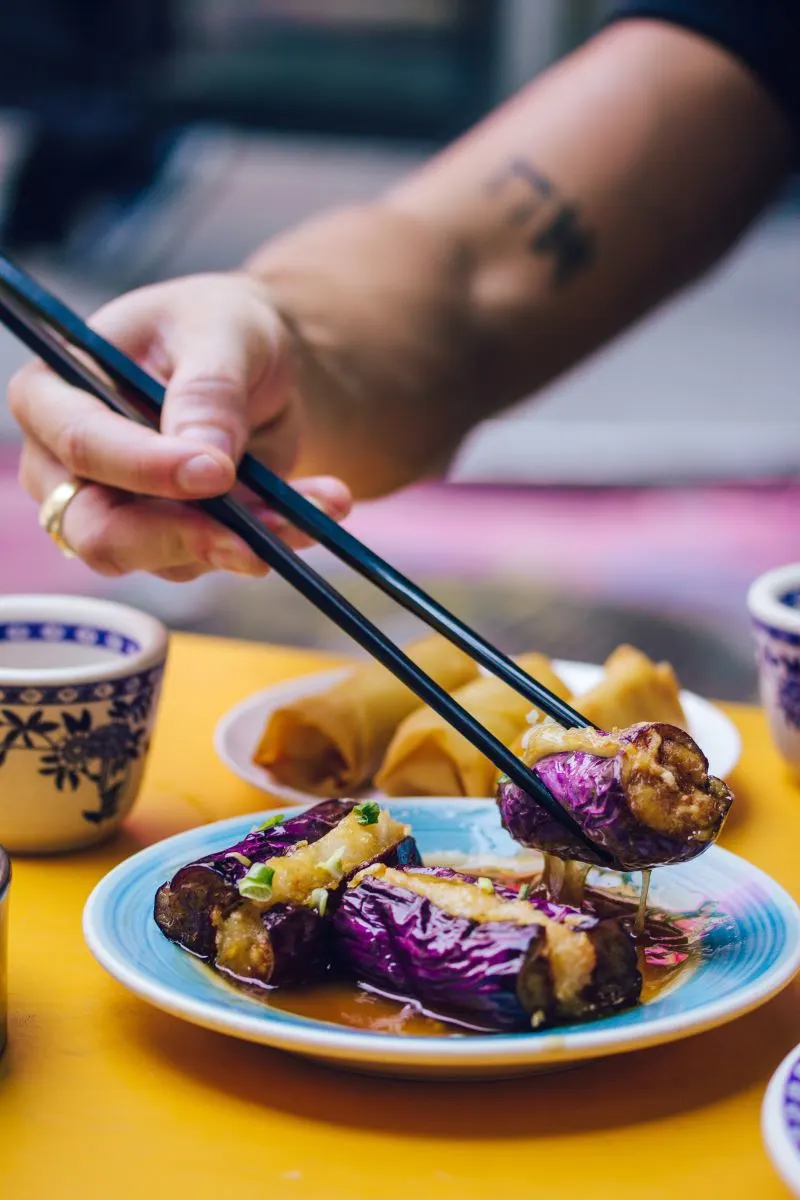
Chongqing, a bustling metropolis in southwestern China, is renowned not only for its stunning landscapes and rich history but also for its distinctive and mouthwatering cuisine.
With a culinary tradition deeply rooted in Sichuan Province, Chongqing’s food scene is an explosion of bold flavors, fiery spices, and an array of unique dishes that will tantalize your taste buds. Let’s embark on a gastronomic journey and discover the culinary delights that await in Chongqing.
- Fiery and Flavorful Hotpot:
No exploration of Chongqing’s food would be complete without indulging in the city’s iconic dish – hotpot. Chongqing hotpot is famous for its fiery nature, characterized by a tongue-tingling combination of Sichuan peppercorns and chili peppers. Dive into a communal pot filled with bubbling spicy broth, and then choose from a vast selection of fresh meats, vegetables, and tofu to cook at your table. It’s an interactive and exhilarating dining experience that showcases the robust and aromatic flavors Chongqing is known for.
- Mala Xiang Guo: A Spicy Stir-Fry Sensation:
For those who crave a fiery kick, Chongqing’s Mala Xiang Guo is a must-try dish. This popular street food consists of a mouthwatering stir-fry of various ingredients, including meats, seafood, vegetables, and Sichuan peppercorns, all cooked in a potent blend of chili oil and spices. The result is a spicy, numbing, and addictive medley of flavors that will leave you craving more.
- Chongqing Noodles: A Bowl of Savory Goodness:
Chongqing’s noodles are a beloved local specialty that shouldn’t be missed. Served in a rich, flavorful broth, these noodles come with various toppings such as minced pork, pickled vegetables, peanuts, and fresh herbs. The noodles are often seasoned with a combination of soy sauce, vinegar, and chili oil, creating a harmonious balance of savory, tangy, and spicy flavors that will warm your soul.
- Xiaomian: A Spicy Delight:
Xiaomian, meaning “little noodles,” is a Chongqing street food classic that packs a punch. These small, chewy noodles are typically stir-fried with a fiery combination of chili peppers, Sichuan peppercorns, and various vegetables and meats. The result is a deliciously spicy and satisfying dish that showcases the bold flavors Chongqing is known for.
- Chongqing Grilled Fish: A Fusion of Spices:
Chongqing Grilled Fish, also known as “Chongqing Fish Fragrant Grilled Fish,” is a dish that combines the freshness of fish with the city’s signature spice blend. A whole fish is grilled to perfection and then smothered in a flavorful sauce made from chili peppers, fermented black beans, garlic, ginger, and other aromatic ingredients. The result is a tantalizing dish that marries the smoky flavors of grilled fish with the numbing and spicy sensation characteristic of Chongqing cuisine.
A journey through the food scene of Chongqing is an adventure for the senses. From the fiery depths of hotpot to the aromatic complexities of Chongqing noodles, the city’s cuisine is a celebration of bold flavors and culinary craftsmanship.
Exploring the vibrant street food, bustling markets, and cozy local eateries will leave you with a deep appreciation for Chongqing’s gastronomic heritage. So, come with an appetite and prepare to be captivated by the unforgettable flavors that await you in Chongqing.
Top 20 Best Restaurants In Chongqing, China

- Dadawa’s Braised Fish (大大娃烧鱼)
- Jinyun Mountain Organic Vegetarian Restaurant (金韵山有机素食)
- Arhat Temple Vegetarian Restaurant (罗汉寺素食)
- Cai Xiang Yuan Hotpot (菜香园火锅)
- Baifujiang Hotpot (百福将火锅)
- Muslim Delicious Food (穆斯林美食)
- Liuyishou Hotpot (刘一手火锅)
- Chongqing Chicken Hotpot (重庆鸡公煲)
- Chengdu Xiaolongkan Hotpot (成都小龙坎火锅)
- Xiaomian Chongqing Noodles (小面重庆小面)
- Madam Xiang’s Hot and Sour Rice Noodles (向老板酸辣粉)
- Xing Fu Li Lao Hotpot (幸福里老火锅)
- Chongqing Lao Zao Hotpot (老灶火锅)
- Spice World Hotpot (香天下火锅)
- Chongqing Liuyishou Hotpot (重庆刘一手火锅)
- Chuan Wei Guan (川味馆)
- Dong Fang Dumplings (东方饺子王)
- Grandma’s Home (外婆家)
- Three Gorges People’s Restaurant (三峡人家)
- Mountain City Xiaochi (山城小吃)
These restaurants offer a mix of Chongqing specialties, Sichuan cuisine, hotpot, vegetarian options, and other local and international flavors.
Remember to explore the specific dishes and ambiance of each restaurant to find the one that suits your preferences and dietary requirements.
Transportation In Chongqing
Transportation in Chongqing, a bustling metropolis in southwestern China, is characterized by a well-developed and efficient network of various transportation modes. The city’s topography, with its hilly terrain and the winding Yangtze and Jialing Rivers, has influenced the transportation infrastructure and modes available to residents and visitors.
- Metro: Chongqing boasts a comprehensive metro system that serves as a popular mode of transportation within the city. The metro network covers a significant portion of the urban area and offers convenient access to key destinations, including commercial centers, tourist attractions, and residential areas. The metro lines are well-connected, providing efficient and reliable transportation for both locals and tourists.
- Buses: Chongqing has an extensive bus network that reaches all corners of the city. Buses are an affordable and widely used mode of transportation, offering a convenient way to navigate Chongqing’s streets. The bus routes cover a wide range of destinations, including downtown areas, suburbs, and scenic spots. The city has both standard buses and electric buses, contributing to efforts towards sustainable transportation.
- Taxis: Taxis are readily available throughout Chongqing, offering a convenient and efficient means of transportation. Taxis are metered, and fares are generally reasonable. It is advisable to carry the destination address in Chinese or have a local map handy to communicate with the driver effectively.
- Ferries and River Cruises: Chongqing’s unique geography, with its proximity to the Yangtze and Jialing Rivers, offers opportunities for water transportation. Ferries operate on the rivers, providing scenic journeys and access to nearby areas. Additionally, river cruises are popular among tourists, allowing them to explore the stunning Three Gorges region and enjoy the picturesque landscapes along the Yangtze River.
- Cable Cars: Due to Chongqing’s hilly terrain, cable cars play a significant role in transportation, especially in mountainous areas such as Nanshan and Yangtze River Cableway. These cable cars offer breathtaking views of the cityscape and provide an alternative mode of transport to reach elevated destinations.
- Private Vehicles: Private vehicles, including cars and motorcycles, are commonly used for transportation in Chongqing. However, traffic congestion can be an issue during peak hours, especially in downtown areas. It is important to note that driving regulations and licensing requirements may differ for foreigners, so it is advisable to familiarize yourself with the local traffic rules before considering driving in Chongqing.
- Shared Bicycles: Like many other cities in China, Chongqing offers shared bicycle services, which provide a convenient and eco-friendly way to get around the city. Users can locate and unlock bicycles using smartphone apps and pay for the duration of usage.
Chongqing, China’s “Mountain City,” is a captivating metropolis that combines history, culture, natural beauty, and culinary delights. Nestled at the confluence of the Yangtze and Jialing Rivers, this sprawling city boasts a rich heritage dating back thousands of years.
With its stunning landscapes, vibrant cityscape, and a population of over 30 million people, Chongqing is a dynamic and bustling hub of activity.
From exploring ancient relics and historic sites to indulging in spicy Sichuan cuisine, Chongqing offers a diverse range of experiences.
Visitors can immerse themselves in the city’s fascinating history by visiting sites like the Dazu Rock Carvings, a UNESCO World Heritage Site showcasing intricate stone carvings, or by exploring the General Joseph W. Stilwell Museum, which pays homage to the city’s role in World War II.
Chongqing’s unique topography, characterized by mountains and rivers, provides stunning natural landscapes that can be admired from viewpoints like Eling Park or during a relaxing river cruise along the Yangtze River.
For a taste of the city’s renowned cuisine, visitors can savor the fiery flavors of Chongqing hotpot, Mala Xiang Guo, or other local delicacies.
The city’s rapid development and modernization have resulted in a vibrant urban scene, with bustling shopping districts, impressive skyscrapers, and an exciting nightlife.
Yet, amidst the hustle and bustle, Chongqing has managed to preserve its traditional charm, particularly in historic areas like Ciqikou, where visitors can explore ancient streets and experience the local culture.
Chongqing’s strategic location as a gateway to the western regions of China has positioned it as a major transportation and logistics hub, driving its economic growth and making it an attractive destination for businesses and entrepreneurs.
In conclusion, Chongqing offers a captivating blend of history, natural beauty, vibrant city life, and mouthwatering cuisine.
Whether you’re a history enthusiast, nature lover, or foodie, Chongqing’s rich tapestry of experiences is sure to leave you with lasting memories and a deep appreciation for this remarkable city in southwestern China.
Leave a comment