Welcome to Changsha, the vibrant capital city of Hunan Province, located in the heart of central China. Changsha is a city steeped in history, culture, and culinary delights, offering visitors a rich tapestry of experiences to explore and enjoy.
Introduction to History: With a history spanning over 3,000 years, Changsha is one of China’s oldest cities, boasting a wealth of historical landmarks and cultural heritage. From ancient relics and archaeological sites to modern-day marvels, Changsha’s storied past is evident at every turn.
Cultural Riches: Changsha is a melting pot of cultures, influenced by its strategic location along the Xiang River and its position as a key hub of trade, commerce, and innovation. The city is renowned for its vibrant arts scene, bustling markets, and colorful festivals, offering a glimpse into the diverse tapestry of Chinese culture.
Culinary Capital: As the birthplace of Hunan cuisine, one of China’s eight great culinary traditions, Changsha is a paradise for food enthusiasts. From spicy hot pots and savory stir-fries to delicate dim sum and sweet desserts, Changsha’s culinary scene is a feast for the senses, tantalizing taste buds with its bold flavors and aromatic spices.
Modern Marvels: While steeped in history and tradition, Changsha is also a city of innovation and progress, with towering skyscrapers, state-of-the-art infrastructure, and a dynamic economy driving its growth and development. Changsha’s modern skyline is a testament to its status as a leading center of commerce, industry, and technology in central China.
Natural Beauty: Surrounded by lush greenery, scenic mountains, and the tranquil waters of the Xiang River, Changsha is a city blessed with natural beauty. Parks, gardens, and recreational areas offer residents and visitors alike a peaceful retreat from the hustle and bustle of urban life, providing opportunities for relaxation, outdoor activities, and communing with nature.
In conclusion, Changsha is a city of contrasts, where ancient traditions coexist with modernity, and where the past meets the future. Whether you’re exploring historical landmarks, savoring culinary delights, or simply soaking in the beauty of nature, Changsha offers a captivating blend of experiences that will leave a lasting impression on all who visit. Welcome to Changsha, where history, culture, and innovation converge to create an unforgettable journey through the heart of China.
1. Yuelu Mountain
Yuelu Mountain, located in Changsha, Hunan Province, China, is a famous scenic spot known for its natural beauty, historical significance, and cultural heritage.
It is part of the Yuelu Academy, one of the oldest higher learning institutions in China, dating back to the Song Dynasty. The mountain features lush forests, serene landscapes, and a variety of flora and fauna.
Key attractions include the Aiwan Pavilion, Lushan Temple, and Yunlu Palace, offering visitors both natural and cultural experiences. The area is popular for hiking, sightseeing, and experiencing traditional Chinese architecture and history.
2. Orange Isle (Juzi Island)
Orange Isle (Juzi Island) is a scenic island located in the Xiang River in Changsha, Hunan Province, China.
Known for its picturesque landscapes and cultural significance, the island stretches about 5 kilometers long and offers a blend of natural beauty and recreational facilities.
A prominent feature of the island is the giant statue of Mao Zedong’s young face, reflecting its historical importance. Visitors can enjoy lush gardens, walking paths, and vibrant orange groves, particularly famous for their oranges in autumn.
The island is a popular destination for sightseeing, leisurely walks, and experiencing local culture and history.
3. Mawangdui Han Tombs
The Mawangdui Han Tombs, located in Changsha, Hunan Province, China, are a significant archaeological site dating back to the Western Han Dynasty (206 BCE – 9 CE).
Discovered in the early 1970s, the tombs are renowned for their well-preserved artifacts and mummies, particularly the exceptionally well-preserved body of Lady Dai (Xin Zhui). The site consists of three tombs, believed to be those of Li Cang, the Marquis of Dai, his wife Xin Zhui, and their son.
The tombs contained a wealth of items, including silk manuscripts, lacquerware, jade, and everyday objects, providing valuable insights into Han Dynasty life, culture, and burial practices.
The discoveries have greatly contributed to the understanding of ancient Chinese history and civilization.
4. Hunan Provincial Museum
The Hunan Provincial Museum, located in Changsha, Hunan Province, China, is the largest and most important museum in Hunan.
Established in 1956, the museum is renowned for its extensive collection of cultural and historical artifacts, with a particular emphasis on items from the region.
One of the museum’s most notable exhibits is the collection from the Mawangdui Han Tombs, including the remarkably well-preserved mummy of Lady Dai (Xin Zhui), silk manuscripts, and various artifacts from the Western Han Dynasty.
The museum also features exhibits on Hunanese history, art, and culture, showcasing items such as pottery, bronze ware, and calligraphy.
Through its diverse and rich collections, the Hunan Provincial Museum offers valuable insights into the history and heritage of Hunan and ancient China.
5. Taiping Street
Taiping Street, located in the heart of Changsha, Hunan Province, China, is a historic and cultural street known for its well-preserved ancient architecture and vibrant atmosphere.
The street, dating back over a thousand years, features traditional buildings, narrow alleys, and stone-paved pathways, reflecting the architectural styles of the Ming and Qing Dynasties.
Today, Taiping Street is a popular destination for both locals and tourists, offering a variety of shops, restaurants, and teahouses. Visitors can enjoy traditional Hunanese cuisine, purchase local crafts, and experience the rich cultural heritage of Changsha.
The street’s historical charm combined with its lively modern-day commerce makes it a unique and attractive location in the city.
6. Huangxing Road Walking Street
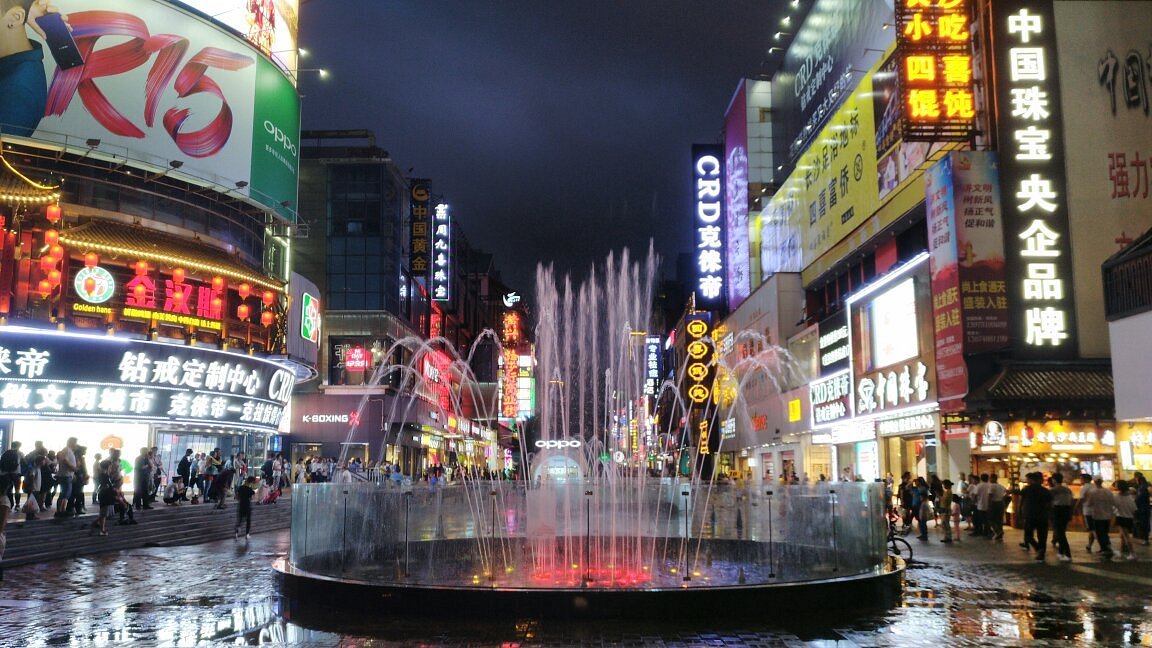
Huangxing Road Walking Street, situated in the center of Changsha, Hunan Province, China, is a bustling pedestrian street known for its vibrant commercial activity and lively atmosphere.
Named after the revolutionary leader Huang Xing, the street stretches for about 1.5 kilometers and is lined with a variety of shops, boutiques, restaurants, and entertainment venues.
It is a popular destination for shopping, dining, and leisure, attracting both locals and tourists.
The street features a mix of modern and traditional architecture, offering everything from international brands to local specialties. Street performances and events add to the dynamic ambiance, making Huangxing Road Walking Street a key attraction in Changsha for experiencing the city’s urban culture and lifestyle.
7. Huogongdian Snacks
Huogongdian Snacks, located in Changsha, Hunan Province, China, is a renowned spot for experiencing traditional Hunanese cuisine.
The name “Huogongdian” translates to “Fire Palace,” and the establishment is famous for its variety of local snacks and dishes that showcase the bold and spicy flavors characteristic of Hunan cuisine.
Popular offerings include stinky tofu, spicy noodles, rice noodles, dumplings, and a range of other street food items.
The venue is a favorite among both locals and tourists for its authentic taste and vibrant atmosphere, providing a delightful culinary experience that reflects the rich food culture of Changsha.
8. Xiangjiang Scenic Belt
The Xiangjiang Scenic Belt, located along the banks of the Xiang River in Changsha, Hunan Province, China, is a picturesque area known for its beautiful landscapes and recreational spaces.
The scenic belt stretches for several kilometers, offering lush greenery, well-maintained parks, walking paths, and leisure facilities.
It provides stunning views of the river and the surrounding cityscape, making it a popular spot for walking, jogging, cycling, and relaxing. The area also features various cultural and historical landmarks, enhancing its appeal.
The Xiangjiang Scenic Belt is a cherished urban oasis where residents and visitors can enjoy nature, outdoor activities, and the scenic beauty of Changsha.
9. Changsha Window of the World
Changsha Window of the World is a large theme park located in Changsha, Hunan Province, China.
It is part of a chain of “Window of the World” parks across China, designed to offer visitors a glimpse of famous global landmarks and cultures. The park features scaled-down replicas of iconic structures such as the Eiffel Tower, the Statue of Liberty, and the Pyramids of Egypt, along with various cultural exhibits and performances.
It provides a unique and entertaining way to experience global architecture and traditions without leaving Changsha.
The park also includes amusement rides, gardens, and entertainment shows, making it a popular destination for family outings, tourists, and those interested in world cultures and fun activities.
10. Tianxin Pavilion Park
Tianxin Pavilion Park is a historic and cultural landmark located in the heart of Changsha, Hunan Province, China.
It encompasses the Tianxin Pavilion, a traditional Chinese pavilion situated atop a hill, offering panoramic views of the surrounding cityscape. The park is renowned for its serene atmosphere, classical gardens, and architectural beauty.
Visitors can explore the pavilion, stroll through the landscaped gardens, and admire the ancient structures and sculptures scattered throughout the park.
Tianxin Pavilion Park is not only a scenic spot but also a symbol of Changsha’s rich history and cultural heritage, attracting tourists and locals alike to appreciate its natural beauty and historical significance.
11. Hunan First Normal University
Hunan First Normal University, located in Changsha, Hunan Province, China, is a prestigious institution of higher education with a focus on teacher training and education research.
Established in 1938, it is one of the oldest normal universities in China.
The university offers a wide range of undergraduate and postgraduate programs across various disciplines, including education, literature, science, engineering, and management. Known for its commitment to academic excellence and innovation, Hunan First Normal University has a reputation for producing highly skilled educators and professionals.
The campus features modern facilities, research centers, and cultural amenities, providing students with a dynamic and enriching learning environment.
12. Martyrs Park
Martyrs Park, situated in Changsha, Hunan Province, China, is a tranquil and scenic park dedicated to commemorating the martyrs who sacrificed their lives for the revolutionary struggles of China.
Established in 1953, the park covers a vast area and features lush greenery, serene lakes, and picturesque landscapes.
It is adorned with monuments, sculptures, and memorials honoring the heroes and martyrs of various revolutionary movements in China’s history.
Visitors to Martyrs Park can explore walking paths, gardens, and pavilions while paying homage to the sacrifices made by these brave individuals.
The park serves as a place of reflection, remembrance, and reverence, preserving the memory of China’s revolutionary heritage for future generations.
13. Changsha Bamboo Slips Museum
The Changsha Bamboo Slips Museum, located in Changsha, Hunan Province, China, is a specialized museum dedicated to the preservation and exhibition of ancient bamboo and wooden slips.
These slips, dating back thousands of years, are important historical artifacts that contain valuable information about ancient Chinese culture, literature, and governance.
The museum showcases a diverse collection of bamboo and wooden slips, including texts on Confucianism, legal codes, medical knowledge, and administrative records.
Through its exhibits and displays, the Changsha Bamboo Slips Museum offers visitors insights into the intellectual and cultural life of ancient China, highlighting the significance of these ancient documents in shaping Chinese civilization.
14. Kaifu Temple
Kaifu Temple, located in Changsha, Hunan Province, China, is a renowned Buddhist temple with a history dating back over 1,000 years.
Originally built during the Tang Dynasty (618-907 AD), the temple has undergone several renovations and expansions throughout its history.
It is situated amidst scenic surroundings, featuring traditional Chinese architecture, beautiful gardens, and serene courtyards. The temple complex consists of multiple halls, pagodas, and pavilions dedicated to Buddhist worship and meditation.
Kaifu Temple is not only a religious site but also a cultural and historical landmark, attracting visitors who seek spiritual enlightenment, cultural enrichment, and a peaceful retreat from the bustling city life of Changsha.
15. Changsha Ferris Wheel
The Changsha Ferris Wheel, also known as the Changsha Star of the City Ferris Wheel, is a prominent landmark located in Changsha, Hunan Province, China.
It stands as one of the tallest Ferris wheels in Asia, offering riders breathtaking panoramic views of the cityscape and surrounding scenery.
The Ferris wheel features spacious and enclosed passenger cabins that rotate slowly as they ascend, providing a leisurely and scenic ride for visitors.
Lit up beautifully at night, the Ferris wheel adds to the city’s skyline and offers a memorable experience for tourists and locals alike, especially during festivals and special occasions.
16. Hunan Forest Botanical Garden
The Hunan Forest Botanical Garden, located in Changsha, Hunan Province, China, is a sprawling botanical garden and research institution dedicated to the conservation, research, and education of plant species, particularly those native to the region.
Spanning over hundreds of hectares, the garden showcases a diverse collection of plants, including rare and endangered species, organized into themed sections such as medicinal plants, ornamental gardens, and aquatic plants.
Visitors can explore winding pathways, scenic ponds, and lush greenery while learning about the importance of biodiversity and ecological conservation.
The garden also serves as a center for botanical research and education, offering valuable resources and programs for students, researchers, and nature enthusiasts.
17. Meixi Lake Park
Meixi Lake Park, located in Changsha, Hunan Province, China, is a scenic urban park surrounding Meixi Lake, offering a tranquil oasis amidst the bustling cityscape.
The park features lush greenery, serene waterways, and landscaped gardens, providing a peaceful retreat for locals and tourists alike.
Visitors can enjoy leisurely strolls along the lakeside promenades, explore charming bridges and pavilions, or simply relax and admire the natural beauty of the surroundings. Meixi Lake Park also offers recreational activities such as boating, picnicking, and cycling, making it a popular destination for outdoor enthusiasts and families.
With its blend of natural landscapes and recreational amenities, Meixi Lake Park provides a refreshing escape from the urban hustle and bustle of Changsha.
18. Changsha Museum
The Changsha Museum, located in Changsha, Hunan Province, China, is a prominent cultural institution dedicated to preserving and showcasing the history, art, and culture of the region.
The museum’s extensive collections cover various aspects of Hunan’s rich heritage, including archaeological artifacts, ancient relics, traditional crafts, and contemporary art.
Exhibits range from prehistoric times to modern-day, offering visitors a comprehensive journey through the region’s history and cultural development.
The museum’s modern facilities and interactive exhibits provide an engaging and educational experience for visitors of all ages, making it a must-visit destination for those interested in the cultural heritage of Changsha and Hunan Province.
19. Wuyi Square
Wuyi Square, located in the heart of Changsha, Hunan Province, China, is a bustling public square and landmark known for its historical significance and vibrant atmosphere.
The square is named after the Wuyi Road that intersects it, and it serves as a central gathering place for locals and tourists alike.
Wuyi Square features expansive open spaces, decorative gardens, and iconic sculptures, including the towering statue of Chairman Mao Zedong, a prominent figure in Chinese history.
The square is surrounded by modern commercial buildings, shopping malls, and cultural institutions, making it a hub of activity day and night.
Visitors can enjoy leisurely walks, people-watching, and occasional events or performances held in the square, experiencing the dynamic energy and urban lifestyle of Changsha.
20. Xiangjiang River Cruise
The Xiangjiang River Cruise is a popular tourist activity in Changsha, Hunan Province, China, offering visitors a scenic journey along the picturesque Xiang River.
The cruise typically departs from various points along the riverbank, allowing passengers to relax and enjoy panoramic views of the city skyline, waterfront scenery, and surrounding landscapes.
During the cruise, travelers can admire iconic landmarks such as Orange Isle, Yuelu Mountain, and the modern skyline of Changsha. Some cruises also feature onboard entertainment, dining options, and commentary highlighting the history and culture of the region.
The Xiangjiang River Cruise provides a leisurely and immersive way to experience the natural beauty and cultural heritage of Changsha from a unique perspective.
21. Helong Stadium
Helong Stadium, located in Changsha, Hunan Province, China, is a multi-purpose sports arena primarily used for football (soccer) matches and other sporting events.
It serves as the home stadium for Hunan Billows Football Club, a professional football team in the Chinese Football Association League Two.
The stadium has a seating capacity of over 55,000 spectators and features modern facilities, including VIP boxes, media facilities, and amenities for players and spectators.
In addition to football matches, Helong Stadium hosts a variety of other events, such as concerts, cultural performances, and athletic competitions. It is a prominent venue in Changsha for sports and entertainment, attracting fans and visitors from across the region.
22. Leifeng Tower
Leifeng Tower is a historic landmark located on Sunset Hill (Xizhao Mountain) on the southwestern shore of the West Lake in Hangzhou, Zhejiang Province, China. Originally built in the 10th century during the Five Dynasties and Ten Kingdoms period, the tower has been rebuilt several times throughout history.
The current structure, reconstructed in 2002, stands at about 71 meters tall and features traditional Chinese architectural elements.
Leifeng Tower is renowned for its cultural significance and scenic views of West Lake. Visitors can ascend the tower to enjoy panoramic vistas of the lake, surrounding hills, and the city of Hangzhou. The tower is also famous for the legend of the White Snake, a beloved Chinese folktale that is often associated with the site.
Throughout its history, Leifeng Tower has been a symbol of Hangzhou’s rich cultural heritage and has attracted countless tourists and admirers from around the world.
23. Changsha Ecological Zoo
The Changsha Ecological Zoo is a modern zoo located in Changsha, Hunan Province, China, dedicated to providing a natural and environmentally-friendly habitat for its animal residents. Unlike traditional zoos, which often feature concrete enclosures, the Changsha Ecological Zoo prioritizes spacious, naturalistic habitats that mimic the animals’ natural environments as closely as possible.
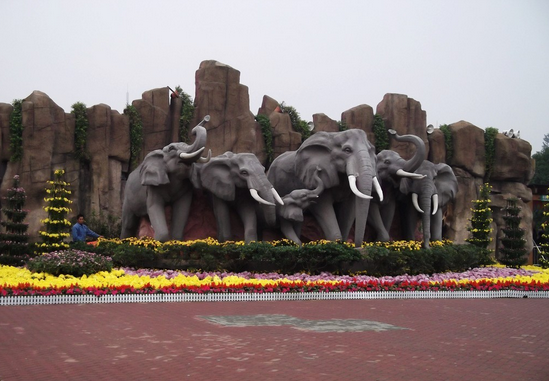
Visitors to the zoo can explore various themed areas, each designed to showcase different ecosystems and animal species. The zoo houses a diverse collection of wildlife, including both native Chinese animals and exotic species from around the world. Visitors can observe animals such as giant pandas, Asian elephants, Siberian tigers, and many others in settings that resemble their natural habitats.
In addition to animal exhibits, the Changsha Ecological Zoo also offers educational programs, interactive exhibits, and conservation initiatives aimed at raising awareness about wildlife conservation and environmental protection.
It provides visitors with an opportunity to learn about biodiversity and the importance of preserving natural ecosystems while enjoying a fun and immersive zoo experience.
24. Hunan Embroidery Museum
The Hunan Embroidery Museum, located in Changsha, Hunan Province, China, is a cultural institution dedicated to the preservation, exhibition, and promotion of Hunanese embroidery art.
The museum showcases a rich collection of exquisite embroidery pieces, ranging from traditional costumes and textiles to intricate artworks and decorative items.
Visitors to the Hunan Embroidery Museum can explore various exhibits that highlight the history, techniques, and cultural significance of Hunan embroidery. The museum often features demonstrations by skilled artisans, providing insight into the intricate process of embroidery creation. Additionally, visitors can learn about the role of embroidery in Hunanese culture and its influence on art, fashion, and daily life.
The Hunan Embroidery Museum serves as a valuable resource for both preserving the heritage of Hunanese embroidery and promoting appreciation for this ancient art form. It offers visitors a unique opportunity to immerse themselves in the beauty and craftsmanship of Hunan embroidery while gaining a deeper understanding of its cultural significance.
25. South Huangxing Road Pedestrian Street
South Huangxing Road Pedestrian Street is a bustling commercial area located in the heart of Changsha, Hunan Province, China. Stretching for several blocks, this pedestrian street is renowned for its vibrant atmosphere, diverse shopping options, and lively entertainment.
Lined with shops, boutiques, department stores, restaurants, and cafes, South Huangxing Road offers visitors a wide range of retail experiences, from trendy fashion boutiques to traditional Chinese markets.
It’s a popular destination for shopping enthusiasts looking for both international brands and local specialties.
In addition to shopping, South Huangxing Road Pedestrian Street is also a hub for entertainment and cultural activities. Visitors can enjoy street performances, live music, and cultural events, adding to the vibrant energy of the area.
Food in Changsha
Changsha, the vibrant capital city of Hunan Province in central China, is renowned for its rich cultural heritage, scenic landscapes, and most notably, its mouthwatering cuisine. As the birthplace of Hunan cuisine, one of the eight major culinary traditions in China, Changsha offers a diverse array of flavorful dishes that tantalize the taste buds and leave a lasting impression on food enthusiasts. Join us on a gastronomic journey through the culinary delights of Changsha as we explore the vibrant flavors, unique ingredients, and rich culinary traditions that define Hunan cuisine.
Savoring Spicy Sensations: Hunan cuisine is famous for its bold and fiery flavors, characterized by the generous use of chili peppers, garlic, and spices. At the heart of Changsha’s culinary scene are spicy dishes that pack a punch and leave diners craving more. One cannot talk about Hunan cuisine without mentioning the iconic dish, “Mao’s Braised Pork,” named after the revolutionary leader Mao Zedong. This savory and succulent pork belly dish, braised in a rich sauce infused with chili peppers and aromatic spices, embodies the robust flavors of Hunan cuisine.
Another must-try dish in Changsha is the legendary “Hunan-style Hot Pot,” a communal dining experience where diners cook a variety of fresh ingredients in a bubbling cauldron of spicy broth. From thinly sliced meats and fresh seafood to an assortment of vegetables and tofu, there’s something for everyone to enjoy in this flavorful and interactive dining experience.
Exploring Local Delicacies: In addition to its spicy specialties, Changsha is also celebrated for its unique local delicacies that showcase the region’s culinary creativity and ingenuity. One such delicacy is “Stinky Tofu,” a pungent fermented tofu dish that divides opinion but remains a beloved staple of Changsha’s street food scene. Crispy on the outside and soft on the inside, stinky tofu is often served with spicy chili sauce or pickled vegetables for a tantalizing flavor combination.
For those with a sweet tooth, Changsha offers a delightful array of traditional desserts and snacks that are sure to satisfy any craving. “Orange-flavored Fried Cake” is a popular street snack made from glutinous rice flour, stuffed with sweet bean paste, and fried to crispy perfection. The addition of fragrant orange zest gives this indulgent treat a refreshing citrus twist that pairs perfectly with a hot cup of tea.
Preserving Culinary Traditions: While Changsha’s culinary scene continues to evolve with modern tastes and trends, it also remains deeply rooted in its culinary traditions and heritage. Local chefs and artisans take pride in preserving age-old recipes and cooking techniques passed down through generations, ensuring that the essence of Hunan cuisine remains alive and vibrant.
Visitors to Changsha can immerse themselves in the city’s rich culinary heritage by exploring traditional food markets, participating in cooking classes, and dining at family-run eateries that have been serving authentic Hunan cuisine for decades. From humble street stalls to upscale restaurants, Changsha offers a diverse range of dining experiences that cater to every palate and preference.
Conclusion: In conclusion, the culinary landscape of Changsha is a testament to the city’s vibrant culture, rich history, and passionate gastronomic traditions. Whether you’re a spice aficionado eager to indulge in fiery flavors or a culinary adventurer seeking to explore new taste sensations, Changsha offers a world of culinary delights waiting to be discovered. So, pack your appetite and prepare for a gastronomic journey through the heart of Hunan cuisine in the lively streets of Changsha.
Changsha, as a major city in central China, offers a variety of transportation options to navigate its bustling streets and explore the surrounding areas.
Metro/Subway: Changsha has a modern and expanding metro system with several lines connecting key areas of the city. The metro is convenient, efficient, and a popular choice for commuting and getting around Changsha.
Bus: Changsha has an extensive network of public buses covering the city and its suburbs. Buses are an affordable option for transportation, with routes reaching most neighborhoods and attractions in Changsha.
Taxi: Taxis are readily available throughout Changsha and are a convenient way to travel, especially for shorter distances or when traveling to destinations not served by the metro or bus routes. Fares are relatively inexpensive compared to Western countries.
Didi (Ride-Hailing Service): Didi Chuxing, China’s leading ride-hailing service, operates in Changsha, providing an additional option for convenient and affordable transportation. Users can book rides through the Didi app, which offers services similar to Uber or Lyft.
Bicycle Sharing: Changsha has a bicycle-sharing system, allowing residents and visitors to rent bicycles for short trips around the city. This eco-friendly option is popular for short-distance travel and exploring Changsha’s streets and neighborhoods at a leisurely pace.
Private Cars: Private cars are also a common mode of transportation in Changsha, with many residents owning their vehicles. However, traffic congestion can be an issue during peak hours, so it’s important to plan travel times accordingly.
High-Speed Rail: Changsha is well-connected to other cities in China via high-speed rail (HSR). Changsha South Railway Station serves as a major hub for high-speed trains, offering convenient connections to cities such as Beijing, Shanghai, Guangzhou, and more.
Long-Distance Bus: Changsha has several long-distance bus stations offering services to destinations within Hunan Province and neighboring provinces. Long-distance buses are a cost-effective option for traveling to nearby cities and towns.
In conclusion, Changsha stands as a vibrant testament to China’s rich history, dynamic culture, and relentless spirit of innovation. From its ancient roots as a center of trade and commerce to its modern-day status as a bustling metropolis, Changsha offers visitors a captivating blend of experiences that span millennia.
As the birthplace of Hunan cuisine, Changsha delights the senses with its bold flavors and aromatic spices, inviting food enthusiasts on a gastronomic journey through its bustling streets and savory delights. Meanwhile, its historical landmarks, cultural festivals, and thriving arts scene provide a window into the city’s rich tapestry of traditions and heritage.
Yet Changsha is not merely a city frozen in time. It is a beacon of progress and development, with towering skyscrapers, state-of-the-art infrastructure, and a forward-thinking mindset driving its growth and prosperity. Amidst the hustle and bustle of urban life, Changsha offers tranquil oases of natural beauty, where parks, gardens, and riverside promenades provide sanctuary for reflection and relaxation.
In essence, Changsha embodies the spirit of China itself – a timeless blend of tradition and modernity, innovation and heritage, bustling energy and serene tranquility. Whether you’re exploring its ancient landmarks, indulging in its culinary delights, or simply soaking in its vibrant atmosphere, Changsha promises an unforgettable journey through the heart of China. Welcome to Changsha, where the past meets the future, and every moment is an adventure waiting to be discovered.













Leave a comment