

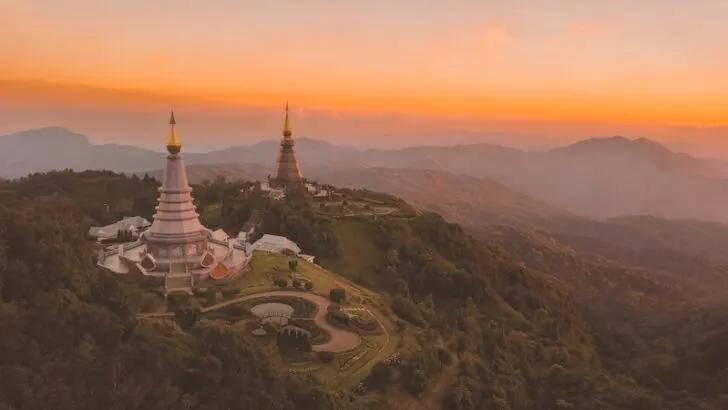
Chiang Mai is a city located in the northern part of Thailand, known for its rich cultural heritage, stunning natural beauty, and delicious cuisine.
It is the largest city in northern Thailand and offers visitors a unique experience that is different from the bustling metropolis of Bangkok or the island paradises of the south.
Chiang Mai is surrounded by mountains and lush green forests, making it an ideal destination for outdoor activities like trekking, rafting, and zip-lining. The city is also famous for its many temples, which reflect the country’s deep spiritual and religious traditions.
25 Best Things To Do In Chiang Mai, Thailand In 2023

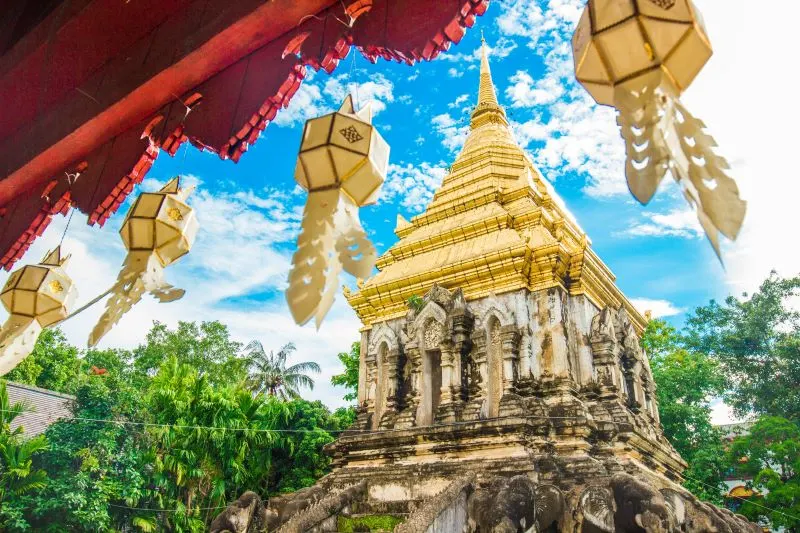
Aside from its natural and cultural attractions, Chiang Mai is also a food lover’s paradise, with a wide range of local and international cuisines to choose from. Whether you’re looking for street food or fine dining, there is something for everyone in Chiang Mai.
Visiting Chiang Mai is an incredible experience that offers a unique blend of culture, adventure, and relaxation.
With its warm and friendly locals, stunning scenery, and delicious food, it’s no wonder that Chiang Mai has become one of the most popular destinations in Southeast Asia. Here are the best 25 things you can do in Chiang Mai right now:
1. Visit the Wat Phra That Doi Suthep Temple For Breathtaking Views Over Chiang Mai

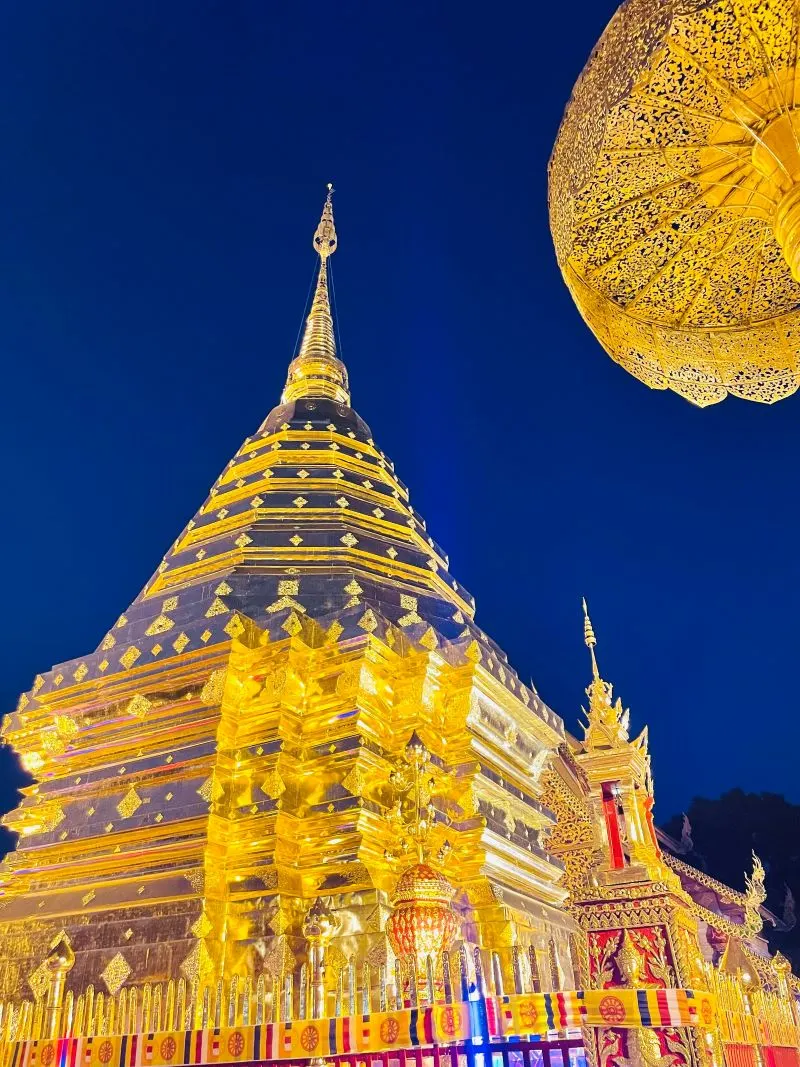
Wat Phra That Doi Suthep is a sacred Buddhist temple located on a mountaintop in Chiang Mai, Thailand. It is one of the most revered and famous temples in Thailand, and attracts thousands of visitors each year.
The temple dates back to the 14th century and features a golden chedi (stupa) that is adorned with many intricate carvings and statues.
Visitors must climb a flight of stairs or take a funicular to reach the temple, but the stunning views of Chiang Mai from the top are worth the effort.
The temple also features several other buildings and shrines, including a meditation hall and a museum.
2. Explore the Chiang Mai Night Bazaar

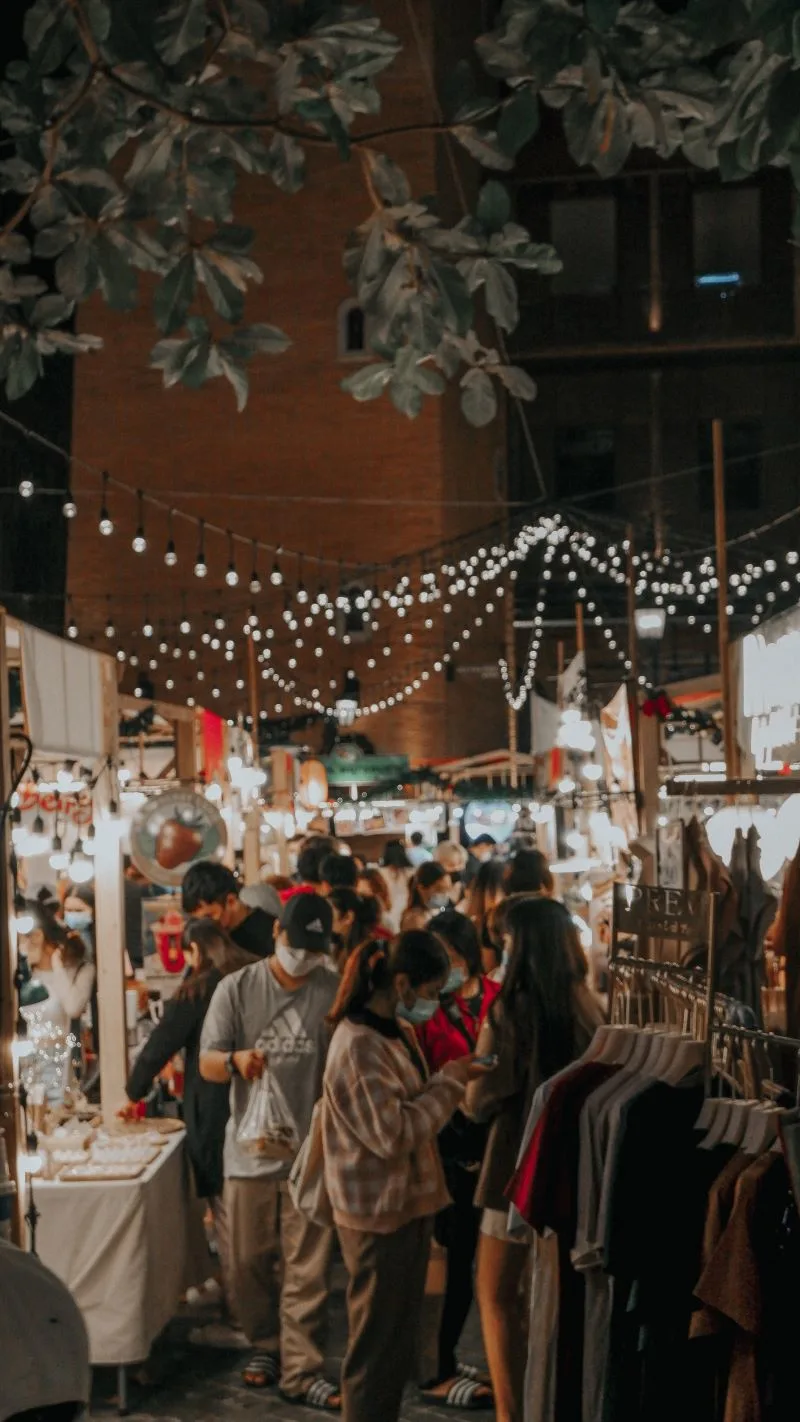
The Chiang Mai Night Bazaar is a popular open-air market located in the heart of Chiang Mai. The market is open every night and features a vast array of stalls selling a variety of goods, including handicrafts, clothing, jewelry, and souvenirs.
It is a popular destination for tourists and locals alike, and visitors can spend hours wandering through the market’s winding alleys and browsing the wares.
The Night Bazaar is known for its vibrant and lively atmosphere, with street performers and musicians entertaining crowds of shoppers.
The market also features a range of food stalls selling traditional Thai dishes and international cuisine, as well as bars and cafes where visitors can relax and enjoy a drink.
The Night Bazaar is a great place to pick up souvenirs and gifts, with many vendors selling high-quality handmade items at reasonable prices. Bargaining is expected at the Night Bazaar, so visitors should be prepared to haggle over prices to get the best deals.
3. See the Wat Chedi Luang Temple

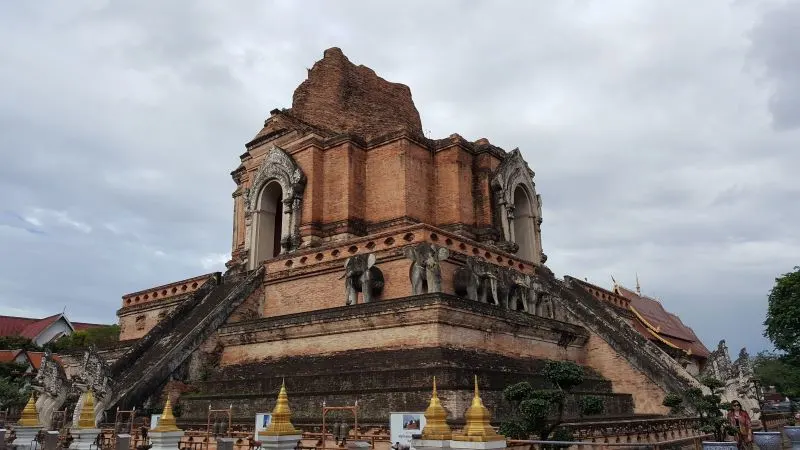
Wat Chedi Luang is a historic Buddhist temple located in the heart of Chiang Mai’s Old City. The temple was built in the 14th century and is one of the most important and revered temples in northern Thailand.
The centerpiece of Wat Chedi Luang is a massive chedi (stupa) that stands over 80 feet tall. The chedi was originally built in the 1400s and was once the tallest structure in Chiang Mai.
Over the years, the chedi has been damaged and restored several times, and today it stands as a beautiful and impressive monument to the temple’s long history.
In addition to the chedi, Wat Chedi Luang also has several other important buildings and features, including a beautiful ubosot (ordination hall), a monk’s quarters, and a meditation hall.
The temple is also home to a number of ancient statues and relics, including a famous jade Buddha image.
4. Take a Tuk-Tuk Ride Around the City

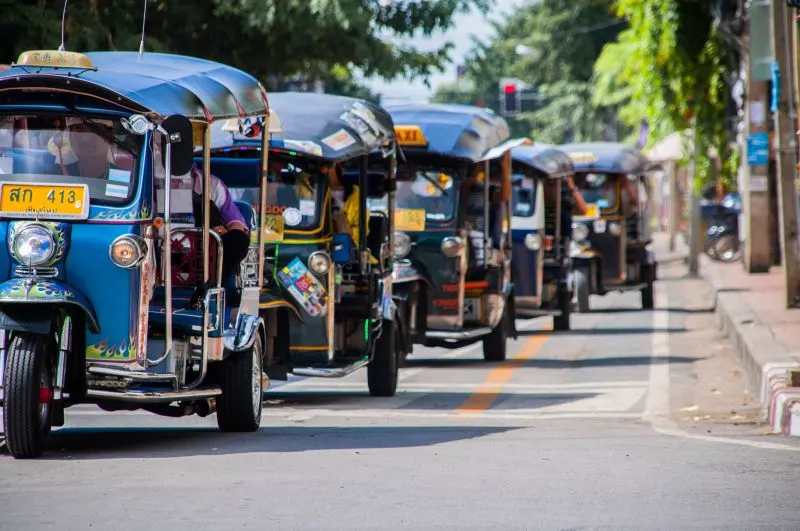
Taking a tuk-tuk ride around Chiang Mai is a fun and adventurous way to explore the city. A tuk-tuk is a three-wheeled vehicle that is commonly used as a taxi in Thailand.
The ride can be bumpy and exhilarating as the tuk-tuk weaves through the traffic and narrow streets. The drivers are often friendly and knowledgeable about the area, and they can take you to some of the city’s best hidden gems.
Tuk-tuk rides are particularly enjoyable in the evening when the city is lit up, and the atmosphere is lively. It’s an excellent way to experience the city’s unique culture and energy.
5. Go on a guided trek to see the hill tribes of Chiang Mai
A guided trek to see the hill tribes of Chiang Mai is an outdoor adventure that involves hiking through the lush jungles and mountains surrounding Chiang Mai to visit remote hill tribe villages.
The trek is usually led by an experienced guide who will take visitors on a journey to explore the traditional way of life of the hill tribes and their unique culture.
The trek can last from a few hours to several days, depending on the itinerary and the desired level of difficulty. Along the way, visitors will see stunning scenery and wildlife and have opportunities to swim in waterfalls and rivers.
The hill tribes of Chiang Mai include various ethnic groups, such as the Karen, Hmong, and Lisu, each with their own customs and traditions.
Visitors will have the chance to learn about their daily lives and interact with them, which often includes trying traditional foods and experiencing their handicrafts.
The trek can also include overnight stays in the hill tribe villages, which is a great opportunity to experience local hospitality and immerse oneself in their way of life.
Overall, a guided trek to see the hill tribes of Chiang Mai is a unique and rewarding experience that offers a glimpse into the rich cultural heritage of Northern Thailand.
6. Take a Cooking Class and Learn How To Cook Thai Food

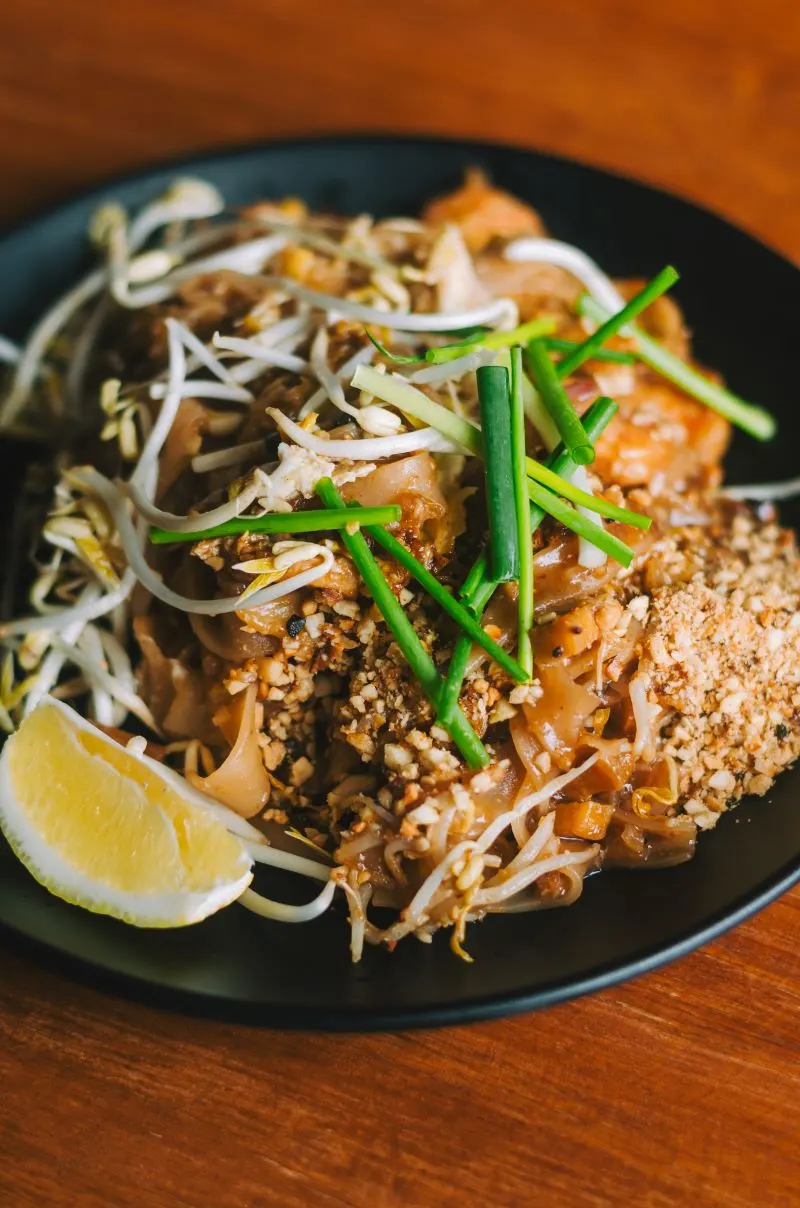
Taking a cooking class in Chiang Mai is a popular activity that allows visitors to learn how to cook traditional Thai food and gain insight into the local culture.
The classes are usually led by experienced chefs or home cooks, who teach participants how to prepare classic Thai dishes such as green curry, pad thai, and mango sticky rice.
Classes typically begin with a visit to a local market where participants will learn about the different ingredients used in Thai cuisine and how to select the freshest produce. They will then return to the cooking school or the instructor’s home to begin preparing the dishes.
Participants will learn about the different herbs, spices, and cooking techniques that are essential to Thai cooking, as well as the cultural significance of different dishes.
They will have the opportunity to ask questions and receive hands-on instruction from the instructor as they prepare their own dishes.
Once the cooking is complete, participants can sit down to enjoy their creations and share a meal with the other members of the class. Some classes also include a recipe booklet or certificate of completion to take home as a souvenir.
Overall, taking a cooking class in Chiang Mai is a fun and educational way to immerse oneself in the local culture and learn a new skill that can be used to impress friends and family back home.
7. Visit the Elephant Nature Park and participate in ethical elephant experiences

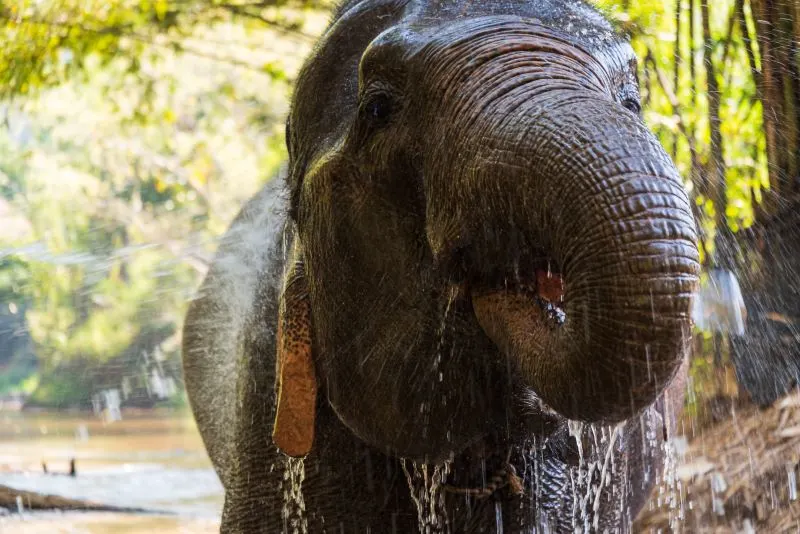
The Elephant Nature Park is a sanctuary for elephants located in the mountains outside Chiang Mai.
It is a rescue and rehabilitation center that provides a safe and natural environment for elephants that have been rescued from abusive situations, such as the logging and tourism industries.
The park is home to over 60 elephants, as well as other rescued animals such as cats, dogs, and water buffalo. Visitors to the park can observe and interact with the elephants, learning about their individual personalities and behaviors from knowledgeable guides.
Visitors can also participate in a variety of activities, such as feeding the elephants, bathing them in the river, and walking with them in the jungle. The park also offers educational programs about the plight of elephants in Thailand and the importance of conservation efforts.
The park is committed to promoting ethical and sustainable tourism practices, and visitors can be assured that their visit is not harmful to the elephants or the environment.
8. See the Beautiful Mae Sa Waterfall

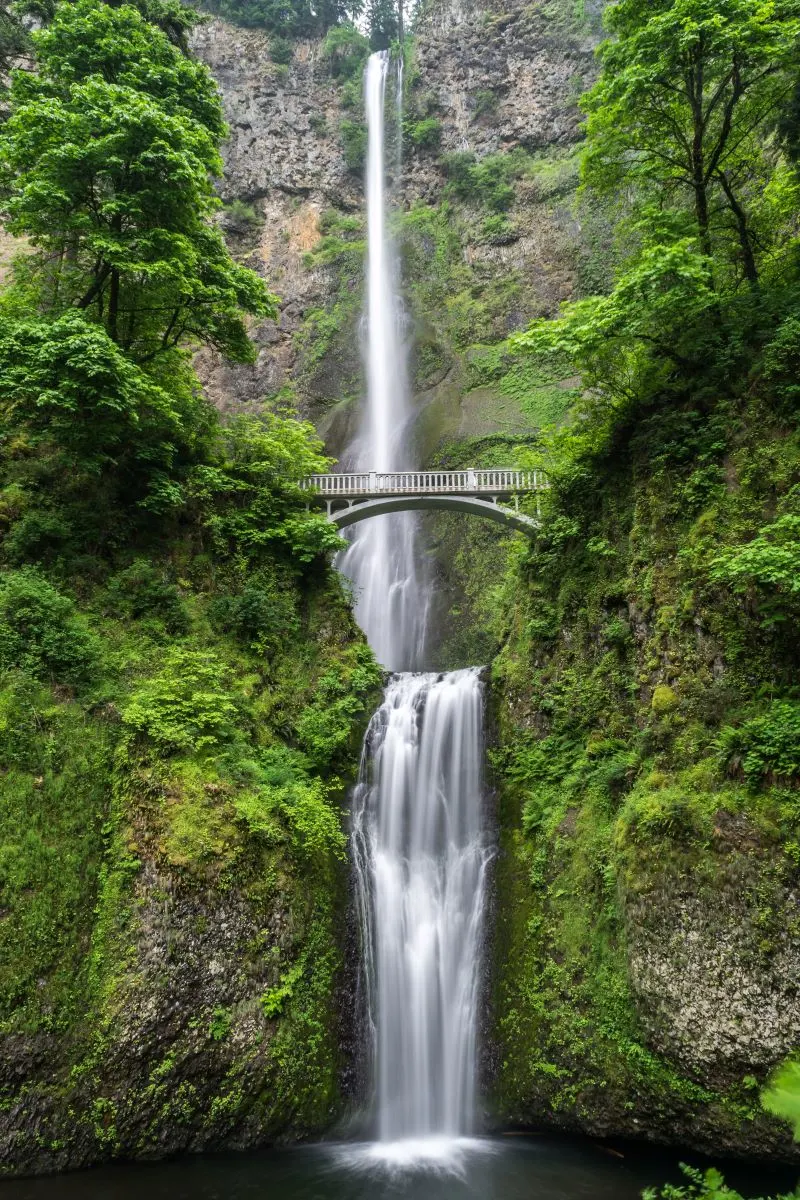
The Mae Sa Waterfall is a stunning natural attraction located in the Mae Sa Valley, about 30 minutes from Chiang Mai. The waterfall is part of the Doi Suthep-Pui National Park and is a popular destination for both locals and tourists.
Mae Sa Waterfall consists of a series of cascading falls that flow over granite rocks and lush vegetation. The falls range in height from a few meters to over 10 meters, creating a beautiful and tranquil setting.
Visitors can hike to the top of the falls to enjoy the stunning views or swim in the cool pools at the base of the falls.
The area surrounding the waterfall is also home to a variety of wildlife, including birds, butterflies, and small mammals. The park offers several hiking trails that lead through the forest and offer opportunities to observe the local flora and fauna.
Visitors can also find a variety of amenities at the park, such as picnic areas, restrooms, and food vendors selling local snacks and drinks. The park is open year-round, although the best time to visit is during the rainy season when the falls are at their most spectacular.
9. Go zip lining through the jungle in Chiang Mai

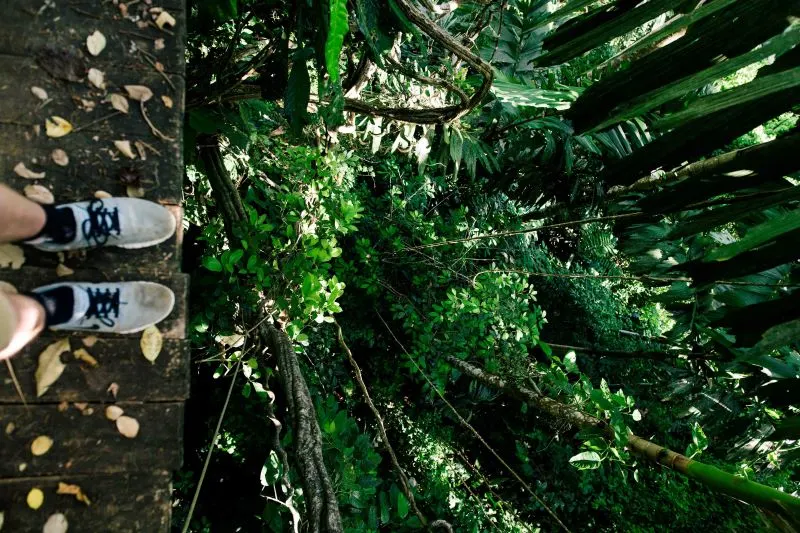
Zip lining through the jungle in Chiang Mai is an exciting and adventurous activity that allows visitors to experience the stunning natural beauty of northern Thailand from a unique perspective.
The activity involves using a series of cables, platforms, and bridges to traverse through the treetops of the jungle, giving participants a thrilling bird’s-eye view of the surrounding forest.
Many zip line tours in Chiang Mai take place in the lush, mountainous regions surrounding the city, offering visitors the opportunity to see waterfalls, rivers, and wildlife as they zip through the jungle.
The tours are typically led by experienced guides who provide safety equipment, instructions, and information about the local ecology and culture.
Zip lining tours typically range from a few hours to a full day, with different packages offering various levels of difficulty and distance. Some tours may also include additional activities such as hiking, swimming, or visiting local villages.
10. Take a hot air balloon ride at sunrise

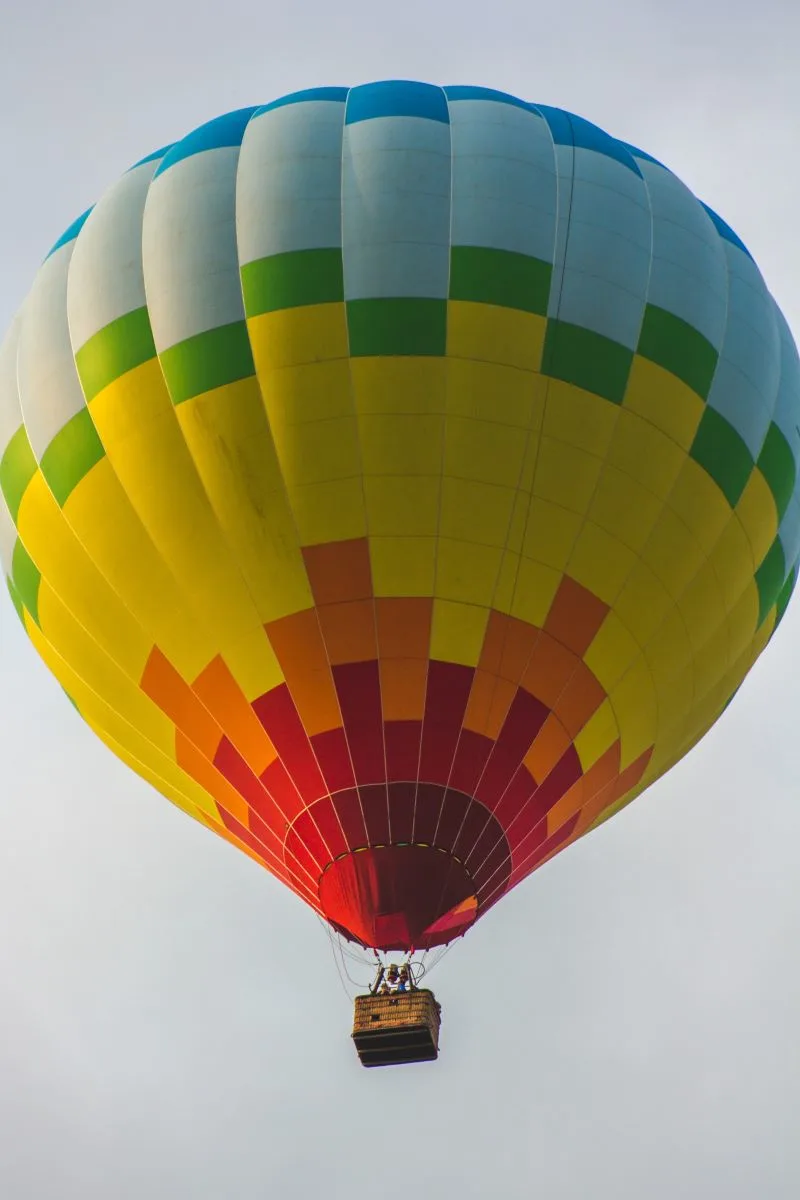
Taking a hot air balloon ride at sunrise in Chiang Mai is a unique and unforgettable experience that offers breathtaking views of the city and the surrounding countryside.
The ride typically starts early in the morning, before sunrise, when the air is still and the sky is clear.
As the balloon ascends, passengers are treated to panoramic views of Chiang Mai’s ancient temples, lush green fields, and misty mountains.
The sunrise adds a magical touch to the experience, as the sky gradually turns orange and pink, and the landscape is bathed in warm, golden light.
The hot air balloon ride usually lasts for about an hour, and the pilot may vary the altitude to offer different perspectives of the landscape.
Passengers can also enjoy the peacefulness of the ride, as the balloon moves gently with the wind, without any engine noise.
After the ride, passengers are often treated to a celebratory breakfast, which may include local delicacies such as sticky rice, fresh fruits, and steaming hot tea or coffee. Some tours may also offer additional activities, such as visits to local markets or cultural sites.
11. Explore the ancient city of Wiang Kum Kam

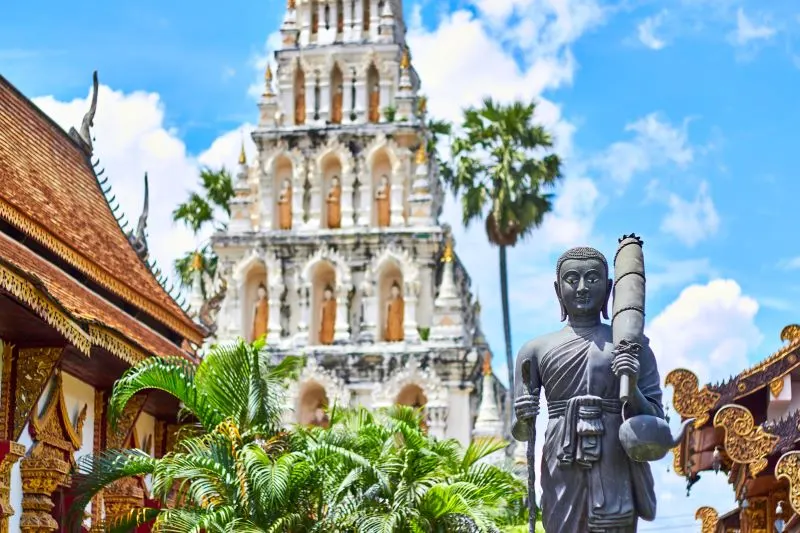
Wiang Kum Kam is an ancient city located in the southern part of Chiang Mai. It was founded more than 700 years ago during the reign of King Mengrai and was the first capital of the Lanna Kingdom.
However, the city was later abandoned due to frequent flooding and was eventually forgotten until it was rediscovered in the 1980s.
Today, Wiang Kum Kam is a historical site that offers visitors a glimpse into the ancient past of northern Thailand. The city is home to several well-preserved ruins and temples, including the Wat Chedi Liam, which is known for its unique architectural style that combines Lanna and Mon influences.
Visitors can explore the ruins by foot or by renting a bicycle or horse-drawn carriage. There are also guided tours available that provide insight into the history and significance of the site.
Some of the other attractions at Wiang Kum Kam include the ancient walls and moats that once surrounded the city, as well as several restored homes and buildings that showcase traditional Lanna architecture.
12. Visit the Doi Inthanon National Park

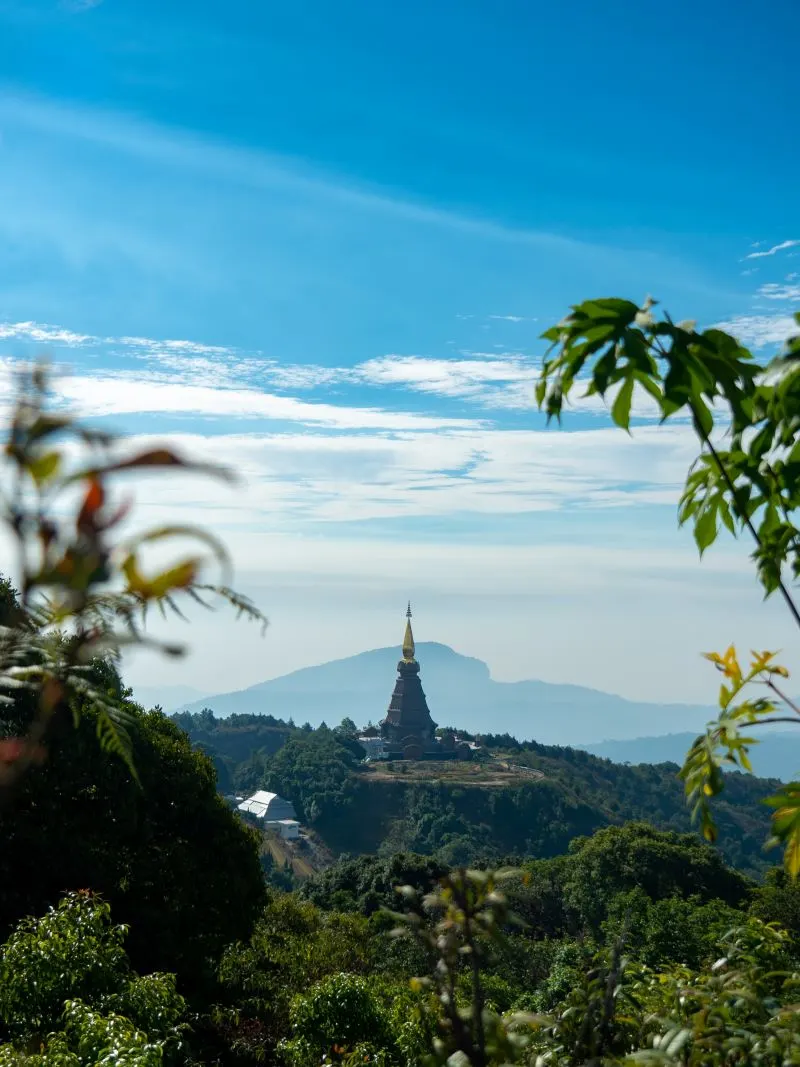
The Doi Inthanon National Park is a protected natural area located in the mountains of Chiang Mai province in northern Thailand. It is named after Doi Inthanon, the highest mountain in Thailand, which stands at an impressive 2,565 meters (8,415 feet) above sea level.
The park is renowned for its natural beauty, including stunning waterfalls, lush forests, and a diverse array of wildlife. Visitors can hike on trails through the park, which vary in difficulty and length, and offer scenic views of the surrounding mountains and valleys.
One of the highlights of the park is the summit of Doi Inthanon, which can be reached by car or motorcycle. At the summit, visitors can explore the Royal Thai Air Force radar station, and enjoy panoramic views of the surrounding countryside.
Doi Inthanon National Park is also home to several hill tribe communities, including the Karen and Hmong people, who maintain their traditional way of life and offer visitors a glimpse into their unique culture and customs.
In addition to its natural and cultural attractions, Doi Inthanon National Park is also a popular destination for birdwatchers, as it is home to over 400 species of birds, including several rare and endangered species.
13. Visit the Bhubing Palace
Bhubing Palace is a stunning royal residence located in the mountains just outside of Chiang Mai, Thailand. It was built in 1961 as a winter residence for the Thai royal family, and is set amidst beautiful gardens and lush forests, with spectacular views of the surrounding countryside.
Visitors to Bhubing Palace can take a guided tour of the palace’s interior, which features a blend of Thai and European design elements, including intricate wood carvings, ornate furniture, and vibrant murals depicting scenes from Thai mythology.
In addition to the palace itself, the grounds of Bhubing Palace are a popular attraction, with a wide variety of exotic plants and flowers, including rare orchids and rhododendrons.
Visitors can stroll through the gardens, take in the breathtaking views, and even enjoy a picnic in one of the designated picnic areas.
Bhubing Palace is open to the public year-round, although the interior of the palace may be closed during certain times for official functions. Visitors are encouraged to dress modestly and remove their shoes before entering the palace, as a sign of respect.
14. Attend the Yi Peng and Loy Krathong Festivals


Yi Peng and Loy Krathong are two festivals that are celebrated together in Chiang Mai, typically in November. These festivals are a beautiful display of Thai culture and tradition, and they attract tourists from all over the world.
Yi Peng is the festival of lights, where thousands of lanterns are released into the night sky. The lanterns are made of thin paper and bamboo, and they are lit by a candle.
People write their wishes and prayers on the lanterns before releasing them, and it is believed that as the lanterns float up into the sky, their wishes and prayers are carried up to the heavens.
Loy Krathong, on the other hand, is a festival of water. During this festival, people create small rafts made of banana leaves, which they decorate with flowers, candles, and incense.
These rafts are then released into the river, symbolizing the release of negative energy and the start of a new beginning.
Together, these festivals create a magical atmosphere in Chiang Mai. During the festivals, the streets are filled with people wearing traditional clothing, and there are numerous events, parades, and markets selling delicious food and drinks. The highlight of the festivals is the release of the lanterns and rafts, which create a beautiful display of lights and colors.
15. Visit the Chiang Mai Zoo and Aquarium

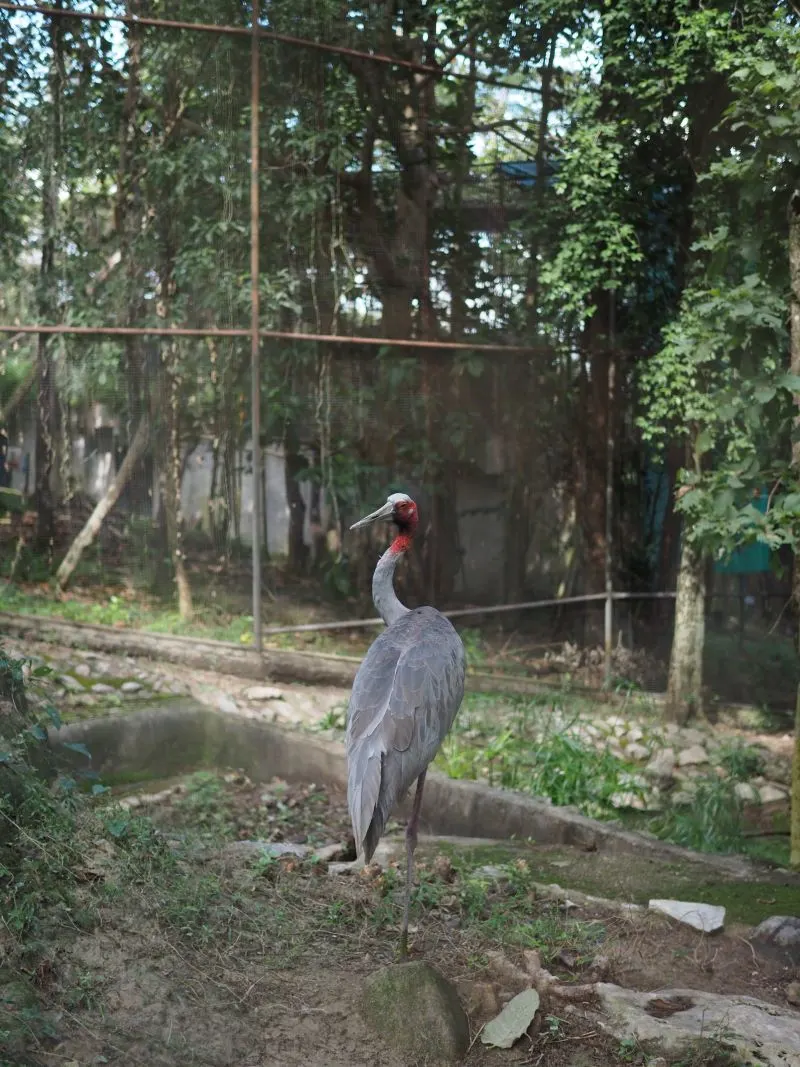
The Chiang Mai Zoo and Aquarium is a popular attraction located in the foothills of Doi Suthep mountain, in the northwestern part of Chiang Mai. It is home to a wide variety of animals, including elephants, tigers, giraffes, and many other exotic species.
The zoo is spread over a large area and includes a variety of habitats for different animals. Visitors can explore the zoo on foot or by taking a tram ride, which stops at different points around the park.
One of the highlights of the zoo is the panda exhibit, where visitors can see the endangered giant pandas in their natural habitat.
In addition to the zoo, Chiang Mai Aquarium is also located within the complex, featuring a diverse collection of marine life, including various species of fish, turtles, and other aquatic creatures.
The aquarium includes a large underwater tunnel, allowing visitors to get up close and personal with the marine life.
16. Explore the Chiang Mai City Arts and Cultural Center

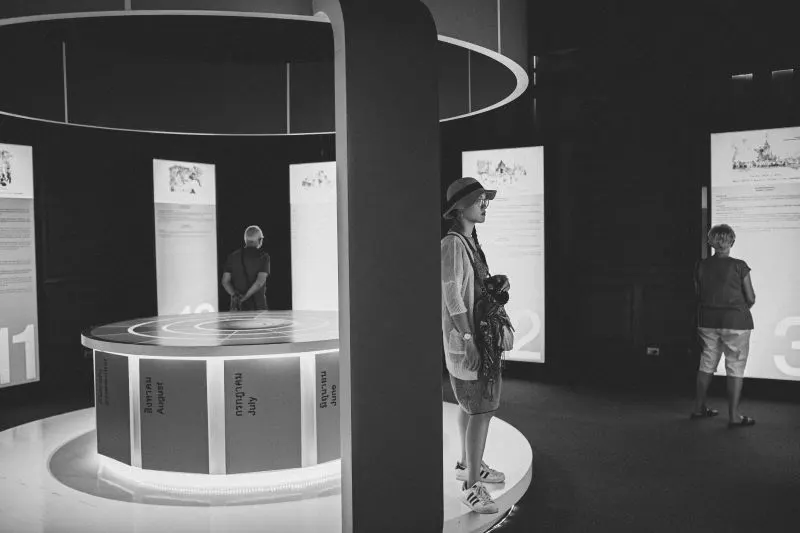
The Chiang Mai City Arts and Cultural Center is a museum in the heart of Chiang Mai that showcases the rich cultural heritage of northern Thailand.
The museum is housed in a beautiful old building that was once the provincial hall of Chiang Mai, and it features exhibits that explore the history, art, and culture of the city and its people.
The museum’s exhibits are divided into several sections, each focusing on a different aspect of Chiang Mai’s cultural heritage.
Visitors can learn about the city’s history and traditions, including its famous festivals, architecture, and crafts. The museum also features exhibits on Buddhism and the religious practices of the region, including a beautiful display of Buddhist art and artifacts.
One of the highlights of the museum is the Lanna Folklife exhibit, which showcases the unique culture of the Lanna Kingdom, the former kingdom that ruled northern Thailand.
Visitors can learn about the daily life, customs, and beliefs of the Lanna people through interactive displays and exhibits.
17. Take a Thai Massage Class

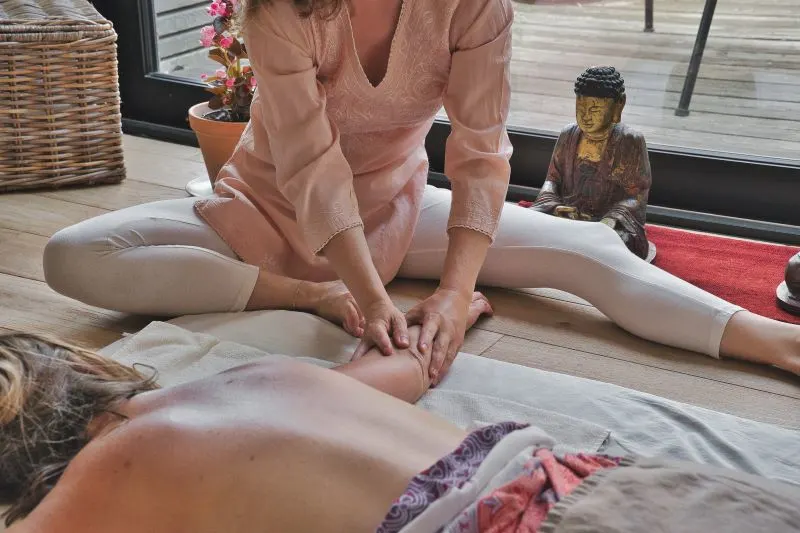
Taking a Thai massage class in Chiang Mai can be a wonderful way to learn more about traditional Thai massage and its techniques.
Chiang Mai is known as a hub for traditional Thai massage, with many massage schools offering courses for both beginners and advanced learners.
A typical Thai massage class in Chiang Mai may last several days or even weeks, depending on the level of instruction and the depth of study.
During the course, participants can expect to learn the basic principles of Thai massage, including the use of pressure points, stretching, and other techniques.
The classes are often hands-on and interactive, allowing students to practice the techniques they learn with fellow classmates and instructors.
Many Thai massage classes in Chiang Mai are taught by experienced practitioners who have studied and practiced the art of Thai massage for many years.
They can offer insights into the history and philosophy of Thai massage, as well as practical tips for practicing the techniques safely and effectively.
18. Visit the Baan Kang Wat Artist Village


Baan Kang Wat Artist Village is a charming and picturesque community located in the southern outskirts of Chiang Mai.
The village is known for its thriving arts and crafts scene, with many local artisans and craftsmen showcasing their work in the village’s small galleries, studios, and shops.
Visitors to Baan Kang Wat can stroll through the village’s narrow lanes and alleys, admiring the beautiful handmade crafts and artwork on display.
The village is particularly well-known for its ceramics, textiles, and woodcarvings, all of which are made by local craftsmen using traditional techniques and methods.
In addition to the art and crafts on display, Baan Kang Wat also has several cafes, restaurants, and bakeries that serve delicious food and drinks. Visitors can relax and enjoy a cup of coffee or tea while taking in the serene surroundings and artistic atmosphere.
19. Visit the Chiang Mai University Art Museum


Chiang Mai University Art Museum is a contemporary art museum located on the campus of Chiang Mai University in northern Thailand.
The museum was established in 1999 and is home to a diverse collection of contemporary art from both Thai and international artists.
The museum features a range of different exhibitions throughout the year, showcasing a variety of mediums and styles, including painting, sculpture, photography, and multimedia installations.
Many of the exhibitions focus on contemporary issues and themes, making the museum a thought-provoking and engaging destination for art enthusiasts.
In addition to its exhibitions, Chiang Mai University Art Museum also offers a range of educational programs and activities, including workshops, lectures, and artist talks.
The museum’s educational offerings are designed to encourage dialogue and engagement with contemporary art and to foster a greater appreciation for the role of art in society.
20. Take a Bike Tour Through Chiang Mai

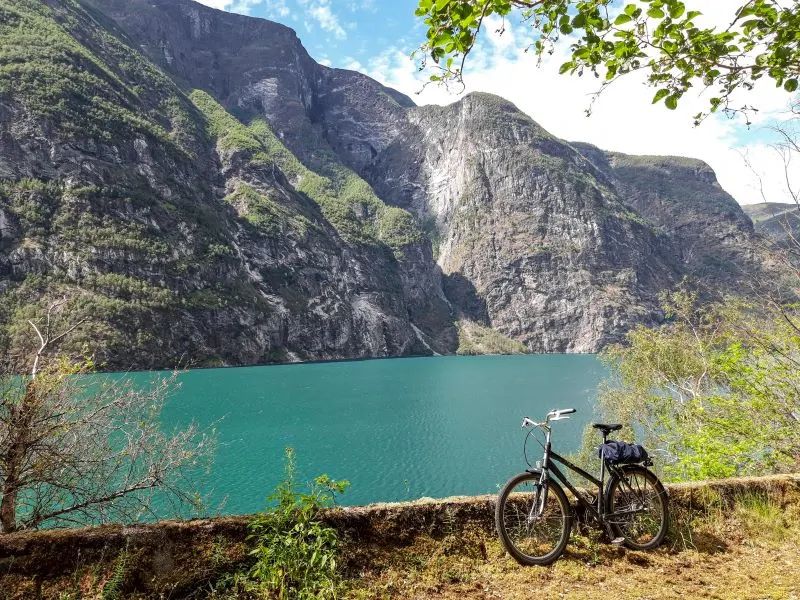
Taking a bike tour through Chiang Mai is a fun and active way to explore the city’s rich history and culture. The tour typically begins in the morning and lasts for several hours, allowing visitors to see many of Chiang Mai’s most famous sights and attractions.
The tour usually starts at a designated meeting point, where visitors are provided with a high-quality bicycle and safety gear.
The tour guide will then lead the group through the bustling streets of Chiang Mai, pointing out historic landmarks, local markets, and hidden gems along the way.
The tour typically includes stops at several important temples, such as Wat Phra Singh and Wat Chedi Luang, as well as scenic spots like the city’s ancient walls and moat.
Visitors will also have the chance to sample delicious local snacks and refreshments at street vendors and markets along the way.
One of the highlights of a bike tour through Chiang Mai is the opportunity to explore the city’s beautiful countryside and rural villages.
The tour typically includes stops at local farms, where visitors can see how rice and other crops are grown and harvested, as well as traditional crafts workshops, where they can learn about the art of weaving and pottery.
21. See the Wat Phra Singh Temple

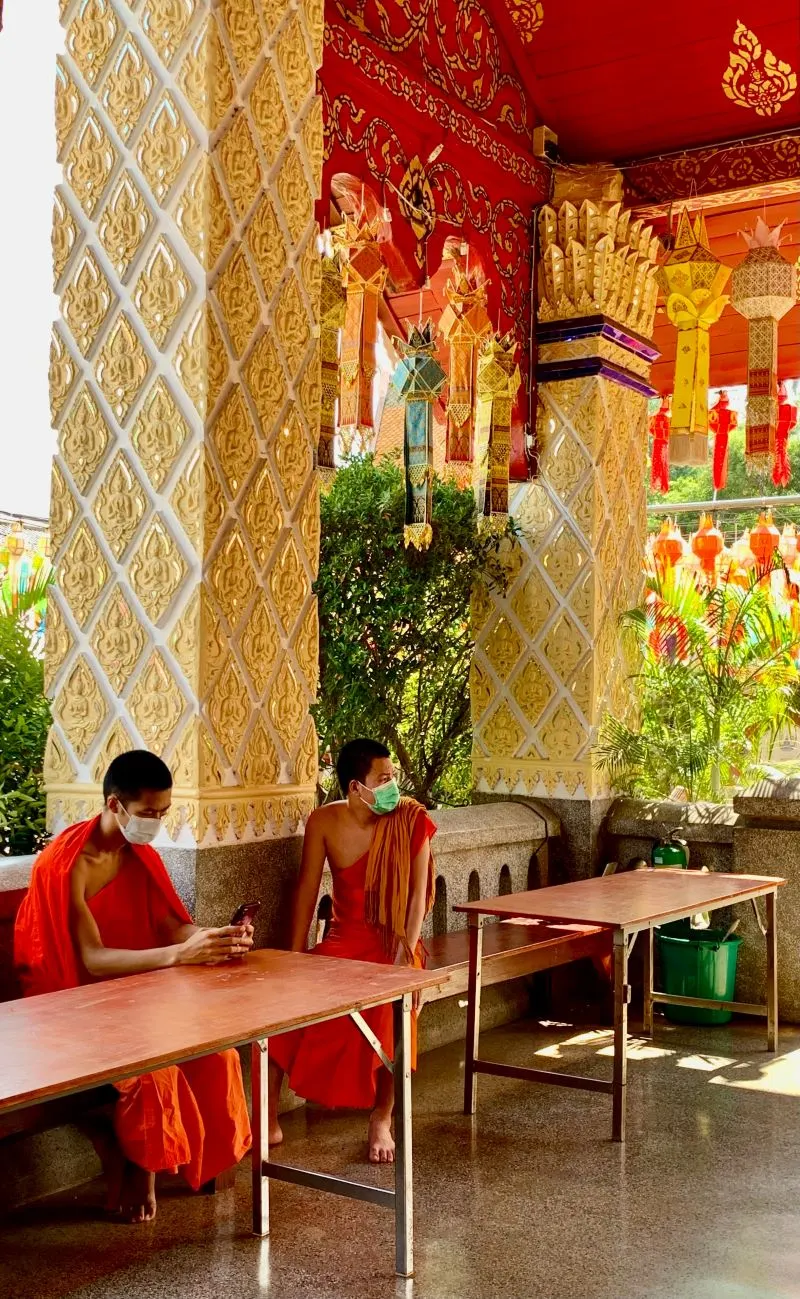
Wat Phra Singh is a famous Buddhist temple located in the old city of Chiang Mai. The temple was originally built in the 14th century and has undergone several renovations and expansions over the centuries, making it one of the most historically significant temples in northern Thailand.
The temple is home to many impressive structures, including the main assembly hall, or ubosot, which houses the Phra Singh Buddha image, one of the most revered in Thailand.
The temple’s impressive grounds also feature a range of other buildings and structures, including several beautiful chedis, or stupas, that are adorned with intricate carvings and beautiful gold leaf.
One of the most impressive features of Wat Phra Singh is its beautiful Lai Kam Chapel, which is adorned with beautiful murals depicting the life of the Buddha.
Visitors can also see the beautiful Wihan Lai Kham, which houses a beautiful gold-leafed seated Buddha statue, as well as the beautiful Ho Trai, or scripture repository, which is decorated with beautiful carved wooden reliefs.
Visitors to Wat Phra Singh can also participate in daily religious activities, including chanting and meditation, and can receive blessings from the resident monks. The temple is open to visitors every day, and visitors are asked to dress modestly and respectfully.
22. Take a Thai Language Class


Taking a Thai language class in Chiang Mai can be a great way to deepen your understanding of the local culture and connect with the Thai people.
Chiang Mai is home to many language schools that offer a range of Thai language courses for learners of all levels, from beginner to advanced.
During a Thai language class in Chiang Mai, students can expect to learn basic vocabulary, grammar, and sentence structure, as well as how to read and write in Thai script.
Depending on the level of the course, students may also learn more advanced language skills, such as conversation and comprehension skills.
One of the benefits of taking a Thai language class in Chiang Mai is the opportunity to practice your language skills in real-world situations.
Chiang Mai is a vibrant city with a rich cultural heritage, and there are many opportunities to practice speaking Thai with locals at markets, restaurants, and other places around the city.
In addition to language skills, many Thai language classes in Chiang Mai also offer cultural activities and field trips, such as visits to local temples, museums, and markets.
This can be a great way to gain a deeper understanding of Thai culture and history while also practicing your language skills in real-world situations.
23. See the Three Kings Monument

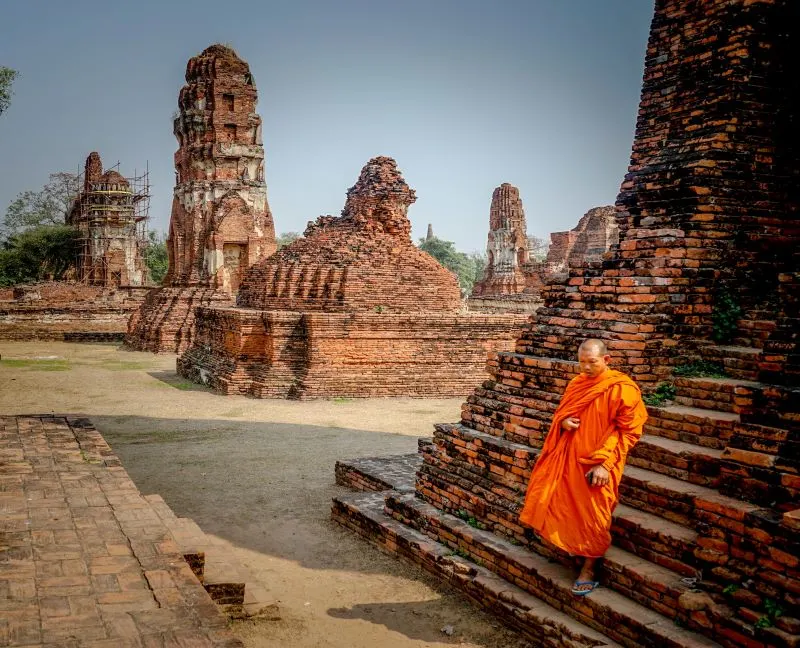
The Three Kings Monument is a popular historical landmark located in the heart of Chiang Mai’s old city. The monument is a bronze sculpture that depicts the three legendary kings who are said to have founded the city: King Mengrai, King Ramkhamhaeng, and King Ngam Muang.
The monument is situated at the intersection of the main roads leading to the city’s most famous temples and landmarks, making it a popular spot for tourists and locals alike.
Surrounding the monument is a spacious plaza where visitors can relax and take in the view of the surrounding historical architecture.
The Three Kings Monument also has a museum located nearby that offers a glimpse into the history and culture of Chiang Mai. The museum features a variety of exhibits and artifacts, including historical photos, ancient manuscripts, and traditional crafts.
In addition to its cultural significance, the Three Kings Monument is also a popular gathering spot for events and festivals, such as the annual Loy Krathong and Yi Peng festivals, which attract large crowds to the area.
24. Visit the Karen Long Neck Hill Tribe Village


Visiting the Karen Long Neck Hill Tribe Village is a unique cultural experience that allows visitors to learn about the fascinating customs and traditions of the Karen people, who are known for their distinctive long-necked appearance.
Located in the hills outside of Chiang Mai, the Karen Long Neck Hill Tribe Village is home to a community of Karen people who have preserved their traditional way of life, despite the encroachment of modernization.
When visiting the village, visitors have the opportunity to interact with the Karen people, learn about their daily lives and customs, and observe traditional crafts and techniques, such as weaving and basket-making.
The most striking feature of the village, however, is the neck rings worn by the Karen women, which are believed to be a symbol of beauty and cultural identity.
Visitors can also browse the village’s colorful market stalls, which sell traditional handicrafts, clothing, and souvenirs, and sample traditional Karen cuisine, such as sticky rice and curry.
While the Karen Long Neck Hill Tribe Village has become a popular tourist destination in recent years, it remains a deeply authentic and meaningful cultural experience that allows visitors to gain a deeper understanding of the Karen people and their way of life.
25. Take a day trip to the Chiang Rai White Temple

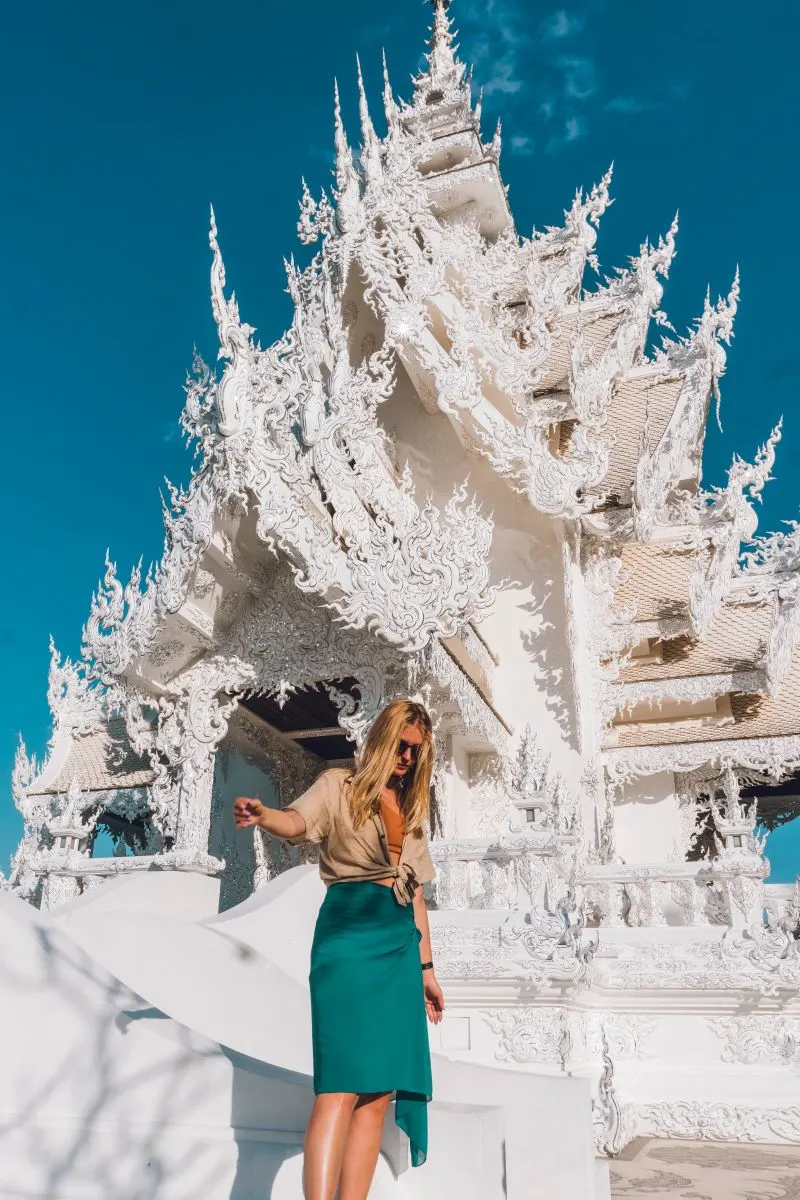
Taking a day trip to the Chiang Rai White Temple from Chiang Mai is a popular excursion that allows visitors to experience one of Thailand’s most stunning and unique temples.
The White Temple, also known as Wat Rong Khun, is a contemporary Buddhist temple located in the city of Chiang Rai, approximately three hours from Chiang Mai.
The temple was designed and built by renowned Thai artist Chalermchai Kositpipat, who drew inspiration from traditional Thai and Buddhist art, as well as contemporary themes and pop culture.
One of the most striking features of the temple is its gleaming white exterior, which is adorned with intricate sculptures and carvings that depict Buddhist teachings, as well as contemporary figures such as Superman, Batman, and Hello Kitty.
Visitors can explore the temple’s various halls and shrines, which are filled with ornate artwork, statues, and murals, and learn about Buddhist philosophy and symbolism.
They can also visit the temple’s museum, which showcases the artist’s works and provides additional insight into his creative process and vision.
In addition to visiting the White Temple, a day trip to Chiang Rai may also include stops at other local attractions, such as the Blue Temple (Wat Rong Suea Ten), the Black House Museum (Baan Dam), and the Golden Triangle, where Thailand, Myanmar, and Laos meet.
26. Take a meditation or yoga class

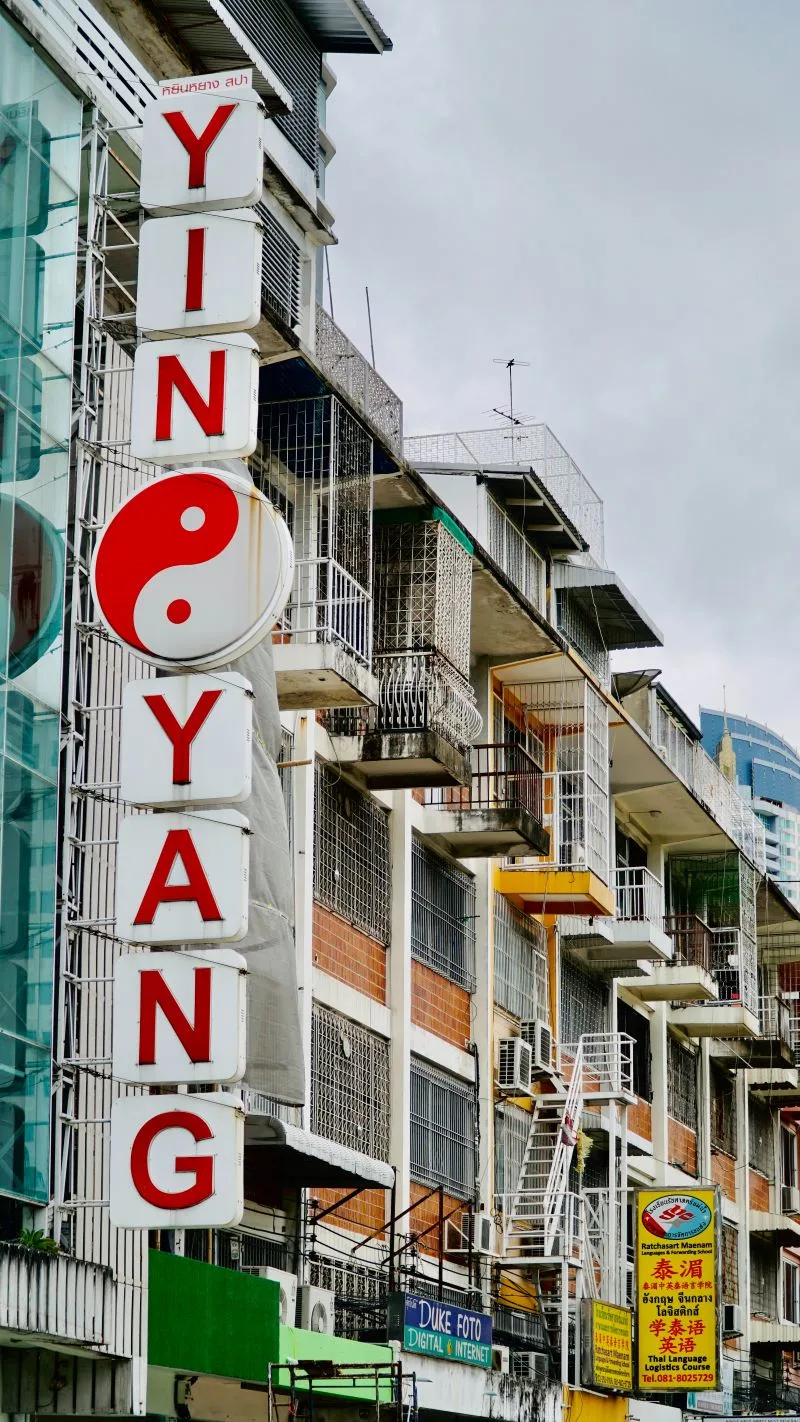
Chiang Mai is a popular destination for those seeking to deepen their meditation or yoga practice, with a variety of classes and retreats available for all levels of experience.
Meditation and yoga classes in Chiang Mai are typically held in tranquil settings, such as gardens, temples, or studios, and are led by experienced teachers who guide participants through various techniques and practices.
Meditation classes may focus on different types of meditation, such as mindfulness, loving-kindness, or breath awareness, and may include seated or walking meditation, chanting, or other practices.
Yoga classes in Chiang Mai may include different styles of yoga, such as Hatha, Vinyasa, Ashtanga, or Yin, and may incorporate pranayama (breath work), meditation, or other mindfulness practices.
Classes may also be offered as part of a retreat, which typically includes additional activities such as nature walks, massage, or healthy meals, and provides a more immersive experience for participants.
27. Take a day trip to the Chiang Dao Caves

The Chiang Dao Caves are a popular destination for day trips from Chiang Mai, located approximately 70 kilometers to the north of the city.
The caves are a series of limestone caverns that wind their way deep beneath the surface of the earth, with impressive stalactites, stalagmites, and other unique rock formations.
Visitors to the Chiang Dao Caves can take a guided tour of the caves, which typically lasts about 1-2 hours and takes visitors through several of the caverns.
The caves are home to a wide variety of wildlife, including bats, spiders, and other creatures, and visitors are advised to wear comfortable shoes and bring a flashlight or headlamp to better see the cave’s features.
In addition to the caves themselves, the surrounding area is also a popular destination for hiking and outdoor activities, with several trails leading through the lush forest and mountains surrounding the caves.
Visitors can also explore the nearby Chiang Dao Wildlife Sanctuary, which is home to a variety of rare and endangered species, including Asiatic black bears, gibbons, and elephants.
28. See the Wat Umong Temple
Wat Umong is a unique and peaceful Buddhist temple located on the outskirts of Chiang Mai. The temple, also known as the “Tunnel Temple”, is famous for its extensive system of underground tunnels, which lead visitors on a spiritual journey through the roots of the temple’s sprawling complex.
The temple was founded in the late 13th century by King Mangrai, and was originally used as a meditation retreat for monks.
Today, it remains a place of deep spiritual significance for Buddhists and visitors alike, with a serene and contemplative atmosphere that encourages meditation and introspection.
One of the highlights of a visit to Wat Umong is the opportunity to explore the temple’s extensive network of tunnels, which wind their way through the earth beneath the temple’s grounds.
The tunnels are lined with Buddha statues, and lead visitors through peaceful meditation chambers and quiet contemplative spaces, providing a unique and immersive experience that is unlike anything else in Chiang Mai.
In addition to the tunnels, Wat Umong also features several beautiful outdoor areas, including a tranquil lake surrounded by lush foliage, a peaceful meditation garden, and several intricately decorated pagodas and shrines.
The temple is also home to a resident community of monks, who offer regular meditation classes and other spiritual practices to visitors.
Thai Street Food In Chiang Mai

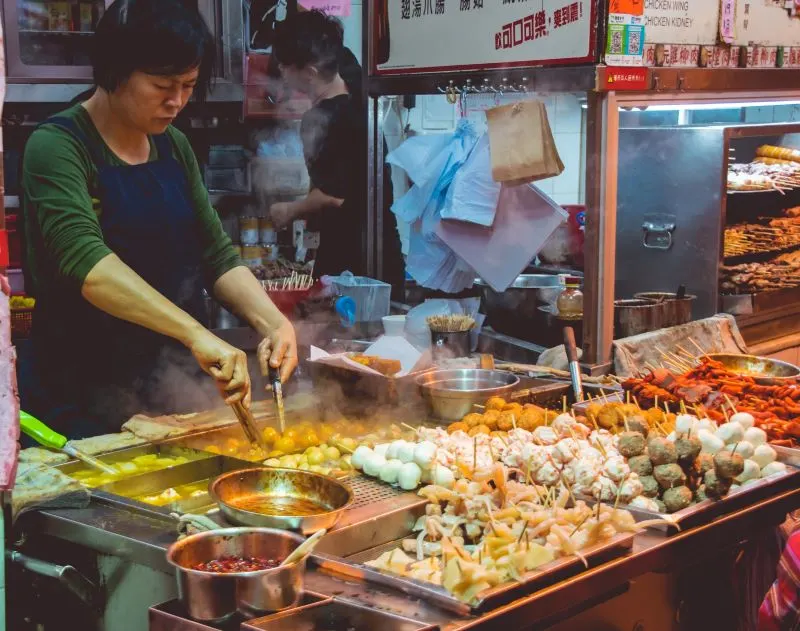
Chiang Mai is famous for its delicious and unique cuisine, with a blend of influences from Thailand, China, and Myanmar. Some of the top foods to eat in Chiang Mai include:
- Khao Soi – a coconut-based curry soup with noodles and chicken or beef, topped with crispy fried noodles.
- Som Tam – a spicy and tangy green papaya salad.
- Sai Oua – a grilled pork sausage with herbs and spices, often served with sticky rice.
- Kao Kha Moo – slow-cooked pork leg served on a bed of rice and topped with a boiled egg.
- Gaeng Hang Lay – a Burmese-inspired pork or beef curry with tamarind, ginger, and turmeric.
- Gai Yang – grilled chicken marinated in herbs and served with spicy dipping sauce.
- Nam Prik Ong – a spicy tomato and pork dip served with vegetables and sticky rice.
- Khao Tom – a rice soup with pork, chicken or seafood, and seasoned with ginger and garlic.
- Khanom Jeen Nam Ngiao – a spicy tomato-based soup with rice noodles and pork or beef.
- Mango Sticky Rice – a sweet dessert made with sticky rice, fresh mango, and sweetened coconut milk.
These are just a few of the many delicious dishes you can find in Chiang Mai, and exploring the local food scene is a must-do activity for any food lover visiting the city.
Restaurants and Food Spots In Chiang Mai

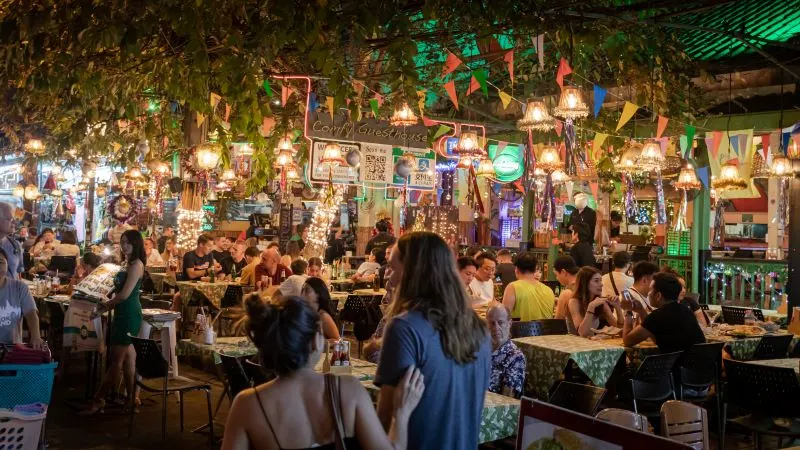
Here’s a list of 20 restaurants and street food spots in Chiang Mai that are worth checking out:
- Khao Kha Moo Chang Phueak – a street food vendor famous for their stewed pork leg over rice
- Dash! Teak House – a restaurant serving modern Thai cuisine with an emphasis on local ingredients
- SP Chicken – a street food vendor renowned for their grilled chicken and sticky rice
- The House by Ginger – a restaurant offering Thai fusion cuisine in a stylish setting
- Huen Phen – a traditional Thai restaurant known for their Northern Thai specialties
- Khao Soi Khun Yai – a popular spot for khao soi, a signature dish of Chiang Mai
- Woo Cafe & Art Gallery – a cafe serving coffee and light bites with an attached art gallery
- Rustic & Blue – a cafe and bakery with a focus on healthy and organic ingredients
- Kao Soy Nimman – a restaurant specializing in khao soi and other Northern Thai dishes
- Ristr8to – a cafe with award-winning coffee and a trendy atmosphere
- Aroon Rai – a local restaurant that serves traditional Northern Thai dishes in a rustic atmosphere
- Pun Pun – an organic vegetarian restaurant with a focus on sustainable agriculture
- The Salad Concept – a salad bar and cafe that emphasizes fresh, healthy ingredients
- Kanom Jeen Mae Sai – a street food vendor that serves fresh, homemade rice noodles with various curries and sauces
- Anchan Vegetarian – a vegetarian restaurant with a focus on organic and locally sourced ingredients
- Chang Phueak Pork Leg Rice – another street food vendor serving delicious pork leg over rice
- Woo Sky Lounge – a rooftop bar and restaurant with stunning views of the city
- Aum Vegetarian – a vegetarian restaurant with a variety of Thai and Western dishes
- Cat House – a cozy cafe with a cat-themed decor, serving coffee and light bites
- Tong Tem Toh – a local restaurant with a cozy atmosphere and authentic Northern Thai dishes
There are plenty more excellent restaurants and street food vendors in Chiang Mai to discover, but these are some of the most popular and well-regarded spots.
Getting Around In Chiang Mai

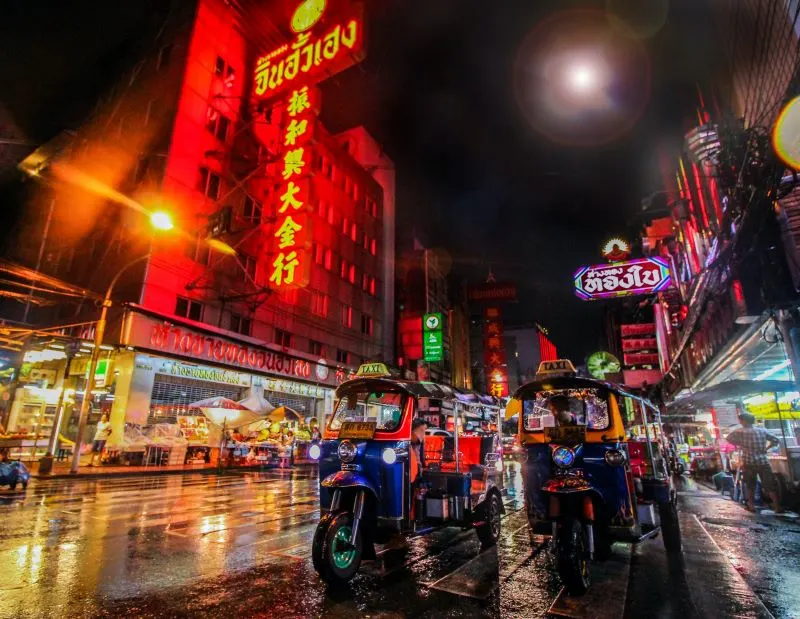
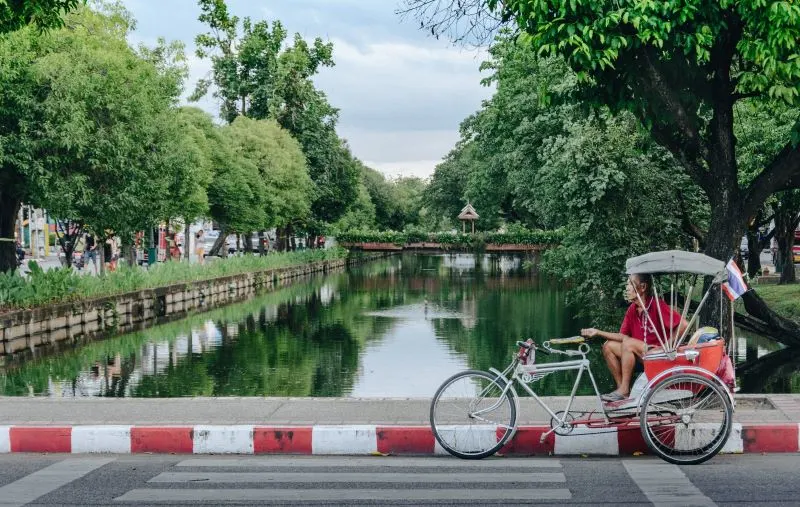
Chiang Mai has various modes of transportation to choose from, including tuk-tuks, red songthaews, taxis, and motorbikes. Tuk-tuks are popular among tourists and are available in most parts of the city.
Songthaews are red, covered pickup trucks that function as shared taxis and travel set routes throughout the city. Taxis are also available and can be hailed on the street or booked through ride-hailing apps.
Motorbikes are a popular way to get around Chiang Mai, and rentals are widely available. Additionally, Chiang Mai has a well-developed public transportation system with modern buses, air-conditioned vans, and the city’s signature yellow trucks, which offer affordable fares and serve most major areas of the city.
In conclusion, Chiang Mai is a vibrant and culturally rich city with plenty of activities and attractions to keep visitors engaged and entertained.
From exploring ancient temples and learning about the local hill tribes to indulging in delicious food and taking in the natural beauty of the surrounding mountains and waterfalls, Chiang Mai has something to offer everyone.
With a range of accommodation options and convenient transportation, it’s easy to plan a trip to Chiang Mai and immerse yourself in the unique culture and charm of this northern Thai city.
Leave a comment