

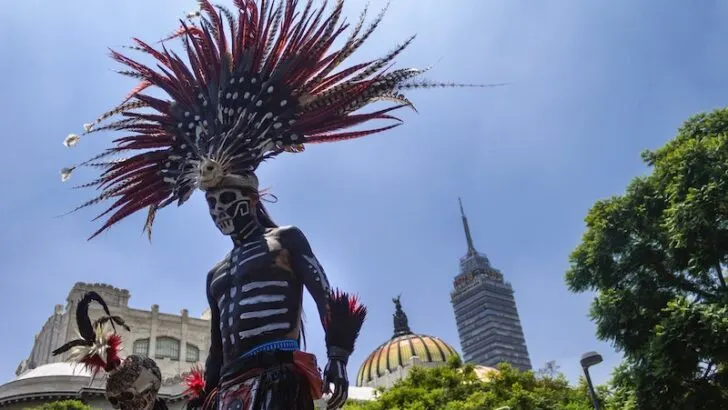
Mexico City, also known as Ciudad de México or CDMX, is the capital and largest city of Mexico. It is one of the most populous cities in the world and a cultural, political, and financial center of Latin America.
With a rich history dating back to the Aztec civilization, the city is home to many historical landmarks, museums, and world-renowned cuisine.
30 Best Things To Do In Mexico City, Mexico
Mexico City is known for its lively neighborhoods, such as Condesa and Roma, with vibrant nightlife, art galleries, and trendy restaurants. . Visitors can explore the ancient ruins of Teotihuacan, visit the Frida Kahlo Museum, and take a boat ride through the canals of Xochimilco.
The city’s transportation system includes the metro, buses, and taxis, making it easy to navigate and explore. Mexico City is a vibrant and historic city with a wealth of things to see and do. Here are 40 of the best things to do in Mexico City:
1. Visit the Palacio de Bellas Artes

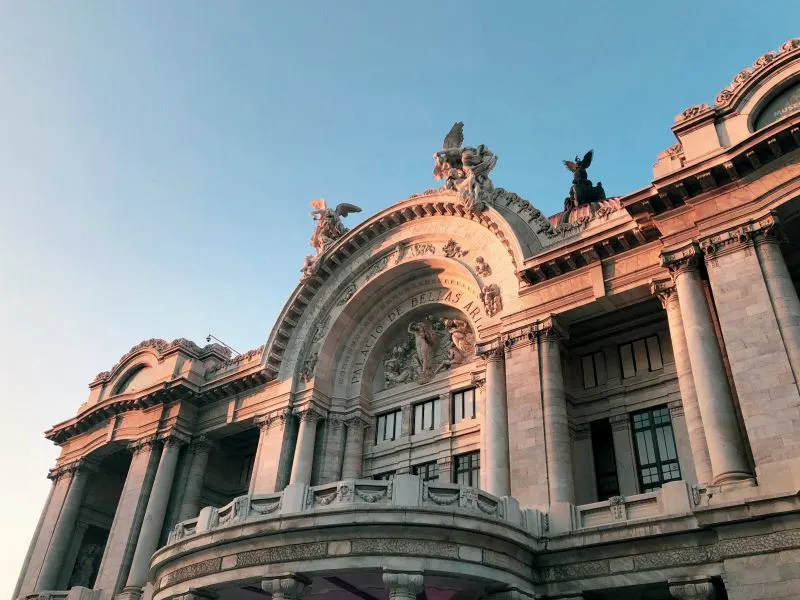
The Palacio de Bellas Artes, located in the heart of Mexico City, is one of the most iconic and recognizable buildings in the city. It is a cultural center that features exhibitions, concerts, and performances, and is widely regarded as one of the most important cultural institutions in Mexico.
The building itself is a stunning example of Art Nouveau and Art Deco architecture, with a beautiful marble facade, intricate carvings, and a striking domed roof covered in vibrant, multicolored tiles.
Inside, visitors will find an array of beautiful spaces, including a grand marble staircase, a stunning concert hall, and several galleries and exhibition spaces.
The concert hall, which is widely considered one of the best in the world, features a beautiful stained-glass ceiling and is home to the National Symphony Orchestra of Mexico.
The space has hosted some of the world’s most famous musicians and performers over the years, including Placido Domingo, Luciano Pavarotti, and the Ballet Folklórico de México.
In addition to the concert hall, the Palacio de Bellas Artes also features several galleries and exhibition spaces, showcasing a range of art and cultural exhibitions throughout the year.
The building is also home to the National Institute of Fine Arts, which oversees many of Mexico’s most important cultural institutions.
2. Explore the ancient ruins of Teotihuacan

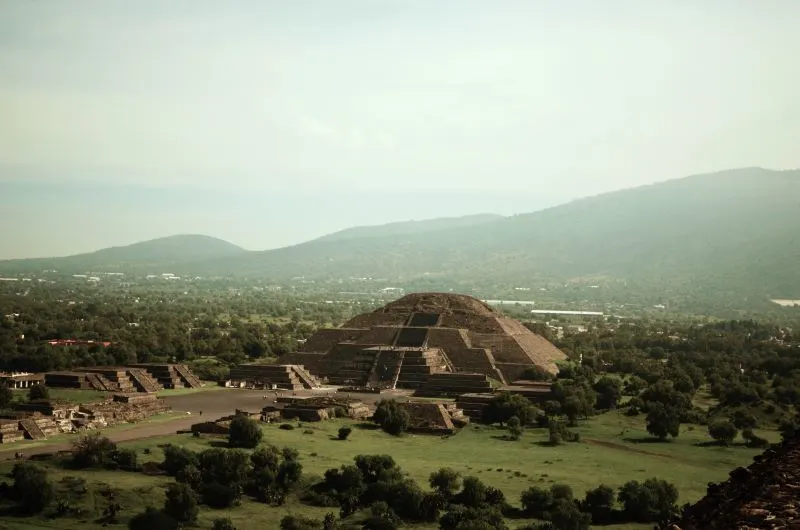
The ancient ruins of Teotihuacan are one of Mexico’s most impressive and awe-inspiring archaeological sites. Located just outside of Mexico City, Teotihuacan was once one of the largest and most influential cities in Mesoamerica, and today its ruins offer a fascinating glimpse into the ancient world of the Aztecs and their predecessors.
The ruins of Teotihuacan consist of a vast complex of temples, pyramids, plazas, and other structures, all built with remarkable precision and architectural ingenuity.
The most famous and impressive structures in the complex are the Pyramid of the Sun and the Pyramid of the Moon, two massive structures that dominate the landscape and offer breathtaking views of the surrounding valley.
In addition to the pyramids, Teotihuacan features several other important structures, including the Temple of the Feathered Serpent, which is adorned with intricate carvings of the deity Quetzalcoatl.
The city also features several residential and administrative buildings, as well as extensive underground tunnels and water systems.
One of the most fascinating aspects of Teotihuacan is that little is known about its original inhabitants or the culture that built it. The city was abandoned around the 7th century AD, and much of its history and significance has been lost to time.
3. Wander through the historic Centro Histórico, a UNESCO World Heritage

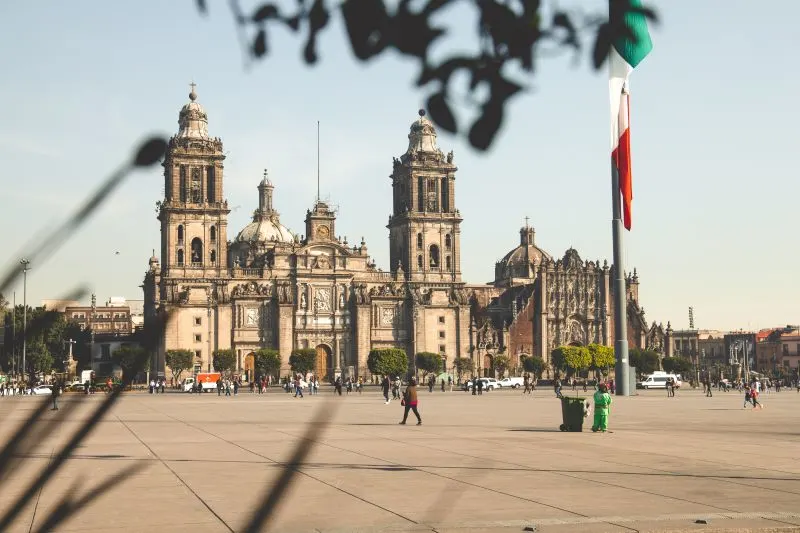
The Centro Histórico of Mexico City, also known as the Historic Center, is a vibrant and bustling neighborhood that is considered the heart and soul of the city. It is a UNESCO World Heritage Site and one of the largest and best-preserved historic districts in the world.
The neighborhood is centered around the Zócalo, the city’s main square and one of the largest public plazas in the world. The square is surrounded by several iconic buildings, including the Palacio Nacional, the Metropolitan Cathedral, and the Templo Mayor, which was once the main temple of the Aztec Empire.
The Centro Histórico is also home to several other historic landmarks, including the Palacio de Bellas Artes, the Palacio de Correos, and the Palacio de Minería.
The neighborhood is filled with beautiful colonial-era buildings, many of which have been converted into museums, art galleries, and cultural centers.
One of the highlights of the Centro Histórico is its vibrant street life, with bustling markets, street performers, and vendors selling everything from food and drink to handmade crafts and souvenirs.
Visitors can also explore the neighborhood’s many parks and plazas, which offer a welcome respite from the hustle and bustle of the city.
4. Visit the Frida Kahlo Museum, also known as the Blue House

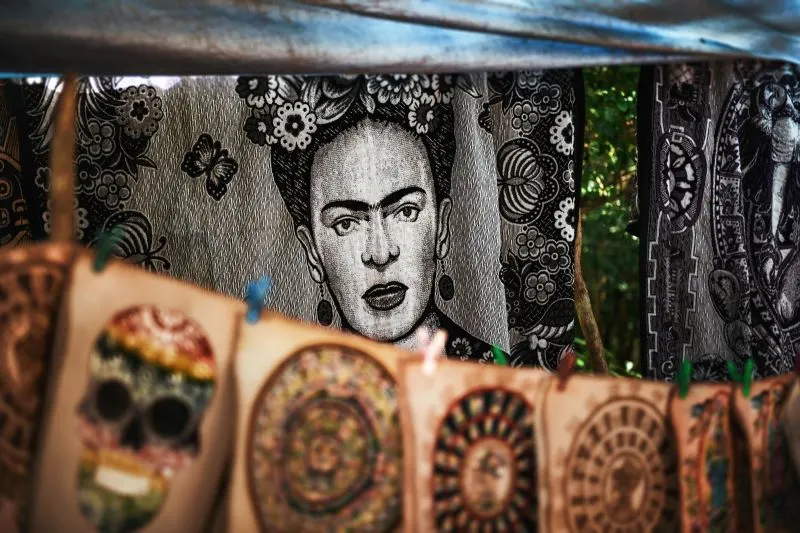
The Frida Kahlo Museum, also known as the Casa Azul or Blue House, is a museum in Mexico City that is dedicated to the life and work of the famous Mexican artist Frida Kahlo.
The museum is located in the house where Kahlo was born, lived, and worked for much of her life, and it offers visitors a fascinating glimpse into her world and artistic vision.
The Casa Azul is a beautiful blue building surrounded by lush gardens, and it contains a wealth of artifacts and exhibits related to Kahlo’s life and career.
Visitors can explore the various rooms of the house, including Kahlo’s bedroom, kitchen, and studio, and see many of her personal belongings, including her clothing, jewelry, and artwork.
One of the highlights of the museum is the collection of Kahlo’s paintings, which includes some of her most famous works, such as “Self-Portrait with Thorn Necklace and Hummingbird” and “The Two Fridas.”
The museum also features exhibits on Kahlo’s life and the social and political context in which she lived, as well as temporary exhibitions featuring the work of other artists.
The museum is a must-see attraction for anyone interested in art, history, or the life and legacy of Frida Kahlo. It offers a unique and intimate perspective on one of Mexico’s most celebrated artists, and it is a testament to the enduring impact of Kahlo’s work and vision.
5. Check out the Zócalo, Mexico City’s central plaza and one of the largest public squares in the world.

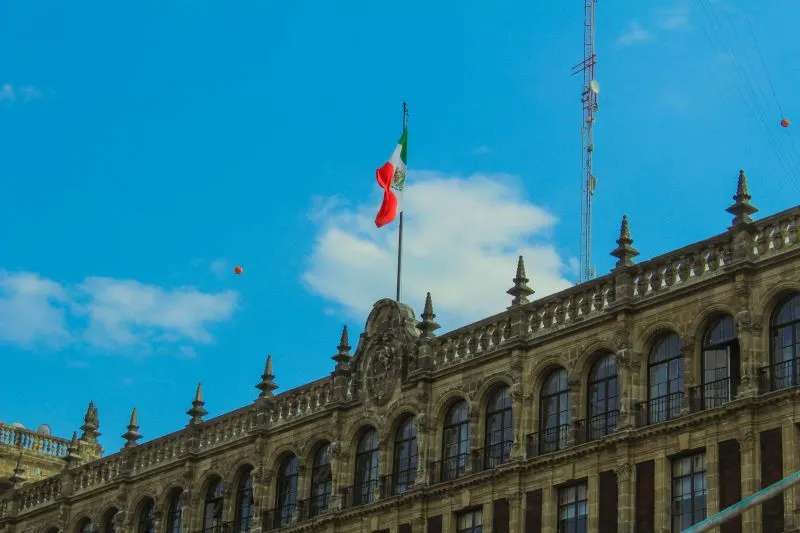
The Zócalo, also known as the Plaza de la Constitución, is the main square of Mexico City and one of the largest public plazas in the world. It has been the heart of the city since the days of the Aztecs, and it is surrounded by some of the city’s most important historical and cultural landmarks.
The Zócalo is a vast open space that covers an area of more than 57,000 square meters. It is lined with historic buildings, including the Palacio Nacional, the Metropolitan Cathedral, and the Templo Mayor, which was once the main temple of the Aztec Empire. The square is also home to a number of street vendors and performers, who add to its lively and vibrant atmosphere.
One of the most striking features of the Zócalo is the massive Mexican flag that flies in the center of the square. The flag is raised and lowered each day by a group of soldiers, accompanied by a brass band and a ceremony that has become a popular tourist attraction.
6. Take a stroll through the beautiful Chapultepec Park

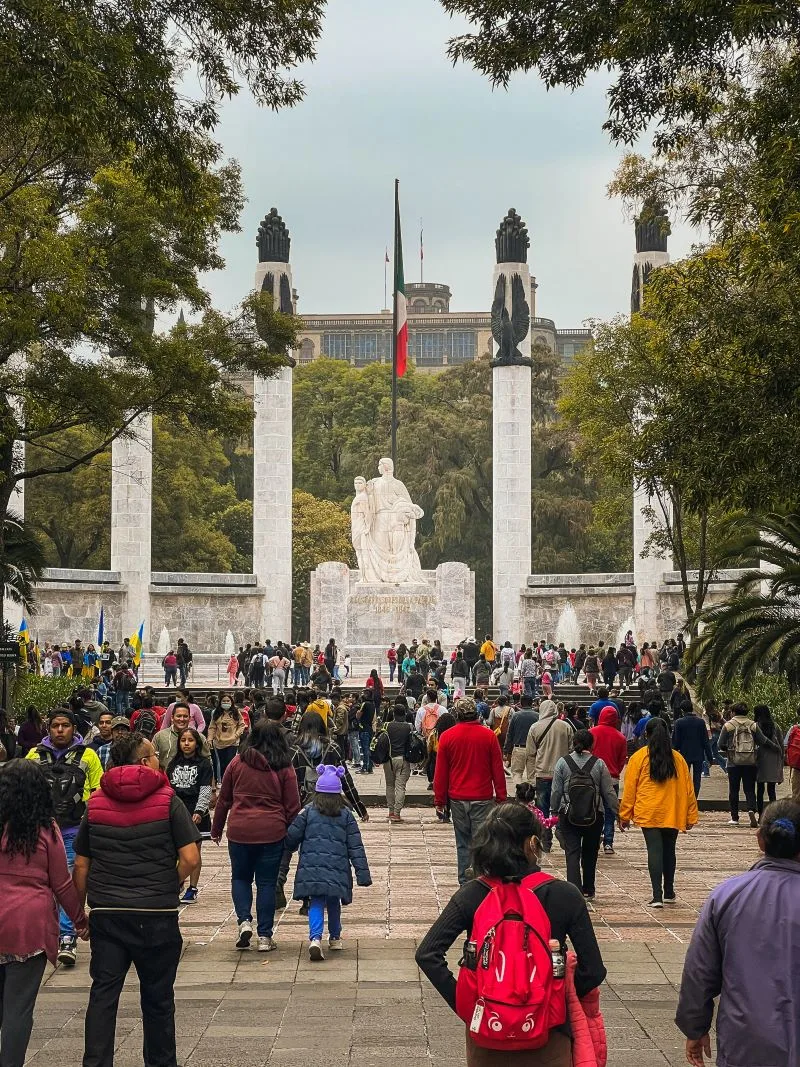
Chapultepec Park is a massive urban park located in the heart of Mexico City. Covering an area of more than 1,695 acres, it is one of the largest city parks in the world and a popular destination for both locals and tourists.
The park is home to a wide variety of attractions, including several museums, gardens, lakes, and monuments. One of the most famous landmarks in the park is the Chapultepec Castle, which was once the residence of the Mexican emperor and is now home to the National Museum of History.
Other popular attractions in the park include the Museum of Anthropology, which features an impressive collection of pre-Columbian artifacts, and the Tamayo Museum of Contemporary Art, which showcases works by some of Mexico’s most important contemporary artists.
The park is also a great place to enjoy nature and outdoor activities. It has several hiking trails and walking paths, as well as areas for picnicking, boating, and cycling. There is also a large zoo and a botanical garden, which features a wide variety of plant species from Mexico and around the world.
7. Experience the Palacio Nacional
Palacio Nacional, also known as the National Palace, is a historic building located in the heart of Mexico City. It has been the seat of the federal executive in Mexico since the colonial period and it is currently the official residence of the President of Mexico.
The building itself is an architectural masterpiece, with a stunning facade that features murals by some of Mexico’s most celebrated artists, including Diego Rivera.
The murals depict the history of Mexico, from the pre-Columbian era to the present day, and offer a fascinating insight into the country’s rich cultural heritage.
The palace also contains a number of impressive rooms and halls, including the Reception Hall, which features a beautiful mural by Rivera depicting the history of Mexico City, and the Independence Room, where the Mexican Declaration of Independence was signed in 1821.
In addition to its historic and cultural significance, Palacio Nacional is also home to a number of important government offices and agencies, including the Office of the President and the Ministry of Finance.
Visitors can take guided tours of the palace to learn more about its history and significance, and to see its many impressive architectural and artistic features up close.
8. Take a boat ride through the canals of Xochimilco

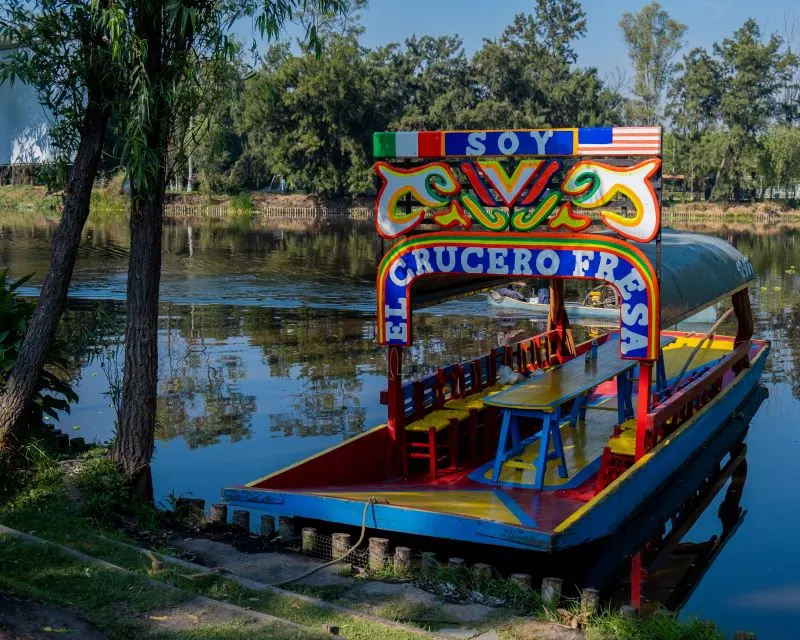
Xochimilco is a historic neighborhood located in the southern part of Mexico City, famous for its network of canals that were once used for transportation and agriculture.
Today, the canals of Xochimilco are a popular tourist attraction, offering visitors the chance to take a leisurely boat ride through the picturesque waterways.
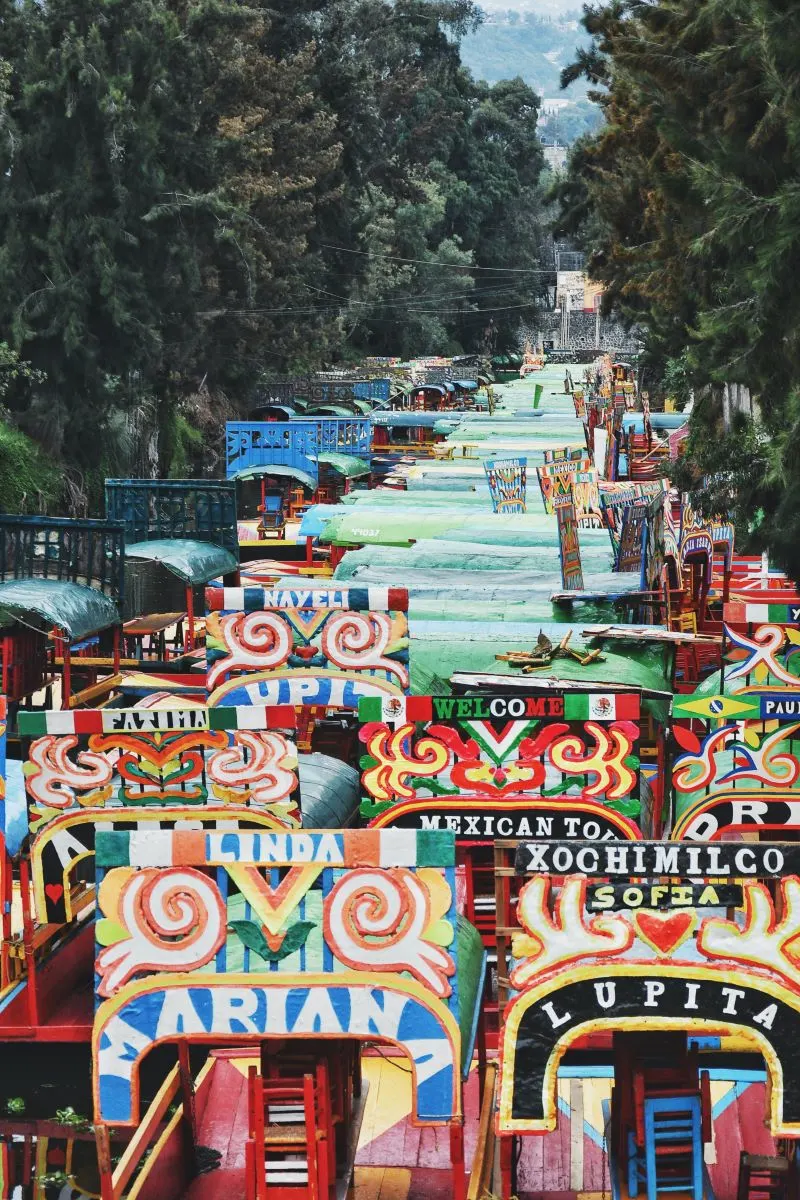
The boats used in Xochimilco are called trajineras, and they are colorful, flat-bottomed vessels that can accommodate groups of up to 20 people.
Visitors can rent a trajinera and hire a guide to take them on a tour of the canals, which wind through a series of islands and chinampas (artificial islands used for agriculture) that are surrounded by lush vegetation and colorful flowers.
As you float along the canals, you can enjoy the lively atmosphere of Xochimilco, with music and food vendors plying their trade from the banks of the waterways.
You can also stop at one of the many floating restaurants to sample traditional Mexican cuisine, such as grilled meats and vegetables, fresh tortillas, and agua frescas (fruit juices).
Taking a boat ride through the canals of Xochimilco is a unique and enjoyable experience that offers a glimpse into Mexico’s rich cultural heritage and natural beauty. Whether you’re traveling alone, with friends, or with family, it’s a must-do activity when visiting Mexico City.
9. Explore the trendy neighborhood of Condesa

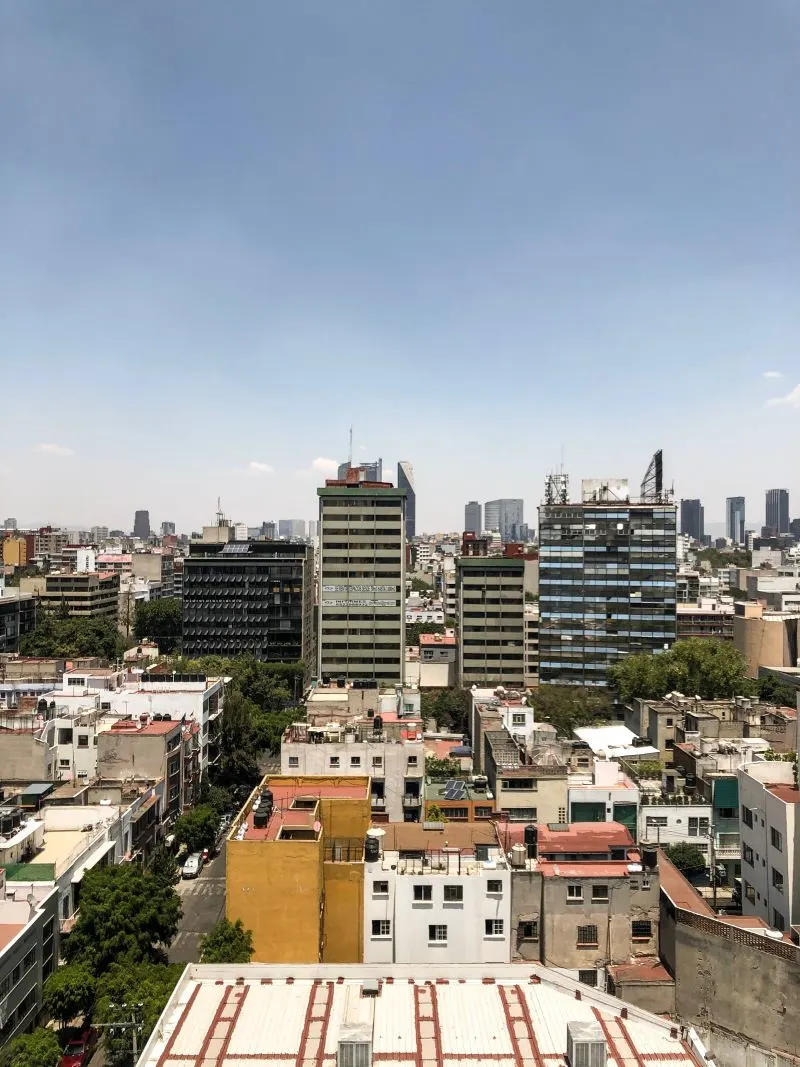
Condesa is a trendy and upscale neighborhood located in the heart of Mexico City. Known for its beautiful tree-lined streets, elegant Art Deco architecture, and vibrant cultural scene, Condesa is a popular destination for locals and tourists alike.
The neighborhood is home to a wide variety of restaurants, bars, and cafes, as well as art galleries, boutique shops, and cultural institutions. It has a lively and eclectic atmosphere, with a mix of young professionals, artists, and creatives calling it home.
One of the highlights of Condesa is Parque México, a beautiful park in the heart of the neighborhood that offers a peaceful escape from the hustle and bustle of the city.
The park is a popular spot for picnics, jogging, and dog-walking, and it’s surrounded by some of the most impressive Art Deco buildings in the city.
Condesa is also known for its nightlife, with a wide variety of bars and clubs catering to different tastes and styles. Whether you’re looking for a cozy speakeasy or a lively dance club, you’re sure to find something that suits your preferences in Condesa.
10. Learn about the History of the Mexican Revolution at the Museum of the Revolution

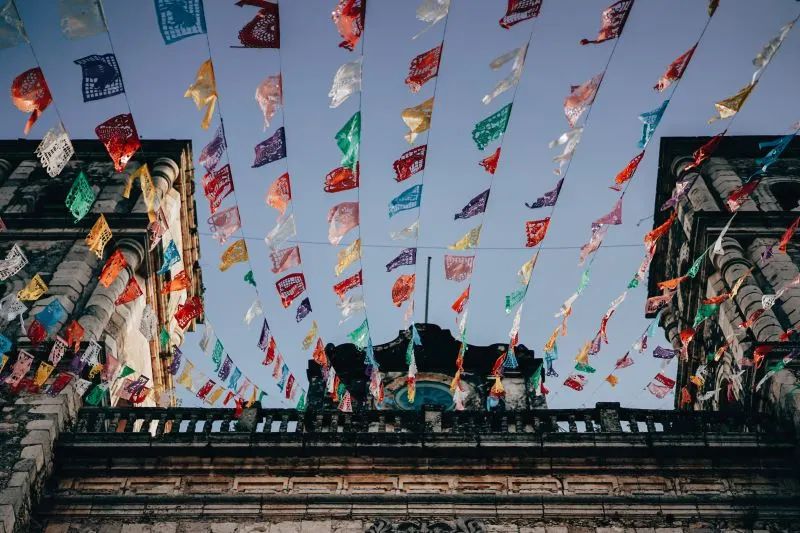
The Museum of the Revolution, also known as the Museo Nacional de la Revolución, is a museum located in the historic center of Mexico City.
It is housed in the former Palacio Legislativo, which served as the seat of the Mexican Congress until 1910, when the Mexican Revolution broke out.
The museum’s exhibits focus on the history and legacy of the Mexican Revolution, which lasted from 1910 to 1920 and transformed the country’s political, social, and cultural landscape.
The museum features a wide range of artifacts, documents, and interactive exhibits that offer a comprehensive overview of this pivotal period in Mexican history.
One of the highlights of the museum is the impressive central dome, which is over 60 meters tall and offers stunning views of the city.
Visitors can take an elevator to the top of the dome for a panoramic view of the cityscape, including iconic landmarks such as the Angel of Independence and the Torre Latinoamericana.
The museum also features a number of other interesting exhibits, including a collection of vintage cars and motorcycles that were used during the revolution, as well as a recreation of the office of Mexican revolutionary leader Pancho Villa.
11. Check out the National Museum of Anthropology

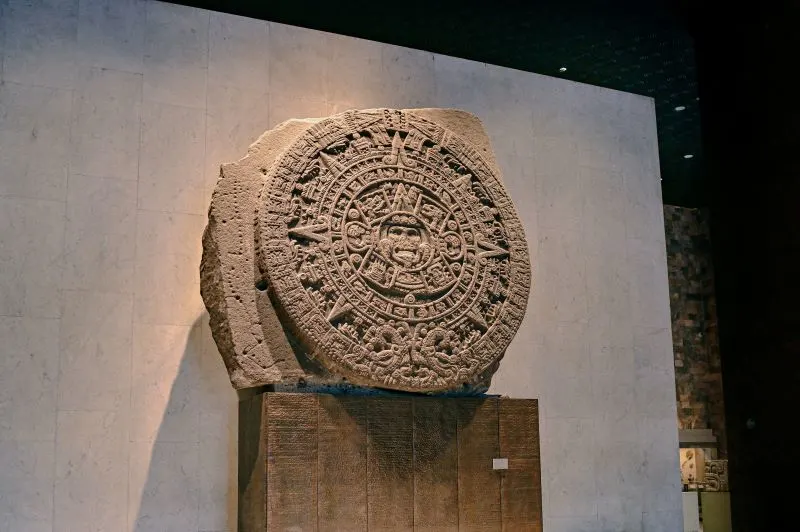
The National Museum of Anthropology, also known as the Museo Nacional de Antropología, is a world-renowned museum located in Chapultepec Park in Mexico City.
The museum’s collection contains some of the most important artifacts and exhibits related to Mexico’s pre-Columbian civilizations, including the Aztec, Maya, and Olmec cultures.
The museum’s building is itself an architectural masterpiece, featuring a large central courtyard surrounded by exhibition halls and galleries.
One of the most striking features of the museum is the “Umbrella,” a large canopy that covers the courtyard and is supported by a single column. This unique design allows natural light to flood the exhibition spaces, creating a bright and airy atmosphere.
The museum’s exhibits cover a wide range of topics related to Mexico’s ancient civilizations, including religion, art, agriculture, and technology. Some of the most famous exhibits include the Aztec Calendar Stone, the Jade Mask of the Zapotec, and the Olmec colossal heads.
The museum also features a number of interactive exhibits, including a replica of an Aztec market and a recreation of a Maya tomb. Visitors can learn about the history and culture of Mexico’s ancient civilizations through hands-on experiences and multimedia presentations.
12. Eat Your Way Through the San Juan Market

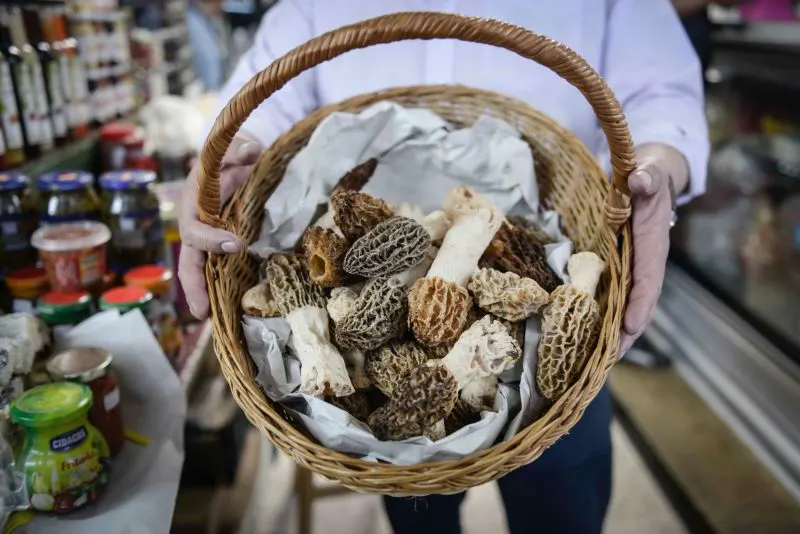
San Juan Market, also known as Mercado San Juan, is a gourmet food market located in the historic center of Mexico City. The market has a reputation for offering some of the finest and most exotic foods in the city, with a focus on high-quality meats, seafood, and exotic ingredients.
Visitors to San Juan Market can browse a wide variety of vendors selling everything from fresh produce and spices to rare meats and seafood. The market is particularly well-known for its selection of exotic meats, including ostrich, crocodile, and even lion.
In addition to the food vendors, the market also features a number of restaurants and cafes where visitors can sample some of the market’s offerings. The restaurants offer a range of cuisines, from traditional Mexican dishes to international fare.
One of the highlights of San Juan Market is the opportunity to interact with the vendors and learn about the ingredients and cooking techniques that are unique to Mexican cuisine. Many of the vendors are passionate about their products and are happy to share their knowledge with visitors.
13. Take a Day Trip to the nearby town of Tepoztlán

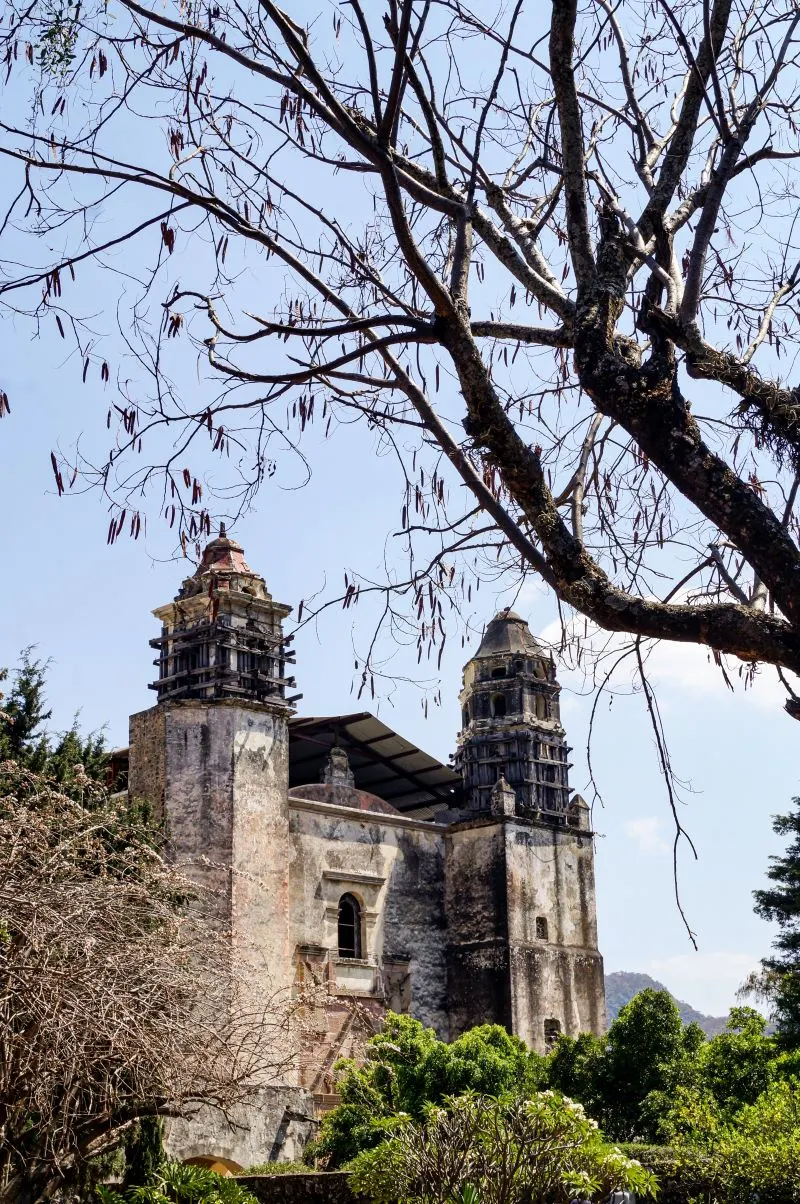
Tepoztlán is a charming town located about 50 kilometers south of Mexico City, nestled in the foothills of the Tepozteco Mountains. The town is known for its beautiful natural scenery, vibrant cultural traditions, and historical landmarks.
One of the most famous landmarks in Tepoztlán is the Tepozteco Pyramid, an ancient temple located at the top of a mountain overlooking the town. Visitors can hike to the top of the mountain to see the pyramid and enjoy stunning views of the surrounding landscape.
In addition to the pyramid, Tepoztlán is also home to a number of beautiful colonial-era buildings and churches, including the Parroquia de la Natividad, a beautiful 16th-century church located in the heart of the town.
Tepoztlán is also known for its vibrant arts and crafts scene, with many local artisans selling handmade goods in the town’s markets and shops. Visitors can browse a wide variety of handicrafts, including ceramics, textiles, and traditional Mexican toys.
Finally, Tepoztlán is known for its unique cultural traditions, including the Danza de los Tepoztecos, a traditional dance performed by local residents during festivals and celebrations throughout the year.
14. Explore the stunning Coyoacán Neighborhood

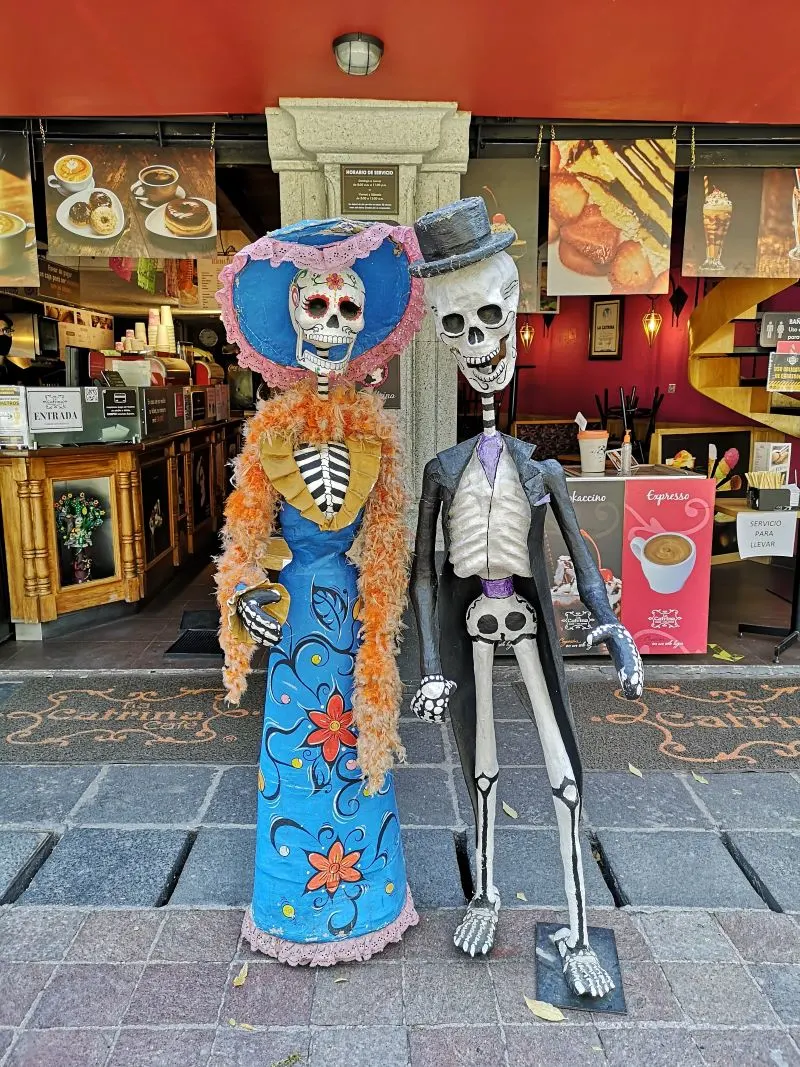
Coyoacán is a beautiful neighborhood located in the southern part of Mexico City, known for its colorful architecture, vibrant culture, and historical landmarks.
The neighborhood has a rich history and was once a separate city before being incorporated into Mexico City in the early 20th century.
One of the main attractions in Coyoacán is the Frida Kahlo Museum, also known as the Casa Azul (Blue House). The museum is the former home of the renowned Mexican artist Frida Kahlo and her husband, the muralist Diego Rivera. Visitors can tour the house and see some of Kahlo’s artwork, personal belongings, and artifacts.
Another must-visit destination in Coyoacán is the Jardín Centenario, a beautiful park located in the heart of the neighborhood. The park is surrounded by restaurants, cafes, and shops, and is a popular spot for locals and visitors alike to relax and enjoy the outdoors.
Coyoacán is also home to several other museums, including the Leon Trotsky Museum, which is dedicated to the life and legacy of the famous Russian revolutionary who lived in Mexico City in the 1930s.
In addition to its cultural attractions, Coyoacán is known for its colorful streets and beautiful colonial-era architecture. Visitors can wander the neighborhood’s streets and admire the colorful buildings, cobblestone streets, and lively public squares.
15. Visit the Impressive Basilica of Our Lady of Guadalupe

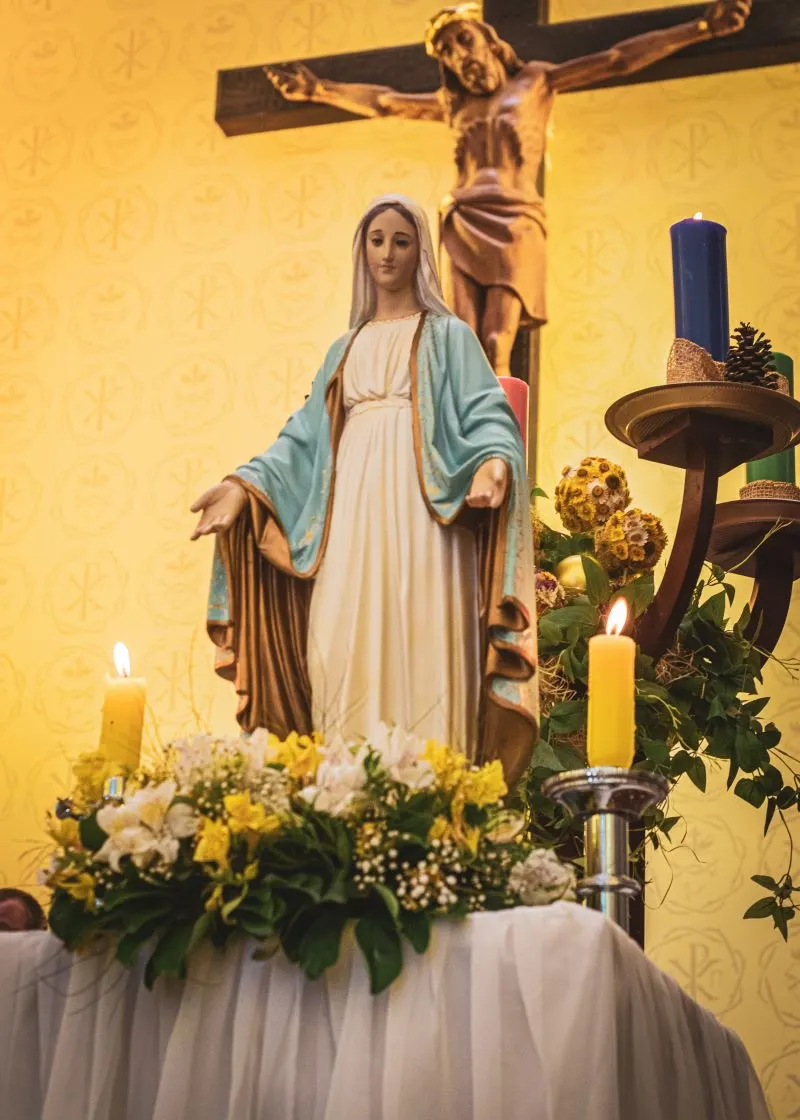
The Basilica of Our Lady of Guadalupe is one of the most important and revered religious sites in Mexico City, and it is located in the north of the city. The basilica is dedicated to the Virgin Mary, who is said to have appeared to a Mexican peasant, Juan Diego, in 1531.
The basilica is actually comprised of two buildings: the old basilica and the new basilica. The old basilica was built in the 18th century and is known for its beautiful Baroque architecture, including a stunning gold altar and ornate decorations.
The new basilica was built in the 1970s and is a more modern structure with a unique circular design. The new basilica can hold up to 10,000 people, and it is known for its beautiful stained glass windows, modern art, and striking statue of the Virgin Mary.
Visitors to the Basilica of Our Lady of Guadalupe can attend mass, visit the many shrines and chapels throughout the complex, and see the famous tilma (cloak) of Juan Diego, which is said to bear the image of the Virgin Mary.
In addition to its religious significance, the Basilica of Our Lady of Guadalupe is also an important cultural landmark in Mexico City.
Millions of pilgrims and visitors come to the basilica each year to pay their respects and to experience the history and culture of Mexico’s Catholic heritage.
16. Check Out the Trendy La Roma Neighborhood
The Roma neighborhood in Mexico City is a trendy and bohemian district known for its beautiful tree-lined streets, colorful houses, and vibrant cultural scene.
This neighborhood is one of the most popular areas of the city for young locals and tourists alike, and it is home to some of the best restaurants, bars, cafes, and art galleries in the city.
One of the highlights of the Roma neighborhood is its beautiful architecture, which includes a mix of Art Nouveau, Art Deco, and Neoclassical styles.
Visitors can stroll through the streets of Roma and admire the beautiful facades of the buildings, many of which have been restored to their original glory.
In addition to its beautiful architecture, Roma is also known for its vibrant cultural scene. The neighborhood is home to a number of theaters, art galleries, and cultural centers, including the Casa Lamm Cultural Center and the Centro Cultural Bella Época.
Foodies will also love the Roma neighborhood, as it is home to some of the best restaurants in the city, serving a range of international and Mexican cuisine.
The Mercado Roma is a popular food hall that features a wide range of food stalls and vendors, offering everything from traditional Mexican dishes to gourmet cuisine.

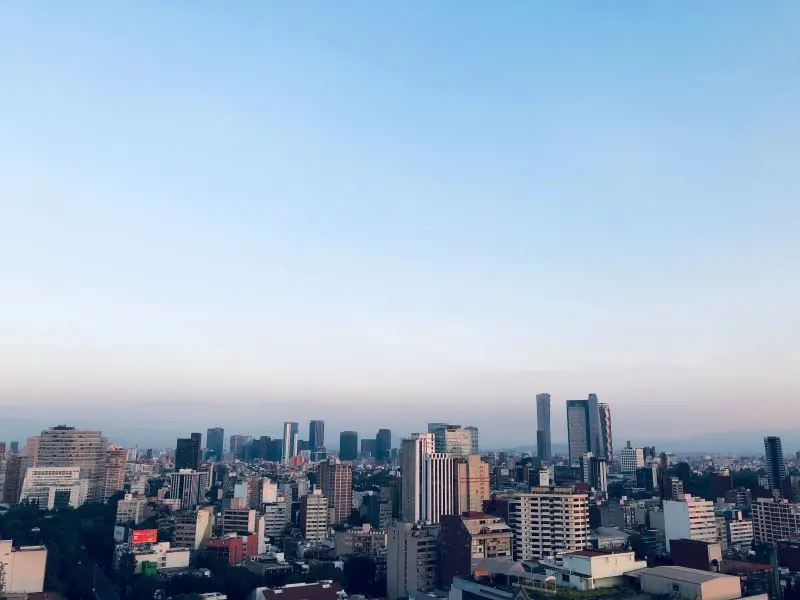
17. Explore the Vibrant Mercado de La Merced
The Mercado de La Merced is one of the largest and most vibrant markets in Mexico City, offering a sensory experience that is unmatched in the city.
Located in the historic center of the city, this market is known for its vibrant colors, lively atmosphere, and a wide range of products that can satisfy any shopper’s needs.
The market has been in operation since the 16th century, and today it is one of the busiest and most popular markets in the city. It is home to more than 3,000 vendors selling everything from fresh fruits and vegetables to spices, meats, and traditional Mexican handicrafts.
Visitors to the Mercado de La Merced will be greeted by a lively atmosphere that is filled with the sounds and smells of Mexico.
The market’s narrow alleys and bustling crowds make it a truly immersive experience, where visitors can experience the local culture and interact with vendors to learn more about the products they sell.
Some of the must-visit sections of the market include the flower market, where visitors can find a colorful array of flowers and plants, and the food section, where visitors can sample some of the most delicious and authentic Mexican dishes.
The Mercado de La Merced is also a great place to find traditional Mexican handicrafts, such as embroidered textiles, pottery, and carved wooden figures.
Many vendors in the market specialize in handmade products that are unique to their region and showcase the incredible craftsmanship of Mexican artisans.
18. Take a guided tour of the Templo Mayor

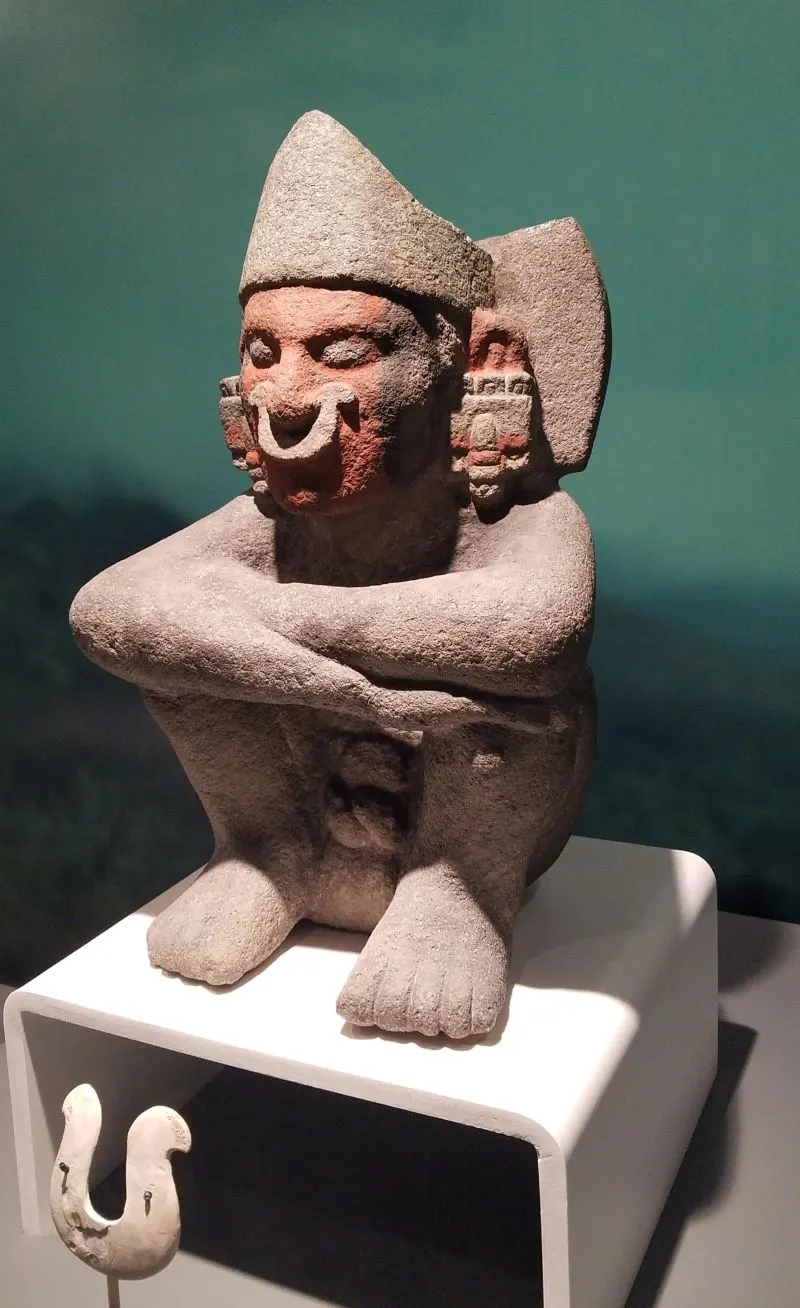
The Templo Mayor is an ancient temple complex located in the heart of Mexico City, and is one of the most significant archaeological sites in the country. The temple was built by the Aztecs in the 14th century and was the center of their religious and political life.
Visitors can take a guided tour of the Templo Mayor to learn more about its rich history and cultural significance. The tour will take you through the ruins of the temple complex, which includes several temples, pyramids, and altars, as well as a museum that showcases artifacts discovered at the site.
One of the highlights of the tour is the main temple, which was dedicated to the Aztec god Huitzilopochtli. Visitors can climb the steps of the temple to reach the top, where they can take in panoramic views of the surrounding area and get a sense of the temple’s scale and grandeur.
The tour will also provide insight into the religious and cultural practices of the Aztecs, including their complex system of gods and goddesses, as well as their ritual practices and ceremonies.
In addition to learning about the history of the Templo Mayor, visitors can also see firsthand the ongoing archaeological excavations at the site, which are helping to uncover new information about the Aztec civilization and its significance in Mexican history.
19. Visit the Stunning Museo Soumaya

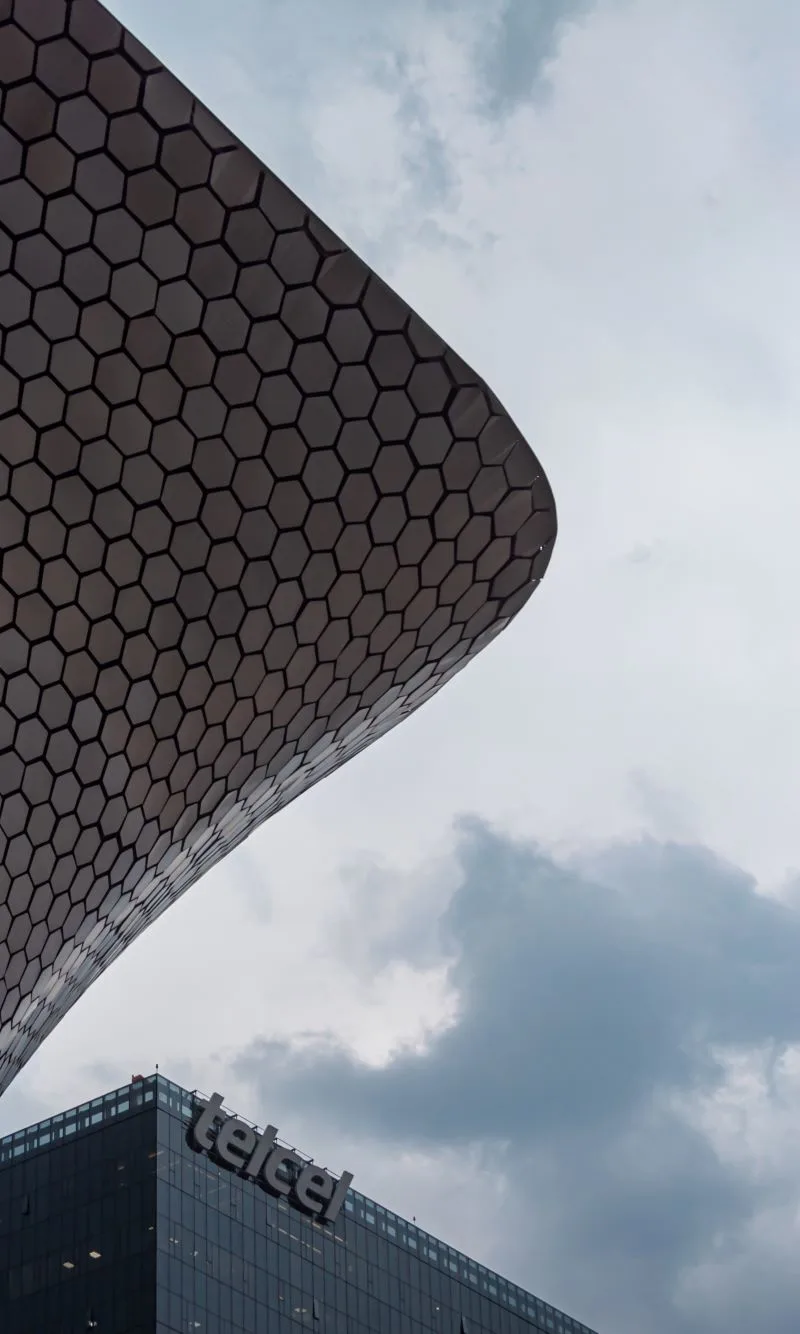
Museo Soumaya is a museum located in the Polanco neighborhood of Mexico City, and is known for its impressive collection of over 66,000 works of art from all over the world. The museum was founded in 1994 by Mexican businessman Carlos Slim in honor of his late wife, Soumaya Domit.
The building itself is a work of art, with a striking, futuristic design that features a distinctive, curved facade made of 16,000 hexagonal aluminum tiles.
Inside, the museum is divided into several galleries that showcase works from various periods and regions, including pre-Hispanic Mesoamerican art, European old masters, and modern and contemporary art.
One of the highlights of the museum is its extensive collection of works by the French sculptor Auguste Rodin, which includes several of his most famous pieces, such as The Thinker and The Kiss.
The museum also has a large collection of Mexican art, including works by renowned artists such as Diego Rivera, Frida Kahlo, and Rufino Tamayo.
Visitors to Museo Soumaya can take a self-guided tour of the museum or join a guided tour to learn more about the works on display.
The museum also hosts regular cultural events, such as concerts, film screenings, and lectures, which provide additional opportunities to experience and appreciate the rich cultural heritage of Mexico and the world.
20. Make Your Way To the top of the Torre Latinoamericana

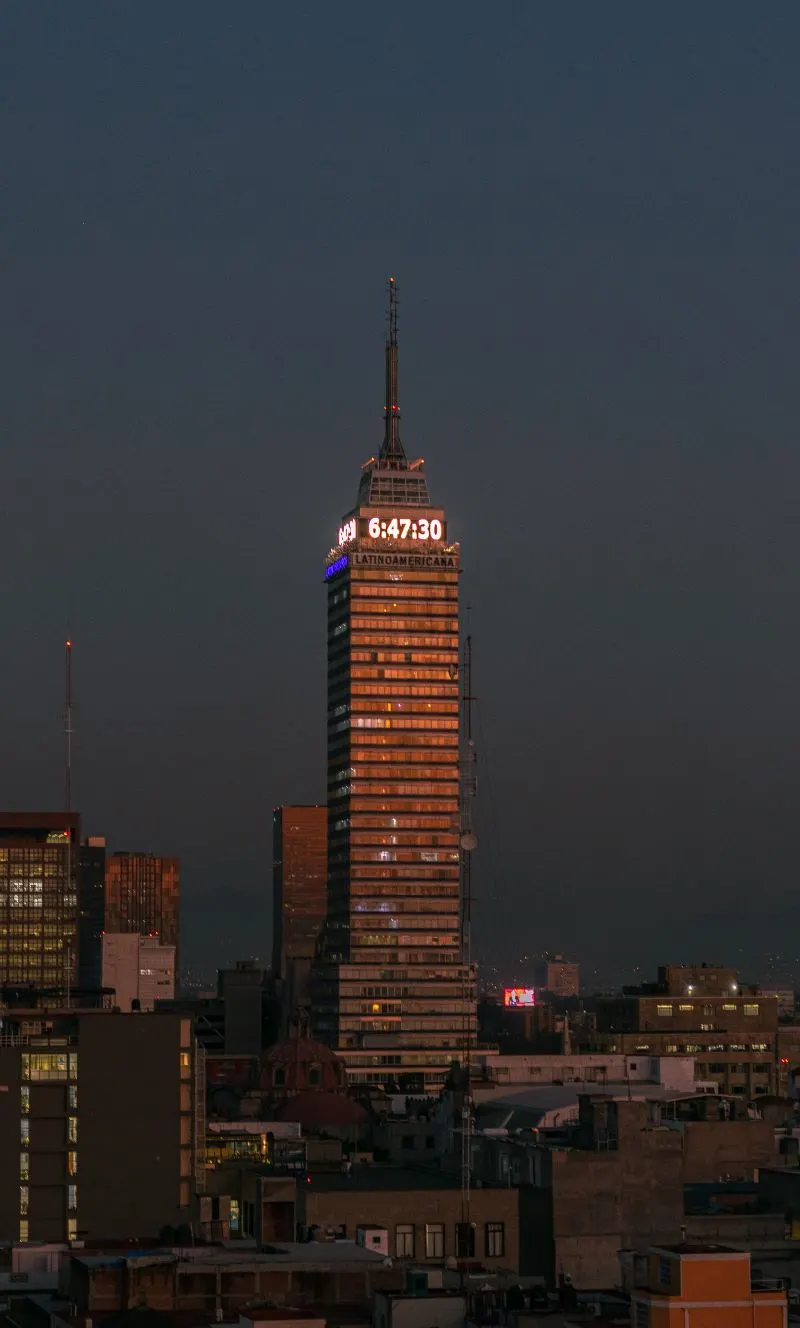
The Torre Latinoamericana is a skyscraper located in the heart of Mexico City. It stands at 183 meters tall and was the tallest building in Latin America when it was completed in 1956.
Today, it remains an iconic landmark of the city, and visitors can go to the top of the building to enjoy breathtaking views of Mexico City from above.
The observation deck is located on the 44th floor of the building and is accessible by elevator. Once you arrive at the top, you can enjoy panoramic views of the city, including the historic Zocalo square, the Palacio de Bellas Artes, and the Chapultepec Park. On clear days, you can even see the distant mountains surrounding the city.
In addition to the observation deck, the Torre Latinoamericana also has a museum on the 38th floor that tells the story of the building’s construction and its significance in the history of Mexico City.
The museum features interactive exhibits, photographs, and artifacts that help visitors understand the role that the Torre Latinoamericana has played in the city’s development.
21. Check Out Casa Luis Barragán

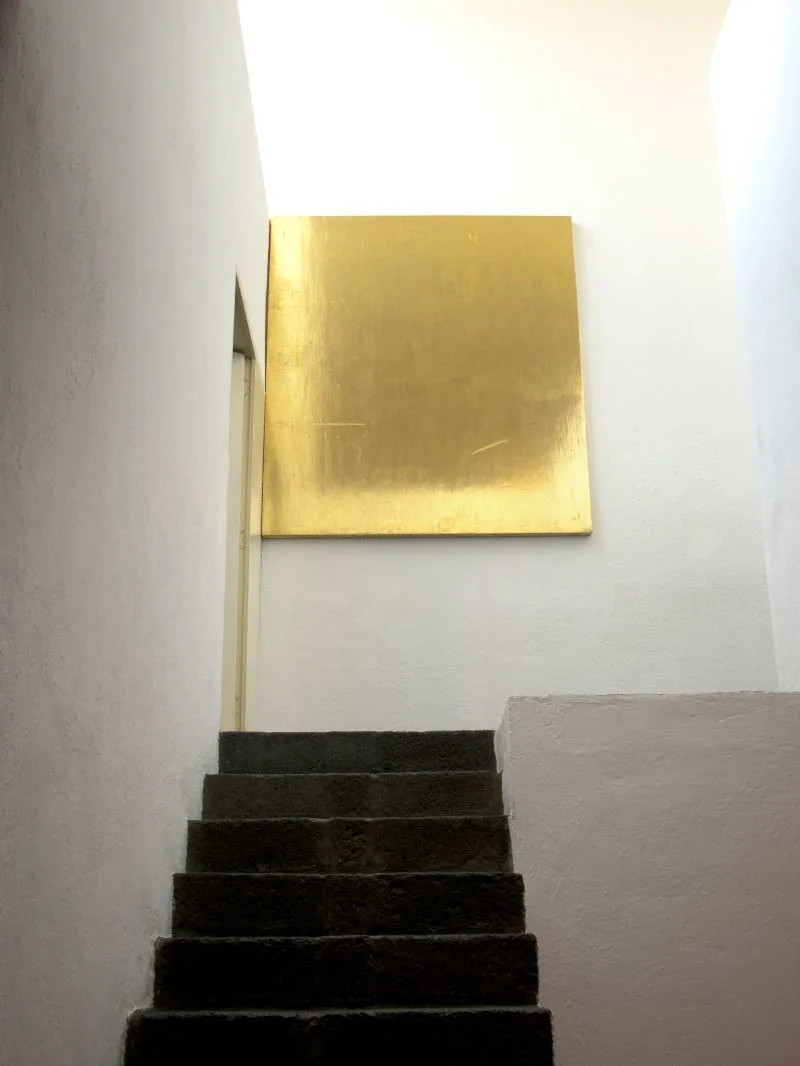
Casa Luis Barragán is a house museum located in the Tacubaya neighborhood of Mexico City. It was the home and studio of the famous Mexican architect Luis Barragán, who designed the house in the late 1940s and lived there until his death in 1988.
The house is considered one of the most important examples of modern Mexican architecture and has been recognized as a UNESCO World Heritage Site.
The house is characterized by its clean lines, use of natural light, and vibrant use of color, all of which were hallmarks of Barragán’s design style.
The interior is filled with bright hues and textures, with a careful attention to detail and a unique blend of traditional and modern design elements. The house features an impressive collection of art and furniture, including pieces by Diego Rivera and Isamu Noguchi.
Visitors to Casa Luis Barragán can take a guided tour of the house and gardens, which includes a look at Barragán’s personal living quarters, his studio, and the various spaces he designed for entertaining guests.
The gardens are an integral part of the house’s design, with carefully landscaped paths, fountains, and outdoor rooms that blend seamlessly with the interior spaces.
22. Visit the Palacio de los Deportes

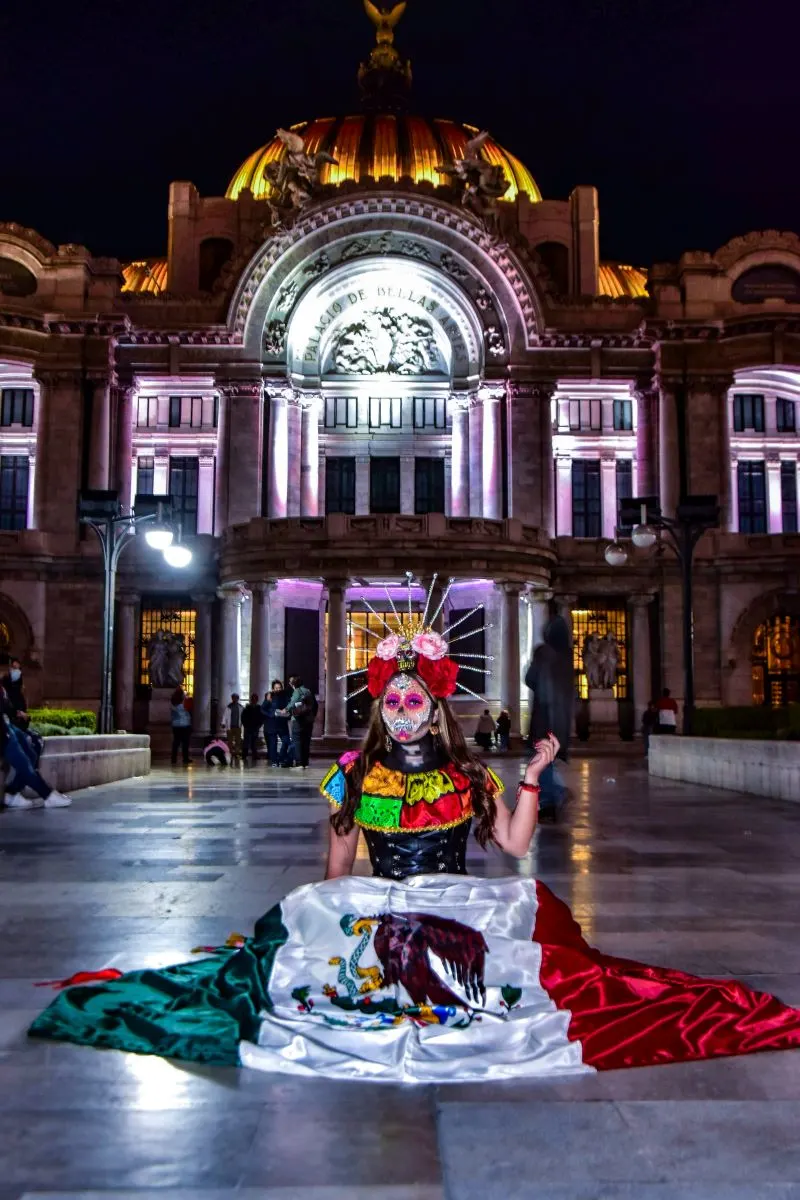
Palacio de los Deportes, located in the Ciudad Deportiva Magdalena Mixhuca complex in Mexico City, is an indoor arena that serves as a major venue for sporting events, concerts, exhibitions, and other large-scale events.
The arena, which can accommodate up to 20,000 people, was built in 1968 for the Summer Olympics and has since hosted a wide range of events, including the World Wrestling Entertainment (WWE) Live Tour and concerts by famous artists such as Justin Bieber, Lady Gaga, and Shakira.
The building features a unique and innovative design, with a curved roof made of metal and glass that allows natural light to filter through during the day.
Inside, the arena is equipped with state-of-the-art audio and lighting systems, as well as a range of amenities such as luxury suites, VIP lounges, and concession stands.
The arena also has ample parking and easy access to public transportation, making it a convenient destination for visitors to Mexico City.
Whether you’re a sports fan or a music lover, a visit to Palacio de los Deportes is a must-do activity. With its world-class facilities and impressive lineup of events, it offers a unique and exciting way to experience Mexican culture and entertainment.
23. Take a walk through the trendy Polanco neighborhood
Polanco is a stylish and upscale neighborhood located in Mexico City. Known for its high-end shops, trendy restaurants, and luxurious residences, Polanco is a popular destination for visitors looking to experience the city’s chic and sophisticated side.
As you walk through Polanco, you’ll see some of the city’s most fashionable boutiques, including designer clothing stores, art galleries, and jewelry shops.
The neighborhood is also home to a range of gourmet restaurants and cafes, where you can sample some of the city’s most delicious and innovative cuisine.
In addition to its shopping and dining options, Polanco is also home to several cultural attractions, including the impressive Soumaya Museum, which features a vast collection of artwork and artifacts from around the world.
You can also visit the Chapultepec Park, which is one of the largest urban parks in the world and offers plenty of outdoor activities and attractions.
24. Visit Casa de los Azulejos

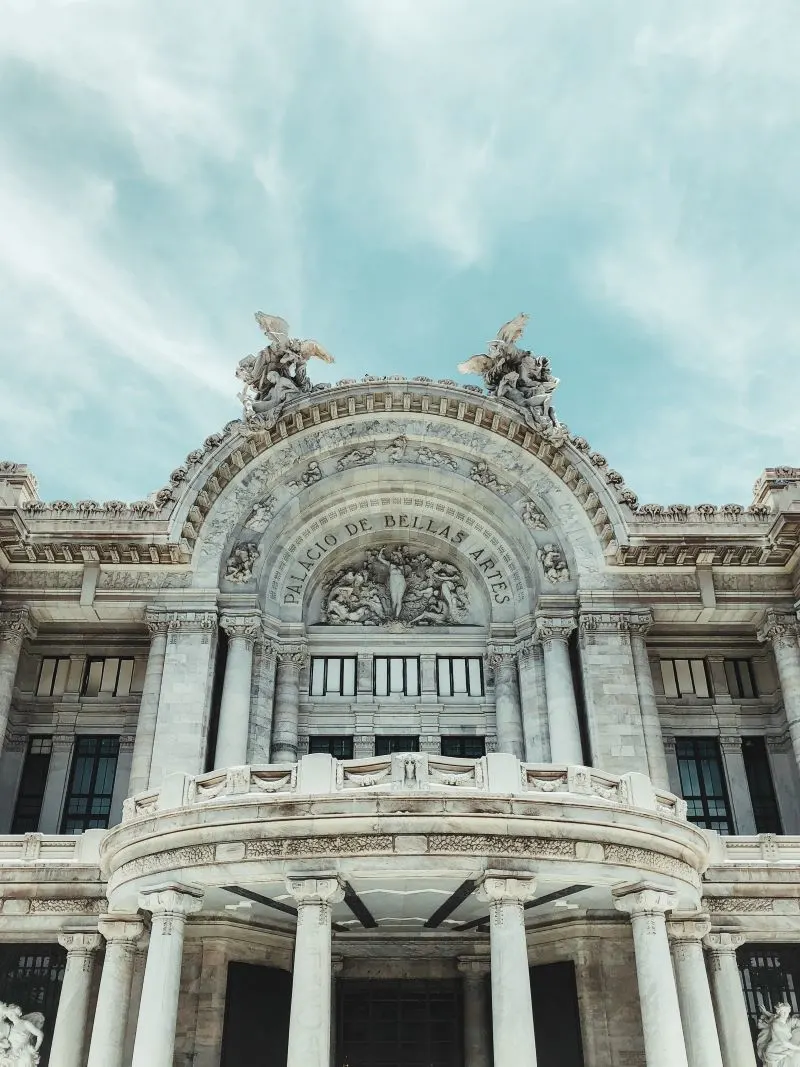
Casa de los Azulejos, also known as the House of Tiles, is a historic building located in the heart of Mexico City’s Centro Histórico. The building, which dates back to the 18th century, is famous for its stunning facade, which is covered in blue and white tiles.
The building was originally built as a private residence for the Count of Orizaba, but it has since been converted into a cultural center and restaurant.
The interior of the building features beautiful colonial-era architecture, with grand staircases, ornate balconies, and intricate tilework.
The Casa de los Azulejos is now home to the Sanborns House of Tiles, a popular restaurant chain that serves a variety of traditional Mexican dishes.
The restaurant is located on the ground floor of the building and features an outdoor courtyard surrounded by lush greenery.
Visitors can also explore the upper floors of the building, which house a range of art galleries and cultural exhibits.
25. Explore the Mercado de Jamaica

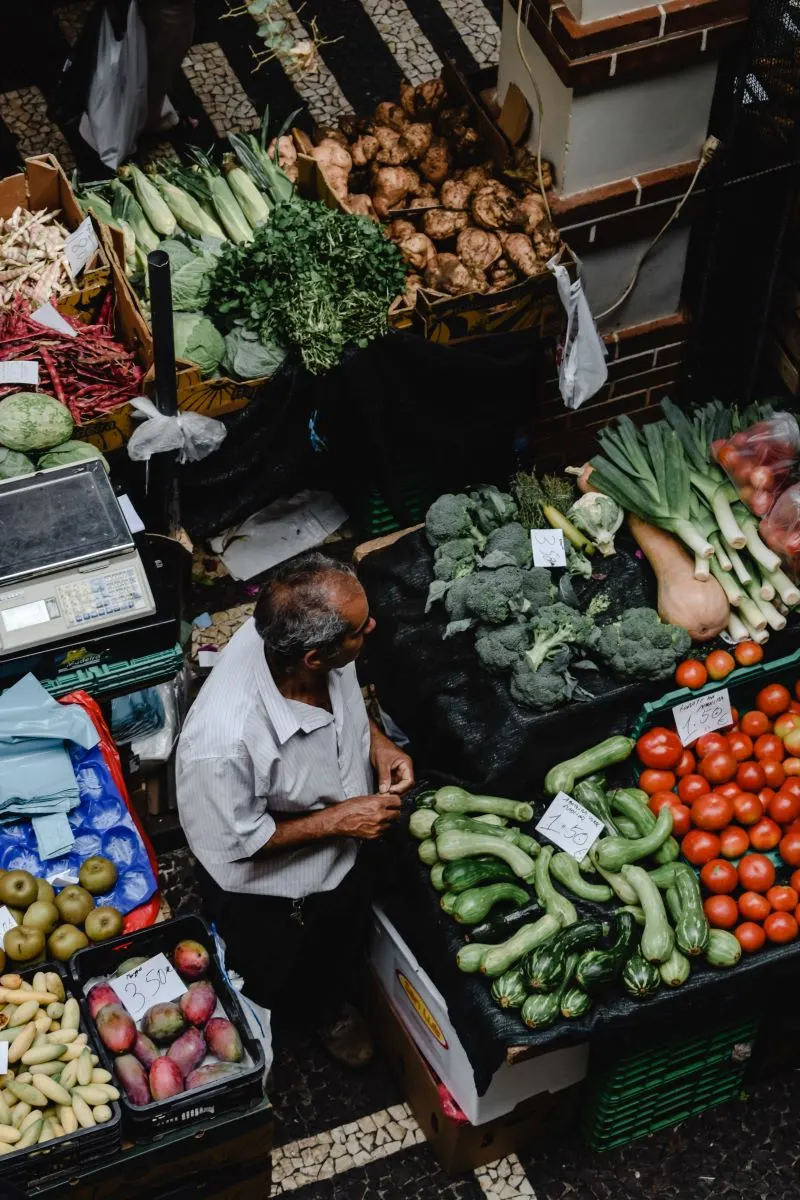
Mercado de Jamaica is a bustling market located in the Jamaica neighborhood of Mexico City. The market is known for its vibrant atmosphere and colorful displays of fresh produce, flowers, and other goods.
As one of the largest flower markets in the city, Mercado de Jamaica is particularly famous for its wide variety of flowers and plants.
Visitors can browse through rows of brightly colored blooms, from roses and lilies to exotic orchids and tropical foliage. The market also offers a range of seasonal flowers, such as poinsettias during the holiday season.
In addition to flowers, Mercado de Jamaica also features a variety of food stalls and vendors selling everything from fresh fruit and vegetables to prepared foods, such as tamales and tacos.
Visitors can sample traditional Mexican dishes, such as chilaquiles and enchiladas, or try some of the market’s specialty products, like huitlacoche (a type of edible fungus) or chapulines (roasted grasshoppers).
For those interested in gardening or home decor, Mercado de Jamaica also offers a range of gardening supplies, pottery, and other decorative items.
26. Take a stroll through the beautiful neighborhood of San Angel

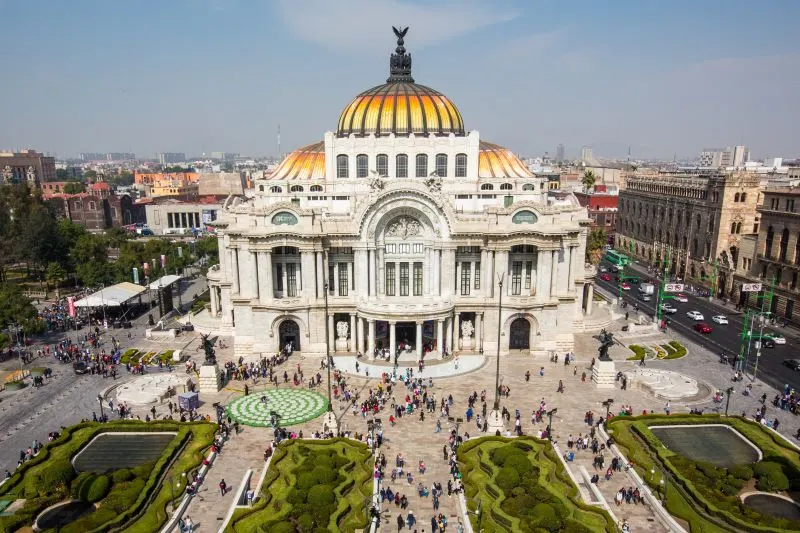
San Angel is a charming neighborhood located in the southern part of Mexico City. Known for its colonial architecture and tree-lined streets, San Angel is a popular destination for locals and tourists alike.
One of the main attractions of the neighborhood is the San Jacinto Plaza, a picturesque square surrounded by cafes, art galleries, and craft markets.
Visitors can browse through the market stalls, which sell a variety of handmade goods such as textiles, ceramics, and jewelry. The plaza is also home to the San Jacinto Church, a beautiful colonial church dating back to the 16th century.
Another popular attraction in San Angel is the Casa del Risco Museum, a beautifully restored colonial mansion that now houses a museum featuring works of art and artifacts from pre-Columbian times to the present. Visitors can explore the beautifully landscaped gardens and courtyards, as well as the stunning interior of the mansion.
San Angel is also home to a number of other historic buildings and landmarks, such as the San Angel Inn, a former monastery that now serves as a popular restaurant, and the Ex-Convento del Carmen, a former Carmelite convent that now serves as a cultural center.
As visitors stroll through the streets of San Angel, they will encounter a variety of architectural styles, from colonial to Art Deco. The neighborhood is also home to a number of parks and green spaces, including the Jardín del Arte, a beautiful park featuring sculptures and other works of art.
27. Visit the unique Museo del Objeto del Objeto

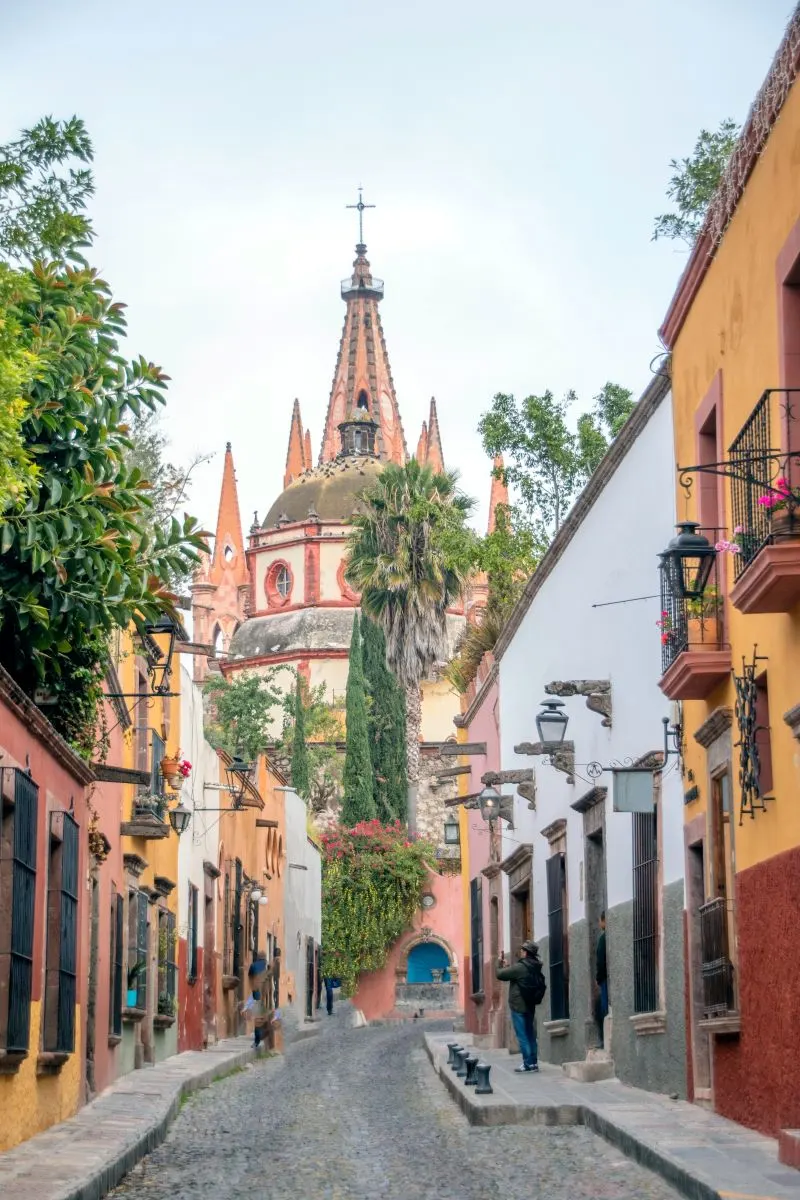
The Museo del Objeto del Objeto, also known as the Museum of the Object, is a unique museum located in the Colonia Roma neighborhood of Mexico City.
The museum’s collection focuses on everyday objects from the 19th and 20th centuries, such as toys, advertising posters, packaging, and household items. The collection is considered one of the most important collections of its kind in the world.
The museum is housed in a beautifully restored mansion that was built in 1906. The building itself is an architectural gem, with its ornate facade and elegant interior spaces.
The museum’s exhibits are housed in a series of galleries that are arranged thematically, with each gallery showcasing a different type of object or a particular aspect of everyday life.
One of the most popular exhibits in the museum is “La Fuerza de la Moda” (The Power of Fashion), which showcases a collection of clothing and accessories from the late 19th and early 20th centuries.
Another popular exhibit is “La Vida en Casa” (Life at Home), which features a variety of household items from different periods of Mexican history.
The museum also offers a variety of educational programs and workshops, designed to help visitors explore the history and significance of everyday objects.
The museum’s gift shop is also a popular destination for visitors, offering a wide selection of unique and quirky items inspired by the museum’s collection.
28. Take a trip to the nearby pyramids of Tula

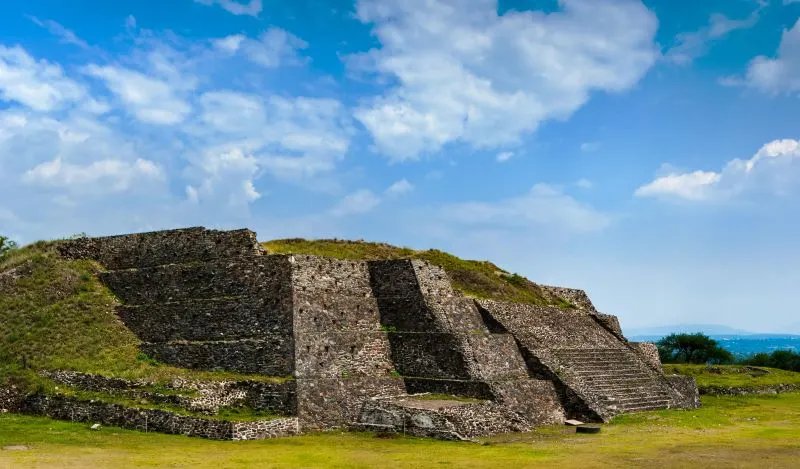
The Pyramids of Tula, also known as the Tula Archaeological Zone, are a set of ancient ruins located in Tula de Allende, about an hour’s drive north of Mexico City.
The site was once the capital of the Toltec Empire, a powerful Mesoamerican civilization that flourished between the 10th and 12th centuries.
The most prominent features of the Tula Archaeological Zone are the massive stone structures known as the Atlantean figures. These towering stone columns, each standing over 4 meters tall, are carved in the form of warriors wearing elaborate headdresses and holding ceremonial objects.
The Atlantean figures are thought to represent Toltec deities or royalty, and their imposing presence has made them one of the most recognizable symbols of pre-Columbian Mesoamerica.
The site also features several other impressive structures, including the Temple of the Morning Star, a massive pyramid that once served as the ceremonial center of the Toltec capital. Visitors can climb to the top of the pyramid to enjoy panoramic views of the surrounding countryside.
In addition to its architectural wonders, the Tula Archaeological Zone is also known for its extensive collection of ancient artifacts, including ceramics, jewelry, and ritual objects.
The site’s museum houses many of these artifacts, as well as interactive exhibits that help visitors understand the culture and history of the Toltec civilization.
29. Explore the trendy neighborhood of Narvarte

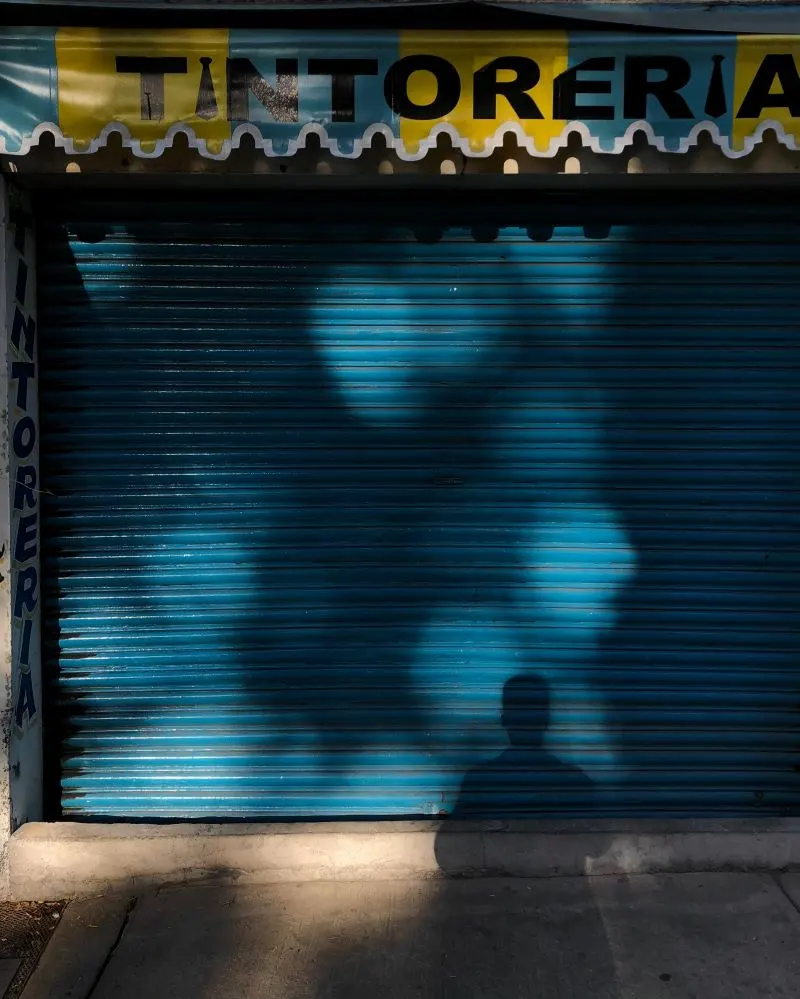
The Narvarte neighborhood is located in the center of Mexico City, just south of the city’s historic district. The neighborhood is known for its vibrant and eclectic atmosphere, as well as its lively street life and local food scene.
Narvarte is a predominantly residential area, with tree-lined streets and colorful buildings. It is a popular destination for young professionals and families, who are drawn to the neighborhood’s lively energy and proximity to downtown.
The area is home to a mix of old and new buildings, with many modern apartment buildings and condominiums alongside historic homes and colonial-era architecture.
One of the main draws of Narvarte is its food scene. The neighborhood is home to a wide variety of restaurants, cafes, and food stands, offering everything from traditional Mexican street food to international cuisine.
There are also several local markets and grocery stores where residents can buy fresh produce and specialty ingredients.
Narvarte is also well-connected to the rest of the city, with several major transportation routes passing through the neighborhood. This makes it easy to explore other parts of Mexico City, including the historic district, museums, and cultural attractions.
30. Visit the beautiful Palacio de Iturbide

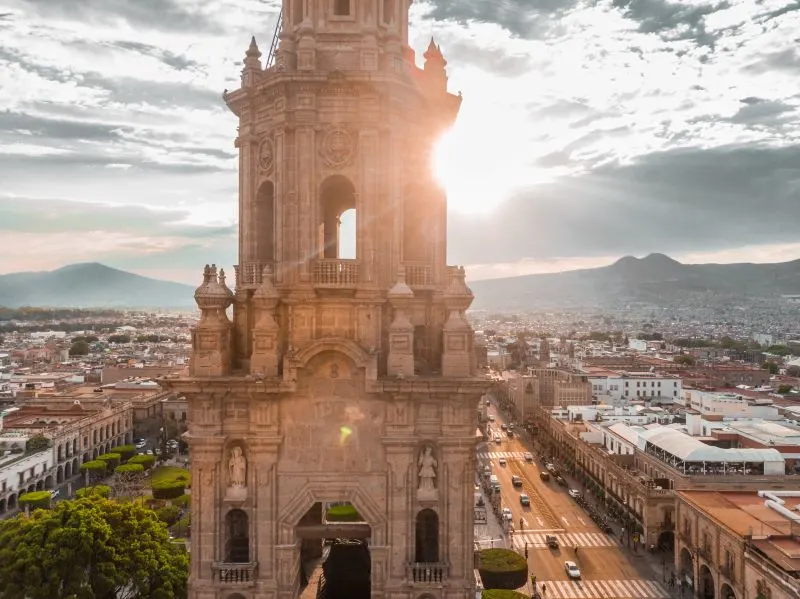
Palacio de Iturbide, also known as the “Museum Palace Iturbide,” is a historic palace located in the heart of Mexico City’s downtown historic district.
The building was constructed in the early 18th century and originally served as a private residence for the wealthy Spanish nobleman, the Count of San Mateo Valparaiso.
Today, Palacio de Iturbide is a museum that showcases the rich history and culture of Mexico City. The museum features a collection of artifacts and exhibits that chronicle the city’s history, including its ancient pre-Hispanic civilizations, colonial period, and modern era.
Visitors to the palace can explore a series of beautifully restored rooms, each of which is decorated with period furnishings and artwork. One of the highlights of the museum is the ornate “Salon de la Crónica,” a grand reception hall that was once used for official ceremonies and events.
In addition to its historical and cultural exhibits, Palacio de Iturbide is also home to several shops and restaurants. Visitors can shop for locally made handicrafts and souvenirs, or enjoy traditional Mexican cuisine at one of the palace’s elegant dining establishments.
31. Take a day trip to the nearby town of Puebla

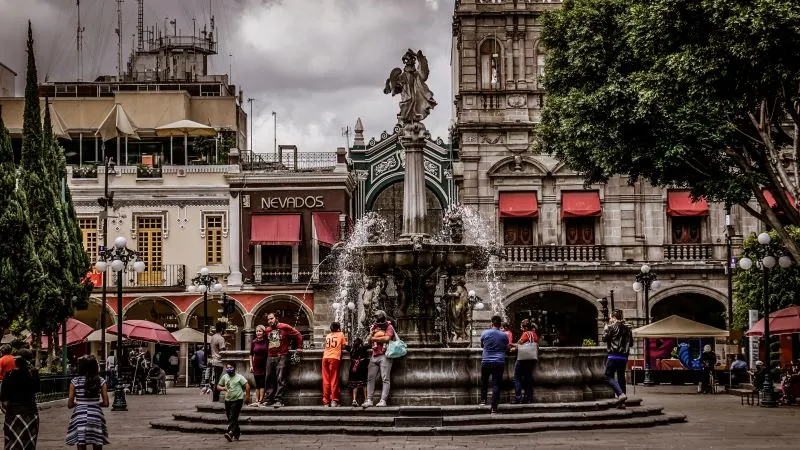
Puebla is a historic city located about 2 hours southeast of Mexico City, known for its beautiful colonial architecture, rich history, and delicious cuisine.
Some of the top things to do in Puebla include visiting the stunning Puebla Cathedral, which dates back to the 16th century and features an impressive blend of Baroque, Renaissance, and neoclassical styles.
The city is also home to a number of other beautiful churches and historic buildings, such as the Templo de Santo Domingo and the Casa del Dean.
Puebla is also famous for its traditional cuisine, which includes dishes like mole poblano (a savory sauce made with chocolate and spices), chiles en nogada (stuffed peppers topped with a creamy walnut sauce), and cemitas (sandwiches made with sesame-seed-topped bread and a variety of fillings). Visitors can explore the local markets and restaurants to taste these delicious specialties.
Additionally, Puebla is home to a number of museums and cultural institutions, including the Amparo Museum, which houses an impressive collection of pre-Columbian art and artifacts, as well as contemporary works by Mexican artists.
The city is also known for its beautiful Talavera pottery, which can be purchased in many shops and markets around town. Finally, visitors can take a stroll through the charming streets of Puebla’s historic center, which has been designated a UNESCO World Heritage site.
32. Visit the beautiful Bosque de Chapultepec

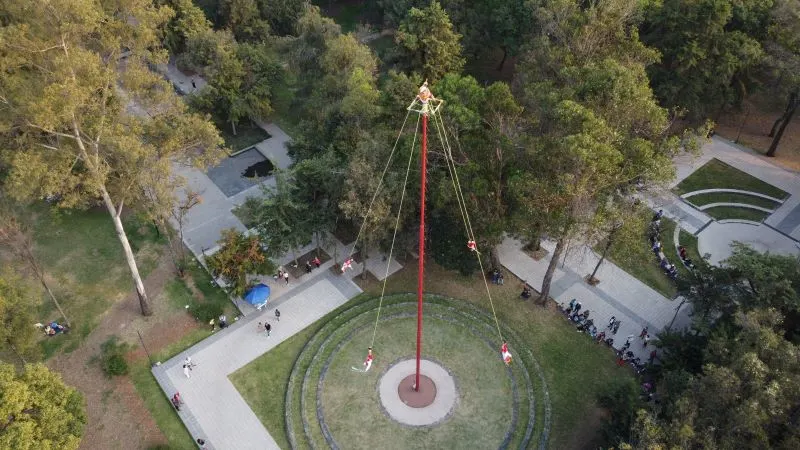
Bosque de Chapultepec, or Chapultepec Park, is a large urban park located in Mexico City. Covering an area of more than 1,600 acres, it is one of the largest city parks in the world.
The park is home to many important cultural, historical, and recreational sites, including several museums, a zoo, lakes, gardens, and monuments.
Within the park, visitors can find the iconic Chapultepec Castle, which once served as the residence of Mexican presidents and is now a museum, showcasing the history of Mexico.
Other notable museums within the park include the Museum of Modern Art, the National Museum of Anthropology, and the Rufino Tamayo Museum.
In addition to the museums, Chapultepec Park offers many opportunities for outdoor recreation. The park features several lakes, including the artificial Lake of the Ducks, where visitors can rent paddle boats.
The park is also home to many walking and jogging paths, as well as several gardens, including the Japanese Garden and the Botanical Garden.

33. Explore the Historic Neighborhood of Tlatelolco

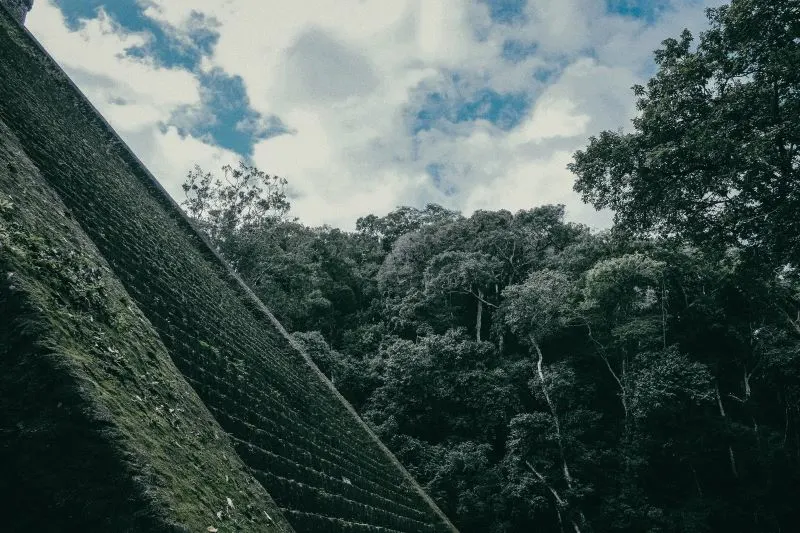
Tlatelolco is a historic neighborhood in Mexico City that was once an important center of trade and commerce in the Aztec Empire.
Today, it is known for its well-preserved pre-Hispanic ruins, which include the impressive Pyramid of Tlatelolco, as well as its vibrant street markets, restaurants, and cultural institutions.
One of the most significant events in Mexico’s modern history also took place in Tlatelolco: the Tlatelolco Massacre of 1968, in which hundreds of student protesters were killed by government forces.
Today, the neighborhood is a symbol of Mexico’s rich cultural heritage and its ongoing struggles for social justice and political freedom.
Visitors can explore the ruins, visit the local markets, and learn more about the history and culture of this fascinating neighborhood.
Here are a few other things you can do in Mexico City if you have extra time:
- Visit the stunning Palacio Postal
- Take a day trip to the nearby town of Taxco, known for its beautiful colonial architecture, silver jewelry, and crafts.
- Enjoy the city’s lively street food scene, with options ranging from tacos and quesadillas to tamales and churros.
Food In Mexico City


Mexico City is famous for its delicious and diverse food culture. Here are the top 20 best foods to eat in Mexico City:
- Tacos al pastor – a popular dish made with marinated pork, cooked on a spit and served with onion, cilantro, and pineapple on a tortilla.
- Chiles en nogada – a seasonal dish consisting of poblano peppers stuffed with meat, fruits, and spices, covered in a creamy walnut sauce and garnished with pomegranate seeds.
- Mole – a complex sauce made with a variety of ingredients such as chiles, nuts, seeds, and chocolate, typically served over chicken or enchiladas.
- Tamales – a traditional dish made with masa (corn dough) and filled with meat, vegetables, or cheese, wrapped in a corn husk and steamed.
- Pozole – a hearty soup made with hominy (dried corn), meat (usually pork), and topped with lettuce, radishes, onions, and lime.
- Carnitas – slow-cooked pork that is crispy on the outside and tender on the inside, served with tortillas, salsa, and toppings.
- Quesadillas – tortillas filled with cheese and other ingredients such as meat, beans, or vegetables, grilled or fried until the cheese is melted and gooey.
- Tostadas – fried or toasted tortillas topped with refried beans, meat, cheese, lettuce, tomato, and salsa.
- Sopes – thick corn tortillas topped with beans, meat, cheese, and salsa, similar to tostadas but with a thicker base.
- Enchiladas – tortillas filled with meat, cheese, or beans, and covered in a spicy tomato or chili sauce.
- Cochinita pibil – a slow-cooked pork dish marinated in citrus and achiote (a red paste made from annatto seeds), typically served with pickled onions and habanero salsa.
- Chilaquiles – fried tortilla chips cooked with salsa, topped with cheese, sour cream, and sometimes eggs or meat.
- Guacamole – a creamy dip made with mashed avocado, lime juice, onion, cilantro, and tomato.
- Salsa – a spicy sauce made with chili peppers, tomato, onion, and sometimes fruit or herbs.
- Gorditas – thick tortillas filled with meat, beans, cheese, or vegetables, similar to sopes but with a puffy texture.
- Pambazos – a type of sandwich made with bread that is dipped in red chili sauce and filled with potatoes, chorizo, and cheese.
- Churros – fried dough pastry coated in cinnamon sugar, often served with hot chocolate for dipping.
- Flautas – tortillas filled with meat or cheese, rolled up, and fried until crispy, often served with salsa and guacamole.
- Barbacoa – a slow-cooked meat (usually beef or lamb) that is tender and juicy, typically served with tortillas, salsa, and toppings.
- Aguachile – a spicy seafood dish made with raw shrimp or fish, marinated in lime juice and chili peppers, and served with avocado and cucumber.
20 Best Restaurants In Mexico City

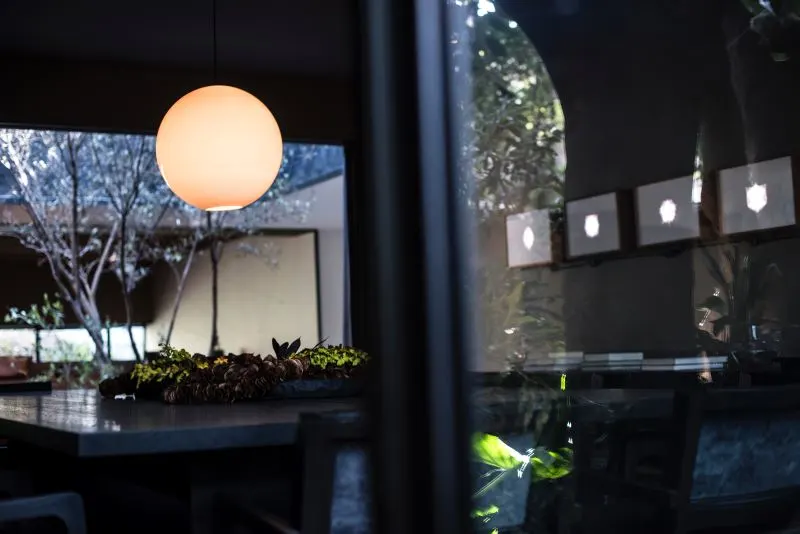
Along with a list of the top foods to try during your stay in Mexico City you’ll also need a list of some of the best restaurants to eat at. Here is a list of some of Mexico city’s best restaurants:
- Pujol – considered one of the best restaurants in Mexico, it features creative Mexican cuisine with a modern twist.
- Quintonil – another top-rated restaurant that specializes in contemporary Mexican dishes.
- Contramar – a seafood-focused restaurant that’s a favorite among locals and visitors alike.
- Rosetta – located in a beautifully restored mansion, Rosetta serves up Italian-inspired cuisine with Mexican influences.
- Biko – a Michelin-starred restaurant that offers a unique blend of Basque and Mexican flavors.
- Sud 777 – an elegant restaurant with an emphasis on fresh, seasonal ingredients.
- Máximo Bistrot – a cozy bistro that serves farm-to-table French-inspired cuisine with a Mexican touch.
- Huset – a trendy restaurant that serves innovative, locally sourced dishes.
- El Califa – a casual eatery that specializes in tacos al pastor and other traditional Mexican street food.
- La Docena Oyster Bar & Grill – a sleek restaurant that serves up a variety of fresh seafood dishes, including oysters from all over the world.
- Taquería Los Cocuyos – a no-frills spot that’s been serving some of the best tacos in the city for over 50 years.
- El Cardenal – a classic Mexican restaurant that’s famous for its breakfasts, including traditional chilaquiles and huevos rancheros.
- Azul Historico – located in a beautiful courtyard, this restaurant serves up traditional Mexican dishes with a contemporary twist.
- Fonda Fina – a cozy restaurant that specializes in Mexican comfort food, including pozole and chiles en nogada.
- Lalo! – a casual spot that serves up delicious breakfast dishes like chilaquiles and molletes.
- Los Danzantes – a restaurant and mezcaleria that offers a modern take on traditional Oaxacan cuisine.
- La Casa de Tono – a classic spot for chiles en nogada, a traditional dish that’s only available during Mexico’s independence celebrations.
- La Capital – a steakhouse that serves up some of the best cuts of meat in the city.
- El Hidalguense – a popular spot that serves up regional Hidalgo-style dishes, including barbacoa and mixiote.
- La Polar – a beloved taqueria that’s been serving up delicious tacos and other Mexican street food for over 70 years.
Note: This is not an exhaustive list and there are many more great restaurants to explore in Mexico City!
Transportation in Mexico City

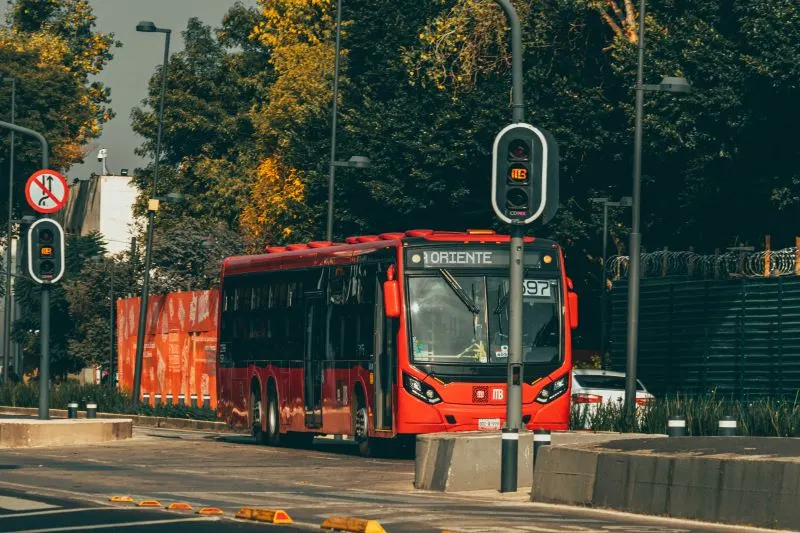
Mexico City has a comprehensive transportation system that includes various options such as metro, bus, taxi, bike-sharing, and ride-sharing services.
The metro system is one of the most popular ways to get around the city. It consists of 12 lines and is considered one of the cheapest and quickest ways to travel. The metro runs from 5 am until midnight, and trains arrive frequently, with a maximum wait time of 5 minutes during peak hours.
The bus system in Mexico City is also extensive, with over 300 routes covering the city. Buses are generally cheaper than taxis and offer a wider range of destinations. However, they can be slower due to traffic congestion.
Taxis are readily available throughout the city and are generally safe. However, it is recommended to use only authorized taxi services to avoid potential scams. Ride-sharing services such as Uber and Cabify are also popular options.
Bike-sharing services are available in certain parts of the city, allowing riders to rent bicycles for a short period of time. Additionally, the city has bike lanes in some areas.
Mexico City is a vibrant and fascinating destination that offers visitors a wide variety of activities and experiences. From exploring ancient ruins and museums to enjoying delicious food and exploring trendy neighborhoods, there is something for everyone in this city.
It is important to be mindful of safety and take necessary precautions while traveling, but with proper planning and research, visitors can have a wonderful and memorable trip to Mexico City.
Leave a comment