

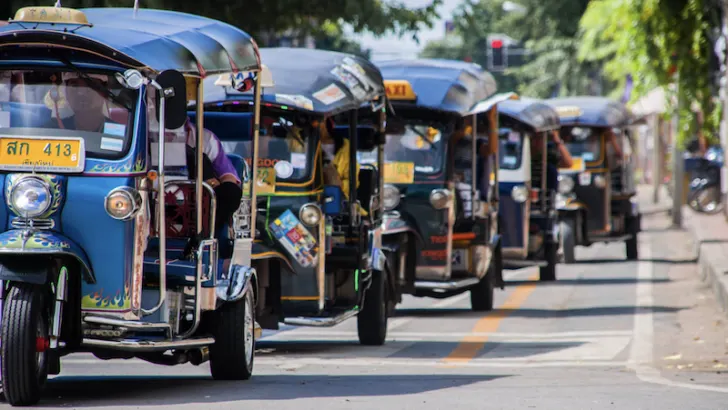
Chiang Mai, a vibrant city in northern Thailand, is renowned for its stunning temples, rich culture, and warm hospitality. However, like any popular tourist destination, it’s not immune to scams targeting unwary visitors. Knowing what to watch out for can make your experience much smoother and more enjoyable. This guide highlights the top 10 scams to avoid in Chiang Mai, detailing how they work, where they commonly occur, and practical tips to protect yourself.
1. Tuk-Tuk Overcharging
The Scam:
Tuk-tuk drivers often target tourists by quoting unreasonably high prices for short distances. Additionally, they might take unnecessarily long routes to inflate fares or refuse to agree on a price beforehand, leaving you stuck with an unexpectedly high bill. In some cases, tuk-tuk drivers may try to convince you to stop at shops or attractions where they receive commissions.
Where It Happens:
This scam is particularly common around major tourist attractions like Tha Phae Gate, Wat Phra Singh, and the Night Bazaar.
How to Avoid It:
- Always negotiate the fare before getting into the tuk-tuk. A fair price for short trips within the city typically ranges from 30-100 THB.
- Use ride-hailing apps like Grab or Bolt to get an estimate of reasonable fares.
- If the driver insists on an unreasonably high price or refuses to negotiate, walk away and find another tuk-tuk driver.
- Politely decline offers to stop at shops or other attractions unless they are part of your planned itinerary.
2. Gem Scams
The Scam:
This scam often begins with a friendly local who strikes up a conversation. They’ll tell you about a supposed “government promotion” or “exclusive sale” on high-quality gems, claiming you can make a significant profit by reselling them in your home country. These gems are usually low-quality or fake. Tuk-tuk drivers may also collaborate in this scam, taking you to gem shops where they earn a commission.
Where It Happens:
Around temples, busy markets, and tourist areas.
How to Avoid It:
- Avoid purchasing gems or jewelry from street vendors or shops recommended by strangers.
- If you’re genuinely interested in buying gemstones, visit certified jewelers and request a certificate of authenticity.
- Be cautious of anyone overly eager to help or offering unsolicited advice about profitable deals.
- Remember, there are no legitimate “exclusive promotions” for tourists.
3. Temple Donation Scams
The Scam:
Scammers pose as monks or temple representatives and solicit donations for temple restoration projects, education programs, or other causes. The money often goes directly into their pockets instead of supporting legitimate temple activities. They may use emotional appeals or aggressive tactics to pressure you into donating.
Where It Happens:
This scam occurs outside major temples such as Wat Chedi Luang and Wat Phra Singh, especially in areas frequented by tourists.
How to Avoid It:
- Make donations only to official collection boxes located inside temple premises.
- Be cautious of anyone asking for donations outside the temple, particularly if they seem aggressive or overly persistent.
- If in doubt, seek clarification from temple staff or officials.
4. Fake Tours
The Scam:
Unscrupulous agents sell tours to popular attractions like Doi Inthanon National Park or elephant sanctuaries, but the services provided are often subpar or completely nonexistent. After payment, you might be taken to low-quality attractions, or the operator may simply vanish without delivering any service.
Where It Happens:
Street-side tour agencies, unverified online platforms, or agents near tourist hotspots.
How to Avoid It:
- Book tours through reputable travel agencies or your hotel.
- Read reviews on platforms like TripAdvisor, Google, or Booking.com before making a reservation.
- Be wary of tours offered at prices that seem too good to be true.
- Always request a detailed itinerary and receipt when booking.
5. Motorbike Rental Scams
The Scam:
Some motorbike rental shops claim you’ve damaged the vehicle and demand hefty repair fees, even if the damage was pre-existing. Others may keep your passport as collateral and refuse to return it until you pay inflated charges.
Where It Happens:
Common near tourist areas like Nimmanhaemin Road and the Old City.
How to Avoid It:
- Thoroughly inspect the motorbike before renting it and take clear photos or videos from all angles.
- Choose rental services that do not require your passport as a deposit; use a cash deposit instead.
- Check reviews of the rental company online to ensure their credibility.
- Consider purchasing travel insurance that covers motorbike usage.
6. The “Closed Temple” Scam
The Scam:
A tuk-tuk driver or local approaches you, claiming that a major temple like Wat Phra Singh is temporarily closed due to a holiday, special event, or cleaning. They then suggest alternative attractions or shops where they receive a commission. These alternatives often involve overpriced goods or services.
Where It Happens:
Near major temples and tourist attractions.
How to Avoid It:
- Verify the temple’s hours online or by asking hotel staff.
- Politely ignore unsolicited advice and proceed to your intended destination. Major temples are rarely closed to visitors.
- Decline offers to visit alternative shops or attractions unless they align with your planned itinerary.
7. Massage Scams
The Scam:
Some massage parlors advertise cheap services but pressure customers into purchasing expensive oils, lotions, or “extra” services mid-session. Others deliver rushed or poor-quality massages to accommodate more clients quickly.
Where It Happens:
Massage parlors in busy areas like the Night Bazaar and Old City.
How to Avoid It:
- Choose massage centers with established reputations and good online reviews.
- Confirm the price and the duration of the massage before beginning.
- Avoid establishments that seem overly eager to get you inside or offer prices significantly lower than the average.
8. Fake Goods
The Scam:
Markets in Chiang Mai are filled with counterfeit goods, including electronics, luxury handbags, watches, and other items. Vendors may claim these items are genuine or high-quality replicas, but they are often poorly made and unreliable.
Where It Happens:
Markets such as Warorot Market, the Night Bazaar, and other local shopping areas.
How to Avoid It:
- Be skeptical of any product offered at a price that seems too good to be true.
- For high-value items like electronics, purchase from authorized retailers instead of street vendors.
- Focus on buying locally made handicrafts or souvenirs rather than brand-name products.
9. Animal Exploitation Scams
The Scam:
Tourists are encouraged to pay for photos with exotic animals such as monkeys, snakes, or birds. These animals are often kept in poor conditions, drugged, or mistreated to make them compliant for photo opportunities.
Where It Happens:
Busy tourist streets, markets, and near temples.
How to Avoid It:
- Refuse to participate in activities that exploit animals or support unethical wildlife practices.
- Instead, visit ethical animal sanctuaries and conservation centers that prioritize animal welfare.
- Educate yourself about responsible wildlife tourism.
10. Spiked Drinks
The Scam:
Unsuspecting tourists have their drinks spiked at bars or clubs, leading to robbery, assault, or other dangers. This scam can happen in upscale establishments as well as more affordable venues.
Where It Happens:
Bars and nightclubs, particularly in the Old City and Nimmanhaemin Road.
How to Avoid It:
- Always keep an eye on your drink and never leave it unattended.
- Watch the bartender prepare your drink whenever possible.
- Avoid accepting drinks from strangers or leaving your drink with someone you don’t know well.
- Stick to reputable venues and avoid overly crowded or rowdy establishments.
Additional Tips:
- Stay Alert: Be aware of your surroundings and trust your instincts.
- Travel Insurance: Ensure your insurance policy covers unexpected incidents, including theft and accidents.
- Emergency Contacts: Save the number for Thai Tourist Police (1155) and know the location of the nearest embassy or consulate.
For more advice on staying safe in Chiang Mai, check official tourism websites or forums like Chiang Mai Forum on TripAdvisor. By staying informed and cautious, you can fully enjoy the wonders of this enchanting city!
Leave a comment