

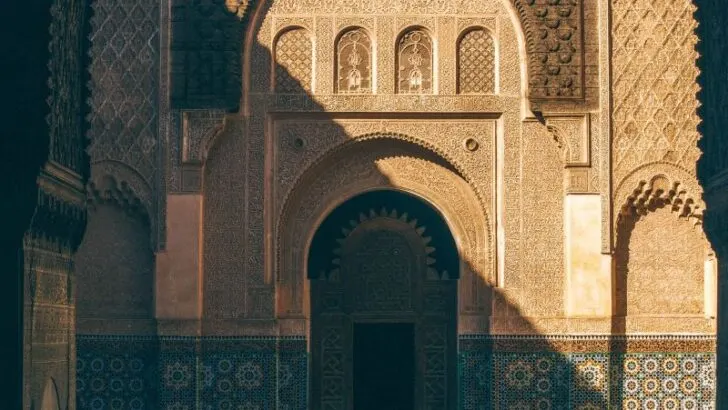

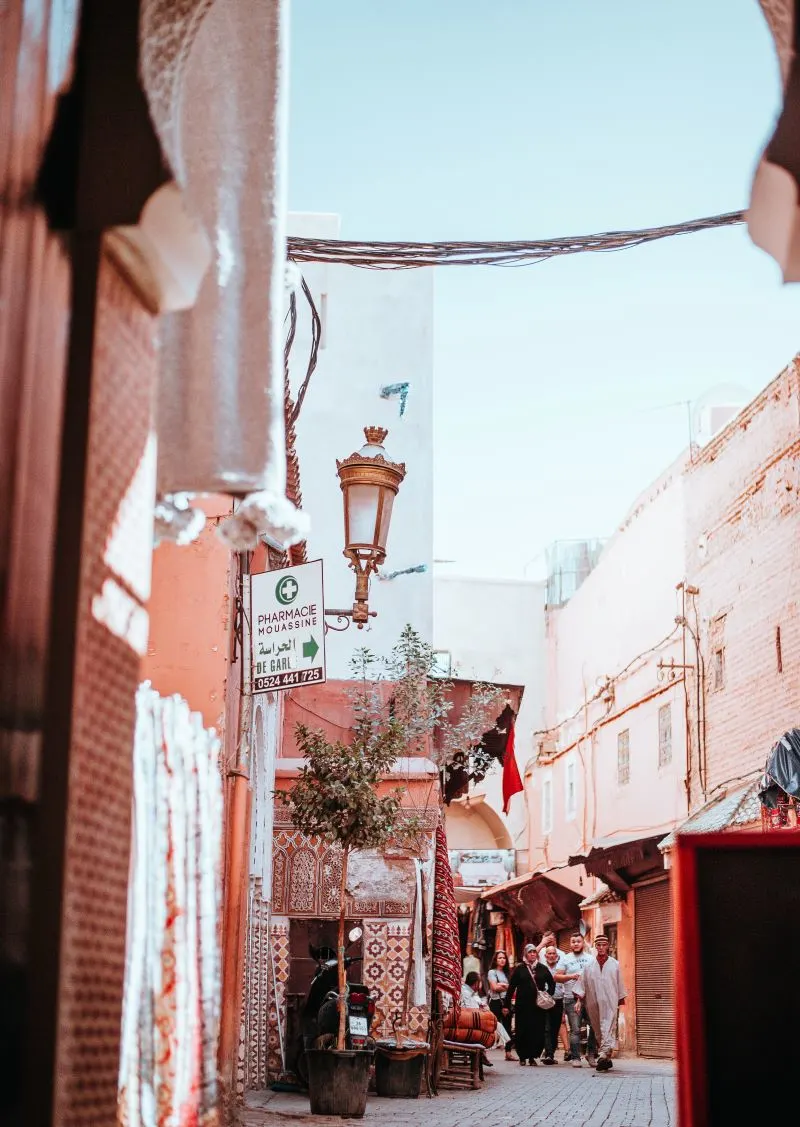
Marrakesh, the vibrant and bustling city in Morocco, offers a unique blend of history, culture, and modernity. It is known for its colorful souks, intricate architecture, and bustling squares.
There are numerous things to do in Marrakesh, from exploring the city’s rich history and culture to indulging in its delicious cuisine and shopping for souvenirs at the famous markets.
In this article, we will explore the 25 best things to do in Marrakesh, including visiting the historic palaces and museums, experiencing traditional Moroccan activities like hammams and hot air balloon rides, exploring the city’s famous markets and souks, and taking day trips to the nearby Atlas Mountains and natural wonders.
Whether you’re a history buff, a foodie, or an adventure seeker, Marrakesh has something to offer everyone. So, let’s dive into the top 25 best things to do in Marrakesh, Morocco.
1. Visit the Medina of Marrakesh, a UNESCO World Heritage Site that is home to bustling markets, historic buildings, and vibrant street life.

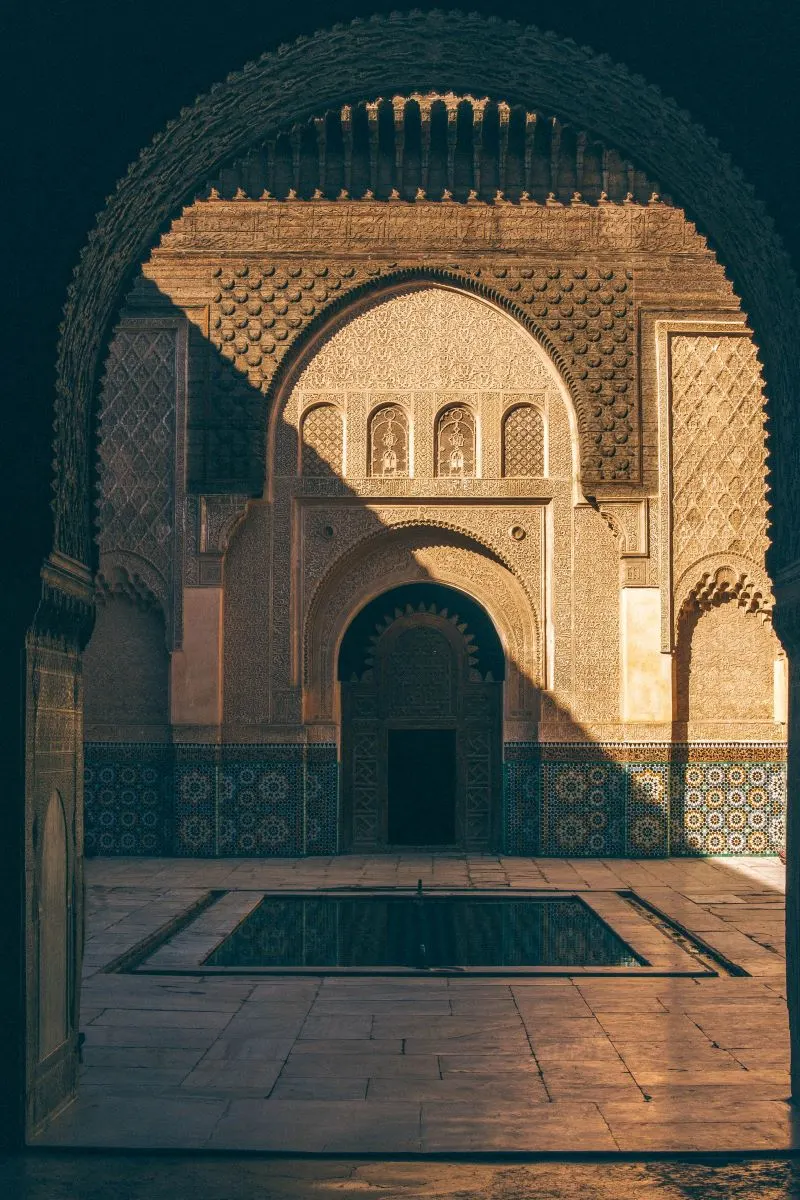
The Medina of Marrakesh is a UNESCO World Heritage Site and is located in the heart of the city. It is a vibrant and bustling area that is home to many historic buildings, narrow alleys, and vibrant street life.
The medina is a labyrinth of winding streets and alleyways that are lined with shops, markets, and food stalls, selling everything from spices and textiles to traditional Moroccan ceramics and jewelry.
As you explore the Medina, you’ll come across a variety of historic landmarks and buildings, such as the Koutoubia Mosque, the Ben Youssef Mosque, and the Saadian Tombs.
These architectural wonders showcase the rich history and culture of the city and provide a glimpse into the Islamic architecture of the region.
The Medina also offers a unique culinary experience, with many street food vendors selling traditional Moroccan dishes such as tagine, couscous, and harira soup.
The sights, sounds, and smells of the Medina make for a truly immersive experience, and you’ll find yourself constantly discovering new things as you explore its many nooks and crannies.
2. Explore the Bahia Palace, a 19th-century palace that features stunning architecture and intricate tilework.

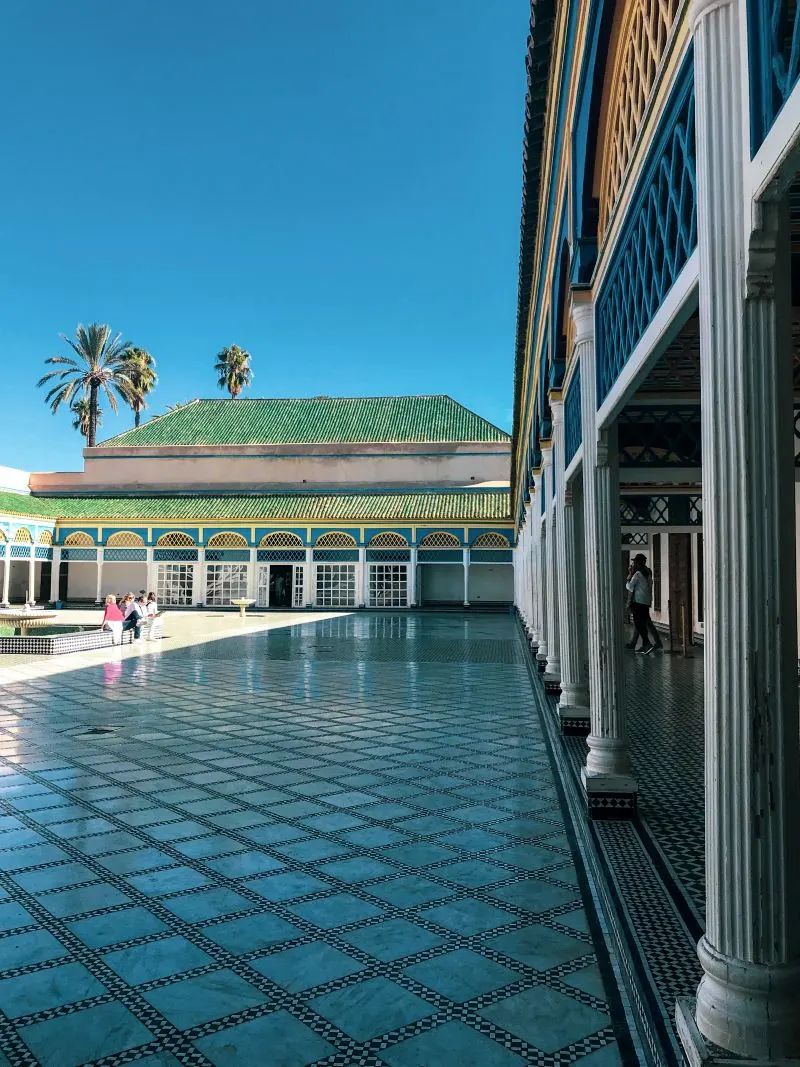
The Bahia Palace is a 19th-century palace located in the Medina of Marrakesh. The palace was built in the late 19th century by Si Moussa, a wealthy Moroccan nobleman, and was later expanded by his son, Bou Ahmed.
The palace features stunning architecture and intricate tilework, making it one of the most beautiful and well-preserved examples of Moroccan architecture in the city.
The palace is spread over several acres and features a series of courtyards, gardens, and rooms, each decorated with ornate tilework, carved wooden doors, and painted ceilings.
The palace’s main attraction is its stunning courtyard, which is surrounded by rooms and galleries adorned with intricate stucco, carved cedar woodwork, and beautiful tile mosaics.
The Bahia Palace is a true testament to Moroccan craftsmanship and architecture, and the palace’s beauty and grandeur make it one of the most popular attractions in Marrakesh.
Exploring the palace is a truly immersive experience, and visitors will be transported back in time to the opulent era of Moroccan nobility.
3. Take a stroll through the Jardin Majorelle, a beautiful botanical garden that was once owned by the French painter Jacques Majorelle.

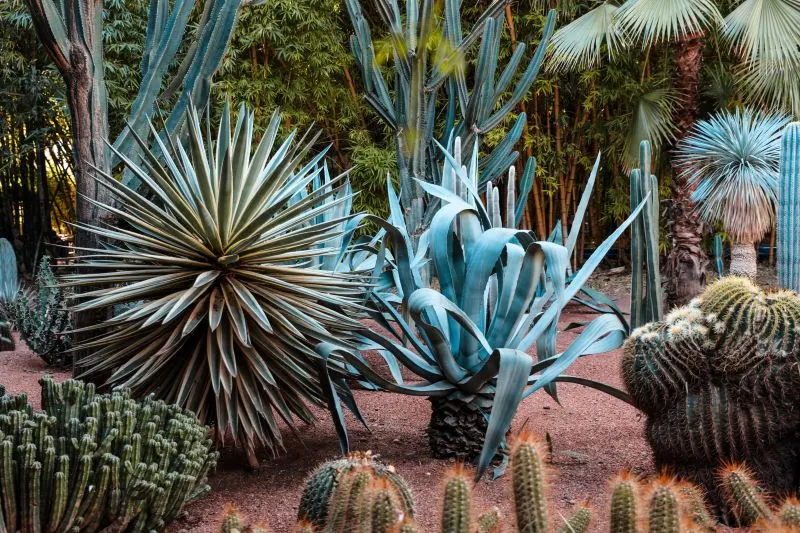
The Jardin Majorelle is a beautiful botanical garden located in Marrakesh, Morocco. The garden was designed by the French painter Jacques Majorelle in the 1920s and was later acquired by the fashion designer Yves Saint Laurent in 1980. Today, the garden is open to the public and is a popular tourist attraction in the city.
The garden is a peaceful oasis in the heart of Marrakesh, featuring a stunning collection of exotic plants and trees, including cacti, palms, and bamboo.
The garden is divided into several sections, each with its own unique character and atmosphere. There are winding paths, tranquil pools, and beautiful fountains throughout the garden, creating a serene environment for visitors to relax and enjoy.
One of the highlights of the Jardin Majorelle is the vibrant blue building that houses the Islamic Art Museum of Marrakesh. The building is painted in a striking shade of blue that is synonymous with the garden and is surrounded by lush greenery, creating a beautiful contrast of colors.
4. Visit the Koutoubia Mosque, the largest mosque in Marrakesh and an important landmark in the city.

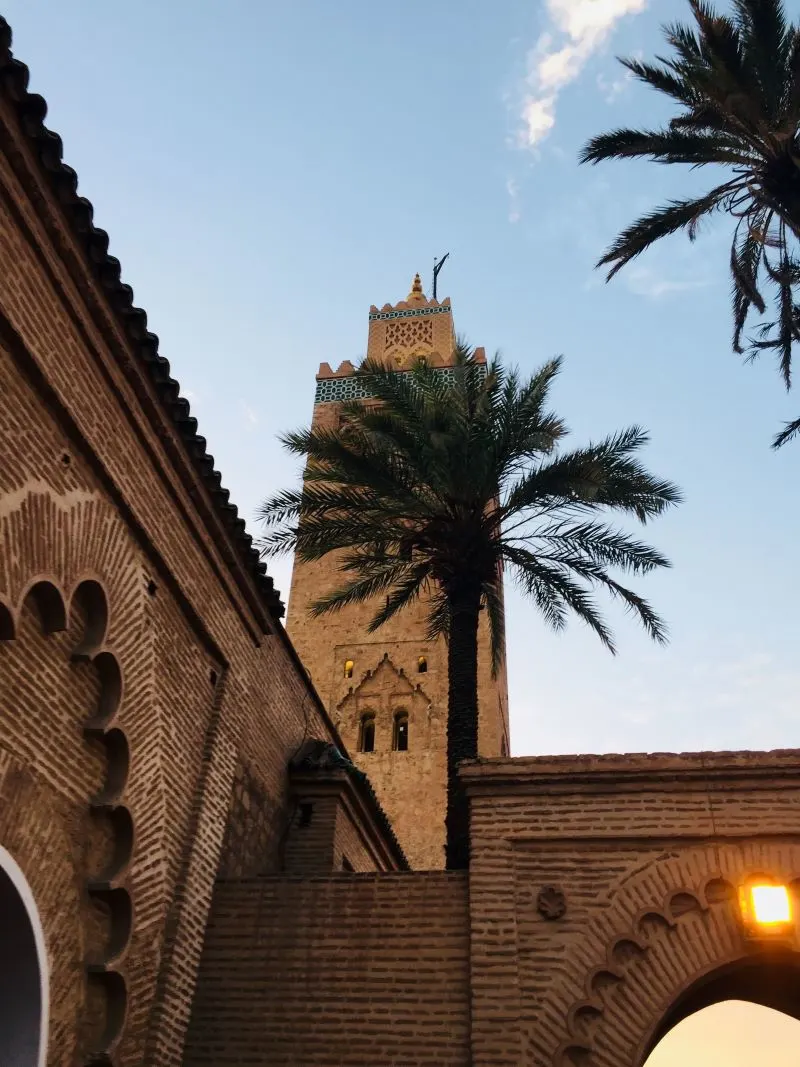
The Koutoubia Mosque is the largest mosque in Marrakesh and is considered one of the most important landmarks in the city. The mosque is located in the heart of the city, near the Jemaa el-Fnaa square, and is a prime example of Moroccan architecture.
The mosque was constructed in the 12th century during the reign of the Almohad Caliphate and features a tall minaret that stands at over 70 meters tall. The minaret is decorated with intricate geometric patterns and is a prominent feature on the Marrakesh skyline.
Non-Muslims are not permitted to enter the mosque, but visitors can admire the exterior of the mosque and take in its impressive architecture.
The mosque’s grounds are also open to visitors, and there are gardens and fountains that surround the mosque, creating a peaceful and tranquil atmosphere in the heart of the city.
The Koutoubia Mosque is not only a religious site but also a cultural and historical landmark in Marrakesh. Its iconic architecture and rich history make it a must-see attraction for anyone visiting the city.
5. Shop at the souks (markets) of Marrakesh, where you can find everything from spices to jewelry to traditional clothing.

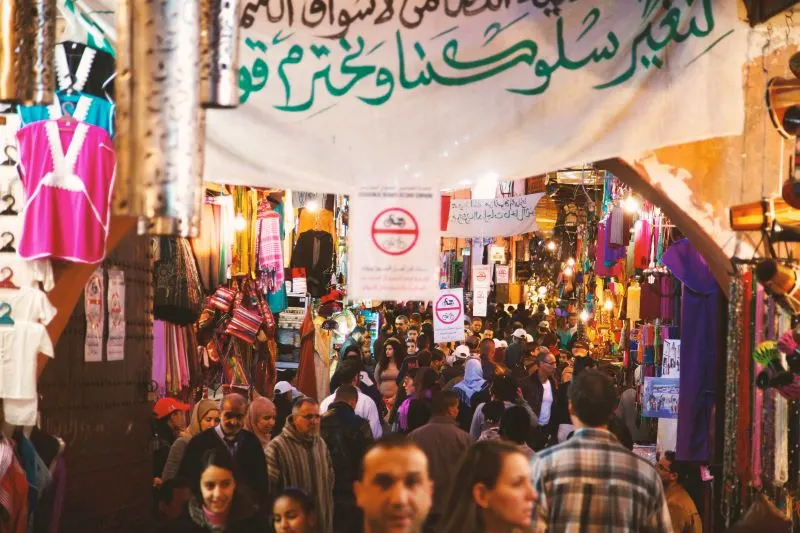
The souks, or markets, of Marrakesh are a vibrant and bustling hub of activity in the city. Located in the Medina, the souks are a maze of narrow streets and alleys lined with shops and stalls selling a wide variety of goods, from spices and textiles to traditional Moroccan clothing and jewelry.
Visitors to the souks can expect a sensory overload of sights, sounds, and smells as they navigate through the crowded streets.
The vibrant colors of the textiles and ceramics, the aroma of spices and oils, and the sound of merchants haggling with customers all combine to create a truly unique shopping experience.
One of the highlights of shopping in the souks is the opportunity to bargain with the merchants for the best price. Haggling is a common practice in Morocco, and visitors can often negotiate a better price by engaging in friendly bargaining with the merchants.
In addition to traditional Moroccan goods, visitors can also find modern items such as electronics, clothing, and accessories.
Many of the shops and stalls are run by local artisans who create unique and handmade items, making the souks a great place to find one-of-a-kind souvenirs and gifts.
6. Visit the Saadian Tombs, a beautiful mausoleum that dates back to the 16th century.

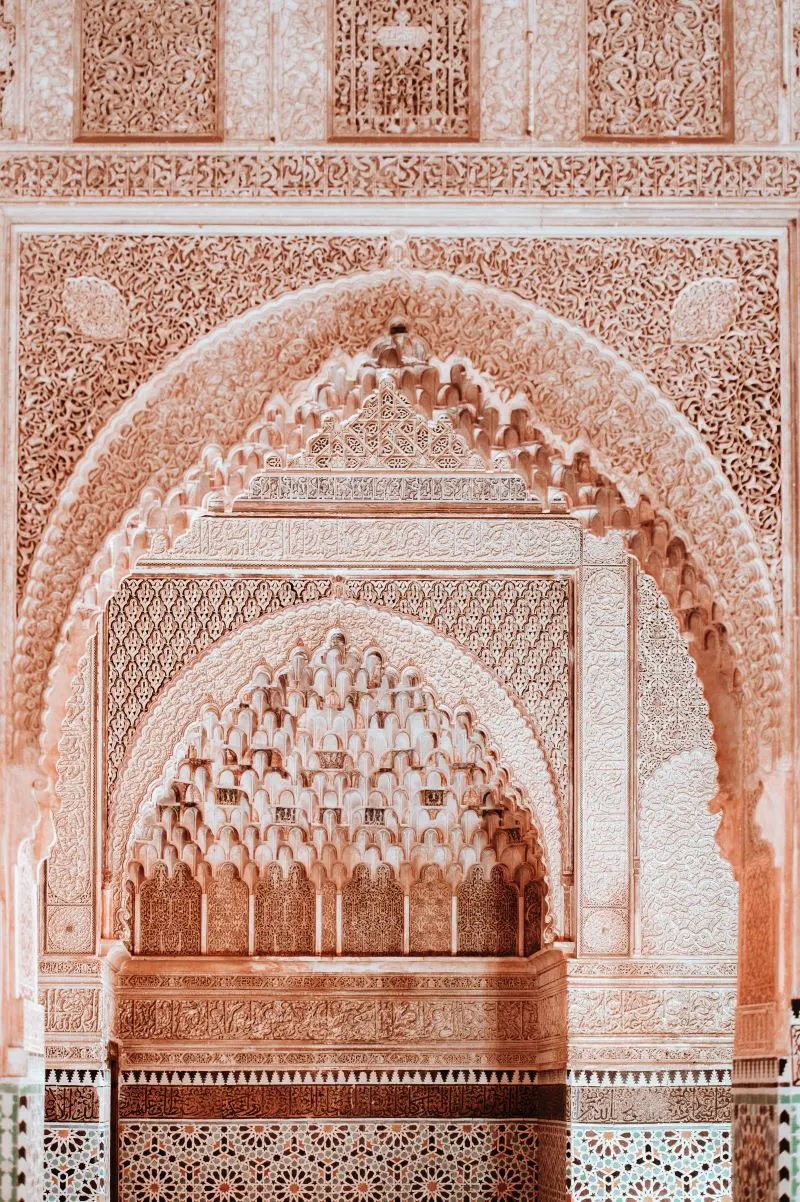
The Saadian Tombs are a beautiful mausoleum located in Marrakesh, Morocco. The tombs date back to the 16th century and were rediscovered in 1917 after being sealed for over 300 years.
The mausoleum features the tombs of several members of the Saadian dynasty, including the tomb of Sultan Ahmad al-Mansur, who ruled Morocco during the height of the Saadian dynasty’s power. The tombs are intricately decorated with stunning tilework and carvings, creating a beautiful and peaceful atmosphere.
Visitors to the Saadian Tombs can explore the different chambers of the mausoleum and admire the ornate decorations and architectural details.
The highlight of the tombs is the Chamber of the 12 Pillars, which features the tombs of several members of the Saadian dynasty, including the sultan’s mother and other family members.
The Saadian Tombs are an important historical and cultural landmark in Marrakesh, and a visit to the mausoleum is a must-do activity for anyone interested in the history and architecture of Morocco. The tombs offer a glimpse into the country’s rich past and the power and influence of the Saadian dynasty.
7. Take a cooking class and learn how to make traditional Moroccan dishes like tagine and couscous.


Experienced chefs who will guide you through the process of making dishes like tagine, couscous, and other Moroccan specialties.
During the class, you will learn about the ingredients and techniques used in Moroccan cooking, as well as the cultural significance of the dishes. You’ll have the opportunity to participate in the preparation of the food, from chopping vegetables to stirring the tagine.
One of the highlights of a cooking class is the chance to sit down and enjoy the dishes you’ve prepared. You’ll get to taste the delicious flavors of Moroccan cuisine and share a meal with your fellow classmates.
Many cooking classes also include a visit to a local market to shop for ingredients, providing an opportunity to experience the vibrant sights and sounds of Marrakesh’s markets.
Cooking classes are available at various locations throughout Marrakesh, from traditional Moroccan riads to modern cooking schools. They are suitable for both beginners and experienced cooks, and can be a fun and memorable activity for families, couples, or solo travelers.
8. Relax in a hammam (traditional Moroccan bathhouse) and enjoy a traditional scrub and massage.

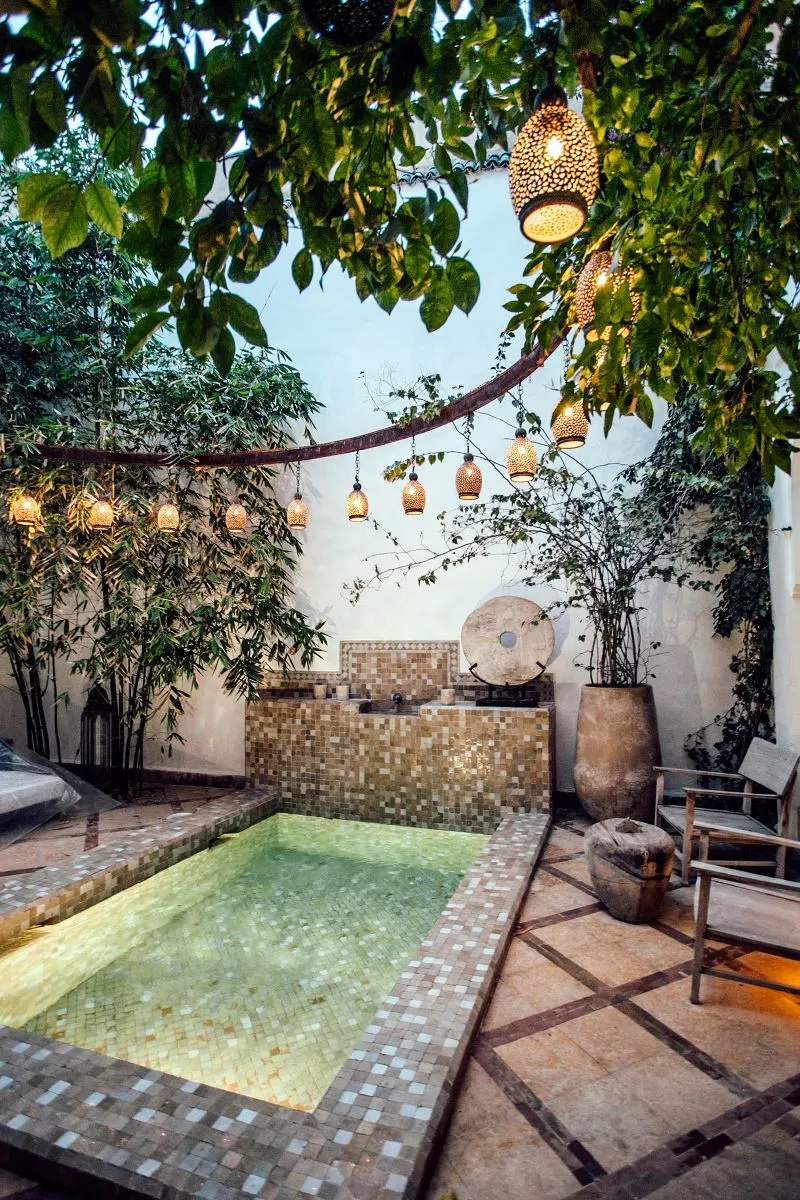
Relaxing in a hammam, or traditional Moroccan bathhouse, is a popular activity in Marrakesh. The hammam experience typically involves a traditional scrub and massage, which are designed to cleanse and rejuvenate the body and mind.
When you arrive at a hammam, you’ll typically be given a traditional robe and slippers to wear. You’ll then enter the steam room, which is heated by a wood fire and scented with essential oils. The steam and heat help to open up the pores and release toxins from the body.
After a few minutes in the steam room, you’ll be given a traditional scrub using black soap, which is made from olives and is rich in antioxidants. The scrub removes dead skin cells and leaves the skin feeling soft and smooth.
Next, you’ll receive a massage using traditional techniques and oils, which help to further relax and soothe the muscles. The massage can be customized to your preferences, whether you prefer a gentle or more vigorous touch.
9. Take a hot air balloon ride over the Atlas Mountains and enjoy stunning views of the surrounding landscape.


Taking a hot air balloon ride over the Atlas Mountains is an incredible way to experience the stunning natural beauty of Marrakesh and its surrounding areas. The Atlas Mountains are a range of peaks that stretch across Morocco, offering breathtaking views of the landscape below.
The hot air balloon ride typically begins early in the morning, just before sunrise, when the air is calm and the skies are clear. You’ll meet your pilot and board the balloon, which will rise gently into the air and begin its ascent over the mountains.
As you float above the mountains, you’ll enjoy panoramic views of the rugged terrain, as well as the lush valleys and Berber villages that dot the landscape. You’ll also have a bird’s-eye view of the city of Marrakesh, which lies in the distance.
The ride typically lasts around an hour, during which time you’ll have the opportunity to take plenty of photos and soak up the stunning scenery. After the ride, you’ll return to the ground and be treated to a traditional Berber breakfast, which typically includes bread, pancakes, honey, and mint tea.
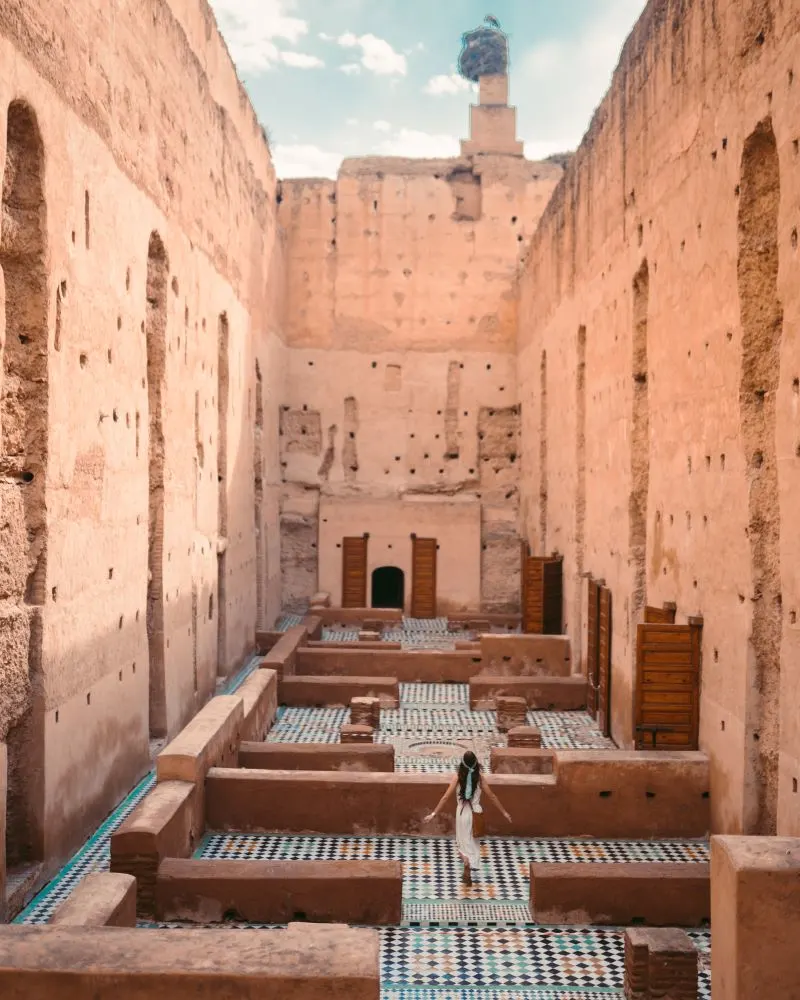
10. Visit the El Badi Palace, a ruined palace that once belonged to the Saadian sultan Ahmad al-Mansur.


Visiting the El Badi Palace is a unique experience that allows visitors to explore the remains of a once-magnificent palace that was built in the late 16th century.
The palace was commissioned by the Saadian sultan Ahmad al-Mansur, who spared no expense in creating a grand and impressive residence.
Today, the palace is mostly in ruins, but it still retains much of its original grandeur and beauty. Visitors can explore the remains of the palace, which include the massive central courtyard, the beautiful pavilions and galleries, and the underground dungeons where prisoners were once held.
The highlight of the palace is undoubtedly the central courtyard, which is one of the largest in the world and features a large pool that was once filled with goldfish.
The courtyard is surrounded by beautiful galleries and pavilions, many of which are still intact and offer a glimpse into the palace’s former splendor.
Despite being in ruins, the El Badi Palace remains a popular tourist attraction in Marrakesh, thanks to its unique history and impressive architecture.
It’s a great place to explore and take in the city’s rich cultural heritage, and a must-visit destination for anyone interested in history or architecture.
11. Enjoy a traditional Moroccan dinner at a rooftop restaurant and take in the beautiful views of the city.


Enjoying a traditional Moroccan dinner at a rooftop restaurant is a wonderful way to experience the local cuisine while also taking in the stunning views of the city. Many of Marrakesh’s best restaurants are located on rooftop terraces, offering panoramic views of the city’s bustling streets and historic landmarks.
The dining experience typically begins with a warm welcome from the restaurant staff, who will escort you to your table and offer you a refreshing drink.
You’ll then be presented with a menu of delicious Moroccan dishes, which typically include tagines, couscous, grilled meats, and a variety of vegetable dishes.
As you enjoy your meal, you’ll be able to take in the beautiful views of the city, which are especially breathtaking at night when the city is lit up.
The rooftop setting provides a unique and intimate atmosphere, making it a popular destination for couples and those looking for a special dining experience.
Many rooftop restaurants in Marrakesh also offer live entertainment, such as traditional music and dance performances, which add to the overall atmosphere and provide a glimpse into the local culture.
12. Visit the Menara Gardens, a beautiful park that features a large artificial lake and stunning views of the Atlas Mountains.

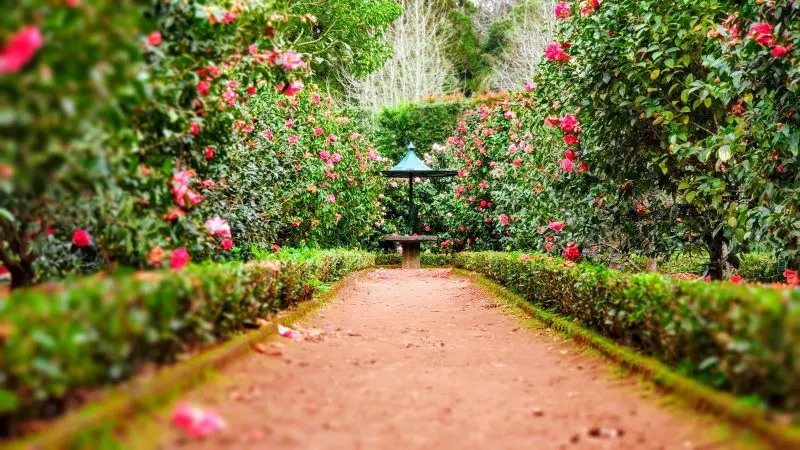
Visiting the Menara Gardens is a wonderful way to escape the hustle and bustle of Marrakesh and enjoy a peaceful and serene environment. The gardens are located just outside the city center and cover an area of around 100 hectares, making it one of the largest green spaces in Marrakesh.
The centerpiece of the Menara Gardens is a large artificial lake that was built in the 12th century to irrigate the surrounding olive groves.
Today, the lake provides a stunning backdrop for the gardens and is a popular spot for picnics and relaxation. The lake is also surrounded by beautiful pavilions and walkways, which offer stunning views of the surrounding landscape.
One of the highlights of the Menara Gardens is the pavilion that is located at the edge of the lake. The pavilion is a beautiful example of traditional Moroccan architecture and offers a cool and shaded spot to relax and take in the views.
In addition to the lake and pavilions, the Menara Gardens also feature a variety of trees, including olive, palm, and fruit trees. The gardens are especially beautiful in the spring when the trees are in bloom and the air is filled with the scent of flowers.
13. Take a day trip to the Ourika Valley, a beautiful area that is known for its scenic beauty and Berber villages.

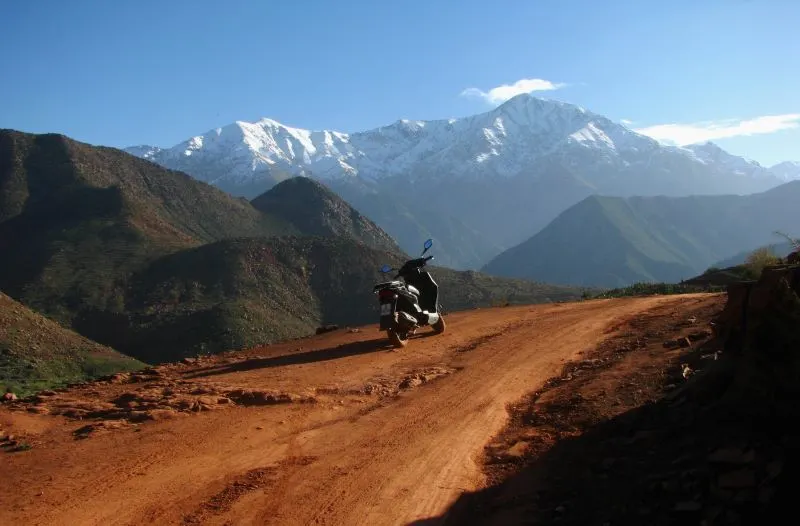
Taking a day trip to the Ourika Valley is a fantastic way to explore the natural beauty of the region and experience traditional Berber culture. The valley is located about an hour’s drive from Marrakesh and is known for its stunning mountain scenery, picturesque villages, and rushing rivers.
One of the highlights of the Ourika Valley is the opportunity to visit traditional Berber villages, where you can experience the local way of life and learn about Berber culture and customs.
Many of the villages are located in the foothills of the Atlas Mountains and are surrounded by terraced fields and orchards. You can explore the narrow streets, visit local markets, and meet with the friendly locals.
Another popular activity in the Ourika Valley is hiking, with a variety of trails and routes available to suit all levels of fitness and experience.
The mountains offer breathtaking views of the valley and the surrounding landscape, and you can spot wildlife such as mountain goats and Barbary macaques along the way.
The Ourika Valley is also known for its natural beauty, with rushing rivers, cascading waterfalls, and lush vegetation. You can take a dip in the cool waters of the river or simply relax and take in the stunning views.
14. Visit the Museum of Marrakesh, a beautiful 19th-century palace that now houses a collection of art and artifacts from Moroccan history.

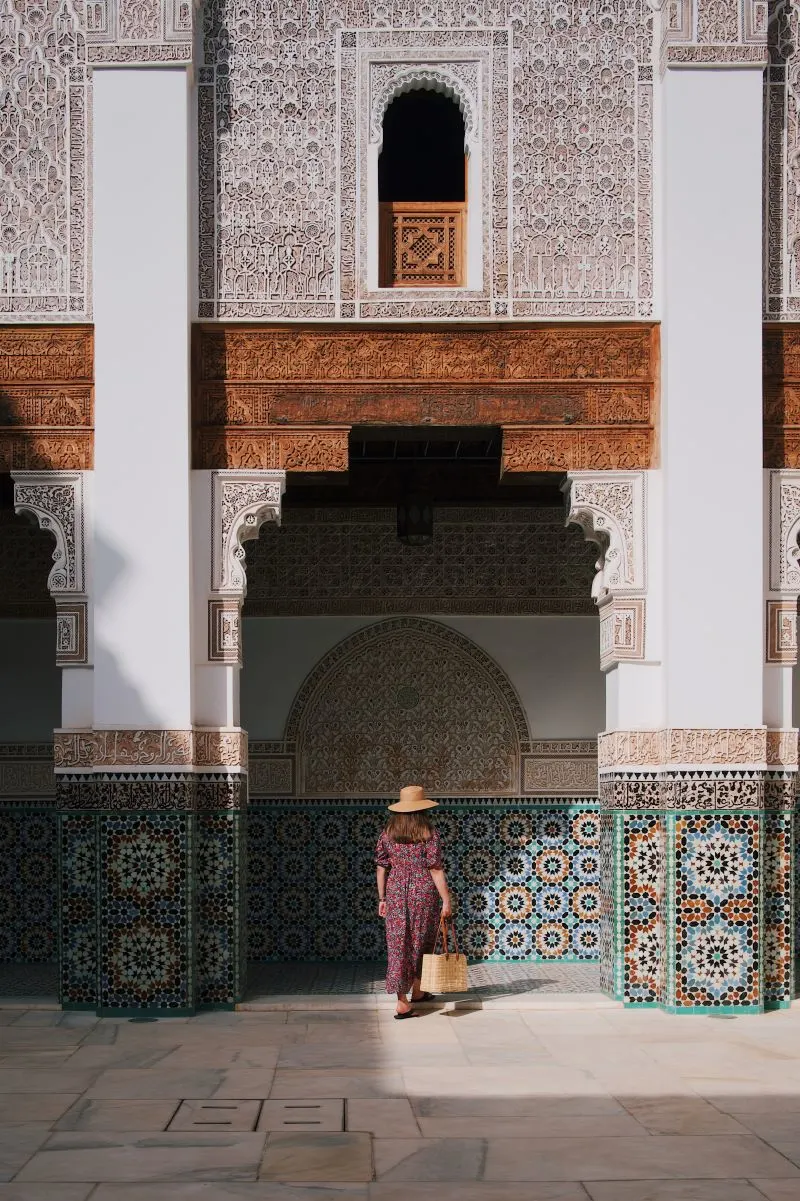
The Museum of Marrakesh is a must-visit destination for anyone interested in Moroccan history, art, and culture. Housed in a stunning 19th-century palace, the museum features a diverse collection of artifacts that tell the story of Marrakesh’s rich history and heritage.
The palace itself is a work of art, with intricate tilework, ornate wood carvings, and a beautiful central courtyard. The museum’s galleries are spread across several floors and showcase a variety of exhibits, including textiles, ceramics, jewelry, and calligraphy. You’ll also find a collection of traditional Moroccan clothing and accessories, as well as displays on Islamic art and architecture.
One of the highlights of the museum is the stunning Andalusian garden, which features fountains, fruit trees, and fragrant flowers. The garden provides a peaceful oasis in the heart of the city and is a popular spot for visitors to relax and take in the beauty of their surroundings.
Throughout the year, the Museum of Marrakesh hosts a variety of temporary exhibitions and cultural events, including concerts, film screenings, and lectures. These events provide a deeper insight into Moroccan culture and offer visitors a chance to engage with the local community.
15. Take a tour of the city’s historic Jewish Quarter, which is home to synagogues, historic buildings, and a rich cultural heritage.

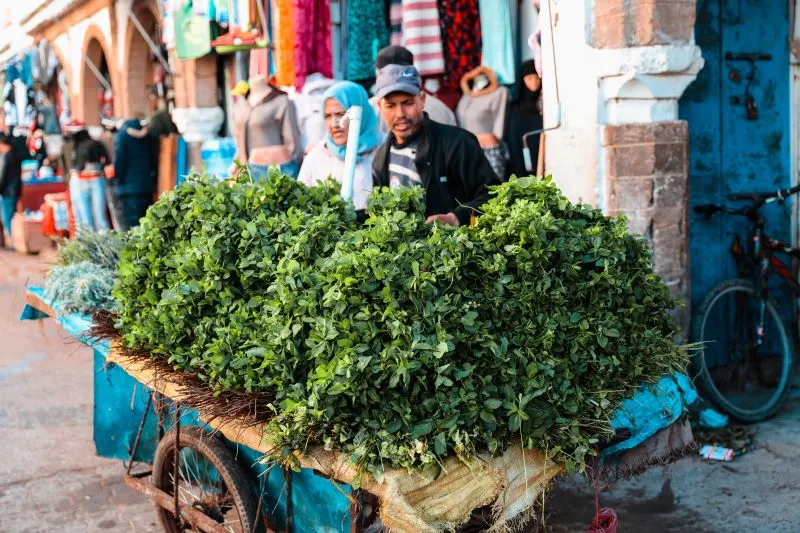
The historic Jewish Quarter, also known as the Mellah, is a fascinating neighborhood located in the heart of Marrakesh. The area has a rich cultural heritage and is home to several synagogues, historic buildings, and traditional markets.
The Mellah was once a walled ghetto where Jewish residents were confined to live during the 16th century. Today, the neighborhood has been restored and is a thriving hub of Moroccan Jewish culture.
A guided tour of the Mellah will take you through the narrow streets and alleyways of the neighborhood, where you’ll see stunning examples of traditional Moroccan architecture, including beautiful wrought-iron balconies and colorful mosaics.
You’ll also have the opportunity to visit some of the area’s historic synagogues, such as the Lazama Synagogue and the Alzama Synagogue, which date back to the 16th and 17th centuries.
In addition to its architectural and historical significance, the Mellah is also a hub of traditional Moroccan craftsmanship. You can visit the souks (markets) in the neighborhood to browse for traditional Jewish handicrafts, such as jewelry, textiles, and ceramics.
16. Visit the Dar Si Said Museum of Moroccan Arts and Crafts, which showcases traditional Moroccan arts and crafts like textiles, ceramics, and woodwork.

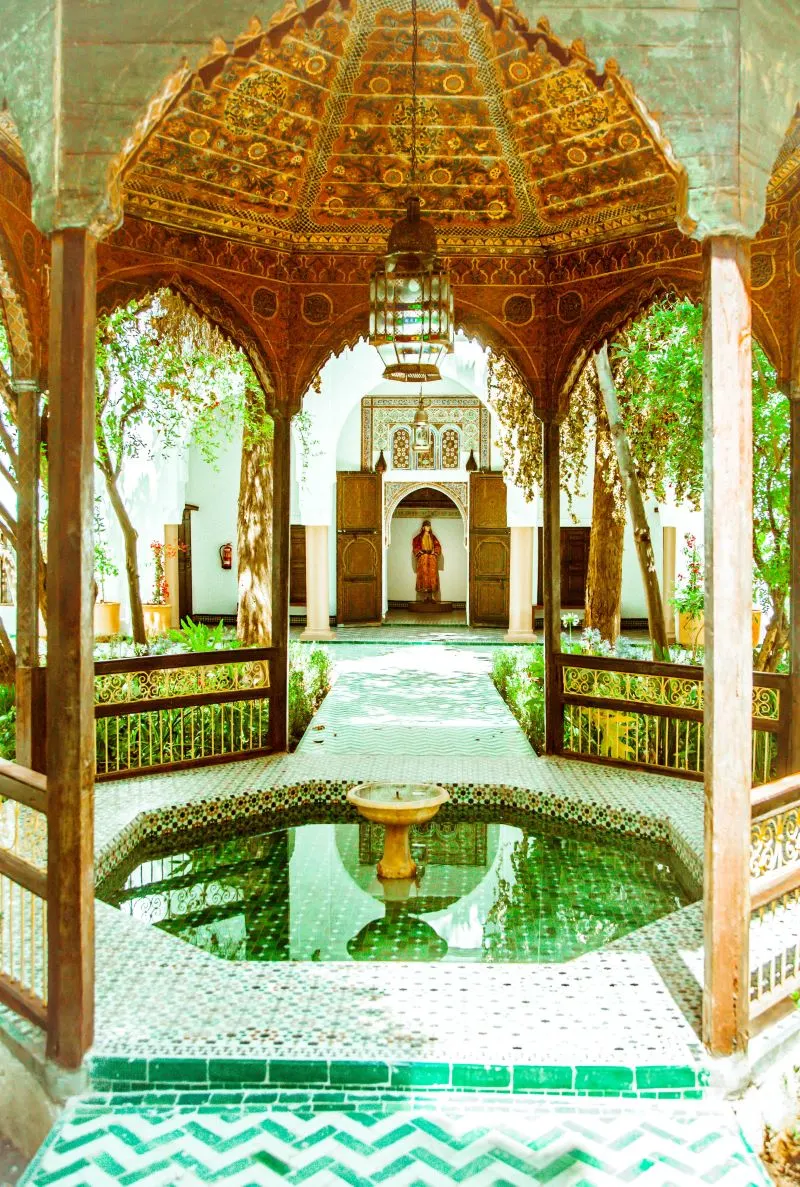
The Dar Si Said Museum of Moroccan Arts and Crafts is a must-visit attraction for anyone interested in traditional Moroccan arts and crafts. Housed in a beautiful 19th-century palace, the museum showcases a wide range of traditional Moroccan handicrafts, including textiles, ceramics, jewelry, woodwork, and metalwork.
Visitors to the museum can wander through the beautiful courtyards, rooms, and galleries of the palace, admiring the intricate details of the architecture and the beauty of the objects on display.
The collection includes examples of some of the finest Moroccan crafts, such as the intricate embroidery and weaving of traditional Moroccan textiles, the delicate metalwork of silver and gold jewelry, and the exquisite patterns of Moroccan ceramics.
One of the highlights of the museum is the beautiful collection of carpets, many of which are antique pieces that have been collected from across Morocco. These carpets showcase the incredible skill of Moroccan weavers, with intricate patterns and colors that reflect the rich cultural heritage of the country.
The museum also features an outdoor courtyard that is filled with beautiful plants and fountains, providing a peaceful oasis in the midst of the busy city.
17. Take a horse-drawn carriage ride through the city and enjoy a leisurely tour of Marrakesh’s historic landmarks and sights.

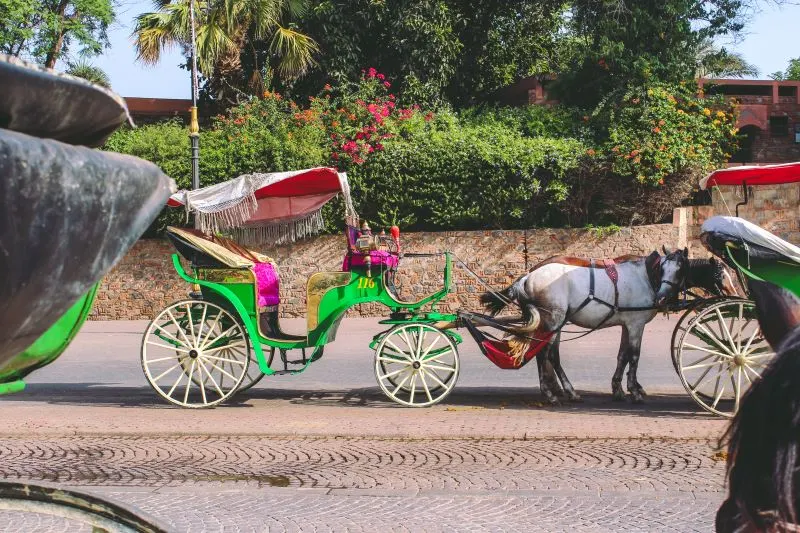
A horse-drawn carriage ride is a delightful way to explore the city of Marrakesh. The carriages, known locally as caleches, are a traditional mode of transport in the city and offer visitors a unique and charming way to take in the sights.
The carriage rides typically start from the central square of Jemaa el-Fnaa and wind their way through the narrow streets of the Medina, past historic buildings, bustling souks, and vibrant street life.
The drivers are often locals who are happy to share their knowledge of the city and its history with passengers, providing interesting commentary along the way.
As you ride through the city, you will be able to take in the sights and sounds of Marrakesh, including the historic city walls, the Koutoubia Mosque, the Bahia Palace, and many other landmarks. The pace of the ride is leisurely, allowing you to relax and enjoy the scenery and atmosphere of the city at your own pace.
The caleches are also a great way to escape the heat and hustle of the city streets, as they provide a shaded and comfortable mode of transport. The horses are well cared for and the carriages are decorated with colorful fabrics and traditional Moroccan patterns, adding to the charm and authenticity of the experience.
18. Visit the Maison de la Photographie, a museum that showcases a collection of historic photographs of Morocco.

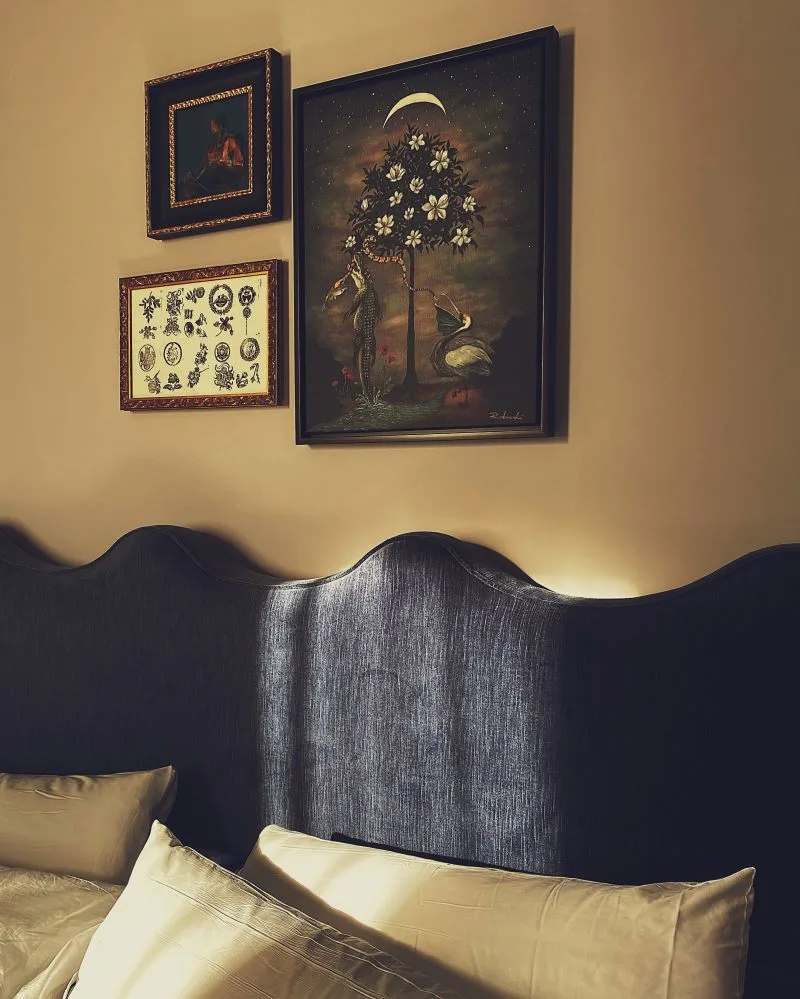
The Maison de la Photographie is a museum located in the heart of Marrakesh that features a fascinating collection of historic photographs of Morocco. The museum is housed in a beautifully restored 19th-century building that was once a traditional Moroccan home.
The museum’s collection includes over 10,000 photographs that date back to the late 19th and early 20th centuries, providing a unique and insightful glimpse into the history and culture of Morocco during this period. The photographs cover a wide range of topics, including landscapes, architecture, people, and daily life in Morocco.
The museum is divided into several galleries, each dedicated to a different aspect of Moroccan life and culture. Visitors can explore galleries devoted to traditional Berber culture, the souks of Marrakesh, the Sahara desert, and many other topics.
The museum also features a rooftop terrace that offers stunning views of the city and the surrounding Atlas Mountains. The terrace is a great place to relax and take in the beautiful views while enjoying a cup of Moroccan tea or coffee.
19. Take a day trip to the Ouzoud Waterfalls, a stunning natural wonder that is located about 150 kilometers from Marrakesh.

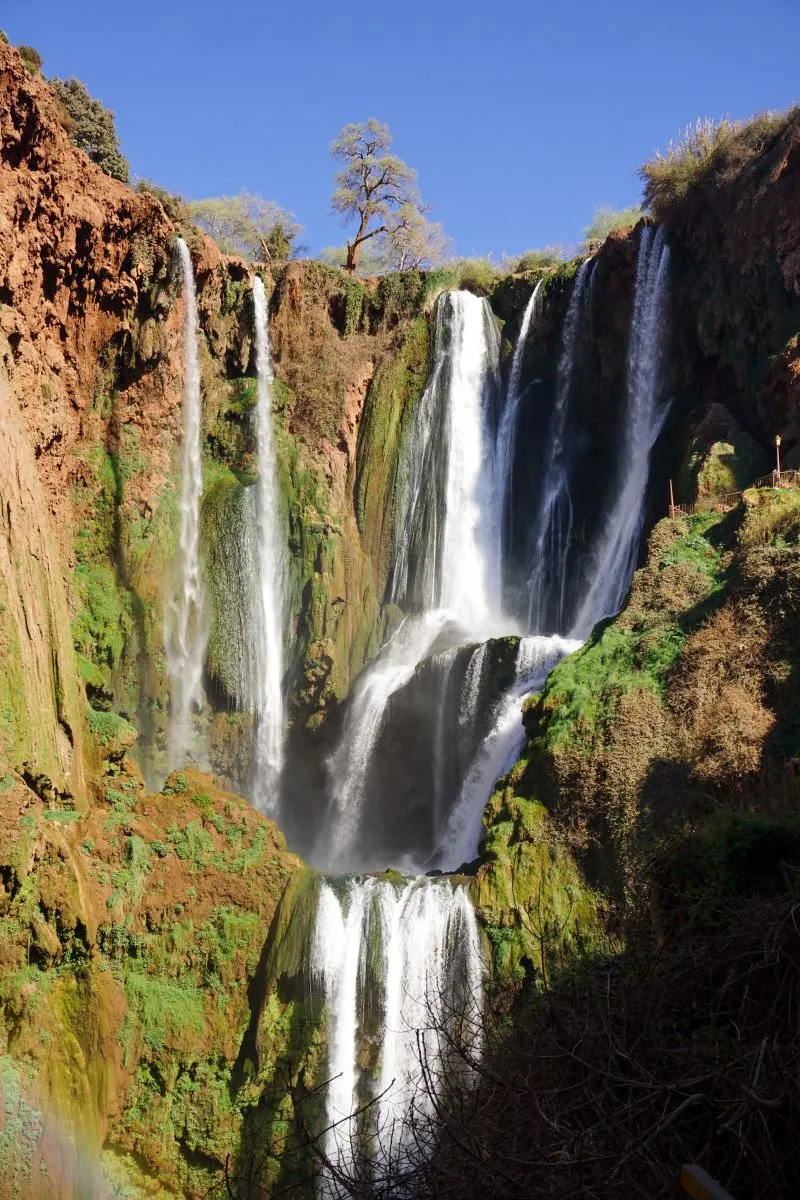
Taking a day trip to the Ouzoud Waterfalls is a popular excursion from Marrakesh, and for good reason. The Ouzoud Waterfalls are a natural wonder located about 150 kilometers northeast of Marrakesh, and they are considered to be one of the most beautiful waterfalls in Morocco.
The falls are set in a lush valley that is surrounded by olive groves and red cliffs, and they drop down over 100 meters in a series of cascades. Visitors can explore the area around the falls, which includes hiking trails, swimming holes, and small cafes and restaurants where they can enjoy a traditional Moroccan meal.
One of the most popular activities at the Ouzoud Waterfalls is taking a boat ride along the river to get up close to the falls. The boat ride offers a unique perspective on the falls and allows visitors to see the falls from a different angle.
Visitors can also hike to the top of the falls for a breathtaking view of the valley below. Along the way, they can see monkeys and other wildlife that are native to the area.
20. Visit the Ali Ben Youssef Medersa, a beautiful 14th-century Islamic college that features stunning tilework and calligraphy.

Visiting the Ali Ben Youssef Medersa is a must-do activity for anyone interested in Islamic architecture and art. The medersa, located in the heart of the Medina of Marrakesh, was once one of the largest Islamic schools in North Africa.
The medersa was built in the 14th century and features intricate tilework, wood carvings, and calligraphy. The courtyard of the medersa is particularly impressive, with a central pool surrounded by columns and arches decorated with intricate geometric designs.
Visitors can explore the small cells that once housed the students of the medersa, which are located around the courtyard. These cells are small but beautifully decorated with carved wood and tilework, and they give visitors a sense of what life was like for the students who once studied here.
One of the most striking features of the medersa is the prayer hall, which features a beautiful mihrab (prayer niche) decorated with intricate tilework and calligraphy. This hall is considered one of the most beautiful examples of Islamic art in Morocco.
21. Visit the Ben Youssef Madrasa, an Islamic college that features stunning tilework and calligraphy.

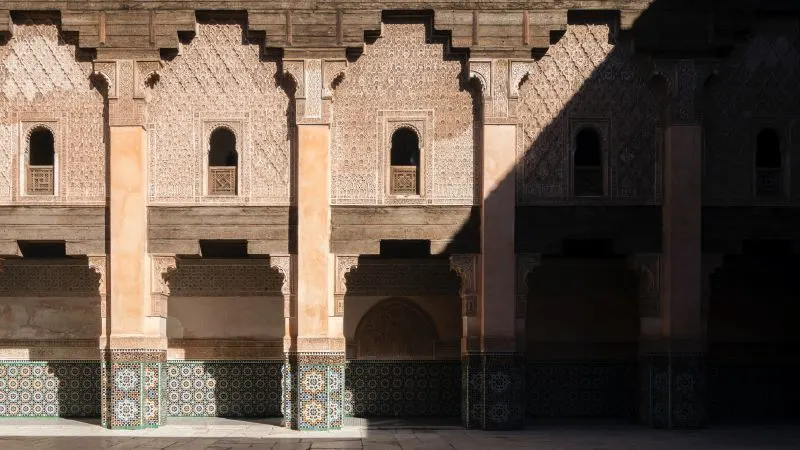
The Ben Youssef Madrasa is a beautiful 14th-century Islamic college located in the heart of Marrakesh. The madrasa was founded during the Marinid dynasty and was named after the prominent theologian and jurist, Abu Yusuf Yaqub al-Mansur.
The building is considered a masterpiece of Islamic architecture, with intricate tilework, carved plaster, and beautiful calligraphy adorning the walls and ceilings. The central courtyard is particularly stunning, with a rectangular pool surrounded by ornately decorated arches and columns.
The madrasa was once one of the largest theological colleges in North Africa, with space for up to 900 students. Today, the building is open to the public as a museum, showcasing the rich history and culture of Islamic education in Morocco.
Visitors can wander through the different rooms and corridors, admiring the stunning architecture and learning about the traditions and practices of Islamic scholarship.
22. Visit the Musée Yves Saint Laurent Marrakech, a museum dedicated to the fashion designer Yves Saint Laurent and his work.

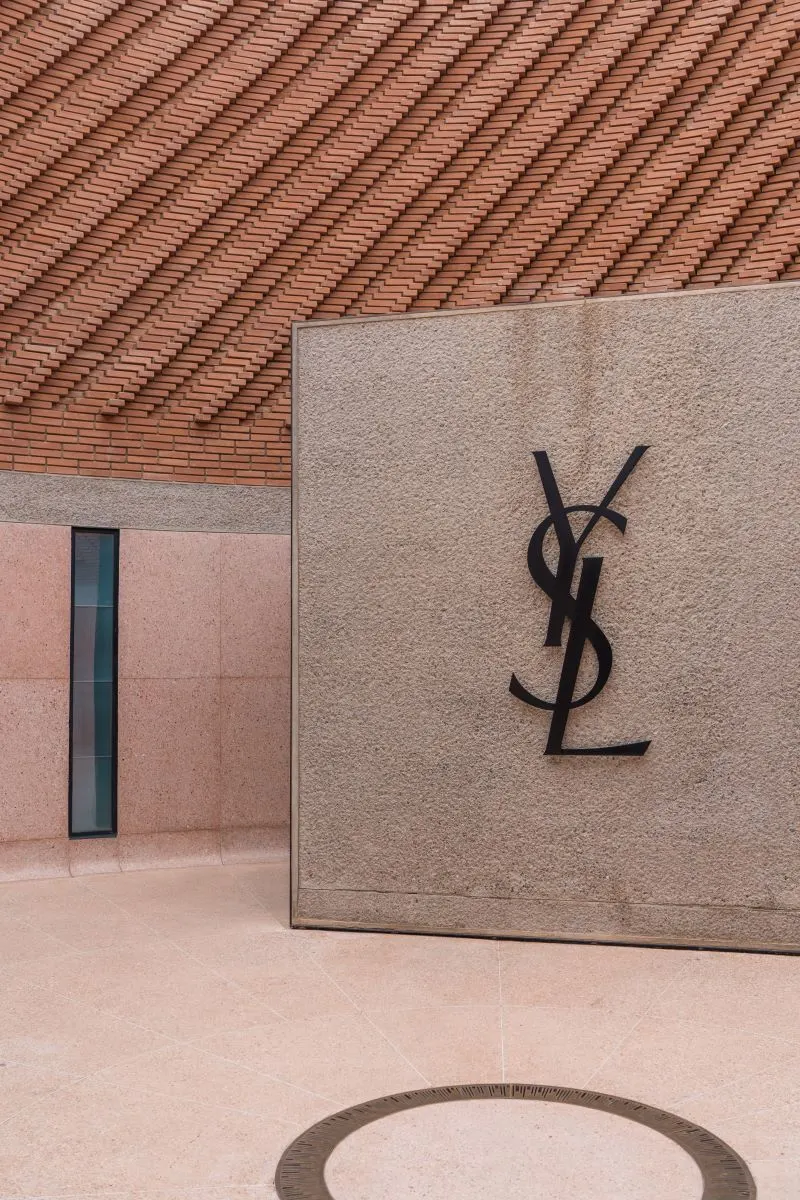
The Musée Yves Saint Laurent Marrakech is a museum dedicated to the life and work of the famous fashion designer Yves Saint Laurent. The museum is housed in a beautiful building that was designed by Studio KO and features a stunning collection of clothing, accessories, sketches, and other items from Saint Laurent’s career.
The exhibits are organized thematically, and visitors can see some of the designer’s most iconic pieces, including the Mondrian dress and the safari jacket. The museum also hosts temporary exhibitions that explore various aspects of fashion, design, and culture.
23. Take a guided tour of the Atlas Film Studios, which have been used as a filming location for many movies and TV shows set in Morocco.


Taking a guided tour of the Atlas Film Studios is a great way to experience the world of Moroccan cinema and get a behind-the-scenes look at some of the movies and TV shows that have been filmed in the country. The Atlas Film Studios are located just outside of Marrakesh and cover an area of about 322,000 square feet.
During the tour, you will be able to explore the various sets and backdrops used in movies such as “Lawrence of Arabia”, “Gladiator”, “The Mummy”, and “Game of Thrones”. You will also learn about the history of filmmaking in Morocco and how the country has become a popular destination for movie and TV producers.
The tour is usually led by a knowledgeable guide who will provide interesting facts and anecdotes about the movies and TV shows filmed at the studios. You will have the opportunity to see the intricate details and craftsmanship that goes into creating movie sets, from ancient Roman cities to medieval castles.
24. Visit the Palmeraie, a large palm grove that is located just outside the city and offers a peaceful escape from the hustle and bustle of Marrakesh.


The Palmeraie is a vast palm grove that lies just outside of Marrakesh, covering an area of over 13,000 hectares. It is a peaceful oasis of palm trees, olive groves, and fruit orchards that offers a stark contrast to the busy city center.
Visitors can take a stroll or a camel ride through the grove, admire the stunning scenery, and perhaps stop for a refreshing drink at one of the traditional cafes or restaurants that are scattered throughout the area. The Palmeraie is also home to some luxurious resorts and spas, making it a popular destination for those looking to relax and unwind in a tranquil setting.
25. Attend a traditional Moroccan music performance or dance show and experience the rich cultural heritage of the country.

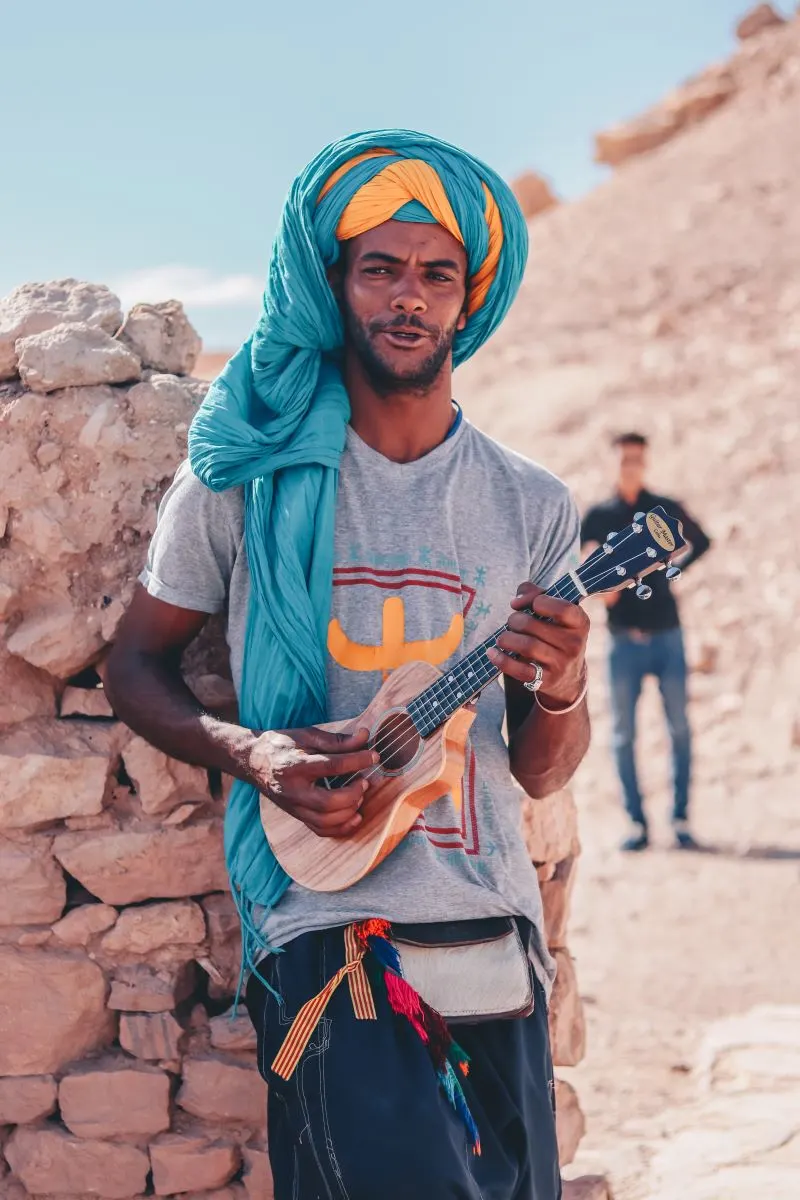
Attending a traditional Moroccan music performance or dance show is a fantastic way to immerse yourself in the country’s vibrant cultural heritage.
There are many different types of music and dance in Morocco, ranging from the hypnotic rhythms of Gnawa music to the graceful movements of belly dancing.
Music performances often feature a combination of traditional instruments like the oud, a stringed instrument similar to a lute, and the qarqaba, a percussion instrument made of metal castanets.
In addition, the traditional dance shows, like the belly dance, are often accompanied by live music and create an unforgettable experience.
Many restaurants and venues in Marrakesh offer regular performances, so it’s easy to find a show that suits your interests.
Some popular venues for music and dance performances include the Chez Ali Fantasia Dinner Show, which features traditional Moroccan music, dance, and horseback riding, and the Marrakesh Folklore Festival, which is an annual event that celebrates Moroccan culture through music and dance performances.
Moroccan food in Marrakesh


Moroccan cuisine is known for its bold flavors, rich spices, and hearty dishes. The city of Marrakesh is one of the best places to experience the diverse and delicious flavors of Moroccan cuisine.
From street food stalls to high-end restaurants, there is no shortage of options for food lovers in Marrakesh. Here are some of the must-try Moroccan dishes when in Marrakesh:
Tagine One of the most famous and traditional Moroccan dishes is tagine. This hearty stew is typically made with meat (lamb or chicken), vegetables (onions, tomatoes, and potatoes), and spices (cumin, turmeric, and cinnamon).
The dish is cooked slowly in a tagine pot, which is a cone-shaped clay vessel that allows the flavors to blend and the meat to become tender. Tagine can be found in many restaurants in Marrakesh, and it’s often served with bread or couscous.
Couscous Couscous is another staple dish in Moroccan cuisine. It’s a type of pasta made from semolina wheat that is steamed and served with vegetables (carrots, turnips, and chickpeas), meat (usually lamb), and a rich broth. In Marrakesh, you can find many variations of couscous, including vegetarian options. Some restaurants even offer a couscous tasting menu, where you can try different types of couscous.
Harira Harira is a hearty soup that is traditionally served during Ramadan to break the fast. The soup is made with a combination of lentils, chickpeas, tomatoes, onions, and spices.
It’s often served with dates and bread, and sometimes with a sprinkle of lemon juice. Harira is a popular street food in Marrakesh, and you can find it in many food stalls in the city’s main square, Jemaa el-Fnaa.
Pastilla Pastilla is a sweet and savory pastry that is usually served as an appetizer. It’s made with layers of phyllo pastry, stuffed with chicken or pigeon meat, almonds, cinnamon, and sugar.
The dish is then dusted with powdered sugar and cinnamon. Pastilla is a specialty dish in Marrakesh, and it’s often served in high-end restaurants.
Mechoui Mechoui is a roasted lamb dish that is often served at celebrations and special occasions in Morocco. The lamb is cooked slowly over an open fire for several hours until it’s tender and juicy. It’s often served with bread and a variety of condiments, including cumin, salt, and harissa (a spicy red pepper paste).
Mint tea Moroccan mint tea is a traditional beverage that is served throughout the country. It’s made by steeping green tea leaves with fresh mint leaves and sugar.
The tea is then poured from a height into small glasses, which is a traditional way of mixing the tea and creating a froth. Mint tea is a popular drink in Marrakesh, and it’s often served as a welcoming gesture in homes and restaurants.
In conclusion, Marrakesh is a food lover’s paradise, with a wide variety of delicious and authentic Moroccan dishes to choose from.
Whether you’re looking for a quick bite from a food stall or an elaborate meal at a high-end restaurant, Marrakesh has something for everyone. So, be sure to try these Moroccan specialties when in Marrakesh, and discover the rich and flavorful cuisine of Morocco.
20 Best Restaurant In Marrakesh, Morocco

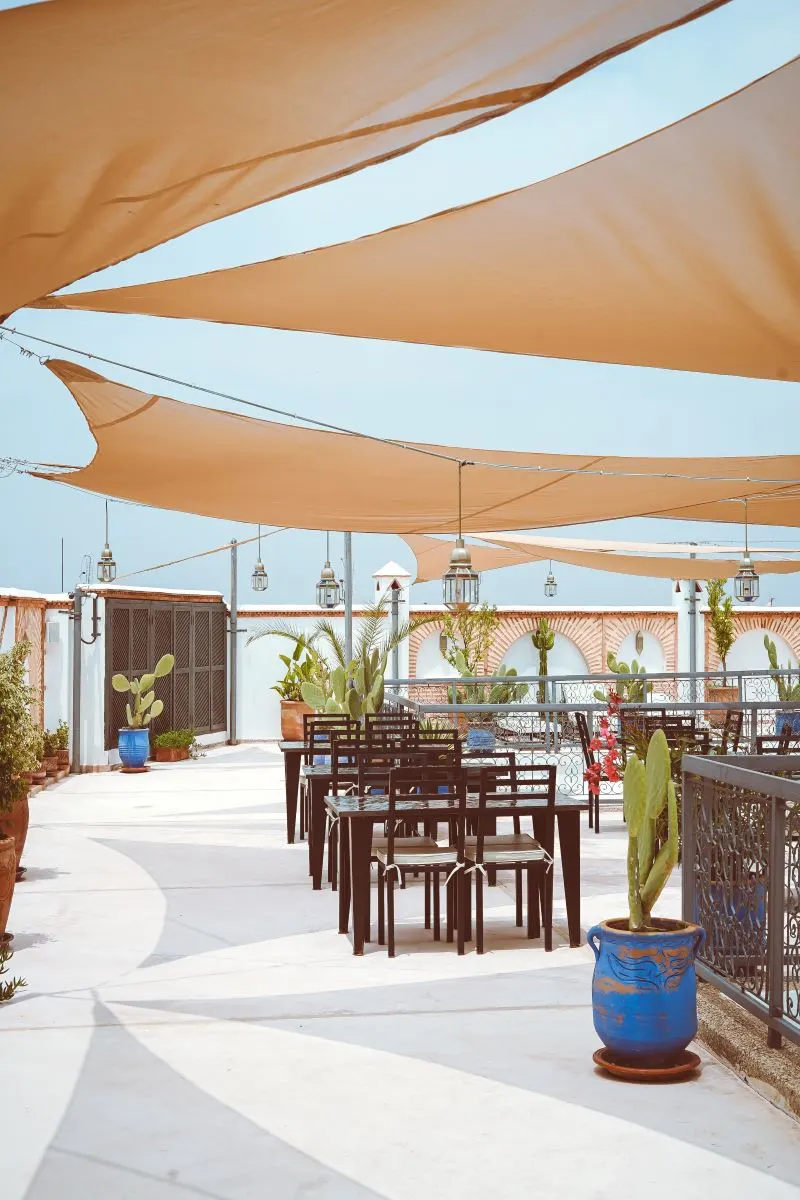
- Le Jardin – a beautiful garden restaurant with a varied menu that includes Moroccan, Mediterranean and international cuisine.
- La Mamounia – an elegant restaurant located in a luxurious hotel that offers a fine dining experience with a focus on Moroccan cuisine.
- Dar Moha – a traditional Moroccan restaurant with a romantic atmosphere, known for its couscous and tagines.
- Nomad – a trendy rooftop restaurant with a modern twist on Moroccan cuisine and a stunning view of the city.
- Le Comptoir Darna – a lively restaurant and lounge with a Moroccan-inspired menu and live music and belly dance performances.
- La Table du Palais – a fine dining restaurant located in a beautiful 19th-century palace, with a menu that includes Moroccan and French cuisine.
- Café Arabe – a stylish restaurant and café that serves a mix of Moroccan and Mediterranean dishes, with a beautiful rooftop terrace.
- Al Fassia – a family-owned restaurant that specializes in traditional Moroccan cuisine, with a focus on women’s cooking.
- Gastro MK – a contemporary restaurant that offers a fusion of Moroccan and European cuisine, with a changing menu based on seasonal and local produce.
- Le Grand Café de la Poste – a grand and historic café-restaurant that serves French-inspired cuisine with a Moroccan touch.
- La Maison Arabe – a luxurious hotel with a fine dining restaurant that offers a mix of Moroccan and international cuisine, including cooking classes.
- Al Maaden – a modern restaurant that serves a mix of Moroccan and international cuisine, with a beautiful view of the golf course and the Atlas Mountains.
- Le Foundouk – a chic restaurant that combines traditional Moroccan architecture with contemporary design, serving Moroccan and Mediterranean cuisine.
- La Sultana – a high-end restaurant located in a luxurious hotel, with a focus on Moroccan cuisine and a beautiful rooftop terrace.
- Le Tobsil – a hidden gem located in the Medina, serving traditional Moroccan cuisine in a cozy and intimate setting.
- Dar Zellij – a traditional Moroccan restaurant located in a beautifully restored 17th-century palace, with a menu that includes tagines, couscous and other local dishes.
- Dar Cherifa – a cultural center and restaurant located in a historic building in the Medina, offering a mix of Moroccan and international cuisine.
- Le Tanjia – a traditional Moroccan restaurant with a cozy and intimate atmosphere, known for its slow-cooked tanjia meat dish.
- Ksar Essaoussan – a beautiful restaurant located in a traditional riad, serving Moroccan cuisine with a modern twist.
- La Trattoria – an Italian restaurant with a Moroccan touch, located in the heart of the Medina.
These restaurants offer a range of dining experiences, from traditional Moroccan cuisine to international and fusion dishes, in a variety of settings, from elegant and sophisticated to relaxed and casual.
Transportation In Marrakesh

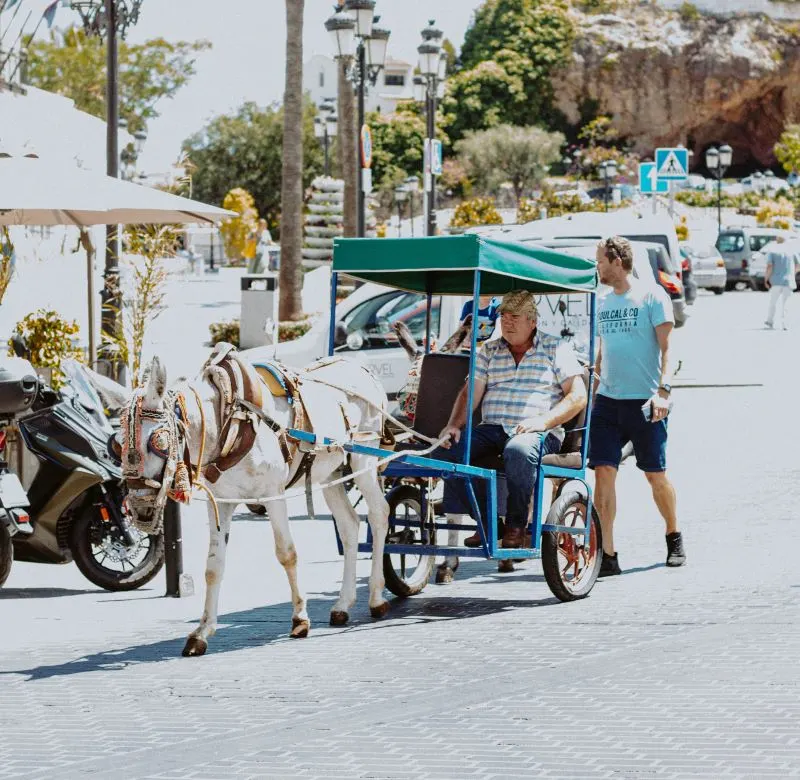
Marrakesh has a range of transportation options to help visitors get around the city. Here are some of the most common options:
- Taxis: Taxis are widely available in Marrakesh and are a convenient way to get around. They can be found at taxi stands throughout the city or hailed on the street. Taxis in Marrakesh are usually small and inexpensive, with meters to calculate fares.
- Buses: Marrakesh has a public bus system that is operated by the local government. Buses are inexpensive and cover many parts of the city, but they can be crowded and may not run on a regular schedule.
- Horse-drawn carriages: Horse-drawn carriages, or caleches, are a popular way to explore the city, especially in the medina. They can be found in various locations throughout the city, but be sure to negotiate the price before getting in.
- Motorbikes and scooters: Motorbikes and scooters are available for rent in Marrakesh and can be a convenient way to get around, especially in the city’s narrow streets. However, they can be dangerous, and visitors should ensure they have the appropriate license and insurance before renting one.
- Walking: Walking is one of the best ways to explore Marrakesh, especially in the medina, where the streets are too narrow for cars. However, visitors should be prepared for the heat and the crowds.
- Private cars: Private cars can also be rented in Marrakesh, and many hotels offer airport transfers and private transportation services. However, driving in Marrakesh can be challenging, especially for those not familiar with the city’s traffic and road conditions.
In conclusion, Marrakesh offers an array of experiences and attractions that cater to a variety of interests. From exploring the city’s rich history and culture to indulging in its vibrant food scene, there is something for everyone to enjoy.
Whether you are interested in visiting museums, gardens, or ancient palaces, or simply want to soak in the city’s bustling atmosphere by strolling through its vibrant souks or enjoying a traditional hammam, Marrakesh has it all.
With so much to see and do, it’s no wonder that Marrakesh continues to be one of the most popular destinations in North Africa, drawing visitors from all over the world.
Leave a comment