

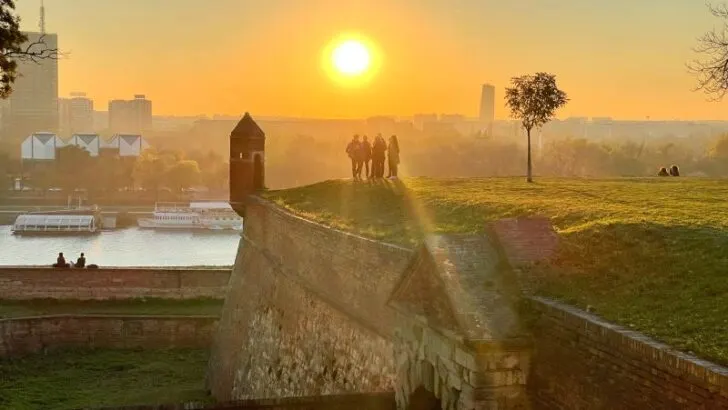

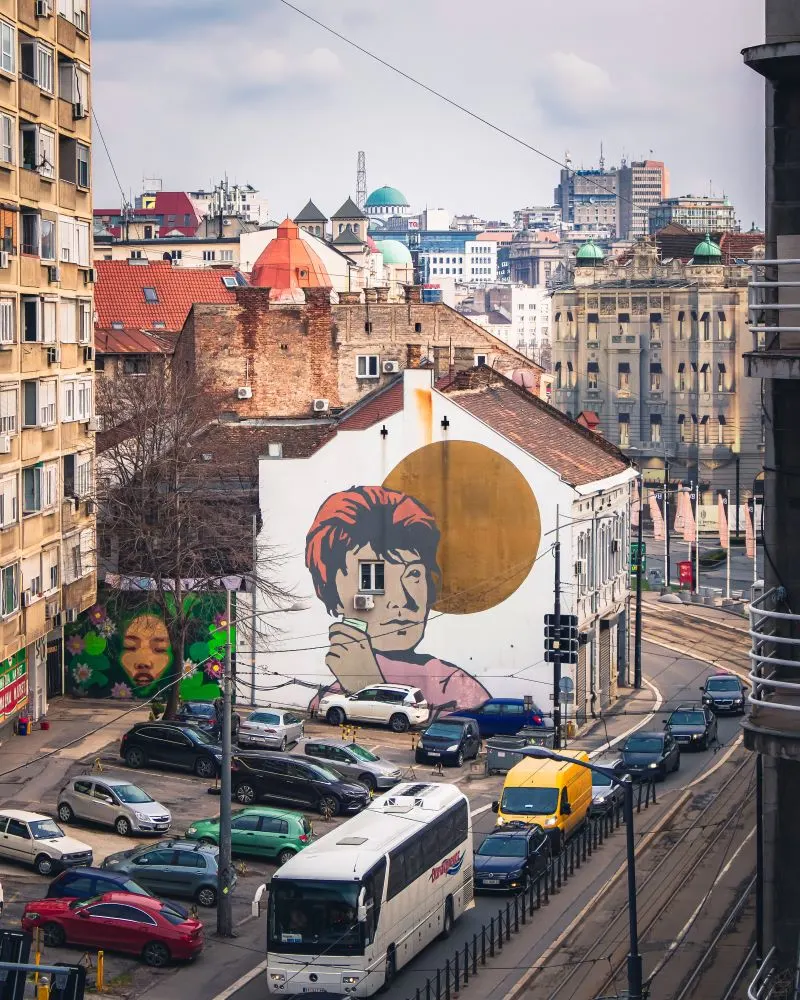
Belgrade, the capital of Serbia, is a vibrant city that sits at the crossroads of Eastern and Western Europe. With a rich history, stunning architecture, and a thriving cultural scene, Belgrade is an ideal destination for travelers looking for an authentic experience.
The city is home to many top attractions, from its historic Belgrade Fortress and bohemian Skadarlija neighborhood to its lively Knez Mihailova pedestrian street and the Nikola Tesla Museum. Visitors can also enjoy a boat ride along the Danube and Sava rivers, explore the colorful Zemun neighborhood, and learn about Serbia’s history at the National Museum.
Belgrade is also known for its delicious traditional cuisine, which can be sampled at one of its many restaurants. Whether you’re interested in history, culture, or just soaking up the local atmosphere, Belgrade has something for everyone. In this list, we’ll take a closer look at the 25 best things to do in Belgrade, Serbia.
1. Visit the Belgrade Fortress – a historical fortress that offers stunning views of the city.

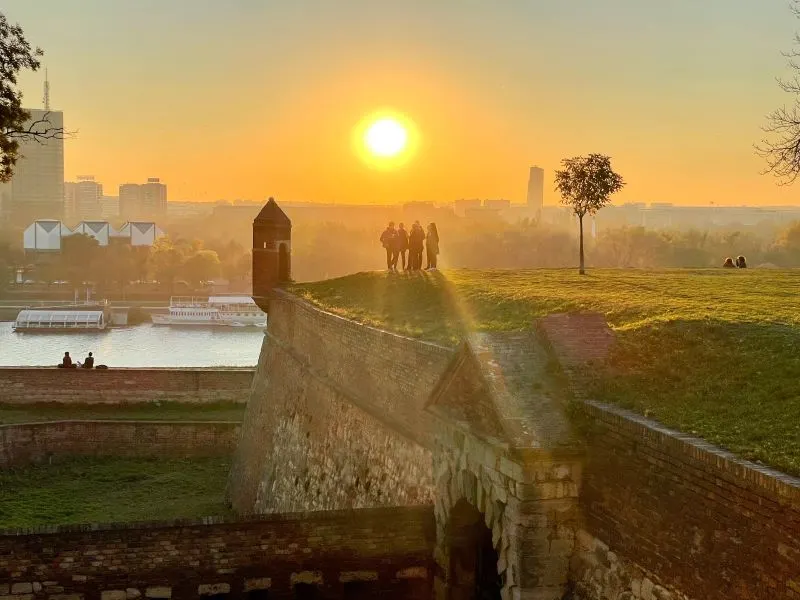
The Belgrade Fortress, also known as Kalemegdan Fortress, is a historic fortress located in the heart of Belgrade, Serbia. The fortress dates back to the 2nd century AD and has been rebuilt and expanded many times throughout its history.
Today, the fortress offers stunning views of the city and the confluence of the Danube and Sava rivers. Visitors can explore the fortress walls, gates, towers, and underground passageways, as well as the many historical monuments and museums located within the complex.
One of the most popular attractions in the fortress is the Military Museum, which showcases Serbia’s military history through a collection of weapons, uniforms, and artifacts. Another popular spot is the Victor Monument, a large statue commemorating Serbia’s victory in World War I.
The fortress is also home to several parks and gardens, including the Kalemegdan Park, which offers a peaceful escape from the busy city. Visitors can take a leisurely stroll along the fortress walls and enjoy the panoramic views of Belgrade’s skyline and the surrounding countryside.
2. Explore the bohemian neighborhood of Skadarlija – a lively area filled with traditional restaurants and bars.

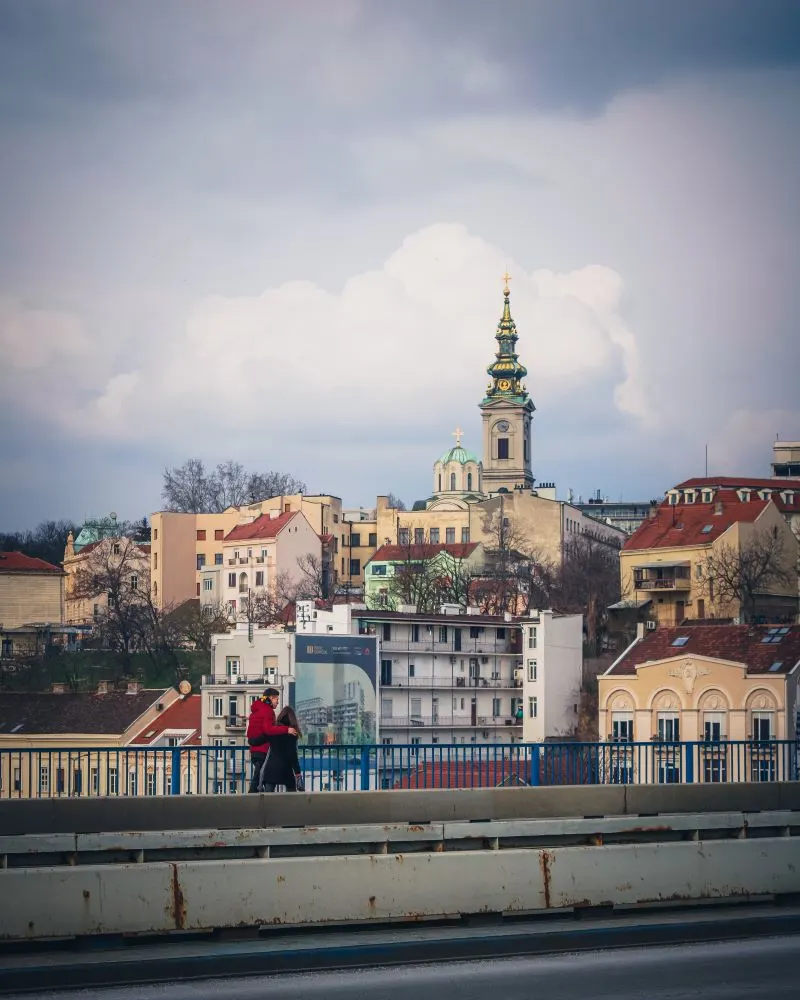
Skadarlija is a historic and bohemian neighborhood located in the heart of Belgrade, Serbia. The neighborhood is known for its lively atmosphere, traditional restaurants, and bars.
Skadarlija dates back to the 19th century and was once home to a community of artists, writers, and poets. Today, the neighborhood has retained much of its bohemian charm and is a popular destination for both locals and tourists.
One of the main attractions in Skadarlija is its many traditional restaurants, which serve delicious Serbian cuisine and offer a unique dining experience. The restaurants are typically housed in old, picturesque buildings with outdoor seating and live music performances.
Visitors to Skadarlija can also explore the neighborhood’s many art galleries, antique shops, and souvenir stores. The narrow streets and colorful buildings create a charming and lively atmosphere that is unique to this part of Belgrade.
At night, Skadarlija comes alive with music and entertainment. The neighborhood’s many bars and pubs offer a variety of drinks and cocktails, as well as live music performances and events.
3. Stroll down Knez Mihailova – Belgrade’s main pedestrian street, lined with shops and cafes.

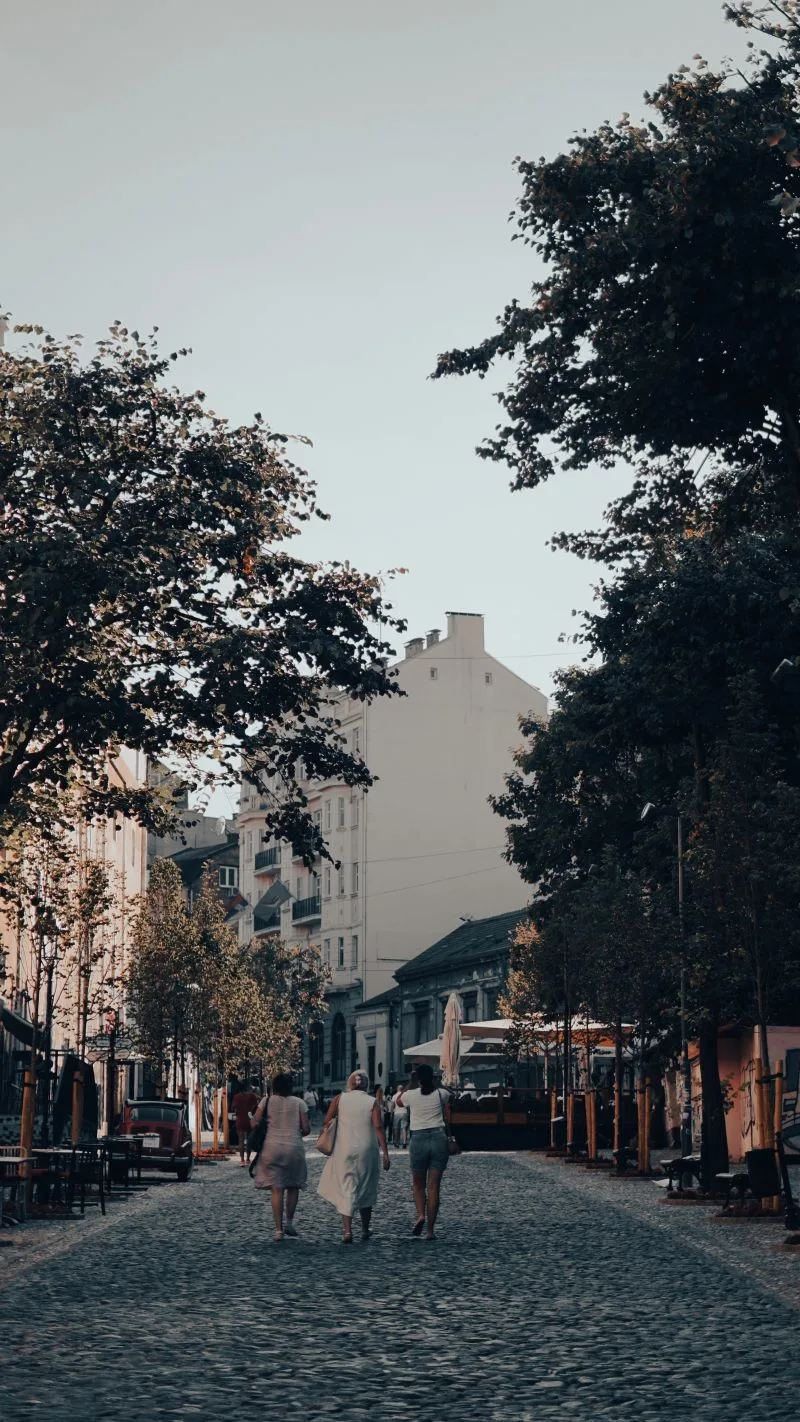
Knez Mihailova is Belgrade’s main pedestrian street and one of the most popular destinations in the city. The street stretches from the Kalemegdan Fortress to the Republic Square and is lined with shops, cafes, restaurants, and cultural institutions.
The street is named after Prince Mihailo Obrenović, who ruled Serbia in the 19th century, and has a rich history dating back to the Ottoman period. Today, it is a bustling pedestrian area that is perfect for a leisurely stroll or a shopping spree.
Knez Mihailova is home to some of the most popular shops in Belgrade, including international brands as well as local boutiques. Visitors can find everything from designer clothing to traditional souvenirs and crafts.
In addition to shopping, the street is also home to many cafes and restaurants, which offer a variety of cuisine and a chance to take a break and people-watch. During the summer months, the street is lined with outdoor seating areas and street performers, creating a lively and festive atmosphere.
As visitors stroll down Knez Mihailova, they can also admire the beautiful architecture and cultural institutions located along the street, such as the National Museum, the Serbian Academy of Sciences and Arts, and the Ethnographic Museum.
4. Discover the Nikola Tesla Museum – a museum dedicated to the life and work of the famous inventor.


The Nikola Tesla Museum is a museum located in Belgrade, Serbia that is dedicated to the life and work of the famous inventor Nikola Tesla.
Tesla was a Serbian-American inventor, electrical engineer, mechanical engineer, and futurist who is best known for his contributions to the design of the modern alternating current (AC) electricity supply system.
The museum is located in Tesla’s former residence, which has been converted into a museum and research center. The museum contains a collection of over 160,000 original documents, books, and photographs related to Tesla’s life and work.
Visitors to the museum can explore exhibits that showcase Tesla’s inventions and innovations, including models and prototypes of his electrical and mechanical devices.
The museum also features interactive exhibits that allow visitors to experiment with Tesla’s inventions and learn more about the principles of electricity and magnetism.
One of the most popular attractions in the museum is the Tesla Coil, a device that produces high-voltage, low-current electricity and creates spectacular visual and auditory effects. Visitors can witness demonstrations of the Tesla Coil in action and learn more about its function and history.
5. Visit the Church of Saint Sava – one of the largest Orthodox churches in the world.

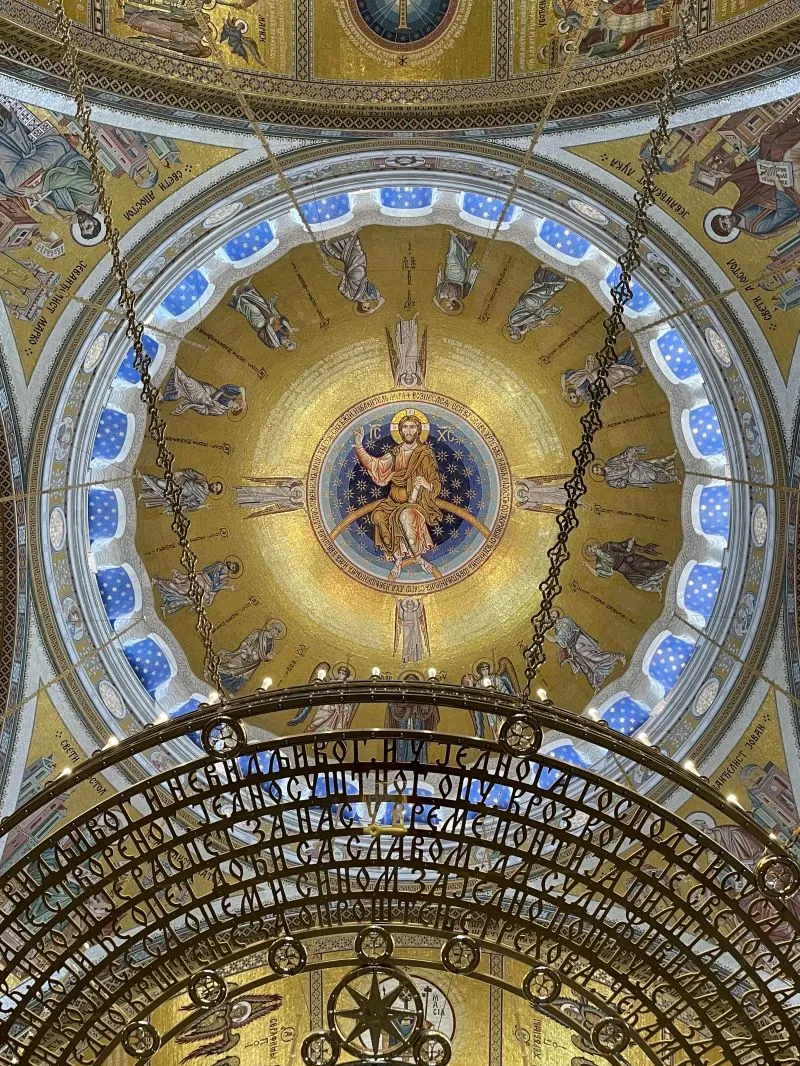
The Church of Saint Sava is a Serbian Orthodox church located in the Vracar neighborhood of Belgrade, Serbia. It is one of the largest Orthodox churches in the world and is dedicated to Saint Sava, the founder of the Serbian Orthodox Church.
The church was designed in the Serbian-Byzantine style and features a large central dome, four smaller domes, and a bell tower. It was built on the site where the Ottomans burned the remains of Saint Sava in 1595, and construction of the church began in 1935. However, due to various political and economic reasons, the construction of the church was not completed until 2004.
The church’s interior is adorned with beautiful mosaics, frescoes, and iconography, which depict scenes from the Bible and the lives of the saints. The church’s main nave is over 70 meters long and can accommodate up to 10,000 worshippers.
One of the most impressive features of the church is its 82-meter-tall central dome, which is one of the largest church domes in the world. The dome is supported by four pillars, each of which is decorated with intricate mosaics and frescoes.
In addition to its religious significance, the Church of Saint Sava is also a popular tourist destination, attracting visitors from all over the world who come to admire its impressive architecture and beautiful interior.
6. Take a boat ride along the Danube and Sava rivers – a relaxing way to see the city.

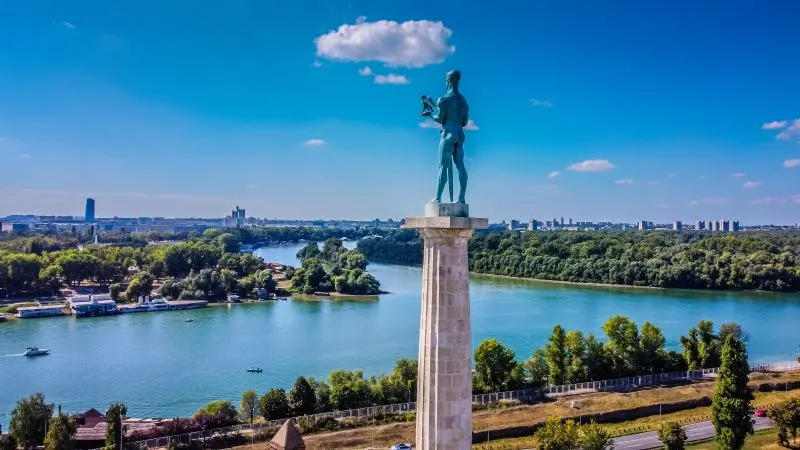
Taking a boat ride along the Danube and Sava rivers is a popular activity in Belgrade, and it’s a great way to see the city from a different perspective.
The Danube and Sava rivers run through the heart of Belgrade, and a boat ride allows visitors to enjoy stunning views of the city’s landmarks and architecture.
During the ride, visitors can see the Kalemegdan Fortress, the Church of Saint Sava, and the many bridges that span the rivers, including the iconic Ada Bridge.
Visitors can choose from a variety of boat tours, ranging from short sightseeing cruises to longer excursions that include meals and entertainment. Many boats also offer audio guides, providing information about the city’s history and landmarks as visitors cruise along the rivers.
One of the highlights of a boat ride along the Danube and Sava rivers is the opportunity to see the confluence of the two rivers, where the brown Sava meets the blue Danube. This natural phenomenon creates a stunning contrast of colors and is a memorable sight for visitors.
Boat rides are available year-round, with different tours operating during the summer and winter seasons. During the summer months, visitors can enjoy open-air boat rides, while in the winter, many boats are enclosed and heated, allowing visitors to stay warm while still enjoying the views.
7. Enjoy the nightlife in Savamala – a trendy neighborhood with bars and clubs.


Savamala is a trendy neighborhood in Belgrade that is known for its vibrant nightlife scene. The area is located near the Sava river, just a short walk from the city center, and is home to a variety of bars, clubs, and restaurants.
Savamala has undergone a transformation in recent years, with many of its abandoned warehouses and factories being converted into trendy bars and clubs. The area attracts a young and lively crowd, with music ranging from electronic and techno to more traditional Balkan sounds.
One of the highlights of the Savamala nightlife scene is the variety of outdoor bars and clubs that line the Sava riverfront. These venues offer stunning views of the river and the city skyline, and many feature live music and DJs.
Savamala is also known for its street art and graffiti, which can be seen throughout the neighborhood. Many of the bars and clubs in the area feature unique and colorful murals, creating a vibrant and energetic atmosphere.
In addition to its nightlife scene, Savamala is also home to a variety of restaurants and cafes that offer a range of international cuisine. Visitors can enjoy everything from traditional Serbian dishes to Italian, Japanese, and Middle Eastern cuisine.
8. Walk through the colorful and vibrant Zemun neighborhood – filled with cafes, restaurants, and historic sites.

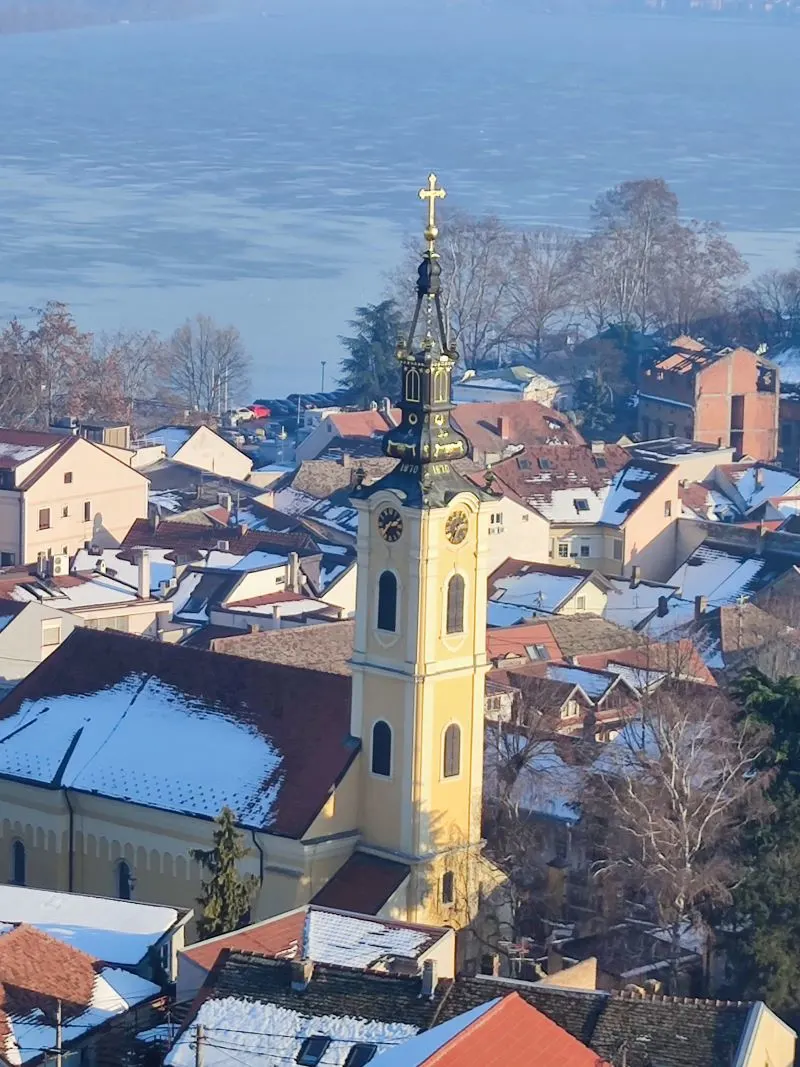
Zemun is a historic neighborhood located on the banks of the Danube river, just a short distance from Belgrade city center. The area is known for its colorful and vibrant streets, as well as its rich history and cultural heritage.
One of the highlights of a visit to Zemun is the charming pedestrian street, Gospodska, which is lined with cafes, restaurants, and shops. The street is known for its colorful architecture, which includes traditional Balkan-style houses with red-tiled roofs and colorful facades.
Zemun is also home to several historic sites, including the Zemun Fortress, which was built in the 18th century to defend against Ottoman attacks. Visitors can explore the fortress and learn about its history through guided tours and exhibitions.
Another historic site in Zemun is the Church of Saint John the Baptist, which dates back to the 18th century and is known for its Baroque architecture and beautiful frescoes.
Zemun is also a great place to enjoy traditional Serbian cuisine, with a variety of restaurants and cafes offering local dishes such as cevapi (grilled meat), sarma (stuffed cabbage), and rakija (fruit brandy).
9. Learn about Serbia’s history at the National Museum of Serbia.

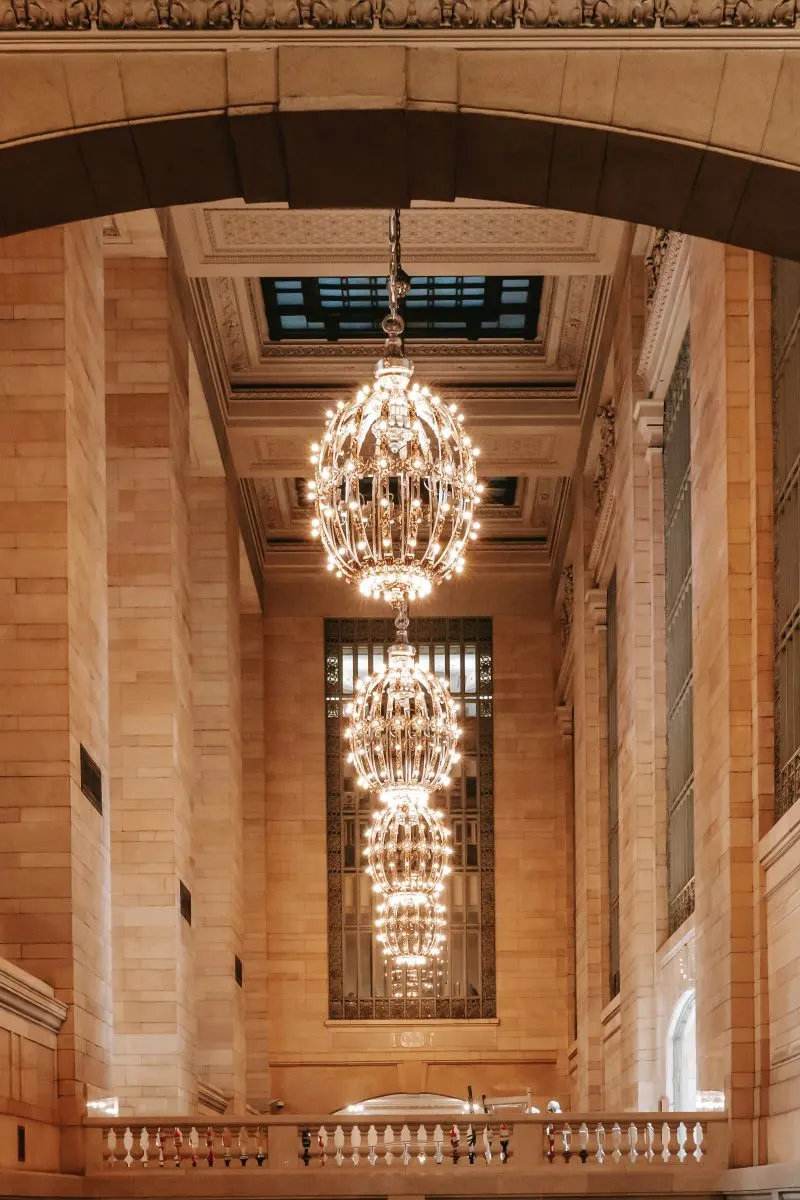
The National Museum of Serbia is the largest and oldest museum in the country, located in the heart of Belgrade. The museum is dedicated to preserving and showcasing the cultural heritage of Serbia, from prehistoric times to the modern era.
The museum’s collection includes over 400,000 objects, including archaeological artifacts, coins, weapons, costumes, and paintings. One of the highlights of the museum’s collection is the Miroslav Gospel, an illuminated manuscript dating back to the 12th century and considered one of the most important medieval Serbian manuscripts.
Visitors to the National Museum of Serbia can explore the museum’s collection through a series of exhibitions, which are organized chronologically and thematically. The exhibitions cover a wide range of topics, including the prehistoric period, the Roman Empire, the Byzantine era, and the Ottoman period.
One of the museum’s most popular exhibitions is the Gallery of Serbian Art, which features works by some of Serbia’s most famous artists, including Paja Jovanović and Nadežda Petrović.
The National Museum of Serbia is also home to a conservation and restoration department, where visitors can learn about the process of restoring and preserving cultural artifacts.
10. Visit the Military Museum – a museum showcasing Serbia’s military history.


The Military Museum in Belgrade is one of the oldest and most important museums in Serbia, dedicated to preserving and showcasing the country’s military history.
The museum’s collection includes over 30,000 objects, including weapons, uniforms, medals, and military equipment. Visitors can explore the museum’s collection through a series of exhibitions, which are organized chronologically and thematically.
One of the highlights of the museum’s collection is the replica of the medieval Serbian armor, which dates back to the 14th century and is one of the few surviving examples of its kind in the world.
The museum’s collection also includes a large number of weapons from various periods, including swords, guns, and cannons.
In addition to its permanent collection, the Military Museum also hosts a variety of temporary exhibitions and events throughout the year, focusing on different aspects of Serbia’s military history.
One of the most popular exhibitions at the museum is the Battle of Kosovo exhibition, which showcases the military equipment and tactics used during the famous battle in 1389, which is considered one of the defining moments in Serbian history.
11. See the famous frescoes at the Church of the Holy Apostles Peter and Paul.

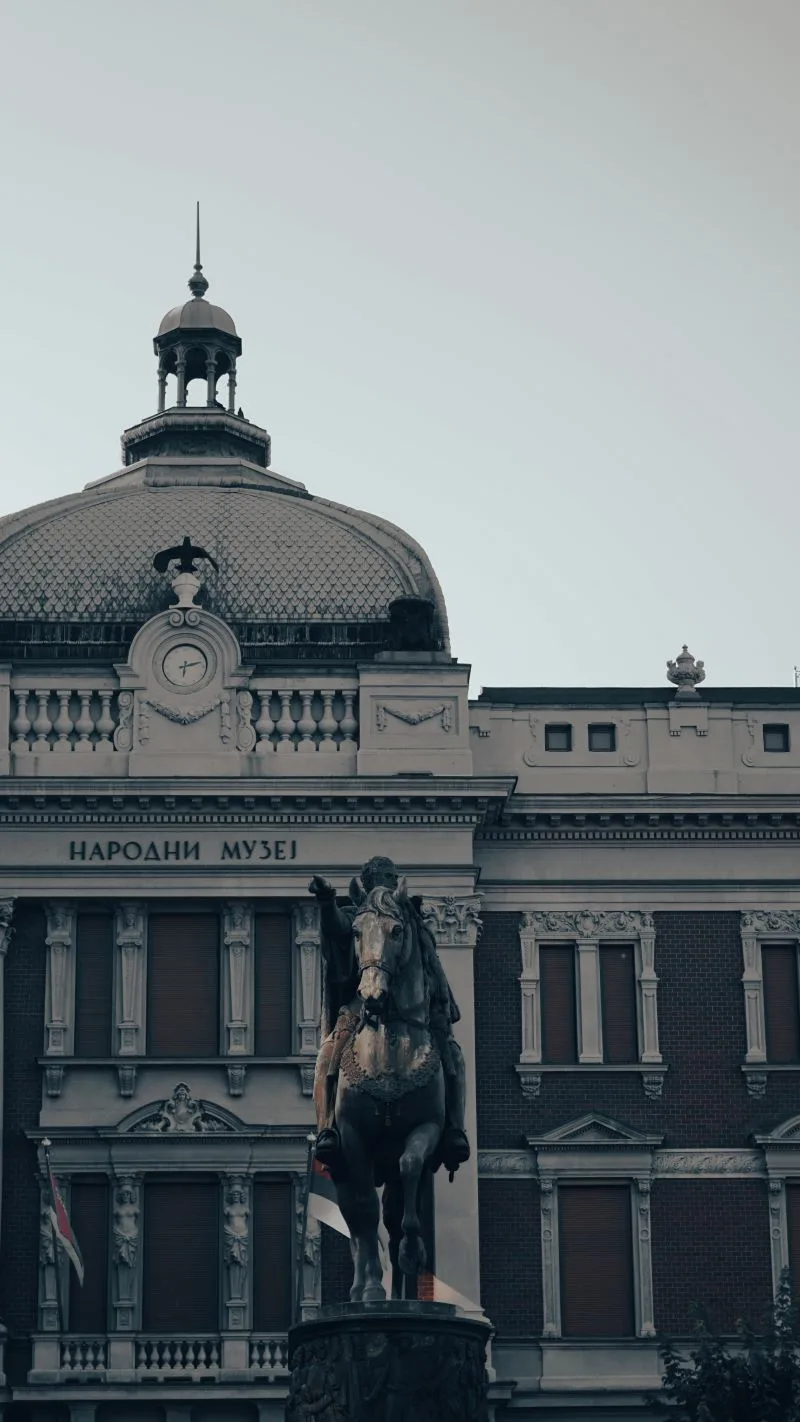
The Church of the Holy Apostles Peter and Paul, also known as the Church of St. Peter, is a Serbian Orthodox church located in the heart of Belgrade. The church is famous for its stunning frescoes, which are considered some of the finest examples of Byzantine art in Serbia.
The frescoes were painted in the 17th century by the famous Serbian painter Teodor Kračun, and cover the walls and ceiling of the church’s interior. The frescoes depict scenes from the life of Christ, as well as portraits of saints and apostles.
One of the most famous frescoes in the church is the “Last Judgment” scene, which covers the entire west wall of the nave. The scene depicts Christ sitting on a throne surrounded by angels, while the souls of the dead are judged and sent either to heaven or hell.
Another notable fresco is the “Great Feasts” cycle, which depicts major religious events such as Christmas, Easter, and the Transfiguration of Christ.
Visitors to the Church of St. Peter can also admire the church’s ornate interior, which features intricately carved wooden icons and a beautiful iconostasis.
12. Explore the hidden gems of the Vracar neighborhood – home to several museums and art galleries.

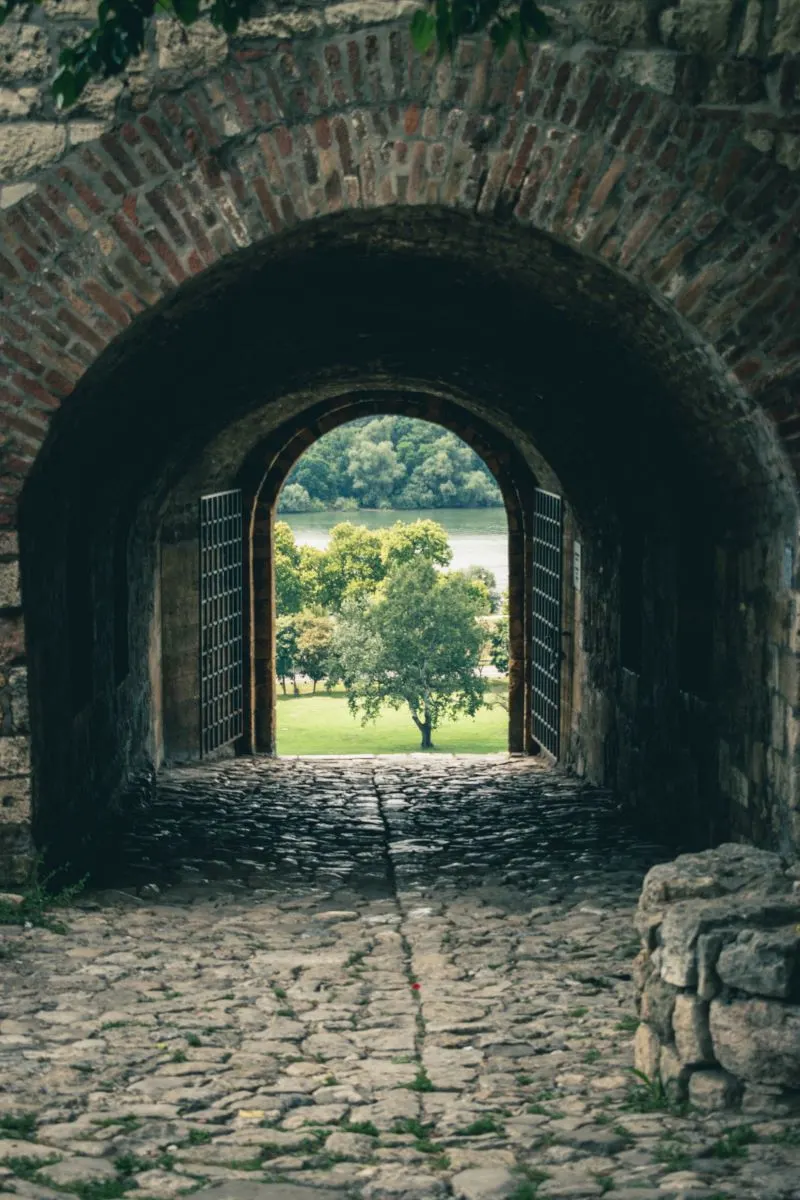
The Vracar neighborhood is a hidden gem in Belgrade, known for its charming streets, green spaces, and cultural attractions. One of the main draws of the neighborhood is its many museums and art galleries, which offer visitors a unique insight into Serbian culture and history.
One of the most popular museums in Vracar is the Museum of Nikola Tesla, which is dedicated to the life and work of the famous Serbian inventor.
The museum features interactive exhibits and displays, as well as a large collection of Tesla’s personal items, including his inventions, books, and photographs.
Another popular museum in the neighborhood is the Ethnographic Museum, which showcases traditional Serbian crafts, clothing, and artifacts. Visitors can explore the museum’s collection of over 200,000 items, which include everything from embroidered textiles and pottery to traditional musical instruments.
Vracar is also home to several art galleries, including the Cultural Center of Belgrade and the Gallery of Frescoes. These galleries showcase the work of local and international artists, and offer a unique insight into the contemporary art scene in Belgrade.
Aside from its cultural attractions, Vracar also offers plenty of opportunities for outdoor recreation. The neighborhood is home to the beautiful Tasmajdan Park, which features walking paths, a lake, and several sports facilities.
13. Take a tour of the Parliament Building – a stunning example of Serbian architecture.

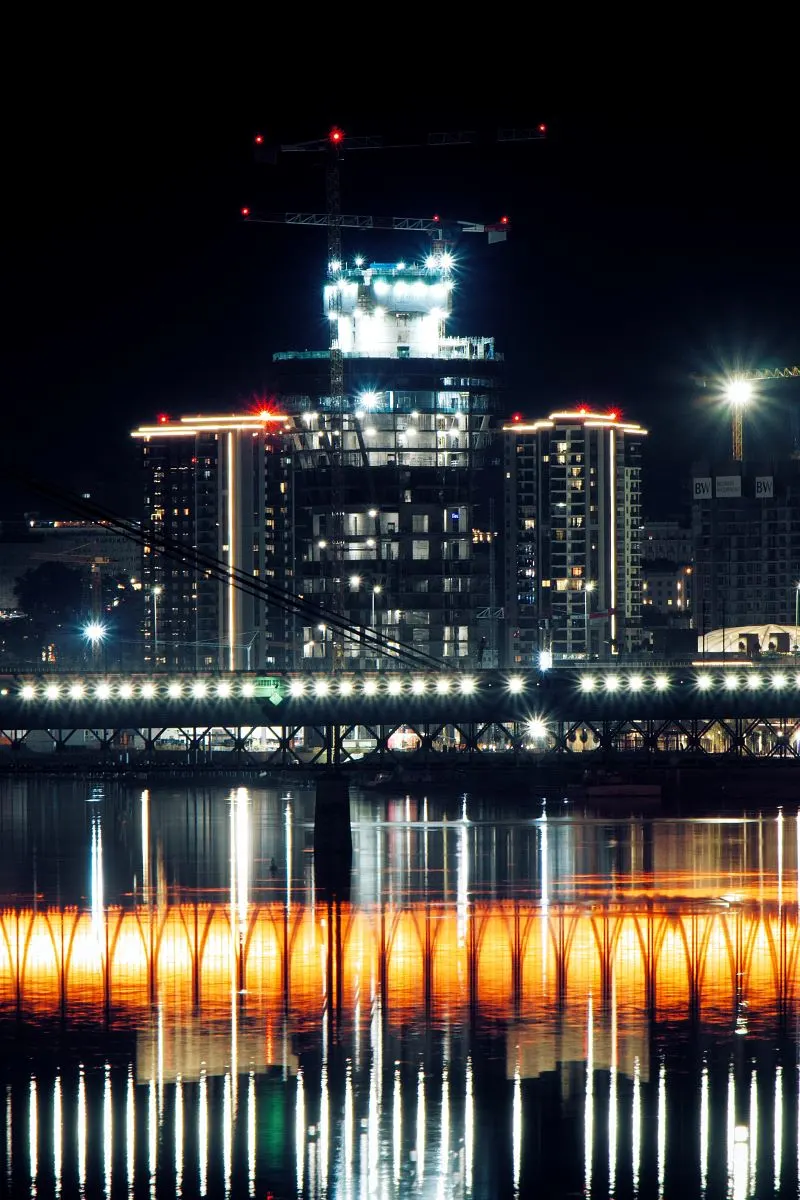
The Parliament Building, also known as the National Assembly of Serbia, is a stunning example of Serbian architecture located in the heart of Belgrade. The building was constructed in the late 19th century, and features a striking Neo-Renaissance style facade.
Visitors to the Parliament Building can take a guided tour of the interior, which includes the main assembly hall, as well as several committee rooms and offices. The interior of the building is decorated with ornate frescoes and intricate carvings, and visitors can learn about the history of Serbian politics and government through informative exhibits and displays.
One of the highlights of the tour is the main assembly hall, which features a beautiful ceiling mural depicting scenes from Serbian history. Visitors can also admire the ornate chandeliers and impressive columns that line the hall.
Another notable feature of the Parliament Building is the large courtyard, which is surrounded by beautiful gardens and sculptures. The courtyard offers a peaceful respite from the bustling city streets, and provides a great opportunity for visitors to take photos of the impressive facade of the building.
14. Go shopping at the Kalenic Market – a bustling open-air market selling fresh produce, meats, and other goods.

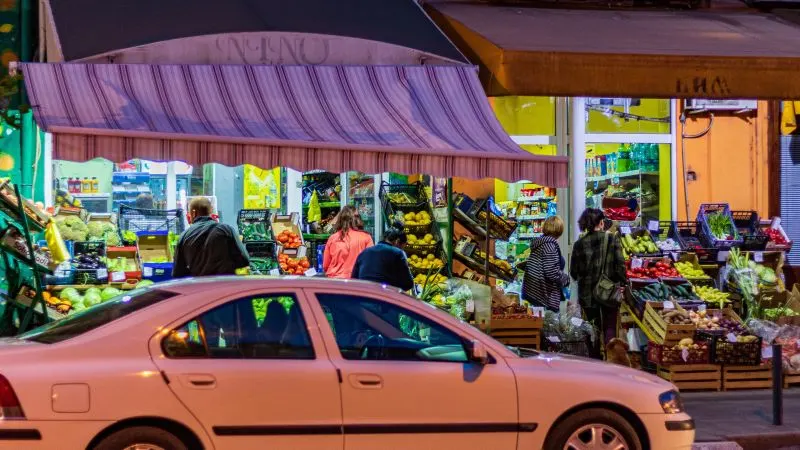
The Kalenic Market, also known as the “Green Market,” is a bustling open-air market located in the Vracar neighborhood of Belgrade. The market has been in operation for over 100 years, and is a beloved local institution that draws visitors from across the city.
At the Kalenic Market, visitors can browse a wide variety of goods, including fresh fruits and vegetables, meats, cheeses, breads, and other specialty foods. The market is known for its high-quality, locally sourced products, and many vendors offer organic and artisanal items.
Aside from its food offerings, the market also features a variety of non-food stalls, including flower sellers, clothing vendors, and handicrafts. Visitors can find everything from handmade souvenirs to vintage clothing and jewelry.
One of the highlights of a visit to the Kalenic Market is the opportunity to interact with the vendors themselves. Many of the vendors are friendly and happy to share information about their products and recommendations on how to prepare and cook them.
The market is busiest in the morning, when locals come to stock up on fresh produce and meats for the day. However, it is open throughout the day, and visitors can explore at their leisure and soak up the lively atmosphere.
15. Discover the beauty of the Botanical Garden of Belgrade – a tranquil oasis in the heart of the city.

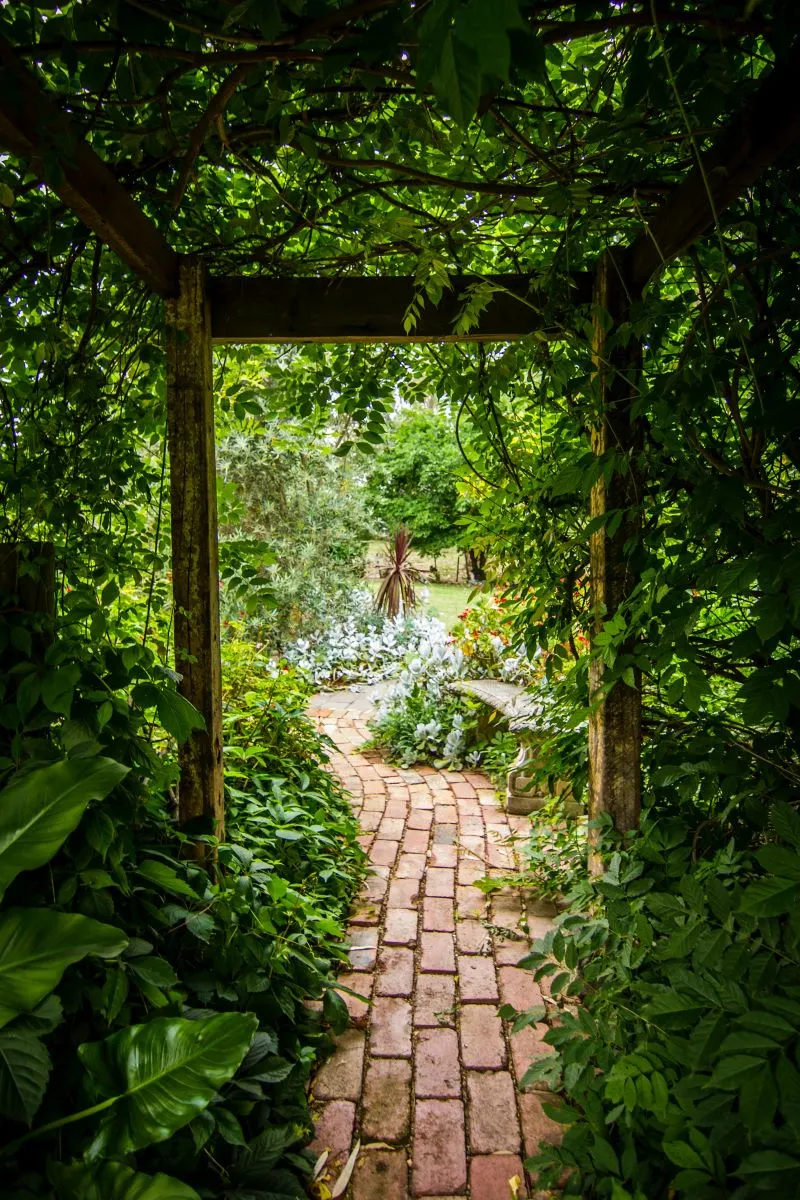
The Botanical Garden of Belgrade is a beautiful and tranquil oasis located in the heart of the city. The garden covers an area of 5 hectares and is home to a stunning collection of plant species from around the world.
Visitors to the Botanical Garden can take a leisurely stroll along the winding paths and admire the diverse range of flora on display. The garden is divided into several sections, including a Japanese Garden, a Tropical House, and a collection of medicinal plants.
One of the highlights of the garden is the greenhouse, which houses a wide variety of exotic plants and flowers. Visitors can wander through the greenhouse and admire the beautiful displays of orchids, cacti, and other tropical plants.
Another notable feature of the Botanical Garden is the beautiful pond, which is home to several species of aquatic plants and animals. Visitors can relax on one of the benches situated around the pond and enjoy the peaceful surroundings.
In addition to its natural beauty, the Botanical Garden also serves as an important research and educational facility, and hosts a variety of educational programs and events throughout the year.
16. Try traditional Serbian cuisine – Belgrade has many delicious restaurants serving local dishes.

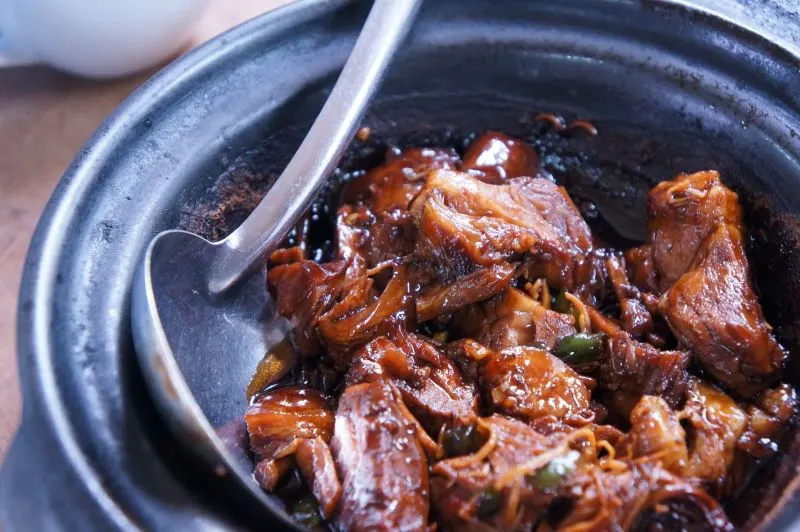
Belgrade is a great destination for food lovers, with many delicious restaurants serving traditional Serbian cuisine. Serbian cuisine is known for its hearty and flavorful dishes, which often include meat, vegetables, and spices.
Some popular traditional Serbian dishes that visitors to Belgrade should try include cevapi, which are grilled meat sausages served with onions and ajvar, a spicy red pepper spread; pljeskavica, a type of grilled meat patty served with kajmak, a creamy dairy product; and gibanica, a savory pastry made with cheese, eggs, and phyllo dough.
Many restaurants in Belgrade offer a wide variety of traditional Serbian dishes, as well as international cuisine. Visitors can enjoy their meals in a variety of settings, from casual taverns to upscale restaurants with panoramic views of the city.
In addition to traditional dishes, Belgrade is also known for its delicious pastries and sweets. Visitors should be sure to try burek, a flaky pastry filled with cheese, meat, or vegetables; and rakija, a strong fruit brandy that is a popular drink in Serbia.
17. Visit the Museum of Contemporary Art – showcasing contemporary art from Serbia and around the world.

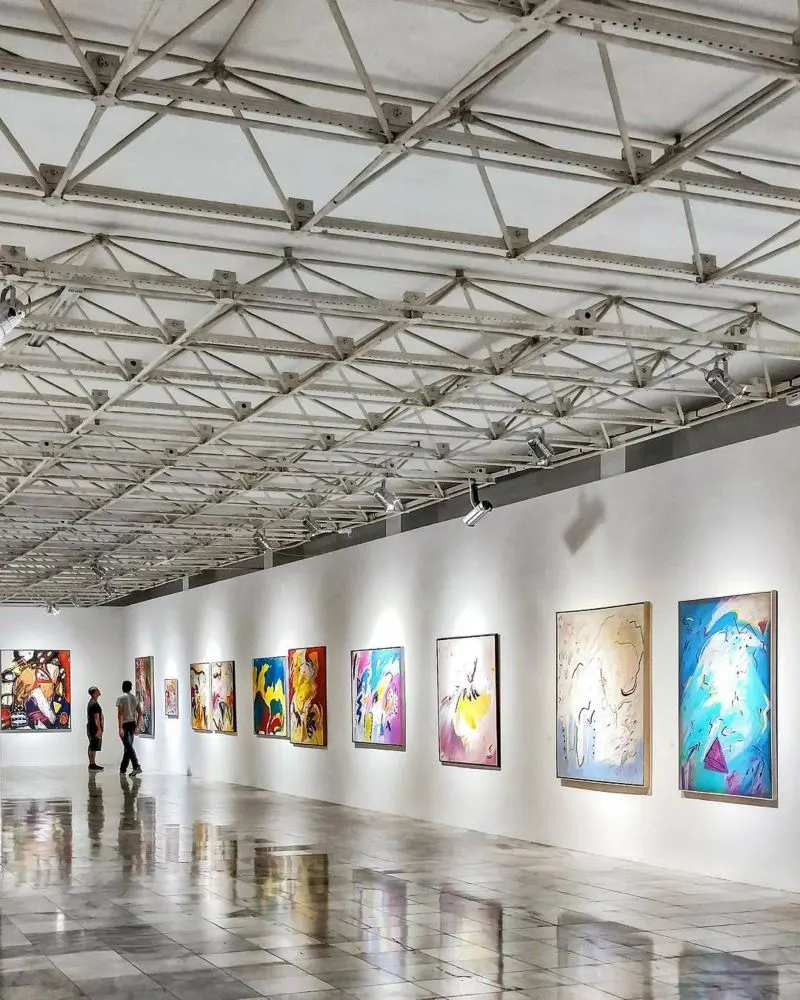
The Museum of Contemporary Art in Belgrade is one of the most important cultural institutions in Serbia, and a must-visit destination for art lovers. The museum is located in the New Belgrade district, and it is home to an impressive collection of contemporary art from Serbia and around the world.
The museum’s collection includes over 8,000 works of art, including paintings, sculptures, installations, and video art. The collection is particularly strong in Serbian and Yugoslav art from the 20th and 21st centuries, with works by renowned Serbian artists such as Marina Abramović, Vladimir Veličković, and Mića Popović.
In addition to its permanent collection, the Museum of Contemporary Art also hosts temporary exhibitions featuring the work of contemporary artists from Serbia and around the world. These exhibitions cover a wide range of styles and media, from painting and sculpture to video and performance art.
The museum building itself is also a work of art, with a striking modernist design that is a landmark of New Belgrade. The building was renovated and reopened to the public in 2017, and it now features state-of-the-art exhibition spaces, a library, and a cafe.
18. Attend a concert or event at the Kombank Arena – a large indoor arena that hosts a variety of events.

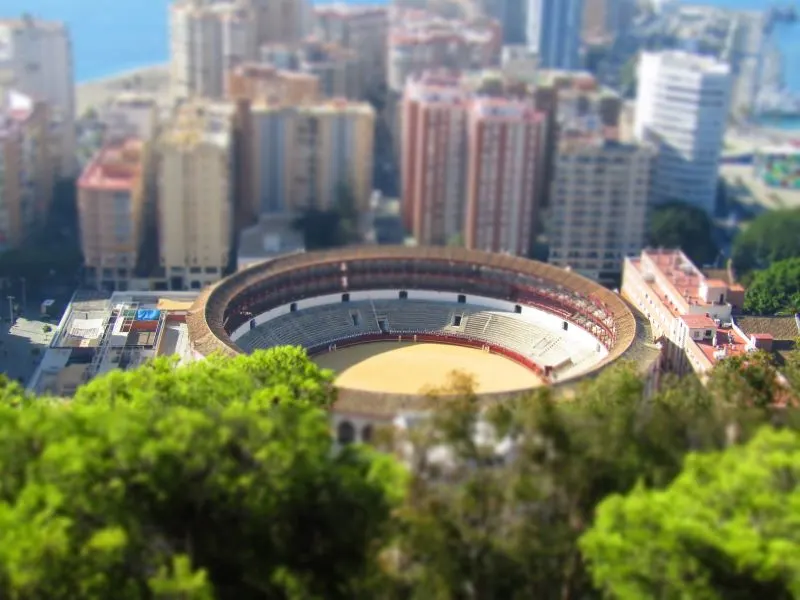
The Kombank Arena (also known as the Štark Arena) is a large indoor arena located in the Novi Beograd district of Belgrade. With a seating capacity of over 18,000, it is the largest indoor arena in Serbia and one of the largest in the Balkans. The arena is a popular venue for concerts, sporting events, and other large-scale gatherings.
The Kombank Arena has hosted many high-profile events since it opened in 2004, including concerts by international artists such as Madonna, Beyoncé, and Metallica, as well as sporting events such as basketball, handball, and tennis tournaments. The arena has also hosted large-scale trade shows, conventions, and other corporate events.
In addition to its size and versatility, the Kombank Arena is known for its state-of-the-art facilities, including a cutting-edge sound system and lighting rig, as well as multiple concession areas and VIP lounges. The arena is also easily accessible via public transportation, with a nearby metro station and ample parking.
Attending a concert or event at the Kombank Arena is a great way to experience the excitement and energy of Belgrade’s vibrant entertainment scene. Whether you’re a sports fan, music lover, or simply looking for a unique experience, the Kombank Arena is sure to deliver an unforgettable experience.
19. Explore the beauty of the Topcider Park – a large park with beautiful gardens and walking trails.

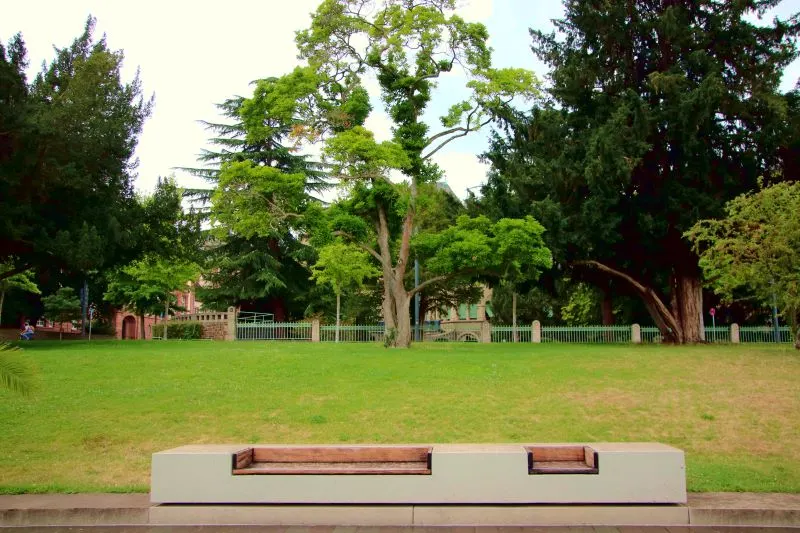
Topcider Park is a large park located on the outskirts of Belgrade, in the municipality of Čukarica. It covers an area of over 10 hectares and is known for its beautiful gardens, walking trails, and historic landmarks.
The park is home to several different types of gardens, including a rose garden, a Japanese garden, and a botanical garden. The gardens are carefully maintained and feature a variety of plants and flowers, making them a popular spot for nature lovers and photographers.
In addition to the gardens, Topcider Park is also home to several historic landmarks, including the Topcider Palace, which was built in the early 19th century as a summer residence for the Serbian royal family. The palace now houses a museum and is open to the public for tours.
Other notable features of the park include a large lake, a children’s playground, and several walking trails that offer beautiful views of the surrounding landscape. The park is a popular spot for picnics, jogging, and outdoor activities.
20. Visit the Ethnographic Museum – showcasing traditional Serbian clothing, crafts, and artifacts.

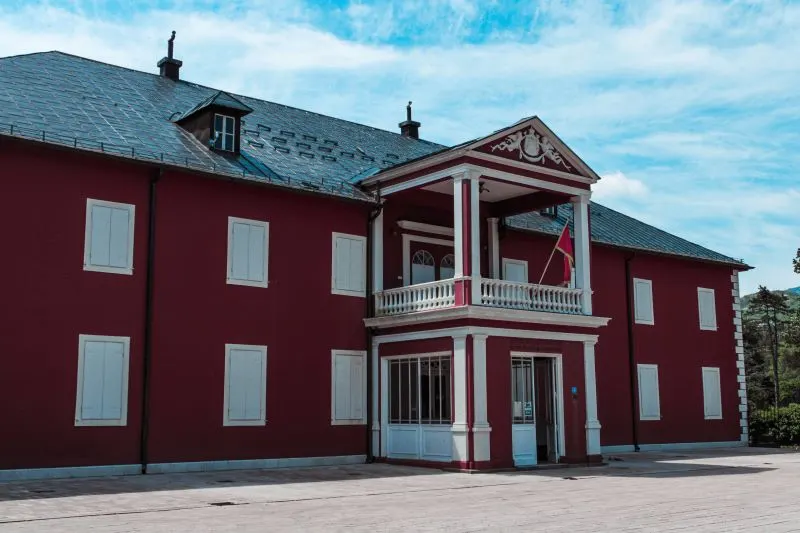
The Ethnographic Museum in Belgrade is one of the oldest and most important museums in Serbia, dedicated to preserving and showcasing the country’s cultural heritage.
The museum’s collection includes over 220,000 objects, including traditional clothing, crafts, household items, and other artifacts related to Serbian culture and history.
The museum is housed in a beautiful 19th-century building in the heart of the city, with exhibits spread across three floors. Visitors can explore the different galleries and exhibits, each one dedicated to a different aspect of Serbian culture, such as traditional clothing, jewelry, and textiles.
One of the highlights of the museum is the extensive collection of traditional Serbian costumes and clothing, including a variety of regional styles and designs.
The exhibits provide a glimpse into the rich and diverse cultural traditions of Serbia, and the museum also hosts special events and activities throughout the year to further educate and engage visitors.
In addition to the exhibits, the Ethnographic Museum also offers educational programs and workshops, as well as a library and research center dedicated to the study of Serbian culture and history.
21. Attend a performance at the National Theater – a historic theater showcasing a variety of performances.

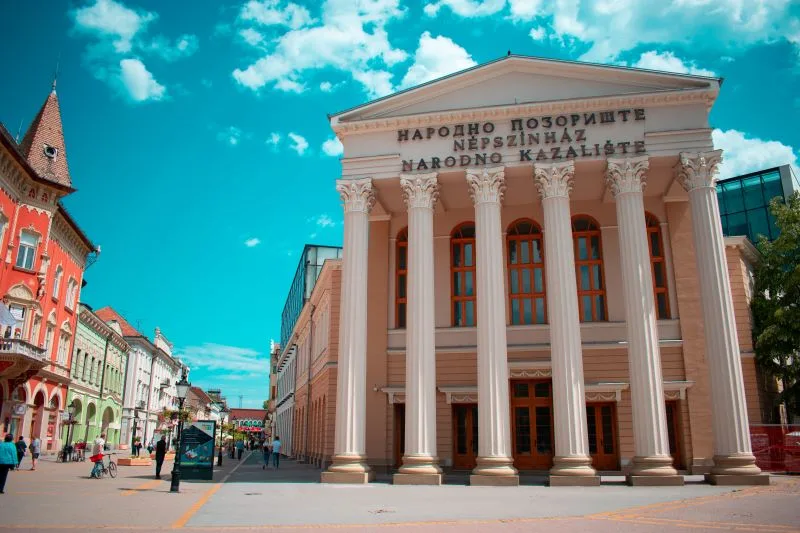
The National Theater of Serbia, located in the heart of Belgrade, is one of the most prestigious cultural institutions in the country. Established in 1868, the theater has a rich history and has played an important role in promoting and preserving Serbian culture.
The National Theater has two venues, the historic Old Theater and the modern New Theater, both of which offer a variety of performances throughout the year, including opera, ballet, drama, and other types of live theater.
The theater hosts both local and international productions, with performances by some of the most talented artists and performers from Serbia and around the world.
Visitors can attend performances at the National Theater throughout the year, with a schedule that typically includes several shows per week. The theater’s beautiful architecture and elegant interior make it a popular destination for both locals and tourists, and the quality of the productions is consistently high.
Whether you are interested in classic dramas or cutting-edge contemporary performances, the National Theater is sure to have something to suit your tastes. With a rich history and a commitment to promoting and preserving Serbian culture, it is a must-visit destination for anyone interested in the arts and culture of the country.
22. See the eclectic art collection at the Museum of Naive and Marginal Art.

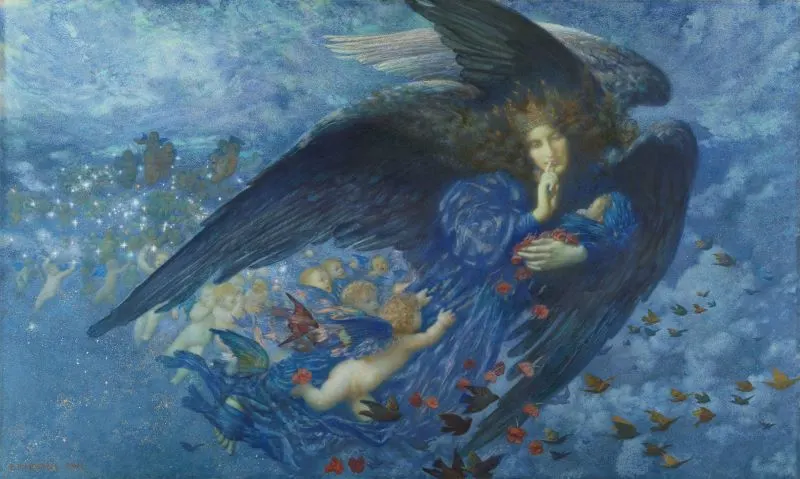
The Museum of Naive and Marginal Art is a unique museum located in the heart of Belgrade that is dedicated to showcasing the works of self-taught artists and those outside of the mainstream art world.
The museum is housed in a beautiful building in the historic neighborhood of Zemun and features an eclectic collection of art that ranges from traditional naive paintings to more avant-garde works.
The museum’s collection includes over 1,000 works of art, including paintings, sculptures, and installations, by artists from Serbia and around the world.
Many of the pieces on display are by artists who are self-taught or who have had little formal training, and as such, the works are often unconventional and thought-provoking.
Visitors to the museum can explore the collection and learn about the artists and their backgrounds through informative displays and interactive exhibits. The museum also hosts a variety of temporary exhibitions throughout the year, showcasing the works of both established and emerging artists.
Whether you are an art enthusiast or simply interested in exploring something off the beaten path, the Museum of Naive and Marginal Art is definitely worth a visit.
With its eclectic collection and commitment to showcasing works by unconventional artists, it offers a unique and fascinating glimpse into the world of contemporary art.
23. Relax at the Ada Ciganlija lake – a popular spot for swimming, sunbathing, and water sports.

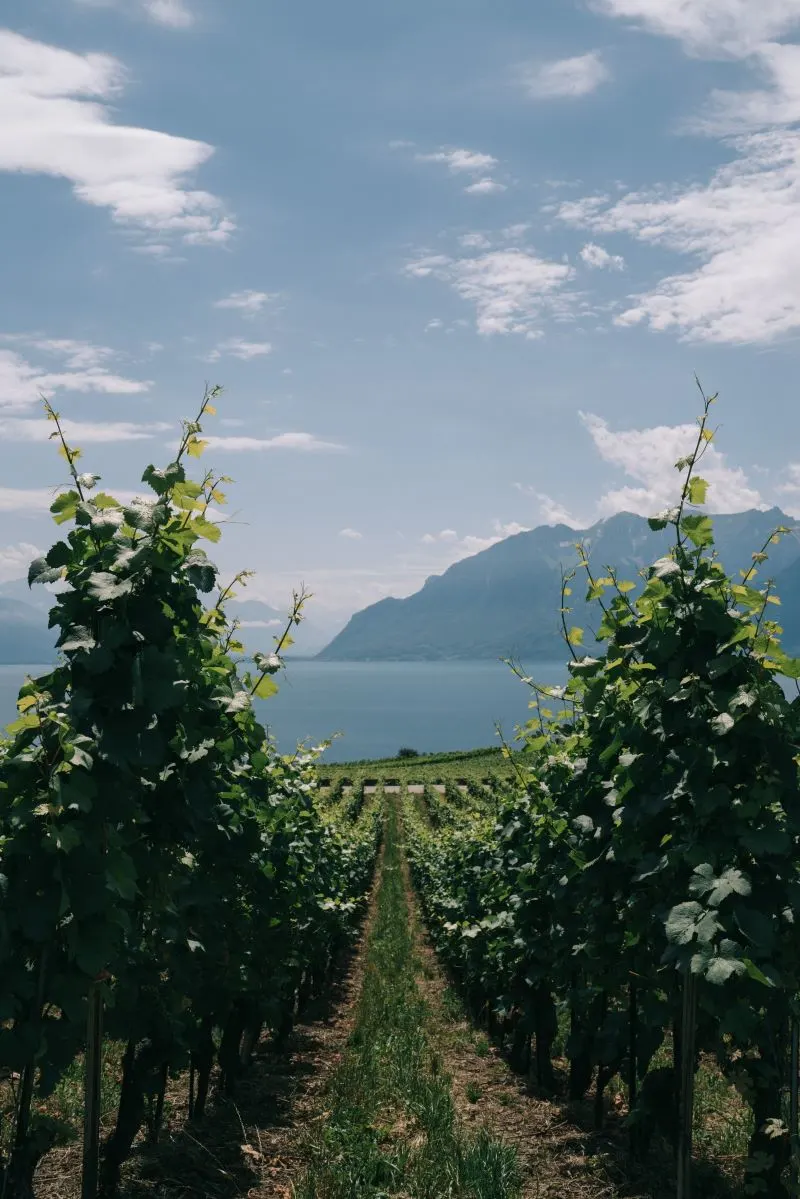
Ada Ciganlija is a large lake located just a few kilometers outside of the city center of Belgrade, and it’s a popular destination for locals and tourists alike who want to escape the hustle and bustle of the city and relax in a natural setting.
The lake is surrounded by lush greenery and sandy beaches, making it a perfect spot for sunbathing, swimming, and other water sports like kayaking, windsurfing, and stand-up paddleboarding.
The lake also has several cafes and restaurants where you can grab a bite to eat or enjoy a refreshing drink while taking in the stunning views.
In addition to its natural beauty and recreational opportunities, Ada Ciganlija is also known for its vibrant nightlife scene. During the summer months, the lake is transformed into a lively party destination, with beach clubs, live music, and other entertainment options.
Whether you’re looking to relax in the sun, enjoy a day of water sports, or dance the night away, Ada Ciganlija has something for everyone. It’s a true oasis of tranquility and fun just a short distance from the city center of Belgrade.
24. Walk along the banks of the Danube river – a great way to see the city from a different perspective.

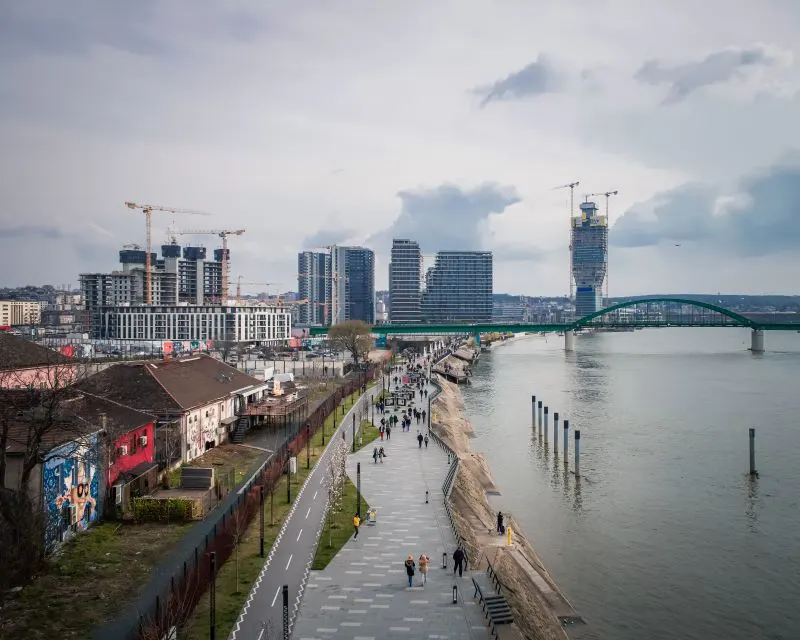
Walking along the banks of the Danube river is one of the most enjoyable and relaxing things to do in Belgrade. The Danube river is one of the longest rivers in Europe and is a defining feature of the city of Belgrade.
Walking along the riverbanks provides a unique perspective on the city, allowing you to see the skyline from a different angle and observe the river traffic.
The banks of the Danube are lined with walking and biking trails, parks, and green spaces. You can start your walk at the Belgrade Fortress and continue down the riverbanks towards the confluence of the Danube and Sava rivers.
Along the way, you’ll pass by some of Belgrade’s most iconic landmarks, including the Kalemegdan Park, Ada Ciganlija beach, and the Pancevo Bridge.
In the evening, the Danube riverbanks are a popular spot for locals and tourists to enjoy a romantic stroll, watch the sunset, or enjoy a picnic with friends. There are also several restaurants and cafes along the riverbanks where you can stop for a drink or a meal while taking in the beautiful views.
25. Visit the Belgrade Zoo – home to a variety of animals from around the world.


The Belgrade Zoo is a popular attraction that’s perfect for animal lovers. It’s located in Kalemegdan Park, near the Belgrade Fortress. The zoo has over 2,000 animals from more than 200 species, including lions, tigers, bears, monkeys, birds, and reptiles.
The zoo has a variety of exhibits, including the African Savannah, the Great Apes of the World, and the Rainforest. Visitors can also watch feeding shows, see the animals up close, and learn more about their habitats and behaviors. The zoo is open year-round, and it’s a great place to spend a fun and educational day with family and friends.
These are just some of the many things to do in Belgrade, Serbia. The city has a rich history and culture, and there is always something new to discover.
Serbian Food In Belgrade


Serbian cuisine is a blend of various cultures and traditions that have influenced the country throughout its long history. Belgrade, the capital of Serbia, is a city that offers a diverse culinary scene, where visitors can taste traditional dishes as well as modern twists on classic recipes. Here’s a guide to Serbian food in Belgrade.
- Cevapi Cevapi is a dish of grilled meat, typically made with beef or pork, served in a soft bread called lepinja. The meat is seasoned with salt, pepper, and other spices and shaped into small sausage-like links. It’s a popular fast food in Serbia, and many restaurants in Belgrade serve cevapi with onions, kajmak (a type of cheese spread), and ajvar (a red pepper spread).
- Sarma Sarma is a dish made of stuffed cabbage rolls, typically filled with a mixture of ground meat, rice, and spices. The rolls are then simmered in a tomato-based sauce and served with mashed potatoes or bread. It’s a hearty and flavorful dish that’s popular in Serbia, especially during the winter months.
- Pljeskavica Pljeskavica is a Serbian-style hamburger, made with a mixture of ground beef and pork, onions, and various spices. It’s typically served with kajmak, ajvar, and onions, as well as a side of French fries or salad. Pljeskavica is a popular street food in Belgrade and can be found at many fast food stands and restaurants.
- Ajvar Ajvar is a roasted red pepper spread that’s popular throughout the Balkans. It’s made with roasted red peppers, eggplant, garlic, and oil, and can be served as a dip or a spread. Ajvar is a versatile ingredient in Serbian cuisine and is often used as a condiment for grilled meats or as a topping for bread.
- Kajmak Kajmak is a creamy cheese spread that’s similar to clotted cream or sour cream. It’s made from milk, typically cow or sheep milk, and is often served with bread, meat dishes, or as a topping for cevapi. Kajmak is an essential ingredient in Serbian cuisine and is often used to add richness and flavor to dishes.
- Rakija Rakija is a type of brandy that’s popular in Serbia and other Balkan countries. It’s typically made from distilled fruit, such as plums, apples, or grapes, and is often served as an aperitif or a digestif. Rakija is a strong spirit and is usually consumed in small amounts, often accompanied by a slice of cheese or a piece of bread.
- Burek Burek is a savory pastry that’s popular throughout the Balkans. It’s made with thin layers of phyllo dough, which are filled with meat, cheese, or vegetables, and baked until crispy and golden brown. Burek is often served as a breakfast or a snack and is a favorite among locals and tourists alike.
- Gibanica Gibanica is a type of cheese pie that’s made with layers of phyllo dough and a filling of cheese, eggs, and sour cream. It’s a traditional Serbian dish that’s often served at family gatherings and celebrations. Gibanica can be served as a main dish or as a side dish, and it’s a perfect comfort food for any occasion.
In conclusion, Serbian cuisine in Belgrade is a blend of traditional and modern influences, offering visitors a diverse range of flavors and dishes to explore.
20 Best Restaurants In Belgrade, Serbia

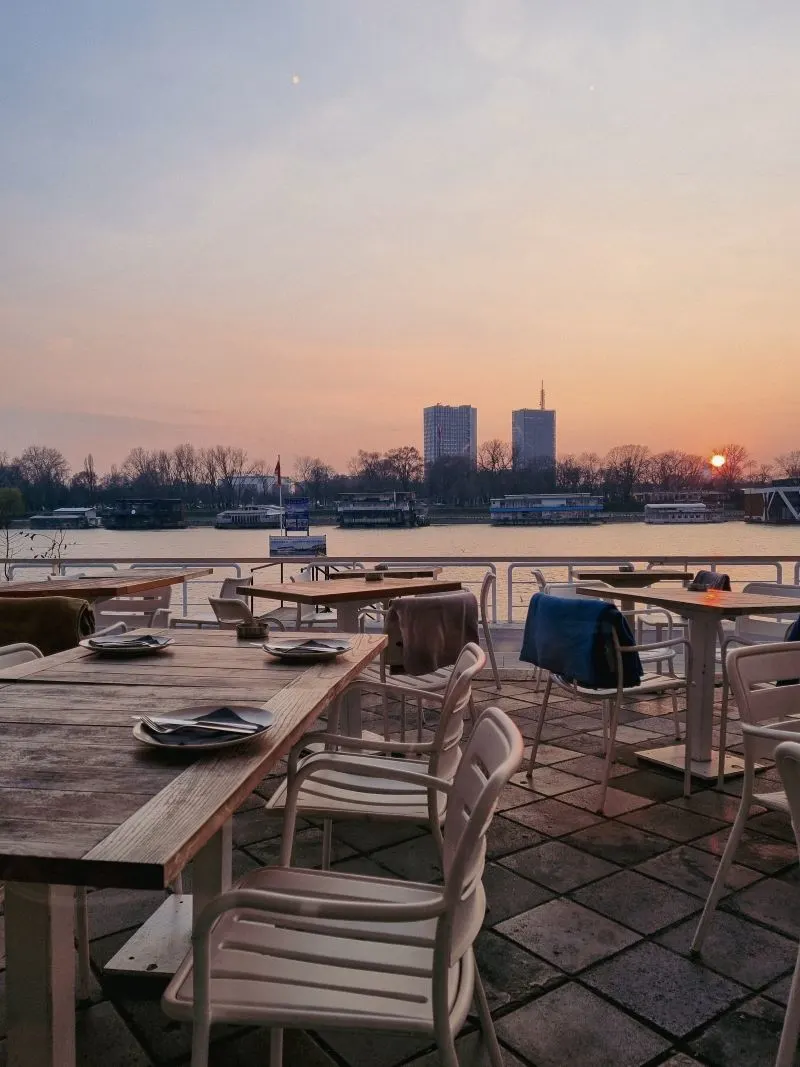
- Homa – a fine dining restaurant offering contemporary European cuisine with a Serbian twist. The restaurant also has an extensive wine list.
- Ambar – a popular restaurant serving Balkan cuisine with a modern twist. They offer small plates, grilled meats, and traditional Serbian dishes.
- Toro Latin GastroBar – a restaurant that combines Latin American flavors with Asian and European cuisine. They offer a variety of small plates and tapas.
- Frans – a restaurant that serves French cuisine in a cozy and romantic atmosphere. The menu includes classic French dishes and a wide selection of wines.
- Little Bay – a restaurant designed to resemble an opera house, serving Mediterranean cuisine with a focus on seafood.
- Mala Fabrika Ukusa – a restaurant that offers Serbian and Balkan cuisine made from locally sourced ingredients.
- Lorenzo & Kakalamba – a quirky restaurant that combines traditional Serbian dishes with modern twists and offers a variety of vegan and vegetarian options.
- Salon 5 – a restaurant that offers contemporary Serbian cuisine with a focus on local, seasonal ingredients.
- W Sushi – a restaurant that serves Japanese cuisine with a Serbian twist, featuring fresh sushi and sashimi.
- Mayka – a restaurant that offers a variety of Balkan and Mediterranean dishes, including seafood and grilled meats.
- Tri Sesira – a restaurant that serves traditional Serbian cuisine in a cozy, rustic setting.
- Manufaktura – a restaurant that offers a variety of Serbian and Balkan dishes made from locally sourced ingredients.
- Gaucho – a steakhouse that serves high-quality meats and offers a variety of sides and sauces.
- Smokvica – a restaurant that serves Mediterranean cuisine made from locally sourced ingredients, with a focus on organic and sustainable food.
- Toro – a restaurant that offers a variety of grilled meats and seafood, as well as traditional Serbian dishes.
- Šaran – a fish restaurant that serves fresh fish and seafood from the Danube River, cooked in traditional Serbian style.
- Comunale – an Italian restaurant that serves homemade pasta and wood-fired pizzas.
- Miamiam – a restaurant that offers a variety of international dishes, including Mexican, Italian, and Thai cuisine.
- Žabar – a restaurant that offers a variety of Serbian and Balkan dishes made from locally sourced ingredients.
- Zavicaj – a restaurant that serves traditional Serbian cuisine, with a focus on grilled meats and stews.
These are just a few of the many fantastic restaurants that Belgrade has to offer. Whether you’re looking for traditional Serbian cuisine or international flavors, there is something for everyone in this vibrant city.
Transportation In Belgrade
Belgrade, the capital city of Serbia, has a variety of transportation options to help visitors get around the city.
The most common mode of transportation in Belgrade is the public bus system, which has an extensive network of routes that cover the entire city.
There are also several trolleybus and tram lines that run through the city center and surrounding areas. Tickets for public transportation can be purchased at kiosks, newsstands, or directly from the driver, and must be validated upon boarding the vehicle.
For those looking for a more flexible option, taxis are readily available throughout the city, and can be hailed on the street or ordered through a taxi app. It is important to note that taxis in Belgrade are not metered, and fares should be negotiated with the driver before getting in the vehicle.
Bike-sharing systems are also becoming more popular in Belgrade, with several companies offering rental services throughout the city. Additionally, there are many bike lanes and paths in the city, making it a convenient and eco-friendly way to explore.
For longer distances or trips outside of the city, the Belgrade Train Station offers connections to many destinations throughout Serbia and neighboring countries. There is also a bus station located near the train station that provides bus services to various domestic and international destinations.
Finally, for those who prefer to drive, car rental services are available at the airport and throughout the city. However, it is important to note that driving in Belgrade can be challenging due to heavy traffic, narrow streets, and limited parking options.
In conclusion, Belgrade is a vibrant and diverse city with a rich history and culture, offering visitors a plethora of activities to enjoy. Whether it’s exploring the city’s historical landmarks, indulging in traditional Serbian cuisine, or immersing oneself in the city’s lively nightlife, there is something for everyone in Belgrade.
From the stunning views of the Belgrade Fortress to the lively streets of Skadarlija, and from the tranquil oasis of the Botanical Garden to the bustling markets, Belgrade has so much to offer. So, if you’re looking for a destination that is both unique and exciting, Belgrade should definitely be on your list.
Leave a comment