

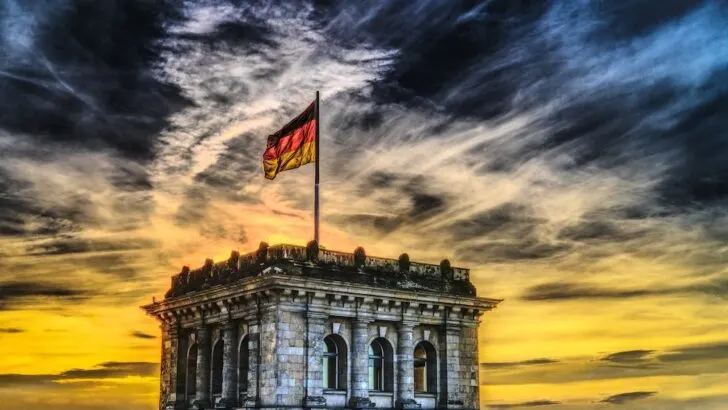
Berlin, the capital of Germany, is a city of captivating contrasts, rich history, and boundless creativity. Situated in northeastern Germany, Berlin is not only the political and cultural heart of the country but also a global hub of innovation, arts, and diversity.
Historical Significance: Berlin’s history is as multifaceted as its modern identity. It has witnessed pivotal moments in world history, from the rise and fall of the Berlin Wall to the city’s division during the Cold War. The remnants of these historical events are etched into its streets, buildings, and museums, offering visitors a profound connection to the past.
Cultural and Artistic Vibrancy: Berlin has long been a magnet for artists, writers, musicians, and creative minds seeking inspiration. Its galleries, theaters, music venues, and street art are testaments to its vibrant cultural scene. The city has nurtured movements like Bauhaus and Expressionism and has been a focal point for the electronic music and techno scene.
Architectural Diversity: Berlin’s architecture tells a story of contrasts. From historic landmarks like the Brandenburg Gate and Charlottenburg Palace to contemporary architectural marvels like the Reichstag Dome and Potsdamer Platz, the city’s skyline seamlessly blends old and new.
Neighborhoods with Character: Berlin is often described as a city of neighborhoods, each with its distinct character. Mitte, the central district, offers a blend of historical landmarks and modern development. Kreuzberg is known for its multicultural vibe and creative spirit, while Prenzlauer Berg exudes a bohemian charm. From the hipster haven of Friedrichshain to the luxurious avenues of Charlottenburg, each neighborhood offers a unique experience.
Green Spaces and Waterways: Despite its urban character, Berlin is replete with green spaces, parks, and forests. The Tiergarten, one of Europe’s largest urban parks, is a serene oasis in the heart of the city. The Spree River weaves its way through the landscape, offering scenic boat rides and picturesque views.
Culinary Adventures: Berlin’s culinary scene is as diverse as its population. From traditional German bratwurst to international cuisines from around the world, the city’s food offerings cater to every palate. The street food scene is thriving, and Michelin-starred restaurants provide a taste of culinary innovation.
Innovation and Technology: Berlin is a city of innovation, embracing technological advancements and fostering a startup culture. Its creative spirit has led to the emergence of tech hubs and co-working spaces that attract entrepreneurs from all over the world.
Unity and Diversity: While Berlin’s history is marked by division, the city today stands as a symbol of unity and resilience. Its people are a diverse mix of cultures and backgrounds, contributing to an atmosphere of openness and acceptance.
Whether you’re wandering through its historical sites, enjoying its artistic offerings, savoring its diverse cuisine, or engaging with its vibrant communities, Berlin is a city that leaves a lasting impression.
Its ability to blend its storied past with a forward-looking mindset makes it a destination that is both captivating and endlessly evolving.
1. Brandenburg Gate: Iconic historical monument and symbol of Berlin

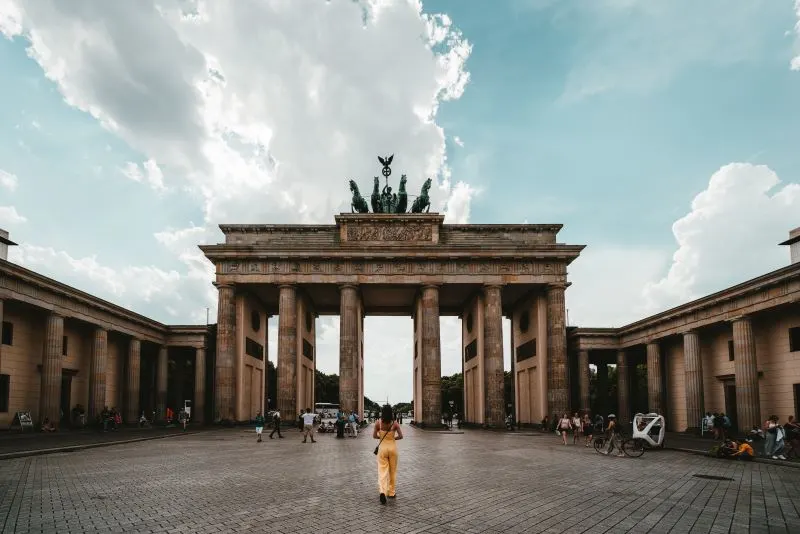
The Brandenburg Gate is one of Berlin’s most iconic landmarks and a symbol of the city’s history and reunification. It is a neoclassical triumphal arch that stands at the western end of the Unter den Linden boulevard in the heart of Berlin. The gate was constructed in the late 18th century and served as a grand entrance to the city.
The gate consists of twelve Doric columns and a central passageway that was historically used for royal processions and military parades.
The chariot statue on top of the gate, known as the Quadriga, depicts the goddess of victory driving a chariot pulled by four horses. The Quadriga has had a symbolic significance throughout history, often representing triumph and unity.
The Brandenburg Gate has witnessed significant historical events, including the division of Berlin during the Cold War, when it stood near the Berlin Wall and became a symbol of the city’s separation.
After the fall of the Wall, the gate gained new significance as a symbol of German reunification and the end of the Cold War era.
Today, the Brandenburg Gate is a popular tourist attraction and a central location for various events and celebrations. It’s also a starting point for exploring other landmarks in the city, such as the Reichstag Building and Tiergarten Park, as it’s situated in close proximity to many other notable sites in Berlin.
2. Berlin Wall: Visit remnants of the wall, including the East Side Gallery

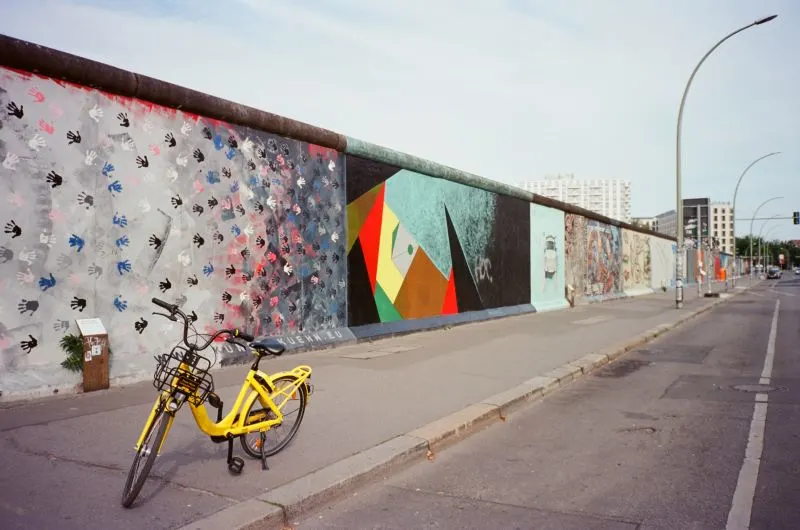
The Berlin Wall was a physical and ideological barrier that divided Berlin from 1961 to 1989, separating East Germany (controlled by the Soviet Union) from West Germany (a democratic and capitalist country).
The wall consisted of concrete segments, barbed wire, guard towers, and other security measures designed to prevent people from crossing between the two sides.
The construction of the wall began on August 13, 1961, and its primary purpose was to halt the mass migration of East Germans to the West, which had been steadily depleting the population of skilled workers and professionals from the East. The wall was a poignant symbol of the broader Cold War division between the Eastern Bloc and the Western Bloc.
Over the years, the wall underwent modifications, with additional layers of fencing, watchtowers, and security zones. Attempts to escape over or under the wall were met with severe consequences, including imprisonment and, in some cases, death.
The fall of the Berlin Wall on November 9, 1989, marked a momentous event in world history and a turning point in the Cold War. As East Germany underwent political changes and pressure mounted from citizens seeking greater freedom and unification, the government eventually allowed border crossings.
Thousands of East and West Germans gathered at the wall that night, and people began to dismantle sections of the wall with hammers and chisels.
3. Reichstag Building: The German parliament with a glass dome offering panoramic views

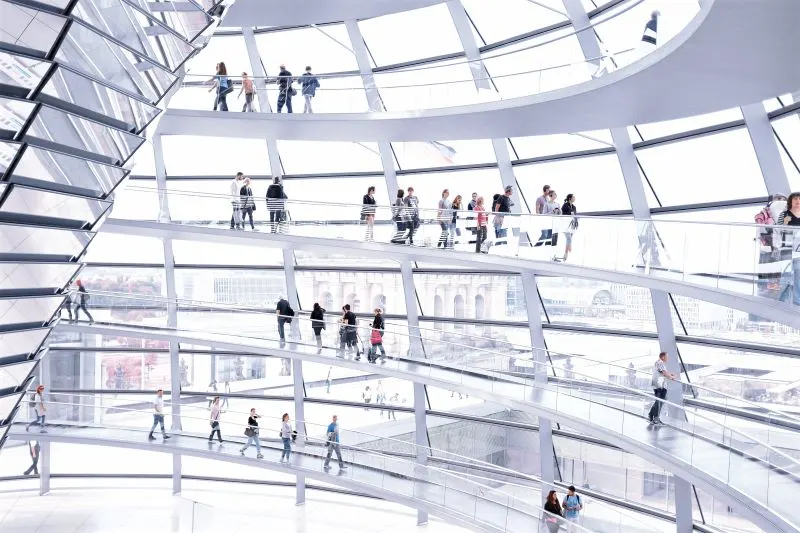
The Reichstag Building is the seat of the German parliament, known as the Bundestag. It is one of the most important historical and political landmarks in Berlin. The building is situated near the Brandenburg Gate and is characterized by its distinctive glass dome.
The original Reichstag Building was constructed in the late 19th century to house the Imperial Diet (Reichstag) of the German Empire.
However, it suffered significant damage during World War II and fell into disuse during the years of division between East and West Germany.
After the reunification of Germany, a major renovation project was undertaken, led by British architect Sir Norman Foster.
The iconic glass dome was added as part of this renovation and was designed to symbolize transparency, openness, and the reunification of Germany.
The dome offers panoramic views of the city and a view down into the parliamentary chamber, symbolizing the connection between the government and the people.
Visitors can enter the Reichstag Building, experience its architecture and history, and even access the dome for free. The building houses various exhibits and installations that highlight the historical significance of the Reichstag and the democratic process in Germany.
4. Museum Island: A UNESCO World Heritage site with several world-class museums

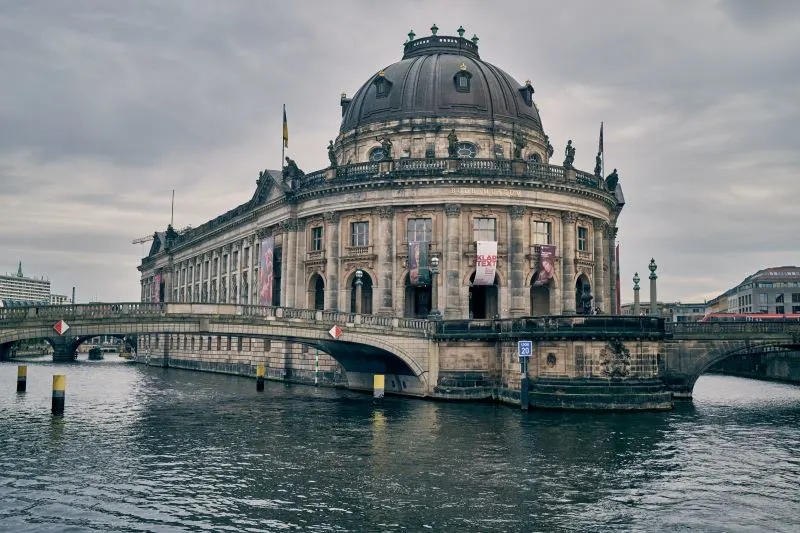
Museum Island (Museumsinsel in German) is a UNESCO World Heritage site located on an island in the Spree River in Berlin. It is home to a cluster of world-renowned museums that collectively offer an exceptional collection of art, artifacts, and historical treasures.
The island is home to five major museums:
Pergamon Museum: Known for its stunning archaeological artifacts, including the famous Pergamon Altar, the Ishtar Gate of Babylon, and other ancient architectural wonders.
Bode Museum: Houses an impressive collection of sculptures, Byzantine art, and numismatic artifacts.
Neues Museum (New Museum): Features an array of ancient Egyptian and prehistoric artifacts, including the iconic bust of Nefertiti.
Altes Museum (Old Museum): Offers a comprehensive collection of classical antiquities, including Greek, Roman, and Etruscan art.
Alte Nationalgalerie (Old National Gallery): Displays a rich selection of 19th-century art, including paintings, sculptures, and decorative arts.
The Museum Island complex showcases a diverse range of artistic and historical periods, from ancient civilizations to the modern era. Each museum boasts its own unique architectural style, enhancing the experience of exploring both the exhibits and the buildings themselves.
5. Holocaust Memorial: A moving tribute to the Holocaust victims


The Holocaust Memorial, officially known as the Memorial to the Murdered Jews of Europe, is a poignant and solemn monument in Berlin dedicated to the memory of the millions of Jewish victims who perished during the Holocaust. The memorial is located near the Brandenburg Gate and covers a significant area with a distinctive design.
The memorial consists of 2,711 concrete slabs, or stelae, of varying heights arranged in a grid pattern on undulating ground.
As visitors walk through the slabs, the ground beneath them shifts, creating a sense of disorientation and reflection. The design by architect Peter Eisenman is meant to evoke a sense of isolation, unease, and the incomprehensibility of the Holocaust.
Beneath the memorial, there is an information center that provides further historical context, personal stories, and insights into the events of the Holocaust.
The exhibition includes photographs, documents, and narratives that shed light on the tragic events and the individual experiences of those affected.
The Holocaust Memorial serves as a powerful reminder of the atrocities committed during the Holocaust and the importance of remembering and learning from history.
It’s a somber and moving place for reflection, contemplation, and commemoration of the lives lost. While it’s a place of great significance, visitors are encouraged to approach the memorial with respect and sensitivity.
6. Checkpoint Charlie: Historical Cold War checkpoint and museum

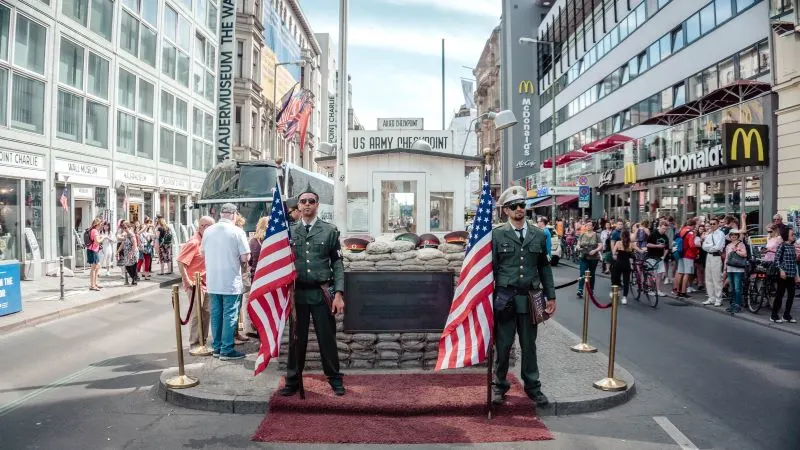
Checkpoint Charlie was one of the most famous border crossings between East and West Berlin during the period of the Cold War.
It gained notoriety as a symbol of the division between communist East Germany (GDR) and democratic West Germany. Located at the junction of Friedrichstrasse and Zimmerstrasse, Checkpoint Charlie was one of the few checkpoints where foreigners and diplomats were allowed to pass between the two sides.
The checkpoint consisted of a small building and a guardhouse, with a sign displaying the words “You are leaving the American sector” on the Western side and its counterpart on the Eastern side.
It was guarded by soldiers from the United States (American sector), the Soviet Union (Soviet sector), and occasionally French or British troops.
Checkpoint Charlie became a focal point of tensions between the East and the West during the Cold War, particularly during events like the Berlin Crisis of 1961.
Attempts to cross the checkpoint without proper authorization could lead to arrest or even violence, and it was a tense reminder of the political and ideological division of the city.
Today, a replica of the guardhouse and the iconic sign stand at the site, along with an open-air exhibition that provides historical context and information about the checkpoint’s significance.
While the area has become more commercialized and touristic, Checkpoint Charlie remains a tangible reminder of the Cold War era and the struggles faced by Berliners on both sides of the wall.
7. Pergamon Museum: Houses ancient artifacts and the famous Pergamon Altar

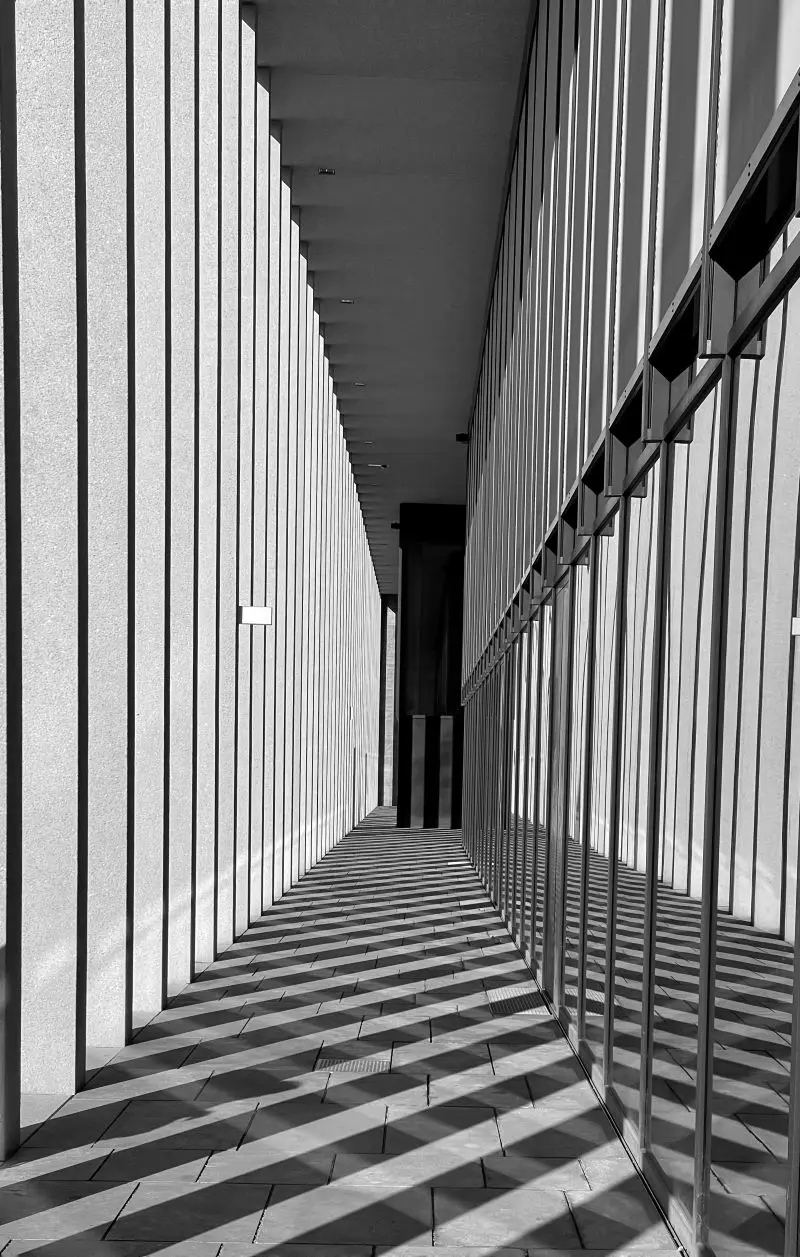
The Pergamon Museum is one of the most prominent and renowned museums on Berlin’s Museum Island, housing an impressive collection of archaeological artifacts and art from various ancient civilizations. The museum is named after the Pergamon Altar, a colossal ancient structure that is one of its centerpiece exhibits.
The Pergamon Museum is divided into three main sections:
The Antiquity Collection: This section features artifacts from ancient Greece, Rome, and other Mediterranean cultures. It includes sculptures, friezes, and architectural elements from iconic ancient buildings.
The Middle East Museum: This section is particularly known for the reconstructed monumental structures such as the Ishtar Gate of Babylon, the Market Gate of Miletus, and the facade of the Mshatta Palace. These structures give visitors a sense of the grandeur of ancient cities.
The Islamic Art Museum: Showcases a wide range of Islamic art from various regions and periods. The collection includes ceramics, textiles, metalwork, and manuscripts.
The Pergamon Museum is famous for its namesake Pergamon Altar, an enormous Hellenistic structure with intricate reliefs depicting the battle of the gods and giants. While the original altar is not complete and is located in Pergamon, Turkey, a full-scale replica is on display at the museum.
8. Tiergarten Park: A vast green space perfect for strolling and picnics


Tiergarten Park, often simply referred to as the Tiergarten, is a large urban park located in the heart of Berlin, Germany. Spanning approximately 520 acres (210 hectares), it is one of the city’s most prominent green spaces and offers a retreat from the urban environment.
Key features of Tiergarten Park include:
Landscape Diversity: The park encompasses a diverse range of landscapes, including open fields, wooded areas, ponds, and walking paths. This diversity makes it suitable for various outdoor activities and leisurely strolls.
Historic Significance: The Tiergarten has a rich history dating back to the 16th century when it was initially established as a hunting ground for the nobility. Over the centuries, it transformed into a public park and underwent various landscape designs.
Monuments and Landmarks: Throughout the park, you’ll find several monuments, statues, and landmarks. One of the most iconic landmarks is the Victory Column (Siegessäule), situated at the center of the park. It offers panoramic views of the city from its observation platform.
Recreational Activities: The park provides ample space for various recreational activities such as jogging, cycling, picnicking, and rollerblading. There are dedicated paths for cyclists and joggers.
Wildlife and Nature: Tiergarten Park is home to a variety of trees, plants, and wildlife, including birds, squirrels, and ducks. It provides a natural haven within the city.
Cultural Events: The park hosts cultural events and festivals, including open-air concerts and gatherings, attracting both locals and tourists.
Tranquil Atmosphere: Despite its central location, the park offers a peaceful atmosphere, making it a popular spot for relaxation and unwinding.
Access to Landmarks: Tiergarten Park is strategically located, with key attractions such as the Brandenburg Gate, Reichstag Building, and Museum Island nearby.
9. Berliner Dom: Majestic cathedral with stunning architecture

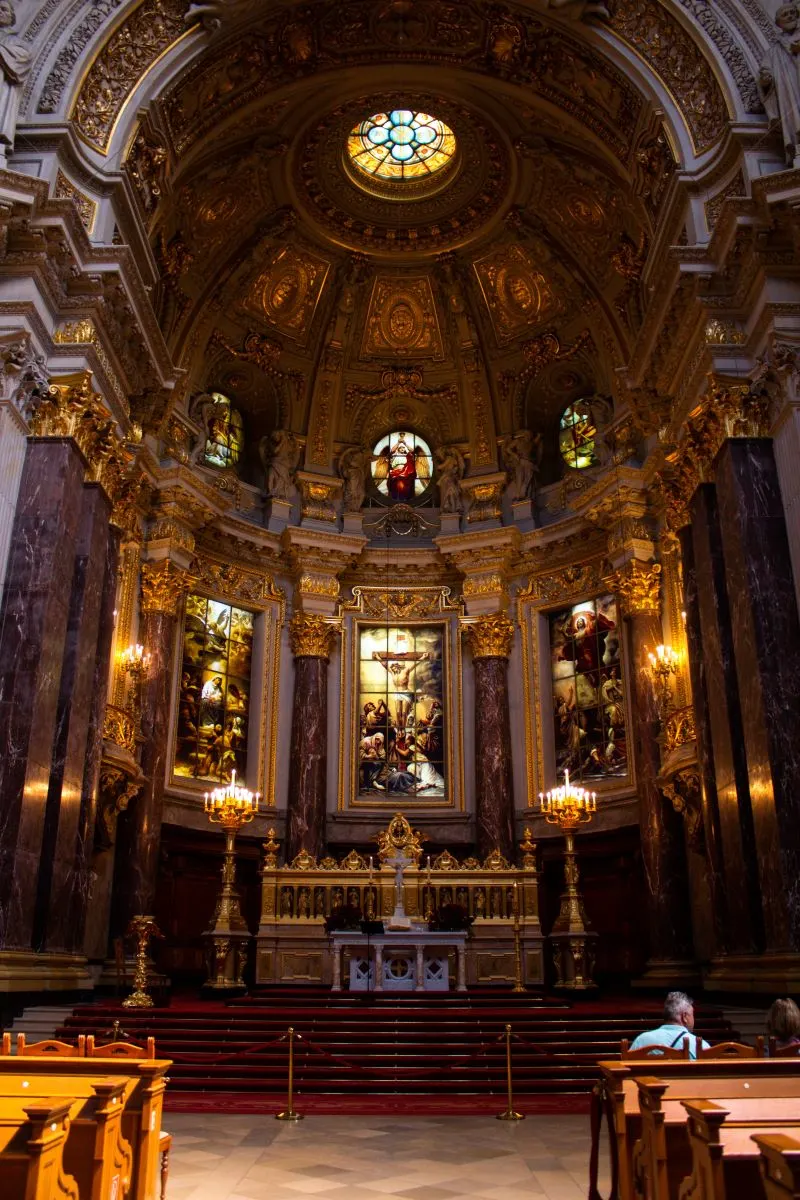
The Berliner Dom, also known as the Berlin Cathedral, is a prominent historic building located in the heart of Berlin, Germany.
It is a magnificent Protestant cathedral and one of the city’s most iconic landmarks. The Berliner Dom’s architecture is characterized by its impressive size, elaborate decorative elements, and stunning dome.
Constructed between 1894 and 1905, the cathedral features a mix of architectural styles, including Neo-Renaissance and Neo-Baroque influences.
Its central dome is particularly noteworthy, offering panoramic views of the surrounding city from its viewing platform. The interior of the Berliner Dom is equally impressive, boasting intricately designed mosaics, sculptures, stained glass windows, and a grand organ.
The cathedral has served various roles throughout its history, including as a place of worship, a museum, and an important cultural site.
Its central location on Museum Island and its connection to German history make it a popular tourist attraction and a symbol of the city’s rich cultural heritage.
10. East Berlin Gallery Tour: Explore the city’s vibrant street art scene

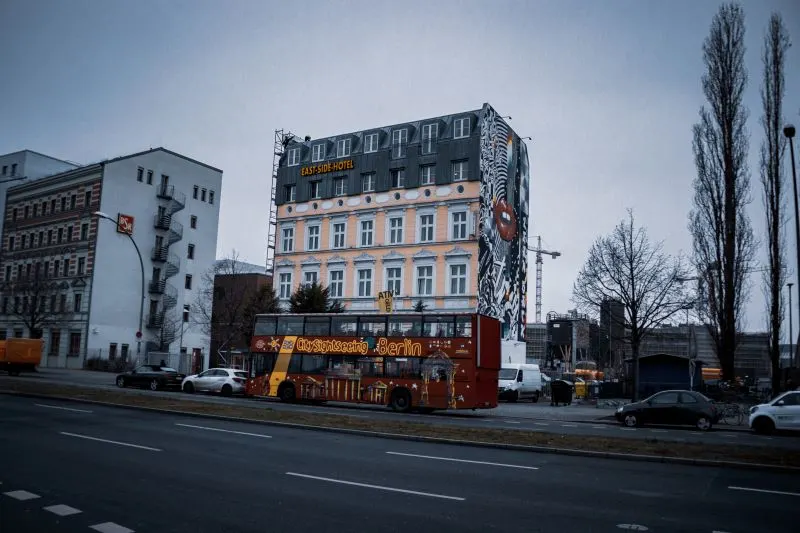
The East Berlin Gallery Tour offers a captivating journey through the history, art, and culture of the former East Berlin, providing insights into the city’s divided past and the creative expressions that emerged during that era.
During the tour, participants explore the remnants of the Berlin Wall, which once separated East and West Berlin. Guides often share stories about life in divided Berlin, the dramatic events leading to the fall of the Wall in 1989, and the subsequent reunification of the city. This context sets the stage for understanding the art and graffiti that now adorns many sections of the former Wall.
The tour usually includes visits to various street art installations, murals, and graffiti that reflect the political, social, and artistic movements that were prevalent in East Berlin. The artworks often convey powerful messages about freedom, unity, and the struggle for change.
Additionally, the tour may highlight specific artists who gained prominence during this period and whose work continues to influence contemporary street art culture.
11. Alexanderplatz: Central square with shopping, dining, and the iconic TV tower

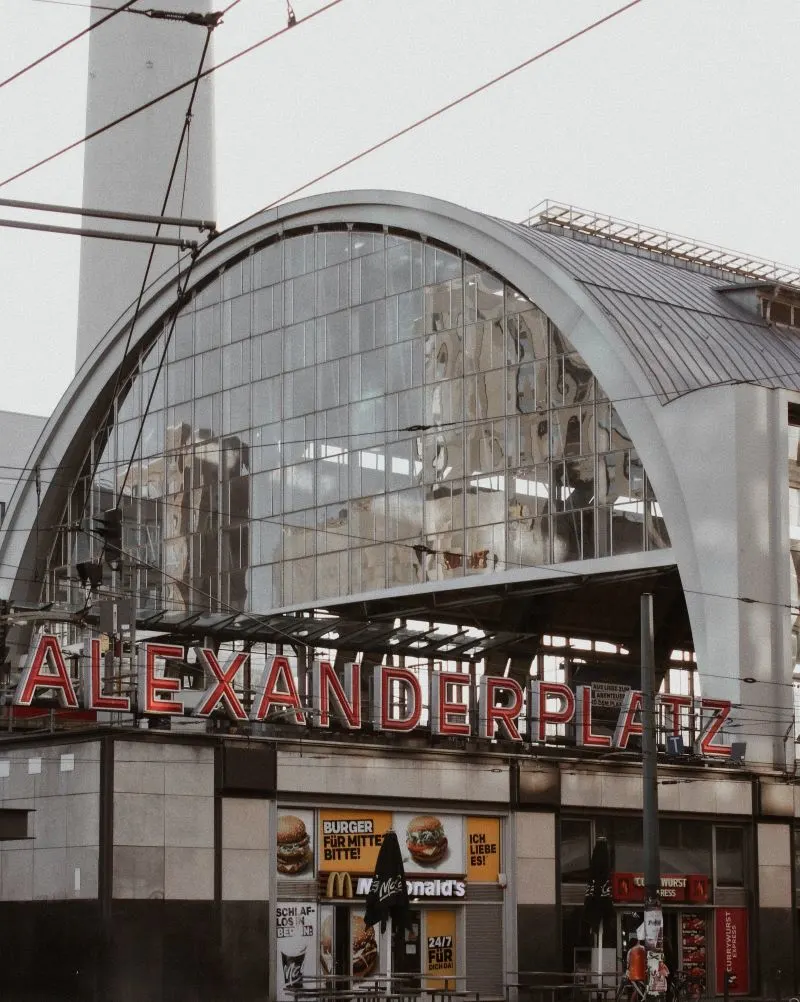
Alexanderplatz, commonly referred to as “Alex” by locals, is a bustling public square and transportation hub located in the central district of Mitte in Berlin, Germany. It holds historical, cultural, and commercial significance and is one of the city’s most well-known and visited areas.
Once a market square in the late Middle Ages, Alexanderplatz evolved into a major urban center over the years. Today, it features a mix of historic and modern architecture, including iconic buildings like the Fernsehturm (TV Tower) with its distinctive spherical top, which offers panoramic views of the city.
Alexanderplatz is a vibrant hub of activity, boasting numerous shops, restaurants, cafes, and entertainment venues. It’s also a major transportation interchange with several subway lines, trams, and buses converging there, making it a convenient starting point for exploring various parts of Berlin.
The square has played a significant role in German history, being a focal point for political demonstrations and events, particularly during the Cold War when East and West Berlin were divided.
Its central location and historical importance continue to make Alexanderplatz a central gathering place for locals and tourists alike, offering a blend of history, culture, commerce, and connectivity in the heart of the city.
12. Charlottenburg Palace: Baroque palace and gardens in West Berlin

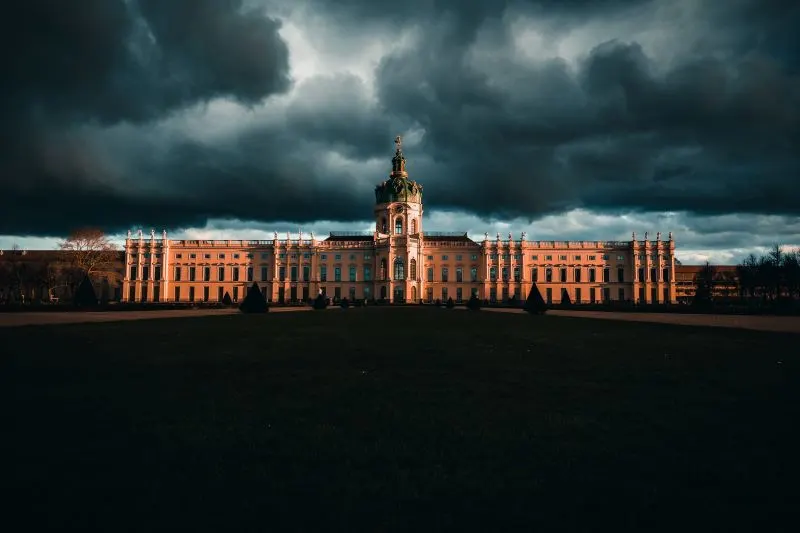
Charlottenburg Palace, known as Schloss Charlottenburg in German, is a splendid royal palace located in Berlin, Germany. It stands as a remarkable example of Baroque and Rococo architecture and is one of the city’s most significant historical landmarks.
Constructed in the late 17th century as a summer residence for Sophie Charlotte, the wife of Elector Frederick III (who later became King Frederick I of Prussia), the palace has undergone several expansions and renovations over the years.
It showcases a blend of architectural styles, including the grand Baroque-style Altes Schloss and the ornate Rococo-style Neuer Flügel (New Wing).
The palace is surrounded by beautifully landscaped gardens, featuring formal parterres, sculptures, and serene water features.
Inside, the palace boasts opulent rooms and chambers that provide a glimpse into the lavish lifestyle of the Prussian royal family. Visitors can explore rooms like the opulent White Hall, the lavish Porcelain Cabinet, and the impressive Throne Room.
Charlottenburg Palace suffered damage during World War II but was subsequently restored to its former glory. It also houses several museums that display art, artifacts, and historical items from various periods in German history.
13. DDR Museum: Interactive museum showcasing life in East Germany


The DDR Museum, located in Berlin, Germany, is a unique and interactive museum dedicated to showcasing life in East Germany during the era of the German Democratic Republic (GDR), commonly known as East Germany.
The museum provides an immersive experience that offers insights into the everyday lives, culture, and history of people living under the socialist regime.
What sets the DDR Museum apart is its hands-on approach. Visitors are encouraged to engage with the exhibits, touch objects, and interact with displays that recreate various aspects of daily life in the GDR.
This includes replicas of living spaces, consumer products, and even a reconstructed Trabant car – an iconic East German vehicle.
The museum covers a wide range of topics, from politics and surveillance to leisure activities and consumer culture. It sheds light on both the positive and challenging aspects of life in East Germany, giving visitors a comprehensive understanding of the society that existed during that period.
Through its engaging and interactive displays, the DDR Museum offers a unique perspective on history, allowing visitors to not only learn about the past but also to experience it firsthand.
It’s a must-visit destination for those interested in gaining a deeper understanding of the GDR and the lives of its citizens.
14. Berlin Philharmonic: Experience world-class classical music performances


The Berlin Philharmonic, officially known as the Berliner Philharmoniker in German, is one of the world’s most renowned and esteemed orchestras. It is based in Berlin, Germany, and is recognized for its exceptional musical excellence and innovative performances.
Founded in 1882, the orchestra has a storied history and has been associated with many legendary conductors and musicians over the years.
One of its most iconic venues is the Berlin Philharmonie, a distinctive modernist building designed by architect Hans Scharoun, which serves as the orchestra’s main performance space.
The Berlin Philharmonic is known for its diverse repertoire, spanning classical masterpieces to contemporary works. It has earned a reputation for its rich and vibrant sound, precision, and interpretation of a wide range of musical styles.
The orchestra frequently collaborates with renowned conductors and guest artists, making its performances highly anticipated events on the global classical music scene.
In addition to its regular concert series, the Berlin Philharmonic often embarks on international tours, showcasing its talent to audiences around the world.
The orchestra’s commitment to musical excellence and its contributions to the cultural landscape of Berlin and beyond have solidified its place as one of the most prestigious orchestras in existence.
15. Gendarmenmarkt: Picturesque square with the French and German Cathedrals


Gendarmenmarkt is a picturesque public square located in the heart of Berlin, Germany. It is widely regarded as one of the most beautiful and architecturally significant squares in the city.
Gendarmenmarkt is flanked by three impressive buildings that contribute to its grandeur and historical importance.
The square is framed by two nearly identical cathedrals: the Französischer Dom (French Cathedral) and the Deutscher Dom (German Cathedral).
These cathedrals were built in the 18th century and are characterized by their striking domes and elegant Baroque architecture. They serve as prominent landmarks on the square.
The third building that completes the ensemble is the Konzerthaus Berlin, a concert hall known for its neoclassical design and ornate façade. The Konzerthaus is a hub for musical performances, hosting classical concerts, orchestras, and other cultural events.
Gendarmenmarkt is often used as a venue for various events, markets, and festivals throughout the year, further enhancing its role as a cultural gathering place.
The square’s layout, surrounded by these historic and architecturally significant structures, creates a harmonious and visually stunning environment that offers visitors a sense of the city’s history and cultural richness.
16. Topography of Terror: Documentation center on Nazi history

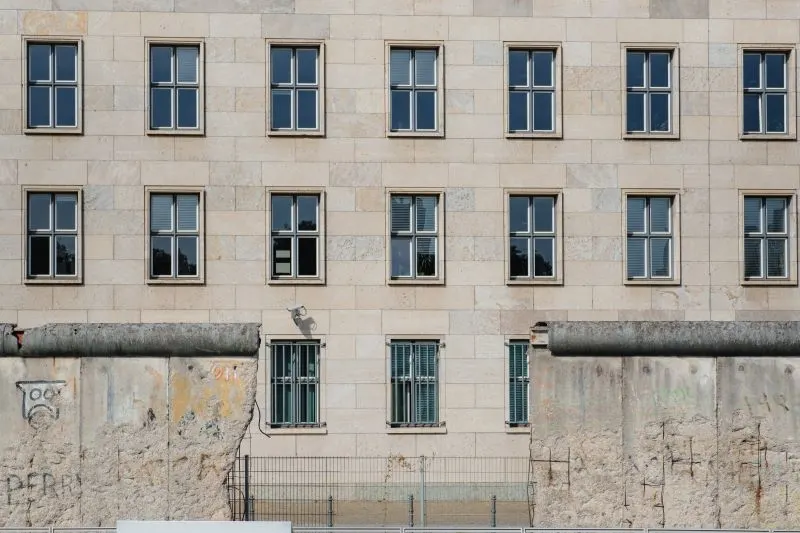
The Topography of Terror is an educational and memorial site located in Berlin, Germany, that documents and commemorates the history of Nazi terror during the Third Reich.
The site is situated on the former grounds of the Gestapo and SS headquarters, making it a historically significant location.
The exhibition is presented in an outdoor and indoor format, with displays and information panels outlining the rise of the Nazi regime, its institutions of repression, and the atrocities committed during that time.
The permanent exhibition features photographs, documents, and historical artifacts that provide a comprehensive overview of the Nazi regime’s machinery of oppression, including the Gestapo, SS, and other organizations responsible for persecution, propaganda, and genocide.
The Topography of Terror also includes remnants of the original buildings, which were destroyed after World War II. Visitors can see sections of the foundations and basement walls, offering a tangible connection to the past.
Given its somber subject matter, the Topography of Terror aims to provide a thorough understanding of the crimes committed by the Nazi regime and to serve as a reminder of the importance of preserving human rights and preventing such atrocities from happening again.
The site serves as a space for reflection, learning, and honoring the memory of the millions of victims of the Holocaust and Nazi tyranny.
17. Mauerpark Flea Market: Eclectic market and popular karaoke spot on Sundays


The Mauerpark Flea Market is a vibrant and popular open-air market located in Berlin, Germany. It takes place every Sunday in Mauerpark, which was once part of the “death strip” along the Berlin Wall. The market has gained a reputation as one of the city’s most lively and eclectic markets, attracting both locals and tourists.
The flea market offers a diverse range of goods, including vintage clothing, antiques, secondhand items, artwork, handicrafts, records, books, and a variety of unique and quirky finds.
It’s a treasure trove for those seeking one-of-a-kind items, whether they are looking for fashion, home decor, or collectibles.
In addition to the shopping experience, Mauerpark Flea Market is also known for its lively atmosphere. Local musicians often perform in the park, creating a festive ambiance as visitors browse the stalls.
One of the highlights of the market is the “Bearpit Karaoke,” where brave participants take the stage and sing in front of a crowd.
The Mauerpark Flea Market has become not only a shopping destination but also a social and cultural gathering place. It encapsulates Berlin’s creative and diverse spirit, making it a must-visit for anyone looking to explore the city’s vibrant arts and crafts scene while enjoying a leisurely Sunday outing.
18. Jewish Museum Berlin: Chronicles Jewish history and culture


The Jewish Museum Berlin is a prominent cultural institution located in Berlin, Germany, dedicated to preserving, documenting, and portraying the history, culture, and contributions of Jewish people in Germany and beyond.
The museum serves as an important educational and memorial site, offering visitors a comprehensive understanding of Jewish life, history, and identity.
The museum’s architecture is a significant part of its identity. Designed by architect Daniel Libeskind, the building itself is an architectural masterpiece that incorporates a unique and symbolic design.
The structure consists of zigzagging lines and voids, symbolizing the disruption and displacement caused by the Holocaust and the history of Jewish-German relations.
The museum features an extensive collection of artifacts, artworks, historical documents, and personal stories that span centuries.
It covers various aspects of Jewish life, from religious practices and traditions to the challenges faced by Jewish communities in Germany, including the Holocaust and exile. Interactive exhibits, multimedia presentations, and temporary exhibitions help visitors engage with the content on a personal level.
One of the museum’s most impactful sections is the Holocaust Tower, a dark and solemn space that evokes a sense of isolation and contemplation.
Another significant installation is the Garden of Exile, which consists of tilted concrete columns representing displacement and the challenges of rebuilding life.
19. Berlin Zoo and Aquarium: One of the oldest zoos in the world

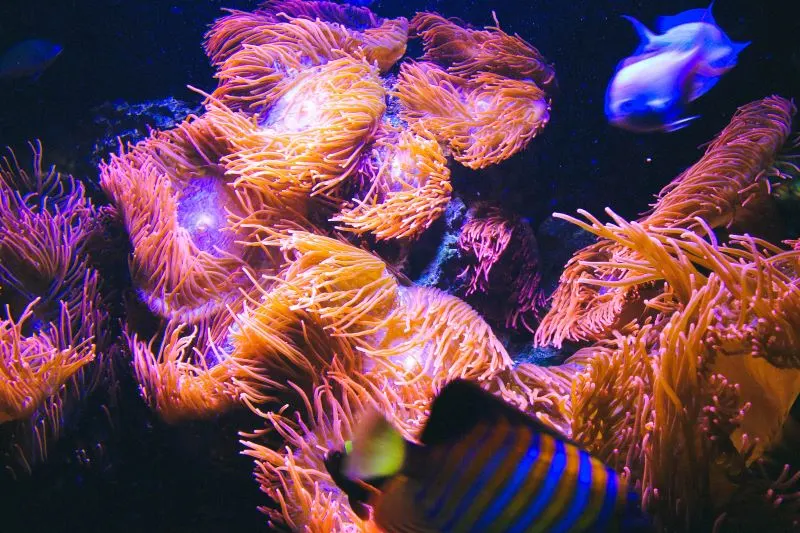
The Berlin Zoo and Aquarium, collectively known as Zoo Berlin, are two of the city’s most popular and historic attractions, offering visitors the opportunity to explore a diverse range of animal species and marine life.
Berlin Zoo: The Berlin Zoo, officially named Zoologischer Garten Berlin, is one of the oldest zoos in Germany and is renowned for its vast collection of animals from around the world.
Established in 1844, the zoo spans a large area and provides habitats for a wide variety of animals, including mammals, birds, reptiles, and more. One of its main attractions is the Panda Garden, home to giant pandas, which draws significant attention from visitors.
Berlin Aquarium: The Berlin Aquarium, located adjacent to the zoo, is part of the same complex and offers an immersive experience into the underwater world. It features a diverse array of marine life, including fish, jellyfish, coral reefs, and even amphibians and reptiles.
The aquarium showcases both freshwater and saltwater ecosystems, allowing visitors to explore different aquatic environments and the creatures that inhabit them.
Together, the Berlin Zoo and Aquarium provide an educational and entertaining experience for visitors of all ages. The facilities focus on conservation efforts, research, and public awareness regarding the importance of protecting and preserving animal and marine species.
With their rich history, extensive animal collections, and commitment to conservation, the Berlin Zoo and Aquarium remain popular destinations for tourists and locals alike.
20. Kurfürstendamm: Famous shopping street with boutiques and department stores

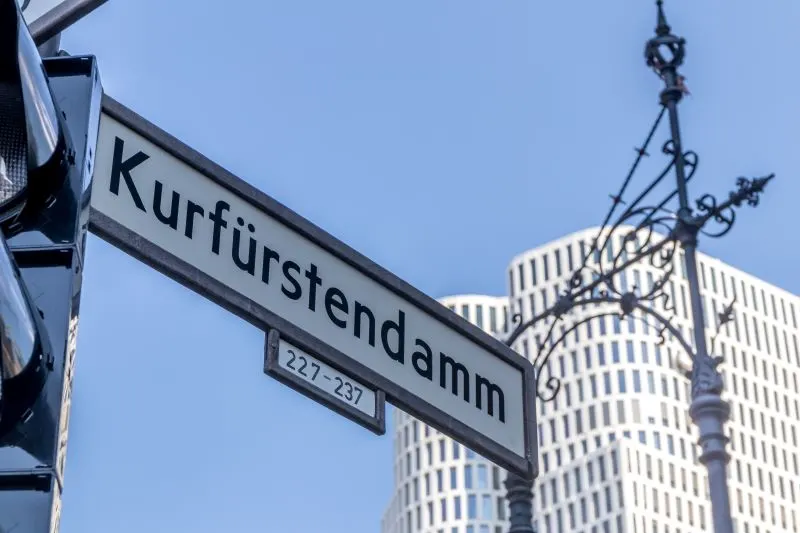
Kurfürstendamm, often abbreviated as “Ku’damm,” is a famous boulevard in Berlin, Germany, known for its vibrant atmosphere, shopping, and historical significance. It is one of the city’s most well-known and bustling streets, offering a mix of retail, entertainment, and cultural attractions.
Originally developed in the late 19th century, Kurfürstendamm has evolved into a lively commercial and cultural hub. The boulevard is lined with a wide array of shops, boutiques, department stores, luxury brands, and eateries, making it a prime destination for shopping enthusiasts. From high-end fashion to local design, visitors can explore a diverse range of retail options along this iconic street.
Ku’damm is not only about shopping, but it also boasts theaters, cinemas, cafes, and restaurants that cater to various tastes and preferences.
It has been a gathering place for locals and tourists alike for leisurely strolls, people-watching, and enjoying the dynamic urban atmosphere.
The boulevard’s historical significance is further highlighted by landmarks such as the Kaiser Wilhelm Memorial Church, which serves as a reminder of Berlin’s past, having been damaged during World War II and preserved as a memorial.
Kurfürstendamm’s blend of history, modernity, and diverse offerings make it a must-visit destination for experiencing the unique charm of Berlin’s urban life.
21. Tempelhofer Feld: Former airport turned public park for recreational activities

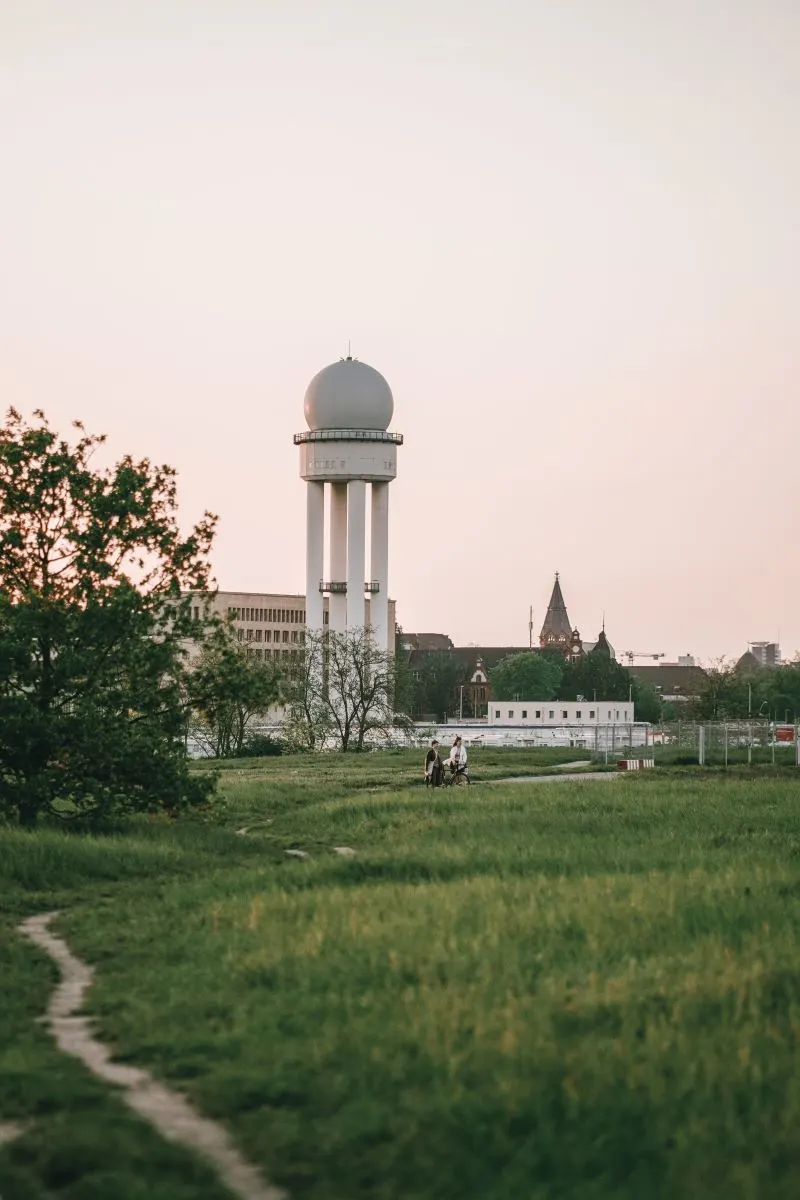
Tempelhofer Feld, often referred to simply as “Tempelhofer,” is a vast public park located in Berlin, Germany. What makes this park unique is that it was once the site of the Tempelhof Airport, which played significant roles in history before being transformed into an expansive recreational area.
The former airport’s runways and open spaces have been repurposed into a multifunctional park that offers a wide range of activities for visitors.
Tempelhofer Feld is known for its spaciousness, making it a popular destination for jogging, cycling, rollerblading, and various outdoor sports. The park’s open lawns are also ideal for picnicking, kite flying, and leisurely walks.
One of the park’s iconic features is the monumental main terminal building, which has been preserved and serves as a reminder of the airport’s history.
Visitors can explore the building, which hosts events, exhibitions, and community activities. Additionally, the park has community gardens, barbecue areas, and designated spots for dog walking.
Tempelhofer Feld has a laid-back and relaxed atmosphere, attracting a diverse crowd of locals and tourists seeking a break from the city’s hustle and bustle.
The park’s historical significance, combined with its transformation into a recreational space, offers a unique blend of urban history and outdoor enjoyment.
22. Berliner Unterwelten: Guided tours of underground bunkers and tunnels


Berliner Unterwelten, translated as “Berlin Underworlds,” is an intriguing and educational project in Berlin, Germany, that offers guided tours into the city’s underground spaces, revealing hidden historical sites and stories.
The project focuses on exploring the various underground structures and bunkers that played significant roles during different periods of Berlin’s history.
The tours conducted by Berliner Unterwelten provide a fascinating glimpse into the city’s past, offering insights into how people lived, worked, and sought shelter during times of conflict and upheaval.
Some of the highlights of the tours include World War II bunkers, Cold War-era escape tunnels, and civil defense installations.
Visitors are guided through the underground spaces by knowledgeable guides who share historical information, anecdotes, and stories about the sites.
The tours provide a tangible connection to the city’s history, allowing participants to physically explore the environments where historical events took place.
Berliner Unterwelten is not only about exploring hidden places but also about understanding the human experiences and challenges faced during times of war and political division.
The project contributes to preserving historical memory and raising awareness about Berlin’s past, making it a unique and engaging destination for history enthusiasts and curious travelers.
23. Nikolai Quarter: Oldest residential area in Berlin with charming streets

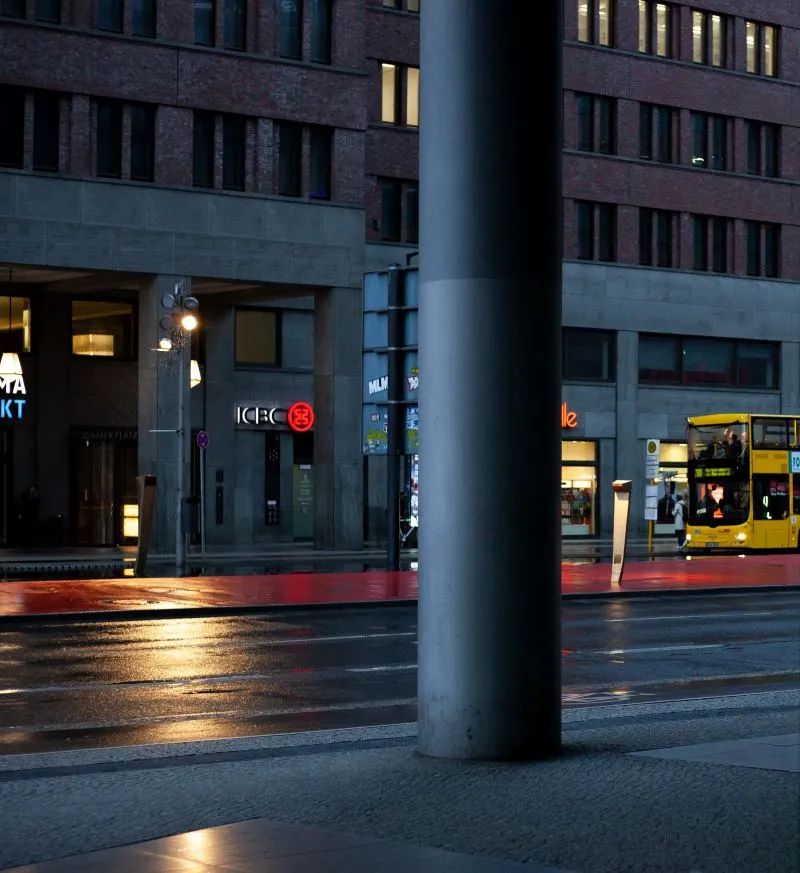
The Nikolai Quarter, known as Nikolaiviertel in German, is a historic neighborhood in Berlin, Germany, located in the heart of the city. It is often referred to as the “birthplace of Berlin” due to its status as one of the oldest areas of the city and its historical significance.
The quarter is characterized by its charming cobblestone streets, traditional architecture, and a mix of medieval and baroque buildings.
It offers a glimpse into Berlin’s past, evoking a sense of the city’s early history and development. The centerpiece of the Nikolai Quarter is the Nikolaikirche (St. Nicholas’ Church), a medieval church that dates back to the 13th century and is one of the oldest churches in Berlin.
Nikolai Quarter is also known for its artisan shops, galleries, cafes, and restaurants, making it a popular destination for both tourists and locals.
Visitors can explore the narrow alleys, browse for unique souvenirs, and enjoy a meal or coffee in the cozy atmosphere of this historical quarter.
Throughout the year, the Nikolai Quarter hosts various events and festivals that celebrate its heritage and culture, providing a vibrant and engaging experience for those interested in Berlin’s past and its enduring charm.
24. Currywurst Museum: Quirky museum dedicated to the beloved local snack

The Currywurst Museum, officially known as the Deutsches Currywurst Museum Berlin, is a quirky and interactive museum dedicated to celebrating one of Germany’s most beloved fast food dishes: the currywurst.
Located in Berlin, Germany, the museum offers a playful and immersive experience centered around this iconic culinary creation.
The museum explores the history, cultural significance, and preparation of currywurst, a popular street food consisting of sausage slices seasoned with curry ketchup and often served with fries.
Visitors can engage with various exhibits that showcase the dish’s origins, its evolution over time, and its place in German culinary culture.
What sets the Currywurst Museum apart is its interactive nature. Visitors can playfully simulate making currywurst using giant ketchup bottles, learn about the ingredients that go into the dish, and even step inside a lifelike currywurst stall.
The museum encourages visitors to use their senses to explore the flavors and aromas associated with this iconic comfort food.
The Currywurst Museum offers a lighthearted and entertaining experience that combines food, history, and fun, making it a popular destination for both locals and tourists looking to learn about a quirky aspect of German cuisine and culture.
25. Boat Cruise on the Spree: Explore the city’s landmarks from the water


A boat cruise on the Spree River in Berlin, Germany, offers a scenic and leisurely way to explore the city’s iconic landmarks and attractions from the water.
The Spree River flows through the heart of Berlin, and a boat cruise provides a unique perspective on the city’s architecture, history, and culture.
During the cruise, passengers can enjoy panoramic views of some of Berlin’s most famous sites, such as the Reichstag building, the Berlin Cathedral, the Museum Island, the Berlin TV Tower, and many more. The cruise often passes under picturesque bridges, providing opportunities for memorable photo opportunities.
Boat cruises on the Spree typically offer various options, including guided tours with commentary in multiple languages. Guides often share interesting historical and cultural insights about the landmarks along the route, adding educational value to the experience.
Cruises can be daytime or evening affairs, each offering a different ambiance. Daytime cruises allow passengers to see the city’s architecture in natural light, while evening cruises offer a chance to see Berlin’s skyline illuminated and the city’s landmarks glowing against the night sky.
Food In Berlin


Exploring Culinary Delights: A Gastronomic Journey through Berlin
Berlin, the vibrant and cosmopolitan capital of Germany, is not only renowned for its rich history, art scene, and diverse culture but also for its dynamic and ever-evolving culinary landscape.
From traditional German flavors to international influences, Berlin offers a delectable array of food experiences that cater to every palate. Let’s take a journey through the culinary delights that await you in this captivating city.
Traditional German Fare with a Twist: Currywurst and Beyond
No exploration of Berlin’s food scene would be complete without mentioning its iconic street food: the currywurst. This beloved snack features juicy sausages smothered in a zesty curry ketchup, offering a delightful blend of savory and spicy flavors. You can find currywurst stalls throughout the city, each offering their own unique take on this classic dish.
For those seeking a taste of traditional German cuisine with a modern twist, Berlin’s restaurants and eateries are a treasure trove.
Indulge in schnitzels prepared with a contemporary flair, accompanied by inventive sides. Delight in regional specialties like Eisbein (pork knuckle) or hearty sausages served alongside sauerkraut and potatoes.
Many restaurants pay homage to Berlin’s past by infusing traditional recipes with creative twists, resulting in dishes that are both comforting and innovative.
Global Flavors and Culinary Diversity
Berlin’s status as a multicultural hub is evident in its diverse culinary offerings. The city’s neighborhoods are home to vibrant communities from around the world, and this cultural tapestry is reflected in its food.
Immerse yourself in the aromatic spices of Middle Eastern cuisine at bustling market stalls or tucked-away eateries. Savor the intricate flavors of Vietnamese pho, sample authentic Turkish kebabs, and relish the warmth of Indian curries.
A visit to Berlin’s Kreuzberg neighborhood is a must for those in search of international culinary experiences. Here, you can explore an array of international cuisines, from Ethiopian injera to Mexican street tacos.
The multicultural atmosphere lends itself to an exploration of global flavors, making every dining experience a journey in itself.
Artisan Markets and Culinary Adventures
Berlin’s culinary scene thrives not only in its restaurants but also in its vibrant markets. The Markthalle Neun in Kreuzberg, for instance, is a foodie’s paradise.
This historic market hall hosts a diverse range of vendors offering everything from fresh produce to gourmet cheeses and artisanal baked goods.
The market also hosts regular events and food festivals, providing the perfect opportunity to sample the city’s culinary diversity in one place.
Sweet Temptations and Baked Delights
No culinary journey is complete without satisfying your sweet tooth, and Berlin does not disappoint. Treat yourself to mouthwatering pastries and cakes at traditional German bakeries.
Sink your teeth into flaky apfelstrudel (apple strudel), indulgent Black Forest cake, and delectable marzipan treats.
For a modern take on dessert, explore Berlin’s hip cafes and dessert shops, where you can find vegan pastries, inventive ice cream flavors, and Instagram-worthy cake creations that are as much art as they are edible delights.
Embracing Food Culture in Berlin
Berlin’s food scene is more than just a collection of eateries; it’s a reflection of the city’s history, multiculturalism, and creativity.
From savoring traditional German dishes to embarking on global culinary adventures, the city offers a spectrum of flavors and experiences that cater to all tastes.
Whether you’re wandering through bustling markets, sipping coffee in a quaint cafe, or enjoying a leisurely meal by the Spree River, Berlin invites you to embrace its food culture and create unforgettable gastronomic memories.
Top 20 Best Restaurants In Berlin, Germany


- Tim Raue: Renowned for its modern take on Asian cuisine and two Michelin stars.
- Nobelhart & Schmutzig: Focused on locally sourced ingredients, showcasing the best of German cuisine.
- Facil: A Michelin-starred restaurant offering innovative and creative dishes.
- Horváth: Known for its contemporary Austrian cuisine and Michelin-starred status.
- CODA Dessert Dining: A unique dessert-focused restaurant offering creative and artistic sweet dishes.
- Cookies Cream: A vegetarian restaurant with a modern and innovative menu.
- Lorenz Adlon Esszimmer: Located in Hotel Adlon Kempinski, it’s known for its refined German cuisine.
- Bandol sur Mer: A seafood-focused restaurant offering Mediterranean flavors.
- Rutz Restaurant: Offers a combination of modern German cuisine and an extensive wine list.
- Sage Restaurant: Known for its seasonal and locally sourced ingredients, offering international dishes.
- Richard: A contemporary fine dining restaurant with a focus on modern European cuisine.
- Parker Bowles: Offers a fusion of different cuisines and creative dishes.
- Dóttir: A Nordic-inspired restaurant with an emphasis on sustainability and local ingredients.
- Tulus Lotrek: A small and cozy restaurant known for its unique flavors and experimental dishes.
- Reinstoff: Offers modern German cuisine with creative twists and a Michelin star.
- Horváth: Modern Austrian cuisine with a Michelin-starred reputation.
- Pfaueninsel: French-inspired dishes with a focus on quality ingredients.
- Ernst: A minimalist restaurant with a seasonal and ever-changing menu.
- Volt: Offers modern European cuisine with a focus on presentation and flavors.
- Esszimmer by Isla Berlin: Creative and innovative dishes in a cozy setting.
Transportation In Berlin
Transportation in Berlin is well-developed, efficient, and offers a variety of options to navigate the city and its surrounding areas.
1. Public Transport: Berlin boasts an extensive and integrated public transportation system that includes buses, trams, U-Bahn (subway), and S-Bahn (urban rail). The U-Bahn and S-Bahn networks are particularly efficient, covering a vast area of the city and providing quick connections to major attractions and neighborhoods.
The BVG (Berliner Verkehrsbetriebe) operates the public transportation system, and tickets are generally valid for all modes of transport within a designated fare zone and time period.
2. Buses and Trams: Buses and trams are a convenient way to reach areas that are not directly accessible by U-Bahn or S-Bahn. The bus and tram networks are well-connected and provide access to various parts of the city, including neighborhoods, parks, and cultural sites.
3. U-Bahn and S-Bahn: The U-Bahn (subway) and S-Bahn (urban rail) networks are the backbone of Berlin’s public transport system.
They provide rapid connections within the city and also connect to more distant areas. The S-Bahn operates mostly above ground, while the U-Bahn operates underground. Both networks are reliable, punctual, and offer frequent services.
4. Regional and Intercity Trains: Berlin is well-connected to other cities in Germany and neighboring countries through its regional and intercity train services.
Berlin Hauptbahnhof (Central Station) is a major hub for these services, offering connections to destinations throughout the country and Europe.
5. Taxis and Ride-Sharing: Taxis are readily available throughout the city, and ride-sharing services like Uber operate as well. Taxis can be hailed on the street or found at designated taxi stands. Ride-sharing services provide an alternative to traditional taxis and can be booked through smartphone apps.
6. Cycling: Berlin is a bike-friendly city with an extensive network of bike lanes and paths. Cycling is a popular mode of transportation for both locals and visitors. Many streets have dedicated bike lanes, and bike rental services are widely available.
7. Walking: Berlin’s city center is pedestrian-friendly, with many attractions located within walking distance of each other. Walking is a great way to explore neighborhoods, discover hidden gems, and experience the city’s vibrant atmosphere up close.
8. Car Rentals: While public transportation is comprehensive, some visitors may choose to rent a car for convenience or to explore areas outside the city center. However, traffic and parking can be challenging in some parts of Berlin.
9. Airports: Berlin has two major airports: Tegel Airport (TXL) and Schönefeld Airport (SXF).
10. Accessibility: Berlin’s public transportation system is generally accessible for individuals with mobility challenges. Many stations have elevators and ramps, and there are designated spaces for wheelchairs on trains and buses.
In conclusion, Berlin stands as a multifaceted and endlessly fascinating destination, offering a kaleidoscope of experiences that cater to every traveler’s interests.
From its rich historical sites to its vibrant cultural scene, the city seamlessly weaves together its past, present, and future. As you embark on your journey through Berlin, you’ll find yourself immersed in a tapestry of art, history, culinary delights, and the warm embrace of its diverse communities.
Exploring iconic landmarks like the Brandenburg Gate and the Berlin Wall, you’ll connect with the city’s history and witness its transformation into a symbol of unity.
The world-class museums, galleries, and theaters invite you to dive into its vibrant cultural tapestry, from classical masterpieces to cutting-edge contemporary art.
Embracing Berlin’s creative spirit, you’ll find yourself wandering through vibrant neighborhoods like Kreuzberg and Friedrichshain, where street art, music, and innovative cuisine converge.
The city’s culinary scene is a journey in itself, offering traditional German flavors, international influences, and the thrill of discovering hidden gems in bustling markets and chic cafes.
As the sun sets, Berlin’s nightlife comes alive, offering electrifying techno beats in iconic clubs, cozy bars for intimate conversations, and a palpable energy that pulses through the city.
And amidst it all, Berlin’s green spaces and waterways provide moments of tranquility, allowing you to pause and reflect on the city’s unique blend of urban excitement and natural beauty.
No matter where your interests lie – whether in history, art, cuisine, or simply embracing the city’s diverse vibe – Berlin welcomes you with open arms and invites you to be a part of its dynamic narrative.
As you explore the 25 best things to do in Berlin, you’ll discover that the city’s greatest treasure lies not only in its landmarks but in the authentic experiences, connections, and memories you’ll create along the way.
Leave a comment