

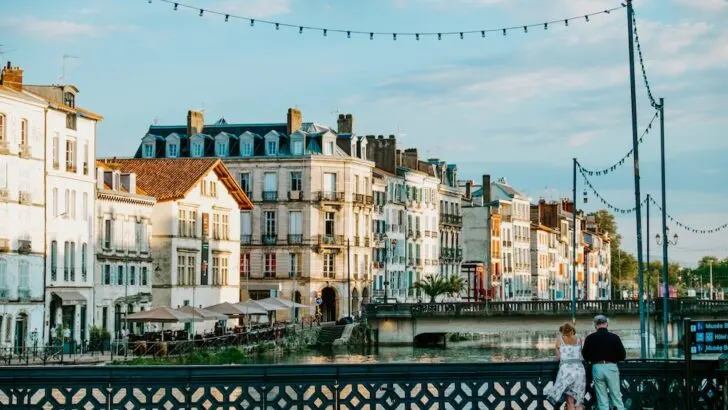
Bayonne is a picturesque city located in the southwest of France, nestled in the heart of the Basque Country. With a rich history, vibrant cultural scene, and unique blend of French and Basque influences, Bayonne is a captivating destination that offers a harmonious mix of tradition and modernity.
Bayonne serves as a gateway for exploring the wider Basque Country, including nearby towns like Biarritz and Anglet. Each town has its own unique character and attractions, contributing to the richness of the overall experience.
In summary, Bayonne is a captivating blend of history, culture, and natural beauty that invites visitors to explore its charming streets, savor its culinary delights, and immerse themselves in the vibrant tapestry of the Basque way of life.
Whether you’re drawn to its historical landmarks, cultural festivities, or scenic surroundings, Bayonne offers a truly memorable experience that captures the essence of the Basque Country.
1. Cathedral of Saint Mary: Admire the stunning architecture and intricate artwork of this Gothic cathedral

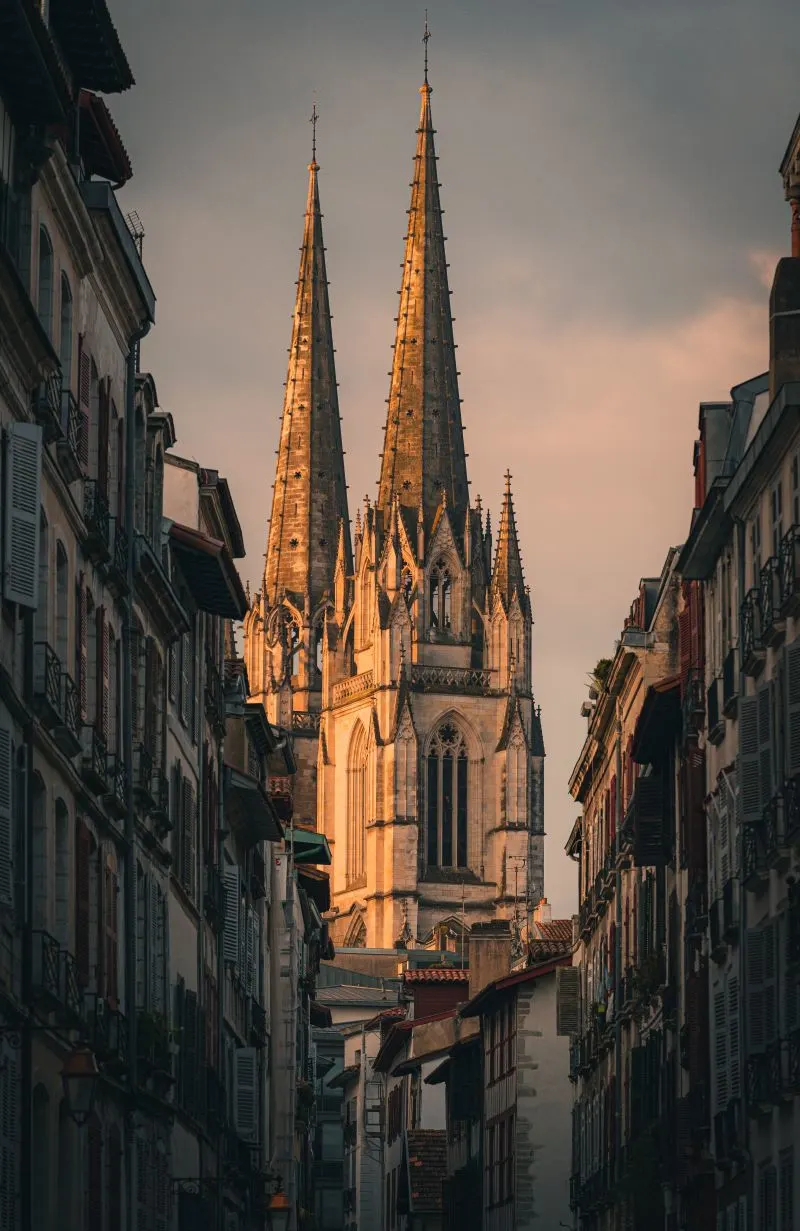
The Cathedral of Saint Mary is characterized by its impressive and intricate Gothic architecture, featuring soaring spires, elaborate stone carvings, and stunning stained glass windows.
The cathedral’s construction began in the 13th century and continued over several centuries, resulting in a unique blend of architectural styles, including Rayonnant and Flamboyant Gothic.
The interior of the cathedral is equally breathtaking, with a spacious nave, intricate rib vaults, and a sense of grandeur that reflects the religious and cultural significance of the building. The cathedral also houses various chapels, each adorned with fine religious artwork and sculptures.
One of the notable features of the cathedral is its massive organ, which is renowned for its remarkable sound quality and intricate design. The cathedral’s acoustics make it a popular venue for concerts and musical performances.
The Cathedral of Saint Mary is not only a place of worship but also a cultural and historical treasure. It serves as a symbol of Bayonne’s rich heritage and is a must-visit attraction for those interested in architecture, history, and religious art.
2. Château-Vieux: Explore the historical remains of this ancient castle overlooking the city

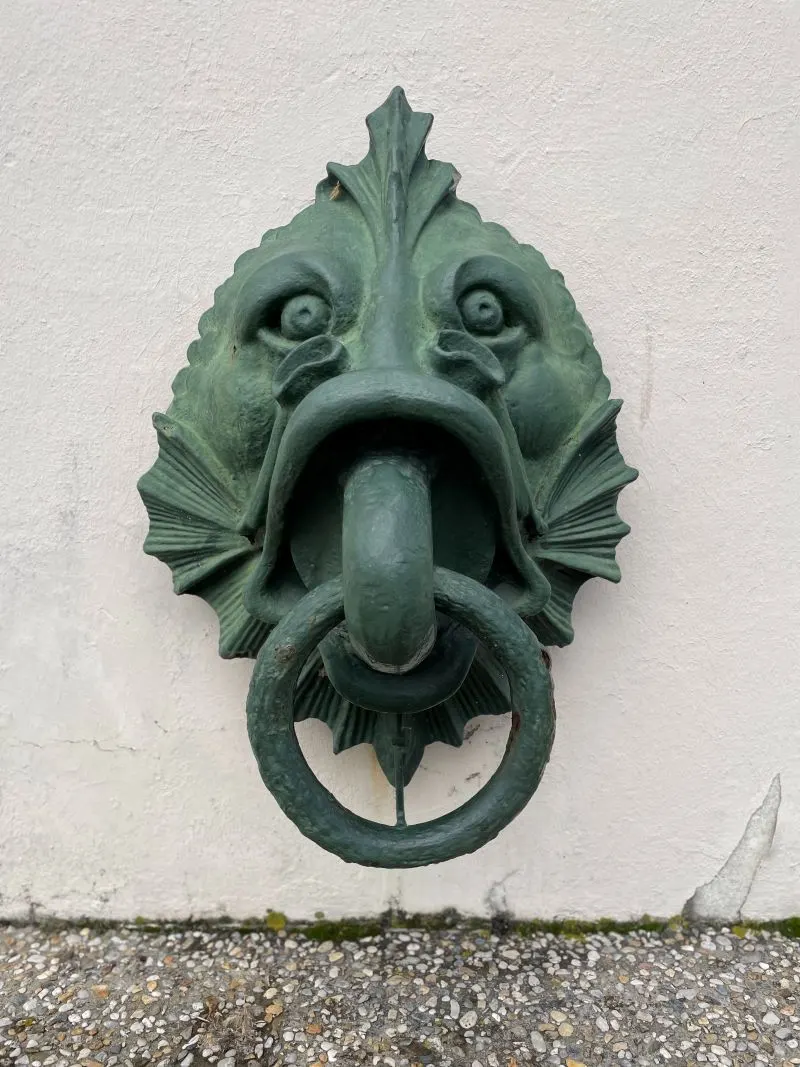
Château-Vieux is the remnants of an ancient castle that once stood as a significant fortification in Bayonne. Its origins trace back to the medieval period, and the castle played a crucial role in the defense and strategic control of the city.
Over time, as military technologies and tactics evolved, parts of the castle were expanded and modified to adapt to changing circumstances.
The site of Château-Vieux offers a glimpse into Bayonne’s medieval history and architectural heritage. While much of the original castle has been eroded by time, some sections, such as walls, towers, and gates, still stand.
The remaining structures showcase elements of medieval military architecture, including stone walls, arrow slits, and defensive towers.
Visitors to Château-Vieux can explore the remnants of this once-mighty fortress and imagine the historical events that took place within its walls. The site provides panoramic views of the city and its surroundings, making it a popular spot for photography and appreciating the urban landscape.
Château-Vieux serves as a tangible link to Bayonne’s past, reminding visitors of the city’s strategic importance and the defensive structures that were essential for its protection.
While the castle’s glory has faded over time, its historical significance continues to capture the imagination of those who explore its remains.
3. Museum of Basque Culture: Learn about the unique Basque heritage through exhibits and interactive displays

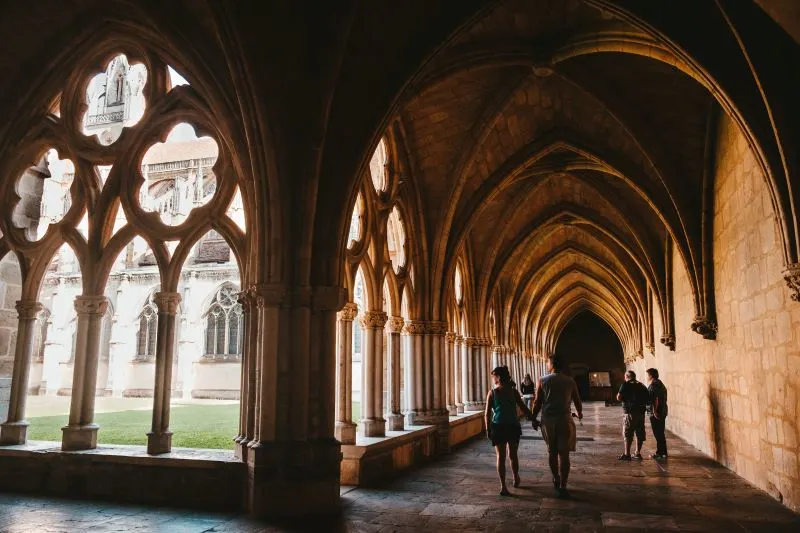
The Museum of Basque Culture is dedicated to preserving and showcasing the rich heritage, history, and traditions of the Basque people.
It serves as a comprehensive exploration of Basque culture, offering visitors insights into the unique identity, language, arts, and customs of this distinct European community.
The museum’s exhibits cover a wide range of topics, including the history of the Basque region, traditional crafts, agricultural practices, fishing traditions, and the evolution of Basque society over the centuries.
Through artifacts, interactive displays, photographs, and multimedia presentations, visitors gain a deeper understanding of the Basque way of life and its significance in both local and global contexts.
One of the highlights of the museum is its focus on the Basque language, Euskara, which holds a central place in Basque identity. The exhibits explore the language’s origins, its role in cultural expression, and efforts to preserve and revitalize it.
The Museum of Basque Culture is not only informative but also engaging, as it encourages visitors to immerse themselves in the traditions and values of the Basque people.
Whether you’re interested in history, anthropology, or simply learning about unique cultures, the museum offers a captivating experience that helps you appreciate the diversity of Europe’s cultural landscape.
4. Bayonne City Hall: Visit this picturesque building and its courtyard for a taste of local history

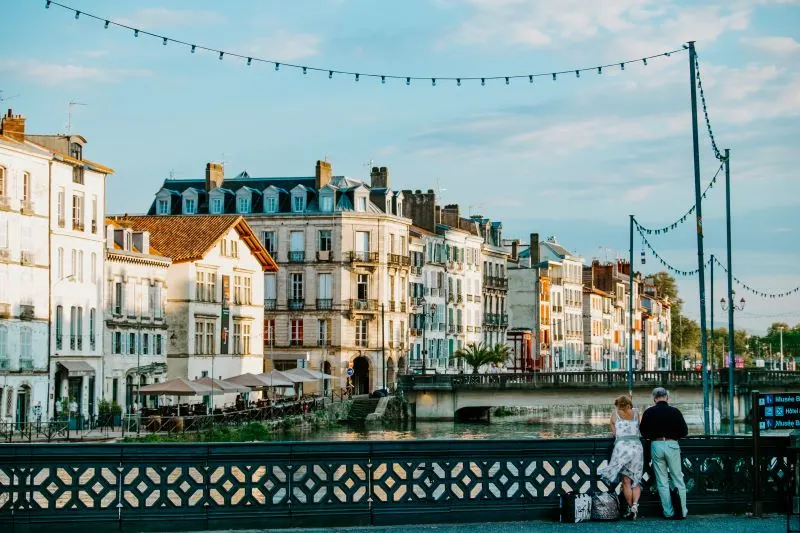
Bayonne City Hall is an architectural gem that stands as a testament to the city’s rich history and civic pride. The building’s design is characterized by its Neo-Gothic style, featuring intricate detailing, pointed arches, and ornate facades.
Constructed in the 19th century, the City Hall’s architecture reflects a revival of the medieval Gothic style, showcasing the influence of historic aesthetics on contemporary municipal structures.
The exterior of the City Hall is adorned with sculptures, reliefs, and decorative elements that pay homage to local history, culture, and commerce. The building’s facade is often a subject of admiration for its impressive craftsmanship and attention to detail.
Inside, the Bayonne City Hall houses various administrative offices and spaces that serve the local government’s functions.
The interior is known for its elegant halls, elaborate staircases, and period-appropriate furnishings that contribute to the building’s historical ambiance.
Bayonne City Hall’s central location makes it a significant landmark within the city, and its presence adds to the charm of Bayonne’s urban landscape.
Visitors can appreciate the architecture from the outside and learn about the building’s history, as it stands as a symbol of civic pride and a link to the past of this vibrant French town.
5. Les Halles de Bayonne: Experience the lively atmosphere of the covered market, known for its fresh produce and regional products

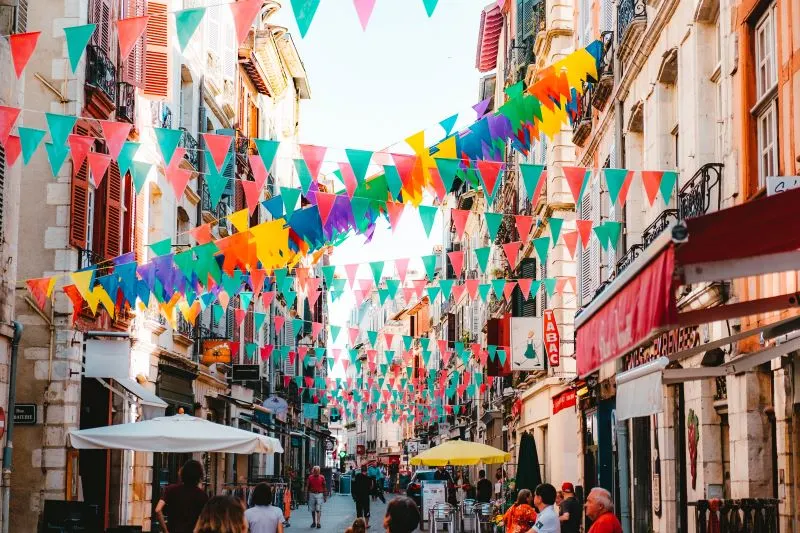
Les Halles de Bayonne is a vibrant and lively marketplace that has been a cornerstone of Bayonne’s culinary and cultural scene for generations.
The market is housed within an impressive iron-and-glass structure that dates back to the 19th century. Its architectural design is reminiscent of the era’s industrial aesthetics, with its high ceilings, arched windows, and intricate ironwork.
Inside Les Halles, visitors are treated to a sensory delight of sights, sounds, and aromas. The market is divided into stalls and sections, each offering a diverse array of fresh produce, artisanal foods, regional specialties, meats, cheeses, seafood, spices, and more. Local vendors proudly display their goods, creating a colorful mosaic of flavors and products unique to the Basque region.
Les Halles is not only a place to shop for fresh ingredients but also a hub for social interaction. It’s a common gathering place for both locals and visitors who come to enjoy the bustling atmosphere, sample delectable foods, and engage in conversations with vendors who are often eager to share their knowledge and passion for their products.
The market’s strategic location in the heart of Bayonne makes it easily accessible to those exploring the city. Whether you’re looking to shop for fresh ingredients, sample regional delicacies, or simply immerse yourself in the local culture, Les Halles de Bayonne provides a delightful experience that captures the essence of this charming French town.
6. Bayonne Chocolate Museum: Discover the history of chocolate-making in Bayonne and enjoy some delicious samples


The Bayonne Chocolate Museum offers visitors a sweet journey into the world of chocolate, from its origins and cultural significance to the intricate process of turning cacao beans into delectable treats.
The museum’s exhibits provide insights into the history of chocolate, its ties to Bayonne’s heritage, and the influence of the Basque region on the chocolate-making industry.
Inside the museum, you’ll find informative displays that showcase the evolution of chocolate-making techniques, equipment used in different eras, and the various stages of chocolate production.
From cacao bean harvesting to the transformation of raw ingredients into mouthwatering chocolate creations, the museum unveils the secrets behind the chocolate-making process.
One of the highlights of the museum is the opportunity to observe skilled chocolatiers at work, crafting exquisite chocolates and confections right before your eyes.
You’ll also have the chance to sample different types of chocolate and learn about the flavor profiles, textures, and nuances that distinguish various chocolate varieties.
The Bayonne Chocolate Museum is not just a treat for your taste buds; it’s an educational and immersive experience that appeals to chocolate lovers, history enthusiasts, and those curious about the artistry behind this beloved indulgence.
7. Walk along the Nive River: Stroll along the picturesque riverbanks and enjoy the scenic views


A leisurely walk along the banks of the Nive River in Bayonne provides a peaceful and scenic escape. The Nive River is a tranquil waterway that winds its way through the city, offering beautiful views of the surrounding landscapes, charming bridges, and historic buildings reflected in the water.
As you stroll along the riverbanks, you’ll have the opportunity to appreciate the architectural diversity of Bayonne, with traditional Basque-style houses, medieval structures, and modern buildings lining the route.
The river’s calming presence creates a soothing atmosphere that contrasts with the bustling activity of the city center.
Depending on the time of day, you might witness locals and visitors enjoying picnics, leisurely boat rides, or simply sitting by the water’s edge to relax and take in the ambiance.
The gentle flow of the Nive River creates a sense of serenity, making it an ideal spot for reflective walks, photography, or moments of contemplation.
The walk along the Nive River offers a unique perspective on Bayonne’s urban layout and its relationship with the water. It’s a simple yet rewarding activity that lets you connect with the natural beauty of the region while enjoying the tranquility of the river’s embrace.
8. Bayonne Arena: Catch a traditional Basque pelota match at this historic venue


The Bayonne Arena is a historic and iconic space where the sport of Basque pelota, a traditional ball game, is played. The arena’s architecture reflects its historical significance, featuring a semi-circular design with open-air seating that allows spectators to watch pelota matches from various vantage points.
Basque pelota is a popular sport in the region, with deep cultural roots. Players use their hands, wooden paddles, or cestas (long wicker baskets) to hit a ball against a wall, aiming to outscore their opponents.
Matches held at the Bayonne Arena showcase the skill, speed, and agility of the players, as well as the sport’s importance within Basque culture.
The Bayonne Arena is not only a venue for pelota matches but also a space for cultural events, concerts, and gatherings. Its architecture and atmosphere provide a unique backdrop for experiencing both the sport and the local culture.
Attending a pelota match at the arena offers an authentic and immersive introduction to the traditional sports heritage of the Basque Country.
Whether you’re interested in witnessing pelota matches, learning about Basque culture, or simply enjoying the lively atmosphere of events held within its walls, the Bayonne Arena is a place that encapsulates the dynamic spirit of the region and its rich traditions.
9. Stroll in Petit Bayonne: Explore the charming narrow streets and alleys of the historic district

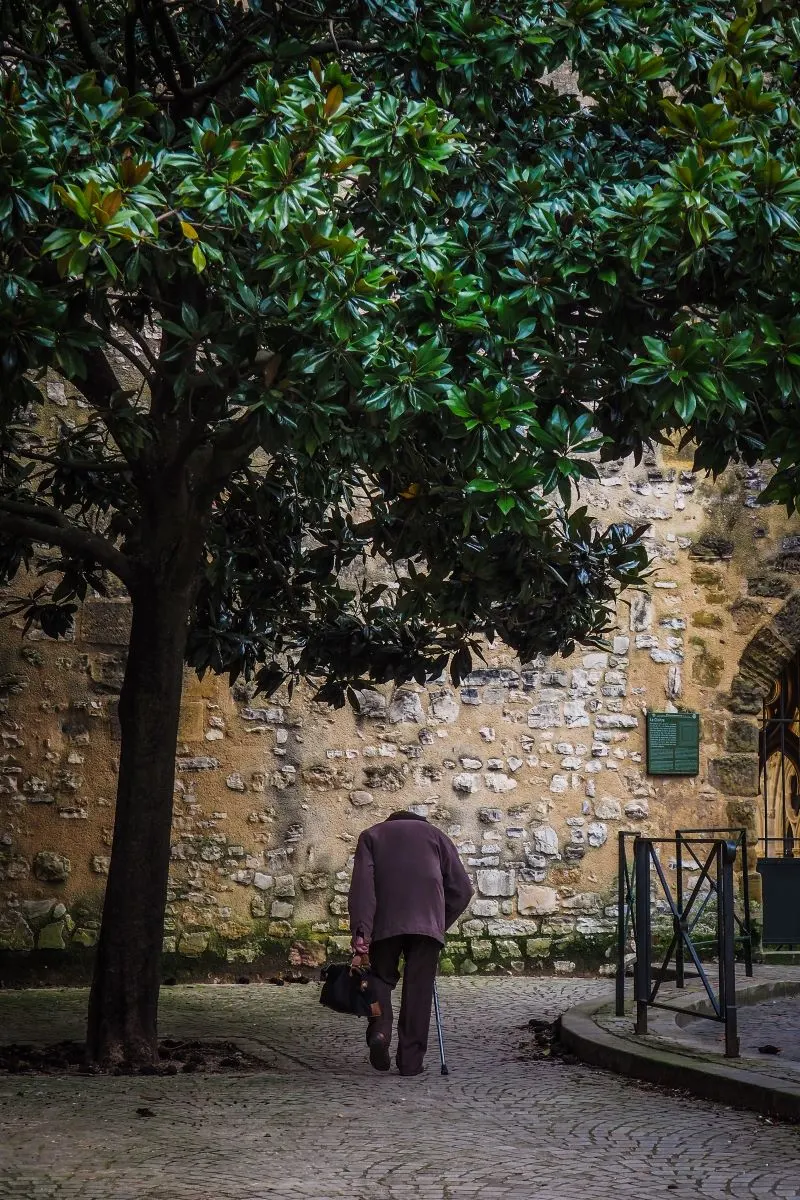
Petit Bayonne is a picturesque neighborhood nestled within the heart of Bayonne, known for its narrow winding streets, traditional Basque architecture, and vibrant atmosphere. The district’s quaint charm and cultural significance make it a popular destination for both locals and visitors.
During your stroll in Petit Bayonne, you’ll find yourself immersed in the distinct character of the Basque region. The streets are lined with colorful houses adorned with wooden shutters, ornate balconies, and traditional red and green Basque colors. The intricate details of the buildings and cobblestone streets transport you to another era, evoking a sense of timelessness.
The neighborhood is dotted with cozy cafés, local shops, and small squares where you can stop for a coffee or a bite to eat. The atmosphere is lively and inviting, especially in the evenings when people gather to enjoy the local cuisine and socialize.
As you explore Petit Bayonne, you’ll likely come across landmarks like the Bayonne Cathedral and various small chapels that add to the area’s historical and cultural significance.
The district is also known for its festivals, parades, and street markets, which showcase the lively spirit of the local community.
10. Chocolat L’Atelier: Join a chocolate-making workshop and create your own sweet treats


Chocolat L’Atelier is a place where chocolate lovers can indulge their passion and creativity by participating in chocolate-making workshops.
This interactive establishment provides a hands-on opportunity to learn about the art of chocolate crafting, from tempering chocolate to creating delightful confections.
During a visit to Chocolat L’Atelier, participants are guided through the chocolate-making process by skilled chocolatiers. They have the chance to work with high-quality ingredients, experiment with different flavors and ingredients, and craft their own chocolate creations.
Whether it’s molding chocolate, decorating truffles, or forming unique designs, the workshops offer a fun and educational experience for all ages.
The atmosphere at Chocolat L’Atelier is both inviting and informative. It’s a place where participants can not only learn about the techniques and history of chocolate-making but also savor the joy of creating something delicious with their own hands.
The workshops cater to individuals, families, and groups, making it a versatile and enjoyable activity for locals and tourists alike.
Chocolat L’Atelier is more than just a chocolate-making workshop; it’s a space that fosters a deeper appreciation for the craftsmanship behind this delectable treat.
Whether you’re looking for a unique activity, a memorable souvenir, or a chance to satisfy your sweet tooth while gaining new skills, Chocolat L’Atelier offers a delightful and interactive experience centered around one of the world’s most beloved indulgences.
11. Basque Museum: Dive deeper into Basque history, culture, and traditions at this informative museum

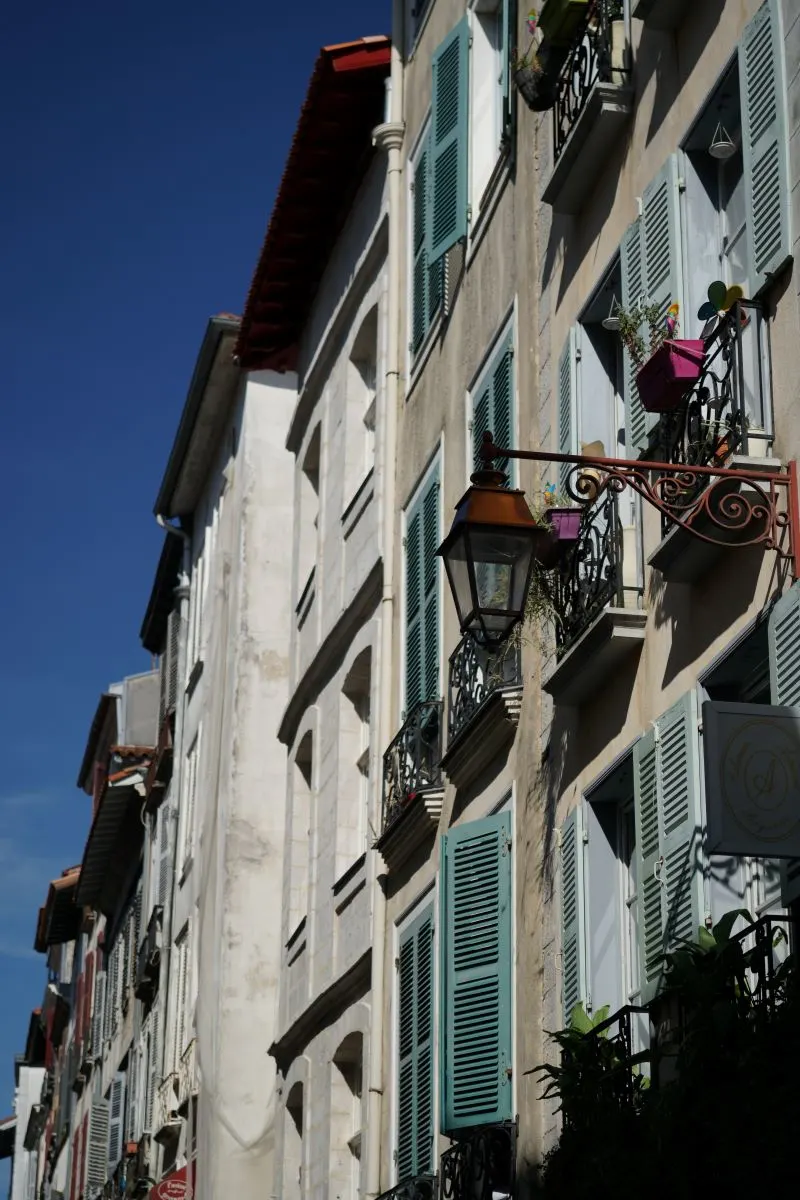
The Basque Museum is a repository of knowledge and artifacts that illuminate the rich cultural identity and history of the Basque region.
Through a diverse collection of exhibits, the museum offers visitors insights into the Basque way of life, traditions, language, crafts, and historical events that have shaped the community.
Inside the museum, you’ll find a range of artifacts, including traditional clothing, tools, art, and everyday objects that reflect the Basque people’s connection to the land, the sea, and each other.
Interactive displays, multimedia presentations, and informative panels help visitors understand the significance of various aspects of Basque culture.
One of the focal points of the museum is the exploration of the Basque language, Euskara, which is an essential part of the region’s identity. Visitors can learn about the language’s origins, its role in cultural expression, and the efforts to promote and preserve it.
The Basque Museum is not just a collection of artifacts; it’s a cultural journey that invites visitors to delve into the traditions, history, and values that define the Basque people.
Whether you’re interested in history, anthropology, or simply gaining a deeper understanding of one of Europe’s unique cultures, the Basque Museum provides a comprehensive and engaging experience.
12. Pont Saint-Esprit: Cross this elegant bridge that spans the Nive River and offers great views


Pont Saint-Esprit is a charming stone bridge that spans the tranquil waters of the Nive River in Bayonne. Its name translates to “Bridge of Saint Spirit,” a reference to a nearby church dedicated to the Holy Spirit.
The bridge is an iconic landmark that serves as a connection between different parts of the city, facilitating pedestrian and vehicular traffic.
The bridge’s architecture is characterized by its solid stone construction, arched spans, and historical charm. As you cross the Pont Saint-Esprit, you’ll be treated to beautiful views of the river, the surrounding buildings, and the picturesque landscapes of Bayonne.
Walking or driving across Pont Saint-Esprit provides a sense of both history and functionality.
The bridge not only fulfills its practical purpose as a crossing point but also adds to the aesthetic appeal of the cityscape, contributing to the overall character of Bayonne.
13. Bayonne Botanical Garden: Relax in this peaceful oasis featuring a variety of plants and trees

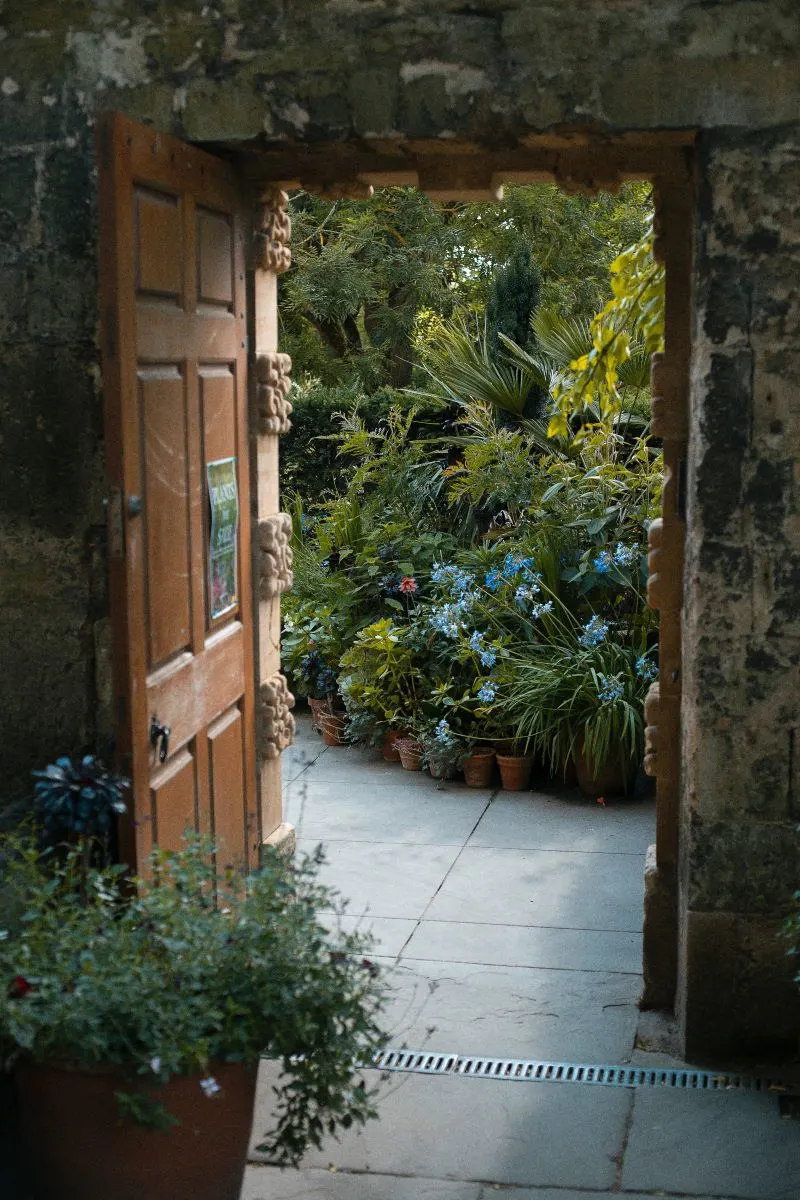
The Bayonne Botanical Garden is a serene retreat where visitors can escape the hustle and bustle of the city and immerse themselves in nature’s beauty. The garden features a variety of plants, trees, flowers, and landscapes that create a tranquil and harmonious environment.
As you explore the Bayonne Botanical Garden, you’ll encounter winding paths that lead you through themed sections, each highlighting different types of vegetation.
From vibrant flowerbeds to shaded groves, the garden offers a diverse range of plant life, providing a sensory experience that delights both sight and smell.
The garden is a popular spot for leisurely walks, relaxation, and moments of reflection. It’s also an educational space where visitors can learn about different plant species, gardening techniques, and the importance of preserving biodiversity.
Whether you’re interested in horticulture, photography, or simply enjoying a peaceful stroll surrounded by nature, the Bayonne Botanical Garden offers a tranquil respite within the heart of the city. It’s a place where you can connect with the natural world and find solace in its serene ambiance.
14. Bayonne Basque Country Tourism Office: Get helpful information about the city and its attractions here


The Bayonne Basque Country Tourism Office, often simply referred to as the “Tourist Office,” is a visitor center located in Bayonne, France.
Its primary mission is to provide travelers with essential information, resources, and recommendations to enhance their experience while exploring Bayonne and the surrounding Basque Country.
At the Tourism Office, visitors can find brochures, maps, guides, and other informative materials that help them navigate the city’s attractions, landmarks, events, and activities.
Knowledgeable staff members are on hand to offer personalized assistance, answer questions, and provide recommendations based on travelers’ interests and preferences.
The Tourism Office serves as a central point where visitors can gather valuable insights about local culture, traditions, dining options, accommodations, and transportation.
Whether you’re seeking guidance on historical sites, outdoor adventures, cultural events, or local cuisine, the Tourism Office aims to ensure that you make the most of your stay in Bayonne.
For both newcomers and returning travelers, the Bayonne Basque Country Tourism Office is a valuable resource that helps you uncover the hidden gems and unique experiences that the city and its surrounding region have to offer.
15. Bayonne Cathedral Cloister: Admire the beautiful cloister garden and its serene surroundings

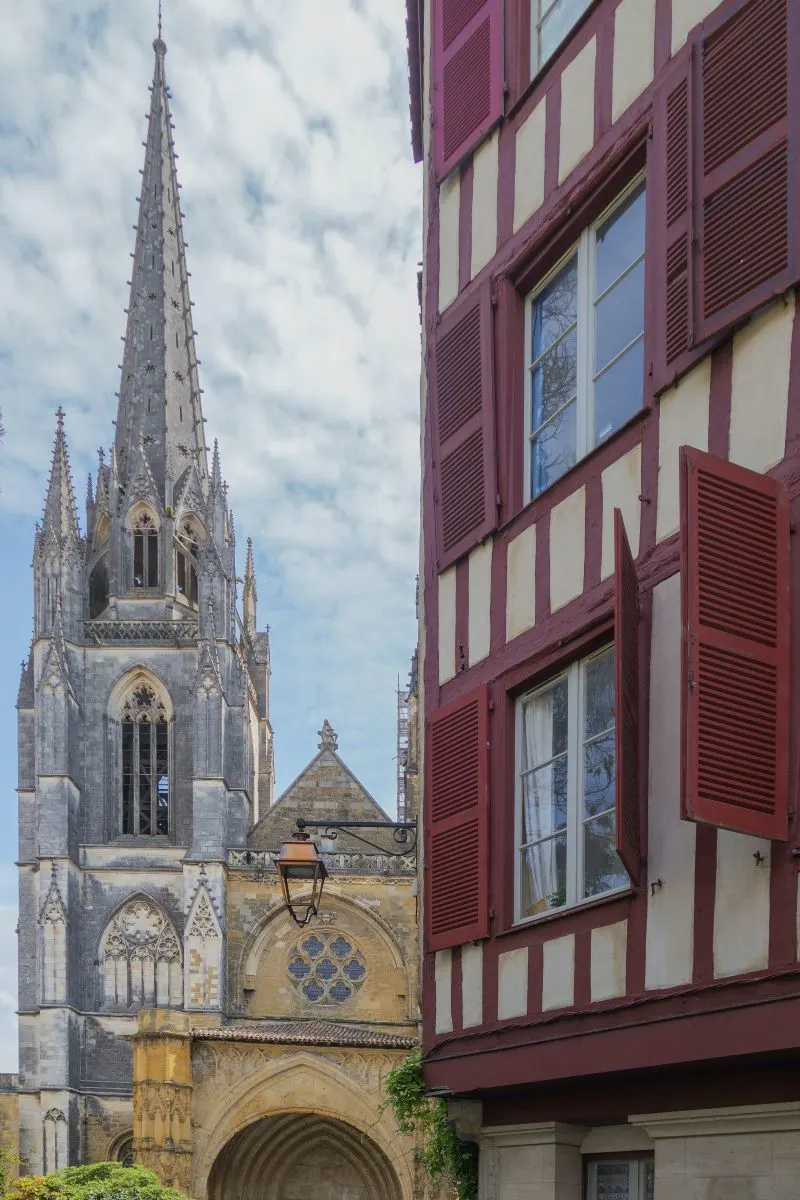
The Bayonne Cathedral Cloister is a serene outdoor space that offers a peaceful escape from the bustling surroundings. It is situated within the cathedral complex and is characterized by its lush greenery, well-maintained gardens, and arcaded walkways.
The cloister is typically a square or rectangular courtyard enclosed by covered walkways, often adorned with arches and columns.
In the case of the Bayonne Cathedral Cloister, these architectural features add an air of elegance and history to the space. The arcades create a sense of harmony and provide a shaded retreat where visitors can take leisurely strolls, reflect, and appreciate the architectural beauty that surrounds them.
The Bayonne Cathedral Cloister is not only a place of tranquility but also an area of historical and cultural significance. It’s a space where you can admire the architecture of the cathedral’s surrounding structures, perhaps listen to the soothing sounds of the flowing water in the fountain, and experience a moment of quiet contemplation.
For those who appreciate the connection between spirituality, architecture, and nature, the Bayonne Cathedral Cloister provides an opportunity to immerse themselves in a space that captures the essence of both past and present.
16. Adour River: Enjoy a leisurely walk along the riverbanks and take in the scenic landscapes


The Adour River is a major river that originates in the Pyrenees mountains and flows through the Aquitaine region of southwestern France before emptying into the Atlantic Ocean.
Its course runs through various towns and cities, including Tarbes, Dax, and Bayonne, making it a crucial lifeline for both natural ecosystems and human settlements.
The river’s watershed encompasses a diverse range of landscapes, from the mountainous regions of its source to the coastal plains where it meets the ocean.
The Adour River is known for its scenic beauty, as it meanders through picturesque valleys, fertile farmlands, and marshy wetlands.
In addition to its environmental significance, the Adour River has historically served as an important trade route and transportation corridor. Its navigable stretches have facilitated commerce, trade, and cultural exchange between different towns and regions along its banks.
The river’s estuary near Bayonne also plays a role in shaping the local geography, creating a dynamic interface between freshwater and saltwater ecosystems.
The presence of the Adour River has influenced the development of coastal towns and contributed to their economic activities, including fishing, agriculture, and maritime trade.
17. Galerie 13bis: Explore contemporary art exhibitions in this art gallery

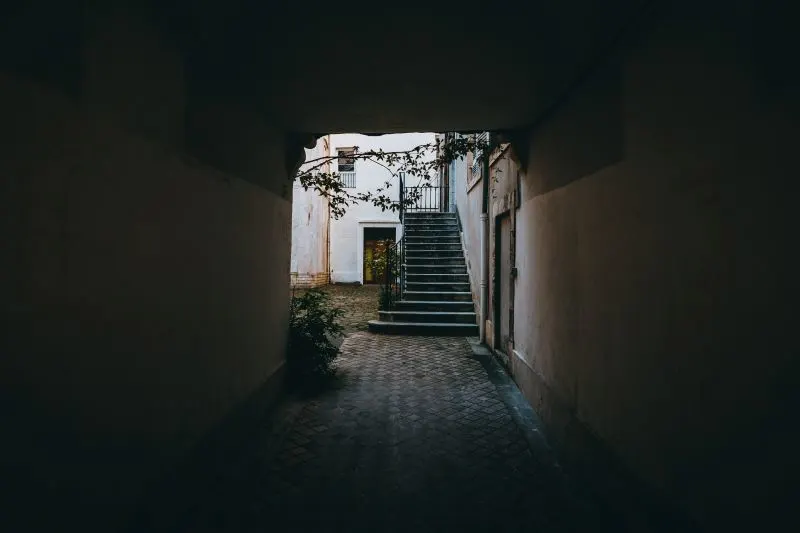
Galerie 13bis is a dynamic art space that showcases contemporary artworks by both established and emerging artists. The gallery offers visitors the opportunity to explore a diverse range of artistic expressions, from paintings and sculptures to mixed media and installations.
Visitors to Galerie 13bis can immerse themselves in the world of modern art through thought-provoking exhibitions that often reflect current trends, themes, and artistic movements.
The gallery serves as a platform for artists to present their innovative ideas and creative visions, contributing to the cultural vibrancy of Bayonne.
With changing exhibitions, Galerie 13bis provides a space for artistic exploration, dialogue, and engagement. Whether you’re an art enthusiast, a collector, or someone interested in exploring contemporary creativity, the gallery offers a curated experience that invites you to connect with the art of today in a vibrant and inspiring setting.
18. Bayonne Citadel: Discover the history of this military fortress and enjoy panoramic views from its walls

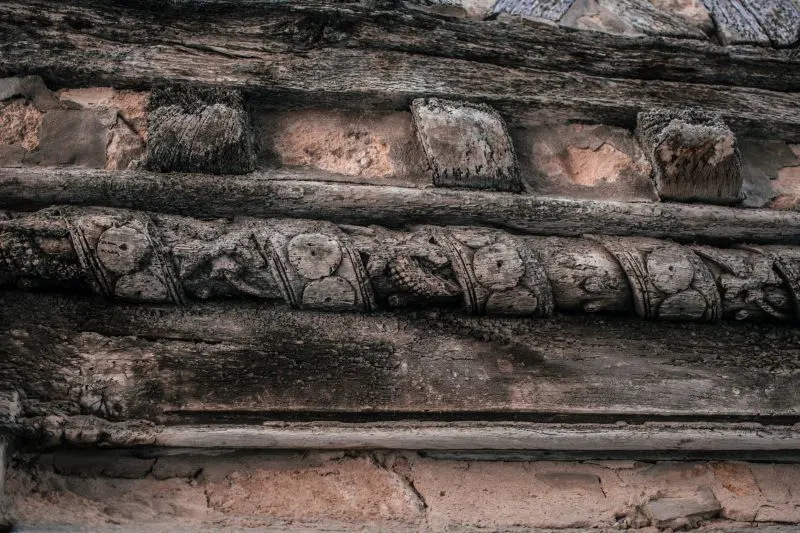
The Bayonne Citadel is an imposing fortified structure that holds a significant place in the city’s history. Built in the 17th century, the citadel was designed as a defensive stronghold to protect the city and its strategic access to the Adour River.
The architecture of the Bayonne Citadel reflects its military purpose, with thick stone walls, defensive bastions, and sturdy fortifications.
Its star-shaped layout is characteristic of Vauban-style fortifications, a design approach pioneered by the French military engineer Sébastien Le Prestre de Vauban.
While originally constructed for defense, the Bayonne Citadel also served as a garrison for troops and a symbol of military power. Over time, the citadel’s role evolved, and it became intertwined with the city’s identity and history.
Today, the Bayonne Citadel offers visitors a glimpse into the past, allowing them to explore the remnants of this historic military complex.
The site provides panoramic views of the city and the surrounding landscapes, and its walls offer a walk through time, providing insights into the architecture, military strategies, and the role of fortifications in the region’s history.
19. Bayonne Port Neuf: Walk across this charming stone bridge connecting two parts of the city


Bayonne Port Neuf is an elegant and historic stone bridge that connects two parts of the city of Bayonne. The name “Port Neuf” translates to “New Gate,” indicating its historical role as an entrance point to the city.
The bridge is a significant landmark that adds to the city’s architectural character and provides a picturesque crossing over the river.
The bridge’s construction dates back to the 17th century and features several arches that gracefully span the Nive River. Its stone masonry and classic design contribute to a sense of timeless beauty and historical importance.
As you walk or drive across Bayonne Port Neuf, you’ll be treated to scenic views of the river, the surrounding buildings, and the charm of Bayonne’s urban landscape.
Bayonne Port Neuf serves as a reminder of the city’s historical past and its strategic importance as a crossing point over the river.
It’s not only a practical transportation route but also an iconic architectural element that captures the essence of Bayonne’s historical and cultural heritage.
20. Jardin des Remparts: Relax in this park located on the site of the city’s old fortifications

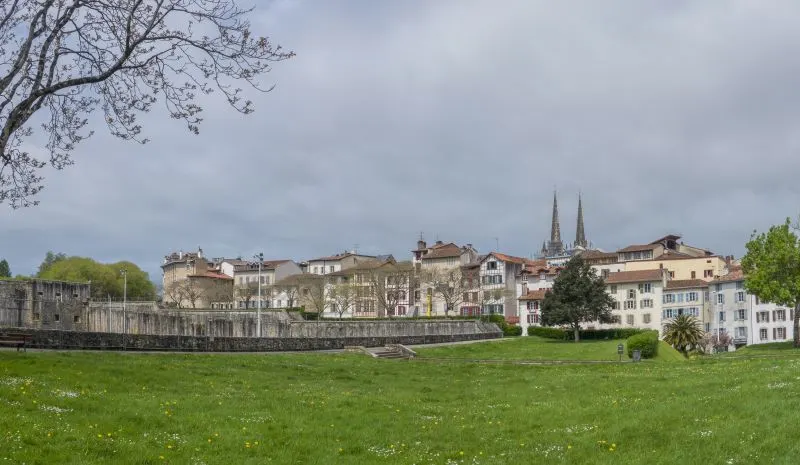
The Jardin des Remparts is a peaceful and well-maintained park situated on the site of Bayonne’s former fortifications. The name “Remparts” refers to the city walls that once surrounded and protected Bayonne.
Over time, these walls were dismantled, and the area was transformed into a beautiful garden that offers a blend of historical significance and natural beauty.
The garden features a combination of lush lawns, pathways, flowerbeds, and shady trees. Visitors can enjoy leisurely walks along the paths while taking in views of the surrounding cityscape and the remnants of the ancient ramparts.
The garden provides a tranquil oasis within the heart of Bayonne, allowing visitors to escape the urban hustle and bustle.
The Jardin des Remparts is often a favored spot for locals and tourists seeking relaxation, outdoor activities, and moments of quiet contemplation.
Its historical context, combined with its serene ambiance, makes it a unique space where the past and the present intersect, offering a glimpse into Bayonne’s evolution over time.
Whether you’re looking for a place to unwind, enjoy a picnic, or appreciate the juxtaposition of history and nature, the Jardin des Remparts offers a peaceful and reflective environment that adds to the charm of Bayonne’s urban landscape.
21. Bayonne Bullfighting Arena: Learn about the local tradition of bullfighting and its cultural significance


The Bayonne Bullfighting Arena is an iconic and centuries-old venue that has played a central role in Bayonne’s cultural heritage.
It is a place where traditional bullfighting events, known as “corridas,” are held, drawing both local enthusiasts and visitors interested in this significant aspect of Spanish and Basque culture.
The arena’s architecture is characterized by its circular shape, tiered seating, and open-air design. The stands provide seating for spectators who come to witness the bullfighting spectacle.
Bullfighting, while a divisive practice, holds cultural importance in certain regions and is seen as an artistic expression by some.
In addition to bullfighting events, the Bayonne Bullfighting Arena hosts various cultural performances, concerts, and festivals throughout the year.
Its historical significance and architectural charm make it a versatile space that adapts to different forms of entertainment and gatherings.
The Bayonne Bullfighting Arena embodies the intersection of cultural tradition, performance, and history. While attending a bullfighting event may not be to everyone’s taste, the arena remains an essential element of Bayonne’s cultural landscape, reflecting the complexity of local heritage and offering insight into the cultural connections between France and Spain.
22. Bayonne Chocolate Festival (Fête du Chocolat): If your visit coincides, indulge in the annual chocolate festival


The Bayonne Chocolate Festival is a popular annual event that brings together chocolate enthusiasts, artisans, and visitors to indulge in the world of cocoa and confections.
Held in the historic city of Bayonne, which has a rich history of chocolate-making, the festival showcases the artistry, flavors, and cultural significance of chocolate.
During the festival, the streets of Bayonne come alive with a vibrant atmosphere as chocolatiers, pastry chefs, and vendors set up stalls to display and sell a tempting array of chocolate treats.
Visitors can explore a wide range of chocolates, from traditional bars and truffles to innovative creations that combine different flavors, textures, and ingredients.
The festival also offers a variety of activities, workshops, and demonstrations that provide insights into the chocolate-making process, from bean to bar.
Attendees can participate in tastings, watch expert chocolatiers in action, and even try their hand at creating their own chocolate concoctions.
23. Bayonne Free Walking Tour: Join a guided walking tour to learn about the city’s history and culture

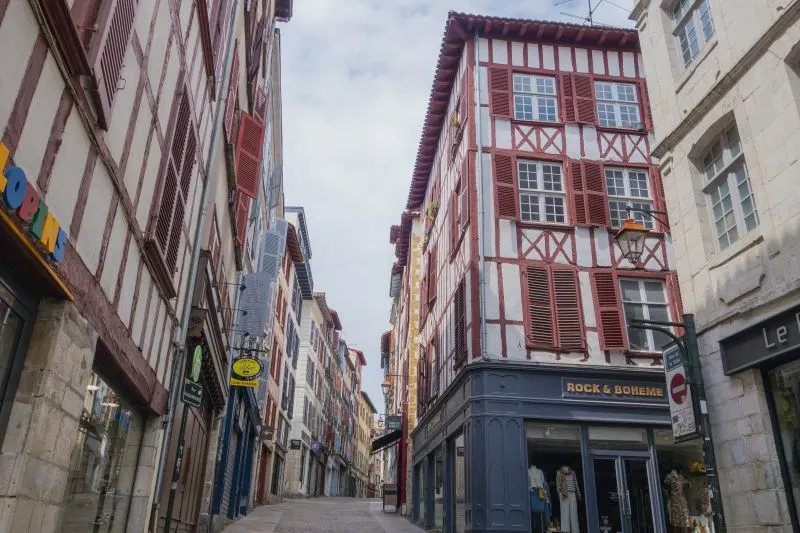
The Bayonne Free Walking Tour is a guided walking experience that offers participants the opportunity to delve into the rich history and vibrant culture of Bayonne, France.
Led by knowledgeable local guides, this tour provides a comprehensive exploration of the city’s landmarks, traditions, and stories.
During the Bayonne Free Walking Tour, participants join a group and embark on a journey through the city’s streets, squares, and historical sites.
The guides share fascinating anecdotes, historical insights, and cultural context, providing a deeper understanding of Bayonne’s evolution over time.
The tour typically covers a range of topics, from the city’s architectural heritage and significant landmarks to its cultural traditions, culinary delights, and local way of life.
Participants learn about Bayonne’s past as a trading hub, its connections to the Basque culture, and the unique blend of influences that have shaped the city’s identity.
As the name suggests, the Bayonne Free Walking Tour operates on a “pay-what-you-want” or donation-based model, where participants are welcome to contribute a tip or donation to the guide at the end of the tour, based on their level of satisfaction and appreciation for the experience.
24. Bayonne Basque Circuit: Follow this self-guided tour to explore the city’s most notable sites

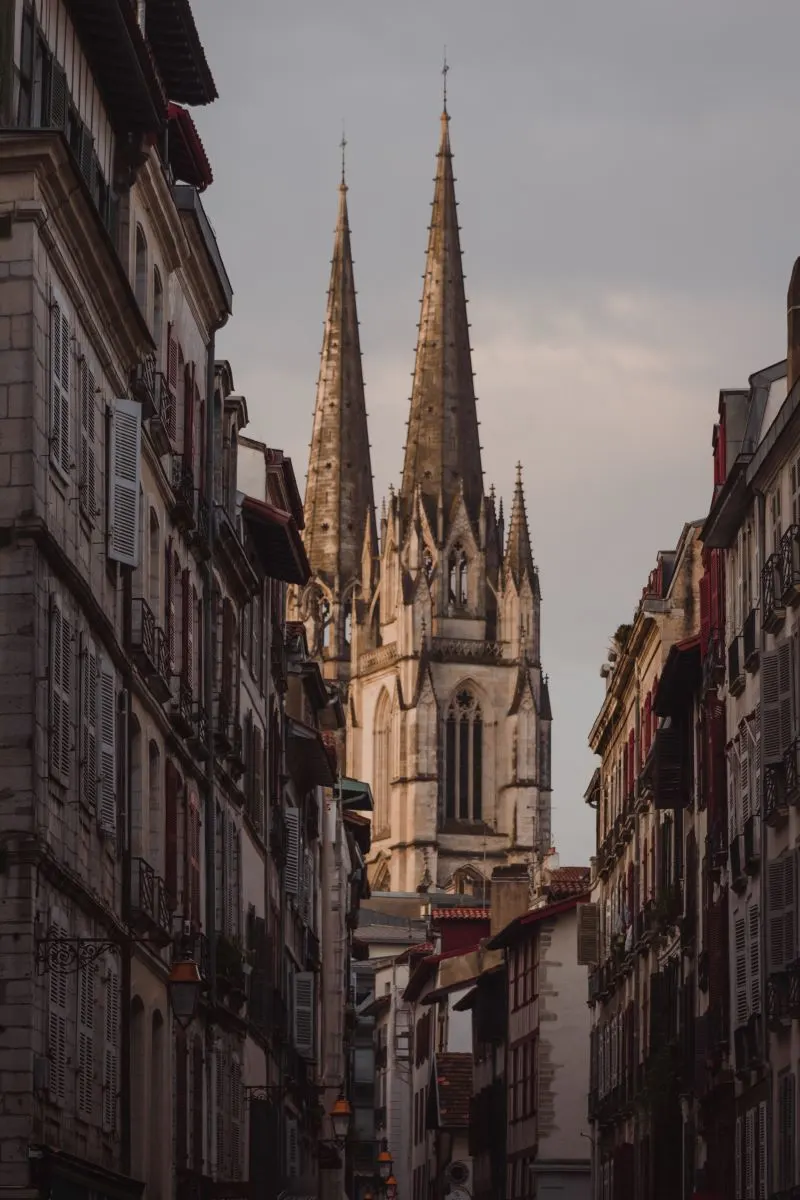
The Bayonne Basque Circuit is a self-guided tour designed to help visitors explore the most notable sites and immerse themselves in the unique Basque culture of Bayonne, France. This self-paced circuit allows you to discover the city’s history, architecture, and cultural heritage on your terms.
The Bayonne Basque Circuit typically includes a curated list of significant landmarks, attractions, and points of interest that highlight the Basque influence and identity within the city.
Participants follow a suggested route or itinerary that takes them through key areas, providing insights into the local way of life and historical evolution.
As you follow the Bayonne Basque Circuit, you may encounter sites such as Basque-style architecture, local markets where traditional crafts and foods are sold, historical buildings, and perhaps even dedicated museums or cultural centers that celebrate the Basque heritage.
This self-guided circuit allows you to explore at your own pace, pause to take photos, enter attractions that pique your interest, and even indulge in local cuisine or cultural experiences along the way.
It’s a flexible way to delve into the heart of Bayonne’s Basque identity and appreciate the interplay between history and contemporary life.
25. Bayonne City Walls: Walk along the remaining portions of the medieval city walls

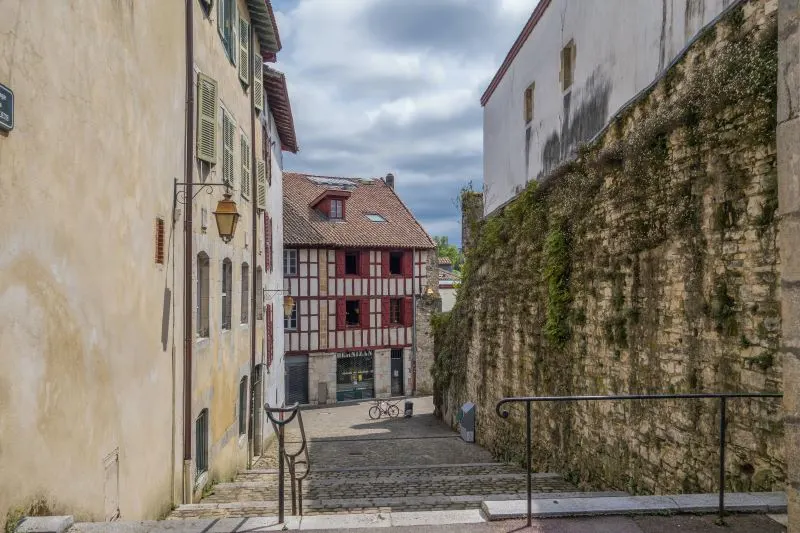
The Bayonne City Walls were originally constructed to fortify the city against potential threats and invasions. These defensive walls encircled Bayonne, serving as a formidable barrier to protect its residents and important structures.
The walls were an essential part of the city’s defense strategy, reflecting the strategic importance of Bayonne as a trading and military hub.
Throughout history, the city walls played a crucial role in Bayonne’s development, acting as both a physical defense mechanism and a symbol of its fortitude.
The walls featured watchtowers, gates, and battlements that allowed guards to monitor and defend the city from atop their elevated positions.
Over time, the need for these protective walls diminished, and many cities, including Bayonne, began to dismantle them to make way for urban expansion.
As a result, much of the original city wall has been replaced by modern infrastructure and buildings. However, remnants of the walls, such as gateways, towers, and sections of the original structure, can still be found throughout the city.
The Bayonne City Walls are a tangible link to the city’s historical past and offer a glimpse into its strategic significance in various eras.
While much of the physical wall may no longer exist, the remaining fragments serve as a reminder of Bayonne’s evolution and the importance of defense in shaping its history.
Food In Bayonne

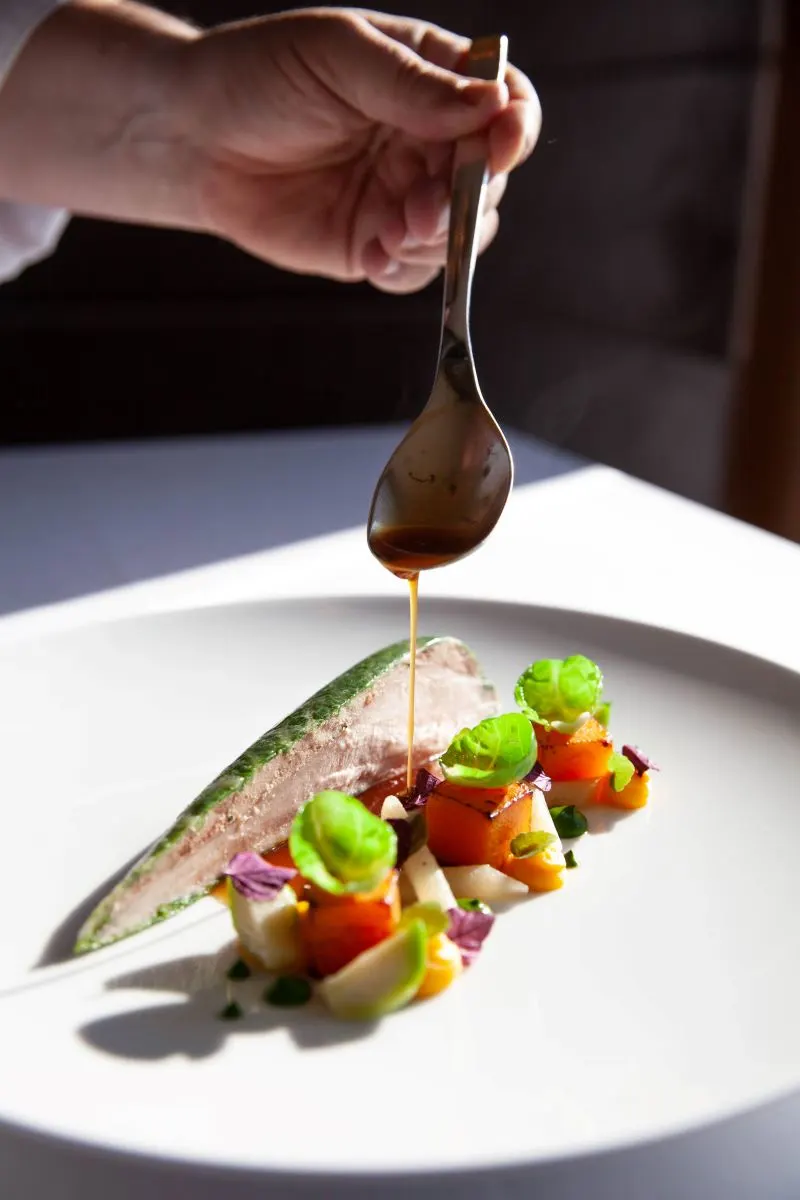
Nestled in the heart of the Basque Country in France, the city of Bayonne offers a tantalizing array of culinary delights that reflect its rich cultural heritage and gastronomic traditions.
From savory delights to sweet indulgences, Bayonne’s food scene is a true reflection of the region’s vibrant flavors and influences.
At the crossroads of French and Spanish influences, Bayonne’s cuisine is a harmonious blend of traditional Basque flavors and modern culinary innovation.
The city’s proximity to both the sea and the mountains results in a diverse range of ingredients that contribute to its unique gastronomy.
Pintxos: Small Bites with Big Flavor
A quintessential experience in Bayonne’s culinary landscape is indulging in pintxos, the Basque equivalent of tapas. These small bites are served atop slices of bread and adorned with a variety of toppings, ranging from cured meats and local cheeses to marinated seafood and grilled vegetables.
Pintxos bars, or “pintxos tabernas,” are a common sight throughout the city, inviting locals and visitors alike to sample an array of flavors in a convivial atmosphere.
Bayonne Ham: A Culinary Gem
One cannot discuss Bayonne’s food culture without mentioning its world-renowned Bayonne ham, or “Jambon de Bayonne” in French. This air-cured ham is a culinary masterpiece, crafted using traditional techniques that have been passed down through generations.
The ham is carefully salted and aged, resulting in a delicate flavor and texture that makes it a sought-after delicacy. It’s often enjoyed thinly sliced and paired with local cheeses, bread, and a glass of wine.
Seafood Splendors
With the Atlantic Ocean at its doorstep, Bayonne boasts an abundance of fresh seafood that graces its tables. From succulent oysters and mussels to delectable fish such as cod and hake, seafood takes center stage in many traditional dishes. “Marmitako,” a Basque fisherman’s stew, showcases the harmony between the catch of the day and locally grown vegetables, creating a hearty and satisfying meal.
Satisfying Sweets
Bayonne’s love affair with food extends to its sweets as well. The city is renowned for its chocolate, a legacy dating back to the 17th century.
The Bayonne Chocolate Festival is a testament to the town’s devotion to this treat. Visitors can explore chocolate shops, like Maison Cazenave, where the artistry of chocolate-making is on full display.
Local pastries, such as “Gateau Basque,” a buttery cake filled with cream or cherry jam, provide a sweet ending to any meal.
Elevate Your Culinary Journey
To fully appreciate Bayonne’s culinary treasures, consider immersing yourself in the local markets. The Les Halles de Bayonne, a vibrant indoor market, is a haven for fresh produce, meats, cheeses, and more.
Engage with local vendors, learn about the ingredients, and perhaps even take part in a cooking class to master the techniques behind classic Basque dishes.
In Conclusion
Exploring the food scene in Bayonne is not merely an exercise in indulgence; it’s a journey through history, culture, and the genuine passion that the city’s residents have for their culinary heritage.
From the charm of pintxos bars to the sophistication of Michelin-starred restaurants, Bayonne invites you to savor each bite and savor the essence of the Basque Country on a plate.
Top 20 Best Restaurants In Bayonne, France

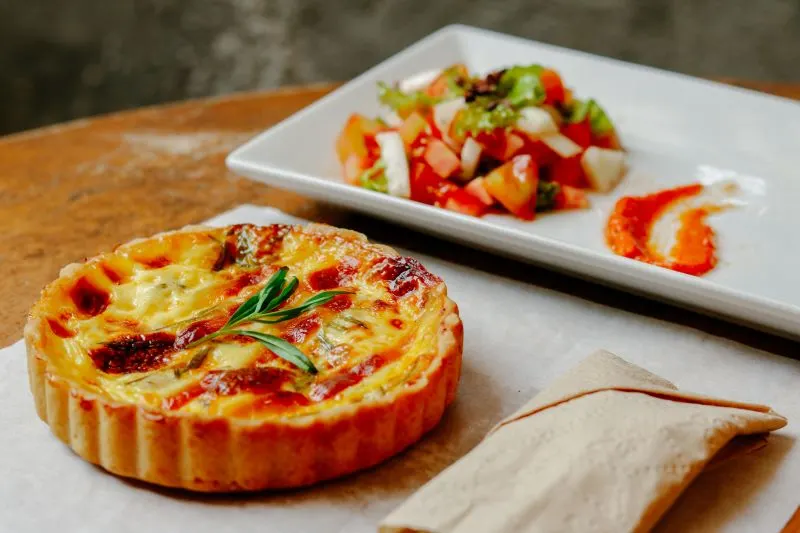
- L’Atelier de Gaztelur: A fine dining restaurant known for its creative Basque cuisine and elegant ambiance.
- Le Café du Théâtre: Offers a mix of French and Basque dishes with a charming setting near the theater.
- L’Auberge Gourmande: A cozy restaurant serving traditional Basque cuisine in a warm atmosphere.
- Chez Renaud: A seafood-focused eatery offering fresh catches and seafood platters.
- L’Estanquet: Known for its regional dishes and tapas-style pintxos, creating a vibrant atmosphere.
- Le Bistrot Gourmand: Offers a variety of dishes with a focus on fresh and local ingredients.
- Casa Pepe: A casual spot with a mix of Spanish and Basque flavors, known for its tapas and paella.
- Chez Martin: A restaurant specializing in grilled meats and local specialties.
- Le Pim’pi: A popular place for pintxos and tapas, providing an authentic Basque culinary experience.
- La Pizzeria du Boulevard: A pizzeria offering a range of pizza options in a relaxed setting.
- Bodega Bayonne: A lively spot with a wide range of pintxos and a bustling atmosphere.
- Le Carreau des Halles: Located in the market, this restaurant serves fresh, seasonal cuisine.
- La Table Basque: Offers a variety of Basque dishes with a focus on quality ingredients.
- Le Bouchon du Midi: A cozy restaurant serving classic French and Basque cuisine.
- Le Marmiton: Known for its hearty and flavorful dishes, often featuring local ingredients.
- La Tupina: Offers rustic and traditional dishes in a charming and historic setting.
- Le Café Bleu: A relaxed café offering a mix of French and Basque dishes.
- Le Restaurant du Fronton: Features a mix of traditional Basque cuisine and modern touches.
- Le Txakoli: Known for its seafood dishes and a welcoming atmosphere.
- Le Petit Atelier: A cozy spot offering a mix of French and Basque dishes.
Transportation In Bayonne
Transportation in Bayonne is characterized by a mix of options that cater to both locals and visitors. As a city in the Basque Country of France, Bayonne benefits from its strategic location near major roadways, public transportation systems, and access to neighboring towns and cities.
Public Transportation:
- Bus: Bayonne has a well-developed public bus network that connects various parts of the city and its surrounding areas. Buses are operated by the company Chronoplus and provide an efficient way to move around Bayonne and nearby towns.
- Tramway: The Tram’bus system, introduced in 2019, combines tram and bus services. It connects Bayonne with nearby towns like Biarritz and Anglet, making it a convenient and eco-friendly option for travel within the agglomeration.
Rail Transportation:
Bayonne is well-connected to France’s national railway network (SNCF). The Bayonne railway station (Gare de Bayonne) serves as a major transportation hub, offering connections to various destinations within the region and beyond. High-speed TGV trains also pass through Bayonne, providing connections to major cities like Paris and Bordeaux.
Car Rentals and Taxis:
- Car Rentals: Renting a car is a common option for travelers who want to explore Bayonne and its surroundings at their own pace. Several car rental agencies offer a range of vehicles to suit different needs.
- Taxis: Taxis are available in Bayonne, providing on-demand transportation services for both short trips within the city and longer journeys.
Biking and Walking:
- Biking: Bayonne is a relatively bike-friendly city, with bike lanes and paths that make cycling a viable mode of transportation. Bike rental services are also available for those who wish to explore the city on two wheels.
- Walking: The city center of Bayonne is compact and pedestrian-friendly, making walking a convenient and enjoyable way to discover its charming streets, historic sites, and cultural attractions.
Ferries:
Bayonne is situated near the Adour River, which connects to the Bay of Biscay. While not a primary mode of transportation within the city, ferry services are available for recreational purposes, offering boat rides and scenic views along the river.
Getting to Bayonne:
Bayonne is easily accessible by various means of transportation:
- Air: The nearest major airport is Biarritz Pays Basque Airport (BIQ), which is located about 6 kilometers southwest of Bayonne. From the airport, travelers can use public transportation, taxis, or car rentals to reach the city.
- Train: Bayonne’s railway station provides connections to cities throughout France and beyond, making train travel a convenient option for getting to the city.
Whether you prefer public transportation, cycling, or driving, Bayonne offers a range of choices to help you navigate the city and its surroundings efficiently and comfortably.
In conclusion, Bayonne, France, stands as a captivating destination where history, culture, and natural beauty converge to create a vibrant and enriching experience for visitors. From its iconic Cathedral of Saint Mary to its charming streets and bustling markets, Bayonne offers a plethora of activities that cater to a diverse range of interests.
The city’s Basque heritage infuses every corner with a unique and authentic charm, reflected in its culinary delights, traditional festivals, and warm hospitality.
Exploring the Museum of Basque Culture and the Bayonne City Hall, wandering through the historic districts of Petit Bayonne and Grand Bayonne, and savoring the local flavors at Les Halles de Bayonne are just a few of the myriad experiences awaiting curious travelers.
The city’s connection to the Adour River and the picturesque landscapes surrounding it offer opportunities for leisurely strolls, relaxation, and outdoor exploration.
Delving into the world of chocolate at the Bayonne Chocolate Museum and experiencing the excitement of the Bayonne Festival or the Bayonne Chocolate Festival provide unique glimpses into the city’s cultural tapestry.
Additionally, the Bayonne Basque Country Tourism Office serves as an invaluable resource for guidance and insights to ensure an enriching journey.
Whether you’re fascinated by historical architecture, eager to embrace the Basque way of life, or simply seeking a place where tradition and modernity harmoniously coexist, Bayonne offers a wealth of experiences that leave an indelible mark on the hearts of those who visit.
With its charm, warmth, and the authenticity of its Basque heritage, Bayonne stands as an inviting destination that beckons travelers to uncover its many treasures and immerse themselves in its captivating spirit.
Leave a comment