

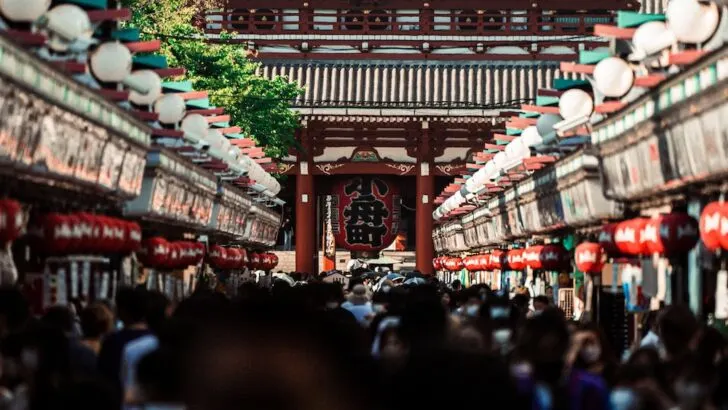
Asakusa is a historic and vibrant district located in the Taito ward of Tokyo, Japan. Known for its rich cultural heritage, traditional architecture, and bustling atmosphere, Asakusa is a popular destination that offers a blend of old-world charm and modern attractions.
Historical Significance: Asakusa’s history dates back centuries, making it one of Tokyo’s most storied neighborhoods. It was a bustling entertainment and commercial center during the Edo period (17th to mid-19th century), and its proximity to the Sumida River contributed to its prosperity.
Despite undergoing significant changes over the years, Asakusa has managed to preserve its cultural identity and historical significance.
Senso-ji Temple: One of the most iconic landmarks in Asakusa is Senso-ji Temple, Tokyo’s oldest and most famous Buddhist temple.
Founded in the 7th century, the temple is dedicated to the bodhisattva Kannon (Avalokiteshvara) and is a symbol of spiritual devotion. The Kaminarimon Gate at the entrance of Nakamise Street leads visitors to the temple’s Main Hall, creating a pathway of traditional shops and stalls offering souvenirs and treats.
Nakamise Street: Nakamise Street is a bustling shopping street that stretches from the Kaminarimon Gate to Senso-ji Temple.
Lined with traditional stalls and shops, it offers an array of Japanese snacks, crafts, souvenirs, and street food. It’s a perfect place to immerse yourself in local culture and pick up unique items to remember your visit.
Modern and Traditional Blend: While Asakusa is celebrated for its historical significance, it seamlessly combines the old with the new. Tokyo Skytree, one of the world’s tallest towers, stands nearby and provides a modern contrast to Asakusa’s traditional architecture.
The area around Tokyo Skytree, known as Tokyo Skytree Town, offers shopping, dining, and entertainment options.
Cultural Experiences: Beyond its architectural wonders, Asakusa offers a plethora of cultural experiences. Visitors can explore the Edo-Tokyo Museum to learn about Tokyo’s evolution, watch traditional sumo wrestling matches at Ryogoku Kokugikan, and enjoy geisha performances at Asakusa Engei Hall.
Cuisine and Nightlife: Asakusa’s culinary scene is a treat for food enthusiasts. From traditional street food along Nakamise Street to local izakayas (Japanese pubs) and upscale dining options, the district offers a range of flavors to indulge in.
The nightlife comes alive with the buzz of bars, karaoke spots, and theaters, making it a lively destination well into the evening.
Asakusa’s timeless appeal lies in its ability to transport visitors back in time while offering a vibrant contemporary atmosphere. Its historic landmarks, cultural richness, and warm hospitality make it a must-visit destination for those seeking an authentic Tokyo experience.
1. Senso-ji Temple: Explore Tokyo’s oldest temple, known for its impressive gate (Kaminarimon) and vibrant shopping street (Nakamise-dori)

Senso-ji Temple, also known as Asakusa Kannon Temple, is one of Tokyo’s most iconic and historic landmarks. It is located in the Asakusa district and is revered as the oldest temple in the city. The temple is dedicated to the Bodhisattva Kannon, a symbol of compassion and mercy in Buddhist tradition.
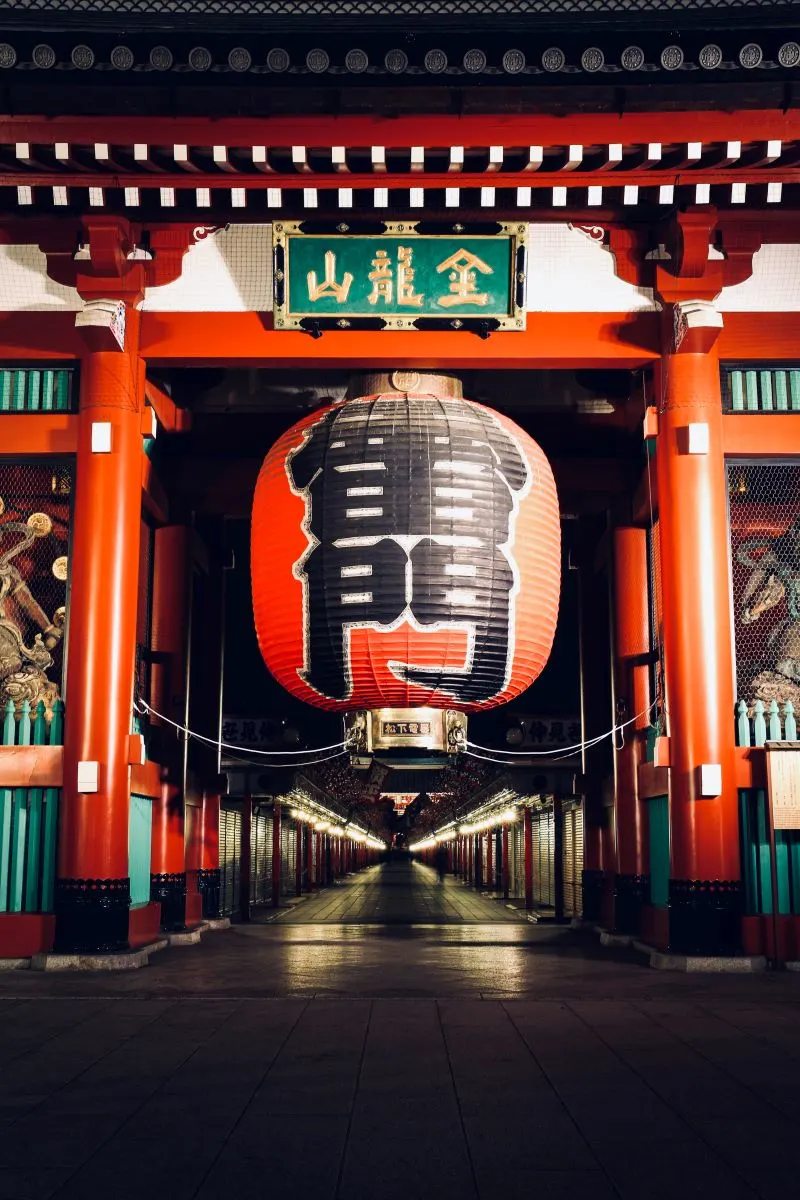
The main entrance to Senso-ji is marked by the impressive Kaminarimon Gate, a massive red gate adorned with a large lantern.
As you pass through the gate, you’ll enter Nakamise-dori, a lively shopping street lined with traditional stalls selling a variety of souvenirs, snacks, and crafts.
At the end of Nakamise-dori, you’ll reach the Hozomon Gate, which leads to the temple’s main hall. Inside the temple complex, you’ll find the Main Hall (Hondo), where visitors can offer prayers and make offerings. Adjacent to the Main Hall is a five-story pagoda that adds to the temple’s charm.
Senso-ji Temple holds cultural and historical significance, and its vibrant atmosphere is a blend of spirituality and tourism.
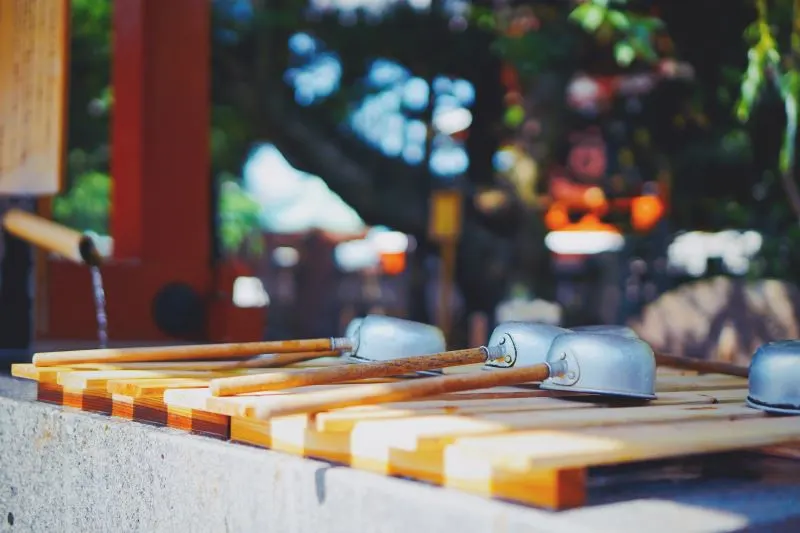
The temple is often bustling with both locals and tourists who come to admire its architecture, learn about its history, and experience traditional Japanese customs such as purifying themselves with incense smoke and making offerings.
2. Asakusa Culture and Tourist Information Center: Enjoy panoramic views of the area from the observation deck and gather information about Asakusa

The Asakusa Culture and Tourist Information Center is a modern architectural landmark located in the Asakusa district of Tokyo.
It serves as both a tourist information center and an observation deck, offering visitors a combination of practical assistance and stunning views of the surrounding area.
The building’s design is distinctive and futuristic, featuring a unique shell-like structure with a spiraling ramp that wraps around its exterior.
This ramp leads visitors from the ground level to the top, where the observation deck is located. The exterior of the building is covered in glass panels, allowing for plenty of natural light to filter through and offering panoramic views even as you ascend the ramp.
Key features of the Asakusa Culture and Tourist Information Center include:
Tourist Information Services: As a tourist information center, it provides maps, brochures, and assistance to visitors looking to explore Asakusa and Tokyo in general.
Observation Deck: The highlight of the center is its observation deck on the top floor. From here, you can enjoy breathtaking views of iconic landmarks such as Senso-ji Temple, Tokyo Skytree, and the Sumida River. It’s a fantastic vantage point for photography and to get a sense of the neighborhood’s layout.
Café: There is a café on the observation deck level where you can relax, enjoy refreshments, and take in the scenery.
Gift Shop: A souvenir shop is also available, offering a range of Tokyo-themed merchandise and traditional Japanese products.
The Asakusa Culture and Tourist Information Center is not only a practical resource for travelers seeking guidance but also an architectural gem that adds a contemporary touch to the historic surroundings of Asakusa.
It’s a great starting point for your exploration of the area and a place to capture some stunning views of Tokyo’s skyline.
3. Asakusa Shrine: Pay a visit to this Shinto shrine located near Senso-ji, offering a serene atmosphere

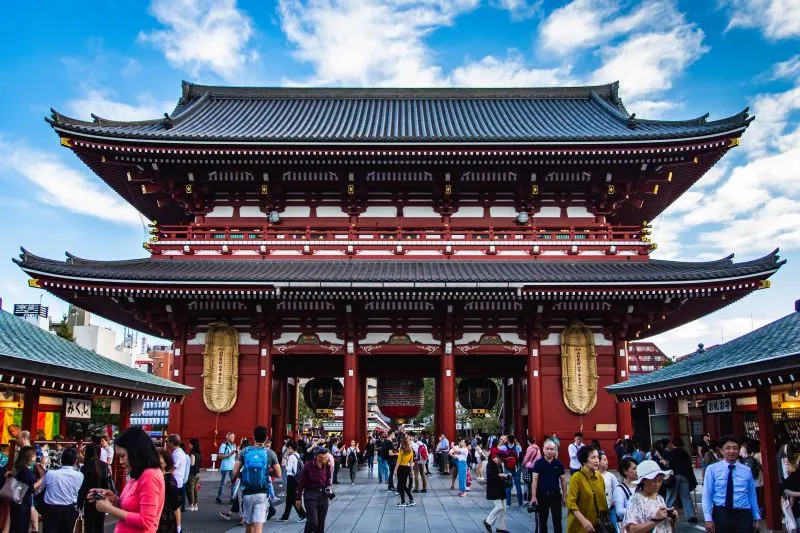
Asakusa Shrine, also known as Senso-ji or Asakusa Kannon Temple, is a historic and renowned Shinto shrine located in the Asakusa district of Tokyo, Japan.
It is one of Tokyo’s most visited and iconic cultural landmarks. The shrine is dedicated to the bodhisattva Kannon (known as Guanyin in Chinese Buddhism), and it is believed to have been founded in the 7th century.
The main entrance to the shrine is marked by the Kaminarimon Gate, which translates to “Thunder Gate.” This gate features a massive red lantern and leads visitors through Nakamise Street, a bustling shopping street lined with traditional stalls and shops selling a wide variety of souvenirs, snacks, and traditional crafts.
Beyond the Kaminarimon Gate, visitors will encounter the Hozomon Gate, which is adorned with impressive statues and offers access to the main hall of the shrine.
The main hall, known as the Main Hall or Hondo, is where worshippers offer prayers and make offerings to the deity. Adjacent to the Main Hall is a five-story pagoda, another striking architectural feature of the shrine.
Asakusa Shrine attracts both locals and tourists alike who come to experience the rich cultural heritage, traditional architecture, and spiritual atmosphere that the shrine offers.
It’s a place where visitors can immerse themselves in Japan’s history and customs while enjoying the vibrant atmosphere of the surrounding Asakusa district.
4. Asakusa Engei Hall: Enjoy traditional Japanese variety shows featuring comedy, magic, and more

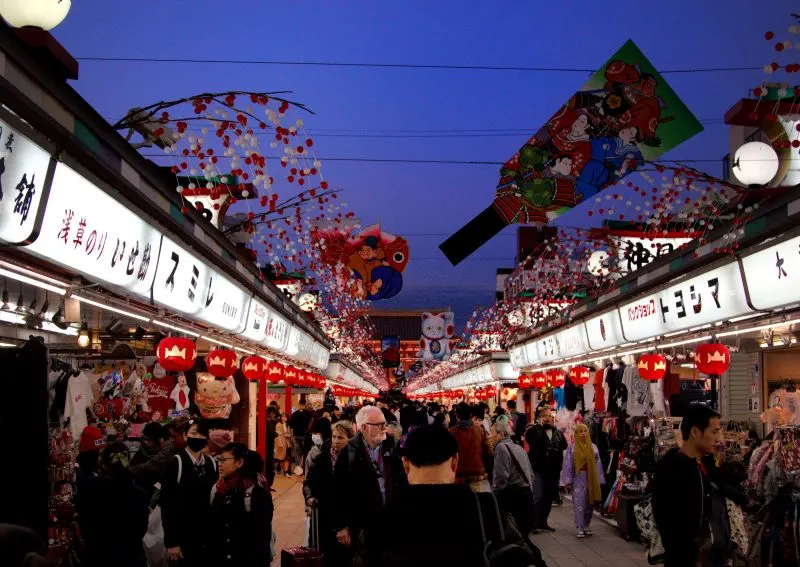
Asakusa Engei Hall, also known as Asakusa Geijutsu Hall, is a traditional Japanese theater located in the Asakusa district of Tokyo, Japan.
It is known for hosting a variety of comedic performances and traditional Japanese entertainment, such as rakugo (comic storytelling), manzai (stand-up comedy duos), and other forms of engei (variety entertainment).
The hall provides a platform for performers to showcase their comedic and artistic talents in a lively and engaging manner. Audience members can experience the charm of classic Japanese humor and entertainment styles that have been passed down through generations.
Asakusa Engei Hall plays a significant role in preserving and promoting these traditional forms of entertainment, offering visitors a glimpse into Japan’s cultural heritage while providing an enjoyable and entertaining experience.
5. Tokyo Skytree: Head over to this iconic broadcasting and observation tower for breathtaking views of Tokyo

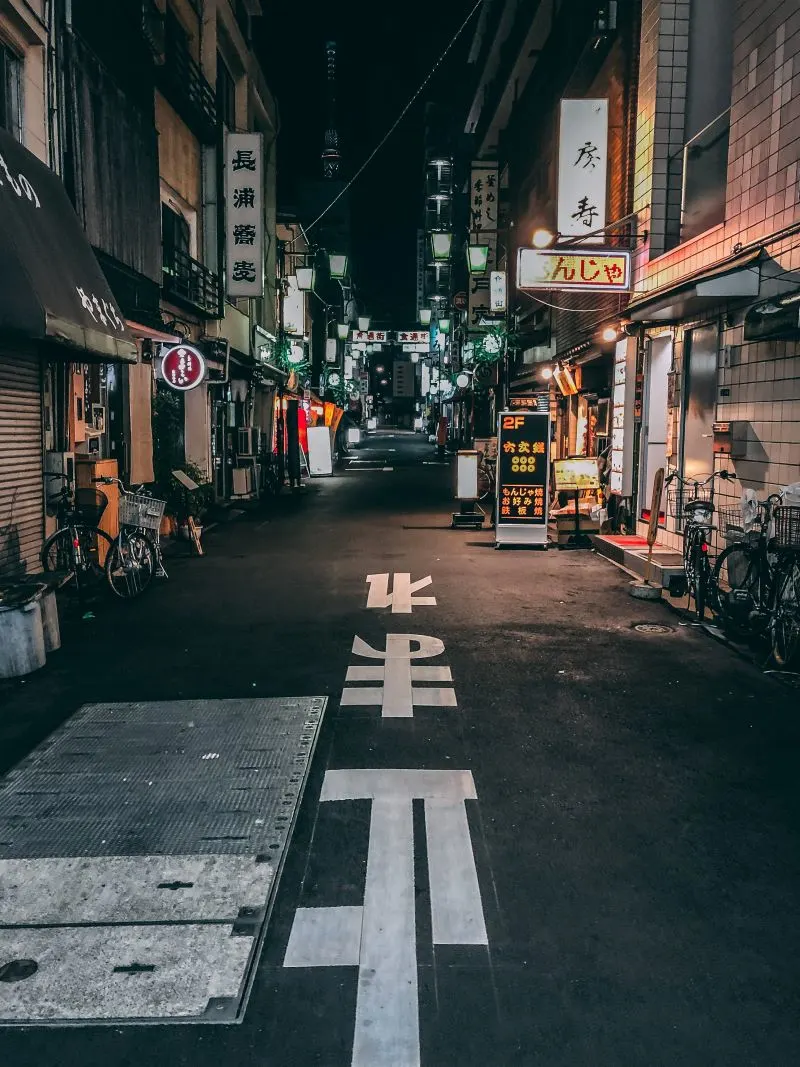
Tokyo Skytree is a towering landmark located in the Sumida Ward of Tokyo, adjacent to the Asakusa district. It is one of the most iconic modern structures in Tokyo and a popular tourist attraction.
Tokyo Skytree is a broadcasting and observation tower that stands as the tallest structure in Japan and one of the tallest towers in the world.
Its distinctive design draws inspiration from traditional Japanese architecture and features a combination of modern technology and cultural aesthetics.
The tower serves multiple purposes, primarily as a broadcasting hub for television and radio signals, improving signal coverage for the Tokyo metropolitan area.
However, it’s also a major tourist attraction due to its observation decks, which provide breathtaking panoramic views of Tokyo and its surrounding areas.
The two main observation decks are called Tembo Deck and Tembo Galleria. Visitors can take high-speed elevators to these decks to enjoy stunning vistas, especially during clear weather or at sunset.
Located near the tower is Tokyo Solamachi, a multi-level shopping and entertainment complex that offers a wide range of stores, restaurants, and attractions.
This makes Tokyo Skytree not just a vantage point but also a comprehensive destination for shopping, dining, and leisure activities.
The tower’s prominent location near the historic Asakusa district adds to its appeal, as visitors can explore the traditional culture of Asakusa before or after their Skytree experience.
6. Sumida Park: Relax in this riverside park, particularly beautiful during cherry blossom season

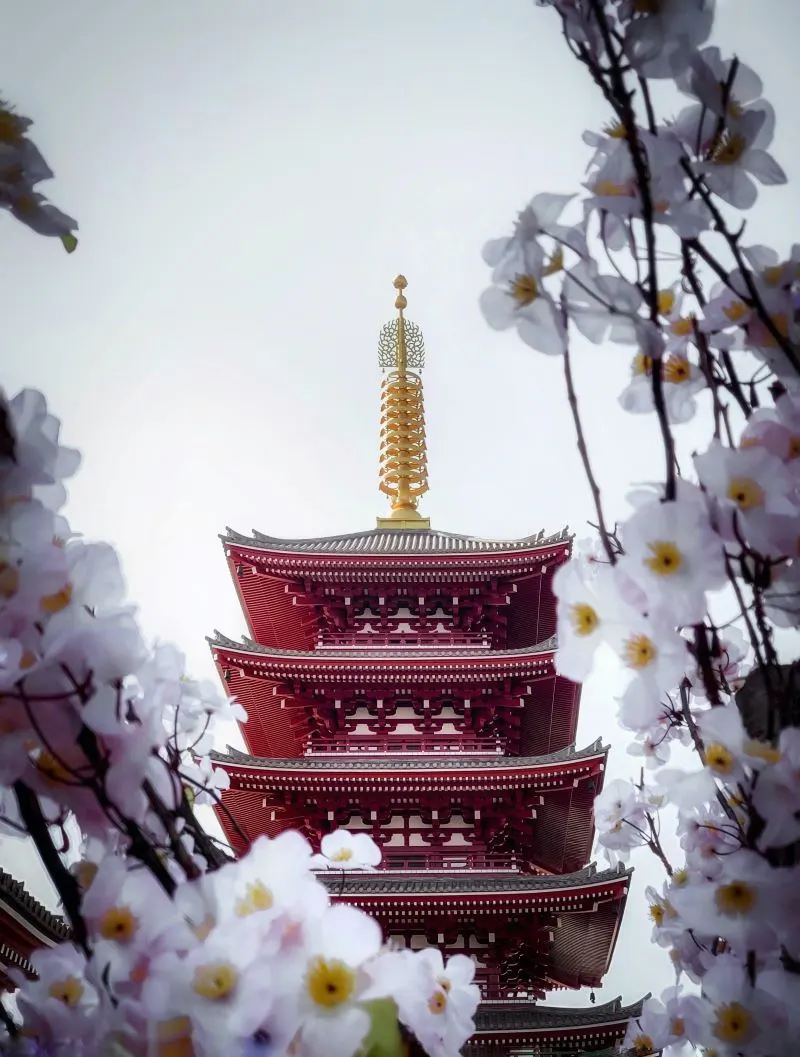
Sumida Park is a scenic public park situated in the Sumida ward of Tokyo, near the Asakusa district. It’s celebrated for its beauty, cherry blossoms, and its location along the Sumida River.
Sumida Park is a popular destination, especially during cherry blossom season. The park becomes a hub for hanami (cherry blossom viewing) as the cherry trees lining the riverbanks burst into vibrant colors. People come to the park to enjoy picnics, strolls, and the ethereal beauty of the cherry blossoms in full bloom.
The park offers walking paths that meander through lush landscapes, making it an ideal spot for a leisurely exploration of nature.
The Sumida River enhances the park’s charm, providing a serene backdrop for relaxation and contemplation. Benches and open spaces are thoughtfully placed throughout the park, allowing visitors to sit and take in the surroundings.
One of the distinctive features of Sumida Park is the iconic Azumabashi Bridge, which crosses the Sumida River and provides scenic vistas of Tokyo Skytree in the distance. Additionally, the park is near the Hokusai Museum, dedicated to the famous ukiyo-e artist Katsushika Hokusai.
Because Sumida Park is close to both Asakusa and Tokyo Skytree, it’s convenient for those exploring these neighboring attractions.
The park showcases the rhythm of the seasons, allowing visitors to experience nature’s splendor and find a peaceful retreat amid Tokyo’s urban environment.
7. Kappabashi Street: Known for kitchenware and restaurant supplies, it’s a great place to find unique souvenirs

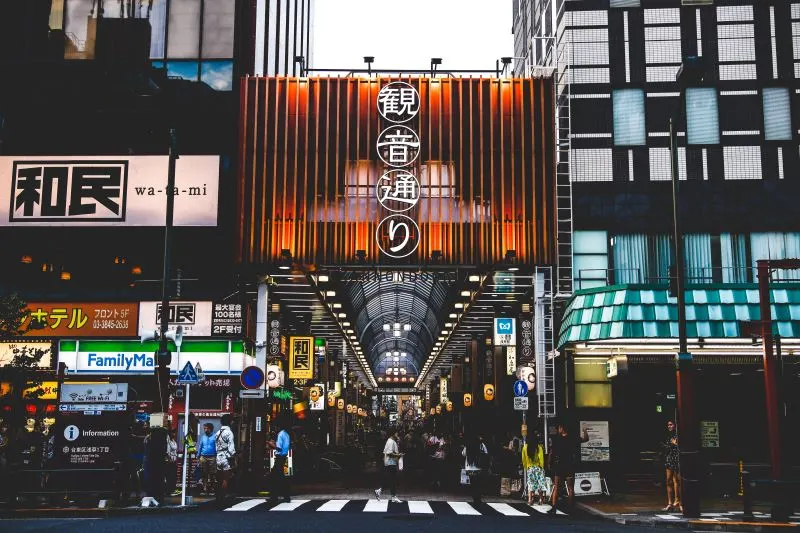
Kappabashi Street, located in the Asakusa area of Tokyo, is a unique and bustling shopping district renowned for its assortment of kitchenware, restaurant supplies, and culinary-related goods.
Kappabashi Street, often referred to simply as “Kappabashi,” is a haven for chefs, restaurateurs, food enthusiasts, and tourists seeking a variety of kitchen and dining-related products.
The street stretches for several blocks and is lined with an extensive array of stores offering everything from cooking utensils, knives, and pots to tableware, plastic food replicas, and even specialized restaurant equipment.
One of the street’s distinct features is the abundance of stores selling plastic food replicas, known as “sampuru” in Japanese. These intricate and detailed replicas are often found displayed outside restaurants to give customers a visual representation of the dishes offered.
Kappabashi Street caters not only to professional chefs and restaurant owners but also to tourists looking for unique souvenirs related to Japanese cuisine and cooking.
The street’s atmosphere is lively and colorful, and visitors can explore shops brimming with a diverse selection of items that cater to various tastes and budgets.
The street’s location near Asakusa’s popular attractions, such as Senso-ji Temple and Tokyo Skytree, makes it a convenient stop for tourists looking to bring home a piece of Japanese culinary culture.
8. Hanayashiki Amusement Park: Experience the nostalgia of a historic amusement park with retro rides

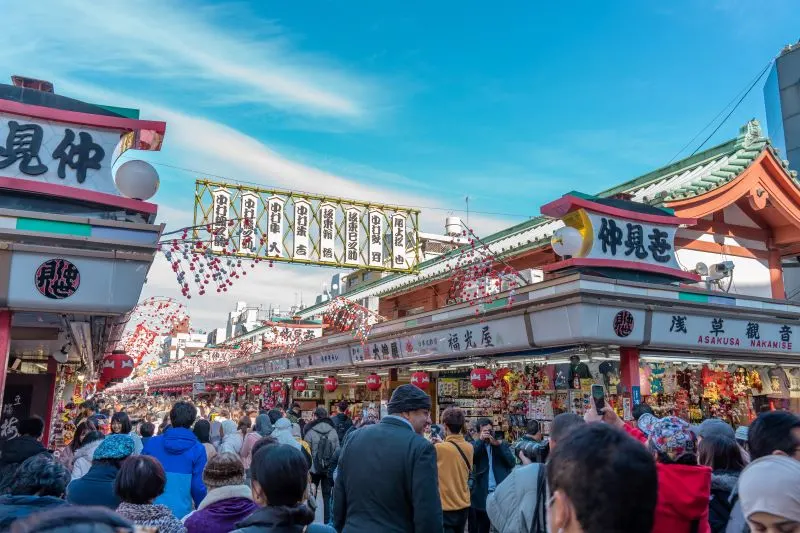
Hanayashiki Amusement Park, located in the Asakusa district of Tokyo, is one of Japan’s oldest amusement parks and offers a nostalgic and charming experience for visitors.
Hanayashiki Amusement Park is a compact and historic amusement park that dates back to 1853, making it one of the oldest amusement parks in Japan.
The park exudes a retro atmosphere, combining modern rides and attractions with a sense of traditional Japanese aesthetics. It’s known for its vintage charm and the contrast it offers against the backdrop of Tokyo’s modern skyline.
The park features a variety of attractions suitable for visitors of all ages. It offers classic amusement park rides such as roller coasters, a merry-go-round, a haunted house, and a Ferris wheel, as well as more modern and innovative rides.
The park is particularly beloved for its quaint and intimate setting, which provides a distinct departure from larger, more commercialized amusement parks.
Hanayashiki Amusement Park’s location in the heart of Asakusa makes it a convenient destination for tourists exploring the historic district and its nearby attractions, including Senso-ji Temple and Tokyo Skytree.
9. Hoppy Street: Experience the local atmosphere at this alley filled with small bars and street food stalls

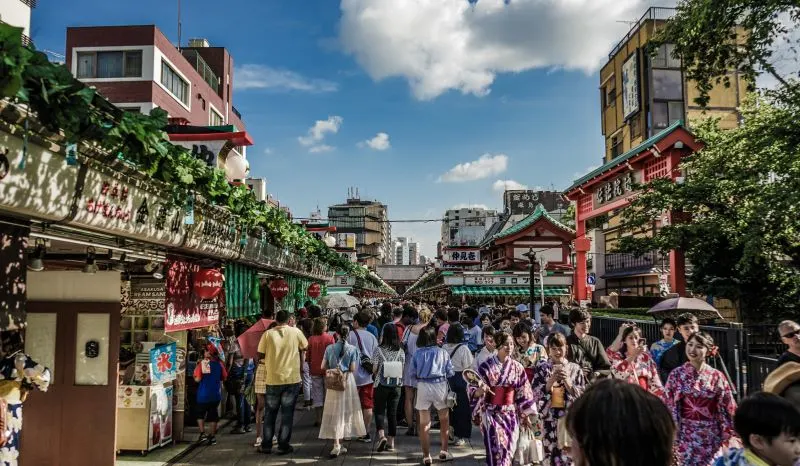
Hoppy Street, located in the Asakusa district of Tokyo, is a lively and atmospheric area known for its izakayas (Japanese-style pubs) and the popular beverage known as “hoppy.”
Hoppy Street is a narrow pedestrian lane lined with a variety of cozy and traditional izakayas. What sets this area apart is its association with a unique drink called “hoppy.”
Hoppy is a non-alcoholic beer-flavored beverage that was historically mixed with shochu (a distilled spirit) to create a budget-friendly drink similar to beer. This practice originated during post-war times when beer was scarce and expensive.
Visitors to Hoppy Street can experience a nostalgic atmosphere that harks back to Tokyo’s past, with the izakayas serving a wide range of dishes and snacks that pair well with hoppy or other drinks.
The street’s traditional ambiance and the chance to sample this historic beverage make it a popular spot for both locals and tourists looking for a taste of authentic Japanese pub culture.
The izakayas along Hoppy Street provide a cozy and social environment, where patrons can enjoy good food, drinks, and conversation. It’s a chance to immerse oneself in the local nightlife scene and enjoy a unique aspect of Tokyo’s cultural history.
10. Asakusa Rox: A modern shopping complex with various fashion and lifestyle stores

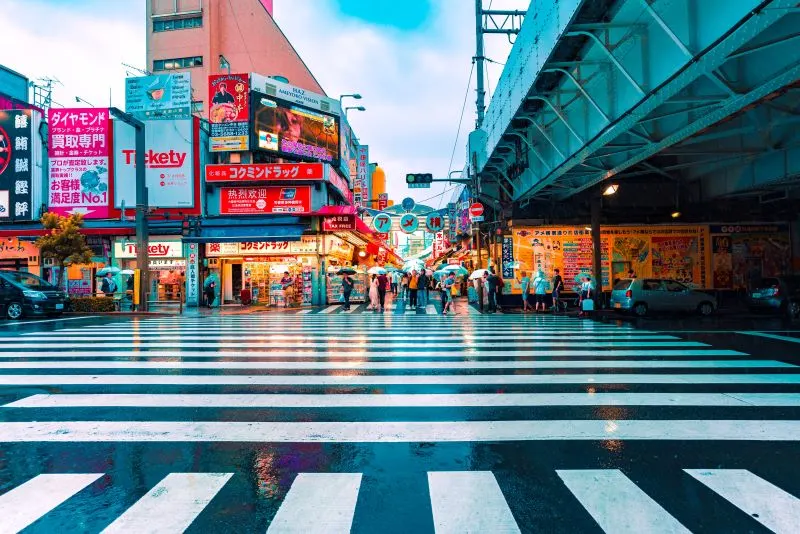
Asakusa ROX is a shopping complex located in the Asakusa district of Tokyo, Japan. It offers a mix of retail, dining, and entertainment options for both locals and tourists.
Asakusa ROX is a modern and stylish shopping center situated in the historic neighborhood of Asakusa. The complex provides a contrast to the traditional surroundings, making it a popular destination for those looking to enjoy contemporary shopping experiences in a traditional setting.
The shopping center houses a variety of shops, ranging from fashion and accessories to cosmetics, electronics, and more. Visitors can explore a selection of both Japanese and international brands, giving them the opportunity to shop for trendy and fashionable items.
In addition to shopping, Asakusa ROX features a range of dining options, from casual eateries to more upscale restaurants. This allows visitors to enjoy a diverse selection of cuisines, including Japanese, Western, and international fare.
Asakusa ROX’s location is convenient for tourists exploring the historic attractions of Asakusa, such as Senso-ji Temple and Nakamise Street. It provides a modern and comfortable shopping environment while still allowing visitors to experience the unique charm of the Asakusa district.
Food In Asakusa

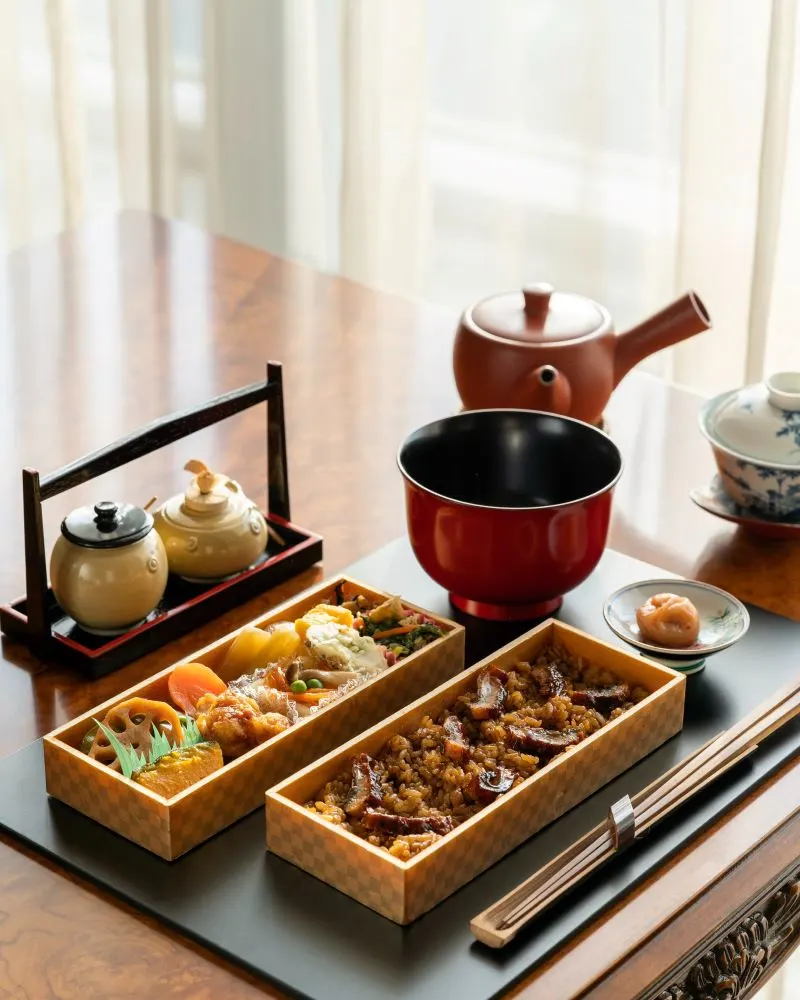
Exploring Culinary Delights: A Gastronomic Journey Through Asakusa
Asakusa, a historic district nestled in the heart of Tokyo, is not only renowned for its cultural landmarks but also for its diverse and delectable culinary offerings.
From traditional Japanese street food to modern twists on classic dishes, Asakusa’s food scene is a captivating blend of flavors that captivates the senses of both locals and tourists. Let’s embark on a gastronomic journey through the streets of Asakusa, exploring the culinary treasures that await.
Nakamise Street: A Paradise of Traditional Treats
No exploration of Asakusa’s food scene is complete without a stroll down Nakamise Street. This vibrant shopping street leading to Senso-ji Temple is a haven for street food enthusiasts.
As you meander through the bustling stalls, you’ll be enticed by the aroma of freshly baked ningyo-yaki (sweet bean-filled cakes shaped like dolls), savory senbei (rice crackers), and crispy agemanju (deep-fried buns with various fillings).
Don’t miss the opportunity to savor a warm, aromatic cup of matcha tea and indulge in a medley of wagashi (Japanese confections) that harmonize sweetness with artistry.
Tempura Heaven: The Art of Light and Crispy Delights
For aficionados of tempura, Asakusa offers a delightful range of tempura restaurants that showcase the artistry of frying. Immerse yourself in the elegant ambiance of traditional tempura eateries, where expert chefs skillfully prepare seasonal ingredients, from seafood to vegetables, with precision.
Each piece of tempura is meticulously coated and fried to a golden, delicate crispness, capturing the essence of Japanese culinary finesse.
Izakayas: Where Tradition Meets Casual Elegance
Asakusa’s charm extends beyond street food and traditional fare to the realm of izakayas, Japanese-style pubs that offer a convivial atmosphere to unwind with friends and enjoy a variety of small plates and drinks.
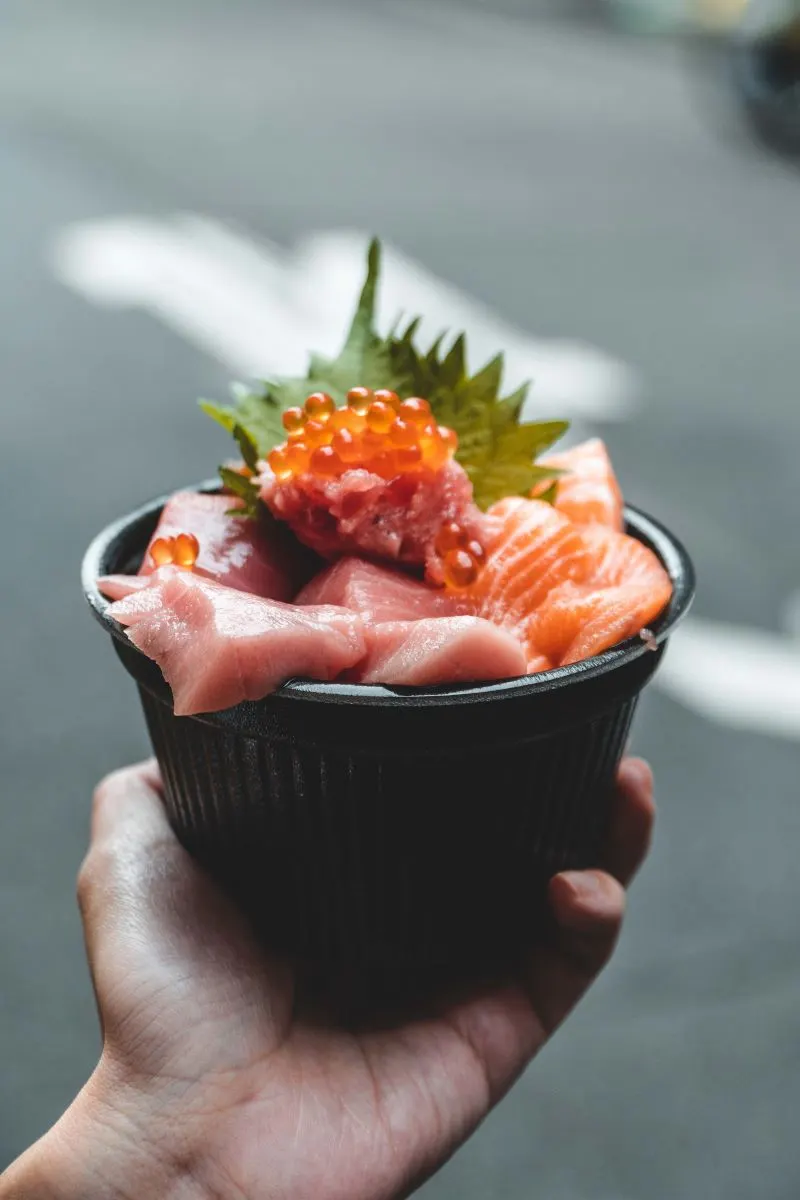
Indulge in an array of yakitori (grilled skewers), edamame (soybeans), and a selection of sashimi while sipping on sake or shochu. These izakayas provide a glimpse into local life and offer a perfect balance of authentic flavors and sociable vibes.
Modern Innovations: Fusion and Creativity
While rooted in tradition, Asakusa’s food scene also embraces culinary innovation. Modern cafes and eateries in the district craft inventive dishes that blend traditional Japanese elements with global influences.
Savor dishes like matcha-infused pastries, Japanese-style burgers, or tempura tacos that reflect a fusion of tastes and culinary imagination.
Unveiling Sweet Sensations: Asakusa’s Dessert Delights
Asakusa’s culinary adventure is incomplete without exploring its delightful dessert offerings. From creamy matcha-flavored treats to delicate dorayaki (pancake-like confections filled with sweet fillings), the district’s dessert shops cater to those with a sweet tooth.
Indulge in a flavorful symphony of textures and tastes, a testament to Japan’s prowess in creating desserts that are as visually appealing as they are delicious.
A Culinary Odyssey in Asakusa
Asakusa’s culinary landscape is a captivating tapestry that weaves tradition, innovation, and flavor together in a harmonious dance.
Whether you’re savoring centuries-old recipes passed down through generations or relishing in the creative twists of modern interpretations, Asakusa’s food scene is an essential chapter in Tokyo’s culinary story. So, embark on a culinary odyssey and let your taste buds savor the unique tapestry of flavors that this historic district has to offer.
Top 20 Best Restaurants In Asakusa, Tokyo

- Asakusa Imahan – A renowned restaurant for sukiyaki and shabu-shabu.
- Unagi Hirokawa – Specializes in grilled eel dishes, a Japanese delicacy.
- Komagata Dozeu – Offers a traditional dojou nabe (loach hot pot) experience.
- Kibiya – Known for its tempura dishes made with seasonal ingredients.
- Marugoto Nippon – A food market offering various Japanese dishes under one roof.
- Sometaro – A classic okonomiyaki restaurant where you can cook your own savory pancakes.
- Owl Café Akiba Fukurou – A unique cafe where you can enjoy drinks while interacting with owls.
- Menya Yūgen – Serves flavorful ramen in a modern and stylish setting.
- Sumibiyakitori En – Offers a variety of grilled skewers in a cozy atmosphere.
- Tempura Kondo – An upscale tempura restaurant with a focus on quality ingredients.
- Issen Yoshoku – Known for its signature dish, “okonomiyaki senbei,” a savory rice cracker.
- Asakusa Kibi – Offers a variety of Japanese comfort food dishes.
- Kagetsu – A classic soba noodle shop with a long history.
- Edoya – Famous for its traditional Tokyo-style monjayaki.
- Niku Yokocho – A street with various yakiniku (grilled meat) restaurants.
- Okonomiyaki Kiji – Serves Hiroshima-style okonomiyaki with multiple layers.
- Asakusa Menchi – Offers deep-fried meat and vegetable croquettes.
- Chuka Soba Inoue – A ramen shop specializing in soy sauce-based broth.
- Katsukura Asakusa Tobu Skytree Town – Serves crispy and tender tonkatsu (breaded and deep-fried pork cutlet).
- Torikizoku Asakusa – A budget-friendly izakaya chain known for its yakitori and drinks.
Transportation In Asakusa
Transportation in Asakusa is well-connected and diverse, offering visitors multiple options to navigate this historic district of Tokyo.
- Tokyo Metro: Asakusa Station serves as a major transportation hub in the area. It’s accessible via the Tokyo Metro’s Ginza Line, Tobu Skytree Line, and Toei Asakusa Line. These subway lines connect Asakusa to other popular districts and attractions across Tokyo.
- Toei Buses: Toei buses provide convenient transportation within Asakusa and to nearby neighborhoods. They offer a cost-effective way to explore the area and reach destinations not directly accessible by train.
- Water Bus: Asakusa is located along the Sumida River, and you can enjoy a scenic boat ride on the Tokyo Water Bus. This is a unique way to travel to other parts of the city while taking in picturesque views of Tokyo’s skyline.
- Tobu Railway: Tobu Railway operates the Tobu Skytree Line, which connects Asakusa to Tokyo Skytree, Oshiage, and other destinations. It’s a convenient option if you’re planning to visit Tokyo Skytree or explore beyond Asakusa.
- Walking and Cycling: Asakusa is a pedestrian-friendly area with many attractions within walking distance of each other. Renting a bicycle is also a fun and eco-friendly way to explore the district and its surrounding neighborhoods.
- Taxis and Ride-Sharing: Taxis are readily available in Asakusa and offer a more personalized mode of transportation. Additionally, ride-sharing services like Uber operate in Tokyo, providing an alternative to traditional taxis.
- Parking: If you’re traveling by car, there are parking facilities available in Asakusa, but they can be limited due to the dense urban environment. It’s recommended to research parking options in advance if you plan to drive.
Asakusa’s central location and connectivity make it easy to travel to and from the district. Whether you prefer the efficiency of the subway, the charm of a boat ride, or the flexibility of walking, you’ll find transportation options that suit your preferences and help you make the most of your visit to this historic part of Tokyo.
In conclusion, Asakusa stands as a captivating district that effortlessly marries history and modernity, offering a tapestry of experiences that resonate with both locals and visitors.
The “10 Best Things to Do in Asakusa” encapsulate the essence of this remarkable neighborhood, where the past and present converge to create a truly enriching journey.
From the iconic Senso-ji Temple and its vibrant Nakamise Street, where centuries-old traditions thrive among bustling market stalls, to the futuristic Tokyo Skytree that punctuates the skyline with its modern grandeur, Asakusa bridges the gap between eras, inviting exploration and contemplation.
The Edo-Tokyo Museum, Ryogoku Kokugikan, and Hanayashiki Amusement Park provide windows into Japan’s history, culture, and entertainment.
These experiences allow us to delve into the stories that have shaped the nation and enjoy moments of excitement and laughter.
The district’s culinary scene is a symphony of flavors, offering a spectrum of options from street food to upscale dining.
It’s here that traditional recipes and innovative twists on classic dishes harmonize, satisfying both discerning palates and curious food enthusiasts.
Asakusa’s allure extends beyond its tangible attractions, capturing the intangible essence of Tokyo’s soul. The spirit of camaraderie and community in izakayas, the reverence in temples, and the laughter shared along Hoppy Street all contribute to the vibrant heartbeat of this district.
In Asakusa, the past serves as a foundation upon which the present blossoms, creating a dynamic blend that invites all who visit to experience a genuine connection to Japan’s intricate tapestry of culture and heritage.
Whether you’re seeking enlightenment, entertainment, or a simple moment of serenity by the riverbanks, Asakusa delivers an unforgettable journey through time and emotion, leaving an indelible mark on those fortunate enough to tread its historic streets.
Leave a comment