

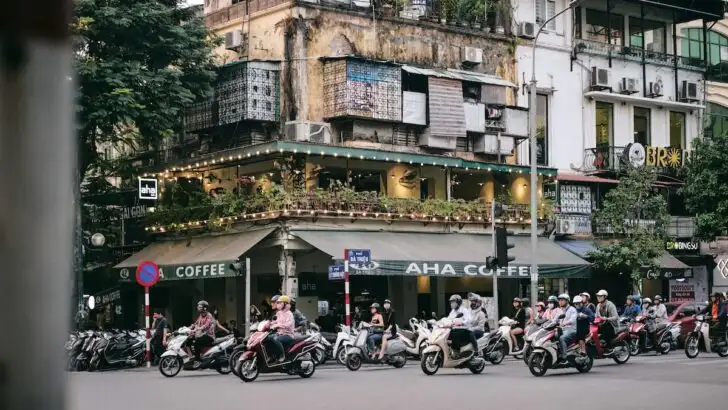
Hanoi, the bustling capital of Vietnam, is renowned for its rich culture, historical landmarks, and vibrant street life. However, as with many tourist destinations, Hanoi has its share of scams. Being aware of these pitfalls can help ensure a smooth and enjoyable visit. Here are the top 10 scams to watch out for in Hanoi, along with tips to avoid them and where they typically occur.
1. Taxi and Ride-Hailing Scams
What Happens: Some unscrupulous taxi drivers use rigged meters that increase fares at an alarming rate. Others may take unnecessarily long routes to inflate the fare or outright refuse to use the meter, quoting a high fixed price instead. In some cases, drivers might even try to drop tourists off at a different location, claiming it’s the correct one.
Where It Happens: This scam is especially common around Noi Bai International Airport, major tourist attractions such as the Ho Chi Minh Mausoleum, and nightlife areas like Hoan Kiem Lake.
How to Avoid It:
- Stick to reputable taxi companies such as Mai Linh or Vinasun, whose drivers are less likely to engage in such practices.
- Use ride-hailing apps like Grab or Be, where pricing is transparent and agreed upon before the ride starts.
- Double-check the route on Google Maps or another navigation app during your ride.
- If a driver refuses to use the meter, exit the taxi immediately and find another.
2. Fake Tour Agencies
What Happens: Scammers set up fake tour offices or websites that mimic the names of well-known and reputable tour operators. They lure tourists with attractive deals on tours to popular destinations such as Ha Long Bay or Sapa. Once payment is made, tourists may find themselves on a subpar tour, or worse, discover that the tour doesn’t exist at all.
Where It Happens: The Old Quarter, particularly on streets like Hang Bac, Ta Hien, and Ma May, where many tourists seek out travel agencies.
How to Avoid It:
- Book tours through established platforms like Klook or GetYourGuide, which vet their tour operators.
- Read reviews on platforms like TripAdvisor or Google to ensure the legitimacy of the agency.
- Visit the official office of the tour company if possible, rather than relying on street vendors or small shops.
3. Cyclo (Pedicab) Overcharging
What Happens: Cyclo drivers often quote a reasonable price at the start of the journey, but upon arrival at your destination, they demand an inflated amount, sometimes several times the original price. This scam often involves confusing tourists about whether the price is per ride, per person, or per hour.
Where It Happens: Areas frequented by tourists, such as Hoan Kiem Lake, the French Quarter, and the Old Quarter.
How to Avoid It:
- Negotiate and clearly agree on the total price before the ride starts. Make sure to specify whether the price is for the entire trip or per person.
- Write down the agreed-upon price or have the driver confirm it in writing to avoid disputes later.
4. Street Food and Restaurant Overcharging
What Happens: Some street food vendors and restaurants charge tourists significantly more than locals. This can happen through dual pricing (a separate, higher-priced menu for foreigners) or by adding unexpected charges like a “service fee” or “tourist tax.” Occasionally, they may also inflate the bill by including items you didn’t order.
Where It Happens: Near tourist hotspots such as the Dong Xuan Market, Train Street, and the Temple of Literature.
How to Avoid It:
- Always ask for a menu with clearly displayed prices before ordering.
- Pay attention to the bill and question any discrepancies.
- Dine at reputable restaurants or those recommended by locals and travel guides.
5. The “Broken” Meter Scam
What Happens: A taxi driver claims that the meter is broken and insists on a fixed price for the ride, which is often much higher than the actual fare. Alternatively, they may use a meter that runs at an artificially fast rate.
Where It Happens: Commonly encountered at Noi Bai Airport, major train stations, and near popular tourist sites.
How to Avoid It:
- Insist on using the meter. If the driver refuses, exit the taxi immediately and find another.
- Use ride-hailing apps like Grab, where the fare is agreed upon in advance.
6. Fake Currency Notes
What Happens: Tourists are given counterfeit currency as change, often mixed with genuine notes. This is more likely to happen when paying with large denominations, as tourists may not be familiar with the intricate details of Vietnamese banknotes.
Where It Happens: Small shops, street vendors, and taxis are common hotspots for this scam.
How to Avoid It:
- Familiarize yourself with the appearance and security features of Vietnamese dong.
- Avoid paying with large bills for small purchases.
- Count and inspect your change carefully before leaving.
7. Bait-and-Switch in Souvenir Shops
What Happens: Vendors display high-quality items such as handcrafted souvenirs or authentic silk, but after payment, they swap the purchased item with a cheaper or counterfeit version.
Where It Happens: Souvenir shops and markets in the Old Quarter, especially on Hang Gai and Hang Bong streets.
How to Avoid It:
- Inspect the item you’re purchasing thoroughly before making payment.
- Watch the vendor closely as they package your item.
- Shop at reputable stores or those recommended by trusted sources.
8. The “Friendly Local” Scam
What Happens: A local approaches you under the guise of friendliness, offering unsolicited assistance, advice, or even companionship. Once they’ve gained your trust, they demand money for their “help” or pressure you into buying overpriced items or services.
Where It Happens: Tourist-heavy areas like Hoan Kiem Lake, the Old Quarter, and major attractions.
How to Avoid It:
- Be cautious of overly friendly strangers offering unsolicited help.
- Politely decline offers and walk away if you feel pressured.
- Trust only official guides or information centers.
9. Motorbike Rental Deposit Scam
What Happens: After renting a motorbike, the shop claims that you’ve caused damage to the vehicle and withholds your deposit, sometimes even charging additional fees for repairs. Some shops may also demand your passport as collateral and refuse to return it.
Where It Happens: Motorbike rental shops in the Old Quarter and near backpacker areas.
How to Avoid It:
- Thoroughly inspect the motorbike for existing damage and take clear photos or videos before renting.
- Use a rental company with positive reviews and avoid those that ask for your passport.
- Opt to leave a photocopy of your passport or a cash deposit instead.
10. Temple Donation Scams
What Happens: Individuals posing as monks or temple staff approach tourists outside temples, offering blessings or charms in exchange for donations. Once the donation is made, they often demand more money, claiming it’s for a “higher blessing” or special ritual.
Where It Happens: Around popular religious sites such as the Temple of Literature and Tran Quoc Pagoda.
How to Avoid It:
- Make donations only at official donation boxes inside temples.
- Politely decline if approached by individuals asking for money outside the temple grounds.
Additional Tips:
- Stay Alert: Always be cautious and aware of your surroundings.
- Research: Read recent reviews and travel forums about scams in Hanoi.
- Carry Small Bills: This minimizes the risk of receiving counterfeit change.
- Emergency Numbers: Save the local police hotline (113) and your embassy contact information.
By staying informed and cautious, you can avoid these common scams and focus on enjoying Hanoi’s vibrant culture, history, and cuisine. For additional resources, check out these helpful links:
Leave a comment