

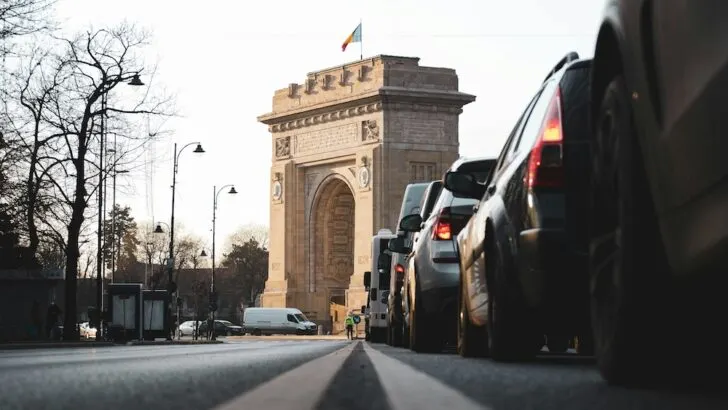
Bucharest, Romania’s vibrant capital, is known for its rich history, eclectic architecture, and lively nightlife. However, like many tourist destinations, it has its share of scams targeting unsuspecting visitors. Knowing what to look out for can help ensure a stress-free trip. Here are the top 10 scams in Bucharest and how to avoid them:
1. Fake Taxi Drivers
The Scam:
Tourists are approached by fake taxi drivers who overcharge for short rides. These taxis may not have meters or display fake ones that run excessively fast. Some drivers may also take deliberately longer routes to inflate the fare or claim there are additional “fees” for luggage or night rides.
Where It Happens:
- Henri Coandă International Airport
- Train stations
- Popular tourist areas (e.g., Old Town)
How to Avoid:
- Use reputable taxi apps like Bolt or Free Now to book rides at fair prices and track your journey.
- Avoid unmarked taxis or those without visible licenses or company logos.
- If you must hail a taxi, ensure the meter is running from the start, and if the driver refuses, find another taxi.
Resources:
2. Pickpocketing
The Scam:
Skilled pickpockets target distracted tourists in crowded areas. They often work in groups, where one creates a distraction—such as bumping into you, asking for directions, or performing street tricks—while others take your belongings. Backpacks, open purses, and items in back pockets are especially vulnerable.
Where It Happens:
- Public transport (especially buses and metro during rush hours)
- Old Town, particularly during nightlife hours
- Major attractions like the Palace of Parliament
How to Avoid:
- Keep valuables in a money belt or inside zipped bags that are worn in front of your body.
- Be cautious of overly friendly strangers or sudden commotions, as they may be diversions.
- Avoid displaying expensive items like jewelry, high-end electronics, or cash in public.
3. Fake Helpers at ATMs
The Scam:
Someone offers to “help” tourists at ATMs, claiming the machine is tricky or confusing. In reality, they may swap your card with a similar-looking one, memorize your PIN, or tamper with the machine to skim your card details. These scammers often appear well-dressed to seem trustworthy.
Where It Happens:
- ATMs in tourist-heavy areas, particularly those in poorly lit or less crowded spots
How to Avoid:
- Politely decline any offers of assistance and maintain a safe distance from anyone nearby while using the ATM.
- Use ATMs located inside banks, as they are monitored and less likely to be tampered with.
- Always cover the keypad with your hand when entering your PIN and check the card slot for signs of tampering.
4. Fake Police Officers
The Scam:
Scammers posing as police officers approach tourists, usually claiming they need to inspect your documents or check for counterfeit money. They may ask to see your passport and wallet, using sleight of hand to steal your cash. These fake officers often work in pairs to appear more legitimate.
Where It Happens:
- Near nightlife spots in Old Town
- Around train stations or parks
How to Avoid:
- Ask for identification and verify it closely before complying with any requests.
- Refuse to hand over your wallet; instead, suggest going to the nearest police station to resolve the issue.
- Keep photocopies of your passport and other important documents to avoid carrying originals unnecessarily.
5. Overpriced Drinks in Bars
The Scam:
Tourists are lured into bars or clubs by friendly locals or enticing promotions. Once inside, they receive a bill far higher than expected, sometimes for items they didn’t order. In some cases, aggressive staff may pressure or threaten visitors to pay.
Where It Happens:
- Old Town’s nightlife spots, particularly lesser-known establishments
How to Avoid:
- Research reputable bars and avoid overly pushy promoters or suspiciously empty venues.
- Always check prices on the menu before ordering and ensure you understand if there are minimum charges or cover fees.
- Pay as you go rather than running a tab to monitor your spending.
6. Currency Exchange Scams
The Scam:
Money exchange kiosks advertise favorable rates to lure tourists but apply hidden fees or switch to significantly worse rates when the transaction occurs. Some kiosks may also count out your money incorrectly or mix in counterfeit notes.
Where It Happens:
- Near major tourist attractions
- At airports and train stations
How to Avoid:
- Use official exchange offices or withdraw money directly from ATMs linked to major banks.
- Double-check rates and fees before exchanging money, and ask for a receipt.
- Count your cash immediately after the transaction and report discrepancies on the spot.
7. Phony Tour Guides
The Scam:
Unlicensed guides approach tourists offering cheap or “exclusive” tours. These guides often provide incorrect or misleading information, cut tours short, or demand additional fees partway through. Some may even abandon tourists after collecting payment.
Where It Happens:
- Around major attractions like the Palace of Parliament or Village Museum
How to Avoid:
- Book tours through reputable agencies or platforms like GetYourGuide or Viator to ensure quality and reliability.
- Ask for credentials or licensing before hiring a guide and avoid anyone who seems overly pushy.
Resources:
8. Restaurant Bill Padding
The Scam:
Restaurants add extra items to bills, inflate prices for tourists, or fail to honor advertised specials. In some cases, they may include “mandatory service charges” or other hidden fees that were not disclosed.
Where It Happens:
- Restaurants in tourist-heavy areas, particularly those without online reviews
How to Avoid:
- Review your bill carefully before paying, comparing it to the menu.
- Keep a copy of the menu or take a photo of it for price reference.
- Politely question any unfamiliar charges and insist on corrections if necessary.
9. Street Performers with Hidden Fees
The Scam:
Street performers invite tourists to participate in their acts, pose for photos, or hold props. Afterward, they demand high fees, often far exceeding what tourists expect for such interactions.
Where It Happens:
- Old Town’s main streets and squares
- Major public spaces, especially during festivals or busy weekends
How to Avoid:
- Avoid engaging with performers unless you’re prepared to pay.
- Confirm costs beforehand if participating and carry small bills for tips if necessary.
- Walk away politely if pressured.
10. Fake Souvenirs
The Scam:
Tourists are sold counterfeit or low-quality items marketed as authentic Romanian crafts. Sellers may exaggerate the cultural or historical value of the items to justify inflated prices.
Where It Happens:
- Souvenir shops in Old Town
- Street markets near tourist attractions
How to Avoid:
- Shop at reputable stores like Carturesti or official museum gift shops where authenticity is guaranteed.
- Do some research on traditional Romanian crafts beforehand to recognize genuine items.
- Compare prices at multiple stores to get a sense of what is reasonable.
Resources:
Final Tips:
- Always stay alert and trust your instincts.
- Learn a few basic Romanian phrases to navigate better and avoid appearing as an easy target.
- Keep emergency contacts handy, including the tourist police: +40 21 9521.
Bucharest is a fantastic city, and with the right precautions, you can enjoy it without falling victim to these common scams.
Leave a comment