

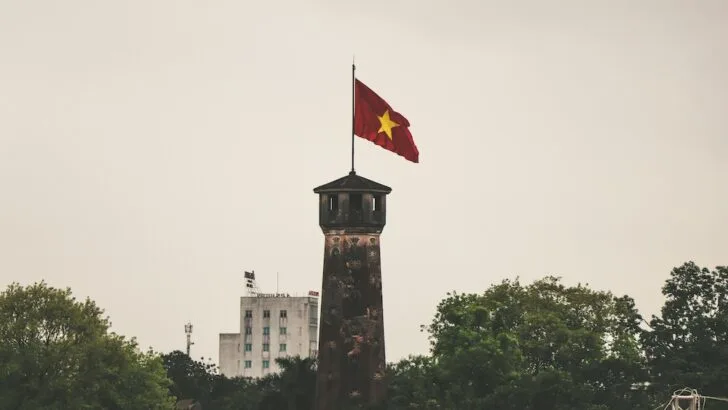
Vietnam is a country of captivating contrasts. From the hustle of Ho Chi Minh City to the tranquility of rice terraces in Sapa, it offers a sensory overload in the best way possible. But diving headfirst into Vietnam without knowing a few ground rules can lead to a bumpy ride. After months of traveling across the country, these are the 10 essential things I wish someone had told me before I arrived. If you’re heading to Vietnam soon, do yourself a favor and DO THIS:
1. Get a Local SIM at the Airport – Immediately
One of the smartest things you can do upon landing in Vietnam is buying a local SIM card right at the airport. Mobile data here is fast, cheap, and widely used for almost everything—transport, translation, and even paying for your coffee. Unlike some countries where SIM cards are a hassle to acquire, Vietnam makes it simple. You can pick one up from kiosks at most international airports like Noi Bai (Hanoi), Tan Son Nhat (Ho Chi Minh), or Da Nang International Airport.
The major providers include Viettel, Vinaphone, and Mobifone. For around $5-10, you can get a package with 5-10 GB of data valid for a month. This eliminates the need to rely on spotty hotel Wi-Fi or the dreaded international roaming charges. Having a local number also makes it easier to verify accounts or make reservations.
Pro Tip: Viettel tends to have the widest coverage, especially in remote areas like Ha Giang or the Mekong Delta.
2. Use Grab for Everything
Forget taxis and haggling with tuk-tuk drivers—Grab is your best friend in Vietnam. This Southeast Asian ride-hailing app is widely used across the country and is a godsend for travelers. It functions just like Uber: you pin your location, choose your destination, and see the fare upfront.
Besides transport, Grab also lets you order food, groceries, and even send packages. In cities like Ho Chi Minh City and Hanoi, using GrabBike (motorbike taxi) is often the fastest way to beat traffic. And yes, it’s ridiculously cheap—most rides cost under $2.
Pro Tip: Always double-check the license plate before hopping on a GrabBike. Safety first!
3. Always Have Small Cash on Hand
Vietnam is still very much a cash-based society, especially outside major cities. While some cafes and hotels accept cards, most local restaurants, street food vendors, and markets do not. The currency is the Vietnamese dong (VND), and the notes can be confusing at first. A 500,000 VND note looks dangerously similar to a 20,000 VND one.
ATMs are everywhere, but they often dispense large bills like 500,000 VND. These can be hard to break, especially for small purchases like a bowl of pho (30,000 VND). Your best bet is to break large bills at convenience stores like Circle K or MiniStop.
Pro Tip: Carry a mix of 10k, 20k, 50k, and 100k notes. Keep larger bills for hotel payments and smaller ones for daily expenses.
4. Cross the Street with Confidence (and Caution)
One of the first cultural shocks you’ll face in Vietnam is crossing the street. Traffic here is… different. In cities like Hanoi or Ho Chi Minh City, the roads are a constant flow of motorbikes, cars, and buses, often moving in a seemingly chaotic dance.
The secret? Walk slowly and predictably. Don’t run or stop suddenly. Drivers are used to navigating around pedestrians, but only if they can anticipate your movement. Make eye contact with approaching motorbike riders, raise your hand slightly, and keep walking steadily. It’s scary at first, but you’ll get used to it.
Pro Tip: Follow locals when crossing busy intersections. They know what they’re doing.
5. Don’t Drink Tap Water – Not Even a Sip
This is non-negotiable. Tap water in Vietnam is not safe to drink, and that includes brushing your teeth. Stick to bottled water, which is cheap and widely available. You can buy a 1.5L bottle for under 10,000 VND ($0.40).
Many hostels and hotels offer free refills, so bring a reusable bottle to cut down on plastic waste. If you plan on staying longer, consider buying a large 5L jug for your room.
Pro Tip: Be cautious with ice too, especially in rural areas. In major cities, ice is usually factory-produced and safe, but it’s always good to double-check.
6. Learn Basic Vietnamese Phrases – Or At Least “No”
While English is commonly spoken in tourist areas, knowing a few Vietnamese phrases can go a long way. It shows respect and often gets you better service. At the very least, learn how to say:
- “Không, cảm ơn” (No, thank you)
- “Xin chào” (Hello)
- “Cám ơn” (Thank you)
- “Bao nhiêu tiền?” (How much?)
Vietnamese is tonal and notoriously difficult to pronounce, but don’t let that stop you. Locals appreciate the effort, even if you butcher the tones.
Pro Tip: Use Google Translate with the camera feature to read menus or signs. It’s a lifesaver.
7. Dress Smart – But Respect Local Norms
Vietnam is hot and humid, especially in the south, but that doesn’t mean you should walk around half-naked. Locals dress modestly, and showing too much skin (especially shoulders and thighs) can be seen as disrespectful, particularly in temples or rural areas.
When visiting religious sites, always cover your shoulders and knees. Bring a lightweight scarf or sarong if you’re wearing shorts or a tank top. On the flip side, don’t overdress either—breathable fabrics and loose-fitting clothes are your best bet for staying cool.
Pro Tip: A poncho or compact raincoat is a must if you’re traveling during the rainy season (May to October in the south).
8. Negotiate Prices – But Don’t Be a Jerk
Bargaining is part of the culture in Vietnam, especially at local markets, souvenir shops, or with independent tour operators. Prices are often inflated for tourists, and vendors expect you to negotiate. That said, there’s a line between smart haggling and being disrespectful.
Start by offering 60-70% of the asking price and go from there. Always keep a smile on your face and treat it like a friendly game. If the seller refuses to budge, walk away politely. More often than not, they’ll call you back with a better offer.
Pro Tip: If the price seems fair and the vendor isn’t being pushy, don’t stress over saving an extra dollar. Everyone needs to make a living.
9. Street Food is King – But Follow the Locals
Vietnamese street food is legendary, and for good reason. From steaming bowls of phở in Hanoi to crispy bánh xèo in the south, the flavors are unforgettable. But not all food stalls are created equal. A general rule: if a place is packed with locals, it’s probably safe (and delicious).
Some must-try dishes include:
- Phở (noodle soup)
- Bánh mì (Vietnamese sandwich)
- Bún chả (grilled pork with noodles)
- Gỏi cuốn (fresh spring rolls)
Avoid food that’s been sitting out too long or looks like it hasn’t seen much traffic. Go early if you can; many street food spots close by 2 PM or even earlier.
Pro Tip: Don’t fear the tiny plastic stools. That’s where the magic happens.
10. Vietnam is Long – Plan Your Route Strategically
Vietnam is a vertically stretched country over 1,600 kilometers from top to bottom. Trying to cram the north (Hanoi, Sapa, Ha Long Bay), central (Da Nang, Hue, Hoi An), and south (Ho Chi Minh City, Mekong Delta) into one week is a recipe for burnout.
Instead, focus on one or two regions depending on your interests. Love nature and mountains? Head north. Want beaches and ancient towns? Explore central Vietnam. Prefer cities and history? Southern Vietnam has you covered.
Pro Tip: Trains and domestic flights are affordable and efficient. Vietnam Airlines and VietJet often have good deals.
11. BONUS TIP – Skip Overly Touristy Ba Na Hills
It’s Overly Touristy and Manufactured
Ba Na Hills is essentially a massive, man-made theme park perched in the mountains. While it’s styled to resemble a French village, it’s not authentic — it’s built for photo ops rather than cultural depth. If you’re looking for something real and rooted in Vietnamese history or lifestyle, this isn’t it.
The “French Village” Feels Like a Movie Set
Yes, it looks impressive in photos. But when you get there, it often feels more like walking through a Disneyland knockoff than a genuine European experience. The architecture is decorative, but there’s no real story or soul behind it — just façades built for Instagram.
It’s Packed with Tour Groups
Especially during holidays and weekends, Ba Na Hills is swarmed with large tourist groups, many arriving by the busload. You’ll be standing in long queues for the cable car, jostling for photo spots, and dealing with loud crowds. The “peaceful mountain escape” it promises? You probably won’t feel it.
The Golden Bridge is a One-Minute Photo Stop
The famous Golden Bridge (the one held by the giant stone hands) is why many people come — but the reality is: it’s much smaller than it looks in photos, always crowded, and you’ll likely spend more time fighting for a clean shot than actually enjoying it.
The Price Isn’t Worth It
Ba Na Hills is expensive — especially by Vietnam standards. The entry ticket (including the cable car) costs significantly more than many truly memorable experiences across the country, like Ha Giang Loop rides, local food tours, or even a cruise in Ha Long Bay. And once inside, you’ll pay premium prices for food and drinks that are mediocre at best.
Due to its elevation, Ba Na Hills is frequently foggy or rainy — and if that happens, you may not see any views or get decent photos. You could end up spending a lot of money and time just to walk around in cold mist, which kills the vibe.
There Are Better Alternatives
Vietnam is full of stunning, authentic places with history, culture, and natural beauty — like:
-
Ninh Binh (for dramatic limestone karsts and rural charm),
-
Sapa (for ethnic minority villages and mountain trekking),
-
Hoi An Old Town (which has real historical charm),
-
or Da Lat (for a cooler climate and quirky local spots).
Final Thoughts
Vietnam is one of the most exciting, chaotic, delicious, and beautiful countries on the planet. But it’s not without its quirks. Knowing what to expect will make your journey smoother and far more rewarding. These 10 tips aren’t just suggestions—they’re the survival guide I wish I had on day one.
So get that SIM card, download Grab, learn to cross the street like a local, and dive into the street food scene. Vietnam will challenge you, surprise you, and ultimately steal your heart.
And remember: DO THIS, and thank me later.
Safe travels and enjoy Vietnam!
Leave a comment