

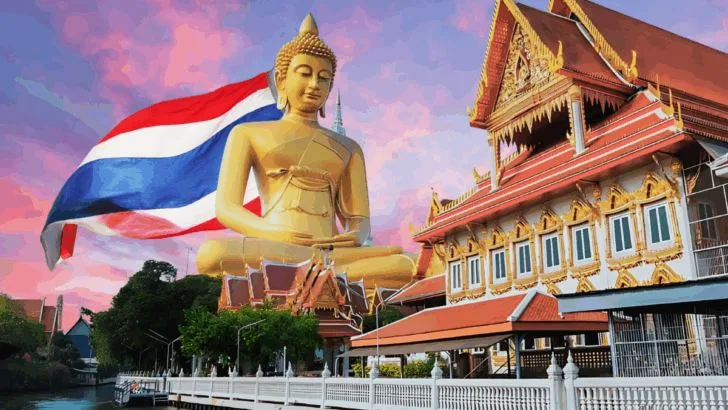
Thailand has long held its place as one of the world’s most beloved tourist destinations, famed for its golden temples, spicy cuisine, tropical beaches, and famously friendly locals. But in mid-2025, a growing number of travelers are giving the “Land of Smiles” a pass — and not just for one reason. From skyrocketing prices to safety concerns and stiff regional competition, here’s an in-depth look at why Thailand may be losing its edge.
Thailand’s 2025 Crisis: The Truth Behind the Tourist Exodus
1. Rising Costs: Thailand Is No Longer the Budget Paradise
Once known as a backpacker’s dream where you could live well on a shoestring, Thailand is now facing criticism for being overpriced relative to its neighbors. According to recent travel industry data, hotel prices in popular Thai cities have increased by 30–50% compared to 2022 — particularly in Bangkok, Phuket, and Koh Samui. (Source: Travel Off Path, 2024).
The average nightly rate for a 3-star hotel in Bangkok has risen from $30 USD in 2022 to over $50 USD in 2025, while luxury resorts are now charging nearly the same as European counterparts. Dining out, transportation, and attraction entry fees have also crept up, leading many to reconsider their travel plans.
Meanwhile, countries like Vietnam offer similar cultural experiences and beach destinations at a fraction of the cost. A high-end hotel in Da Nang or Nha Trang may now be 20–30% cheaper than one in Phuket. In cities like Hoi An or Hanoi, street food is still under $2 USD, and transport is more affordable.
“We were shocked. Thailand is now more expensive than Bali and even Prague,” a traveler from Germany noted on Reddit’s r/travel. “It’s no longer the budget destination it used to be.”
2. Perceived Safety Risks: A Country on Edge?
Thailand has faced a string of incidents over the past two years that have made travelers question their safety. In October 2023, the Siam Paragon shooting in Bangkok shocked the nation, where a teenage gunman killed multiple people in a luxury shopping mall. The incident cast a shadow on Thailand’s reputation as a peaceful, low-crime destination.
Thailand’s political climate has always been complex, but in 2025 it has become more unstable. Prime Minister Srettha Thavisin is under mounting scrutiny over corruption allegations, and protests are bubbling up in major cities. Tensions along the Thai-Cambodian border over trade and military drills have raised fears of regional instability.
Rumors of military involvement, coupled with discontent among the youth and growing censorship concerns, have cast a shadow over the country’s international image. For many tourists — especially from Europe and North America — such headlines are enough to consider skipping the country altogether.
More recently, a 7.7 magnitude earthquake in Northern Thailand in early 2025 killed several people and caused widespread damage. Aftershocks and fears of building instability — especially in high-rise condos often used as Airbnb rentals — have left travelers jittery.
In 2024, the kidnapping of Chinese national Wang Xing, who was abducted from a Pattaya resort, went viral on Chinese social media and led to widespread calls for boycotting Thailand among Chinese tourists. Though rare, such high-profile crimes have deeply impacted perceptions, particularly in Asia.
“Thailand doesn’t feel as safe as it used to,” wrote one Singaporean traveler on TripAdvisor. “I avoided crowded malls and public transport this time.”
3. Chinese Tourism Collapse: A Massive Blow to the Economy
Chinese tourists once made up the largest share of international arrivals in Thailand, accounting for nearly 11 million visitors in 2019. But by mid-2025, Chinese arrivals are down significantly — largely due to China’s sluggish economy and tightening of personal spending.
In addition, a growing nationalist sentiment and online backlash over safety concerns have led many Chinese travelers to explore domestic tourism or opt for other Asian countries perceived as safer, cheaper, or less crowded, such as Malaysia, Vietnam, or Japan.
The result? Fewer group tours, emptier shopping malls, and a significant loss of revenue for local businesses who depended on Chinese spending power.
4. Visa Policy Confusion: Constant Changes Turn Off Visitors
Thailand has long tweaked its visa rules to attract tourists, but the constant back-and-forth has caused more confusion than clarity. In late 2024, Thailand extended its tourist visa to 60 days, drawing praise from digital nomads and long-term travelers. But by early 2025, the government rolled that back to just 30 days, with little warning or explanation.
Many travelers — particularly from the West — now complain that the visa rules are hard to follow, difficult to apply for online, and poorly communicated on official websites.
In contrast, countries like Vietnam and Malaysia have launched simple e-visas valid for up to 90 days, making them more attractive for remote workers and long-term travelers.
5. Strong Regional Competition: Thailand Is No Longer the Only Star
For decades, Thailand was the undisputed heavyweight of Southeast Asian tourism. But in 2025, it faces serious competition on all sides.
-
Vietnam offers a diverse range of experiences, from mountains to beaches, with improved infrastructure and low costs.
-
Malaysia markets itself as a multicultural paradise with clean cities, world-class food, and modern transportation.
-
Even Cambodia, once an afterthought, is emerging with improved roads, digital nomad visas, and a rebranded focus on eco-tourism.
With newer destinations offering better value, less crowding, and a fresh sense of discovery, Thailand feels increasingly… familiar, and even stale, for repeat travelers.
6. Scams and Tourist Fraud: A Persistent Problem
Despite decades of tourism development, Thailand still battles its reputation for scams. From gem scams in Bangkok to tuk-tuk drivers overcharging or detouring tourists, travelers still report frequent incidents that sour their experience.
Other examples include:
-
Jet ski scams in Pattaya and Phuket
-
Fake travel agencies selling overpriced or non-existent tours
-
Taxi drivers refusing to use meters and demanding flat fees 2–3x the regular rate
While some of these are minor annoyances, they create a sense of mistrust — especially among first-time travelers.
“I loved the food and beaches, but I was constantly on guard,” said a tourist from Australia. “It’s exhausting to feel like you’re always being hustled.”
Is Thailand Losing Its Shine?
Thailand still has much to offer — stunning beaches, incredible food, and a rich cultural heritage. But it’s no longer the unbeatable, budget-friendly paradise it once was. With rising costs, safety concerns, visa confusion, and stiff competition from its neighbors, the country is at a crossroads.
Unless Thailand takes active steps to restore trust, address overtourism, and offer real value, it risks losing its top spot in the hearts (and wallets) of global travelers.
For now, the message from many tourists seems to be: “Thanks, but no thanks — maybe next time.”
Leave a comment