


Drones, also known as unmanned aerial vehicles (UAVs), have become increasingly popular over the past few years. With their ability to capture stunning aerial footage and perform a range of tasks, drones have quickly become a favorite tool for both hobbyists and professionals.
However, the use of drones is not without its challenges, particularly when it comes to regulations. In Greece, there are several rules and regulations governing the use of drones, and it is important to be aware of these before operating a drone in the country.
Can You Fly a Drone In Greece In 2023?
Firstly, it is important to understand that Greece has specific rules for drones based on the weight of the drone. The country’s Civil Aviation Authority (CAA) has classified drones into four categories based on their weight:
- Drones weighing less than 250g
- Drones weighing between 250g and 2kg
- Drones weighing between 2kg and 25kg
- Drones weighing more than 25kg
Each category has its own set of rules, and it is essential to understand the rules that apply to your drone.

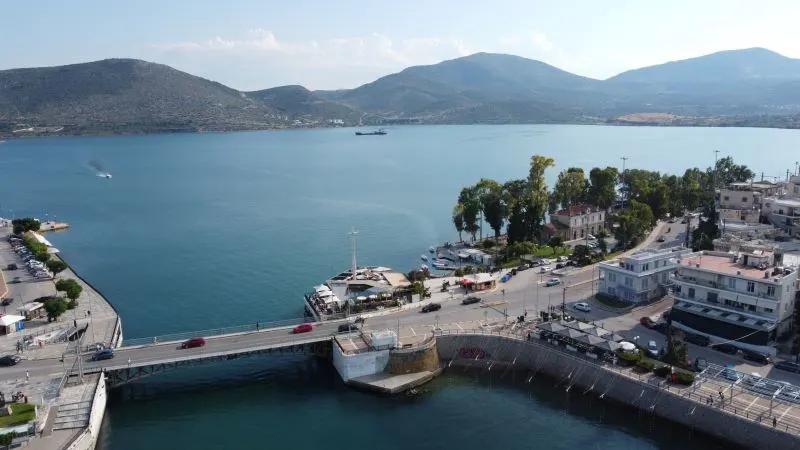
For drones weighing less than 250g, there are no specific requirements or restrictions in Greece. These drones are considered to be low-risk, and the CAA does not require any registration or licensing for their operation.
However, it is still important to follow basic safety guidelines, such as not flying over people, keeping the drone within your line of sight, and avoiding sensitive areas such as airports and military installations.
For drones weighing between 250g and 2kg, there are a few additional rules. These drones must be registered with the CAA, and the operator must obtain a remote pilot certificate.
The operator must also follow specific flight restrictions, such as not flying above 120m or within 8km of an airport. The operator must also obtain permission from the CAA before flying in certain areas, such as national parks or archaeological sites.
For drones weighing between 2kg and 25kg, the rules become more stringent. In addition to registration and obtaining a remote pilot certificate, the operator must also obtain liability insurance.
The drone must also be equipped with a camera that is able to record high-definition video and capture images with a resolution of at least 8 megapixels.
The operator must also follow specific flight restrictions, such as not flying over people or in congested areas, and must obtain permission from the CAA before flying in certain areas.
For drones weighing more than 25kg, the rules are even more strict. These drones are considered to be high-risk, and the operator must obtain a special permit from the CAA.
The operator must also comply with strict safety requirements, such as conducting a risk assessment and having a qualified pilot operate the drone.

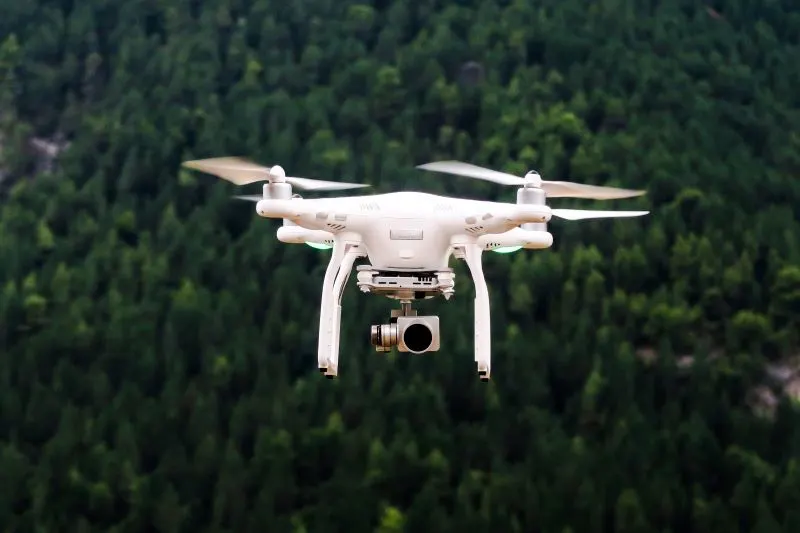
The drone must also be equipped with a transponder and must follow specific flight restrictions, such as not flying over people or in congested areas.
It is important to note that these rules apply to both recreational and commercial use of drones. Whether you are flying a drone for fun or for business purposes, you must comply with the relevant rules and regulations.
One of the key challenges of operating a drone in Greece is the country’s complex airspace. Greece has a busy airspace, with numerous airports, military installations, and other sensitive areas.
It is important to be aware of these areas and to obtain the necessary permissions before flying your drone. The CAA maintains a list of restricted areas and no-fly zones, and it is important to consult this list before flying your drone.
Another important consideration when operating a drone in Greece is privacy. Drones equipped with cameras can potentially invade the privacy of individuals, and it is important to respect people’s privacy rights.
The CAA requires that drone operators obtain permission from any individuals that may be captured in their footage, and to ensure that they do not capture images or video that could be considered invasive or offensive.
In addition to these rules and regulations, there are also penalties for violating drone regulations in Greece. The penalties vary depending on the severity of the violation and can range from fines to imprisonment.
For example, flying a drone in a restricted area without permission can result in fines of up to €30,000 or imprisonment for up to three years.
Despite the challenges and regulations, drones continue to be a popular tool for both recreational and commercial use in Greece. They are used for a variety of purposes, such as aerial photography, surveying, search and rescue, and even delivering packages.


To ensure that you can operate your drone legally and safely in Greece, it is important to take the necessary steps to comply with the regulations.
This includes registering your drone, obtaining a remote pilot certificate, obtaining liability insurance (if necessary), and obtaining permission from the CAA before flying in certain areas.
It is also important to follow basic safety guidelines when operating a drone, such as not flying over people, keeping the drone within your line of sight, and avoiding sensitive areas such as airports and military installations.
In conclusion, operating a drone in Greece is legal, but there are specific rules and regulations that must be followed. It is important to be aware of these rules and to take the necessary steps to comply with them to ensure that you can operate your drone safely and legally in the country.
By following these guidelines and taking the necessary precautions, you can enjoy the many benefits of drone technology in Greece.
Leave a comment