

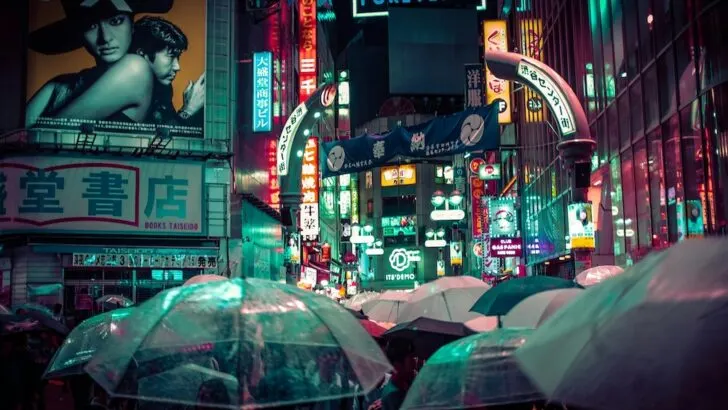
Shibuya, a vibrant and iconic district in Tokyo, Japan, is a kaleidoscope of urban energy, youth culture, shopping extravaganzas, and innovative experiences.
Renowned for its bustling streets, neon lights, and the world-famous Shibuya Crossing, this dynamic neighborhood has become a symbol of modern Tokyo and a must-visit destination for both locals and tourists. Let’s delve into an introduction to Shibuya, Japan.
A Hub of Fashion and Trends: Shibuya is a fashion-forward haven where trends are born and embraced. Its streets are lined with an eclectic mix of boutiques, department stores, and designer outlets, making it a paradise for shopping enthusiasts.
Iconic shopping destinations like Shibuya 109 and Shibuya Hikarie draw fashionistas seeking the latest styles, while Takeshita Street in neighboring Harajuku showcases unique and unconventional fashion.
Shibuya Crossing: The Heartbeat of Tokyo: No introduction to Shibuya is complete without mentioning the legendary Shibuya Crossing. This bustling pedestrian intersection is a mesmerizing spectacle, where thousands of people crisscross at once during rush hour, creating an iconic urban dance.
As the traffic lights change and the swarm of pedestrians flows in every direction, it encapsulates the energy and rhythm of Tokyo’s vibrant urban life.
Cultural Diversity and Entertainment: Shibuya’s cultural diversity is reflected in its vibrant nightlife and entertainment options. Live music venues, theaters, and clubs cater to a variety of tastes. You can catch a live concert by local indie bands, witness theatrical performances, or dance the night away to the beats of renowned DJs.
Culinary Delights and Gastronomic Adventures: Shibuya’s culinary scene is as diverse as its population. From traditional izakayas and ramen joints to international eateries serving global flavors, the district offers a wide range of dining experiences.
Sample authentic Japanese cuisine, indulge in fusion creations, or try out the latest food trends at the district’s numerous restaurants and food stalls.
Youth Culture and Street Fashion: Shibuya is at the forefront of Tokyo’s youth culture, showcasing the ever-evolving trends and styles of Japan’s young population.
The district’s streets are alive with colorful fashion, bold accessories, and an unapologetic sense of self-expression. It’s a hub for subcultures, influencers, and street fashion photographers looking to capture the latest trends.
Cultural Landmarks and Modern Architecture: While Shibuya is known for its contemporary vibe, it also hosts cultural landmarks.
The iconic Hachiko Statue pays tribute to a loyal dog, Meiji Shrine offers a serene escape amidst the urban hustle, and Bunkamura provides a space for art, music, and theater.
Connecting the World: Shibuya is not just a district; it’s a global phenomenon. Its influence extends beyond its boundaries, reaching people worldwide through pop culture, fashion, and media.
Whether you’re exploring the district’s alleyways, enjoying its vibrant nightlife, or simply standing at the Shibuya Crossing, you’re participating in a narrative that transcends borders.
In this introduction to Shibuya, we’ve touched on just a few aspects of what makes this district an exhilarating and emblematic destination in Tokyo.
Shibuya’s dynamic fusion of tradition and modernity, fashion and culture, entertainment and innovation creates a captivating and ever-evolving experience that captures the essence of Tokyo’s dynamic spirit.
1. Shibuya Crossing: Experience the iconic Shibuya Crossing, one of the busiest pedestrian intersections in the world

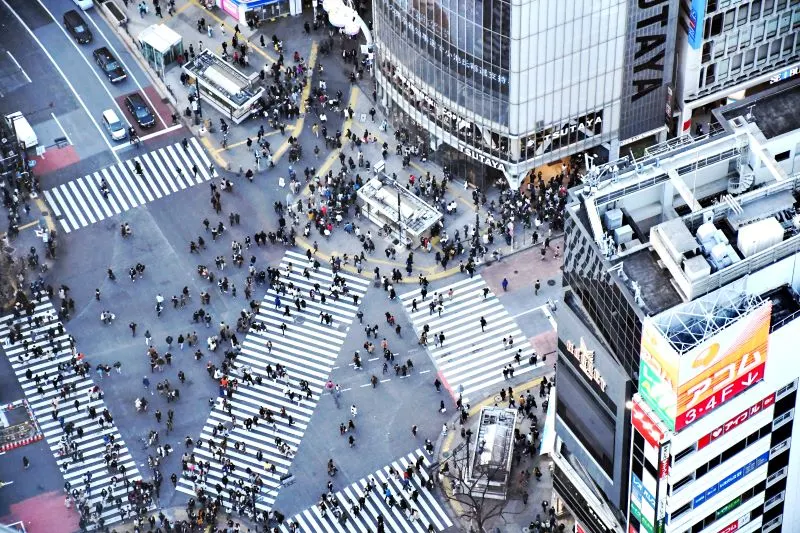
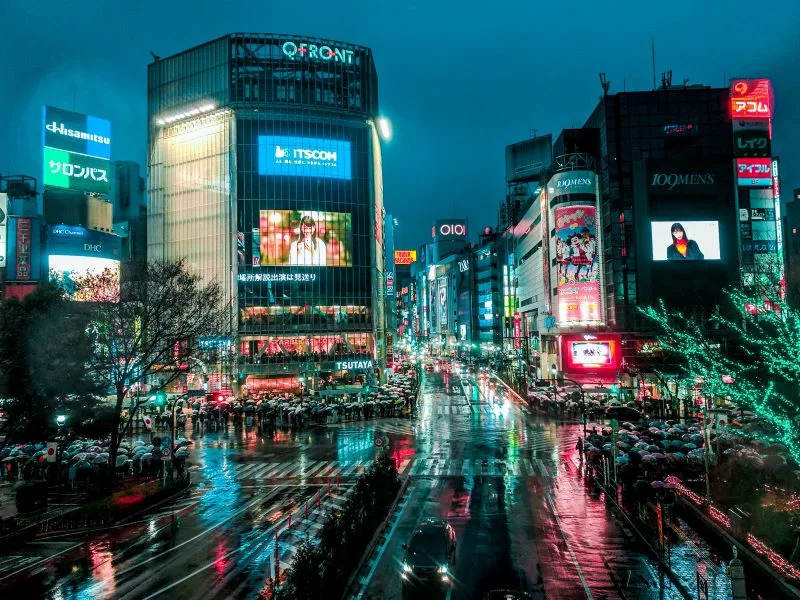
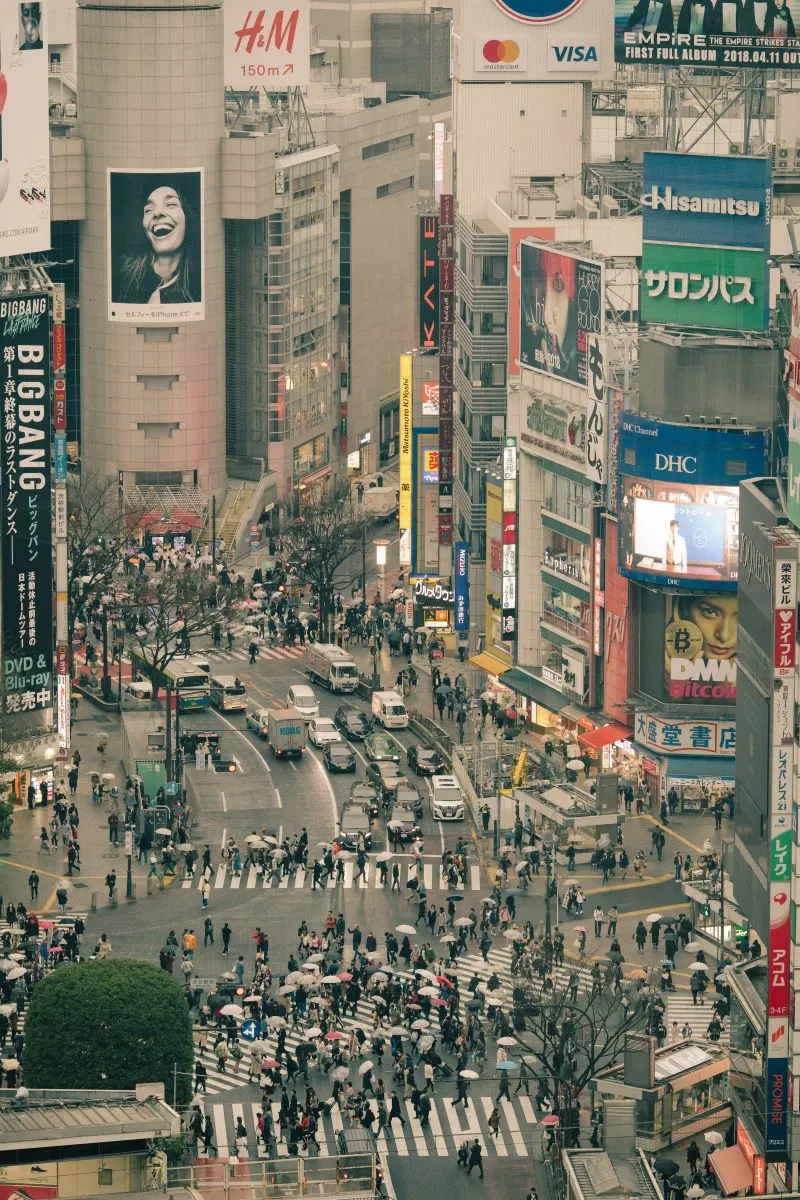
Shibuya Crossing is a world-famous pedestrian intersection located in the heart of the Shibuya district in Tokyo, Japan. It’s known for its incredible congestion of people crossing the street from all directions when the traffic lights turn red simultaneously. The crossing is located just outside Shibuya Station, one of Tokyo’s busiest railway hubs.
The crossing’s unique feature is the sheer number of pedestrians that converge and disperse with each traffic light cycle. It’s a mesmerizing spectacle to witness, especially during peak hours when the area is bustling with locals and tourists alike.
The surrounding buildings are adorned with massive electronic billboards and screens, creating a vibrant and electrifying atmosphere.
The best views of Shibuya Crossing can be enjoyed from the elevated walkways and cafés in the buildings surrounding the intersection, such as the Shibuya Scramble Square and the Starbucks on the second floor of the Tsutaya building.
It’s not just a crossing; it’s a symbol of Tokyo’s energetic urban lifestyle and a must-see attraction for anyone visiting the city.
2. Hachiko Statue: Pay a visit to the Hachiko Statue, a symb
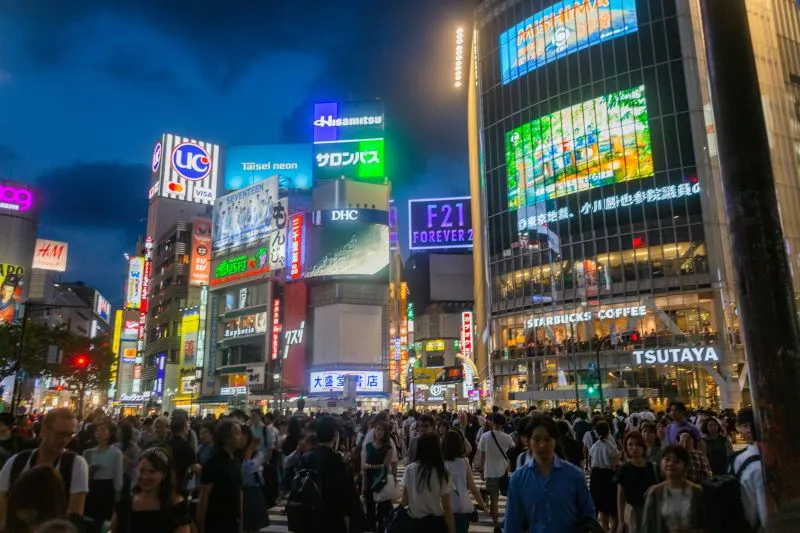 ol of loyalty and devotion
The Hachiko Statue is a beloved and iconic landmark located near Shibuya Station in Tokyo, Japan. The statue commemorates the remarkable loyalty and bond between a dog named Hachiko and his owner, Professor Hidesaburo Ueno.
Hachiko was an Akita dog who displayed extraordinary devotion to his owner. Every day, Hachiko would accompany Professor Ueno to Shibuya Station and wait for him to return from work.
Tragically, Professor Ueno passed away unexpectedly in 1925, but Hachiko continued to wait at the station every day for nearly a decade, hoping for his owner’s return.
Hachiko’s unwavering loyalty touched the hearts of many, and his story became a symbol of faithfulness and devotion in Japanese culture.
The statue portrays Hachiko faithfully waiting, with his enduring loyalty captured in bronze. It’s a popular meeting point and a site of respect for both locals and tourists.
The Hachiko Statue serves as a touching tribute to the deep bond between humans and animals and is a reminder of the profound emotions that can exist between them.
It has become an enduring symbol of love and loyalty, and a visit to the statue is often accompanied by a sense of reverence for this heartwarming story.
3. : Explore this shopping street lined with various stores, boutiques, and cafes

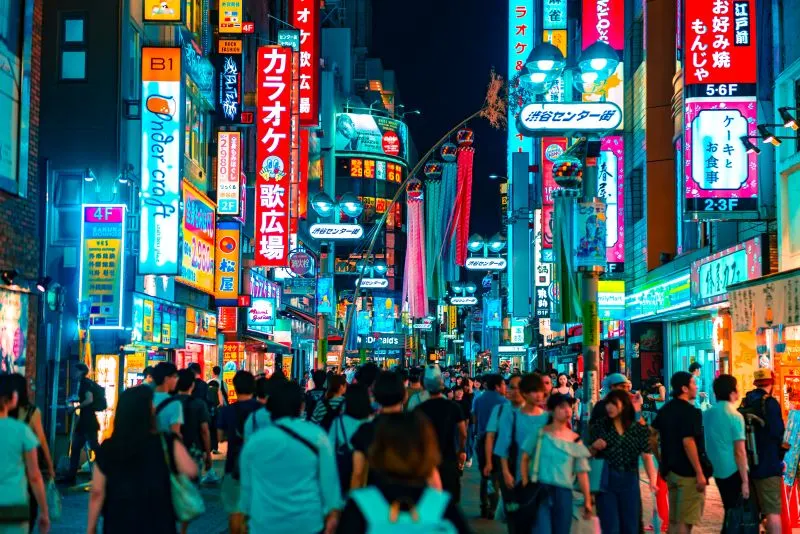
Shibuya Center Street is a vibrant and bustling shopping street located in the Shibuya district of Tokyo, Japan. It’s known for its energetic atmosphere, diverse range of shops, and trendy fashion offerings.
The street runs through the heart of Shibuya and is a popular destination for both locals and tourists looking for fashion, accessories, and unique finds.
Shibuya Center Street is lined with an array of stores, boutiques, and cafes, creating a lively and dynamic environment.
You’ll find a mix of fashion outlets, beauty stores, electronics shops, and even some street food vendors. The street is often crowded with shoppers exploring the latest trends and enjoying the district’s lively vibe.
Whether you’re interested in shopping, people-watching, or simply soaking up the urban energy of Shibuya, Center Street offers a prime location to do so.
It’s a great place to explore and experience the vibrant street culture and fashion scene that Shibuya is renowned for.
4. Shibuya 109: Shop at Shibuya 109, a renowned fashion department store popular among young women

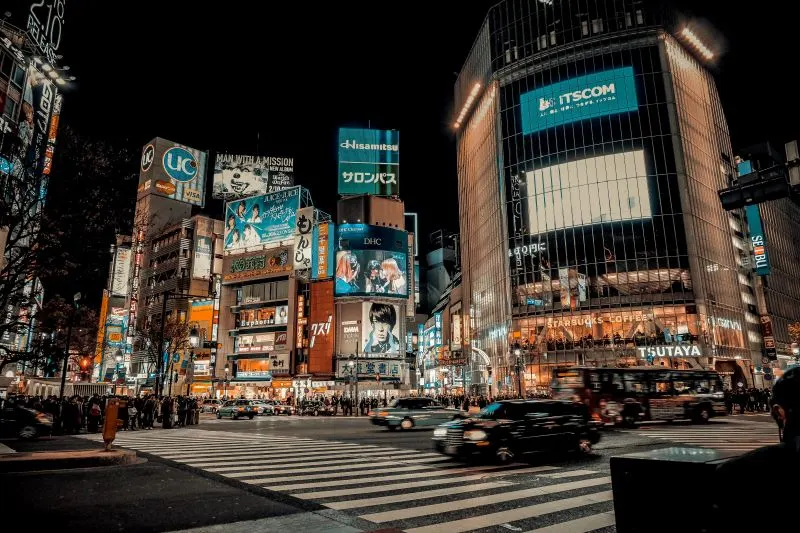
Shibuya 109 is a well-known fashion department store located in the Shibuya district of Tokyo, Japan. It’s a landmark destination for trendy and youthful fashion, particularly targeted at young women.
The store’s unique architecture, vibrant atmosphere, and curated selection of clothing make it a must-visit spot for fashion enthusiasts.
Shibuya 109 is actually a cylindrical building with multiple floors, each housing a wide range of boutiques and shops. The stores within Shibuya 109 offer a diverse selection of clothing, accessories, shoes, and cosmetics, often reflecting the latest fashion trends and styles popular among young Japanese women.
The store is renowned for its ever-changing displays and window designs that capture the essence of Tokyo’s dynamic fashion culture.
It’s a hub for both local and international brands, and it’s not uncommon to find limited edition items or unique pieces that are not easily available elsewhere.
Shibuya 109’s role in shaping and reflecting Japanese youth fashion culture has earned it a special place in the hearts of many.
For visitors looking to experience Tokyo’s vibrant fashion scene and immerse themselves in trendy styles, a visit to Shibuya 109 is a must.
5. Cat Street: Wander down Cat Street for a mix of fashion boutiques, vintage shops, and cafes

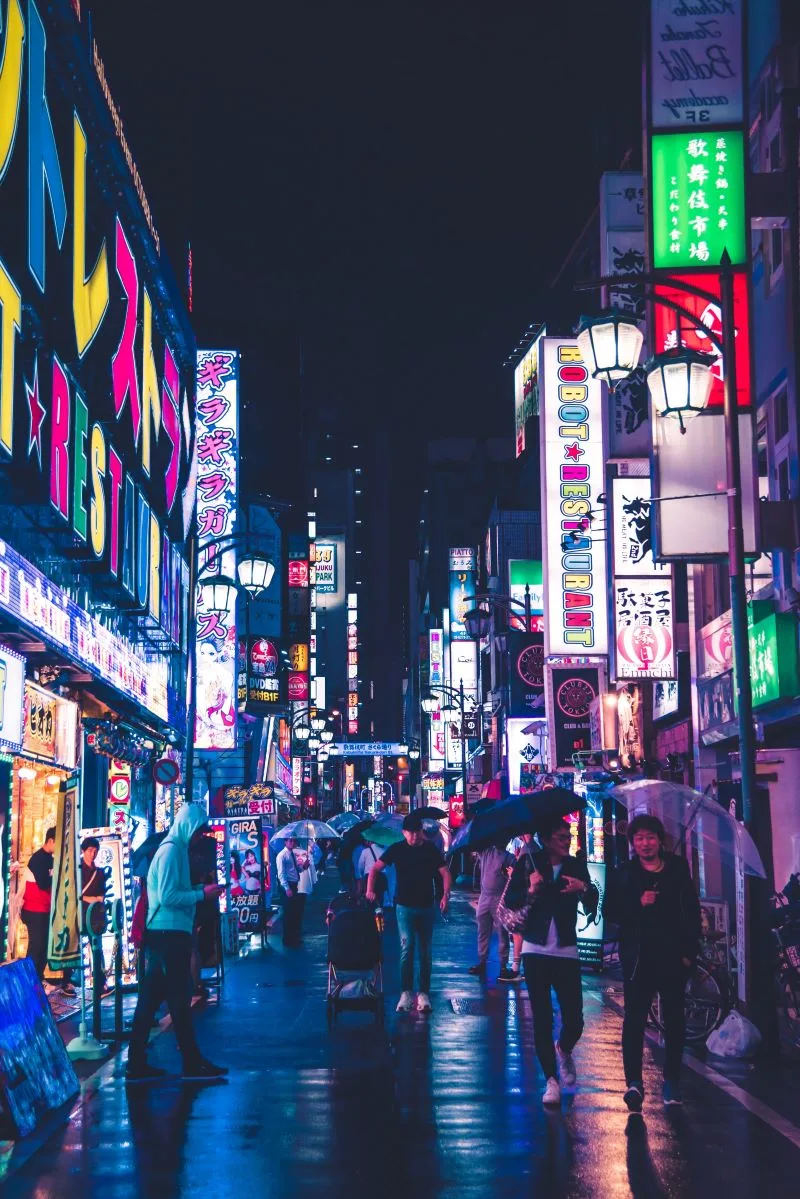
Cat Street, known as “Cat Street” or “Kyoto Street,” is a trendy and fashionable shopping street located between the Shibuya and Harajuku districts in Tokyo, Japan. Despite its name, it has nothing to do with cats; rather, it’s a hub for unique and cutting-edge fashion, art, and culture.
Cat Street is famous for its mix of boutique shops, vintage stores, designer brands, and concept stores. It’s a place where you can find a wide variety of fashion styles, from streetwear and vintage looks to high-end designer pieces. The street also hosts art galleries, cafes, and other creative spaces that add to its distinctive atmosphere.
One of the highlights of Cat Street is its eclectic and diverse range of shops, each offering something different and often reflecting the individualistic and creative spirit of the Harajuku neighborhood. The street itself is a great representation of Tokyo’s dynamic and ever-evolving fashion scene.
Visitors to Cat Street can explore unique clothing, accessories, and other items while immersing themselves in the vibrant energy of the area.
Whether you’re a fashion enthusiast, an art lover, or simply someone looking to experience Tokyo’s trendy side, Cat Street offers a captivating and artistic shopping experience.
6. Meiji Shrine: Take a tranquil stroll through the serene Meiji Shrine and its surrounding forest

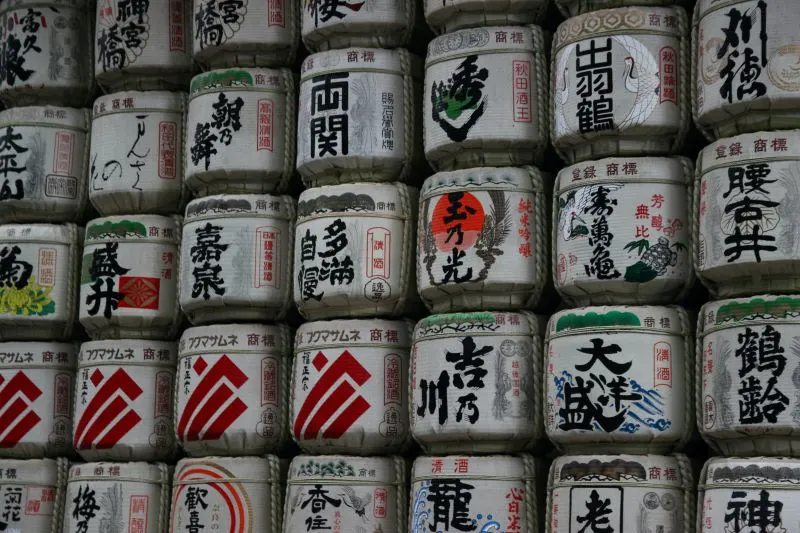
Meiji Shrine, also known as Meiji Jingu, is a serene and sacred Shinto shrine located in the Shibuya district of Tokyo, Japan. It’s one of Tokyo’s most significant and popular shrines, dedicated to Emperor Meiji and Empress Shoken.
The shrine is set within a lush forested area known as Meiji Jingu Gaien, providing a peaceful escape from the bustling city.
The main entrance features a massive torii gate made of cypress wood, which marks the transition from the secular world into the sacred realm of the shrine.
Visitors to Meiji Shrine can follow a serene pathway that leads through towering trees, stone lanterns, and barrels of sake (a traditional Japanese rice wine) offered as symbols of gratitude.
The main hall of the shrine is an architectural masterpiece, characterized by its traditional Japanese design and the use of natural materials like wood and stone.
Meiji Shrine is a popular place for various Shinto rituals, ceremonies, and celebrations, particularly during traditional festivals and the New Year period. Visitors often write their wishes on wooden tablets called “ema” and tie them to designated areas within the shrine grounds.
7. Yoyogi Park: Relax in Yoyogi Park, a spacious and popular park with beautiful green spaces

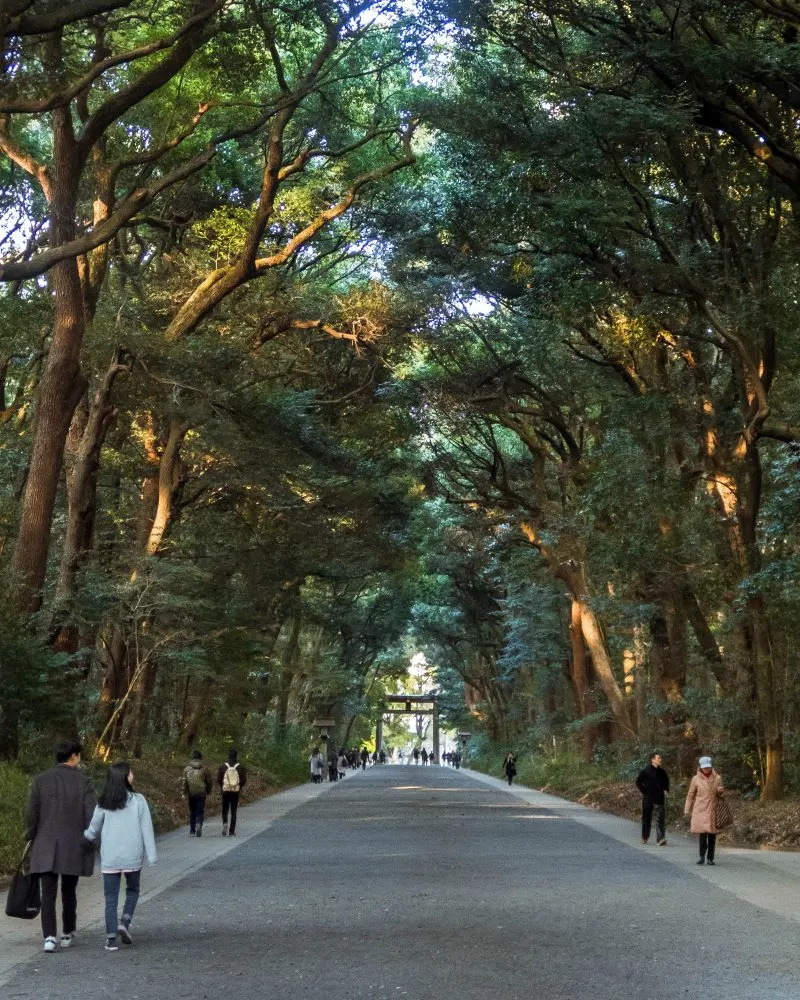
Yoyogi Park is a spacious and popular urban park located in the Shibuya district of Tokyo, Japan. It’s one of Tokyo’s largest parks and is known for its wide open spaces, lush greenery, and diverse recreational opportunities.
Yoyogi Park offers a refreshing contrast to the surrounding urban landscape, providing a tranquil retreat for both locals and tourists.
The park features tree-lined paths, grassy fields, and serene ponds, creating a peaceful atmosphere perfect for leisurely strolls, picnics, or simply enjoying the outdoors.
One of the distinctive features of Yoyogi Park is its popularity among various groups of people. It’s a gathering place for families, couples, joggers, cyclists, musicians, and artists.
On weekends, you might encounter cultural performances, live music, and other events that showcase Tokyo’s diverse community.
The park is also home to the Meiji Shrine, which is located on its northern edge. Visitors can enjoy a peaceful walk from the park’s entrance to the shrine, passing through dense forested areas and enjoying a sense of serenity along the way.
8. Harajuku: Venture into the neighboring Harajuku district known for its unique street fashion and trendy shops

Harajuku is a vibrant and trendy district located within the Shibuya ward of Tokyo, Japan. It’s known for its unique fashion, diverse subcultures, and youthful atmosphere.
Harajuku is situated near Shibuya Station, making it easily accessible and a popular destination for both locals and tourists.
In Harajuku, you’ll find a mix of fashion boutiques, vintage shops, streetwear stores, and high-end designer brands. Takeshita Street is the district’s most famous street, lined with an array of shops offering everything from alternative fashion and accessories to sweets and novelty items.
It’s a hub for creative, edgy, and sometimes eccentric fashion styles, often driven by youth culture and self-expression.
Beyond fashion, Harajuku is also known for its vibrant street art, unique cafes, themed restaurants, and pop-up shops that cater to various interests, from anime and manga to K-pop and J-pop fandoms. The district has a dynamic energy that reflects the latest trends in art, music, and pop culture.
Meiji Shrine and Yoyogi Park are located near Harajuku, providing a calming contrast to the bustling streets. This combination of urban creativity and natural serenity makes Harajuku in Shibuya a multifaceted destination that offers something for everyone.
9. Shibuya Food Tours: Embark on a food tour to explore local cuisine and hidden eateries


Shibuya Food Tours might refer to guided culinary experiences in the Shibuya district of Tokyo, Japan. These tours typically offer participants the opportunity to explore the diverse and delicious food scene that Shibuya has to offer.
Shibuya Food Tours could involve visiting local restaurants, street food stalls, and markets to sample a variety of traditional Japanese dishes, as well as modern and international cuisines. Participants might have the chance to taste specialties like sushi, ramen, tempura, yakitori, and more.
These tours often provide insight into the history, culture, and ingredients behind each dish, enhancing the overall dining experience.
Additionally, guides may share interesting facts about the area’s culinary traditions and point out hidden gems that you might not discover on your own.
10. Shibuya Excel Hotel Tokyu: Enjoy a meal with a view at the hotel’s restaurant overlooking Shibuya Crossing

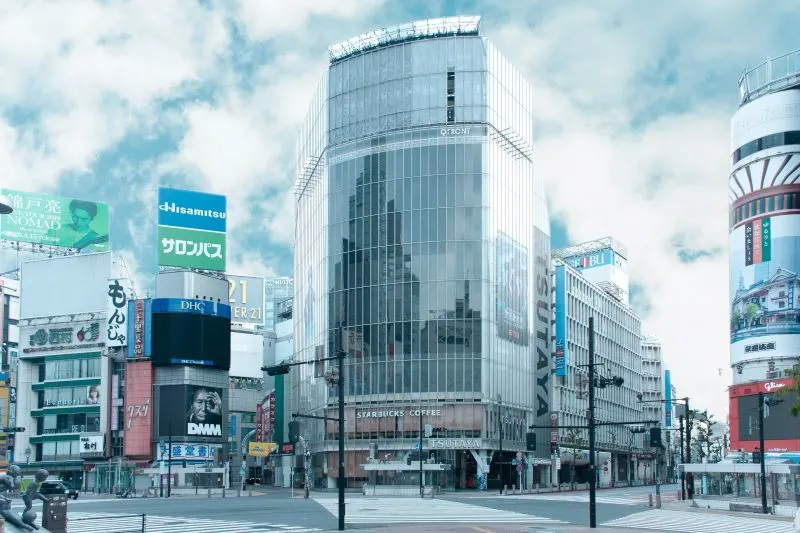
The Shibuya Excel Hotel Tokyu is a well-known hotel located in the Shibuya district of Tokyo, Japan. Situated in a prime location near Shibuya Station, the hotel offers convenient access to various attractions, shopping districts, and entertainment venues in the Shibuya area.
The hotel is part of the Tokyu Hotels group, known for its quality accommodations and services. The Shibuya Excel Hotel Tokyu features comfortable guest rooms with modern amenities, ensuring a pleasant stay for both leisure and business travelers. Depending on the room, guests might enjoy city views, spacious layouts, and contemporary design.
One of the hotel’s notable features is its unique dining experience. The hotel’s restaurant, located on the higher floors, provides a panoramic view of the iconic Shibuya Crossing.
This offers guests the opportunity to enjoy their meals while overlooking the bustling pedestrian intersection below.
11. Shibuya VR Land: Experience virtual reality gaming and entertainment


“Shibuya VR Land” is a virtual reality (VR) entertainment center located in the Shibuya district of Tokyo, Japan. The facility is designed to offer visitors an immersive and interactive experience through virtual reality technology.
At Shibuya VR Land, visitors can engage in a wide range of virtual reality gaming and entertainment activities. This might include wearing VR headsets and using hand controllers to interact with virtual environments, characters, and objects. VR experiences can vary from action-packed games to creative simulations and even educational content.
The center likely provides a variety of VR setups, each equipped with high-quality VR equipment to deliver a realistic and engaging experience.
Visitors can expect to step into a world of 3D visuals and sound, allowing them to feel as if they’re truly immersed in the virtual environment.
12. Shibuya Stream: Experience shopping, dining, and entertainment at this modern complex

Shibuya Stream is a modern and multi-purpose complex located in the Shibuya district of Tokyo, Japan. The complex is designed to cater to various needs, offering a mix of retail spaces, dining options, entertainment facilities, offices, and more.
The main feature of Shibuya Stream is its stylish and contemporary architecture, which stands out in the urban landscape. The complex’s design combines sleek lines with large glass panels, creating a visually appealing environment.
Visitors to Shibuya Stream can explore a variety of shops, ranging from fashion and lifestyle stores to specialty shops. The dining options are diverse, offering a range of cuisines to suit different tastes.
The complex might also include entertainment facilities like movie theaters or event spaces, providing opportunities for cultural experiences.
13. Tsutaya Books: Browse an extensive collection of books, music, and movies at this cultural hub

Tsutaya Books, also known as Tsutaya T-SITE, is a renowned bookstore and cultural complex located in various locations across Japan, including Shibuya in Tokyo.
It offers a unique and immersive experience for book lovers, culture enthusiasts, and anyone seeking a blend of literature, art, and lifestyle.
Tsutaya Books is not just a typical bookstore; it’s a multi-story space that often includes more than just books. It typically features a curated selection of books, magazines, art books, and publications covering a wide range of genres and topics. In addition to literature, Tsutaya often integrates other cultural elements, such as music, films, art, and design.
One of the standout features of Tsutaya Books is its inviting and comfortable atmosphere. Visitors can spend time reading, exploring, and discovering new titles while enjoying a cup of coffee at an in-store cafe.
The layout and design of Tsutaya often encourage people to browse, linger, and appreciate the diverse content available.
Tsutaya T-SITE in Shibuya, for example, is designed to be a cultural hub where people can shop for books, music, and movies, as well as enjoy exhibitions, events, and workshops. It’s not just a place to buy things; it’s a space to engage with culture and creativity.
14. Shibuya Parco: Shop at Shibuya Parco, a multi-story shopping complex with a focus on art and culture

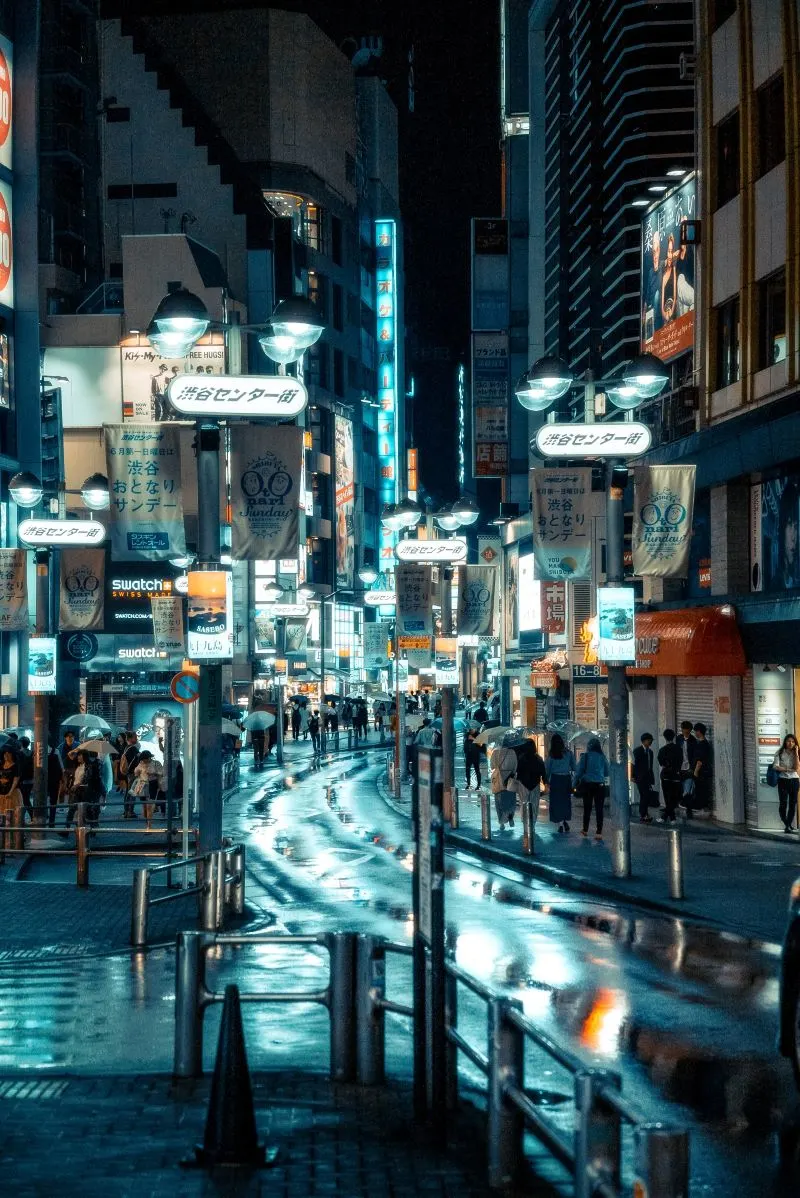
Shibuya Parco is a multi-story shopping and entertainment complex located in the Shibuya district of Tokyo, Japan. It’s a popular destination for fashion, art, and culture enthusiasts, offering a diverse range of experiences under one roof.
The complex houses a variety of shops, boutiques, and stores that cater to different interests and styles. Visitors can find fashion items, accessories, cosmetics, and more, often reflecting the latest trends and designs.
Shibuya Parco is known for featuring both well-established brands and emerging designers, creating a dynamic shopping experience.
One of the notable aspects of Shibuya Parco is its emphasis on art and culture. The complex often hosts art exhibitions, galleries, and cultural events, providing a platform for both local and international artists to showcase their work.
This integration of art and retail creates an immersive environment that engages visitors beyond traditional shopping.
Shibuya Parco also includes dining options, cafes, and restaurants where visitors can enjoy a variety of cuisines and refreshments. The complex’s architecture and interior design contribute to its modern and stylish atmosphere, making it a visually appealing destination.
15. Shibuya Mark City: Explore shops, restaurants, and an observation deck with panoramic views


Shibuya Mark City is a large commercial complex located adjacent to Shibuya Station in Tokyo, Japan. It offers a wide range of shopping, dining, entertainment, and office facilities, making it a bustling hub for both locals and tourists.
The complex is multi-story and features a variety of shops, including fashion boutiques, electronics stores, and specialty shops.
Visitors can explore the latest trends in clothing, accessories, and gadgets. Shibuya Mark City is known for providing a mix of well-known brands and unique offerings.
Dining options within the complex vary from casual cafes to restaurants serving Japanese and international cuisine. It’s a convenient place to enjoy a meal or grab a quick snack while exploring the Shibuya area.
Shibuya Mark City is also home to entertainment facilities, such as movie theaters and game centers, where visitors can enjoy films, arcade games, and other recreational activities.
The complex’s location near Shibuya Station makes it easily accessible and a convenient starting point for exploring Shibuya and its surrounding attractions.
16. NHK Studio Park: Visit this interactive museum to learn about Japan’s public broadcaster, NHK


NHK Studio Park is an interactive museum and entertainment facility located in Shibuya, Tokyo, Japan. It offers visitors a behind-the-scenes look at NHK, Japan’s public broadcasting organization, and provides a range of hands-on experiences related to broadcasting, media, and technology.
The facility offers a mix of exhibitions, workshops, and interactive displays that showcase various aspects of television production, broadcasting, and media technology.
Visitors can learn about the history of NHK, explore virtual studios, try their hand at news reporting, and even experience what it’s like to be in front of the camera.
NHK Studio Park often features demonstrations of cutting-edge technology used in broadcasting, such as virtual reality, augmented reality, and high-definition equipment. This gives visitors insights into the innovative tools and techniques employed in the media industry.
Visitors also have the opportunity to participate in workshops where they can learn about sound production, voice acting, and other aspects of broadcasting. These workshops provide an interactive and educational experience for people of all ages.
17. Cerulean Tower Noh Theater: Enjoy traditional Japanese performing arts in a modern setting


Cerulean Tower Noh Theater is a cultural venue located in the Shibuya district of Tokyo, Japan. It is known for hosting traditional Japanese Noh theater performances in a modern and sophisticated setting.
Noh is a classical Japanese theatrical art form that combines drama, music, and dance. It often features historical or mythological themes and is characterized by its stylized movements, masks, and poetic language. Noh has a long and rich history, and it continues to be performed to this day.
The Cerulean Tower Noh Theater provides a unique opportunity for both locals and visitors to experience Noh theater in a contemporary environment.
The theater space is designed to showcase the intricacies of Noh performances while offering modern comforts and amenities.
Attending a Noh performance at Cerulean Tower Noh Theater allows audiences to appreciate the cultural heritage and artistic depth of this traditional art form.
The combination of traditional performances with a modern setting creates a distinct and memorable experience that bridges the gap between history and contemporary culture.
18. Oriental Bazaar: Shop for souvenirs, traditional crafts, and unique Japanese items

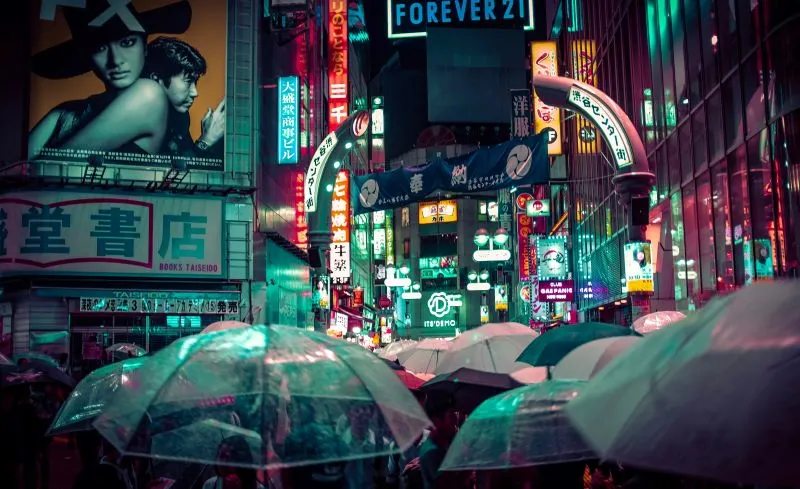
Oriental Bazaar is a popular and long-standing souvenir shop located in the Shibuya district of Tokyo, Japan. It’s known for offering a wide range of traditional and unique Japanese crafts, gifts, and souvenirs.
The store is designed to provide visitors with an opportunity to explore and purchase items that showcase Japan’s cultural heritage.
Oriental Bazaar often features an array of products such as kimono, yukata (casual summer kimono), pottery, ceramics, lacquerware, traditional textiles, tea sets, calligraphy supplies, and more.
One of the distinctive aspects of Oriental Bazaar is its diverse collection, which spans from classic and timeless pieces to modern and contemporary interpretations of Japanese art and crafts.
This allows visitors to find something that suits their tastes, whether they’re looking for authentic traditional items or creative modern designs.
The shop’s interior often evokes a sense of Japanese aesthetics, creating a visually appealing and immersive shopping experience.
The store’s location in Shibuya makes it convenient for both tourists and locals to browse and purchase souvenirs that reflect Japan’s rich cultural heritage.
19. Shibuya Loft: Find a wide range of lifestyle and stationery goods in this multi-story store


Shibuya Loft is a multi-story retail store located in the Shibuya district of Tokyo, Japan. It’s known for offering a diverse range of products, including stationery, crafts, household goods, fashion accessories, beauty products, and much more.
The store is designed to cater to various interests and needs, making it a popular shopping destination for both locals and tourists.
Shibuya Loft’s multi-floor layout often features different sections dedicated to specific categories of products. These categories may include stationery, arts and crafts supplies, kitchenware, home decorations, fashion accessories, beauty and cosmetics, gadgets, and novelty items.
Shibuya Loft often emphasizes creative and unique designs, making it a go-to place for people seeking distinctive and innovative products. Whether you’re looking for stylish stationery, trendy accessories, practical household goods, or even creative gift ideas, you’re likely to find a wide selection at Shibuya Loft.
The store’s layout and vibrant atmosphere encourage exploration and browsing. Visitors can spend time discovering a variety of items that reflect both traditional Japanese aesthetics and modern design trends. Shibuya Loft’s central location in Shibuya makes it easily accessible for those exploring the district.
20. Bunkamura: Experience art, theater, music, and dining in this cultural complex

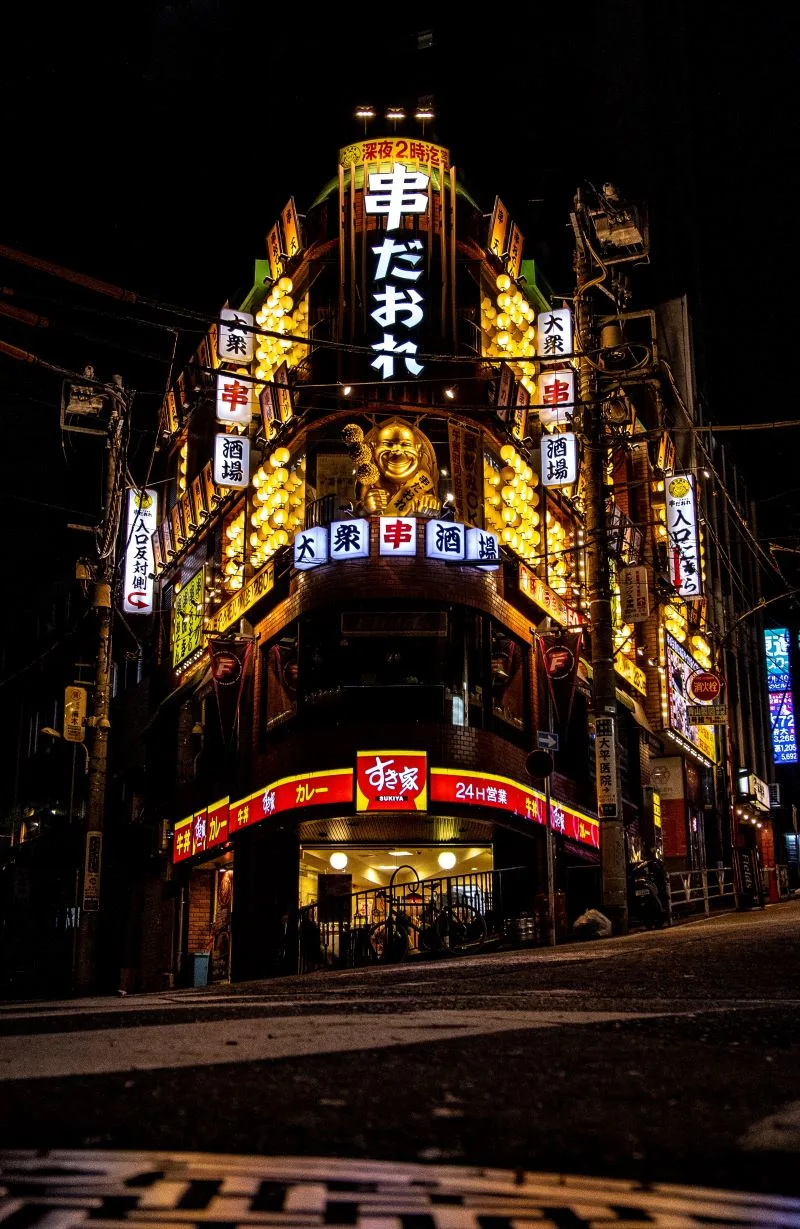
Bunkamura, short for “Bunkamura The Museum,” is a prominent cultural complex located in the Shibuya district of Tokyo, Japan.
The complex consists of several interconnected facilities, including an art gallery, a concert hall, a theater, and a cinema. Bunkamura aims to provide a comprehensive cultural experience that encompasses visual arts, music, theater, and film.
Bunkamura Gallery: This art gallery hosts a diverse range of exhibitions, showcasing both Japanese and international artists across various genres and mediums.
The gallery’s exhibitions often span from traditional to contemporary art, offering visitors a chance to engage with a wide spectrum of creative expressions.
Bunkamura Orchard Hall: A concert hall renowned for its excellent acoustics, Orchard Hall hosts a variety of musical performances, including classical concerts, jazz performances, orchestras, and more. It’s a hub for music lovers to enjoy live performances in an intimate yet impressive setting.
Bunkamura Theatre Cocoon: This theater is dedicated to contemporary theater productions, dance performances, and other stage shows.
It often features innovative works by both emerging and established artists, contributing to Tokyo’s vibrant performing arts scene.
Bunkamura Cinema: The cinema within Bunkamura screens a selection of films, including mainstream releases, independent films, and international movies. It’s a space where cinephiles can enjoy a diverse range of cinematic experiences.
Bunkamura’s convenient location, just a short walk from Shibuya Station, makes it accessible to both residents and visitors.
The complex’s aim to combine various cultural disciplines under one roof provides a rich and immersive cultural experience for those interested in the arts, music, theater, and film.
21. Shibuya Scramble Square: Enjoy shopping and dining, as well as an observation deck with stunning views


Shibuya Scramble Square is a modern skyscraper and commercial complex located in the Shibuya district of Tokyo, Japan. It stands out as one of the newest additions to the Shibuya skyline and offers a variety of shopping, dining, and entertainment experiences.
The highlight of Shibuya Scramble Square is its observation deck, known as “Shibuya Sky.” This observation deck provides visitors with panoramic views of the Shibuya area, including the famous Shibuya Crossing and surrounding cityscape.
It’s a popular spot for both locals and tourists to capture breathtaking photos and enjoy the urban landscape from a unique vantage point.
The complex itself houses a range of shops, boutiques, restaurants, cafes, and entertainment facilities. From fashion to beauty products and electronics, visitors can find a diverse selection of retail options catering to different tastes and preferences.
The dining options vary from casual eateries to more upscale restaurants, providing a variety of culinary experiences.
Shibuya Scramble Square’s architecture features a sleek and modern design, adding to the evolving skyline of the Shibuya district.
Its location near Shibuya Station makes it conveniently accessible, and it’s often included in the list of must-visit places for those exploring Tokyo.
22. Shibuya Modi: Shop at this complex for fashion, accessories, and beauty products


Shibuya Modi is a multi-story shopping complex located in the Shibuya district of Tokyo, Japan. It offers a diverse range of fashion, accessories, beauty products, and more, catering to a variety of styles and tastes.
The complex is designed to provide visitors with a comprehensive shopping experience. You can expect to find a mix of well-known fashion brands, boutique shops, and specialty stores offering clothing, shoes, accessories, and cosmetics. Shibuya Modi aims to cater to different fashion preferences, from classic and sophisticated to trendy and edgy.
Beyond fashion, the complex might also house beauty and skincare products, allowing visitors to explore a range of cosmetics, skincare items, and beauty accessories. This creates a one-stop destination for those looking to update their wardrobe and enhance their personal style.
Shibuya Modi’s central location near Shibuya Station makes it easily accessible for both locals and tourists. With its varied offerings and modern design, it’s a place where you can spend time browsing the latest fashion trends, discovering unique pieces, and indulging in beauty products.
23. Shibuya Marui: Browse a variety of stores in this department store catering to different interests

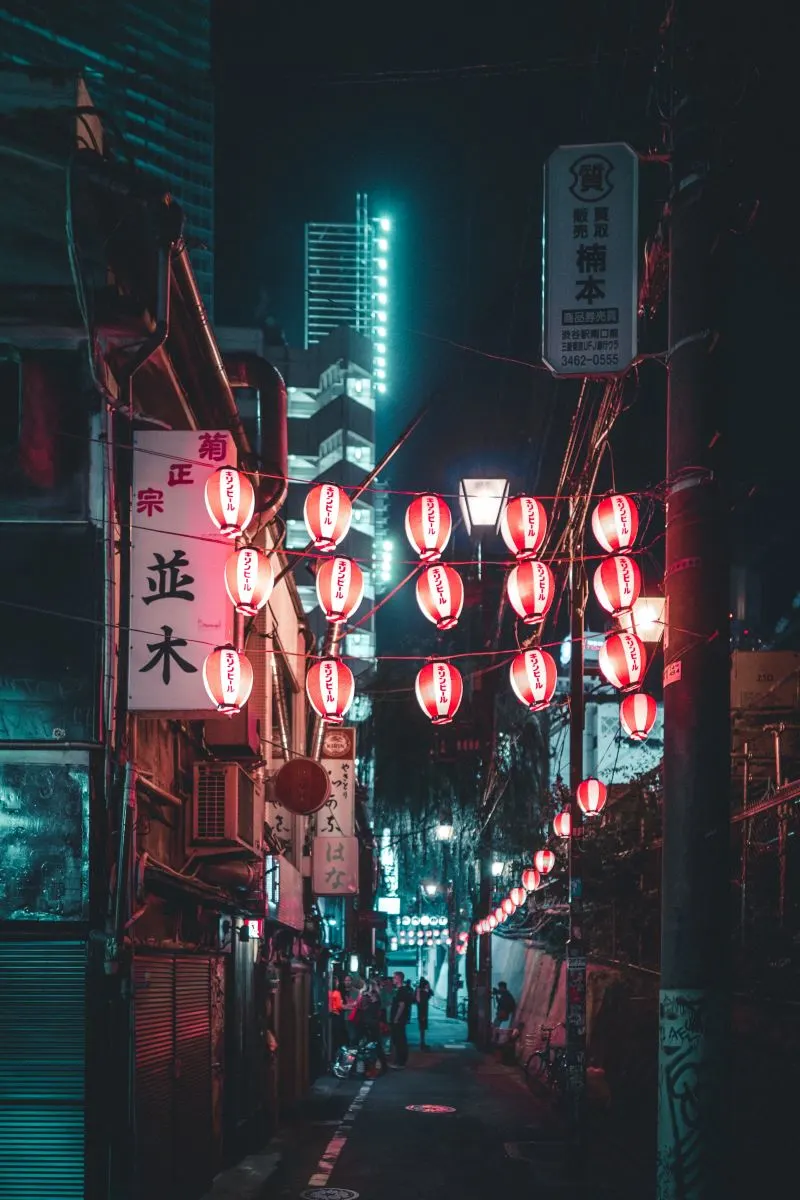
Shibuya Marui, often referred to as simply “Marui,” is a well-established department store located in the Shibuya district of Tokyo, Japan. It’s known for offering a wide range of fashion, cosmetics, accessories, and lifestyle goods, catering to diverse tastes and styles.
Marui is particularly popular among young adults and fashion enthusiasts. The department store typically features multiple floors, each dedicated to specific categories of products.
Visitors can explore a mix of local and international fashion brands, including both established names and emerging designers.
Cosmetics and beauty products are also a significant feature of Shibuya Marui. You can find a variety of skincare, makeup, and beauty brands, often showcasing the latest trends and innovations in the beauty industry.
One of the unique aspects of Shibuya Marui is its tendency to focus on subcultures and niche styles. The store sometimes collaborates with subculture brands, offering items that cater to specific fashion communities like gothic, punk, or alternative fashion.
The department store’s location near Shibuya Station makes it easily accessible and a popular destination for those exploring the Shibuya area. Marui’s combination of trendy fashion, cosmetics, and lifestyle offerings makes it a go-to spot for shopping and discovering new styles.
24. Meguro River: During cherry blossom season, take a stroll along this picturesque river

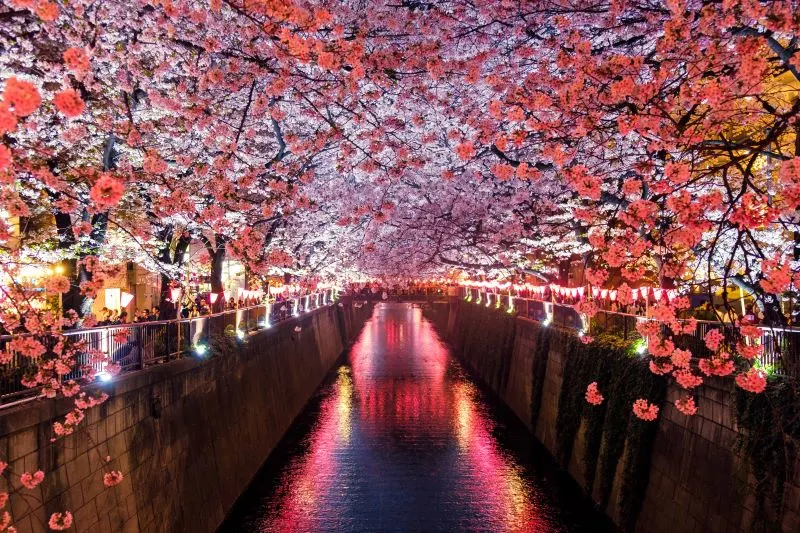
Meguro River is a picturesque waterway that flows through several districts, including Shibuya, in Tokyo, Japan. Renowned for its natural beauty and seasonal charm, Meguro River is particularly famous for its stunning cherry blossoms during springtime.
In Shibuya, the section of Meguro River offers a serene and scenic atmosphere that contrasts with the urban surroundings.
During cherry blossom season, typically in late March to early April, the riverbanks burst into a profusion of pink and white blossoms, creating a captivating sight.
The trees lining the river are illuminated at night, providing an enchanting backdrop for evening walks or hanami (cherry blossom viewing) gatherings.
The riverside promenade is a popular spot for strolls, photography, and relaxation.
Whether you’re visiting during cherry blossom season or other times of the year, Meguro River in Shibuya offers a tranquil escape from the city’s bustling energy.
25. Shibuya Hikarie: Discover art exhibitions, shopping, dining, and an observation deck

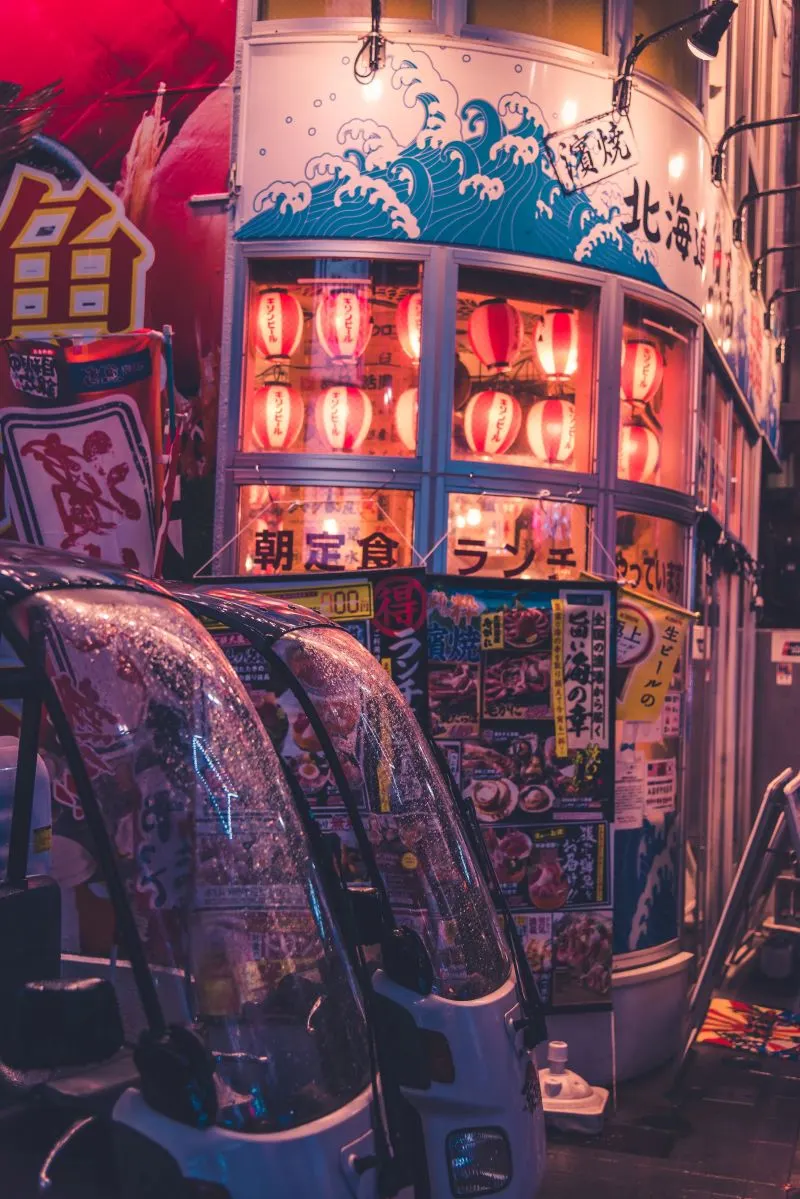
Shibuya Hikarie is a modern and stylish commercial complex located in the Shibuya district of Tokyo, Japan. It stands as a hub for shopping, dining, entertainment, and cultural experiences, offering a blend of contemporary design and diverse offerings.
The complex features multiple floors, each with a distinct purpose:
Shopping: Shibuya Hikarie houses a variety of shops and boutiques that showcase a range of fashion styles, accessories, and lifestyle products. Visitors can explore both well-known brands and unique, independent retailers.
Dining: The complex offers an array of dining options, from casual eateries and cafes to more upscale restaurants. A diverse range of cuisines and flavors can be found, making it a destination for food enthusiasts.
Entertainment: Shibuya Hikarie often hosts events, exhibitions, and performances in its dedicated event spaces. It serves as a cultural hub where visitors can engage with art, music, and other forms of creative expression.
Theater: The complex includes a theater that showcases a variety of live performances, including plays, musicals, concerts, and more. It’s a space where audiences can enjoy a wide range of theatrical productions.
Shibuya Hikarie’s architecture and design contribute to its modern and urban atmosphere. The complex’s integration of shopping, dining, entertainment, and cultural experiences makes it a popular destination for both locals and tourists looking to immerse themselves in the vibrant Shibuya district.
Remember that this list is not exhaustive, and there’s much more to discover in Shibuya. The district is constantly evolving, so be sure to explore and experience the latest trends and attractions during your visit!
Food In Shibuya


Shibuya, Tokyo’s vibrant and bustling district, is not only famous for its iconic crossing and youthful culture but also for its rich and diverse culinary offerings.
From traditional Japanese delights to international flavors, Shibuya’s food scene caters to every palate, making it a gastronomic paradise for both locals and visitors. Let’s take a closer look at the culinary journey that awaits in Shibuya.
Japanese Cuisine: Shibuya boasts an array of restaurants and eateries where you can savor the authentic flavors of Japanese cuisine. Ramen lovers will find themselves in heaven with a variety of ramen shops offering different broth bases and toppings.
For a unique experience, try the local specialty of Tsukemen – dipping noodles. Sushi aficionados will appreciate the fresh and high-quality offerings at traditional sushi bars and conveyor belt restaurants.
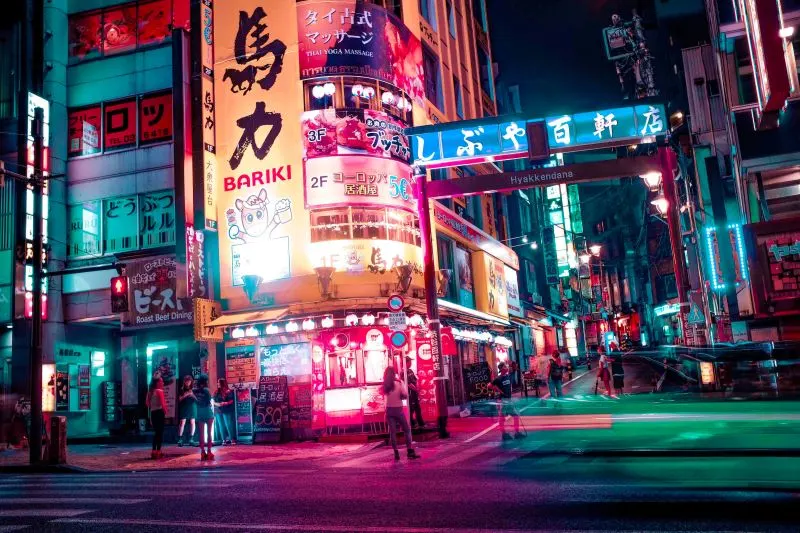
Izakayas, or Japanese-style pubs, are scattered throughout Shibuya, offering an opportunity to enjoy small plates of delectable dishes alongside your favorite drink.
Tempura, yakitori (grilled skewers), and okonomiyaki (savory pancakes) are just a few of the mouthwatering options available.
Global Flavors: Shibuya is a melting pot of international cuisines, making it a haven for those seeking diverse flavors. From Italian trattorias to Mexican taquerias, you’ll find it all.
The area around Shibuya Station is home to a wide range of fast-food options, including burgers, pizzas, and kebabs, perfect for a quick bite on the go.
Shibuya’s bustling streets also host an impressive selection of Korean and Taiwanese restaurants, offering dishes like bibimbap, bulgogi, and bubble tea.
Moreover, the district’s cosmopolitan vibe ensures you can indulge in fusion cuisine, where traditional recipes blend with global ingredients, creating exciting new culinary experiences.
Sweets and Treats: Don’t forget to save room for dessert! Shibuya is brimming with sweet temptations. Try the trendy Japanese-style pancakes, adorned with fruits, cream, and other delightful toppings. If you’re an ice cream lover, Harajuku’s Takeshita Street features towering cones with an assortment of flavors and toppings.
For those craving something uniquely Japanese, sample traditional wagashi (Japanese sweets) at local tea houses. And if you’re feeling adventurous, try matcha-flavored treats, ranging from ice cream to pastries, for an authentic taste of Japan’s vibrant culinary culture.
Food Adventures Beyond the Expected: Shibuya is not just about satisfying your hunger; it’s about embracing culinary adventures. E
xplore themed cafes, where you can enjoy coffee surrounded by cats, owls, or even robots. Or delve into the world of DIY dining at yakiniku (grilled meat) restaurants, where you cook your own meats over a hot grill at your table.
Additionally, Shibuya’s depachika, or basement food floors in department stores, offer an array of gourmet delights, from bento boxes to fresh seafood and pastries. It’s an excellent place to explore local delicacies and assemble a delectable meal to enjoy later.
Shibuya’s food scene is a reflection of its vibrant and diverse culture. Whether you’re seeking traditional Japanese flavors, international delights, or whimsical dining experiences, Shibuya has it all.
The district’s culinary offerings are a testament to its status as a dynamic and ever-evolving destination, where every meal is an opportunity to savor the essence of Tokyo’s dynamic lifestyle.
Top 20 Best Restaurants In Shibuya, Japan

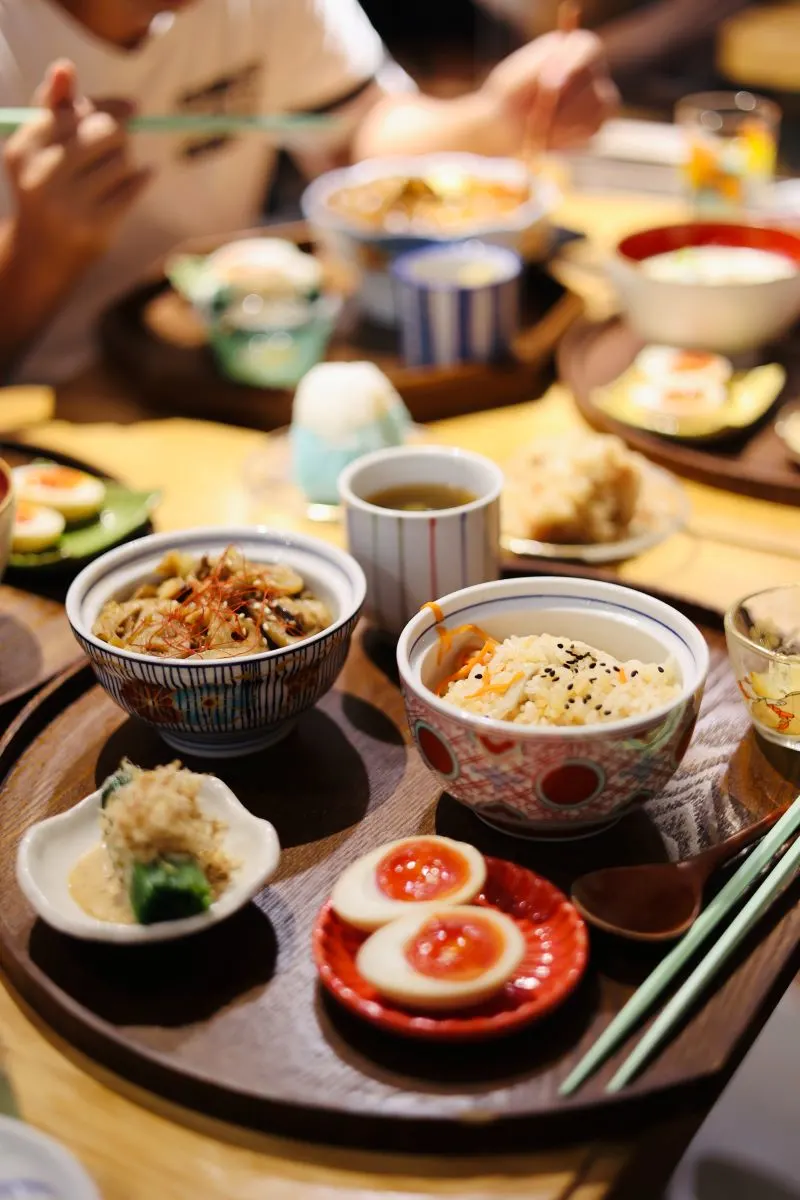
- Ichiran Shibuya: Known for its customizable ramen and individual booth seating, providing a unique dining experience.
- Afuri: Offers delicious yuzu-infused ramen and a variety of toppings in a contemporary setting.
- Sushi Zanmai: A popular chain known for its fresh and reasonably priced sushi.
- Nabezo Shibuya: A popular shabu-shabu and sukiyaki restaurant where you cook your own ingredients at the table.
- Genki Sushi: A conveyor belt sushi chain with a modern twist on traditional sushi dining.
- Uobei Shibuya Dogenzaka: A futuristic sushi restaurant where orders are placed on a touchscreen and delivered by a conveyor belt.
- Maisen: Famous for its crispy tonkatsu (breaded and deep-fried pork cutlet).
- Ippudo Ramen Shibuya: Part of the well-known Ippudo chain, offering delicious Hakata-style ramen.
- Yakitori Torikizoku Shibuya Center Street: A casual and popular spot for yakitori (grilled chicken skewers) and drinks.
- Gyu-Kaku Shibuya Dogenzaka: A yakiniku (grilled meat) restaurant where you can cook your own meat at the table.
- Shibuya Tofu Festival: A unique tofu-focused restaurant offering various tofu-based dishes.
- Shibuya Stream Excel Tokyu: Offers a variety of dining options with a view of the iconic Shibuya Crossing.
- Maisen Tonkatsu: A renowned tonkatsu restaurant known for its high-quality breaded pork cutlet dishes.
- Sarabeth’s Shibuya: Offers a mix of American and European-style breakfast, brunch, and desserts.
- Udon Maruka Shibuya: A popular udon noodle shop with a variety of toppings and broths.
- Maisen Tonkatsu & Cafe: Serves traditional tonkatsu as well as modern cafe-style dishes.
- Nakameguro Taproom: A craft beer-focused restaurant with a variety of brews and pub-style food.
- Bills Omotesando: Famous for its signature ricotta pancakes and hearty breakfast options.
- Han no Daidokoro Bettei: Offers traditional Japanese kaiseki cuisine in an elegant setting.
- Sakuratei: A popular okonomiyaki restaurant where you can cook your own savory pancakes.
Transportation In Shibuya
Transportation in Shibuya, one of Tokyo’s most bustling districts, is well-developed and diverse, offering a range of options to navigate the area and beyond.
- Train and Subway: Shibuya is a major transportation hub with its own train and subway station, Shibuya Station. This station is served by multiple train lines, including the JR Yamanote Line, the Tokyo Metro Hanzomon Line, the Tokyo Metro Fukutoshin Line, and the Tokyu Toyoko Line. These lines connect Shibuya to various parts of Tokyo and beyond, making it easy to access other popular areas in the city.
- Shibuya Crossing: The iconic Shibuya Crossing itself serves as a pedestrian-friendly transportation hub. As thousands of pedestrians cross the intersection, it’s important to follow traffic signals and navigate with care.
- Buses: The Shibuya area is well-served by both Tokyo Metro and Toei buses, providing additional options for getting around. Buses are particularly useful for exploring areas not directly accessible by train or subway.
- Taxis: Taxis are readily available in Shibuya and can be a convenient way to travel, especially if you’re carrying luggage or traveling with a group.
- Bicycles: Biking is a feasible option in Shibuya, especially for short distances. Some streets have bike lanes, and rental services are available.
- Walking: Shibuya’s compact layout makes it highly walkable. Many attractions, shopping centers, and dining spots are within walking distance of each other.
- Ridesharing and Car Rentals: While ridesharing services like Uber are not as common in Japan as in some other countries, they do exist in limited capacities. Car rental services are available if you plan to explore areas outside the city.
Navigating Shibuya and Tokyo at large is made easier by the well-connected transportation network. Depending on your preferences and needs, you can choose from a mix of train, subway, bus, and walking options to explore the vibrant district and its surrounding areas.
Keep in mind that public transportation in Tokyo is known for its efficiency, cleanliness, and punctuality, making it a convenient way to experience the city.
In conclusion, Shibuya stands as an unmissable district within Tokyo, Japan, offering a captivating blend of modernity, culture, and creativity.
From the iconic Shibuya Crossing that pulses with the rhythm of urban life to the tranquil Meiji Shrine that offers a serene escape, this dynamic neighborhood encapsulates the essence of Tokyo’s vibrant spirit.
As we’ve explored the 25 best things to do in Shibuya, it’s evident that there’s something for everyone in this bustling hub of fashion, trends, and experiences.
Delve into the realm of fashion at Shibuya 109 or discover unique treasures along Cat Street. Immerse yourself in the youthful energy of Harajuku or savor traditional Japanese cuisine at local izakayas. Capture the iconic Hachiko Statue and stroll along the scenic Meguro River during cherry blossom season.
Embrace the culinary diversity of the district, from street food to upscale dining, and find entertainment in the myriad theaters, live music venues, and clubs that light up the night.
Shibuya’s fusion of cultural landmarks and modern architecture paints a vivid picture of Tokyo’s past and present, while its role as a trendsetting epicenter connects it to global influences.
Whether you’re crossing the famous intersection, exploring the depths of Shibuya Parco, or soaking in the panoramic views from Shibuya Scramble Square, the district’s multitude of experiences promises a journey like no other.
As the district evolves and innovations unfold, Shibuya remains a timeless destination where tradition and innovation, culture and creativity harmoniously coexist.
Whether you’re a fashion enthusiast, a food lover, a culture seeker, or an urban adventurer, Shibuya beckons you to embark on an unforgettable exploration of Tokyo’s heart and soul.
From the bustling streets to the quiet corners, Shibuya invites you to partake in its vibrant tapestry of experiences, ensuring that your journey through this iconic neighborhood will leave an indelible mark on your memories of Tokyo.
Leave a comment