

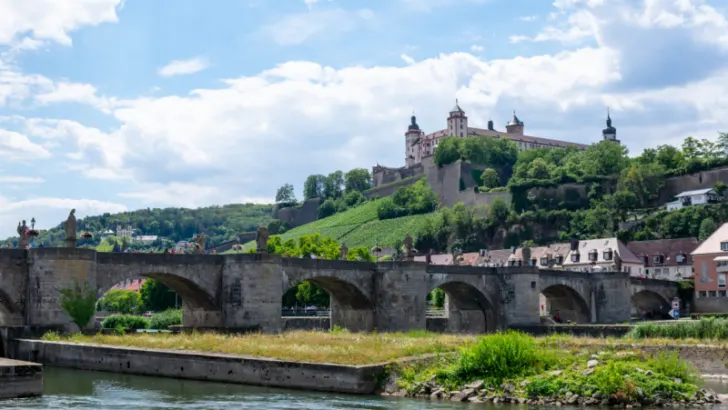

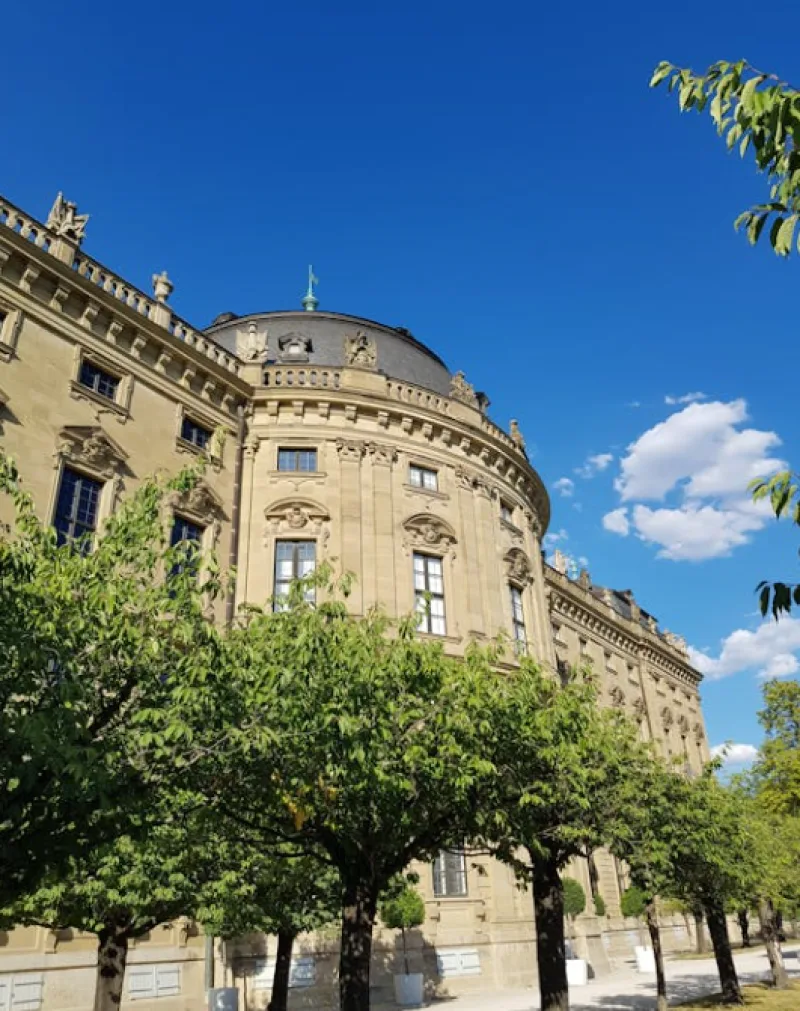
Nestled along the picturesque banks of the Main River in northern Bavaria, Würzburg is a city steeped in history, renowned for its architectural splendor, vibrant cultural scene, and acclaimed Franconian wines. With a history dating back over a thousand years, Würzburg has evolved from a medieval stronghold into a thriving modern city that seamlessly blends its rich heritage with contemporary vitality.
Historical Significance
Würzburg’s history is intertwined with that of the powerful Prince-Bishops who ruled the region for centuries. The city’s most iconic landmark, the UNESCO World Heritage-listed Würzburg Residence, stands as a testament to this era of princely power and Baroque opulence. Built in the 18th century, the Residence is celebrated for its magnificent architecture, lavish interiors, and extensive gardens designed by renowned architects and artists of the time.
Cultural Riches
Beyond its architectural marvels, Würzburg boasts a vibrant cultural scene that attracts visitors from around the world. The Mainfranken Theater presents a diverse array of opera, ballet, and theatrical performances, while museums such as the Mainfränkisches Museum and Museum im Kulturspeicher showcase the region’s art, history, and contemporary culture.
Wine Capital of Franconia
Würzburg is renowned as the gateway to Franconia’s wine country, where vineyards blanket the rolling hills along the Main River. The city’s wine tradition dates back centuries, with local varietals like Silvaner and Müller-Thurgau earning international acclaim for their quality and distinctive flavors. Visitors can explore vineyards, attend wine tastings, and indulge in Franconian cuisine paired perfectly with local wines at cozy taverns and gourmet restaurants throughout the city.
Academic Hub and Modern Life
Home to one of Germany’s oldest universities, the Julius-Maximilians-Universität, Würzburg continues to be a center of education and research. The university’s presence infuses the city with youthful energy and intellectual curiosity, contributing to a dynamic blend of tradition and innovation in Würzburg’s cultural and social fabric.
In essence, Würzburg captivates visitors with its blend of historical grandeur, cultural richness, and culinary delights. Whether exploring its UNESCO World Heritage sites, savoring Franconian wines, or immersing oneself in its vibrant arts scene, Würzburg offers an unforgettable experience that reflects the essence of Bavarian hospitality and charm.
1. Würzburg Residence (Residenz)

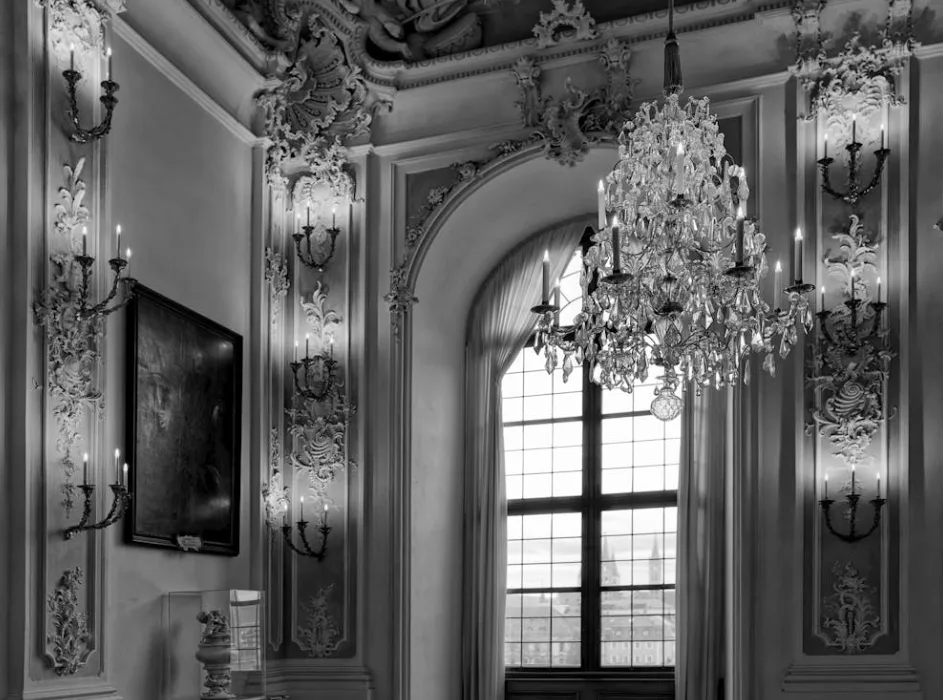
The Würzburg Residence (Residenz) is a grand Baroque palace located in Würzburg, Germany. Constructed between 1720 and 1744, it served as the residence of the Prince-Bishops of Würzburg.
The palace is renowned for its stunning architecture and lavish interiors, designed by several prominent architects, including Balthasar Neumann, who is credited with the intricate staircase and the elaborate chapel.
The frescoes by Giovanni Battista Tiepolo, particularly the one in the grand staircase hall, are considered masterpieces of Baroque art.
The Würzburg Residence is a UNESCO World Heritage site, celebrated for its historical significance and artistic splendor.
2. Marienberg Fortress (Festung Marienberg)

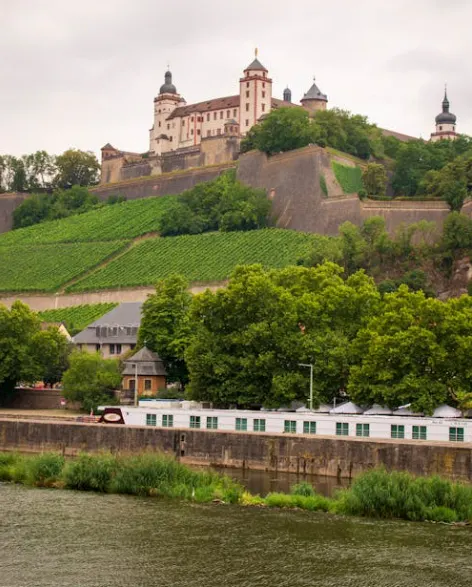
Marienberg Fortress (Festung Marienberg) is a historic fortification overlooking the city of Würzburg, Germany.
The fortress dates back to around 1200, although its origins can be traced to an earlier church built on the site in the 8th century. It served as the residence of the Prince-Bishops of Würzburg until the 18th century, when they moved to the Würzburg Residence.
The fortress features a blend of medieval, Renaissance, and Baroque architecture, with significant structures including the well-preserved keep, the Scherenbergtor gate, and the Princes’ Building. Today, Marienberg Fortress houses several museums, including the Mainfränkisches Museum, which showcases Franconian art and history.
The fortress offers panoramic views of Würzburg and the Main River, making it a popular tourist attraction.
3. Alte Mainbrücke (Old Main Bridge)

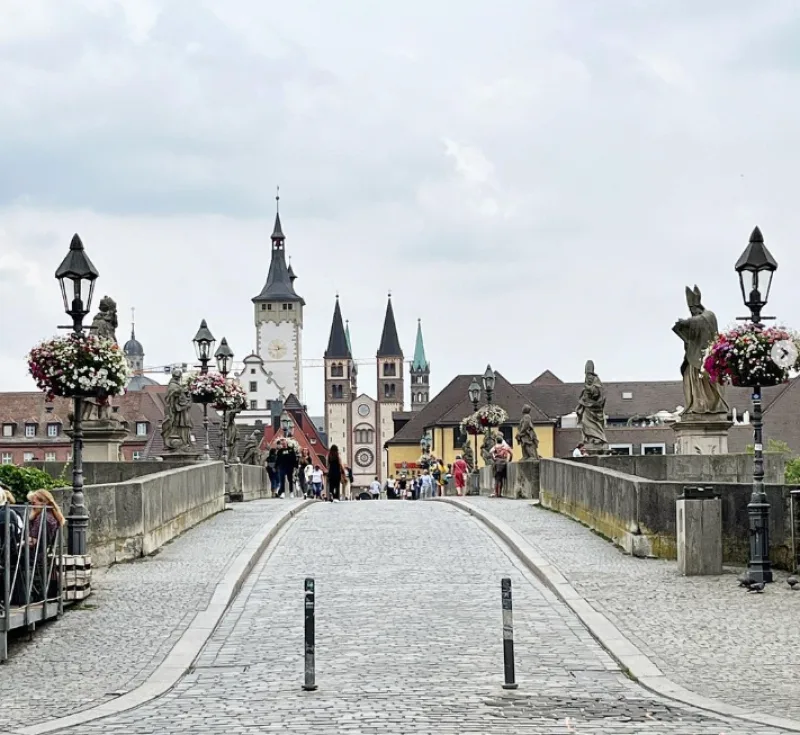
The Alte Mainbrücke (Old Main Bridge) is a historic stone bridge in Würzburg, Germany, spanning the Main River. Built between 1473 and 1543, it replaced an earlier Romanesque bridge.
The bridge is notable for its impressive row of Baroque statues, added in the early 18th century, depicting saints, rulers, and other notable figures, including Saint Kilian and Charlemagne.
The Alte Mainbrücke connects the old town of Würzburg with the Marienberg Fortress and has become a popular pedestrian zone, offering picturesque views of the river, the fortress, and the surrounding cityscape.
The bridge is a beloved landmark and a focal point for both locals and visitors, often bustling with activity and nearby cafés and shops.
4. St. Kilian’s Cathedral (Würzburger Dom)

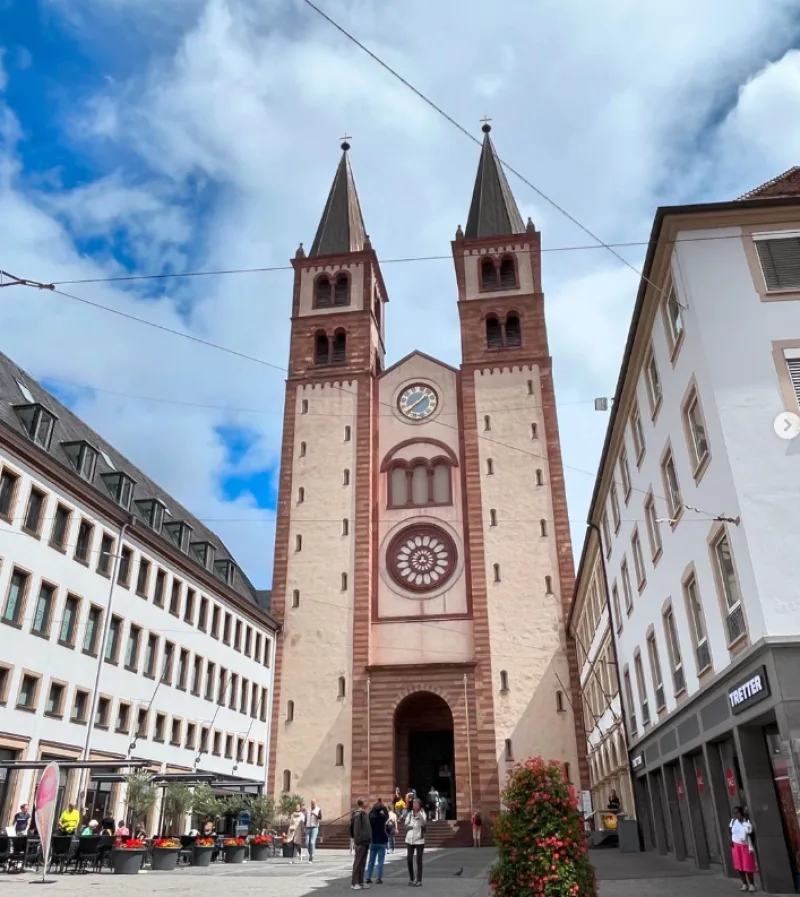
St. Kilian’s Cathedral, known as Würzburger Dom in German, is a majestic Romanesque and Gothic-style cathedral located in Würzburg, Germany. It is dedicated to Saint Kilian, an Irish missionary who played a significant role in the Christianization of Franconia in the 7th century. The construction of the cathedral began in 1040 and continued over several centuries, resulting in a blend of architectural styles, including Romanesque, Gothic, and Baroque elements.
The cathedral’s exterior features twin towers that dominate the skyline of Würzburg. Its interior is adorned with richly decorated chapels, magnificent stained glass windows, and intricate sculptures. The central nave is particularly impressive, showcasing grand vaulted ceilings and a sense of spaciousness typical of Gothic architecture.
One of the highlights of St. Kilian’s Cathedral is the Neumünster Chapel, which houses the tomb of Emperor Heinrich II and his wife, Empress Kunigunde, both significant figures in medieval German history. The cathedral also boasts a beautifully ornate organ and a rich collection of religious artworks.
St. Kilian’s Cathedral stands as a symbol of Würzburg’s religious heritage and architectural splendor, attracting visitors from around the world who come to admire its historical significance and artistic beauty.
5. Juliusspital Winery


Juliusspital Winery, located in Würzburg, Germany, is renowned for its long history of winemaking and its commitment to charitable endeavors. Founded in 1576 by Prince-Bishop Julius Echter von Mespelbrunn, the winery’s primary mission was to support the Juliusspital foundation, a charitable institution dedicated to providing healthcare and social services to the needy.
The winery estate includes extensive vineyards in the Franconian wine region, producing a variety of wines, including Silvaner, Riesling, and Müller-Thurgau, among others. Juliusspital Winery is known for its traditional winemaking techniques and its focus on quality, with many of its vineyards located on the slopes of Würzburg’s hillsides along the Main River.
Visitors to Juliusspital Winery can explore its historic cellars, which date back centuries and offer a glimpse into the region’s winemaking heritage. The winery also features a modern tasting room where guests can sample a range of wines produced on-site. Additionally, the estate includes a restaurant that pairs its wines with traditional Franconian cuisine, providing a complete gastronomic experience.
Beyond its winemaking prowess, Juliusspital Winery remains committed to its charitable mission, with proceeds from wine sales supporting the Juliusspital foundation’s continued efforts in healthcare and social welfare. This combination of historic significance, winemaking excellence, and philanthropy makes Juliusspital Winery a unique and compelling destination for wine enthusiasts and cultural explorers alike.
6. Hofgarten

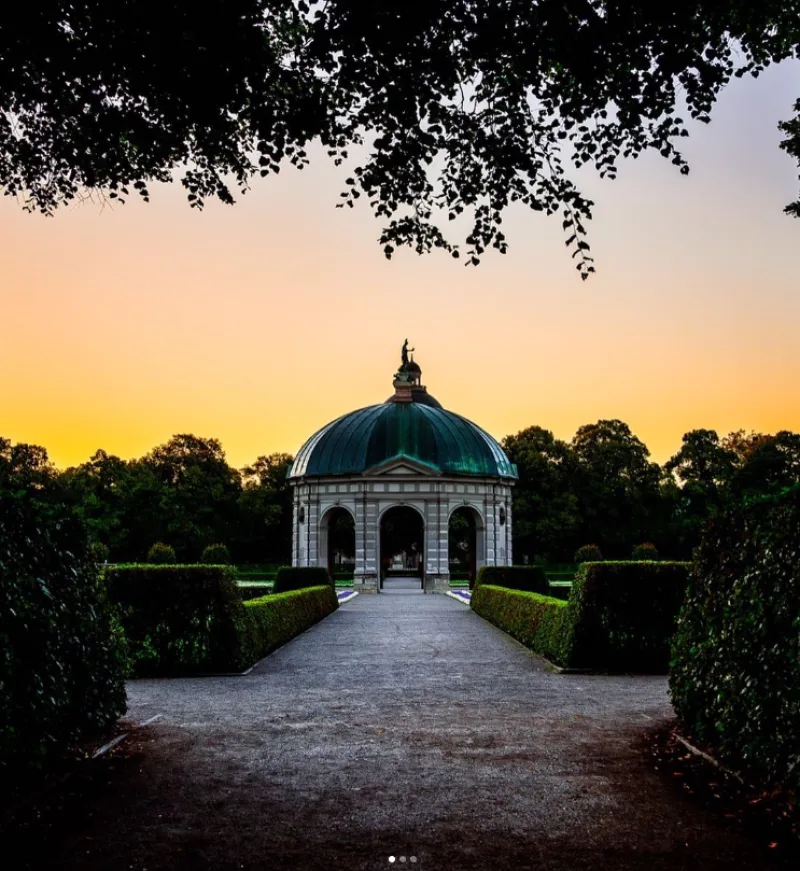
The Hofgarten in Würzburg is a charming and historic baroque-style garden located near the Würzburg Residence. It was originally designed in the early 18th century as part of the overall landscaping plan for the Residence by the renowned architect Balthasar Neumann.
The garden features symmetrical flower beds, manicured lawns, and pathways lined with trees and hedges, creating a tranquil and picturesque atmosphere. Central to its design is a large fountain adorned with sculptures, adding to the garden’s aesthetic appeal.
Visitors to the Hofgarten can enjoy leisurely strolls along its pathways, relax on benches surrounded by colorful flowers, and admire views of the nearby Residence and Marienberg Fortress. The garden’s proximity to other historical landmarks makes it a popular spot for both tourists and locals seeking a peaceful retreat in the heart of Würzburg.
Throughout the year, the Hofgarten hosts various cultural events and festivals, adding to its vibrancy and community appeal. Whether for a quiet moment of reflection or a leisurely walk amidst beautiful surroundings, the Hofgarten offers a delightful experience blending history, architecture, and natural beauty in Würzburg.
7. Market Square (Marktplatz)

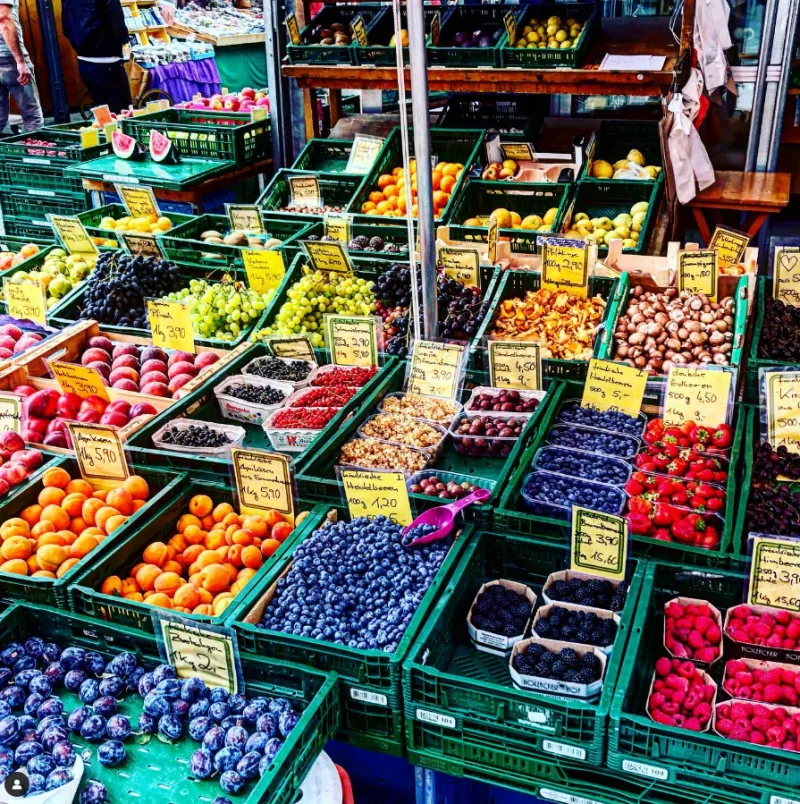
The Market Square (Marktplatz) in Würzburg, Germany, is a lively and historic central square that serves as a focal point for both locals and visitors alike. Situated in the heart of the old town, the Market Square is surrounded by colorful historic buildings, many of which date back to the Renaissance and Baroque periods.
At the center of the square stands the imposing Falkenhaus, a beautifully decorated building featuring intricate Rococo-style façades and a notable clock tower. The Falkenhaus now houses the tourist information center and a wine bar, adding to the square’s vibrant atmosphere.
The Market Square is a hub of activity throughout the year. It hosts a bustling market on certain days where local vendors sell fresh produce, flowers, crafts, and souvenirs. During festivals and special events, the square comes alive with performances, music, and cultural celebrations, offering a glimpse into Würzburg’s rich heritage and community spirit.
Surrounding the square, visitors will find charming cafés, restaurants, and shops, making it a perfect spot to relax and enjoy the ambiance of this historic city. With its blend of architectural splendor, cultural events, and local flair, the Market Square is a must-visit destination that encapsulates the essence of Würzburg’s charm and hospitality.
8. Museum im Kulturspeicher

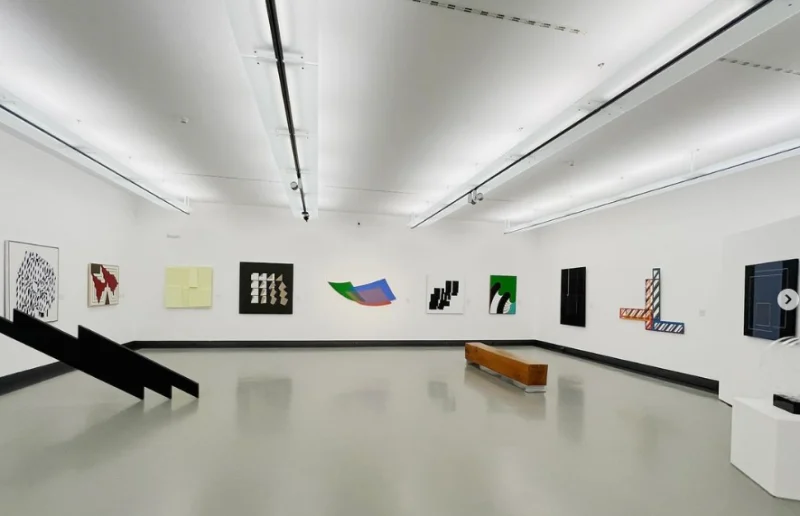
The Museum im Kulturspeicher, located in Würzburg, Germany, is an impressive cultural institution housed in a converted historic granary (Kulturspeicher) along the banks of the Main River. The museum is dedicated to contemporary art, showcasing a diverse range of exhibitions that highlight both regional and international artists.
The building itself, dating back to the 18th century, provides a unique backdrop for the museum’s modern collections. Its interior features spacious galleries with high ceilings and exposed wooden beams, creating a striking contrast between the old architecture and contemporary artworks.
Visitors to the Museum im Kulturspeicher can explore a variety of artistic disciplines, including painting, sculpture, photography, and multimedia installations. The museum frequently hosts temporary exhibitions that explore different themes and artistic movements, ensuring there’s always something new to discover.
In addition to its exhibition spaces, the Museum im Kulturspeicher offers educational programs, workshops, and guided tours that cater to both adults and children, promoting engagement and understanding of contemporary art.
The location of the museum along the riverfront adds to its appeal, providing scenic views and a tranquil atmosphere that enhances the overall visitor experience. Whether you’re an art enthusiast or simply curious about modern cultural expressions, the Museum im Kulturspeicher offers a stimulating and enriching journey through contemporary art in the heart of Würzburg.
9. Mainfränkisches Museum

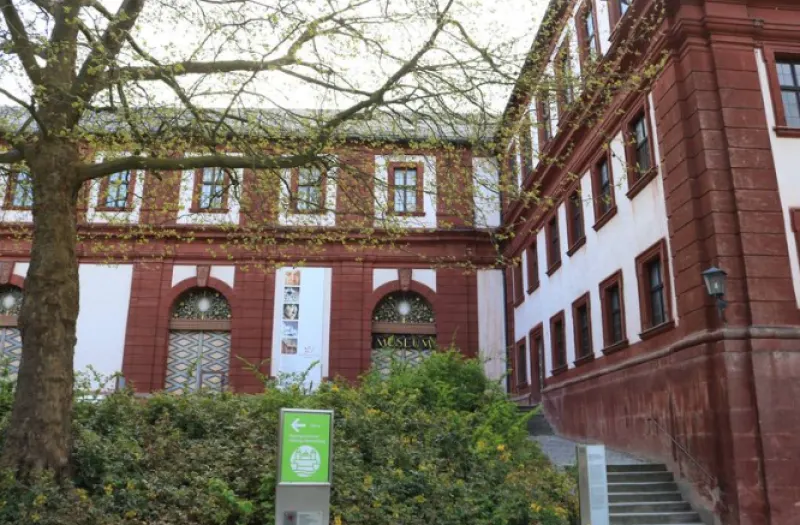
The Mainfränkisches Museum, located in Würzburg, Germany, is a prominent cultural institution dedicated to preserving and showcasing the cultural heritage of the Franconia region. Housed in a historic building near the Marienberg Fortress, the museum’s collection spans a wide range of disciplines including art, archaeology, history, and ethnography.
Visitors to the Mainfränkisches Museum can explore exhibits that chronicle the history of Würzburg and its surrounding region from ancient times to the present day. The museum’s archaeological section features artifacts from prehistoric settlements, Roman times, and the medieval period, providing insights into the region’s rich past.
Art enthusiasts will appreciate the museum’s collection of paintings, sculptures, and decorative arts, which includes works by local artists as well as pieces from renowned European masters. The museum also houses significant collections of furniture, ceramics, and textiles that reflect the cultural traditions and craftsmanship of Franconia over the centuries.
One of the highlights of the Mainfränkisches Museum is its depiction of Würzburg’s development as a cultural and economic hub, showcasing the city’s evolution through historical documents, maps, and models. Special exhibitions rotate regularly, offering deeper insights into specific aspects of Franconian history and culture.
10. Käppele (Wallfahrtskirche Mariä Heimsuchung)

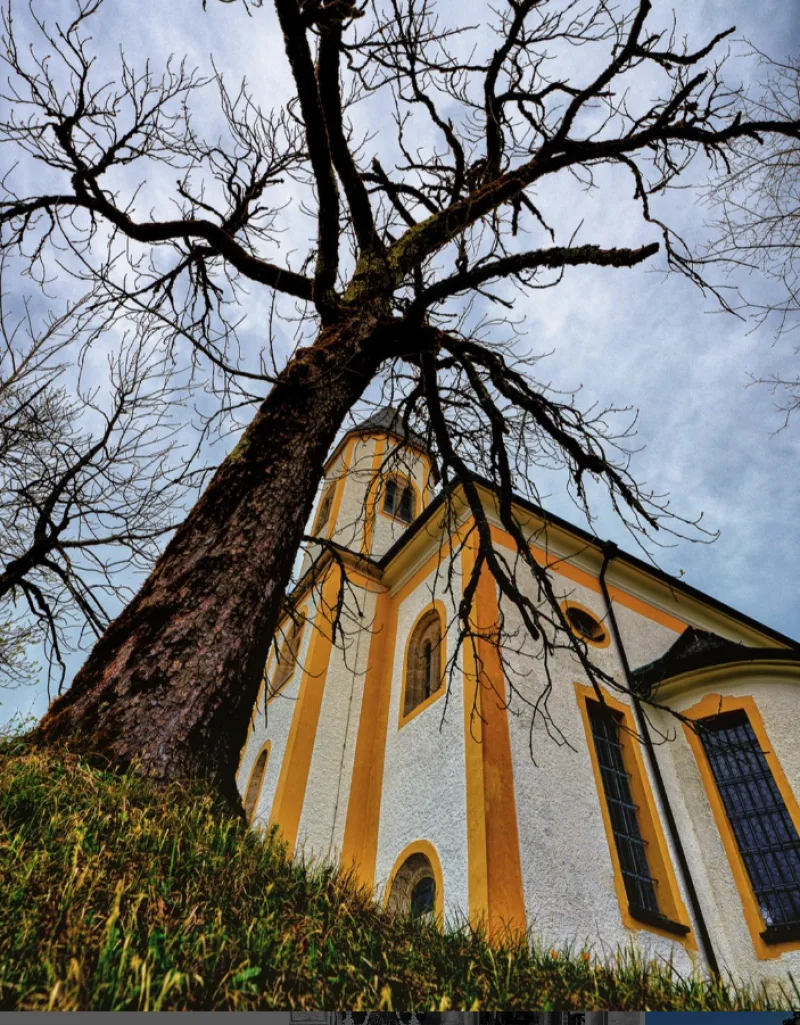
Käppele, officially known as Wallfahrtskirche Mariä Heimsuchung (Pilgrimage Church of the Visitation of Mary), is a stunning Baroque church situated on Nikolausberg hill overlooking Würzburg, Germany. Built between 1748 and 1750, it is renowned for its picturesque location and architectural beauty.
The exterior of Käppele features a distinctive oval-shaped dome and an elaborate façade adorned with statues and ornate decorations typical of the Baroque style. The façade is designed to inspire awe and reverence, setting the tone for the spiritual experience within.
Inside, Käppele is adorned with magnificent frescoes by the Italian Baroque painter Giovanni Battista Tiepolo and his son, Domenico. The frescoes depict scenes from the life of Mary, the mother of Jesus, as well as heavenly figures and allegorical representations. The ceiling fresco in particular, depicting the Coronation of Mary, is a masterpiece that captivates visitors with its vibrant colors and intricate details.
The interior of Käppele is further enhanced by its richly decorated altar and pulpit, along with sculptures and other Baroque elements that contribute to the church’s overall splendor. The atmosphere is serene and contemplative, offering a space for prayer, meditation, and spiritual reflection.
Käppele is not only a place of worship but also a popular pilgrimage site, attracting visitors seeking solace, inspiration, and the opportunity to admire its artistic treasures. The church’s hilltop location provides panoramic views of Würzburg and the surrounding countryside, adding to its appeal as a cultural and spiritual landmark in Franconia.
11. Würzburg Botanical Garden

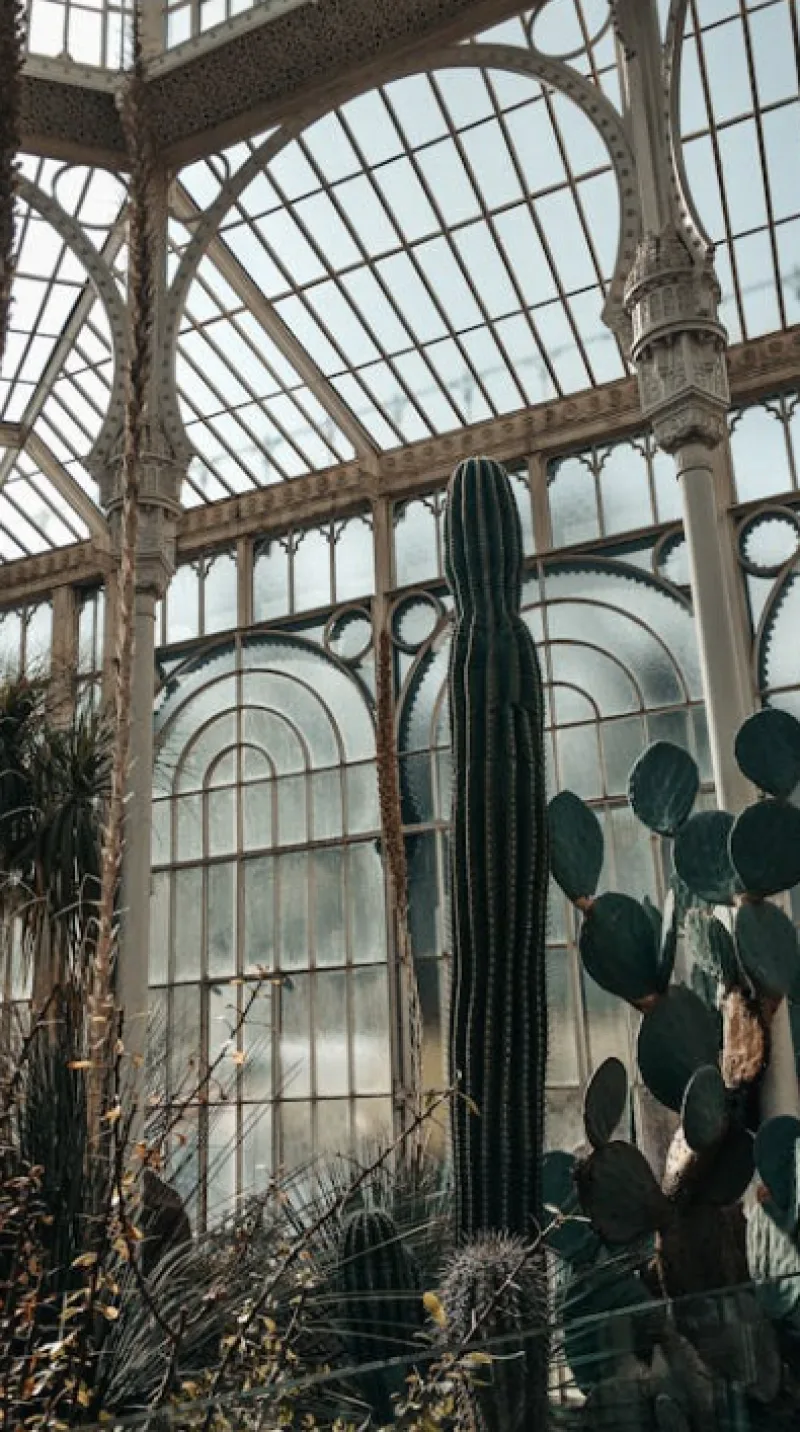
The Würzburg Botanical Garden (Botanischer Garten Würzburg) is a delightful oasis located in Würzburg, Germany, affiliated with the University of Würzburg. Established in 1696, it is one of the oldest botanical gardens in Germany and serves both scientific research and public enjoyment.
Spanning over 10 hectares (25 acres), the botanical garden features a diverse collection of plants from around the world, organized into thematic sections and greenhouses. Visitors can explore various habitats such as alpine plants, medicinal herbs, tropical flora, and native species of Franconia. The garden’s layout is designed to educate and inspire, offering insights into plant diversity, ecology, and conservation.
One of the highlights of the Würzburg Botanical Garden is its extensive collection of roses, showcasing numerous varieties in a picturesque setting. The garden also includes ponds, meadows, and winding paths that invite leisurely walks and moments of tranquility amidst nature.
Throughout the year, the botanical garden hosts educational programs, workshops, and guided tours for visitors of all ages, enhancing understanding of botany and environmental stewardship. Special events and exhibitions further enrich the visitor experience, highlighting seasonal blooms and botanical discoveries.
12. Falkenhaus

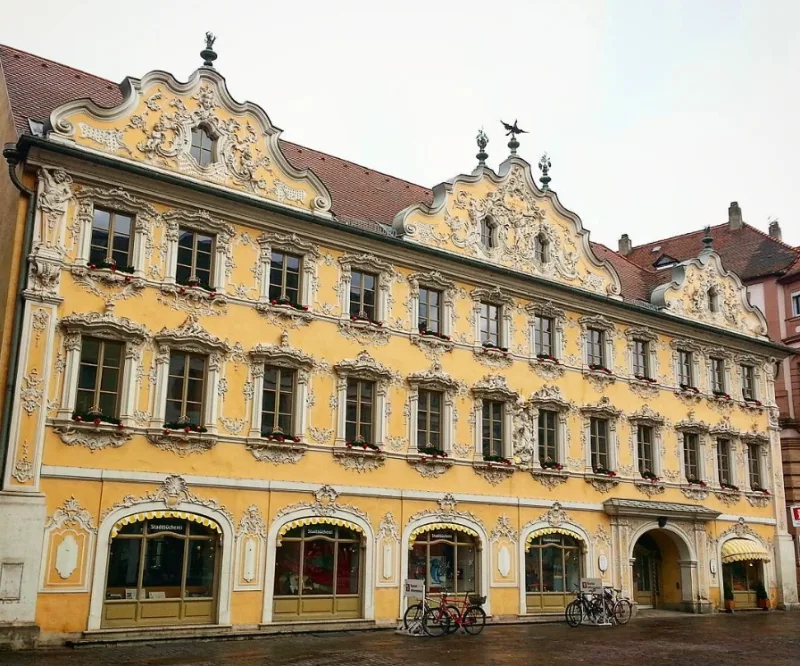
Falkenhaus, located in Würzburg, Germany, is a striking historical building that stands out for its ornate Rococo-style façade. Constructed between 1733 and 1740, Falkenhaus originally served as a hostel for pilgrims visiting the nearby Käppele pilgrimage church. Over the years, it has undergone several uses and renovations, eventually becoming a symbol of Würzburg’s architectural heritage.
The defining feature of Falkenhaus is its intricately decorated façade, characterized by delicate stucco work and sculptures typical of the Rococo period. The façade is adorned with lively motifs, including floral patterns, cherubs, and ornamental elements that showcase the artistic craftsmanship of the era.
Today, Falkenhaus houses the Tourist Information Office (Tourist Information Würzburg) where visitors can obtain information about Würzburg’s attractions, events, and services. It also hosts a wine bar, providing a cozy spot for tourists and locals to enjoy Franconian wines in a historic setting.
The location of Falkenhaus on the Market Square (Marktplatz) adds to its appeal, making it a prominent landmark in the heart of Würzburg’s old town. Its architectural beauty and historical significance make Falkenhaus a must-see for visitors interested in Würzburg’s cultural heritage and Rococo architecture.
13. Neumünster Church

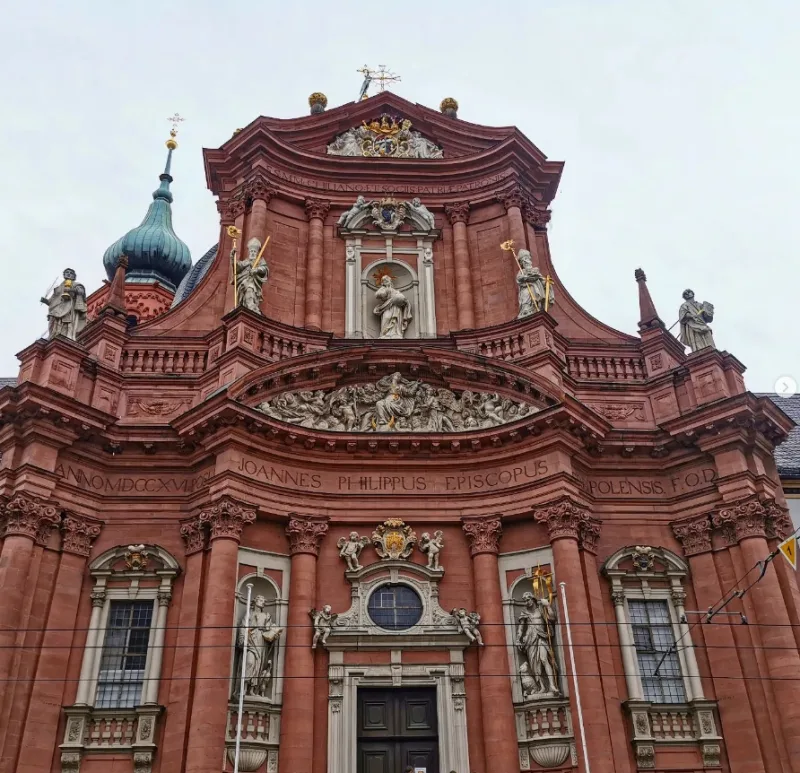
Neumünster Church, located in Würzburg, Germany, is a Romanesque-style church with a rich history dating back to the 11th century. Originally founded as a monastery, Neumünster (meaning “New Monastery” in German) evolved into an important religious and cultural center in Franconia.
The church’s architecture is characterized by its Romanesque elements, including a sturdy tower and thick walls typical of medieval church construction. Over the centuries, Neumünster has undergone various renovations and additions, blending Romanesque, Gothic, and Baroque architectural styles.
Inside Neumünster Church, visitors can admire impressive vaulted ceilings, ornate altars, and stained glass windows depicting religious scenes. The church houses several notable artworks, including the Altar of the Holy Blood, a Gothic masterpiece dating from the 15th century that is celebrated for its intricate woodcarvings and religious iconography.
Neumünster Church is also renowned for its historical significance. It served as the burial place for several medieval bishops of Würzburg and as a venue for important events in the city’s history. The church’s crypt contains the tombs of prominent figures, adding to its cultural and historical allure.
14. Röntgen Memorial Site

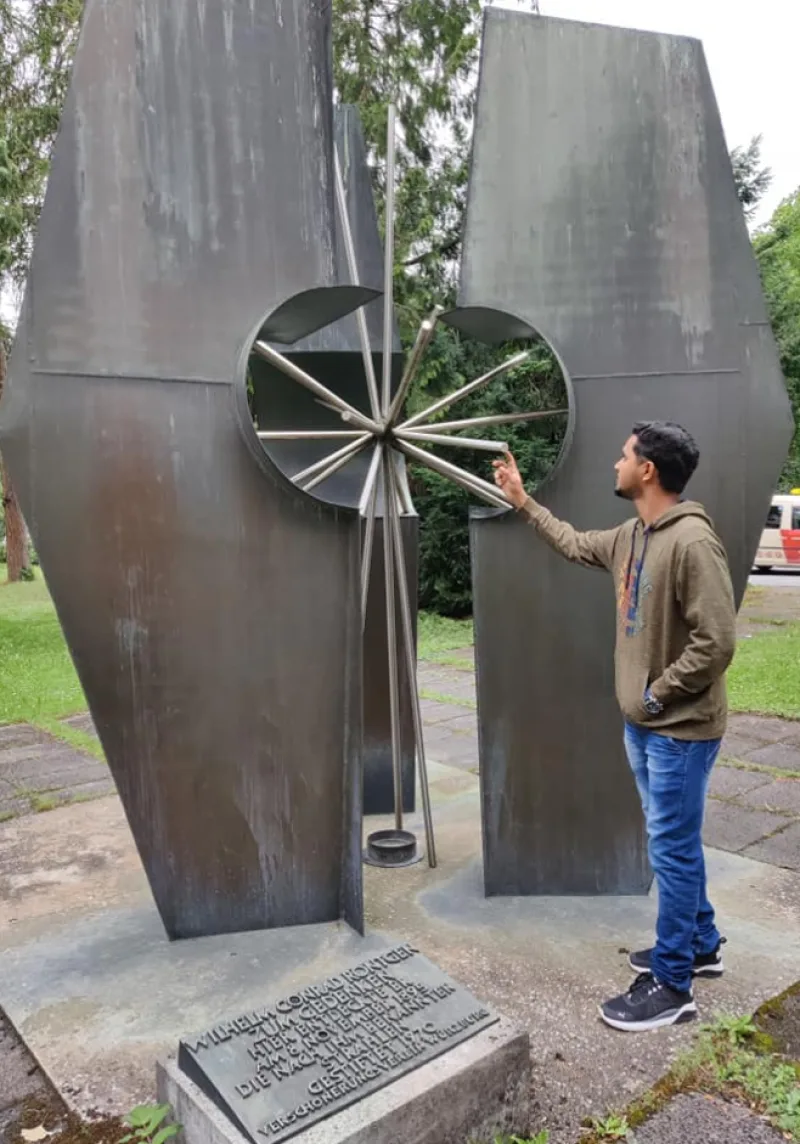
The Röntgen Memorial Site, located in Würzburg, Germany, commemorates the life and work of Wilhelm Conrad Röntgen, the renowned physicist who discovered X-rays in 1895. The memorial is situated at the former location of Röntgen’s laboratory, where he conducted his groundbreaking experiments that led to the discovery of X-rays.
The memorial site includes a plaque or a marker that signifies the historical significance of the location. It serves as a tribute to Röntgen’s pioneering research, which revolutionized medicine and radiology, enabling new diagnostic techniques that continue to save lives worldwide.
Visitors to the Röntgen Memorial Site can learn about Röntgen’s contributions to science through informational displays or exhibits that may detail his life, achievements, and the impact of his discovery. The site offers a glimpse into the scientific legacy of Würzburg and its role in advancing medical technology.
The memorial site is often visited by scientists, historians, and enthusiasts interested in the history of physics and the development of medical imaging. It underscores Würzburg’s historical significance in the realm of scientific discovery and innovation, honoring Wilhelm Conrad Röntgen’s enduring legacy.
15. Ringpark

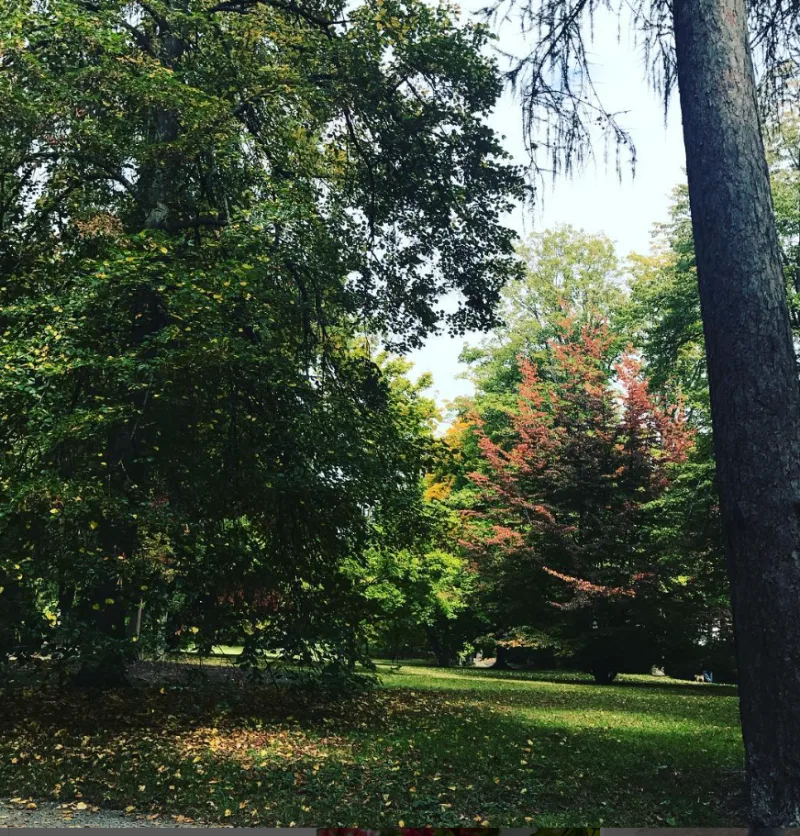
Ringpark is a picturesque park located in Würzburg, Germany, encircling the city center and providing a peaceful green space for residents and visitors alike. It spans approximately 2.5 kilometers in length and serves as a beloved recreational area within the urban landscape of Würzburg.
The park is named after the former city walls that once enclosed Würzburg’s historic center. Today, it features scenic walking and cycling paths that wind through lush greenery, flower gardens, and shaded groves. The layout of Ringpark incorporates open lawns, playgrounds for children, and benches where visitors can relax and enjoy the natural surroundings.
One of the park’s highlights is its location along the banks of the Main River, offering panoramic views of the water and bridges that connect different parts of the city. During the warmer months, Ringpark becomes a popular spot for picnicking, jogging, and leisurely strolls, attracting locals and tourists seeking outdoor recreation in a tranquil setting.
Ringpark also includes cultural and historical points of interest, such as the Bastion Marienberg, a preserved section of the former city fortifications. This adds a layer of historical significance to the park, connecting modern-day leisure activities with Würzburg’s medieval past.
Food In Würzburg


Würzburg, nestled in the heart of Bavaria’s Franconia region, is not only celebrated for its rich history and architectural splendor but also for its vibrant and diverse culinary scene. From traditional Franconian specialties to modern interpretations and international influences, Würzburg offers a feast for the senses that reflects its cultural heritage and gastronomic innovation.
Franconian Cuisine: Hearty and Flavorful
1. Schäufele: A quintessential Franconian dish, Schäufele is a roasted pork shoulder with crispy crackling, typically served with potato dumplings (Kartoffelknödel) and sauerkraut. Its tender, succulent meat and rich flavors make it a favorite among locals and visitors alike.
2. Bratwurst: Franconia is renowned for its distinctive sausages, and Würzburg boasts some of the finest. Enjoyed grilled or roasted, Franconian Bratwurst pairs perfectly with sauerkraut and mustard, offering a savory taste of local tradition.
3. Kartoffelsuppe: During Würzburg’s cooler months, Kartoffelsuppe—a creamy potato soup infused with regional herbs and often topped with crispy bacon or sausage—provides comforting warmth and robust flavor.
Würzburg’s Wine Culture: Vineyards and Vintages
Surrounded by vineyards that stretch along the Main River, Würzburg is a haven for wine enthusiasts. The region specializes in dry white wines, prominently featuring Silvaner and Müller-Thurgau varietals. Visitors can explore local wineries for tastings and tours, immersing themselves in the terroir and craftsmanship that define Franconian wine culture.
Dining Experiences: From Traditional to Contemporary
4. Alte Mainmühle: Overlooking the Main River, this restaurant combines scenic views with regional dishes, emphasizing fresh, local ingredients and classic Franconian recipes.
5. Restaurant Juliusspital: Set within the historic Juliusspital complex, this establishment offers refined Franconian cuisine paired with wines produced by the renowned Juliusspital winery.
6. Weinstube Juliusspital: A cozy wine tavern where guests can savor hearty Franconian fare alongside a selection of local wines, fostering a convivial atmosphere.
7. Bürgerspital zum Heiligen Geist: Known for its traditional Franconian dishes and historic ambiance, this restaurant is housed in a former hospital dating back to the Middle Ages, adding a unique cultural backdrop to the dining experience.
International Flavors and Modern Innovations
Beyond its regional specialties, Würzburg’s culinary landscape embraces global influences and modern culinary trends. Visitors can explore:
8. Vietal Kitchen: Offering Vietnamese cuisine with a focus on fresh ingredients and authentic flavors, providing a delightful contrast to Franconian dishes.
9. Kafé Küche: A charming café that blends international influences with local ingredients, serving artisanal coffee and light, innovative dishes throughout the day.
Sweet Endings: Franconian Desserts and Treats
10. Weingut am Stein Restaurant: Known for its stunning views and inventive dishes, this restaurant offers a unique dining experience in a picturesque vineyard setting.
11. Alter Kranen: With a riverside terrace and traditional Franconian dishes, this restaurant is perfect for enjoying local cuisine while soaking in views of the Main River and the Alte Mainbrücke.
12. Zur alten Mainbrücke: Situated near the Old Main Bridge, this restaurant specializes in Franconian cuisine and is known for its cozy atmosphere and historic charm.
13. Stachel: A modern restaurant with a focus on regional ingredients and creative dishes, offering a fine dining experience in the heart of Würzburg.
14. Backöfele: Famous for its traditional Franconian dishes, including Schäufele and Bratwurst, served in a cozy and welcoming atmosphere.
15. Gasthaus zum Güldenen Schwanen: A historic tavern dating back to the 17th century, offering authentic Franconian cuisine and a wide selection of local wines.
16. Gasthaus Rebstock: Known for its warm hospitality and traditional Franconian dishes, this family-run restaurant provides a welcoming atmosphere for diners.
17. Ratskeller Würzburg: Located in the historic town hall, this restaurant offers a combination of Franconian specialties and international dishes, accompanied by a diverse selection of wines.
18. Würzburger Hofbräukeller: A brewery and restaurant known for its hearty Franconian cuisine and locally brewed beers, offering a lively atmosphere and traditional Bavarian dishes.
19. Schranne Würzburg: A marketplace restaurant that showcases regional specialties and fresh produce, providing a vibrant culinary experience in the heart of Würzburg.
20. Restaurant Pfeuffer: Located in a historic building, this restaurant offers a blend of Franconian and international cuisine, focusing on seasonal ingredients and creative culinary techniques.
Whether savoring traditional Franconian dishes or exploring modern interpretations and international flavors, Würzburg offers a diverse and enriching culinary journey for every palate. From its historic taverns and wine cellars to its contemporary bistros and cafés, Würzburg invites visitors to indulge in the flavors of Franconia while enjoying its vibrant culture and picturesque surroundings.
Top 20 Best Restaurants In Würzburg

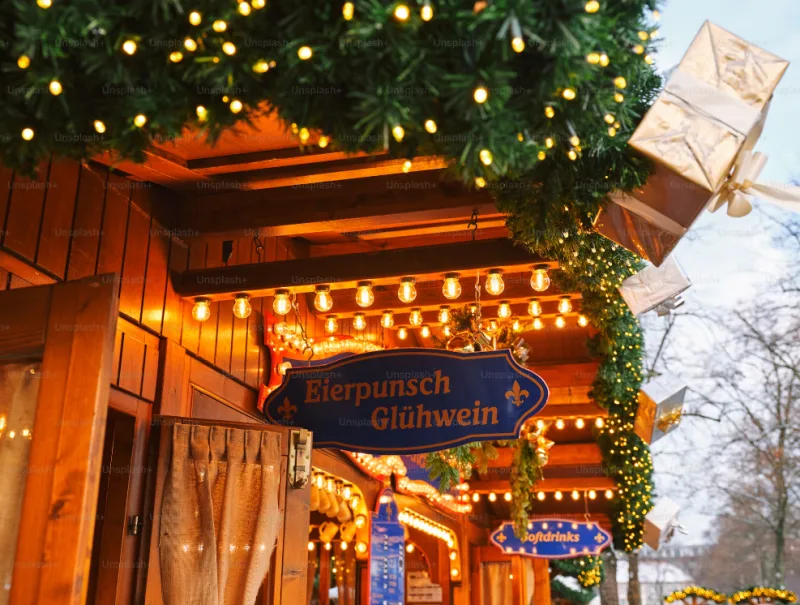
Alte Mainmühle – Enjoy regional dishes with views of the Main River.
Restaurant Juliusspital – Fine dining in a historic setting with wines from Juliusspital winery.
Weinstube Juliusspital – Cozy wine tavern offering Franconian specialties.
Bürgerspital zum Heiligen Geist – Traditional dishes in a historic hospital setting.
Vietal Kitchen – Authentic Vietnamese cuisine in Würzburg.
Kafé Küche – Café serving international dishes and artisanal coffee.
Weingut am Stein Restaurant – Restaurant with vineyard views and inventive dishes.
Alter Kranen – Riverside restaurant offering Franconian cuisine.
Zur alten Mainbrücke – Cozy tavern near the Old Main Bridge serving local dishes.
Stachel – Modern restaurant with a focus on regional ingredients.
Backöfele – Famous for traditional Franconian dishes like Schäufele and Bratwurst.
Gasthaus zum Güldenen Schwanen – Historic tavern with authentic Franconian cuisine.
Gasthaus Rebstock – Family-run restaurant known for warm hospitality and local dishes.
Ratskeller Würzburg – Located in the town hall, offering Franconian specialties and international cuisine.
Würzburger Hofbräukeller – Brewery and restaurant with Bavarian dishes and local beers.
Schranne Würzburg – Marketplace restaurant featuring regional specialties.
Restaurant Pfeuffer – Blend of Franconian and international cuisine in a historic setting.
Gutsschenke – Restaurant offering organic and locally sourced dishes.
Löwenbräukeller Würzburg – Bavarian restaurant with a variety of beer and food options.
Alter Hof – Cozy restaurant serving classic Franconian cuisine.
Transportation In Würzburg

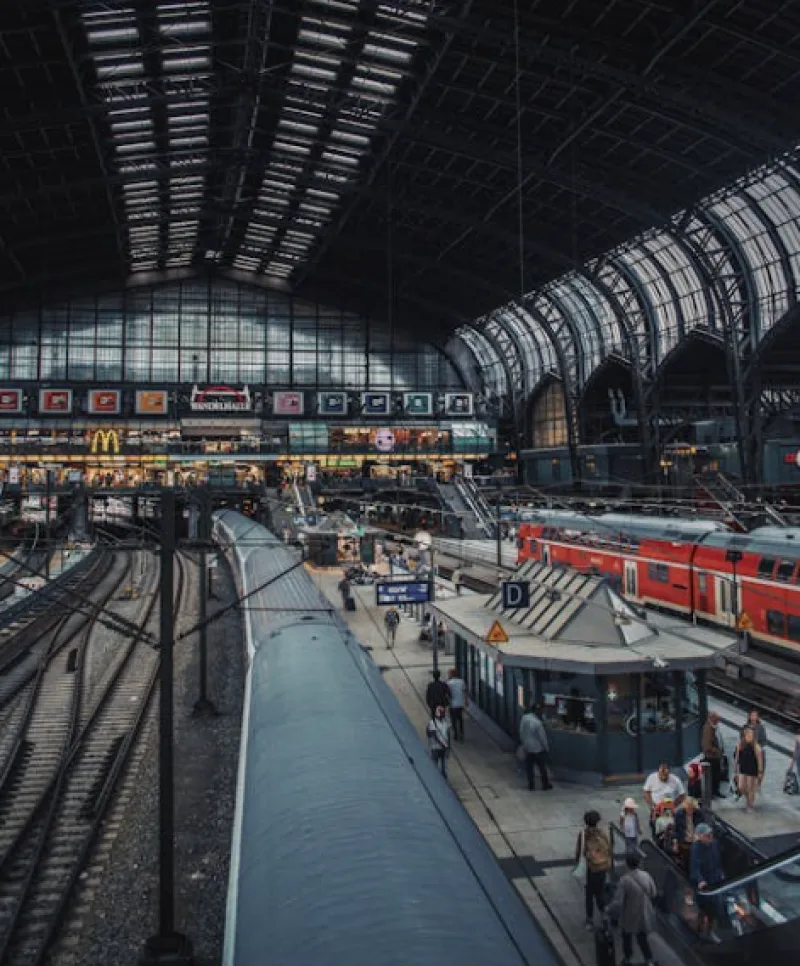
Transportation in Würzburg, Germany, is well-developed and offers various convenient options for getting around the city and beyond.
Public Transportation
**1. ** Public Buses: Würzburg has an extensive network of buses operated by Würzburger Versorgungs- und Verkehrs-GmbH (WVV). Buses cover most parts of the city, including suburbs, and are reliable and frequent, making them a popular choice for daily commuting and exploring the city.
**2. ** Trams: Würzburg has a tram system that complements the bus network, providing efficient transportation within the city center and to surrounding areas. Trams are particularly useful for reaching key landmarks and attractions.
Regional and Intercity Transport
**3. ** Regional Trains: Würzburg is a major hub for regional train services operated by Deutsche Bahn (DB). The central train station, Würzburg Hauptbahnhof, connects the city to major destinations across Bavaria and beyond, including Frankfurt, Nuremberg, Munich, and beyond.
**4. ** Intercity Trains: Würzburg Hauptbahnhof also serves as a stop for Intercity-Express (ICE) trains, offering high-speed connections to cities throughout Germany and neighboring countries. This makes Würzburg easily accessible for travelers arriving from or heading to other major European cities.
Bicycle-Friendly City
**5. ** Bicycles: Würzburg is known for being bicycle-friendly, with dedicated bike lanes and paths throughout the city. Many residents and visitors choose to explore Würzburg by bike due to its flat terrain and bike-friendly infrastructure.
Taxis and Ride-Sharing
**6. ** Taxis: Taxis are readily available in Würzburg, with taxi stands located at key locations such as the train station and major squares. Taxis provide a convenient option for door-to-door transport, especially for late-night travel or when traveling with luggage.
**7. ** Ride-Sharing: Ride-sharing services like Uber operate in Würzburg, offering another convenient option for getting around the city, particularly for those who prefer app-based transportation services.
Walking
**8. ** Walking: Würzburg’s compact city center is highly walkable, making walking an enjoyable and practical way to explore its historic streets, monuments, and shopping areas. Many of the city’s attractions are within easy walking distance of each other.
Parking
**9. ** Parking: For those traveling by car, Würzburg has several parking garages and parking lots throughout the city center. Street parking is available but may be limited in certain areas and subject to time restrictions and fees.
Würzburg, with its timeless beauty and rich cultural heritage, stands as a captivating destination in the heart of Bavaria. From the opulent Würzburg Residence to the tranquil vineyards that line the Main River, the city offers a tapestry of experiences that blend history, culture, and natural beauty.
Historical Splendor
At the heart of Würzburg’s allure lies its UNESCO World Heritage-listed Würzburg Residence, a masterpiece of Baroque architecture and a testament to the city’s princely past. The Residence’s grand halls, exquisite gardens, and artistic treasures transport visitors to an era of European aristocracy, showcasing the wealth and power of Würzburg’s former rulers.
Cultural Vibrancy
Beyond its architectural marvels, Würzburg pulsates with cultural vitality. The Mainfranken Theater stages world-class performances, while museums like the Mainfränkisches Museum and Museum im Kulturspeicher offer insights into Franconian history, art, and contemporary culture. The city’s annual festivals, such as the Mozart Festival and the Kiliani Fair, celebrate its artistic legacy and community spirit.
Wine and Gastronomy


Würzburg’s reputation as the “Wine Capital of Franconia” beckons wine enthusiasts to explore its vineyards and savor its acclaimed varietals, from crisp Silvaner to aromatic Müller-Thurgau. Local taverns and restaurants serve up traditional Franconian dishes, expertly paired with regional wines, offering a taste of the city’s culinary heritage and hospitality.
Academic Excellence and Modern Life
As home to Julius-Maximilians-Universität, one of Germany’s oldest universities, Würzburg is a hub of intellectual pursuit and innovation. The university enriches the city’s cultural tapestry, fostering a dynamic blend of tradition and modernity that is reflected in Würzburg’s vibrant social scene and entrepreneurial spirit.
Visitor Experience
Whether strolling through the historic Old Town, admiring panoramic views from the Marienberg Fortress, or savoring a leisurely cruise along the Main River, Würzburg captivates visitors with its charm and warmth. The city’s welcoming atmosphere, coupled with its wealth of attractions and activities, ensures an enriching and unforgettable experience for travelers of all interests.
In conclusion, Würzburg invites exploration and discovery, offering a perfect blend of history, culture, and natural beauty. Whether drawn by its architectural wonders, renowned wines, or vibrant cultural scene, visitors to Würzburg are treated to an enriching journey through Bavaria’s cultural heartland, leaving them with cherished memories and a desire to return.
Leave a comment