


Discovering Udine: A Jewel of Friuli-Venezia Giulia
Nestled in the northeastern corner of Italy, Udine is a captivating city that embodies the rich cultural heritage and natural beauty of the Friuli-Venezia Giulia region. With a history dating back to ancient times, Udine blends medieval charm with Renaissance elegance, offering visitors a glimpse into its illustrious past through its architecture, cuisine, and vibrant local culture.
Historical and Cultural Heritage
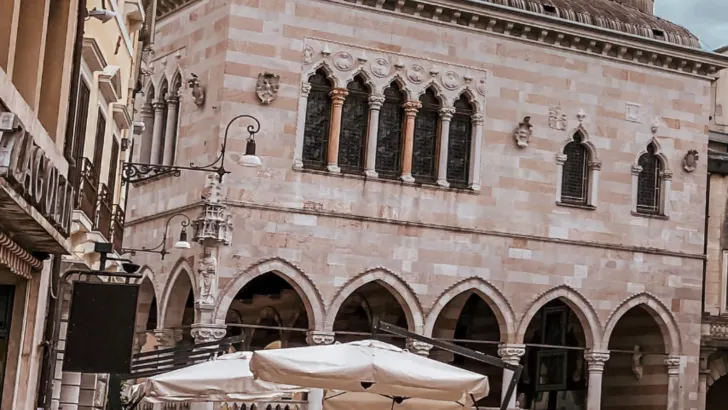
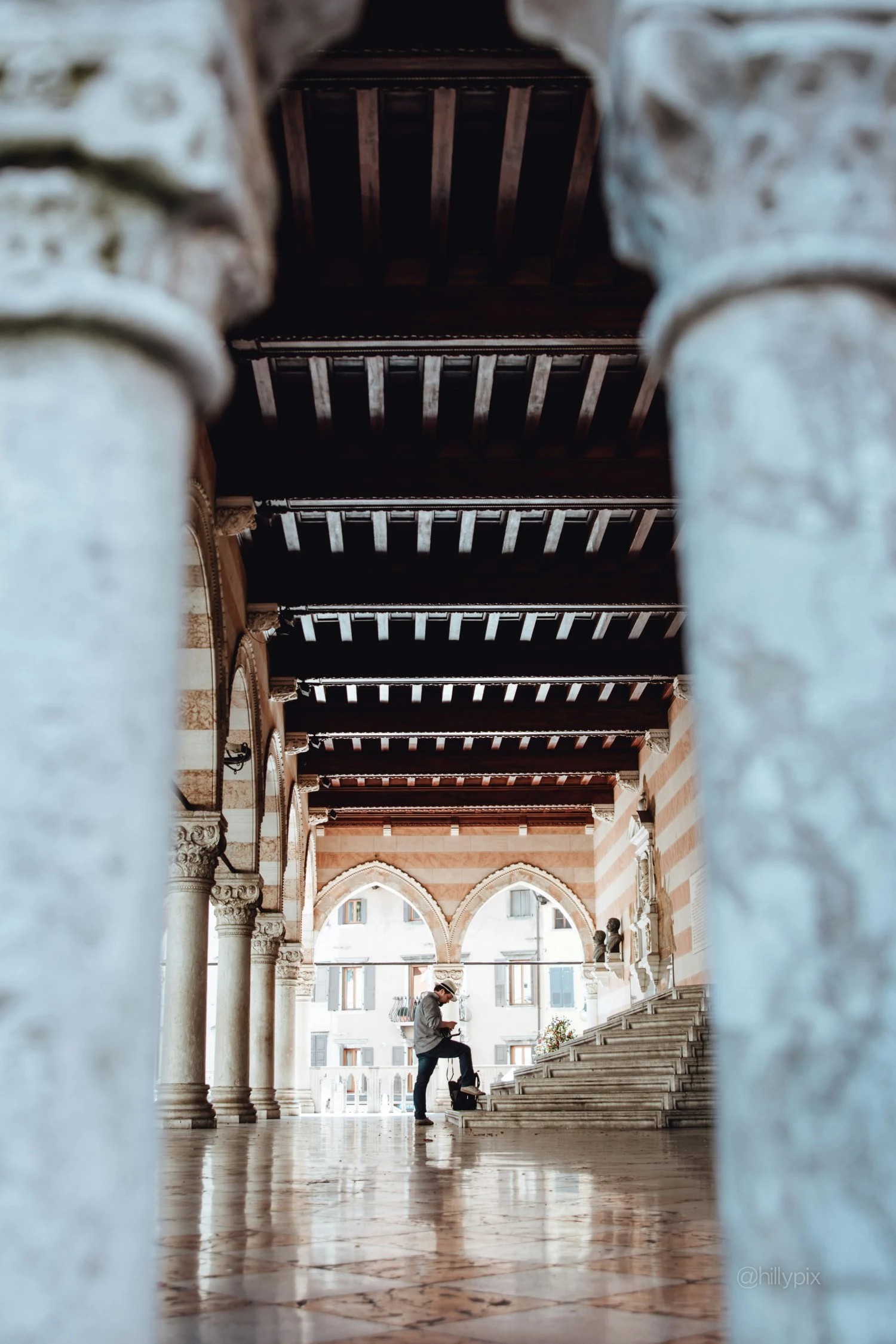
At the heart of Udine lies its historic center, characterized by narrow cobblestone streets, elegant piazzas, and impressive Venetian-style architecture. The centerpiece of the city is Piazza Libertà, where the grandiose Loggia del Lionello and the clock tower (Torre dell’Orologio) stand as iconic symbols of Udine’s medieval origins.
Udine’s cultural richness extends to its museums and galleries, such as the Museo Civico and the Galleria d’Arte Moderna, which house collections ranging from ancient artifacts to contemporary art pieces. The city’s Duomo, or Cathedral, is another notable landmark, showcasing stunning frescoes and a peaceful courtyard that invites reflection.
Culinary Delights
Food enthusiasts will find Udine a haven for gastronomic adventures. The city’s cuisine is a delightful blend of Italian and Central European influences, featuring specialties like prosciutto crudo, Montasio cheese, and hearty frico (a cheese and potato dish). Visitors can indulge in local trattorias and osterias that offer authentic Friulian dishes paired with wines from nearby vineyards, promising a memorable dining experience.
Gateway to the Region
Udine serves as an ideal base for exploring the diverse landscapes of Friuli-Venezia Giulia. Within easy reach are the vineyards of Collio, producing renowned wines like Friulano and Ribolla Gialla, as well as the picturesque coastal towns of Trieste and Grado. Nature lovers can venture into the Julian Alps or visit the peaceful lagoons of Marano and Grado for birdwatching and relaxation.
Vibrant Local Life
Udine buzzes with local life, especially during its numerous festivals and events throughout the year. The Far East Film Festival, held annually in April, attracts cinephiles from around the world, while the Udine Jazz Festival showcases the city’s passion for music and cultural exchange.
Accessibility and Hospitality
Udine welcomes visitors with warmth and hospitality, offering a range of accommodations from charming boutique hotels to modern establishments. The city’s efficient transportation network makes it easy to explore on foot, by bike, or via public transport, ensuring convenience and accessibility for travelers.
1. Visit Piazza della Libertà

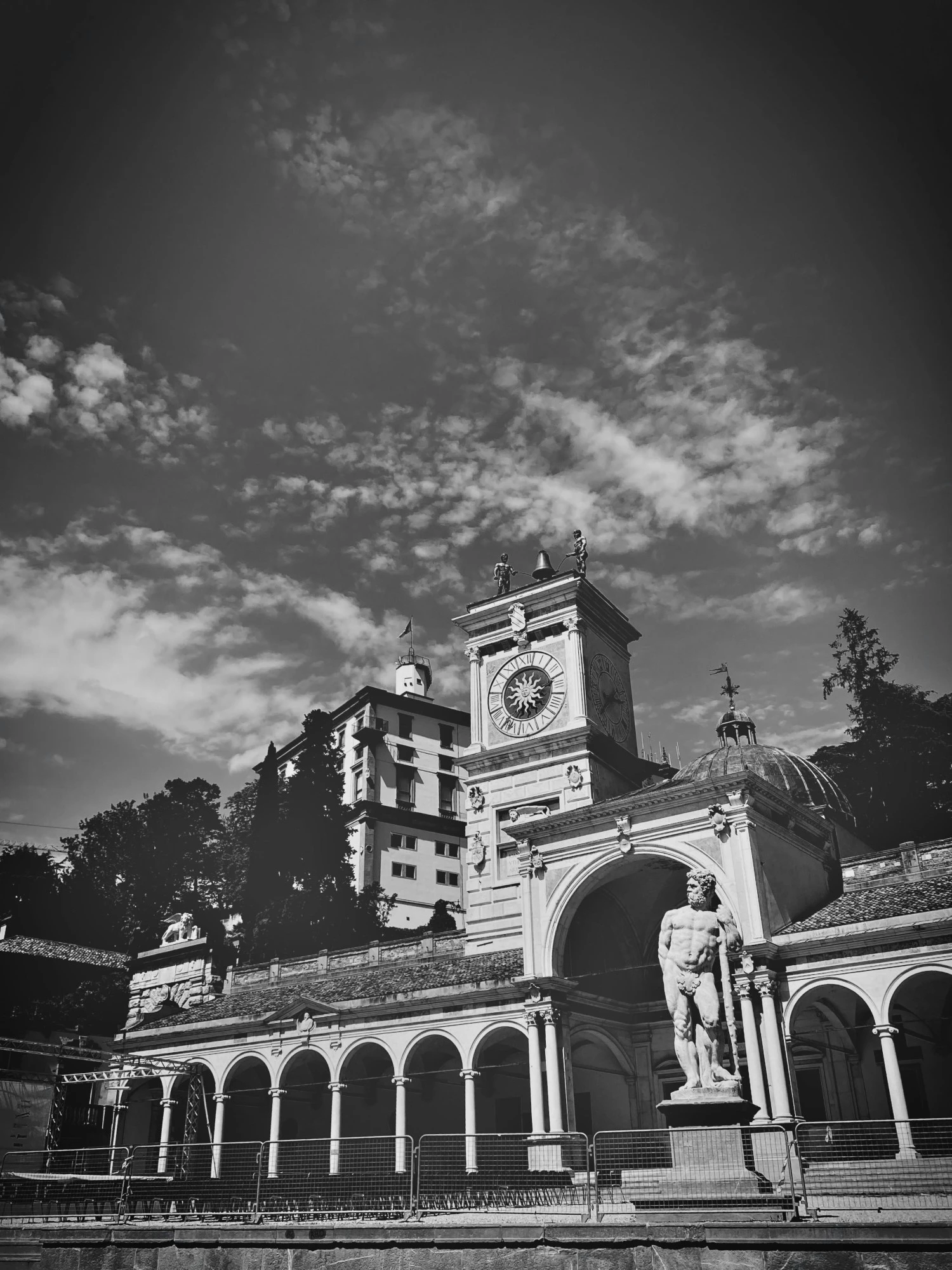
Piazza della Libertà in Udine is a charming and historic square located in the heart of the city, known for its picturesque architecture and lively atmosphere. The square is surrounded by elegant buildings, some dating back to the Renaissance period, showcasing a blend of architectural styles that reflect Udine’s rich cultural heritage.
At the center of Piazza della Libertà stands the imposing statue of Giuseppe Garibaldi, a prominent figure in Italian history, which adds a sense of grandeur to the square.
The statue is set against a backdrop of colorful buildings adorned with intricate facades and traditional Italian balconies.
The square is a popular gathering place for both locals and tourists alike, offering numerous cafes, restaurants, and shops where visitors can relax and enjoy the vibrant atmosphere. It’s also a hub for cultural events and festivals throughout the year, adding to its dynamic appeal.
2. Explore Udine Castle (Castello di Udine)
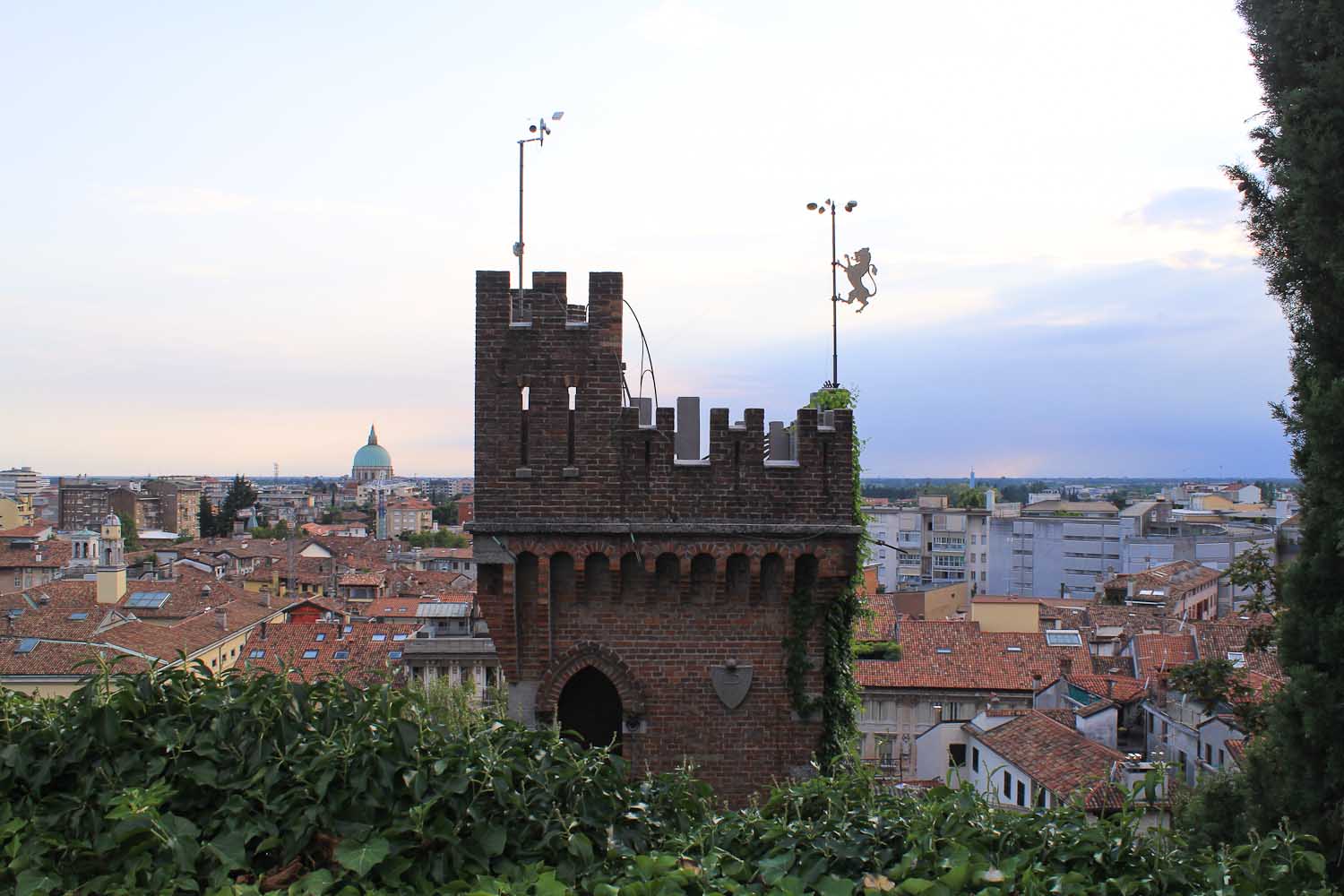
Exploring Udine Castle, known as Castello di Udine in Italian, offers a journey through history and architectural beauty. Located atop a hill overlooking the city, the castle is a prominent landmark that has stood for centuries, showcasing various architectural styles from its origins in the Middle Ages to later renovations and additions.
The castle’s strategic hilltop location provides not only a commanding view of Udine but also a glimpse into its defensive past. Visitors can wander through the castle grounds and admire its sturdy walls, towers, and battlements that once served as protection against invaders.
Inside the castle, you’ll find a museum that houses a diverse collection of artifacts and artworks spanning different periods of Udine’s history. These exhibits include archaeological finds, historical documents, and artworks that highlight the cultural and artistic heritage of the region.
One of the castle’s notable features is the Torre dell’Orologio (Clock Tower), a distinct landmark with its ornate clock face that has become a symbol of Udine. Climbing to the top of the tower rewards visitors with panoramic views of the city and its surroundings, offering a memorable perspective of Udine’s landscape.
Beyond its historical significance, Udine Castle often hosts cultural events, exhibitions, and concerts, adding a lively dimension to its role as both a historical site and a cultural venue.
3. Tour Udine Cathedral (Duomo di Udine)
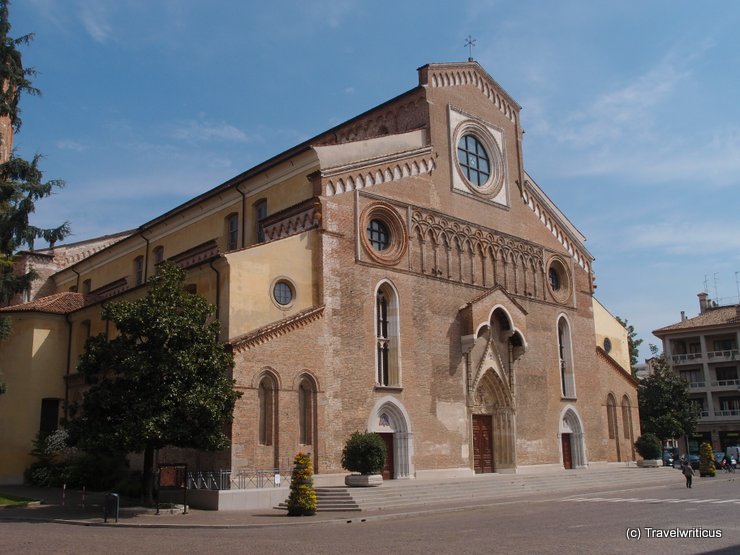
Touring Udine Cathedral, known as the Duomo di Udine in Italian, is a journey through centuries of religious and artistic heritage. Situated in the heart of Udine’s historic center, the cathedral is a significant landmark that embodies the city’s spiritual and cultural identity.
The exterior of the cathedral features a mix of architectural styles, reflecting its long history of construction and renovation. The facade is adorned with intricate sculptures and decorative elements, showcasing the craftsmanship of different periods, from its Romanesque origins to subsequent Baroque and Renaissance additions.
Stepping inside the Duomo di Udine, visitors are greeted by a sense of serenity and awe-inspiring beauty. The interior is adorned with stunning frescoes, intricate marble work, and impressive altars. One of the highlights is the Chapel of the Holy Sacrament, renowned for its ornate decorations and artistic detail.
The cathedral’s main altar is a focal point, featuring a masterpiece by Giovanni Battista Tiepolo, one of Italy’s most celebrated painters of the Baroque period. Tiepolo’s painting “The Martyrdom of Saint Justina” is a breathtaking depiction that adds to the spiritual and artistic ambiance of the cathedral.
Another notable feature of the Duomo di Udine is its soaring bell tower, offering panoramic views of Udine and the surrounding Friuli region. Climbing the tower provides a unique perspective on the city’s layout and architectural charm.
Throughout the year, the cathedral hosts religious ceremonies, concerts, and cultural events, maintaining its role as a center of community and spirituality for residents and visitors alike.
In essence, touring Udine Cathedral is not just a visit to a place of worship, but an exploration of art, history, and the enduring spirit of Udine’s cultural heritage. It’s a testament to the city’s rich past and its ongoing significance in the cultural landscape of northeastern Italy.
4. Stroll through Piazza San Giacomo

Walking through Piazza San Giacomo in Udine is a captivating experience that immerses you in the rich cultural tapestry of this historic Italian city. As you step into the piazza, you are greeted by a picturesque scene framed by elegant Renaissance and Baroque architecture.
The centerpiece of the square is the impressive Cathedral of Udine, dedicated to St. Giacomo (St. James), which dominates the skyline with its ornate facade and towering bell tower. The cathedral’s presence lends a spiritual and historical gravitas to the square, reminding visitors of Udine’s deep roots in both religion and art.
Surrounding the cathedral, you’ll find a harmonious blend of buildings in various pastel hues, each adorned with intricate details like frescoes, arches, and statues that speak to the city’s artistic heritage. Cafes with outdoor seating spill onto the cobblestone pavement, inviting you to pause and savor an espresso or a glass of local Friulian wine while observing the lively atmosphere of locals and tourists alike.
In the center of Piazza San Giacomo, a tranquil fountain or a well may stand, offering a refreshing sight and a meeting point for both residents and visitors. Flower beds and greenery add bursts of color, enhancing the piazza’s charm and providing a serene backdrop against the backdrop of historical architecture.
As you explore further, narrow alleys beckon you to wander and discover hidden gems such as artisan shops, boutiques selling local crafts, and small trattorias offering traditional Friulian cuisine. The sounds of Italian conversations, the aroma of freshly baked bread, and the occasional chiming of church bells create a sensory symphony that enhances the experience of walking through this vibrant square.
5. Discover the Galleria d’Arte Antica

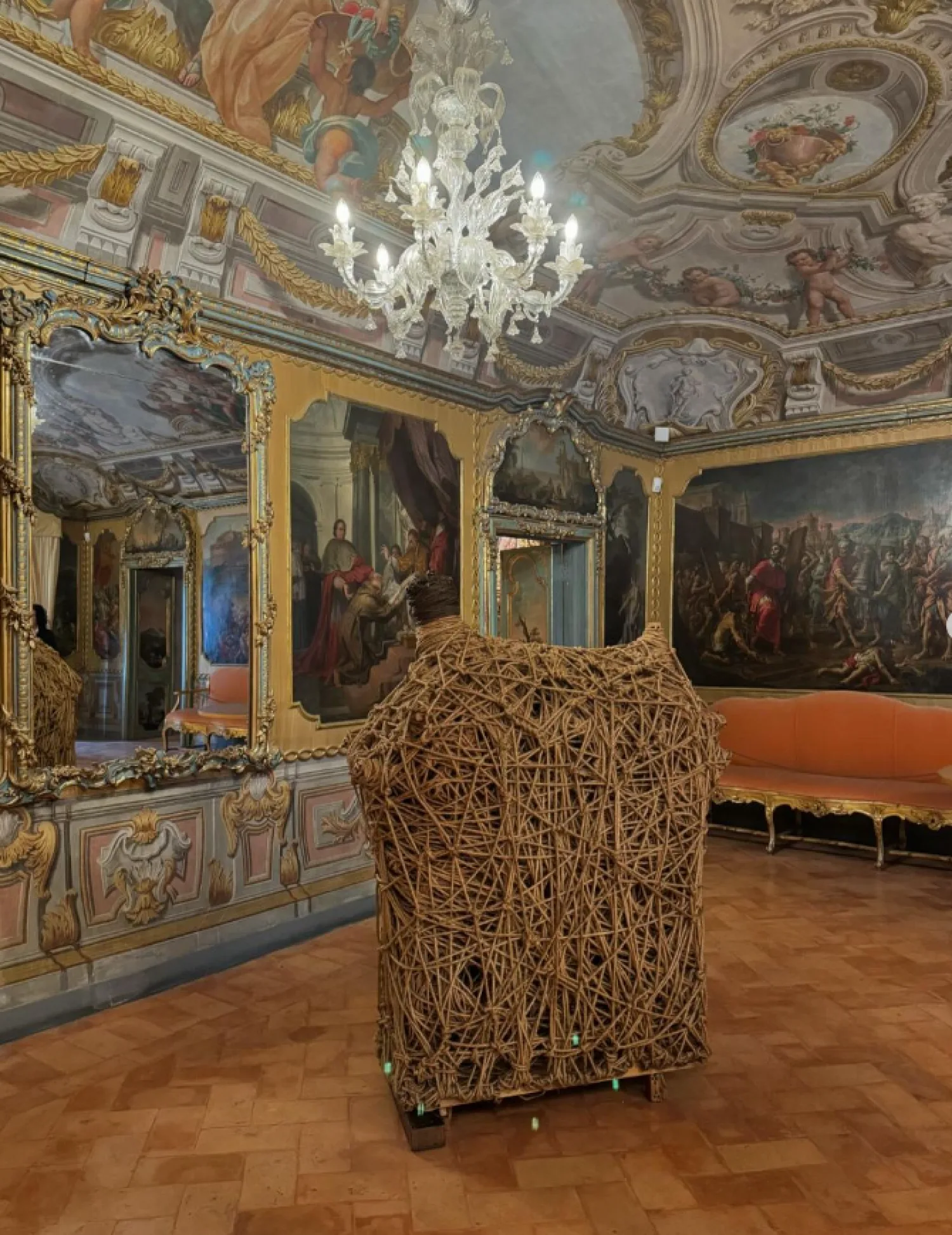
The Galleria d’Arte Antica in Udine, Italy, is a significant cultural institution showcasing a rich collection of ancient art. Located in the heart of Udine, the gallery is renowned for its extensive display of paintings, sculptures, and decorative arts primarily from the Middle Ages to the 18th century. Visitors to the gallery can explore works by prominent artists such as Giovanni Battista Tiepolo, Pellegrino da San Daniele, and Andrea Bellunello.
The gallery’s collection is organized chronologically, offering a journey through various periods of art history, from the early Renaissance to the Baroque era.
The artworks on display include religious paintings, portraits, historical scenes, and allegorical compositions, providing insights into both local artistic traditions and broader European influences.
The Galleria d’Arte Antica is housed in a historic building, adding to the ambiance and enhancing the visitor’s experience. Whether you’re a seasoned art enthusiast or a casual visitor, this gallery offers a captivating glimpse into the artistic heritage of Udine and the surrounding region.
6. Enjoy the Orto Botanico (Botanical Garden)
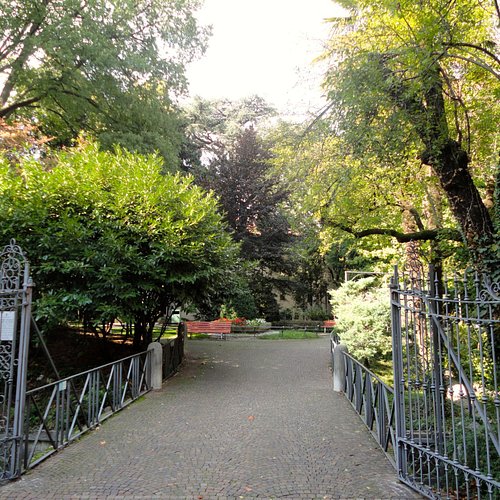
The Orto Botanico di Udine, or Botanical Garden of Udine, is a serene oasis nestled in the heart of the city of Udine, Italy. Established in 1793, it is one of the oldest botanical gardens in Italy and spans over two hectares. This green sanctuary is not only a place of beauty but also serves as an important center for botanical research and conservation.
Visitors to the Orto Botanico can immerse themselves in a diverse array of plant species from around the world, meticulously organized into themed sections such as medicinal plants, aquatic plants, and rare species. The garden’s layout follows both traditional and modern botanical garden designs, offering a blend of historical charm and contemporary botanical science.
Strolling through the garden, visitors can encounter ancient trees, colorful flower beds, and tranquil water features. The atmosphere is perfect for relaxation and contemplation, making it a favorite spot for locals and tourists alike to escape the hustle and bustle of the city.
The Orto Botanico also plays a crucial role in education, hosting events, workshops, and guided tours that educate visitors about biodiversity, ecology, and sustainable gardening practices. It serves as a living classroom for students and researchers, contributing to the scientific understanding and conservation of plant life.
7. Walk along Via Mercatovecchio

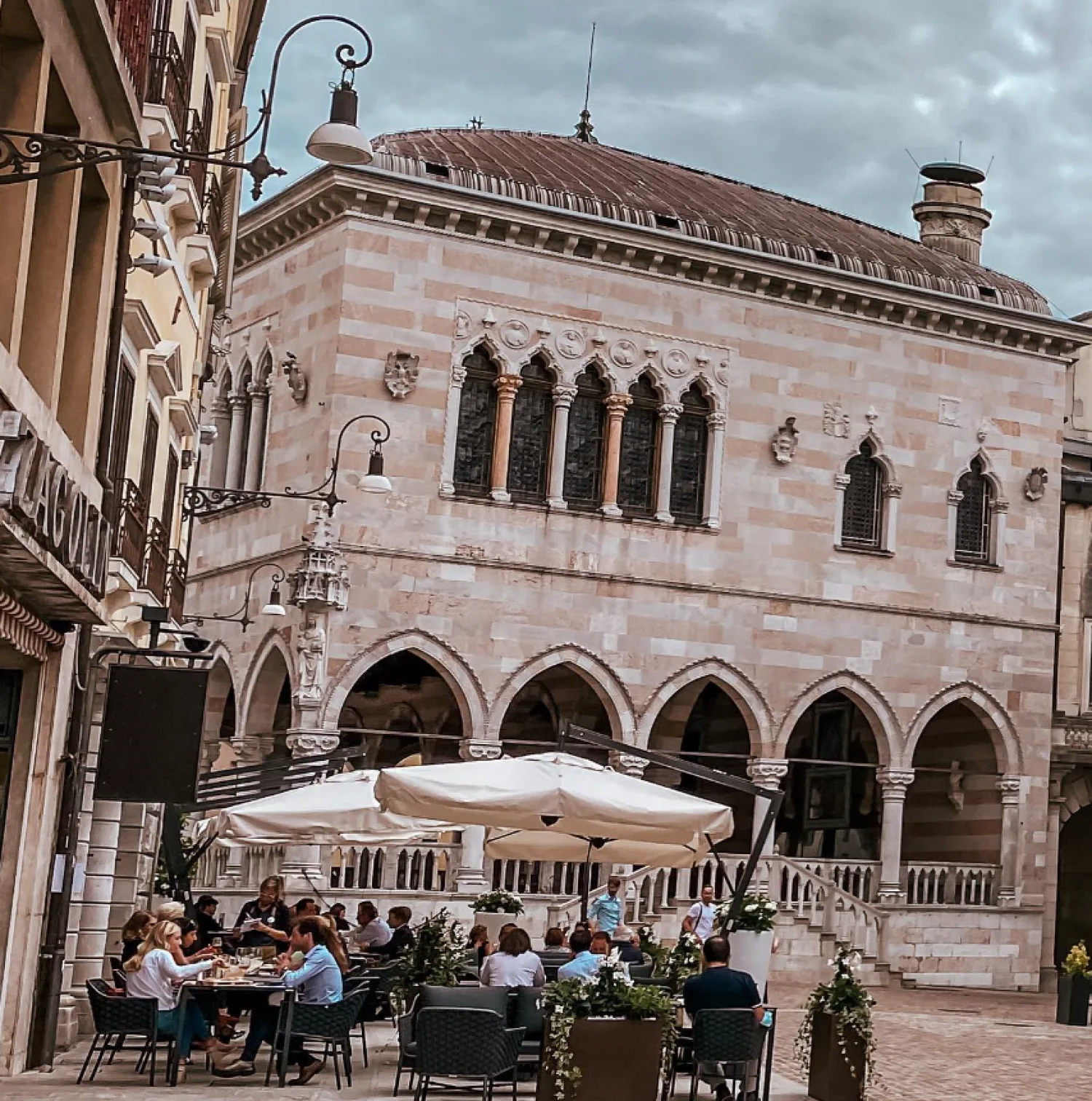
Walking along Via Mercatovecchio in Udine is a journey through history and charm. This picturesque street, located in the historic center of Udine, Italy, is renowned for its lively atmosphere, medieval architecture, and vibrant shops and cafes.
As you stroll down Via Mercatovecchio, you’ll be surrounded by beautifully preserved buildings that date back centuries, featuring elegant facades adorned with colorful frescoes and intricate details. The street retains much of its medieval character, with narrow cobblestone paths that wind through the heart of Udine’s old town.
The atmosphere is bustling yet relaxed, offering a perfect blend of local culture and tourism. Along the way, you can explore a variety of boutiques, artisan shops, and quaint cafes where you can savor authentic Italian coffee or gelato. The street comes alive with activity, especially during market days or cultural events, adding to its vibrant ambiance.
One of the highlights of Via Mercatovecchio is the Palazzo Mercatovecchio, a striking Renaissance palace that stands as a testament to Udine’s historical significance. The palace now houses the Udine Civic Museum, offering insights into the region’s art, history, and culture.
8. Visit the Museo Friulano di Storia Naturale

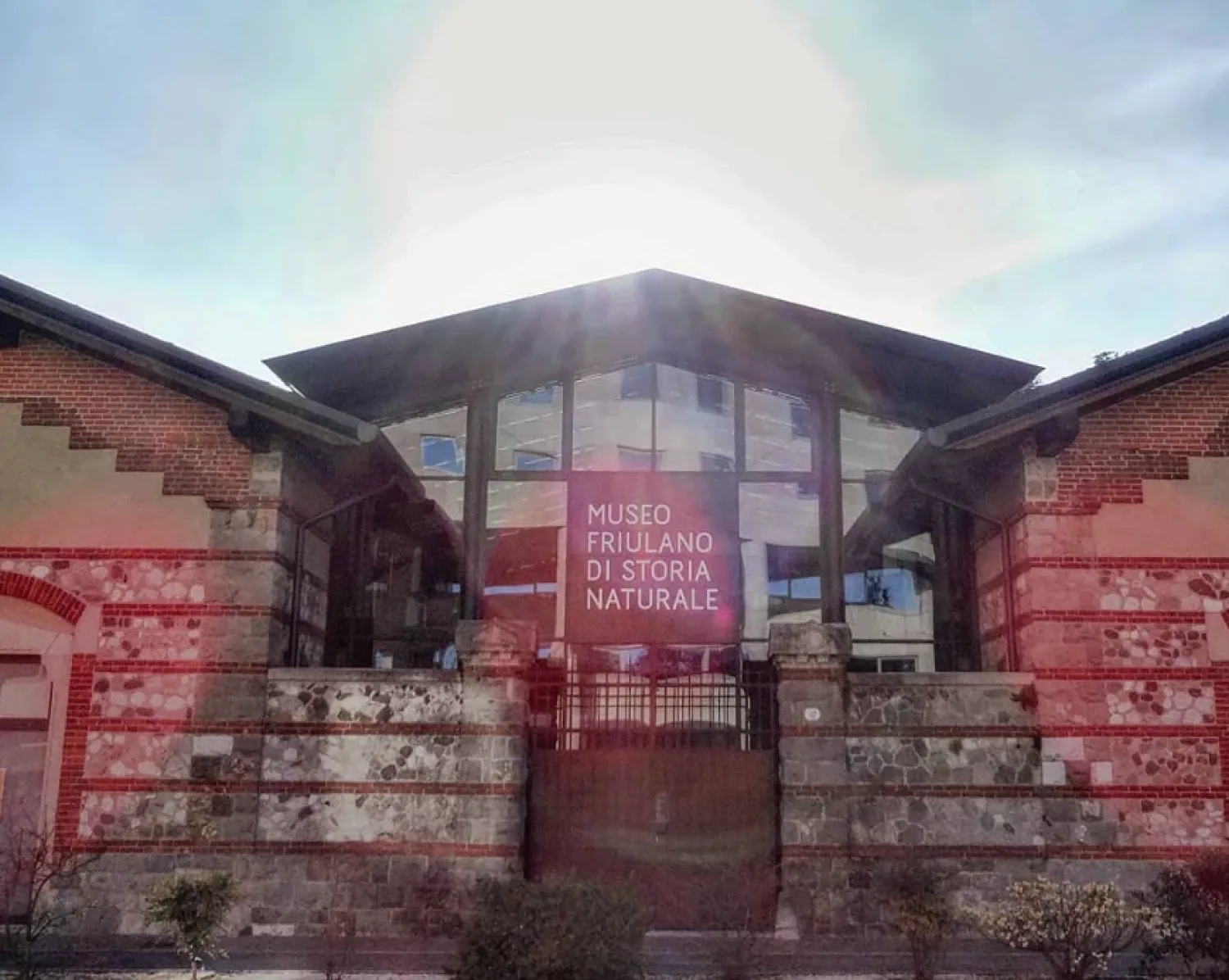
Visiting the Museo Friulano di Storia Naturale (Friulian Museum of Natural History) in Udine is a fascinating exploration of the natural world, regional biodiversity, and geological history of Friuli Venezia Giulia, Italy.
Located in a historic building, the museum houses a diverse collection that spans various disciplines within natural history. Upon entering, visitors are greeted with exhibits that showcase the geological evolution of the region, including fossils, minerals, and rock formations that date back millions of years. These displays provide insights into the geological processes that have shaped the landscape of Friuli Venezia Giulia.
Moving through the museum, visitors encounter exhibits dedicated to the flora and fauna of the region. The museum’s collection includes specimens of local plants and animals, highlighting the rich biodiversity found in Friuli Venezia Giulia. Exhibits often feature dioramas depicting natural habitats, allowing visitors to observe native species in their ecological context.
One of the museum’s strengths lies in its focus on educational outreach and scientific research. It hosts workshops, lectures, and guided tours that cater to both children and adults, promoting environmental awareness and conservation efforts. Researchers also benefit from access to the museum’s extensive collections and archives.
The Museo Friulano di Storia Naturale offers a blend of scientific rigor and public engagement, making it an enriching destination for families, students, and nature enthusiasts alike. It provides a deeper understanding of the natural heritage of Friuli Venezia Giulia and its role in global biodiversity conservation. Whether you’re interested in geology, botany, zoology, or simply enjoy exploring museums, a visit to this natural history museum in Udine promises an enlightening and enjoyable experience.
9. Explore the Civic Museum (Museo Civico di Udine)

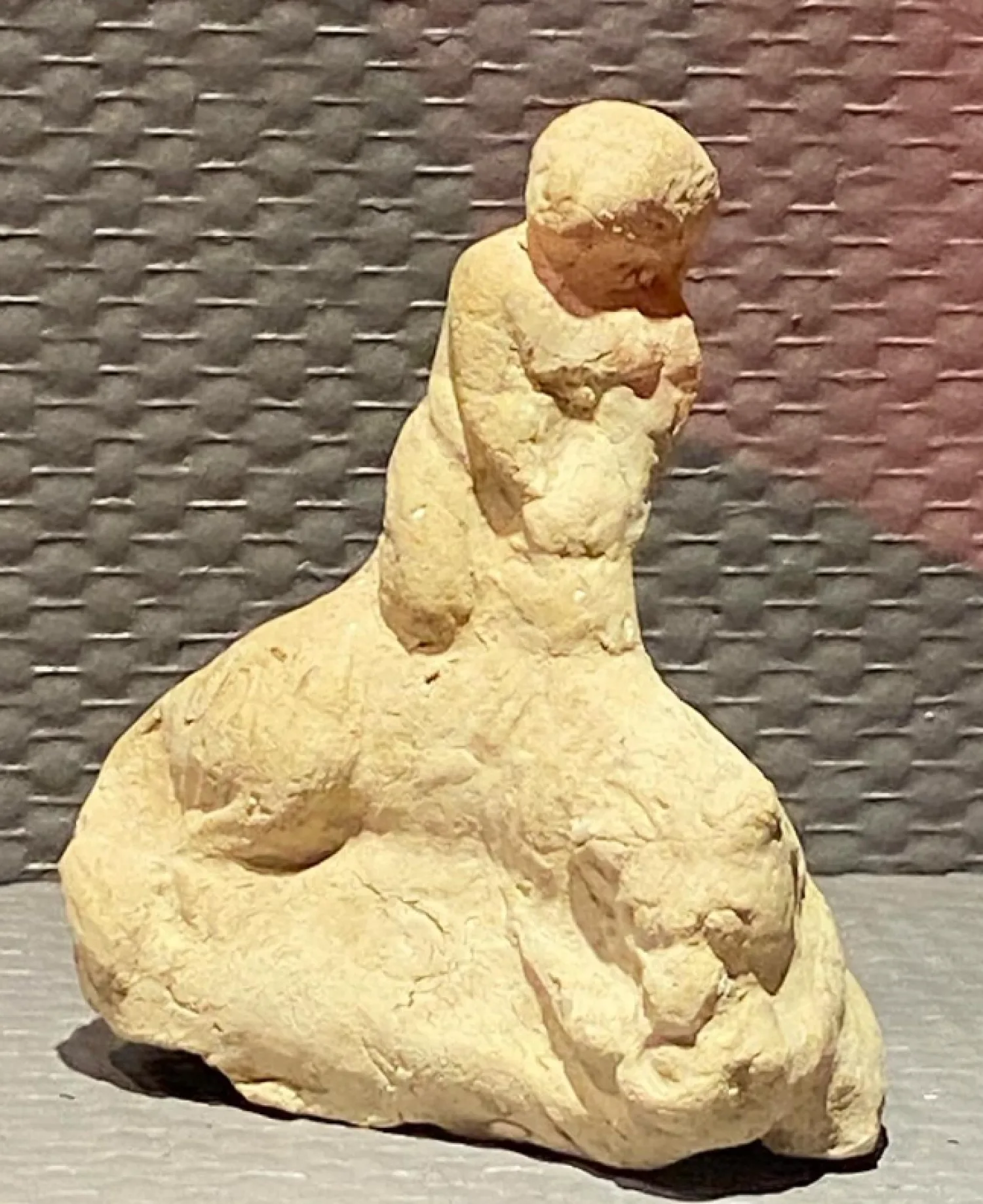
The Civic Museum of Udine (Museo Civico di Udine) is a cultural gem located in Udine, Italy, renowned for its rich collection of art and historical artifacts spanning different eras. Housed within the historic Palazzo di Toppo Wassermann, the museum itself is a testament to Udine’s cultural heritage.
Visitors to the Civic Museum can explore a diverse array of exhibits. The museum’s art collection includes paintings, sculptures, and decorative arts from the medieval period to the 19th century. Notable works by local artists and pieces depicting the cultural evolution of Udine and its surroundings are on display.
In addition to its art collection, the museum features archaeological finds that provide insights into the region’s ancient history, including artifacts from the Roman and Lombard periods. These exhibits offer a glimpse into the daily life, rituals, and craftsmanship of past civilizations that inhabited the Friuli region.
The museum also hosts temporary exhibitions that focus on various themes, ensuring there’s always something new to discover for both locals and tourists alike. Its location in the heart of Udine allows visitors to immerse themselves not only in the museum’s treasures but also in the city’s vibrant atmosphere and historical charm.
10. Attend a performance at Teatro Nuovo Giovanni da Udine

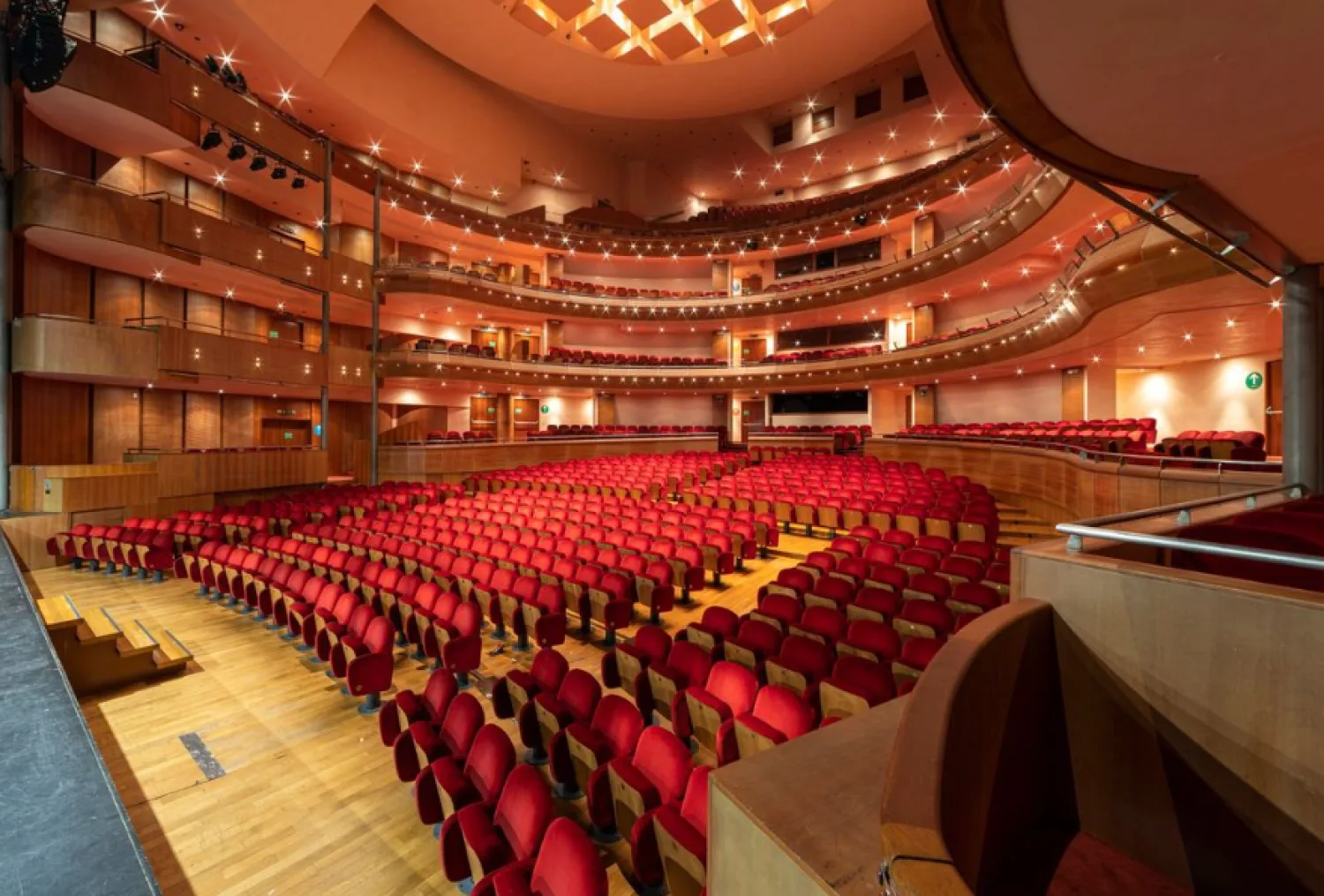
Attending a performance at Teatro Nuovo Giovanni da Udine promises a captivating cultural experience in the heart of Udine, Italy. This historic theater, located in Piazza Matteotti, is renowned for its elegant architecture and rich cultural heritage.
Originally built in the late 19th century, Teatro Nuovo Giovanni da Udine has been meticulously restored to preserve its neo-classical style and grandeur. Its opulent interior features ornate decorations, plush seating, and a majestic stage that sets the scene for an unforgettable theatrical or musical performance.
Visitors to the theater can enjoy a diverse program that includes opera, ballet, concerts, drama, and other performances by local and international artists. The theater’s acoustics and intimate atmosphere enhance the experience, allowing guests to immerse themselves fully in the artistry unfolding on stage.
Beyond its artistic offerings, Teatro Nuovo Giovanni da Udine holds historical significance as a cultural hub in Udine, reflecting the city’s passion for the performing arts. Attending a performance here not only entertains but also provides insight into Udine’s vibrant cultural scene and its dedication to preserving artistic traditions.
11. Taste Friulian cuisine


Friulian cuisine in Udine is a fusion of Italian, Central European, and Slavic influences, showcasing local ingredients like prosciutto di San Daniele, Montasio cheese, and freshwater fish.
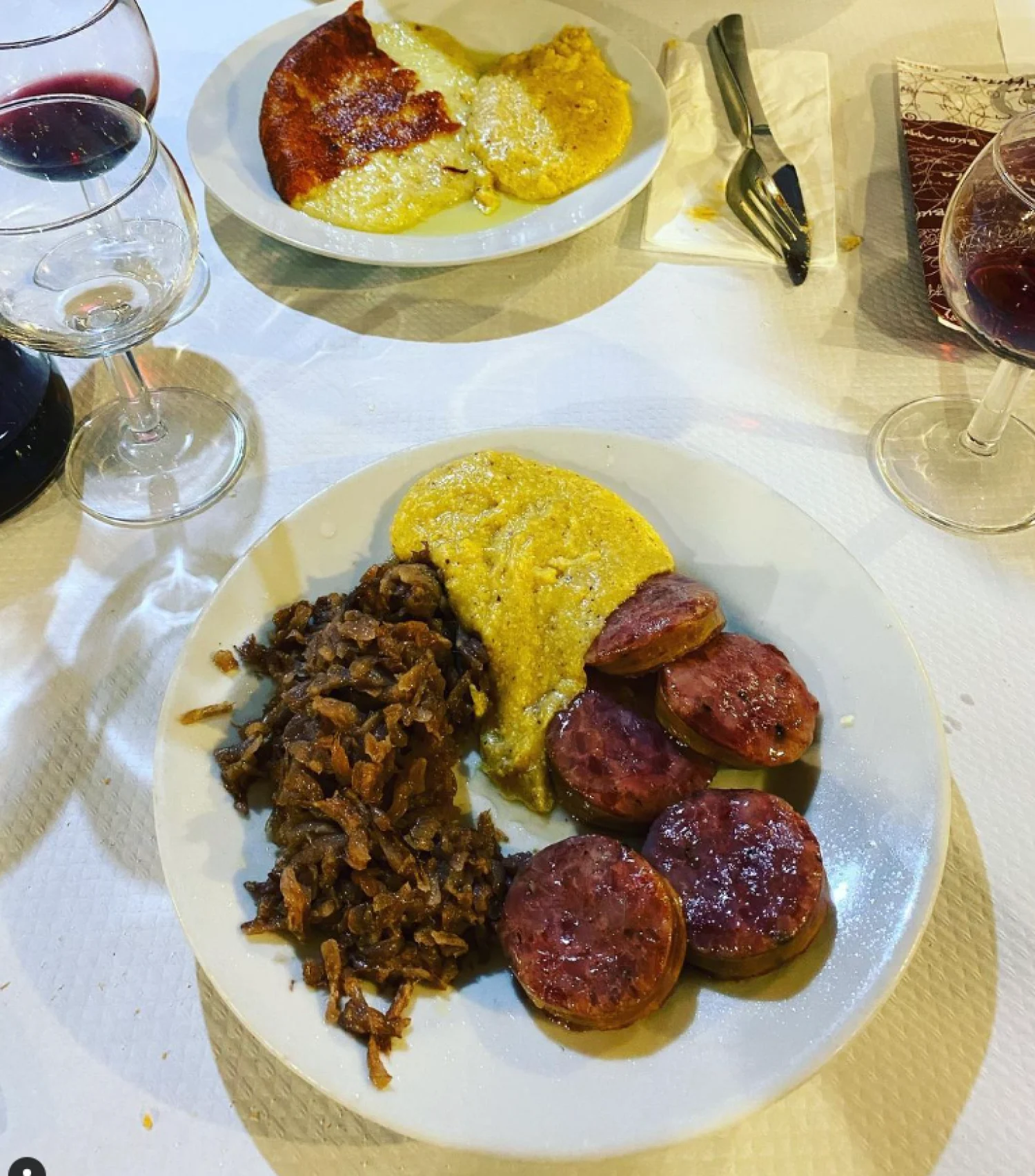
Signature dishes include Frico (crispy cheese and potato cake), Brovada e musèt (sausage with preserved turnips), and gnocchi di susine (plum dumplings).
Seafood risotto and desserts like Gubana (nut-filled cake) highlight Udine’s culinary diversity, complemented by local wines such as Friulano and Sauvignon.
Dining here offers a taste of rich traditions and seasonal flavors in a welcoming atmosphere.
12. Take a day trip to Palmanova

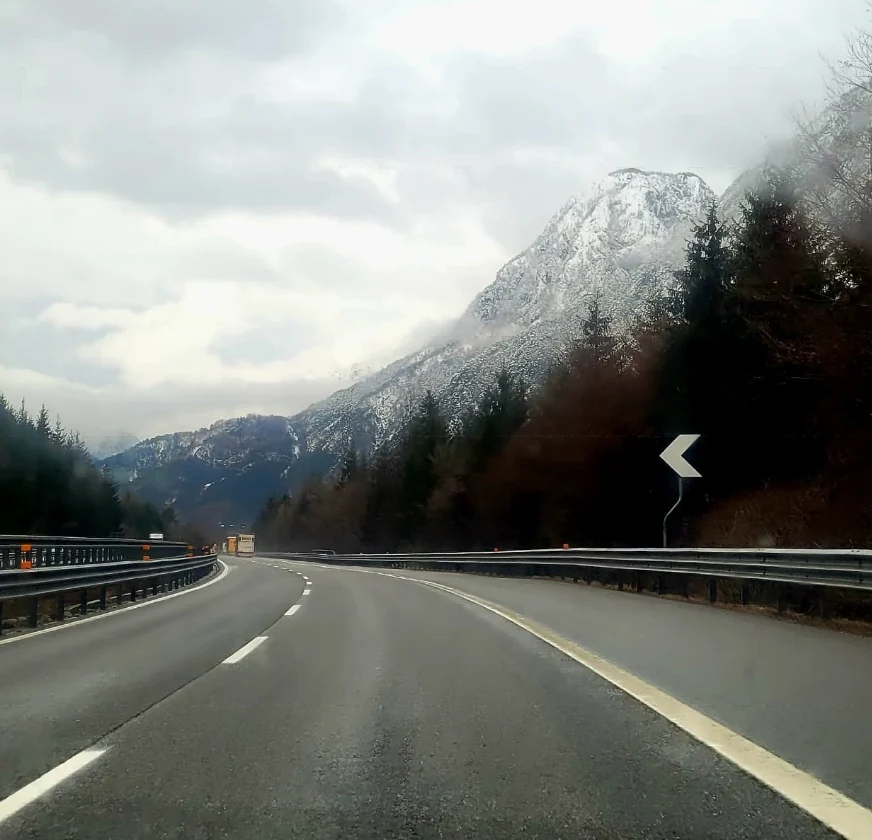
Taking a day trip to Palmanova in Udine offers a fascinating glimpse into history and architectural ingenuity.
Located in northeastern Italy, Palmanova is renowned for its distinctive star-shaped layout, which dates back to its founding in 1593 as a fortified town.
Designated as a UNESCO World Heritage site, Palmanova invites visitors to wander through its perfectly symmetrical streets radiating from a central piazza.
Explore the well-preserved bastions and ramparts that once served as defenses, and admire the Renaissance architecture that characterizes this unique town.
Whether strolling along the fortified walls, discovering historical landmarks, or enjoying the serene ambiance, a day trip to Palmanova promises a blend of cultural immersion and scenic beauty in the heart of Udine province.
13. Visit Aquileia


Visiting Aquileia offers a journey through ancient Roman history and religious significance in northeastern Italy. Once a thriving Roman city founded in 181 BC, Aquileia became one of the largest and wealthiest centers of the Roman Empire. Today, it is a UNESCO World Heritage site celebrated for its rich archaeological remains.
Exploring Aquileia, you can wander through its well-preserved ruins, including the impressive Roman Forum and the remains of the ancient harbor. The highlight of a visit is often the Basilica of Aquileia, renowned for its stunning mosaic floors, which depict intricate scenes from Christian and pagan mythology. These mosaics are among the finest examples of late Roman art in the world.
Beyond its archaeological treasures, Aquileia offers a peaceful ambiance ideal for leisurely walks through its charming streets lined with historic buildings and quiet squares. The town’s historical significance extends to its role as a major Christian center in the early Middle Ages, further enriching its cultural heritage.
Whether you’re interested in ancient history, art, or simply seeking a tranquil escape, a visit to Aquileia promises a captivating blend of Roman splendor and spiritual legacy against the backdrop of Italy’s Friuli-Venezia Giulia region.
14. Explore the Colle di Sant’Elia

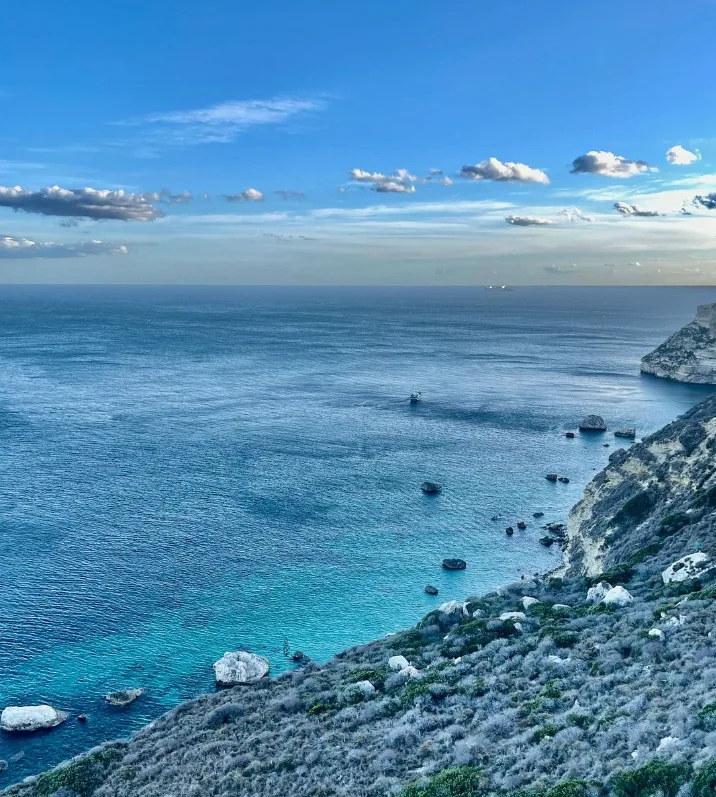
Exploring the Colle di Sant’Elia offers a captivating adventure amidst natural beauty and historical intrigue in the Friuli-Venezia Giulia region of Italy. Located near Aquileia, this hill is notable for its archaeological site, which includes remnants of ancient settlements dating back to the Iron Age and Roman times.
At Colle di Sant’Elia, visitors can immerse themselves in a landscape steeped in history. Wander through the archaeological park to discover the remains of ancient dwellings, fortifications, and burial sites, providing glimpses into the lives of past civilizations. The panoramic views from the hilltop offer a breathtaking perspective of the surrounding countryside, enhancing the experience with scenic vistas of vineyards, fields, and the nearby Adriatic Sea.
The site’s historical significance is complemented by its natural charm, making it an ideal destination for both history enthusiasts and nature lovers alike.
Whether hiking along the trails that wind through the archaeological park or simply taking in the peaceful ambiance, exploring Colle di Sant’Elia promises a memorable journey through ancient history and picturesque landscapes in northeastern Italy.
15. Attend Udine’s festivals and events


Attending Udine’s festivals and events offers a vibrant tapestry of cultural experiences and community celebrations in the heart of northeastern Italy. Throughout the year, Udine hosts a diverse array of festivals that cater to various interests and passions.
One of the highlights is the Far East Film Festival, held annually in April, which showcases the best of Asian cinema and attracts film enthusiasts from around the world. This event transforms Udine into a hub of cinematic exploration, featuring screenings, directorial talks, and cultural exchanges that celebrate the artistry and diversity of Asian films.
In summer, Udine comes alive with music and entertainment during the Udine Jazz Festival, where international and local jazz musicians perform in venues across the city. This festival provides a lively atmosphere filled with soulful melodies, improvisation, and rhythmic beats that resonate through the historic streets and squares.
For those interested in history and tradition, the Palio di San Giovanni is a medieval festival held in June, featuring costumed parades, historical reenactments, and competitive events that harken back to Udine’s medieval heritage. This festival offers a glimpse into the city’s rich cultural past while providing a festive atmosphere for locals and visitors alike.
Throughout the year, Udine also hosts art exhibitions, food festivals highlighting Friulian cuisine, and seasonal markets that showcase local crafts and products. Whether you’re drawn to film, music, history, or gastronomy, attending Udine’s festivals and events promises a captivating immersion into the city’s cultural vitality and community spirit.
Food In Udine

Savoring Udine: A Culinary Exploration
Nestled in the heart of Italy’s Friuli-Venezia Giulia region, Udine offers not only a rich cultural tapestry but also a gastronomic journey that delights locals and visitors alike. Known for its blend of Italian, Austrian, and Slovenian influences, Udine’s cuisine reflects a unique fusion of flavors that is both distinctive and unforgettable.
Local Delicacies
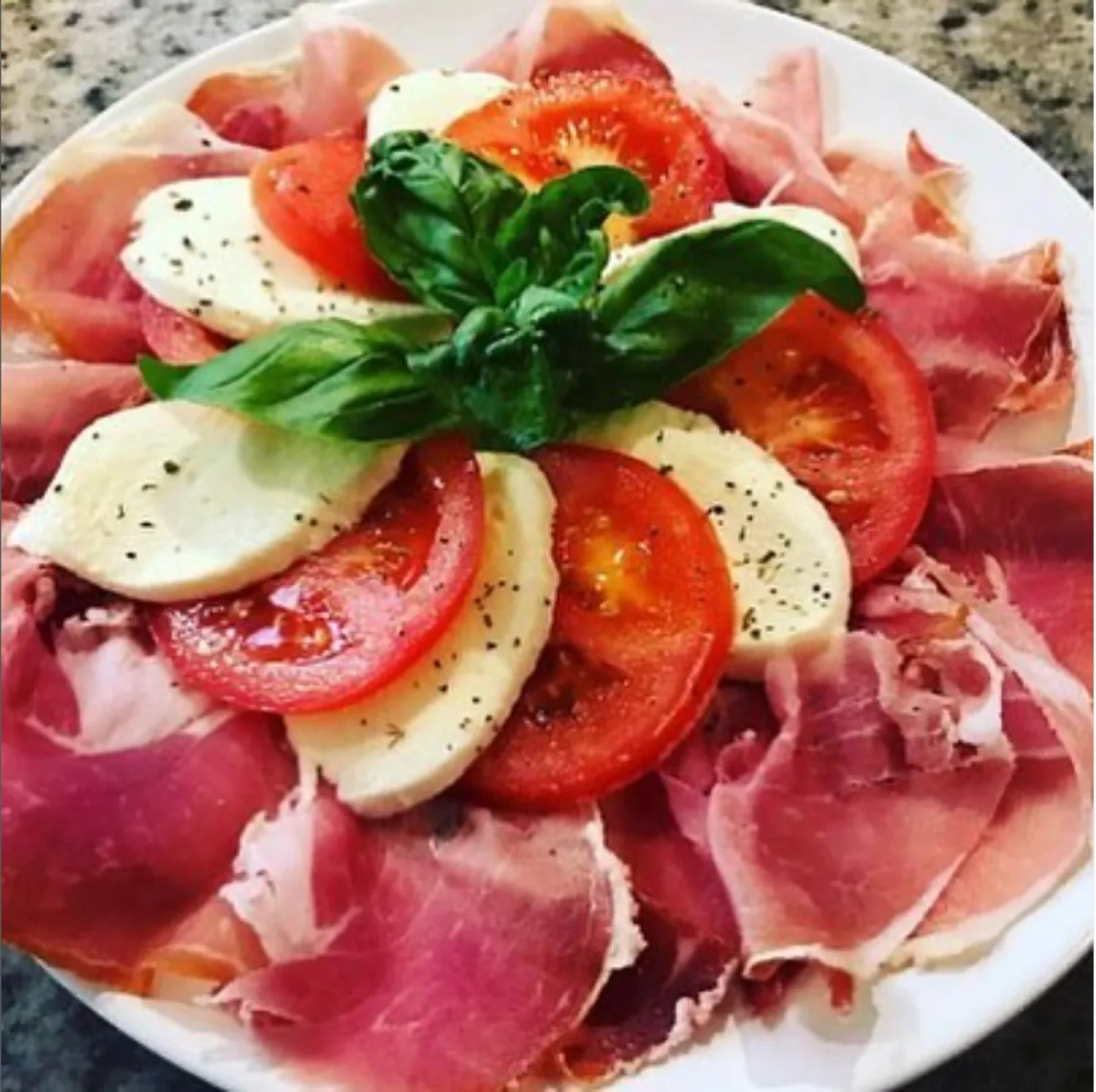
Udine boasts a treasure trove of local delicacies, each telling a story of the region’s history and geography. One cannot begin to explore Udine’s culinary landscape without sampling its renowned prosciutto. Cured with meticulous care and aged to perfection, this thinly sliced ham embodies the essence of Friulian cuisine, offering a balance of sweet and savory notes that melt in the mouth.
Accompanying the prosciutto are a variety of cheeses, notably Montasio and Latteria, which grace local platters with their creamy textures and robust flavors. These cheeses are often paired with frico, a crispy concoction of melted cheese and potatoes that epitomizes Friuli’s dedication to simple yet indulgent fare.
Pasta and Beyond
No exploration of Udine’s food scene would be complete without indulging in its pasta dishes. From the delicate ravioli stuffed with herbs and ricotta to the hearty jota, a bean and sauerkraut soup, Udine’s pasta offerings cater to every palate. Each dish is a testament to the region’s agricultural prowess and dedication to preserving culinary traditions.
For those seeking a taste of the sea, Udine’s proximity to the Adriatic ensures that seafood dishes are a highlight. Fresh-caught fish such as branzino and scampi are prepared with a light touch, allowing their natural flavors to shine through.
Sweet Endings
No Italian meal is complete without a dolce finale, and Udine excels in this department. Local bakeries tempt passersby with a myriad of sweets, from the iconic gubana—a pastry filled with nuts, raisins, and spices—to the delicate fritters known as fave dei morti, or “beans of the dead,” traditionally enjoyed during All Saints’ Day celebrations.
Exploring Udine’s Markets and Restaurants
To truly immerse oneself in Udine’s culinary culture, a visit to its bustling markets is a must. Here, farmers proudly display their seasonal produce alongside artisanal products such as olive oils and wines, providing a glimpse into the region’s agricultural bounty.
Meanwhile, Udine’s restaurants offer a blend of traditional and modern interpretations of Friulian cuisine. Whether dining in a quaint trattoria or an elegant ristorante, visitors can expect dishes that showcase local ingredients with finesse and creativity.
Conclusion
Udine’s food scene is a testament to the region’s rich cultural heritage and culinary prowess. From savory cured meats to delicate pastas and irresistible sweets, every bite tells a story of tradition, innovation, and a deep-rooted love for quality ingredients. Whether you are a seasoned food enthusiast or a curious traveler, Udine invites you to indulge in an unforgettable culinary adventure that celebrates the art of eating well.
Plan your visit to Udine today and prepare to savor the flavors of Friuli-Venezia Giulia—one delectable bite at a time.
Top 20 Best Restaurants In Udine

Trattoria Al Vecchio Stallo – Known for its hearty Friulian dishes and cozy atmosphere.
Hostaria alla Tavernetta – Offers a menu focused on fresh seafood and homemade pasta.
Ristorante Alle Volte – A fine dining experience featuring innovative Friulian cuisine.
Osteria Al Vecchio Tram – Famous for its rustic ambiance and traditional Friulian recipes.
Ristorante La Taverna – Offers a blend of Italian and Friulian specialties in a welcoming setting.
Antica Trattoria Suban – Known for its exquisite seafood and meat dishes.
Ristorante Pizzeria Al Duomo – Offers a variety of pizzas and traditional Italian dishes.
Ristorante Trattoria Da Mario – A family-run trattoria known for its authentic Friulian cooking.
Ristorante Ai Fiori – Features elegant dining with a focus on seasonal ingredients.
Trattoria Al Parco – Offers a relaxed atmosphere and traditional Friulian dishes.
Ristorante Pizzeria Al Cacciatore – Known for its wood-fired pizzas and regional specialties.
Ristorante La Baita – Offers a cozy mountain lodge atmosphere and hearty Friulian cuisine.
Ristorante Da Paolino – Features a menu inspired by local produce and flavors.
Trattoria La Frasca – Offers traditional Friulian dishes with a modern twist.
Osteria Al Vecchio Tagliere – Known for its charcuterie boards and regional wines.
Ristorante Al Giardinetto – Offers a menu that highlights both seafood and meat dishes.
Trattoria Al Parco – Known for its warm atmosphere and traditional Friulian cuisine.
Ristorante Il Cappero Rosso – Features a menu inspired by local ingredients and flavors.
Osteria La Loggia – Offers a cozy ambiance and traditional Friulian dishes.
Ristorante La Torre – Known for its panoramic views and refined Friulian cuisine.
Transportation In Udine

Transportation in Udine is characterized by its accessibility, efficiency, and integration of various modes of travel. The city, located in the Friuli-Venezia Giulia region of northeastern Italy, offers a well-connected network that facilitates movement within the city and beyond.
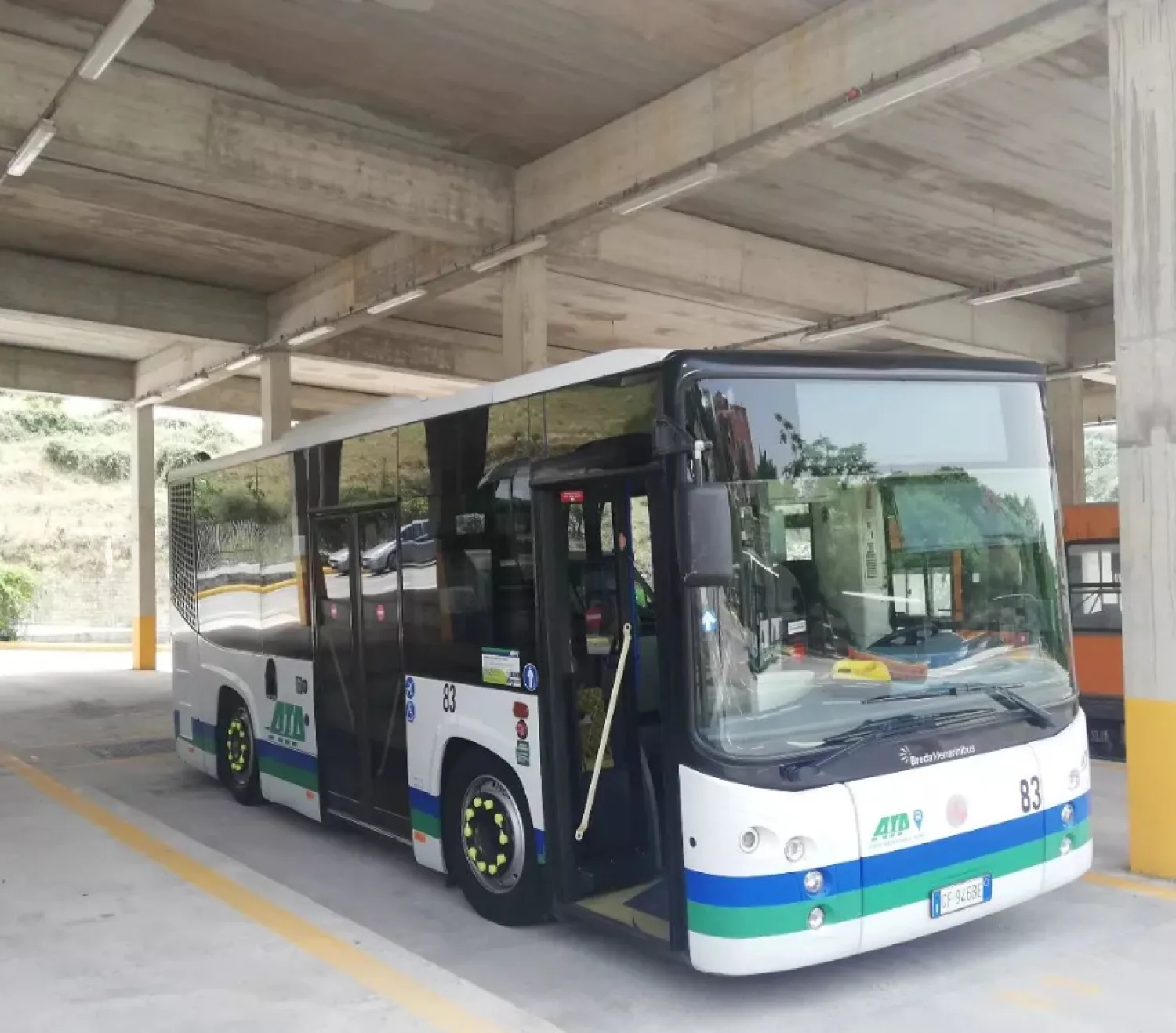
Public Transport: Udine’s public transportation system is primarily served by buses operated by Azienda Trasporti FVG (ATF), which provide comprehensive coverage across the city and its surrounding areas. The buses are punctual and run on a regular schedule, making them a reliable option for commuters and tourists alike. Tickets can be purchased onboard or at designated sales points throughout the city.
Train Services: The Udine railway station (Stazione di Udine) serves as a major hub connecting the city to other parts of Italy and Europe. It is well-served by regional, intercity, and high-speed trains (Frecciarossa and Frecciabianca), offering convenient links to cities like Venice, Trieste, Milan, and beyond. The station is centrally located, making it easily accessible by foot or public transport from various parts of Udine.
Cycling and Walking: Udine promotes cycling and walking as sustainable and healthy modes of transport. The city features bike lanes and pedestrian-friendly streets, making it easy for residents and visitors to explore its historic center and beyond on foot or by bike. Several bike-sharing schemes are available, providing a convenient way to rent bicycles for short journeys.
Car and Taxi Services: While public transport is robust, Udine also caters to those preferring car travel. The city has well-maintained roads and ample parking facilities, though traffic can be heavier during peak hours. Taxis are readily available throughout Udine, providing a convenient option for travelers needing direct transport to specific destinations.
Accessibility: Udine is accessible for individuals with disabilities, with facilities such as wheelchair-friendly buses and accessible stations at the railway station. Efforts continue to improve accessibility across the city, ensuring that transportation services are inclusive and accommodating to all residents and visitors.
Integration and Coordination: Overall, Udine’s transportation system is well-integrated, allowing for seamless transfers between different modes of transport. Timetables are coordinated to facilitate convenient connections, making it easy to navigate the city and explore its cultural, historical, and culinary attractions.
In summary, Udine offers a diverse and efficient transportation network that supports both daily commuting and tourism activities. Whether by bus, train, bicycle, or on foot, travelers can navigate Udine with ease, enjoying the convenience and accessibility that the city’s transportation infrastructure provides.
Udine, with its blend of medieval allure and Renaissance elegance, stands as a testament to the rich tapestry of Friuli-Venezia Giulia’s cultural and historical heritage. From the majestic Piazza Libertà adorned with architectural marvels to the tranquil Duomo steeped in centuries of religious significance, every corner of Udine whispers tales of a storied past.
Beyond its architectural splendor, Udine captivates visitors with its vibrant culinary scene, where traditional Friulian flavors mingle harmoniously with influences from neighboring regions. The city’s trattorias and osterias beckon with dishes like prosciutto crudo and frico, paired perfectly with local wines that reflect the terroir of the surrounding vineyards.
Udine’s role as a cultural hub extends to its festivals and events, where the Far East Film Festival and Udine Jazz Festival bring together global talent and enthusiasts alike, fostering a spirit of artistic exchange and celebration.
As a gateway to the diverse landscapes of Friuli-Venezia Giulia, Udine invites exploration beyond its city limits. From the rolling vineyards of Collio to the serene lagoons of Marano and Grado, the region unfolds in a tapestry of natural beauty and cultural richness waiting to be discovered.
Whether wandering through its historic streets, indulging in its culinary delights, or simply soaking in the ambiance of its piazzas, Udine leaves an indelible mark on all who visit. It is a city where history resonates in every stone, where flavors delight the palate, and where hospitality embraces each traveler with warmth and authenticity.
In Udine, time seems to stand still as you embrace the essence of Friuli-Venezia Giulia’s past and present, forging memories that linger long after you’ve bid farewell to its enchanting streets and welcoming embrace.
Leave a comment