

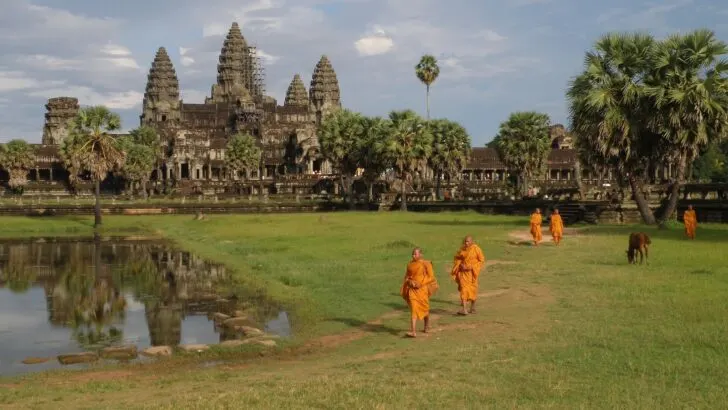
Nestled in the northwestern region of Cambodia, Siem Reap is a captivating city that serves as the gateway to the world-famous Angkor Archaeological Park, home to the awe-inspiring temples of Angkor Wat and other ancient Khmer ruins.
Rich in cultural heritage, Siem Reap has grown from a small town to a vibrant destination that offers an irresistible blend of history, tradition, and modernity.
Steeped in history dating back to the Angkorian era, Siem Reap was once the seat of the powerful Khmer Empire, and its temples and architectural marvels are a testament to its glorious past.
Today, it stands as a testament to the resilience of the Cambodian people, having survived both ancient and modern challenges.
Beyond its historical treasures, Siem Reap boasts a dynamic urban scene, featuring a diverse array of dining options, vibrant markets, and bustling nightlife.
The city’s charming streets are lined with bustling markets, boutique shops, art galleries, and restaurants that serve both authentic Khmer cuisine and international fare.
The heart of Siem Reap’s allure lies in the captivating Angkor Archaeological Park, a UNESCO World Heritage Site that draws millions of visitors each year.
Angkor Wat, the largest religious monument in the world, is the crown jewel of the park and an architectural wonder that showcases the grandeur of Khmer civilization.
Yet, Siem Reap is more than just temples and ruins. It is a destination that embraces both tradition and progress, with its residents preserving their cultural heritage while embracing the opportunities that modernity brings.
The city’s charming mix of old-world charm and contemporary developments provides a unique and authentic experience for travelers.
Beyond the Angkor temples, Siem Reap beckons visitors to explore the picturesque countryside, verdant rice paddies, floating villages, and serene landscapes.
Travelers can embark on enriching cultural encounters, witness traditional performances, and partake in immersive experiences that reveal the warmth and hospitality of the Cambodian people.
Siem Reap’s allure lies not only in its ancient wonders but also in the stories it weaves, inviting travelers to immerse themselves in a city that has seen centuries of history unfold before it.
Whether you’re an avid history enthusiast, an adventurous foodie, or a cultural explorer, Siem Reap promises an unforgettable journey filled with beauty, intrigue, and heartfelt moments that leave a lasting impression.
1. Visit Angkor Wat: Explore the largest religious monument in the world and watch the sunrise over the iconic temple

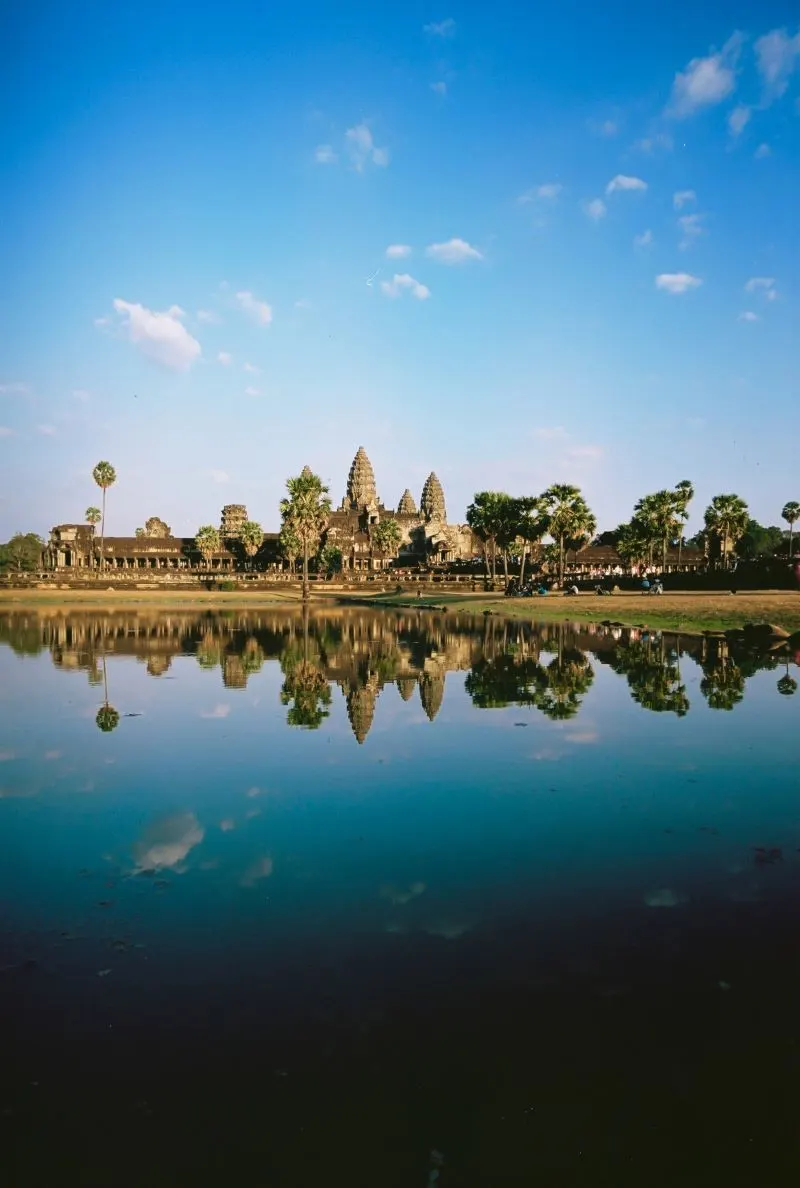
Angkor Wat is a majestic temple complex located in Siem Reap, Cambodia. It is one of the most significant and well-preserved archaeological sites in the world, and it holds immense cultural and historical importance to Cambodia.
Built in the 12th century during the Khmer Empire’s rule, the temple was originally dedicated to the Hindu god Vishnu but later transitioned into a Buddhist site.
The main temple structure is an awe-inspiring masterpiece of Khmer architecture, featuring intricate carvings, elaborate bas-reliefs, and soaring towers. The temple is surrounded by a large moat, adding to its grandeur and reflecting its image beautifully during sunrises and sunsets.
Visitors from all over the globe flock to Angkor Wat to witness its beauty and historical significance. It’s common for travelers to wake up early to catch the sunrise over the temple, creating a breathtaking and memorable experience.
As you explore the temple complex, you’ll encounter numerous galleries, passageways, and courtyards that depict various mythological stories and historical events through its stunning art and architecture.
The sheer scale of Angkor Wat is captivating, and it offers an incredible glimpse into the ancient Khmer civilization and its impressive architectural achievements.
The site is so significant that it has been designated as a UNESCO World Heritage Site, further underscoring its global importance.
2. Angkor Thom: Discover the ancient city’s impressive South Gate, Bayon Temple, Terrace of the Elephants, and Terrace of the Leper King

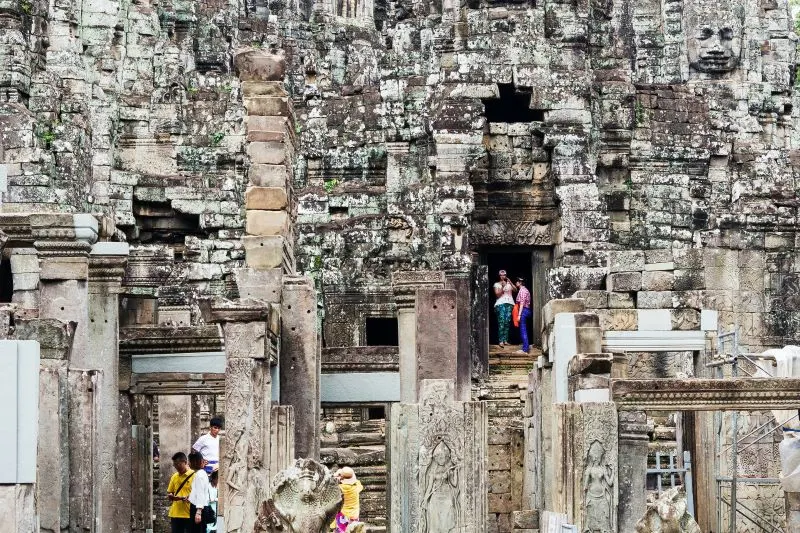
Angkor Thom is an ancient city located within the Angkor Archaeological Park in Siem Reap, Cambodia. It was the last and most enduring capital city of the Khmer Empire, established by King Jayavarman VII in the late 12th century.
The city is surrounded by an 8-meter-high wall and a wide moat, which once served as a defensive fortification. Four monumental gates, each adorned with stone carvings of four faces, guard the entrances to Angkor Thom.
These faces are known as the “Faces of Bayon” and are believed to represent the Bodhisattva Avalokiteshvara or the king himself, symbolizing benevolence and protection.
Inside Angkor Thom, visitors can explore various impressive structures and historical sites, including:
- Bayon Temple: The central temple of Angkor Thom, famous for its 54 towers adorned with the enigmatic smiling faces and intricate bas-reliefs depicting historical events and everyday life scenes.
- Baphuon: A large three-tiered temple-mountain dedicated to the Hindu god Shiva, featuring extensive restoration efforts.
- Phimeanakas: A pyramid-like temple situated within the Royal Palace complex, believed to have been a royal residence or a temple.
- Terrace of the Elephants: A long terrace adorned with carved elephants and other mythical creatures, serving as a platform for royal ceremonies.
- Terrace of the Leper King: An ornate terrace with intricate carvings, including the statue of the “Leper King,” although not actually depicting a leper.
- Preah Palilay: A small and quiet temple located in a peaceful forested area, providing a serene setting for exploration.
The grandeur and historical significance of Angkor Thom make it a must-visit site for anyone exploring the Angkor Archaeological Park.
Walking through the ancient city’s imposing gates and discovering the impressive temples and monuments within offer a profound connection to Cambodia’s rich past and the remarkable achievements of the Khmer civilization.
3. Ta Prohm: Explore the atmospheric temple swallowed by the jungle, famously featured in the movie “Tomb Raider.”

Ta Prohm is an enchanting temple within the Angkor Archaeological Park in Siem Reap, Cambodia. Built in the 12th century during the reign of the Khmer king Jayavarman VII, the temple was originally known as Rajavihara, serving as a Mahayana Buddhist monastery and university.
What makes Ta Prohm truly captivating is its unique state of preservation. Unlike other temples at Angkor, Ta Prohm has been left largely in the same condition in which it was found, with towering trees and dense vegetation interwoven with the temple’s ancient stone structures. The result is a mesmerizing blend of nature and architecture, creating a surreal and romantic atmosphere.
The temple’s crumbling walls and intricately carved stone facades are engulfed by the roots and branches of massive silk-cotton and strangler fig trees, giving visitors a glimpse into the power of nature’s reclamation.
As you explore the site, you’ll come across narrow passageways, courtyards, and hidden nooks, each offering a sense of wonder and adventure.
Ta Prohm gained international fame when it was featured in the Hollywood blockbuster “Tomb Raider,” adding to its allure and drawing even more visitors to its otherworldly setting.
For those seeking a unique and evocative experience, Ta Prohm is an absolute must-visit, where you can witness the harmony between ancient civilization and the forces of nature in a setting that feels like stepping into a mythical realm.
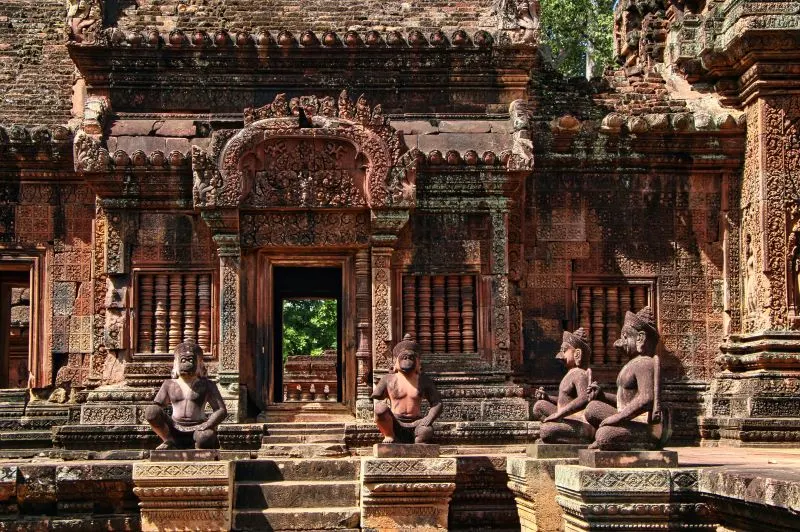
4. Banteay Srei: Admire the intricate and well-preserved pink sandstone carvings of this 10th-century temple

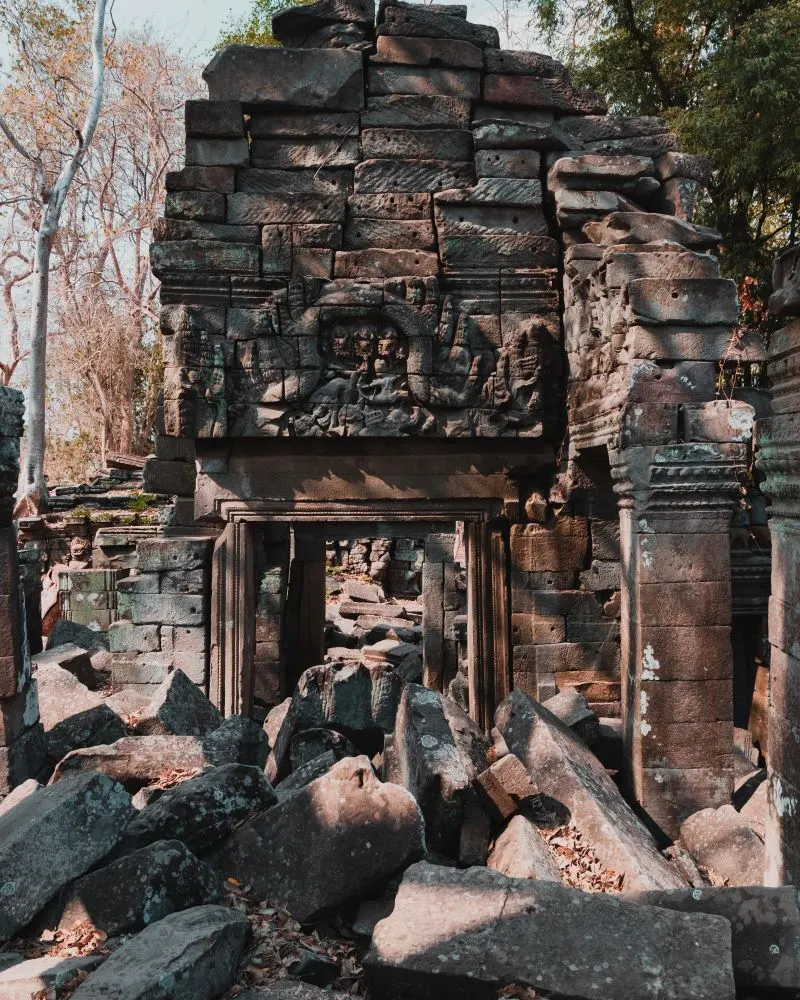
Banteay Srei, located in the Angkor Archaeological Park near Siem Reap, Cambodia, is a small but exceptionally well-preserved temple complex.
Built in the 10th century, it is renowned for its exquisite and intricate pink sandstone carvings, which are considered some of the finest examples of classical Khmer art.
The temple is dedicated to the Hindu god Shiva and was commissioned by a Brahmin counselor to King Rajendravarman. Despite its relatively small size compared to other Angkorian temples, Banteay Srei’s intricate and detailed carvings make it a masterpiece of Khmer architecture.
The carvings cover almost every available surface, including lintels, door frames, and walls, depicting various mythological and religious scenes from Hindu epics such as the Ramayana and Mahabharata.
The level of craftsmanship and the delicate details of the carvings are awe-inspiring, showcasing the skills of the ancient Khmer artisans.
Banteay Srei’s pink sandstone glows in the sunlight, giving the temple a distinctive and romantic ambiance. The temple’s smaller scale also allows for a more intimate and immersive experience, making it a popular destination for photographers, art enthusiasts, and those seeking to appreciate the artistic and architectural prowess of the Khmer Empire.
5. Angkor National Museum: Learn about the history and culture of the Khmer Empire and the Angkor archaeological site


The Angkor National Museum is a modern and comprehensive museum located in Siem Reap, Cambodia. It serves as an educational and cultural institution dedicated to preserving and showcasing the rich history and heritage of the ancient Khmer civilization, particularly the Angkor archaeological site.
The museum’s exhibits provide visitors with a deeper understanding of the Khmer Empire’s history, art, architecture, and religious beliefs. It features a vast collection of artifacts, statues, and relics excavated from the Angkor temples, offering insights into the lives of the Khmer people during their heyday.
The museum is divided into several galleries, each focusing on different aspects of Khmer history and culture. Visitors can explore the various rooms to learn about the different periods of Angkorian history, the construction and significance of the Angkor temples, and the religious practices and beliefs of the ancient Khmer.
The displays are well-curated and accompanied by informative descriptions and multimedia presentations, making the museum an excellent complement to visiting the actual temples in the Angkor Archaeological Park.
It offers a comprehensive and engaging experience, especially for those who wish to delve deeper into the historical context and cultural significance of the Angkor complex.
6. Phare, The Cambodian Circus: Watch a captivating circus performance featuring talented Cambodian artists


Phare, The Cambodian Circus, is a unique and captivating performing arts troupe based in Siem Reap, Cambodia. Established in 2013, the circus is a social enterprise that aims to empower Cambodian youth through the arts, particularly circus performance and visual arts.
The circus performances are a mesmerizing blend of acrobatics, theater, dance, music, and storytelling, all inspired by Cambodian folktales, history, and contemporary themes.
The talented performers, who are graduates of Phare Ponleu Selpak, an NGO that supports vulnerable children and young adults through education and the arts, bring energy, emotion, and skill to the stage.
Each show is a spectacular and dynamic display of athleticism, creativity, and Cambodian culture. The performers use their bodies and artistic abilities to convey powerful narratives and emotions, leaving the audience spellbound and moved by the experience.
Beyond entertainment, attending a Phare circus show directly supports the local community and provides opportunities for young Cambodians to pursue careers in the arts and break free from poverty and disadvantage.
It is an inspiring and heartwarming initiative that has gained recognition and praise both nationally and internationally.
7. Tonle Sap Lake: Take a boat tour to witness the floating villages and diverse wildlife on Southeast Asia’s largest freshwater lake

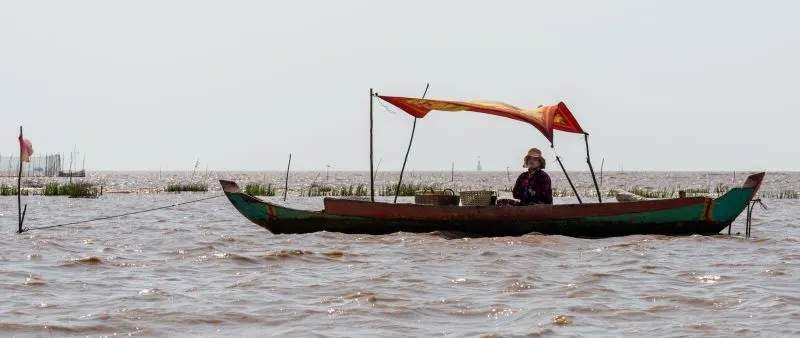
Tonle Sap Lake is the largest freshwater lake in Southeast Asia and one of the most vital natural features of Cambodia. Located just south of Siem Reap, the lake is situated in the heart of the country and holds immense ecological and cultural significance.
What makes Tonle Sap Lake truly remarkable is its unique hydrological phenomenon. During the rainy season, the Mekong River swells and flows into the lake, causing it to expand significantly.
As a result, Tonle Sap becomes a vast, interconnected water system, supporting a rich and diverse ecosystem. During the dry season, when the Mekong’s water level recedes, the lake reverses its flow and drains back into the river, leaving behind fertile land for agriculture.
The surrounding floodplains and floating villages make Tonle Sap a captivating destination for tourists. The floating villages are home to many communities who live in stilted houses or houseboats, adapting their lives to the changing water levels.
Visitors can take boat tours to explore these unique communities, observe their traditional way of life, and witness the beautiful scenery and wildlife of the lake.
Tonle Sap’s biodiversity is also impressive, serving as a sanctuary for numerous species of fish, birds, and other wildlife. It is designated as a UNESCO Biosphere Reserve, further highlighting its ecological importance.
8. Preah Khan: Wander through the impressive ruins of this temple complex with its beautiful stone carvings

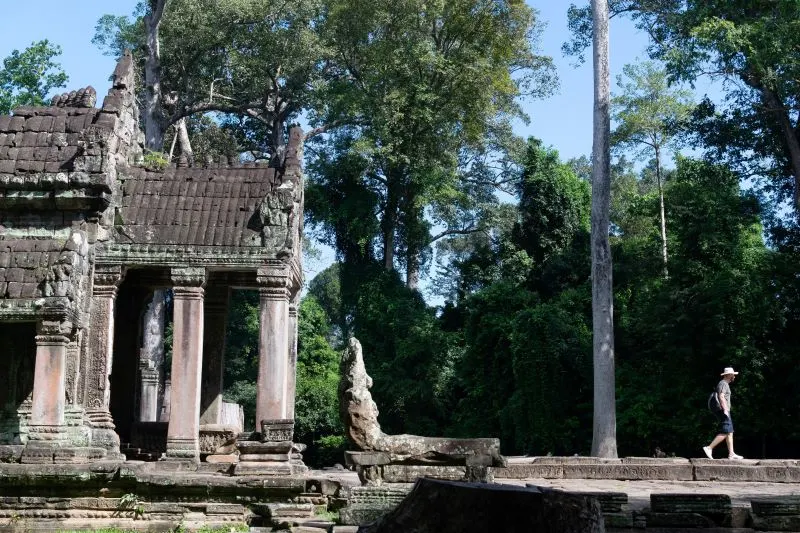
Preah Khan is a sprawling temple complex located within the Angkor Archaeological Park in Siem Reap, Cambodia. It is one of the largest and most significant monuments built during the reign of King Jayavarman VII in the 12th century.
The temple was constructed as a dedication to the king’s father, and it served as a Buddhist monastery and a center for learning and education. Its name, “Preah Khan,” means “Sacred Sword,” possibly referring to the power and strength of the king’s father.
Preah Khan is known for its grand scale and intricate design. It features multiple enclosures, galleries, and towers, interconnected by a series of causeways and impressive stone archways.
The temple’s layout and plan are highly organized, reflecting the unique and advanced urban planning of the Khmer Empire.
The complex is adorned with stunning bas-reliefs and detailed carvings, depicting various scenes from Hindu mythology, religious rituals, and daily life during the Khmer Empire.
Notably, Preah Khan’s central sanctuary houses a large statue of the Bodhisattva Avalokiteshvara, a significant figure in Mahayana Buddhism.
What sets Preah Khan apart from other Angkorian temples is its partially unrestored state, with sections of the temple still engulfed by dense vegetation. This lends an air of mystery and exploration to the site, creating a captivating atmosphere for visitors.
9. Banteay Samre: Enjoy the serene atmosphere of this lesser-visited temple known for its well-preserved architecture

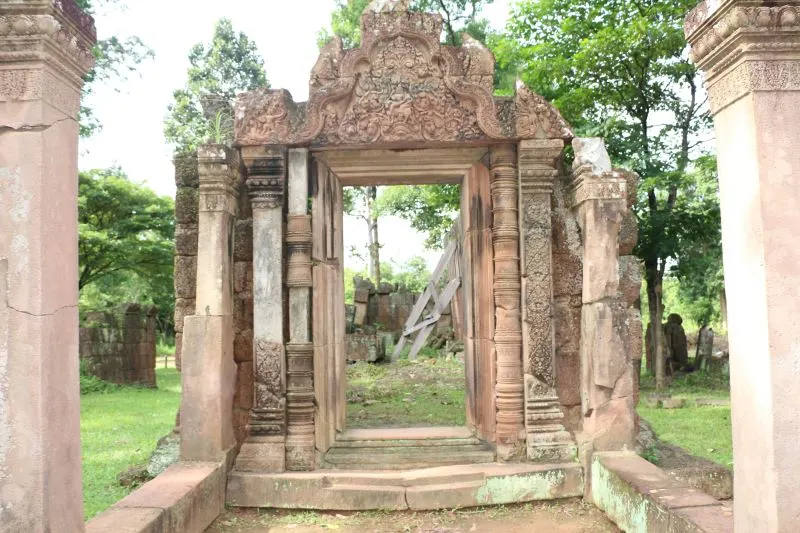
Banteay Samre is an elegant and well-preserved temple located in the Angkor Archaeological Park in Siem Reap, Cambodia. It is one of the lesser-known temples in the area but offers a peaceful and serene setting for visitors.
Built in the mid-12th century during the reign of King Suryavarman II, Banteay Samre exhibits a mix of Hindu and Angkor Wat architectural styles. The temple is dedicated to the Hindu god Vishnu and was originally used for religious worship and rituals.
The main temple structure is surrounded by a moat, and it features impressive and intricate carvings on both the interior and exterior walls.
The elaborate bas-reliefs depict scenes from Hindu epics, mythological stories, and daily life during the Khmer Empire. The quality of the carvings and the level of detail make Banteay Samre a significant example of classical Khmer artistry.
The temple’s design includes long causeways and elevated walkways that lead to the main sanctuary, adding to its grandeur and emphasizing its spiritual importance.
While Banteay Samre is smaller in comparison to some of the more famous Angkorian temples, its well-preserved condition and artistic beauty make it a hidden gem worth exploring.
10. Kulen Mountain National Park: Hike to the sacred waterfalls and see the ancient carvings and reclining Buddha

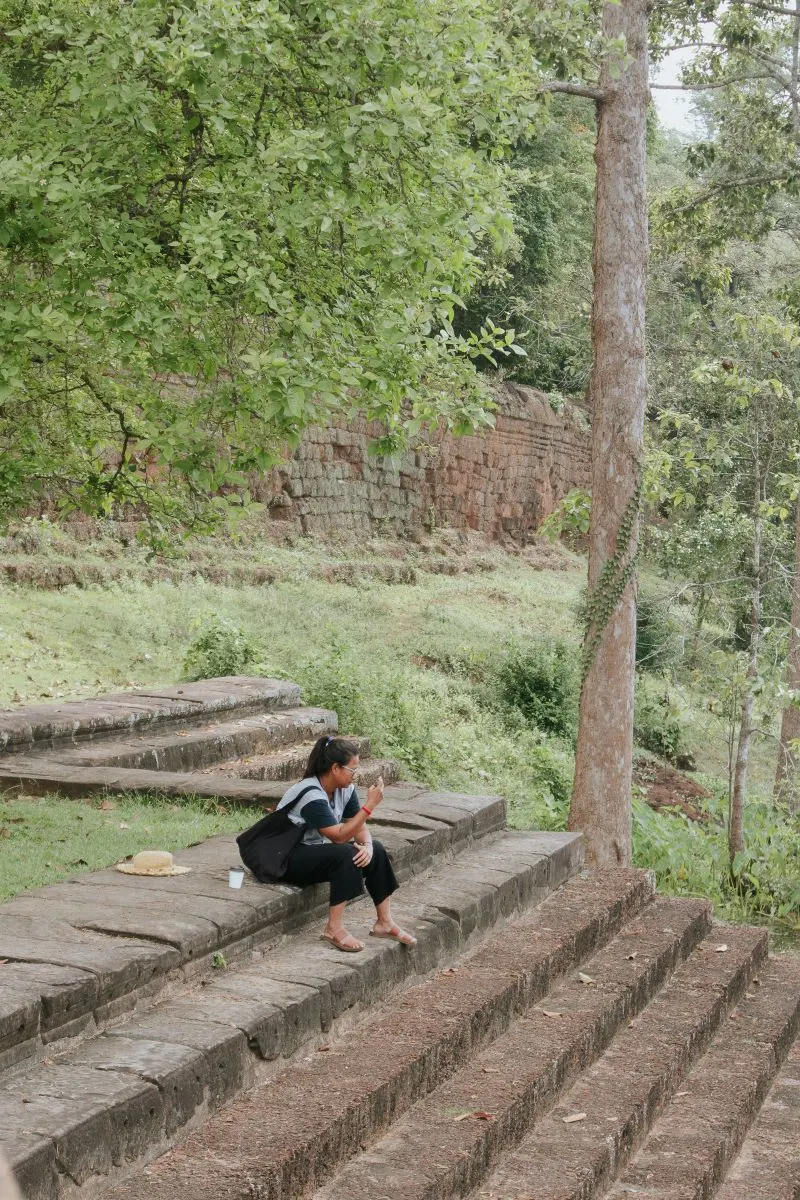
Kulen Mountain National Park, also known as Phnom Kulen, is a significant and sacred site located about 50 kilometers northeast of Siem Reap, Cambodia. It holds immense historical, cultural, and natural importance in the country.
The park is a picturesque and lush landscape encompassing dense forests, scenic waterfalls, and ancient ruins. It is often referred to as the “Mountains of Lychees” due to the abundance of lychee trees found in the area.
Phnom Kulen is historically significant as it was the birthplace of the Khmer Empire. It served as the capital during the reign of King Jayavarman II, who declared himself the “Chakravartin,” or universal ruler, marking the beginning of the Angkorian period.
The site is dotted with numerous archaeological remains, including ancient temples, inscriptions, and stone carvings. One of the most notable attractions is the “River of a Thousand Lingas,” a riverbed adorned with intricate carvings of Hindu deities and symbols.
Visitors to Kulen Mountain National Park can also enjoy a refreshing dip in the Kulen Waterfalls, which are particularly popular during the rainy season when the falls flow with greater intensity.
The cool and clear waters of the falls provide a welcome respite from the heat and offer a beautiful natural setting for relaxation and exploration.
Additionally, the park is home to various wildlife and flora, making it an important conservation area in Cambodia. Rare species such as the Indochinese silvered langur and the giant ibis can be found here.
11. Pub Street: Experience the vibrant nightlife in Siem Reap with its array of restaurants, bars, and street performances

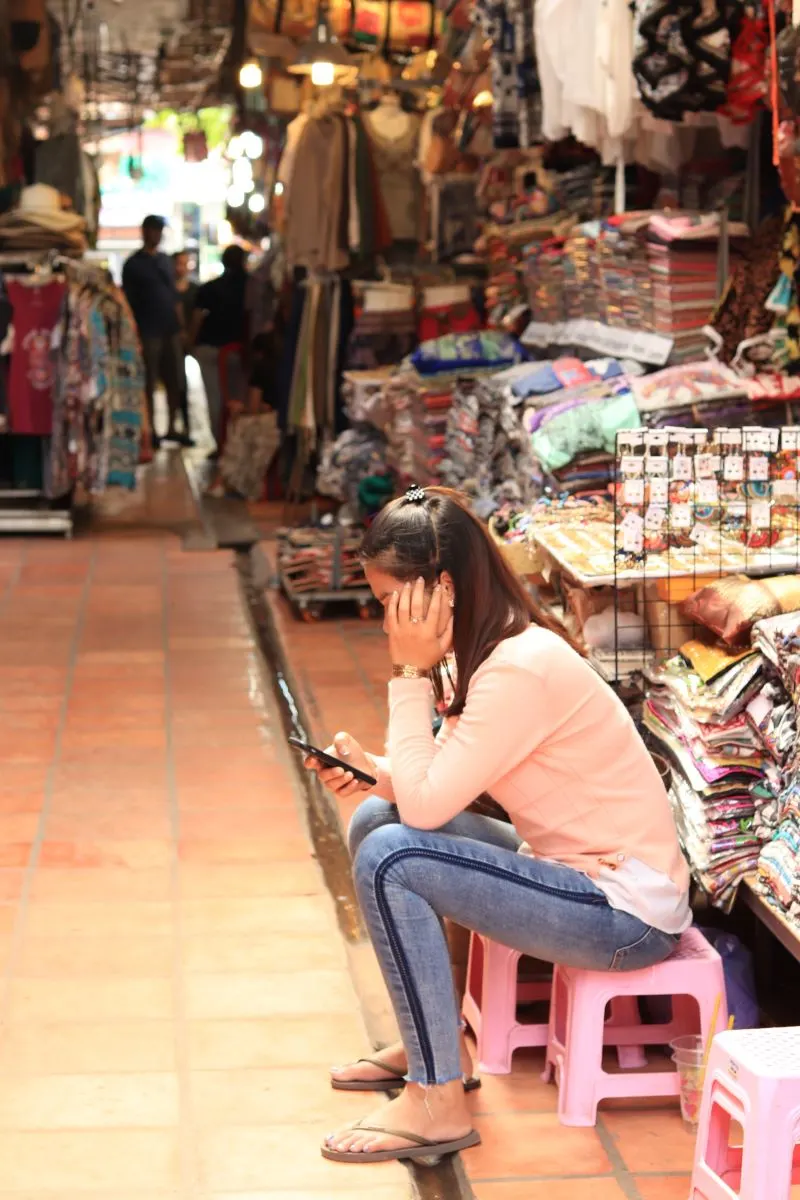
Pub Street is the vibrant and bustling heart of Siem Reap’s nightlife and entertainment scene in Cambodia. Located in the city center, it is a popular destination for tourists and locals alike, offering a lively and energetic atmosphere.
As the name suggests, Pub Street is lined with numerous bars, restaurants, pubs, and clubs, creating a lively and colorful ambiance. The street comes alive in the evenings and is particularly vibrant after sunset when the neon lights illuminate the area, and music fills the air.
Visitors to Pub Street can expect a diverse range of dining options, from traditional Khmer cuisine to international dishes. It’s a fantastic place to try local delicacies, enjoy a refreshing beer, or savor delicious street food.
Aside from the dining and nightlife options, Pub Street also hosts various street performers, live music performances, and entertaining street vendors selling souvenirs and local handicrafts.
The street’s lively and friendly atmosphere makes it a great place to mingle with fellow travelers, meet new people, and soak in the lively atmosphere of Siem Reap.
While Pub Street is famous for its nightlife, it’s also worth exploring during the daytime when it offers a more laid-back environment for shopping and dining.
12. Artisans Angkor: Witness traditional Cambodian crafts being made and shop for high-quality souvenirs

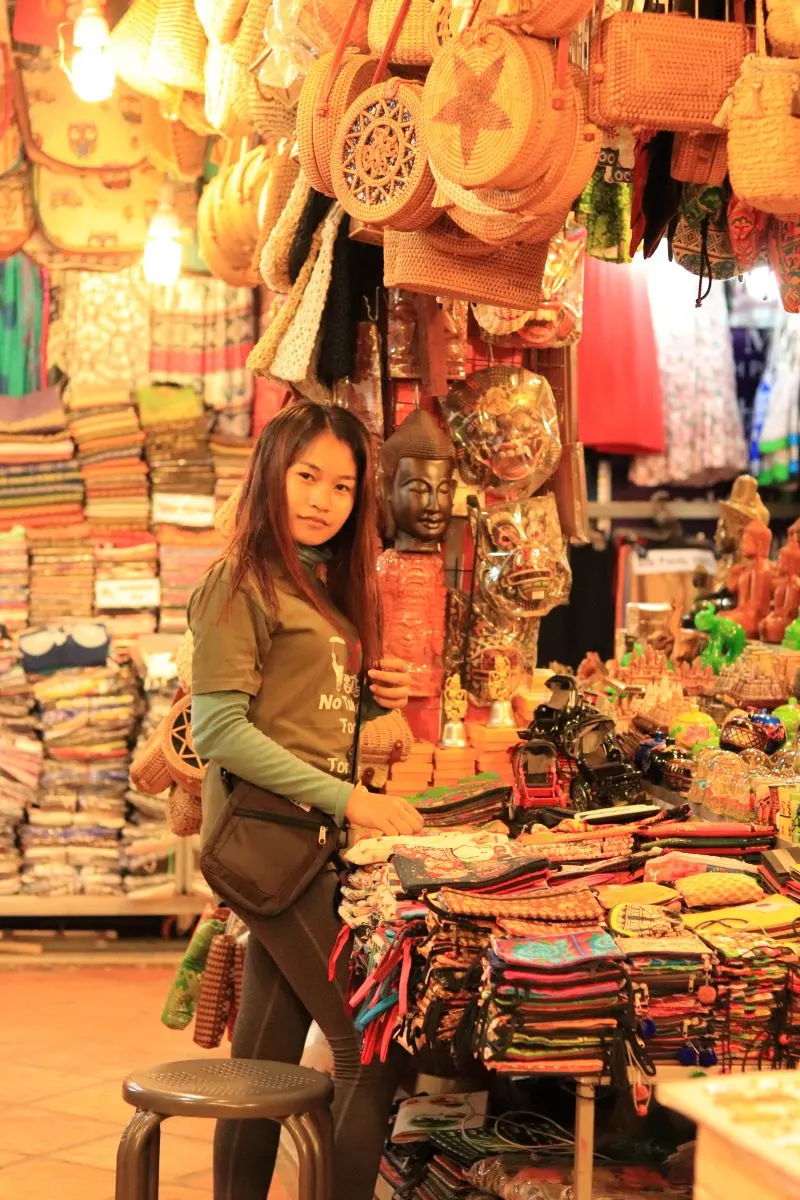
Artisans Angkor is a social enterprise and craftsmanship center based in Siem Reap, Cambodia. It was established in 1992 with the aim of reviving traditional Khmer arts and crafts, providing employment opportunities, and supporting the local community.
The organization focuses on preserving and promoting traditional Cambodian handicrafts, such as wood and stone carving, silk weaving, lacquerware, silver plating, and ceramics.
Local artisans are trained and employed by Artisans Angkor, enabling them to showcase their skills and talents while earning fair wages.
Visitors to Artisans Angkor can take guided tours of the workshops, witnessing firsthand the intricate and meticulous process of creating these exquisite crafts.
The center offers a glimpse into the rich cultural heritage of Cambodia, and it’s a fantastic place to purchase high-quality, authentic Cambodian souvenirs and gifts.
What makes Artisans Angkor even more noteworthy is its social mission. By providing training and employment to young people from rural areas, the organization helps them gain valuable skills and escape poverty, making a positive impact on the lives of many individuals and their families.
13. Phnom Bakheng: Climb to this hilltop temple to catch a stunning sunset view of Angkor Wat

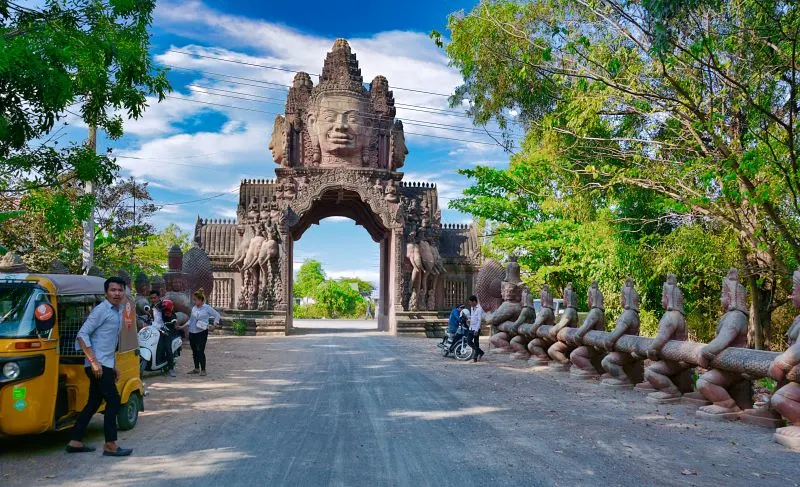
Phnom Bakheng is an ancient Hindu temple situated atop a hill in the Angkor Archaeological Park, near Siem Reap, Cambodia. It is one of the earliest temples built during the Angkorian period, constructed in the late 9th century during the reign of King Yasovarman I.
The temple is renowned for its elevated position, offering panoramic views of the surrounding area, including the majestic Angkor Wat in the distance.
Phnom Bakheng was originally dedicated to the Hindu god Shiva, and its design resembles a stepped pyramid, featuring a series of ascending terraces leading to the central sanctuary.
Visitors can climb the steep steps to reach the top of Phnom Bakheng, especially during the late afternoon and early evening, to witness a breathtaking sunset over the Angkor temples.
The setting is incredibly popular among tourists and photographers, as the temple’s elevated position provides a stunning backdrop for capturing the colors of the setting sun.
Due to its popularity, Phnom Bakheng’s access may be restricted during peak times to prevent overcrowding and preserve the temple’s structural integrity. Therefore, it’s advisable to plan your visit in advance and arrive early if you wish to secure a good spot for sunset viewing.
14. Landmine Museum: Gain insights into Cambodia’s history and the impact of landmines at this eye-opening museum

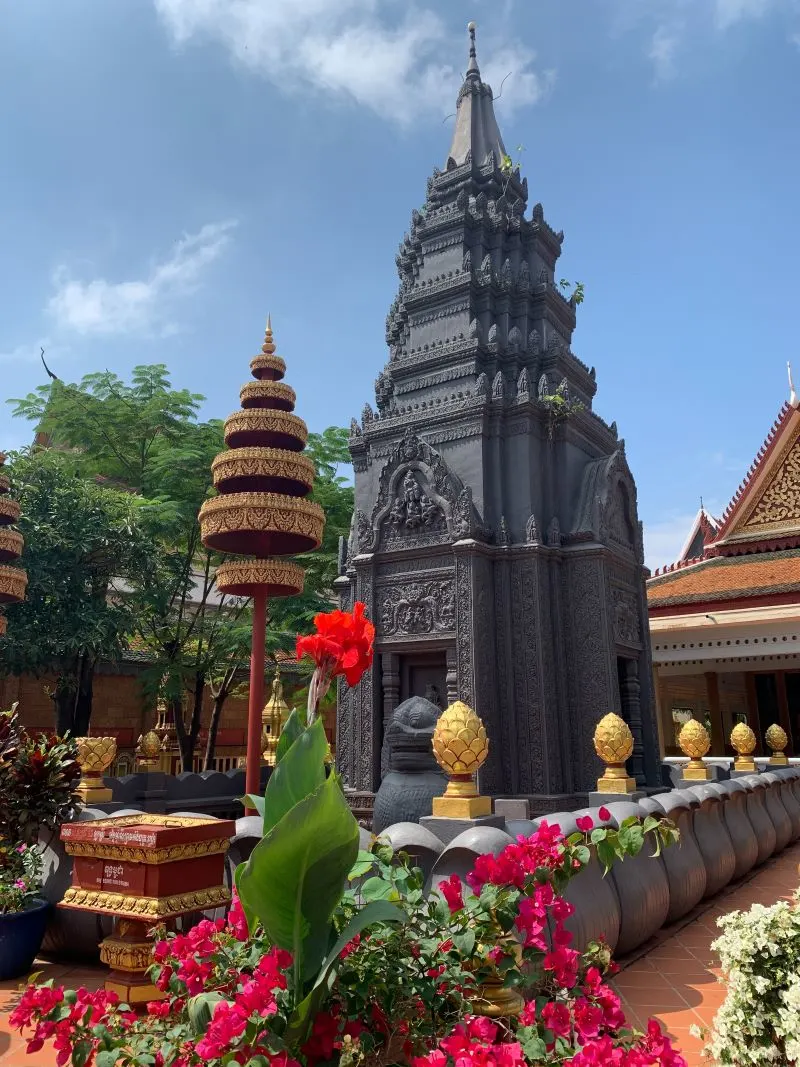
The Landmine Museum in Siem Reap, Cambodia, is an educational and eye-opening institution that sheds light on the devastating impact of landmines on the country and its people.
The museum was founded by Aki Ra, a former child soldier who became a deminer, dedicated to clearing landmines and unexploded ordnance from Cambodia’s countryside.
The museum’s exhibits showcase a collection of deactivated landmines, cluster bombs, and other explosive remnants of war. It provides visitors with a sobering and educational experience, offering insights into the history of landmines in Cambodia and their ongoing effects on civilians, particularly children and farmers.
In addition to the displays, the museum offers information about the work of demining teams and organizations dedicated to clearing Cambodia of landmines to make the country safer for its inhabitants.
The Landmine Museum serves as a testament to the resilience and courage of those affected by landmines and highlights the importance of ongoing efforts to address the landmine issue in Cambodia and around the world.
It provides an opportunity for visitors to understand the human cost of conflict and to support the cause of landmine clearance and victim assistance.
15. Floating Village Tour: Take a boat trip to Chong Khneas or Kampong Phluk to observe the unique lifestyle of the floating communities

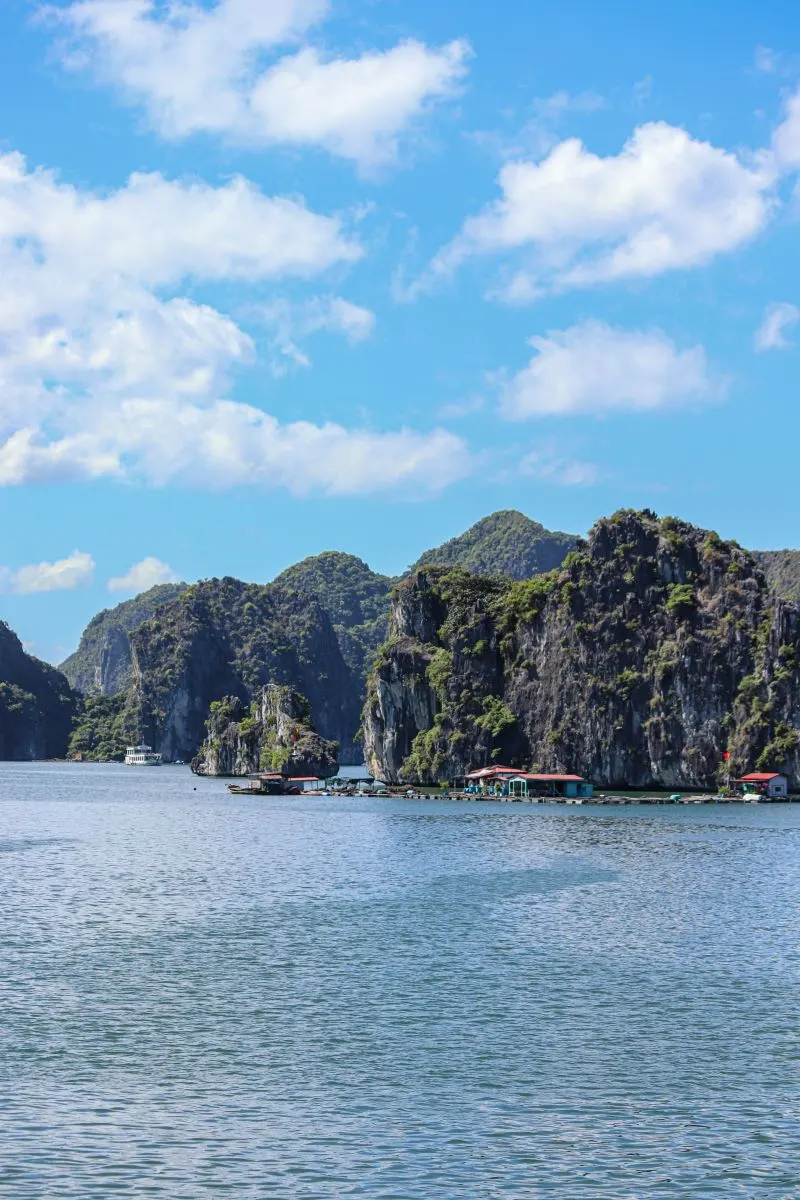
A Floating Village Tour in Siem Reap, Cambodia, offers a unique and fascinating experience to explore the traditional way of life of the communities living on the water. The tour takes visitors to one of the several floating villages on Tonle Sap Lake, the largest freshwater lake in Southeast Asia.
During the tour, visitors typically board a boat or a traditional wooden vessel and venture out onto the lake, where they can observe the floating houses, schools, markets, and other essential facilities that make up the vibrant communities living on the water.
The floating villages are adapted to the lake’s changing water levels, with houses built on stilts to accommodate the rise and fall of the water during different seasons. It’s a captivating sight to witness how the communities have ingeniously adapted to the natural environment.
In addition to observing the local way of life, visitors may also have the opportunity to interact with the villagers, gaining insights into their customs, traditions, and daily routines.
The tour often includes visits to local schools, pagodas, and fish farms, providing a deeper understanding of the villagers’ relationship with the lake and their livelihoods.
The Floating Village Tour not only offers a glimpse into a unique lifestyle but also allows visitors to appreciate the importance of Tonle Sap Lake as a crucial ecosystem and the role it plays in supporting the communities living in the region.
16. Apsara Dance Show: Enjoy a traditional Khmer dance performance accompanied by a delicious dinner

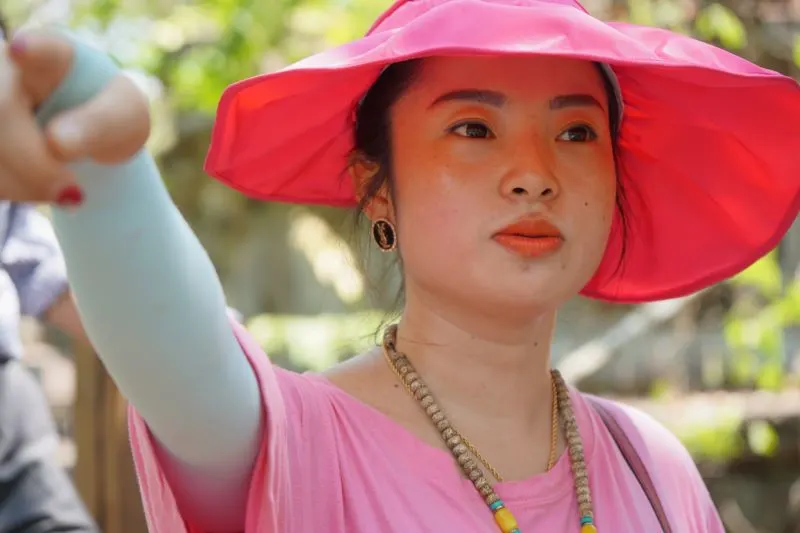
The Apsara Dance Show is a captivating traditional dance performance that showcases the elegant and graceful movements of the Apsara dancers, who are inspired by celestial nymphs depicted in ancient Khmer art and mythology.
The dance form is an integral part of Cambodian culture and has a long history dating back to the Angkorian era. The Apsara dancers wear elaborate and ornate costumes adorned with traditional jewelry, creating a visually stunning spectacle.
During the performance, the dancers skillfully portray various stories from Cambodian folklore, Hindu epics, and legends through their precise gestures, delicate hand movements, and elaborate postures. The dance is accompanied by traditional Khmer music, creating a mesmerizing ambiance that transports the audience to the mystical world of ancient Cambodia.
The Apsara Dance Show is often accompanied by a delicious dinner featuring Khmer cuisine, allowing visitors to savor local delicacies while being immersed in the cultural performance. It’s a delightful and enchanting evening that offers a glimpse into the rich artistic heritage and traditional artistry of Cambodia.
17. Old Market (Phsar Chas): Shop for local handicrafts, souvenirs, spices, and fresh produce at this bustling market

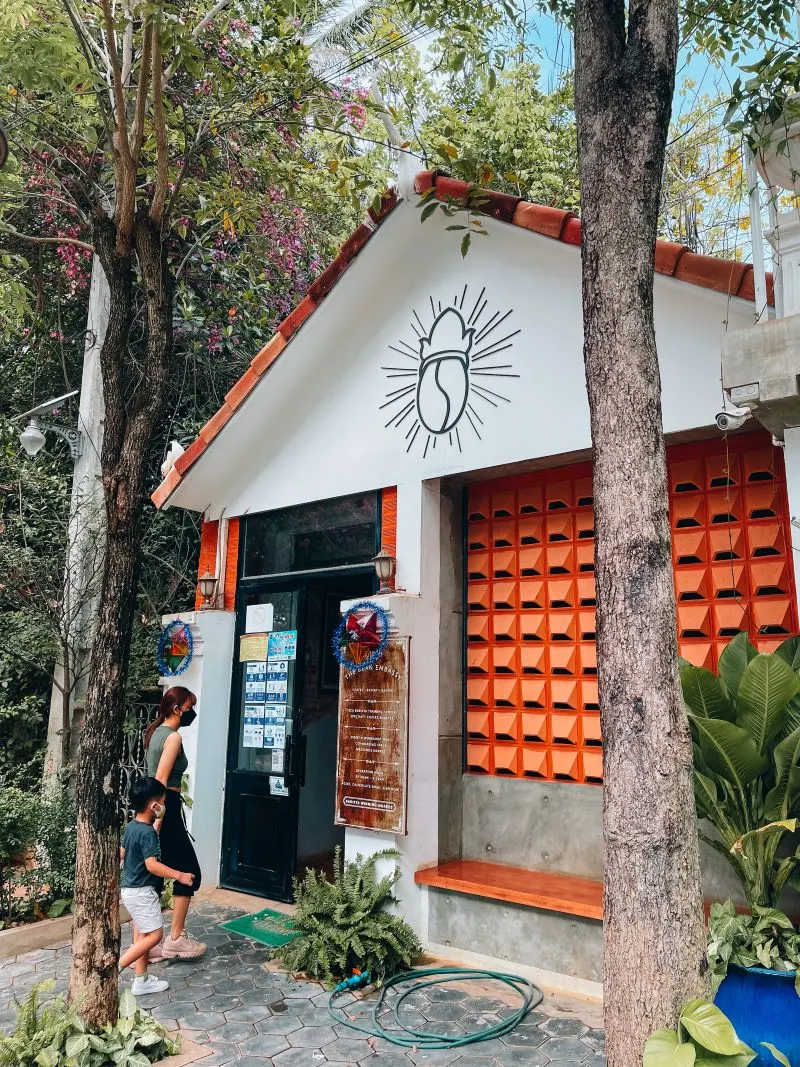
The Old Market, also known as Phsar Chas, is a vibrant and bustling market located in the heart of Siem Reap, Cambodia. It is one of the city’s oldest and most popular markets, attracting both locals and tourists alike.
The market is a labyrinth of narrow alleys and stalls selling a wide variety of goods, making it an excellent place to experience the sights, sounds, and flavors of Cambodia.
Visitors can find an array of products, including fresh fruits and vegetables, meats, seafood, spices, and local snacks. It’s a great spot to immerse yourself in the local culture and try authentic Khmer street food.
Beyond food, the Old Market offers a diverse selection of goods such as clothing, textiles, jewelry, handicrafts, souvenirs, and household items. Bargaining is a common practice here, and visitors can enjoy the thrill of haggling for unique treasures.
In addition to its retail section, the Old Market also has a separate area dedicated to cooked food stalls and eateries, where you can sample traditional Cambodian dishes and enjoy a meal amidst the lively ambiance.
The market’s central location and its array of offerings make it a favorite spot for both tourists and locals seeking to shop for essentials, taste local delicacies, and experience the vibrant atmosphere of Siem Reap.
18. Cambodian Pottery Workshop: Try your hand at traditional pottery-making techniques in a local workshop

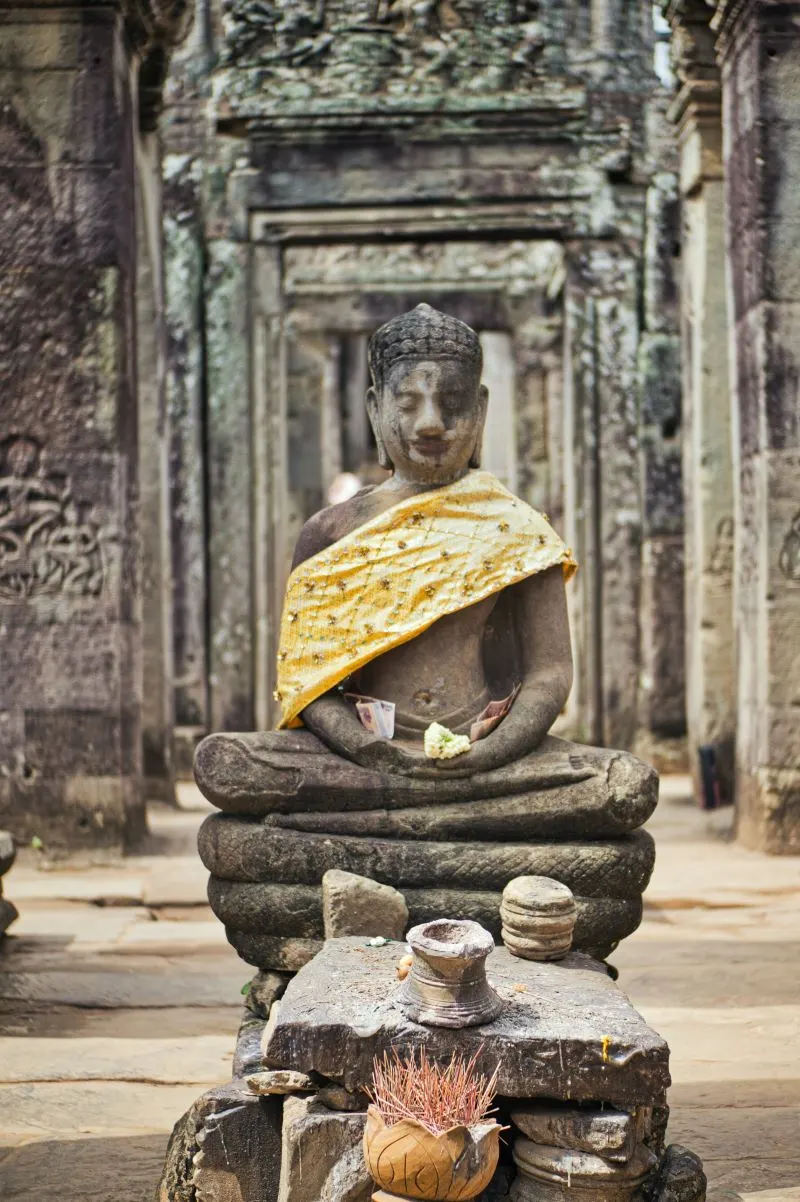
The Cambodian Pottery Workshop is an engaging and hands-on experience in Siem Reap, Cambodia, where visitors can learn about traditional pottery-making techniques and try their hand at crafting their own ceramic pieces.
Led by skilled local artisans, the workshop offers an intimate and educational setting where participants can delve into the ancient art of Cambodian pottery.
The instructors share insights into the history of pottery in Cambodia, as well as the significance of this craft in the country’s cultural heritage.
During the workshop, visitors get to experiment with shaping clay on a potter’s wheel or using hand-building techniques. The artisans guide participants through each step of the process, from molding the clay to adding intricate details and designs. It’s a truly immersive experience that allows guests to appreciate the artistry and craftsmanship involved in pottery-making.
After creating their pottery pieces, participants can choose to have them fired and glazed, transforming them into finished works of art. These personalized creations serve as unique and meaningful souvenirs to take home from their visit to Cambodia.
The Cambodian Pottery Workshop is suitable for all ages and skill levels, making it an excellent activity for families, friends, or solo travelers seeking a creative and cultural experience in Siem Reap.
19. War Museum Cambodia: Learn about Cambodia’s war-torn past and see military vehicles and equipment from the conflict

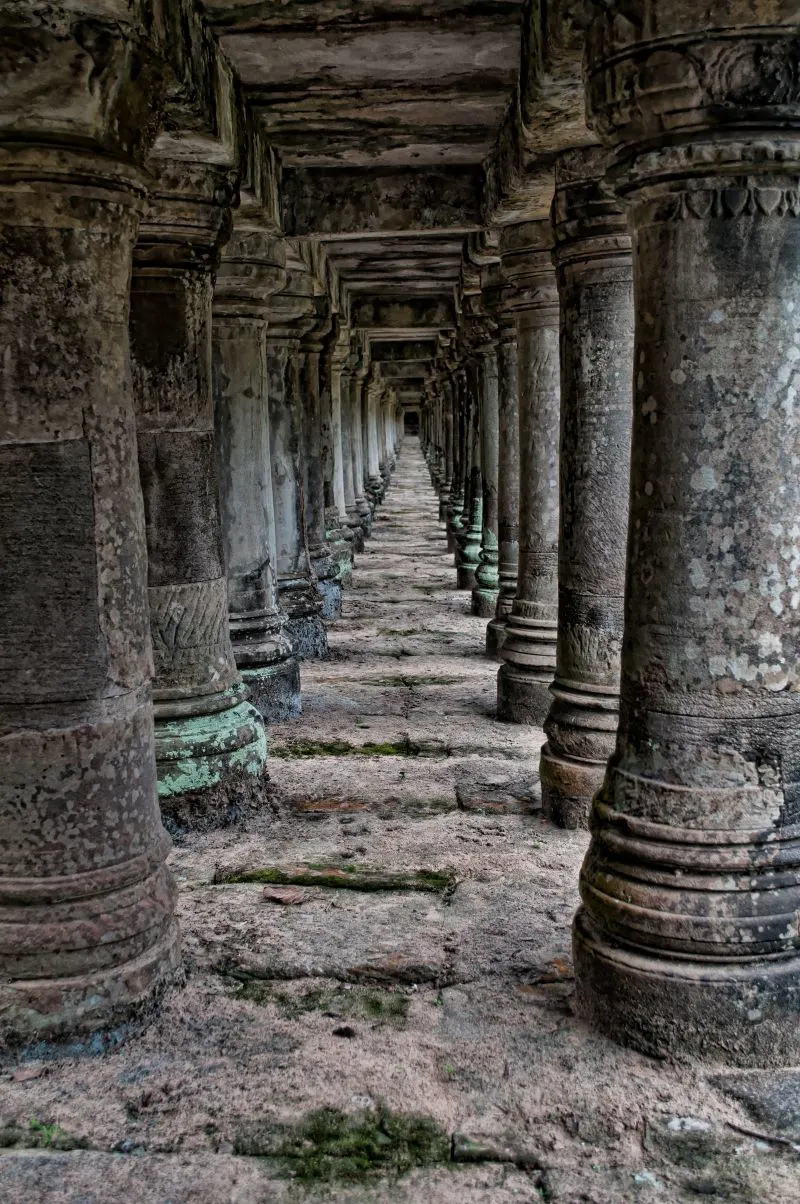
The War Museum Cambodia is a historical museum located in Siem Reap, Cambodia, that provides a comprehensive and educational insight into the country’s tumultuous past, particularly focusing on the Cambodian Civil War and the Khmer Rouge regime.
The museum features an extensive collection of military equipment, weapons, and vehicles used during the conflicts, including tanks, artillery pieces, landmines, and small arms.
Visitors can explore these exhibits and even get up close to the displayed items, offering a hands-on experience that gives a tangible sense of the intensity of the warfare.
Apart from the military artifacts, the War Museum Cambodia also showcases photographs, documents, and personal accounts that shed light on the events and atrocities that occurred during the conflicts, as well as the lasting impact on the Cambodian people.
While the museum covers sensitive and challenging topics, its purpose is to honor the memory of those who lost their lives during the war and to educate visitors about the country’s history.
It provides an opportunity for travelers to gain a deeper understanding of Cambodia’s resilience and the process of healing and reconciliation that the nation has undergone.
20. Silk Farm: Visit a silk farm to see the process of silk production from silkworms to the finished product

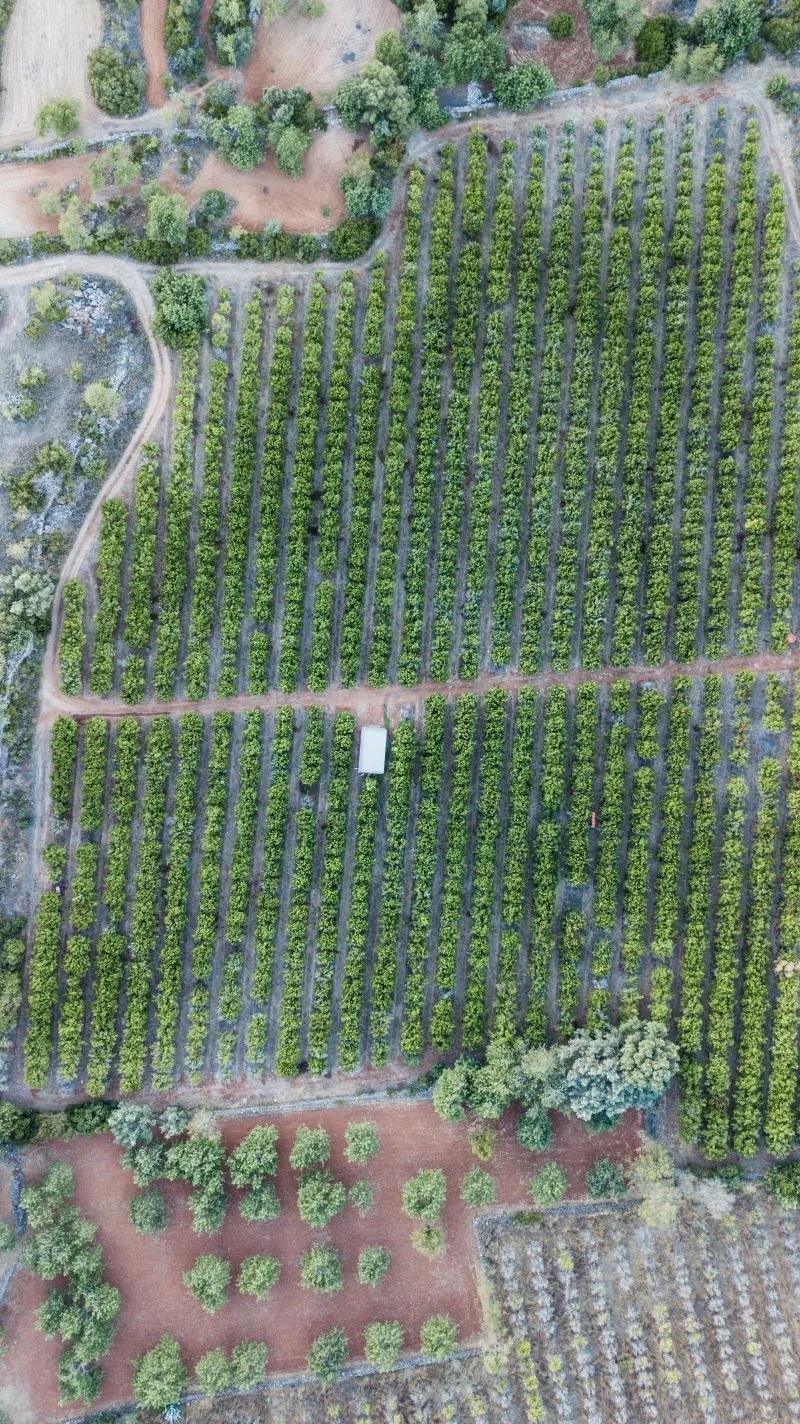
The Silk Farm in Siem Reap, Cambodia, is a fascinating and educational establishment that offers visitors a firsthand look into the traditional silk production process.
Operated by the Artisans Angkor social enterprise, the Silk Farm aims to preserve the ancient art of silk weaving and support local communities.
During the visit, guests can observe each stage of silk production, from the cultivation of mulberry trees (the primary food source for silkworms) to the careful nurturing of silkworms and the harvesting of their cocoons.
Visitors can witness the intricate process of extracting silk threads from the cocoons, which involves spinning and weaving the delicate fibers into beautiful textiles.
Local artisans, who have inherited their skills through generations, demonstrate the ancient techniques of silk weaving, using traditional wooden looms to create intricate patterns and designs.
Apart from the educational aspect, the Silk Farm also houses a showroom where visitors can browse and purchase a variety of high-quality silk products, including scarves, clothing, accessories, and home decor items.
21. Banteay Kdei: Explore the “Citadel of Chambers,” a lesser-visited temple complex with a tranquil ambiance

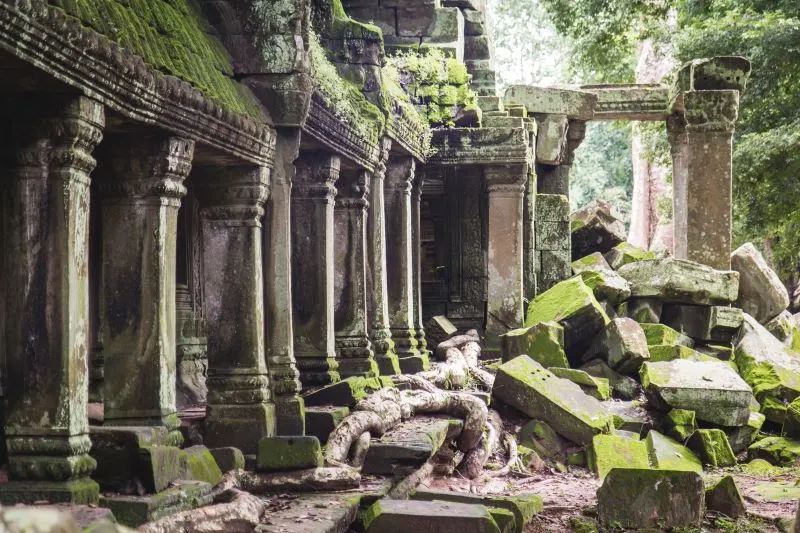
Banteay Kdei is an ancient temple located within the Angkor Archaeological Park in Siem Reap, Cambodia. It is a sprawling temple complex that was built during the 12th century under the reign of King Jayavarman VII.
The temple’s name, “Banteay Kdei,” translates to “Citadel of Chambers” or “Citadel of Monks,” reflecting its historical purpose as a Buddhist monastery and learning center.
Banteay Kdei features a mix of architectural styles, combining elements of Bayon and Angkor Thom with its own unique design.
It is known for its extensive galleries, elaborate carvings, and beautifully preserved bas-reliefs, depicting various scenes from Hindu mythology and the life of the ancient Khmer people.
Despite some areas showing signs of decay and restoration work, the temple retains much of its original charm and is surrounded by a peaceful and serene atmosphere. The presence of large trees growing amidst the temple ruins adds to its mystique, creating an ethereal and romantic setting.
Due to its relatively quieter and less crowded environment compared to some of the more famous temples in the Angkor complex, Banteay Kdei provides a more tranquil and intimate experience for visitors, making it an excellent spot for exploring and appreciating the artistry and architecture of the Khmer Empire.
22. West Baray: Relax by the vast ancient reservoir and enjoy picnics or boat rides

West Baray is an ancient water reservoir located in the Angkor Archaeological Park near Siem Reap, Cambodia. It is one of the largest and most significant barays (artificial lakes) built during the Angkorian period.
Constructed in the 11th century during the reign of King Suryavarman I, West Baray served as a crucial hydraulic system for the surrounding agricultural land, providing irrigation for rice cultivation and supporting the region’s population.
The baray covers a vast area, with a length of approximately 7.8 kilometers and a width of around 2.1 kilometers. It is fed by water from the Siem Reap River during the rainy season, filling the reservoir and replenishing the surrounding land.
During the dry season, the water from the baray is gradually released to support the crops and maintain the area’s fertility.
West Baray is a popular recreational area today, attracting both locals and tourists seeking respite from the heat and a serene environment.
The vast expanse of water against the backdrop of lush vegetation creates a scenic and tranquil setting, making it an ideal spot for picnics, boat rides, and relaxation.
The baray’s proximity to some of the famous Angkorian temples, such as Pre Rup and Phnom Bakheng, also makes it a common destination for visitors who combine their temple exploration with a leisurely visit to West Baray.
23. Roluos Group of Temples: Discover the oldest Angkorian temples including Preah Ko, Bakong, and Lolei

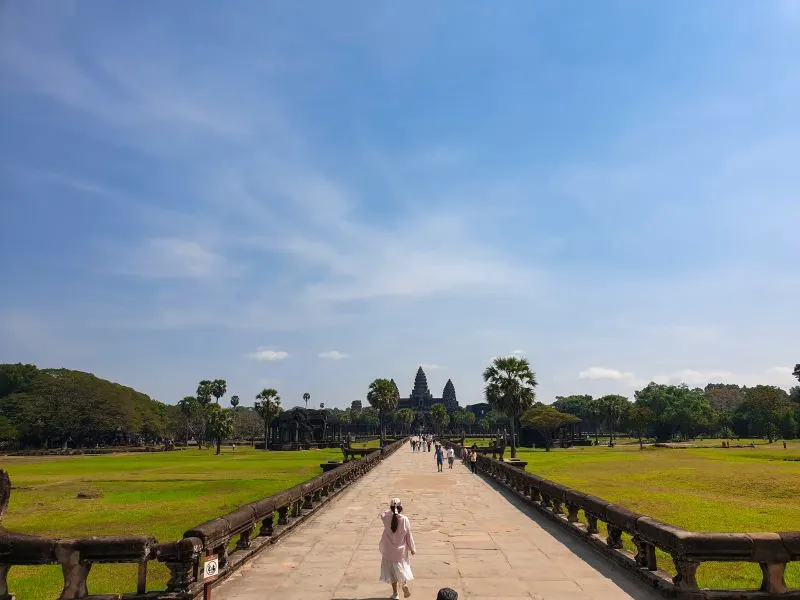
The Roluos Group of Temples is a collection of ancient Khmer temples located about 13 kilometers east of Siem Reap, Cambodia. These temples are among the earliest surviving structures from the Khmer Empire and predate the more famous temples of Angkor.
The group consists of three main temples:
- Preah Ko: Built in the late 9th century during the reign of King Indravarman I, Preah Ko is the oldest temple of the Roluos Group. It features six large brick towers, each dedicated to a different deity, and the temple is known for its detailed carvings and inscriptions.
- Bakong: Constructed in the early 9th century during the reign of King Indravarman I, Bakong is the most impressive and largest temple in the Roluos Group. It is a pyramid-shaped temple-mountain, surrounded by a moat and five tiers, representing Mount Meru, the mythical home of the gods in Hindu cosmology.
- Lolei: Built around the same time as Preah Ko and Bakong, Lolei is a smaller temple dedicated to the king’s ancestors. It consists of four towers situated on a single platform and is set in the middle of a now-dry baray (reservoir).
Visiting the Roluos Group of Temples offers a chance to explore Cambodia’s early Khmer architectural style and appreciate the historical significance of these structures, which were the prototypes for the grander temples built later in the Angkor period.
The temples’ relative proximity to Siem Reap makes them an accessible and worthwhile addition to any temple-hopping itinerary in the region.
24. Explore Siem Reap by Quad Bike: Take an adventurous quad bike tour through the countryside and off-the-beaten-path locations


Exploring Siem Reap by Quad Bike is an adventurous and exhilarating way to experience the countryside and rural landscapes surrounding the city.
The quad bike tours offer an off-the-beaten-path adventure, taking visitors through scenic rice fields, local villages, and lesser-known temple ruins.
Participants ride on all-terrain quad bikes, which are four-wheeled vehicles designed to handle various terrains, including dirt paths, bumpy trails, and muddy tracks.
The tours are usually guided by experienced local guides who lead the way and ensure the safety and enjoyment of the participants.
During the quad bike adventure, visitors have the opportunity to interact with friendly locals, observe traditional farming practices, and gain insight into rural Cambodian life.
The tours often include stops at remote temples or ruins, providing a unique perspective on Cambodia’s historical and cultural heritage.
The quad bike experience is suitable for both beginners and experienced riders, as the guides provide instruction and safety briefings before the tour begins.
It offers a thrilling and immersive way to explore the beautiful countryside and the hidden gems of Siem Reap beyond the well-trodden tourist trails.
25. Wat Thmei: Pay your respects at the memorial stupa containing the bones of victims of the Khmer Rouge regime

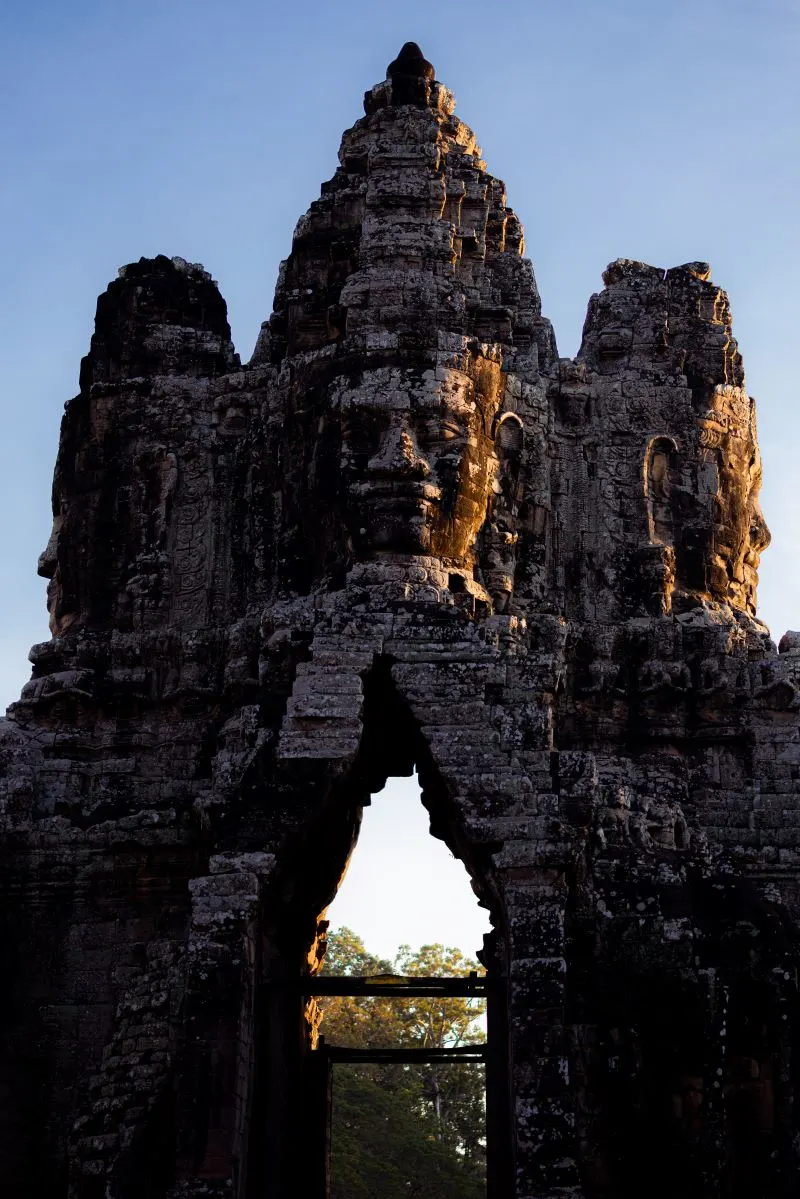
Wat Thmei, also known as the Killing Fields Pagoda, is a significant Buddhist temple and memorial site located in Siem Reap, Cambodia. It holds a somber history, commemorating the victims of the Khmer Rouge regime and serving as a reminder of the country’s tragic past.
The temple’s name, “Wat Thmei,” translates to “New Wat,” indicating that it was constructed relatively recently compared to some other temples in Cambodia.
It was built in the late 1980s on the site of a former Khmer Rouge execution ground, where countless people were killed during the dark period of the regime’s rule.
One of the most poignant features of Wat Thmei is the glass-walled stupa or memorial monument, which houses the bones and skulls of victims found at the site. The remains serve as a grim testament to the atrocities committed by the Khmer Rouge during their reign from 1975 to 1979.
The temple also includes a small museum and exhibition area that provides historical context about the Khmer Rouge era, detailing the tragic events and their impact on the Cambodian people. Visitors can learn about the country’s struggle for healing and reconciliation in the aftermath of the genocide.
Remember that some of these activities may require an additional fee or advance booking, so plan your itinerary accordingly to make the most of your time in Siem Reap and experience the wonders of Angkor Wat and its surrounding attractions!
Food In Siem Reap

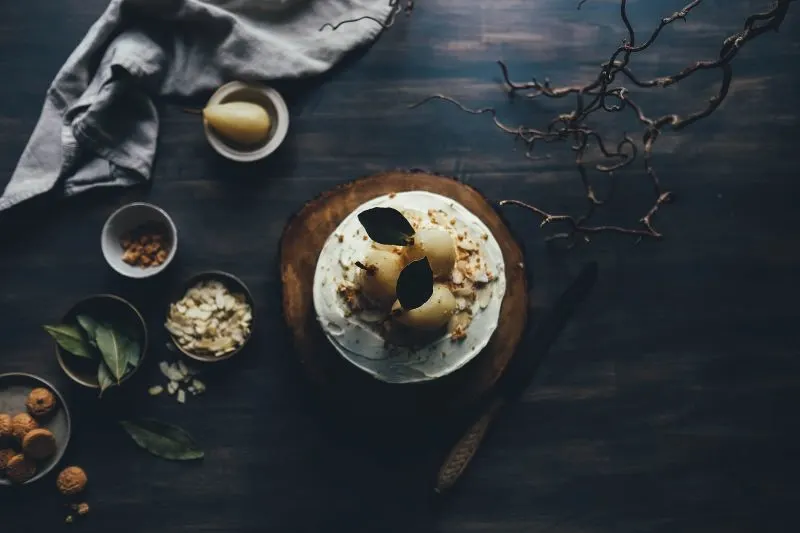
Siem Reap, a vibrant city nestled in the heart of Cambodia, is renowned for its awe-inspiring temples of Angkor Wat. However, beyond the historical wonders, the city offers a culinary adventure that entices food enthusiasts from all corners of the globe.
With a delightful mix of traditional Khmer cuisine, international flavors, and innovative fusion dishes, Siem Reap is a food lover’s paradise. Join us on a gastronomic journey as we explore the diverse and delectable food scene that this enchanting city has to offer.
- Embracing Khmer Cuisine: The backbone of Siem Reap’s food culture is undoubtedly Khmer cuisine. Characterized by its aromatic herbs, fragrant spices, and fresh ingredients, Khmer dishes delight the palate with a harmonious balance of flavors. Must-try dishes include Amok, a divine curry dish made with fish or chicken, steamed in banana leaves with coconut milk and spices, and Lok Lak, tender marinated beef or chicken served with a zesty lime dipping sauce. Don’t miss the opportunity to relish a classic Khmer feast, which often includes a delightful array of dishes served family-style for a true communal dining experience.
- Exploring the Bustling Markets: One of the best ways to immerse oneself in Siem Reap’s culinary scene is to visit the bustling markets. The Old Market, also known as Phsar Chas, is a sensory delight where you can find an abundance of fresh produce, aromatic spices, and local street food. Be sure to sample delicacies like “Num Pang,” Cambodia’s take on a delicious baguette sandwich, and “Kralan,” a sweet and savory bamboo sticky rice snack. For a more adventurous experience, head to the Night Market, which comes alive after sunset with food stalls serving everything from exotic fruits to grilled meats and delectable desserts.
- Street Food Delights: No culinary journey in Siem Reap would be complete without indulging in the city’s vibrant street food scene. Alongside the buzzing streets, you’ll find food vendors offering an array of enticing snacks and quick bites. “Ang Dtray-Meuk,” grilled squid skewers coated with a tangy lime and Kampot pepper sauce, is a popular favorite. For those seeking a refreshing treat, “Nom Plea Ai,” a refreshing iced palm sugar drink, is the perfect thirst quencher on hot Cambodian afternoons.
- Experiencing Fusion Cuisine: Siem Reap’s culinary landscape also showcases an exciting fusion of flavors, blending traditional Khmer ingredients with international influences. Upscale restaurants in the city boast creative menus that cater to the diverse palates of travelers from around the world. Indulge in gourmet dishes that artfully marry local produce with French, Italian, and other international culinary techniques.
- Supporting Social Enterprise Restaurants: Siem Reap is home to several social enterprise restaurants that not only offer delectable food but also support local communities. Dine at establishments like “Haven” and “Marum,” where underprivileged youths are trained and employed, providing them with valuable skills and a pathway to a better future. By dining at these restaurants, travelers can savor mouthwatering dishes while contributing to meaningful initiatives that make a positive impact on local lives.
In Siem Reap, the food scene is as rich and diverse as its cultural heritage. From savoring authentic Khmer delicacies to experiencing international fusion dishes, the city’s culinary offerings are a delightful tapestry of flavors and experiences.
A food journey through Siem Reap is not only a feast for the senses but also an opportunity to connect with the local culture, making it an essential part of any traveler’s itinerary to this enchanting destination. So, come, savor the flavors, and embrace the culinary treasures that await in Siem Reap!
Top 20 Best Restaurants In Siem Reap, Cambodia

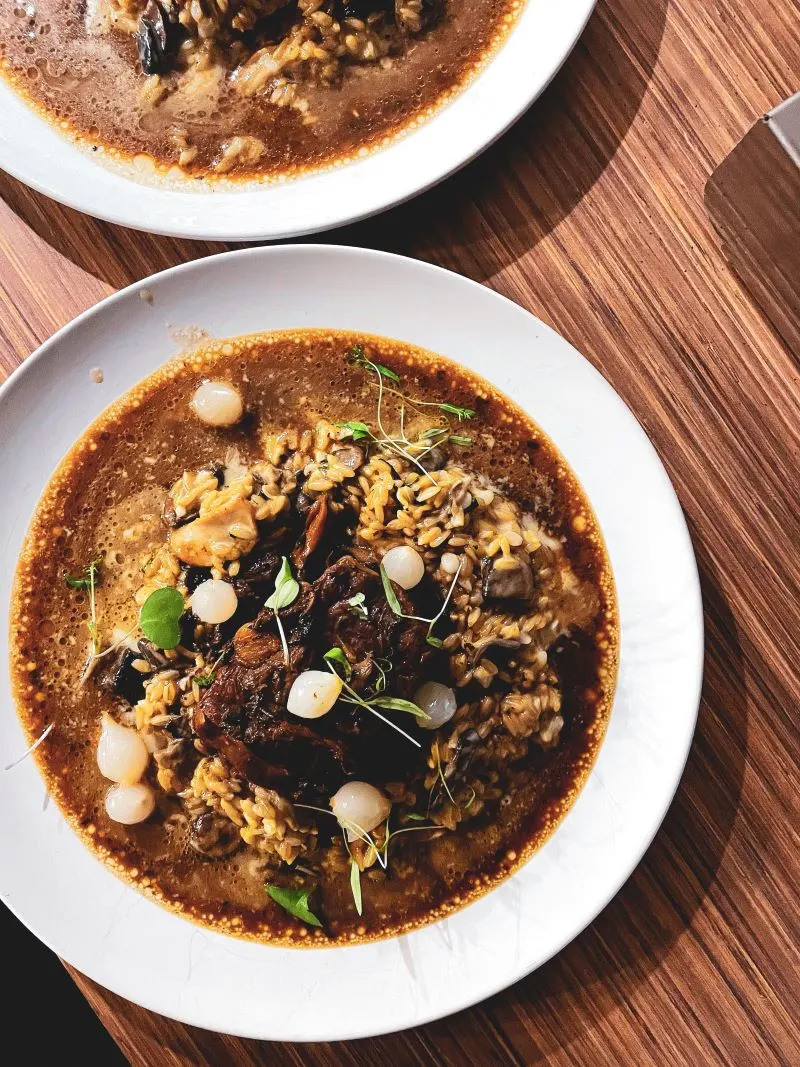
- Cuisine Wat Damnak
- Viroth’s Restaurant
- Chanrey Tree
- Malis Restaurant
- The Sugar Palm
- Sokkhak River Lounge
- Marum Restaurant
- Khmer Grill Restaurant
- Embassy Restaurant
- Mie Café
- Por Cuisine
- Abacus Garden Restaurant
- Cuisine Wat Damnak
- The Square 24
- Haven Training Restaurant
- Sister Srey Café
- Mahob Buos
- Cuisine Wat Damnak
- The Sugar Palm
- Cuisine Wat Damnak
Transportation In Siem Reap
Transportation in Siem Reap, Cambodia, offers various options for getting around the city and exploring the nearby attractions.
Tuk-Tuks: Tuk-tuks are a popular and iconic form of transportation in Siem Reap. These small, three-wheeled vehicles are a common sight on the city streets. Tuk-tuks are open-air, providing a breezy and enjoyable ride.
They are an affordable and convenient way to get around the city, and many drivers also offer their services for half-day or full-day temple tours to explore the Angkor Archaeological Park.
Remorks: Remorks are similar to tuk-tuks but have four wheels instead of three. They provide a more stable and comfortable ride, making them a preferred option for longer journeys or group travel. Remorks are commonly used for temple tours and transportation to and from the airport or bus station.
Taxis: Taxis are available in Siem Reap, and they are a more private and comfortable mode of transportation compared to tuk-tuks or remorks. Taxis are equipped with air conditioning and can be hailed on the street or arranged through hotels or ride-hailing apps.
Bicycles: Many hotels and guesthouses offer bicycles for rent, allowing visitors to explore the city and nearby areas at a leisurely pace. Bicycling is a fantastic way to immerse oneself in the local culture and enjoy the scenic countryside.
Motorbikes: Renting motorbikes is another option for independent travel in Siem Reap. However, it’s important to note that driving in Cambodia can be chaotic, and road conditions may vary. It is advisable to have prior experience riding motorbikes and exercise caution while on the road.
Walking: The city center of Siem Reap is relatively compact, and many of the main attractions, restaurants, and shops are within walking distance of each other. Walking is a pleasant way to explore the city’s vibrant streets and markets.
Private Tours and Car Rentals: For travelers who prefer personalized itineraries and flexibility, private tours and car rentals are available.
Local tour operators offer a range of options, including guided tours to Angkor Wat and other temples, as well as tailor-made excursions to suit individual preferences.
Siem Reap, Cambodia, is an enchanting destination that leaves travelers spellbound with its rich history, captivating culture, and awe-inspiring wonders.
The 25 Best Things To Do in Siem Reap offer an unforgettable journey, providing a delightful mix of ancient temples, immersive cultural experiences, and natural beauty that leaves a lasting impression on all who visit.
From the grandeur of Angkor Wat and the peaceful tranquility of Ta Prohm to the vibrant energy of Pub Street and the flavors of Khmer cuisine, Siem Reap offers a diverse and vibrant tapestry of experiences.
Exploring the temples of the Angkor Archaeological Park reveals the architectural genius of the Khmer Empire, leaving visitors in awe of these majestic structures that stand as a testament to Cambodia’s illustrious past.
Venturing beyond the temples, Siem Reap beckons travelers to delve into its vibrant markets, where tantalizing aromas and colorful stalls beckon to the curious explorer.
Savoring authentic Khmer delicacies, embarking on thrilling quad bike adventures, and interacting with the warm-hearted locals add layers of charm and authenticity to the journey.
As the sun sets over the city, the enchantment continues with mesmerizing Apsara dance performances and a stroll along the lively Pub Street, where the vibrant nightlife comes alive with energy and excitement.
For those seeking serenity, the tranquil landscapes of Tonle Sap Lake and Kulen Mountain National Park offer a respite from the bustling city, providing moments of reflection amidst nature’s splendor.
Above all, the true essence of Siem Reap lies in the genuine smiles of its people, who welcome visitors with open arms and hearts, sharing their cultural heritage and stories with pride.
As you bid farewell to Siem Reap, the memories of ancient temples, heartwarming encounters, and the indelible charm of this remarkable city will remain with you, forever etched in your heart.
Siem Reap is not just a destination; it is a transformative journey that enriches the soul and leaves travelers with a sense of wonder and appreciation for the beauty of Cambodia.
Leave a comment