

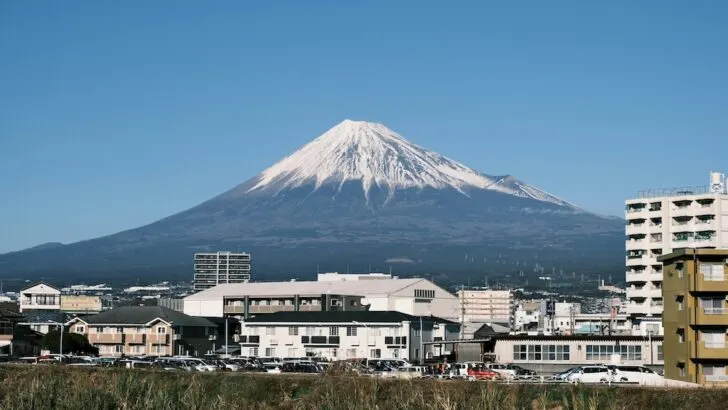
Welcome to Shizuoka, a captivating prefecture located in the Chubu region of Japan. With its diverse landscapes, rich history, and cultural attractions, Shizuoka offers a unique blend of traditional and modern experiences that captivate the hearts of both residents and visitors.
Geography and Nature: Shizuoka’s geography is incredibly varied, showcasing stunning views of the Pacific Ocean to the south and the iconic Mount Fuji to the north.
The prefecture’s landscapes range from lush green tea fields and fertile plains to rugged mountains and serene coastal areas. This diversity provides a wealth of opportunities for outdoor activities, such as hiking, cycling, and enjoying the natural beauty of the region.
Historical Significance: Shizuoka has played a crucial role in shaping Japan’s history. The city of Hamamatsu is renowned as the birthplace of Tokugawa Ieyasu, the founder of the Tokugawa Shogunate that ruled Japan for centuries.
The prefecture also has connections to legendary figures like the poet Matsuo Basho and the great warrior Minamoto no Yoritomo.
Culinary Delights: Food enthusiasts will find Shizuoka to be a haven for culinary exploration. As the largest producer of green tea in Japan, the prefecture boasts high-quality matcha and traditional tea ceremonies.
Shizuoka’s coastal location also means that seafood is a central part of its cuisine, offering delectable dishes ranging from fresh sushi to savory eel.
Spectacular Sights: Mount Fuji, an iconic symbol of Japan, stands majestically in Shizuoka’s northern landscape. The prefecture offers some of the best views of this majestic mountain, attracting nature lovers, photographers, and tourists from around the world.
Cultural Experiences: Shizuoka’s vibrant culture is celebrated through numerous festivals, events, and traditional performances. Visitors can immerse themselves in local arts, crafts, and festivals, gaining insight into the rich traditions that have shaped the region.
Transportation Hub: Thanks to its central location along the Tokaido Shinkansen, Shizuoka is well-connected to major cities like Tokyo and Osaka. This accessibility makes it a convenient destination for both domestic and international travelers.
Exploration Opportunities: Whether you’re drawn to the historical significance of the region, the stunning natural landscapes, the delectable cuisine, or the fusion of modern and traditional experiences, Shizuoka promises a diverse array of attractions and activities to cater to every interest.
As with any destination, it’s recommended to explore local resources, guides, and official websites for the most current and accurate information before embarking on your journey to Shizuoka.
Whether you’re seeking cultural immersion, natural beauty, or simply a memorable adventure, Shizuoka offers a warm welcome and an unforgettable experience.
1. Mount Fuji: Visit the iconic Mount Fuji, Japan’s tallest and most famous mountain, for hiking, photography, and breathtaking views

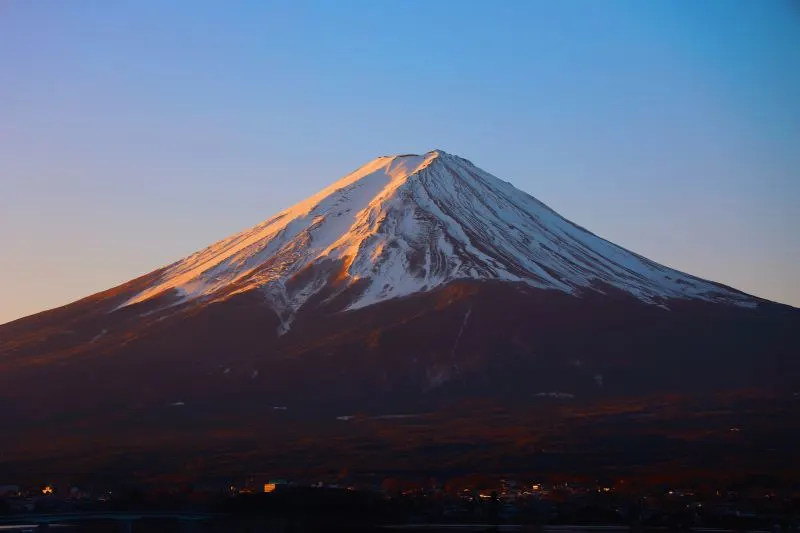
Mount Fuji is Japan’s highest and most iconic mountain, standing at 3,776 meters (12,389 feet) tall. It’s a prominent symbol of the country and is revered for its natural beauty.
Visit the Iconic Mount Fuji: Mount Fuji, often referred to as “Fuji-san,” is a must-visit destination for travelers to Japan. The mountain offers a range of activities and experiences for visitors:
- Hiking: Mount Fuji is a popular destination for hikers from around the world. The climbing season typically runs from early July to early September when the weather is relatively mild. There are several routes to the summit, with varying levels of difficulty. The most popular route is the Yoshida Trail from the fifth station.
- Photography: The symmetrical cone shape of Mount Fuji against a clear sky or framed by clouds makes for breathtaking photographs. Sunrise and sunset views from different vantage points around the mountain are particularly stunning. The view of the sunrise from the summit, known as “Goraiko,” is a highly sought-after experience.
- Breathtaking Views: Whether you’re hiking or simply admiring the mountain from a distance, the views are truly awe-inspiring. The mountain’s elevation offers panoramic vistas of the surrounding landscapes, including the surrounding lakes, forests, and even Tokyo on a clear day.
- Cultural Significance: Mount Fuji holds a significant place in Japanese culture and spirituality. It has been a source of inspiration for artists, poets, and writers throughout history. It’s also considered a sacred site and is recognized as a UNESCO World Heritage Site.
- Fifth Stations: There are several “fifth stations” on different sides of the mountain that serve as starting points for hikers. These stations offer various amenities, including shops, restaurants, and rest areas. The most popular fifth station, the Kawaguchi-ko Fifth Station, is easily accessible and offers stunning views.
- Guided Tours and Facilities: For those who prefer a guided experience, there are tours available that provide transportation, guides, and sometimes even accommodation. Additionally, there are facilities such as mountain huts along the hiking routes where climbers can rest and spend the night.
- Weather Considerations: Weather conditions on Mount Fuji can change rapidly, even during the climbing season. It’s important to be prepared for varying temperatures, strong winds, and the possibility of altitude sickness.
Remember that climbing Mount Fuji requires preparation, including proper hiking gear, clothing suitable for changing weather conditions, and an understanding of the route you plan to take.
Whether you’re hiking to the summit or simply enjoying the views from lower elevations, a visit to Mount Fuji is a memorable experience that captures the natural beauty and cultural significance of Japan’s iconic mountain.
2. Shizuoka Sengen Shrine: Explore this historic shrine complex with ties to Mount Fuji worship and surrounded by beautiful gardens

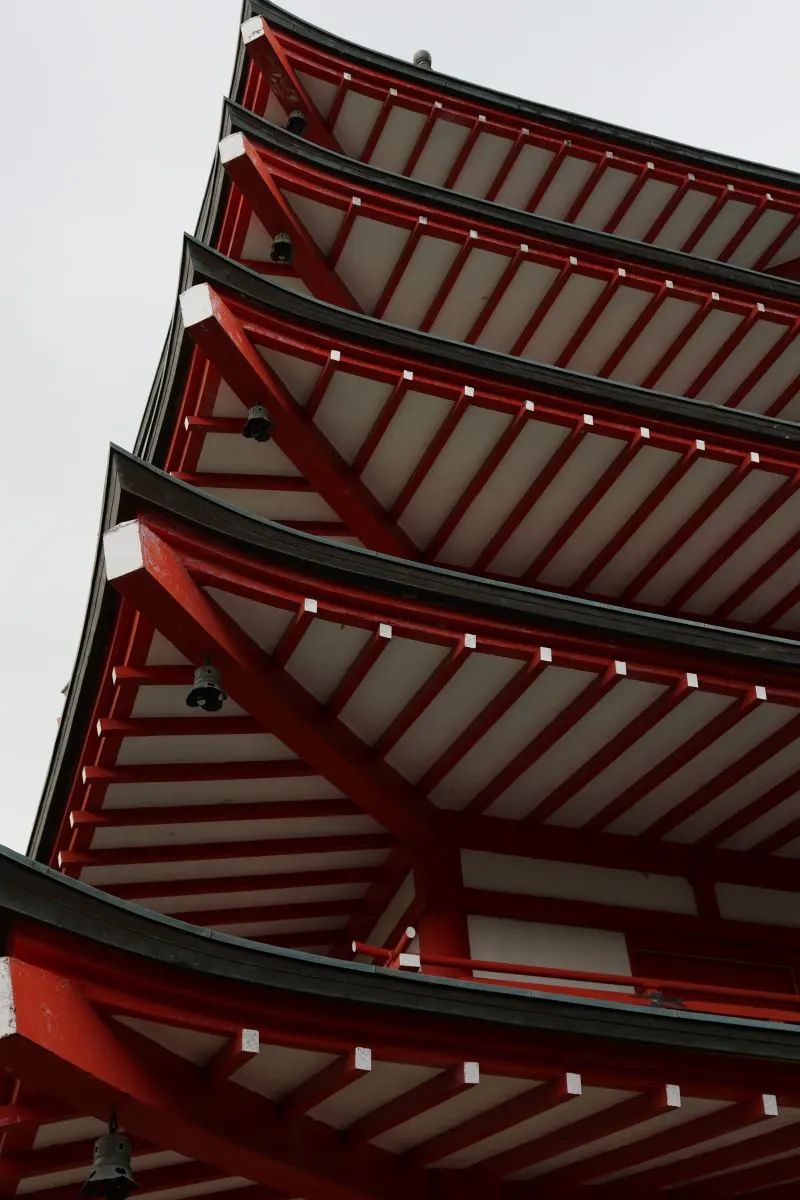
Shizuoka Sengen Shrine, also known as Shizuoka Sengen Taisha, is a historic Shinto shrine located in Shizuoka City, Shizuoka Prefecture, Japan.
The shrine is dedicated to Princess Konohanasakuya, a Shinto deity associated with Mount Fuji, and it has a strong connection to the iconic mountain.
The shrine’s main purpose is to pray for safety and protection against natural disasters, particularly those associated with Mount Fuji, such as volcanic eruptions and earthquakes. As a result, it has been revered by locals and pilgrims for centuries as a guardian deity of the region.
The architecture of Shizuoka Sengen Shrine is characterized by traditional Japanese shrine design, with wooden structures, torii gates, and stone lanterns.
The shrine grounds often feature beautiful gardens and serene atmosphere, providing a peaceful place for reflection and worship.
The shrine’s history dates back over a thousand years, and it has played an important role in both religious and cultural aspects of the region.
It’s also worth noting that Shizuoka Sengen Shrine is one of several Sengen Shrines dedicated to Princess Konohanasakuya found around Mount Fuji, each with their own unique significance.
3. Miho no Matsubara: Enjoy a scenic coastline view with the ancient pine grove and Mount Fuji in the background

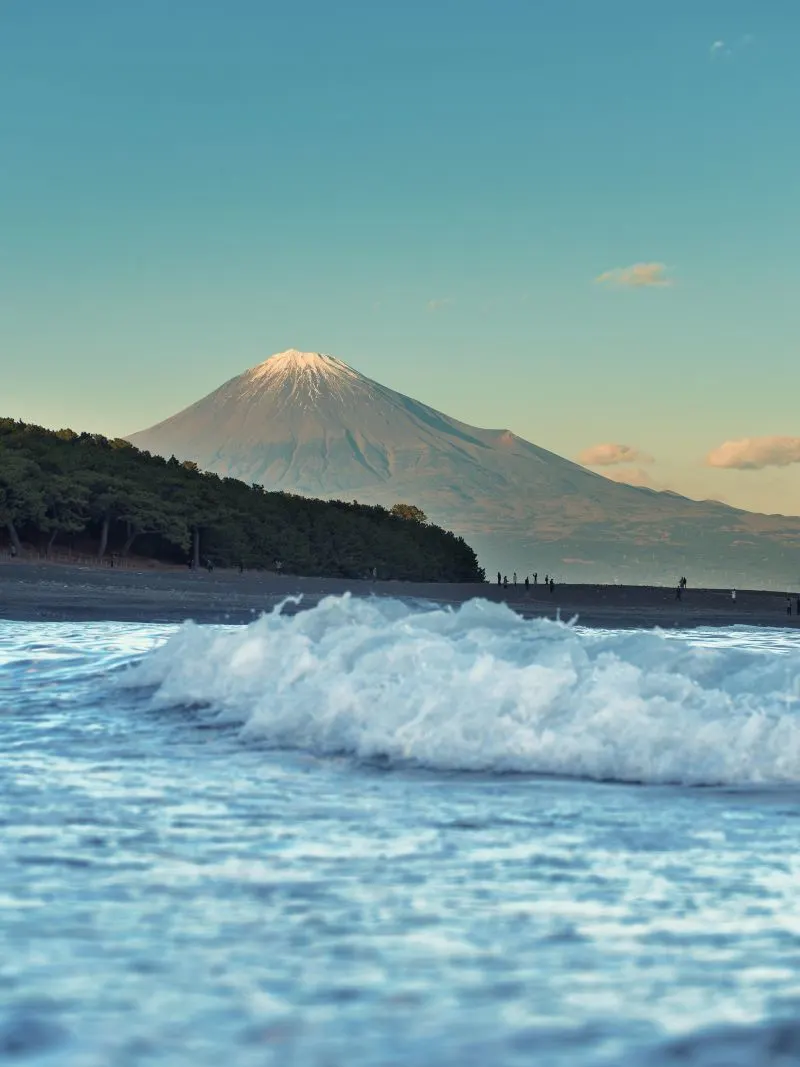
Miho no Matsubara, also known as Miho Pine Grove, is a picturesque natural area located along the coast of Shizuoka Prefecture in Japan.
It is renowned for its stunning landscape characterized by a vast sandy beach, lush pine trees, and breathtaking views of Mount Fuji in the distance.
The pine trees along the shore have been a source of inspiration for artists and poets throughout history, making Miho no Matsubara a significant cultural and natural landmark.
The area also holds cultural and historical importance due to its connections with Japanese folklore and legends. It’s a popular destination for tourists and locals alike, offering a tranquil and scenic escape from urban life.
4. Shizuoka Prefectural Nihondaira Zoo: Discover a variety of animals and enjoy panoramic views of Suruga Bay

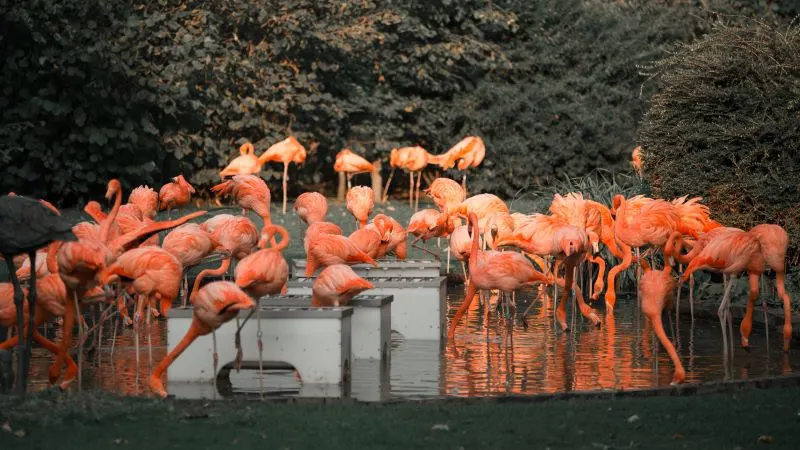
The Shizuoka Prefectural Nihondaira Zoo is a zoological park located in Shizuoka Prefecture, Japan. It offers visitors the opportunity to explore and discover a diverse collection of animals from around the world
. The zoo aims to provide educational and entertaining experiences for people of all ages, promoting awareness and understanding of wildlife conservation.
One of the unique aspects of the Nihondaira Zoo is its location, which provides visitors with breathtaking panoramic views of Suruga Bay and the surrounding landscape. In addition to observing animals, visitors can also enjoy the scenic beauty of the area, making it a combination of both a zoo and a scenic viewpoint.
The zoo likely features a variety of animal exhibits, interactive displays, and educational programs designed to engage visitors and enhance their understanding of different species and ecosystems.
From exotic creatures to local wildlife, the Shizuoka Prefectural Nihondaira Zoo likely offers a well-rounded experience for those interested in both animals and the natural beauty of the region.
5. Shimizu Port: Experience a bustling fishing port with fresh seafood markets and picturesque views


Shimizu Port is a major port located in the city of Shizuoka, Shizuoka Prefecture, Japan. It is situated along the Suruga Bay coast and serves as an important hub for maritime transportation and trade.
Historically, Shimizu Port has played a crucial role in connecting Shizuoka Prefecture with other regions in Japan and international destinations.
The port is known for its strategic location, providing access to both domestic and international shipping routes. It has facilities to accommodate various types of vessels, including cargo ships, container vessels, and passenger ships.
In addition to its industrial functions, Shimizu Port also offers attractions for tourists, with a variety of leisure and entertainment options.
One of the standout features of Shimizu Port is its picturesque view of Mount Fuji.
Many visitors and locals are drawn to the port for its stunning views of Japan’s iconic mountain, creating a scenic backdrop that enhances the port’s appeal.
6. Kunozan Toshogu Shrine: Visit this impressive shrine complex with intricate woodwork and stunning architecture

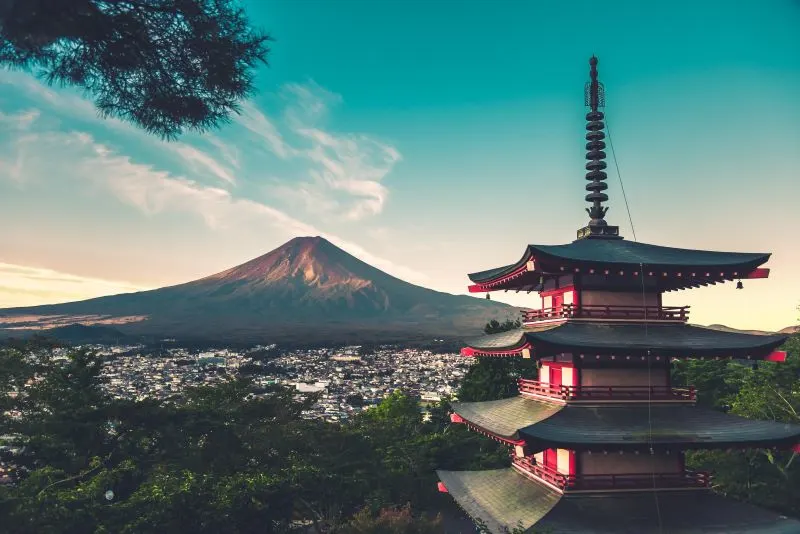
Kunozan Toshogu Shrine is a historical Shinto shrine located on the slopes of Mount Kuno in Shizuoka City, Shizuoka Prefecture, Japan. It is dedicated to Tokugawa Ieyasu, the founder of the Tokugawa Shogunate, which was a ruling dynasty in Japan during the Edo period.
The shrine complex is known for its architectural beauty, intricate carvings, and vibrant colors. It incorporates both Shinto and Buddhist elements, reflecting the syncretic nature of religious practices during the Edo period.
The main hall, or honden, is the central structure where the deity is enshrined. Visitors can admire the craftsmanship and attention to detail that went into the shrine’s construction.
Kunozan Toshogu Shrine is not only a religious site but also a historical and cultural landmark. The shrine and its surroundings offer a serene and picturesque setting, nestled in the natural beauty of Mount Kuno.
Visitors can enjoy panoramic views of Suruga Bay and Shizuoka City from the higher areas of the shrine.
7. Nihondaira Ropeway: Take a cable car ride for panoramic views of the surrounding landscape and Suruga Bay

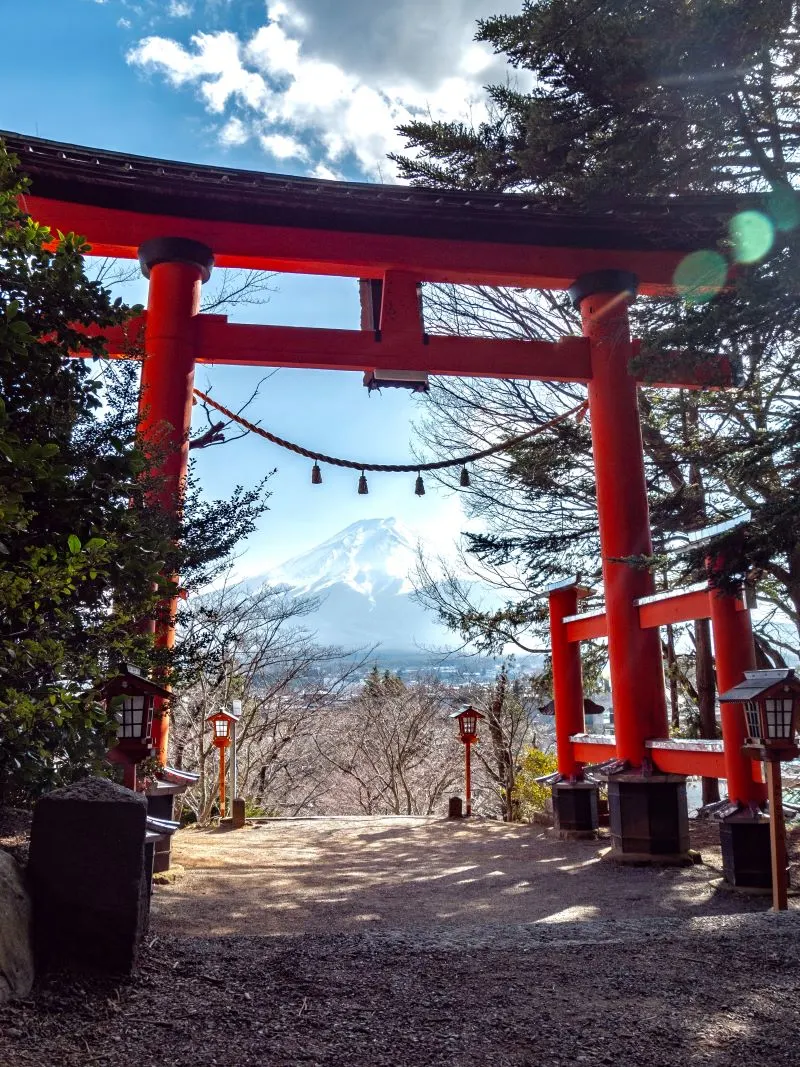
The Nihondaira Ropeway is a popular cable car system located in Shizuoka City, Shizuoka Prefecture, Japan. It provides visitors with a scenic and convenient way to reach the Nihondaira Plateau, which offers breathtaking panoramic views of Suruga Bay and Mount Fuji.
The ropeway journey starts from the base station and ascends smoothly up the slope of Mount Kuno, offering passengers stunning vistas of the surrounding landscape along the way.
Once at the top station, visitors can explore the Nihondaira Plateau, which is known for its observation decks and viewpoints that provide sweeping vistas of the bay and the iconic Mount Fuji.
The Nihondaira Ropeway is a popular attraction for tourists and locals alike, offering a unique perspective of the natural beauty of the region.
It’s a great way to capture memorable photos, enjoy the tranquil atmosphere, and appreciate the picturesque surroundings from an elevated vantage point.
8. Shizuoka Tea Plantations: Learn about tea cultivation, experience traditional tea ceremonies, and sample Shizuoka’s famous green tea

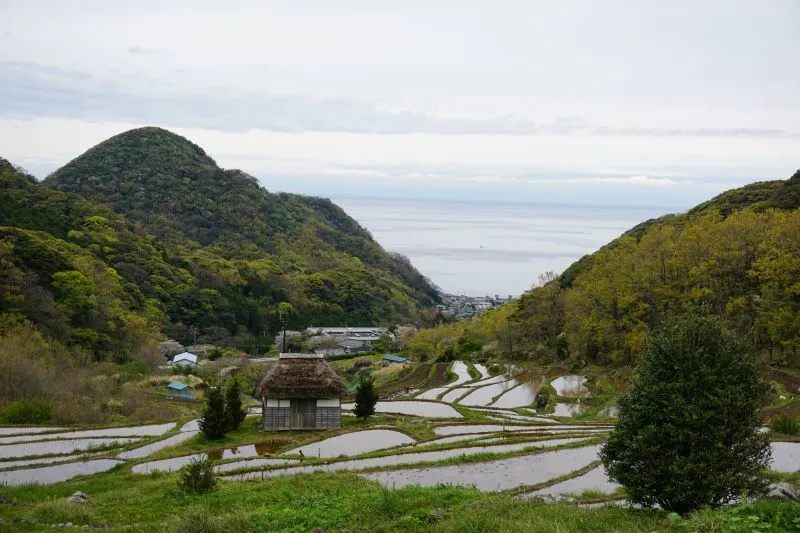
Shizuoka is renowned for its tea plantations, being one of Japan’s most important tea-producing regions. The tea plantations in Shizuoka Prefecture encompass picturesque landscapes that roll across hills and valleys, creating a visually striking and serene environment.
Shizuoka’s tea plantations predominantly grow green tea, particularly the popular varieties like sencha and matcha. The temperate climate, fertile soil, and mountainous terrain create ideal conditions for tea cultivation.
The plantations are often meticulously maintained, with tea bushes pruned to encourage new growth and plucking of the young tea leaves for processing.
Visitors to Shizuoka’s tea plantations have the chance to learn about the tea cultivation process, from planting to harvesting and processing.
Some plantations offer guided tours that allow you to see firsthand how tea leaves are grown, picked, and transformed into the teas enjoyed worldwide. You might also learn about the significance of tea culture in Japanese society and its historical importance.
These plantations are not only educational but also offer a tranquil and picturesque experience. The lush greenery, neatly arranged rows of tea bushes, and often beautiful views of the surrounding landscape make for a delightful outing.
It’s worth noting that tea-related festivals and events might be held in the region, providing additional opportunities to immerse yourself in the world of tea.
9. Shizuoka City Tokaido Hiroshige Museum of Art: Explore a museum dedicated to the famous ukiyo-e artist Hiroshige Ando

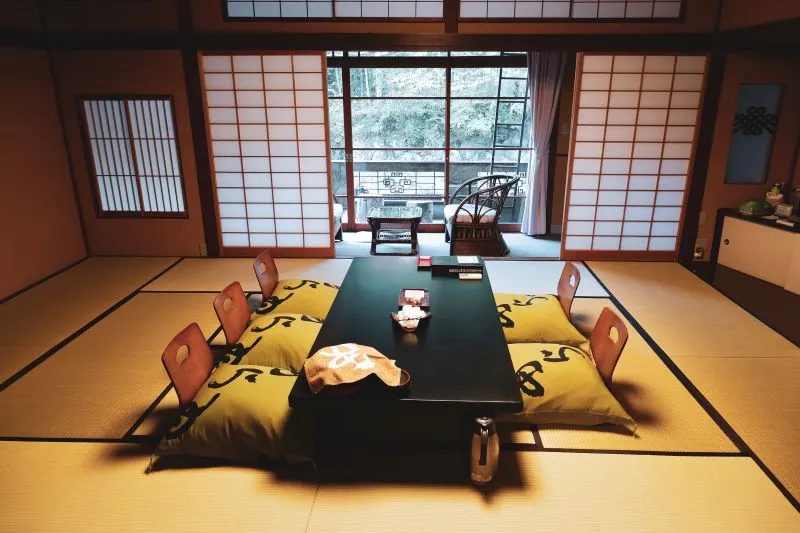
The Shizuoka City Tokaido Hiroshige Museum of Art, often simply referred to as the Hiroshige Museum, is a cultural institution located in Shizuoka City, Shizuoka Prefecture, Japan.
The museum is dedicated to the works of Utagawa Hiroshige, a renowned ukiyo-e artist from the Edo period.
Hiroshige is famous for his woodblock prints, particularly his series depicting the Tokaido, the historic highway that connected Edo (modern-day Tokyo) to Kyoto during the Edo period.
His Tokaido series captures scenes from various stops along the route, showcasing landscapes, towns, and everyday life during that era.
The museum houses a collection of Hiroshige’s woodblock prints, providing visitors with the opportunity to admire his intricate and masterful depictions of landscapes, people, and cultural scenes.
The exhibits offer insights into the artistic techniques and historical context of Hiroshige’s works, allowing visitors to appreciate his contributions to Japanese art.
In addition to Hiroshige’s prints, the museum may also feature related artifacts, educational displays, and temporary exhibitions showcasing the broader world of ukiyo-e and traditional Japanese art.
It’s a destination for art enthusiasts, history buffs, and anyone interested in exploring the visual heritage of Japan.
10. Atami Onsen: Relax in the hot springs of Atami, a popular seaside hot spring resort town

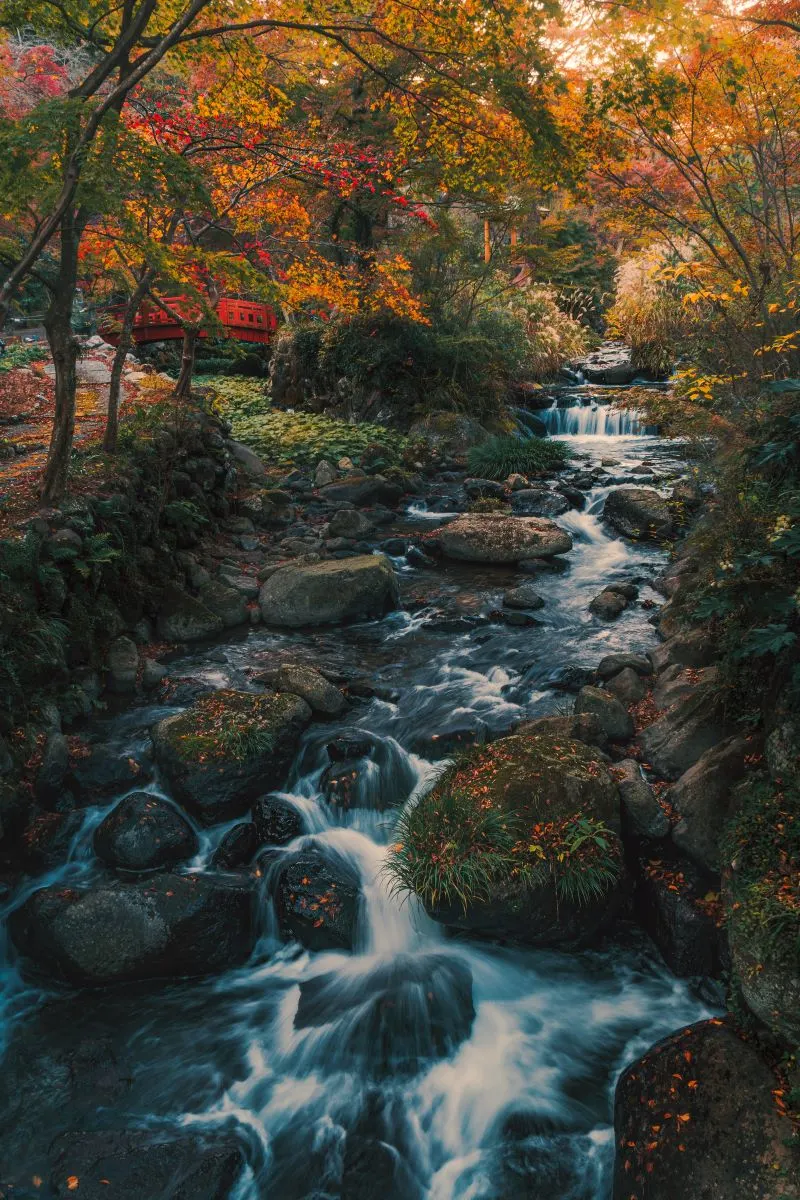
Atami Onsen is a popular hot spring resort town located on the eastern coast of the Izu Peninsula in Shizuoka Prefecture, Japan. It’s well-known for its soothing hot spring waters, scenic coastal views, and a relaxing atmosphere that has attracted visitors for centuries.
The town’s name “Atami” translates to “hot ocean” in Japanese, which aptly describes its primary attraction – the natural hot springs.
Atami’s hot spring waters are said to have therapeutic properties and are believed to offer various health benefits. Visitors can enjoy soaking in a variety of public baths, private ryokan (traditional Japanese inns) baths, and modern spa facilities.
Apart from its onsen culture, Atami offers picturesque coastal landscapes. The town is situated right along the Sagami Bay, providing visitors with stunning views of the sea and the surrounding mountains.
You can find scenic spots, such as Atami Castle and the Kinomiya Shrine, that offer panoramic vistas and photo opportunities.
Atami also has a rich history as a popular destination for artists, writers, and cultural figures. Its role as a cultural and artistic hub is reflected in its numerous art galleries, museums, and cultural events.
The town’s proximity to Tokyo (about an hour by train) makes it a convenient getaway for both locals and tourists seeking relaxation and a taste of traditional Japanese hospitality.
11. Izu Peninsula: Explore this scenic peninsula with beautiful coastal views, hot springs, and charming towns

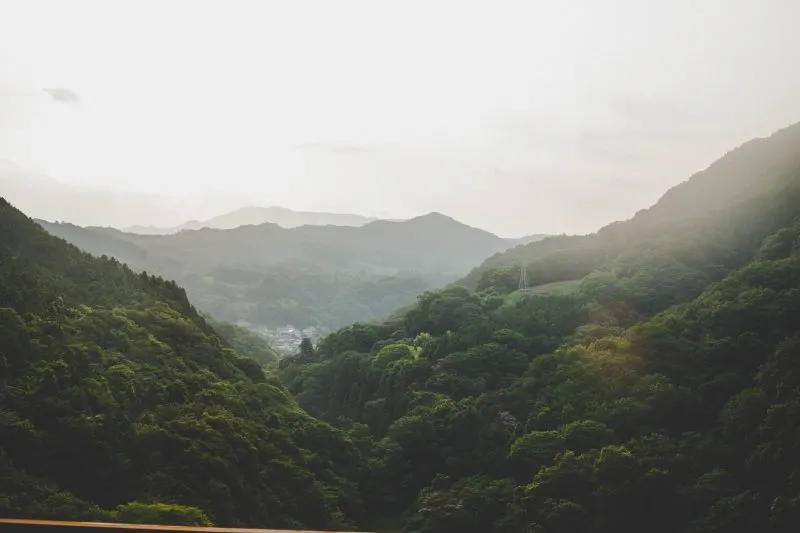
The Izu Peninsula is a picturesque landmass jutting into the Pacific Ocean from the east coast of Japan’s Honshu Island. Located in Shizuoka Prefecture, the peninsula is celebrated for its stunning coastal landscapes, hot springs, and vibrant natural beauty.
The region is characterized by rugged coastlines, dramatic cliffs, and crystal-clear waters. It offers a mix of serene beaches, hidden coves, and rocky shores, providing opportunities for both relaxation and exploration.
The Izu Peninsula is renowned for its onsen (hot spring) resorts, where visitors can unwind in the therapeutic mineral-rich waters while enjoying panoramic ocean views.
Inland, the peninsula boasts lush forests, scenic mountains, and picturesque valleys. Mount Amagi and Mount Daruma are notable peaks that attract hikers and nature enthusiasts. There are also various hiking trails that offer breathtaking vistas of the surrounding landscapes.
The Izu Peninsula is home to charming towns and villages that showcase traditional Japanese culture and architecture.
Quaint fishing villages like Shimoda offer glimpses into coastal life, while places like Atami and Ito are known for their hot spring resorts and cultural attractions.
Marine activities are also a highlight, as the peninsula’s coastal waters provide opportunities for diving, snorkeling, and enjoying water sports.
Additionally, the peninsula is famous for its fresh seafood, with numerous restaurants serving delectable dishes made from locally caught fish and other marine delicacies.
12. Kakegawa Castle: Discover a historic castle with well-preserved grounds and a tea house

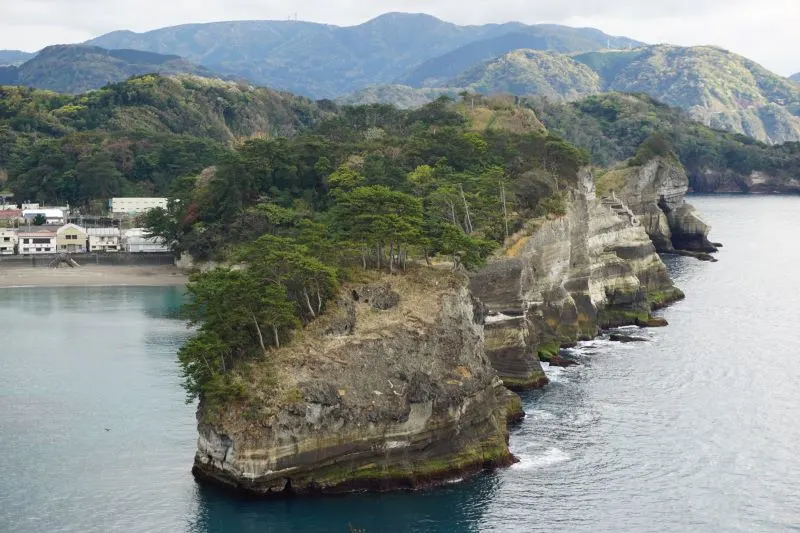
Kakegawa Castle is a historic Japanese castle located in Kakegawa City, Shizuoka Prefecture, Japan. It holds a significant place in Japan’s history and architecture, reflecting the samurai culture of the past.
Originally built in the 15th century, Kakegawa Castle has undergone multiple reconstructions and renovations over the centuries.
The current structure is a modern reconstruction that showcases the architectural style of a traditional Japanese castle. The castle’s main tower, or “tenshu,” is a prominent feature, characterized by its multi-storied design, wooden construction, and defensive elements such as stone walls and moats.
Kakegawa Castle played a role in various historical events and battles during Japan’s feudal era. It was strategically positioned along the Tokaido Road, a major highway connecting Kyoto and Edo (modern-day Tokyo), making it a key point for controlling and regulating travel and trade.
Today, Kakegawa Castle serves as a historical site and museum. Visitors can explore the castle’s interior, which often includes exhibits showcasing the history of the castle, the samurai era, and the local area.
The observation decks offer panoramic views of the surrounding city and landscapes, providing a glimpse into the strategic importance of the castle’s location.
The castle grounds are also known for their seasonal events and cherry blossom viewing in spring, as well as colorful foliage displays in autumn.
13. Shizuoka Gourmet: Sample local dishes such as Shizuoka oden, sakura shrimp, and wasabi-flavored treats

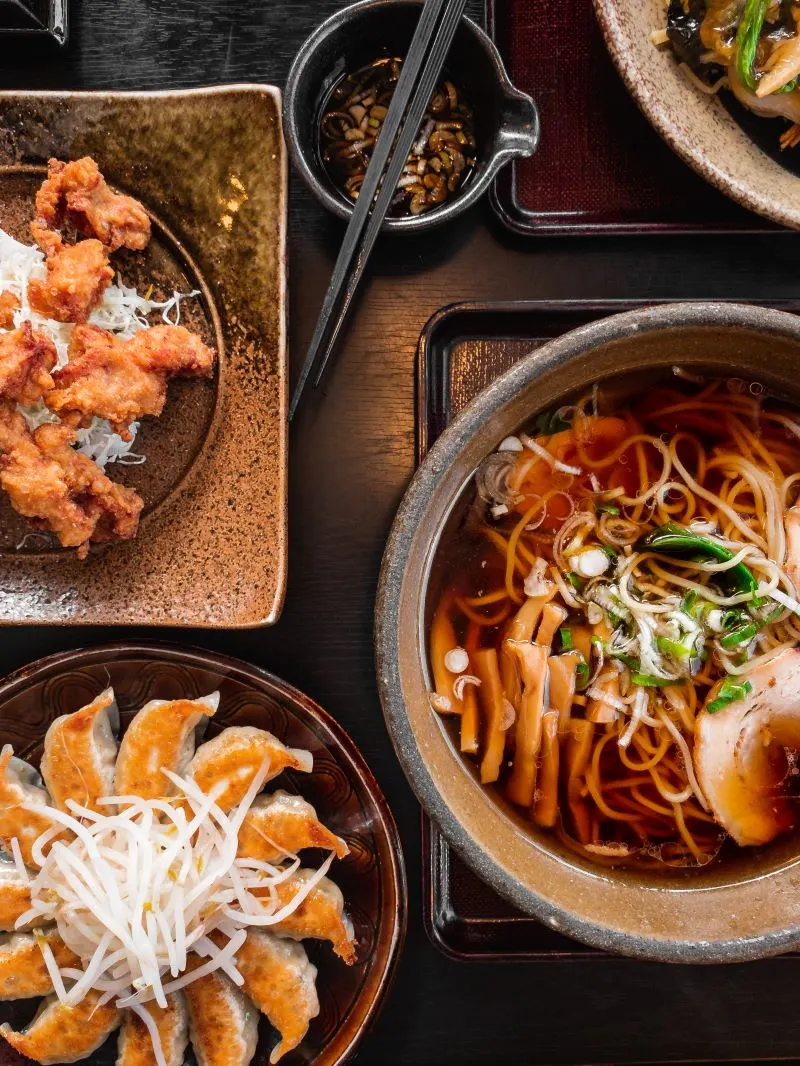
Shizuoka Gourmet is a culinary experience that showcases the unique and flavorful dishes from the Shizuoka Prefecture in Japan.
This region is celebrated for its diverse range of local specialties, blending traditional Japanese flavors with the freshest ingredients sourced from its rich agricultural and marine resources.
- Shizuoka Oden: Shizuoka oden is a local take on the popular Japanese comfort food, oden. It features a variety of ingredients such as daikon radish, eggs, tofu, fish cakes, and konnyaku (a type of yam cake) simmered in a savory broth. The Shizuoka twist might incorporate local ingredients or seasonings, making it a delightful warming dish during colder months.
- Sakura Shrimp: Sakura shrimp, also known as “sakura ebi,” are tiny shrimp with a pink hue, resembling cherry blossom petals (“sakura” in Japanese). These shrimp are a delicacy in Shizuoka and are often used to add a unique flavor and texture to various dishes, such as rice bowls, tempura, and even snacks.
- Wasabi-Flavored Treats: Shizuoka is famous for its high-quality wasabi, a pungent Japanese horseradish known for its heat and distinct flavor. In Shizuoka Gourmet, you can find an array of wasabi-infused treats, including snacks like wasabi-flavored potato chips, wasabi chocolate, and even wasabi ice cream, providing a delightful blend of spiciness and sweetness.
Exploring Shizuoka Gourmet allows you to immerse yourself in the local culinary culture, savoring the flavors that are uniquely tied to the region’s land and sea.
From comforting oden to the delicate taste of sakura shrimp and the zesty kick of wasabi, Shizuoka Gourmet offers a memorable culinary journey for food enthusiasts and travelers alike.
14. Sunpu Castle Park: Visit the ruins of a former castle, stroll through the park, and enjoy cherry blossoms in spring

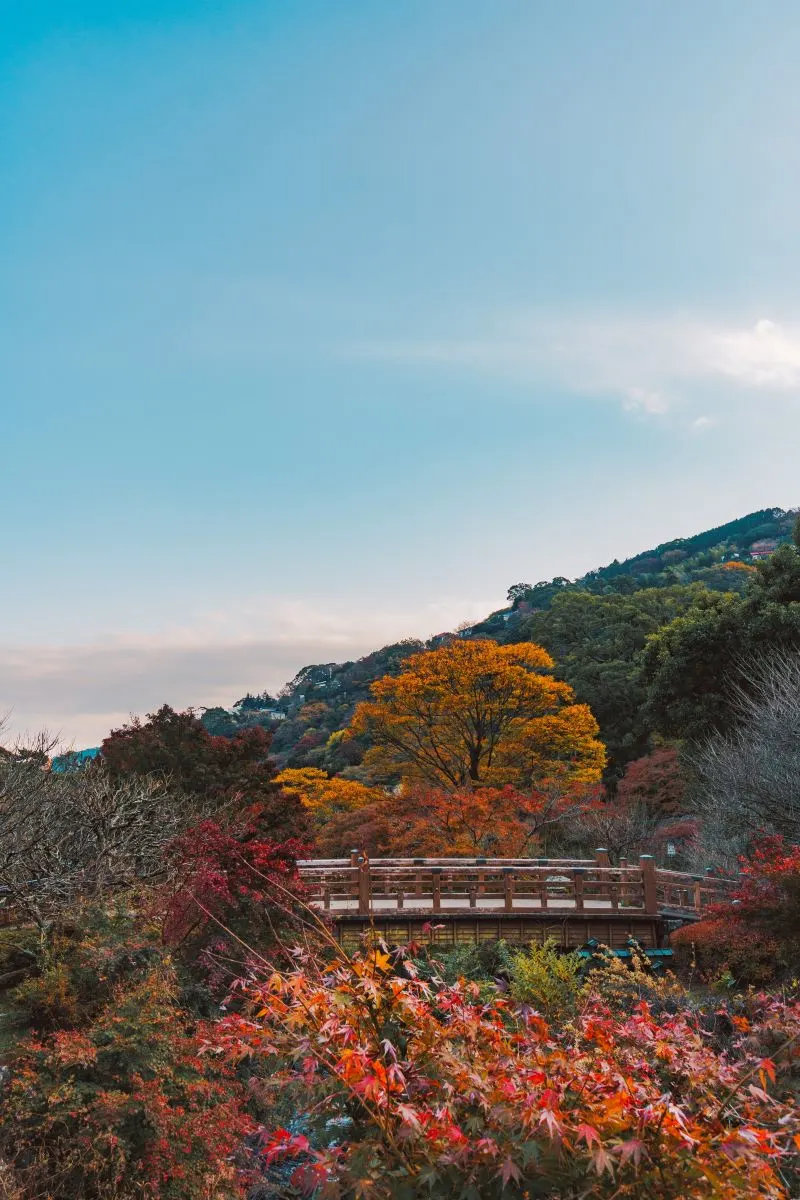
Sunpu Castle Park, also known as Sunpu Castle Ruins Park, is a historical site located in Shizuoka City, Shizuoka Prefecture, Japan. The park encompasses the remains of Sunpu Castle, which was the residence of Tokugawa Ieyasu, a prominent figure in Japanese history and the founder of the Tokugawa shogunate.
The park is known for its historical significance and picturesque surroundings. Visitors can explore the castle ruins, including stone walls, gates, and other remnants of the original castle structures.
The park offers a peaceful atmosphere, with green spaces, walking paths, and scenic views of the surrounding city and Mount Fuji on clear days.
It serves as a cultural and historical landmark, attracting tourists and locals interested in Japanese history and architecture.
15. Kawane Onsen: Relax in the hot springs while enjoying the picturesque river and mountain views

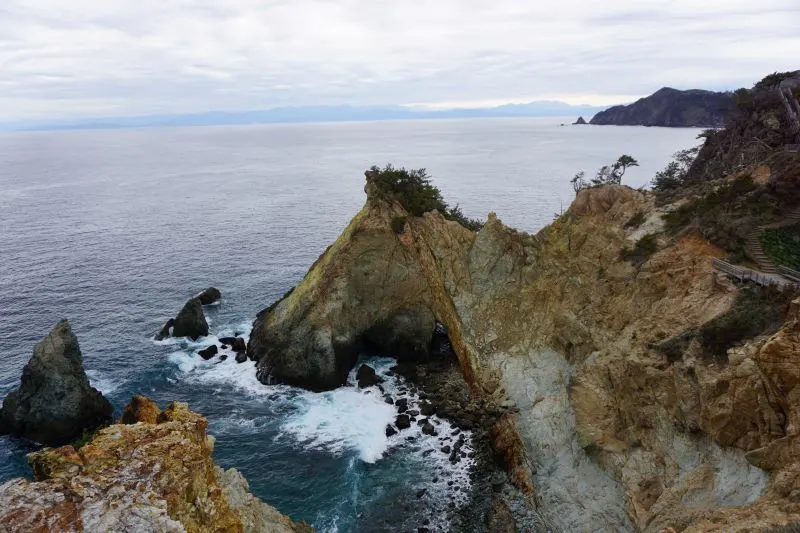
Kawane Onsen is a hot spring (onsen) resort located in Shizuoka Prefecture, Japan. Situated in a scenic area surrounded by mountains and lush greenery, Kawane Onsen is known for its relaxing and rejuvenating hot spring baths.
The onsen waters in Kawane are renowned for their supposed therapeutic properties, which can include mineral-rich content and temperature variations that are believed to offer various health benefits. Visitors can typically enjoy both indoor and outdoor baths, often while taking in beautiful natural views.
Kawane Onsen provides a serene and tranquil atmosphere, making it a popular destination for those seeking a peaceful escape from the hustle and bustle of city life.
Many ryokans (traditional Japanese inns) and accommodations in the area offer the chance to experience traditional Japanese hospitality, as well as local cuisine.
16. Kunozan Toshogu Treasure House: Explore historical artifacts and art pieces related to the shrine’s history

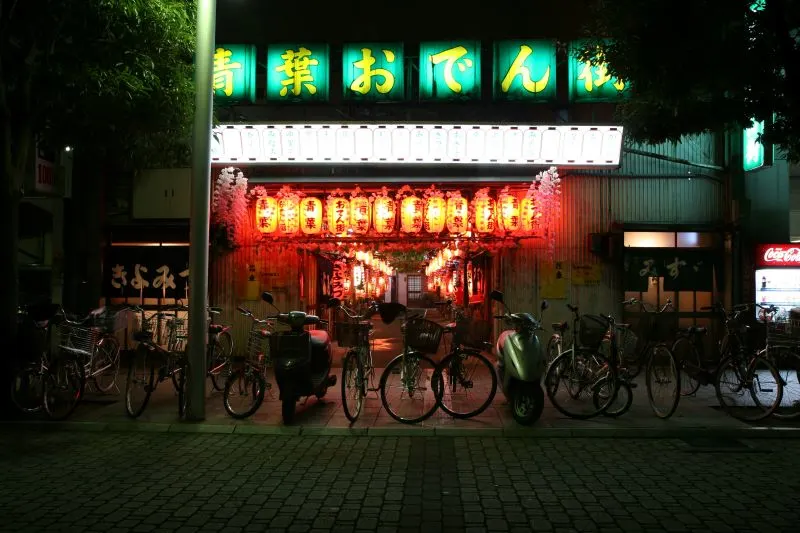
Kunozan Toshogu Treasure House is a cultural and historical site located in Shizuoka City, Shizuoka Prefecture, Japan. It is associated with Kunozan Toshogu Shrine, a Shinto shrine dedicated to Tokugawa Ieyasu, the founder of the Tokugawa shogunate.
The Treasure House likely holds a collection of valuable artifacts, artworks, and historical items related to Tokugawa Ieyasu and the Edo period of Japanese history.
These items might include intricately crafted swords, armor, textiles, ceramics, paintings, and other objects of cultural and historical significance.
Visitors to the Kunozan Toshogu Treasure House would have the opportunity to gain insights into the life, achievements, and cultural impact of Tokugawa Ieyasu and the era he influenced.
17. Okuni Shrine: Visit a unique shrine dedicated to the goddess of performing arts, Okuni


Okuni Shrine is a distinctive shrine dedicated to the goddess Okuni, who is revered as the originator of Kabuki theater and is associated with performing arts and entertainment.
As the founder of Kabuki, Okuni was a significant historical figure known for her innovative contributions to Japanese theater.
The shrine likely serves as a cultural and artistic landmark, drawing visitors who have an interest in traditional Japanese performing arts.
People may visit the shrine to pay their respects to Okuni and seek blessings for success and inspiration in their artistic pursuits, particularly in the field of performing arts.
In addition to its religious and cultural significance, Okuni Shrine might offer an immersive experience related to Kabuki and other performing arts, potentially showcasing exhibits, artifacts, and displays that provide insights into the history and evolution of these art forms.
The shrine’s architecture and design could also reflect its connection to the performing arts, making it a place of reverence and celebration for artists and enthusiasts alike.
18. Mishima Taisha Shrine: Experience a tranquil Shinto shrine with beautiful architecture and gardens

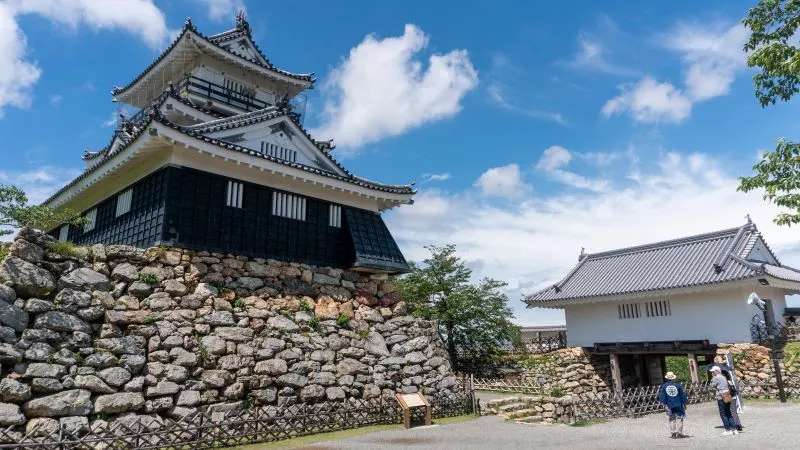
Mishima Taisha Shrine is a Shinto shrine located in Mishima City, Shizuoka Prefecture, Japan. It is one of the most prominent and historically significant shrines in the region, dedicated to the deity Oyamakui-no-kami.
The shrine’s architecture and grounds often embody traditional Japanese Shinto design, characterized by torii gates, stone lanterns, and sacred paths.
Visitors typically enter through the impressive gate (torii) and follow a pathway leading to the main hall, where they can pay their respects, offer prayers, and experience a serene and spiritual atmosphere.
Mishima Taisha Shrine has a long history, dating back to ancient times, and it is associated with various cultural events and festivals throughout the year.
It’s not only a place of religious worship but also a cultural hub where locals and tourists come together to celebrate and appreciate the rich traditions of Japan.
Within the shrine complex, you might find areas for making offerings, as well as smaller auxiliary buildings and structures. The shrine’s surroundings often feature beautiful landscaping, adding to the overall peaceful ambiance.
19. Nirayama Reverberatory Furnace: Learn about Japan’s industrial history at this UNESCO World Heritage Site

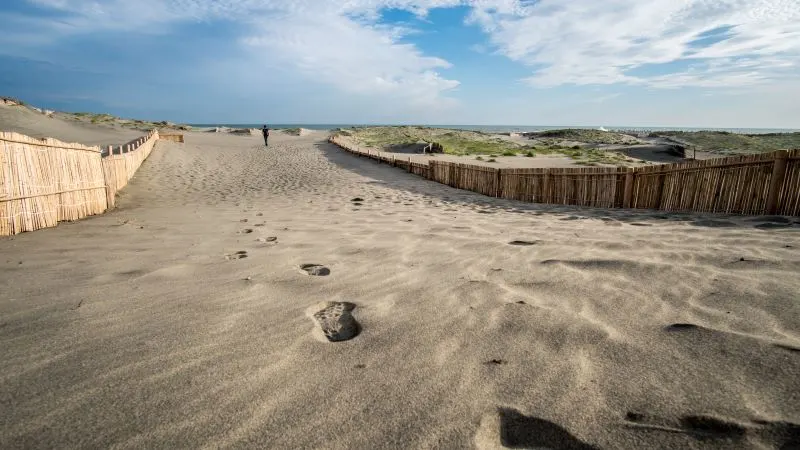
The Nirayama Reverberatory Furnace is a historical site located in Izu City, Shizuoka Prefecture, Japan. It is a well-preserved example of a reverberatory furnace used for the production of Western-style iron during the late Edo period (17th to 19th century).
The furnace played a significant role in the early industrialization of Japan and the development of modern iron-making techniques.
The site includes the furnace structure itself, as well as related facilities such as storage houses, living quarters for workers, and other buildings associated with the iron production process.
Visitors to the Nirayama Reverberatory Furnace can learn about the history of iron production in Japan and the impact of Western technology on the country’s industrial evolution.
The site often features exhibits, displays, and information panels that provide insights into the techniques used in the furnace and the historical context in which it operated.
The furnace’s architecture and surrounding environment offer a glimpse into the past, showcasing the fusion of traditional Japanese craftsmanship with innovative Western methods. The site has likely been designated as a historic landmark, emphasizing its cultural and historical significance.
20. Hamamatsu Castle: Explore the reconstructed castle and its surrounding park area

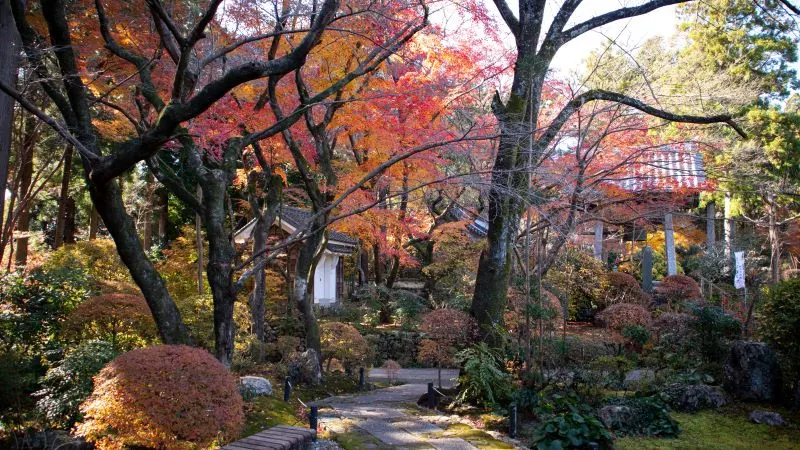
Hamamatsu Castle is a historic Japanese castle located in Hamamatsu City, Shizuoka Prefecture, Japan. It has a rich history dating back to the 16th century and played a significant role during the Sengoku period, a time of intense warfare and political upheaval in Japan.
The castle’s architecture typically features traditional Japanese castle design elements, including stone walls, moats, gates, and multi-tiered towers.
Visitors to Hamamatsu Castle can explore the castle grounds, which often include reconstructed or restored structures that give insight into the castle’s original layout.
The castle site may include a main tower or keep where visitors can ascend to higher levels and enjoy panoramic views of the surrounding city and landscape.
Inside the castle, there might be exhibitions, displays, and artifacts that provide historical context about the castle’s history, the local region, and the figures who played important roles in its past.
Hamamatsu Castle’s surroundings often include beautiful gardens and open spaces, creating a serene and picturesque atmosphere that contrasts with the castle’s historical significance as a defensive structure.
The castle site may also host cultural events, festivals, and performances that celebrate its history and the local heritage.
21. Shizuoka Science Museum: Enjoy interactive exhibits on science and technology

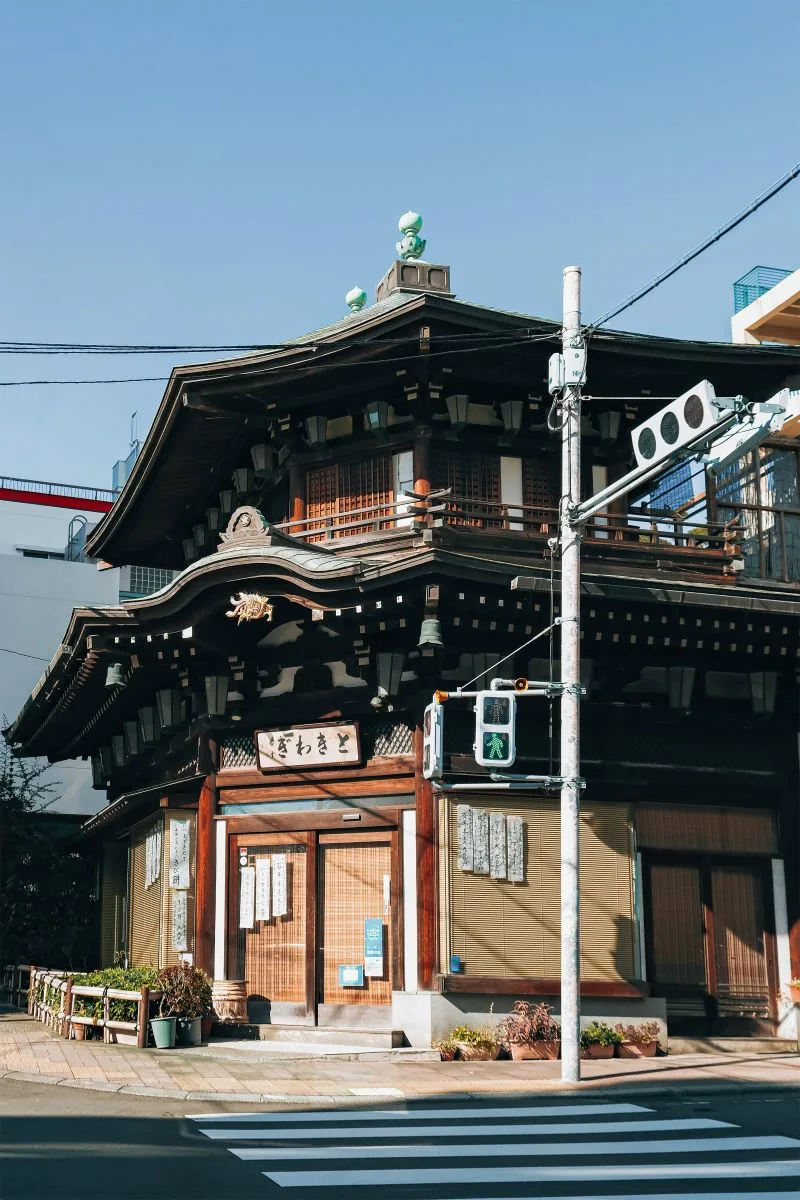
The Shizuoka Science Museum is an educational and interactive museum located in Shizuoka City, Shizuoka Prefecture, Japan. It aims to engage visitors of all ages with science, technology, and the natural world through hands-on exhibits and engaging displays.
The museum typically features a variety of interactive exhibits related to physics, biology, astronomy, robotics, and other scientific fields.
Visitors can often participate in experiments, demonstrations, and activities that help them understand scientific principles in a fun and engaging way.
The museum may have sections dedicated to topics such as space exploration, the human body, energy, and environmental science.
It might also include planetarium shows, where visitors can immerse themselves in the wonders of the universe and learn about astronomy and celestial phenomena.
One of the main attractions of the Shizuoka Science Museum is likely its focus on providing a learning experience through play and exploration.
This makes it a popular destination for families, school groups, and anyone interested in expanding their knowledge of science and technology in an interactive setting.
22. Shizuoka City Museum of Art: Discover contemporary art and rotating exhibitions in Shizuoka City


The Shizuoka City Museum of Art is a cultural institution located in Shizuoka City, Shizuoka Prefecture, Japan. It serves as a hub for showcasing various forms of visual arts and providing visitors with opportunities to appreciate and engage with artworks from different periods and styles.
The museum likely features a diverse range of artworks, including paintings, sculptures, prints, ceramics, and other forms of visual expression.
These artworks may come from various cultural backgrounds and artistic movements, giving visitors a well-rounded experience of artistic creativity.
Exhibitions at the Shizuoka City Museum of Art may be temporary or permanent and could cover a wide spectrum of artistic genres and themes.
The museum’s spaces often offer an aesthetically pleasing environment that enhances the appreciation of the artworks on display.
In addition to exhibitions, the museum might provide educational programs, workshops, and events designed to engage audiences of all ages and backgrounds. It may also have spaces for relaxation, such as a café or a garden, where visitors can reflect on their artistic experiences.
23. Numazu Deep Sea Aquarium: See a variety of marine life from the depths of Suruga Bay

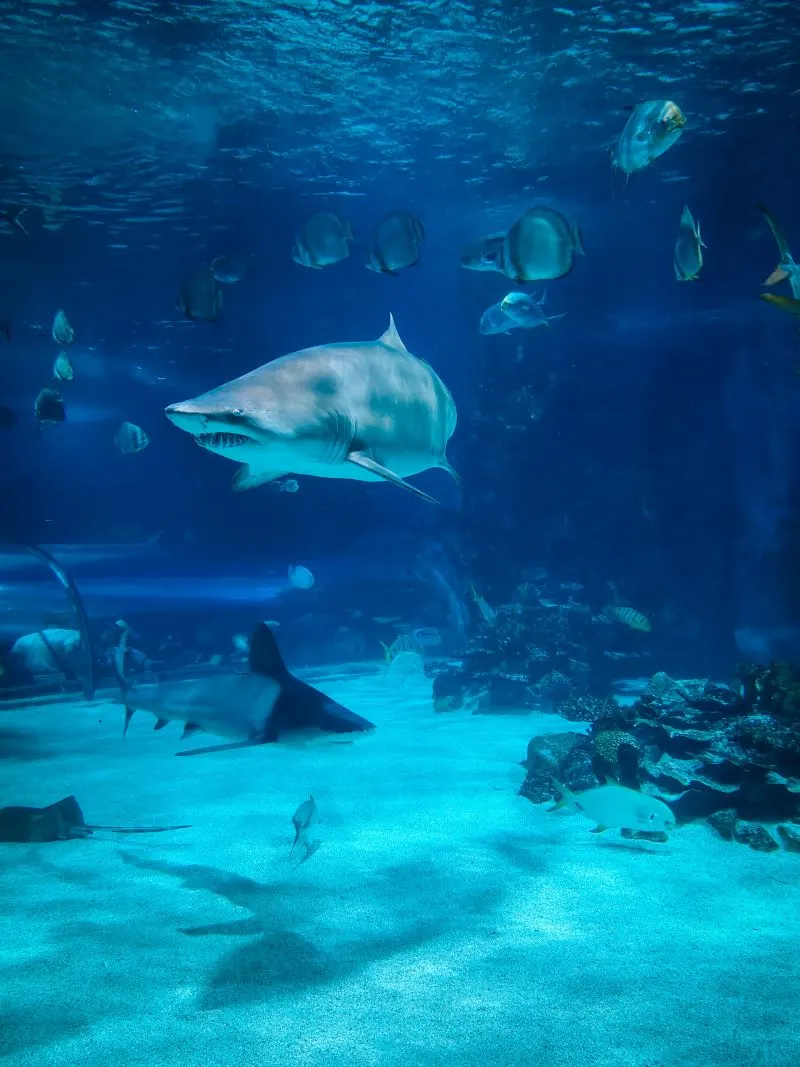
Numazu Deep Sea Aquarium is a captivating marine attraction located in Numazu City, Shizuoka Prefecture, Japan. It is designed to offer visitors an immersive experience into the mysterious and often unseen world of the deep sea.
The aquarium likely showcases a diverse array of marine creatures that inhabit the depths of Suruga Bay, which is known for its rich biodiversity.
Visitors can expect to see a range of deep-sea species, some of which are rarely seen due to their habitat’s inaccessibility.
These might include bioluminescent organisms, deep-sea fish, fascinating invertebrates, and other marine life that have evolved to thrive in the challenging conditions of the deep ocean.
Through carefully designed exhibits, the Numazu Deep Sea Aquarium may recreate the dark and pressurized environment of the deep sea, allowing visitors to witness these remarkable creatures up close.
The aquarium might incorporate special lighting effects to simulate the bioluminescence commonly found in the deep ocean.
In addition to observing marine life, the aquarium might offer educational information about the unique adaptations, behaviors, and ecosystems of the deep-sea creatures on display.
Interactive displays, presentations, and informative panels could enhance visitors’ understanding of this fascinating and lesser-explored realm of the ocean.
24. Shizuoka Stadium ECOPA: Catch a soccer match or other sporting events at this modern stadium

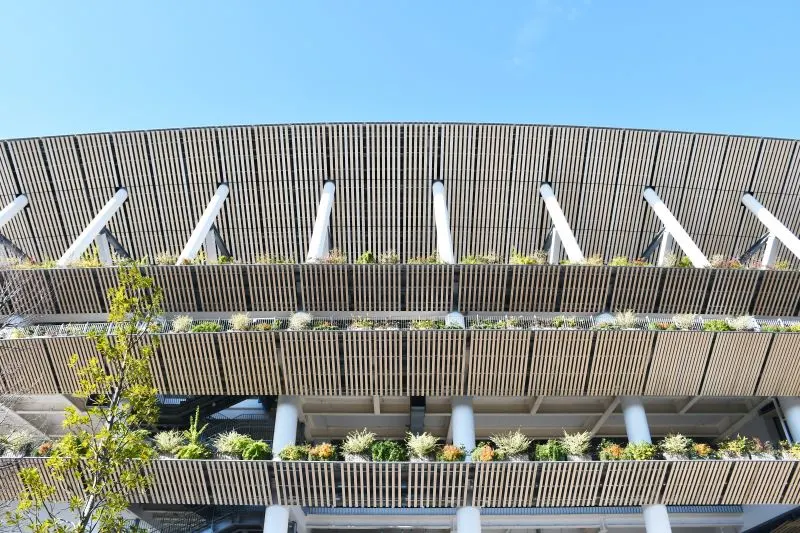
Shizuoka Stadium ECOPA, commonly known as ECOPA Stadium, is a major sports facility located in Fukuroi City, Shizuoka Prefecture, Japan.
It was one of the venues used during the 2002 FIFA World Cup, which was co-hosted by Japan and South Korea. The stadium is designed to host various sporting events, concerts, and other large-scale gatherings.
The stadium’s architecture typically features a modern design with a focus on providing a comfortable and functional experience for spectators.
It has a seating capacity that can accommodate a significant number of attendees, making it suitable for hosting international sports competitions and events.
ECOPA Stadium is home to Jubilo Iwata, a professional football (soccer) team in the J.League, which is Japan’s top-tier football league. It is also used for other sporting events, including rugby matches, athletics competitions, and more.
The facility’s name, ECOPA, stands for “Eco and Communication Park Arena,” reflecting its commitment to environmental sustainability and providing a platform for communication through sports and events.
In addition to its sporting functions, the stadium may feature amenities such as restaurants, shops, and facilities for event-goers to enhance their overall experience.
25. Oigawa Railway: Take a scenic train ride through the picturesque Oigawa Valley

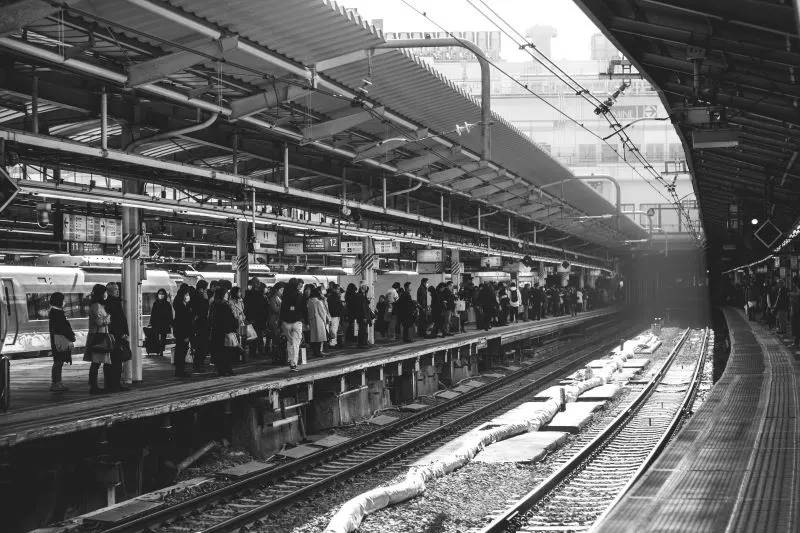
Oigawa Railway, officially known as the “Ōigawa Railway,” is a scenic heritage railway located in Shizuoka Prefecture, Japan. It is renowned for offering passengers a nostalgic and picturesque journey through the beautiful Oi River Valley and the surrounding landscapes.
The railway is celebrated for its retro-style steam locomotives and vintage rolling stock, which evoke a sense of travel from a bygone era.
The experience of riding the Oigawa Railway often transports passengers back in time while they traverse charming rural scenery, meandering rivers, and lush greenery.
One of the key attractions of the Oigawa Railway is the steam locomotive ride itself, with some routes taking passengers on a leisurely journey through picturesque vistas, including panoramic views of Mount Fuji. The railway operates along several routes, each offering its own unique sights and experiences.
Additionally, the railway may have special themed rides, seasonal events, and scenic spots along the route that make it a popular choice for tourists, families, and railway enthusiasts.
Passengers often have the opportunity to take photographs, enjoy refreshments, and immerse themselves in the serene ambiance of the Japanese countryside.
Food In Shizuoka

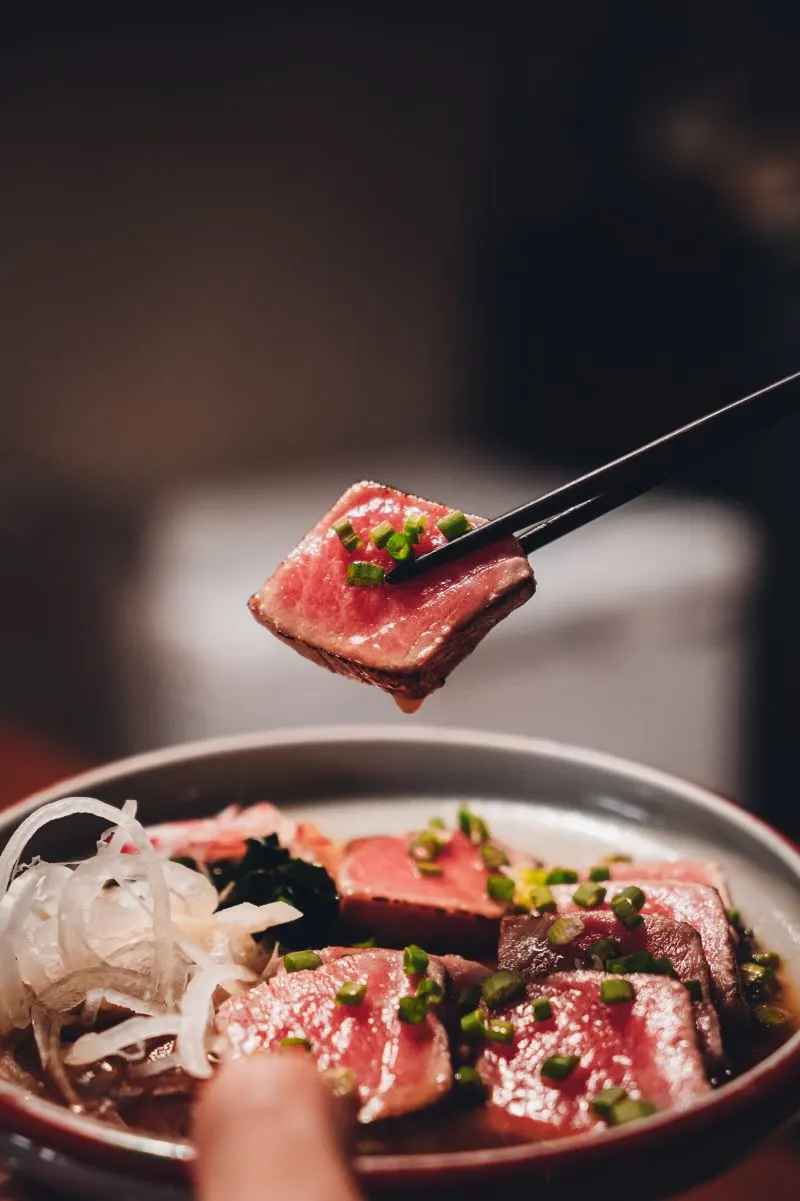
Exploring Culinary Delights: A Journey Through Shizuoka’s Gastronomy
Nestled in the heart of Japan’s coastal region, Shizuoka Prefecture offers a diverse and tantalizing array of culinary delights that captivate the taste buds of locals and visitors alike.
From the pristine waters of the Pacific Ocean to the fertile fields at the foothills of Mount Fuji, Shizuoka’s cuisine is a reflection of its natural bounty and rich cultural heritage.
1. The Sea’s Bounty: Seafood Delicacies
With a long coastline and a vibrant fishing culture, it’s no surprise that seafood takes center stage in Shizuoka’s culinary scene.
The prefecture boasts an abundant variety of fresh seafood, ranging from succulent eel and delectable sakura shrimp to melt-in-your-mouth sashimi, carefully prepared to highlight the natural flavors of the ocean.
A standout specialty is “shirasu,” tiny white fish often enjoyed boiled or as a topping for rice dishes. This local delicacy is a testament to Shizuoka’s maritime traditions and offers a unique taste of the sea.
2. Green Tea Galore: Matcha Culture
Shizuoka is Japan’s largest producer of green tea, and the lush tea fields that blanket its hillsides are a testament to its dedication to quality tea cultivation. The region’s matcha (green tea powder) is celebrated for its vibrant green color and distinct flavor.
Visitors can savor traditional matcha sweets, like “matcha daifuku” (sweet rice cakes filled with matcha-flavored paste), or experience the art of a tea ceremony—a refined ritual that highlights the harmony between nature and culture.
3. Umami-Rich Delights: Wasabi and Suruga Bay Cuisine
Shizuoka’s cuisine showcases its local specialties, among which is wasabi—a pungent, green horseradish that accompanies dishes with its unique kick.
The Wasabi Farm in the Azumacho region offers visitors the chance to experience the cultivation and processing of this spicy condiment.
Suruga Bay, which stretches along Shizuoka’s coast, contributes to the region’s culinary tapestry with its wealth of marine offerings. Tuna, sakura shrimp, and other treasures of the sea are staples in dishes that celebrate the bay’s flavors.
4. Fruits of the Earth: Uniquely Shizuoka Ingredients
The prefecture’s fertile soils yield an abundance of fresh produce, including juicy strawberries, refreshing melons, and vibrant oranges. “Dorayaki,” a popular Japanese confection, often includes Shizuoka-grown azuki beans, giving the sweet treat a local twist.
5. Regional Ramen and Soba: Noodles with a Twist
Shizuoka’s ramen and soba noodles carry their own regional charm. “Abura soba” is a unique style of ramen that’s broth-less—noodles are mixed with flavorful sauces, often incorporating ingredients like vinegar and garlic.
This innovative take on ramen showcases Shizuoka’s willingness to experiment while preserving culinary excellence.
6. Savoring the Sake Scene: Local Brews
For those seeking a libation to complement their culinary journey, Shizuoka boasts a burgeoning sake scene. Crafted with water from the pristine rivers flowing down from Mount Fuji, local sakes offer a taste of the region’s natural purity. Visitors can explore sake breweries, tasting the nuanced profiles that characterize Shizuoka’s distinct brews.
In Conclusion
Shizuoka’s culinary landscape is a harmonious blend of land and sea, tradition and innovation. With a commitment to local ingredients and a respect for age-old techniques, Shizuoka offers a culinary adventure that delights the senses and provides a deeper understanding of the region’s culture and history.
Whether you’re savoring seafood by the coast, experiencing the art of matcha, or indulging in unique local delicacies, the food of Shizuoka is a journey worth savoring—one that immerses you in the essence of this vibrant prefecture.
Top 20 Best Restaurants In Shizuoka, Japan

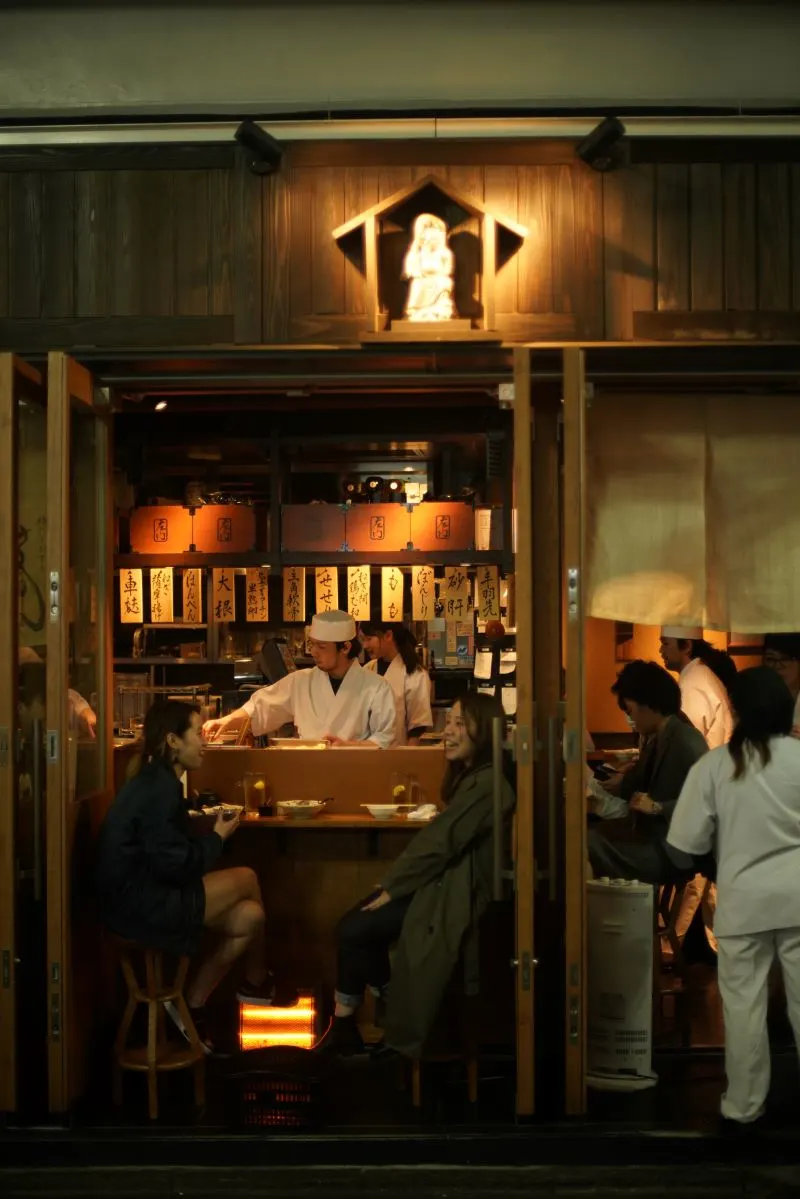
- Sukiyabashi Jiro (Tokyo): This iconic sushi restaurant gained global recognition from the documentary “Jiro Dreams of Sushi.” It’s known for its meticulous approach to sushi craftsmanship.
- Ryugin (Tokyo): A renowned restaurant that focuses on modern interpretations of traditional Japanese kaiseki cuisine, offering innovative and artistic dishes.
- Narisawa (Tokyo): Known for its “innovative satoyama” cuisine, Chef Yoshihiro Narisawa creates dishes that are deeply connected to the environment.
- Den (Tokyo): A playful yet sophisticated restaurant that combines traditional Japanese ingredients with innovative cooking techniques.
- Sugalabo (Tokyo): With a secretive, invitation-only reservation system, Sugalabo is known for its intimate dining experience and inventive cuisine.
- Makoto Aoki (Tokyo): This chef-driven restaurant offers seasonal Japanese cuisine with a contemporary twist.
- Rokurinsha (Tokyo): Famous for its tsukemen, a style of dipping ramen, Rokurinsha is a popular spot for ramen enthusiasts.
- Sawada (Tokyo): A hidden gem specializing in high-quality sushi and personalized service.
- Nihonryori RyuGin (Tokyo): A modern kaiseki restaurant that highlights the beauty of each ingredient and its seasonal best.
- Sushi Saito (Tokyo): Another exceptional sushi restaurant with a focus on traditional craftsmanship and sourcing the finest ingredients.
- Kitcho Arashiyama (Kyoto): An iconic kaiseki restaurant offering meticulously prepared dishes in a serene and traditional setting.
- Kyoto Kitcho (Kyoto): A sister restaurant to Kitcho Arashiyama, known for its commitment to perfection and presentation.
- Kichisen (Kyoto): Specializing in kaiseki cuisine, Kichisen offers a harmonious blend of flavors and textures.
- Hajime (Osaka): Chef Hajime Yoneda’s inventive dishes combine elements of molecular gastronomy with traditional Japanese cuisine.
- Fujiya 1935 (Osaka): A restaurant with a focus on Italian cuisine using high-quality Japanese ingredients.
- Nakamura (Ishikawa): Known for its kaiseki-style cuisine that highlights the flavors of Ishikawa Prefecture.
- La Maison de la Nature Goh (Fukushima): A unique restaurant located in a remote forest, offering farm-to-table dining in a natural setting.
- Ishikawa (Tokyo): Chef Hideki Ishikawa presents refined Japanese kaiseki cuisine with a contemporary twist.
- Florilege (Tokyo): This innovative restaurant blends French culinary techniques with Japanese ingredients.
- L’Effervescence (Tokyo): With a focus on natural ingredients and minimalism, L’Effervescence offers a thoughtful dining experience.
Transportation In Shizuoka
Transportation in Shizuoka Prefecture, Japan, is well-developed and offers a range of options for getting around within the prefecture and connecting to neighboring regions.
1. Trains: Shizuoka is served by Japan’s extensive railway network, making train travel a convenient and popular choice for both locals and tourists.
The main railway operator is Japan Railways (JR), and the Tokaido Shinkansen line, connecting Tokyo and Osaka, runs through the prefecture with stops at major cities like Shizuoka and Hamamatsu.
2. Local Trains: Within Shizuoka, various local and express trains operate, providing efficient transportation between cities and towns. The JR Tokaido Line runs along the coast, while the JR Minobu Line connects Shizuoka City with Kofu in Yamanashi Prefecture.
3. Buses: Buses are an essential mode of transportation, especially in areas not directly accessible by train. Both local and long-distance buses serve urban and rural areas, making it possible to reach destinations that might not have direct train connections.
4. Taxis: Taxis are available in urban areas and can be hailed on the street or found at taxi stands. They offer a more personalized mode of transportation and are particularly useful for short trips or reaching destinations not well-served by public transit.
5. Car Rentals: Renting a car can be a convenient option for exploring Shizuoka’s more remote or scenic areas, such as rural villages and mountains. However, note that urban traffic can be congested, and parking might be limited in city centers.
6. Bicycles: Cycling is a popular means of transportation in smaller towns and rural areas. Many towns have bicycle rental services, and Shizuoka’s picturesque landscapes make it an enjoyable way to explore the region at a leisurely pace.
7. Ferries: Given its coastal location, ferries provide transportation between Shizuoka and nearby islands or across Suruga Bay. These can be an alternative way to reach certain destinations and enjoy sea views.
8. Air Travel: Shizuoka has two major airports: Shizuoka Airport and Mt. Fuji Shizuoka Airport. These airports provide domestic flights to various cities in Japan, offering convenient options for travelers flying in from other regions.
9. Walking: In urban areas, walking is a viable option, especially for shorter distances. Many cities are pedestrian-friendly, with well-maintained sidewalks and designated crosswalks.
It’s important to note that transportation options and availability might change over time. For the most current and accurate information about transportation in Shizuoka, including schedules, routes, and fares, it’s recommended to consult official transportation websites, local guides, and maps.
In conclusion, Shizuoka, Japan, is a treasure trove of diverse experiences that cater to all interests and passions. From the majestic Mount Fuji that graces the skyline to the tranquil shores of the Pacific Ocean, this prefecture offers an array of captivating attractions that will leave a lasting impression on visitors.
Embark on a journey of cultural discovery by exploring historic sites such as Kunozan Toshogu Shrine and Sunpu Castle Park, where echoes of Japan’s storied past resonate in every corner.
Immerse yourself in the world of traditional craftsmanship by visiting the Serizawa Keisuke Art Museum and uncovering the artistry of one of Japan’s revered textile artists.
Delight your senses with the aroma of freshly brewed green tea as you savor authentic matcha experiences and witness the meticulous tea ceremonies that honor centuries of tradition.
Settle into the relaxed rhythm of coastal life by indulging in delectable seafood dishes and wandering through bustling local markets.
For the adventurers and nature enthusiasts, embrace the great outdoors through invigorating hikes on Mount Fuji, meandering bike rides through tea plantations, and tranquil moments spent by serene lakes and rivers. Find your inner peace amidst the beauty of landscapes that have inspired poets and artists throughout history.
From the thunderous spectacle of Mishima Taisha’s Taiko Drum Festival to the tranquility of Hamamatsu’s flower gardens, Shizuoka’s events and festivals offer an immersive way to experience the local culture, traditions, and celebrations.
Whether you’re a history buff, a nature lover, a food aficionado, or a seeker of authentic cultural encounters, Shizuoka’s eclectic offerings provide a canvas upon which to paint your own vibrant memories.
The 25 best things to do in Shizuoka are a mere starting point—a stepping stone to an exploration that invites you to delve deeper, discover more, and create moments that will resonate with you long after your journey through this captivating prefecture comes to an end.
Leave a comment