

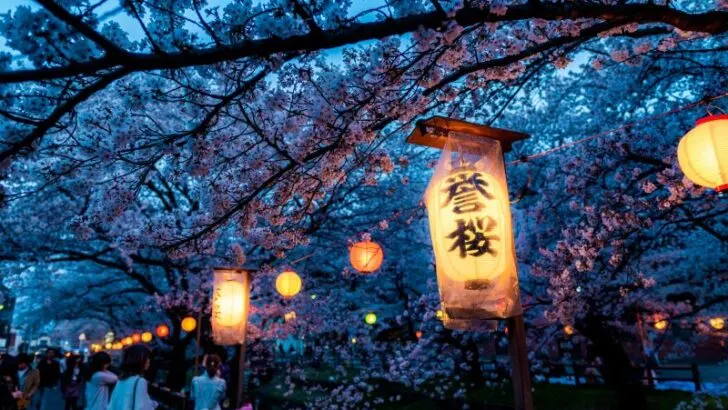
Okayama Prefecture Overview: Okayama is a prefecture located in the western part of Japan’s Honshu Island. It is part of the Chugoku region and is known for its diverse attractions, historical landmarks, and natural beauty. The prefecture’s central city, also named Okayama, serves as a hub for cultural exploration, transportation, and commerce.
Historical Significance: Okayama has a rich history dating back centuries. The region was once an important center for trade and transportation due to its strategic location along key routes. As a result, it boasts a wealth of historical sites, including castles, temples, and preserved traditional villages.
Land of Sunshine: Okayama is often referred to as the “Land of Sunshine” due to its relatively mild climate and abundant sunlight. This pleasant weather contributes to the cultivation of fruits like peaches and grapes, which are among the prefecture’s agricultural specialties.
Bridges and Waterways: The city of Okayama is crossed by beautiful waterways, including the Asahi River and the Yoshii River.
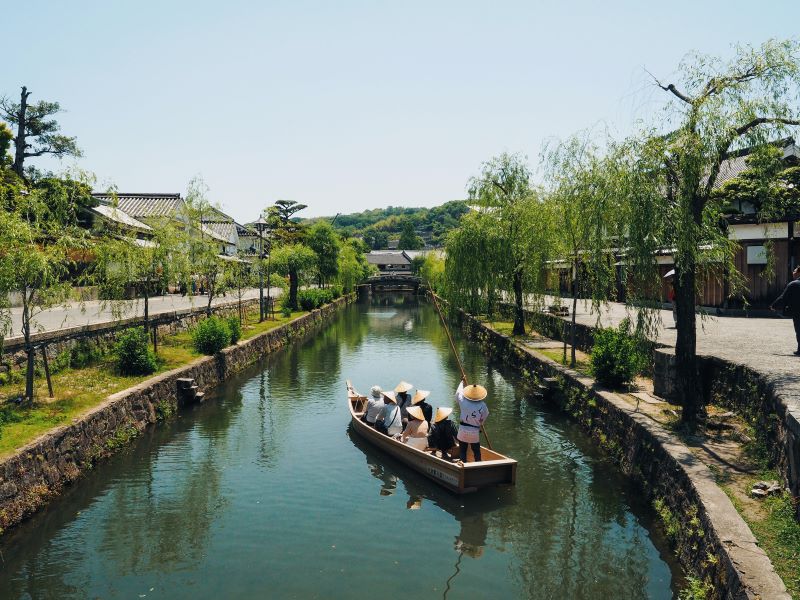
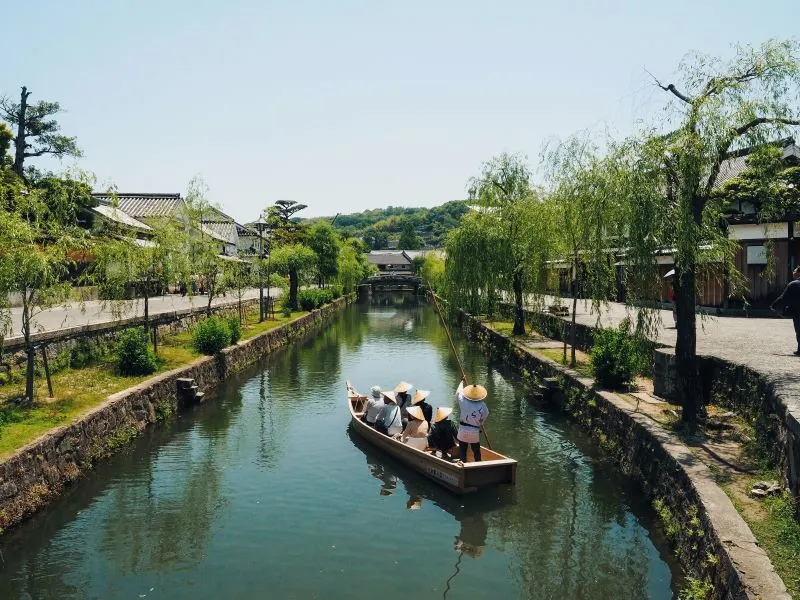
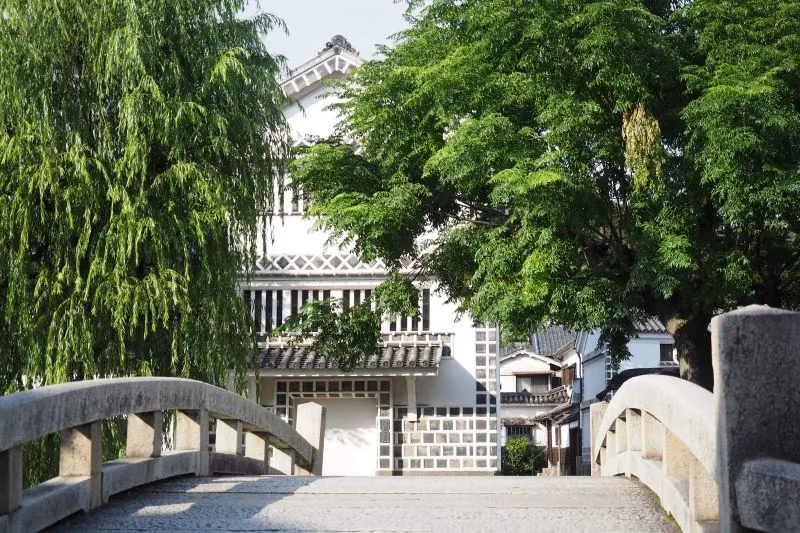
The iconic Kurashiki Bikan Historical Quarter features picturesque canals lined with well-preserved Edo-period buildings, creating a charming and nostalgic atmosphere.
Historical and Cultural Landmarks: Okayama is home to several notable historical and cultural landmarks:
- Korakuen Garden: One of Japan’s Three Great Gardens, known for its meticulously designed landscapes and scenic beauty.
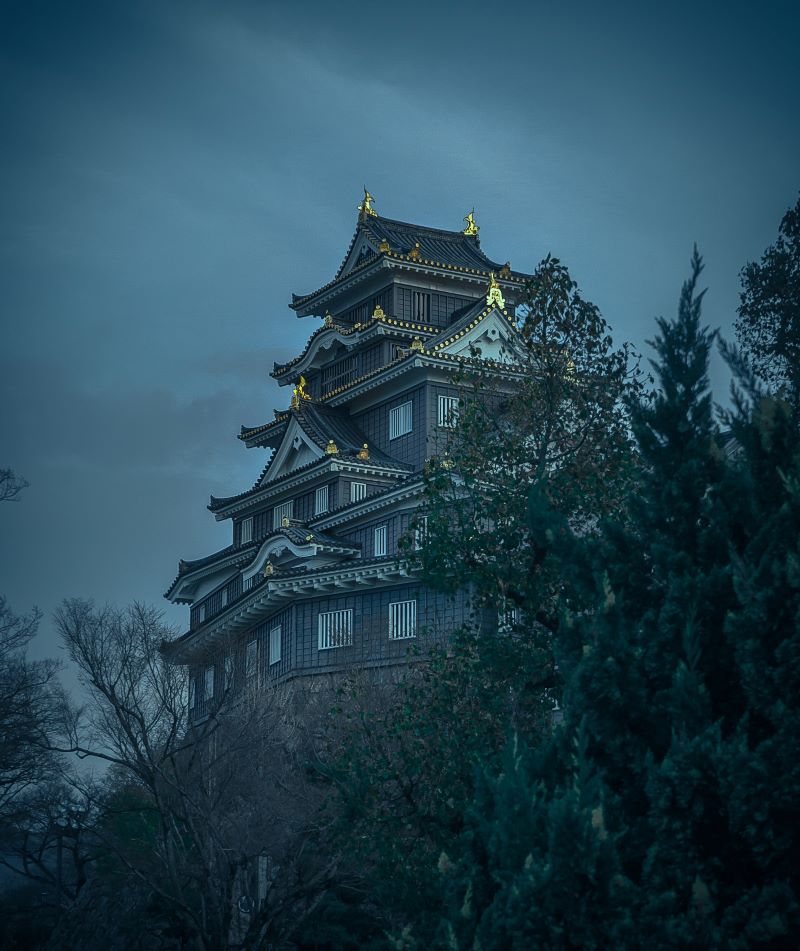
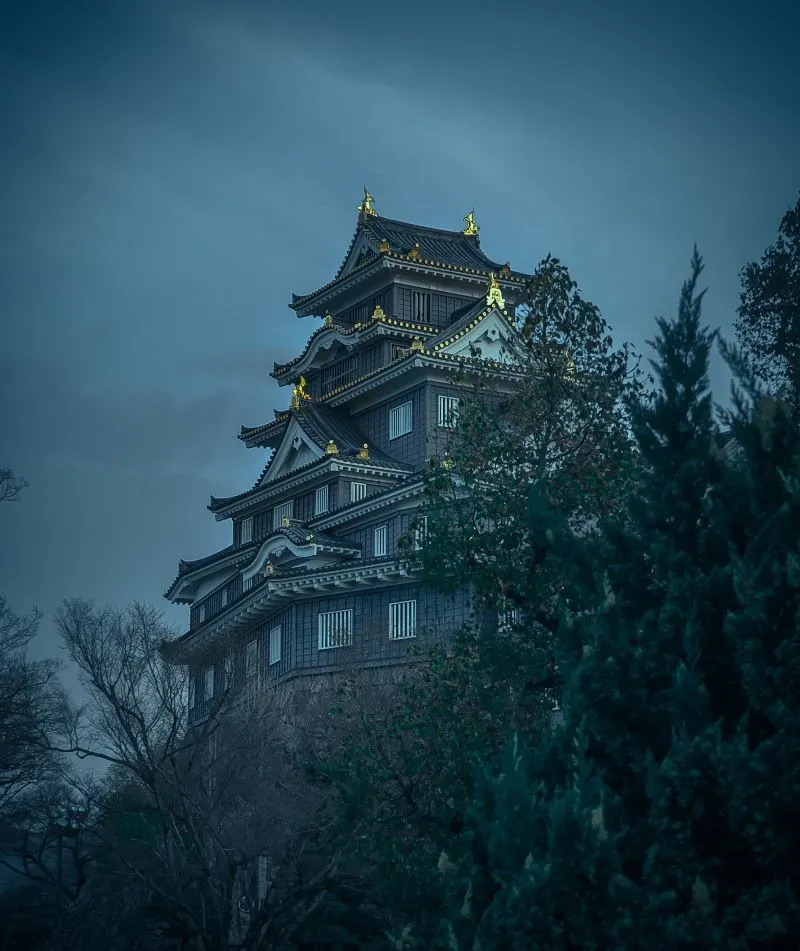
- Okayama Castle: A historic castle with a distinct black exterior, offering panoramic views of the city from its tower.
- Bitchu Matsuyama Castle: A mountaintop castle with a breathtaking hillside location and panoramic vistas.
- Kurashiki Bikan Historical Quarter: A preserved Edo-period district featuring well-preserved buildings, museums, and art galleries.
- Kibitsu Shrine: An ancient Shinto shrine with a majestic wooden bridge and serene surroundings.
Cultural Contributions: Okayama’s cultural contributions extend beyond its historical landmarks. The region is known for its traditional Bizen pottery, a unique style of pottery created using ancient techniques and firing methods. Okayama also hosts various festivals that celebrate local traditions and bring the community together.
Transportation Hub: Thanks to its efficient transportation network, Okayama serves as a gateway to other destinations in western Japan.
The Okayama Station is a major transportation hub, offering Shinkansen (bullet train) connections to cities like Tokyo, Osaka, and Hiroshima.
Natural Beauty: Okayama is not only rich in history but also boasts natural beauty. The prefecture is surrounded by scenic landscapes, including mountains, rivers, and the Seto Inland Sea. It offers opportunities for outdoor activities, such as hiking, cycling, and enjoying coastal views.
In conclusion, Okayama Prefecture seamlessly blends its historical significance with modern conveniences. Its charming city, cultural treasures, and picturesque landscapes make it an ideal destination for travelers looking to experience Japan’s history, culture, and natural beauty in one captivating region.
1. Korakuen Garden: One of Japan’s three most famous gardens, Korakuen features meticulously landscaped gardens, ponds, teahouses, and walking paths
Korakuen Garden is a meticulously designed traditional Japanese garden located in Okayama, Japan. Regarded as one of the country’s three most beautiful gardens, Korakuen is celebrated for its harmonious blend of natural landscapes, water features, and meticulously crafted elements.
The garden was established in the early 18th century and is known for its expansive lawns, meandering streams, picturesque ponds, and strategically positioned teahouses and pavilions.
Korakuen’s design embodies the concept of “shidare-ume,” which translates to “weeping plum tree,” and is reflected in the gentle weeping branches of the garden’s plum trees.
The garden’s centerpiece pond, known as “Enyo Pond,” is surrounded by carefully landscaped hills, creating a serene and balanced ambiance. Throughout the year, the garden offers a changing palette of seasonal colors, including cherry blossoms in spring and vibrant foliage in autumn.
Visitors can stroll along winding paths, cross charming bridges, and pause at teahouses to savor the tranquility and scenic views. Korakuen also offers spaces for relaxation, picnics, and cultural events.
Its historical significance, meticulous design, and serene atmosphere make Korakuen Garden a must-visit attraction for those exploring Okayama and its rich cultural heritage.
2. Okayama Castle: A reconstructed castle with a commanding view of the city. Inside, you can learn about the history of the area and enjoy panoramic views from the top floor
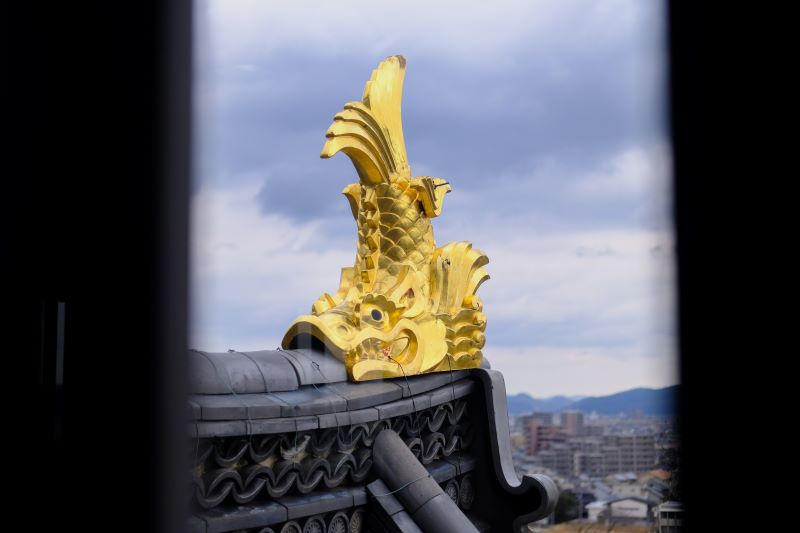
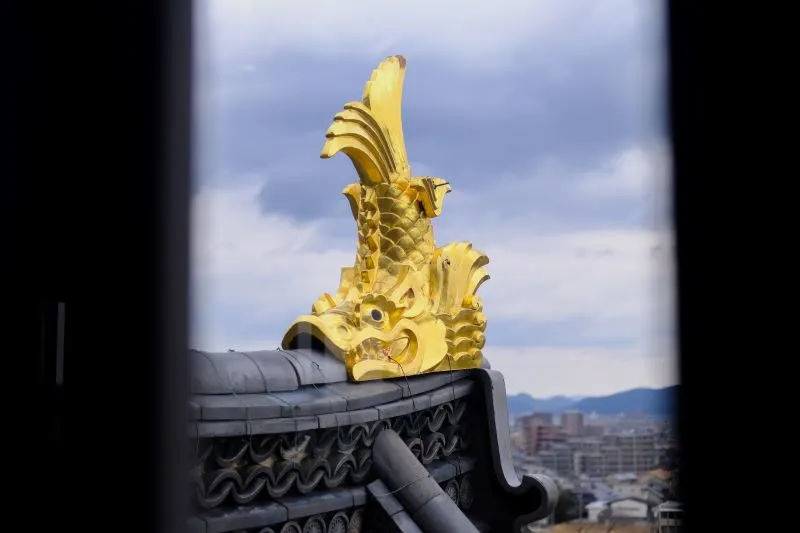
Okayama Castle, also known as “Okayama-jo,” is a reconstructed Japanese castle situated in Okayama City, Okayama Prefecture, Japan. The castle is a prominent historical landmark that offers visitors insight into Japan’s feudal past and architectural heritage.
The castle’s main tower, or “donjon,” stands as a five-story structure with a distinctive black exterior, giving it the nickname “Crow Castle.”
The design incorporates elements of traditional Japanese castle architecture, including its massive stone walls and wooden construction.
While the exterior reflects the original appearance, the interior has been modernized to house a museum with exhibits detailing the history of the castle and the region.
The castle’s hilltop location affords visitors panoramic views of the city and its surroundings. The surrounding grounds are beautifully landscaped, featuring stone paths, gardens, and other historical structures.
Okayama Castle is especially picturesque during cherry blossom season in spring, when its grounds are adorned with blooming sakura trees.
While the original castle was completed in the 16th century, it was destroyed during World War II. The current reconstruction was finished in 1966, using traditional construction methods and materials to closely replicate the original design.
As a symbol of Okayama’s history and resilience, Okayama Castle draws visitors interested in history, architecture, and the scenic beauty of the region.
3. Kibi Plain Cycling: Rent a bike and explore the Kibi Plain, a picturesque rural area with ancient tombs, shrines, and rice fields


Kibi Plain Cycling offers a unique and enjoyable way to explore the scenic landscapes and historical sites of the Kibi Plain in Okayama, Japan. The Kibi Plain is a rural area known for its ancient tombs, shrines, rice fields, and picturesque countryside.
Cycling through the Kibi Plain allows visitors to immerse themselves in the natural beauty and cultural heritage of the region.
The cycling routes traverse well-maintained paths and roads that wind through fields, villages, and historical sites. Along the way, cyclists can enjoy breathtaking views of the countryside, interact with locals, and discover hidden gems that might be missed by traditional forms of transportation.
The cycling routes are designed to be accessible to a range of skill levels, making it a popular activity for both casual riders and cycling enthusiasts.
Many rental shops in the area offer bicycles for various ages and abilities, including electric-assist bikes for those who prefer a little extra help on inclines.
One of the highlights of Kibi Plain Cycling is the ability to visit historical sites such as ancient tombs, shrines, and temples, which are scattered throughout the region. These sites provide insights into the rich history and cultural heritage of the Kibi Plain.
4. Kibitsu Shrine: A historic Shinto shrine known for its distinctive honden (main hall) and beautiful architecture
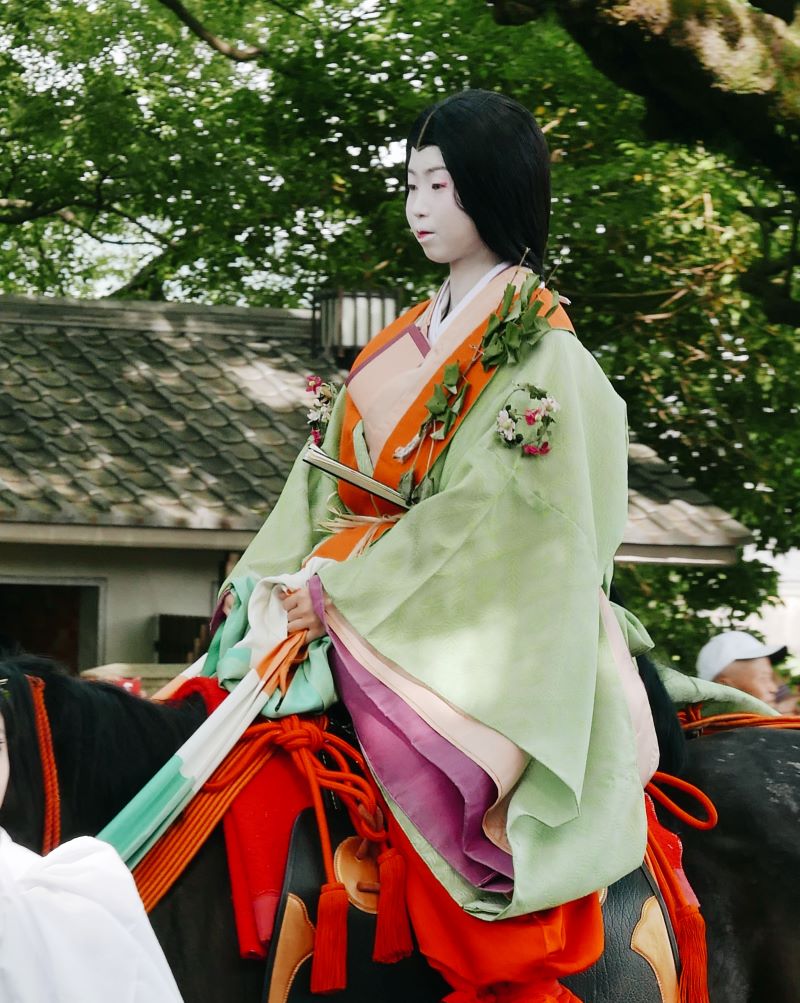

Kibitsu Shrine is a historically significant Shinto shrine located in Okayama City, Okayama Prefecture, Japan. Renowned for its unique architectural features and cultural importance, Kibitsu Shrine holds a special place in Japanese religious history.
The shrine’s most distinctive feature is its honden, or main hall, which is connected to a corridor supported by pillars.
This covered corridor, known as a “soribashi,” is one of the few surviving examples of this architectural style and provides a fascinating glimpse into ancient Japanese construction techniques. The soribashi spans a pond, creating a picturesque scene that adds to the shrine’s charm.
Kibitsu Shrine’s history dates back over a thousand years, and it is associated with various myths and legends in Japanese folklore.
The shrine is dedicated to the deity Amenokoyane-no-Mikoto, believed to be a god of marriage, protection, and prosperity. Visitors often come to the shrine to pray for good fortune, success in their endeavors, and strong relationships.
Surrounded by a serene forested area, Kibitsu Shrine offers a peaceful atmosphere that invites contemplation and relaxation.
The grounds include not only the main shrine structures but also additional auxiliary shrines, a treasure hall, and well-maintained gardens that showcase the changing seasons.
5. Okayama Prefectural Museum of Art: This museum houses a diverse collection of art, including works by local artist Tsuguharu Foujita and Western masterpieces


The Okayama Prefectural Museum of Art, located in Okayama City, Okayama Prefecture, Japan, is a prominent cultural institution dedicated to showcasing a diverse range of artistic creations. The museum’s focus encompasses both Japanese and international art, offering visitors a comprehensive artistic experience.
The museum’s architecture is notable in itself, featuring a modern and aesthetically pleasing design that integrates seamlessly into the surrounding landscape.
The interior spaces are well-designed to accommodate a variety of art forms, from paintings and sculptures to multimedia installations and more.
The museum’s collection includes an array of artworks spanning different periods and styles. Visitors can explore Japanese art from traditional to contemporary, as well as Western masterpieces and pieces from other parts of the world. Special exhibitions are regularly held, showcasing specific themes, artists, or artistic movements.
Throughout the year, the museum hosts cultural events, workshops, and lectures, providing visitors with opportunities to engage more deeply with art and the creative process. The museum’s educational efforts make it an enriching experience for art enthusiasts, students, and families alike.
6. Okayama Orient Museum: A museum dedicated to the art and culture of the Middle East and Central Asia, featuring an impressive collection of artifacts
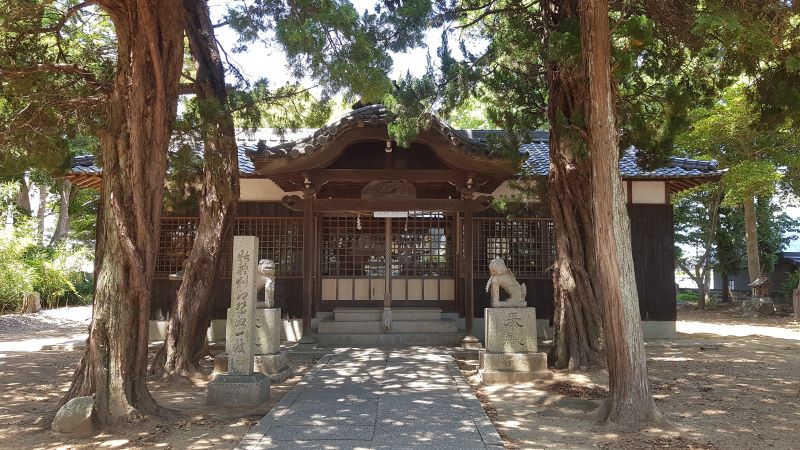
The Okayama Orient Museum is a cultural institution located in Okayama City, Okayama Prefecture, Japan, dedicated to showcasing the art, history, and cultural heritage of the Middle East and Central Asia. The museum provides a unique opportunity for visitors to explore the artistic and cultural achievements of these regions.
The museum’s collection includes a diverse array of artifacts and artworks, ranging from textiles and ceramics to manuscripts, metalwork, and more.
These items offer insights into the rich histories, traditions, and artistic achievements of cultures from the Middle East and Central Asia.
The museum’s interior is thoughtfully designed to create an immersive and educational experience for visitors. The exhibits are carefully curated to provide context and understanding, allowing visitors to appreciate the historical significance and artistic intricacies of the displayed items.
One of the highlights of the Okayama Orient Museum is its focus on fostering cultural exchange and understanding between Japan and the regions represented in its collection.
Through its exhibitions, events, and educational programs, the museum aims to promote cross-cultural appreciation and knowledge.
7. Handayama Botanical Garden: A serene botanical garden where you can see a wide variety of plants and flowers
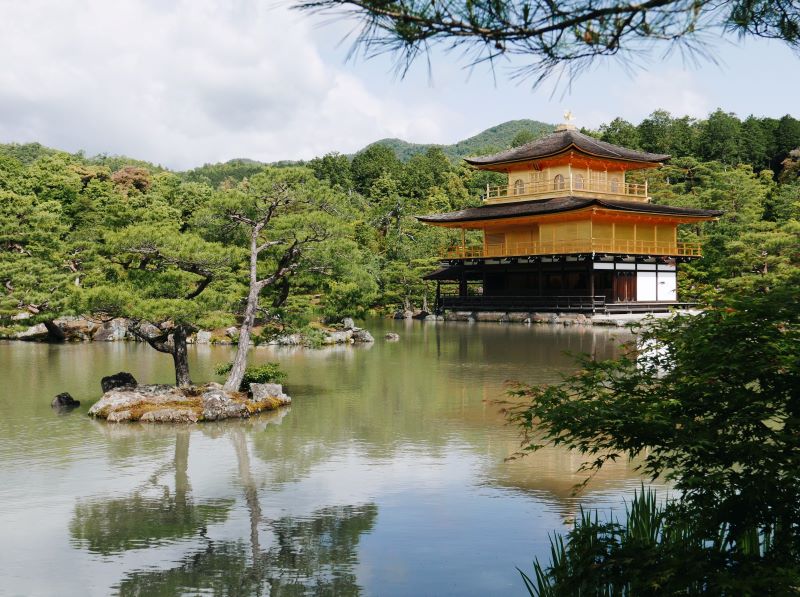
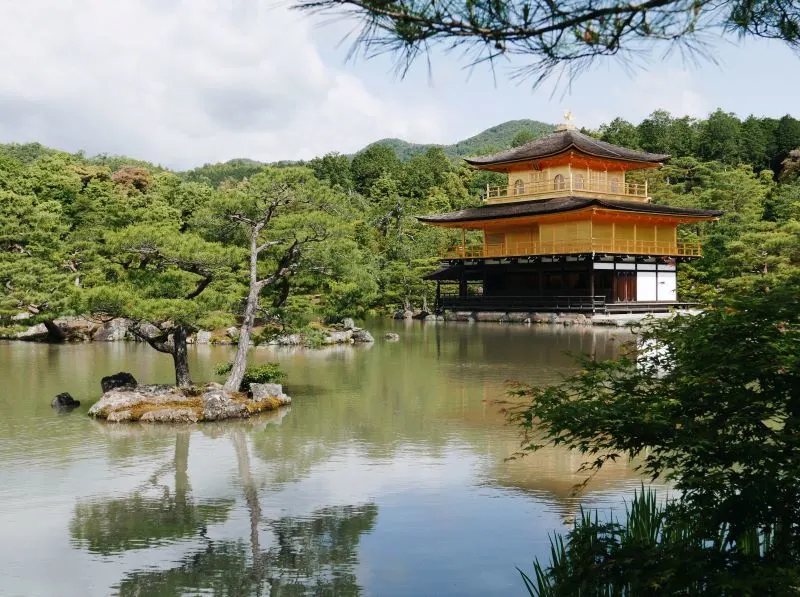
Handayama Botanical Garden is a serene and picturesque botanical garden located in Okayama City, Okayama Prefecture, Japan.
This beautiful garden provides visitors with a tranquil escape into nature, offering a diverse collection of plants and flowers that showcase the region’s flora in a well-maintained and aesthetically pleasing setting.
The garden is carefully laid out with various themed sections, each highlighting different types of plants and landscapes.
Visitors can explore lush greenery, colorful flowerbeds, and carefully cultivated plant displays that change with the seasons. From cherry blossoms in spring to vibrant foliage in autumn, the garden offers a constantly evolving showcase of natural beauty.
In addition to its diverse plant collection, Handayama Botanical Garden provides peaceful walking paths, ponds, and resting areas where visitors can relax and enjoy the peaceful ambiance.
The garden’s design encourages a leisurely stroll, allowing for a deep connection with nature and a sense of rejuvenation.
Handayama Botanical Garden also offers educational opportunities, with informative signs and displays that provide insights into the various plant species and their ecological significance.
The garden’s staff often organize workshops, lectures, and events that promote environmental awareness and appreciation for the natural world.
8. Okayama Symphony Hall: If you’re interested in classical music, consider catching a performance at this renowned concert hall
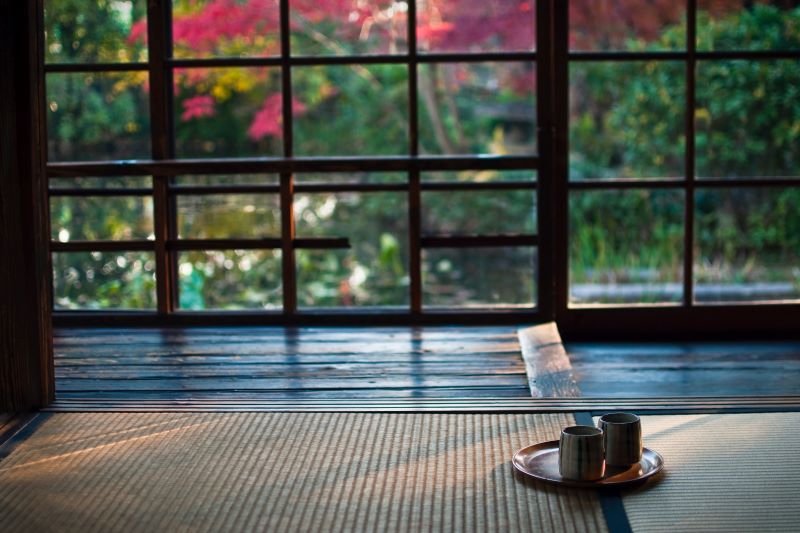
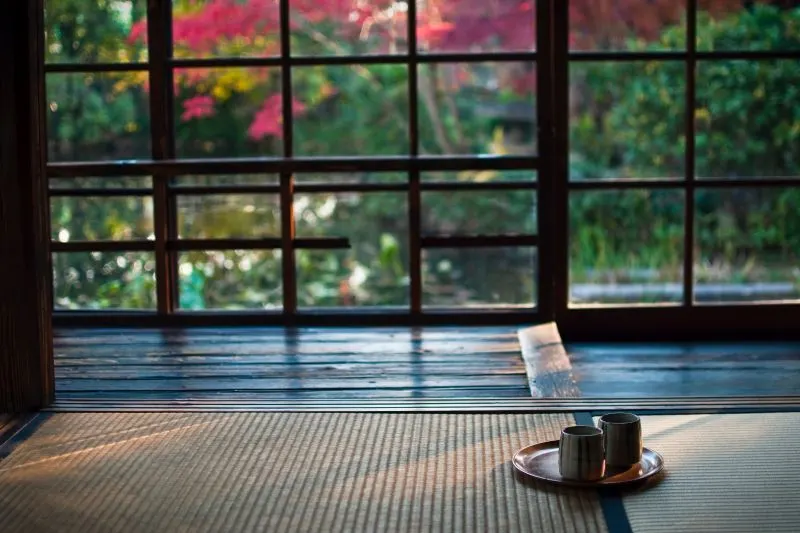
Okayama Symphony Hall is a renowned concert hall located in Okayama City, Okayama Prefecture, Japan. As a cultural landmark, it serves as a hub for classical music performances, orchestral concerts, and various musical events that enrich the city’s artistic landscape.
The hall’s architectural design is notable for its acoustically optimized layout, providing an ideal environment for live music performances.
Its interior is crafted to enhance sound quality and ensure that audiences can fully appreciate the nuances of orchestral and chamber music.
Okayama Symphony Hall hosts a wide range of performances, including symphony concerts, recitals, choral performances, and other musical events featuring both local and international artists.
The hall’s stage and seating arrangement are carefully designed to provide excellent sightlines and an intimate atmosphere, allowing audiences to feel connected to the performers and the music.
9. Okayama South Village: An open-air museum showcasing traditional Japanese architecture, including thatched-roof houses and farm buildings
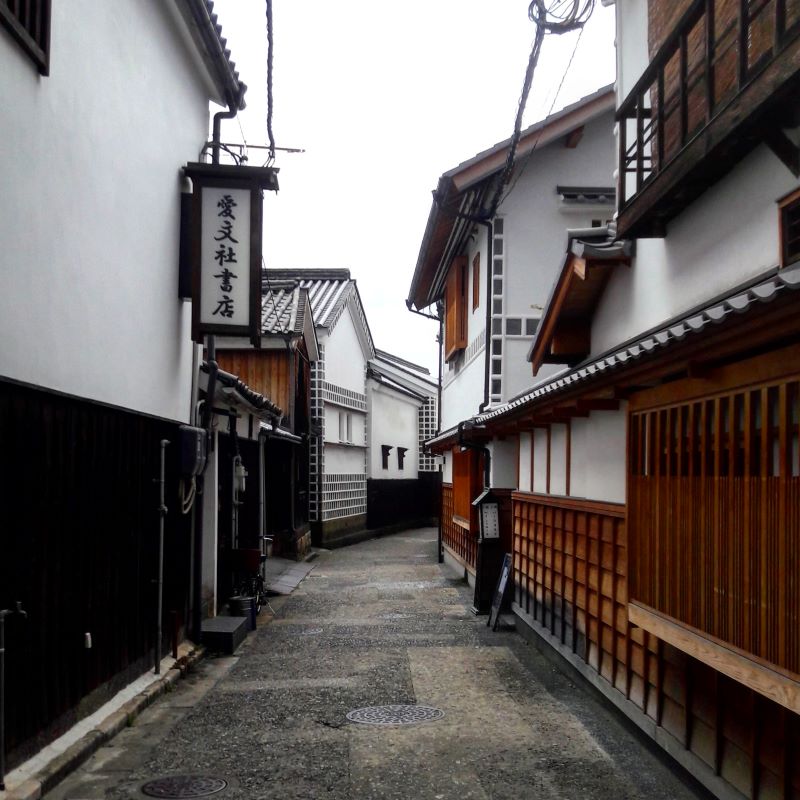

Okayama South Village, also known as “Okayama Minami Kyowakoku,” is an open-air museum and cultural attraction located in Okayama City, Okayama Prefecture, Japan.
This unique village is designed to showcase traditional Japanese architecture, providing visitors with a glimpse into the country’s rural past.
The village features a collection of well-preserved historic buildings, including traditional thatched-roof houses, farmhouses, storehouses, and workshops.
These structures have been relocated to the site from various parts of Okayama Prefecture and have been meticulously restored to their original condition.
Visitors to Okayama South Village have the opportunity to explore the interior of these traditional buildings, gaining insight into the daily lives and living conditions of past generations.
The village is designed to be interactive, allowing visitors to step back in time and experience aspects of traditional Japanese culture firsthand.
Throughout the year, Okayama South Village hosts events, workshops, and demonstrations that highlight traditional crafts, skills, and cultural practices.
Visitors can participate in activities such as pottery making, weaving, and traditional cooking, providing an immersive and educational experience.
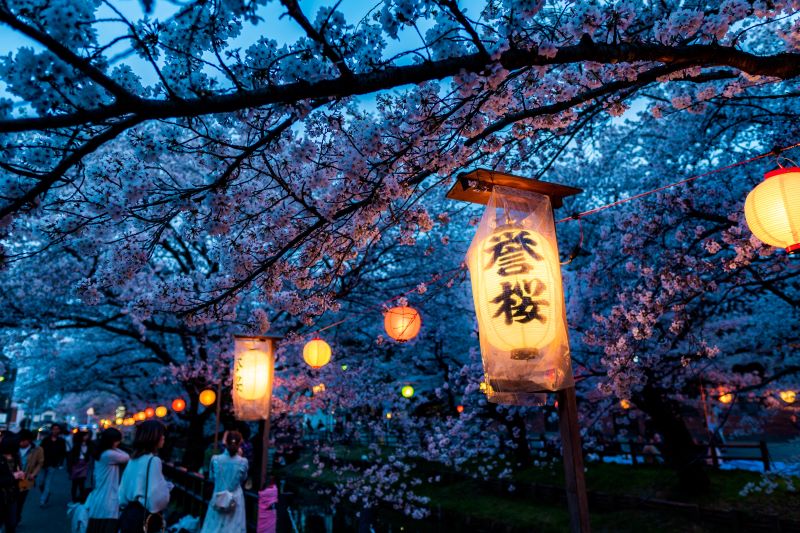
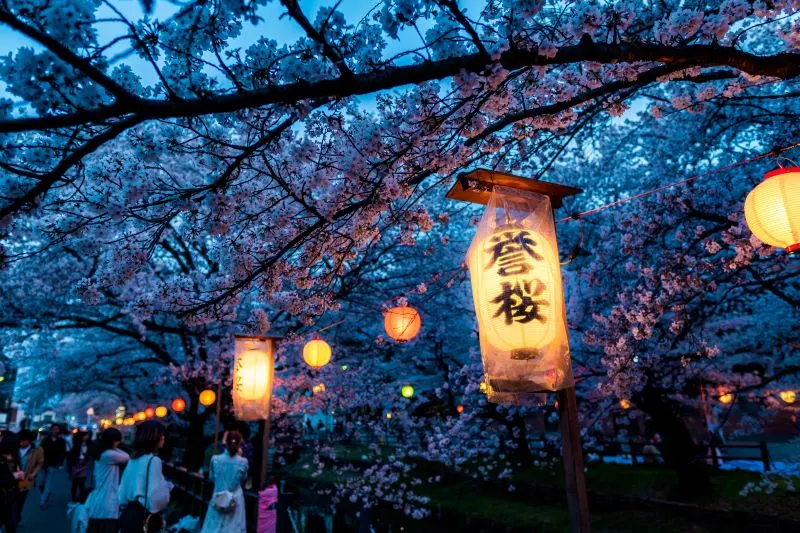
10. Asahi River Sakura Road: A beautiful cherry blossom-lined path along the Asahi River, perfect for springtime strolls


Asahi River Sakura Road is a scenic pathway located in Okayama City, Okayama Prefecture, Japan, renowned for its breathtaking cherry blossom displays during the spring season. This road offers visitors the chance to experience the natural beauty and cultural significance of cherry blossoms, known as “sakura” in Japanese.
The road stretches along the banks of the Asahi River, and it’s lined with rows of cherry blossom trees that burst into vibrant pink and white blooms during the springtime.
This seasonal phenomenon typically occurs in late March to early April, drawing visitors from near and far to witness the stunning sight of the cherry blossoms in full bloom.
Asahi River Sakura Road provides a picturesque setting for leisurely walks, picnics, and hanami (cherry blossom viewing) gatherings.
Many locals and visitors alike come to the road to enjoy the fleeting beauty of the blossoms, often accompanied by traditional Japanese activities such as having tea under the trees, taking photographs, and appreciating the transient nature of nature’s beauty.
11. Kurashiki: A nearby town known for its well-preserved Edo-period buildings along the canal, now housing museums, shops, and cafes
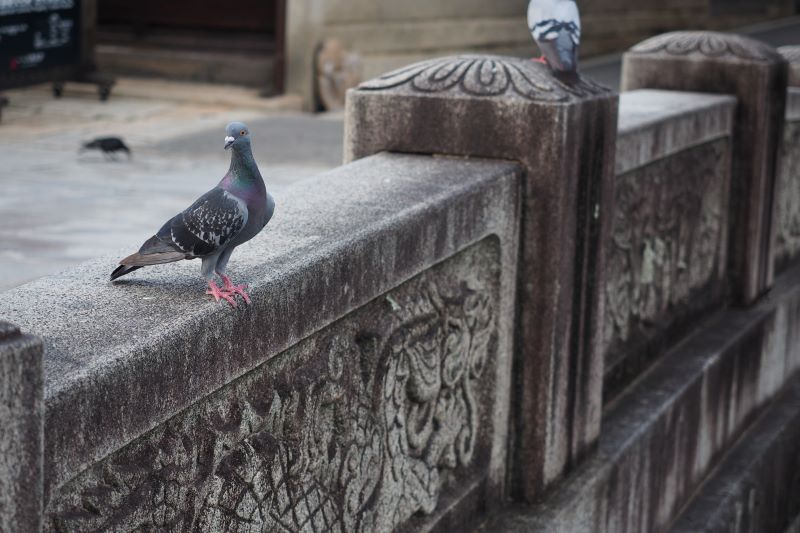
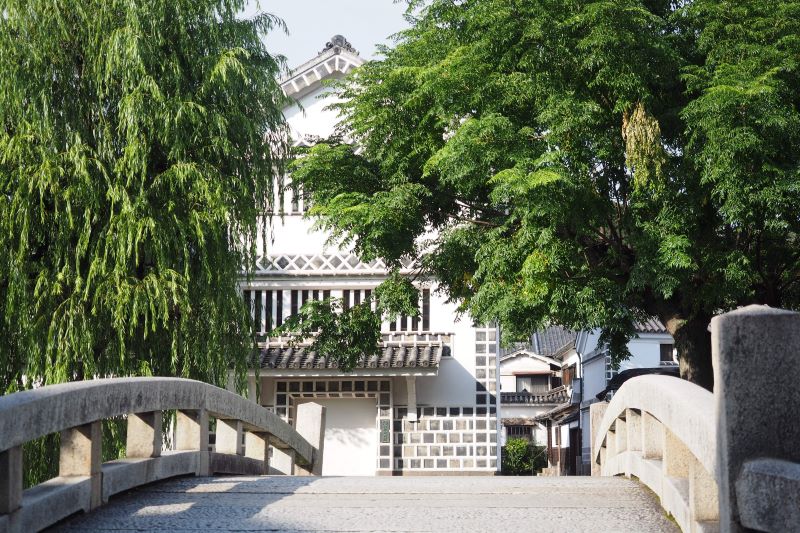
Kurashiki is a charming and historic town located in Okayama Prefecture, Japan. Known for its well-preserved Edo-period (17th to 19th century) architecture and picturesque canal, Kurashiki offers visitors a captivating blend of history, culture, and beauty.
The town’s most famous area is the Bikan Historical Quarter, where visitors can stroll along quaint cobblestone streets lined with preserved wooden merchant houses and storehouses.
Many of these buildings have been converted into museums, shops, cafes, and galleries, creating a unique atmosphere that evokes a sense of stepping back in time.
The Kurashiki Ivy Square, a former cotton mill turned cultural complex, is another highlight. It features a beautifully restored brick building surrounded by lush ivy, housing various shops, museums, and restaurants. The area often hosts events and exhibitions that add to its dynamic cultural scene.
Kurashiki’s picturesque canal, known as Kurashiki River, adds to the town’s charm. The willow-lined waterway is adorned with stone bridges and provides a serene backdrop for leisurely walks.
The canal’s reflections of traditional buildings create a postcard-perfect scene, especially during cherry blossom season in spring and autumn foliage season.
Visitors can also explore Kurashiki’s numerous museums, including the Ohara Museum of Art, which houses a diverse collection of Western and Japanese art.
The town’s dedication to preserving its heritage while embracing cultural diversity and artistic expression makes it a unique destination.
12. Bizen Pottery Traditional Kiln: Experience the ancient art of Bizen pottery by visiting traditional kilns and witnessing the firing process
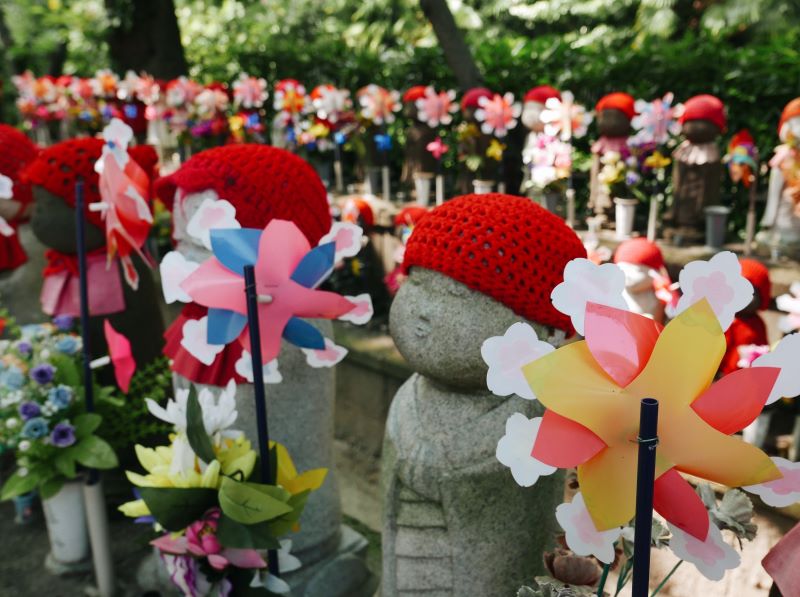

Bizen Pottery Traditional Kiln refers to the ancient and distinctive style of pottery produced in the Bizen region of Okayama Prefecture, Japan. Bizen pottery is celebrated for its unglazed, earthy appearance, as well as its unique firing process that produces a range of natural colors and textures.
The Bizen pottery tradition dates back over a thousand years and is deeply rooted in the region’s history and culture. The pottery is handcrafted using traditional techniques and materials, often incorporating local clay rich in iron content.
The key feature of Bizen pottery is the firing process, which takes place in wood-burning kilns for an extended period of time, typically around two weeks.
During this firing, the interaction between the clay, wood ash, and heat creates unpredictable and beautiful effects on the surface of the pottery.
Bizen pottery is characterized by its organic and rustic aesthetic. The lack of glazing allows the clay’s natural colors to shine through, resulting in earthy tones ranging from deep reds to warm browns.
The firing process also contributes to the development of unique textures, such as “hidasuki” (fire markings) and “goma” (sesame seed-like spots).
Visitors interested in Bizen pottery can experience the traditional kiln process by visiting Bizen’s pottery workshops and studios.
Many artisans welcome visitors to witness the pottery-making process, from shaping the clay to firing in the wood-burning kilns. Some workshops also offer hands-on experiences where visitors can create their own Bizen pottery pieces under the guidance of skilled artisans.
13. Miyoshino Shrine: Located in the scenic hills, this shrine offers hiking trails and panoramic views of the city
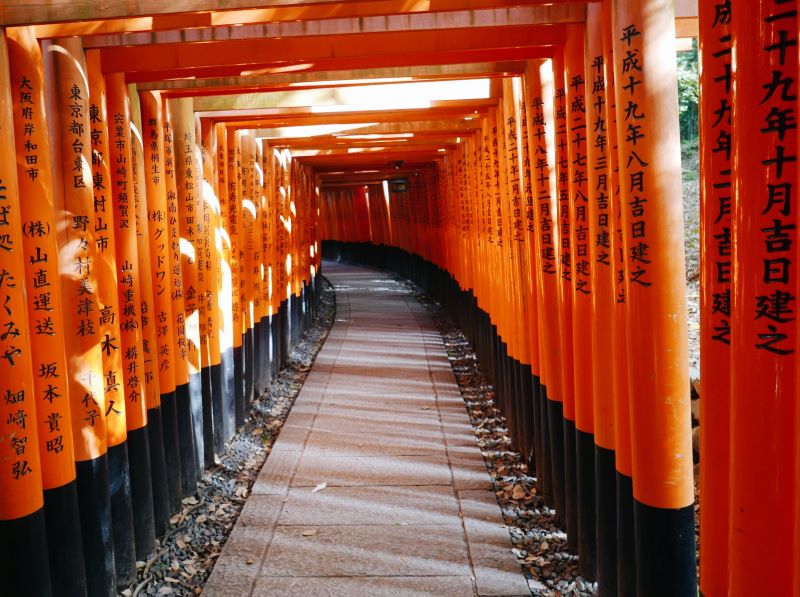
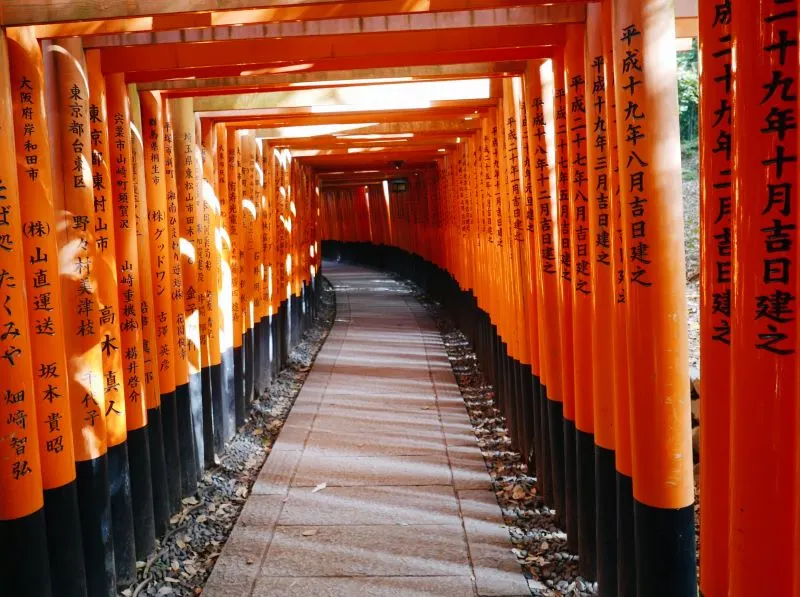
Miyoshino Shrine, located in Okayama City, Okayama Prefecture, Japan, is a serene and picturesque Shinto shrine situated in the hills that offers a peaceful escape and a connection to nature. The shrine’s tranquil atmosphere and natural surroundings make it a popular destination for both spiritual reflection and enjoying the beauty of the outdoors.
Nestled in a wooded area, Miyoshino Shrine is accessed via a stone path that winds through the forest. The approach to the shrine is a serene journey that allows visitors to immerse themselves in the natural environment and enjoy a sense of calm.
The shrine itself is characterized by its simple and traditional architecture, blending harmoniously with the surrounding landscape.
Many visitors are drawn to Miyoshino Shrine to seek blessings related to health, safety, and well-being, as well as to offer prayers and wishes for a harmonious life.
Beyond its spiritual significance, Miyoshino Shrine offers hiking trails that lead to viewpoints that provide breathtaking panoramic vistas of the city and the Seto Inland Sea. These trails make the shrine a popular destination for those seeking both a cultural and recreational experience.
14. Hayashibara Museum of Art: An art museum showcasing various art forms, including calligraphy, ceramics, and paintings
The Hayashibara Museum of Art is a cultural institution located in Okayama City, Okayama Prefecture, Japan. It is known for its diverse collection of art and artifacts that span different periods and artistic styles, offering visitors a comprehensive cultural experience.
The museum’s collection includes a wid
e range of artworks, including Japanese and Western paintings, ceramics, sculptures, textiles, and decorative arts. The exhibits are thoughtfully curated to provide insights into various artistic movements, historical periods, and cultural contexts.
One of the museum’s focal points is its extensive collection of traditional Japanese ceramics, showcasing the craftsmanship and aesthetic beauty of pottery from different regions and eras. This collection includes pieces from the Bizen, Imari, and Arita traditions, among others.
Visitors to the Hayashibara Museum of Art can also explore special exhibitions that cover themes such as specific artists, artistic periods, or cultural phenomena.
These exhibitions provide a dynamic and ever-changing experience that keeps the museum’s offerings fresh and engaging.
The museum’s dedication to fostering cultural appreciation and understanding is evident through its educational programs, lectures, workshops, and guided tours. These efforts aim to enrich visitors’ understanding of art history and cultural heritage.
15. Hiruzen Jersey Land: A farm and dairy where you can enjoy fresh milk and dairy products while interacting with cows
Hiruzen Jersey Land is a farm and dairy attraction located in Maniwa City, Okayama Prefecture, Japan. It offers visitors a unique and interactive experience centered around dairy farming and the production of dairy products.
The main highlight of Hiruzen Jersey Land is its focus on Jersey cows, a breed known for its high-quality milk production.
Visitors have the opportunity to see and interact with these gentle cows up close. The farm provides guided tours that offer insights into the cows’ daily lives, feeding routines, and milking process.
One of the main draws for visitors is the chance to experience milking a cow firsthand. Under the guidance of staff, visitors can try their hand at milking the cows, gaining an understanding of the work that goes into producing fresh milk.
Hiruzen Jersey Land also features a dairy processing facility where visitors can observe the production of various dairy products, such as cheese and butter.
Interactive workshops and hands-on activities allow visitors to learn about the dairy production process and even make their own dairy products.
The attraction includes a restaurant where visitors can enjoy meals made from fresh, locally produced ingredients, including dairy products from the farm. The menu often features dishes that showcase the farm’s dairy offerings.
16. Okayama Prefectural Museum: Learn about the history, culture, and nature of Okayama Prefecture through engaging exhibits


The Okayama Prefectural Museum is a cultural institution located in Okayama City, Okayama Prefecture, Japan. Dedicated to preserving and showcasing the history, culture, and natural heritage of Okayama Prefecture, the museum offers visitors a diverse range of exhibits and educational experiences.
The museum’s exhibits cover a wide variety of topics, including archaeology, history, folklore, natural history, and more. Through engaging displays and interactive exhibits, visitors can learn about the region’s ancient past, cultural traditions, and natural environment.
Archaeological artifacts provide insights into Okayama’s prehistoric and historical periods, while exhibits on local festivals, crafts, and customs offer a window into the cultural life of the region.
The museum also houses collections related to natural history, including specimens of flora, fauna, and minerals native to Okayama Prefecture.
Okayama Prefectural Museum often hosts special exhibitions that explore specific themes, artists, or historical periods in greater depth. These temporary exhibits enhance the museum’s offerings and provide a fresh perspective on various subjects.
The museum’s dedication to education is evident through its workshops, lectures, and guided tours that cater to visitors of all ages. These programs offer opportunities for hands-on learning and engagement with the museum’s exhibits.
17. Fukiya Furusato Village: A preserved historic village where you can explore traditional thatched-roof houses and learn about local culture
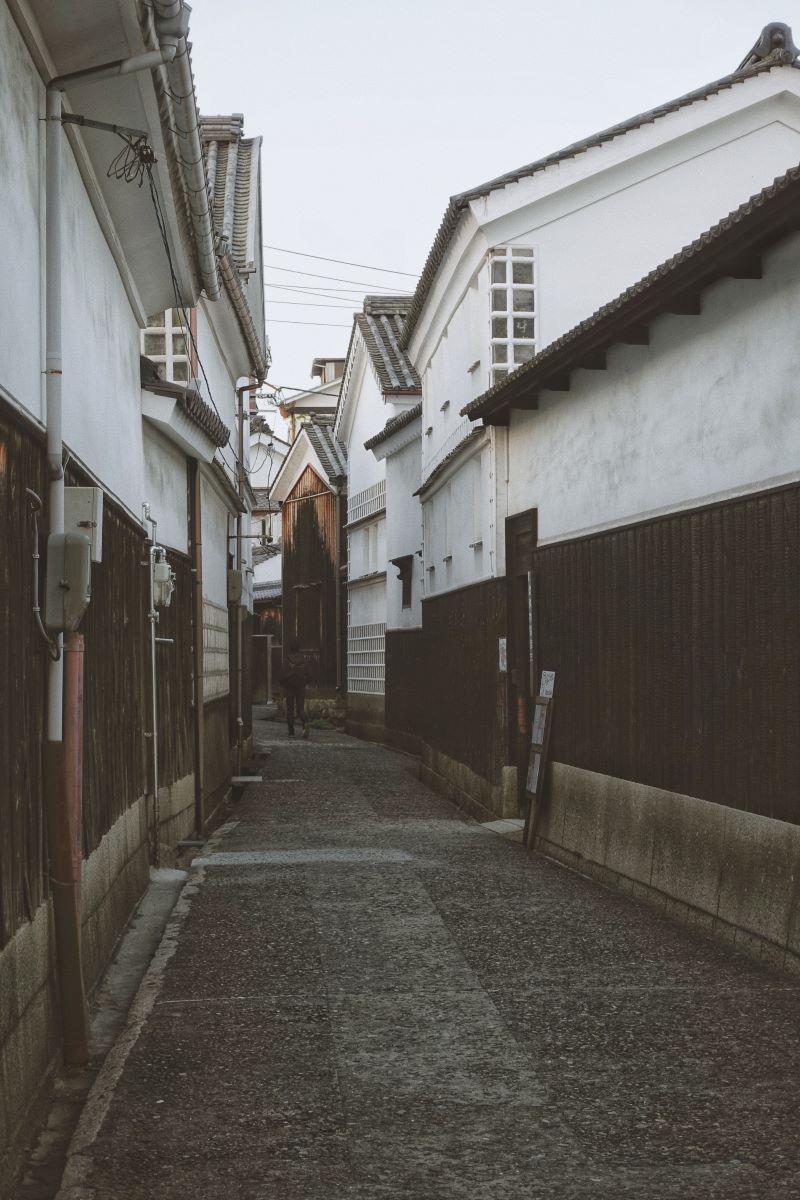

Fukiya Furusato Village is a preserved historic village located in Okayama Prefecture, Japan. This village offers visitors a captivating journey back in time to experience traditional Japanese rural life and architecture.
Fukiya Furusato Village is known for its well-preserved thatched-roof houses, cobblestone streets, and wooden structures that evoke a sense of nostalgia for the past.
The village’s architecture and layout reflect the style and aesthetics of the Edo period (17th to 19th century) and provide a window into the daily lives of the people who once inhabited this area.
Visitors to Fukiya Furusato Village can explore the village’s streets, entering the preserved houses that have been converted into museums, galleries, and shops.
These establishments showcase local crafts, traditional arts, and the history of the village. The village’s inhabitants often welcome visitors with warm hospitality, sharing stories and insights about the village’s heritage.
The village’s natural surroundings add to its charm, with lush forests and serene landscapes offering a peaceful and serene atmosphere. The tranquil environment invites visitors to stroll, take photographs, and immerse themselves in the historical ambiance.
18. Bitchu Matsuyama Castle: A mountaintop castle known for its stunning views and the experience of hiking to reach it
Bitchu Matsuyama Castle, also known as Takahashi Castle, is a historic mountaintop castle located in Takahashi City, Okayama Prefecture, Japan. This castle is celebrated for its strategic location atop a steep hill and its stunning panoramic views of the surrounding landscape.
Perched at an elevation of about 430 meters, Bitchu Matsuyama Castle is recognized as one of Japan’s few remaining “yamajiro,” or mountain castles.
Its remote and elevated position was chosen for defensive purposes, making it challenging for attackers to breach its walls. The castle’s strategic location provides not only a formidable defensive advantage but also breathtaking vistas of the surrounding city and countryside.
Visitors to Bitchu Matsuyama Castle can hike to the summit via a well-maintained trail, immersing themselves in the natural beauty of the area. The climb offers a glimpse into the challenges faced by those who inhabited and defended the castle in its historical past.
The castle’s main tower has been partially reconstructed, allowing visitors to explore its interior and learn about its history through informative displays and exhibits.
The tower provides an elevated platform from which visitors can enjoy sweeping views that make the journey to the castle’s summit even more rewarding.
19. Okayama Civic Center Observatory: Enjoy panoramic views of the city and beyond from the observation deck


The Okayama Civic Center Observatory is an observation deck located in Okayama City, Okayama Prefecture, Japan. Situated at a significant height, this observatory offers visitors stunning panoramic views of the city and its surroundings.
Perched atop the Okayama Civic Center building, the observatory provides an elevated vantage point that allows visitors to appreciate the city’s urban landscape, as well as the nearby natural features such as the Asahi River and the Seto Inland Sea.
The observatory is a popular destination for both tourists and locals seeking to enjoy spectacular vistas and capture breathtaking photographs. It’s particularly captivating during sunrise, sunset, and in the evening when the city lights create a picturesque display.
In addition to its impressive views, the Okayama Civic Center Observatory often provides information about the landmarks and points of interest visible from the deck. This enhances the experience, allowing visitors to learn more about the city’s layout and history while taking in the scenery.
20. Okayama Zoo and Botanical Garden: A family-friendly attraction featuring a zoo and a vast botanical garden


The Okayama Zoo and Botanical Garden is a combined zoological and botanical facility located in Okayama City, Okayama Prefecture, Japan. This attraction offers visitors the opportunity to explore a diverse range of plant and animal life in a single destination.
The zoo section of the facility features a variety of animal exhibits, showcasing species from around the world. Visitors can see animals such as lions, elephants, giraffes, and various primates, among others.
The zoo provides educational information about the animals’ habitats, behaviors, and conservation efforts, making it an engaging and informative experience for visitors of all ages.
The botanical garden section of the facility is equally captivating, featuring an extensive collection of plants and flowers from different regions and climates.
The garden is designed to showcase a wide variety of plant species, including ornamental plants, trees, shrubs, and seasonal blooms. Visitors can enjoy leisurely walks, appreciate the beauty of nature, and learn about the fascinating world of plants.
21. Tsuyama Castle: Visit the ruins of this castle for a glimpse into Japan’s feudal history
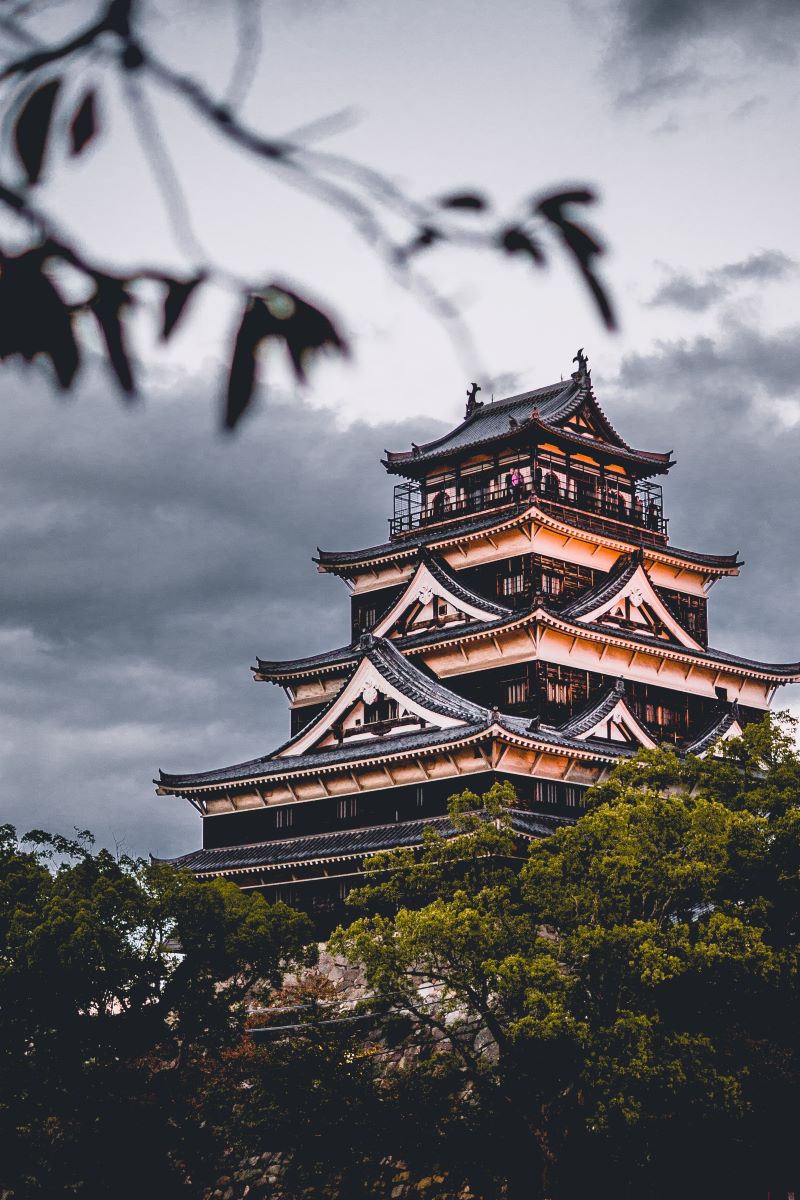
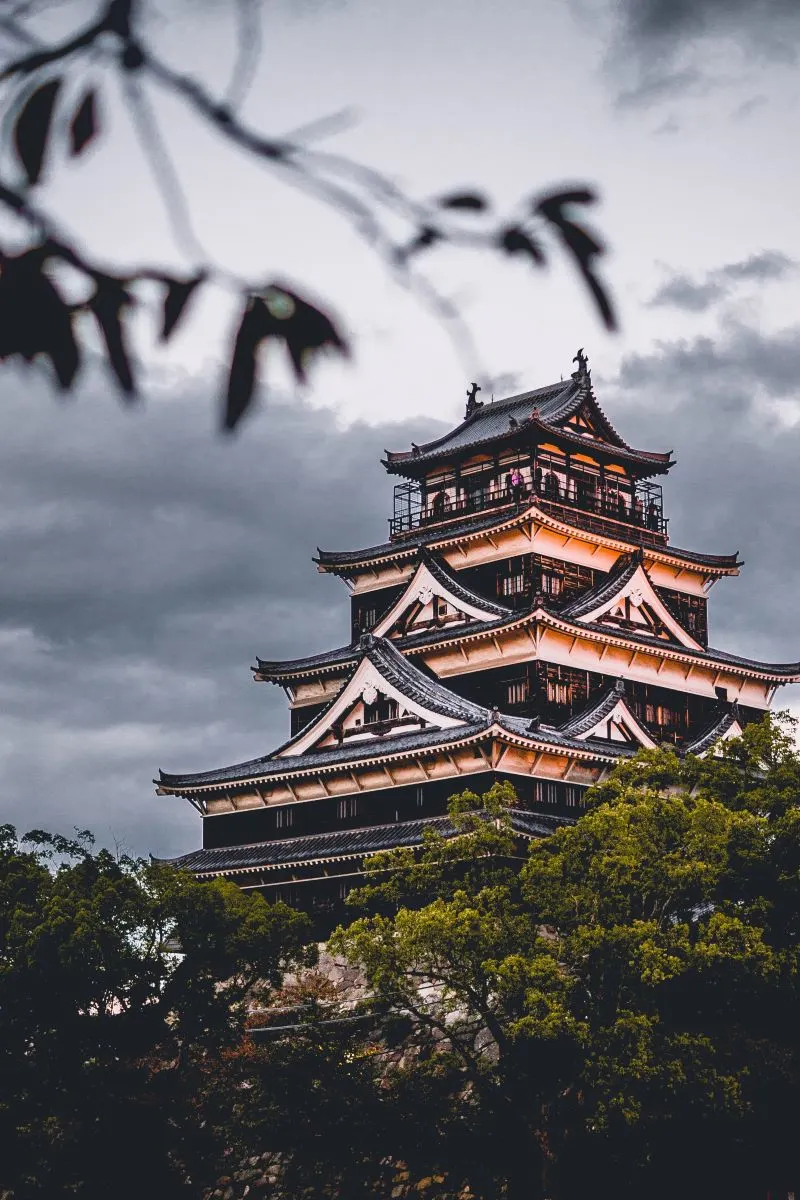
Tsuyama Castle, also known as Kakuzan Castle, is a historic castle located in Tsuyama City, Okayama Prefecture, Japan. Although the castle’s main structures are no longer standing, its ruins and remaining features offer visitors a glimpse into its historical significance and the architectural achievements of its time.
The castle was originally built in the 16th century and played a role in the region’s feudal history. It served as a strategic fortress and played a part in various conflicts and power struggles during Japan’s feudal era.
The castle’s hilltop location offers panoramic views of the city and the surrounding landscapes, making it a popular spot for both history enthusiasts and sightseers.
The remnants of stone walls, foundations, and earthworks give visitors an idea of the castle’s layout and defensive structures.
Visitors can explore the castle grounds, walk along its historic paths, and ascend to the top of the hill to take in the views.
Informational signs and displays often provide insights into the castle’s history, the lives of its inhabitants, and its role in the region’s history.
22. Bitchu Kokubunji Temple: An ancient temple with a unique thatched-roof pagoda, surrounded by lush forest
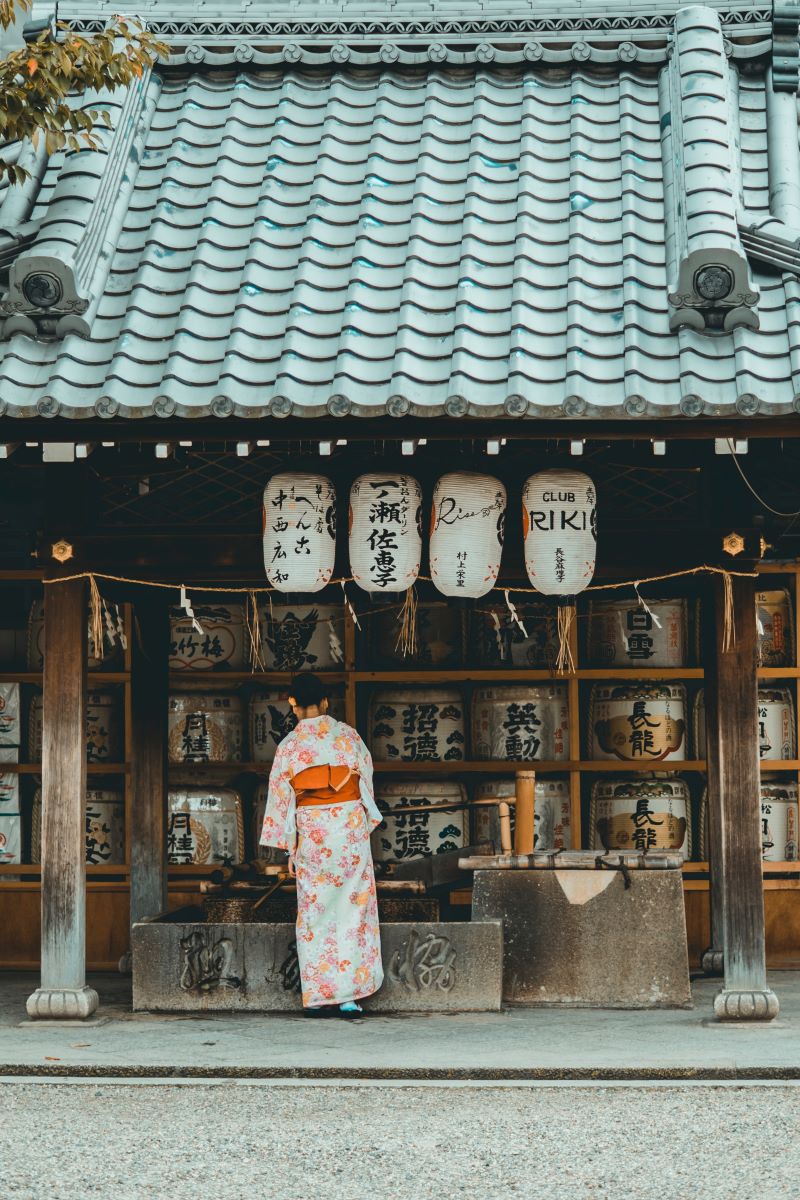
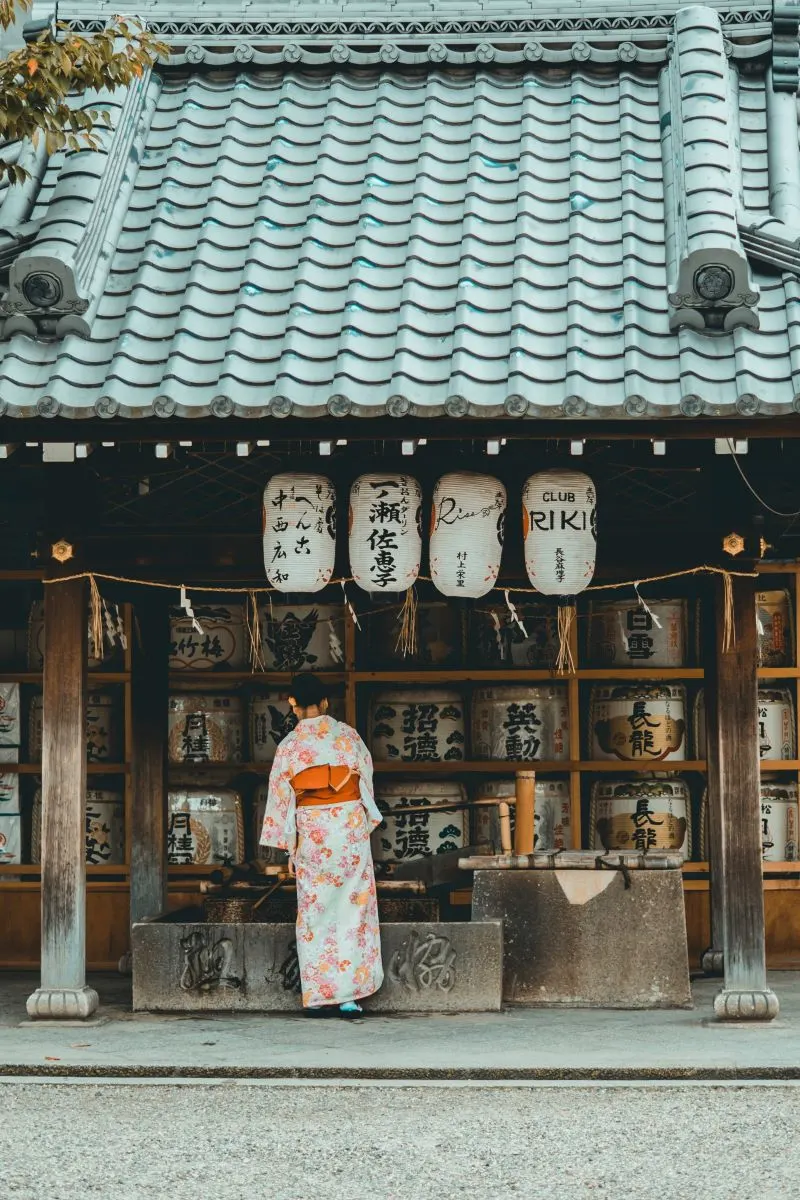
Bitchu Kokubunji Temple is a historic Buddhist temple located in Takahashi City, Okayama Prefecture, Japan. It holds significant historical importance as one of the provincial temples established during the Nara period (8th century) as part of Japan’s early efforts to spread Buddhism throughout the country.
The temple’s original establishment dates back to the 8th century, during the reign of Emperor Shomu. It was built as part of the Kokubunji system, which aimed to establish major temples in each province to promote Buddhist teachings and provide a center for religious activities.
The temple’s architecture and layout reflect the characteristics of early Japanese Buddhist temples, with simple yet elegant structures surrounded by serene natural surroundings.
While the temple’s original structures no longer remain, it has been carefully preserved and reconstructed over the centuries.
One of the notable features of Bitchu Kokubunji Temple is its five-story pagoda, which is a reconstructed version of the original and stands as a symbol of the temple’s historical significance. The pagoda’s design and construction techniques offer insights into the architectural practices of the era.
The temple grounds offer visitors a peaceful environment for reflection, exploration, and appreciation of Japan’s ancient religious heritage.
The temple’s location, surrounded by lush greenery, adds to its serene atmosphere and provides an opportunity to experience a sense of tranquility.
23. Nakayama-dera Temple: A serene temple complex with beautiful gardens and impressive architecture
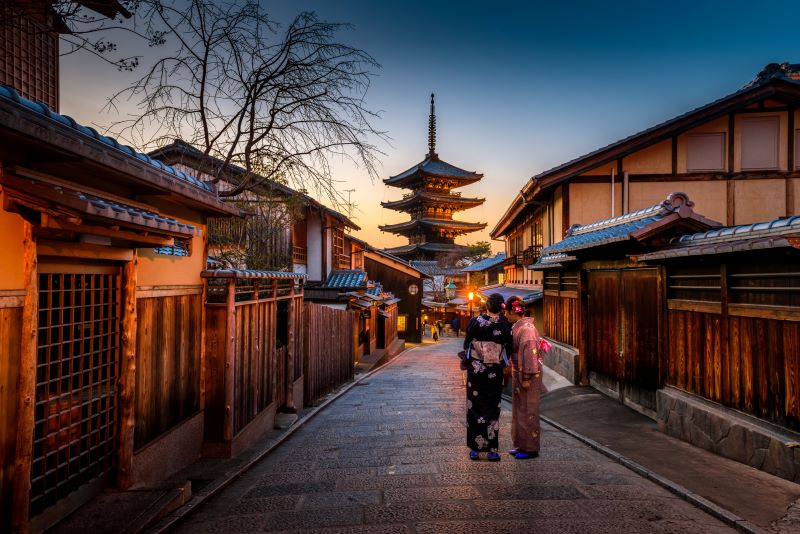
Nakayama-dera Temple, also known as Nakayama Temple, is a historic Buddhist temple located in Tsuyama City, Okayama Prefecture, Japan.
This temple holds a special place in the region’s history and is renowned for its scenic surroundings, cultural significance, and architectural beauty.
The temple’s history dates back over a thousand years, and it is associated with the Shingon sect of Buddhism. Nakayama-dera is known for its connections to the Japanese monk and scholar Kukai, also known as Kobo Daishi, who played a significant role in the development and spread of Shingon Buddhism.
The temple is characterized by its hillside location, nestled in the foothills of Mount Nakayama. This serene setting offers visitors not only a spiritual atmosphere but also stunning views of the surrounding landscapes, making it a popular spot for sightseeing and appreciation of nature.
Nakayama-dera Temple features several important structures, including the main hall, pagoda, and various smaller buildings.
The architecture and design reflect the temple’s historical and religious significance, as well as the aesthetics of Japanese Buddhist temples.
One of the notable features of Nakayama-dera Temple is the path of stone steps leading up to the temple grounds. This path, known as “Kaisando Kaidan,” is lined with stone lanterns and provides a tranquil and contemplative approach to the temple.
24. Shinjo-ji Temple: A Buddhist temple with stunning autumn foliage, known as one of the best places to view fall colors
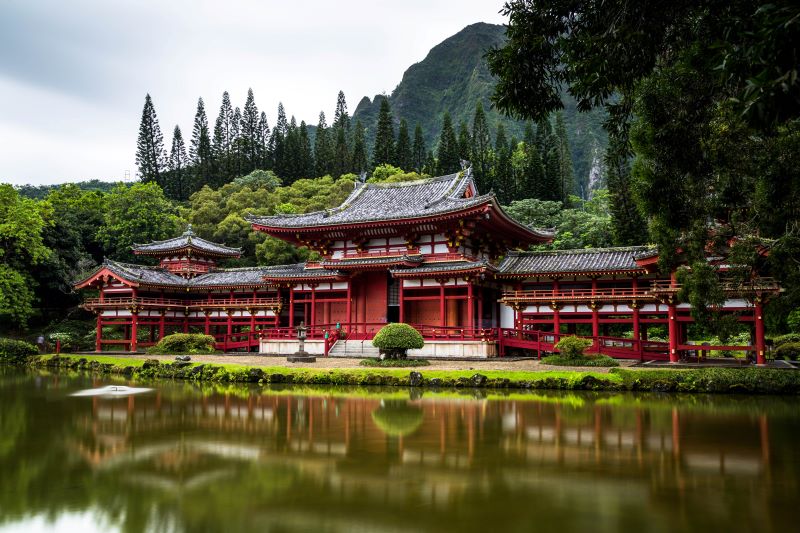
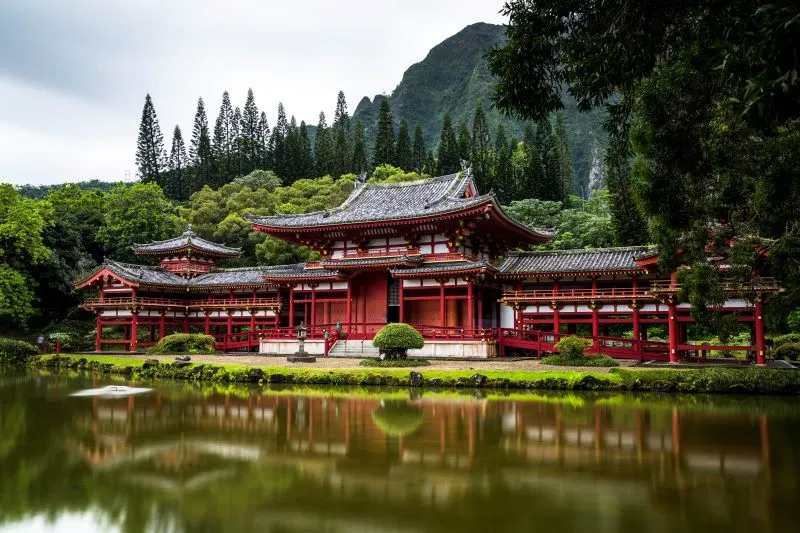
Shinjo-ji Temple, also known as Shinjo Temple, is a historic Buddhist temple located in Okayama City, Okayama Prefecture, Japan.
This temple has a rich history, beautiful architecture, and a tranquil atmosphere that draws visitors seeking spiritual reflection and cultural exploration.
The temple was founded in the 8th century and is associated with the Shingon sect of Buddhism. Throughout its history, Shinjo-ji Temple has played a role in preserving Buddhist teachings and practices while serving as a place of worship and meditation.
The temple’s architecture showcases a blend of traditional Japanese design elements with intricate detailing. Visitors can appreciate the beauty of its main hall, pagoda, and other structures that reflect the aesthetics of Buddhist architecture.
Shinjo-ji Temple is also known for its serene gardens and well-maintained grounds. The garden design often incorporates elements of Zen principles, offering visitors a peaceful environment for contemplation and relaxation.
One of the temple’s notable features is the “Tsukubai,” a stone basin used for ritual cleansing before entering the temple. This element adds to the temple’s sense of authenticity and cultural significance.
25. Kurashiki Ivy Square: A historic brick building that once served as a cotton mill, now housing shops, galleries, and restaurants
Kurashiki Ivy Square is a unique cultural complex located in Kurashiki City, Okayama Prefecture, Japan. This charming destination combines historical architecture, lush greenery, and cultural attractions to create a delightful and picturesque atmosphere.
The complex is centered around the former Kurabo Textile Mill, a brick building that has been beautifully preserved and covered in ivy, giving the site its distinctive name.
The ivy-clad exterior creates a visually appealing contrast with the brick façade, making Kurashiki Ivy Square a favorite spot for photography and exploration.
Within the complex, visitors can find a variety of shops, galleries, museums, cafes, and restaurants. These establishments often focus on arts, crafts, and local products, allowing visitors to experience traditional and contemporary Japanese culture while browsing through unique offerings.
Kurashiki Ivy Square is also home to the Ivy Square Hotel, which blends modern amenities with the historic charm of the surrounding architecture. Staying at the hotel provides an immersive experience in the heart of this cultural hub.
The complex’s atmosphere is further enhanced by its garden spaces, cobblestone pathways, and open courtyards. These areas invite visitors to relax, enjoy a leisurely stroll, and appreciate the harmonious combination of nature and human creativity.
Remember that this list is not exhaustive, and there’s plenty more to explore and discover in Okayama. Enjoy your time in this charming city!
Food In Okayama
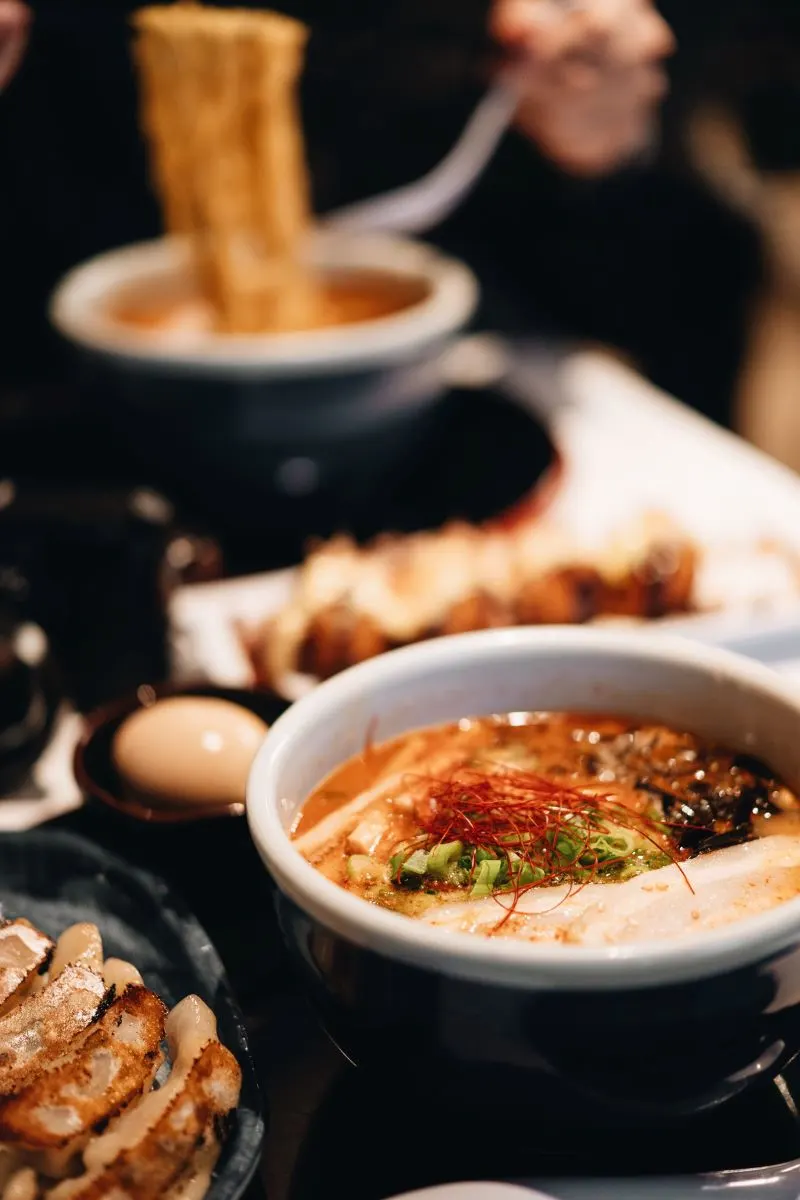
Exploring Culinary Delights in Okayama: A Gastronomic Journey
Located in the Chugoku region of Japan, Okayama Prefecture offers a culinary landscape that’s as diverse and rich as its history and culture.
From traditional dishes deeply rooted in the region’s heritage to innovative creations that reflect modern culinary trends, Okayama’s food scene is a delight for both locals and visitors. Join us on a gastronomic journey through the flavors and tastes that define Okayama’s cuisine.
Savoring the Simplicity: Okayama’s Staples
Sokayaki: Okayama is famous for its “sokayaki,” a local delicacy that consists of grilled eel served on skewers. The eel is seasoned with a special soy-based sauce and cooked over an open flame, resulting in a flavorful and tender dish that showcases the region’s mastery of grilling techniques.
Sasa Dango: A traditional sweet treat, sasa dango features sweet rice dumplings filled with red bean paste and wrapped in bamboo leaves.
This delectable dessert is often enjoyed during festivals and special occasions, providing a delightful combination of textures and flavors.
Bizen Somen: Bizen somen are thin wheat noodles that have been part of Okayama’s culinary heritage for centuries. Served cold during the summer months, these noodles are accompanied by a dipping sauce and a variety of toppings. The chewy texture and subtle flavor make them a refreshing and satisfying meal.
Delicacies from Land and Sea
Okayama Peach: Renowned for its succulent and juicy peaches, Okayama produces some of the finest peaches in Japan.
The prefecture’s warm climate and fertile soil contribute to the exceptional sweetness and aroma of these fruits. When in season, indulging in a ripe Okayama peach is a must-do culinary experience.
Barazushi: A regional specialty, barazushi is a type of pressed sushi that showcases Okayama’s connection to the sea. It features a colorful arrangement of fresh seafood, vegetables, and vinegared rice, often resembling a beautiful piece of art on a plate.
Modern Culinary Innovations
Fruit Parfaits: Okayama’s fertile land also gives rise to delightful fruit parfaits that are not only delicious but also visually stunning. These parfaits are brimming with layers of fresh fruit, ice cream, and other toppings that create a delightful combination of flavors and textures.
Kibi Dango: Kibi dango is a contemporary twist on a traditional snack. These bite-sized rice flour dumplings are often topped with a variety of creative and flavorful coatings, such as matcha (green tea), kinako (roasted soybean flour), and even chocolate.
Bringing It All Together: Okayama’s Culinary Identity
Okayama’s cuisine is a reflection of its history, geography, and cultural heritage. With an emphasis on locally sourced ingredients, traditional cooking methods, and creative adaptations, the food of Okayama offers a culinary journey that appeals to both traditionalists and modern food enthusiasts.
Exploring the eateries, markets, and restaurants of Okayama is an opportunity to immerse oneself in the flavors and stories of the region.
Whether you’re savoring a juicy peach, indulging in the intricacies of sasa dango, or enjoying the simplicity of sokayaki, Okayama’s culinary offerings are bound to leave a lasting impression and a satisfied palate. So, let your taste buds be your guide as you embark on a delightful gastronomic adventure through Okayama Prefecture.
Top 20 Best Restaurants In Okayama, Japan


- Sokayaki Restaurant: Enjoy grilled eel skewers, a local delicacy.
- Sushi Bar: Experience fresh and delicious sushi made from local seafood.
- Tempura Restaurant: Indulge in crispy and flavorful tempura dishes.
- Izakaya: Explore a traditional Japanese pub serving a variety of small plates and drinks.
- Yakitori Restaurant: Savor skewered and grilled chicken at a yakitori eatery.
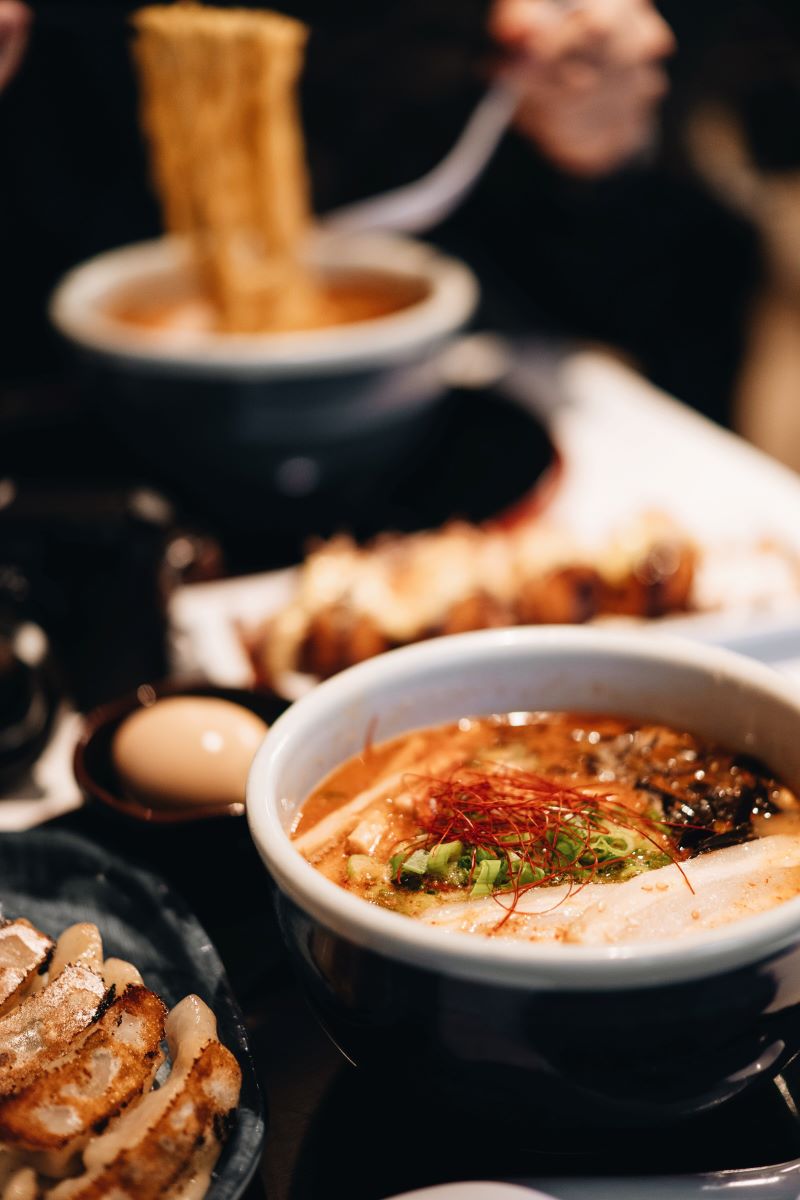
- Ramen Shop: Taste different types of ramen noodles, a popular Japanese comfort food.
- Okonomiyaki Restaurant: Try the savory Japanese pancake filled with various ingredients.
- Soba Noodle House: Enjoy thin buckwheat noodles served hot or cold.
- Kaiseki Ryori Restaurant: Delight in a multi-course traditional Japanese meal.
- Yakiniku Restaurant: Grill your own meat at a barbecue restaurant.
- Kushiage Restaurant: Experience deep-fried skewers of various ingredients.
- Cafes: Relax in charming cafes serving coffee, tea, and light meals.
- Italian Restaurants: Discover Italian cuisine with a Japanese twist.
- French Restaurants: Enjoy French-inspired dishes made with local ingredients.
- Steakhouse: Indulge in high-quality Japanese beef or wagyu steaks.
- Chinese Restaurants: Try Chinese cuisine in Okayama’s restaurants.
- Sweets Shops: Satisfy your sweet tooth with Japanese desserts and treats.
- Sushi Train Restaurant: Enjoy conveyor belt sushi with a variety of options.
- Vegetarian and Vegan Restaurants: Explore plant-based dining options.
- Teppanyaki Restaurant: Watch skilled chefs cook on a hot iron griddle at your table.
Transportation In Okayama
Transportation in Okayama is well-developed and offers a variety of options for getting around the city and the wider prefecture. Whether you’re exploring the historical sites, natural attractions, or urban areas, you’ll find efficient and convenient transportation choices to suit your needs:
Trains and Railways: Okayama is a major transportation hub with excellent rail connections. The Okayama Station serves as a gateway to various destinations within the prefecture and beyond.
Shinkansen (bullet trains) connect Okayama to major cities like Tokyo, Osaka, and Hiroshima. Local and express trains provide access to neighboring towns and attractions.
Buses: Local buses are a common mode of transportation within Okayama City and its surrounding areas. They offer a cost-effective way to navigate the urban landscape and reach specific neighborhoods, attractions, and shopping districts. Additionally, highway buses provide connections to more distant destinations.
Trams (Streetcars): Okayama is served by a tram network, making it easy to move around the city center. Trams provide access to key areas, shopping districts, and cultural sites. They are a convenient way to explore the city’s local charm and vibrant neighborhoods.
Taxis: Taxis are readily available in Okayama and can be hailed on the street or found at designated taxi stands. While taxis offer the convenience of door-to-door service, they are relatively more expensive compared to public transportation.
Rental Cars: If you prefer more flexibility and want to explore Okayama and its surroundings at your own pace, rental cars are available. They allow you to access remote areas and attractions that might be less accessible by public transportation.
Bicycles: Okayama is known for its bike-friendly environment. Many areas have dedicated bike lanes, and you can rent bicycles from various rental shops. Exploring the city and its surroundings on two wheels is an eco-friendly and leisurely way to discover its attractions.
Ferries and Boats: Okayama’s proximity to the Seto Inland Sea means that ferries and boats are a viable option for travel to nearby islands and coastal destinations. These provide unique opportunities to experience the region’s maritime beauty.
Walking: Okayama’s city center and attractions are often within walking distance of each other. Exploring on foot allows you to take in the local atmosphere, discover hidden gems, and appreciate the city’s historical and cultural richness.
In conclusion, Okayama offers a diverse range of transportation options, from high-speed trains to trams and bicycles
. Whether you’re traveling within the city or exploring the wider prefecture, you’ll find an array of choices that cater to different preferences and interests.
In conclusion, Okayama, Japan, offers a remarkable blend of historical richness, natural beauty, and cultural experiences that captivate travelers from all walks of life.
From the serene landscapes of Korakuen Garden to the awe-inspiring views from Bitchu Matsuyama Castle, this prefecture invites you to explore its diverse offerings.
Whether you’re delving into the past at Kurashiki’s historical quarter or embracing the present at Okayama Civic Center Observatory, there’s an activity for every taste.
The fusion of tradition and innovation is evident in attractions like the Okayama Prefectural Museum of Art and the modern Okayama Symphony Hall.
Cycling through the scenic Kibi Plain and immersing yourself in the world of Bizen pottery provide insights into the region’s artisanal heritage.
Okayama’s devotion to nature is showcased in Handayama Botanical Garden and the Asahi River Sakura Road, where cherry blossoms bloom in splendor.
Food enthusiasts can delight in local culinary gems, from the simplicity of sokayaki to the intricate flavors of Okayama peaches.
With its efficient transportation options and welcoming locals, Okayama beckons you to embark on a journey through time and culture, uncovering the essence of this captivating destination.
In the heart of Okayama, history comes alive, nature flourishes, and modernity harmonizes with tradition. Whether you’re wandering through ancient shrines, relishing in the beauty of meticulously designed gardens, or indulging in the local cuisine, Okayama’s offerings remain etched in memory, ensuring an unforgettable and enriching experience for all who venture here.
Leave a comment