

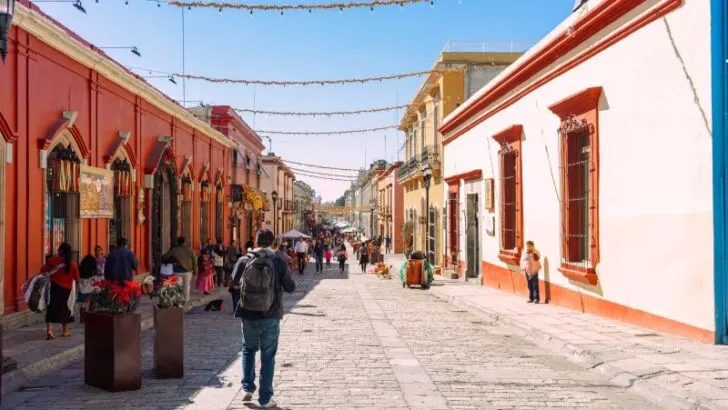

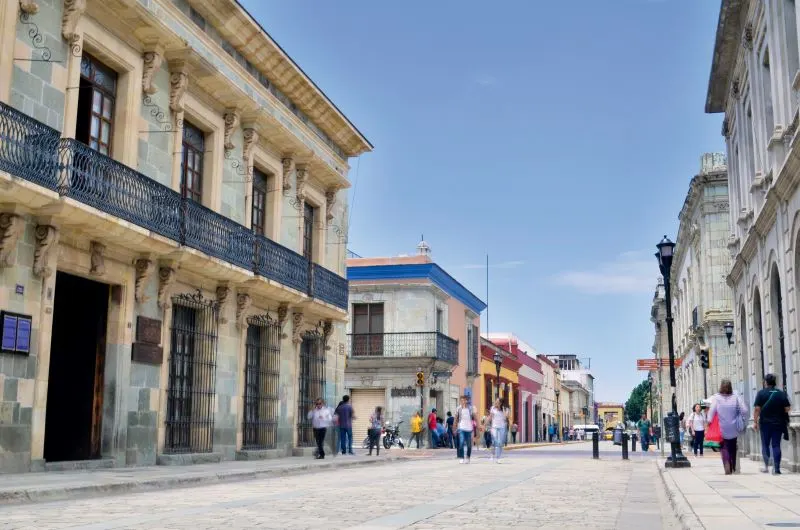
Oaxaca de Juarez, located in the state of Oaxaca, Mexico, is a vibrant and culturally rich city that offers a plethora of attractions and activities.
From its captivating colonial architecture and indigenous heritage to its vibrant markets and delicious cuisine, Oaxaca de Juarez has something for every traveler. Here is an introduction to the 25 best things to do in Oaxaca de Juarez:
Explore the historic center and admire the colonial architecture

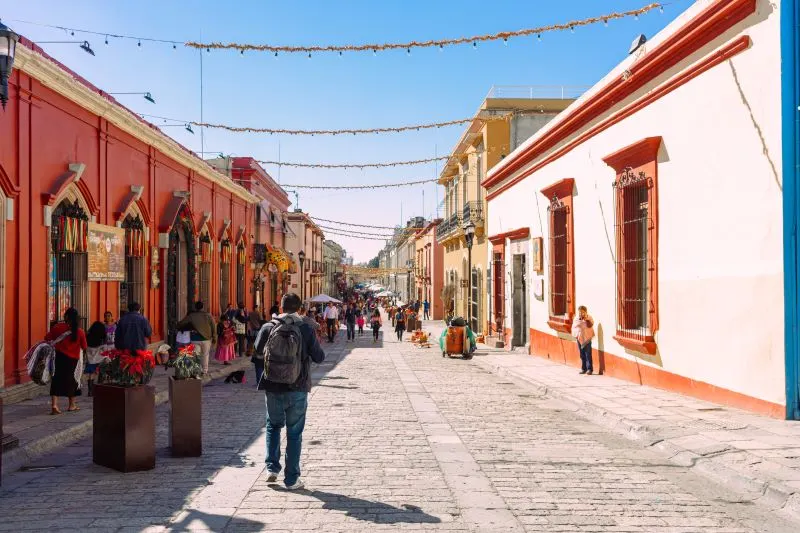
Exploring the historic center of Oaxaca de Juarez is a must-do activity for any visitor to the city. The historic center is a UNESCO World Heritage site and is known for its well-preserved colonial architecture and charming streets.
As you wander through the historic center, you’ll be greeted by beautiful buildings with colorful facades, ornate balconies, and intricate architectural details. The streets are lined with cobblestones, adding to the old-world charm of the area. The architectural style is predominantly colonial, reflecting the city’s rich history.
One of the most iconic landmarks in the historic center is the Oaxaca Cathedral, a grand structure that dominates the main square, known as the Zocalo. The cathedral features a stunning baroque facade and an impressive interior adorned with religious art.
As you stroll through the streets, you’ll also come across numerous other architectural gems, including churches, museums, and government buildings. Many of these structures date back to the 16th century and offer a glimpse into Oaxaca’s colonial past.
The historic center is not only visually captivating but also offers a lively atmosphere with its bustling markets, street vendors, and outdoor cafes. You can immerse yourself in the local culture, savoring traditional Oaxacan cuisine, browsing through artisanal crafts, and enjoying live music and performances that often take place in the main square.
Furthermore, the historic center is home to several museums that provide insights into Oaxaca’s history and culture. These include the Oaxaca Regional Museum, which exhibits artifacts and artworks from the region’s indigenous civilizations, and the Museum of Contemporary Art, showcasing contemporary Mexican art.
Exploring the historic center of Oaxaca de Juarez allows you to step back in time and appreciate the city’s colonial heritage. It’s a delightful experience that combines architectural beauty, cultural immersion, and a vibrant atmosphere. So, take your time to wander the streets, admire the colonial buildings, and soak up the unique charm of this enchanting part of Oaxaca.
Visit the stunning Santo Domingo de Guzman Church

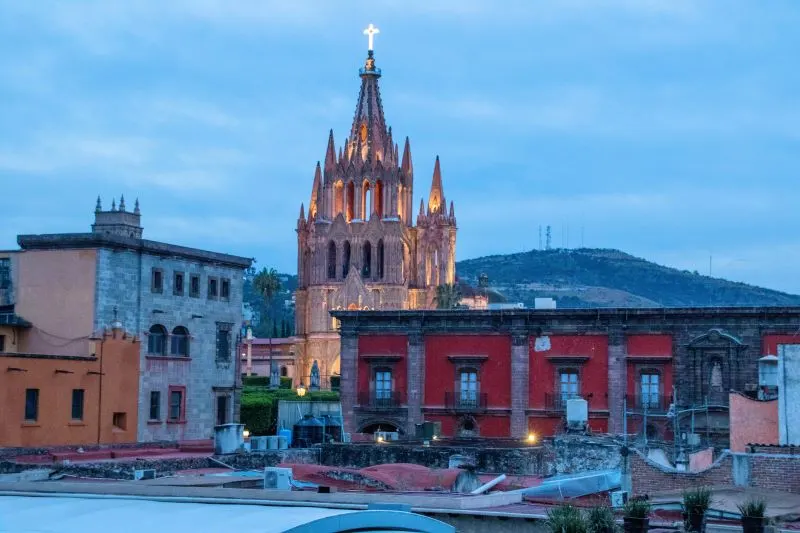
Santo Domingo de Guzman Church is a stunning architectural masterpiece and a prominent landmark in Oaxaca de Juarez, Mexico. Located in the heart of the city, this church is a significant cultural and historical site that attracts visitors from around the world.
The church is dedicated to Saint Dominic, the founder of the Dominican Order, and its construction began in the 16th century.
The exterior of Santo Domingo de Guzman Church is an exquisite example of Baroque architecture, with its intricate details, ornate facades, and elaborate sculptural elements. The facade is adorned with statues, carvings, and reliefs, showcasing the craftsmanship and artistry of the time.
As you step inside, you’ll be captivated by the grandeur and beauty of the interior. The church features an impressive nave with high ceilings, adorned with colorful frescoes and intricate decorations. The altar, crafted from gold leaf, is a sight to behold, with its intricate carvings and religious icons.
Adjacent to the church is the Santo Domingo Cultural Center, which houses an exceptional collection of religious art, artifacts, and historical exhibits. The center provides a deeper understanding of Oaxaca’s cultural heritage and offers visitors a chance to explore the city’s history and traditions.
One of the most iconic features of Santo Domingo de Guzman Church is its spacious courtyard, known as the Santo Domingo Cultural Center.
This beautiful outdoor space is adorned with lush gardens, fountains, and arcades, creating a serene and tranquil ambiance. The courtyard is often used for cultural events, concerts, and exhibitions, adding to the vibrant atmosphere of the church complex.
Visiting Santo Domingo de Guzman Church is not only a religious and cultural experience but also an opportunity to appreciate the architectural splendor of Oaxaca. Whether you are an art enthusiast, a history buff, or simply someone seeking moments of tranquility, this stunning church offers a captivating and enriching experience.
Discover the ancient ruins of Monte Alban

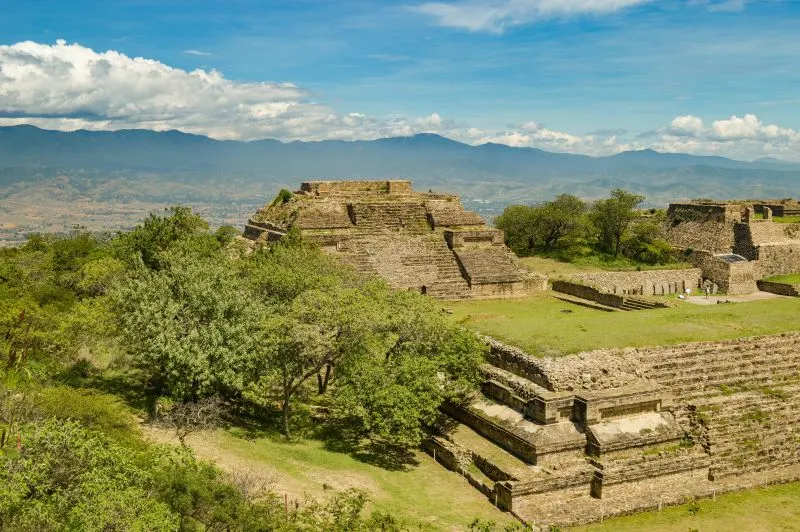
The ancient ruins of Monte Alban are a mesmerizing archaeological site located just outside of Oaxaca de Juarez, Mexico. Perched on a hilltop at an elevation of over 1,900 meters (6,200 feet), Monte Alban was once the capital of the Zapotec civilization and is now a UNESCO World Heritage Site.
The ruins of Monte Alban date back to around 500 BCE and flourished until approximately 800 CE. It served as a political, religious, and economic center for the Zapotec people, and its strategic location offers breathtaking panoramic views of the surrounding valleys and mountains.
As you explore the site, you’ll be amazed by the grandeur and sophistication of the ancient city. The expansive complex features monumental stone structures, terraces, pyramids, ball courts, and intricate carvings, all testaments to the architectural prowess and cultural significance of the Zapotec civilization.
The Great Plaza is the heart of Monte Alban, a vast open space flanked by impressive structures. The most prominent feature is the Main Plaza, with its magnificent Hieroglyphic Staircase, a series of carved stone steps adorned with intricate glyphs and symbols. This staircase is considered one of the most important examples of Zapotec hieroglyphic writing.
Other notable structures include the Ball Court, where ceremonial ball games were played, the Palace, which served as a residence for elite members of the society, and the Danzantes, a collection of carved stone slabs depicting figures in various poses, believed to represent captives or individuals of importance.
Beyond the archaeological structures, Monte Alban offers a serene and picturesque environment. The site is surrounded by lush vegetation, including cypress and oak trees, providing a tranquil atmosphere as you wander through the ancient ruins.
Visiting Monte Alban is a journey back in time, allowing you to connect with the rich history and cultural heritage of the Zapotec civilization. The site is not only a treasure trove of archaeological wonders but also a testament to the ingenuity and achievements of ancient civilizations.
Sample delicious street food at the Benito Juarez Market

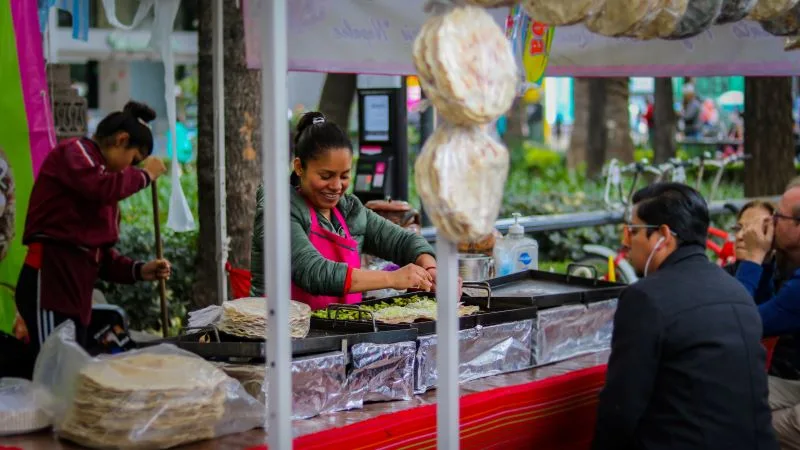
The Benito Juarez Market in Oaxaca de Juarez, Mexico, is a vibrant and bustling market known for its wide array of delicious street food. As you step into the market, your senses will be greeted with an enticing blend of aromas, flavors, and colors.
The market is a food lover’s paradise, offering a plethora of mouthwatering dishes that showcase the rich culinary traditions of Oaxaca. You’ll find numerous food stalls and vendors serving up an impressive variety of local specialties, all prepared with fresh ingredients and authentic flavors.
One of the highlights of the market is the abundance of street food stands where you can sample traditional Oaxacan dishes. Tlayudas, for example, are a must-try.
These large, thin, crispy tortillas are topped with a layer of savory beans, melted Oaxacan cheese, and your choice of meats, vegetables, and salsas. The combination of textures and flavors is simply irresistible.
Another popular street food you’ll find at the market is the famous Oaxacan mole. Mole is a complex and flavorful sauce made from a blend of spices, chilies, nuts, and chocolate. It is typically served over chicken or enchiladas, and each vendor may have their own unique variation of this beloved dish.
For those seeking something lighter, the market offers an array of fresh and delicious fruit juices and smoothies. You can indulge in refreshing concoctions made from tropical fruits like mango, papaya, and pineapple, or try traditional Mexican beverages like horchata, made from rice, cinnamon, and sugar.
As you navigate through the market, you’ll also come across stalls selling tamales, empanadas, quesadillas, and other traditional Mexican street food favorites. Don’t forget to explore the seafood section, where you can savor ceviche, shrimp cocktails, and other delightful seafood dishes.
The Benito Juarez Market not only tantalizes your taste buds but also immerses you in the vibrant atmosphere of a local gathering place. The lively ambiance, the friendly vendors, and the lively conversations create an authentic experience that captures the essence of Oaxacan street food culture.
So, take your time, explore the market, and savor the diverse flavors and aromas of Oaxaca’s street food scene. The Benito Juarez Market is a culinary adventure that will leave you with unforgettable tastes and memories of the vibrant food culture in Oaxaca de Juarez.
Attend a traditional Zapotec weaving workshop


Attending a traditional Zapotec weaving workshop in Oaxaca de Juarez, Mexico, is a fascinating and enriching experience that offers a glimpse into the rich textile traditions of the Zapotec people.
The Zapotec community in Oaxaca is renowned for its intricate and beautiful textile craftsmanship, which has been passed down through generations. In a weaving workshop, you’ll have the opportunity to learn about the ancient techniques, symbolism, and cultural significance behind Zapotec weaving.
The workshop typically takes place in a traditional Zapotec village or a weaving cooperative, where skilled artisans will guide you through the entire weaving process. They will demonstrate how to prepare the loom, select and dye the fibers, and create intricate patterns and designs.
You’ll have the chance to work with a variety of natural fibers, such as wool or cotton, and learn how to spin and weave them into textiles using traditional techniques. The artisans will teach you about the different tools and materials involved, including the backstrap loom, which is a fundamental tool in Zapotec weaving.
As you immerse yourself in the workshop, you’ll gain an appreciation for the intricate patterns, vibrant colors, and cultural significance embedded in Zapotec textiles. Each pattern tells a story, representing elements of nature, ancestral traditions, or significant events in Zapotec history.
Beyond the technical aspects of weaving, the workshop also provides insights into the Zapotec culture and way of life. The artisans may share stories, legends, and rituals associated with weaving, giving you a deeper understanding of the cultural heritage woven into each textile.
Participating in a traditional Zapotec weaving workshop not only allows you to learn a new skill but also supports the preservation of indigenous crafts and the livelihood of local artisans.
It’s a meaningful way to engage with the community, promote cultural exchange, and contribute to the sustainable development of the region.
At the end of the workshop, you may have the opportunity to purchase textiles directly from the artisans, supporting their craft and bringing home a unique and authentic piece of Zapotec craftsmanship.
Whether you’re a textile enthusiast, an art lover, or simply curious about indigenous cultures, attending a traditional Zapotec weaving workshop in Oaxaca de Juarez offers a hands-on and immersive experience that celebrates the beauty and cultural significance of Zapotec textiles.
Explore the vibrant art scene at the Rufino Tamayo Museum


Exploring the vibrant art scene at the Rufino Tamayo Museum in Oaxaca de Juarez, Mexico, is a captivating journey into the world of contemporary and modern art.
The museum is named after one of Mexico’s most prominent artists, Rufino Tamayo, and is dedicated to showcasing his works as well as those of other renowned Mexican and international artists.
Located in a beautifully restored colonial building, the Rufino Tamayo Museum houses an impressive collection of paintings, sculptures, and mixed media artworks.
The museum’s architecture seamlessly blends the traditional colonial style with modern design elements, providing an aesthetically pleasing backdrop for the exhibited artworks.
Upon entering the museum, visitors are greeted by a diverse range of art pieces that represent various artistic movements and styles. From abstract and surrealistic paintings to thought-provoking sculptures, the museum offers a dynamic and eclectic mix of artworks that stimulate the senses and provoke contemplation.
One of the highlights of the Rufino Tamayo Museum is the extensive collection of Rufino Tamayo’s works. Tamayo, known for his unique style that merges elements of Mexican folk art with modernist influences, created a visual language that speaks to the cultural heritage and contemporary issues of Mexico.
His vibrant and expressive paintings often feature bold colors, abstract forms, and symbolic imagery, inviting viewers to explore the complexities of Mexican identity and the human experience.
In addition to Tamayo’s works, the museum regularly hosts temporary exhibitions that showcase the creations of other talented artists.
These exhibitions provide a platform for emerging and established artists to share their perspectives, narratives, and artistic expressions with the public. From traditional to experimental mediums, the museum’s exhibits offer a diverse range of artistic approaches and concepts.
Beyond the visual art displays, the Rufino Tamayo Museum also hosts educational programs, workshops, and cultural events that further engage visitors in the world of art.
These activities provide opportunities to learn about artistic techniques, art history, and the social and cultural context surrounding the artworks.
The museum’s welcoming and knowledgeable staff are available to provide insights, answer questions, and facilitate a deeper understanding of the exhibited artworks.
Whether you’re an art enthusiast, a student of art history, or simply curious about contemporary artistic expressions, the Rufino Tamayo Museum offers a captivating and enriching experience that celebrates the vibrant art scene of Oaxaca de Juarez.
As you explore the museum’s galleries, you’ll find yourself immersed in a world of creativity, imagination, and cultural dialogue. The vibrant colors, expressive forms, and diverse perspectives expressed through the artworks will inspire contemplation, spark conversations, and leave a lasting impression of Oaxaca’s thriving art scene and its contribution to the broader artistic landscape.
Take a cooking class and learn to prepare traditional Oaxacan dishes


Taking a cooking class in Oaxaca de Juarez, Mexico, offers a delightful opportunity to immerse yourself in the rich culinary traditions of the region and learn to prepare traditional Oaxacan dishes.
Known for its diverse and flavorful cuisine, Oaxaca is a haven for food enthusiasts and those seeking an authentic culinary experience.
During a cooking class, you’ll have the chance to work alongside experienced local chefs who are passionate about sharing their knowledge and love for Oaxacan gastronomy. The classes are usually held in welcoming and well-equipped cooking schools or traditional Mexican kitchens, creating a warm and immersive environment.
The journey begins with a visit to a local market, where you’ll discover an array of vibrant ingredients that form the foundation of Oaxacan cuisine.
Your knowledgeable instructor will guide you through the market, sharing insights about the various ingredients, their cultural significance, and their role in traditional dishes. You’ll have the opportunity to select fresh produce, aromatic herbs, and unique spices, gaining a deeper understanding of the region’s culinary heritage.
Back in the kitchen, you’ll roll up your sleeves and begin the hands-on experience of preparing Oaxacan dishes from scratch.
Under the guidance of the chef, you’ll learn essential techniques, explore traditional cooking methods, and discover the intricate balance of flavors that define Oaxacan cuisine. From grinding spices to roasting chiles, each step is an opportunity to connect with the ingredients and the culinary traditions that have been passed down through generations.
The cooking class typically focuses on iconic Oaxacan dishes such as mole, tamales, enchiladas, and salsas. You’ll learn the secrets behind creating the complex and layered flavors that are characteristic of Oaxacan moles, which often include a variety of chiles, nuts, seeds, spices, and even chocolate.
You’ll gain hands-on experience in preparing the traditional masa dough for tamales and mastering the art of wrapping them in corn husks. Throughout the class, you’ll discover the importance of regional ingredients and the unique flavor profiles that set Oaxacan cuisine apart.
As you cook, the aroma of the ingredients will fill the air, and the excitement of creating a delicious meal will grow. You’ll have the opportunity to taste and adjust the flavors along the way, ensuring that your creations embody the authentic Oaxacan taste.
The instructors will provide insights into the cultural significance of each dish, sharing stories and traditions that have shaped Oaxacan culinary heritage.
Once your dishes are ready, you’ll have the pleasure of savoring the fruits of your labor. Sitting down to enjoy the meal together with your fellow participants creates a sense of community and celebration. It’s a time to savor the flavors, share stories, and appreciate the culinary treasures of Oaxaca.
Beyond learning to prepare delicious dishes, a cooking class in Oaxaca provides a deeper understanding of the cultural and historical context in which the cuisine thrives.
You’ll gain insights into the indigenous traditions, Spanish influences, and culinary innovations that have shaped Oaxacan food culture. It’s a journey that goes beyond the kitchen, offering a glimpse into the vibrant tapestry of Oaxaca’s traditions, heritage, and way of life.
Whether you’re a seasoned cook or a beginner in the kitchen, a cooking class in Oaxaca de Juarez promises a memorable and enriching experience. It’s an opportunity to connect with the flavors, techniques, and stories that have shaped Oaxacan cuisine, leaving you with newfound culinary skills and a deeper appreciation for the gastronomic treasures of the region.
Visit the Ethnobotanical Garden to learn about local plant species

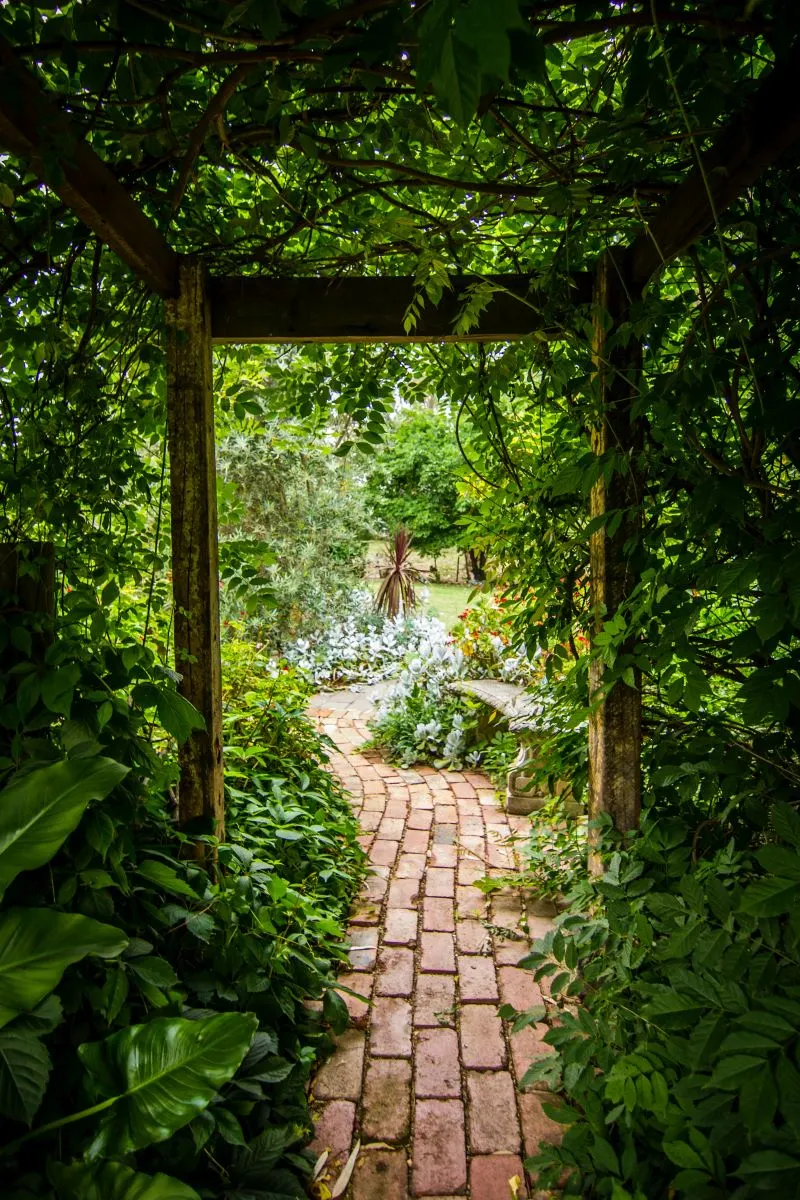
Visiting the Ethnobotanical Garden in Oaxaca de Juarez, Mexico, offers a captivating experience where you can delve into the world of local plant species and deepen your understanding of their cultural, medicinal, and ecological significance.
Located within the grounds of the former Santo Domingo monastery, the Ethnobotanical Garden is a living museum dedicated to preserving and showcasing the diverse plant heritage of Oaxaca.
As you enter the garden, you’ll be greeted by a lush oasis of greenery, vibrant flowers, and winding paths that invite you to explore.
The garden encompasses an extensive collection of plant species, carefully curated to represent the rich biodiversity found in the region. The displays are organized thematically, providing a unique opportunity to learn about Oaxacan plants and their historical and cultural uses.
Each plant within the garden tells a story, and you’ll have the chance to uncover their fascinating tales through guided tours or self-guided exploration. Knowledgeable guides, often local experts in botany and ethnobotany, will accompany you on your journey, sharing insights and anecdotes about the plants and their traditional uses.
They’ll highlight the cultural importance of specific plants in Oaxacan indigenous communities, revealing the deep connections between nature, culture, and traditional practices.
As you stroll through the garden, you’ll encounter a wide variety of plants, including aromatic herbs, medicinal plants, ornamental flowers, and even sacred specimens.
The garden showcases the remarkable diversity of Oaxacan flora, from the towering agave plants used in mezcal production to the vibrant marigolds used in Day of the Dead celebrations. Each plant represents a thread in the tapestry of Oaxacan culture and traditions.
The Ethnobotanical Garden is not just a display of plants; it’s an immersive experience that engages all your senses. You’ll have the opportunity to touch the leaves, inhale the scents, and admire the intricate patterns and textures of the foliage.
Many plants are labeled with informative signs, providing botanical details and descriptions of their uses. You can also find interactive displays, exhibits, and demonstrations that further enhance your understanding of the plants and their significance.
Beyond the educational aspect, the garden also serves as a tranquil and serene refuge amidst the bustling city. It offers a peaceful respite where you can connect with nature, unwind, and appreciate the beauty and harmony of the natural world. The carefully landscaped paths, shaded seating areas, and hidden corners create an atmosphere of tranquility, inviting you to relax and reflect.
The Ethnobotanical Garden is not only an educational and recreational space but also a testament to the importance of preserving and celebrating biodiversity. It plays a vital role in promoting the conservation of native plant species, fostering sustainable practices, and raising awareness about the importance of protecting our natural heritage.
Visiting the Ethnobotanical Garden in Oaxaca de Juarez is an enriching experience that allows you to deepen your knowledge of local plant species, their cultural significance, and their ecological importance.
It’s a journey that connects you with the vibrant traditions of Oaxaca, showcasing the intimate relationship between people and plants. Whether you have a passion for botany, cultural exploration, or simply appreciate the beauty of nature, the Ethnobotanical Garden offers a captivating and enlightening experience for visitors of all ages.
Experience the vibrant atmosphere of the Zocalo, the main square

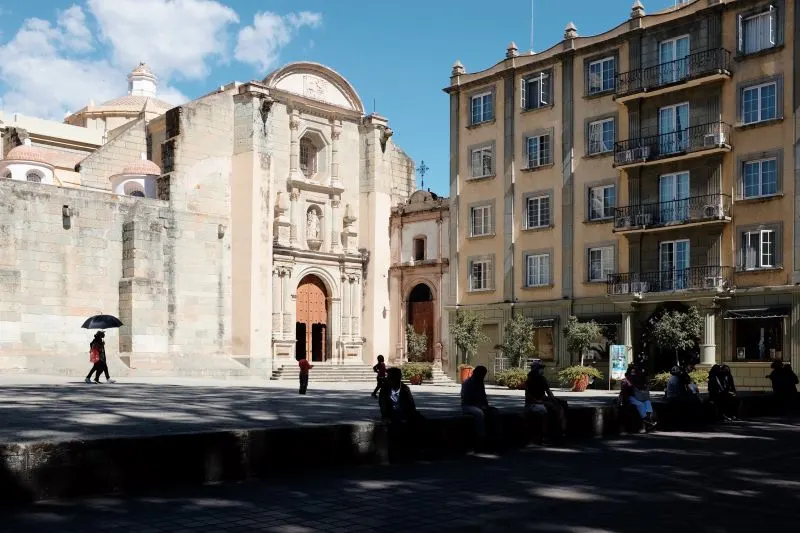
The Zocalo, also known as the main square or the heart of the city, is a vibrant and bustling gathering place in Oaxaca de Juarez, Mexico. It is a vibrant hub of activity, culture, and history, where locals and tourists alike come together to immerse themselves in the vibrant atmosphere of Oaxacan life.
As you approach the Zocalo, you’ll be greeted by a lively scene filled with a kaleidoscope of colors, sounds, and scents. The square is typically surrounded by beautiful colonial buildings adorned with intricate facades and vibrant colors, adding to the visual charm and historical significance of the area.
The main highlight of the Zocalo is the majestic Oaxaca Cathedral, an architectural marvel that dominates the skyline with its imposing presence.
The Zocalo serves as a central meeting point for locals and visitors, offering a variety of experiences to engage in. You’ll find a lively market where vendors sell traditional handicrafts, clothing, jewelry, and local snacks.
The market stalls are teeming with vibrant textiles, intricate pottery, and colorful trinkets that showcase the rich artistic heritage of the region. Exploring the market is a sensory delight, as you navigate through the bustling crowds, savoring the aromas of traditional street food and listening to the joyful chatter of vendors and shoppers.
The Zocalo is also a place of entertainment and cultural expression. You may encounter musicians, dancers, or street performers showcasing their talents and adding a lively ambiance to the square.
Traditional music fills the air, and the rhythmic movements of folk dancers captivate spectators with their vibrant costumes and energetic performances. These cultural displays provide a glimpse into the rich traditions and artistic expressions that are deeply rooted in Oaxacan culture.
When the sun begins to set, the Zocalo takes on a magical ambiance. The buildings and trees are adorned with twinkling lights, creating a romantic atmosphere.
Locals and visitors gather to enjoy the pleasant evening breeze and indulge in the vibrant nightlife that surrounds the square. Cafés and restaurants spill out onto the sidewalks, offering a perfect vantage point to people-watch and soak in the lively energy of the city.
The Zocalo is not just a central square; it’s a place where the heart and soul of Oaxaca come alive. It’s a space where history, culture, and daily life converge, creating a unique atmosphere that reflects the essence of the city. It’s a place to witness the interplay between tradition and modernity, where the past and the present seamlessly intertwine.
Visiting the Zocalo in Oaxaca de Juarez is an immersive experience that immerses you in the vibrant spirit of the city. It’s a place where you can stroll leisurely, soak up the lively atmosphere, and connect with the local community.
Whether you’re indulging in local delicacies, admiring the architectural beauty, or simply people-watching, the Zocalo offers a captivating and memorable experience that captures the essence of Oaxacan culture and hospitality.
Take a mezcal tasting tour and learn about the production process


Taking a mezcal tasting tour in Oaxaca de Juarez, Mexico, is a delightful and immersive experience that allows you to delve into the world of this renowned and cherished spirit.
Mezcal, a traditional Mexican alcoholic beverage derived from the agave plant, holds a significant cultural and historical importance in the region, and a tasting tour offers an opportunity to understand and appreciate its production process.
As you embark on a mezcal tasting tour, you’ll be guided through the fascinating journey of mezcal production, starting from the cultivation of agave plants to the final distillation process.
The tour takes you to mezcal distilleries, known as palenques, located in the picturesque countryside surrounding Oaxaca. These palenques are often nestled amidst the agave fields, providing a serene and authentic backdrop for your exploration.
At the palenques, you’ll meet knowledgeable guides and master mezcaleros, the skilled artisans who have dedicated their lives to the craft of mezcal production. They will share their expertise and passion for mezcal, giving you insights into the intricacies of the production process and the cultural significance of this ancient beverage.
The tour typically begins with a visit to the agave fields, where you’ll learn about the various species of agave plants used in mezcal production. You’ll discover how these plants are cultivated, harvested, and processed to extract their unique flavors and characteristics.
The guide will explain the importance of terroir—the environmental conditions that influence the taste of mezcal—and how different regions and agave varieties contribute to the diversity of flavors.
After exploring the agave fields, you’ll be taken to the distillation area, where you can witness the traditional methods used to transform agave into mezcal.
You’ll observe the baking, grinding, fermenting, and distilling processes, gaining a deeper understanding of the craftsmanship involved. The mezcaleros will share their family recipes, passed down through generations, and explain the art of balancing flavors and achieving the desired quality in each batch.
Once you’ve learned about the production process, it’s time for the highlight of the tour—the mezcal tasting. You’ll have the opportunity to sample a variety of mezcal expressions, each offering distinct flavors and aromas.
Mezcal tastings are often conducted with reverence and appreciation, allowing you to savor the complexity and nuances of this unique spirit. The guides will educate you about the different flavor profiles, the importance of the “piña” (the heart of the agave plant), and the proper techniques for experiencing the full range of aromas and tastes.
Throughout the tour, you’ll also gain insights into the cultural significance of mezcal in Oaxacan traditions and rituals. The guides will share stories and anecdotes that highlight the deep-rooted connection between mezcal and the local communities. You’ll come to understand how mezcal is not just a beverage but a symbol of heritage, celebration, and social bonding.
A mezcal tasting tour is not only a sensory experience but also a cultural immersion that allows you to appreciate the rich traditions and craftsmanship of Oaxaca. It offers a unique opportunity to learn from experts, engage with the local community, and develop a deeper appreciation for this beloved Mexican spirit.
Whether you’re a seasoned mezcal enthusiast or new to this intriguing beverage, a mezcal tasting tour in Oaxaca de Juarez promises to be a captivating and educational journey. It will broaden your palate, deepen your understanding of Mexican culture, and leave you with a profound appreciation for the artistry and craftsmanship behind every sip of mezcal.
Visit the Oaxaca Textile Museum to admire intricate textiles


Visiting the Oaxaca Textile Museum in Oaxaca de Juarez, Mexico, is a captivating experience that takes you on a journey through the rich and vibrant world of traditional Oaxacan textiles. Nestled in the heart of the city, this museum showcases an extensive collection of intricate textiles, providing a unique opportunity to appreciate the artistry and cultural significance behind these masterpieces.
As you step into the Oaxaca Textile Museum, you’ll be greeted by a treasure trove of textiles displayed in carefully curated exhibits. The museum’s interior is designed to create a warm and inviting atmosphere, with well-lit spaces that allow the vibrant colors and intricate patterns of the textiles to shine.
The collection features a wide range of textiles, including traditional garments, intricate weavings, tapestries, and ceremonial costumes.
Each piece is a testament to the skill and creativity of the local artisans who have meticulously crafted them over generations. You’ll have the chance to admire the diverse techniques used, such as backstrap weaving, embroidery, and natural dyeing, all of which contribute to the unique beauty of Oaxacan textiles.
As you explore the exhibits, you’ll learn about the cultural significance of these textiles and their role in preserving Oaxacan traditions.
The museum provides valuable insights into the indigenous communities and their weaving practices, showcasing the deep connection between textiles and local identity. You’ll discover how each region in Oaxaca has its own distinct style and motifs, reflecting the history, mythology, and daily life of the people.
The Oaxaca Textile Museum not only displays finished textiles but also provides a glimpse into the creative process. You may have the opportunity to witness demonstrations by skilled weavers and dyers, showcasing their techniques and sharing their passion for their craft.
These interactive experiences offer a deeper appreciation for the time, skill, and dedication required to create these exquisite textiles.
Additionally, the museum often hosts temporary exhibitions and cultural events that further enrich the visitor’s experience. These exhibits may explore specific themes, showcase contemporary textile art, or highlight the works of renowned local weavers.
They offer a dynamic and evolving perspective on the world of Oaxacan textiles, ensuring that each visit to the museum brings something new and exciting.
Beyond the exhibits, the Oaxaca Textile Museum also houses a gift shop where you can purchase authentic textiles and crafts made by local artisans. This provides an opportunity to take a piece of Oaxacan textile artistry home with you, supporting the continued preservation of traditional weaving practices.
Visiting the Oaxaca Textile Museum is not only an opportunity to admire the beauty of Oaxacan textiles but also to gain a deeper understanding of the cultural heritage they represent. It allows you to appreciate the incredible skill and creativity of the artisans who have dedicated their lives to this ancient craft.
Whether you’re a textile enthusiast, a lover of art and culture, or simply curious about the traditions of Oaxaca, a visit to the Oaxaca Textile Museum is a must-do experience that will leave you inspired and in awe of the masterful artistry on display.
Explore the Mitla archaeological site and its intricate stone mosaics

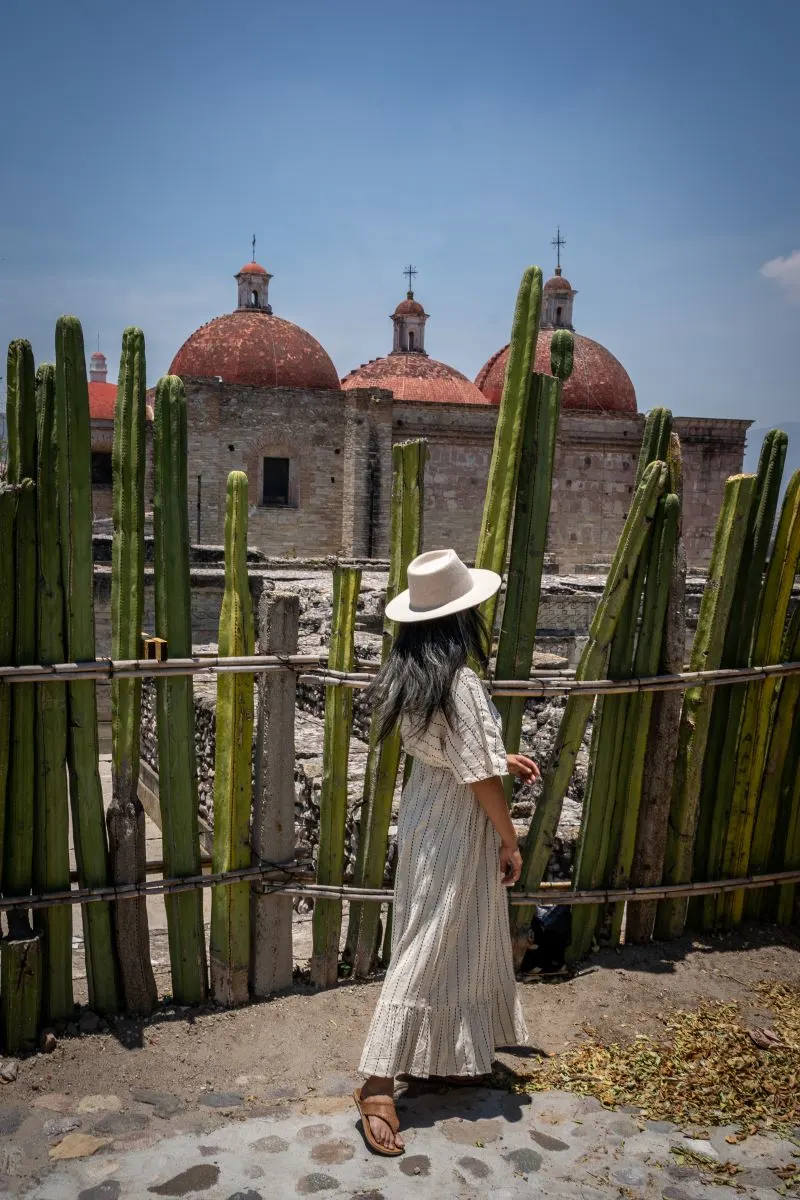
Exploring the Mitla archaeological site in Oaxaca de Juarez, Mexico, is a fascinating journey back in time to the ancient Zapotec civilization. Located just a short distance from the city, Mitla is renowned for its intricate stone mosaics and unique architectural features, making it a must-visit destination for history and archaeology enthusiasts.
As you arrive at the site, you’ll be greeted by the awe-inspiring ruins of Mitla, surrounded by the picturesque Oaxacan landscape. Mitla, meaning “place of the dead” in the Zapotec language, was once a significant religious and ceremonial center for the Zapotec people. It flourished between the 7th and 15th centuries and stands as a testament to their advanced engineering and artistic skills.
One of the standout features of Mitla is its intricate stone mosaics, known as grecas. These geometric patterns adorn the walls of the structures and are meticulously crafted from small stone pieces, creating mesmerizing designs. The precision and attention to detail in these mosaics are truly remarkable, showcasing the artistic sophistication of the Zapotec civilization.
As you wander through the site, you’ll encounter various structures that offer glimpses into the architectural brilliance of Mitla. The most prominent building is the Palacio de las Columnas, or Palace of the Columns, which features a large courtyard with a colonnade of intricately carved stone columns. This architectural marvel is a testament to the advanced engineering techniques employed by the Zapotec builders.
Another notable structure is the Grupo de las Columnas, or Group of the Columns, which consists of a series of interconnected rooms adorned with richly carved stone reliefs.
These reliefs depict a combination of geometric patterns, mythological symbols, and stylized figures, providing insights into the Zapotec’s religious and cultural beliefs.
Throughout your exploration, you’ll also come across tombs and burial chambers that offer glimpses into the Zapotec funerary practices. These tombs are adorned with intricate carvings and serve as a testament to the spiritual significance of death and the afterlife in Zapotec culture.
The serene and atmospheric ambiance of the Mitla site adds to the overall experience. The surrounding mountains, cacti, and ancient stone structures create a sense of awe and wonder, transporting you back to a bygone era.
To enhance your understanding of the site, it’s recommended to hire a knowledgeable guide who can provide historical and cultural insights, explaining the significance of each structure and mosaic. They can share stories and legends associated with the site, bringing the ancient world of Mitla to life.
Visiting the Mitla archaeological site is not only an opportunity to appreciate the architectural marvels and intricate stone mosaics but also a chance to connect with the rich cultural heritage of the Zapotec civilization.
It’s a testament to their ingenuity, creativity, and spiritual beliefs, and a reminder of the enduring legacy they left behind. Exploring Mitla is an unforgettable experience that immerses you in the ancient past and allows you to marvel at the remarkable achievements of the Zapotec people.
Take a day trip to the petrified waterfalls of Hierve el Agua


Taking a day trip to the petrified waterfalls of Hierve el Agua from Oaxaca de Juarez, Mexico, promises a unique and awe-inspiring experience. Located amidst the picturesque Oaxacan countryside, Hierve el Agua is a natural wonder that showcases the extraordinary beauty of nature’s artistic formations.
As you make your way to Hierve el Agua, you’ll be captivated by the scenic landscapes that unfold before you. Rolling hills, lush vegetation, and traditional villages create a backdrop of natural beauty. The journey itself is a visual treat, allowing you to immerse yourself in the charm of the Oaxacan countryside.
Upon arrival, you’ll be greeted by the petrified waterfalls, a sight that is both mesmerizing and surreal. These mineral-rich formations resemble cascading waterfalls, frozen in time.
Created over thousands of years by the slow flow of mineral-rich water over the cliffs, the result is a series of stunning rock formations that mimic the appearance of flowing water, frozen in a perpetual cascade.
Hierve el Agua offers visitors the opportunity to get up close and personal with these unique geological formations. You can walk along the cliffside paths and observe the intricate textures and colors of the petrified waterfalls.
The mineral-rich water that continues to flow over the rocks adds a touch of vibrant turquoise and emerald hues, enhancing the visual spectacle.
One of the highlights of visiting Hierve el Agua is the chance to take a refreshing dip in the natural mineral springs. These naturally formed pools offer a relaxing and rejuvenating experience as you immerse yourself in the therapeutic waters while surrounded by the stunning natural scenery. The pools are known for their reputed healing properties and are a perfect way to unwind and connect with nature.
Aside from the waterfalls and pools, the area surrounding Hierve el Agua is dotted with walking trails that allow you to explore the natural surroundings.
You can embark on a hike through the rugged landscape, marveling at the diversity of flora and fauna that call this region home. The combination of natural wonders, panoramic views, and fresh mountain air creates an unforgettable experience.
To make the most of your visit, it is recommended to bring comfortable footwear, swimwear, and sunscreen. It’s also advisable to bring along snacks and water, as facilities in the area may be limited.
A trip to Hierve el Agua offers a unique escape from the bustling city life, allowing you to reconnect with nature, marvel at its wonders, and rejuvenate your senses.
The stunning petrified waterfalls, the tranquil mineral springs, and the breathtaking landscapes create a truly unforgettable day trip that showcases the immense beauty and natural diversity of Oaxaca’s countryside.
Discover the pre-Columbian treasures at the Museum of Oaxacan Cultures


Discovering the pre-Columbian treasures at the Museum of Oaxacan Cultures in Oaxaca de Juarez, Mexico, is a fascinating journey into the rich and ancient history of the region.
Housed in a beautifully restored colonial building, the museum is a treasure trove of archaeological artifacts and cultural artifacts that showcase the vibrant civilizations that once flourished in Oaxaca.
As you enter the museum, you’ll be greeted by a captivating collection that spans thousands of years, providing a glimpse into the diverse cultures that shaped the region.
The exhibits are thoughtfully curated to highlight the distinctiveness of each civilization, allowing visitors to appreciate their unique artistry, beliefs, and way of life.
One of the highlights of the museum is the collection of Zapotec and Mixtec artifacts. These two civilizations were among the most influential in ancient Mesoamerica, and their cultural contributions are prominently displayed.
Elaborate gold jewelry, intricately carved stone sculptures, vibrant ceramics, and finely woven textiles provide a window into the artistic and technological achievements of these ancient peoples.
The museum also showcases artifacts from other pre-Columbian cultures, such as the Olmec, Maya, and Aztec. Each section offers valuable insights into the diverse cultural landscape of ancient Mesoamerica, emphasizing the interconnectedness and exchange of ideas among these civilizations.
As you explore the museum, you’ll encounter ancient codices, ritual objects, religious artifacts, and everyday items that offer glimpses into the daily lives, rituals, and beliefs of the people who once inhabited this land.
The attention to detail and the preservation of these artifacts allows visitors to appreciate the intricacies of ancient craftsmanship and the symbolic meanings embedded within each piece.
The Museum of Oaxacan Cultures also provides informative exhibits on the indigenous cultures that still thrive in Oaxaca today. It serves as a bridge between the past and the present, showcasing the continuity of traditions, languages, and cultural practices that have persisted through centuries.
The museum offers informative displays, bilingual signage, and knowledgeable staff who are available to answer questions and provide deeper insights into the exhibits. It’s an ideal destination for history enthusiasts, cultural enthusiasts, and anyone eager to learn about the rich heritage of Oaxaca.
Visiting the Museum of Oaxacan Cultures allows you to connect with the ancient civilizations that once shaped this region, offering a profound appreciation for the diverse cultural tapestry of Oaxaca.
It’s a journey through time that celebrates the achievements of these ancient peoples and invites visitors to delve into the mysteries and wonders of pre-Columbian Oaxaca.
Attend a traditional Zapotec ceremony and learn about indigenous customs


Attending a traditional Zapotec ceremony in Oaxaca de Juarez, Mexico, offers a unique opportunity to immerse yourself in the rich indigenous culture and witness ancient customs that have been preserved for centuries.
The Zapotec people are one of the indigenous groups that have inhabited the region for thousands of years, and their ceremonies provide a window into their spiritual beliefs, rituals, and community traditions.
A traditional Zapotec ceremony is a deeply meaningful and spiritual experience. It often takes place in sacred sites or community gathering spaces, where participants come together to honor their ancestors, connect with the natural world, and seek spiritual guidance.
The ceremonies are led by respected community members, often referred to as shamans or spiritual leaders, who hold profound knowledge and understanding of Zapotec traditions.
During the ceremony, you will witness a range of rituals, chants, dances, and offerings that are performed with great reverence and intention. The ceremonies are often accompanied by the mesmerizing sounds of traditional instruments such as drums, flutes, and maracas, creating a captivating and immersive atmosphere.
One of the central elements of Zapotec ceremonies is the deep connection to nature and the spiritual significance placed on the natural elements.
You may witness rituals that involve offerings of flowers, herbs, and other natural materials as a way to honor the earth, the sun, the moon, and other celestial forces. The ceremonies often seek harmony and balance with the natural world, acknowledging the interdependence between humans and the environment.
Attending a Zapotec ceremony is not only a chance to witness ancient traditions but also an opportunity to learn about the indigenous worldview, their philosophy, and their values.
Through the teachings and explanations provided by the ceremony leaders, you can gain insights into the Zapotec cosmology, their understanding of the spirit world, and their belief systems.
Participating in a Zapotec ceremony requires respect and openness to the cultural practices and beliefs of the community. It is important to approach the ceremony with humility and a willingness to learn and observe.
Photography and recording may not be allowed during certain parts of the ceremony out of respect for its sacred nature, so it’s essential to follow any guidelines or instructions provided by the ceremony leaders.
Attending a traditional Zapotec ceremony offers a profound and authentic cultural experience that allows you to connect with the rich heritage and spirituality of the Zapotec people.
It provides a glimpse into a world that is deeply rooted in tradition, community, and reverence for the natural world. By participating in these ceremonies, you not only gain a greater understanding of the Zapotec culture but also contribute to the preservation and appreciation of indigenous customs and traditions.
Explore the Tule Tree, one of the world’s widest trees


Exploring the Tule Tree in Oaxaca de Juarez, Mexico is a remarkable experience that brings you face to face with one of the world’s most impressive natural wonders.
Known as “El Árbol del Tule” in Spanish, this ancient tree is famous for its immense size and captivating presence. Located in the town of Santa María del Tule, just outside of Oaxaca City, the Tule Tree is a must-visit destination for nature enthusiasts and curious travelers.
The Tule Tree is a Montezuma cypress (Taxodium mucronatum) and is estimated to be over 2,000 years old. What makes it truly extraordinary is its massive girth, making it one of the widest trees on the planet.
Standing at an astonishing 40 meters (130 feet) tall, the tree’s trunk has a circumference of approximately 42 meters (138 feet) and a diameter of around 14 meters (46 feet). It is a true marvel of nature and an awe-inspiring sight to behold.
Approaching the Tule Tree, you’ll be struck by its sheer size and grandeur. Its thick trunk and sprawling branches create a majestic canopy that provides shade and shelter to those who visit. Walking around the tree, you can appreciate its intricate and unique texture, with deeply grooved bark and an array of fascinating knots and gnarls that tell the story of its long life.
The Tule Tree holds immense cultural significance for the local Zapotec community, who consider it a sacred and revered natural symbol. It is believed to embody the spirit of a legendary figure from Zapotec mythology and is deeply rooted in the cultural identity of the region. The tree has become an icon of Oaxaca, representing the connection between nature, history, and spirituality.
Visiting the Tule Tree offers more than just an encounter with a remarkable botanical specimen. It also provides an opportunity to learn about the importance of environmental conservation and the preservation of natural heritage.
The Tule Tree’s exceptional size and longevity are a testament to the resilience of nature and the need to protect and appreciate these natural wonders for generations to come.
In addition to exploring the Tule Tree itself, the surrounding area offers a tranquil and picturesque setting. You can stroll through the adjacent park, relax in the shade of other trees, or browse the local craft market for handmade goods and traditional artwork.
A visit to the Tule Tree is a humbling and inspiring experience that allows you to marvel at the majesty of nature and connect with the rich cultural heritage of Oaxaca. It serves as a reminder of the incredible diversity and beauty found in the natural world and invites you to reflect on the importance of preserving and respecting our environment.
Visit the Church of Santo Domingo de Yanhuitlan, a UNESCO World Heritage site

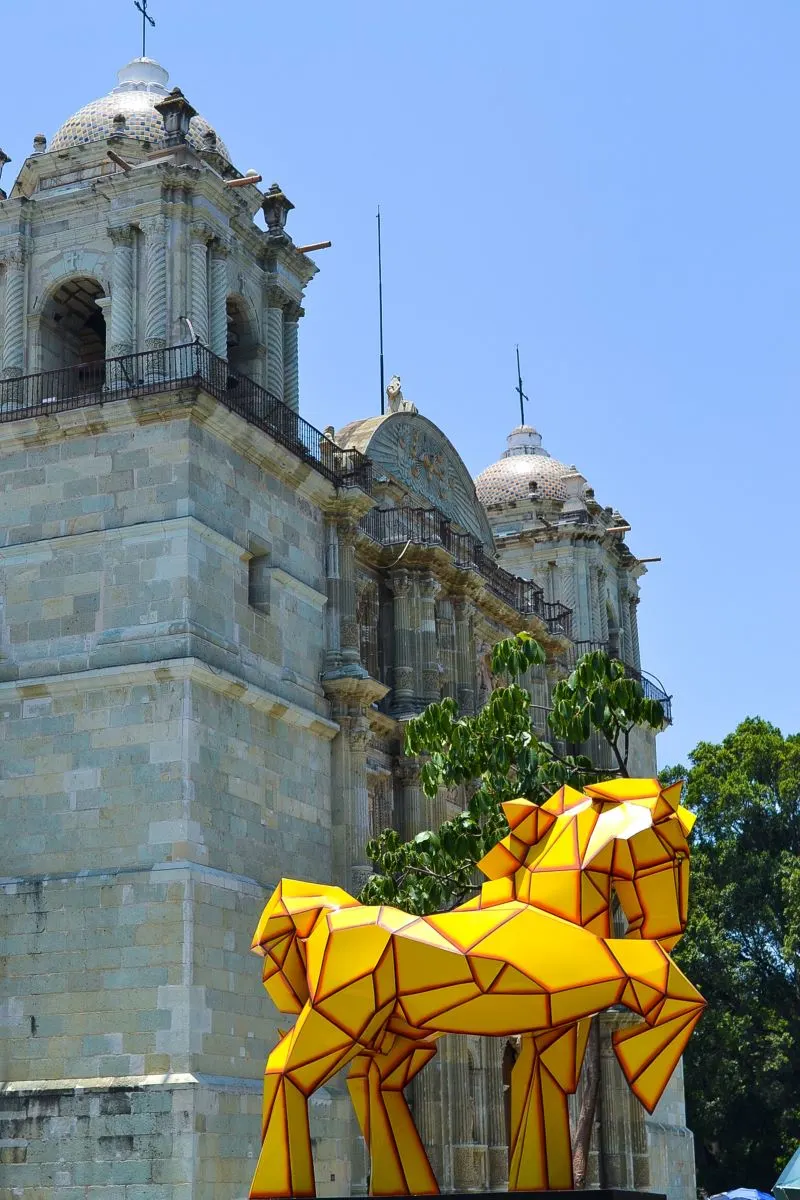
Visiting the Church of Santo Domingo de Yanhuitlán is a journey into the rich history and architectural beauty of Oaxaca de Juarez, Mexico. This magnificent church, designated as a UNESCO World Heritage site, stands as a testament to the cultural and artistic heritage of the region.
Located in the small village of Yanhuitlán, approximately 100 kilometers (62 miles) from Oaxaca City, the church is a remarkable example of Mexican baroque architecture and an important religious and cultural landmark.
The Church of Santo Domingo de Yanhuitlán was constructed in the 16th century by the Dominican order, and its construction spanned several decades. The church’s exterior showcases an impressive combination of indigenous and European influences, creating a unique and harmonious architectural style.
The façade is adorned with intricate stone carvings, intricate reliefs, and decorative elements that showcase the craftsmanship of the time.
Entering the church, you’ll be greeted by a grand interior that exudes a sense of tranquility and reverence. The high vaulted ceilings, ornate altarpieces, and delicate stucco work create a captivating atmosphere.
The walls are adorned with beautiful frescoes depicting biblical scenes and religious motifs, showcasing the artistic talent of the period. The overall design of the church reflects the fusion of indigenous and Spanish colonial influences, resulting in a breathtaking display of cultural synthesis.
One of the highlights of the Church of Santo Domingo de Yanhuitlán is its stunning gilded retablo, a magnificent altar adorned with gold leaf.
This intricate masterpiece features exquisite woodwork and delicate carvings, showcasing the craftsmanship and devotion of the artists. The retablo is a true marvel to behold, radiating with splendor and reflecting the religious fervor that permeates the church.
Beyond its architectural and artistic significance, the Church of Santo Domingo de Yanhuitlán holds great religious and cultural importance for the local community. It continues to serve as a place of worship and pilgrimage, attracting both locals and visitors seeking a spiritual connection and a glimpse into the region’s history.
Surrounding the church, you’ll find a peaceful courtyard and a serene atmosphere that invites contemplation and reflection. The site offers an opportunity to appreciate the tranquil beauty of the Oaxacan countryside, as well as the enduring legacy of the church’s construction.
A visit to the Church of Santo Domingo de Yanhuitlán is a captivating experience that allows you to immerse yourself in the cultural heritage and architectural splendor of Oaxaca.
It is a place where history, art, and spirituality converge, offering a deeper understanding of the region’s rich cultural tapestry. Whether you’re a history enthusiast, an art lover, or a spiritual seeker, this UNESCO World Heritage site is sure to leave a lasting impression.
Take a mezcal distillery tour and learn about the production process

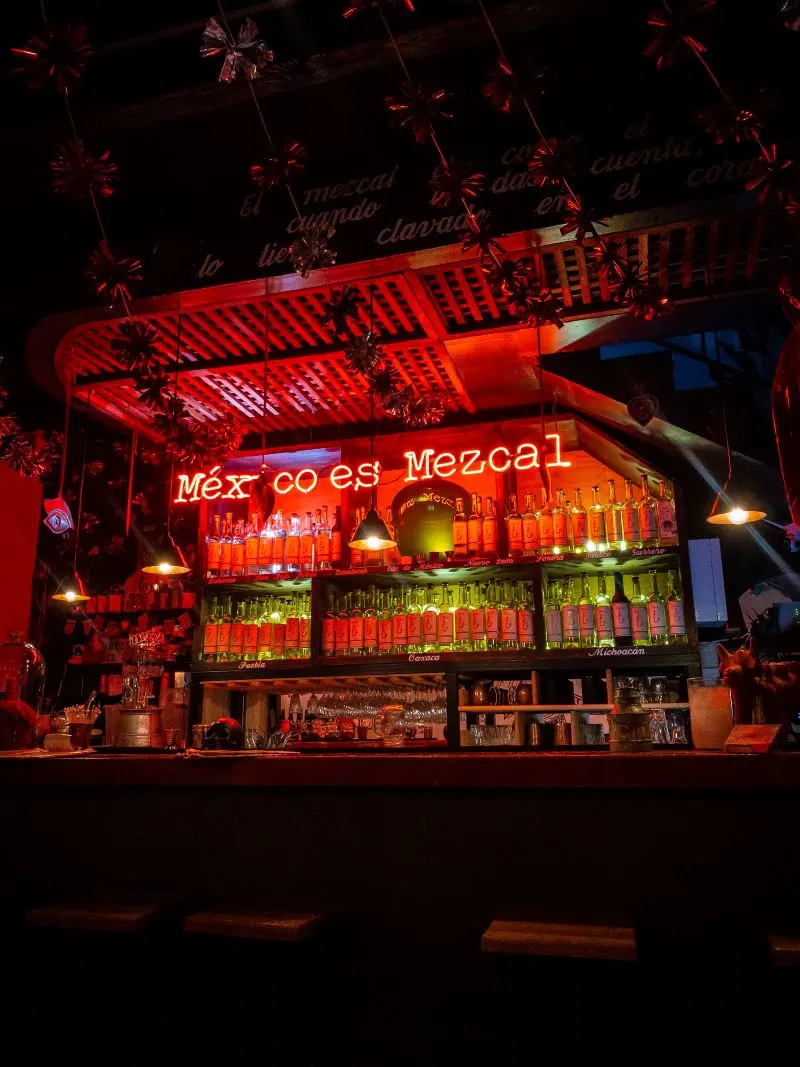
Taking a mezcal distillery tour in Oaxaca de Juarez, Mexico is an immersive and educational experience that allows you to delve into the world of this beloved Mexican spirit. Mezcal, known for its distinctive smoky flavor and cultural significance, holds a special place in the heart of Oaxacan traditions and is deeply intertwined with the region’s history and heritage.
Embarking on a mezcal distillery tour, you’ll have the opportunity to visit local mezcal production facilities and witness firsthand the intricate process of creating this artisanal spirit.
The tour typically begins with a warm welcome from knowledgeable guides who are passionate about mezcal and eager to share their expertise.
As you explore the distillery, you’ll learn about the various types of agave plants used in mezcal production and gain insights into the traditional methods employed by mezcaleros (mezcal producers). From harvesting the agave plants to roasting them in underground ovens, you’ll witness the careful and meticulous steps involved in the mezcal-making process.
This includes shredding and fermenting the cooked agave, followed by the crucial stage of distillation, where the unique flavors and aromas of mezcal are refined.
During the tour, you’ll have the opportunity to observe the maestro mezcalero (master mezcal maker) in action, skillfully guiding the production process.
They will share their knowledge about the selection of agave, the timing of fermentation, and the art of distillation, offering valuable insights into the craftsmanship that goes into creating high-quality mezcal.
As you navigate through the distillery, you may also get a glimpse of the traditional clay or copper stills used for distillation, which contribute to the distinct character of mezcal.
The guides will explain the significance of each step and share stories and anecdotes about the cultural importance of mezcal in Oaxacan celebrations, rituals, and everyday life.
Of course, no mezcal distillery tour is complete without the opportunity to sample this exquisite spirit. You’ll have the chance to taste different varieties of mezcal, ranging from joven (young) to reposado (rested) and añejo (aged), each offering its own nuances and complexities.
The guides will guide you through the tasting process, helping you appreciate the unique flavors, aromas, and textures that make mezcal a beloved spirit around the world.
Beyond the mezcal itself, the distillery tour often includes a glimpse into the local community and the people behind the production. You may have the chance to interact with mezcaleros, hear their stories, and gain a deeper understanding of the cultural significance of mezcal in Oaxacan society.
A mezcal distillery tour in Oaxaca de Juarez is not just about learning the technicalities of production, but also about embracing the spirit of camaraderie, tradition, and celebration that surrounds this cherished drink.
It’s an opportunity to connect with the cultural heritage of the region, deepen your appreciation for mezcal, and create lasting memories of your time in Oaxaca.
Explore the galleries and shops in the Macedonio Alcala Street


Exploring the galleries and shops along Macedonio Alcala Street in Oaxaca de Juarez, Mexico is a delightful journey into the vibrant arts and crafts scene of the city. This charming street, named after the famous Mexican composer, is a hub of creativity and offers a rich tapestry of artistic expression.
As you stroll along Macedonio Alcala Street, you’ll be greeted by a colorful array of art galleries, boutiques, and shops showcasing a diverse range of handmade crafts, textiles, jewelry, paintings, and sculptures. The street itself is adorned with beautiful colonial-style buildings, creating a picturesque backdrop for your exploration.
The art galleries lining Macedonio Alcala Street exhibit a wide variety of contemporary and traditional artwork by local and international artists. From paintings and sculptures to mixed media installations and photography, you’ll encounter a captivating blend of styles and themes that reflect the artistic diversity of Oaxaca.
These galleries often host exhibitions and cultural events, providing opportunities to engage with the artists and immerse yourself in the local art scene.
In addition to galleries, Macedonio Alcala Street is also home to numerous artisanal shops where you can discover unique handicrafts made by skilled local artisans. Traditional textiles, including intricate woven fabrics and vibrant embroidered pieces, are prominently displayed, showcasing the rich textile heritage of the region.
You’ll also find beautiful pottery, intricately carved wooden crafts, handcrafted jewelry, and other decorative items that showcase the traditional craftsmanship and artistic talent of Oaxaca.
One of the highlights of exploring Macedonio Alcala Street is the chance to interact directly with the artists and artisans. Many shops and galleries have on-site workshops or working studios where you can witness the creative process firsthand and engage in meaningful conversations with the makers. This provides an opportunity to gain insight into the techniques, inspirations, and cultural significance behind each unique piece.
As you meander through the street, you’ll be captivated by the vibrant colors, intricate details, and the sheer creativity that permeates the atmosphere.
Whether you’re an art enthusiast, a collector, or simply someone who appreciates the beauty of handmade crafts, Macedonio Alcala Street offers a treasure trove of artistic expression and a chance to take home a piece of Oaxacan culture.
Beyond the galleries and shops, Macedonio Alcala Street is also dotted with quaint cafes, restaurants, and cultural centers where you can take a break, savor traditional Oaxacan cuisine, and soak in the ambiance of the area. The street often comes alive with live music performances, street performers, and cultural events, further enhancing the vibrant atmosphere.
Exploring the galleries and shops along Macedonio Alcala Street is a must-do activity in Oaxaca de Juarez, allowing you to immerse yourself in the local arts and crafts scene, support local artisans, and witness the creative spirit that defines this captivating city.
Take a guided tour of the Oaxaca Cathedral and its beautiful interior

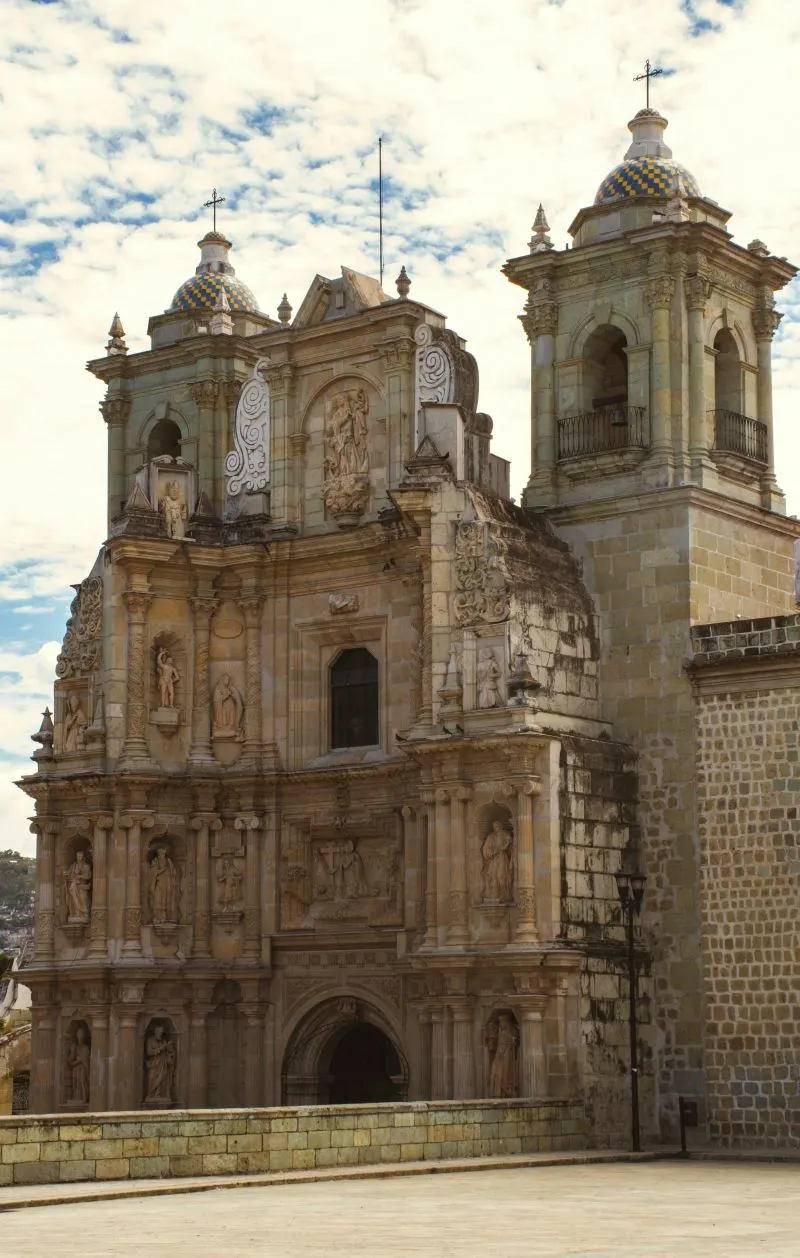
Taking a guided tour of the Oaxaca Cathedral, also known as the Cathedral of Our Lady of the Assumption, is a fascinating journey into the religious and architectural history of Oaxaca de Juarez, Mexico. This grand cathedral, located in the heart of the city’s historic center, is a significant cultural and religious landmark.
As you step inside the Oaxaca Cathedral, you’ll be greeted by an awe-inspiring interior that showcases a blend of architectural styles. The cathedral’s construction began in the 16th century and continued over several centuries, resulting in a captivating mix of Baroque, Gothic, and Neoclassical influences.
The guided tour of the cathedral allows you to explore the various sections and chapels while learning about their historical and cultural significance.
The knowledgeable guide will provide insights into the cathedral’s construction, architectural details, and the stories behind its religious artifacts.
The main nave of the cathedral is an expansive space adorned with ornate altars, intricate woodwork, and beautiful religious artwork. The high vaulted ceilings and grand columns create a sense of grandeur, while the soft glow of natural light filtering through the stained glass windows adds to the serene ambiance.
One of the highlights of the tour is the chance to visit the Capilla del Rosario (Chapel of the Rosary), a breathtaking example of Baroque architecture.
This chapel is adorned with intricate gold leaf ornamentation, vibrant frescoes, and a stunning altarpiece, making it a true masterpiece of artistry and devotion.
During the tour, you’ll also have the opportunity to see the Capilla de San Felipe Neri (Chapel of San Felipe Neri) and the Capilla de la Virgen de la Soledad (Chapel of Our Lady of Solitude), each featuring its own unique architectural and artistic elements.
As you explore the interior of the cathedral, your guide will share stories and legends associated with the cathedral and its religious artifacts, providing a deeper understanding of the cultural and religious significance of the site.
In addition to its architectural and artistic beauty, the Oaxaca Cathedral also houses important religious relics and artworks. From statues and sculptures to precious religious artifacts and vestments, the cathedral’s collection offers a glimpse into the rich religious heritage of the region.
The guided tour of the Oaxaca Cathedral offers a wonderful opportunity to appreciate the intricate craftsmanship, historical significance, and spiritual atmosphere of this iconic landmark.
Whether you have a deep religious connection or a fascination with architecture and history, this tour allows you to delve into the captivating world of the Oaxaca Cathedral and gain a deeper appreciation for its cultural and artistic treasures.
Attend a live performance of traditional Oaxacan music and dance

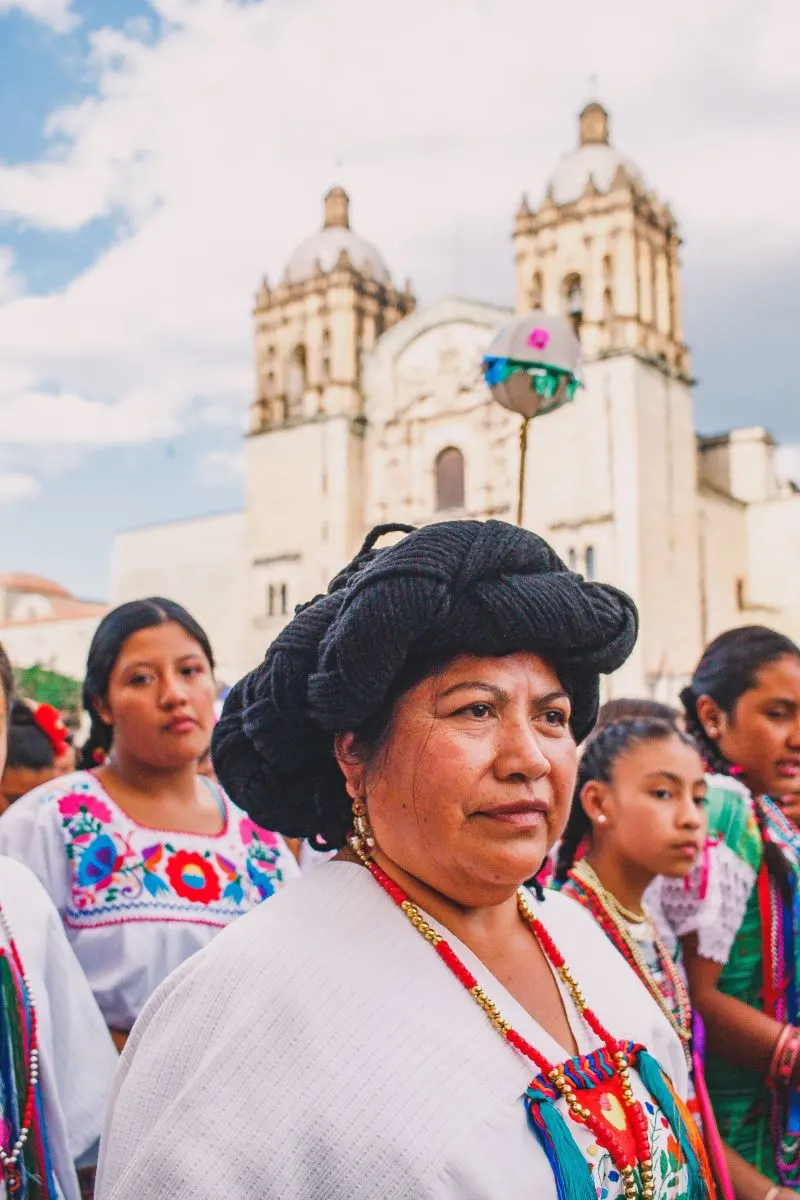
Attending a live performance of traditional Oaxacan music and dance is a vibrant and immersive cultural experience that showcases the rich heritage and artistic traditions of the region.
Oaxaca de Juarez, Mexico, is renowned for its lively music and captivating dances, which reflect the diverse cultural influences and indigenous roots of the area.
As you enter the performance venue, you’ll be greeted by the energetic rhythms of traditional Oaxacan music. The melodies of indigenous instruments like the jarana, a small guitar-like instrument, and the zapateado, a percussive footwork, will fill the air, creating an atmosphere of celebration and joy.
The musicians, dressed in colorful traditional attire, skillfully play their instruments, creating a captivating and harmonious symphony that sets the stage for the dancers to showcase their skills.
The dance performances are a visual feast, with performers adorned in vibrant costumes, intricately woven textiles, and elaborate headdresses.
Each dance tells a story, whether it’s a tale of ancient legends, historical events, or celebrations of nature and agricultural traditions. The choreography is a combination of graceful movements, rhythmic footwork, and symbolic gestures that convey the essence of Oaxacan culture and traditions.
From the lively zapateado dances that showcase the intricate footwork and the energy of the performers to the elegant dances that depict courtship rituals or religious ceremonies, every performance is a testament to the deep-rooted cultural heritage of Oaxaca.
Throughout the live performance, you’ll be transported into a world of vibrant colors, infectious rhythms, and captivating storytelling. The passion and dedication of the musicians and dancers are evident in every movement and note, creating an immersive experience that engages all your senses.
Attending a live performance of traditional Oaxacan music and dance allows you to witness the preservation of cultural traditions and supports local artists who are dedicated to keeping these art forms alive.
It’s an opportunity to connect with the heart and soul of Oaxaca’s cultural identity and gain a deeper appreciation for the artistic expressions that have been passed down through generations.
Whether you’re a music enthusiast, a dance lover, or simply curious about different cultures, attending a live performance of traditional Oaxacan music and dance is an enriching experience that will leave you with a profound appreciation for the beauty, diversity, and artistic heritage of this vibrant region.
Visit the Museum of Contemporary Art to see local and international artworks


Visiting the Museum of Contemporary Art in Oaxaca de Juarez, Mexico, is a captivating journey into the world of modern and contemporary art. The museum serves as a platform for both local and international artists, showcasing a diverse range of artistic expressions and pushing the boundaries of creativity.
As you step into the museum, you’ll be greeted by a dynamic and ever-changing display of artworks that reflect the spirit of the contemporary art scene.
The museum’s architecture itself may be a work of art, with its modern design and spacious galleries providing the perfect backdrop for the exhibits.
The collection of artworks spans various mediums, including paintings, sculptures, installations, multimedia creations, and more. You’ll have the opportunity to encounter a wide range of styles, themes, and artistic visions, from abstract and experimental works to socially and politically charged pieces.
Local artists contribute to the rich tapestry of the museum’s collection, showcasing the talent and creativity of Oaxaca’s art community.
Their works often draw inspiration from the region’s cultural heritage, weaving together traditional elements with contemporary perspectives. Through their art, they explore identity, history, social issues, and personal narratives, offering unique insights into the local context.
In addition to the local art scene, the Museum of Contemporary Art also presents exhibitions featuring renowned international artists. This allows visitors to engage with a global artistic dialogue and witness the interconnectedness of creative expressions across borders.
The museum often hosts temporary exhibitions, ensuring that each visit brings new and exciting discoveries. These exhibitions may focus on specific themes, artistic movements, or the works of individual artists, providing an immersive and thought-provoking experience.
As you explore the museum’s galleries, you’ll have the opportunity to contemplate the artworks, delve into their meanings, and appreciate the skill and craftsmanship behind each piece.
The museum also offers guided tours and educational programs that provide insights into the artistic techniques, historical contexts, and conceptual frameworks behind the artworks on display.
Visiting the Museum of Contemporary Art in Oaxaca is not only an opportunity to appreciate art, but also a chance to engage in critical thinking, expand your artistic horizons, and be inspired by the creative voices of our time. It’s a place where innovation, expression, and cultural exchange come together, fostering a deeper understanding and appreciation of contemporary art in all its forms.
Whether you’re an art enthusiast, a casual visitor, or simply curious about the artistic landscape of Oaxaca, a visit to the Museum of Contemporary Art promises to be an enriching and memorable experience that celebrates the power of art to challenge, inspire, and transform.
Take a day trip to the ancient ruins of Yagul

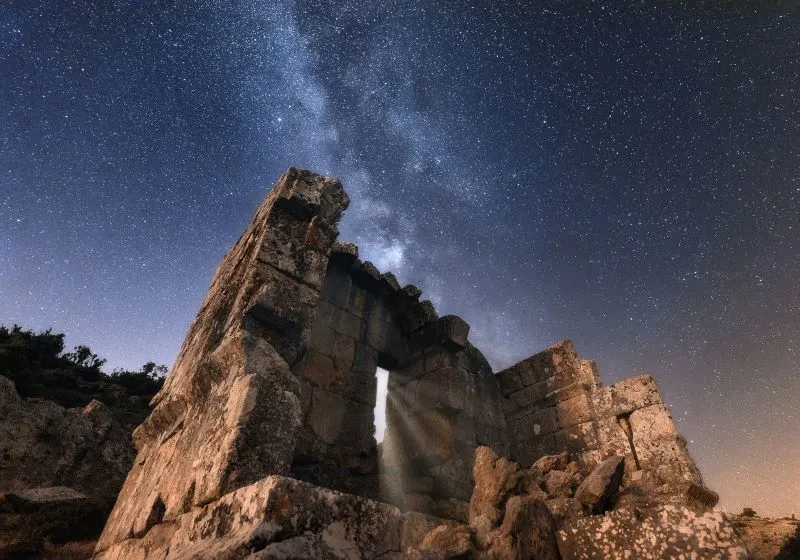
Taking a day trip to the ancient ruins of Yagul is like stepping back in time and immersing yourself in the rich history and cultural heritage of Oaxaca de Juarez, Mexico.
Located just a short distance from the city, Yagul offers a fascinating glimpse into the ancient Zapotec civilization and the architectural wonders they left behind.
Upon arrival at Yagul, you’ll be greeted by the impressive sight of the archaeological site set against a backdrop of rugged hills and lush vegetation. The site dates back to the pre-Columbian era and was once a thriving urban center of the Zapotec civilization, believed to have been inhabited from around 500 BC to 1521 AD.
Exploring the ruins, you’ll encounter a series of well-preserved structures and architectural marvels. The most prominent feature is the imposing fortress, perched atop a hill and providing commanding views of the surrounding landscape.
This strategic position highlights the defensive nature of Yagul, showcasing its significance as a stronghold for the Zapotec people.
As you wander through the ruins, you’ll discover intricately carved stone walls, courtyards, ceremonial platforms, and other remnants of the ancient city’s layout. The architectural style reflects the advanced engineering skills and artistic sensibilities of the Zapotec culture.
The attention to detail and the precision of the stonework are truly remarkable, providing insight into the craftsmanship of the time.
One of the highlights of Yagul is the Ball Court, an ancient sports arena where the Zapotec people played their traditional ball game. This court offers a glimpse into the rituals and recreational activities that were an integral part of daily life in Yagul. Imagining the lively matches and witnessing the grandeur of the court is a captivating experience.
Another notable feature is the Temple of the Six Patios, a complex of interconnected courtyards surrounded by ceremonial platforms. This architectural ensemble was likely used for religious and administrative purposes, showcasing the importance of religious and social rituals in the Zapotec culture.
In addition to the main archaeological site, Yagul also includes a small museum where you can learn more about the history and significance of the ruins.
The museum displays artifacts, sculptures, and pottery recovered from the site, providing further insights into the daily lives and cultural practices of the Zapotec people.
Beyond its historical significance, Yagul offers a serene and picturesque setting for exploration. The natural surroundings, including cacti, agave plants, and beautiful vistas, add to the charm and tranquility of the site. It’s a place where you can connect with nature while appreciating the enduring legacy of an ancient civilization.
A day trip to Yagul provides a unique opportunity to delve into the mysteries of the past, to marvel at the architectural feats of the Zapotec people, and to gain a deeper understanding of the cultural heritage of Oaxaca.
Whether you’re a history enthusiast, an archaeology lover, or simply someone who appreciates the beauty of ancient ruins, Yagul promises an enriching and captivating experience that will leave a lasting impression.
Explore the Oaxaca Regional Museum to learn about the state’s history


Exploring the Oaxaca Regional Museum is a fascinating journey into the rich and diverse history of the state of Oaxaca in Mexico. Located in the heart of Oaxaca de Juarez, the museum offers a comprehensive overview of the region’s past, showcasing its indigenous cultures, colonial heritage, and artistic traditions.
Upon entering the museum, you’ll be greeted by a carefully curated collection of artifacts, artworks, and historical exhibits that span various periods in Oaxaca’s history.
The museum’s exhibits are organized chronologically, allowing visitors to follow a coherent narrative and gain a deeper understanding of the region’s past.
The museum presents a wide range of archaeological artifacts from the pre-Columbian era, including pottery, sculptures, and tools. These artifacts offer insights into the ancient civilizations that inhabited the region, such as the Zapotec, Mixtec, and Aztec cultures.
You can admire intricate pottery designs, intricate stone carvings, and other cultural artifacts that showcase the ingenuity and artistic achievements of these ancient societies.
Moving through the museum, you’ll encounter exhibits that focus on the Spanish colonial period, highlighting the influences of European culture on Oaxaca.
The colonial section showcases religious art, colonial-era paintings, and religious artifacts from the colonial churches of Oaxaca. You can gain an appreciation for the fusion of indigenous and European traditions that shaped the cultural landscape of the region.
Another noteworthy aspect of the Oaxaca Regional Museum is its focus on the state’s vibrant folk art and traditional crafts. The museum features displays of intricate textiles, vibrant ceramics, dazzling jewelry, and elaborately carved wooden sculptures. These exhibits demonstrate the ongoing artistic traditions of Oaxaca and the importance of craftsmanship in the local culture.
The museum also provides information on the cultural diversity of Oaxaca, including its indigenous communities and their unique traditions. You’ll have the opportunity to learn about different indigenous languages, customs, and festivals that are still celebrated in the region today.
In addition to the permanent exhibits, the Oaxaca Regional Museum often hosts temporary exhibitions that delve deeper into specific aspects of Oaxacan history, art, or culture. These special exhibits provide a dynamic and ever-changing experience for visitors, allowing them to delve even further into the richness of Oaxaca’s heritage.
Throughout your visit, the museum is accompanied by informative signage, descriptions, and audio guides in multiple languages, ensuring that visitors can fully engage with the exhibits and understand the context of the displayed items.
The Oaxaca Regional Museum is not just a place to view historical artifacts, but also a space for education, appreciation, and cultural exchange.
It offers a captivating journey through the history and cultural tapestry of Oaxaca, shedding light on the traditions, beliefs, and struggles that have shaped the region into what it is today. Whether you are a history buff, an art enthusiast, or simply curious about Oaxaca’s past, the museum provides a memorable and enlightening experience for visitors of all backgrounds.
Enjoy the vibrant nightlife in the city’s bars and clubs


When the sun sets in Oaxaca de Juarez, the city comes alive with a vibrant nightlife scene that offers a diverse range of entertainment options. Whether you’re seeking a lively bar atmosphere, a trendy nightclub, or a relaxed evening with live music, Oaxaca has something to suit every taste.
One of the best ways to start your night out in Oaxaca is by heading to the city’s lively Zocalo, the main square. Here, you’ll find a variety of bars and restaurants with outdoor seating, allowing you to enjoy the pleasant evening breeze while sipping on refreshing drinks.
The Zocalo is particularly bustling during weekends and festive occasions, offering a lively ambiance with music, street performers, and people gathering to celebrate.
If you’re looking for a laid-back atmosphere, Oaxaca boasts several bars and lounges where you can unwind and socialize with friends. These establishments often feature cozy interiors, relaxed seating arrangements, and a wide selection of drinks, including local mezcal, craft beers, and classic cocktails. You can enjoy conversations with locals and fellow travelers while sampling the flavors of Oaxaca.
For those seeking a more energetic and dance-filled night, Oaxaca has a variety of nightclubs that cater to different musical preferences.
From salsa and cumbia to electronic and Latin beats, you can find clubs that host live DJs or bands playing energetic tunes to keep you on your feet. These clubs often have spacious dance floors, vibrant lighting, and an enthusiastic crowd ready to dance the night away.
In addition to bars and nightclubs, Oaxaca is also known for its live music scene. You can find venues hosting local bands and musicians performing a range of genres, including traditional Mexican music, jazz, rock, and more.
These music venues offer a unique opportunity to immerse yourself in the local music scene and experience the talent and passion of Oaxacan artists.
It’s worth noting that Oaxaca’s nightlife is not solely limited to the city center. Neighborhoods such as Jalatlaco and Xochimilco also offer their own unique nightlife experiences. These areas feature cozy bars, artistic spaces, and cultural centers that host live performances, poetry readings, and other cultural events.
To make the most of the vibrant nightlife in Oaxaca, it’s advisable to check local listings and ask for recommendations from locals or fellow travelers.
Oaxaca’s nightlife scene is constantly evolving, with new venues and events popping up, so staying informed will help you discover the latest hotspots and events happening during your visit.
As you venture out into the vibrant nightlife of Oaxaca, remember to embrace the local culture, respect the customs and traditions, and drink responsibly.
With its lively atmosphere, diverse venues, and friendly locals, Oaxaca offers a memorable and enjoyable nightlife experience for visitors seeking to immerse themselves in the city’s after-dark energy.
These are just some of the many incredible things to do in Oaxaca de Juarez. Whether you’re interested in history, art, food, or nature, this charming city has something to offer every visitor. Enjoy your time exploring the rich culture and vibrant traditions of Oaxaca!
Food In Oaxaca de Juarez


Oaxaca de Juarez, located in the heart of Mexico, is not only known for its rich cultural heritage and vibrant arts scene but also for its exquisite culinary traditions.
The city is a true haven for food lovers, offering a tantalizing array of flavors and dishes that showcase the diverse culinary heritage of Oaxaca. From the iconic mole to the heavenly street food and fresh ingredients sourced from local markets, Oaxacan cuisine is a celebration of regional ingredients and centuries-old culinary techniques.
A Gastronomic Melting Pot: Oaxaca’s culinary scene is a unique fusion of indigenous, Spanish, and African influences, resulting in a diverse and complex flavor profile.
The region’s cuisine is deeply rooted in traditional cooking methods, using ingredients like corn, beans, chilies, herbs, and a wide array of meats and seafood.
Mole: The Crown Jewel of Oaxacan Cuisine: No exploration of Oaxacan food would be complete without mentioning mole, the iconic sauce that defines the region’s gastronomy.
Mole is a complex blend of spices, herbs, chilies, and chocolate, resulting in a rich and velvety sauce that accompanies various dishes. From the traditional mole negro to the vibrant green mole and the smoky mole coloradito, each variety offers a unique flavor experience.
Tlayudas and Street Food Delights: Oaxaca’s street food scene is a must-try for any food enthusiast. Head to the local markets or street stalls to savor tlayudas, a large crispy tortilla topped with beans, cheese, avocado, and a choice of meats. The tlayuda is then grilled to perfection, resulting in a mouthwatering combination of textures and flavors.
Don’t miss out on other street food delicacies like memelas, quesadillas, and tacos filled with a variety of fillings, from grilled meats to marinated seafood.
Fresh Ingredients and Local Markets: One of the highlights of Oaxacan cuisine is the emphasis on using fresh, locally sourced ingredients. Explore the bustling markets of Oaxaca, such as Mercado Benito Juarez and Mercado 20 de Noviembre, where you’ll find an abundance of colorful fruits, vegetables, aromatic spices, and artisanal products.
Immerse yourself in the vibrant atmosphere, interact with the friendly vendors, and discover unique ingredients that are essential to Oaxacan cooking.
Cheese and Mezcal: Oaxaca is renowned for its artisanal cheeses, particularly the creamy and stringy Oaxacan cheese, which is perfect for quesadillas and other dishes. Pair your meal with a glass of mezcal, the traditional Mexican spirit derived from agave plants. Mezcal has a distinct smoky flavor and is often enjoyed straight or mixed into refreshing cocktails.
Regional Specialties: In addition to mole and street food, Oaxaca offers a wide range of regional specialties worth exploring. Sample dishes like tamales, enchiladas, chiles rellenos, and tasajo (thinly sliced beef) prepared with Oaxacan flair.
Don’t forget to indulge in the sweet delights of Oaxacan desserts, such as creamy nieves (ice creams), traditional Oaxacan chocolate, and pan de yema (sweet egg bread).
A visit to Oaxaca de Juarez is a journey of flavors and culinary discoveries. From the complex and rich mole sauces to the vibrant street food scene, Oaxacan cuisine is a tapestry of flavors that will delight your taste buds and leave a lasting impression.
Exploring the markets, savoring traditional dishes, and immersing yourself in the local food culture is an essential part of experiencing the true essence of Oaxaca de Juarez. The city’s culinary landscape showcases the region’s history, traditions, and the passion of its people for gastronomy.
Top 20 Best Restaurants In Oaxaca de Juarez, mexico
- Casa Oaxaca El Restaurante
- Origen
- Criollo
- Los Danzantes
- Zandunga
- La Olla
- Itanoni
- La Biznaga
- Catedral
- Mezquite
- El Destilado
- Casa Crespo
- La Catrina de Alcalá
- La Popular
- Sabina Sabe
- Los Pacos
- La Zandunga
- El Biche Pobre
- El Quinque
These restaurants offer a diverse range of culinary experiences, from traditional Oaxacan dishes to contemporary interpretations of Mexican cuisine.
Whether you’re seeking upscale dining or a more casual atmosphere, these establishments showcase the best of Oaxaca de Juarez’s food scene. Be sure to make reservations in advance as they can be popular among both locals and visitors alike.
Transportation In Oaxaca de Juarez
Oaxaca de Juarez, the capital city of the state of Oaxaca in Mexico, offers various transportation options to help you navigate the city and its surroundings. Here are some key modes of transportation in Oaxaca de Juarez:
- Walking: The historic center of Oaxaca de Juarez is compact and easily walkable. Many popular attractions, restaurants, and shops are located within close proximity, making walking an enjoyable and convenient way to get around.
- Taxis: Taxis are readily available in Oaxaca de Juarez and can be hailed on the street or found at designated taxi stands. It’s advisable to negotiate the fare before starting your journey or ask the driver to use the meter. For added convenience, you can also book a taxi through ride-hailing apps like Uber.
- Public Buses: Oaxaca de Juarez has a reliable and affordable public bus system that operates throughout the city and its outskirts. The buses are identified by their route numbers and are a popular mode of transportation for both locals and visitors. Fare payment is usually made in cash upon boarding.
- Colectivos: Colectivos are shared vans or minibusses that follow specific routes within the city and neighboring towns. They offer a more flexible and faster alternative to public buses and are often used by locals for commuting. Colectivos can be found at designated stops or hailed on the street.
- Rental Cars: If you prefer more independence and flexibility in your travels, you can rent a car in Oaxaca de Juarez. Rental car agencies can be found at the airport and in the city center. However, keep in mind that traffic and parking can be challenging in the busy areas of the city.
- Bicycles: Oaxaca de Juarez is a bicycle-friendly city with dedicated bike lanes and rental services available. You can rent bicycles from various shops or join guided bike tours to explore the city and its surroundings at a leisurely pace.
It’s worth noting that Oaxaca de Juarez is a city with narrow streets and limited parking options, especially in the historic center. Therefore, it’s advisable to consider the convenience of alternative transportation options, especially for short distances within the city center.
In conclusion, Oaxaca de Juarez, Mexico, offers a remarkable array of experiences that captivate the senses and immerse visitors in its rich cultural heritage.
From exploring ancient ruins to savoring mouthwatering cuisine, from witnessing vibrant festivals to discovering local arts and crafts, Oaxaca de Juarez has something for everyone.
The city’s historic center beckons with its colonial architecture and bustling markets, where you can sample delectable street food and shop for traditional crafts.
The numerous museums provide insights into Oaxaca’s history, art, and indigenous cultures, while the stunning churches and cathedrals showcase the city’s religious heritage.
Nature lovers can venture beyond the city to explore the surrounding landscapes, such as the stunning Monte Alban ruins, the petrified waterfalls of Hierve el Agua, and the captivating beauty of the Yagul archaeological site.
You can also immerse yourself in the local culture by attending traditional festivals, witnessing Zapotec ceremonies, or learning traditional crafts through workshops.
The culinary scene in Oaxaca de Juarez is a highlight in itself, with its vibrant markets, traditional eateries, and world-renowned cuisine. From the complex flavors of mole to the smoky delights of mezcal, Oaxaca’s food culture is a true feast for the senses.
Whether you’re a history buff, an art enthusiast, a food lover, or simply seeking an authentic cultural experience, Oaxaca de Juarez offers a remarkable journey through Mexico’s past and present.
The city’s warm hospitality and vibrant atmosphere will leave you with cherished memories and a deep appreciation for the rich tapestry of Oaxacan culture.
So, pack your bags, prepare your taste buds, and get ready to embark on an unforgettable adventure in Oaxaca de Juarez, where history, art, cuisine, and traditions come together to create a truly unique and captivating destination.
Leave a comment