

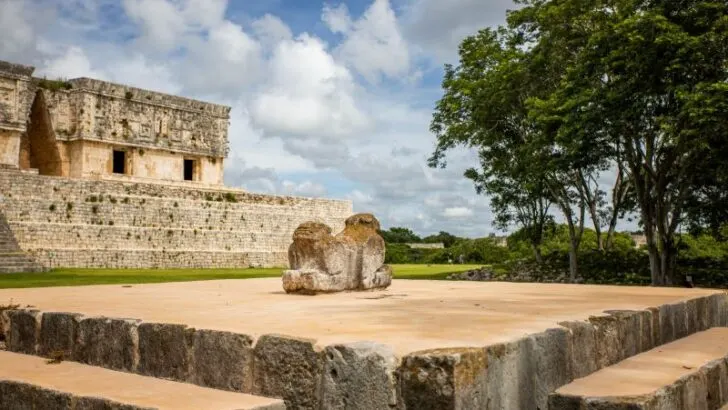

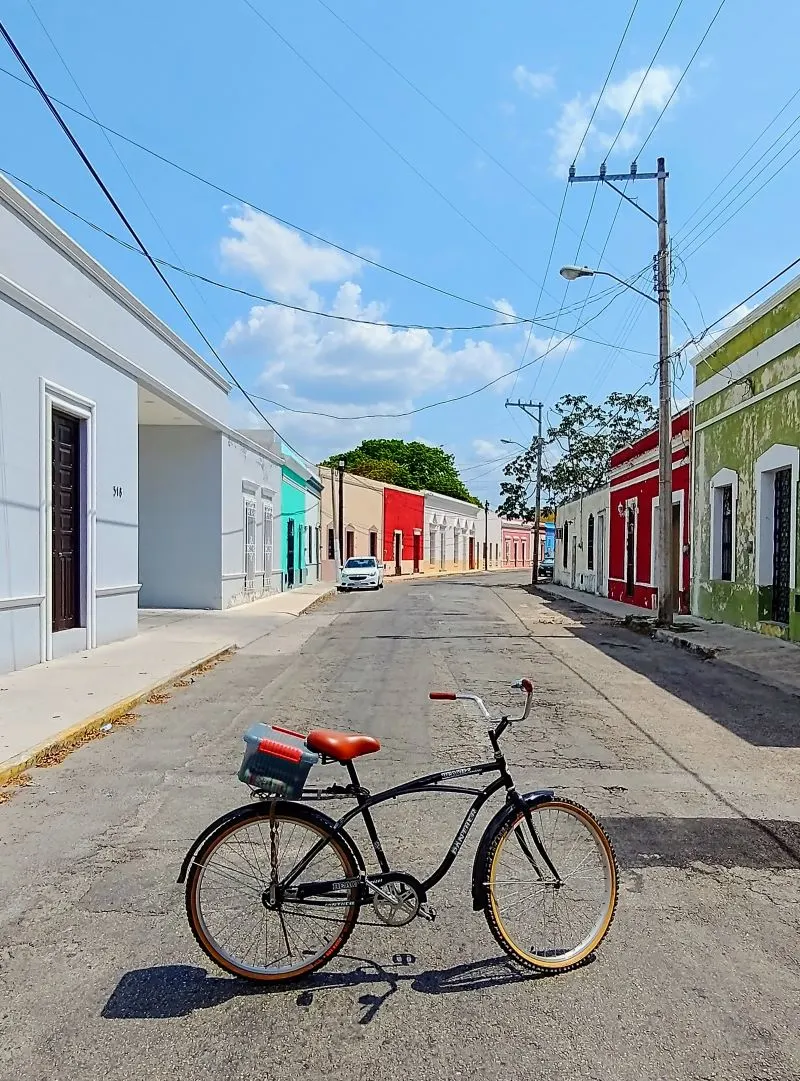
Merida, the vibrant capital city of the Yucatan Peninsula, is a destination that seamlessly blends rich history, cultural heritage, and modern amenities. Located in southeastern Mexico, Merida is known for its colonial architecture, colorful streets, and warm hospitality.
With a population of over one million people, it is the largest city in the Yucatan state and serves as a hub for commerce, education, and tourism.
The city’s history dates back to the 16th century when it was founded by Spanish conquistadors on the site of a former Mayan settlement.
As a result, Merida boasts a fascinating mix of Mayan and Spanish influences, visible in its architecture, cuisine, and cultural traditions. The city’s colonial past is evident in its well-preserved buildings, charming plazas, and grand mansions that line the streets.
Merida’s heart is the Plaza Grande, a central square surrounded by iconic landmarks such as the Merida Cathedral, the Government Palace, and the Casa Montejo.
The plaza is a lively gathering place, where locals and visitors come to relax, socialize, and soak in the vibrant atmosphere. Throughout the year, it hosts cultural events, live music performances, and traditional dances, offering a glimpse into the region’s rich cultural heritage.
Merida is also renowned for its culinary scene. Yucatecan cuisine, a fusion of indigenous Mayan flavors and Spanish influences, is a highlight for food enthusiasts.
From street food stalls serving savory tacos and cochinita pibil to upscale restaurants offering innovative interpretations of traditional dishes, Merida is a gastronomic paradise that delights the taste buds.
Beyond the city limits, Merida serves as a gateway to explore the treasures of the Yucatan Peninsula. From ancient Mayan ruins such as Uxmal and Chichen Itza to natural wonders like cenotes (sinkholes) and biosphere reserves, there is no shortage of incredible sites to discover.
The region’s pristine beaches, such as Progreso and Celestun, offer relaxation and aquatic adventures along the Gulf of Mexico.
Merida’s warm climate and friendly locals contribute to its welcoming atmosphere. Visitors are often charmed by the genuine hospitality and vibrant cultural traditions, including the Jarana, a traditional dance, and the celebration of local festivals such as Hanal Pixan (Day of the Dead) and the Vaqueria Regional.
In recent years, Merida has gained recognition as a desirable place to live and retire, attracting expatriates from around the world.
Its quality healthcare, affordable cost of living, and rich cultural offerings make it an appealing destination for those seeking a high quality of life in a captivating setting.
Whether you’re captivated by its history, enticed by its flavors, or drawn to its cultural vibrancy, Merida offers a captivating experience that embraces both tradition and modernity.
With its unique blend of ancient heritage, colonial charm, and lively atmosphere, Merida is a destination that leaves a lasting impression on all who visit.
1. Visit the Plaza Grande: Explore the main square of Merida, surrounded by historic buildings and landmarks

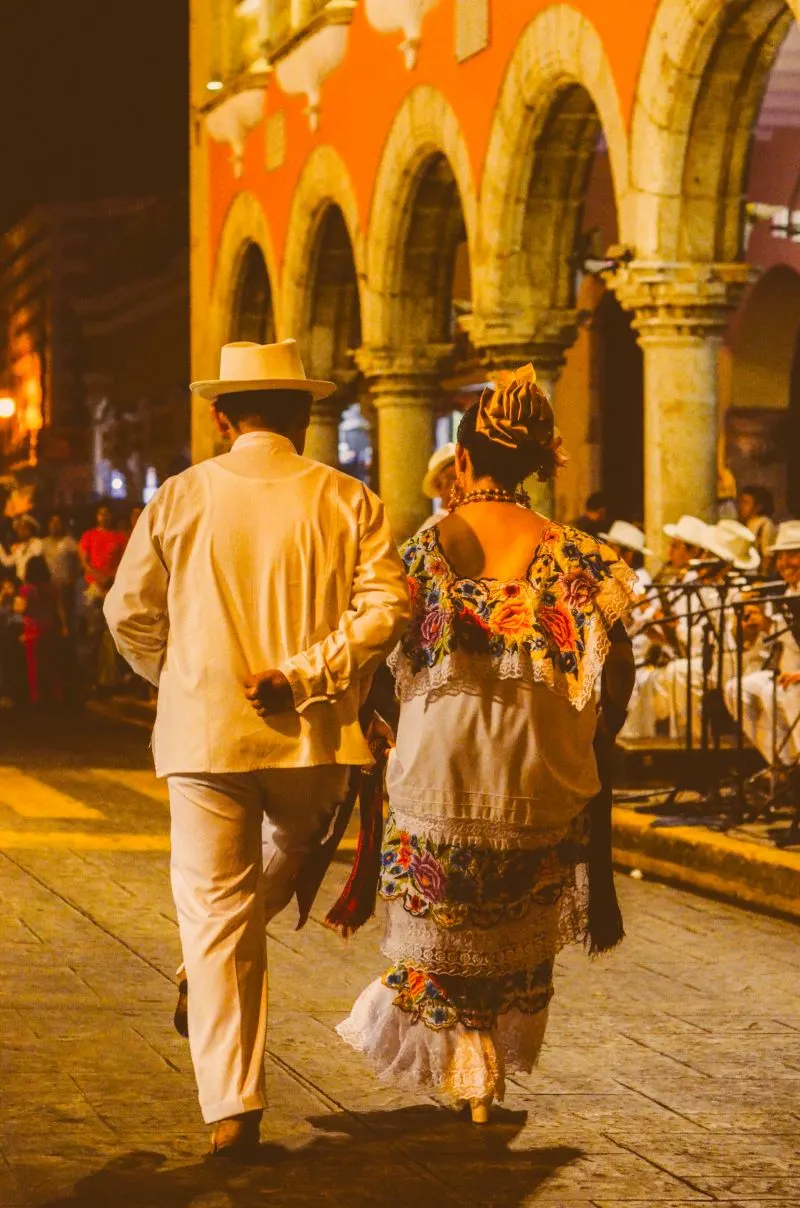
The Plaza Grande, also known as the Main Square or Zocalo, is the heart and soul of Merida, Mexico. It serves as the central gathering place and a hub of activity for both locals and visitors alike.
The Plaza Grande is located in the historic center of the city, surrounded by significant landmarks, colonial buildings, and architectural gems.
One of the prominent features of the Plaza Grande is the Merida Cathedral, also known as the Cathedral of San Ildefonso.
This grand cathedral, with its distinctive white facade and two towering bell towers, stands proudly on the eastern side of the square. Its construction began in the 16th century and continued over several centuries, resulting in a blend of architectural styles.
The Plaza Grande itself is a spacious and beautifully landscaped square, with lush green areas, shade-providing trees, and benches where people can relax and soak in the atmosphere.
The square is often bustling with activity, filled with locals and tourists going about their day or simply enjoying the ambiance.
The plaza serves as a venue for various events and cultural activities, including live music performances, traditional dances, and festivals.
During evenings, the Plaza Grande transforms into a vibrant and lively space, with street vendors selling local snacks and souvenirs, artists displaying their creations, and families enjoying leisurely walks.
Surrounding the Plaza Grande, you’ll find impressive colonial buildings that house government offices, museums, and cultural institutions.
These include the Palacio Municipal (City Hall) and the Palacio del Gobierno (Government Palace), which display beautiful architecture and serve as a testament to Merida’s rich history.
Visiting the Plaza Grande allows you to immerse yourself in the vibrant atmosphere of Merida, experience its cultural events, admire the stunning architecture, and observe the daily life of the locals. It’s a must-visit destination that captures the essence and spirit of this historic city in Mexico.
2. Explore Paseo de Montejo: Stroll along this grand boulevard lined with beautiful mansions and architectural gems

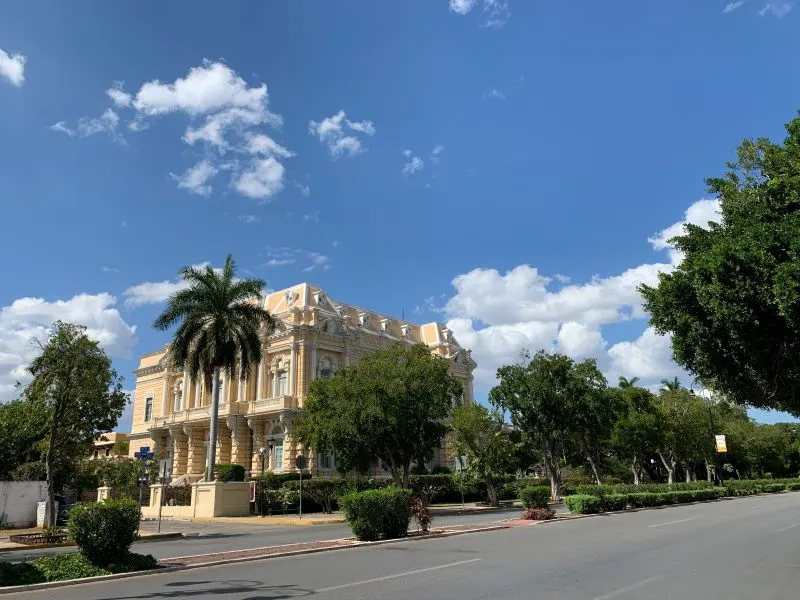
Paseo de Montejo is a grand boulevard located in Merida, Mexico, renowned for its elegant architecture, historical significance, and vibrant atmosphere.
It stretches for approximately three kilometers, starting from the Monumento a la Bandera (Flag Monument) in the south and extending to the neighborhood of Colonia Mexico in the north.
The boulevard takes its name from Francisco de Montejo y León, the Spanish conquistador who founded Merida in 1542. Paseo de Montejo was developed in the late 19th and early 20th centuries, during the henequen boom when Merida prospered from the production of sisal fiber.
What makes Paseo de Montejo truly remarkable are the opulent mansions and palatial buildings that line its sides. These grand structures were constructed by wealthy henequen barons who sought to emulate the European architectural styles prevalent during that era.
The architectural styles along Paseo de Montejo are diverse, ranging from French and Italian Renaissance to Moorish Revival and neoclassical designs.
Elaborate facades adorned with intricate details, wrought-iron balconies, ornate moldings, and majestic columns create a visually captivating experience for visitors.
Many of these magnificent buildings now serve as museums, hotels, banks, and cultural institutions. The most iconic landmark along Paseo de Montejo is the Palacio Canton, a stunning mansion-turned-museum that houses the Regional Museum of Anthropology and History.
Strolling along Paseo de Montejo allows you to appreciate the grandeur of these architectural marvels while immersing yourself in the history and culture of Merida.
The wide sidewalks are perfect for leisurely walks, and the boulevard is often bustling with activity. You’ll find locals and tourists enjoying the ambiance, street vendors selling handicrafts, and occasional street performances.
Paseo de Montejo is not only a testament to Merida’s past but also a vibrant hub of contemporary activity. It hosts cultural events, art exhibitions, and street fairs, making it a lively and dynamic destination.
Additionally, the boulevard is lined with shops, cafes, and restaurants, offering opportunities to relax, indulge in local cuisine, or sip a refreshing drink.
Exploring Paseo de Montejo is a must-do when visiting Merida. It allows you to witness the city’s rich history, appreciate its architectural heritage, and immerse yourself in the vibrant energy that permeates this iconic boulevard.
3. Visit the Merida Cathedral: Admire the stunning architecture of this iconic cathedral located in the Plaza Grande

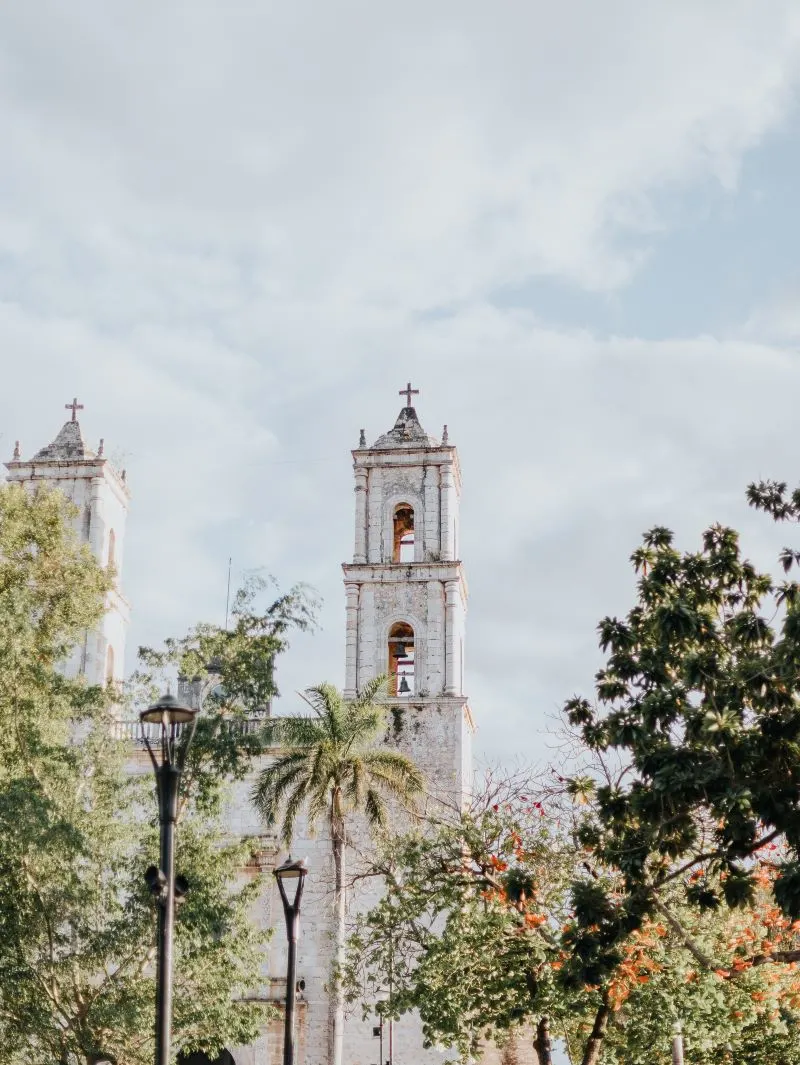
The Merida Cathedral, also known as the Cathedral of San Ildefonso, is a magnificent religious landmark located in the heart of Merida, Mexico. It is situated in the Plaza Grande, the main square of the city, surrounded by other significant buildings and historical sites.
The construction of the Merida Cathedral began in the 16th century, shortly after the Spanish conquest of the Yucatan Peninsula.
However, due to its extensive construction period, which lasted for several centuries, the cathedral showcases a blend of architectural styles, including Spanish Renaissance, Baroque, and neoclassical elements.
The exterior of the cathedral is characterized by its stunning white facade and two imposing bell towers that rise high into the sky. The intricate details and ornate decorations on the facade, such as religious sculptures and carvings, add to its grandeur and artistic beauty.
Upon entering the cathedral, you will be greeted by a vast and awe-inspiring interior. The high vaulted ceilings, elegant arches, and towering columns create a sense of spaciousness and serenity.
The altar, adorned with gold leaf and intricate carvings, serves as the focal point of the cathedral and is a testament to the religious devotion and artistic craftsmanship of the time.
Throughout the cathedral, you’ll find numerous chapels dedicated to various saints and religious figures. These chapels feature ornate altarpieces, religious paintings, and sculptures, each with its unique story and significance. The ambiance inside the cathedral is tranquil, providing a place for reflection, prayer, and spiritual contemplation.
The Merida Cathedral is not only a place of worship but also a significant historical and cultural site. It has witnessed centuries of Merida’s history, including important events and celebrations.
Its central location in the Plaza Grande makes it a focal point for festivals, processions, and other religious and civic gatherings.
Visiting the Merida Cathedral offers an opportunity to admire the architectural beauty, experience the spiritual atmosphere, and gain insights into the city’s history and religious heritage.
Whether you are a religious pilgrim, a history enthusiast, or simply appreciate magnificent architecture, the Merida Cathedral is a must-visit destination in Merida, Mexico.
4. Explore the Mayan World Museum: Learn about the rich Mayan history and culture through fascinating exhibits

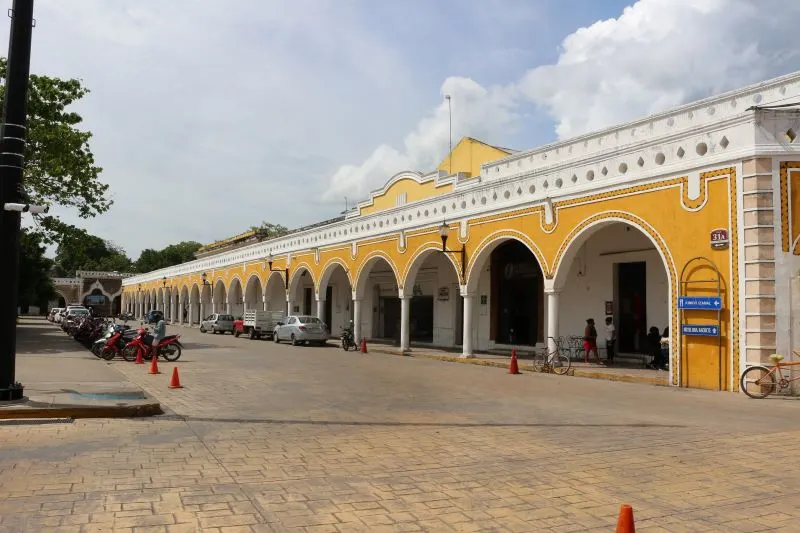
The Mayan World Museum, also known as the Gran Museo del Mundo Maya, is a fascinating cultural institution located in Merida, Mexico. It is dedicated to showcasing the rich history, culture, and legacy of the ancient Maya civilization that once thrived in the region.
The museum offers a comprehensive and immersive experience, taking visitors on a journey through time to explore the world of the Maya. It houses a vast collection of artifacts, exhibits, multimedia presentations, and interactive displays that provide deep insights into the Maya civilization.
Upon entering the Mayan World Museum, visitors are greeted by a modern and architecturally striking building. The museum’s design blends contemporary elements with Mayan-inspired motifs, creating a harmonious blend of the past and the present.
Inside, the museum is organized into different exhibition halls, each focusing on different aspects of Mayan culture. The exhibits cover a wide range of topics, including archaeology, art, agriculture, astronomy, rituals, and daily life of the ancient Maya.
The artifacts on display include pottery, stone carvings, jewelry, tools, and sculptures, many of which are intricately detailed and beautifully preserved.
These artifacts provide tangible connections to the past and offer a glimpse into the sophistication and artistry of the Maya civilization.
The Mayan World Museum also incorporates multimedia presentations, audiovisual displays, and interactive installations to enhance the visitor experience.
These technologies bring the ancient Maya world to life, allowing visitors to engage with the exhibits in a dynamic and immersive way.
One of the highlights of the museum is the replica of the tomb of the Maya ruler Pakal the Great, which offers a glimpse into the royal burial practices and beliefs of the Maya civilization.
Additionally, the museum frequently hosts temporary exhibitions and cultural events that further enrich the visitor experience, showcasing contemporary Maya art, traditions, and contributions to the present-day Yucatan Peninsula.
Exploring the Mayan World Museum provides an opportunity to deepen your understanding and appreciation of the fascinating Maya civilization.
It is a place where history, art, and culture converge, offering an educational and captivating experience for visitors of all ages. Whether you have a specific interest in archaeology, anthropology, or simply a curiosity about ancient civilizations, the Mayan World Museum in Merida is a must-visit destination.
5. Discover the Gran Museo del Mundo Maya: Another excellent museum that delves into the ancient Maya civilization


The Gran Museo del Mundo Maya, also known as the Great Museum of the Maya World, is a captivating cultural institution located in Merida, Mexico.
It is dedicated to showcasing the rich history, art, and culture of the ancient Maya civilization that flourished in the Yucatan Peninsula and surrounding regions.
The museum building itself is a modern architectural marvel, designed to evoke the grandeur and mystique of the Maya civilization. Its sleek lines and geometric patterns create a visually striking presence that blends seamlessly with the surrounding landscape.
Upon entering the Gran Museo del Mundo Maya, visitors are greeted by a spacious and beautifully designed interior. The museum is organized into various galleries and exhibition halls, each offering a unique perspective on the Maya world.
The exhibits in the museum cover a wide range of topics, including archaeology, history, art, rituals, agriculture, and daily life of the Maya people.
The collection features a vast array of artifacts, including intricately carved stone sculptures, pottery, jewelry, textiles, and tools, providing a tangible connection to the past.
The museum employs a combination of traditional displays and modern multimedia technologies to create an engaging and immersive experience.
Interactive installations, audiovisual presentations, and multimedia displays bring the ancient Maya world to life, allowing visitors to delve deeper into the culture, traditions, and achievements of this remarkable civilization.
One of the highlights of the Gran Museo del Mundo Maya is the centerpiece gallery that showcases the famous Maya archaeological site of Chichen Itza.
This gallery provides detailed information about the site’s history, architecture, and significance, accompanied by replicas and models that help visitors visualize the splendor of this ancient city.
The museum also features temporary exhibitions that highlight contemporary Maya art, culture, and contributions to the present-day Yucatan Peninsula. These exhibitions provide a glimpse into the ongoing traditions and artistic expressions of the Maya people.
The Gran Museo del Mundo Maya is not only a place for learning and discovery but also a hub for cultural events, lectures, workshops, and performances related to Maya culture.
It serves as a platform for fostering an appreciation of the Maya heritage and fostering dialogue between the past and the present.
Whether you are an archaeology enthusiast, history buff, or simply curious about ancient civilizations, the Gran Museo del Mundo Maya offers a captivating and enlightening experience.
It allows visitors to immerse themselves in the fascinating world of the Maya, gaining a deeper understanding of their achievements, beliefs, and enduring legacy in the Yucatan Peninsula and beyond.
6. Explore the Uxmal Archaeological Site: Take a day trip to this UNESCO World Heritage Site known for its impressive Mayan ruins


The Uxmal Archaeological Site is a UNESCO World Heritage Site located near the city of Merida in the Yucatan Peninsula, Mexico. It is one of the most significant and well-preserved ancient Mayan cities, offering visitors a glimpse into the architectural and cultural achievements of the Maya civilization.
Uxmal, which means “built three times” in the Mayan language, was once a thriving city and a center of political, religious, and artistic activities. The site flourished between the 7th and 10th centuries AD, during the late Classic period of Mayan civilization.
The architectural style at Uxmal is distinctive and characterized by intricate stone mosaics, decorative friezes, and well-preserved facades. The structures at Uxmal showcase the Puuc architectural style, which is known for its geometric patterns, smooth walls, and elaborate stone carvings.
One of the main attractions at Uxmal is the Pyramid of the Magician (Pyramid of the Dwarf), also known as the “Pirámide del Adivino.”
This imposing pyramid stands tall and is unique in its elliptical shape. Climbing to the top of the pyramid offers breathtaking panoramic views of the surrounding jungle and the entire archaeological site.
Another notable structure is the Governor’s Palace (Palacio del Gobernador), an impressive building adorned with intricate stone carvings depicting mythological creatures, rulers, and religious motifs.
The palace is the largest and most elaborate structure at Uxmal, showcasing the architectural mastery and artistic sophistication of the Maya.
The Nunnery Quadrangle (Cuadrángulo de las Monjas) is another remarkable complex, consisting of four ornately decorated buildings arranged around a central courtyard.
The facades of these structures are adorned with intricate stone mosaics, representing snakes, masks, and other symbolic motifs.
Other structures at Uxmal include the Great Pyramid (Gran Pirámide), the Ball Court (Juego de Pelota), and the House of the Turtles (Casa de las Tortugas), among others. Each of these structures offers unique architectural features, intricate carvings, and historical significance.
Exploring the Uxmal Archaeological Site allows visitors to wander through a well-preserved ancient city, surrounded by lush vegetation and a serene atmosphere. The site’s location, amidst the jungle, adds to its mystique and creates a sense of discovery and adventure.
Guided tours and informative signage provide insights into the history, culture, and significance of the site, allowing visitors to appreciate the architectural prowess, urban planning, and religious beliefs of the Maya civilization.
Visiting Uxmal is an opportunity to step back in time and witness the remarkable achievements of the Maya civilization. It offers a profound connection to the past, immersing visitors in the grandeur and sophistication of a bygone era.
7. Discover the Dzibilchaltun Archaeological Site: Explore this Mayan site and swim in the refreshing cenote located within

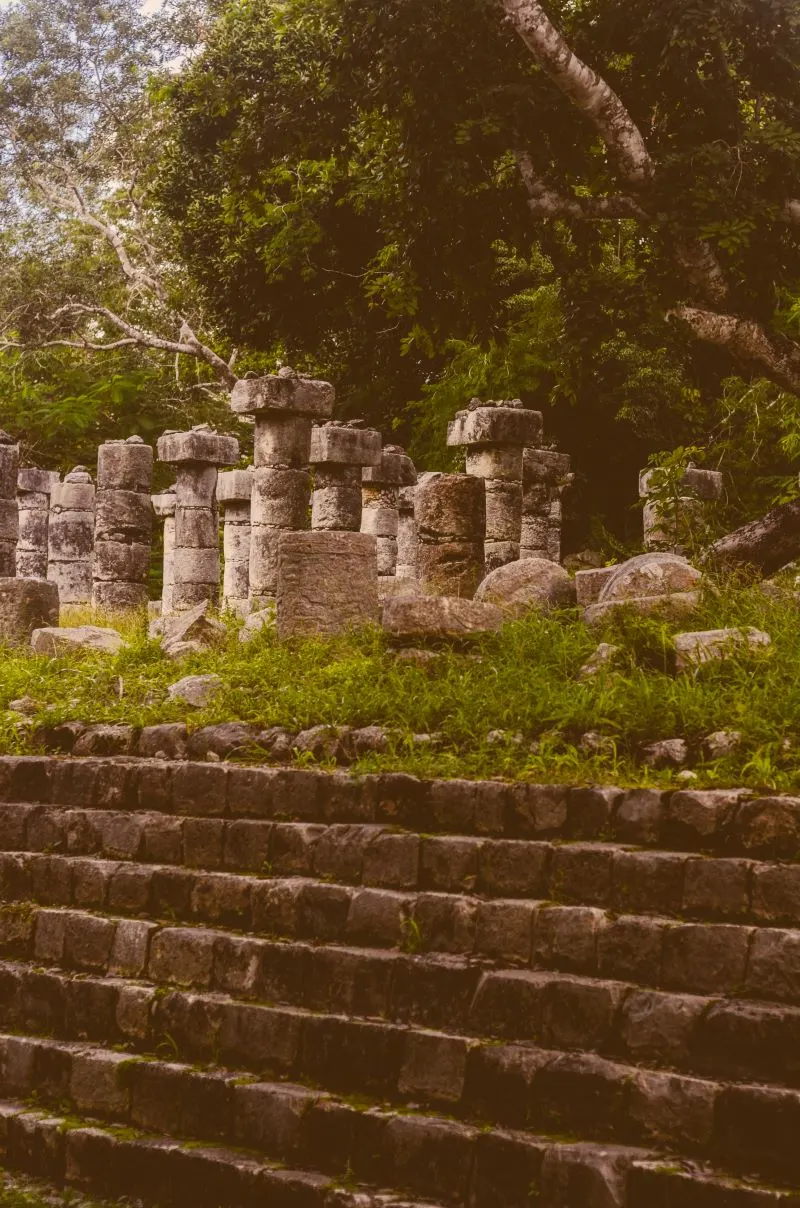
The Dzibilchaltun Archaeological Site is an ancient Mayan city located approximately 20 kilometers north of Merida, Mexico, in the Yucatan Peninsula.
It is a significant archaeological site that offers visitors a unique opportunity to explore the remnants of a once-thriving Mayan settlement and gain insights into the daily life and cultural practices of the Maya civilization.
Dzibilchaltun, meaning “the place where there is writing on flat stones” in the Mayan language, was inhabited for over 2,000 years, from around 500 BC to 1500 AD. The site is known for its strategic location near cenotes (natural sinkholes) that provided vital water sources for the inhabitants.
The main attraction at Dzibilchaltun is the Temple of the Seven Dolls (Templo de las Siete Muñecas). This pyramid-like structure derived its name from the seven small figurines found within it.
It is a remarkable architectural piece, and during the spring and fall equinoxes, the rising sun aligns perfectly with its doorway.
Another notable feature of Dzibilchaltun is its large ceremonial center, known as the Great Plaza. This open space was the focal point of social and religious activities and is surrounded by various structures, including temples, platforms, and residential buildings. The Great Plaza also contains the remnants of a large ball court, where the Maya played their traditional ballgame.
One of the unique aspects of Dzibilchaltun is the Xlacah Cenote, located within the site. This cenote served as a crucial water source for the ancient Mayan inhabitants and is now a popular spot for visitors.
You can descend into the cenote and marvel at its crystal-clear waters, appreciating the significance it held for the Maya people.
Dzibilchaltun is also home to the Dzibilchaltun Museum, which showcases artifacts discovered at the site. The museum provides further context and information about the history, architecture, and daily life of the ancient Maya, offering a deeper understanding of the site and its significance.
Exploring the Dzibilchaltun Archaeological Site allows visitors to walk through the ancient streets, observe the remains of structures, and imagine the vibrant life that once thrived there.
The site is surrounded by beautiful natural landscapes, including lush vegetation and serene cenotes, adding to its allure.
Visiting Dzibilchaltun provides a chance to witness the architectural achievements of the Maya, appreciate their connection with nature, and learn about their cultural practices.
It is a place where history comes alive, offering a unique glimpse into the past and allowing visitors to forge a connection with the ancient Maya civilization.
8. Visit the Palacio Canton: Explore this beautiful mansion turned museum, showcasing Yucatecan art and culture


The Palacio Canton, also known as the Canton Palace or Casa de la Cultura, is a magnificent mansion-turned-museum located in Merida, Mexico.
It is a prominent architectural gem that houses the Regional Museum of Anthropology and History, offering visitors a captivating journey through the diverse cultural heritage of the Yucatan Peninsula.
The Palacio Canton was constructed in the early 20th century and showcases an eclectic architectural style, blending neoclassical and French Renaissance elements.
Its imposing facade features ornate columns, elegant balconies, and intricate detailing, making it a visually striking landmark in the city.
Upon entering the Palacio Canton, visitors are greeted by a grand central courtyard, adorned with lush greenery, fountains, and beautiful tilework. The interior of the palace is equally impressive, with spacious halls, graceful staircases, and beautifully decorated rooms.
The Regional Museum of Anthropology and History housed within the Palacio Canton offers a comprehensive exploration of the rich cultural heritage of the Yucatan Peninsula.
The museum’s collection includes a vast array of archaeological artifacts, historical objects, and ethnographic displays that provide insights into the diverse indigenous cultures and history of the region.
The exhibits within the museum cover various aspects of the region’s heritage, including the ancient Maya civilization, colonial history, and contemporary cultural practices.
Visitors can marvel at intricate pottery, stone carvings, textiles, and jewelry that reflect the artistic and technical achievements of the Maya people.
One of the highlights of the Palacio Canton is the Maya Hall, a dedicated space that showcases an impressive collection of Maya artifacts, including elaborately carved stelae, sculptures, and ceremonial objects. The hall offers a glimpse into the spiritual beliefs, cosmology, and artistic expressions of the Maya civilization.
The Palacio Canton also frequently hosts temporary exhibitions, cultural events, and educational programs, further enriching the visitor experience and providing a platform for promoting the region’s cultural heritage.
Visiting the Palacio Canton allows visitors to appreciate not only the architectural grandeur of the palace but also the cultural richness and historical significance of the Yucatan Peninsula.
It offers a blend of art, history, and anthropology, providing an immersive and educational experience for individuals interested in delving deeper into the region’s cultural tapestry.
Whether you are an art enthusiast, history lover, or simply curious about the indigenous cultures of Mexico, a visit to the Palacio Canton and the Regional Museum of Anthropology and History is a must-do when in Merida.
9. Explore the Hacienda Sotuta de Peón: Take a tour of this working henequen plantation and learn about its history

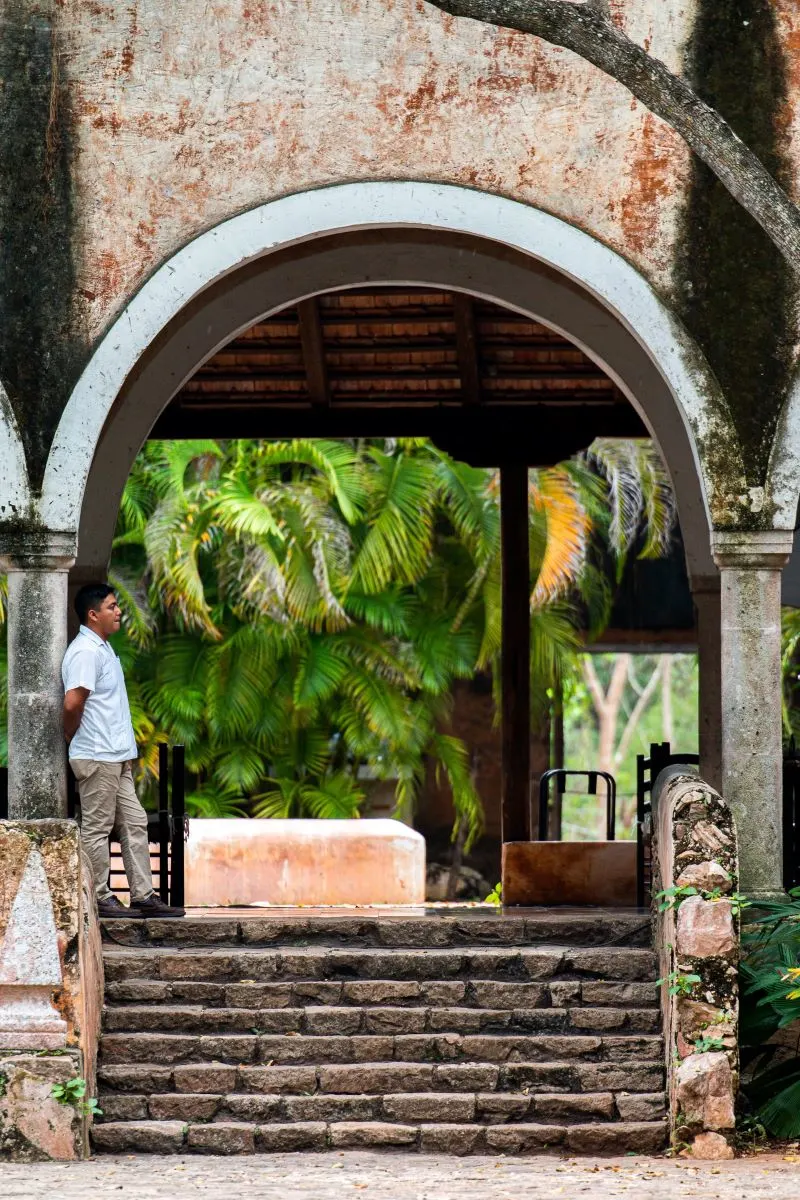
The Hacienda Sotuta de Peón is a historic and beautifully preserved henequen plantation located near Merida, Mexico. It offers visitors a unique opportunity to step back in time and explore the rich history and cultural heritage of the Yucatan Peninsula’s henequen industry.
Henequen, also known as sisal, was a type of agave plant that was cultivated and processed to produce fibers used in rope and other products. The Hacienda Sotuta de Peón was once a prosperous henequen plantation during the late 19th and early 20th centuries when the industry was at its peak.
Upon arrival at the hacienda, visitors are greeted by a beautifully restored main house that serves as the entrance and visitor center. The main house reflects the architectural style of the era, with its spacious rooms, high ceilings, and elegant furnishings.
One of the highlights of the Hacienda Sotuta de Peón is the guided tour that takes visitors through the various areas of the plantation. The tour provides a fascinating glimpse into the process of henequen production and the life of the workers on the plantation.
During the tour, visitors have the opportunity to explore the fields where henequen plants are cultivated, learning about the cultivation techniques and the importance of this industry to the local economy.
They can also witness the traditional method of extracting fibers from the henequen leaves using a machine called a “jaguar,” which was historically operated by workers known as “jaguares.”
Another highlight of the tour is the chance to visit the Henequen Hacienda Museum, which showcases the machinery, tools, and artifacts used in the henequen production process.
The museum provides insights into the technology and innovation of the era, as well as the social and economic impact of the henequen industry on the region.
After the informative tour, visitors can relax and enjoy the natural surroundings of the hacienda. The Hacienda Sotuta de Peón features beautifully landscaped gardens, a cenote (natural sinkhole) where visitors can swim, and even a traditional restaurant that serves regional cuisine.
Exploring the Hacienda Sotuta de Peón offers a glimpse into a bygone era and an appreciation for the historical significance of the henequen industry in the Yucatan Peninsula.
It is a place where history, culture, and natural beauty converge, providing a memorable and educational experience for visitors.
Whether you are interested in history, agriculture, or simply want to immerse yourself in the tranquil ambiance of a traditional Yucatecan hacienda, a visit to the Hacienda Sotuta de Peón is a must-do when in Merida.
10. Wander through the Mercado Lucas de Galvez: Experience the vibrant local market and sample delicious Yucatecan cuisine

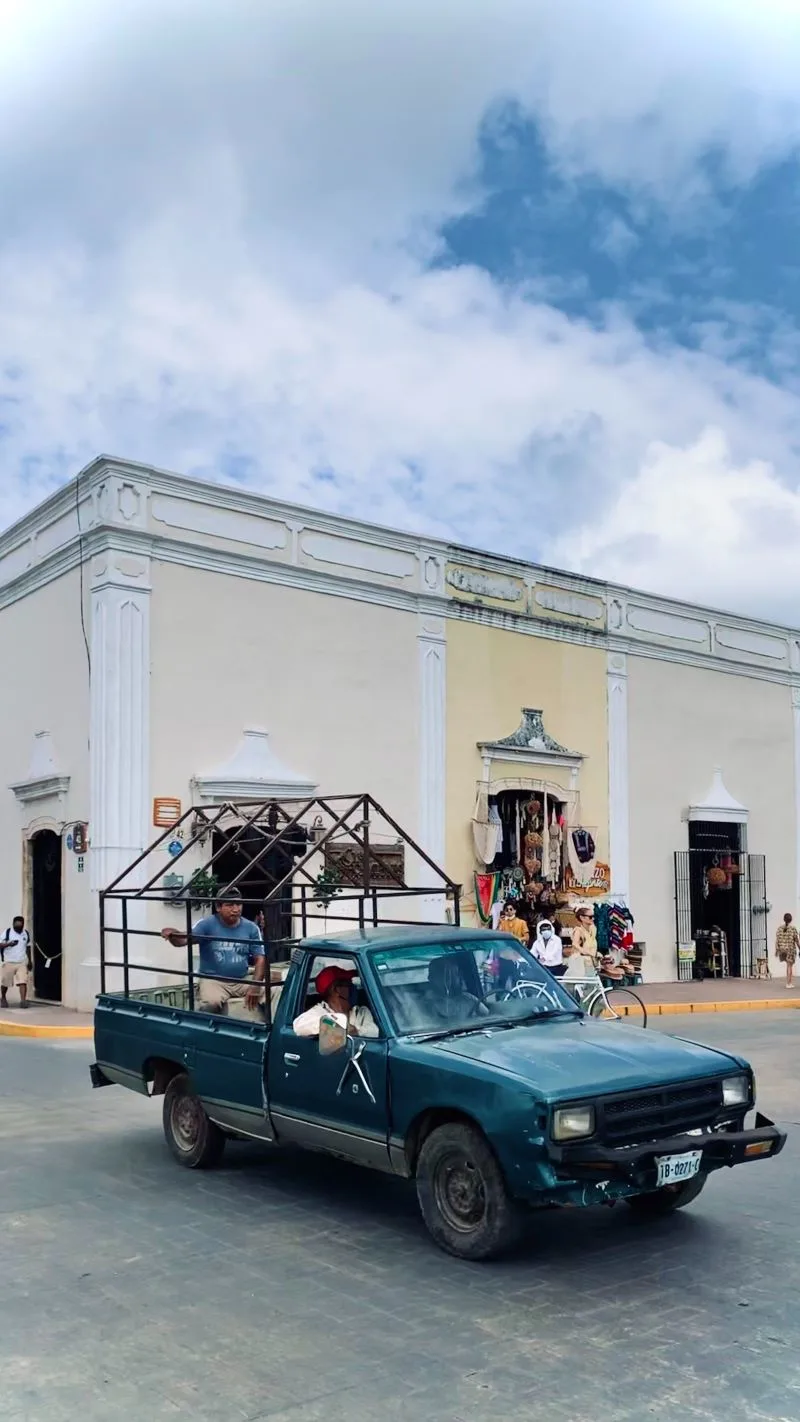
The Mercado Lucas de Galvez is a bustling traditional market located in the heart of Merida, Mexico. It is a vibrant and lively place where locals and visitors alike can immerse themselves in the vibrant colors, aromas, and flavors of the Yucatan Peninsula.
Wandering through the Mercado Lucas de Galvez is a sensory experience like no other. The market is divided into various sections, each offering a unique array of products and specialties.
As you explore, you’ll encounter rows of stalls filled with a wide variety of fresh fruits, vegetables, herbs, and spices, creating a kaleidoscope of colors and aromas that fill the air.
The market is particularly famous for its food section, where you’ll find an abundance of local delicacies and street food. From sizzling tacos and tamales to freshly squeezed juices and regional desserts, the market is a food lover’s paradise.
You can sample traditional Yucatecan dishes like cochinita pibil (slow-roasted pork), panuchos (tortillas stuffed with beans and topped with meat and veggies), and marquesitas (sweet, crispy filled crepes).
In addition to food, the Mercado Lucas de Galvez is also a hub for handicrafts, textiles, clothing, and household items.
You’ll find stalls selling colorful woven hammocks, embroidered textiles, handmade pottery, and unique souvenirs that showcase the craftsmanship and artistic traditions of the region.
The market is also a place for cultural exchange and interaction. Locals engage in lively conversations, vendors enthusiastically promote their products, and shoppers haggle and negotiate for the best deals. It’s a vibrant and dynamic atmosphere that truly captures the essence of everyday life in Merida.
Wandering through the Mercado Lucas de Galvez allows visitors to engage with the local culture, explore the regional flavors, and gain a deeper understanding of the Yucatan Peninsula’s traditions and way of life. It’s an opportunity to support local artisans and vendors while immersing yourself in the authentic charm of a traditional market.
Whether you’re searching for fresh ingredients, unique souvenirs, or simply want to soak up the lively atmosphere, a visit to the Mercado Lucas de Galvez is a must-do in Merida. It’s a place where the vibrant spirit of the city comes to life, leaving visitors with lasting memories and a taste of the local culture.
11. Take a cooking class: Learn to prepare traditional Yucatecan dishes like cochinita pibil and sopa de lima


Taking a cooking class in Merida, Mexico is an excellent way to delve into the vibrant culinary culture of the Yucatan Peninsula. Known for its unique flavors, traditional techniques, and rich ingredients, Yucatecan cuisine offers a delightful blend of indigenous Mayan, Spanish, and Caribbean influences.
During a cooking class, you’ll have the opportunity to learn from skilled local chefs who will guide you through the preparation of traditional dishes. The classes are typically hands-on, allowing you to actively participate in the cooking process and learn the secrets behind authentic Yucatecan recipes.
The cooking classes often begin with a visit to a local market, where you’ll explore the vibrant stalls filled with fresh produce, herbs, spices, and other essential ingredients.
This excursion provides insights into the importance of sourcing high-quality ingredients and introduces you to the diverse flavors that make Yucatecan cuisine so unique.
Back in the kitchen, you’ll learn the art of preparing traditional Yucatecan dishes. This may include iconic dishes such as cochinita pibil (slow-roasted pork marinated in citrus juice and achiote paste), papadzules (enchiladas filled with hard-boiled eggs and topped with a pumpkin seed sauce), or sopa de lima (a tangy and refreshing lime soup). You’ll discover the techniques, seasonings, and balance of flavors that define Yucatecan cooking.
The classes also offer an opportunity to learn about the cultural significance of the dishes and the stories behind them. The instructors often share anecdotes, culinary traditions, and historical insights, allowing you to gain a deeper appreciation for the local food culture.
Once the cooking is complete, it’s time to savor the fruits of your labor. You’ll have the pleasure of sitting down to enjoy the delicious dishes you’ve prepared, savoring the flavors, and discussing the nuances of Yucatecan cuisine with your fellow participants.
Taking a cooking class not only provides a memorable culinary experience but also equips you with valuable skills and recipes that you can recreate and share with family and friends back home.
It’s an immersive way to connect with the local culture, embrace the flavors of the Yucatan Peninsula, and gain a deeper understanding of the region’s gastronomic heritage.
Whether you’re a seasoned cook or a novice in the kitchen, a cooking class in Merida offers a delightful blend of education, culture, and deliciousness. It’s a chance to expand your culinary repertoire, create lasting memories, and savor the authentic tastes of Yucatecan cuisine.
12. Visit the Casa de Montejo: Explore this historical mansion and learn about the Montejo family, who founded Merida

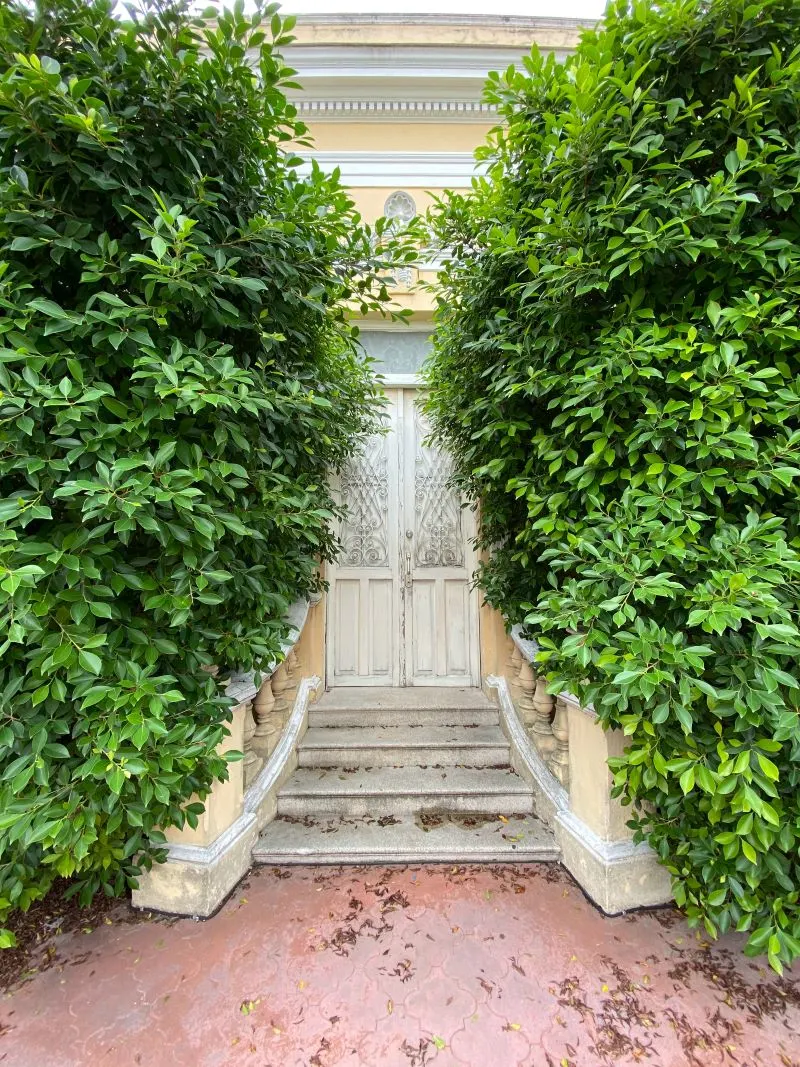
The Casa de Montejo is a historic mansion located in the heart of Merida, Mexico. It is a remarkable architectural gem that reflects the grandeur and elegance of the Spanish colonial era and serves as a testament to the city’s rich history.
The Casa de Montejo was built in the 16th century as the residence of Francisco de Montejo, the Spanish conquistador who founded Merida. It is an outstanding example of Spanish Renaissance architecture, characterized by its intricate carvings, ornate balconies, and imposing stone facade.
As you approach the Casa de Montejo, you’ll be captivated by its impressive exterior. The facade features elaborate reliefs depicting scenes from Spanish history and the conquest of the Yucatan Peninsula.
The combination of European and indigenous influences is evident in the architectural details, showcasing the blending of cultures that shaped the region’s history.
Upon entering the mansion, you’ll step into a world of opulence and grandeur. The interior is adorned with beautiful tilework, elegant furnishings, and intricate woodwork, providing a glimpse into the lavish lifestyle of the Montejo family during the colonial period.
One of the highlights of the Casa de Montejo is the main hall, which boasts a stunning carved wooden ceiling and a magnificent staircase. The hall is a testament to the craftsmanship and artistic skills of the period, leaving visitors in awe of its intricate beauty.
The Casa de Montejo now serves as a museum, offering visitors a glimpse into the history and cultural heritage of Merida. The museum showcases a collection of artifacts, documents, and historical pieces that provide insights into the city’s colonial past.
Visiting the Casa de Montejo allows you to immerse yourself in the architectural splendor of the Spanish colonial era and gain a deeper understanding of the historical significance of Merida. It’s a place where the past comes alive, and you can appreciate the cultural fusion that shaped the city’s identity.
Whether you are an architecture enthusiast, history lover, or simply curious about the heritage of Merida, a visit to the Casa de Montejo is a must-do. It’s an opportunity to step back in time, explore the legacy of the Montejo family, and appreciate the architectural treasures that grace the city’s streets.
13. Attend a traditional Yucatecan music and dance performance: Experience the lively rhythms and colorful costumes

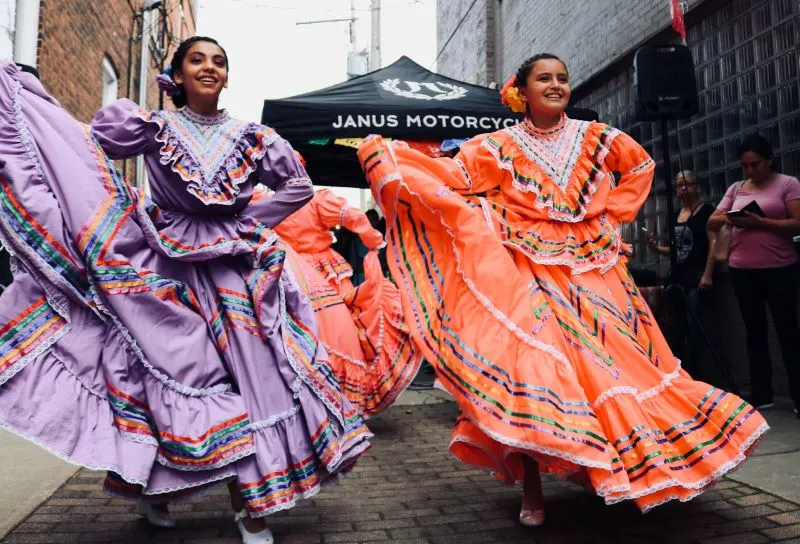
Attending a traditional Yucatecan music and dance performance in Merida, Mexico is an immersive cultural experience that allows you to witness the vibrant rhythms, captivating melodies, and lively movements that define the region’s artistic traditions.
Yucatecan music and dance have deep roots in the indigenous Mayan culture, combined with influences from Spanish and Afro-Caribbean traditions.
The performances often take place in cultural centers, theaters, or outdoor venues, showcasing the rich tapestry of Yucatecan folklore.
During the performance, you’ll be treated to a mesmerizing display of music and dance that reflects the diversity and cultural heritage of the Yucatan Peninsula. The music is typically performed by a live ensemble, featuring traditional instruments such as the jarana (a small guitar-like instrument), the marimba (a wooden percussion instrument), and the accordion. The melodies are lively, uplifting, and often accompanied by captivating vocal harmonies.
Accompanying the music is a variety of traditional Yucatecan dances. Each dance tells a story, celebrates a cultural tradition, or pays homage to a specific aspect of Yucatecan life.
The dancers, adorned in colorful costumes, move with grace and precision, expressing emotions, narratives, and cultural symbolism through their choreography.
One popular Yucatecan dance is the Jarana, characterized by its energetic footwork, intricate partner formations, and playful interactions between dancers. Other dances, such as the Deer Dance or the Vaquería, feature elaborate costumes and incorporate elements of indigenous rituals or rural traditions.
Attending a traditional Yucatecan music and dance performance allows you to witness the vibrant expression of the region’s cultural identity.
You’ll be transported to a world of music, rhythm, and movement, and gain a deeper appreciation for the artistic traditions that have been passed down through generations.
These performances not only entertain but also provide insight into the history, customs, and values of the Yucatecan people. The dancers’ costumes, the melodies of the music, and the storytelling through movement all contribute to a memorable and enriching experience.
Whether you are a fan of music and dance or simply interested in immersing yourself in the cultural traditions of the Yucatan Peninsula, attending a traditional Yucatecan performance in Merida is a must-do.
It’s a chance to celebrate the region’s artistic heritage, witness the beauty of its cultural expressions, and be transported by the rhythms and melodies that resonate with the soul of Yucatecans.
14. Explore the Museum of the City of Merida: Discover the city’s history through exhibits and artifacts

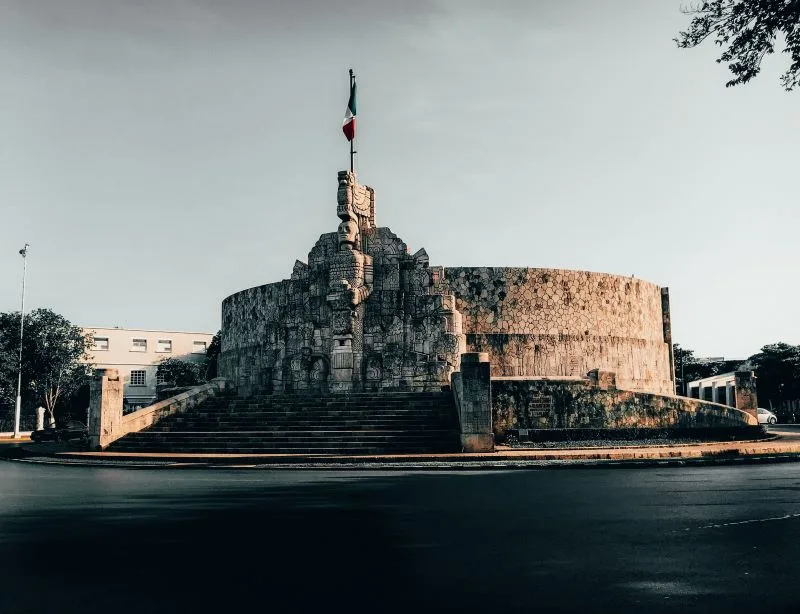
The Museum of the City of Merida, also known as Museo de la Ciudad de Merida, is a captivating museum located in the historic center of Merida, Mexico.
Housed in a beautifully restored colonial building, the museum offers a comprehensive exploration of the city’s rich history, culture, and art.
As you enter the Museum of the City of Merida, you’ll step into a world where the past comes alive. The exhibits are thoughtfully curated to provide a chronological journey through the city’s development, from its pre-Hispanic origins to the present day.
The museum showcases a wide range of artifacts, documents, and artworks that tell the story of Merida. You’ll have the opportunity to explore archaeological pieces that shed light on the ancient Mayan civilization that once thrived in the region.
These artifacts include pottery, sculptures, and ceremonial objects that offer insights into the daily life, rituals, and beliefs of the Mayan people.
Moving through the museum, you’ll encounter exhibits that cover the colonial period, displaying furniture, clothing, and religious art that reflect the Spanish influence on the city.
The museum also delves into the era of Mexican independence, showcasing historical documents and memorabilia that highlight the city’s role in the fight for freedom.
One of the highlights of the Museum of the City of Merida is its collection of contemporary art. The museum features rotating exhibits that showcase the works of local and regional artists, offering a glimpse into the vibrant and diverse artistic scene of Merida.
In addition to the exhibits, the museum often hosts cultural events, lectures, and workshops that provide further insights into the city’s history and traditions. These events offer a deeper understanding of the local culture and engage visitors in interactive and educational experiences.
Exploring the Museum of the City of Merida is a journey of discovery and appreciation for the city’s heritage. Whether you are a history enthusiast, an art lover, or simply curious about the cultural identity of Merida, the museum offers a comprehensive and engaging experience.
By visiting this museum, you’ll gain a deeper understanding of the city’s past, its cultural roots, and the diverse influences that have shaped its identity.
It’s a place where the stories of Merida are preserved and celebrated, allowing visitors to connect with the city’s rich history and artistic expressions.
15. Relax at the Parque de Santa Lucia: Enjoy the tranquil atmosphere, live music, and outdoor cafes

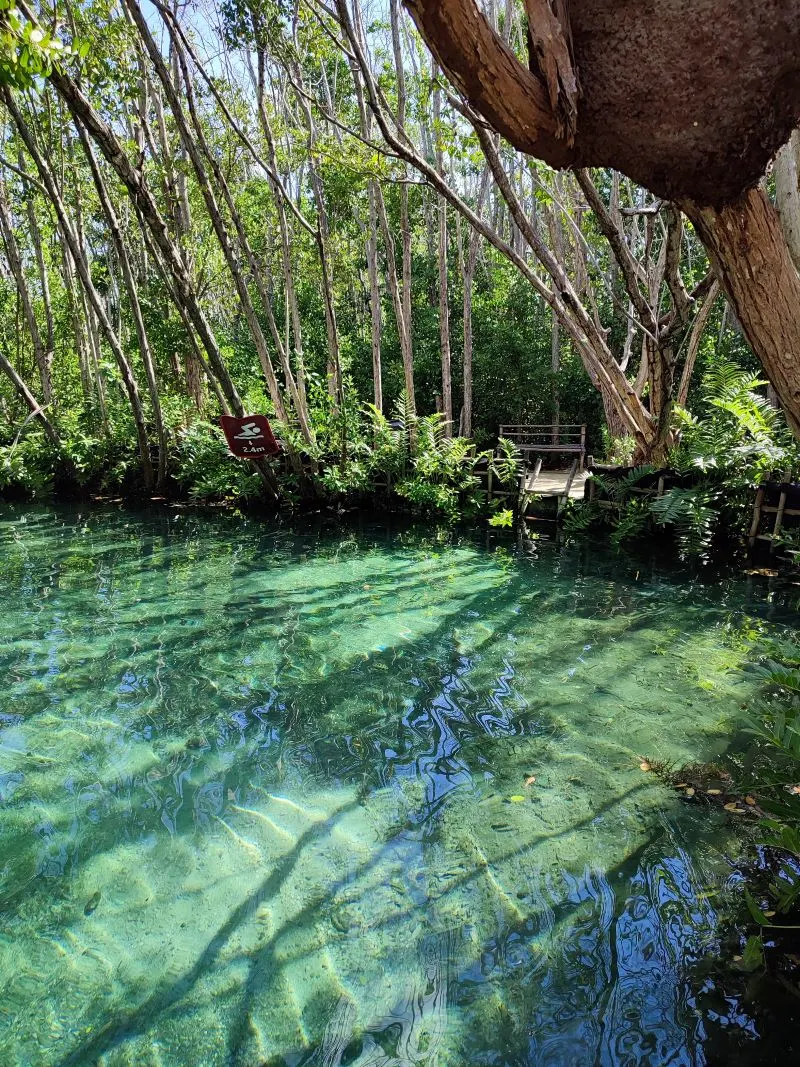
The Parque de Santa Lucia is a charming and picturesque park located in the heart of Merida, Mexico. It is a popular gathering spot for locals and visitors alike, offering a peaceful oasis where you can relax, soak up the atmosphere, and enjoy the vibrant surroundings.
The park is known for its laid-back ambiance and beautifully landscaped gardens. As you enter, you’ll be greeted by lush greenery, colorful flowers, and towering trees that provide shade and respite from the sun. The well-maintained pathways invite leisurely strolls, allowing you to explore the park at your own pace.
One of the main attractions of Parque de Santa Lucia is its central square, adorned with a stunning gazebo that serves as a focal point for social gatherings and live performances.
The gazebo is an iconic symbol of the park and often acts as a stage for traditional music, dance, and cultural events. It creates a lively and festive atmosphere, especially during the evenings when the park comes alive with music and entertainment.
The park is also lined with charming restaurants, cafes, and ice cream shops where you can indulge in local culinary delights or simply sit back with a refreshing drink.
Many establishments offer outdoor seating, allowing you to enjoy the park’s ambiance while savoring the flavors of Yucatecan cuisine or cooling off with a delicious ice cream treat.
Parque de Santa Lucia is a place where you can truly unwind and enjoy the simple pleasures of life. Whether you choose to find a cozy bench, relax on the grass, or take a seat at a cafe terrace, you’ll find plenty of opportunities to sit back, people-watch, and soak up the tranquil atmosphere.
The park is also known for its vibrant evening ambiance. As the sun sets, the park becomes illuminated by soft lights, creating a romantic and enchanting atmosphere. Couples often stroll hand in hand, families gather for picnics, and locals engage in conversation, creating a sense of community and warmth.
Whether you’re looking for a peaceful escape from the bustling city or a place to gather with friends and family, Parque de Santa Lucia offers a serene and welcoming environment. It’s a place to relax, rejuvenate, and immerse yourself in the gentle rhythm of Merida’s everyday life.
16. Take a ride on the Turibus: Hop on this open-top bus tour to get an overview of the city’s main attractions


Taking a ride on the Turibus in Merida, Mexico is an enjoyable and convenient way to explore the city’s main attractions and landmarks. The Turibus is a double-decker sightseeing bus that offers hop-on, hop-off tours, allowing you to discover the city at your own pace.
The Turibus provides a comfortable and panoramic view of Merida’s streets, allowing you to take in the city’s architecture, cultural sites, and vibrant atmosphere.
The open-air top deck of the bus provides an excellent vantage point for capturing photos and experiencing the city from a unique perspective.
The Turibus typically follows a designated route that covers the most popular attractions in Merida. As you travel along the route, a knowledgeable guide provides commentary in multiple languages, sharing interesting facts, historical anecdotes, and cultural insights about the sites you pass by.
One of the advantages of the Turibus is its flexibility. With the hop-on, hop-off feature, you have the freedom to disembark at any stop that interests you, explore the area at your leisure, and then hop back on the next bus that comes along.
This allows you to spend more time at your favorite attractions, visit museums, enjoy shopping districts, or sample local cuisine.
The Turibus routes typically include stops at significant landmarks such as the Plaza Grande, the Paseo de Montejo, the Merida Cathedral, and various museums and cultural centers. It’s a convenient way to cover a lot of ground and see the highlights of the city in a relatively short period.
Whether you are a first-time visitor to Merida or a seasoned traveler looking to revisit your favorite spots, the Turibus offers a convenient and informative way to navigate the city and explore its top attractions.
It’s a hassle-free option that allows you to sit back, relax, and let the bus take you on a guided tour of the city’s most iconic sites.
Taking a ride on the Turibus provides a unique and comprehensive experience of Merida’s cultural heritage, architectural beauty, and vibrant atmosphere.
It’s an excellent option for those who want to see the city’s highlights while enjoying the convenience and flexibility of a guided tour.
17. Visit the Museo Fernando Garcia Ponce-Macay: Discover contemporary art and exhibitions in this modern museum


The Museo Fernando Garcia Ponce-Macay, commonly referred to as Macay, is a contemporary art museum located in Merida, Mexico.
Named after the renowned Yucatecan artist Fernando Garcia Ponce, the museum is a vibrant cultural hub that showcases a diverse range of contemporary artworks.
The museum is housed in a beautifully restored historic building that seamlessly blends traditional architecture with modern design. Upon entering, you’ll find yourself immersed in a space that is dedicated to the promotion and celebration of contemporary art in all its forms.
The Museo Fernando Garcia Ponce-Macay boasts a vast collection of artworks, including paintings, sculptures, installations, photographs, and multimedia pieces.
The exhibitions often feature the works of both local and international artists, providing a platform for artistic dialogue and expression.
As you navigate the museum’s galleries, you’ll encounter thought-provoking and visually striking artworks that explore various themes, concepts, and artistic styles.
The exhibitions are carefully curated to offer visitors a dynamic and engaging experience, showcasing the breadth and depth of contemporary artistic practices.
One of the unique aspects of Macay is its commitment to promoting local Yucatecan artists and fostering a sense of cultural pride.
The museum regularly hosts exhibitions that highlight the works of Yucatecan artists, allowing visitors to delve into the region’s artistic heritage and witness the vibrant creativity that emanates from the area.
In addition to its permanent and temporary exhibitions, Macay often hosts educational programs, workshops, and cultural events that aim to engage the community and foster a deeper appreciation for contemporary art.
These activities provide opportunities for visitors to interact with the art, learn about artistic processes, and participate in creative endeavors.
The Museo Fernando Garcia Ponce-Macay is not only a place to view art but also a space for contemplation, inspiration, and cultural exchange. Whether you are an art enthusiast, a curious traveler, or someone seeking creative inspiration, a visit to Macay offers a unique and enriching experience.
By exploring the museum, you’ll have the chance to immerse yourself in the vibrant world of contemporary art, discover new perspectives, and appreciate the artistic talents that thrive in Merida and beyond.
It’s a place where creativity flourishes, where artists’ voices are amplified, and where the power of art to evoke emotions and challenge perceptions is celebrated.
18. Explore the Cenote Xlacah: Take a refreshing swim in this cenote located near the Dzibilchaltun ruins

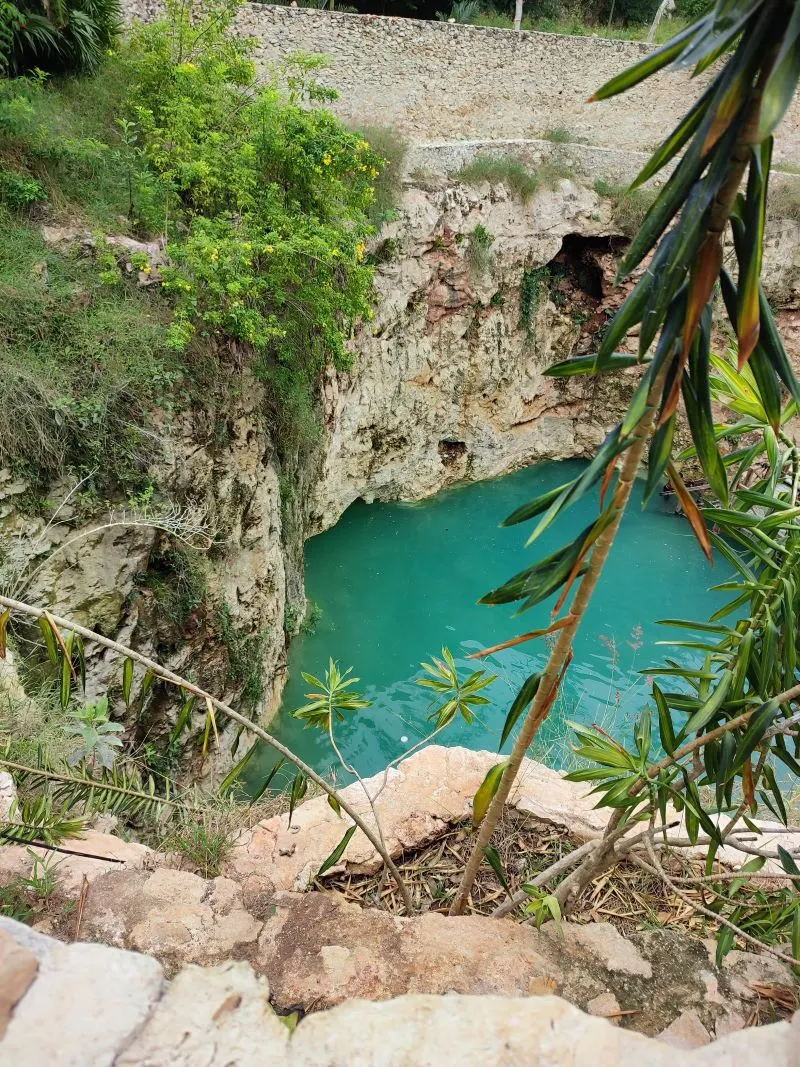
Cenote Xlacah is a stunning natural wonder located near the ancient Mayan city of Dzibilchaltun, just a short drive from Merida, Mexico. It is part of the extensive cenote network that dots the Yucatan Peninsula, offering a unique opportunity to explore the region’s underground rivers and caverns.
Cenotes are natural sinkholes formed by the collapse of limestone bedrock, revealing beautiful crystal-clear pools of freshwater.
Cenote Xlacah is particularly notable for its accessibility and captivating beauty. It features a partially enclosed cenote with a large opening in the ceiling, allowing sunlight to stream in and illuminate the turquoise waters below.
Upon arriving at Cenote Xlacah, you’ll be greeted by lush vegetation and the enchanting sounds of nature. As you descend into the cenote, you’ll be captivated by the sheer beauty of the surroundings.
The water is inviting and tranquil, creating a serene atmosphere that invites you to take a refreshing dip or simply bask in the peaceful ambiance.
One of the unique features of Cenote Xlacah is the underwater archaeological site that lies beneath its surface. Divers and snorkelers have the opportunity to explore the submerged ruins of the ancient Mayan city of Dzibilchaltun.
This archaeological site offers a glimpse into the fascinating history and cultural heritage of the region, making the cenote a truly extraordinary and immersive experience.
For those who prefer to stay dry, there are platforms and walkways around the edge of the cenote, allowing you to observe the mesmerizing beauty from above. You can sit on the rocks, take in the scenery, or simply enjoy the peaceful atmosphere surrounding you.
Visiting Cenote Xlacah is not only a chance to witness the natural beauty of the Yucatan Peninsula but also an opportunity to connect with the history and spirituality of the Mayan civilization.
It’s a place where you can appreciate the wonders of nature, take a refreshing swim in pristine waters, and marvel at the remnants of an ancient world.
Please note that it is always important to respect the environment and follow any guidelines or regulations set forth by the site management to ensure the preservation of these natural treasures.
19. Attend the Noche Mexicana: Experience a festive evening of music, dance, and traditional food

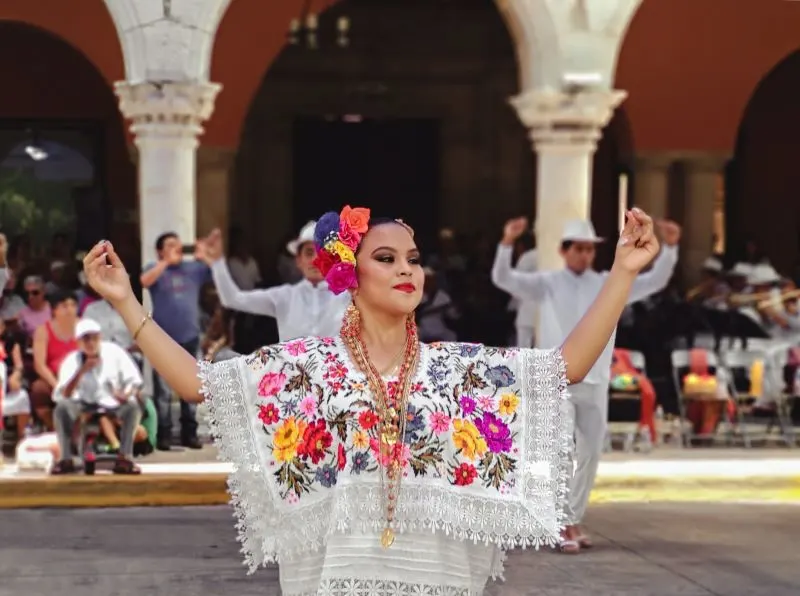
Attending the Noche Mexicana is an exciting and vibrant cultural event that showcases the rich traditions, music, dance, and cuisine of Mexico. It is a celebration of Mexican heritage and a fantastic opportunity to immerse yourself in the lively atmosphere and joyful spirit of the country.
The Noche Mexicana, which translates to “Mexican Night,” is typically held in various cities and towns across Mexico, including Merida. The event often takes place on Saturday evenings, usually in a central square or public gathering area, and is open to locals and visitors alike.
As you arrive at the Noche Mexicana, you’ll be greeted by a festive and colorful setting. The square is adorned with decorations, flags, and lights, creating a vibrant ambiance that sets the stage for the festivities.
The air is filled with the enticing aromas of traditional Mexican cuisine, drawing you towards food stalls and vendors offering a variety of delicious treats.
The highlight of the Noche Mexicana is the live music and dance performances that showcase the diverse cultural traditions of Mexico.
You’ll have the opportunity to witness captivating displays of regional folk dances, such as the lively Jarabe Tapatío (Mexican Hat Dance) or the elegant Danza de los Voladores (Dance of the Flyers).
These performances are accompanied by live music, featuring traditional instruments like guitars, maracas, and trumpets, creating a lively and energetic atmosphere.
The Noche Mexicana is not just a spectator event but also encourages audience participation. You’ll have the chance to join in the dancing, learn some traditional dance steps, and experience the joy of moving to the rhythm of Mexican music.
It’s a chance to embrace the cultural heritage and immerse yourself in the local traditions, creating lasting memories and connections.
In addition to the music and dance performances, the Noche Mexicana often includes other cultural activities and attractions. Artisans may showcase their craftsmanship, offering handmade crafts, textiles, and jewelry for sale.
There may also be traditional games, storytelling sessions, or cultural workshops that allow visitors to engage with the local traditions and gain a deeper understanding of Mexican culture.
The Noche Mexicana is a celebration of Mexico’s vibrant and diverse culture, offering an immersive and memorable experience for all who attend. It’s an opportunity to celebrate, dance, indulge in delicious food, and appreciate the warmth and hospitality of the Mexican people.
Whether you are a music lover, a dance enthusiast, or simply curious about experiencing the authentic spirit of Mexico, attending the Noche Mexicana is sure to be a delightful and enriching experience.
20. Explore the Cacao Museum: Learn about the history and production of chocolate, a significant part of Yucatecan culture

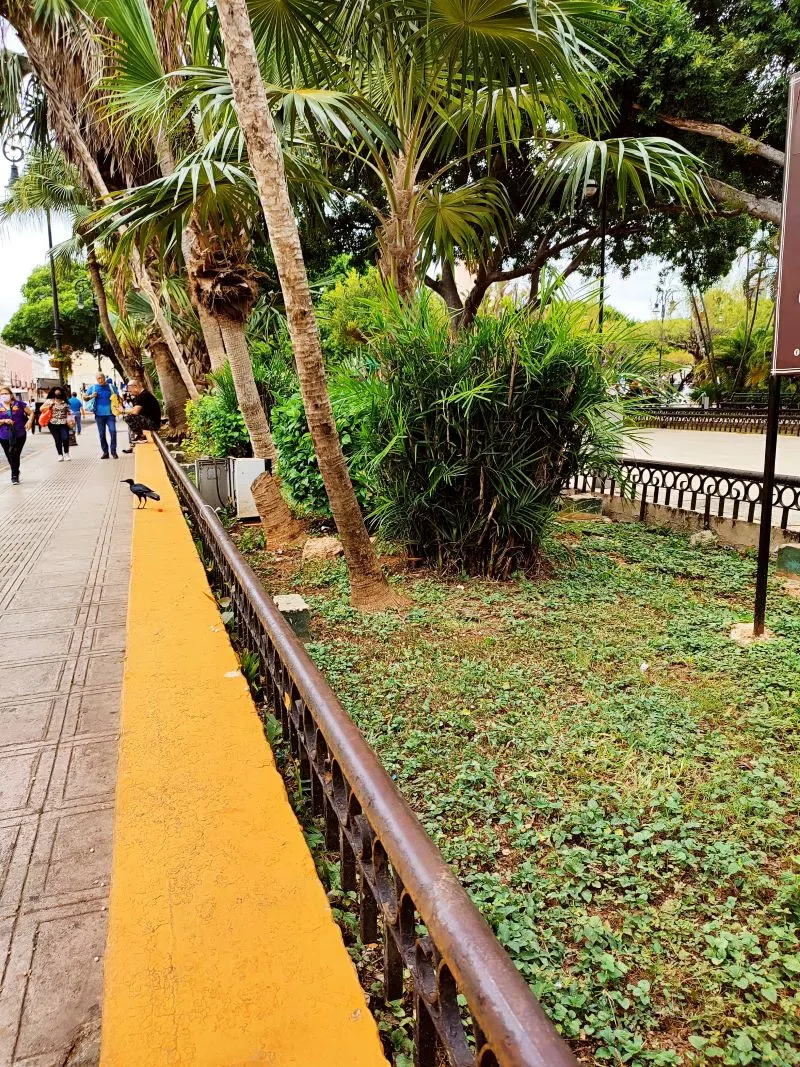
Exploring the Cacao Museum in Merida, Mexico is a delightful journey into the fascinating world of chocolate and the history of cacao cultivation.
The museum provides a comprehensive and immersive experience that showcases the cultural, culinary, and historical significance of cacao in the region.
Upon entering the museum, you’ll find yourself surrounded by the enticing aroma of chocolate. The exhibits offer a wealth of information about the origins of cacao, its cultivation, and its transformation into the beloved treat we know today.
You’ll learn about the ancient Mesoamerican civilizations, such as the Mayans and Aztecs, who considered cacao a sacred gift from the gods and used it in various cultural and ceremonial practices.
The Cacao Museum takes you on a journey through the history of chocolate production, from the traditional methods employed by the indigenous people to the modern techniques used in commercial chocolate-making today.
You’ll discover the different varieties of cacao beans, the process of harvesting and fermenting them, and the art of transforming them into cocoa powder and chocolate products.
The exhibits also highlight the cultural significance of cacao, showcasing the role it played in the daily lives of the Mayan and Aztec civilizations. You’ll learn about the social customs, rituals, and legends associated with cacao, as well as its use as a form of currency and a symbol of wealth and power.
Throughout the museum, you’ll have the opportunity to engage your senses and indulge in the flavors of chocolate. There may be tasting sessions where you can savor various types of chocolates, experience the nuances of different cocoa percentages, and learn about the art of chocolate pairing.
The Cacao Museum often offers interactive workshops and demonstrations, allowing visitors to participate in chocolate-making processes.
You might have the chance to grind cocoa beans, make your own chocolate bars, or create traditional Mexican hot chocolate using authentic recipes and techniques.
The museum may also have a shop where you can purchase high-quality chocolate products, including bars, truffles, and other confections. It’s a perfect opportunity to take home some delicious souvenirs or gifts for friends and family.
Exploring the Cacao Museum is not only an educational experience but also a delightful and indulgent one. It provides a deeper understanding of the cultural heritage of cacao and its significant role in Mexican history and culinary traditions.
Whether you are a chocolate lover, a history enthusiast, or simply curious about the origins of this beloved treat, a visit to the Cacao Museum offers a sweet and enriching experience.
21. Visit the Casa Museo Montes Molina: Explore this restored mansion showcasing Yucatecan art and furniture

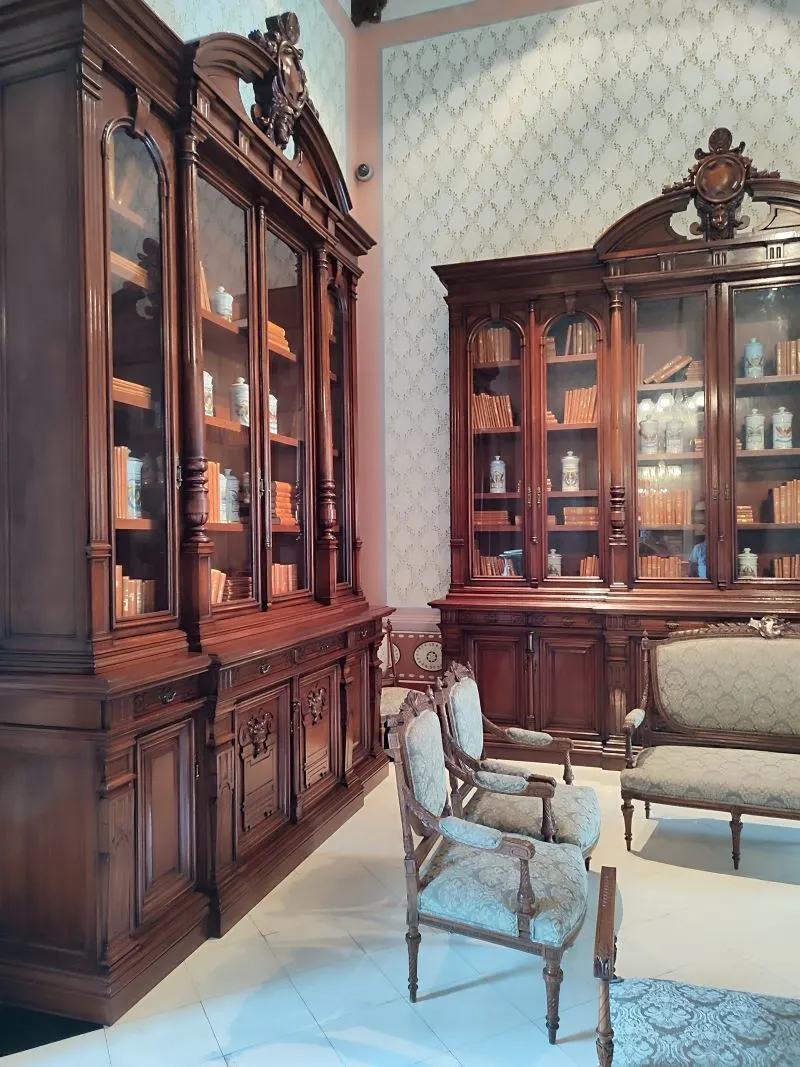
Visiting Casa Museo Montes Molina is a step back in time to experience the opulence and grandeur of a historic mansion in Merida, Mexico.
This beautifully preserved museum offers a glimpse into the lifestyle of the affluent Montes Molina family and provides insight into the cultural heritage of the region.
Casa Museo Montes Molina is located in a stately mansion that dates back to the 19th century. As you enter, you’ll be struck by the elegant architecture, adorned with ornate details and beautifully crafted furnishings.
The museum meticulously preserves the original layout and design of the house, allowing you to immerse yourself in the ambiance of a bygone era.
As you explore the different rooms of the mansion, you’ll discover an exquisite collection of artwork, antique furniture, and decorative objects that showcase the family’s refined taste and their appreciation for art and culture.
Paintings, sculptures, and delicate porcelain pieces adorn the walls and surfaces, creating a visually captivating environment.
The museum offers guided tours that provide fascinating insights into the history of the house and the Montes Molina family. Knowledgeable guides share stories about the family’s legacy, their social status, and the historical context of the time period.
They may also offer anecdotes about the architectural features, the craftsmanship of the furniture, and the significance of the artwork on display.
The Casa Museo Montes Molina often hosts cultural events, art exhibitions, and concerts, further enhancing the visitor experience.
These events provide an opportunity to appreciate the cultural vibrancy of the region and enjoy performances by local artists within the beautiful setting of the mansion.
The surrounding gardens of the museum are also worth exploring. Lush vegetation, manicured lawns, and beautiful fountains create a tranquil atmosphere, inviting visitors to relax and take in the serene surroundings. It’s a perfect place to pause, reflect, and appreciate the beauty of the outdoor space.
A visit to Casa Museo Montes Molina offers a glimpse into the lifestyle of the elite in Merida’s history while highlighting the cultural and artistic traditions of the region.
It’s an opportunity to step into the past, admire the craftsmanship of a bygone era, and gain a deeper understanding of the cultural heritage of Merida. Whether you have a passion for history, art, or architecture, or simply appreciate the beauty of a well-preserved historic mansion, Casa Museo Montes Molina is a must-visit destination.
22. Enjoy a performance at the Teatro Peon Contreras: Watch a theater production or a live music performance in a historic venue

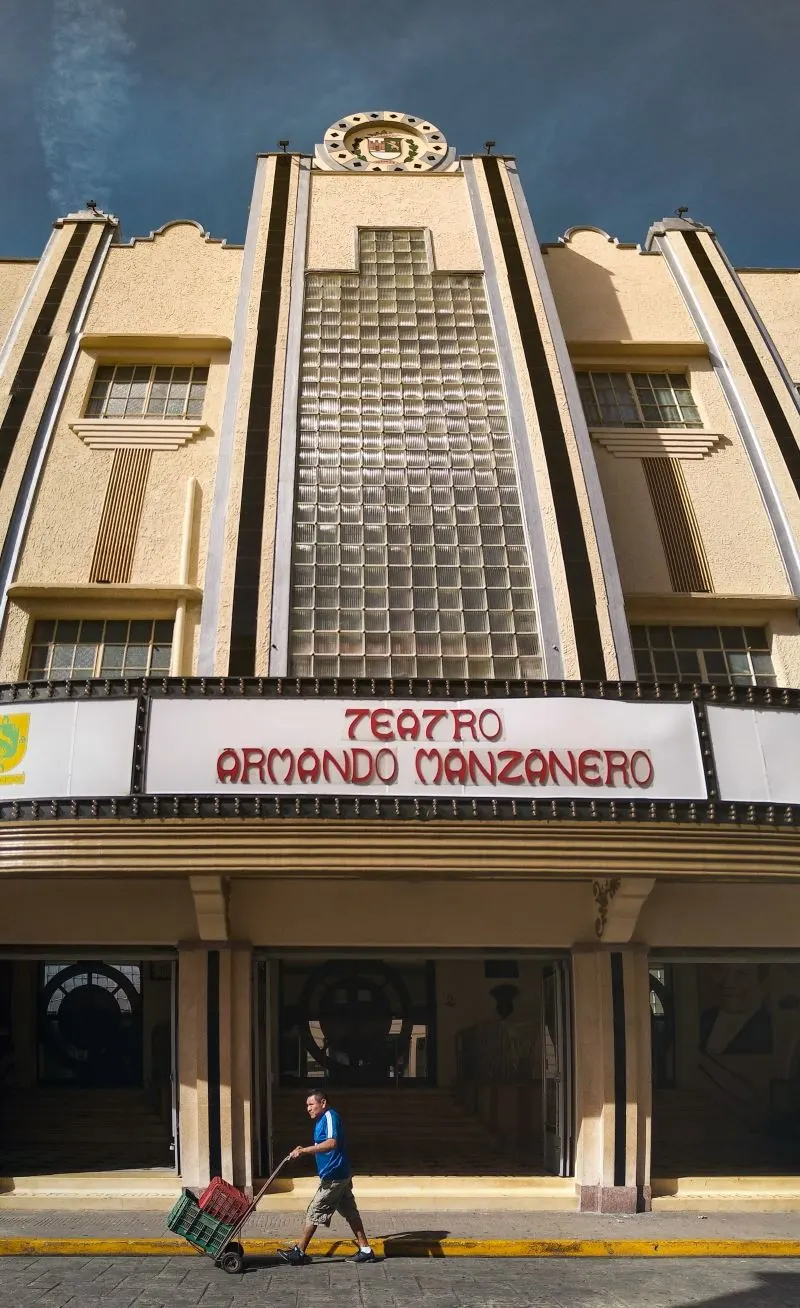
Enjoying a performance at the Teatro Peon Contreras is a captivating experience that combines the grandeur of a historic theater with the thrill of live performances. Located in the heart of Merida, Mexico, this iconic theater has been a cultural centerpiece of the city since its construction in the late 19th century.
As you approach the Teatro Peon Contreras, you’ll be awestruck by its magnificent neoclassical facade. The theater’s exterior features intricate architectural details, elegant columns, and a grand entrance that sets the stage for the theatrical wonders that lie within.
Stepping inside, you’ll find yourself immersed in an atmosphere of elegance and sophistication. The theater’s interior is a feast for the eyes, with ornate decorations, plush seating, and a stunning ceiling adorned with beautiful paintings and chandeliers. The meticulously restored space exudes a sense of history and charm, transporting you to a bygone era of theatrical splendor.
The Teatro Peon Contreras hosts a variety of performances, including theater productions, ballets, operas, concerts, and other cultural events.
From classical music concerts to contemporary dance performances, the theater offers a diverse range of artistic experiences that cater to different tastes and interests.
Attending a performance at the Teatro Peon Contreras allows you to witness the talents of local and international artists who grace its stage.
Whether you are captivated by a dramatic play, enchanted by the graceful movements of ballet dancers, or swept away by the melodic notes of an opera singer, the theater provides a platform for exceptional artistic expression and entertainment.
The acoustics of the theater are carefully designed to ensure an immersive and memorable experience for the audience. Every seat offers excellent views of the stage, allowing you to fully appreciate the performances unfolding before your eyes.
Beyond the performances themselves, the Teatro Peon Contreras also offers guided tours that provide insight into the history and architectural significance of the theater.
You can learn about the theater’s origins, the prominent figures who have graced its stage, and the cultural importance it holds in the city.
Attending a performance at the Teatro Peon Contreras is not just a chance to enjoy world-class entertainment; it’s an opportunity to connect with the cultural heritage of Merida and experience the magic of live theater.
It’s a place where art comes to life, where emotions are stirred, and where the power of performance takes center stage.
23. Explore the Anthropology and History Museum: Discover artifacts and exhibitions showcasing the region’s history

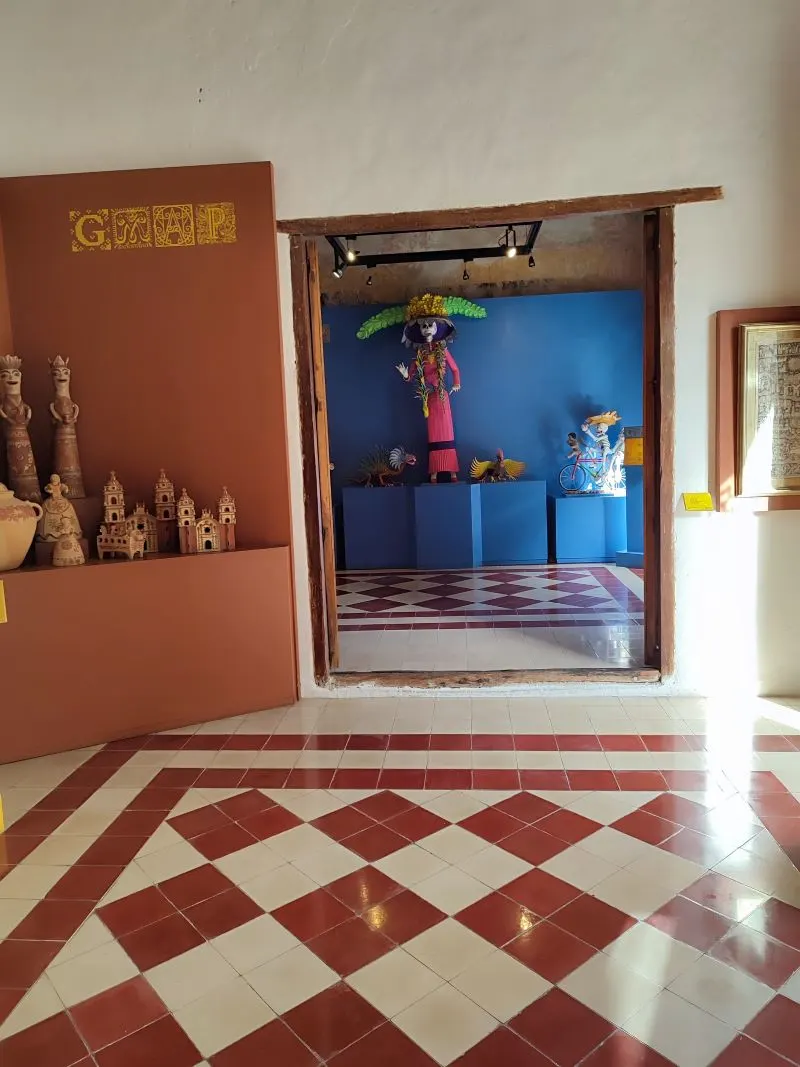
Exploring the Anthropology and History Museum in Merida, Mexico is an enriching journey through the rich cultural heritage and history of the Yucatan Peninsula.
This museum is a treasure trove of artifacts, exhibits, and information that offer a comprehensive understanding of the region’s diverse indigenous cultures and historical significance.
As you enter the museum, you’ll be greeted by a vast collection of archaeological artifacts, artworks, and historical objects that span thousands of years.
The exhibits are thoughtfully curated, providing a chronological and thematic exploration of the anthropology and history of the Yucatan Peninsula.
The museum showcases the cultural legacy of the Mayan civilization, one of the most significant and advanced ancient cultures in Mesoamerica.
You’ll have the opportunity to see intricately carved stone sculptures, pottery, jewelry, and ceremonial objects that shed light on the Mayan way of life, their religious beliefs, and their artistic achievements.
The exhibits also delve into the colonial period, showcasing the impact of Spanish colonization on the indigenous cultures of the region.
You’ll learn about the clash of civilizations, the integration of European and indigenous influences, and the transformation of the Yucatan Peninsula under colonial rule.
The Anthropology and History Museum offers detailed explanations and contextual information alongside the exhibits, providing a deeper understanding of the cultural, historical, and archaeological significance of each artifact.
It’s an opportunity to learn about the social structures, political systems, agricultural practices, and technological advancements of the ancient Mayan civilization.
In addition to the permanent exhibits, the museum often hosts temporary exhibitions that explore specific themes or showcase contemporary artistic expressions rooted in the region’s cultural heritage.
These exhibits offer a dynamic and ever-evolving experience, providing fresh perspectives on the anthropology and history of the Yucatan Peninsula.
The museum may also have interactive displays, multimedia presentations, and educational programs that cater to visitors of all ages. These hands-on experiences allow you to engage with the exhibits in a more immersive and interactive way, making learning about the region’s anthropology and history both educational and enjoyable.
Visiting the Anthropology and History Museum in Merida offers a unique opportunity to delve into the rich and diverse cultural tapestry of the Yucatan Peninsula.
It’s a chance to appreciate the artistic achievements of the Mayan civilization, understand the historical context of the region, and gain a deeper appreciation for the cultural heritage that continues to shape the identity of the Yucatan Peninsula today.
24. Take a horse-drawn carriage ride through the historic center: Enjoy a leisurely tour of the city’s charming streets

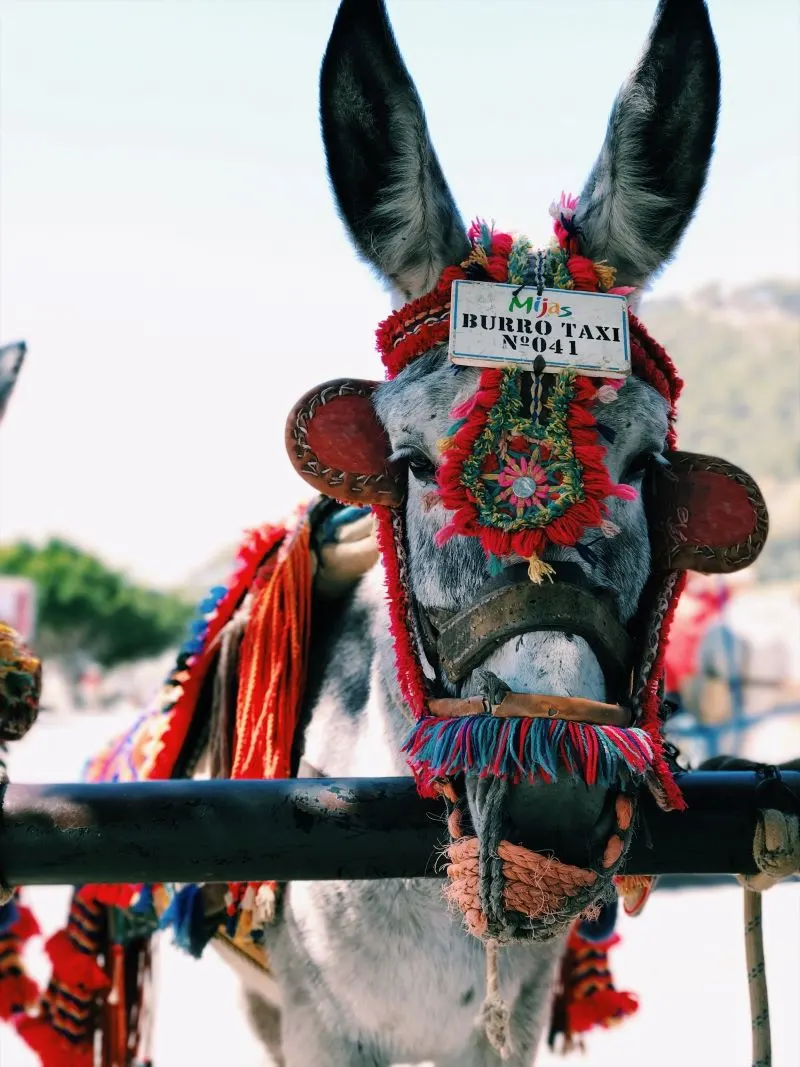
Taking a horse-drawn carriage ride through the historic center of Merida, Mexico is a charming and nostalgic experience that allows you to immerse yourself in the city’s rich heritage and architectural beauty.
It offers a leisurely way to explore the historic streets and landmarks while enjoying the rhythmic clip-clop of the horse’s hooves.
As you step into the horse-drawn carriage, you’ll be transported to a bygone era. The carriages themselves are typically beautifully adorned and maintained, adding to the enchanting atmosphere.
The coachmen, often dressed in traditional attire, add an authentic touch to the experience, sharing their knowledge and stories about the city as they guide the horses along the cobblestone streets.
The ride takes you through the heart of Merida’s historic center, passing by magnificent colonial buildings, colorful facades, and ornate architectural details.
You’ll have the opportunity to admire the grandeur of landmarks such as the Plaza Grande, the Merida Cathedral, and the Palacio Canton as you leisurely make your way through the streets.
The horse-drawn carriage ride allows you to appreciate the city at a relaxed pace, taking in the sights, sounds, and scents of the bustling streets.
You can soak in the vibrant atmosphere, observe the daily life of the locals, and marvel at the well-preserved colonial architecture that characterizes the historic center.
The route may include stops at key attractions or notable points of interest, allowing you to disembark, take photos, and further explore specific areas on foot.
This gives you the opportunity to delve deeper into the history, culture, and architecture of the city while still enjoying the nostalgic charm of the carriage ride.
The horse-drawn carriage ride is particularly enchanting in the evening when the historic center is illuminated, creating a magical ambiance.
The soft glow of the streetlights and the gentle breeze add to the romantic allure of the experience, making it an ideal option for couples or those seeking a memorable and picturesque outing.
Whether you choose to take a horse-drawn carriage ride as a romantic activity, a family adventure, or simply to enjoy a unique perspective of the city, it offers a delightful way to appreciate the architectural beauty and cultural heritage of Merida’s historic center. It’s a journey that takes you back in time and leaves you with lasting memories of this charming Mexican city.
25. Visit the Zoological Park of Centenario: Explore this zoo, home to various native and exotic animals

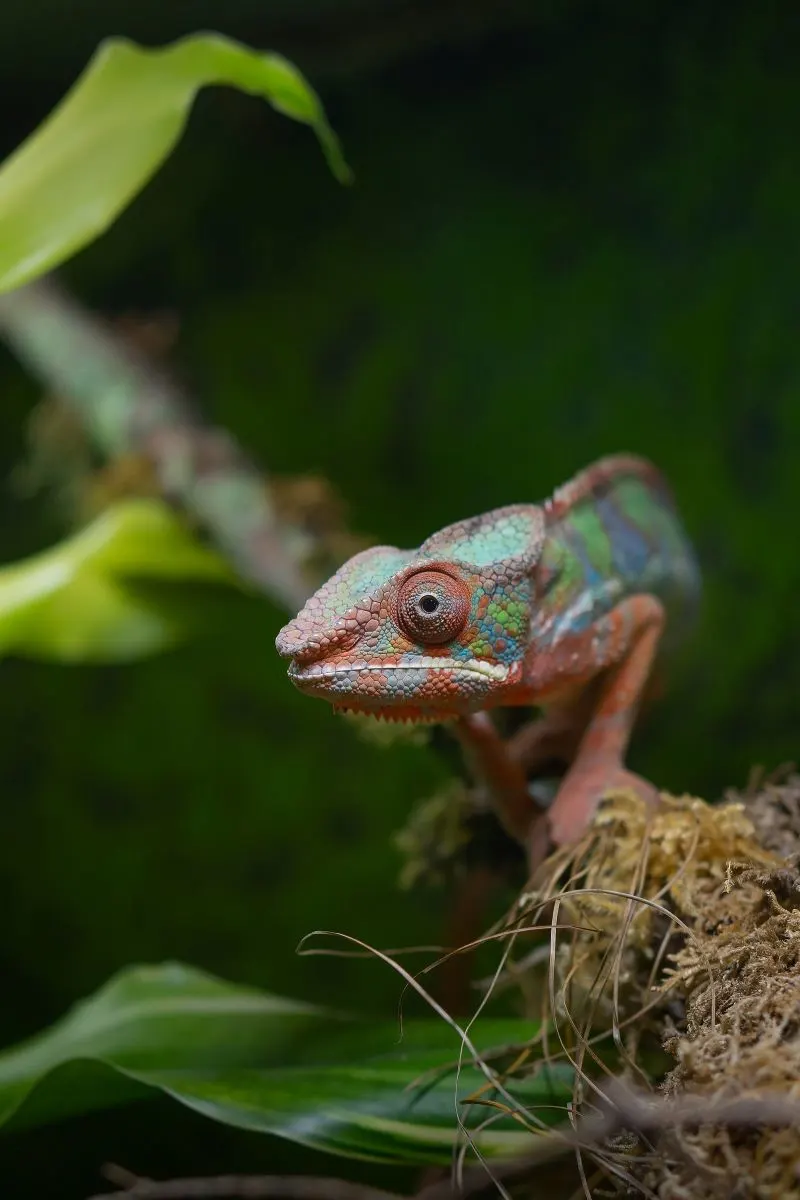
Visiting the Zoological Park of Centenario in Merida, Mexico is an opportunity to connect with wildlife and explore the natural world.
This zoological park provides a family-friendly environment where you can observe a diverse range of animal species while learning about conservation efforts and environmental education.
The park is nestled within a lush green space, offering a tranquil escape from the bustling city. As you enter, you’ll find yourself surrounded by a variety of habitats that have been carefully designed to provide a comfortable and enriching environment for the animals.
The Zoological Park of Centenario is home to a wide array of animal species, including mammals, birds, reptiles, and more.
You’ll have the chance to see majestic big cats, playful primates, colorful birds, and fascinating reptiles up close. The park takes pride in its conservation efforts and focuses on the well-being and conservation of the animals under its care.
As you explore the park, you’ll find informative signage and displays that offer insights into the habits, behaviors, and natural habitats of the animals.
You can learn about their diet, reproduction, and the conservation challenges they face in the wild. The park aims to raise awareness about the importance of protecting endangered species and preserving biodiversity.
The Zoological Park of Centenario also offers educational programs and activities for visitors of all ages. These programs may include interactive presentations, animal feeding demonstrations, and guided tours led by knowledgeable staff who are passionate about wildlife conservation.
It’s an opportunity to deepen your understanding of the animal kingdom and gain a greater appreciation for the importance of environmental stewardship.
In addition to the animal exhibits, the park may have recreational facilities such as playgrounds, picnic areas, and walking trails, allowing you to enjoy a day of outdoor recreation and relaxation amidst nature.
The Zoological Park of Centenario is committed to providing a safe and comfortable environment for the animals, and they work closely with veterinary professionals and conservation organizations to ensure their well-being. By visiting the park, you are supporting their efforts in animal care, conservation, and education.
A visit to the Zoological Park of Centenario offers a unique opportunity to experience wildlife up close, learn about conservation efforts, and foster a deeper connection with the natural world.
It’s an outing that combines entertainment, education, and a chance to appreciate the beauty and diversity of the animal kingdom.
These activities offer a mix of historical, cultural, and natural attractions, ensuring a diverse and memorable experience in Merida, Mexico.
Food In Merida


Merida, the vibrant capital city of the Yucatan Peninsula in Mexico, is not only renowned for its rich cultural heritage and architectural splendor but also for its mouthwatering cuisine.
The city’s culinary scene is a delightful tapestry of flavors, influenced by Mayan, Spanish, Caribbean, and Middle Eastern culinary traditions. From savory street food to sophisticated fine dining, Merida offers a gastronomic adventure that will tantalize your taste buds and leave you craving for more.
Yucatecan Cuisine: A Fusion of Flavors Yucatecan cuisine, at the heart of Merida’s food culture, is a fusion of indigenous Mayan ingredients, Spanish colonial influences, and unique regional techniques. It is characterized by bold flavors, vibrant colors, and the inventive use of local ingredients.
The cuisine showcases a diverse range of flavors, from the fiery habanero chili to the earthy achiote paste, resulting in a captivating culinary experience.
The Aromas and Tastes of the Markets: A visit to Merida’s bustling markets is a sensory feast. The Mercado Lucas de Galvez and the Mercado San Benito are popular destinations for food enthusiasts. Here, you’ll find an abundance of fresh produce, aromatic spices, and local specialties.
Dive into a world of vibrant colors and enticing aromas as you browse through stalls selling tropical fruits, marinated meats, aromatic herbs, and freshly baked bread.
Street Food Delights: Merida’s streets come alive with the sizzling grills and the enticing aromas of street food vendors. Indulge in local favorites such as cochinita pibil, a slow-roasted pork dish marinated in achiote and sour orange juice, or try salbutes and panuchos, crispy tortillas topped with shredded turkey or cochinita pibil, onions, and avocado.
Don’t miss out on the mouthwatering marquesitas, a sweet treat made with crispy crepes filled with cheese and toppings like Nutella, caramel, or fruit preserves.
Traditional Yucatecan Dishes: For a taste of traditional Yucatecan dishes, head to one of the city’s many restaurants. Sample the iconic poc chuc, grilled marinated pork served with pickled onions and tortillas, or savor the flavors of papadzules, rolled tortillas filled with hard-boiled eggs and smothered in a pumpkin seed sauce.
Try the famous lime soup, known as sopa de lima, a tangy and comforting broth flavored with shredded chicken, lime, and crispy tortilla strips.
Fine Dining Experiences: Merida also boasts an array of upscale restaurants where you can indulge in refined interpretations of Yucatecan cuisine.
These establishments often blend traditional flavors with contemporary techniques, resulting in innovative and visually stunning dishes.
From meticulously plated ceviches to sophisticated seafood and meat creations, these dining experiences elevate Yucatecan cuisine to a new level of culinary artistry.
Sweet Endings: No culinary journey is complete without satisfying your sweet tooth. Merida offers delectable dessert options that showcase the region’s culinary diversity.
Try the marquesote, a dense and moist cornbread made with anise and served with sweetened condensed milk. Indulge in the creamy flavors of caballero pobre, a Yucatecan take on the classic French dessert pain perdu (French toast). And don’t forget to sample the local delicacy, marquesa de chocolate, a rich and velvety chocolate cake layered with Maria cookies.
Merida’s food scene is a testament to the city’s vibrant culture and the fusion of culinary traditions that have shaped the Yucatecan cuisine.
From the tantalizing aromas of the markets to the bold flavors of street food and the refined creations of fine dining establishments, Merida offers a culinary journey that celebrates the region’s unique ingredients and culinary heritage.
Exploring the diverse and delicious food in Merida is an essential part of experiencing the city’s cultural tapestry and a treat for food lovers seeking an unforgettable gastronomic adventure.
Top 20 Best Restaurants In Merida, Mexico

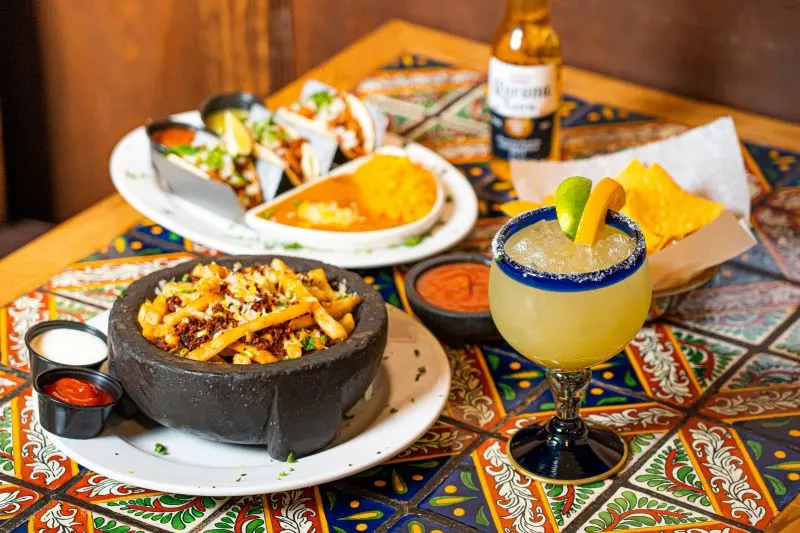
- Kuuk: This renowned restaurant offers a contemporary take on Yucatecan cuisine, showcasing innovative dishes using locally sourced ingredients.
- Nectar: Known for its elegant ambiance and creative cuisine, Nectar offers a fine dining experience with a focus on highlighting the flavors of Yucatan.
- Oliva Enoteca: A charming Italian restaurant that serves authentic dishes made with fresh, high-quality ingredients. Don’t miss their homemade pasta and extensive wine selection.
- Rosas & Xocolate: Combining art, design, and gastronomy, this boutique hotel and restaurant offers a fusion of flavors in a stylish setting.
- Hacienda Teya: Set in a beautifully restored hacienda, Hacienda Teya serves traditional Yucatecan cuisine in an elegant and historical atmosphere.
- K’u’uk Restaurant & Coffee: With a commitment to sustainable practices, K’u’uk offers a gastronomic journey through innovative dishes that incorporate local ingredients.
- Apoala: Specializing in Oaxacan cuisine, Apoala delights diners with its authentic flavors, including traditional mole dishes and mezcal cocktails.
- Manjar Blanco: Known for its cozy atmosphere and flavorful regional dishes, Manjar Blanco is a favorite spot for locals and visitors alike.
- Oliva Kitchen & Bar: This modern bistro offers a diverse menu of Mediterranean-inspired dishes, using fresh and seasonal ingredients.
- Merci: A French-inspired brasserie, Merci serves a delightful selection of pastries, sandwiches, and gourmet French cuisine.
- Trotter’s Café: A popular brunch spot, Trotter’s Café serves delicious breakfast dishes, sandwiches, and salads, along with freshly brewed coffee.
- La Chaya Maya: This local favorite serves traditional Yucatecan dishes in a casual setting, allowing visitors to experience the authentic flavors of the region.
- Hennessy’s Irish Pub: Offering a taste of Ireland in Merida, this pub serves classic Irish dishes, pub fare, and a wide selection of beers and spirits.
- Los Almendros: Known for its regional Yucatecan cuisine, Los Almendros provides an immersive dining experience with live traditional music and dance performances.
- Oliva Bistro Café: A cozy café with a relaxed atmosphere, Oliva Bistro Café serves a variety of international dishes and delectable desserts.
- Oliva Kitchen Market: Located within a vibrant market setting, Oliva Kitchen Market offers a diverse array of food stalls serving international cuisine, making it a perfect spot for a casual meal.
- La Prospe del Xtup: A small family-owned restaurant that serves authentic and flavorful Yucatecan dishes, including cochinita pibil and panuchos.
- El Trapiche: This popular restaurant specializes in Yucatecan and Mexican cuisine, serving dishes made with fresh, local ingredients.
- Catrin’s Cantina: Offering a modern twist on Mexican cuisine, Catrin’s Cantina serves a variety of dishes and creative cocktails in a vibrant atmosphere.
- La Tratto: A contemporary Italian restaurant, La Tratto features a diverse menu of classic Italian dishes, including handmade pastas and wood-fired pizzas.
These restaurants in Merida exemplify the city’s rich culinary heritage and offer a range of dining experiences that cater to different tastes and preferences.
Whether you’re seeking traditional Yucatecan flavors or international cuisine with a local twist, these establishments promise to deliver an unforgettable culinary journey.
Transportation In Merida
- Public Buses: The public bus system in Merida is an affordable and convenient way to get around the city. There are several bus routes that cover different areas, including the downtown area and popular tourist destinations. Buses are generally safe and well-maintained, and the fare is inexpensive. It’s advisable to have some knowledge of Spanish or carry a map to identify the correct bus routes and stops.
- Taxis: Taxis are readily available throughout Merida, and they offer a flexible mode of transportation. You can find taxis at designated taxi stands, outside hotels, or simply by hailing them on the street. Make sure to use authorized taxis with official markings and always negotiate the fare or ask for the meter to be turned on before starting the journey.
- Uber and Rideshare Services: Uber and other rideshare services operate in Merida, providing a convenient and often more affordable alternative to traditional taxis. By using a rideshare app, you can request a private car to pick you up at your location and drop you off at your desired destination. The fare is usually determined in advance, providing transparency and convenience.
- Car Rentals: If you prefer to have your own vehicle, renting a car in Merida is a viable option. Several car rental companies operate in the city and can be found at the airport or in the downtown area. Having a car gives you the flexibility to explore beyond the city limits and visit nearby attractions. It’s important to familiarize yourself with local driving regulations and parking options.
- Bicycles and Scooters: Merida has a growing number of bike lanes, making it a bike-friendly city. Many companies offer bicycle and scooter rentals, allowing you to pedal or scoot around the city at your own pace. This eco-friendly option is ideal for short distances within the city center and can be a fun way to explore Merida’s streets and neighborhoods.
- Walking: Merida’s compact downtown area is best explored on foot. Walking allows you to soak in the city’s charm and discover its hidden gems. Many of the major attractions, such as the Plaza Grande and Paseo de Montejo, are within walking distance of each other. Just be mindful of the weather, as it can get hot, especially during the summer months.
It’s worth noting that traffic in Merida can be busy at times, particularly during peak hours. It’s advisable to plan your journeys accordingly and allow extra time for travel. Additionally, using navigation apps or maps can help you navigate the city more efficiently.
In conclusion, Merida, Mexico, offers a captivating array of attractions and experiences that make it a must-visit destination for travelers.
Whether you’re drawn to its rich history, vibrant culture, delicious cuisine, or natural wonders, there is something for everyone to enjoy in this enchanting city.
From exploring ancient Mayan ruins to strolling through colonial streets, immersing yourself in the local markets, or indulging in the flavors of Yucatecan cuisine, Merida promises a memorable and immersive journey.
The city’s warm hospitality and friendly locals add an extra layer of charm, making visitors feel welcome and embraced by the vibrant energy of the region.
Whether you’re a history buff, a food lover, a nature enthusiast, or simply seeking a unique cultural experience, Merida has it all.
So, pack your bags and embark on an unforgettable adventure in this captivating city that seamlessly weaves together the past and present, leaving you with cherished memories and a deeper appreciation for the beauty and diversity of Mexico’s Yucatan Peninsula.
Leave a comment