

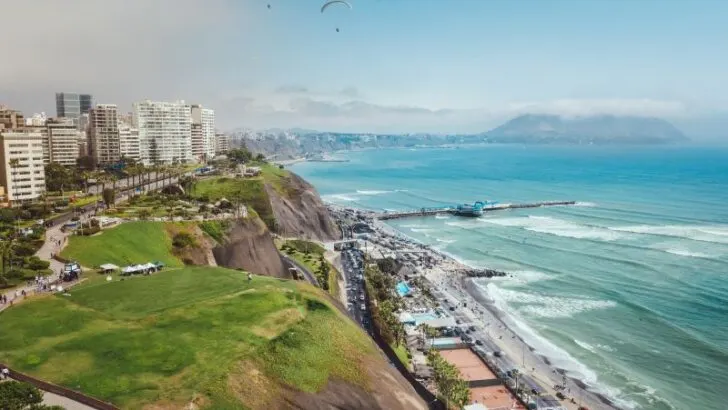
Lima, the capital of Peru, is a city full of history, culture, and gastronomy. There are many things to see and do in this bustling metropolis, from exploring its pre-Columbian ruins and colonial architecture to indulging in its world-renowned cuisine.
In this article, we will provide an overview of the best things to do in Lima, Peru. Whether you are interested in history, culture, food, or nightlife, Lima has something for everyone.
Best Things To Do In Lima, Peru
1. Explore the historic center of Lima, a UNESCO World Heritage site.
The historic center of Lima is a fascinating area of the city that has been designated a UNESCO World Heritage site. It is home to some of the most beautiful colonial architecture in South America and has been an important cultural and political center for centuries.
The area is centered around the Plaza de Armas, a large square that is home to some of Lima’s most impressive buildings, including the Palacio de Gobierno, the Cathedral of Lima, and the Archbishop’s Palace.
As you explore the historic center of Lima, you will see a mix of Spanish and indigenous influences in the architecture, art, and culture.
The buildings are often brightly painted and adorned with intricate carvings, and the streets are lined with shops, cafes, and restaurants.
Some of the must-see sights in the area include the Monasterio de San Francisco, a beautiful 17th-century monastery that is home to an impressive library and catacombs; the Casa de Aliaga, a 16th-century mansion that is one of the oldest in the Americas; and the Basilica y Convento de San Francisco, a beautiful church with stunning Baroque architecture.
2. Visit the Plaza de Armas and admire the beautiful colonial architecture.

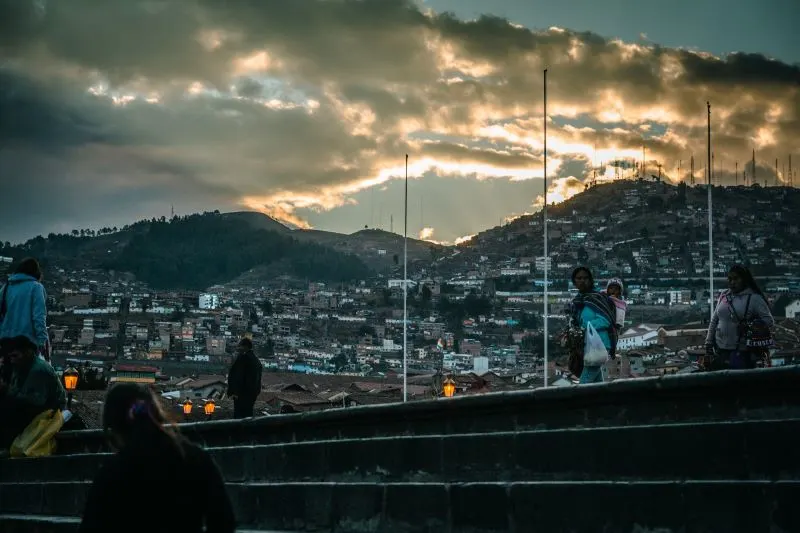
The Plaza de Armas, also known as the Plaza Mayor, is the main square in Lima’s historic center and one of the city’s most important landmarks. It is surrounded by some of the most beautiful colonial architecture in South America, making it a popular destination for tourists and locals alike.
The plaza is home to several impressive buildings, including the Palacio de Gobierno (Government Palace), the Cathedral of Lima, and the Archbishop’s Palace. The Government Palace, in particular, is a stunning example of colonial architecture, with its grand façade and intricate carvings.
Visitors to the plaza can take a leisurely stroll around the square, admiring the architecture and soaking up the atmosphere of one of Lima’s most historic and important areas.
There are also plenty of cafes and restaurants in the area, where you can sit and watch the world go by while enjoying a cup of coffee or a delicious meal.
3. Tour the Palacio de Gobierno (Government Palace) and watch the changing of the guard.

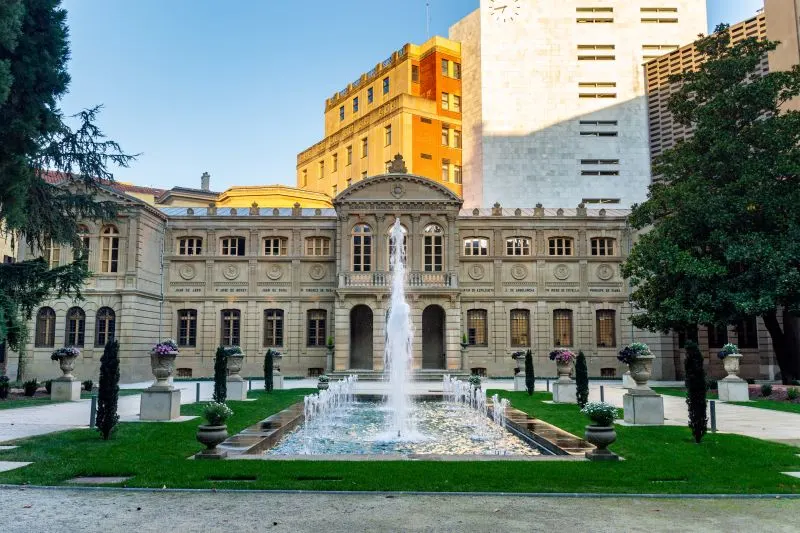
The Palacio de Gobierno, also known as the Government Palace, is one of Lima’s most important buildings and a must-see attraction for visitors to the city. Located in the heart of the historic center, the palace has been the official residence of Peru’s presidents since the 16th century.
Visitors can take a guided tour of the palace, which includes a visit to the elegant reception rooms, the presidential office, and the famous Hall of Mirrors. The Hall of Mirrors is particularly impressive, with its stunning crystal chandeliers and exquisite murals.
One of the highlights of the visit to the Government Palace is the Changing of the Guard ceremony, which takes place at noon every day.
The ceremony is a colorful and impressive display of military pomp and tradition, with the presidential guard marching in formation to the sound of a military band.
During the ceremony, visitors can watch as the old guard hands over their duties to the new guard, with a display of precision marching and intricate drill movements. The ceremony is a popular attraction for tourists, and it’s a great way to experience a part of Peruvian history and culture.
4. Visit the Museo Larco, home to an impressive collection of pre-Columbian artifacts.

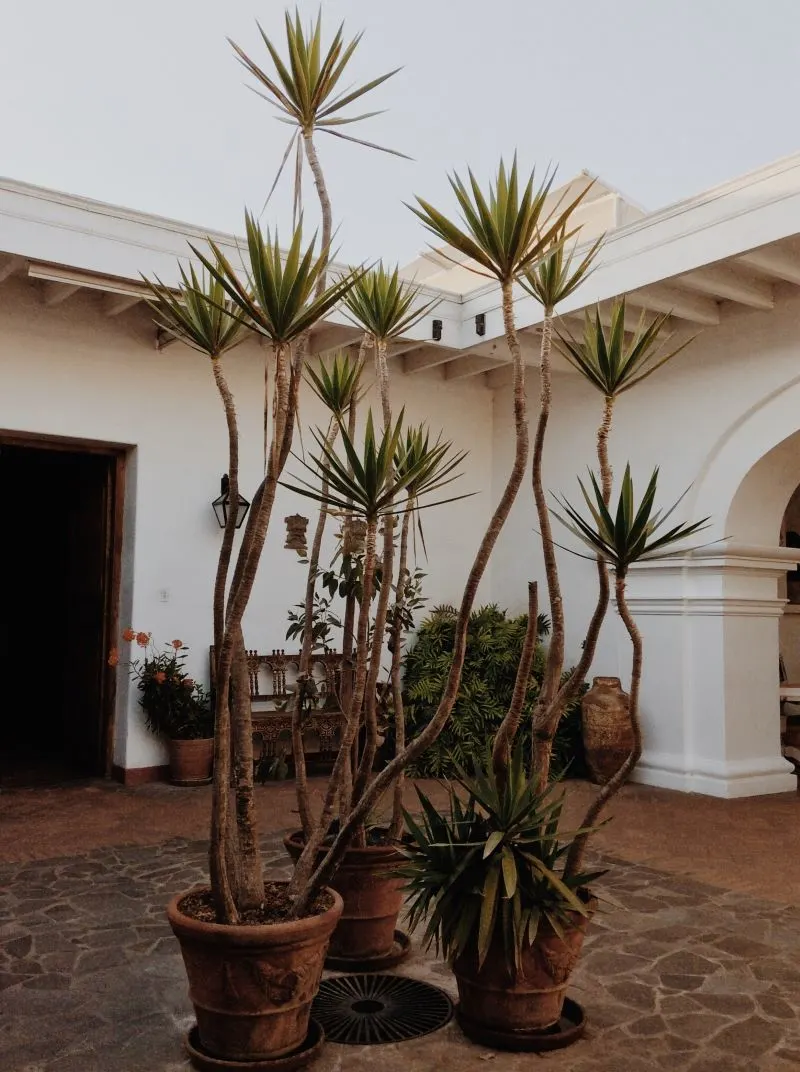
The Museo Larco is one of Lima’s most impressive museums and a must-visit destination for anyone interested in the ancient history and culture of Peru. The museum is housed in an 18th-century mansion in the Pueblo Libre district of Lima and is home to an extensive collection of pre-Columbian artifacts.
The collection includes thousands of pieces from a range of pre-Columbian cultures, including the Moche, Nasca, and Inca. Visitors can see intricate pottery, beautiful textiles, and stunning metalwork, as well as a range of artifacts related to daily life, religion, and warfare in ancient Peru.
One of the highlights of the Museo Larco is the collection of erotic pottery, which offers a fascinating insight into the sexual practices of ancient Peruvian cultures. The museum also has a beautiful garden filled with colorful flowers and plants, making it a peaceful and relaxing place to spend an afternoon.
5. Take a stroll through the bohemian neighborhood of Barranco and check out the street art.

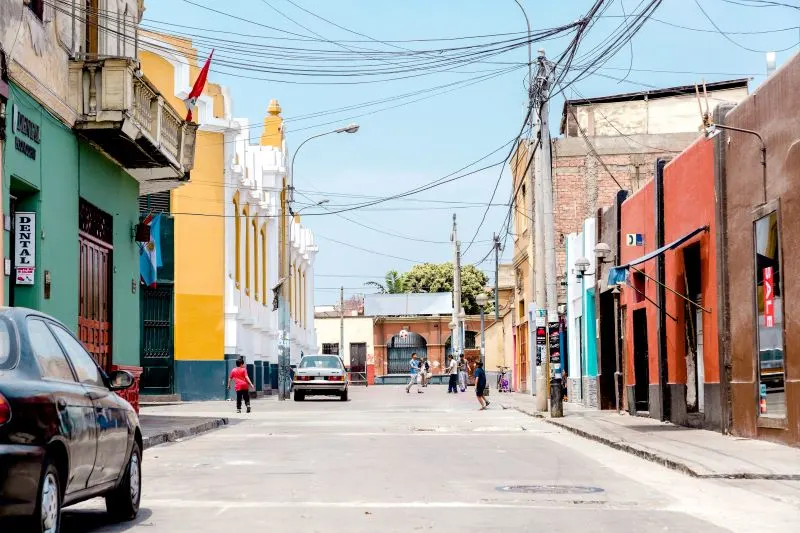
Barranco is a vibrant and colorful neighborhood in Lima, known for its bohemian vibe, artistic community, and stunning street art. It’s a great place to explore on foot, with plenty of interesting galleries, shops, and cafes to discover.
One of the highlights of a visit to Barranco is the street art, which can be found on almost every corner. The neighborhood is home to some of Lima’s most talented street artists, and the colorful murals and graffiti provide a fascinating insight into the city’s culture and identity.
Visitors can take a leisurely stroll through the streets of Barranco, admiring the art and taking in the atmosphere of this unique and eclectic neighborhood. There are also plenty of great restaurants and bars in the area, where you can stop for a drink or a bite to eat and soak up the bohemian vibe.
6. See the Huaca Pucllana, a pre-Incan adobe pyramid in the heart of Miraflores.

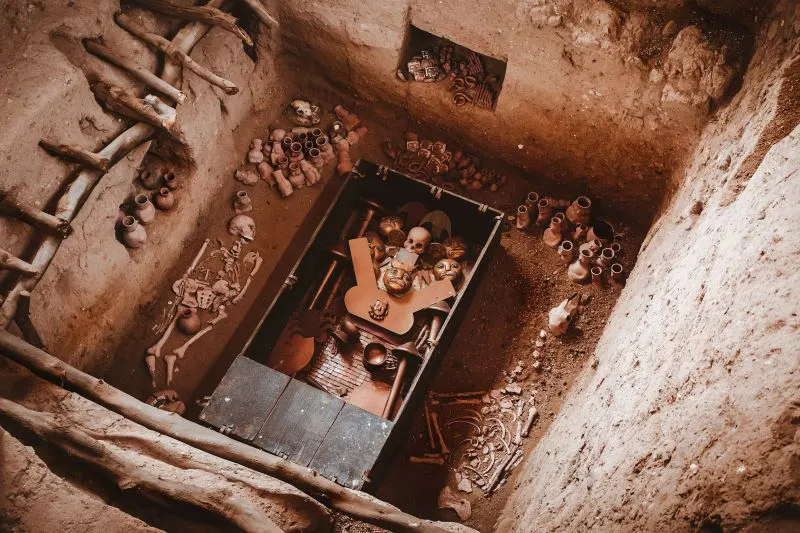
Huaca Pucllana is a fascinating pre-Incan adobe pyramid located in the heart of the Miraflores district of Lima. The pyramid dates back to the 5th century and was used by the Lima culture for religious and administrative purposes.
Visitors to Huaca Pucllana can take a guided tour of the site and learn about its history and significance. The pyramid is made of millions of handmade adobe bricks, which were carefully crafted and arranged to create the intricate patterned walls that are still visible today.
The site also includes a museum that displays artifacts from the Lima culture, including textiles, ceramics, and metalwork. Visitors can learn about the culture’s beliefs, customs, and way of life, gaining a deeper understanding of Peru’s rich and complex history.
One of the highlights of a visit to Huaca Pucllana is the opportunity to climb to the top of the pyramid and take in the stunning views of the surrounding city. The pyramid is surrounded by beautiful gardens and offers a peaceful and serene escape from the hustle and bustle of the city.
7. Walk along the Malecon de Miraflores, a scenic boardwalk overlooking the Pacific Ocean.

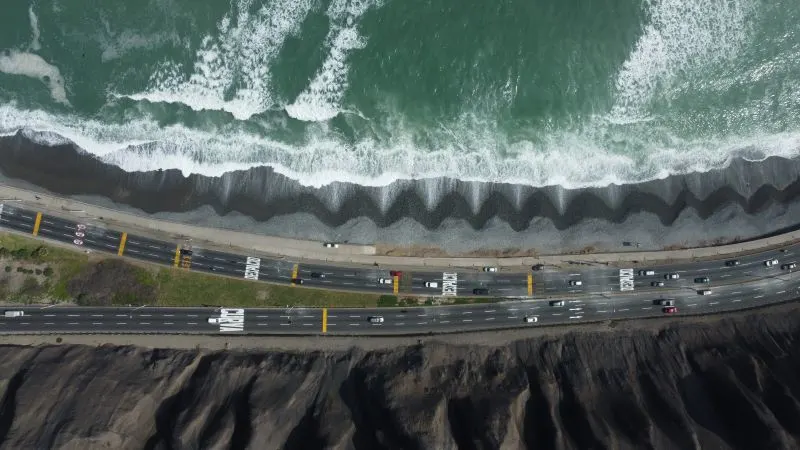
The Malecon de Miraflores is a scenic boardwalk located in the affluent Miraflores district of Lima. It stretches along the cliffs that overlook the Pacific Ocean, offering stunning views of the water and the surrounding coastline.
Visitors to the Malecon de Miraflores can take a leisurely stroll along the boardwalk, enjoying the fresh ocean breeze and the beautiful scenery. The walkway is lined with parks, gardens, and public art installations, providing a relaxing and enjoyable experience for visitors of all ages.
One of the highlights of a walk along the Malecon de Miraflores is the chance to see the famous Parque del Amor (Love Park), which features a large statue of a couple embracing and a beautiful mosaic wall with love quotes from famous Peruvian poets. The park is a popular spot for couples and is a romantic destination to visit at sunset.
Along the Malecon de Miraflores, visitors will also find a range of restaurants and cafes, where they can stop for a snack or a drink while enjoying the stunning views of the ocean. The boardwalk is a popular destination for both tourists and locals alike and is a great place to relax, take in the sights, and enjoy the fresh sea air.
8. Visit the Parque Kennedy in Miraflores and hang out with the resident cats.


Parque Kennedy, also known as “Cat Park,” is a popular public park located in the heart of the Miraflores district of Lima. The park is famous for its resident cats, who wander freely throughout the park and have become a beloved attraction for visitors and locals alike.
Visitors to Parque Kennedy can spend some time hanging out with the cats, feeding them, and taking photos with them. The cats are friendly and used to human interaction, and many of them are happy to curl up in visitors’ laps for a nap.
In addition to the cats, Parque Kennedy also features beautiful gardens, fountains, and sculptures, making it a pleasant destination for a leisurely stroll or a picnic. The park is also home to a variety of street vendors, selling everything from handmade crafts to delicious local snacks and refreshments.
Parque Kennedy is a popular gathering place for locals and tourists alike, with a lively atmosphere and a range of activities and events taking place throughout the year. From street performers and live music to cultural festivals and community events, there’s always something happening in the park.
9. Try ceviche and other delicious Peruvian cuisine at one of Lima’s many great restaurants.

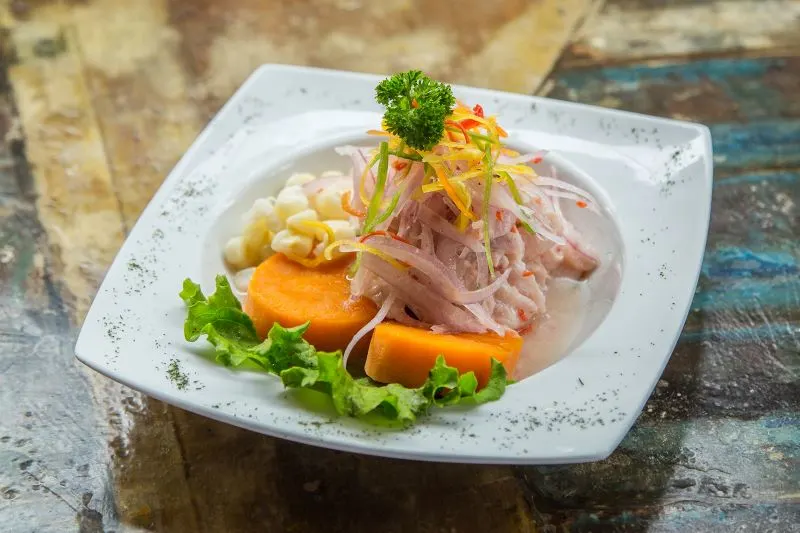
Lima is known as the gastronomic capital of South America, and one of the must-do activities for any food lover visiting the city is to try its world-renowned cuisine. The city offers a wide range of culinary experiences, from traditional Peruvian dishes to innovative fusion cuisine.
One of the most popular and iconic dishes in Peru is ceviche, a dish made from raw fish marinated in lime juice and spices. Ceviche is a refreshing and flavorful dish that is typically served with corn, sweet potato, and other garnishes. Visitors to Lima can try ceviche at one of the city’s many seafood restaurants, where it is often served as a main course or as an appetizer.
In addition to ceviche, Lima offers a wide variety of other delicious dishes that are worth trying. Some other popular Peruvian dishes include lomo saltado, a stir-fry made with beef, onions, tomatoes, and spices, and causa, a layered potato dish that is often filled with tuna or chicken.
Lima’s restaurant scene is diverse and vibrant, with options ranging from high-end restaurants to casual street vendors. Visitors can choose from a range of different cuisines, including traditional Peruvian food, international fusion cuisine, and vegan and vegetarian options.
10. Take a cooking class and learn how to make Peruvian dishes like lomo saltado and causa.


Taking a cooking class in Lima is a great way to immerse yourself in Peruvian culture and learn how to prepare some of the country’s most popular dishes. Many cooking classes in Lima are taught by local chefs who are passionate about sharing their knowledge and love of Peruvian cuisine with visitors.
During a cooking class, participants will typically learn how to prepare several dishes, often including classics like lomo saltado and causa, as well as other traditional Peruvian dishes. Classes may be held in a professional kitchen, a cooking school, or even in a local’s home.
In addition to learning how to prepare the dishes, cooking classes in Lima often include a trip to a local market or specialty food store to learn about the ingredients used in Peruvian cuisine. Participants may also learn about the history and cultural significance of the dishes they are preparing.
Cooking classes in Lima are typically hands-on, with participants doing much of the cooking themselves under the guidance of the instructor. Classes may be geared towards all skill levels, from beginners to experienced cooks, and may be offered in English or Spanish.
11. Visit the Monasterio de San Francisco and explore the catacombs beneath the church.

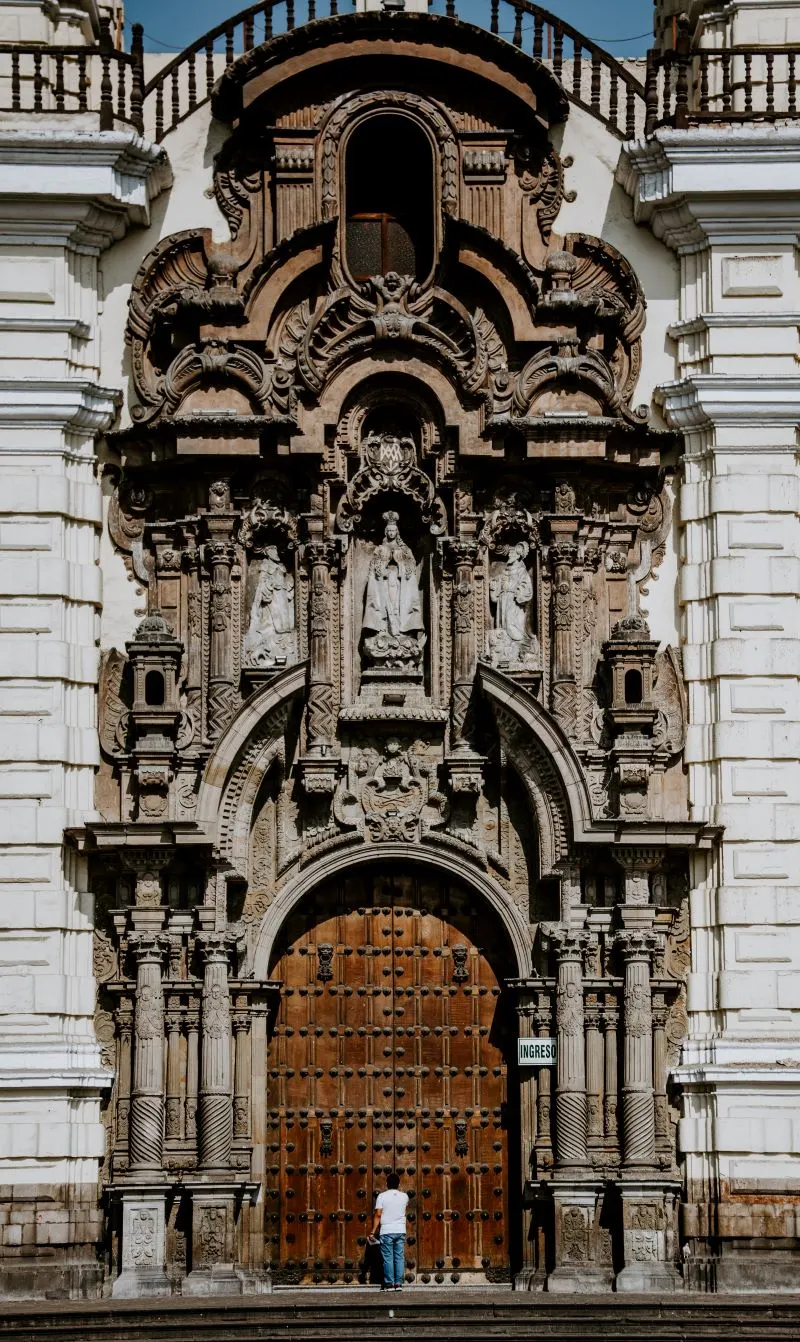
The Monasterio de San Francisco is a beautiful and historic church located in the heart of Lima. Built in the Baroque style, the church is home to an impressive collection of colonial-era art, including stunning frescoes and murals.
One of the most unique features of the Monasterio de San Francisco is the catacombs that lie beneath the church. These catacombs were used as a burial site by the people of Lima during the colonial period, and it is estimated that as many as 25,000 people were interred here.
Visitors to the Monasterio de San Francisco can take a guided tour of the catacombs, which offer a fascinating glimpse into the history and culture of Lima.
The catacombs are filled with bones and skulls, arranged in intricate patterns, and visitors can see the remains of people from all walks of life, from wealthy nobles to commoners.
In addition to the catacombs, the Monasterio de San Francisco has many other interesting features to explore, including a beautiful courtyard, a library filled with ancient texts and manuscripts, and a museum showcasing religious artifacts and artwork.
12. Shop for souvenirs at the Mercado Indio, a colorful market selling traditional crafts and textiles.


Mercado Indio, also known as the Indian Market, is a colorful and vibrant market located in the heart of Lima. This market is a popular destination for both locals and tourists alike, and it is a great place to shop for traditional Peruvian souvenirs and gifts.
At the Mercado Indio, visitors can find a wide variety of traditional Peruvian crafts and textiles, including colorful woven blankets, rugs, and wall hangings, as well as pottery, jewelry, and wood carvings.
The market is also known for its collection of alpaca and llama wool products, including sweaters, hats, gloves, and scarves.
One of the best things about shopping at the Mercado Indio is the opportunity to interact with local artisans and learn more about their craft.
Many of the vendors at the market are skilled weavers and craftsmen, and they are often happy to demonstrate their techniques and share their knowledge with visitors.
In addition to the traditional crafts and textiles, the Mercado Indio is also a great place to find unique and quirky souvenirs, including hand-painted gourds, colorful masks, and miniature ceramic figurines.
13. Learn about Peruvian art at the Museo de Arte de Lima (MALI).


The Museo de Arte de Lima (MALI) is one of the most important art museums in Peru, and it offers visitors an extensive collection of Peruvian art dating back to pre-Columbian times. The museum is located in the heart of Lima and is housed in a beautiful colonial-era building.
The MALI has a permanent collection that includes over 17,000 works of art, including paintings, sculptures, and textiles. The collection spans the entire history of Peruvian art, from pre-Columbian artifacts to contemporary works by modern Peruvian artists.
Some of the most notable pieces in the collection include ancient ceramics and textiles from the Inca and Moche civilizations, as well as colonial-era paintings and sculptures.
In addition to its permanent collection, the MALI also hosts temporary exhibitions throughout the year, featuring the work of both national and international artists. These exhibitions cover a wide range of artistic styles and mediums, from photography and video to installation art and performance.
One of the highlights of visiting the MALI is the opportunity to learn more about Peruvian art and culture. The museum offers guided tours and educational programs for visitors of all ages, including workshops, lectures, and hands-on activities.
14. Visit the Museo de la Nacion and learn about Peru’s rich history and culture.

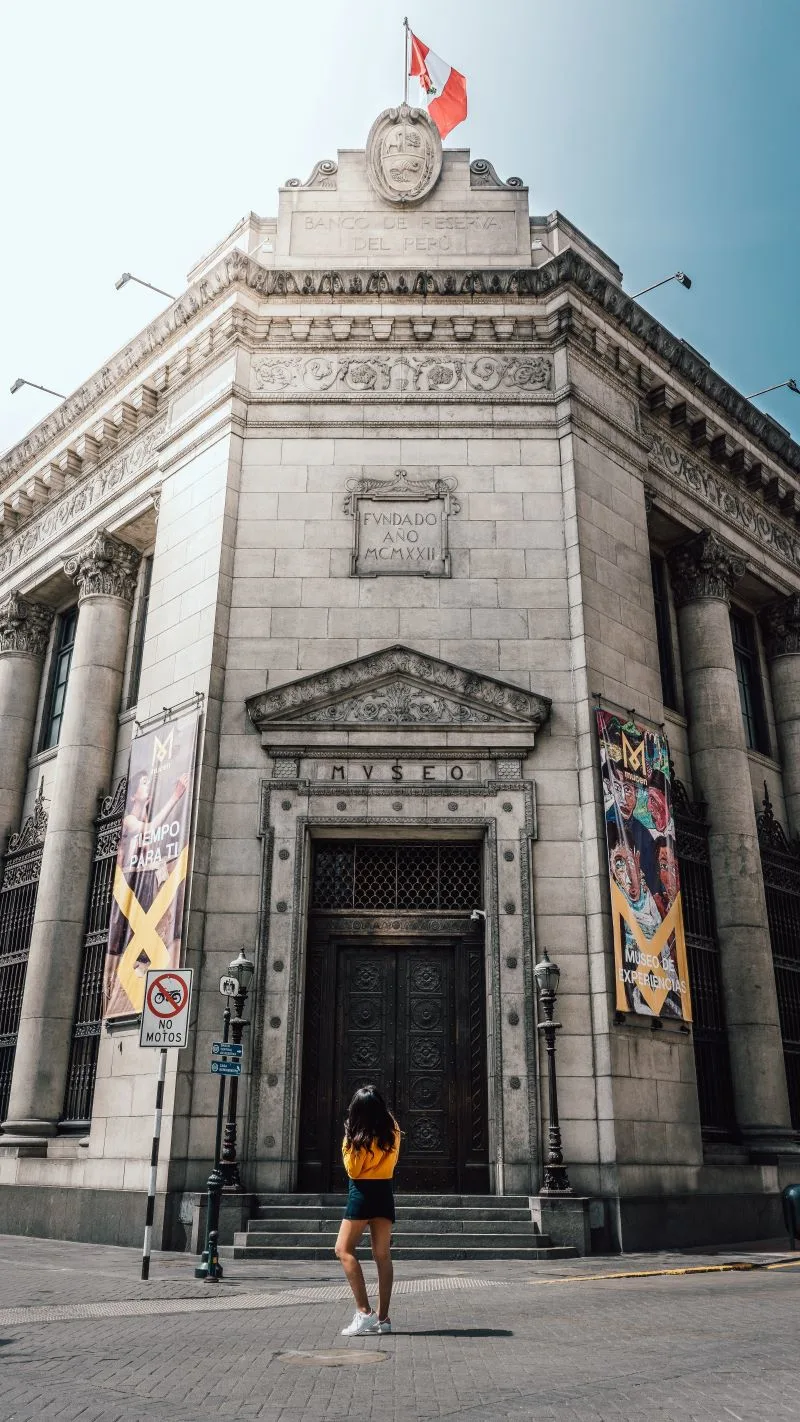
The Museo de la Nacion, also known as the National Museum of Peru, is a must-visit destination for anyone interested in learning about the country’s rich history and culture.
The museum is located in the San Borja district of Lima and offers visitors a comprehensive overview of Peru’s pre-Columbian, colonial, and modern eras.
The museum’s permanent collection includes over 30,000 artifacts, including ceramics, textiles, and metalwork from the pre-Columbian era, as well as paintings, sculptures, and documents from the colonial and modern periods. The museum also houses a vast collection of photographs, films, and audio recordings that provide a fascinating glimpse into daily life in Peru throughout its history.
One of the most impressive parts of the Museo de la Nacion is its exhibition on the Inca Empire, which features an extensive collection of artifacts and information on this ancient civilization.
Visitors can learn about Inca architecture, religion, and social structure, and see examples of their intricate stone carvings, pottery, and textiles.
In addition to its permanent collection, the museum also hosts temporary exhibitions throughout the year, covering a wide range of topics related to Peruvian history and culture.
Visitors can also participate in guided tours and educational programs that provide a deeper understanding of the museum’s collection and its significance.
15. Watch the Magic Water Circuit show at the Parque de la Reserva.


The Magic Water Circuit, or Circuito Mágico del Agua, is a spectacular display of water, light, and music that takes place in the Parque de la Reserva, one of the largest parks in Lima.
The show features 13 different fountains, each with its unique design and water display, all set to a variety of musical accompaniments.
The show is a popular attraction for visitors to Lima, and for good reason – it’s a dazzling spectacle that’s sure to delight and entertain people of all ages.
The fountains are illuminated by colorful lights, creating a stunning visual display that’s synchronized with the music. Some of the fountains shoot water high into the air, while others create intricate patterns and shapes.
One of the highlights of the Magic Water Circuit is the Fuente de la Fantasia, or “Fountain of Fantasy,” which features a water tunnel that visitors can walk through
. There’s also a fountain that creates a screen of water, onto which images and videos are projected, creating a unique visual experience.
The Magic Water Circuit is open in the evenings, and the show lasts about 30 minutes. It’s a great way to spend an evening in Lima, especially during the warmer months when the park stays open later. Visitors can bring a picnic or enjoy food and drinks from the vendors in the park.
16. Take a day trip to the archaeological site of Pachacamac, an important Inca religious center.

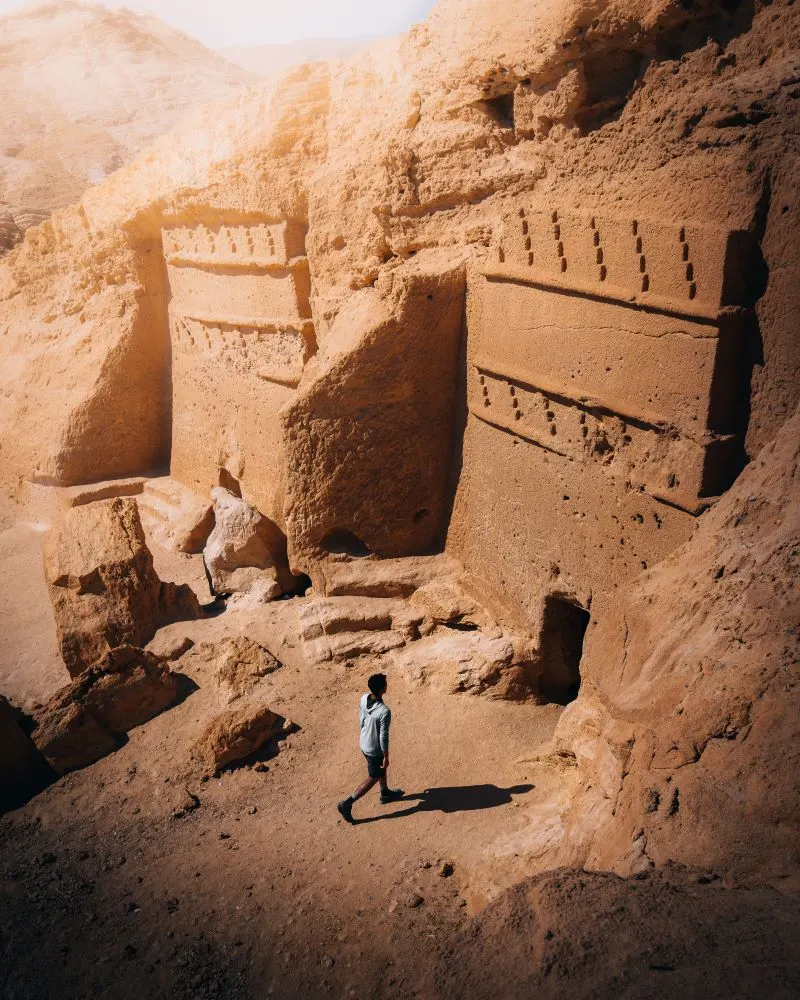
Pachacamac is a large archaeological complex located about 30 km southeast of Lima, on the Pacific coast. The site was once an important religious center of the Inca Empire, and contains a vast array of ruins and artifacts dating back to pre-Inca times.
Visitors to Pachacamac can explore the extensive ruins and learn about the history and culture of the site through guided tours or self-guided walks.
The complex features several temples, palaces, and other structures, including the impressive Temple of the Sun and the Temple of the Moon. Many of the buildings were constructed with adobe brick and decorated with intricate carvings and murals.
In addition to the ruins, Pachacamac also has a small museum that houses a collection of artifacts excavated from the site. The museum contains pottery, textiles, jewelry, and other objects that provide insight into the daily lives and religious practices of the ancient people who lived at Pachacamac.
Visitors can also enjoy the natural beauty of the area, which is situated in a desert valley surrounded by hills. The site offers stunning views of the Pacific Ocean and the surrounding countryside, making it a great place for a picnic or a peaceful stroll.
17. Explore the neighborhoods of San Isidro and La Molina and see some of Lima’s most luxurious homes.

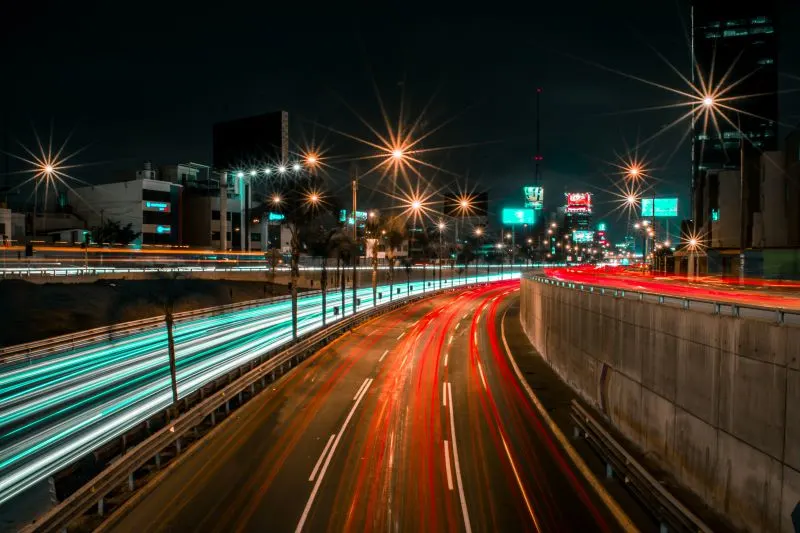
San Isidro and La Molina are two upscale neighborhoods located in the eastern part of Lima. Known for their luxurious homes, tree-lined streets, and beautiful parks, these neighborhoods are popular destinations for those looking to explore the city’s more affluent side.
Visitors to San Isidro can take a leisurely walk through the Parque El Olivar, a large park filled with ancient olive trees, manicured lawns, and walking paths. The park is a popular spot for picnics, jogging, and bird watching.
In addition to the park, San Isidro is home to several museums, including the Museo de Arte Contemporáneo and the Museo de la Electricidad, which provide insight into modern art and the history of electricity in Peru, respectively.
La Molina, on the other hand, is known for its beautiful architecture and elegant homes. Visitors can take a stroll through the neighborhood’s tree-lined streets and admire the stunning mansions and gardens, many of which were designed by some of Peru’s most renowned architects.
La Molina is also home to several parks, including the Parque Ecológico La Molina, which features hiking trails, bird watching, and a butterfly house.
18. Visit the Plaza San Martin and see the statue of Peru’s liberator, Jose de San Martin.

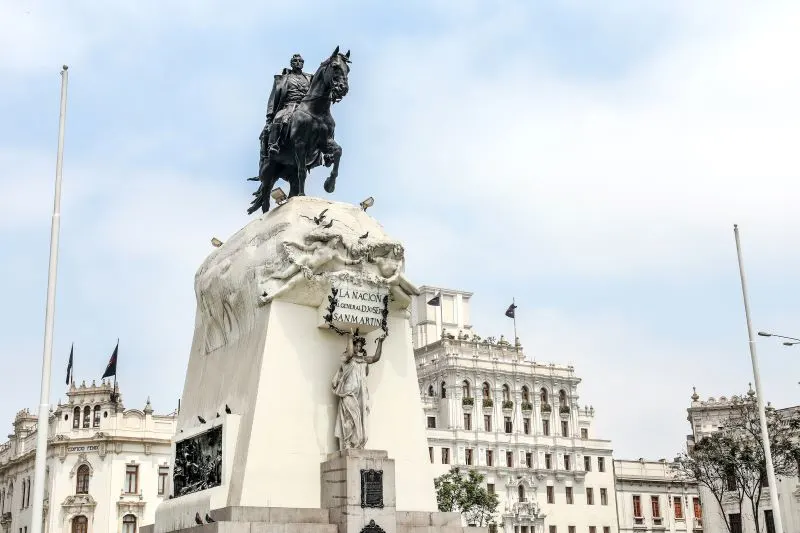
The Plaza San Martin is one of Lima’s most important and historic public spaces. Located in the heart of downtown Lima, it is named after the Argentine general Jose de San Martin, who is considered one of the principal leaders of South America’s struggle for independence from Spain.
At the center of the plaza stands a statue of San Martin on horseback, which was sculpted by Spanish artist Mariano Benlliure. The statue is a prominent landmark and a symbol of Peru’s rich history and independence.
The plaza itself is surrounded by several notable buildings, including the Gran Hotel Bolivar, which was once one of the city’s most luxurious hotels, and the Palacio de la Unión, which houses the Ministry of Foreign Affairs.
Visitors to the plaza can take a leisurely stroll through the gardens, relax on one of the many benches, and admire the impressive architecture. The plaza is also a popular spot for events and celebrations, including concerts, festivals, and political rallies.
19. Learn about traditional Peruvian textiles at the Museo Amano.

The Museo Amano is a museum located in the upscale residential district of Miraflores in Lima, Peru. The museum is dedicated to showcasing the impressive collection of pre-Columbian textiles and ceramics that were amassed by the Amano family, who are known for their extensive efforts to preserve Peru’s textile heritage.
Visitors to the museum can explore a wide range of textiles and ceramics from various cultures and time periods throughout Peru’s history.
The museum’s exhibits provide a fascinating insight into the techniques and processes used by ancient Peruvian weavers, as well as the symbolic and cultural significance of textiles in Peruvian society.
One of the highlights of the museum is its collection of textiles from the Paracas culture, which flourished in southern Peru between approximately 800 BCE and 100 BCE. The textiles are notable for their intricate patterns, vivid colors, and high level of craftsmanship, which have been preserved remarkably well over the centuries.
The museum also features a lovely courtyard garden, which is a peaceful oasis in the heart of the bustling city. Visitors can take a break from the exhibits and relax in the tranquil surroundings while admiring the beautiful architecture of the museum.
20. Take a bike tour of Lima and see the city from a different perspective.

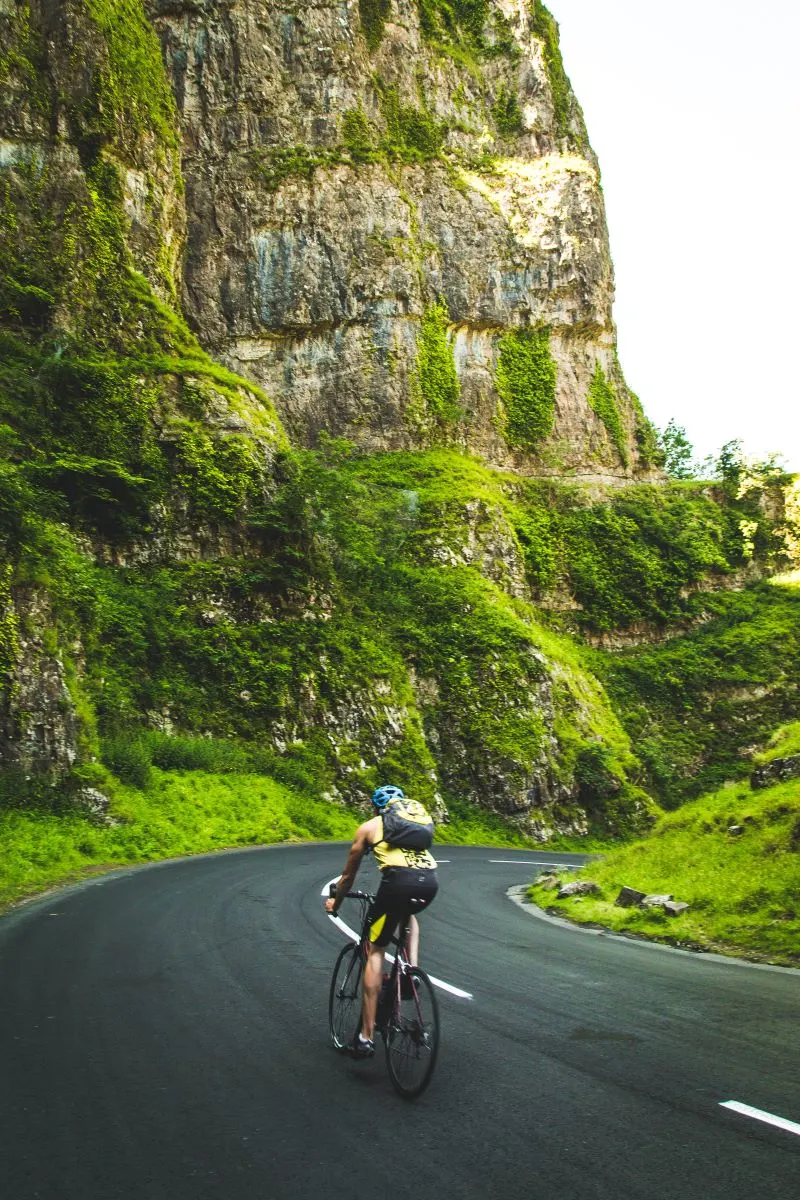
A bike tour of Lima is a fun and active way to explore the city and see its many attractions from a different perspective. There are several bike tour companies in Lima that offer guided tours, and most of them cater to all skill levels, from beginners to experienced cyclists.
The tour typically starts in the Miraflores district, where participants are fitted with bikes and helmets and given a safety briefing. The tour guide then leads the group through the city’s streets, pointing out interesting landmarks and providing historical and cultural context along the way.
Some of the highlights of the tour might include the ocean views along the Malecon, the colonial architecture of the historic center, and the colorful street art in the bohemian neighborhood of Barranco. Participants may also stop at a local market or restaurant to sample some of Lima’s famous cuisine.
One of the advantages of a bike tour is the ability to cover a lot of ground quickly and efficiently while also enjoying the fresh air and exercise. It’s also a great way to escape the traffic and crowds of the city and get off the beaten path to discover hidden gems that might not be easily accessible by car or foot.
21.Visit the Museo de Oro del Peru (Gold Museum) and see ancient gold artifacts.

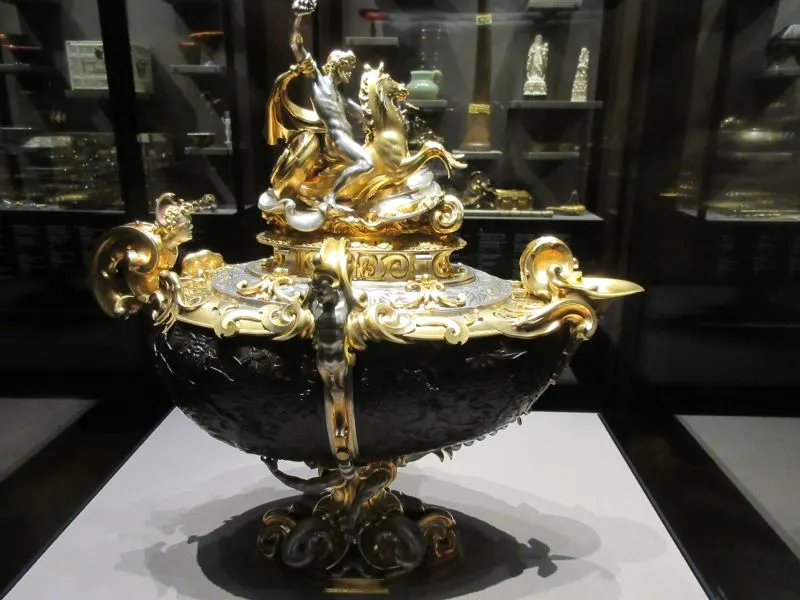
The Museo de Oro del Peru, or Gold Museum of Peru, is a fascinating museum located in the Surco district of Lima. As the name suggests, the museum is dedicated to the history and culture of ancient Peru, particularly the use of gold and other precious metals in art and decoration.
The museum’s collection includes a wide variety of ancient gold artifacts, including jewelry, figurines, masks, and ceremonial objects. Many of these items were created by the Moche, Chimu, and other ancient cultures that flourished in Peru before the arrival of the Spanish.
In addition to the gold artifacts, the museum also displays other items of cultural and historical significance, such as textiles, ceramics, and weapons.
Visitors can learn about the different cultural groups that inhabited Peru over the centuries, their religious beliefs and practices, and their artistic and technological achievements.
One of the highlights of the museum is the impressive collection of pre-Columbian weapons and armor, which gives visitors a glimpse into the military strategies and tactics of ancient Peru. There is also a section dedicated to the ancient art of metalworking, where visitors can learn about the techniques used to create these intricate and beautiful objects.
22. Visit the Parque de las Leyendas, a large zoo and botanical garden in the heart of Lima.

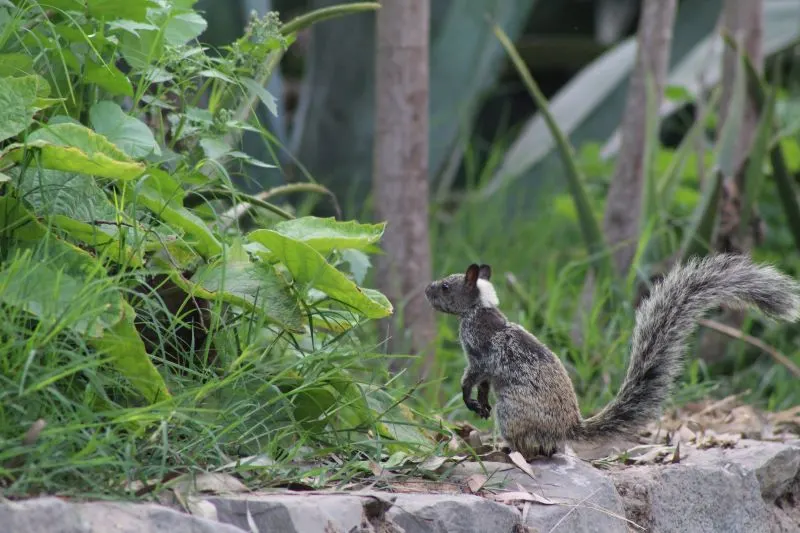
The Parque de las Leyendas is a sprawling zoological park and botanical garden located in the heart of Lima, Peru. The park covers an area of over 135 hectares, making it one of the largest parks of its kind in South America.
The park is divided into several different sections, each with its own unique exhibits and attractions. The zoo section of the park is home to a wide variety of animals from around the world, including lions, tigers, bears, primates, birds, reptiles, and more.
Visitors can observe the animals in their natural habitats, and many exhibits feature interactive displays that allow visitors to learn more about the animals and their behaviors.
In addition to the zoo exhibits, the Parque de las Leyendas also features a large botanical garden with over 400 species of plants and flowers from around Peru and beyond.
The gardens are designed to showcase the rich biodiversity of the region, and visitors can stroll through tranquil pathways lined with colorful flowers and towering trees.
One of the most popular attractions in the park is the Aviary, which houses dozens of species of birds from around the world. Visitors can walk through a series of enclosures, each with its own unique collection of birds, and observe them up close and personal.
The Parque de las Leyendas also features several educational exhibits and programs, including a museum of Peruvian history and culture, a science center, and a series of workshops and lectures on environmental conservation and sustainability.
23. Take a day trip to the nearby beaches of Punta Hermosa or Punta Negra.


Punta Hermosa and Punta Negra are two beautiful coastal towns located just south of Lima, Peru. They are known for their scenic beaches and world-class surf spots. Visitors can take a day trip from Lima to either town to enjoy the sun, sand, and surf.
Punta Hermosa is the larger of the two towns and is home to several popular beaches, including Playa Blanca, Punta Rocas, and Señoritas.
Punta Negra, on the other hand, is a smaller town with a more laid-back vibe and a few quieter beaches, such as Punta Negra Beach and El Silencio Beach. Both towns offer a variety of restaurants and bars where visitors can sample fresh seafood and other local specialties.
24. Attend a live performance of Peruvian music and dance at the Gran Teatro Nacional.

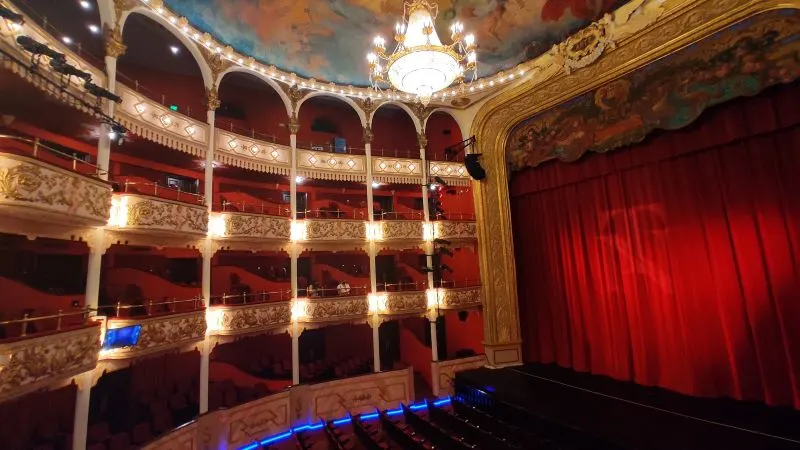
The Gran Teatro Nacional (National Grand Theater) is a state-of-the-art performing arts venue in Lima, Peru. It is home to the National Symphony Orchestra, the National Ballet, and several other resident performing arts companies.
The theater hosts a wide range of events throughout the year, including concerts, plays, dance performances, and opera productions. One of the highlights of the theater’s programming is its showcase of traditional Peruvian music and dance.
Visitors can attend live performances of everything from Andean folk music to Afro-Peruvian rhythms, as well as watch dazzling displays of traditional dance such as the marinera, festejo, and huayno. The Gran Teatro Nacional provides a unique opportunity to experience the rich cultural heritage of Peru in a stunning, world-class venue.
25. Visit the Palacio Municipal de Lima and see the stunning murals painted by Juan Manuel Ugarte Eléspuru.

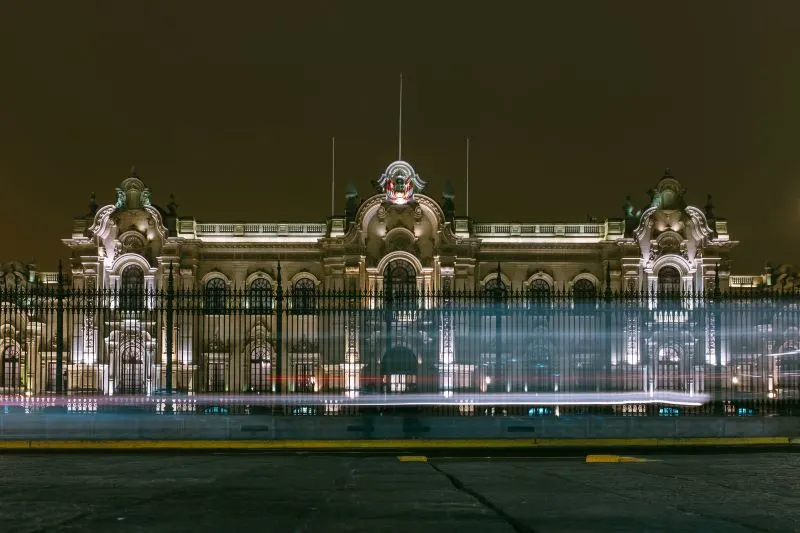
The Palacio Municipal de Lima, also known as the Municipal Palace of Lima, is a historic building located in the heart of Lima’s historic center. It houses the offices of the city’s government, but it is also a popular destination for visitors because of the stunning murals painted by Peruvian artist Juan Manuel Ugarte Eléspuru.
The murals were completed in 1964 and cover the walls of the main stairwell and second-floor hallway of the building. They depict important moments in Peruvian history, such as the arrival of the Spanish conquistadors, the struggle for independence, and scenes of daily life in Peru.
The murals are considered a masterpiece of Peruvian art and are a must-see for anyone interested in history or art. In addition to the murals, visitors can also admire the beautiful architecture of the building, which dates back to the 18th century.
26. Take a guided tour of the Huaca Huallamarca, a pre-Inca adobe pyramid in San Isidro.

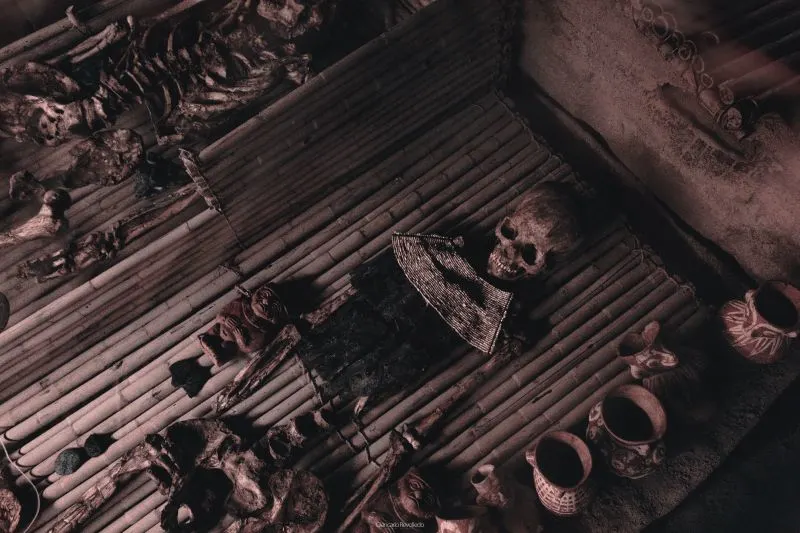
Huaca Huallamarca is a pre-Inca adobe pyramid located in the upscale district of San Isidro in Lima. This archaeological site is a testament to the rich history of Peru and provides an interesting glimpse into the lives of the people who lived here thousands of years ago.
The pyramid is made of adobe brick and dates back to the Lima culture, which flourished from around 200 to 700 AD. It was likely used as a ceremonial center or burial site, and it is estimated that it was in use for over a thousand years.
Visitors can take a guided tour of Huaca Huallamarca to learn more about the history of the site and the people who built it. The tour takes visitors around the pyramid, providing information on the different layers of the site and the techniques used to construct it. There is also a museum on site that houses artifacts found during excavations, including pottery, textiles, and other items.
In addition to the history and culture, visitors can also enjoy the stunning views of the surrounding city from the top of the pyramid. It’s a great way to see a different side of Lima and learn more about the rich history of this fascinating country.
27. Take a scenic drive along the coast to the nearby town of Chorrillos

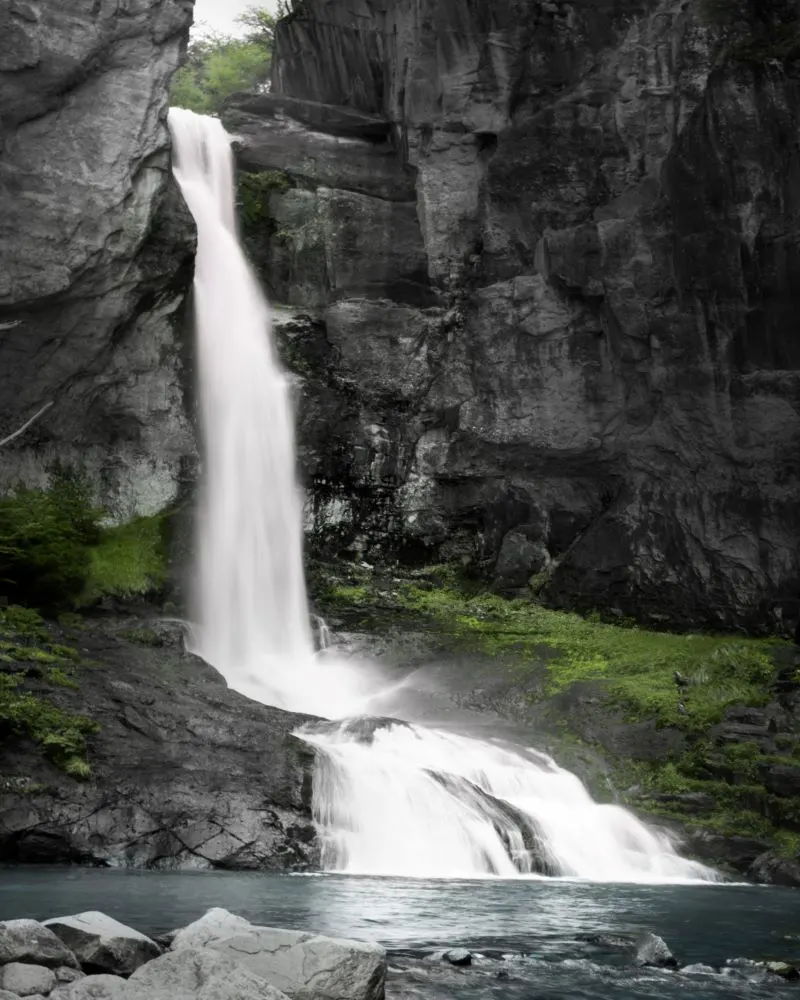
Chorrillos is a seaside town located just a few miles south of Lima. Taking a scenic drive along the coast to Chorrillos is a great way to enjoy stunning views of the Pacific Ocean and the rugged coastline. Along the way, you can stop at viewpoints to take pictures, relax on the beach, or visit local seafood restaurants to taste the catch of the day.
Once in Chorrillos, you can walk along the pier, visit the old lighthouse, or explore the historic town center with its beautiful architecture and charming streets. This day trip is perfect for those looking to escape the hustle and bustle of Lima and enjoy a relaxing day by the sea.
28. Visit the Museo Mario Testino (MATE) and see the works of the famous Peruvian photographer

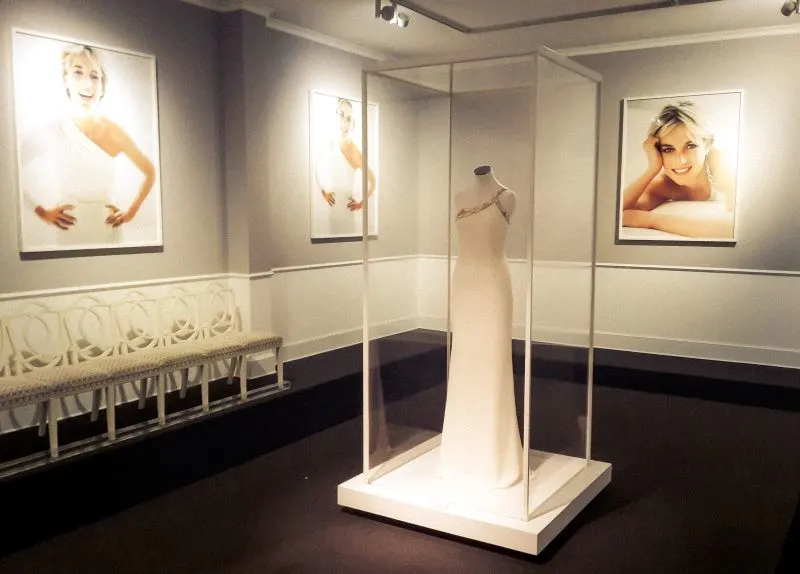
Museo Mario Testino (MATE) is a contemporary art museum located in the Barranco district of Lima. The museum features the works of world-renowned Peruvian photographer Mario Testino, who has photographed many famous faces including Princess Diana, Kate Moss, and Madonna.
Visitors can see a range of Testino’s works, from his early black and white photographs to his more recent celebrity portraits. The museum also features rotating exhibitions of other contemporary artists.
In addition to the exhibitions, visitors can also learn about Testino’s life and career through a collection of personal objects and memorabilia. MATE is housed in a beautifully restored colonial mansion and offers stunning views of the Pacific Ocean from its rooftop terrace.
29. Visit the Parque de la Amistad in Surco and see the beautiful Japanese garden


The Parque de la Amistad, also known as the Friendship Park, is a public park located in the district of Surco in Lima. The park was a gift from the Japanese government to the people of Peru in honor of the 100th anniversary of the country’s independence. One of the main attractions of the park is the beautiful Japanese garden, which was designed by Japanese landscape architect Koichi Kawana.
The garden features a traditional Japanese bridge, a koi pond, waterfalls, and a variety of plants and trees. Visitors can stroll through the garden, relax on the benches, and enjoy the tranquil atmosphere. In addition to the garden, the park also has a playground, a skate park, and a small amphitheater that hosts cultural events and performances.
30. Take a sunset catamaran cruise along the coast of Lima

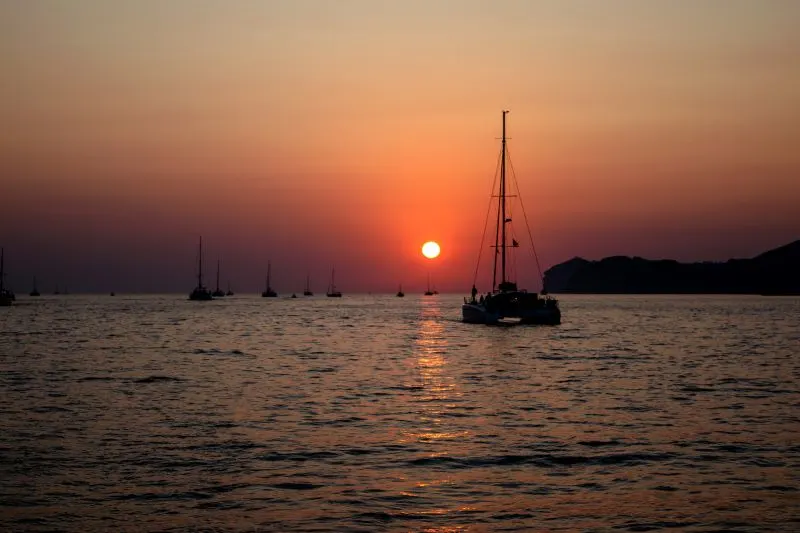
A sunset catamaran cruise along the coast of Lima is a great way to take in the stunning views of the city skyline, the Pacific Ocean, and the surrounding cliffs. As the boat sails along the coast, passengers can enjoy the warm evening breeze and watch the sun dip below the horizon.
Some cruises even include live music, drinks, and snacks to make the experience even more enjoyable. This is a romantic and relaxing activity that is perfect for couples or small groups looking to unwind and take in the beauty of Lima’s coastline.
Peruvian Food In Lima

 Peruvian food has gained a reputation as one of the most flavorful and diverse cuisines in the world, and Lima is the perfect place to experience it firsthand. The city is a culinary mecca, offering a range of traditional and modern Peruvian dishes that showcase the country’s unique blend of indigenous, Spanish, African, and Asian flavors.
One of the most famous dishes in Peru is ceviche, which is made with fresh raw fish that is marinated in lime juice and mixed with chili peppers, onions, and other spices. Lima is home to some of the best cevicherias in the country, where you can sample this refreshing and flavorful dish in all its glory. Some of the most popular spots include Pescados Capitales, La Mar, and El Mercado.
Another Peruvian favorite is lomo saltado, a stir-fry made with marinated beef, onions, tomatoes, and french fries, served over rice. This hearty and filling dish is a classic comfort food that can be found in many traditional Peruvian restaurants in Lima.
For those looking for something a bit more exotic, Lima has plenty of options as well. Anticuchos, or grilled skewers made with marinated beef heart, are a beloved street food in Peru and can be found in many food markets and street stalls throughout the city. Cuy, or guinea pig, is another traditional Peruvian delicacy that can be found in some restaurants in Lima, though it may not be for everyone.
If you’re interested in exploring the more modern side of Peruvian cuisine, Lima has plenty of options for that as well. Gaston Acurio, one of Peru’s most famous chefs, has several restaurants in the city that offer a fusion of traditional and contemporary Peruvian dishes.
Other notable restaurants include Maido, which specializes in Nikkei cuisine (a fusion of Peruvian and Japanese flavors), and Central, which offers a unique tasting menu that showcases the diverse ingredients and flavors of Peru.
No matter what type of food you’re looking for, there’s something for everyone in Lima. With its rich culinary history and innovative chefs, the city has become a must-visit destination for foodies from around the world. So if you’re planning a trip to Peru, be sure to pack your appetite and prepare to indulge in some of the most delicious and diverse cuisine you’ll ever taste.
20 Best Retaurants in Lima
- Maido
- Central
- Astrid y Gastón
- Rafael
- Osso
- La Mar
- El Mercado
- Amaz
- Malabar
- Isolina
- Pescados Capitales
- La Picantería
- Fiesta
- IK
- El Bodegón
- El Señorío de Sulco
- La Lucha Sanguchería Criolla
- La Choza Náutica
- Antigua Taberna Queirolo
- El Pan de la Chola
Transportation In lima

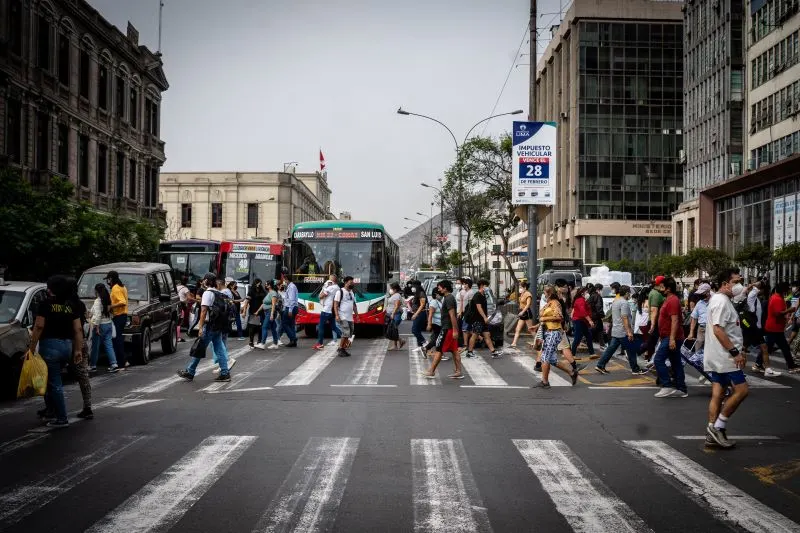
Transportation in Lima, Peru’s capital city, is varied and includes options such as buses, taxis, trains, and metro lines.
Buses are the most common mode of transportation in Lima and are both affordable and frequent. There are several types of buses, including public buses, privately operated buses, and tourist buses.
Public buses are the most economical, but they can be crowded and not always safe. Privately operated buses, on the other hand, are generally safer and more comfortable, but they are also more expensive. Tourist buses are designed for visitors and offer guided tours of the city.
Taxis are also a popular means of transportation in Lima. They can be hailed on the street or ordered through a ride-sharing app. It is recommended to use official taxi companies or ride-sharing apps to ensure safety and avoid potential scams.
Lima has two metro lines that connect several areas of the city. The metro is an efficient and affordable way to travel, especially during rush hour when traffic can be heavy. However, the metro network is still relatively small and only covers certain areas of the city.
Additionally, Lima has a suburban train system that connects the city center with nearby towns and districts. This option is particularly useful for travelers looking to explore outside of Lima’s city limits.
Finally, Lima has several bike rental services and bike lanes, making cycling a viable transportation option for those looking to explore the city at a slower pace.
Lima, Peru offers visitors an exciting array of activities and experiences. From exploring the city’s rich history and colonial architecture to indulging in its world-renowned cuisine and enjoying its lively nightlife, there is something for everyone in this vibrant and diverse city. Visitors can take in the stunning views of the Pacific Ocean from the Malecon, visit pre-Columbian ruins, walk the charming streets of the Barranco neighborhood, and explore the city’s excellent museums. Lima truly is a city that has it all, making it a must-visit destination for anyone interested in culture, history, and delicious food.
Leave a comment