


Jaipur, also known as the “Pink City,” is the vibrant capital of the Indian state of Rajasthan. It is one of the most popular tourist destinations in India, known for its rich history, magnificent palaces, colorful markets, and cultural heritage.
Founded in 1727 by Maharaja Sawai Jai Singh II, Jaipur is renowned for its well-preserved architecture, royal heritage, and warm hospitality.
The city’s nickname, the “Pink City,” comes from the distinctive pink-colored buildings that adorn the old part of the city. This unique color scheme was implemented in 1876 to welcome the Prince of Wales and has been preserved ever since. The pink buildings, along with the bustling streets, create a vibrant and visually captivating atmosphere.
Jaipur is a city that seamlessly blends tradition and modernity. It is a city of contrasts, where ancient forts and palaces stand alongside bustling markets and modern infrastructure.
The city’s architectural marvels, such as the Amer Fort, Hawa Mahal, and City Palace, showcase the grandeur and opulence of the Rajput era.
The city’s rich cultural heritage is reflected in its festivals, art, crafts, music, and dance forms. The people of Jaipur are known for their warm hospitality and deep-rooted traditions. The city is also famous for its vibrant markets, where you can shop for traditional textiles, jewelry, handicrafts, and spices.
Food is an integral part of the Jaipur experience. The city is known for its delectable Rajasthani cuisine, which is characterized by its rich flavors, generous use of spices, and unique cooking techniques. From mouthwatering street food to royal Rajasthani thalis, Jaipur offers a wide range of culinary delights.
Apart from its historical and cultural attractions, Jaipur also offers a range of experiences for visitors. You can enjoy an elephant ride at Amer Fort, take a hot air balloon ride over the city, or indulge in a traditional Rajasthani dance performance. Jaipur is also a gateway to exploring the nearby regions of Rajasthan, including the desert city of Jaisalmer and the romantic city of Udaipur.
With its fascinating history, stunning architecture, vibrant culture, and warm hospitality, Jaipur invites visitors to immerse themselves in its royal charm and experience the magic of Rajasthan.
Whether you’re exploring its magnificent forts and palaces, strolling through its bustling markets, or savoring its flavorsome cuisine, Jaipur promises a memorable and enchanting journey.
1. Visit Amber Fort: Explore the stunning architecture of this magnificent fort and enjoy an elephant ride up the hill


Amber Fort, also known as Amer Fort, is a majestic and well-preserved fort located in Amer, a small town near Jaipur. It stands as a brilliant example of Rajput architecture and is one of the most visited tourist attractions in Jaipur.
The fort was constructed in the 16th century by Raja Man Singh I, the commander of Emperor Akbar’s army. Built primarily with red sandstone and marble, Amber Fort is a breathtaking blend of Hindu and Mughal architectural styles. Its impressive ramparts, ornate gateways, grand courtyards, and stunning palaces make it a true marvel.
One of the highlights of visiting Amber Fort is the opportunity to ascend the hill in a traditional manner, riding on the back of an elephant.
The elephant ride adds an element of regality and adventure to the experience as you make your way up to the fort’s entrance, passing through the Sun Gate or the Moon Gate.
Once inside the fort, you’ll discover a myriad of attractions. The Diwan-i-Aam (Hall of Public Audience) is a vast courtyard where the king would meet and address his subjects.
The Diwan-i-Khas (Hall of Private Audience) is an intricately decorated chamber known for its stunning mirror work.
Another prominent feature of Amber Fort is the Sheesh Mahal, also known as the Mirror Palace. It is a chamber embellished with countless tiny mirrors and colored glass that reflect light in a mesmerizing manner, creating an illusion of a starry sky.
The fort also houses the Sukh Niwas (Hall of Pleasure), which was designed to offer respite during hot summers with its unique cooling system using water channels and fountains. The Zenana, or the women’s quarters, is a secluded section of the fort featuring exquisite architecture and beautiful frescoes.
Additionally, Amber Fort provides breathtaking panoramic views of the surrounding hills and Maota Lake, which further enhances the overall experience.
Visiting Amber Fort allows you to step back in time and immerse yourself in the opulence and grandeur of Rajasthan’s royal heritage.
The intricate craftsmanship, stunning architecture, and scenic surroundings make it a must-visit destination for travelers seeking a glimpse into the rich history and cultural legacy of Jaipur.
2. Hawa Mahal: Admire the iconic “Palace of Winds” and its intricate honeycomb-like facade

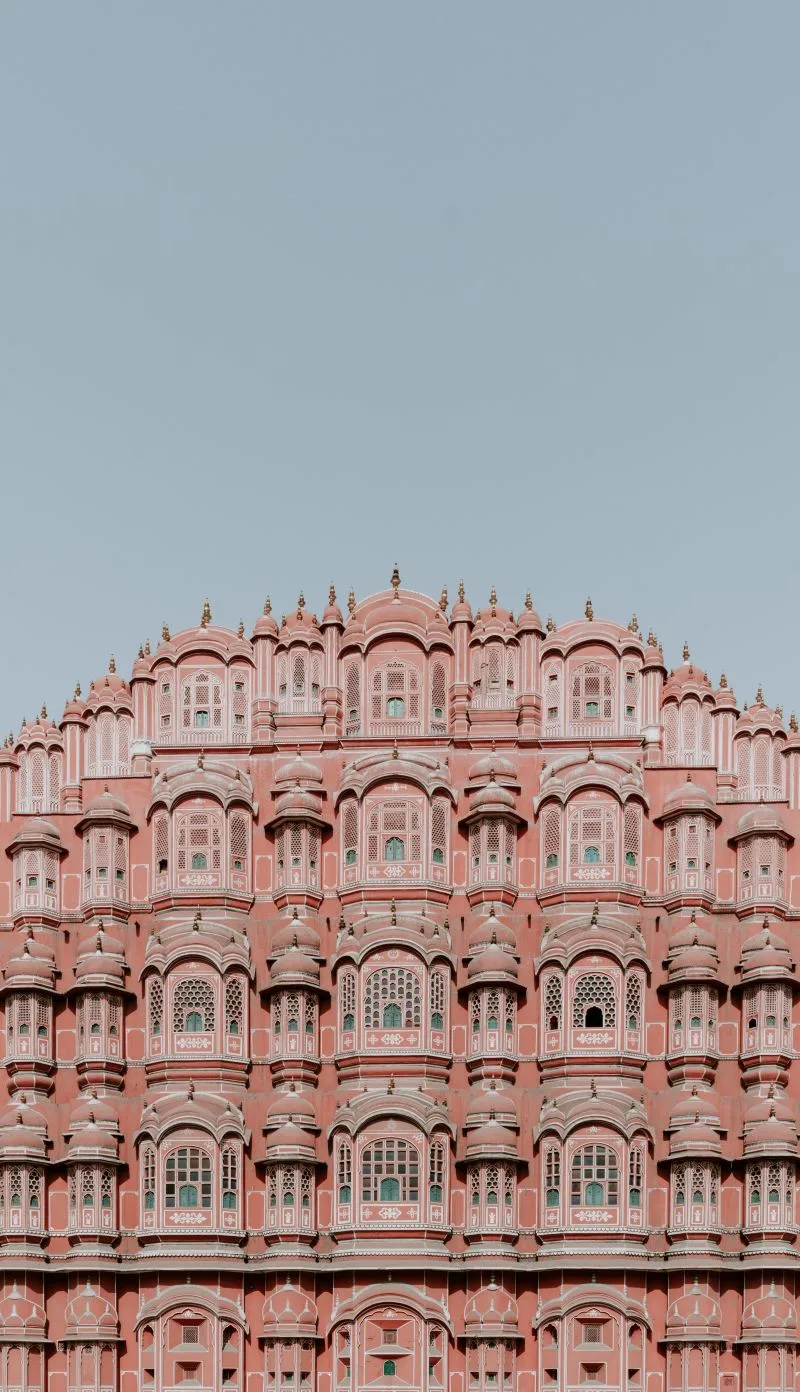
Hawa Mahal, also known as the “Palace of Winds,” is an iconic landmark and one of the most recognizable structures in Jaipur, Rajasthan. Built in 1799 by Maharaja Sawai Pratap Singh, it stands as a remarkable example of Rajput architecture and design.
Hawa Mahal is a five-story structure located in the heart of the Pink City, Jaipur. What makes it truly unique is its intricate honeycomb-like façade that showcases 953 small windows, known as jharokhas. These windows are intricately carved and adorned with latticework, allowing cool breezes to pass through and providing ventilation to the palace.
The primary purpose behind the construction of Hawa Mahal was to enable the royal women, who were restricted from appearing in public, to observe the bustling street activities and festivals taking place outside.
The windows of the palace allowed them to enjoy the festivities and ceremonies without being seen, maintaining their privacy.
The exterior of Hawa Mahal is a mesmerizing pink color, which is characteristic of Jaipur’s architecture. The palace is built with red and pink sandstone, which gives it a vibrant and majestic appearance. Its pyramidal shape, resembling the crown of Lord Krishna, further adds to its architectural beauty.
While the front façade of Hawa Mahal is the most well-known, the palace extends to the rear with a series of chambers and courtyards. Inside, there are several galleries, balconies, and corridors that provide a glimpse into the royal lifestyle and offer panoramic views of the city.
Visiting Hawa Mahal allows you to appreciate the architectural brilliance and intricate craftsmanship of the structure. It stands as a symbol of Jaipur’s rich heritage and offers a unique perspective on the royal history of Rajasthan.
Additionally, Hawa Mahal is located in close proximity to other popular attractions in Jaipur, making it easily accessible for tourists. It serves as a significant landmark and an ideal starting point for exploring the vibrant markets, historical sites, and cultural delights of the Pink City.
3. City Palace: Discover the royal heritage of Jaipur by exploring this grand palace complex

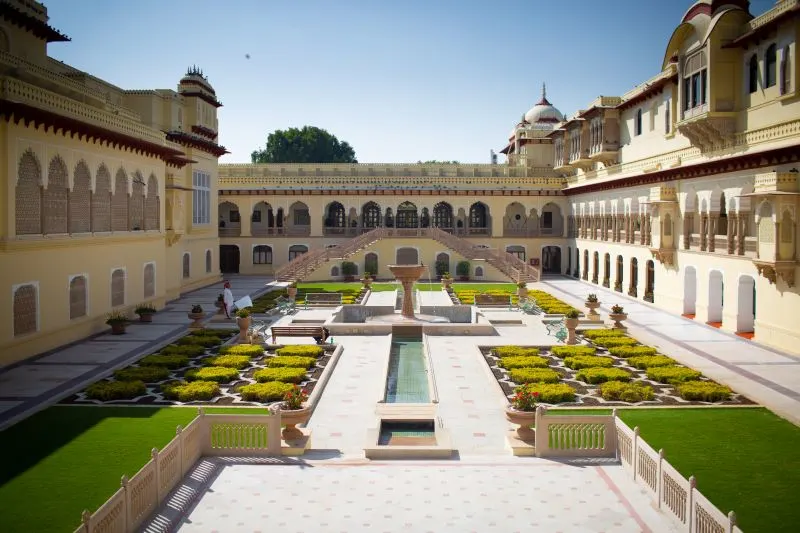
The City Palace in Jaipur is a magnificent palace complex that showcases the grandeur and opulence of the royal heritage of Rajasthan. It is located in the heart of the Pink City and serves as a major tourist attraction.
The City Palace was built in the 18th century by Maharaja Sawai Jai Singh II, the founder of Jaipur. It is a harmonious blend of Rajput, Mughal, and European architectural styles, reflecting the diverse influences of its construction.
The palace complex is spread over a vast area and comprises several buildings, courtyards, gardens, and palaces. As you enter through the main gate, you’ll be greeted by the Mubarak Mahal, which was once the reception area for visiting dignitaries. Today, it houses a textile museum showcasing an exquisite collection of royal costumes, fabrics, and artifacts.
The next prominent structure within the complex is the Diwan-i-Khas, also known as the Hall of Private Audience. It is an elaborately designed chamber adorned with intricate frescoes, mirrors, and marble work. The hall served as a meeting place for the Maharajas and was used for conducting important ceremonies and discussions.
Adjacent to the Diwan-i-Khas is the Chandra Mahal, the seven-story palace that serves as the residence of the current Maharaja of Jaipur.
While most parts of the palace are not accessible to the public, a section of it has been converted into a museum that showcases an impressive collection of art, manuscripts, and royal artifacts.
One of the main attractions within the City Palace complex is the Pritam Niwas Chowk, a courtyard adorned with four exquisitely designed gates representing the four seasons and Hindu gods associated with them. Each gate is intricately carved and embellished with beautiful motifs and symbols.
The City Palace complex also offers panoramic views of the cityscape from its elevated vantage points. You can witness the stunning architecture, the bustling streets, and the vibrant colors of Jaipur from these viewpoints.
Visiting the City Palace allows you to immerse yourself in the regal ambiance and experience the rich history and architectural splendor of Rajasthan.
The intricate detailing, majestic courtyards, beautiful gardens, and the blend of various architectural styles make it a must-visit destination for history buffs, architecture enthusiasts, and anyone interested in exploring the royal heritage of Jaipur.
4. Jantar Mantar: Marvel at the world’s largest stone sundial and other fascinating astronomical instruments

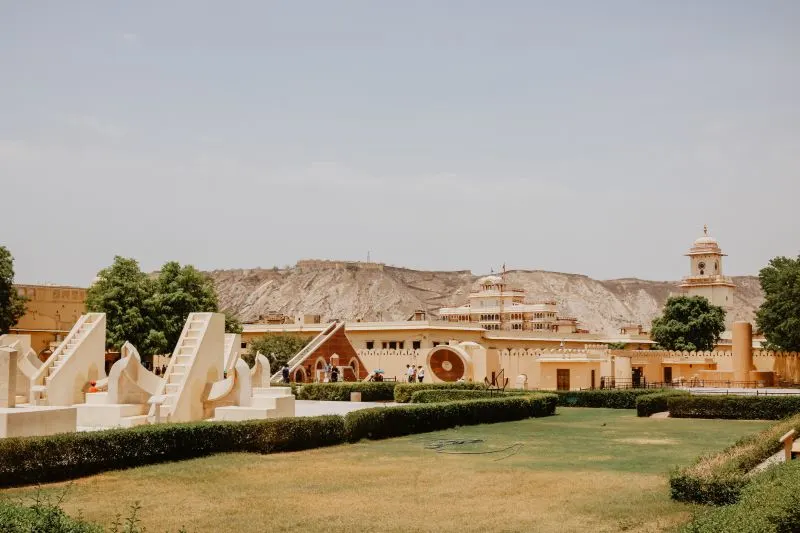
Jantar Mantar in Jaipur is an extraordinary astronomical observatory and one of the most intriguing architectural marvels in India. Built by Maharaja Sawai Jai Singh II, the founder of Jaipur, in the early 18th century, Jantar Mantar is a UNESCO World Heritage site and a significant landmark in the city.
Jantar Mantar comprises a collection of astronomical instruments designed to observe and measure celestial phenomena with remarkable precision. The complex houses a total of 19 unique instruments, each serving a specific astronomical purpose.
The instruments at Jantar Mantar are constructed using stone, masonry, and brass, and they are laid out in a vast open space.
The most prominent and impressive instrument is the Samrat Yantra, or the Giant Sundial, which is the world’s largest stone sundial. It measures time with remarkable accuracy, and its shadow can be observed moving at a speed of approximately 1 mm per second.
Another fascinating instrument is the Jai Prakash Yantra, a pair of large hemispherical structures with markings that allow astronomers to observe the positions of celestial bodies and calculate their altitudes, azimuths, and other astronomical parameters.
The Misra Yantra is a combination of various devices used to determine the shortest and longest days of the year, as well as to measure the meridian, celestial altitudes, and azimuths.
Other notable instruments at Jantar Mantar include the Ram Yantra, the Narivalaya Yantra, and the Digamsha Yantra, each serving its specific astronomical purpose.
Visiting Jantar Mantar provides a unique opportunity to witness the advanced astronomical knowledge and scientific acumen of the past. The complex stands as a testament to the astronomical brilliance of Maharaja Sawai Jai Singh II and the significant contributions made by Indian astronomers.
Exploring Jantar Mantar allows you to learn about the complex calculations and observations carried out by ancient astronomers and gain insights into the astronomical practices prevalent during the time of its construction.
The precise geometric structures, intricate markings, and the historical significance of Jantar Mantar make it a must-visit destination for those interested in astronomy, history, and architecture. It offers a fascinating glimpse into the scientific achievements of the past and continues to inspire visitors with its unique blend of art, science, and cultural heritage.
5. Nahargarh Fort: Enjoy panoramic views of Jaipur from this hilltop fort and visit the wax museum located inside

 b
b
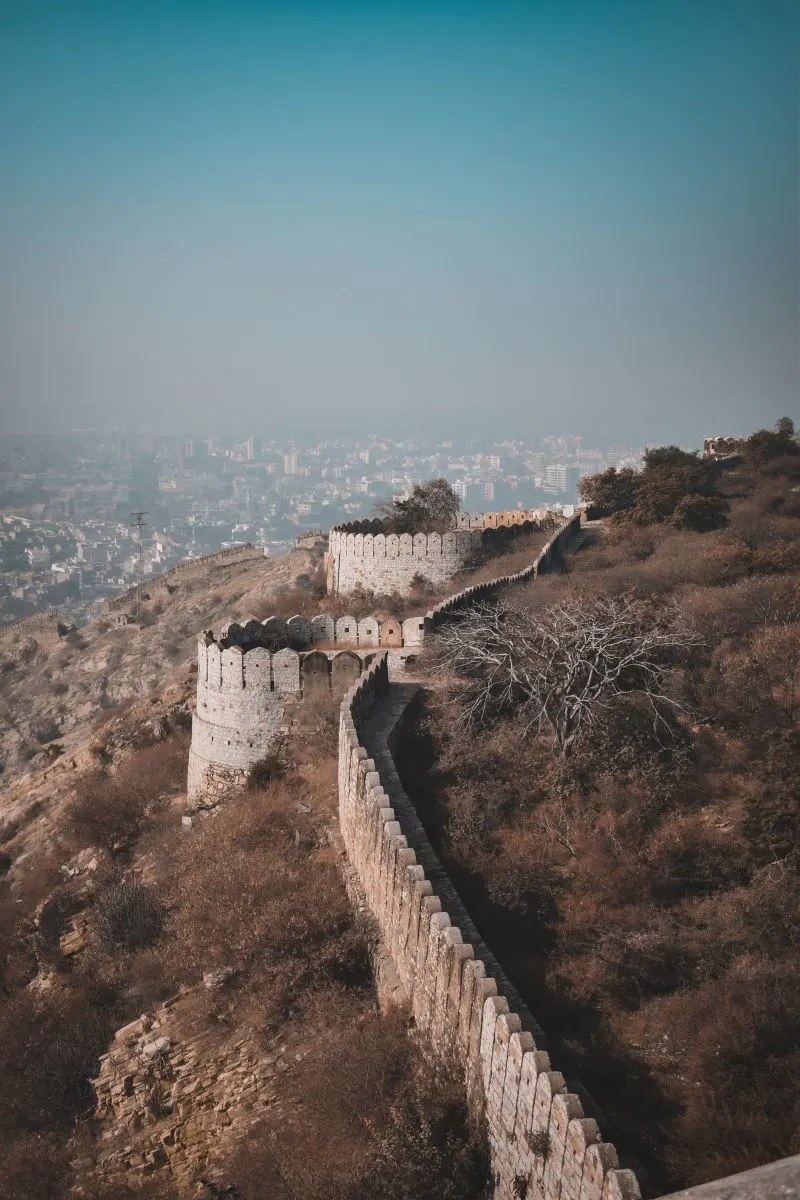
Nahargarh Fort, situated on the rugged Aravalli hills overlooking the city of Jaipur, is a majestic fort with a rich history and stunning architecture. Built in 1734 by Maharaja Sawai Jai Singh II, the fort was originally intended as a defense fortification to protect Jaipur.
Nahargarh Fort, which translates to “Abode of Tigers,” derives its name from a belief that it was haunted by the spirit of a Rathore prince named Nahar Singh Bhomia.
The fort’s location on the edge of the hills and its imposing structure add to the aura of mystery and intrigue surrounding it.
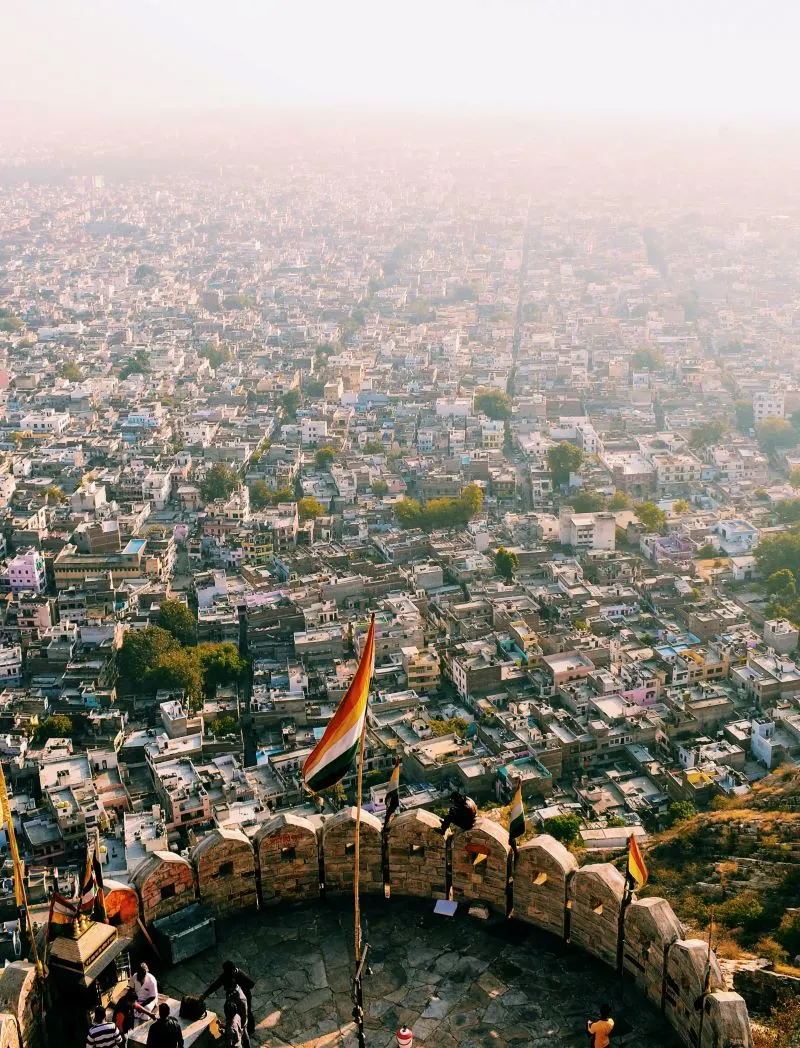
The fort is characterized by its robust walls, bastions, and watchtowers, which provide panoramic views of the surrounding landscape. From Nahargarh Fort, you can witness breathtaking vistas of Jaipur’s Pink City, the Aravalli hills, and the serene Maota Lake.
Inside the fort, you’ll find a range of attractions and architectural elements. The Madhavendra Bhawan, a palace within the fort, consists of a series of suites for the king and his queens.
The palace features beautiful frescoes, delicate mirror work, and intricate detailing, showcasing the refined craftsmanship of that era.
One of the unique features of Nahargarh Fort is its stepwell, known as the Panna Meena Ka Kund. This intricately designed stepwell served as a water reservoir and is adorned with beautiful geometric patterns and carvings.
In recent years, Nahargarh Fort has become a popular destination for both locals and tourists. The fort complex houses several cafes and rooftop restaurants that offer breathtaking views of the cityscape, making it a perfect spot for relaxation and enjoying the sunset.
Nahargarh Fort has also gained recognition as a filming location for various Bollywood movies, adding to its allure and popularity.
Visiting Nahargarh Fort allows you to delve into the history and architectural splendor of Jaipur while immersing yourself in the natural beauty of the surrounding hills. Whether you’re interested in history, photography, or simply enjoying panoramic views, Nahargarh Fort offers a captivating experience that showcases the grandeur and charm of Rajasthan.
6. Jaigarh Fort: Explore this majestic fort known for its impressive weaponry collection, including the world’s largest cannon

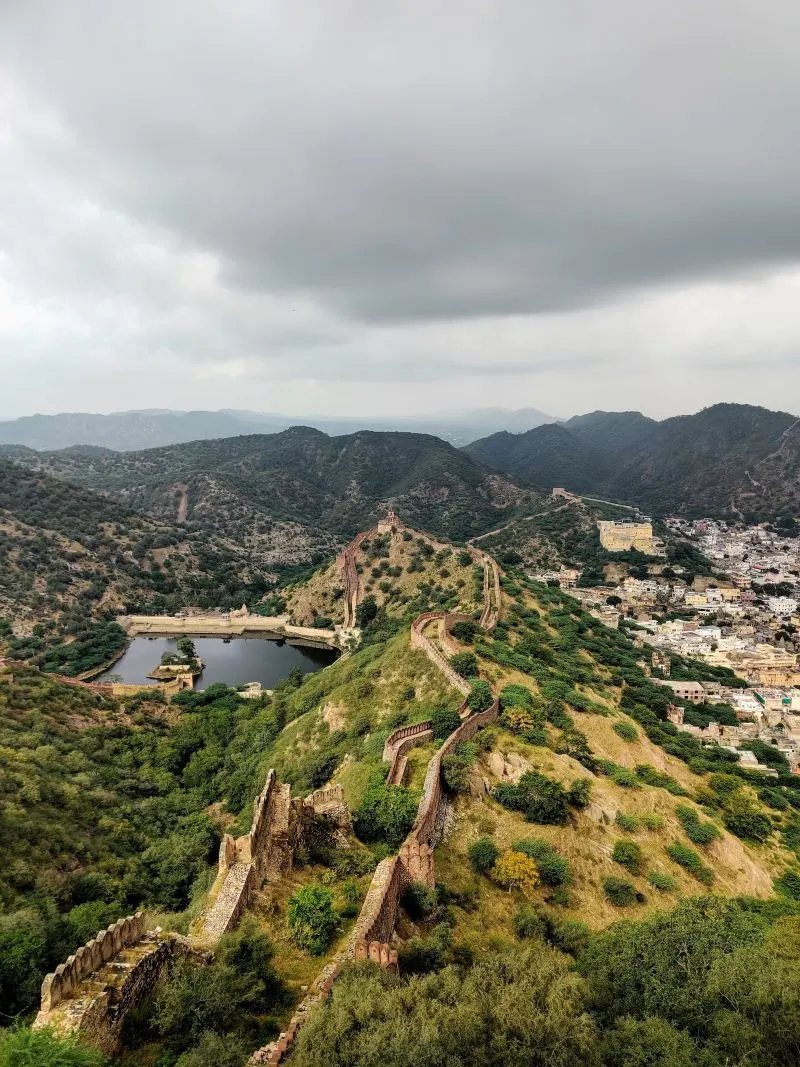
Jaigarh Fort, also known as the “Victory Fort,” is a formidable fortress located on the rugged Aravalli Hills near Jaipur. Built in 1726 by Maharaja Sawai Jai Singh II, it was designed to provide military defense and serve as a stronghold for the rulers of Jaipur.
Jaigarh Fort is renowned for its impressive architectural features and its historical significance. The fort is connected to Amber Fort through fortified passages, suggesting their coordinated defense strategies.
One of the main attractions of Jaigarh Fort is its massive cannon, Jaivana, which holds the distinction of being the world’s largest cannon on wheels.
It is an engineering marvel of its time and stands as a testament to the military prowess and technological advancements of the era.
The fort’s layout includes multiple gateways, large courtyards, and well-preserved structures. As you explore the fort, you’ll come across impressive palaces, gardens, and reservoirs that offer insights into the royal lifestyle.
The central attraction within Jaigarh Fort is the Diwa Burj, a tower that houses the Aram Mandir, a palace with a beautiful garden and a pavilion. This palace served as a luxurious retreat for the royal family and offers stunning panoramic views of the surrounding landscape.
Jaigarh Fort is also known for its extensive water supply system, which included underground tunnels and reservoirs to ensure a reliable water source during times of siege.
The fort’s strategic location provides breathtaking views of the Amber Fort, the Maota Lake, and the scenic surroundings. Visitors can witness the panoramic vistas of Jaipur’s rugged terrain and the enchanting blend of natural beauty and architectural splendor.
Jaigarh Fort is a captivating destination for history enthusiasts, architecture lovers, and those seeking a glimpse into the royal heritage of Rajasthan. It offers a fascinating journey through time, allowing visitors to appreciate the grandeur and fortitude of the past.
7. Albert Hall Museum: Visit the oldest museum in Jaipur, showcasing an extensive collection of art, artifacts, and historical exhibits

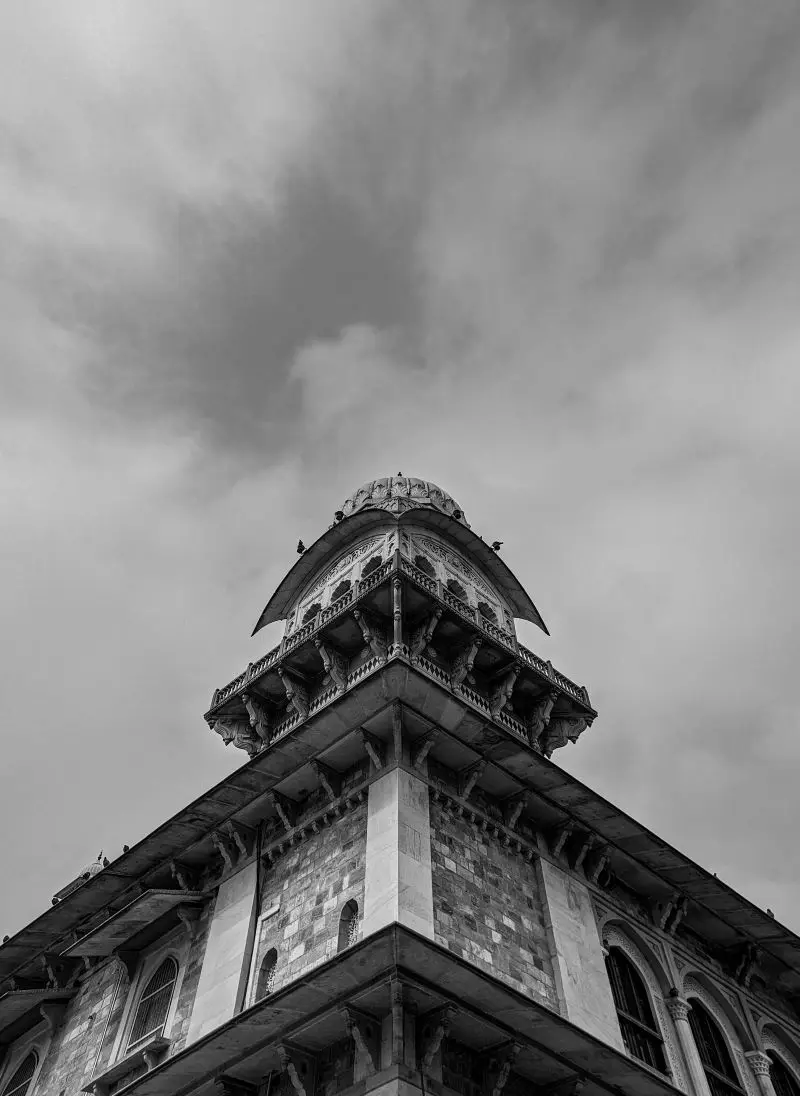
The Albert Hall Museum, located in Jaipur, is a magnificent institution that houses an impressive collection of art, artifacts, and historical items. It is the oldest museum in the state of Rajasthan and serves as a prominent landmark in Jaipur.
Constructed in 1876, the museum was designed by Sir Samuel Swinton Jacob, who incorporated Indo-Saracenic architectural elements into its structure. The museum’s building itself is a visual treat, characterized by its ornate domes, arches, and intricately carved stone work.
The museum is named after King Albert Edward, who later became King Edward VII of England. It was initially built to commemorate his visit to Jaipur. Today, the Albert Hall Museum stands as a repository of cultural and historical treasures.
The museum’s collection spans various disciplines, including art, archaeology, and ethnography. It houses an extensive range of artifacts, including sculptures, paintings, textiles, weapons, and decorative arts.
The ground floor of the museum showcases sculptures and stone carvings from various periods, including ancient Indian art. You can witness beautiful examples of Hindu, Jain, and Buddhist sculptures, each representing different aspects of Indian art and culture.
The upper floors of the museum display a diverse array of paintings, including miniature paintings, murals, and portraits. These paintings showcase the rich artistic traditions of Rajasthan and provide insights into the lives and culture of the region’s rulers and nobility.
The museum also features a section dedicated to arms and armor, with an impressive collection of weapons used by Rajput warriors, including swords, guns, and armor.
Additionally, the Albert Hall Museum hosts temporary exhibitions, cultural events, and educational programs to promote art and heritage. The museum’s expansive courtyard is often used for concerts, performances, and public gatherings.
Visiting the Albert Hall Museum allows you to immerse yourself in the rich cultural heritage of Rajasthan and appreciate the artistic, historical, and archaeological treasures it holds.
The grandeur of the building, coupled with the diverse and extensive collection, makes it a must-visit destination for art enthusiasts, history buffs, and anyone interested in exploring the cultural legacy of Jaipur.
8. Jal Mahal: Admire the beautiful palace floating on the Man Sagar Lake and enjoy the serene surroundings

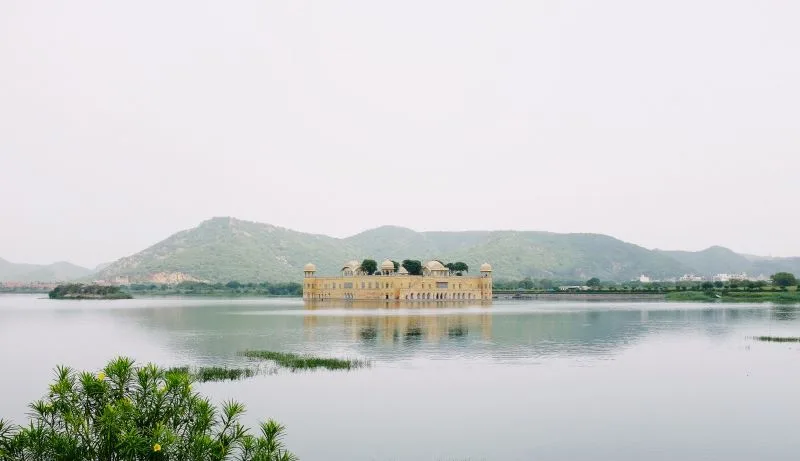
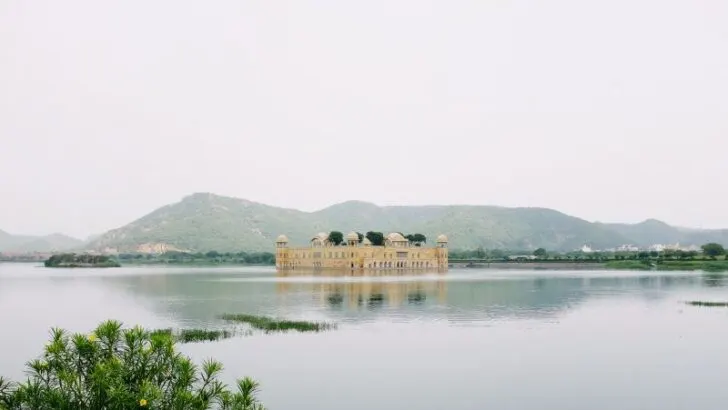
Jal Mahal, also known as the “Water Palace,” is an exquisite architectural gem located in the middle of the Man Sagar Lake in Jaipur. It is one of the most iconic and photographed landmarks in the city.
Jal Mahal was built in the 18th century by Maharaja Madho Singh as a pleasure palace and hunting lodge for the royal family. The palace’s unique feature is that while the building has multiple stories, only the top floor is visible above the water, giving it the appearance of a floating palace.
The palace’s design showcases a fascinating blend of Rajput and Mughal architectural styles. It is built using red sandstone, and the intricately carved exteriors are complemented by delicate marble detailing.
The palace’s symmetry and the reflection of its red facade on the calm waters of the lake create a mesmerizing visual spectacle.
Jal Mahal was strategically positioned in the middle of the lake to provide a cool and serene retreat during the scorching summer months. Surrounded by the Aravalli Hills and lush greenery, it offers a tranquil escape from the bustling city.
While Jal Mahal is primarily admired from the shores of Man Sagar Lake, it is not open to the public for interior exploration. However, visitors can enjoy the panoramic views and capture stunning photographs of the palace from various vantage points around the lake.
The lake itself is a haven for migratory birds, making it a popular spot for birdwatching. During the winter months, you can witness a variety of avian species, including flamingos, pelicans, and a range of waterfowl.
Jal Mahal has undergone restoration and renovation efforts in recent years to preserve its historical significance and architectural beauty. The palace and the lake have become a symbol of Jaipur’s rich heritage and offer a picturesque backdrop for visitors and locals alike.
Whether you admire it from a distance, take a leisurely walk along the lake’s edge, or enjoy a boat ride to get closer to the palace, Jal Mahal presents a captivating sight and stands as a testament to the grandeur and architectural finesse of Jaipur’s royal past.
9. Birla Mandir: Seek solace at this stunning white marble temple dedicated to Lord Vishnu and Goddess Lakshmi

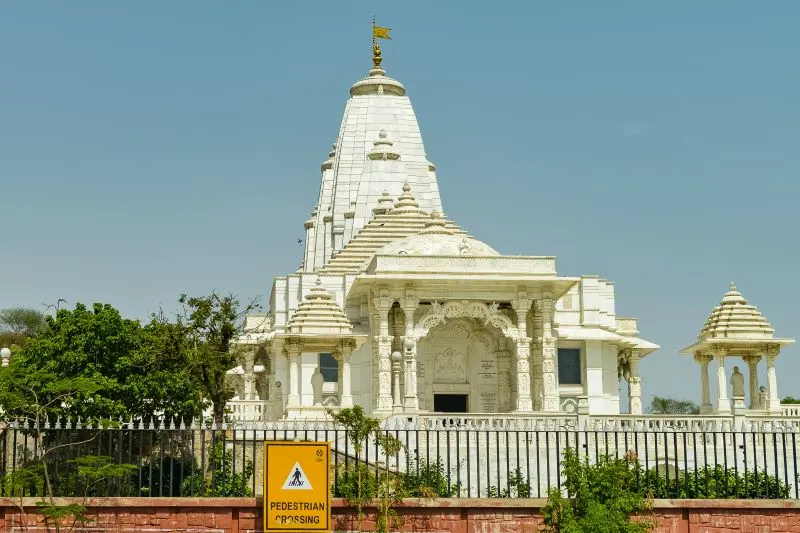
Birla Mandir, also known as the Laxmi Narayan Temple, is a renowned Hindu temple located in Jaipur. It was built by the Birla family, one of India’s prominent industrialist families, in the early 1980s.
Birla Mandir stands as a magnificent example of modern architectural excellence blended with traditional Hindu temple design.
The temple is dedicated to Lord Vishnu and Goddess Laxmi, the divine couple known as the preservers and bestowers of wealth and prosperity in Hindu mythology.
The temple complex is constructed using white marble, which gives it a pristine and radiant appearance. The intricate carvings, delicate sculptures, and ornate domes contribute to its architectural splendor.
The main shrine of Birla Mandir houses beautiful idols of Lord Vishnu and Goddess Laxmi, adorned with intricate jewelry and colorful garments. The idols are exquisitely sculpted and are accompanied by other deities and mythological figures, creating a captivating spiritual ambiance.
The temple walls are adorned with intricate carvings depicting various mythological scenes, religious symbols, and scriptures. The intricate workmanship and attention to detail reflect the craftsmanship of skilled artisans.
The Birla Mandir complex also features other smaller shrines dedicated to Lord Shiva, Lord Ganesha, and Goddess Durga, among others. Each shrine has its own unique architecture and aesthetic appeal.
Surrounding the temple, you’ll find well-manicured gardens and pathways that provide a serene and peaceful environment for devotees and visitors. The temple’s location on an elevated platform offers panoramic views of the cityscape, adding to the overall experience.
Birla Mandir is not just a place of worship but also a center for cultural and spiritual activities. The temple hosts various religious ceremonies, festivals, and cultural events throughout the year, attracting devotees and tourists from all walks of life.
Visiting Birla Mandir allows you to immerse yourself in the divine aura and experience the spiritual tranquility of the place. Whether you are a devotee seeking blessings or an admirer of art and architecture, Birla Mandir offers a peaceful sanctuary and a chance to appreciate the beauty of Hindu temple design and devotion.
10. Raj Mandir Cinema: Experience the grandeur of Bollywood by catching a movie at this iconic cinema hall

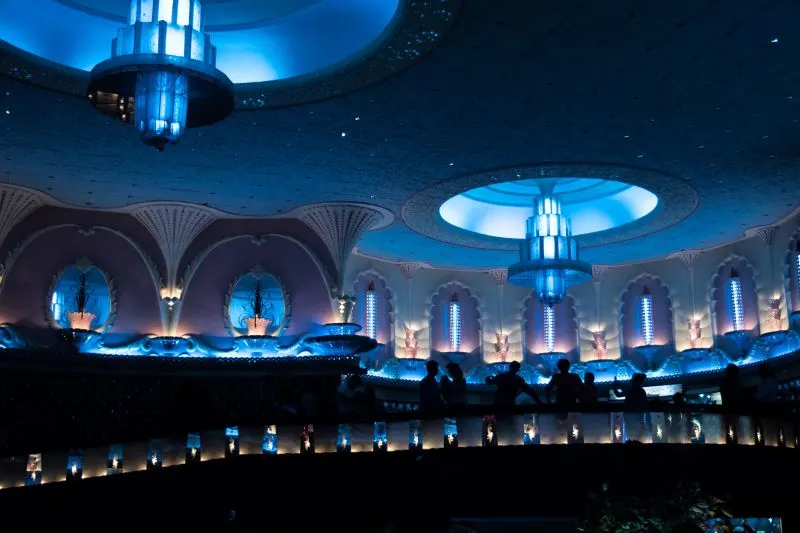
Raj Mandir Cinema is an iconic movie theater located in Jaipur, Rajasthan. It is often referred to as the “Pride of Asia” and is considered one of the finest and most prestigious cinema halls in India.
Built in 1976, Raj Mandir Cinema is known for its grandeur, architectural elegance, and unique design. The theater’s exterior features a striking blend of Rajasthani and Art Deco styles, characterized by its large, eye-catching façade adorned with decorative motifs, intricate carvings, and vibrant colors. The overall design resembles a royal palace, befitting its regal status.
Inside the theater, you’ll be captivated by the lavish interiors. The spacious auditorium can accommodate around 1,200 viewers and is designed to provide a comfortable and immersive movie-watching experience. The seating arrangement ensures clear views from every angle, and the plush seats add to the overall luxury.
The highlight of Raj Mandir Cinema is the gigantic silver screen, which is one of the largest in Rajasthan. The theater is equipped with state-of-the-art sound systems and projection technology, enhancing the audiovisual quality of the movies screened.
Beyond its architectural grandeur, Raj Mandir Cinema holds a special place in the hearts of movie enthusiasts for its significance in promoting and celebrating Indian cinema.
It has been a preferred venue for premieres and special screenings of Bollywood films, hosting several star-studded events. The theater’s association with the glamour of the film industry adds to its allure and charm.
Raj Mandir Cinema is not just a movie theater; it’s an experience in itself. The ambiance, the excitement, and the sheer opulence create a unique atmosphere that makes every visit memorable.
From the moment you step into the theater to the closing credits, Raj Mandir Cinema offers a regal and immersive cinematic journey.
For movie lovers, visiting Raj Mandir Cinema is a must-do while in Jaipur. It allows you to indulge in the magic of cinema while relishing the grandeur of a bygone era.
Whether you’re a local resident or a tourist, Raj Mandir Cinema offers a delightful escapade into the world of movies and a glimpse into the rich cultural fabric of Jaipur.
11. Chokhi Dhani: Immerse yourself in Rajasthani culture and indulge in traditional food, folk performances, and camel rides

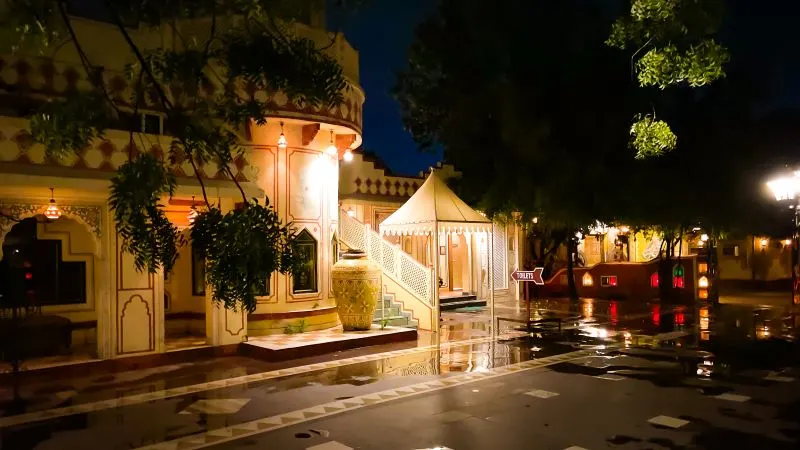
Chokhi Dhani is a unique and vibrant ethnic village resort located on the outskirts of Jaipur, Rajasthan. It is a popular destination that offers a glimpse into the rich cultural heritage and traditions of Rajasthan.
Chokhi Dhani, which translates to “Special Village,” aims to recreate a traditional Rajasthani village experience for visitors. The resort is designed in a rustic and traditional style, immersing guests in the charm and ambiance of rural Rajasthan.
As you enter Chokhi Dhani, you’ll be greeted with a warm and traditional Rajasthani welcome. The village resort showcases a range of cultural activities, folk dances, music performances, puppet shows, and other entertainment options that highlight the vibrant Rajasthani culture.
One of the main attractions of Chokhi Dhani is the delectable Rajasthani cuisine. The resort offers an elaborate and authentic Rajasthani thali (a platter with a variety of dishes) that includes mouth-watering delicacies like dal baati churma, gatte ki sabzi, ker sangri, and a range of sweets.
The dining experience is enhanced by traditional seating arrangements on low wooden tables and cushions, providing an immersive and traditional atmosphere.
Apart from the cultural activities and culinary delights, Chokhi Dhani offers various recreational options. You can indulge in camel and elephant rides, enjoy traditional games and activities, witness artisans and craftsmen showcasing their skills, and shop for handicrafts, jewelry, and traditional Rajasthani attire.
Chokhi Dhani also features a range of accommodation options, from comfortable cottages to luxury huts, where guests can experience the rustic charm of rural Rajasthan while enjoying modern amenities.
The highlight of visiting Chokhi Dhani is the vibrant and lively atmosphere that captures the essence of Rajasthan. The warm hospitality, the vibrant colors, the cultural performances, and the immersive experience make it a must-visit destination for those seeking to immerse themselves in the cultural tapestry of Rajasthan.
Whether you’re a local or a tourist, a visit to Chokhi Dhani provides an opportunity to experience the traditions, flavors, and hospitality of Rajasthan in a picturesque setting. It offers a memorable and entertaining escape into the heart of Rajasthan’s cultural heritage.
12. Govind Devji Temple: Pay your respects at this revered temple dedicated to Lord Krishna

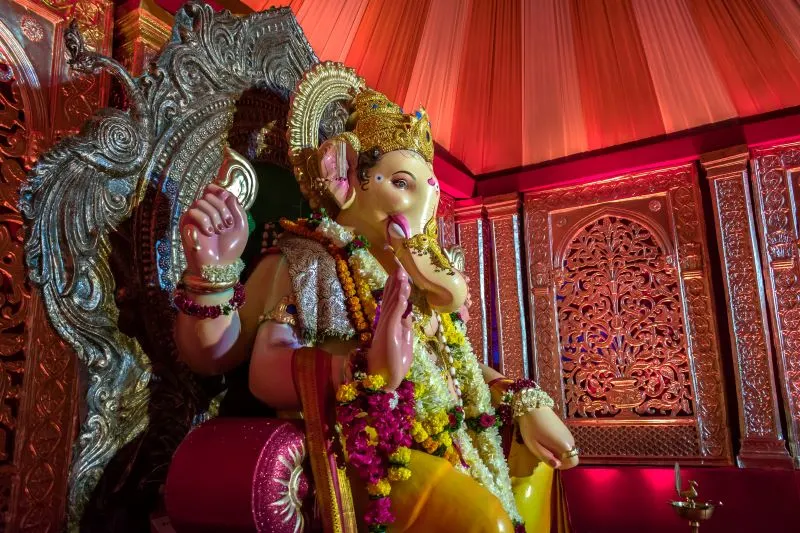
Govind Devji Temple is a revered Hindu temple located in the City Palace complex of Jaipur, Rajasthan. It is dedicated to Lord Krishna and is considered one of the most significant and sacred temples in Jaipur.
The temple was built in the early 18th century by Maharaja Sawai Pratap Singh of Jaipur and is a testament to the devotion and love for Lord Krishna that the rulers of Jaipur held. The presiding deity, Govind Devji, is an incarnation of Lord Krishna and is highly revered by devotees.
The architecture of Govind Devji Temple reflects a blend of Rajput and Mughal styles. The main structure is a multi-tiered building adorned with intricate carvings, beautiful frescoes, and ornate domes. The temple’s exterior features vibrant colors, predominantly pink, which is characteristic of Jaipur’s architectural style.
Inside the temple, the main sanctum houses the idol of Govind Devji, which is believed to have been brought from Vrindavan, the birthplace of Lord Krishna. The idol is beautifully adorned with jewelry, garments, and flower decorations, and devotees offer their prayers and seek blessings from Lord Krishna.
The temple complex also includes smaller shrines dedicated to other deities, including Radha Rani, Lord Rama, and Lord Ganesha. The serene atmosphere, the fragrance of incense, and the devotional chants create a spiritually uplifting ambiance.
One of the highlights of Govind Devji Temple is its Aarti ceremony, which is a devotional ritual performed multiple times a day. During the Aarti, the deity is worshipped with incense, lamps, flowers, and devotional songs. The Aarti ceremony attracts a large number of devotees who come to witness the divine spectacle and seek blessings.
Govind Devji Temple holds great religious significance for the people of Jaipur and attracts devotees from all over the world.
The temple is particularly crowded during festivals like Janmashtami, which commemorates the birth of Lord Krishna, when grand celebrations take place, and the temple is beautifully decorated.
Visiting Govind Devji Temple offers devotees and visitors a chance to experience the spiritual fervor and devotion that pervades the temple. It provides an opportunity to seek solace, offer prayers, and witness the deep-rooted faith in Lord Krishna that resonates within the hearts of the devotees.
13. Jaipur Literature Festival: If you’re visiting during January, attend the world’s largest free literary festival held in Jaipur

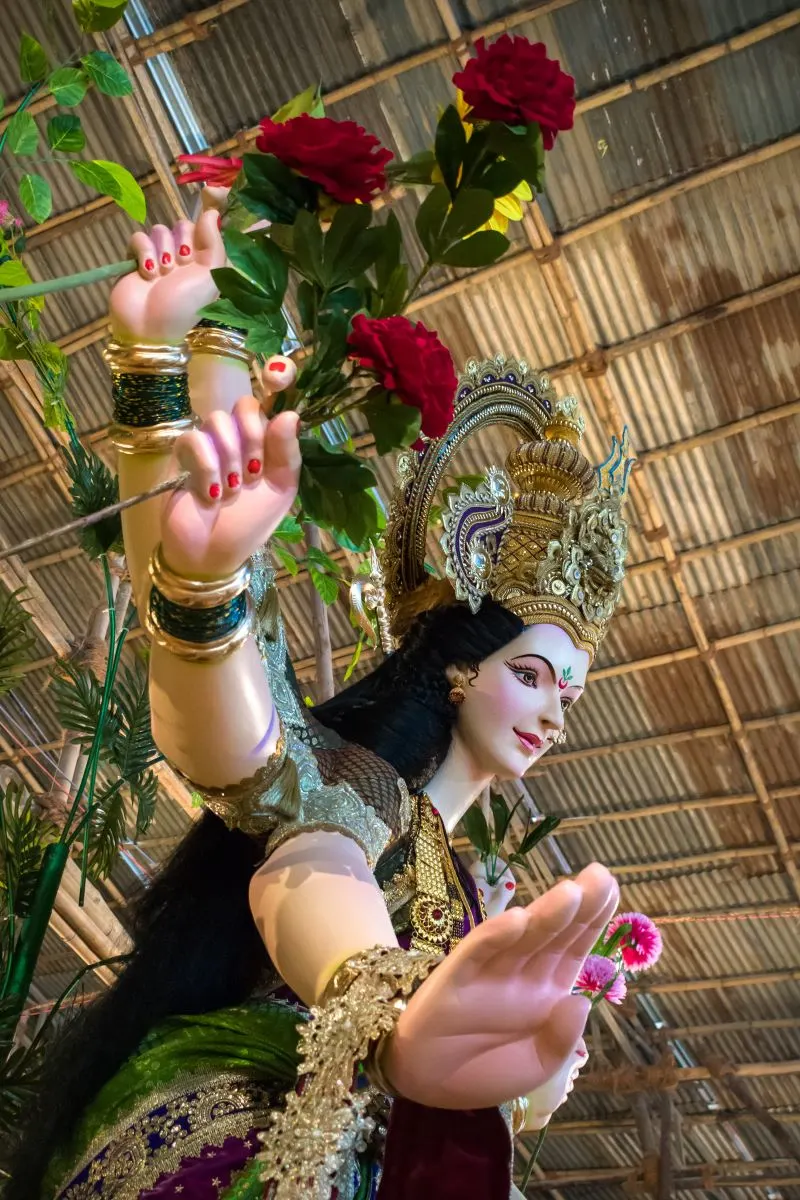
The Jaipur Literature Festival (JLF) is an annual literary event held in Jaipur, Rajasthan. It is the world’s largest free literary festival and has gained international acclaim for its celebration of literature, art, culture, and ideas.
The festival was first held in 2006 and has since become a major platform for renowned authors, thinkers, poets, and artists from around the world to converge and engage in intellectual discussions, debates, readings, and performances. The festival aims to promote the love of literature and provide a space for intellectual exploration and exchange of ideas.
JLF takes place over several days, typically in January, at the historic Diggi Palace in Jaipur. The festival features a diverse and extensive program that includes panel discussions, book launches, poetry recitals, interactive sessions, storytelling, workshops, and cultural performances. The sessions cover a wide range of genres, including fiction, non-fiction, poetry, history, politics, science, and more.
Renowned authors, Nobel laureates, and literary luminaries grace the festival, offering insights into their works, experiences, and perspectives. The festival has hosted esteemed personalities such as Salman Rushdie, Margaret Atwood, Orhan Pamuk, Amitav Ghosh, Jhumpa Lahiri, and many others.
JLF also provides a platform for emerging voices, local authors, and regional literature, giving them a chance to showcase their work and engage with a wider audience.
The festival’s inclusive nature encourages dialogue, creativity, and cultural exchange among attendees from diverse backgrounds.
In addition to the literary sessions, JLF features an array of artistic and cultural events, including musical performances, art installations, exhibitions, food stalls, and a bustling marketplace for books and merchandise.
The festival’s ambiance is vibrant and energetic, with a palpable sense of intellectual enthusiasm and literary fervor. It attracts a diverse crowd, including avid readers, literary enthusiasts, students, aspiring writers, artists, and tourists, who come together to celebrate the power of literature and ideas.
The Jaipur Literature Festival has played a significant role in putting Jaipur on the global literary map and has become an integral part of the city’s cultural fabric. It offers a unique platform for intellectual discourse, cultural immersion, and the exploration of new literary horizons.
Attending the Jaipur Literature Festival provides a remarkable opportunity to engage with the literary world’s finest minds, be inspired by thought-provoking discussions, discover new authors and perspectives, and immerse oneself in the captivating world of literature and ideas.
14. Explore Johari Bazaar: Shop for jewelry, textiles, and traditional handicrafts in one of the city’s most famous markets

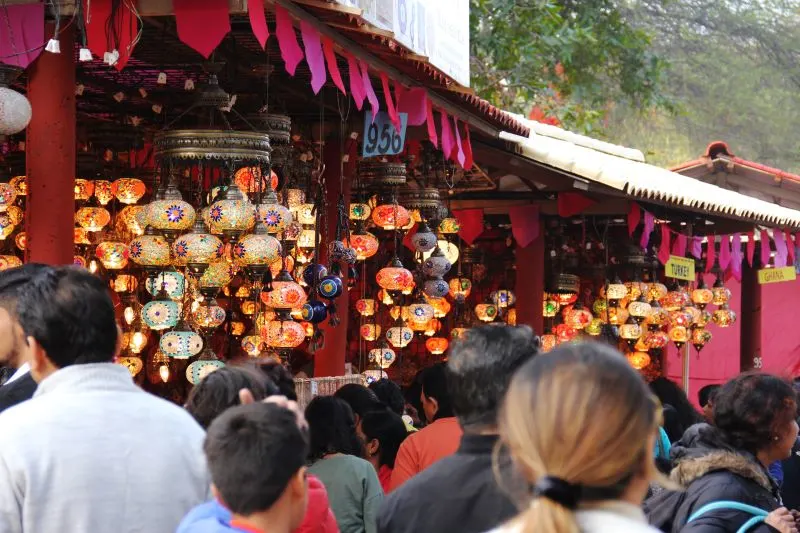
Johari Bazaar is one of the oldest and most vibrant markets in Jaipur, Rajasthan. It is located in the heart of the city, near the famous Hawa Mahal, and is renowned for its exquisite collection of traditional jewelry, gemstones, textiles, and handicrafts.
Johari Bazaar, which translates to “Jeweler’s Market,” is a paradise for jewelry enthusiasts and shoppers seeking authentic Rajasthani craftsmanship. The market is lined with numerous shops and stalls showcasing a dazzling array of gold, silver, and gemstone jewelry.
From intricately designed necklaces and earrings to ornate bangles and rings, you can find a wide variety of traditional and contemporary jewelry pieces that reflect the rich heritage of Rajasthan.
The bazaar is particularly famous for its precious and semi-precious gemstones. Skilled jewelers and gemstone merchants offer a vast selection of gems like rubies, emeralds, sapphires, and more, which can be customized into beautiful jewelry or purchased as loose stones.
Apart from jewelry, Johari Bazaar also offers an extensive collection of textiles and fabrics. You can find vibrant Rajasthani textiles, such as bandhani (tie-and-dye), block-printed fabrics, and intricately embroidered textiles, including sarees, dupattas, and dress materials. These textiles showcase the rich colors, intricate patterns, and traditional craftsmanship of Rajasthan.
The bazaar is a bustling hub of activity, with shopkeepers displaying their wares, bargaining with customers, and creating a lively atmosphere. Exploring Johari Bazaar allows you to witness the vibrant colors, sounds, and aromas of a traditional Indian market.
While shopping is the primary draw, Johari Bazaar is also a great place to experience the local culture and indulge in some delectable street food.
You can savor traditional Rajasthani snacks like kachoris, samosas, and sweets like ghewar and mawa kachori from the street food vendors and local eateries dotted around the market.
Johari Bazaar’s strategic location near other prominent attractions like Hawa Mahal and City Palace makes it a convenient stop for tourists exploring Jaipur’s heritage sites. It offers a glimpse into the traditional craftsmanship and vibrant markets that have been a part of the city’s cultural fabric for centuries.
Visiting Johari Bazaar allows you to immerse yourself in the charm of Jaipur’s traditional markets, interact with local artisans, and find unique treasures that embody the essence of Rajasthan’s rich artistic heritage.
Whether you’re a jewelry enthusiast, a textile lover, or simply seeking a vibrant shopping experience, Johari Bazaar promises an unforgettable exploration of Rajasthani craftsmanship and culture.
15. Taste Rajasthani Cuisine: Savor the authentic flavors of Rajasthani dishes like Dal Bati Churma, Gatte Ki Sabzi, and Laal Maas


Rajasthani cuisine is known for its rich flavors, unique cooking techniques, and a wide range of vegetarian and non-vegetarian dishes that reflect the desert region’s cultural heritage. Exploring Rajasthani cuisine is a treat for food lovers, offering a delightful blend of spices, aromas, and textures.
One of the defining features of Rajasthani cuisine is its inclination towards vegetarian dishes. This is primarily due to the scarcity of fresh vegetables in the arid desert landscape.
However, despite the limited availability of certain ingredients, Rajasthani cooks have mastered the art of creating delectable and hearty vegetarian fare.
Dal baati churma is one of the most iconic Rajasthani dishes. It consists of a combination of dal (lentils), baati (baked wheat dumplings), and churma (a sweet crumbly dessert).
The baatis are traditionally baked in charcoal or cow dung fire, giving them a unique smoky flavor and crispy texture. This dish is often served with ghee (clarified butter) and is a true Rajasthani culinary delight.
Another popular dish is gatte ki sabzi, which consists of gram flour dumplings cooked in a tangy and spicy yogurt-based curry. The dumplings are made by kneading gram flour with spices and then steaming or boiling them before adding them to the flavorful curry. This dish showcases the ingenious use of gram flour in Rajasthani cuisine.
Rajasthan is also known for its savory snacks and street food. Pyaaz ki kachori (deep-fried pastry filled with spiced onion mixture), mirchi vada (deep-fried chili fritters), and dal kachori (flaky pastry filled with lentil mixture) are popular snacks that are enjoyed with tangy chutneys and yogurt-based dips.
Meat lovers can indulge in the famous Laal Maas, a fiery red meat curry made with succulent pieces of mutton or lamb cooked with a combination of hot spices and red chilies. The dish derives its vibrant color and intense flavor from the use of Mathania red chilies, which are locally grown in Rajasthan.
To cool down the palate after spicy dishes, Rajasthani cuisine offers refreshing drinks like the traditional buttermilk called chaas or mattha, and the sweet saffron-infused lassi made with yogurt.
When it comes to sweets, Rajasthani cuisine boasts a wide array of delectable options. Ghewar, a honeycomb-like sweet made from deep-fried flour batter and soaked in sugar syrup, is a must-try. Other popular sweets include malpua (pancakes soaked in syrup), rasgulla (cottage cheese dumplings soaked in sugar syrup), and mawa kachori (pastry filled with sweetened milk solids).
Exploring Rajasthani cuisine is not just about the flavors, but also the cultural experience it offers. Many restaurants and dining establishments in Jaipur and other cities in Rajasthan provide a royal ambiance with traditional music and folk performances, immersing diners in the rich cultural heritage of the region.
Tasting Rajasthani cuisine allows you to embark on a culinary journey that celebrates the flavors and traditions of this vibrant desert land. The robust and flavorful dishes, the use of aromatic spices, and the warm hospitality of the people make it a memorable experience for any food enthusiast.
16. Sisodia Rani Garden: Relax in the beautiful gardens adorned with intricate frescoes depicting the love story of Radha and Lord Krishna

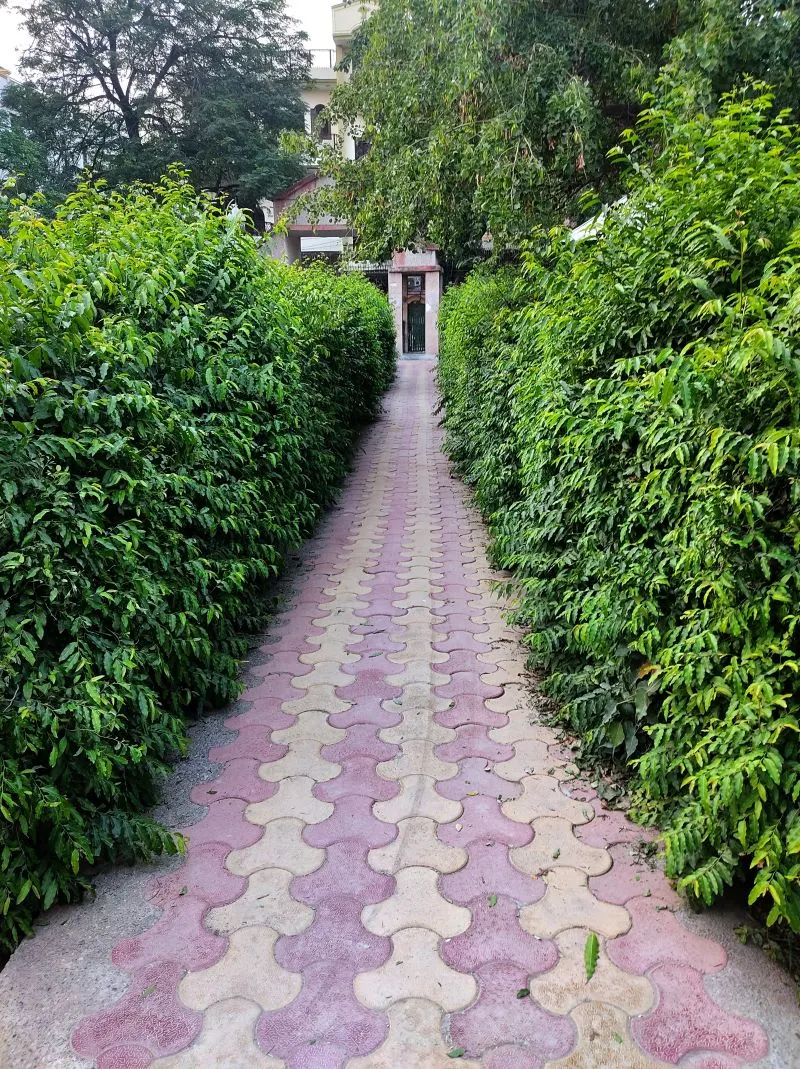
Sisodia Rani Garden, also known as Sisodia Rani Ka Bagh, is a picturesque garden located on the outskirts of Jaipur, Rajasthan. It is a stunning example of traditional Rajasthani landscaping and serves as a peaceful retreat from the bustling city.
The garden was built in 1728 by Maharaja Sawai Jai Singh II, the founder of Jaipur, as a tribute to his queen, Sisodia Rani. It was designed as a multi-level garden complex, featuring terraced gardens, beautiful pavilions, and enchanting water channels that cascade down the slopes.
Sisodia Rani Garden is renowned for its intricate frescoes and murals, which depict scenes from the life of Lord Krishna and the love story of Radha and Krishna.
The walls and ceilings of the pavilions and galleries are adorned with vibrant paintings that showcase the fine artistic skills of Rajasthani artisans.
As you explore the garden, you’ll come across numerous pavilions, kiosks, and beautifully carved balconies that offer panoramic views of the surrounding landscape. These architectural features are not only aesthetically pleasing but also provide shaded resting spots where visitors can relax and soak in the tranquil atmosphere.
The garden is laid out in a series of cascading terraces, connected by marble pathways and steps. Lush green lawns, fragrant flowers, and ornamental shrubs add to the garden’s charm.
The symmetrical layout, intricate design elements, and natural beauty make Sisodia Rani Garden a perfect blend of art and nature.
The garden also houses a small temple dedicated to Lord Krishna and Radha, adding a spiritual touch to the surroundings. Devotees often visit the temple to offer prayers and seek blessings.
Sisodia Rani Garden is not only a place of natural beauty and architectural grandeur but also serves as a venue for cultural events and festivals. Traditional music and dance performances are organized here, showcasing the vibrant folk traditions of Rajasthan.
Visiting Sisodia Rani Garden offers a serene and refreshing experience, away from the city’s hustle and bustle. It is an ideal place for nature lovers, art enthusiasts, and those seeking a peaceful escape.
The garden’s tranquil ambiance, lush surroundings, and the exquisite artistry displayed in its frescoes make it a captivating destination that truly reflects the royal legacy and cultural heritage of Rajasthan.
17. Visit the Anokhi Museum: Learn about the art of block printing at this museum dedicated to traditional textile techniques


The Anokhi Museum of Hand Printing is a unique museum located in Jaipur, Rajasthan. It is dedicated to showcasing and preserving the art of hand block printing, a traditional craft that has been practiced in Rajasthan for centuries.
The museum is housed in a beautifully restored haveli (traditional mansion) in the historic Amer area of Jaipur. It offers visitors an immersive experience into the world of hand block printing, highlighting its history, techniques, and cultural significance.
The Anokhi Museum provides a comprehensive overview of the art of hand block printing through a collection of textiles, garments, and artifacts. The exhibits showcase the intricate designs, vibrant colors, and meticulous craftsmanship that define this traditional art form.
Visitors can admire a wide range of block-printed textiles, including sarees, scarves, bedspreads, and clothing items, each telling a story of the artisans’ skill and creativity.
One of the highlights of the museum is the demonstration of the block printing process. Visitors can witness skilled artisans at work, carving intricate designs on wooden blocks and using natural dyes to transfer these designs onto fabric. This interactive experience allows visitors to appreciate the skill, precision, and labor-intensive nature of hand block printing.
The museum also sheds light on the historical and cultural significance of hand block printing in Rajasthan. It provides insights into the various block printing techniques, the motifs and patterns used, and the role of this art form in the region’s textile heritage.
Aside from the exhibits, the museum features a well-curated library and resource center, offering further information on hand block printing, textile traditions, and related crafts. Visitors can delve deeper into the art form’s history, techniques, and cultural context through books, journals, and research materials.
The museum’s shop is a treasure trove of block-printed textiles and products, offering visitors the opportunity to purchase high-quality handcrafted items directly from the source. From clothing and accessories to home decor and gift items, the shop showcases the diversity and beauty of block-printed creations.
The Anokhi Museum of Hand Printing is not just a museum but also a space for cultural exchange, education, and promotion of sustainable and ethical practices in the textile industry. It celebrates the craftsmanship of local artisans, fosters awareness about traditional arts, and supports the livelihoods of the artisans and communities involved in hand block printing.
Visiting the Anokhi Museum provides a fascinating insight into the world of hand block printing, allowing visitors to appreciate the artistry, skill, and cultural significance of this traditional craft. It is a must-visit destination for textile enthusiasts, art lovers, and anyone interested in the rich cultural heritage of Rajasthan.
18. Galtaji Temple: Discover the “Monkey Temple” and its numerous sacred water tanks surrounded by natural beauty


Galtaji Temple, also known as the Monkey Temple, is a revered Hindu pilgrimage site located in the Aravalli hills near Jaipur, Rajasthan. It is a complex of temples and sacred water tanks surrounded by natural beauty, making it a popular destination for both devotees and tourists.
The temple complex is situated in a serene valley, and its origins are believed to date back to the 16th century. It is dedicated to Lord Hanuman, the monkey god, and also has several other shrines dedicated to different Hindu deities.
Galtaji Temple is known for its natural springs, which feed into a series of sacred water tanks known as kunds. The most famous of these is the Galtaji Kund, which is believed to have originated from a sacred spring. Devotees consider bathing in these holy waters to be purifying and spiritually significant.
The temple complex itself is spread across different levels on the hillside, connected by stone pathways and steps. It is characterized by its distinct architecture, which combines elements of Hindu and Mughal styles. The main temple, adorned with intricate carvings and vibrant paintings, is a prominent attraction within the complex.
One of the unique features of Galtaji Temple is the large population of monkeys that inhabit the area. They are considered sacred and are believed to be the descendants of Lord Hanuman.
These playful and mischievous creatures add a lively and charming element to the temple’s ambiance, attracting visitors who enjoy observing and interacting with them.
The temple complex also houses smaller shrines dedicated to other Hindu deities, such as Lord Rama, Lord Krishna, and Lord Shiva. Devotees and pilgrims can be seen offering prayers, performing rituals, and seeking blessings from the deities.
Galtaji Temple is not only a place of religious significance but also offers breathtaking panoramic views of the surrounding hills and valleys. The natural beauty of the location, coupled with the peaceful and spiritual atmosphere, makes it an ideal spot for meditation, contemplation, and soulful introspection.
The temple is particularly lively during festivals like Makar Sankranti and Hanuman Jayanti, when devotees from different parts of the country gather to celebrate and participate in religious ceremonies and rituals.
Visiting Galtaji Temple provides a spiritual and cultural experience, allowing visitors to witness Hindu rituals, immerse themselves in the serene surroundings, and gain insights into the religious traditions and beliefs of the region.
It is important to note that visitors are expected to dress modestly and show respect for the religious customs and traditions observed at the temple.
19. Rajasthali Handicraft Emporium: Shop for high-quality handicrafts, textiles, and souvenirs showcasing the rich Rajasthani craftsmanship

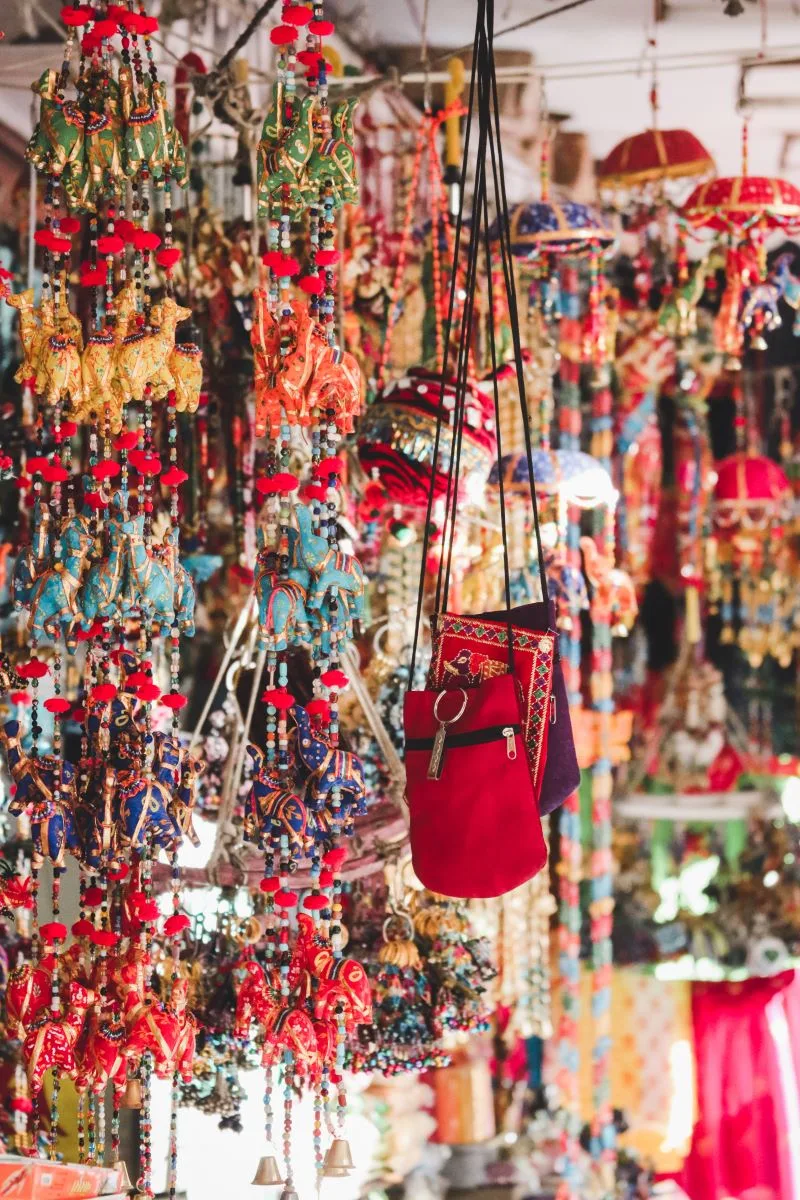
Rajasthali Handicraft Emporium is a renowned handicraft store located in Jaipur, Rajasthan. It is a treasure trove of authentic Rajasthani handicrafts, showcasing the rich artistic heritage of the region.
Rajasthali Handicraft Emporium offers a wide range of handcrafted products, including textiles, pottery, jewelry, woodwork, metalwork, leather goods, and more.
Each item is a testament to the skill and craftsmanship of local artisans, reflecting the cultural traditions and aesthetics of Rajasthan.
Textiles play a prominent role in Rajasthani handicrafts, and Rajasthali Handicraft Emporium offers an impressive collection of intricately woven fabrics, embroidered textiles, and block-printed fabrics. You can find vibrant and beautifully designed sarees, stoles, scarves, and cushion covers that showcase the traditional art forms of tie-dye (bandhani), mirror work (shisha), and hand block printing.
The store is also known for its exquisite jewelry collection, featuring stunning pieces crafted in silver, gold, and semi-precious stones. From intricately designed necklaces and earrings to traditional Rajasthani bangles and anklets, the jewelry section offers a wide array of choices for those seeking authentic Rajasthani adornments.
Woodwork and furniture are another highlight of Rajasthani handicrafts, and Rajasthali Handicraft Emporium showcases beautifully carved wooden furniture, screens, frames, and decorative items. The intricate details and traditional motifs carved by skilled artisans make these pieces true works of art.
Metalwork items, such as brassware, copperware, and silverware, are also available in the store. You can find intricately designed utensils, decorative items, and sculptures that exhibit the fine craftsmanship and traditional techniques of metalworking in Rajasthan.
Leather goods like bags, shoes, belts, and wallets made from high-quality leather are also on display, showcasing the expertise of Rajasthani leather craftsmen.
What sets Rajasthali Handicraft Emporium apart is its commitment to promoting and preserving traditional crafts and supporting local artisans. The store ensures the authenticity and quality of its products by sourcing directly from artisans and cooperatives, thus creating a sustainable livelihood for them.
Visiting Rajasthali Handicraft Emporium offers a delightful shopping experience, allowing you to explore and appreciate the rich heritage and artistry of Rajasthan.
The friendly and knowledgeable staff can guide you through the various products, providing insights into the craft techniques and cultural significance behind each piece.
Whether you’re looking for unique souvenirs, traditional clothing, or stunning home decor items, Rajasthali Handicraft Emporium is a one-stop destination to immerse yourself in the vibrant world of Rajasthani handicrafts and take home a piece of Rajasthan’s cultural legacy.
20. Abhaneri Stepwells: Take a day trip to the Chand Baori and Harshat Mata Temple, marveling at the ancient stepwells and intricate carvings

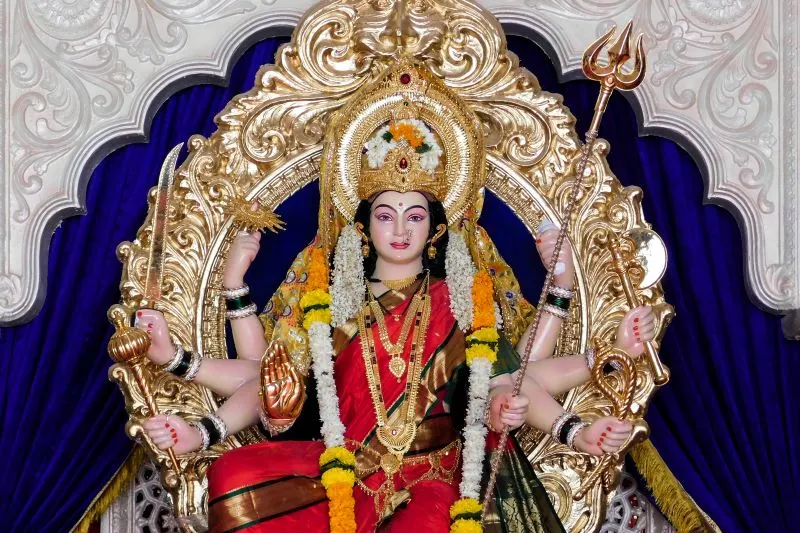
The Abhaneri Stepwells, also known as Chand Baori, are a magnificent example of ancient stepwells located in the village of Abhaneri near Jaipur, Rajasthan. These stepwells are architectural marvels that served both practical and aesthetic purposes.
Chand Baori is believed to have been built during the 9th century by King Chanda of the Nikumbh dynasty. It is one of the deepest and largest stepwells in India, consisting of 3,500 narrow steps that descend into the earth, leading to the water level at the bottom. The stepwell is rectangular in shape and has symmetrical sides with intricate stone carvings and geometric patterns.
The stepwells were primarily used for water conservation in arid regions, providing a reliable source of water for the local communities. They were also spaces for social gatherings, religious ceremonies, and shelter from the scorching heat of the desert.
As you descend the steps of Chand Baori, you will be mesmerized by the architectural grandeur and intricate detailing.
The stepwell is about 13 stories deep and reaches a depth of approximately 30 meters (100 feet). The geometrically arranged steps create a mesmerizing visual effect, with each level appearing like a labyrinth of symmetrical patterns.
The walls of Chand Baori are adorned with intricate carvings, sculptures, and inscriptions that depict mythological figures, deities, and cultural motifs. These embellishments add to the artistic and historical significance of the stepwell, reflecting the craftsmanship of the artisans of that era.
The stepwell not only showcases the ingenuity of ancient engineering but also serves as a testament to the cultural heritage and architectural prowess of Rajasthan. It has been featured in various movies, documentaries, and travel shows, captivating audiences with its unique beauty.
Today, Abhaneri Stepwells are popular tourist attractions, drawing visitors from around the world who are fascinated by the historical and architectural significance of these ancient structures.
The play of light and shadow within the stepwell, especially during the golden hours of sunrise or sunset, adds a mystical aura to the surroundings, making it a photographer’s delight.
Visiting the Abhaneri Stepwells allows you to step back in time and appreciate the marvels of ancient engineering and artistic excellence. It is a captivating destination for history enthusiasts, architecture lovers, and anyone seeking to explore the rich cultural heritage of Rajasthan.
21. Explore the markets of Bapu Bazaar and Nehru Bazaar: Shop for textiles, handicrafts, and traditional footwear in these vibrant markets

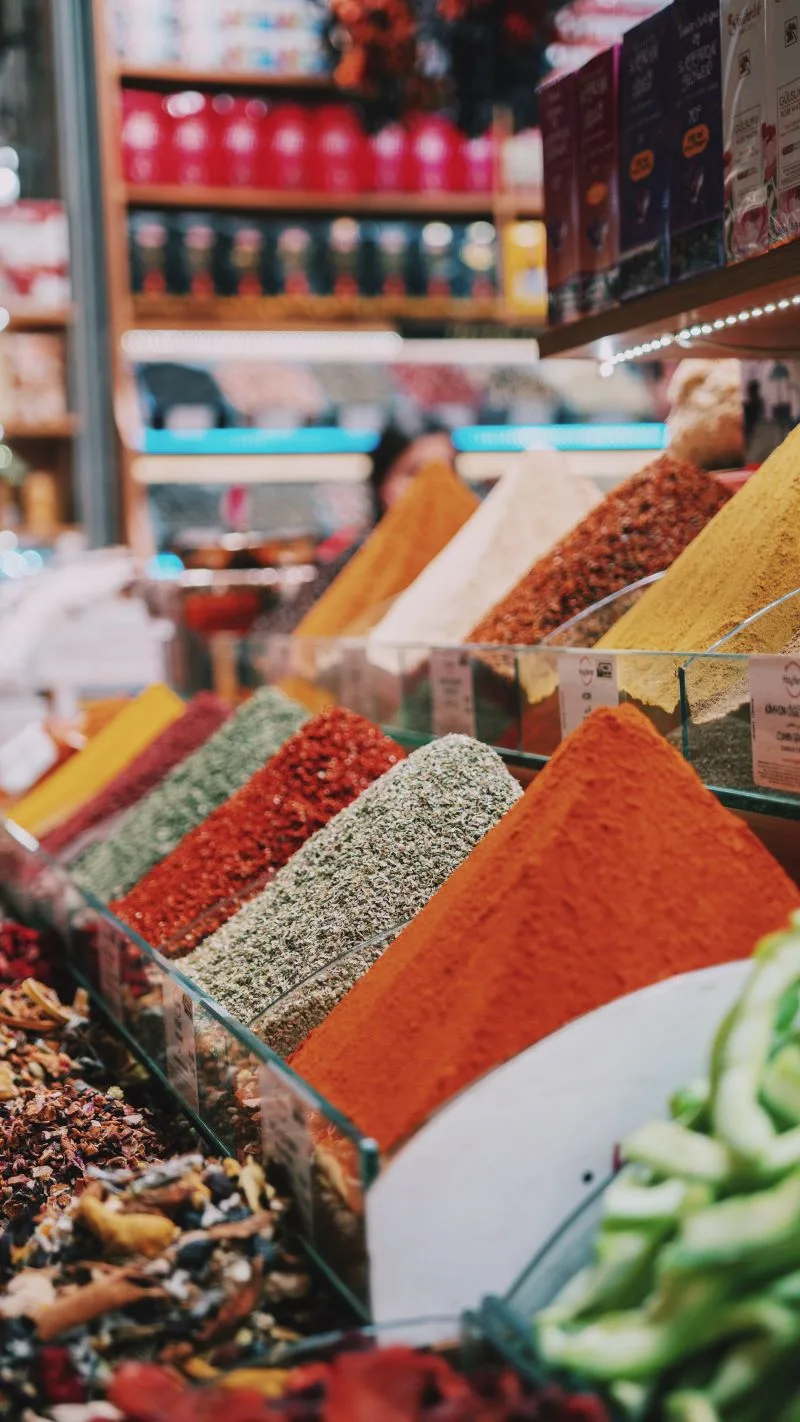
Bapu Bazaar and Nehru Bazaar are two bustling markets located in the heart of Jaipur, Rajasthan. These markets are known for their vibrant atmosphere, traditional Rajasthani products, and a wide range of shopping opportunities.
Bapu Bazaar and Nehru Bazaar are famous for their textiles, especially Jaipuri fabrics, including block-printed sarees, salwar suits, and dupattas.
You can find a plethora of colors, designs, and patterns, each reflecting the rich cultural heritage of Rajasthan. These markets are a paradise for textile enthusiasts, offering an extensive selection of fabrics at competitive prices.
Apart from textiles, the markets are known for their traditional Rajasthani jewelry. From silver ornaments adorned with intricate designs to colorful lac bangles and Kundan jewelry, you’ll find a wide variety of jewelry options that exemplify the beauty and craftsmanship of Rajasthan.
The markets also offer a range of handicrafts, such as pottery, leather goods, wooden handicrafts, and marble artifacts.
You can explore beautifully handcrafted items like puppets, miniature paintings, blue pottery, carved furniture, and much more. These unique handicrafts make for excellent souvenirs and gifts.
One of the highlights of these markets is the availability of traditional Rajasthani footwear, known as mojris. These intricately embroidered shoes are made from soft leather and are famous for their colorful designs. They are comfortable to wear and add a touch of ethnic charm to any outfit.
As you stroll through Bapu Bazaar and Nehru Bazaar, you’ll also come across street food stalls and small eateries offering a delectable range of Rajasthani snacks and sweets.
Don’t miss the opportunity to savor popular dishes like pyaaz kachori, dal bati churma, ghevar, and ghewar. Exploring the markets is not just about shopping but also about immersing yourself in the flavors of local cuisine.
The markets can be crowded, especially during peak tourist seasons, so be prepared for a bustling and lively atmosphere. Bargaining is a common practice, so feel free to negotiate prices to get the best deals.
Visiting Bapu Bazaar and Nehru Bazaar is not just about shopping; it’s also an opportunity to experience the vibrant culture and traditions of Rajasthan.
The markets provide a glimpse into the daily lives of local people and offer a unique shopping experience that showcases the region’s rich heritage and artistic skills.
Whether you’re looking for traditional textiles, jewelry, handicrafts, or simply want to soak in the colorful ambiance, a visit to Bapu Bazaar and Nehru Bazaar is a must for anyone exploring Jaipur. It’s a shopper’s paradise and an opportunity to take home a piece of Rajasthan’s vibrant culture.
22. Rajputana Splendour: Enjoy a regal dining experience in a heritage property while being entertained by cultural performances


“Rajputana Splendour” refers to the majestic and opulent lifestyle of the Rajput rulers of Rajasthan, India. It represents the grandeur, valor, and rich cultural heritage associated with the Rajput dynasty.
Rajputana, the historic name for Rajasthan, was home to various Rajput clans who ruled different princely states in the region. These rulers, known as Rajputs, established magnificent palaces, forts, and temples, leaving behind a legacy of architectural marvels that still stand today.
The splendor of Rajputana is evident in the majestic forts and palaces scattered throughout Rajasthan. These structures, characterized by intricate carvings, ornate facades, and breathtaking courtyards, reflect the grandiose architectural style of the Rajputs. Examples include the City Palace in Jaipur, Udaipur’s Lake Palace, and the Mehrangarh Fort in Jodhpur.
The Rajput rulers were known for their valor and chivalry. Their legendary tales of bravery, honor, and sacrifice have become an integral part of Rajasthan’s folklore and cultural fabric.
The Rajputs fiercely protected their kingdoms and displayed remarkable military skills, often engaging in battles and conflicts with neighboring kingdoms.
The Rajputana Splendour is also exemplified in the vibrant and colorful attire worn by both men and women. Traditional Rajput clothing includes vibrant turbans, known as pagris, for men, and intricately designed lehengas, odhnis (dupattas), and jewelry for women. These attires showcase the richness of Rajasthani textiles and the artistry of local craftsmen.
Art and culture flourished under the patronage of the Rajputs. Intricate miniature paintings, intricate frescoes, and beautiful sculptures adorned the palaces and temples of Rajputana. These artworks depicted various themes, including mythological stories, courtly scenes, and portraits of the royal family.
The Rajputana Splendour is also reflected in the region’s rich music, dance, and folk traditions. Traditional folk dances like Ghoomar, Kalbeliya, and Bhavai, accompanied by the melodious tunes of traditional instruments like the dholak, sarangi, and sitar, showcase the vibrant cultural heritage of Rajasthan.
Cuisine is an essential aspect of Rajputana Splendour, with Rajasthan’s rich and flavorful dishes gaining popularity worldwide.
The cuisine offers a diverse range of delicacies, including the famous Dal Bati Churma, Laal Maas, Gatte Ki Sabzi, and Ker Sangri. The royal kitchens of the Rajputs were known for their elaborate feasts and extravagant culinary experiences.
23. Explore the Patrika Gate: Admire the intricate and colorful designs of this stunning Instagram-worthy gate

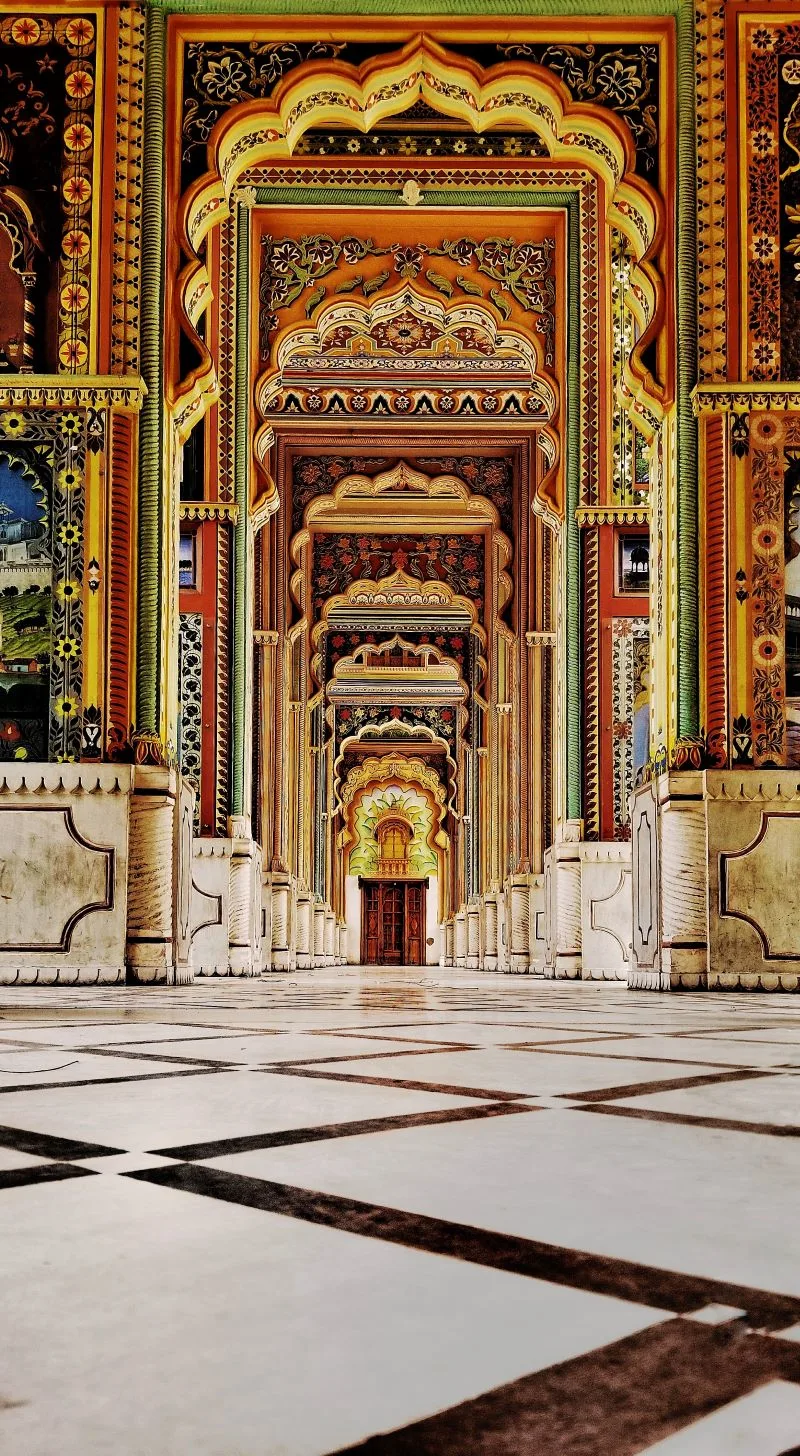
The Patrika Gate, also known as the Patrika Darwaza or Jaipur’s Instagram Gate, is a popular tourist attraction located in Jaipur, Rajasthan. It is a visually stunning entrance gate that has gained popularity for its vibrant and intricate artwork.
The Patrika Gate is an artistic marvel, showcasing intricate hand-painted frescoes and murals that depict various aspects of Rajasthan’s culture, heritage, and history. The artwork on the gate is a tribute to the traditional Rajasthani art forms and showcases the skill and craftsmanship of local artisans.
The gate features a riot of colors, with intricate detailing and motifs that include traditional architecture, folk dances, festivals, wildlife, and iconic landmarks of Jaipur and Rajasthan. Each section of the gate tells a story, allowing visitors to immerse themselves in the rich cultural heritage of the region.
The artwork on the Patrika Gate is often inspired by the style of the famous “Miniature Paintings” of Rajasthan. These paintings are known for their meticulous detailing, vibrant colors, and intricate brushwork, and the gate successfully captures their essence.
The gate has become a favorite spot for photography enthusiasts, social media influencers, and tourists alike. Its vibrant colors and beautiful artwork create a picturesque backdrop for capturing memorable photographs.
Visitors can strike poses against the stunning artwork or use the gate as a colorful frame to showcase the beauty of Jaipur.
The Patrika Gate is not just a visual delight but also a symbol of the city’s commitment to preserving its rich cultural heritage. It represents Jaipur’s fusion of traditional art forms with modern platforms, as it has gained immense popularity on social media platforms like Instagram.
While the Patrika Gate itself is a prominent attraction, it also serves as an entrance to the Jawahar Circle Garden, a lush green space and popular recreational area in Jaipur. Visitors can enjoy a leisurely walk, relax on the benches, or indulge in activities like jogging and cycling in the surrounding garden.
A visit to the Patrika Gate offers a unique opportunity to appreciate the artistic talents of Rajasthan and capture vibrant and memorable photographs. It is a testament to the creative spirit and cultural pride of Jaipur, making it a must-visit destination for those seeking to explore the city’s artistic and cultural side.
24. Hot air balloon ride: Soar above Jaipur in a hot air balloon and admire the city’s landmarks from a unique perspective


A hot air balloon ride is a thrilling and unforgettable experience that allows you to soar high above the ground and enjoy breathtaking views from a unique perspective. It involves flying in a specially designed balloon filled with hot air, which causes it to rise and float gently through the sky.
The adventure begins as you arrive at the launch site, where you’ll witness the fascinating process of inflating the balloon. Once the balloon is fully inflated and ready for flight, you’ll board the spacious and secure basket, usually accompanied by a trained pilot or balloonist who will guide the journey.
As the balloon ascends, you’ll feel a sense of tranquility and weightlessness. The slow and gentle movement of the balloon allows you to appreciate the beauty of your surroundings from an aerial vantage point.
Whether it’s the panoramic views of the countryside, cityscapes, natural landmarks, or other scenic landscapes, the perspective from a hot air balloon is truly awe-inspiring.
The feeling of floating through the air without the noise of engines or the sensation of speed creates a serene and peaceful atmosphere. The silence is occasionally interrupted by the sound of the burners, which heat the air inside the balloon to maintain altitude.
The peacefulness and tranquility of a hot air balloon ride make it an ideal opportunity for relaxation, contemplation, and appreciation of the beauty of the world below.
The flight duration can vary depending on weather conditions and the specific package you choose. It typically lasts for about one hour, during which you’ll cover a significant distance and experience the changing landscape beneath you. The pilot will skillfully navigate the balloon, taking advantage of wind currents to control the direction and altitude of the flight.
Hot air balloon rides are often scheduled during the early morning hours or around sunset when the weather conditions are calm and the lighting is perfect for capturing stunning photographs.
The gentle colors of the rising or setting sun can cast a magical glow on the landscape, enhancing the visual appeal of the experience.
Upon landing, the ground crew will assist in safely deflating the balloon and packing it away. Many hot air balloon ride experiences conclude with a celebratory toast or breakfast, providing an opportunity to share stories and memories with fellow passengers and the crew.
A hot air balloon ride offers a unique and exhilarating adventure that allows you to escape the ordinary and enjoy an extraordinary view of the world below. It’s an experience that combines tranquility, adventure, and breathtaking beauty, leaving you with lifelong memories and a sense of awe for the wonders of flight.
25. Visit the Jaipur Zoo: Explore the zoo’s diverse collection of animals and enjoy a picnic in the lush surroundings

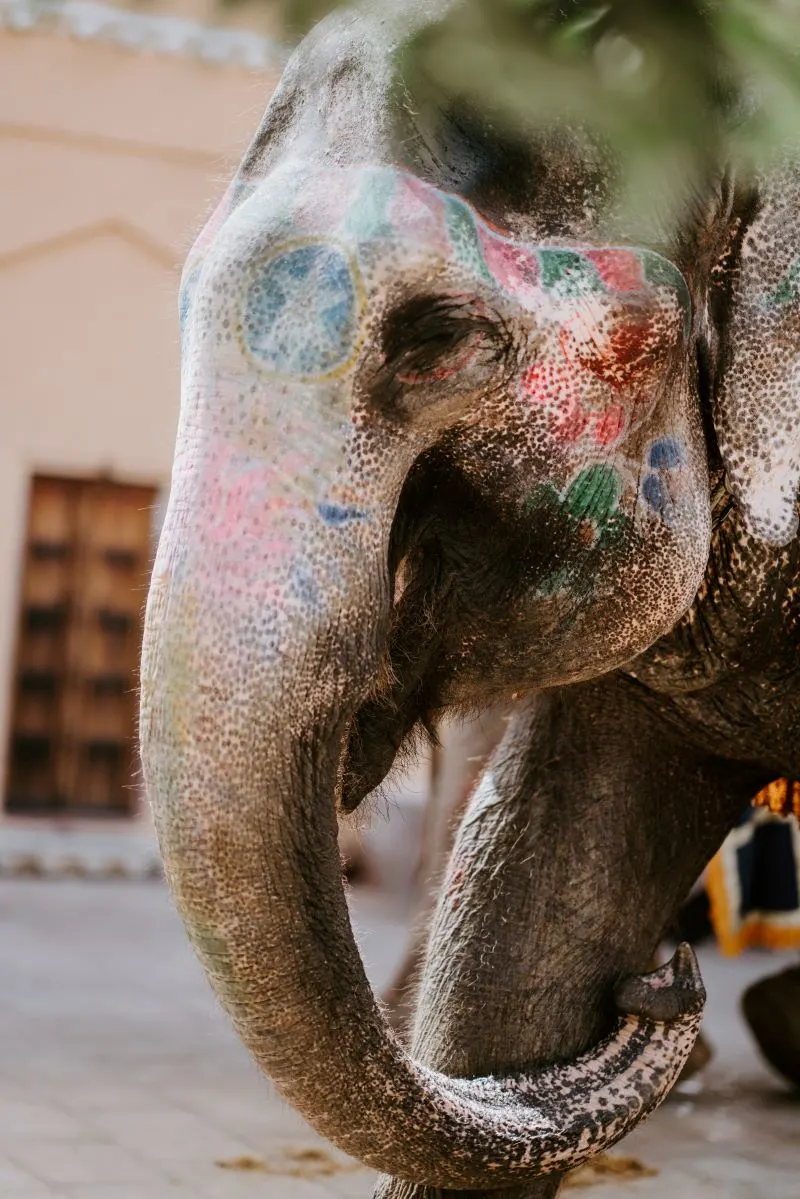
The Jaipur Zoo, officially known as the Maharaja Sawai Man Singh II Museum, is a popular tourist attraction located in Jaipur, Rajasthan. It is a zoological park that houses a diverse collection of animals, making it an ideal destination for wildlife enthusiasts, families, and nature lovers.
Spread over a sprawling area, the Jaipur Zoo provides a natural and spacious habitat for a wide variety of animal species. As you explore the zoo, you’ll have the opportunity to observe and learn about different animals from around the world.
The zoo is home to various mammals, including big cats such as lions and tigers, as well as other fascinating species like leopards, bears, and hyenas. Visitors can witness these magnificent creatures up close and observe their behavior in a controlled and safe environment.
The avian collection at the Jaipur Zoo is equally impressive, with a range of colorful and diverse bird species. From majestic peacocks to exotic parrots, the zoo offers a chance to admire the beauty and grace of these feathered creatures. Bird enthusiasts will also appreciate the opportunity to learn about different species and their habitats.
In addition to mammals and birds, the Jaipur Zoo houses a variety of reptiles and amphibians. Visitors can encounter snakes, turtles, crocodiles, and frogs, gaining insights into their unique adaptations and lifestyles.
The zoo also plays an important role in conservation and education. It actively participates in breeding programs, conservation efforts, and research projects aimed at the preservation of endangered species. By visiting the zoo, you contribute to these efforts and support the conservation initiatives undertaken by the authorities.
Apart from the animal exhibits, the Jaipur Zoo offers other facilities and attractions. It includes a museum that showcases an assortment of preserved animals, skeletons, and information about the natural history of Rajasthan. The museum provides educational value and enriches the overall zoo experience.
The zoo premises are well-maintained and feature lush greenery, providing a pleasant environment for visitors. There are seating areas, shaded spots, and walkways, allowing visitors to explore at their own pace and take breaks when needed.
It’s important to note that the welfare and conservation of the animals are of utmost importance at the Jaipur Zoo. The staff and caretakers ensure that the animals are provided with proper care, nutrition, and suitable habitats that mimic their natural environments as closely as possible.
A visit to the Jaipur Zoo offers an opportunity to connect with wildlife, learn about different species, and foster a sense of appreciation for the natural world. It’s an ideal outing for families, children, and anyone with an interest in animals and conservation.
These activities offer a diverse range of experiences that highlight the rich heritage, culture, and beauty of Jaipur, making your visit truly memorable.
Food In Jaipur

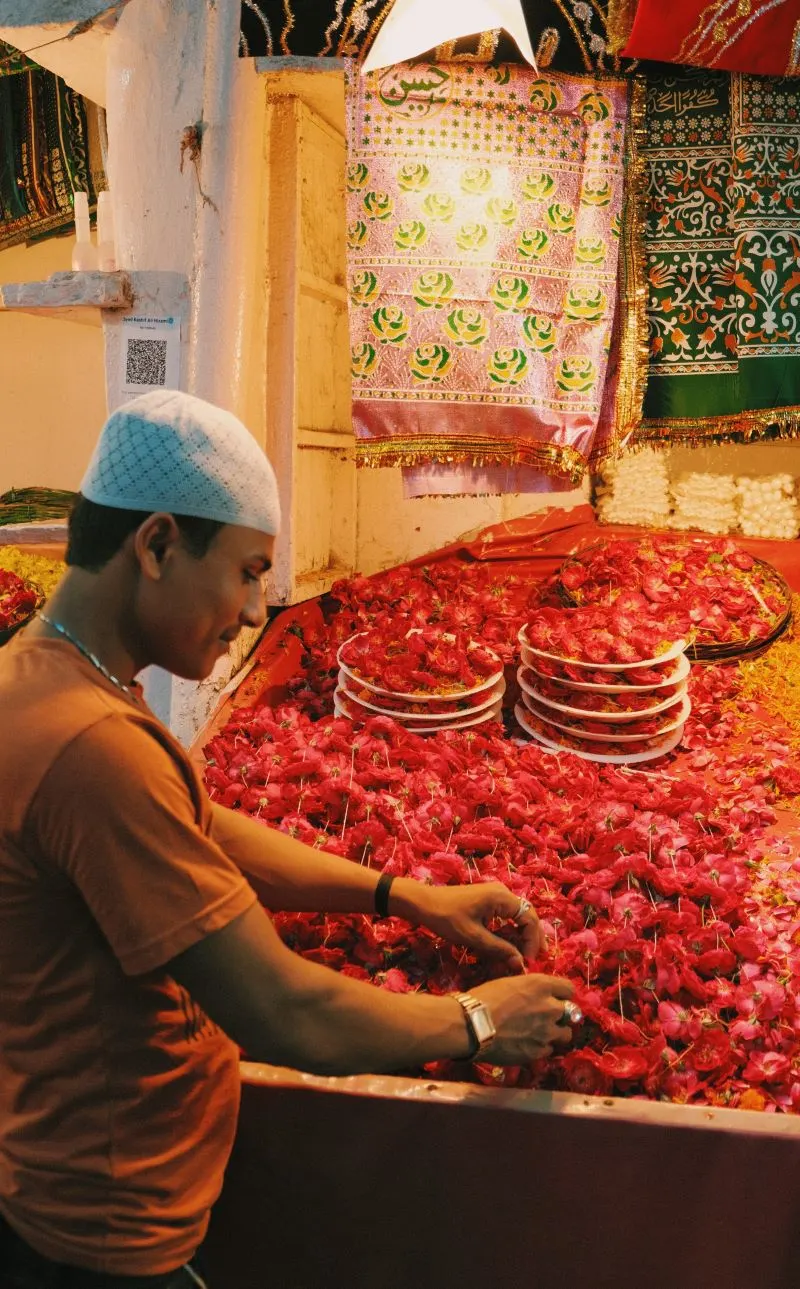
When it comes to gastronomic delights, Jaipur, the vibrant capital city of Rajasthan, has a lot to offer. Renowned for its rich cultural heritage, majestic forts, and colorful markets, Jaipur also boasts a culinary scene that is as enticing as it is diverse.
From delectable street food to royal Rajasthani feasts, the city’s food culture is a delightful blend of flavors, spices, and traditions. Let’s embark on a culinary journey through the vibrant streets and royal kitchens of Jaipur to discover the sumptuous treats that await.
Street Food Extravaganza:
The streets of Jaipur are a paradise for food lovers, with every nook and cranny offering tantalizing aromas and mouthwatering delicacies. The city’s street food scene is a reflection of its vibrant culture and culinary heritage.
Start your gastronomic adventure with the iconic Pyaaz Kachori, a deep-fried pastry stuffed with a spicy onion filling. The crispy texture combined with the burst of flavors will leave you craving for more.
Next on the list is the famous Mirchi Bada, a deep-fried fritter stuffed with a spicy chili pepper filling. It’s the perfect combination of heat and crunch, and a popular snack among locals and visitors alike.
For those with a sweet tooth, Jaipur offers delights like the delectable Mawa Kachori and the ever-popular Ghewar, a sweet disc-shaped dessert made with ghee, flour, and sugar syrup. These sweet treats are a testament to the city’s culinary creativity.
Royal Rajasthani Cuisine:
Beyond the street food, Jaipur is also known for its royal Rajasthani cuisine, which is a feast fit for kings and queens. The city’s royal kitchens have preserved centuries-old recipes and cooking techniques that showcase the opulence and grandeur of Rajputana cuisine.
One must-try dish is the quintessential Dal Bati Churma. Batis, round bread rolls made from wheat flour, are traditionally baked in a clay oven and served with a flavorful lentil curry (dal) and a sweet crumbled wheat dessert (churma). This combination of flavors and textures is a gastronomic delight.
Another royal delicacy is Laal Maas, a spicy mutton curry prepared with a generous blend of fiery red chilies and aromatic spices. The dish gets its name from the vibrant red color imparted by the chilies and is best enjoyed with traditional Indian bread or rice.
For a vegetarian option, indulge in the delectable Gatte Ki Sabzi, made with gram flour dumplings cooked in a tangy yogurt-based gravy. The dumplings soak up the flavors of the curry, resulting in a mouthwatering combination.
Indulge in the Rajasthani Thali:
To experience the full spectrum of Rajasthani flavors, a Rajasthani Thali is a must. A thali is a traditional Indian meal served on a large platter that offers a variety of dishes, allowing you to sample a little bit of everything.
The Rajasthani Thali typically includes an assortment of curries, lentils, rice, bread, and accompaniments like pickles, chutneys, and papadums. It’s a feast for both the eyes and the taste buds, providing a wholesome and satisfying culinary experience.
Sweet Temptations:
No culinary journey is complete without indulging in some delightful desserts, and Jaipur has plenty to offer. End your meal on a sweet note with the delectable Mawa Kesar Badam, a rich and creamy dessert made with condensed milk, saffron, and almonds. The dessert is garnished with silver leaf and offers a heavenly combination of flavors.
Another must-try sweet treat is the traditional Rajasthani Malpua. These deep-fried pancakes are made from a batter of flour, milk, and cardamom, and are then soaked in a sugar syrup.
Served hot with a dollop of rabri (sweetened condensed milk), Malpua is a delightful indulgence that will leave you craving for more.
Exploring Jaipur’s Food Markets:
To truly immerse yourself in the culinary culture of Jaipur, a visit to the bustling food markets is essential. The vibrant bazaars of Jaipur, such as Bapu Bazaar and Johari Bazaar, are a treasure trove of spices, sweets, snacks, and local specialties.
Roam through the colorful lanes and get lost in the aromas of freshly ground spices and the sight of shops brimming with delectable goodies.
Take a stroll through the spice markets and witness the variety of aromatic spices that make Rajasthani cuisine so distinctive. From fragrant cardamom and cumin to vibrant turmeric and chili powders, these spices add depth and complexity to the flavors of the region.
Don’t miss the opportunity to savor the local sweets and snacks available in these markets. Sample the traditional Rajasthani Ghewar, a honeycomb-shaped dessert made with flour and ghee, or try the crispy and savory Pyaaz Kachori, a popular street food snack. These markets are a haven for food enthusiasts, offering an authentic glimpse into the culinary heritage of Jaipur.
Jaipur, with its rich history and vibrant culture, offers a culinary adventure that tantalizes the taste buds and showcases the flavors of Rajasthan. From the delightful street food to the royal Rajasthani feasts, every bite in Jaipur is a celebration of the region’s culinary traditions.
Whether you’re savoring the spicy and savory street food or indulging in the opulence of a Rajasthani Thali, the food of Jaipur promises a memorable gastronomic experience that will leave you craving for more. So, embark on this culinary journey and let the flavors of Jaipur transport you to a world of royal indulgence and savory delights.
Top 20 Best Restaurants In Jaipur, India

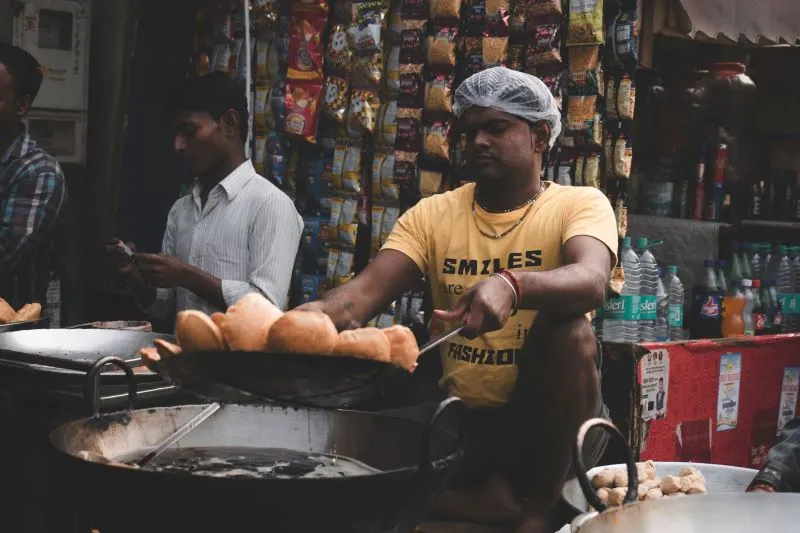
- 1135 AD – This restaurant offers a royal dining experience in a historic setting, serving authentic Rajasthani and Mughlai cuisine.
- Handi – Known for its mouthwatering kebabs and curries, Handi is a popular spot for North Indian and Mughlai dishes.
- Laxmi Mishthan Bhandar (LMB) – A Jaipur institution, LMB is famous for its traditional Rajasthani sweets, snacks, and vegetarian thali.
- Suvarna Mahal – Located in the Rambagh Palace, Suvarna Mahal serves a sumptuous selection of Indian and international cuisines in a regal ambiance.
- Peacock Rooftop Restaurant – Enjoy panoramic views of the city while savoring delicious Indian and Continental dishes, along with live music performances.
- Barbeque Nation – A haven for meat lovers, this restaurant offers an extensive buffet with a range of grilled and barbecued dishes.
- Copper Chimney – Specializing in North Indian and Mughlai cuisines, Copper Chimney is known for its flavorsome curries and tandoori preparations.
- Surya Mahal – Located in the ITC Rajputana hotel, Surya Mahal offers a fine dining experience with a blend of Rajasthani, North Indian, and international cuisines.
- Dragon House – This Chinese restaurant is known for its authentic flavors and delectable dim sum, noodles, and other Chinese delicacies.
- Anokhi Café – Situated in the premises of the Anokhi Museum, this charming café serves healthy and organic vegetarian dishes, salads, and refreshing beverages.
- The Forresta Kitchen & Bar – Nestled in a lush green setting, The Forresta offers a diverse menu featuring Indian, Continental, and Italian dishes, along with a well-stocked bar.
- Peshawri – Located in the ITC Rajputana hotel, Peshawri is renowned for its succulent kebabs, biryanis, and authentic North Indian cuisine.
- Spice Court – Set in a traditional haveli, Spice Court serves traditional Rajasthani cuisine along with a range of Indian and Continental dishes.
- Chokhi Dhani – Not just a restaurant, but an entire cultural experience, Chokhi Dhani offers a traditional Rajasthani feast accompanied by live music, dance performances, and more.
- The Rajput Room – Situated in the Taj Rambagh Palace, The Rajput Room serves a fusion of Indian and European cuisines in a regal setting.
- Okra – Located in the Jaipur Marriott Hotel, Okra offers a diverse buffet with an array of international dishes, including Indian, Asian, and Western cuisines.
- The Verandah – Set in the historic Rambagh Palace, The Verandah offers a fine dining experience with a menu featuring flavors from around the world.
- Taruveda Bistro – Known for its healthy and organic offerings, Taruveda Bistro serves a range of vegetarian and vegan dishes, including smoothies, salads, and wraps.
- Jaipur Modern Kitchen – This contemporary restaurant combines global flavors with a modern twist, offering a menu inspired by Indian, Mediterranean, and Asian cuisines.
- Spice Court Rooftop Restaurant – With a rooftop setting and stunning views, Spice Court Rooftop offers a delectable range of Indian and Continental dishes.
These restaurants showcase the diverse culinary scene of Jaipur, allowing visitors to indulge in a variety of flavors and cuisines while enjoying
Transportation In Jaipur
Jaipur, the vibrant capital city of Rajasthan, offers a variety of transportation options to help you navigate the city and explore its many attractions. Whether you prefer traditional modes of transportation or modern alternatives, Jaipur has something to suit every traveler’s needs.
- Auto-rickshaws: Auto-rickshaws, also known as tuk-tuks, are a popular and convenient mode of transportation in Jaipur. These three-wheeled vehicles can accommodate up to three passengers and are ideal for short distances within the city. Auto-rickshaws are readily available and can be hailed from the roadside or found at designated stands. It is advisable to negotiate the fare before starting your journey or insist on using the meter.
- Cycle-rickshaws: For a slower and more eco-friendly mode of transport, you can opt for cycle-rickshaws. These pedal-powered vehicles are commonly found in the narrow lanes of the old city and can take you to nearby attractions at a leisurely pace. Cycle-rickshaws are best suited for short distances and offer a unique way to explore the bustling streets of Jaipur.
- Taxis and Cabs: Jaipur has a well-established network of taxis and cab services that provide a comfortable and convenient mode of transportation. Prepaid taxis and app-based cab services like Ola and Uber are easily available in the city. These options are particularly suitable for longer journeys or when traveling with a group or heavy luggage. Taxis and cabs can be hired for both local sightseeing and outstation trips.
- Buses: The Rajasthan State Road Transport Corporation (RSRTC) operates an extensive bus network in Jaipur, connecting various parts of the city. Jaipur’s bus service is an affordable mode of transportation, but it can be crowded during peak hours. The buses are categorized into different types, including standard buses and low-floor buses with air-conditioning. However, it is important to note that buses may not always be the most convenient option for tourists, especially if you are unfamiliar with the routes and stops.
- Private Cars and Self-Drive: If you prefer the freedom and flexibility of having your own vehicle, you can rent a car or opt for self-drive services. Several car rental agencies operate in Jaipur, offering a range of vehicles to suit different budgets and preferences. Renting a car allows you to explore the city at your own pace and venture into the outskirts or nearby attractions with ease. However, keep in mind that traffic conditions in Jaipur can be congested, so it’s important to familiarize yourself with local driving rules and regulations.
- Cycle Rental: For those who enjoy a more active and environmentally friendly mode of transport, some companies in Jaipur offer cycle rental services. You can rent a bicycle and explore the city at your own leisurely pace. This option is ideal for exploring the quieter neighborhoods, parks, and narrow lanes of the old city.
It’s important to note that Jaipur is a tourist-friendly city, and most major attractions are easily accessible. However, traffic congestion can be a challenge, especially in the central areas, so it’s advisable to plan your travel accordingly, allowing for extra time during peak hours.
Additionally, if you’re not familiar with the city, it’s always a good idea to carry a map or use GPS navigation to help you navigate the streets of Jaipur.
Jaipur, India, offers a myriad of experiences that captivate the senses and immerse visitors in its rich history, vibrant culture, and architectural wonders. From exploring magnificent forts and palaces to getting lost in bustling markets, Jaipur truly has something for everyone.
The city’s iconic landmarks, such as the Amber Fort, Hawa Mahal, and City Palace, showcase the grandeur and opulence of Rajasthan’s royal past. Each of these architectural marvels tells a story and offers breathtaking views that transport you back in time.
Beyond the historical sites, Jaipur’s cultural heritage comes alive through its festivals, art, and traditional crafts. The city’s colorful markets, including Johari Bazaar and Bapu Bazaar, offer a delightful shopping experience, where you can find everything from exquisite jewelry and textiles to vibrant handicrafts.
Jaipur is also a haven for food lovers. From street food delights like kachoris and lassi to royal Rajasthani thalis, the city’s culinary scene is a delightful journey of flavors and spices. Exploring the local cuisine is an essential part of experiencing the true essence of Jaipur.
Beyond the traditional attractions, Jaipur offers unique experiences that make it a truly unforgettable destination. Taking an elephant ride at Amer Fort, enjoying a hot air balloon ride over the city, or attending the famous Jaipur Literature Festival are just a few examples of the diverse experiences the city has to offer.
Throughout your journey in Jaipur, you’ll be greeted by the warm hospitality and vibrant spirit of its people. The city’s residents are proud of their heritage and are eager to share their culture and traditions with visitors.
In conclusion, Jaipur is a city that seamlessly blends its royal past with the vibrancy of modern life. It invites travelers to immerse themselves in its grand architecture, cultural heritage, and flavorsome cuisine.
Whether you’re a history enthusiast, a shopaholic, a food lover, or simply seeking a captivating travel experience, Jaipur is sure to leave an indelible mark on your heart and mind.
Leave a comment