

Heraklion, the vibrant capital city of Crete, is a treasure trove of history, culture, and natural beauty. From ancient ruins and archaeological sites to picturesque beaches and mouthwatering cuisine, Heraklion offers a diverse range of experiences for visitors.
Whether you’re a history enthusiast, a nature lover, or a foodie, this city has something to captivate your senses. Join us as we explore the 25 best things to do in Heraklion, uncovering its fascinating past, indulging in its culinary delights, and immersing ourselves in its stunning surroundings.
1. Visit the Palace of Knossos: Explore the ancient Minoan ruins and learn about the rich history of Crete

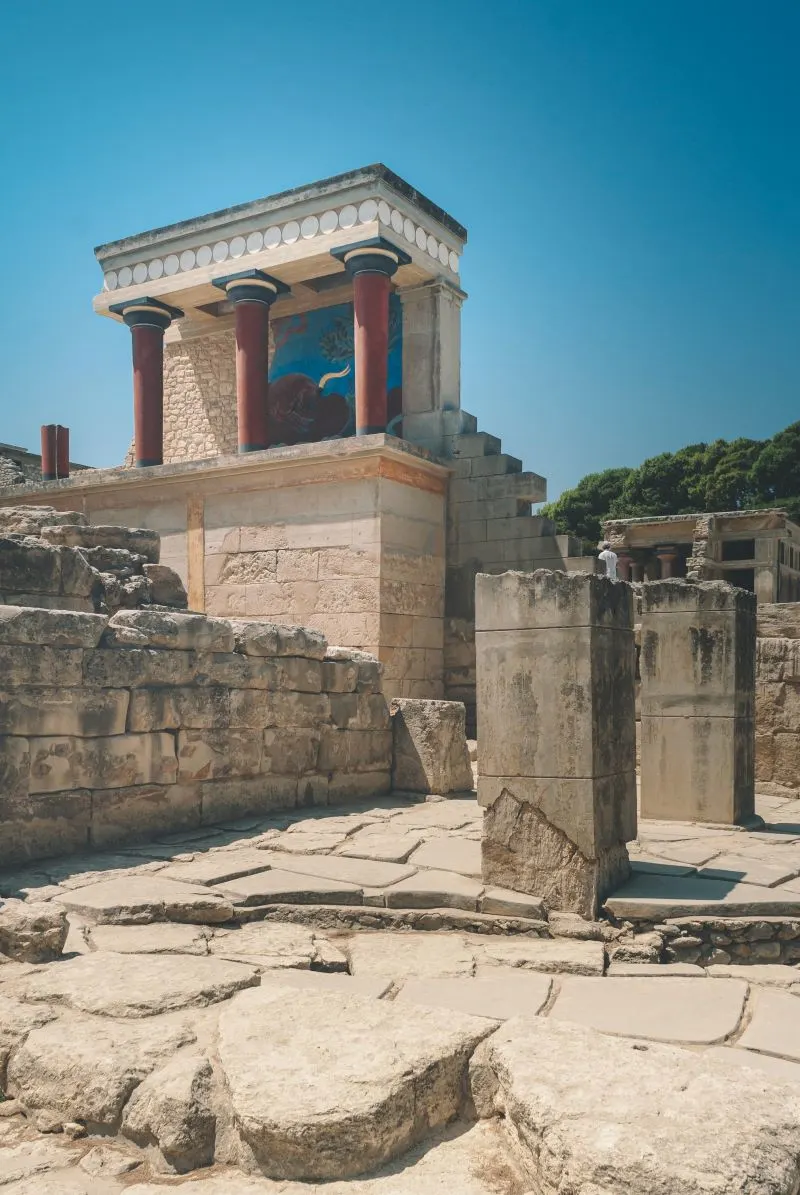
Visiting the Palace of Knossos is a captivating journey into the heart of the ancient Minoan civilization. Located just a few kilometers south of Heraklion in Crete, Greece, this archaeological site holds tremendous historical significance and offers a glimpse into the splendor of a bygone era.
As you explore the Palace of Knossos, you will be immersed in a world that dates back over 3,000 years. The palace complex itself is an architectural marvel, showcasing the ingenuity and advanced planning of the Minoan civilization.
The ruins you encounter today are a reconstruction based on extensive archaeological research, giving visitors a sense of the palace’s grandeur and layout.
Wandering through the labyrinthine corridors and chambers, you’ll discover intricate frescoes, vibrant murals, and decorative motifs that showcase the Minoans’ artistic prowess. The Throne Room, with its symbolic throne and stunning frescoes, is a particularly impressive highlight.
The site also features a central courtyard, once bustling with activity and surrounded by various rooms and chambers. These spaces were used for religious ceremonies, administrative functions, and private quarters, offering a glimpse into the daily lives of the Minoans.
Throughout your visit, you can learn about the fascinating history of the Minoan civilization, which flourished from approximately 2600 to 1100 BCE.
The knowledgeable guides and information panels provide insights into the Minoan culture, society, and mythology. The palace’s association with the legendary King Minos and the mythical Minotaur adds an extra layer of intrigue to the experience.
The Palace of Knossos is a testament to the advanced engineering and artistic achievements of the Minoans. It is believed to have been a thriving center of trade, economy, and culture during its time, influencing the wider Mediterranean region.
Exploring its corridors, chambers, and courtyards offers a unique opportunity to connect with the ancient past and appreciate the significance of this remarkable archaeological site.
2. Walk around the Venetian Harbor: Enjoy the picturesque harbor, stroll along the promenade, and visit the historic Koules Fortress

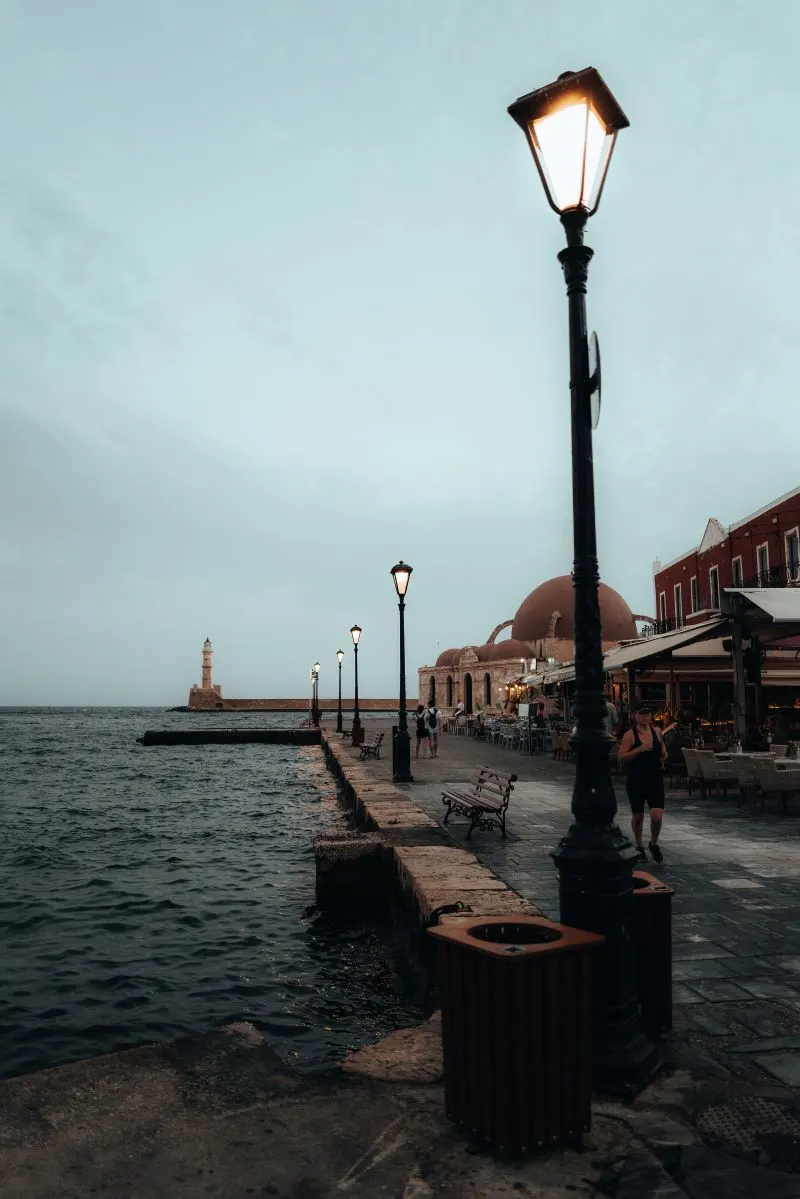
Walking around the Venetian Harbor in Heraklion is a delightful experience that combines history, stunning views, and a vibrant atmosphere.
This picturesque harbor has played a significant role in the city’s history, and today it stands as a charming waterfront area filled with cultural landmarks, cafes, and shops.
As you stroll along the promenade, you’ll be greeted by the sight of colorful fishing boats and yachts bobbing in the clear blue waters. The Venetian Harbor boasts a captivating blend of Venetian, Ottoman, and modern influences, creating a unique and enchanting ambiance.
One of the prominent features of the harbor is the iconic Koules Fortress, also known as the Venetian Fortress of Rocca a Mare. This majestic fortress, with its massive stone walls and towers, stands proudly at the entrance of the harbor.
Originally built in the 16th century, it served as a defensive structure and played a crucial role in protecting the city from various invaders throughout history. Today, you can explore its interior, climb its walls, and enjoy panoramic views of the harbor and the city.
As you continue your walk, you’ll encounter charming narrow streets lined with Venetian-era buildings that now house an array of shops, cafes, and restaurants.
These streets, often bustling with locals and visitors, offer a wonderful opportunity to immerse yourself in the local culture and indulge in traditional Cretan cuisine.
The Venetian Harbor is also a hub of cultural attractions. Along the promenade, you may come across art galleries showcasing the works of local artists or open-air performances, particularly during the summer months when concerts and festivals take place.
From the harbor, you can enjoy breathtaking views of the Cretan Sea and the Heraklion coastline. The crystal-clear waters, coupled with the sight of traditional fishing boats and the distant horizon, create a serene and picturesque backdrop.
Whether you’re simply taking a leisurely walk, enjoying a coffee with a view, or exploring the historic sites, the Venetian Harbor offers a delightful blend of history, culture, and natural beauty. It’s a place where the old meets the new, creating an atmosphere that is both enchanting and vibrant.
3. Explore the Heraklion Archaeological Museum: Discover a vast collection of Minoan artifacts, including the famous Phaistos Disc

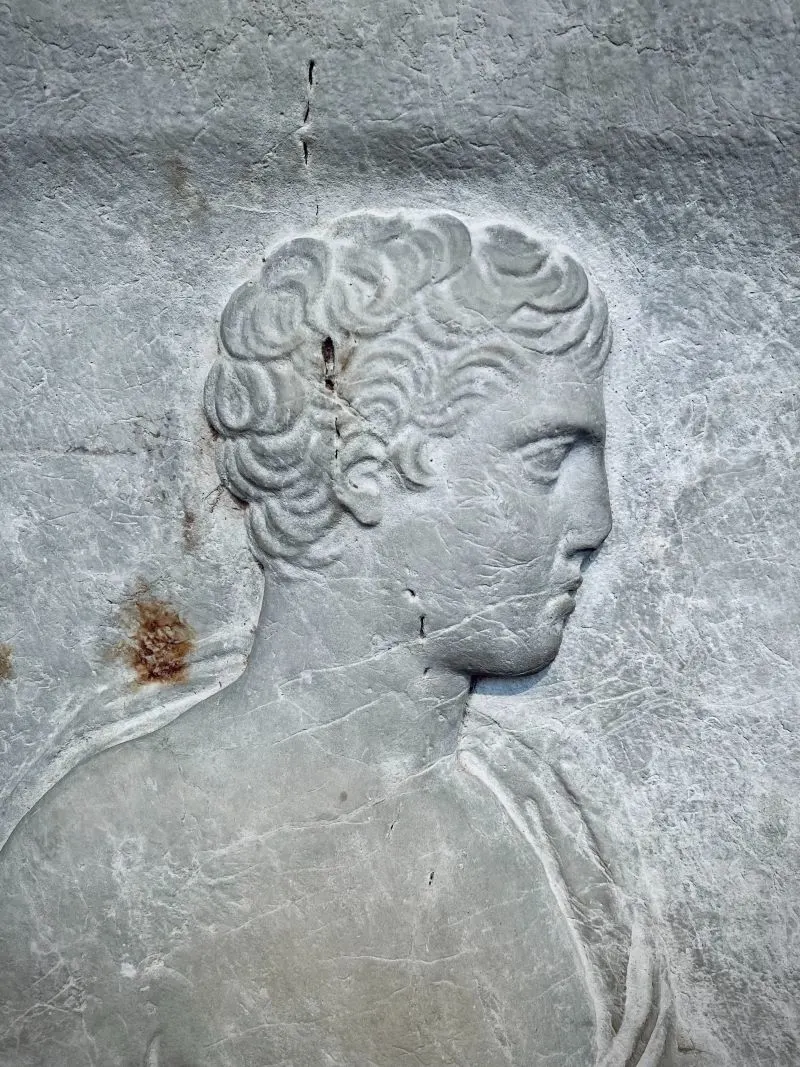
Exploring the Heraklion Archaeological Museum is a captivating journey through the ancient history of Crete and the Minoan civilization. As one of the most important archaeological museums in Greece, it houses an extensive collection of artifacts that offer valuable insights into the rich cultural heritage of the island.
Located in the heart of Heraklion, the museum itself is an impressive architectural structure that sets the stage for the treasures it holds. Upon entering, you’ll find yourself immersed in a world of antiquities, spanning thousands of years.
The museum’s exhibits are arranged in a chronological order, guiding visitors through the different periods of Cretan history. The highlight of the collection is undoubtedly the Minoan artifacts, showcasing the remarkable achievements of the ancient Minoans who thrived on Crete from around 2600 to 1100 BCE.
As you explore the museum, you’ll encounter an array of fascinating objects. Intricate frescoes, delicately carved sculptures, and detailed pottery offer glimpses into the Minoan way of life, religious practices, and artistic expressions.
The museum is renowned for housing the Phaistos Disc, a mysterious artifact featuring an undeciphered script that continues to intrigue scholars and visitors alike.
One of the museum’s notable sections is dedicated to the archaeological finds from the Palace of Knossos. Here, you can marvel at the reconstructed fragments of wall paintings, examining their vibrant colors and intricate details.
Additionally, the museum features artifacts from other important Minoan sites across Crete, providing a comprehensive overview of the civilization’s achievements.
Beyond the Minoan exhibits, the museum also showcases artifacts from the Archaic, Classical, Hellenistic, and Roman periods. These collections offer a broader perspective on the historical development of Crete and its interactions with other ancient cultures.
Throughout your visit, informative signage and descriptive panels provide context and explanations for the exhibited items, making the museum accessible to visitors of all levels of knowledge.
The Heraklion Archaeological Museum is a treasure trove for history enthusiasts, art lovers, and anyone interested in uncovering the mysteries of the ancient past.
It offers a unique opportunity to witness the remarkable artistic and cultural achievements of the Minoan civilization, bringing to life the captivating stories and legacies of ancient Crete.
4. Wander through the Heraklion Old Town: Get lost in the narrow streets, admire the Venetian and Ottoman architecture, and visit local shops and cafes

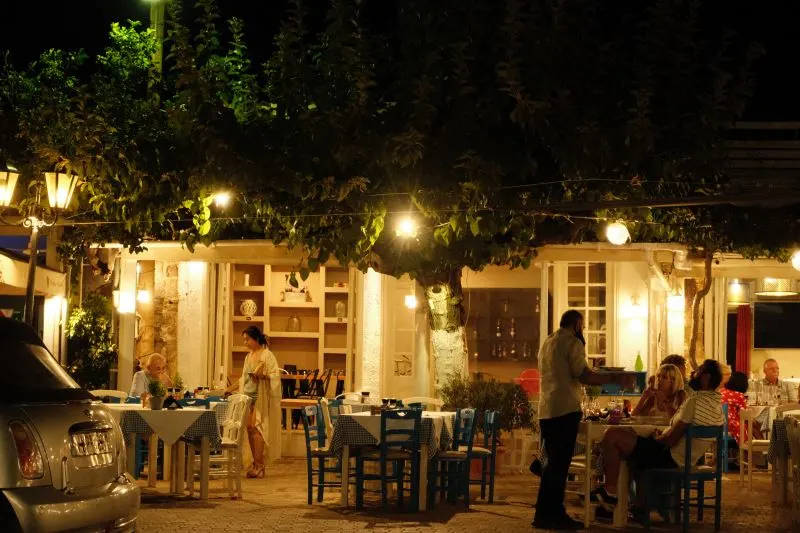
Wandering through the Heraklion Old Town is like stepping back in time, as you explore the charming streets and alleys that reflect the city’s rich history and cultural heritage.
Located within the Venetian walls, the Old Town of Heraklion offers a captivating blend of architectural beauty, historical landmarks, and a vibrant atmosphere.
As you stroll through the narrow streets, you’ll be surrounded by well-preserved buildings that showcase a variety of architectural styles, including Venetian, Ottoman, and neoclassical influences. The architecture is characterized by colorful facades, ornate balconies, and traditional wooden shutters, creating a picturesque setting that evokes a sense of old-world charm.
The Old Town is a treasure trove of cultural and historical landmarks. The central square, known as Lion Square or Morosini Fountain Square, is a hub of activity with its iconic Morosini Fountain, a Venetian-era monument that adds to the allure of the area.
This lively square is surrounded by cafes, restaurants, and shops, making it an ideal spot to relax, people-watch, and soak up the vibrant ambiance.
Exploring further, you’ll come across the Loggia, a magnificent Venetian building that once served as a meeting place for nobles and officials.
Today, it houses the Town Hall and serves as a symbol of the city’s Venetian past. Adjacent to the Loggia is the St. Titus Church, a beautiful Venetian-style church dedicated to the patron saint of Crete.
As you continue your wanderings, you’ll discover hidden gems such as quaint squares, hidden courtyards, and small artisan shops. The Old Town is known for its vibrant marketplaces, where you can find a variety of local products, including olive oil, herbs, spices, traditional crafts, and souvenirs.
Along the way, you may stumble upon historical sites and museums that provide insights into the city’s past. These include the Historical Museum of Crete, the Museum of Visual Arts, and the Historical Museum of Heraklion University, each offering a unique perspective on the city’s cultural heritage.
The Old Town is also a culinary delight, with numerous tavernas and restaurants serving up traditional Cretan cuisine. You can indulge in local delicacies, such as dakos (a traditional Cretan salad), lamb dishes, and a variety of cheese and honey-based treats.
5. Visit the Historical Museum of Crete: Learn about the island’s history from Byzantine times to World War II

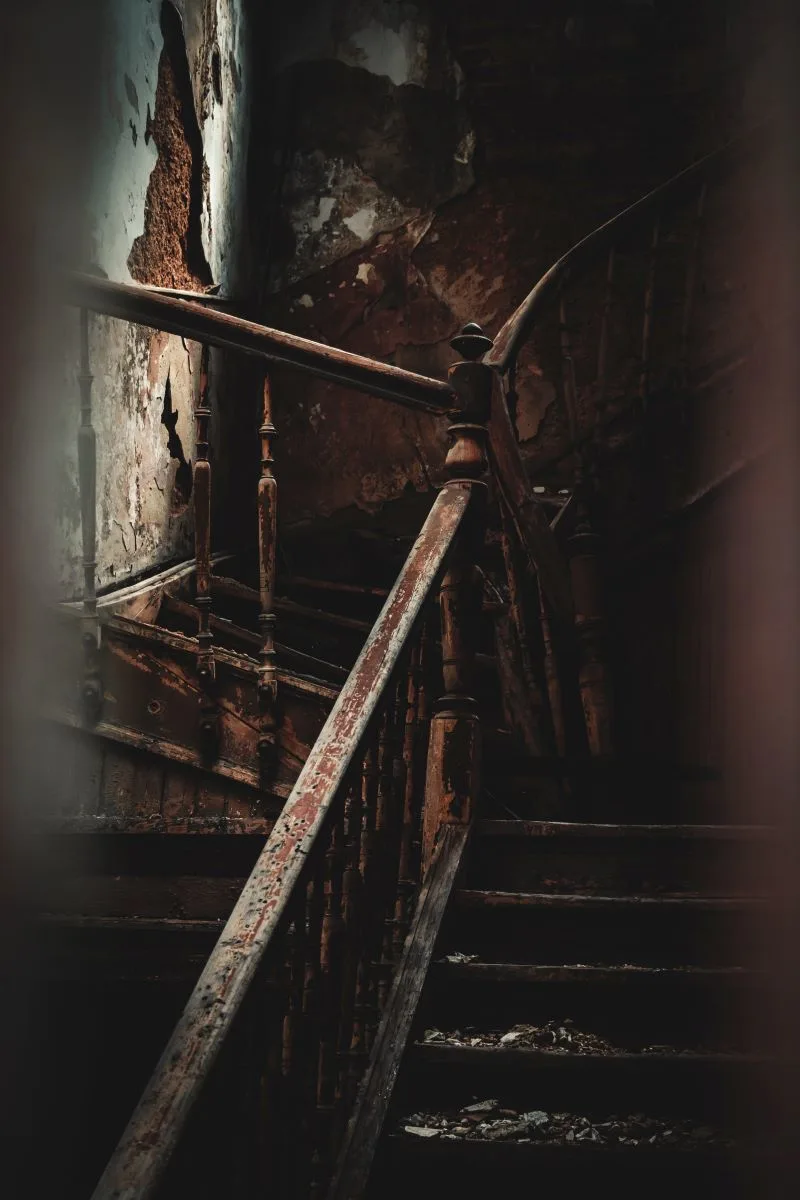
Visiting the Historical Museum of Crete in Heraklion is a captivating journey through the rich and diverse history of Crete. Housed in a beautiful neoclassical building, the museum offers a comprehensive collection of artifacts and exhibits that provide valuable insights into the island’s past.
The museum’s exhibits are thoughtfully arranged in chronological order, guiding visitors through the various historical periods of Crete. As you explore the museum, you’ll embark on a fascinating voyage from prehistoric times to the present day.
The museum boasts an impressive collection of archaeological finds, including artifacts from the Minoan civilization, which flourished on Crete over 3,000 years ago. Intricate pottery, delicate figurines, and fragments of wall paintings offer glimpses into the everyday life, art, and religious practices of the Minoans.
Moving through the exhibits, you’ll encounter artifacts from the Archaic, Classical, Hellenistic, Roman, and Byzantine periods. These include sculptures, coins, jewelry, and everyday objects, allowing you to trace the island’s historical development and understand its interactions with other civilizations.
One of the notable sections of the museum is dedicated to the Venetian and Ottoman periods, showcasing the influence of these cultures on Crete. You can learn about the island’s strategic importance in the Mediterranean and its turbulent history of invasions, sieges, and resistance.
Beyond the archaeological displays, the museum also presents exhibits related to modern history and the island’s more recent past. This includes displays on the Cretan Revolution of 1866-1869, World War II, and the cultural heritage of Crete.
In addition to the artifacts, the museum provides informative signage, multimedia presentations, and audio guides to enhance your understanding of the exhibits.
There are also temporary exhibitions that cover various aspects of Cretan history and culture, offering fresh perspectives and new discoveries.
The Historical Museum of Crete serves as a cultural and educational hub, promoting a deeper understanding and appreciation of Crete’s past. It offers a unique opportunity to delve into the island’s history, unravel its mysteries, and witness the enduring legacies of its diverse civilizations.
Located in the heart of Heraklion, the museum is easily accessible and conveniently located near other cultural attractions, making it an ideal addition to your exploration of the city.
6. Discover the Morosini Fountain: Admire the beautiful Venetian fountain in Eleftheriou Venizelou Square


Discovering the Morosini Fountain, also known as the Lions Square Fountain, is a delightful experience that immerses you in the heart of Heraklion’s historical charm. Located in the bustling center of the city, this iconic Venetian-era fountain serves as a beloved landmark and a gathering point for locals and visitors alike.
The Morosini Fountain takes its name from Francesco Morosini, the Venetian governor who oversaw the construction of the fountain in the 17th century.
The fountain is an impressive work of art, featuring a central obelisk adorned with intricate carvings and surrounded by four imposing stone lions. These majestic lions, with water flowing from their mouths, have become a symbol of the city and a popular spot for photos.
The fountain’s design reflects the influence of the Venetian Renaissance style, combining architectural elements with decorative motifs. As you approach the fountain, you’ll notice the ornate details and sculptural features that add to its grandeur.
The Lions Square, where the fountain is located, is a vibrant and bustling area that serves as a meeting point for both locals and tourists. The square is surrounded by cafes, shops, and historical buildings, creating a lively atmosphere.
Throughout the day, you’ll find people gathering around the fountain, enjoying the soothing sound of water, and taking in the lively surroundings. It’s a popular spot to relax, people-watch, and soak up the vibrant ambiance of the city.
The Morosini Fountain has been a witness to the city’s history and has undergone various restorations over the years to preserve its beauty. It stands as a testament to Heraklion’s Venetian past and serves as a reminder of the cultural heritage that has shaped the city.
Exploring the area around the fountain, you’ll find a variety of shops, boutiques, and cafes where you can indulge in local delicacies or shop for souvenirs.
The nearby streets are lined with charming buildings, many of which date back centuries, offering a glimpse into the architectural diversity of the city.
Whether you’re admiring the intricate details of the fountain, sipping a coffee in one of the nearby cafes, or simply taking in the vibrant atmosphere of the square, the Morosini Fountain is a must-see attraction that captures the essence of Heraklion’s historical charm.
It’s a place where you can connect with the city’s past, appreciate its architectural beauty, and immerse yourself in the local culture.
7. Explore the Natural History Museum: Experience the diverse flora and fauna of Crete, including the unique ecosystem of the island

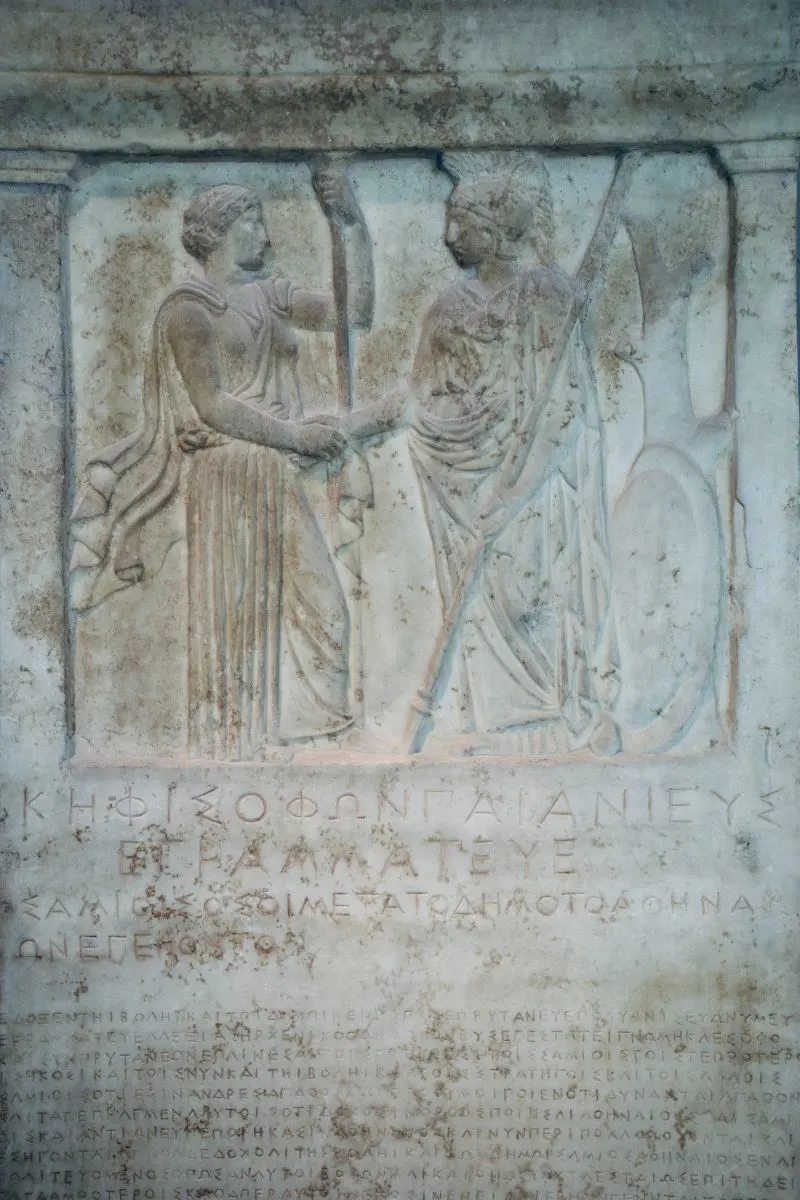
Exploring the Natural History Museum in Heraklion is a fascinating journey through the diverse natural wonders of Crete and beyond. Located in a beautiful neoclassical building, the museum offers an immersive and educational experience for visitors of all ages.
The Natural History Museum is dedicated to showcasing the rich biodiversity and geology of Crete, as well as the broader natural world. The exhibits are thoughtfully curated and provide valuable insights into the island’s unique ecosystems, geological formations, and the flora and fauna that inhabit them.
As you explore the museum, you’ll encounter a variety of displays and interactive exhibits that highlight different aspects of natural history.
The geological section takes you on a geological voyage through time, presenting the geological formations of Crete and the forces that have shaped the island over millions of years. From impressive rock formations to fossil collections, you’ll gain a deeper understanding of the island’s geological evolution.
Moving on, you’ll discover exhibits dedicated to the diverse plant life found on Crete. Learn about the island’s native plants, including endemic species that are found nowhere else in the world. The museum’s botanical displays showcase the unique adaptations and ecological significance of these plants.
The animal kingdom is also well represented in the museum’s exhibits. You can explore the rich marine life that surrounds Crete, including displays on fish, dolphins, and other sea creatures.
The avian and terrestrial sections provide insights into the island’s bird species and land-dwelling animals, showcasing their diversity and conservation needs.
One of the highlights of the Natural History Museum is the dinosaur exhibition. Step back in time and discover the world of dinosaurs through fossils, replicas, and interactive displays. This section is particularly engaging for children and dinosaur enthusiasts, offering a hands-on learning experience.
The museum offers informative signage, multimedia presentations, and interactive activities to enhance your understanding and engagement with the exhibits. Knowledgeable staff members are also available to provide further information and answer any questions you may have.
The Natural History Museum of Heraklion is not only an educational institution but also an advocate for environmental awareness and conservation. It organizes various educational programs, workshops, and events that promote a deeper understanding of the natural world and the importance of preserving it.
A visit to the Natural History Museum provides a deeper appreciation for the natural wonders of Crete and the broader planet we inhabit.
It’s an opportunity to connect with the island’s unique ecosystems, learn about the challenges they face, and gain a greater understanding of our role in preserving them for future generations.
8. Visit the Church of Agios Titos: Explore this historic church, dedicated to the patron saint of Crete

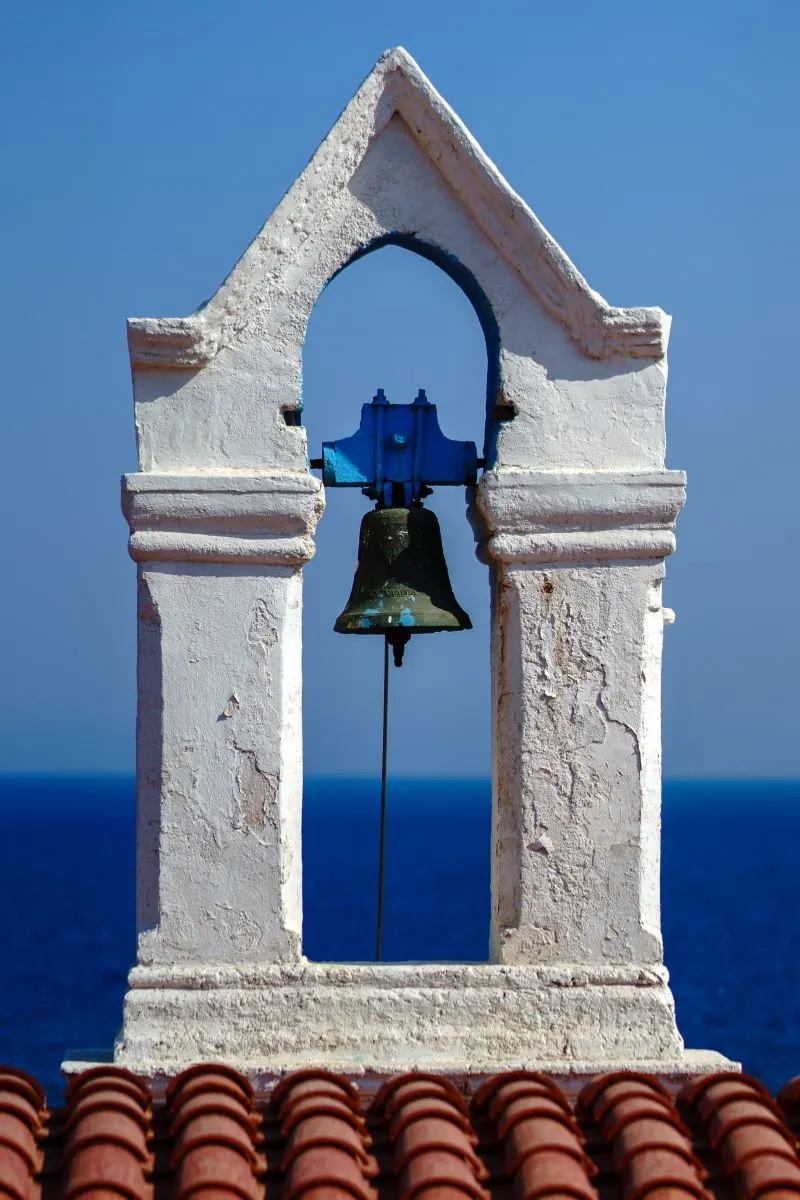
Visiting the Church of Agios Titos in Heraklion is an opportunity to explore a significant religious and historical landmark. Located in the heart of the city, this beautiful Venetian-style church holds great significance for the people of Crete.
The Church of Agios Titos is dedicated to Saint Titus, the first bishop of Crete and a companion of the Apostle Paul. It has a long and storied history, having been built in the 10th century, destroyed by an earthquake in the 13th century, and later reconstructed by the Venetians.
As you approach the church, you’ll be struck by its striking facade, adorned with ornate architectural details. The exterior features a blend of Gothic and Renaissance elements, showcasing the influence of Venetian architecture on the island.
Upon entering the church, you’ll be greeted by a serene and peaceful atmosphere. The interior is equally impressive, with a beautiful iconostasis, intricately carved wooden screens, and stunning frescoes that depict scenes from the life of Christ and various saints.
One of the notable features of the church is the silver reliquary that holds the remains of Saint Titus. This relic holds great religious and cultural significance for the Cretan people, as Saint Titus is considered the patron saint of the island.
The reliquary is displayed in a prominent location, and visitors often offer their prayers and pay their respects to the saint.
The Church of Agios Titos also serves as a place of worship and regularly holds religious services and ceremonies. It has been an important spiritual center for centuries, providing a place of solace, prayer, and reflection for the local community and visitors alike.
Surrounding the church, you’ll find charming squares and narrow streets that add to the historical ambiance of the area. It’s a delightful neighborhood to explore, with traditional houses, small shops, and local cafes that offer a glimpse into the everyday life of the city.
Visiting the Church of Agios Titos provides not only a chance to admire its architectural beauty but also an opportunity to connect with the religious and cultural heritage of Crete.
It’s a place where you can appreciate the island’s Byzantine legacy, reflect on its rich history, and experience a sense of tranquility and spirituality.
Whether you are seeking religious insights, historical discoveries, or simply a moment of serenity in a bustling city, the Church of Agios Titos offers a meaningful and enlightening experience in the heart of Heraklion.
9. Take a tour of the Palace of Malia: Discover the ruins of another ancient Minoan palace complex near Heraklion

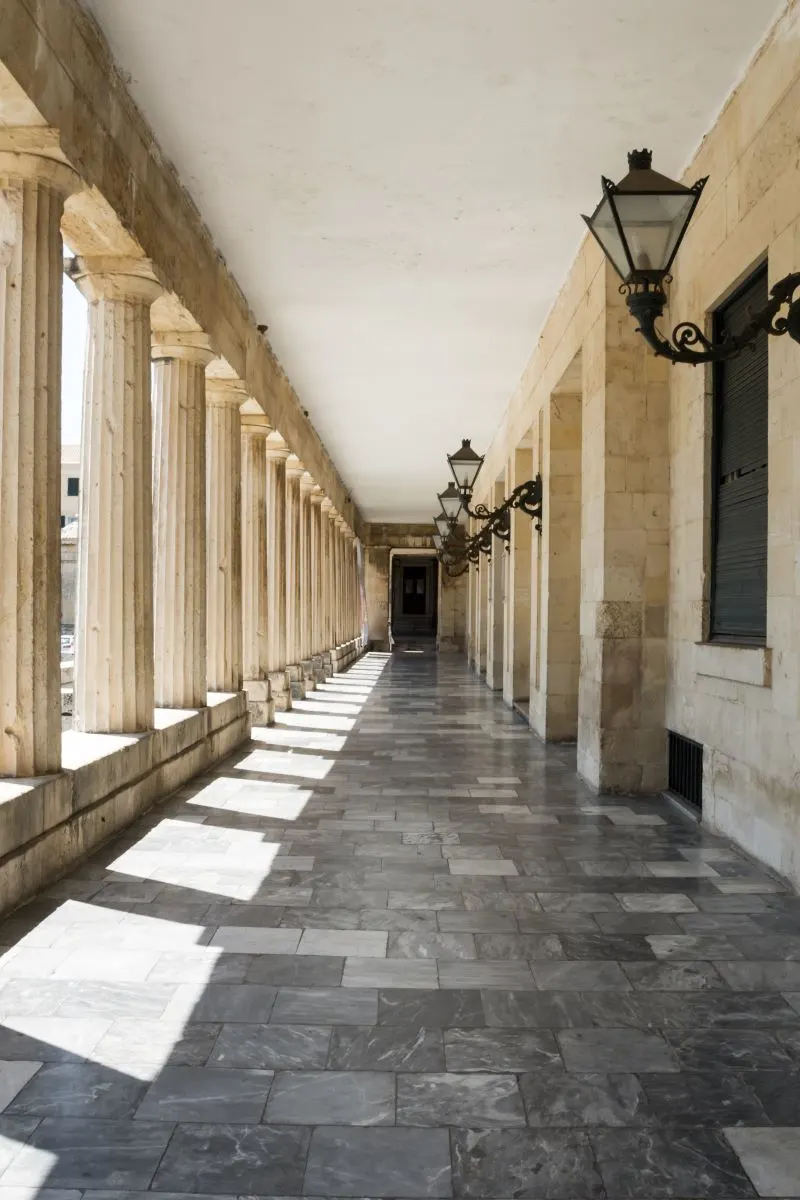
Taking a tour of the Palace of Malia is a captivating journey back in time to the Minoan civilization, one of the most influential and advanced ancient cultures in the Mediterranean. Located near the town of Malia in Crete, this archaeological site offers a unique glimpse into the grandeur and sophistication of Minoan palace complexes.
The Palace of Malia, also known as the Minoan Palace of Malia, was constructed around 1900 BC and reached its peak during the Middle Minoan period.
It served as a significant administrative and cultural center for the Minoans, who were known for their advanced architectural techniques and artistic achievements.
As you explore the palace, you’ll be able to see the remnants of its elaborate layout, which includes a central courtyard, multiple storied buildings, royal quarters, ceremonial rooms, and storage areas. The palace complex covers a considerable area, showcasing the scale and complexity of Minoan architecture.
Walking through the ruins, you’ll come across fascinating features such as the grand staircase, which provides a sense of the palace’s grandeur and the social hierarchy that existed within Minoan society.
You can also see the remains of colorful frescoes that adorned the walls, offering insights into Minoan artistry and aesthetic sensibilities.
The palace’s intricate system of plumbing and drainage, with well-preserved channels and clay pipes, highlights the advanced engineering skills of the Minoans. These systems allowed for the efficient supply and distribution of water throughout the complex.
As you explore the archaeological site, knowledgeable guides or interpretive signs will provide historical and cultural context, enriching your understanding of the palace’s significance and its role within Minoan society.
The Palace of Malia is set amidst a scenic landscape, surrounded by olive groves and the picturesque town of Malia. It offers a tranquil and immersive experience, allowing you to envision what life might have been like during the Minoan era.
Adjacent to the palace, you’ll find the Malia Archaeological Museum, which houses artifacts discovered at the site. The museum offers a deeper exploration of Minoan culture, showcasing pottery, jewelry, and other artifacts that provide additional insights into the daily life, religious practices, and artistic achievements of the Minoans.
A tour of the Palace of Malia is an opportunity to connect with an ancient civilization, marvel at their architectural prowess, and gain a deeper appreciation for the cultural and historical heritage of Crete.
It’s a journey that transports you to a bygone era, allowing you to explore the remnants of a once-thriving palace complex and imagine the vibrant world of the Minoans.
10. Enjoy the views from the Church of Agia Ekaterini: Climb to the top of this church for panoramic views of the city

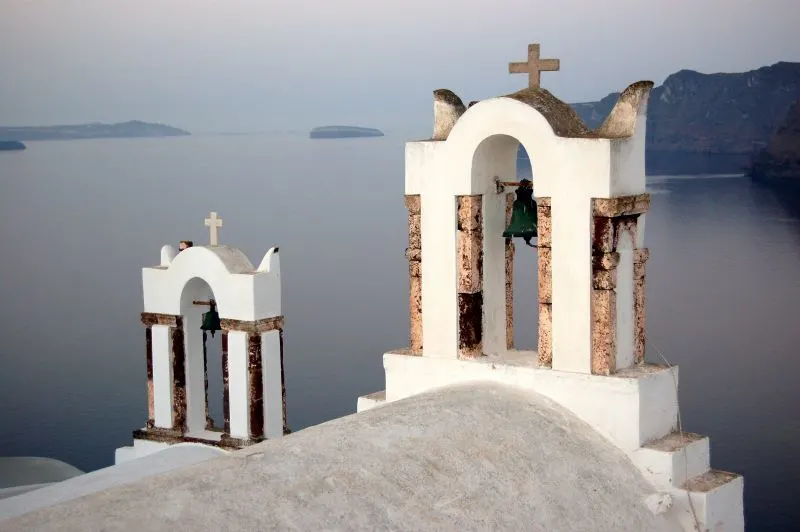
Enjoying the views from the Church of Agia Ekaterini is a delightful experience that combines architectural beauty, historical significance, and panoramic vistas of Heraklion. Situated in the heart of the city, this charming church offers a unique perspective on the surrounding landscape.
The Church of Agia Ekaterini, also known as the Church of Saint Catherine, is a Byzantine-style church that dates back to the 16th century. Its exterior features traditional Cretan architecture with distinct Venetian influences, including a bell tower and ornate details that reflect the island’s rich cultural heritage.
Once inside the church, you’ll be captivated by its peaceful ambiance and the stunning artistry that adorns its walls. The interior of Agia Ekaterini boasts beautiful frescoes, intricate iconography, and a sense of serenity that invites contemplation and reflection.
One of the highlights of visiting the Church of Agia Ekaterini is the opportunity to ascend to its bell tower. Climbing the tower’s steps rewards you with breathtaking views of Heraklion and its surroundings.
From this vantage point, you can marvel at the city’s historic landmarks, the surrounding hills, and the shimmering blue sea in the distance.
The panoramic views offer a unique perspective on the city’s urban landscape, allowing you to appreciate the juxtaposition of ancient and modern elements.
You can spot the Venetian walls that once encircled the city, the bustling streets below, and the architectural diversity that characterizes Heraklion.
The Church of Agia Ekaterini is ideally located, providing a picturesque backdrop for your exploration of the city. It is situated near other notable attractions, such as the Heraklion Archaeological Museum and the Venetian Harbor, making it a convenient stop during your sightseeing itinerary.
After enjoying the views, you can take a moment to explore the immediate surroundings of the church. Wander through the narrow streets and discover charming cafes, local shops, and traditional houses that add to the historic charm of the area.
Whether you’re a photography enthusiast, a lover of architecture, or simply seeking a peaceful spot to take in the beauty of Heraklion, the Church of Agia Ekaterini offers a memorable experience. It combines religious and cultural significance with stunning vistas, creating a unique perspective on the city’s past and present.
Visiting this church allows you to immerse yourself in the rich heritage of Heraklion while enjoying panoramic views that showcase the city’s vibrant atmosphere and natural beauty. It’s an opportunity to pause, appreciate the surroundings, and create lasting memories of your time in Crete’s capital.
11. Spend a day at the Cretaquarium: Discover the wonders of the Mediterranean Sea and its marine life

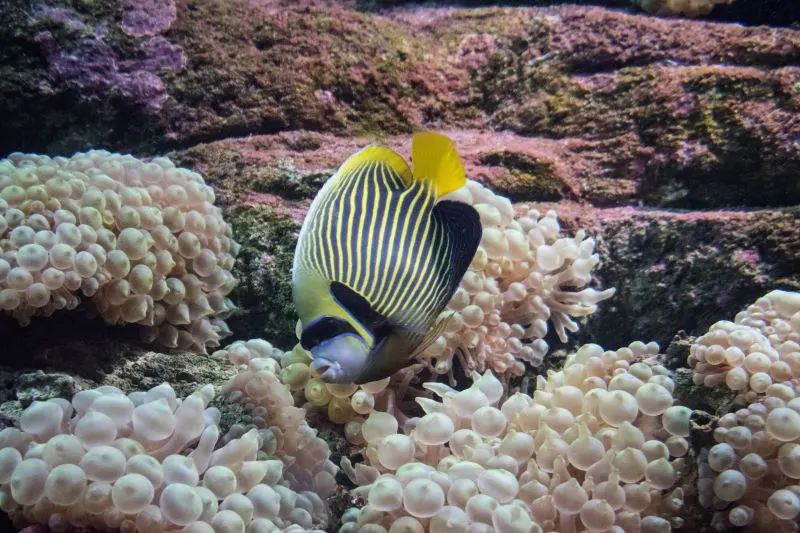
Spending a day at the Cretaquarium is a captivating and educational experience that immerses you in the vibrant underwater world of the Mediterranean.
Located near Heraklion, the Cretaquarium is one of the largest and most impressive aquariums in Europe, offering a fascinating journey through marine ecosystems.
Upon entering the aquarium, you’ll be greeted by a diverse array of marine life from the Mediterranean Sea. The aquarium boasts a variety of tanks and exhibits that showcase different habitats and the creatures that call them home. From colorful tropical fish to graceful sharks and mesmerizing jellyfish, you’ll encounter an astonishing range of species.
One of the highlights of the Cretaquarium is the main tank, a vast and awe-inspiring display that replicates the Mediterranean seabed.
As you walk through the tunnel that runs beneath the tank, you’ll be surrounded by an incredible variety of marine life swimming overhead. It’s a truly immersive experience that allows you to observe sea creatures up close and appreciate their beauty and unique characteristics.
Throughout the aquarium, informative displays provide insights into the various species, their natural habitats, and the challenges they face in the wild. You’ll learn about the importance of marine conservation and the efforts being made to protect these fragile ecosystems.
The Cretaquarium also offers interactive exhibits and educational programs for visitors of all ages. From touch pools where you can get hands-on with marine organisms to interactive games that test your knowledge, there are plenty of engaging activities that make learning about the marine world fun and enjoyable.
Additionally, the aquarium hosts various events and presentations, including feeding demonstrations and educational talks by marine experts. These activities provide further opportunities to deepen your understanding of marine life and conservation issues.
The Cretaquarium is not only an educational facility but also a place of conservation and research. It participates in numerous conservation initiatives and works towards raising awareness about the importance of preserving marine ecosystems.
The aquarium is surrounded by beautiful grounds, allowing you to take leisurely walks and enjoy the stunning coastal scenery. You can also relax at the café or browse the gift shop, which offers a selection of marine-themed souvenirs and educational materials.
A visit to the Cretaquarium is a fantastic way to appreciate the wonders of the marine world, gain a deeper understanding of marine ecosystems, and foster a sense of environmental stewardship. It’s an experience that appeals to families, nature enthusiasts, and anyone with a curiosity about the underwater realm.
Whether you’re fascinated by colorful fish, intrigued by mysterious sea creatures, or simply seeking an immersive and educational experience, a day at the Cretaquarium promises to be a memorable and enriching adventure.
12. Take a trip to the Dikteon Cave: Explore the legendary birthplace of Zeus and marvel at the underground chambers.

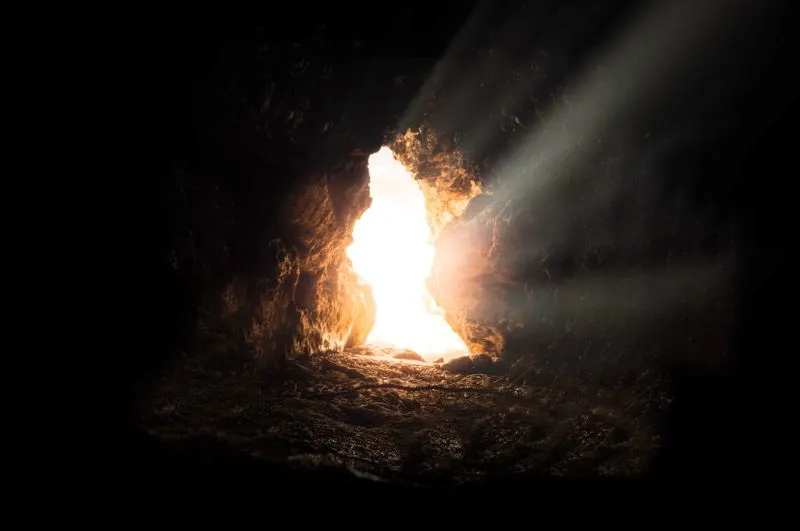
Taking a trip to the Dikteon Cave is a captivating experience that allows you to delve into the mythical birthplace of Zeus, the king of the Greek gods. Located in the Dikti mountain range, near the village of Psychro, this ancient cave has significant historical and cultural importance.
To reach the cave, you’ll embark on a scenic journey through the Cretan countryside, surrounded by picturesque landscapes. As you approach the cave’s entrance, you’ll be struck by its natural beauty and the sense of mystery that surrounds it.
Once inside, you’ll be immersed in a world of stunning stalactites and stalagmites, formed over thousands of years. The cave’s interior is vast, with various chambers and passages to explore. The air is cool and refreshing, adding to the otherworldly ambiance.
As you venture deeper into the cave, you’ll come across the central chamber, known as the “Sanctuary of Zeus.” Here, according to ancient mythology, the infant Zeus was hidden and nurtured by nymphs.
In this chamber, you’ll find an altar-like formation where ancient rituals and offerings to Zeus are believed to have taken place.
Exploring the Dikteon Cave offers a unique opportunity to connect with Greek mythology and appreciate the natural wonders of Crete.
The sense of awe and wonder that accompanies the visit is truly memorable. It’s important to note that the cave’s pathways might be uneven, so comfortable footwear and appropriate clothing are recommended.
Visiting the Dikteon Cave allows you to step back in time, imagining the ancient rituals and legends that unfolded within its depths. It’s a must-see destination for history enthusiasts, nature lovers, and anyone seeking an unforgettable experience in the heart of Crete.
13. Take a boat trip to Dia Island: Enjoy the crystal-clear waters, go snorkeling, and relax on the secluded beaches


Taking a boat trip to Dia Island is a captivating adventure that allows you to explore a secluded paradise just off the coast of Heraklion, Greece. Dia Island, also known as Ntia, is a small, uninhabited island with pristine beaches, crystal-clear waters, and a tranquil ambiance.
As you embark on the boat trip, you’ll leave the bustling city behind and set sail across the shimmering Mediterranean Sea.
The boat ride itself can be a delightful experience, offering panoramic views of the coastline, the sparkling blue waters, and the surrounding landscapes. The gentle breeze and the soothing sound of the waves create a serene atmosphere, preparing you for the idyllic island escape.
Upon reaching Dia Island, you’ll be greeted by its untouched natural beauty. The island’s rugged coastline is adorned with picturesque coves and secluded beaches, providing a perfect backdrop for relaxation and exploration.
The beaches are often uncrowded, allowing you to find your own peaceful spot to unwind, sunbathe, and enjoy the pristine surroundings.
One of the highlights of a boat trip to Dia Island is the opportunity to snorkel in its crystal-clear waters. The underwater world surrounding the island is teeming with marine life, including colorful fish, vibrant coral reefs, and intriguing rock formations.
Donning your snorkeling gear, you can immerse yourself in the underwater realm, marveling at the beauty and diversity of the marine ecosystem.
If snorkeling isn’t your preference, you can simply enjoy a refreshing swim in the azure waters, feeling the embrace of the Mediterranean Sea. The calm and clear waters make it an ideal place for a leisurely dip or a playful splash.
During the boat trip, you may have the chance to enjoy a picnic or a meal onboard the boat or on the island itself. Many boat tours offer catering services or provide the option to bring your own food, allowing you to savor a delicious meal amidst the natural beauty of Dia Island.
As you explore Dia Island, take a moment to appreciate its rich history and mythology. According to legend, the island is said to be the birthplace of the Greek god Zeus. It holds significant cultural and historical importance, adding to the mystique and allure of the island.
Whether you seek relaxation, snorkeling adventures, or a serene escape into nature, a boat trip to Dia Island offers a unique and enchanting experience. It allows you to disconnect from the mainland, connect with the beauty of the sea, and create lasting memories of your visit to Heraklion, Greece.
14. Explore the Historical Museum of Crete: Discover artifacts and exhibits related to Cretan history and culture

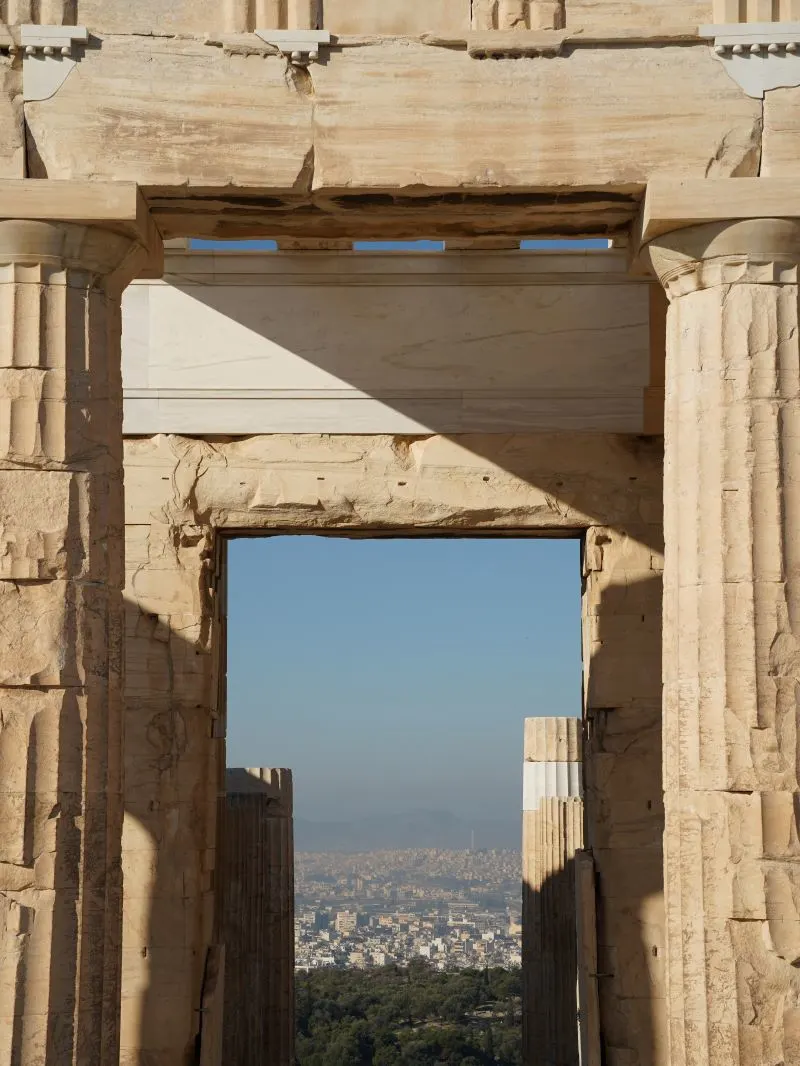
Exploring the Historical Museum of Crete is an enriching journey through the rich history and cultural heritage of the island. Located in Heraklion, Greece, this museum offers a comprehensive collection of artifacts, exhibits, and displays that span various historical periods, providing visitors with a deeper understanding of Crete’s past.
As you enter the museum, you’ll find yourself immersed in a world of archaeological treasures, historical documents, and captivating exhibits.
The museum is thoughtfully organized, guiding you through different sections and time periods, starting from the prehistoric era to the Byzantine and Venetian periods, and continuing up to the modern era.
The museum’s exhibits showcase a wide range of artifacts and objects, including pottery, sculptures, jewelry, weapons, and everyday items that provide insights into the lives and cultures of ancient civilizations that thrived on the island.
Each exhibit is accompanied by informative descriptions and context, helping you to grasp the significance and historical significance of the items on display.
One of the highlights of the Historical Museum of Crete is the exhibit dedicated to the Cretan Resistance during World War II. Through photographs, personal stories, and memorabilia, this exhibit sheds light on the bravery and resilience of the Cretan people during a tumultuous period in history.
The museum also houses a vast collection of paintings, including works by famous Cretan artists such as El Greco, as well as modern and contemporary Greek artists. These artworks provide a glimpse into the artistic traditions and influences that have shaped the cultural landscape of Crete over the centuries.
Beyond the exhibits, the museum offers educational programs, lectures, and temporary exhibitions that further deepen your understanding of Crete’s history and culture. These events provide opportunities to engage with experts, participate in workshops, and explore specific aspects of Cretan heritage.
The museum’s location itself holds historical significance, as it is housed in a former Venetian monastery. The architectural elements of the building, such as its courtyards and archways, add to the overall ambiance and charm of the museum, creating a unique setting for your exploration.
Visiting the Historical Museum of Crete allows you to connect with the island’s past, appreciate its cultural heritage, and gain a deeper understanding of the events and influences that have shaped Crete’s identity.
It is a must-visit destination for history enthusiasts, art lovers, and anyone seeking to unravel the captivating story of this Mediterranean gem.
15. Relax at Amoudara Beach: Soak up the sun and enjoy the sandy shores of this popular beach near Heraklion

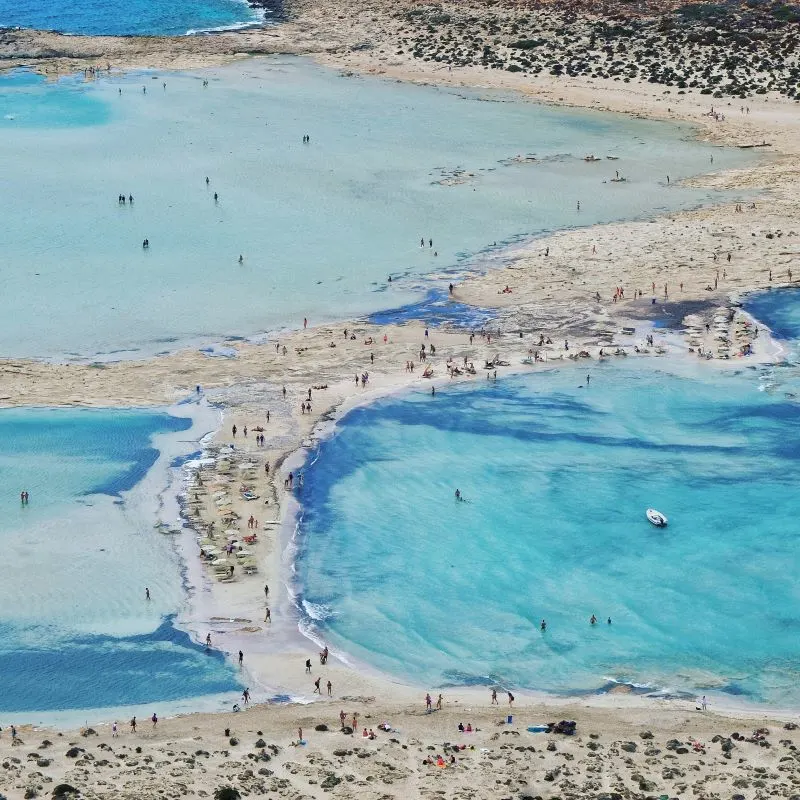
Relaxing at Amoudara Beach in Heraklion, Greece, offers a perfect opportunity to unwind, soak up the sun, and enjoy the beauty of the Mediterranean Sea.
Amoudara Beach is a popular coastal destination known for its long stretch of golden sand, clear blue waters, and a laid-back atmosphere.
As you arrive at the beach, you’ll be greeted by the inviting sight of the vast shoreline and the gentle waves lapping against the coast. The beach is well-organized, providing amenities and facilities to ensure a comfortable and enjoyable experience for visitors.
Find yourself a comfortable spot on the soft sand, lay down your towel, and bask in the warmth of the Greek sun. The beach offers plenty of space, allowing you to spread out and find your own little piece of paradise.
Whether you prefer to lounge and read a book, take a leisurely nap, or simply gaze at the mesmerizing sea, Amoudara Beach provides a serene and tranquil setting.
If you’re feeling active, you can partake in various beach activities. The calm waters and favorable winds make it an ideal spot for water sports such as windsurfing, paddleboarding, and kayaking.
Rental services are often available nearby, allowing you to try your hand at these thrilling activities and explore the coastal waters.
Amoudara Beach is also well-equipped with beach bars, restaurants, and tavernas where you can indulge in delicious Greek cuisine. Enjoy a refreshing drink or a meal with a view, savoring the flavors of local dishes and immersing yourself in the laid-back beach ambiance.
The beach’s proximity to the city of Heraklion offers the advantage of convenience. It’s easily accessible by public transportation or a short drive from the city center, making it an excellent option for a quick beach getaway or a relaxing day trip.
As the day progresses, you’ll be treated to breathtaking views of the sunset over the sea. The golden hues reflecting off the water create a magical atmosphere, perfect for capturing stunning photographs or simply appreciating the natural beauty of the surroundings.
Amoudara Beach offers a little something for everyone, whether you seek relaxation, recreational activities, or a taste of Greek hospitality. It’s a place where you can escape the cares of everyday life, rejuvenate your senses, and create lasting memories of your time in Heraklion, Greece.
16. Taste local delicacies at the Heraklion Central Market: Sample traditional Cretan products, including olive oil, cheeses, and herbs

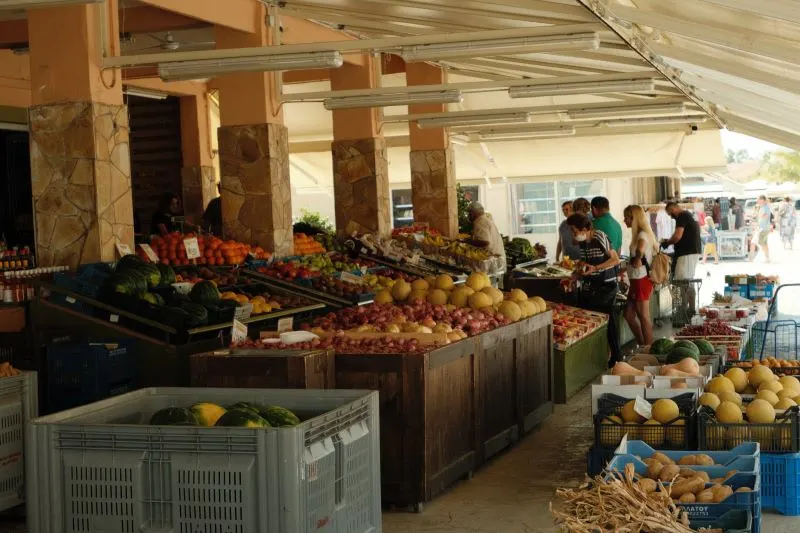
Tasting local delicacies at the Heraklion Central Market is a culinary adventure that allows you to immerse yourself in the vibrant flavors, aromas, and colors of Crete’s gastronomic scene.
Located in the heart of Heraklion, Greece, this bustling market is a vibrant hub where locals and visitors alike gather to shop for fresh produce, meats, seafood, herbs, and spices, and of course, to indulge in delectable Cretan specialties.
As you enter the market, you’ll be greeted by a lively atmosphere filled with the sounds of vendors calling out their offerings and the hustle and bustle of shoppers.
The market is a feast for the senses, with vibrant displays of fruits, vegetables, cheeses, olives, and traditional Cretan products that showcase the region’s rich agricultural heritage.
One of the highlights of the Heraklion Central Market is the opportunity to taste and sample a wide range of local delicacies. Numerous stalls and small eateries within the market offer freshly prepared Cretan dishes, allowing you to experience the authentic flavors of the island.
You can start your culinary exploration by trying some of the famous Cretan cheeses, such as graviera, kefalotyri, and mizithra. These cheeses are made from sheep’s or goat’s milk and are known for their distinct flavors and textures. Pair them with local honey or dried fruits for a delightful combination of sweet and savory.
Seafood enthusiasts will be delighted by the variety of fresh catches available at the market. From octopus and squid to sardines and red mullet, the selection is diverse and reflects the island’s close relationship with the sea. You can indulge in grilled seafood, fried calamari, or traditional fish soups, enjoying the flavors of the Mediterranean.
Don’t miss the opportunity to try traditional Cretan dishes such as dakos, a salad made with dried bread, tomatoes, cheese, and olive oil, or kalitsounia, savory pastries filled with local herbs and cheese. These dishes are often made using ingredients sourced directly from the market, ensuring their freshness and quality.
As you explore the market, you’ll also encounter stands selling local olive oil, fragrant herbs and spices, aromatic teas, and traditional sweets.
These products provide an opportunity to take a piece of Cretan gastronomy home with you, allowing you to continue enjoying the flavors of the island long after your visit.
Tasting local delicacies at the Heraklion Central Market is not just about the food—it’s an immersive cultural experience that connects you with the traditions, craftsmanship, and warmth of the Cretan people. It’s a chance to savor the essence of Crete and create delicious memories of your culinary journey in Heraklion, Greece.
17. Explore the Bembo Fountain: Admire the beautiful Venetian fountain located near the Loggia


Exploring the Bembo Fountain in Heraklion, Greece, is a delightful opportunity to admire a historic landmark and immerse yourself in the city’s rich architectural and cultural heritage. The Bembo Fountain, also known as the Venetian Fountain, is a magnificent fountain located in the heart of Heraklion’s old town.
As you approach the fountain, you’ll be captivated by its elegant design and intricate details. The fountain dates back to the 16th century and was originally constructed during the Venetian period when the city was under Venetian rule. It is named after its creator, the Venetian architect Morosini-Bembo.
The Bembo Fountain is a fine example of Venetian Renaissance architecture, characterized by its ornate sculptural elements and symmetrical layout.
The central structure features a tiered design with multiple basins, each adorned with decorative carvings and relief sculptures depicting mythological figures, sea creatures, and intricate motifs.
Water cascades gracefully from the topmost basin, creating a soothing sound that adds to the charm of the fountain. The water flows down into the lower basins, creating a visually captivating display.
The Bembo Fountain serves not only as a decorative element but also as a functional source of water for the locals. Historically, it provided clean drinking water to the residents of Heraklion, serving as a vital communal resource.
Surrounding the fountain, you’ll find a small square or piazza where visitors can gather, relax, and take in the beauty of the surroundings. This area often serves as a meeting point for locals and tourists alike, adding to the lively and vibrant atmosphere of the old town.
As you explore the Bembo Fountain, take a moment to appreciate its historical significance and the architectural craftsmanship that went into its creation. It stands as a testament to the city’s past and serves as a reminder of the diverse influences that have shaped Heraklion over the centuries.
The Bembo Fountain is not only a visually stunning attraction but also a symbol of Heraklion’s enduring heritage. It offers a glimpse into the city’s past and provides a picturesque setting for memorable photographs or simply a peaceful moment of reflection amidst the bustling streets of Heraklion.
18. Take a day trip to the Lassithi Plateau: Experience the scenic beauty of this high plateau, dotted with windmills and traditional villages


Taking a day trip to the Lassithi Plateau is an enchanting experience that allows you to immerse yourself in the natural beauty and tranquility of Crete’s highlands.
Located in the eastern part of the island, the Lassithi Plateau is a vast, fertile plain surrounded by majestic mountains, picturesque villages, and an idyllic countryside.
As you ascend towards the plateau, you’ll be treated to breathtaking views of the Cretan landscape. The winding roads take you through scenic mountain passes, offering panoramic vistas of valleys, gorges, and rugged peaks. The journey itself is an adventure, allowing you to witness the diverse terrain and captivating scenery.
Upon reaching the Lassithi Plateau, you’ll find yourself in a world of rustic charm and unspoiled beauty. The plateau is known for its fertile soil, which sustains a variety of agricultural activities.
As you explore the area, you’ll encounter endless fields of olive groves, vineyards, fruit orchards, and vegetable gardens. The landscape is a patchwork of vibrant colors and textures, creating a picturesque backdrop for your day trip.
The plateau is dotted with traditional Cretan villages, each exuding its own distinct character and charm. These villages offer a glimpse into the local way of life and provide opportunities to connect with the warm hospitality of the Cretan people.
You can stroll through the narrow streets, admire the traditional architecture, and perhaps even visit local workshops where artisans craft handmade products such as ceramics, textiles, or woodwork.
One of the highlights of a day trip to the Lassithi Plateau is the chance to visit the Dikteon Cave, also known as the Cave of Zeus. According to Greek mythology, this cave is said to be the birthplace of Zeus, the king of the gods.
Exploring the cave allows you to delve into its mythical history and witness its impressive stalactite formations and underground chambers.
Another notable attraction in the area is the windmills of Lassithi. These traditional windmills, with their white sails and stone structures, are remnants of the region’s agricultural past. They offer a glimpse into the historical methods of grain milling and serve as iconic symbols of the plateau.
As you explore the Lassithi Plateau, you’ll also have the opportunity to savor the flavors of traditional Cretan cuisine. Local tavernas and restaurants offer mouthwatering dishes made from locally sourced ingredients, including olive oil, cheeses, honey, and aromatic herbs. The culinary experience adds another layer to your day trip, allowing you to indulge in the authentic tastes of Crete.
Whether you choose to embark on a hiking adventure, visit historical sites, or simply immerse yourself in the serene countryside, a day trip to the Lassithi Plateau offers a tranquil retreat from the bustling coastal areas. It allows you to reconnect with nature, embrace the simplicity of rural life, and create lasting memories of your exploration of the Cretan highlands.
19. Visit the Church of Agios Minas: Explore the largest church in Heraklion, dedicated to the patron saint of the city

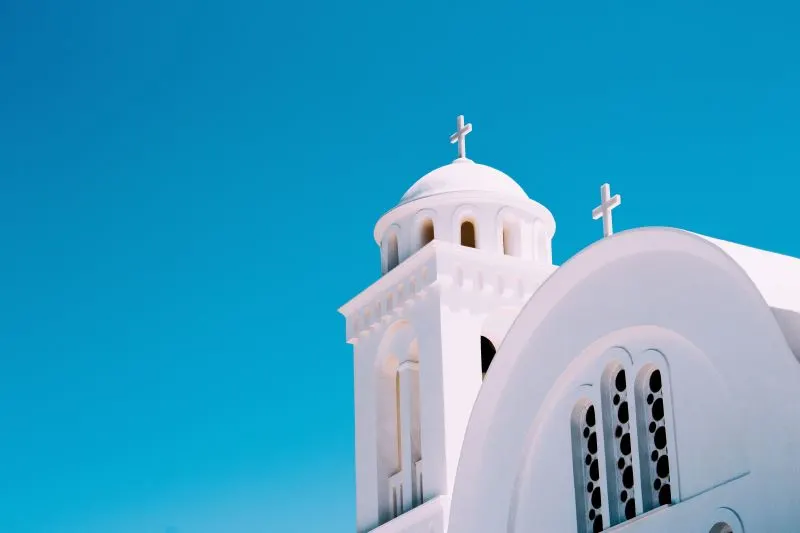
Visiting the Church of Agios Minas in Heraklion, Greece, offers a glimpse into the rich religious and cultural heritage of the city. Located in the heart of Heraklion, this magnificent church is dedicated to Agios Minas, the patron saint of the city.
As you approach the church, you’ll be captivated by its grandeur and striking architecture. The Church of Agios Minas showcases a neoclassical style, with its impressive facade adorned with intricate details and decorative elements.
The exterior is characterized by its tall bell towers, elegant columns, and beautiful dome, creating a visually striking presence.
Stepping inside the church, you’ll be immersed in an atmosphere of serenity and spirituality. The interior is adorned with ornate iconostasis, intricately carved wooden screens that separate the nave from the sanctuary.
The iconostasis is decorated with religious icons depicting saints and biblical scenes, serving as focal points for prayer and devotion.
The Church of Agios Minas is known for its beautiful frescoes and religious artwork, which adorn the walls and ceilings. These artistic masterpieces depict biblical stories, saints, and other religious motifs, creating a visual narrative that adds to the overall ambiance of the church.
The church’s main altar is dedicated to Agios Minas, and visitors can admire the exquisite icon of the saint, surrounded by candlelit stands and offerings from devotees.
The atmosphere is one of reverence and piety, providing a space for both locals and visitors to reflect, pray, and seek solace.
Throughout the year, the Church of Agios Minas plays a significant role in the religious life of the city. It hosts religious ceremonies, processions, and other cultural events, particularly during the feast day of Agios Minas, which is celebrated on November 11th. This is a special occasion when the church comes alive with vibrant festivities and a sense of community spirit.
Visiting the Church of Agios Minas not only allows you to appreciate its architectural beauty but also provides an opportunity to connect with the spiritual traditions and religious customs of Heraklion.
It is a place where visitors can witness the devotion of the local community and gain insight into the importance of faith in Greek culture.
The Church of Agios Minas stands as a significant landmark in Heraklion, symbolizing the deep-rooted faith and cultural identity of the city. It is a place where history, art, and spirituality converge, offering a profound and meaningful experience for those who visit.
20. Enjoy the Botanical Park of Crete: Wander through this lush garden, featuring a variety of plants and flowers

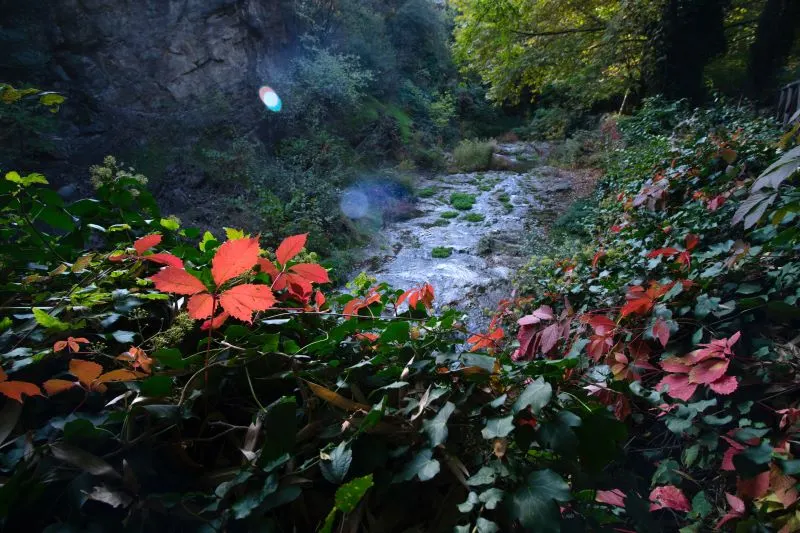
Enjoying the Botanical Park of Crete is a delightful experience that immerses you in the beauty of nature and showcases the rich plant diversity of the island.
Located near the village of Skordalou, in the foothills of the White Mountains, this botanical paradise offers a serene and enchanting escape from the bustling city.
As you enter the park, you’ll be greeted by lush greenery, fragrant aromas, and a sense of tranquility. The Botanical Park of Crete spans over 20 hectares and is home to a wide variety of plants, including native Cretan species, Mediterranean flora, and exotic plants from around the world.
Wandering through the park’s well-maintained paths, you’ll encounter a tapestry of colors and textures. From vibrant flowers and blooming shrubs to towering trees and winding creeks, the landscape is a feast for the senses.
The park’s layout is thoughtfully designed to create different thematic areas, allowing visitors to explore various plant habitats and ecosystems.
One of the highlights of the Botanical Park of Crete is its collection of aromatic and medicinal plants. You can breathe in the fragrant scents of lavender, thyme, sage, and rosemary, and learn about their traditional uses in Cretan cuisine and herbal remedies. The park also features an olive grove, showcasing the significance of olive trees in Cretan culture and the production of olive oil.
As you stroll along the paths, you’ll come across shaded seating areas, peaceful ponds, and charming bridges that invite you to pause and take in the serenity of the surroundings. These spots provide perfect opportunities for relaxation, reflection, or a picnic amidst nature.
The park is not only a botanical haven but also a place of learning and discovery. Educational signs and information boards are scattered throughout the park, offering insights into the plants’ characteristics, their cultural significance, and their ecological roles.
The Botanical Park of Crete aims to raise awareness about environmental conservation and the importance of preserving biodiversity.
To enhance your visit, the park also features a restaurant where you can savor traditional Cretan dishes made from fresh, locally sourced ingredients. The restaurant offers a panoramic view of the park, allowing you to enjoy a delicious meal while immersed in the natural beauty that surrounds you.
Whether you are a nature enthusiast, a plant lover, or simply seeking a peaceful retreat, the Botanical Park of Crete offers a rejuvenating experience.
It allows you to connect with the wonders of the natural world, appreciate the diversity of plant life, and find solace in the serenity of the surroundings.
21. Take a day trip to the island of Spinalonga: Visit the abandoned Venetian fortress and former leper colony, now a captivating historical site.

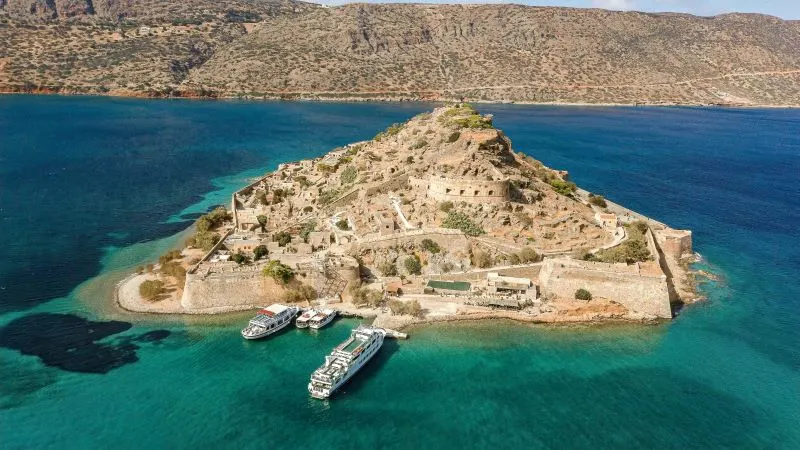
Taking a day trip to the island of Spinalonga is a fascinating and historically significant experience. Located off the coast of northeastern Crete, Spinalonga is a small island with a rich and complex history.
As you approach Spinalonga by boat, you’ll be captivated by its impressive Venetian fortress, which stands as a reminder of the island’s strategic importance throughout the centuries.
Originally built by the Venetians in the 16th century, the fortress played a crucial role in defending the region against invaders.
Upon stepping foot on the island, you’ll embark on a journey through time. Guided tours and informative signage provide insights into the island’s past.
Spinalonga is known for its significant role as a leper colony during the 20th century. It served as a place of exile and isolation for those afflicted with leprosy, and the remnants of the community are still visible today.
Exploring the narrow streets and abandoned buildings of Spinalonga offers a poignant glimpse into the lives of the lepers who once called this place home.
As you walk through the village, you’ll see crumbling houses, an old school, a hospital, and even a cemetery. The atmosphere is both haunting and thought-provoking, allowing visitors to reflect on the resilience and human stories associated with the island.
Beyond its historical significance, Spinalonga also boasts stunning natural beauty. The island is surrounded by crystal-clear turquoise waters, making it a perfect spot for swimming, sunbathing, and relaxation. The coastal scenery, with its rocky shores and beautiful beaches, adds to the allure of the island.
Whether you’re a history enthusiast, nature lover, or simply seeking a unique and memorable experience, a day trip to Spinalonga is highly recommended. The combination of its historical importance, evocative atmosphere, and picturesque surroundings make it a must-visit destination in Crete.
22. Take a tour of the Nikos Kazantzakis Museum: Explore the life and works of the famous Cretan author


Taking a tour of the Nikos Kazantzakis Museum is a fascinating journey into the life and literary works of one of Greece’s most renowned authors.
Located in the village of Myrtia, just outside Heraklion, this museum is dedicated to preserving the legacy of Nikos Kazantzakis, whose writings have left an indelible mark on Greek literature and beyond.
The museum is housed in a modern building designed to harmonize with the surrounding landscape. It blends traditional Cretan architecture with contemporary elements, creating a visually appealing and inviting space. The museum’s architecture reflects the spirit of Kazantzakis’s work, combining tradition and modernity.
As you enter the museum, you’ll be greeted by an immersive experience that takes you through the life, philosophy, and literary contributions of Nikos Kazantzakis.
The exhibits are thoughtfully curated to provide a comprehensive understanding of the author’s journey and his impact on Greek literature and culture.
The museum showcases a wide range of artifacts, personal belongings, and manuscripts related to Kazantzakis’s life and works. From his early years and formative experiences to his travels and encounters with different cultures, you’ll gain insights into the influences that shaped his writing.
The exhibits highlight the diverse themes explored in Kazantzakis’s works, such as existentialism, spirituality, and the struggles of the human condition. Through multimedia presentations, interactive displays, and audiovisual installations, you’ll delve into the author’s thoughts, ideas, and creative process.
One of the highlights of the museum is a replica of Kazantzakis’s study, providing a glimpse into the environment where he wrote some of his most celebrated works, including “Zorba the Greek” and “The Last Temptation of Christ.” The study offers an intimate and personal connection to the author, allowing visitors to immerse themselves in his world.
The museum also boasts a beautiful outdoor space, including a tranquil garden, where visitors can reflect and find inspiration. The garden features sculptures, quotes from Kazantzakis’s writings, and a peaceful atmosphere that invites contemplation and appreciation of his literary contributions.
Throughout the year, the Nikos Kazantzakis Museum hosts various cultural events, including lectures, workshops, and art exhibitions, further enriching the visitor experience and promoting the exploration of literature and art.
By taking a tour of the Nikos Kazantzakis Museum, you’ll not only gain a deeper understanding of the author’s life and works but also be inspired by his passionate pursuit of truth, freedom, and the complexities of the human spirit.
It’s an opportunity to connect with a literary giant whose influence has transcended borders and continues to resonate with readers around the world.
23. Go wine tasting in the local vineyards: Sample the unique Cretan wines and learn about the winemaking process

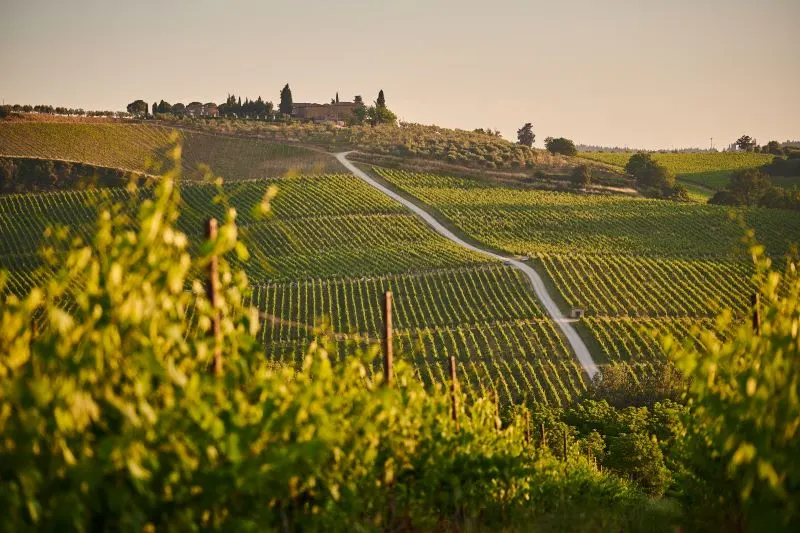
Going wine tasting in the local vineyards of Heraklion, Greece, is a delightful experience that allows you to explore the region’s winemaking traditions and savor the flavors of Cretan wines.
The area around Heraklion is known for its vineyards, which benefit from the fertile soil, favorable climate, and the island’s rich winemaking heritage.
As you embark on a wine tasting excursion, you’ll have the opportunity to visit some of the charming wineries and vineyards scattered throughout the countryside.
Each winery offers its unique setting, showcasing the beauty of the Cretan landscape and providing a serene atmosphere for wine enthusiasts.
Upon arrival, you’ll be warmly welcomed by the winery’s staff, who will guide you through the wine tasting experience. They will share their knowledge about the winemaking process, the specific grape varieties grown in the region, and the characteristics that make Cretan wines distinctive.
You’ll have the chance to stroll through the vineyards, admiring the rows of grapevines and learning about the cultivation methods employed by the winemakers.
Depending on the season, you might witness the vineyards during the harvest, an exciting time when the grapes are hand-picked and carefully selected.
Inside the winery, you’ll be introduced to the winemaking facilities, where you can see the production process firsthand. From grape pressing to fermentation and aging, you’ll gain insight into the craftsmanship and dedication that goes into creating Cretan wines.
The highlight, of course, is the wine tasting itself. Seated in a cozy tasting room or an outdoor terrace with panoramic views, you’ll be guided through a selection of wines produced by the winery.
The knowledgeable staff will explain the unique characteristics of each wine, including the aromas, flavors, and the grape varieties used.
You’ll have the opportunity to taste a variety of wines, including traditional Cretan varieties like Vidiano, Malvasia, and Kotsifali, as well as international grape varieties that thrive in the region.
From crisp white wines to robust reds and delicate rosés, you’ll discover the diverse range of flavors and styles that Cretan wines have to offer.
Throughout the tasting, you can engage in discussions about the wines, ask questions, and deepen your understanding of the Cretan winemaking traditions. You might also learn about food pairings, as the winery staff can provide recommendations for local culinary delights that complement the wines perfectly.
Visiting the local vineyards in Heraklion is not just about tasting exceptional wines; it’s an opportunity to connect with the land, the culture, and the passionate individuals behind the winemaking process. It’s a chance to savor the fruits of their labor while surrounded by the natural beauty of the Cretan countryside.
Whether you are a wine connoisseur or simply appreciate the art of winemaking, a wine tasting experience in the local vineyards of Heraklion will leave you with a deeper appreciation for Cretan wines and memories of an enchanting journey through the flavors of the region.
24. Attend a performance at the Heraklion Open-Air Theatre: Enjoy a concert, play, or dance performance in a scenic outdoor setting

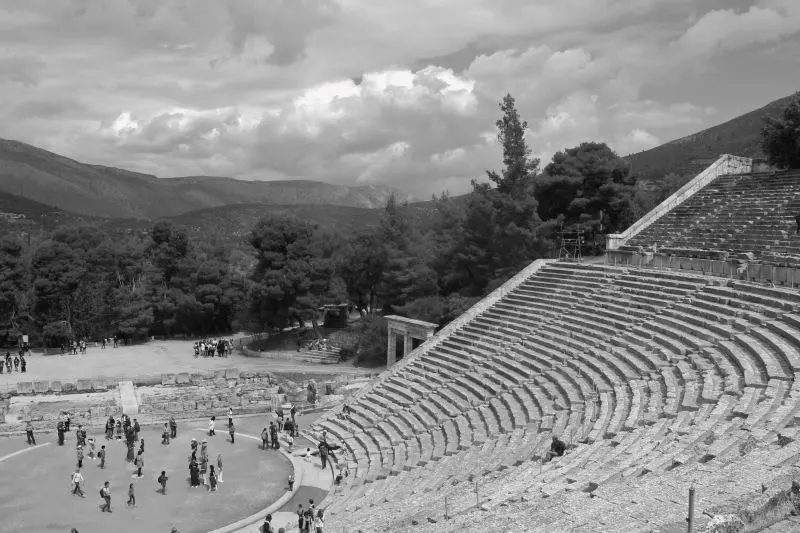
Attending a performance at the Heraklion Open-Air Theatre is a cultural treat that combines the beauty of live entertainment with the enchantment of an outdoor setting. Located in the heart of Heraklion, Greece, this iconic theater offers a unique and memorable experience for both locals and visitors.
The Heraklion Open-Air Theatre is known for its stunning architecture and impressive stage design. The theater boasts a spacious seating area that gently slopes down toward the stage, allowing for excellent visibility from every seat.
The design ensures that audiences can immerse themselves in the performance while enjoying the surrounding ambiance of the open-air setting.
As you enter the theater, you’ll be captivated by the grandeur of the stage, which serves as a canvas for a diverse range of performances.
The theater hosts a variety of events throughout the year, including theatrical plays, musical concerts, dance performances, and cultural festivals. From classical performances to contemporary productions, there is always something for everyone to enjoy.
The open-air setting adds an extra dimension to the performances, as the natural surroundings become part of the backdrop. The gentle breeze, starry sky, or warm evening atmosphere enhance the atmosphere, creating a unique and magical ambiance that adds to the overall experience.
The theater’s acoustics are carefully designed to ensure optimal sound quality, allowing the audience to fully appreciate the music, dialogue, and performances.
Whether it’s the powerful notes of a symphony orchestra, the emotive voices of opera singers, or the energetic rhythms of a dance performance, the theater’s acoustics bring the performances to life.
Attending a performance at the Heraklion Open-Air Theatre provides not only entertainment but also an opportunity to connect with the local cultural scene and experience the arts in a truly immersive way.
It’s a chance to witness the talent and creativity of local and international artists while being part of a vibrant audience that shares a passion for the arts.
The theater is often a hub of cultural events and celebrations, attracting artists and audiences from near and far. It serves as a gathering place for the community, fostering a sense of unity and appreciation for the performing arts.
It’s not uncommon to witness standing ovations, cheers, and applause that resonate throughout the open-air theater, creating an atmosphere of shared enthusiasm and joy.
Attending a performance at the Heraklion Open-Air Theatre is an unforgettable experience that combines the allure of live entertainment with the magic of an outdoor setting.
It’s an opportunity to be transported by the talent and creativity of artists, to immerse yourself in the cultural heritage of the region, and to create lasting memories of an evening filled with beauty, emotion, and artistic expression.
25. Visit the Church of Panagia Akrotiriani: Admire the beautiful frescoes and enjoy panoramic views of Heraklion from this hilltop church

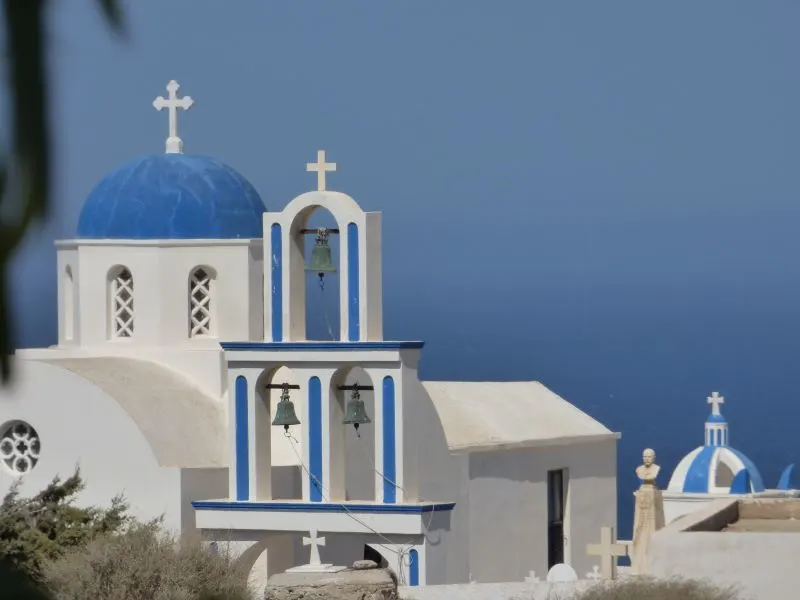
Visiting the Church of Panagia Akrotiriani is a journey into the rich religious and cultural heritage of Heraklion, Greece. Located in the heart of the city, this beautiful church holds a special place in the hearts of locals and attracts visitors seeking a glimpse into the island’s spiritual traditions.
The Church of Panagia Akrotiriani, also known as the Church of the Virgin Mary of the Cape, dates back to the 16th century and showcases a unique blend of architectural styles.
Its exterior features elements of Venetian, Byzantine, and Ottoman influences, reflecting the historical layers that have shaped Crete over the centuries.
As you approach the church, you’ll be captivated by its striking façade and distinctive bell tower, which stands tall against the city skyline. The intricate details and ornate decorations showcase the craftsmanship of the era and provide a glimpse into the religious devotion that characterized the time.
Stepping inside, you’ll find yourself immersed in a serene and peaceful atmosphere. The interior of the Church of Panagia Akrotiriani is adorned with religious icons, intricately carved wooden screens, and beautiful frescoes that depict biblical scenes and saints. The fragrant aroma of incense adds to the ambiance, creating a sensory experience that is both spiritual and awe-inspiring.
The church serves as a place of worship and spiritual reflection for the local community. Observing the devoted worshipers lighting candles, offering prayers, and engaging in rituals is a testament to the enduring faith and religious traditions that have been passed down through generations.
While visiting the Church of Panagia Akrotiriani, take a moment to appreciate the architectural details and the exquisite craftsmanship that went into its construction.
Notice the ornate iconostasis, the elevated platform that separates the altar from the main body of the church. Admire the vibrant colors and intricate brushwork of the frescoes that adorn the walls and ceilings, each telling a story of religious significance.
Beyond its religious and architectural significance, the Church of Panagia Akrotiriani holds a special place in the hearts of the local community.
It serves as a gathering place for important religious celebrations, such as Easter and other feast days, where locals come together to honor their faith, participate in ceremonies, and embrace their cultural identity.
Visiting the Church of Panagia Akrotiriani offers a glimpse into the spiritual fabric of Heraklion and the enduring devotion of its people. It’s a chance to appreciate the historical and artistic treasures within its walls, to witness religious practices that have been preserved over centuries, and to immerse yourself in the captivating beauty of this sacred space.
These activities offer a mix of historical, cultural, and natural experiences in Heraklion, Greece. Enjoy your time exploring the city!
Food In Heraklion


Heraklion, the vibrant capital city of Crete, not only boasts a rich history and breathtaking landscapes but also offers a gastronomic adventure for food enthusiasts.
Greek cuisine is renowned worldwide for its fresh ingredients, aromatic herbs, and tantalizing flavors, and Heraklion serves as a gateway to this culinary wonderland. Join us on a delightful journey through the streets and tavernas of Heraklion as we explore the delectable tastes and traditional dishes that make Greek food a true delight.
- Meze: A Parade of Flavors: One cannot visit Heraklion without indulging in the beloved tradition of meze. These small, flavorful dishes are perfect for sharing and exploring a variety of tastes. From dolmades (stuffed grape leaves) to fava (split pea puree) and tzatziki (yogurt and cucumber dip), Heraklion’s tavernas offer a tantalizing array of meze options that showcase the freshness and simplicity of Greek ingredients.
- Souvlaki: The Quintessential Greek Street Food: When it comes to quick and satisfying bites, souvlaki reigns supreme. Juicy pieces of marinated meat, usually pork or chicken, are skewered and grilled to perfection. Served in warm pita bread with a dollop of tzatziki, tomatoes, onions, and a sprinkle of herbs, souvlaki is the ultimate street food experience in Heraklion. Don’t forget to pair it with a refreshing glass of local retsina wine or an ice-cold Mythos beer.
- Seafood Extravaganza: As a coastal city, Heraklion offers an abundance of fresh seafood delicacies. From succulent grilled octopus and tender calamari to flavorful shrimp saganaki and aromatic fish soups, the options are endless. Dive into the flavors of the Mediterranean as you savor the catch of the day, expertly prepared with herbs, olive oil, and a squeeze of lemon.
- Dakos: A Taste of Crete: A specialty of the Cretan cuisine, dakos is a simple yet satisfying dish that showcases the island’s staple ingredients. It features a base of barley rusk, topped with ripe tomatoes, crumbled feta cheese, olives, and a drizzle of extra virgin olive oil. The combination of crunchy texture and vibrant flavors makes dakos a must-try dish in Heraklion.
- Sweet Temptations: No Greek culinary journey is complete without exploring the realm of sweets. Indulge your taste buds with baklava, a delicate pastry layered with nuts and honey syrup. Treat yourself to loukoumades, golden and fluffy deep-fried dough balls drizzled with honey and sprinkled with cinnamon. And don’t forget to sample galaktoboureko, a heavenly dessert made with creamy semolina custard wrapped in layers of crispy phyllo dough.
Heraklion is a paradise for food lovers, where traditional Greek cuisine thrives in every corner. From the charming tavernas in the old town to the bustling markets and waterfront eateries, the city offers a diverse and mouthwatering range of culinary experiences.
Whether you’re savoring meze, indulging in souvlaki, or relishing the flavors of fresh seafood and local specialties, the food of Heraklion will leave you with a deep appreciation for the richness and simplicity of Greek cuisine.
So, grab a fork, prepare your taste buds, and embark on a gastronomic journey that will awaken your senses and leave you craving more of the culinary wonders that Heraklion has to offer. Opa!
Top 20 Best Restaurants In Heraklion, Greece


- Peskesi
- Ta Kioupia
- Kores Boutique Restaurant
- Parasties
- Vegera
- Prima Plora
- Kounies Taverna
- Peskesi tou Kerata
- Erganos
- Salis
- Ta Mystika tis Edem
- Thalassino Ageri
- Avli
- 7 Thalasses
- Raki Ba Raki
- Karavitis Tavern
- Μπουρνέλι
- Ta Psarakia tou Psara
- Hovoli
- Erganos Fish Tavern
These restaurants offer a variety of cuisines, from traditional Greek and Cretan dishes to international flavors. Each establishment is known for its exceptional quality, attentive service, and memorable dining experiences. Whether you’re seeking a cozy taverna with local specialties or an elegant seafood restaurant by the sea, these top-rated establishments in Heraklion are sure to satisfy your culinary desires.
Transportation In Heraklion
Heraklion, as the capital city of Crete, offers a variety of transportation options to help you navigate the city and explore the surrounding areas.
- Public Buses: Heraklion has an extensive public bus network that serves both the city and its outskirts. The bus system provides an affordable and convenient way to get around. The buses are well-maintained and equipped with air conditioning, making them comfortable even during hot summer days. The main bus station in Heraklion is located near the city center, and from there, you can easily reach various destinations within the city or travel to nearby towns and attractions.
- Taxis: Taxis are readily available in Heraklion and offer a convenient mode of transportation, especially for shorter distances or when you prefer a more direct and personalized service. Taxis can be hailed on the street or found at designated taxi stands. It’s advisable to ask for the estimated fare before starting your journey or ensure that the taxi meter is running.
- Car Rental: Renting a car is a popular option for exploring Heraklion and the wider region of Crete. Several car rental agencies operate in the city, and you can find a wide range of vehicles to suit your needs. Renting a car allows you the flexibility to visit remote beaches, picturesque villages, and archaeological sites at your own pace. It’s worth noting that parking in the city center can be challenging, so it’s advisable to inquire about parking options at your accommodation or use public parking lots.
- Bicycles and Scooters: Heraklion is becoming increasingly bike-friendly, with bike lanes and rental services available. Renting a bicycle or scooter provides an eco-friendly and convenient way to explore the city. It’s a great option for shorter distances and allows you to enjoy the sights and sounds of Heraklion at a leisurely pace. However, it’s essential to follow traffic rules and ensure your safety while riding.
- Walking: Heraklion’s city center is relatively compact and pedestrian-friendly, making walking an enjoyable way to explore its charming streets, historical landmarks, and vibrant neighborhoods. Many of the main attractions, such as the Venetian Harbor, the Archaeological Museum, and the old town, are within walking distance of each other. Strolling through the city gives you the opportunity to discover hidden gems, browse local shops, and immerse yourself in the lively atmosphere.
Heraklion offers a range of transportation options to suit various preferences and budgets. Whether you choose to ride the public buses, hire a taxi, rent a car, cycle around, or explore on foot, you’ll find that getting around the city and discovering its treasures is both accessible and enjoyable.
In conclusion, Heraklion, Greece, is a captivating destination that offers an abundance of experiences for travelers seeking history, culture, natural beauty, and culinary delights.
The city’s rich heritage, dating back to ancient times, is showcased through iconic sites such as the Palace of Knossos and the Heraklion Archaeological Museum. Exploring the old town, strolling along the Venetian Harbor, and admiring the Morosini Fountain allow you to soak up the city’s charm.
Heraklion also boasts a vibrant arts scene, with museums showcasing visual arts and plastic arts, as well as the opportunity to attend performances at the open-air theater. The city’s natural attractions, such as the Botanical Park, Dia Island, and the Lassithi Plateau, offer opportunities for relaxation, exploration, and connecting with the island’s stunning landscapes.
Food lovers can indulge in the local delicacies at the central market and savor the flavors of Cretan cuisine. Additionally, wine enthusiasts can venture into the local vineyards for wine tastings and learn about the region’s winemaking traditions.
With its diverse array of activities and attractions, Heraklion caters to all interests and promises a memorable visit. Whether you’re an avid history buff, an art enthusiast, a nature lover, or a foodie, Heraklion invites you to immerse yourself in its unique blend of ancient heritage, cultural treasures, and natural wonders. Embark on a journey to Heraklion and create lasting memories in this captivating Greek city.
Leave a comment