

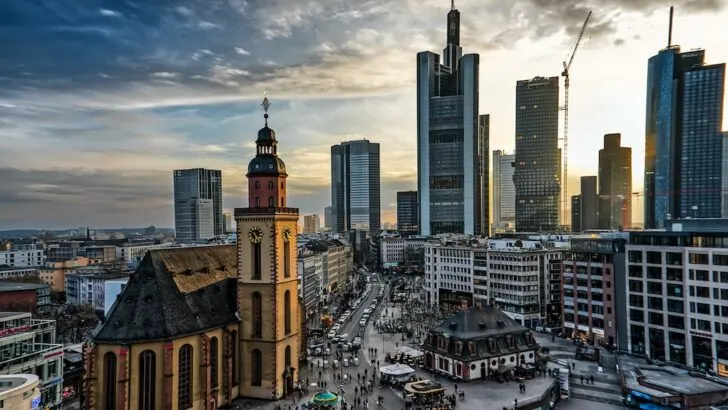
Frankfurt, often referred to as “Mainhattan” due to its stunning skyline reminiscent of Manhattan, is a vibrant and cosmopolitan city situated at the heart of Germany.
Nestled along the banks of the Main River, Frankfurt is renowned as a global financial hub, a cultural treasure trove, and a dynamic melting pot of tradition and modernity.
As Germany’s fifth-largest city and the largest in the state of Hesse, Frankfurt is a multifaceted destination that seamlessly blends its historical roots with its contemporary significance.
The city is a magnet for people from around the world, resulting in a blend of languages, cultures, and cuisines that contribute to its cosmopolitan charm.
1. Römer Square: Visit the historic heart of Frankfurt, known for its medieval buildings and the iconic Römer, the city hall


Römer Square (Römerberg) is a historic and picturesque square located in the heart of Frankfurt, Germany. It is one of the city’s most iconic landmarks and serves as a symbol of Frankfurt’s medieval heritage.
The square is characterized by its well-preserved medieval architecture, including charming half-timbered houses with ornate facades.
At the center of Römer Square stands the Römer building, which is the city hall of Frankfurt. The Römer has a distinctive stepped gable design and features three connected buildings that date back to different periods. It has served as the seat of the city’s government for centuries and continues to play a significant role in civic affairs.
The square itself is a lively gathering place that hosts various events and festivals throughout the year, including markets, concerts, and celebrations. It’s a popular spot for both locals and tourists to explore, take photographs, and soak in the historical atmosphere.
The Römerberg is also surrounded by other historic buildings, charming streets, and landmarks, making it a central point for visitors to start their exploration of Frankfurt’s rich history and culture.
2. St. Bartholomew’s Cathedral: Explore this stunning Gothic cathedral and enjoy panoramic views from its tower


St. Bartholomew’s Cathedral, also known as Frankfurt Cathedral (Kaiserdom St. Bartholomäus), is a majestic Gothic cathedral located in the heart of Frankfurt, Germany. It is one of the city’s most iconic landmarks and holds significant historical and architectural importance.
The cathedral’s exterior is characterized by its soaring spire, reaching a height of over 95 meters (312 feet), making it one of the tallest buildings in Frankfurt.
The intricate stonework of the facade features elaborate sculptures, intricate carvings, and pointed arches, all hallmarks of the Gothic architectural style. The exterior design is a stunning representation of the craftsmanship and artistry of the medieval period.
Inside, visitors are greeted with a grand and cavernous interior featuring a nave with high vaulted ceilings, slender columns, and stained glass windows that filter colorful light into the space.
The cathedral houses numerous chapels, altars, and religious artworks that reflect the history and spirituality of the region.
One of the cathedral’s notable features is the Chagall Windows, a series of stained glass windows designed by the renowned artist Marc Chagall. These windows were added in the latter half of the 20th century and depict scenes from the Old Testament.
3. Goethe House and Museum: Discover the birthplace of Johann Wolfgang von Goethe, a famous German writer, and learn about his life and works


Goethe House and Museum is a historic landmark in Frankfurt, Germany, dedicated to Johann Wolfgang von Goethe, a renowned German writer, poet, and philosopher.
Goethe House is the birthplace of Johann Wolfgang von Goethe and serves as a preserved testament to his life and legacy. The house is a carefully restored half-timbered structure that showcases the living environment in which Goethe grew up during the 18th century.
Visitors can explore the various rooms, each furnished with period-appropriate decor and personal belongings of the Goethe family.
The attached museum provides a deeper insight into Goethe’s life, literary works, and contributions to art, culture, and science. It houses a diverse collection of manuscripts, letters, paintings, and artifacts related to Goethe’s creative output and intellectual pursuits.
The museum’s exhibits highlight Goethe’s impact on literature, his friendships with other influential figures of his time, and his explorations of various disciplines, including literature, philosophy, natural sciences, and visual arts.
4. Palmengarten: Stroll through these beautiful botanical gardens, featuring a wide variety of plants and themed sections


Palmengarten, which translates to “Palm Garden,” is a lush oasis of greenery and beauty in the heart of Frankfurt. It offers visitors the chance to explore a diverse collection of plants from around the world within a carefully designed landscape.
The garden features a series of themed sections, each showcasing different types of plants, ecosystems, and horticultural styles.
Visitors can wander through tropical rainforests, desert landscapes, and Mediterranean gardens, among others. The Palm House, a striking glass and iron structure, stands as a focal point within the garden, housing a wide variety of tropical and subtropical plants.
Another highlight is the Tropicarium, where visitors can experience the humidity and warmth of tropical environments.
Throughout the year, Palmengarten hosts seasonal displays, educational programs, and cultural events.
From flowering blooms in spring to festive lights during the holiday season, the garden provides a dynamic and ever-changing experience for visitors of all ages.
5. Museum Embankment: Explore a collection of world-class museums along the Main River, including the Städel Museum, the Museum of Applied Arts, and more


The Museum Embankment is a picturesque stretch of the Main River in Frankfurt, lined with a collection of world-class museums, cultural institutions, and exhibition spaces.
This area has earned its name due to the concentration of museums that form a unique cultural corridor along the riverbank.
Visitors to the Museum Embankment can explore a diverse range of museums, each focusing on different aspects of art, history, and culture.
Some of the most notable museums in this district include the Städel Museum, known for its extensive collection of European art; the Museum of Applied Arts (Museum Angewandte Kunst), which showcases design, craftsmanship, and contemporary art; and the German Architecture Museum (Deutsches Architekturmuseum), dedicated to architectural history and innovation.
During the annual Museum Embankment Festival, the area comes alive with live performances, art installations, culinary delights, and a vibrant atmosphere that attracts both locals and tourists. The festival celebrates the rich cultural diversity that Frankfurt’s museums have to offer.
The Museum Embankment is not just a place to explore art and history; it’s also a scenic area to enjoy leisurely walks, relax by the river, and take in the city’s skyline.
Whether you’re an art enthusiast, history buff, or simply looking to soak in Frankfurt’s cultural scene, the Museum Embankment offers a dynamic and enriching experience.
6. Senckenberg Natural History Museum: See a diverse range of exhibits, including dinosaur skeletons and extensive collections of fossils


The Senckenberg Natural History Museum is one of Germany’s largest and most prestigious natural history museums. It is known for its extensive and diverse collection of exhibits that showcase the Earth’s natural history, from prehistoric times to the present day. The museum covers a wide range of topics, including paleontology, zoology, botany, geology, and more.
Visitors to the museum can explore a variety of displays, including lifelike dinosaur skeletons, fossils of ancient creatures, taxidermied animals from around the world, and interactive exhibits that provide insights into the Earth’s ecosystems, biodiversity, and the evolution of life.
One of the highlights of the museum is its impressive dinosaur hall, which features a remarkable collection of dinosaur specimens, including the famous “Sue” T. rex skeleton replica. The museum also boasts a planetarium, where visitors can learn about astronomy and space.
The Senckenberg Natural History Museum is not only a place of education and exploration but also a hub for scientific research and conservation efforts.
It offers a fascinating glimpse into the natural world’s wonders, making it an engaging destination for people of all ages who are interested in science, history, and the diversity of life on Earth.
7. Eiserner Steg (Iron Footbridge): Walk across this pedestrian bridge for great views of the city skyline and the Main River


The Eiserner Steg is a beloved landmark in Frankfurt that spans the Main River, connecting the city’s central district with the Sachsenhausen neighborhood.
The bridge is characterized by its distinctive iron truss structure, which gives it its name. It was originally built in 1868 and has undergone several renovations and reconstructions over the years.
The bridge offers pedestrians a picturesque way to cross the river while enjoying panoramic views of Frankfurt’s skyline, the riverbanks, and the surrounding area
. It’s a popular spot for both tourists and locals to take leisurely walks, capture photographs, and appreciate the scenic beauty of the city.
Throughout its history, the Eiserner Steg has become a symbol of connection and unity, as well as a place for couples to attach padlocks (love locks) to its railings as a romantic gesture.
These locks symbolize the strong bonds between individuals and are often left as tokens of enduring relationships.
In addition to its functional purpose as a river crossing, the Eiserner Steg holds cultural and historical significance, making it a must-visit location for those exploring Frankfurt’s charm and architectural heritage.
8. Main Tower: Take an elevator to the top of this skyscraper for panoramic views of Frankfurt’s skyline


The Main Tower is a sleek and contemporary skyscraper that stands as one of Frankfurt’s most recognizable landmarks. Completed in 1999, it reaches a height of approximately 200 meters (656 feet) and is located in the heart of the city’s financial district. It was designed by architects Schweger + Partner and was named after the Main River that flows through Frankfurt.
What sets the Main Tower apart is its unique feature: it’s one of the few skyscrapers in the city that offers a public viewing platform.
Visitors can take high-speed elevators to the top of the tower, where they can enjoy panoramic views of Frankfurt’s skyline, the Main River, and the surrounding urban landscape. On clear days, the vistas extend to the Taunus Mountains and beyond.
The observation deck provides a breathtaking vantage point both during the day and at night when the city’s lights illuminate the skyline. The tower’s design includes an open-air viewing platform that offers unobstructed views and a sense of exhilaration.
In addition to the viewing platform, the Main Tower also houses offices, a restaurant, and an exhibition space. Its combination of modern design, breathtaking views, and accessibility for the public make it a popular destination for tourists and locals alike, providing a unique perspective on Frankfurt’s dynamic urban environment.
9. Kleinmarkthalle: Experience a bustling market hall offering a variety of fresh produce, gourmet foods, and local specialties


Kleinmarkthalle, which translates to “Small Market Hall,” is a bustling and charming market located in the heart of Frankfurt. Despite its name, the market is a hub of activity and a culinary treasure trove. It has been serving locals and visitors since its establishment in 1954.
Inside Kleinmarkthalle, you’ll find a vibrant and colorful space filled with stalls and vendors offering an impressive variety of high-quality products.
These include fresh fruits and vegetables, regional meats and sausages, artisanal cheeses, baked goods, spices, wines, chocolates, and much more. The market is celebrated for its commitment to providing fresh, locally sourced, and internationally influenced ingredients.
In addition to the delectable food offerings, Kleinmarkthalle also features a selection of small restaurants and eateries where you can enjoy freshly prepared dishes, snacks, and even international cuisines.
The market provides a lively and authentic atmosphere, and wandering through its aisles is not only an opportunity to shop for exceptional ingredients but also a chance to immerse yourself in the local culinary culture and experience the sights, sounds, and flavors that make Frankfurt’s food scene so special.
10. Frankfurt Zoo: Enjoy a day with animals from around the world, including tropical gardens and a unique “Grzimek House” for nocturnal animals


The Frankfurt Zoo, officially known as “Zoologischer Garten Frankfurt am Main,” is a large and well-respected zoo that has been welcoming visitors since its opening in 1858. It is one of the oldest zoos in Germany and is dedicated to providing a natural and enriching environment for a wide range of animal species from around the world.
The zoo’s layout is designed to mimic natural habitats as closely as possible, allowing visitors to observe animals in settings that closely resemble their native environments.
The zoo is home to a diverse array of animals, including mammals, birds, reptiles, amphibians, and aquatic creatures.
Highlights of the Frankfurt Zoo include the Grzimek House, named after the famous German zoo director and conservationist Bernhard Grzimek.
This house houses nocturnal animals and offers a unique opportunity to see creatures that are typically active at night. The Exotarium is another notable section, featuring reptiles, amphibians, and insects.
The zoo also actively participates in breeding programs for endangered species and contributes to conservation efforts both locally and globally.
It serves as an educational and research hub, engaging visitors in learning about biodiversity, animal behavior, and the importance of wildlife conservation.
11. Sachsenhausen District: Explore this charming neighborhood known for its traditional apple wine taverns and historical buildings


Sachsenhausen is a district on the southern bank of the Main River in Frankfurt. It is characterized by its quaint cobblestone streets, well-preserved half-timbered houses, and a mix of old-world charm and modern amenities. The district has a rich history that dates back to medieval times and offers a glimpse into Frankfurt’s past.
One of the highlights of Sachsenhausen is its vibrant culinary scene. The district is known for its Apfelwein (apple wine) taverns, where visitors can enjoy this traditional local beverage along with regional dishes.
The taverns often feature outdoor seating and a convivial atmosphere, making them popular gathering spots for both locals and tourists.
Sachsenhausen also boasts a variety of cultural attractions, including museums, art galleries, and historical landmarks. It’s home to the Städel Museum, one of Germany’s leading art museums, which houses an impressive collection of European art spanning centuries. Additionally, the district’s streets are adorned with sculptures and public artworks, adding to its artistic character.
Visitors can explore the charming streets, shop in boutique stores, and soak in the authentic atmosphere of Sachsenhausen.
It’s a district that seamlessly blends the old with the new, offering a perfect balance of history, culture, and contemporary vibrancy.
Whether you’re interested in history, food, art, or simply wandering through picturesque streets, Sachsenhausen has something to offer for everyone.
12. Ebbelwei Express: Ride the apple wine tram for a fun and unique way to see the city’s landmarks


The Ebbelwei Express is a historical tram that offers a fun and distinctive way to explore the city of Frankfurt while enjoying its traditional beverage, Apfelwein (apple wine).
The tram takes passengers on a leisurely ride through the city’s streets, offering a blend of sightseeing and cultural immersion.
The tram cars are often decorated in a whimsical and traditional style, evoking the charm of Frankfurt’s past. Inside the tram, passengers can savor glasses of Apfelwein, a local alcoholic drink made from apples, while taking in the views of the city’s landmarks and neighborhoods. The drink is typically served in traditional Geripptes glasses, which have a ribbed design.
The Ebbelwei Express is not just a mode of transportation; it’s an experience that allows visitors to indulge in a piece of Frankfurt’s culture and culinary heritage while enjoying a leisurely tour.
It’s a popular activity for tourists and locals alike, offering a relaxed and jovial atmosphere that captures the essence of the city’s traditional tavern culture.
13. Old Sachsenhausen: Sample Frankfurt’s traditional Apfelwein (apple wine) and enjoy local cuisine at the numerous taverns in this area


Old Sachsenhausen, or Alt-Sachsenhausen, is a picturesque district in Frankfurt situated on the south bank of the Main River. It is celebrated for its well-preserved half-timbered houses, narrow cobblestone streets, and a distinct atmosphere that harks back to the city’s past.
One of the main draws of Old Sachsenhausen is its traditional Apfelwein (apple wine) taverns. These cozy and rustic establishments serve Apfelwein, a traditional German beverage made from apples.
Visitors can enjoy this local drink along with hearty traditional dishes, creating a convivial and authentic dining experience.
During the daytime, the district offers a relaxed and charming ambiance, inviting visitors to explore its historic streets, boutique shops, and local crafts.
However, Old Sachsenhausen truly comes alive in the evenings when the taverns fill up with locals and visitors alike. The district’s vibrant nightlife scene includes live music, bustling pubs, and the opportunity to immerse oneself in the local culture.
The combination of historic architecture, traditional dining, and lively entertainment makes Old Sachsenhausen a must-visit destination for those seeking an authentic taste of Frankfurt’s past and present. It’s a place where history and modernity seamlessly blend, offering a unique experience for people of all ages.
14. St. Paul’s Church: Visit the historic church, a symbol of German democracy, and learn about its role in the country’s history


St. Paul’s Church is a neo-Gothic building situated in the heart of Frankfurt. It holds a pivotal place in German history as a symbol of democracy and political activism.
Built in the early 19th century, the church served both as a religious space and as a venue for political gatherings and discussions.
One of the most important events associated with St. Paul’s Church is the Frankfurt National Assembly of 1848. During this assembly, delegates from various German states came together to discuss the creation of a unified German nation and constitution.
Although the assembly’s goals were not fully realized at the time, St. Paul’s Church became a powerful emblem of democratic aspirations and unity.
Today, St. Paul’s Church stands as a historical monument and memorial to the struggles for democratic ideals in Germany. The church’s interior has been preserved to reflect its historical significance, and it now serves as a museum and event space.
Visitors can explore the interior, learn about its history through exhibits, and reflect on its role in shaping the course of German politics and society.
St. Paul’s Church is a must-visit destination for those interested in German history, democracy, and the enduring legacy of ideals that transcend time.
15. Zeil Shopping Street: Shop in one of Germany’s busiest shopping streets, lined with a variety of stores and boutiques


Zeil Shopping Street is a vibrant and iconic shopping destination located in the heart of Frankfurt’s city center. It is one of the busiest pedestrian shopping streets in Europe and offers a wide range of shopping opportunities, from international fashion brands to local boutiques and department stores.
The street is lined with a diverse array of shops, luxury boutiques, department stores, and specialty stores, making it a paradise for fashion enthusiasts, shoppers, and anyone looking to explore the latest trends.
From high-end designer labels to well-known international chains, Zeil has something to offer for every taste and budget.
In addition to fashion, Zeil also features a variety of other shops, including electronics stores, bookshops, beauty and cosmetics stores, and more. The street is also home to several shopping centers and malls, such as MyZeil, which adds to the shopping experience.
Beyond shopping, Zeil is a lively and dynamic area with numerous cafes, restaurants, and street vendors, making it a great place to take a break, people-watch, or enjoy a meal or a snack.
16. Frankfurt Opera House: Enjoy opera, ballet, and classical music performances in this elegant venue


The Frankfurt Opera House is a renowned institution that hosts a diverse range of operatic, ballet, and musical performances. The building itself is a majestic structure situated in the center of Frankfurt. It has a rich history that dates back to the 19th century and has been a hub for cultural and artistic events for generations.
The Opera House features stunning architectural details both inside and out. Its ornate façade and grand entrance are indicative of its significance as a cultural landmark.
The interior boasts elegant design elements, including plush seating, intricate décor, and superb acoustics that contribute to the overall immersive experience for audiences.
Oper Frankfurt’s program includes a wide variety of performances, ranging from classic operas by composers like Mozart, Verdi, and Wagner to contemporary works and experimental productions. The venue also hosts ballet performances, making it a comprehensive center for the performing arts.
Attending a performance at the Frankfurt Opera House provides an opportunity to enjoy world-class opera and ballet productions, immerse oneself in the beauty of music and theater, and appreciate the city’s commitment to cultural enrichment.
Whether you’re a seasoned arts enthusiast or a newcomer to the world of opera, Oper Frankfurt offers an unforgettable artistic experience.
17. Hauptwache: Explore this historic plaza, once a guardhouse, now surrounded by shops, cafes, and restaurants


Hauptwache, which translates to “Main Guardhouse,” is a prominent public square in Frankfurt that holds both historical significance and modern vitality.
At its center stands the Baroque-style Hauptwache building, which originally served as a guardhouse and police station. Today, the building is a cafe and restaurant, offering a charming place for visitors to relax and enjoy a meal.
The square itself is a hub of activity, surrounded by shops, cafes, and restaurants, making it a popular meeting point and gathering spot for both locals and tourists.
Its central location makes it easily accessible from various parts of the city, and it often serves as a starting point for exploring Frankfurt’s attractions.
Hauptwache is not only a place of convenience but also an important transportation hub. It serves as a central station for the city’s underground trains (U-Bahn) and is well-connected to other parts of Frankfurt’s public transportation network.
The plaza’s mix of historical architecture, contemporary commerce, and lively atmosphere creates a vibrant urban experience that encapsulates Frankfurt’s blend of old and new.
Whether you’re looking to grab a coffee, start your sightseeing adventure, or simply enjoy the city’s ambiance, Hauptwache offers a charming and dynamic environment to do so.
18. Museum für Moderne Kunst (MMK): Immerse yourself in contemporary art exhibitions in this museum located in the heart of the city


The Museum für Moderne Kunst (Museum of Modern Art), often referred to as MMK, is a cutting-edge cultural institution dedicated to contemporary art from the 1960s to the present day.
The museum’s striking architectural design is marked by its distinctive triangular shape and sleek exterior, making it an architectural landmark in Frankfurt.
Inside, MMK houses an extensive collection of contemporary artworks, including paintings, sculptures, installations, photography, video art, and multimedia pieces.
The collection showcases works by internationally renowned artists, as well as emerging talents, offering visitors a glimpse into the diverse and evolving world of modern art.
MMK regularly hosts temporary exhibitions that explore various themes, trends, and artistic movements within contemporary art.
These exhibitions provide visitors with fresh perspectives and insights into the ever-changing landscape of artistic expression.
The museum’s commitment to engaging with contemporary culture extends beyond its exhibitions. MMK offers educational programs, workshops, and events that encourage dialogue and interaction between artists, curators, and the public. It serves as a platform for critical discussions about art, society, and the role of creativity in the modern world.
19. Alte Oper (Old Opera House): Attend concerts and cultural events in this beautifully restored opera house


The Alte Oper is a renowned concert hall and opera house with a rich history that dates back to the 19th century. Originally built in the 1880s, the opera house was a grand symbol of Frankfurt’s cultural and artistic achievements. It served as a hub for opera, classical music performances, and other cultural events.
However, the original building was severely damaged during World War II and was subsequently rebuilt and restored to its former glory.
The Alte Oper’s architecture seamlessly blends historic and modern elements, creating a stunning and distinctive façade that stands as a testament to the city’s resilience and commitment to the arts.
Today, the Alte Oper continues to be a cultural landmark, hosting a diverse range of events, including classical concerts, opera performances, ballets, recitals, and contemporary music shows.
Its auditorium provides excellent acoustics and an elegant setting for both artists and audiences, creating a truly immersive musical experience.
Beyond its artistic offerings, the Alte Oper also houses a variety of restaurants, cafes, and event spaces, making it a popular place for socializing, pre-show dining, and cultural enrichment.
20. Frankfurt Cathedral Museum: Learn about the history of the cathedral and see religious artifacts in this museum adjacent to St. Bartholomew’s Cathedral


The Frankfurt Cathedral Museum is situated near St. Bartholomew’s Cathedral in the heart of the city. It serves as a space for visitors to delve into the cathedral’s rich history and the significance of its religious and cultural heritage.
The museum provides insights into the cathedral’s past, its role in the Holy Roman Empire, and the artistic treasures associated with it.
The museum’s exhibits include a diverse collection of artifacts, including liturgical items, sculptures, religious paintings, vestments, and other objects of spiritual and historical importance.
These artifacts span different periods and artistic styles, offering a glimpse into the evolution of the cathedral’s art and the broader history of the region.
One of the museum’s highlights is the impressive collection of liturgical vestments and religious garments, which reflect the elaborate traditions of the Catholic Church and the cathedral’s role as a significant ecclesiastical center.
Visitors to the Frankfurt Cathedral Museum can gain a deeper understanding of the cathedral’s role as a place of worship, cultural significance, and artistic expression. It provides an opportunity to explore the connections between faith, history, and art in the context of Frankfurt’s spiritual heritage.
21. Palmengarten: Relax in this lush green oasis with various themed gardens and greenhouses


Palmengarten, which translates to “Palm Garden,” is a lush oasis of greenery and beauty nestled within the heart of Frankfurt. This expansive botanical garden offers visitors the chance to explore a wide variety of plants from around the world, all within meticulously designed landscapes.
The garden is divided into different sections, each representing a distinct ecosystem or plant collection. Visitors can stroll through tropical rainforests, arid desert landscapes, vibrant flower gardens, and serene ponds.
The Palm House, an iconic glass structure, houses an array of exotic tropical plants, providing a haven of warmth and color even during the colder months.
Throughout the year, Palmengarten hosts a range of events, exhibitions, and educational programs. From seasonal flower shows to workshops on gardening and plant care, there’s always something happening to engage and educate visitors of all ages.
Palmengarten is not just a place of leisure; it’s also an important center for plant conservation, research, and education. It offers a serene escape from the urban environment, allowing visitors to connect with nature and appreciate the beauty and diversity of plant life from all corners of the globe.
22. Kaiserdom St. Bartholomäus: Marvel at the grandeur of this imperial cathedral, which served as the site of royal coronations


Kaiserdom St. Bartholomäus, commonly referred to as St. Bartholomew’s Cathedral, is a towering and majestic cathedral that stands as one of the most significant landmarks in Frankfurt.
The cathedral’s imposing spires and intricate stonework showcase the grandeur of Gothic architecture, making it a remarkable visual and cultural centerpiece.
The cathedral’s history dates back over a millennium, with construction beginning in the 13th century. Its design incorporates elements from different architectural styles, resulting in a captivating blend of Romanesque and Gothic features. The cathedral served as a site for important royal and ecclesiastical ceremonies during the Holy Roman Empire.
Inside, visitors are greeted by a grand nave with soaring vaulted ceilings, tall columns, and intricately designed stained glass windows.
The interior is adorned with ornate altars, sculptures, and historical artifacts that reflect the cathedral’s religious and historical significance.
One of the most notable features of St. Bartholomew’s Cathedral is the Chagall Windows, a series of stained glass windows created by the renowned artist Marc Chagall. These windows, added in the 1970s, depict scenes from the Bible and bring a contemporary artistic touch to the cathedral.
23. Frankfurt Historical Museum: Explore Frankfurt’s history through interactive exhibits and displays


The Frankfurt Historical Museum is dedicated to preserving and showcasing the rich history and cultural heritage of the city of Frankfurt.
Housed in a historic building, the museum offers visitors a journey through Frankfurt’s past, from its medieval origins to its present-day urban landscape.
The museum’s exhibits cover a wide range of topics, including the city’s architecture, social history, economy, politics, and cultural developments.
Through a diverse collection of artifacts, documents, photographs, and interactive displays, visitors can gain insights into Frankfurt’s evolution as a city and its contributions to German history.
The museum is particularly known for its detailed reconstructions of historical rooms and streets, providing a tangible and immersive experience of life in different eras. This allows visitors to step back in time and visualize the city’s transformation over the centuries.
In addition to its permanent exhibits, the Frankfurt Historical Museum also hosts temporary exhibitions that delve into specific aspects of Frankfurt’s history or explore broader themes relevant to society and culture.
24. Holbeinsteg: Walk across this pedestrian bridge for more picturesque views of the city’s skyline


The Holbeinsteg is a charming footbridge that spans the Main River in Frankfurt. Named after the renowned German artist Hans Holbein the Younger, the bridge offers pedestrians a scenic crossing between the Sachsenhausen district and the city center.
What sets the Holbeinsteg apart is its exceptional vantage point. As visitors traverse the bridge, they are treated to panoramic views of Frankfurt’s skyline, including its iconic skyscrapers and historical landmarks. This makes it a popular spot for both locals and tourists to capture photographs of the city’s beauty.
The bridge is known for its unique design, with wooden slats and decorative metalwork, creating a visually appealing and inviting atmosphere.
It’s a popular route for pedestrians looking to explore both sides of the Main River, providing easy access to the cultural attractions, restaurants, and shops in Sachsenhausen and the city center.
The Holbeinsteg not only serves as a functional bridge but also adds to Frankfurt’s architectural diversity and contributes to the city’s vibrant pedestrian-friendly environment.
Whether you’re crossing the river or simply taking in the views, the Holbeinsteg offers a delightful and memorable experience for anyone exploring Frankfurt.
25. Commerzbank-Arena: If you’re a sports enthusiast, catch a football (soccer) match at this modern stadium


The Commerzbank-Arena, often referred to simply as the Frankfurt Stadium, is a state-of-the-art sports and entertainment venue situated in the city of Frankfurt.
It is primarily known as the home stadium of the Eintracht Frankfurt football club and has hosted a variety of sports events, concerts, and cultural gatherings.
The stadium features a retractable roof that allows for both indoor and outdoor events, making it suitable for various weather conditions and different types of occasions.
With a seating capacity of around 51,500 spectators, it provides ample space for large-scale sports matches and performances.
The Commerzbank-Arena is not only a hub for football matches but also hosts other sports events such as international soccer tournaments, rugby matches, and even American football games.
It has also been a venue for major music concerts and entertainment events, attracting renowned artists and performers from around the world.
The stadium’s modern amenities, innovative architecture, and versatile design make it a sought-after destination for sports fans, music lovers, and event-goers alike. Its central location and accessibility add to its popularity as a prominent landmark in Frankfurt’s urban landscape.
Food In Frankfurt


Frankfurt, the bustling metropolis nestled in the heart of Germany, is renowned for its rich history, iconic skyline, and vibrant cultural scene.
However, its culinary offerings often stand as an equally compelling reason to explore the city. From traditional German specialties to international cuisines, Frankfurt’s food scene offers a diverse range of flavors and experiences that cater to every palate.
Traditional German Fare: For those seeking an authentic taste of Germany, Frankfurt boasts a variety of traditional dishes that are deeply rooted in the region’s culinary heritage.
The beloved Apfelwein (apple wine) takes center stage, with cozy taverns in Old Sachsenhausen inviting patrons to savor this locally brewed beverage.
Pair your Apfelwein with a plate of Handkäse mit Musik – a tangy sour-milk cheese accompanied by onions and vinegar dressing, or indulge in Grüne Soße (green sauce), a flavorful concoction made from seven fresh herbs, eggs, and sour cream, often served with boiled potatoes and meat.
Gourmet Experiences: Frankfurt’s culinary landscape transcends traditional fare, offering a wide array of gourmet experiences that cater to discerning palates.
The Zeil district, with its upscale restaurants and cafes, showcases innovative fusion cuisine and contemporary takes on German classics. Artisanal bakeries and delicatessens line the streets, offering delectable pastries, fine cheeses, and cured meats that celebrate the art of gastronomy.
International Flavors: As a diverse and multicultural city, Frankfurt embraces cuisines from around the globe. Whether you’re craving sushi, Indian curry, or Middle Eastern delights, you’ll find a plethora of international restaurants that bring authentic flavors to the table.
The Bahnhofsviertel district, located near the main train station, is particularly famous for its international eateries, reflecting the city’s cosmopolitan character.
Markets and Street Food: To truly immerse yourself in Frankfurt’s food scene, explore its vibrant markets and street food stalls. The Kleinmarkthalle, a bustling indoor market, entices visitors with fresh produce, regional delicacies, and gourmet specialties. Wander through the aisles to discover everything from aromatic spices to artisanal chocolates.
The street food scene also flourishes, with food trucks and stalls serving up global treats during events like the weekly “Street Food Thursday” in various neighborhoods.
Michelin-Starred Excellence: For those seeking an exceptional dining experience, Frankfurt boasts a number of Michelin-starred restaurants that elevate culinary artistry to new heights.
These esteemed establishments blend exquisite ingredients with innovative techniques, resulting in unforgettable gastronomic journeys that redefine fine dining.
Frankfurt’s food landscape is a true reflection of the city’s dynamism, blending traditional German flavors with international influences and gourmet innovations.
From sipping Apfelwein in historic taverns to indulging in Michelin-starred creations, the city’s culinary offerings cater to every taste and preference.
Whether you’re exploring local markets, savoring global flavors, or experiencing the finest of dining experiences, Frankfurt promises a culinary journey that’s as rich and diverse as its cultural tapestry.
Top 20 Best Restaurants In Frankfurt, Germany


- Villa Merton: A Michelin-starred restaurant offering modern European cuisine with creative flair.
- Seven Swans: Known for its innovative and seasonal tasting menus, this restaurant offers a blend of international flavors.
- Lafleur: A Michelin-starred restaurant focusing on French cuisine with a contemporary twist.
- Sra Bua by Juan Amador: An Asian-inspired restaurant with a modern approach to flavors and presentation.
- Franca: Offers modern European cuisine with a focus on fresh and locally sourced ingredients.
- Main Tower Restaurant & Lounge: Located in the Main Tower, this restaurant provides panoramic views alongside gourmet dining.
- Apfelwein Wagner: A traditional Apfelwein (apple wine) tavern serving hearty German dishes.
- Max on One: A rooftop restaurant offering a mix of international and German dishes.
- Oosten: Known for its stylish setting and a diverse menu featuring both German and international dishes.
- Moriki: Offers a blend of Japanese and Mediterranean cuisine in an elegant setting.
- Zarges: A traditional German restaurant with a focus on regional specialties.
- Adolf Wagner: Another classic Apfelwein tavern with traditional German fare.
- EATDOORI: A popular spot for Indian cuisine with a modern twist.
- Holbein’s Restaurant: Offers upscale dining with a focus on locally sourced ingredients.
- Leib & Seele: Known for its hearty German cuisine and cozy ambiance.
- Indian Palace: Offers a wide range of authentic Indian dishes.
- Yours Australian Bar & Restaurant: Features Australian cuisine with a variety of meat and seafood options.
- Ihre Burgermanufaktur: A burger joint known for its creative burger combinations.
- Carmelo Greco: Offers Italian cuisine with a modern touch and fresh ingredients.
- Palmengarten Gesellschaftshaus: Combines dining with a beautiful garden setting.
Transportation In Frankfurt
Frankfurt, as a major international hub and financial center, offers a well-developed and efficient transportation network that allows both residents and visitors to navigate the city and its surrounding areas seamlessly.
- Public Transportation (RMV): Frankfurt boasts an extensive public transportation system operated by Rhein-Main-Verkehrsverbund (RMV). This system includes trams, buses, suburban trains (S-Bahn), and underground trains (U-Bahn). These modes of transportation provide comprehensive coverage of the city and its suburbs, making it convenient to reach various destinations within Frankfurt and the surrounding region. The public transportation network is known for its punctuality and regular schedules.
- Frankfurt Airport (Flughafen Frankfurt am Main): Frankfurt Airport is one of the busiest and most well-connected airports in Europe. It serves as a major hub for international flights, connecting travelers to destinations around the world. The airport’s excellent infrastructure, including various terminals, lounges, and services, ensures a smooth experience for both domestic and international travelers.
- Main Train Station (Frankfurt Hauptbahnhof): Frankfurt’s central train station is one of the largest railway stations in Europe and a vital transportation hub. It provides connections to cities within Germany and across Europe, making it an important stop for travelers arriving or departing by train.
- Biking and Walking: Frankfurt is a pedestrian-friendly city, and many areas are easily navigable on foot or by bicycle. The city features dedicated biking lanes and paths, making cycling a popular and eco-friendly mode of transportation for both locals and visitors.
- Taxis and Ride-Sharing: Taxis are readily available throughout the city, and ride-sharing services like Uber also operate in Frankfurt. Taxis provide a convenient way to travel to specific locations or explore areas not covered by public transportation.
- Car Rentals and Car-Sharing: While Frankfurt’s efficient public transportation system makes car rentals unnecessary for most visitors, car rentals and car-sharing services are available for those who prefer more flexibility or plan to explore destinations outside the city.
- Ferry and River Transportation: The Main River flows through Frankfurt, and there are ferry services that provide a unique perspective of the city. These ferries connect various points along the river, offering an alternative mode of transportation and a leisurely way to enjoy the scenic views.
- Driving: Frankfurt has well-maintained roads and highways, making driving an option for those who prefer to explore the city and its surroundings by car. However, traffic congestion can be a concern during peak hours.
The integrated nature of Frankfurt’s transportation system allows travelers to easily switch between different modes of transportation, providing efficient connectivity within the city and beyond.
Whether you’re traveling for business or leisure, Frankfurt’s transportation options ensure that you can navigate the city comfortably and reach your desired destinations with ease.
In conclusion, Frankfurt, Germany, offers a captivating blend of history, culture, innovation, and diverse experiences that make it a must-visit destination for travelers of all interests.
From its iconic skyline to its historic neighborhoods, the city unfolds a tapestry of attractions that cater to a wide range of preferences.
Whether you’re drawn to its financial prowess, eager to explore its cultural treasures, or simply seeking to immerse yourself in its cosmopolitan atmosphere, Frankfurt has something for everyone.
As you journey through the Römer Square’s medieval charm, explore the masterpieces at the Städel Museum, or savor the local flavors in traditional apple wine taverns, you’ll discover the city’s ability to seamlessly blend its rich heritage with its contemporary identity.
The Commerzbank-Arena’s excitement, the tranquil landscapes of Palmengarten, and the intellectual fervor of its universities all contribute to the multifaceted experience Frankfurt offers.
Wander along the Main River’s banks, enjoy the lively atmosphere of the Zeil shopping street, and relish the dynamic contrasts between old and new in this ever-evolving city.
Whether you’re exploring the historic districts, delving into the financial epicenter, or simply savoring the cuisine that reflects its international character, Frankfurt invites you to create lasting memories and connections.
With its efficient transportation network, thriving arts scene, and global influence, Frankfurt stands as a beacon of modernity while preserving its historical roots.
As you engage with its local communities, partake in its festivals, and gaze upon its iconic landmarks, you’ll discover that Frankfurt’s allure goes beyond its surface, captivating the hearts of all who venture through its streets.
Leave a comment