




Discovering Foggia: A Gateway to Apulia’s Rich Heritage
Nestled in the fertile plains of northern Apulia, Foggia is a city renowned for its historical significance, agricultural prominence, and vibrant cultural tapestry. Situated at the heart of Italy’s “spur,” Foggia serves as a gateway to exploring the diverse landscapes and traditions that define this captivating region.
Historical Significance:
Foggia boasts a history that dates back to ancient times, with evidence of human settlement found as far back as the Neolithic period. Over the centuries, the city has been shaped by various civilizations, including the Romans, Byzantines, Normans, and Swabians, each leaving their mark on its architecture, culture, and identity.
Cultural Heritage:
The city’s cultural heritage is rich and varied, reflecting its strategic location at the crossroads of different civilizations. Visitors to Foggia can explore historic landmarks such as the impressive Aragonese Castle, which stands as a testament to its medieval past, and the majestic Cathedral of Foggia, renowned for its blend of Romanesque and Gothic architectural styles.
Agricultural Heartland:
Foggia is also known as the “granary of Italy” due to its fertile plains that yield abundant crops of wheat, olives, and grapes. This agricultural heritage not only shapes the local cuisine but also forms the backbone of the region’s economy and cultural identity.
Modern City Life:
Today, Foggia is a bustling city that seamlessly blends its ancient roots with modern amenities. The city center buzzes with vibrant markets, charming cafes, and lively piazzas where locals gather to socialize and enjoy the Mediterranean lifestyle. Foggia’s university, established in 1999, contributes to its dynamic atmosphere, fostering a youthful energy and intellectual vibrancy.
Gateway to Apulia:
Beyond its own attractions, Foggia serves as an ideal base for exploring the wider Apulia region. From the stunning Gargano Peninsula with its pristine beaches and lush forests to the picturesque towns of Alberobello and Matera, both UNESCO World Heritage sites, Foggia offers easy access to some of Italy’s most iconic destinations.
In conclusion, Foggia invites travelers to immerse themselves in a blend of history, culture, and natural beauty. Whether wandering through its ancient streets, savoring local delicacies, or embarking on day trips to nearby treasures, Foggia promises an unforgettable journey into the heart of Apulia’s rich heritage.
1. Visit the Cathedral of Foggia (Basilica Cattedrale di Foggia)


The Cathedral of Foggia, or Basilica Cattedrale di Foggia, is a significant religious landmark located in Foggia, Italy.
It is renowned for its impressive Romanesque and Gothic architectural styles, reflecting its long history dating back to the 12th century.
The cathedral features a beautiful facade adorned with intricate details, including rose windows and ornate decorations typical of its era.
Inside, visitors can explore its spacious interior, which houses several chapels and notable artworks. The cathedral serves as a testament to Foggia’s cultural and historical heritage, attracting tourists and pilgrims alike with its grandeur and religious significance.
2. Explore Parco Nazionale del Gargano


Exploring Parco Nazionale del Gargano (Gargano National Park) offers a captivating journey through diverse landscapes in southern Italy.
Nestled in the Apulia region, this national park showcases rugged coastlines, lush forests, and picturesque villages. Highlights include the ancient Umbra Forest, home to diverse flora and fauna, and the dramatic coastline with cliffs, sandy beaches, and crystalline waters.
Visitors can hike trails offering stunning views, visit historic sites like Monte Sant’Angelo with its medieval castle and pilgrimage sites, or simply relax in charming coastal towns like Vieste and Peschici.
The park’s natural beauty and cultural richness make it a haven for nature enthusiasts and history buffs alike.
3. Attend the Palio del Grano

The Palio del Grano, or “Race of the Grain,” is a traditional event held in various Italian towns, often celebrating the local agricultural heritage and history.
Typically, it involves a festive atmosphere where participants, often dressed in historical attire, compete in various competitions related to wheat or grain. These competitions may include races, parades, or even challenges showcasing skills related to harvesting or processing grain.
The event usually attracts locals and tourists alike, offering a glimpse into the cultural traditions and agricultural practices of the region.
It’s not only a celebration of agriculture but also a time for communities to come together, enjoy food, music, and traditional performances. The Palio del Grano reflects Italy’s rich agricultural history and the importance of grain cultivation in its cultural and economic development.
4. Piazza Umberto Giordano
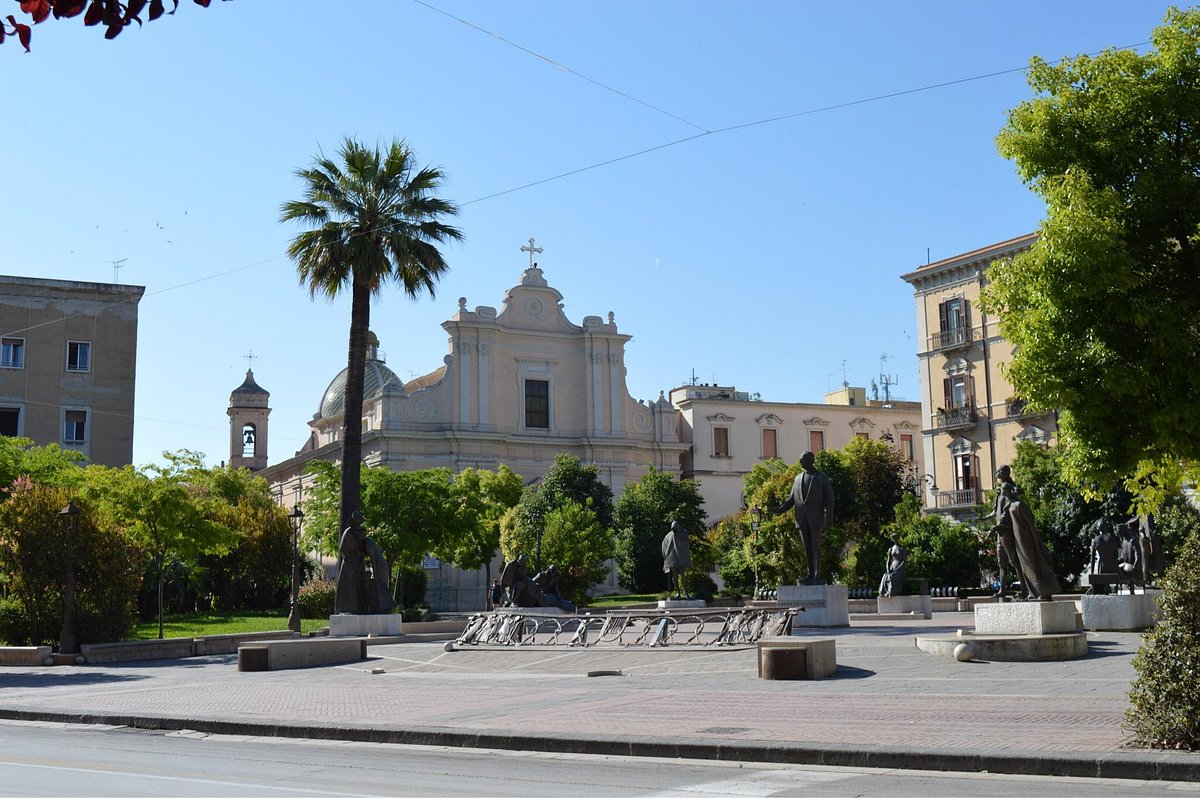
Piazza Umberto Giordano is a charming square located in Foggia, Italy, named after the renowned Italian composer Umberto Giordano.
It serves as a central hub within the city, surrounded by historical buildings, shops, cafes, and restaurants. The square features a picturesque fountain at its center, providing a pleasant atmosphere for visitors to relax and enjoy the surroundings.
Piazza Umberto Giordano is not only a gathering place for locals and tourists but also hosts cultural events and markets throughout the year.
It offers a glimpse into daily life in Foggia and is a great starting point for exploring the city’s cultural and historical landmarks nearby.
5. Museo Civico
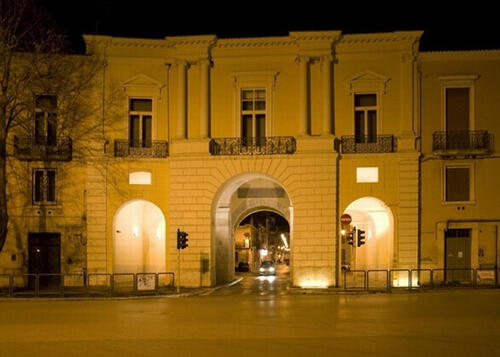
The Museo Civico, or Civic Museum, is a cultural institution located in Foggia, Italy, dedicated to preserving and exhibiting the region’s historical and artistic heritage.
It houses a diverse collection of artifacts spanning different periods, including archaeological finds, ancient sculptures, medieval artworks, and items from the Renaissance era.
Visitors to the Museo Civico can explore exhibits that offer insights into the history, culture, and traditions of Foggia and its surroundings.
The museum serves as an educational resource, showcasing the evolution of art and civilization in the region through its carefully curated displays. It’s a valuable destination for history enthusiasts and those interested in discovering the cultural richness of Foggia.
6. Chiesa delle Croci

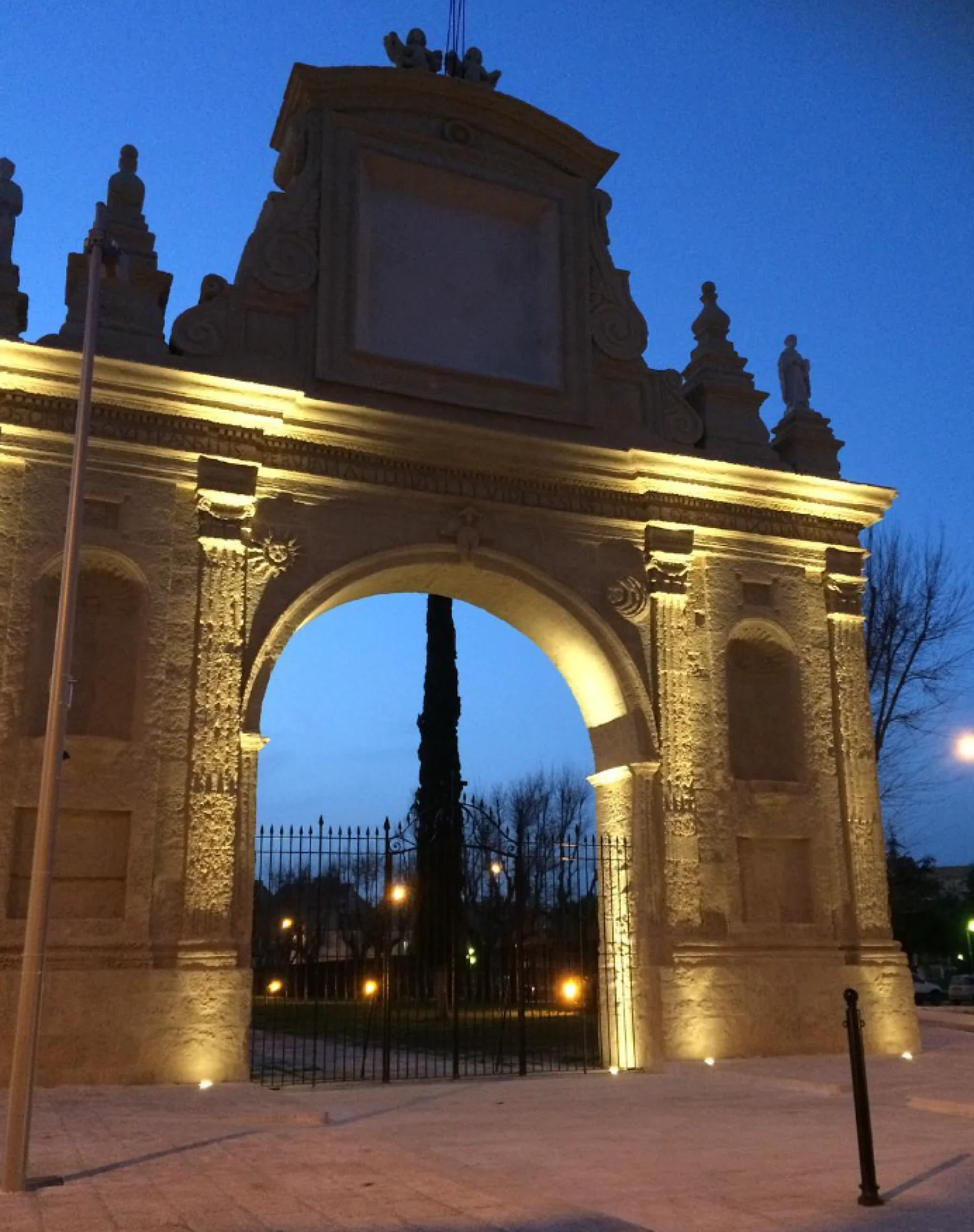
The Chiesa delle Croci, or Church of the Crosses, is a notable religious site located in Foggia, Italy. Dating back to the 12th century, it is renowned for its unique architectural style, blending Romanesque and Gothic elements.
The church is characterized by its simple yet elegant facade and a distinctive interior featuring beautiful frescoes, intricate sculptures, and a serene atmosphere conducive to prayer and reflection.
Chiesa delle Croci holds historical significance as one of the oldest churches in Foggia, serving as a place of worship and a cultural landmark.
Its name derives from the crosses that adorn its interior and exterior, symbolizing its sacred purpose and historical continuity within the community.
7. Mercato Rionale


Mercato Rionale translates to “neighborhood market” in Italian.
These markets are common throughout Italy and typically serve as bustling hubs where locals gather to shop for fresh produce, meats, seafood, cheeses, and other daily essentials. They offer a vibrant atmosphere filled with the sights, sounds, and aromas of regional culinary delights.
In Foggia, Mercato Rionale represents an integral part of daily life, providing not only a place to buy groceries but also a cultural experience where vendors and shoppers interact.
These markets often feature stalls selling traditional foods, handmade goods, and local specialties, making them a must-visit for anyone interested in experiencing authentic Italian life and cuisine.
8. Teatro Giordano

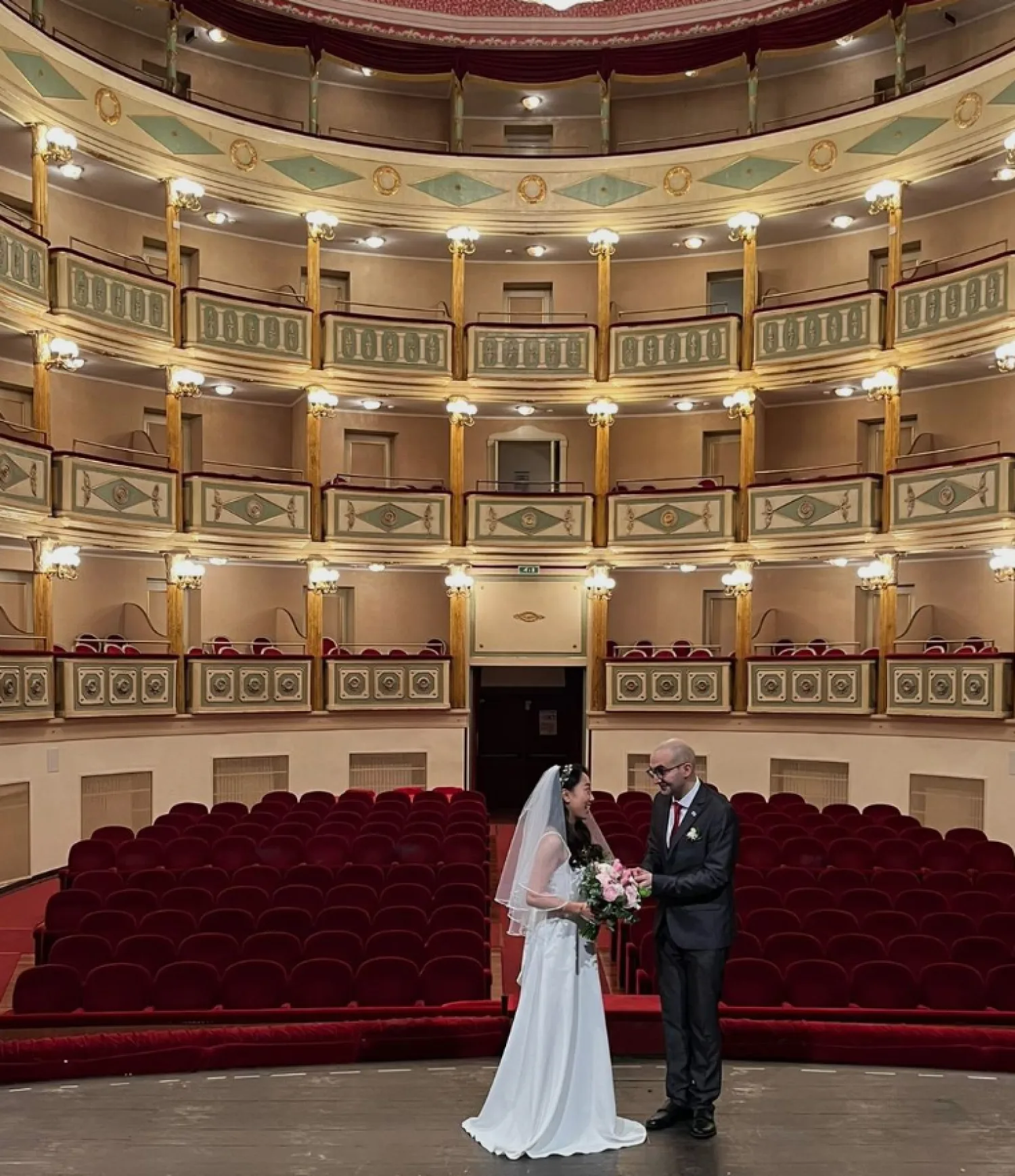
Teatro Giordano is a prominent theater located in Foggia, Italy, named after the renowned Italian composer Umberto Giordano. Built in the early 20th century, it showcases a grand neoclassical architectural style both inside and out.
The theater is known for its opulent interiors, including ornate decorations, elegant balconies, and a majestic stage that hosts a variety of performances.
Teatro Giordano serves as a cultural hub in Foggia, offering a diverse program of opera, ballet, concerts, theater productions, and other artistic events.
It plays a significant role in the city’s cultural scene, attracting both local patrons and visitors who appreciate its historical charm and artistic performances.
9. Palazzo Dogana


Palazzo Dogana, located in Foggia, Italy, is an elegant historical building that served as the former customs house during the 18th century.
Its architecture reflects a blend of Baroque and Neoclassical styles, characterized by symmetrical facades, decorative elements such as columns and arches, and a notable central courtyard.
Today, Palazzo Dogana has been repurposed and renovated to house cultural institutions and offices. It stands as a testament to Foggia’s rich history and architectural heritage, attracting visitors with its grandeur and historical significance.
10. Villa Comunale

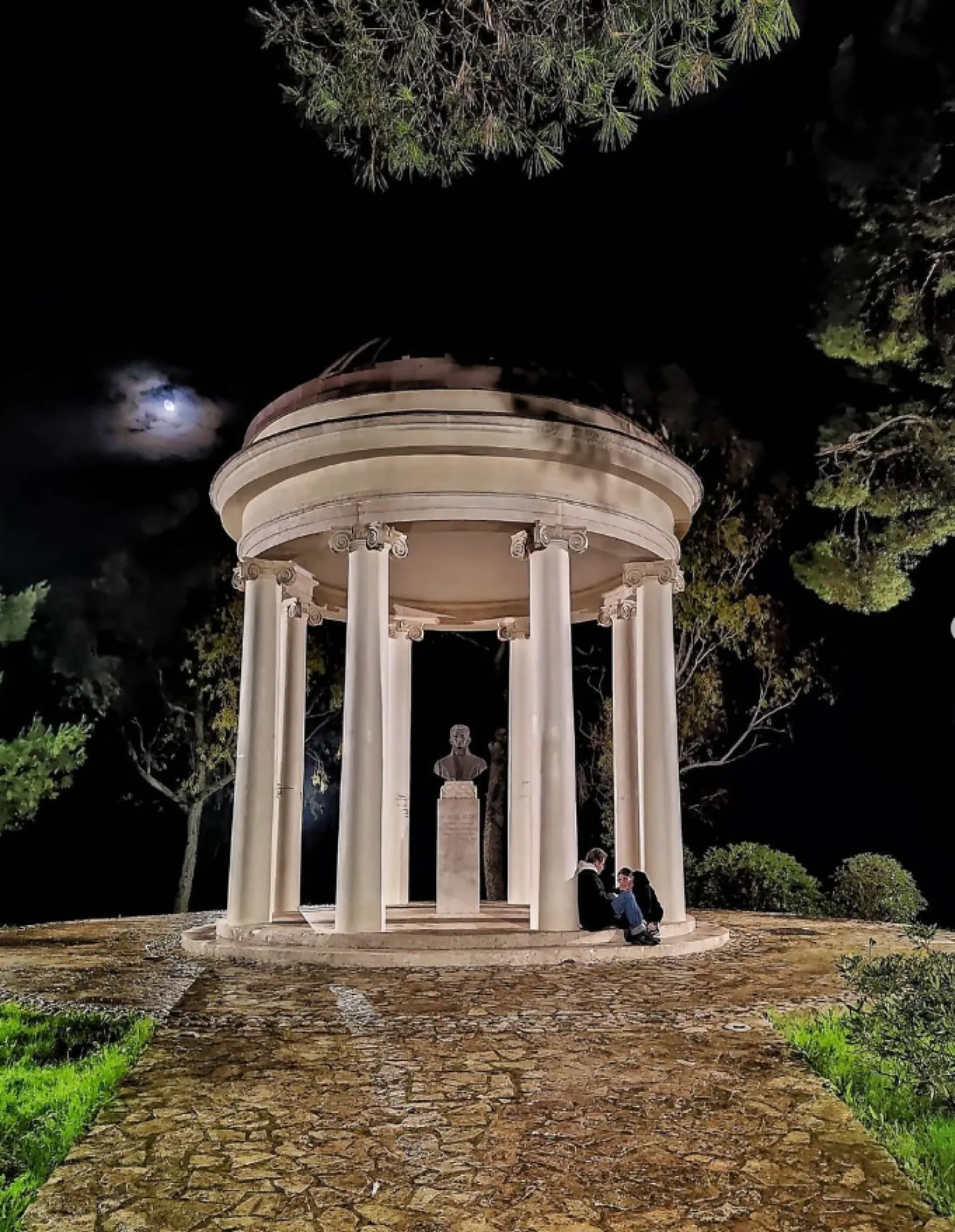
Villa Comunale in Foggia is a picturesque public park located in the heart of the city. It’s known for its lush greenery, serene atmosphere, and beautiful landscaping. The park features pathways lined with tall trees, flower beds, and benches where visitors can relax and enjoy the surroundings.
One of the highlights of Villa Comunale is its central fountain, which adds a refreshing touch to the park’s ambiance. The layout is designed to offer both open spaces for leisure activities and secluded corners for quiet contemplation.
Throughout the year, Villa Comunale hosts various events and cultural activities, making it a vibrant hub for the community. It’s a popular spot for locals and tourists alike to unwind, take a leisurely stroll, or simply soak in the natural beauty of Foggia.
11. Church of Saint Mary of Constantinople


The Church of Saint Mary of Constantinople (Chiesa di Santa Maria di Costantinopoli) in Foggia, Italy, is a historic Roman Catholic church with significant cultural and architectural value.
The church dates back to the 18th century and showcases Baroque architectural style, characterized by elaborate decorations, intricate details, and dramatic elements.
The facade of the church is notable for its elegance and ornate design, featuring statues and reliefs. Inside, the church houses beautiful frescoes, intricate altarpieces, and several noteworthy artworks that reflect the artistic traditions of the period.
The Church of Saint Mary of Constantinople has been an important religious site in Foggia, serving as a place of worship and community gatherings. It stands as a testament to the city’s rich history and architectural heritage.
12. Foggia’s Aqueduct

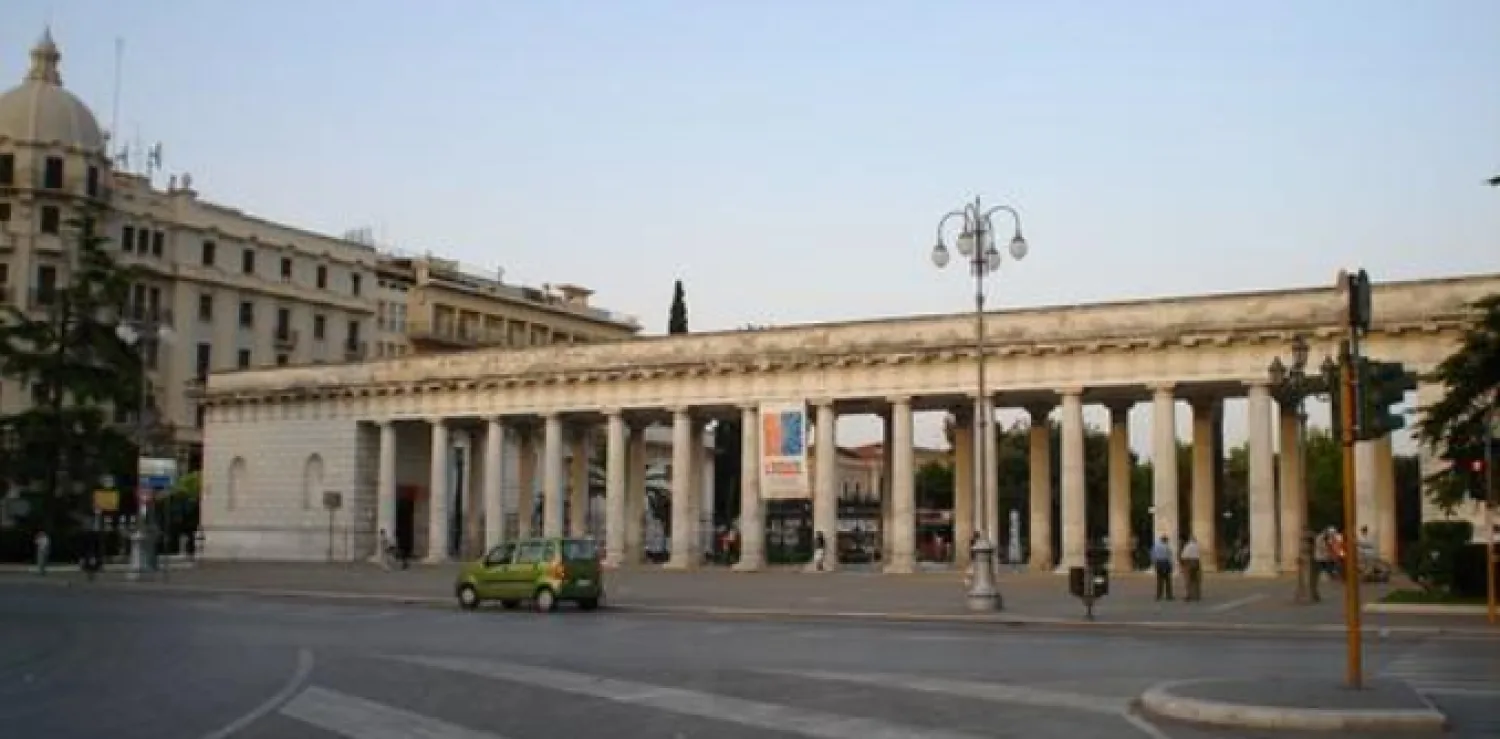
The Foggia Aqueduct, known in Italian as “Acquedotto di Foggia,” is a historical water supply system located in Foggia, a city in the Apulia region of southern Italy. It dates back to the Roman era, showcasing the ancient engineering prowess in water management.
Key features of the Foggia Aqueduct include:
Roman Origins: Built during the Roman Empire, the aqueduct was crucial for supplying water to the ancient city of Foggia and its surrounding areas.
Architectural Design: Like many Roman aqueducts, it utilized a system of arches and conduits to transport water from a distant source to the city, typically using gravity to maintain water flow.
Functionality: Its primary purpose was to ensure a reliable water supply for drinking, sanitation, and agricultural purposes, supporting the population and the local economy.
Historical Significance: The aqueduct stands as a testament to Roman engineering achievements and their ability to create enduring infrastructure that served communities for centuries.
Modern Role: While its original function has evolved with modernization, parts of the aqueduct may still contribute to the local water supply system or serve as historical landmarks.
13. Cattedrale di Santa Maria Icona Vetere

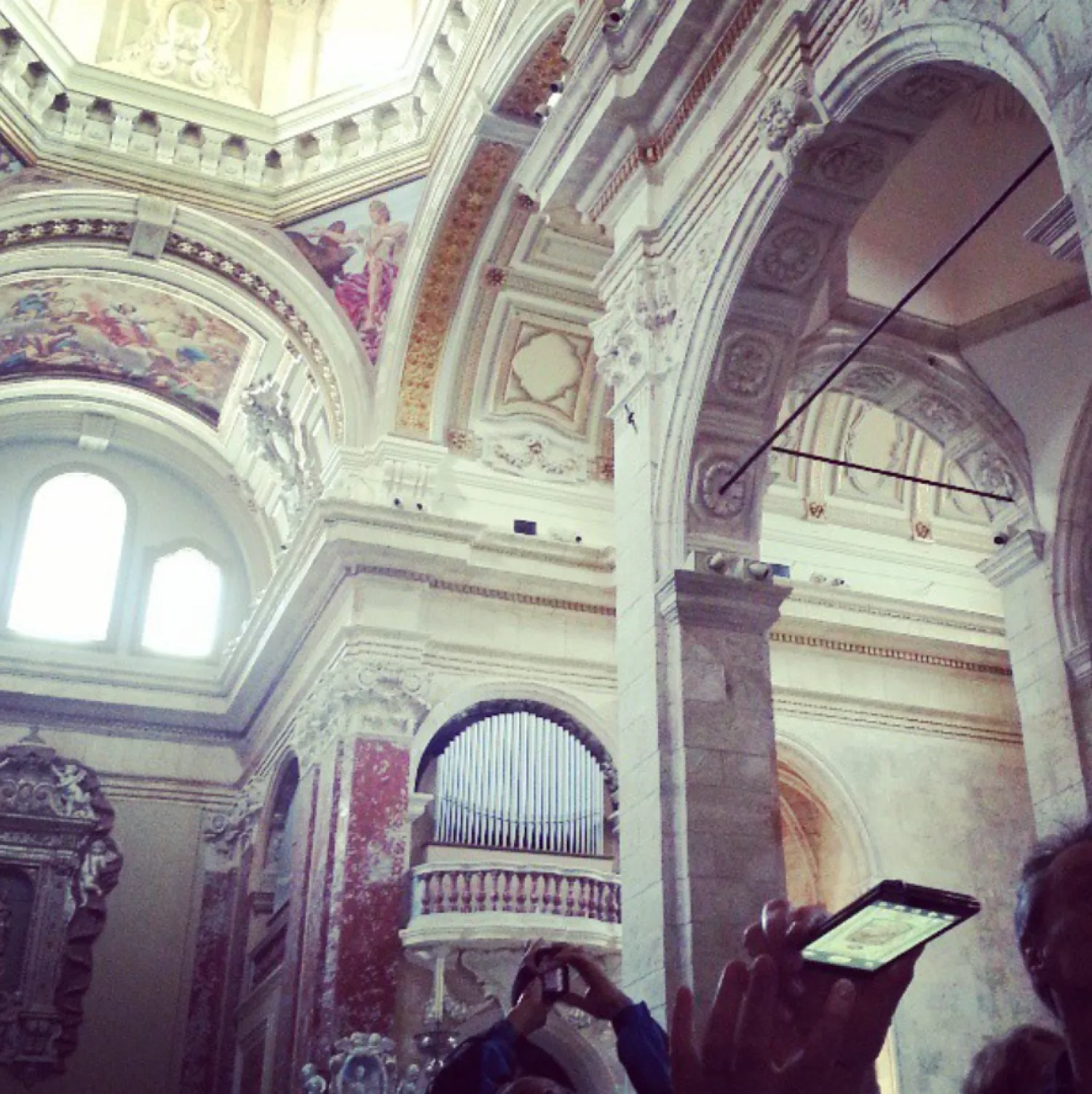
The Cattedrale di Santa Maria Icona Vetere, also known as the Cathedral of Santa Maria dell’Icona Vetere, is located in the historic center of Gallipoli, a coastal town in southern Italy. It stands as a significant religious and architectural landmark in the region of Apulia.
The cathedral is renowned for its unique fusion of architectural styles, reflecting various periods of its construction and renovation. Originally built in the 17th century, it underwent substantial modifications in subsequent centuries, resulting in a blend of Baroque, Rococo, and Neoclassical elements. This stylistic evolution is evident in its facade and interior spaces.
Externally, the cathedral presents an impressive Baroque facade adorned with intricate decorations, including statues and bas-reliefs. The interior features a richly decorated nave with ornate altars, frescoes, and stuccoes, showcasing the artistic prowess of the craftsmen of its time. The ceiling is particularly notable for its detailed paintings and gilded accents.
One of the highlights of the cathedral is its main altar, dedicated to Santa Maria dell’Icona Vetere (Saint Mary of the Old Icon), which is a site of veneration for local Catholics. The cathedral also houses several chapels and religious artifacts of historical and cultural significance.
Visitors to the Cattedrale di Santa Maria Icona Vetere can admire not only its architectural splendor but also experience the spiritual ambiance that has been preserved through centuries of worship and cultural heritage. Its location in Gallipoli adds to its charm, offering visitors a glimpse into the religious and historical fabric of the town and the broader region of Apulia.
14. Pinacoteca Comunale

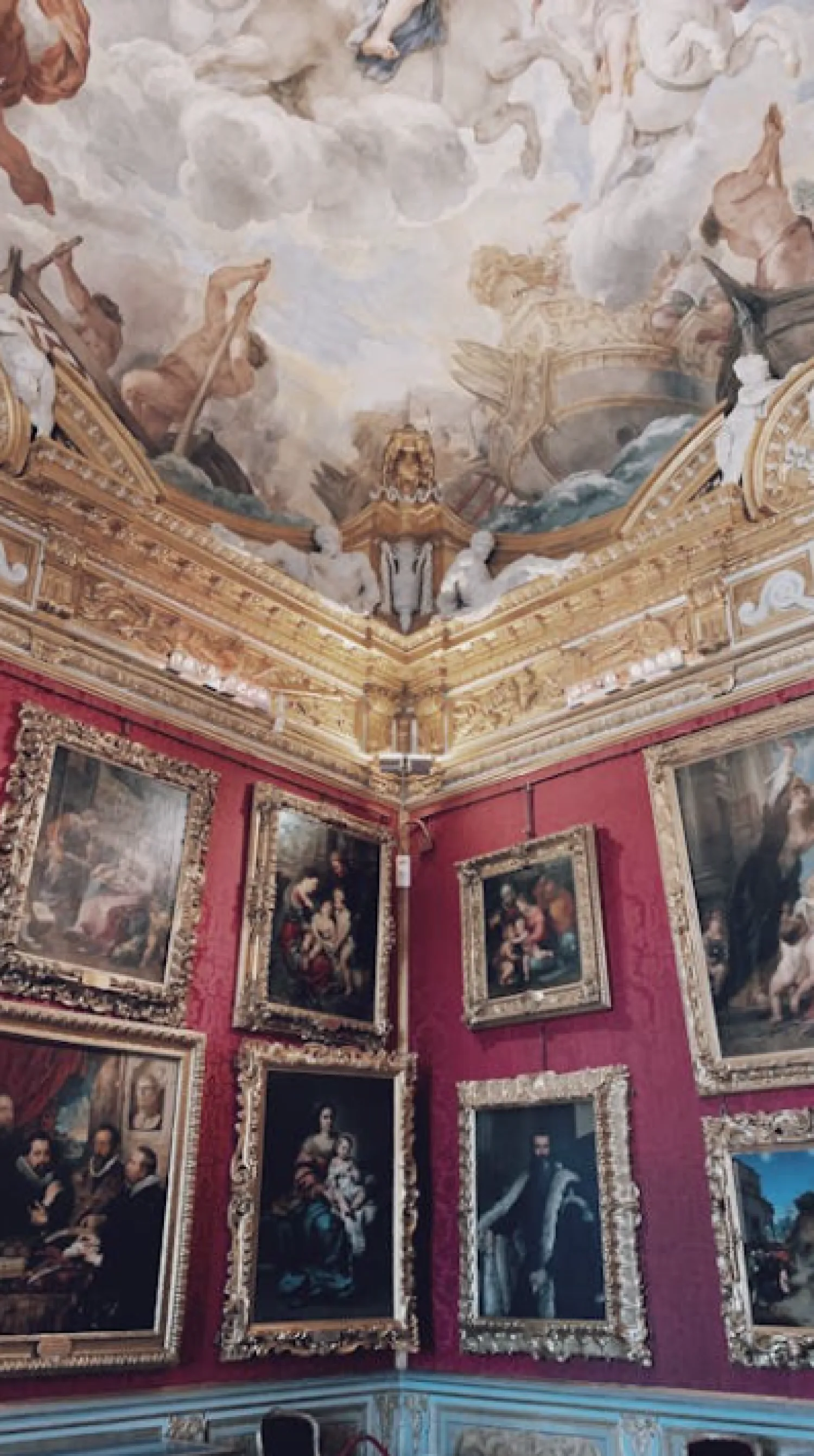
The Pinacoteca Comunale, or Municipal Art Gallery, refers to a type of art gallery commonly found in many Italian towns and cities. These galleries typically showcase a collection of paintings and artworks that are owned or managed by the local municipality.
In the context of a specific location like Gallipoli in southern Italy, the Pinacoteca Comunale would house a collection of artworks that reflect the cultural and artistic heritage of the region.
Artworks and Collection: The Pinacoteca Comunale would feature a diverse range of paintings, sculptures, and possibly other forms of art. The collection could include works by local artists, as well as pieces of historical importance or significance to the town.
Historical Context: Many Pinacotecas aim to provide a historical context to the artworks they display. This could involve exhibitions that trace the development of art in the region over time, highlighting key artists or movements.
Educational and Cultural Resource: These galleries often serve as educational resources, offering insights into local culture, history, and artistic traditions. They may host workshops, lectures, or guided tours to engage visitors and deepen their understanding of the artworks on display.
Architecture and Setting: The gallery itself might be housed in a historic building, adding to the overall experience. Renovated churches, palaces, or purpose-built structures are common settings for Pinacotecas, providing a fitting backdrop for the art they showcase.
Special Exhibitions and Events: Beyond its permanent collection, the Pinacoteca Comunale may organize temporary exhibitions featuring contemporary artists, thematic displays, or collaborations with other institutions. These events can enrich the cultural life of the town and attract both locals and tourists.
In essence, a visit to the Pinacoteca Comunale in Gallipoli or any Italian town offers not only a visual journey through art but also a deeper appreciation of the local heritage and artistic contributions that have shaped the community over time.
15. Ponte Aragonese

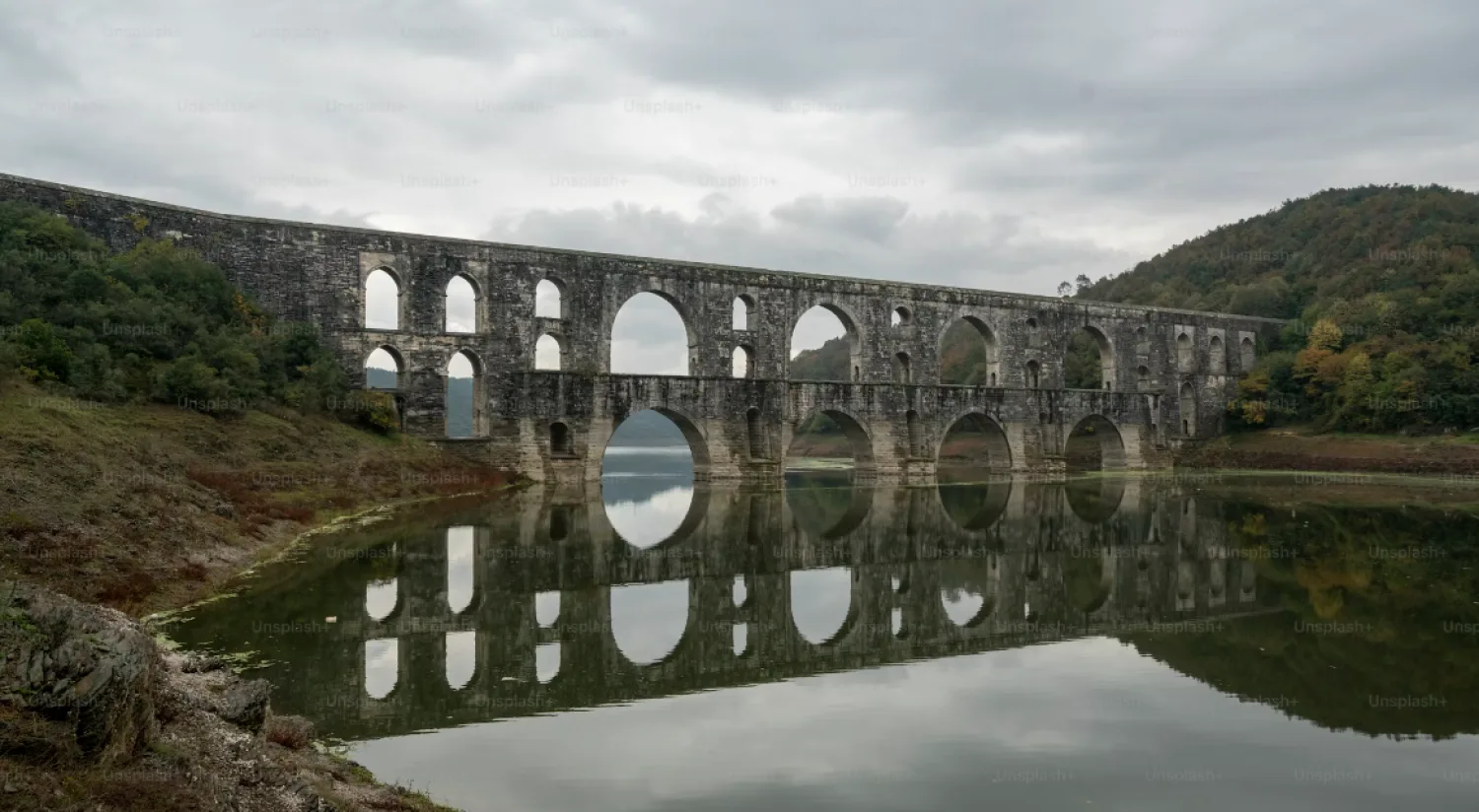
The Ponte Aragonese in Foggia, Italy, is a historic bridge that spans over the Candelaro River. It is known for its medieval architecture and strategic location, which historically made it an important defensive structure. The bridge features a series of arches supported by robust stone pillars, typical of medieval bridge construction in Italy.
Originally built during the Middle Ages, the Ponte Aragonese has undergone several renovations and modifications over the centuries, reflecting the changing needs and architectural styles of different periods.
It has played a significant role in the history of Foggia, serving as both a crossing point over the river and a defensive fortification.
Today, the bridge stands as a testament to Foggia’s rich history and architectural heritage. It continues to be a notable landmark in the city, attracting visitors who appreciate its historical significance and picturesque setting along the banks of the Candelaro River.
Food In Foggia


Exploring the Culinary Delights of Foggia: A Journey Through Flavors
Nestled in the heart of Italy’s Apulia region, Foggia offers a culinary experience that reflects its rich agricultural heritage and vibrant local culture. Known for its fertile plains and proximity to the Adriatic Sea, Foggia’s cuisine is a delightful blend of fresh ingredients, traditional recipes, and Mediterranean influences. Let’s take a journey through the flavors that define the food scene in Foggia.
1. Apulian Olive Oil: Liquid Gold of the Region
No exploration of Foggia’s food would be complete without mentioning its renowned olive oil. Apulia is the largest producer of olive oil in Italy, and Foggia contributes significantly to this reputation. The local olive groves yield a rich, fruity oil that enhances the flavors of many traditional dishes. Whether drizzled over fresh bread or used in cooking, Apulian olive oil is a staple of the region’s cuisine.
2. Fresh Seafood: Adriatic Treasures on Your Plate
Foggia’s proximity to the Adriatic Sea ensures a bounty of fresh seafood finds its way to local tables. From succulent Adriatic fish to tender calamari and octopus, seafood dishes in Foggia are prepared simply to let the natural flavors shine. Grilled, baked, or served in pasta dishes like risotto alla pescatora (fisherman’s risotto), seafood lovers will find plenty to indulge in.
3. Pane di Altamura: Apulia’s Distinguished Bread
In Foggia, bread is more than just a side—it’s a cultural institution. The Pane di Altamura, a Protected Designation of Origin (PDO) bread, hails from the nearby town of Altamura but is cherished throughout Apulia. Known for its golden crust and dense texture, this bread is perfect for mopping up sauces or enjoying with local cheeses and cured meats.
4. Pasta and Pastries: Apulian Comfort Foods
Pasta in Foggia is crafted with love and tradition. Orecchiette, small ear-shaped pasta, is a local favorite and often served with broccoli rabe (cime di rapa) or tomato-based sauces. For a sweet finish, Apulian pastries like pasticciotto (custard-filled pastry) or cartellate (fried dough drizzled with honey) offer a taste of local sweetness that pairs perfectly with an espresso or a digestif.
5. Cheese and Charcuterie: Artisanal Creations
Cheese and charcuterie aficionados will delight in Foggia’s offerings. Try burrata, a creamy cheese with a soft center, or enjoy the tangy bite of aged pecorino. Local salumi (cured meats) such as capocollo or soppressata provide savory complements to any meal.
6. Wines of Apulia: A Toast to Tradition
No meal in Foggia is complete without a glass of local wine. Apulia produces a range of wines, from robust reds like Primitivo di Manduria to crisp whites such as Verdeca. These wines, often made from indigenous grape varieties, reflect the terroir of the region and complement the local cuisine beautifully.
Exploring Foggia’s Culinary Scene
In conclusion, Foggia’s culinary landscape is a celebration of simplicity and quality. From fresh seafood kissed by the Adriatic breeze to hearty breads and delicate pastries, every bite tells a story of tradition and passion for good food. Whether you’re savoring a leisurely meal in a local trattoria or exploring the bustling markets, Foggia invites you to indulge in the flavors of Apulia and experience the true essence of Italian cuisine. Buon appetito!
Top 20 Best Restaurants in Foggia

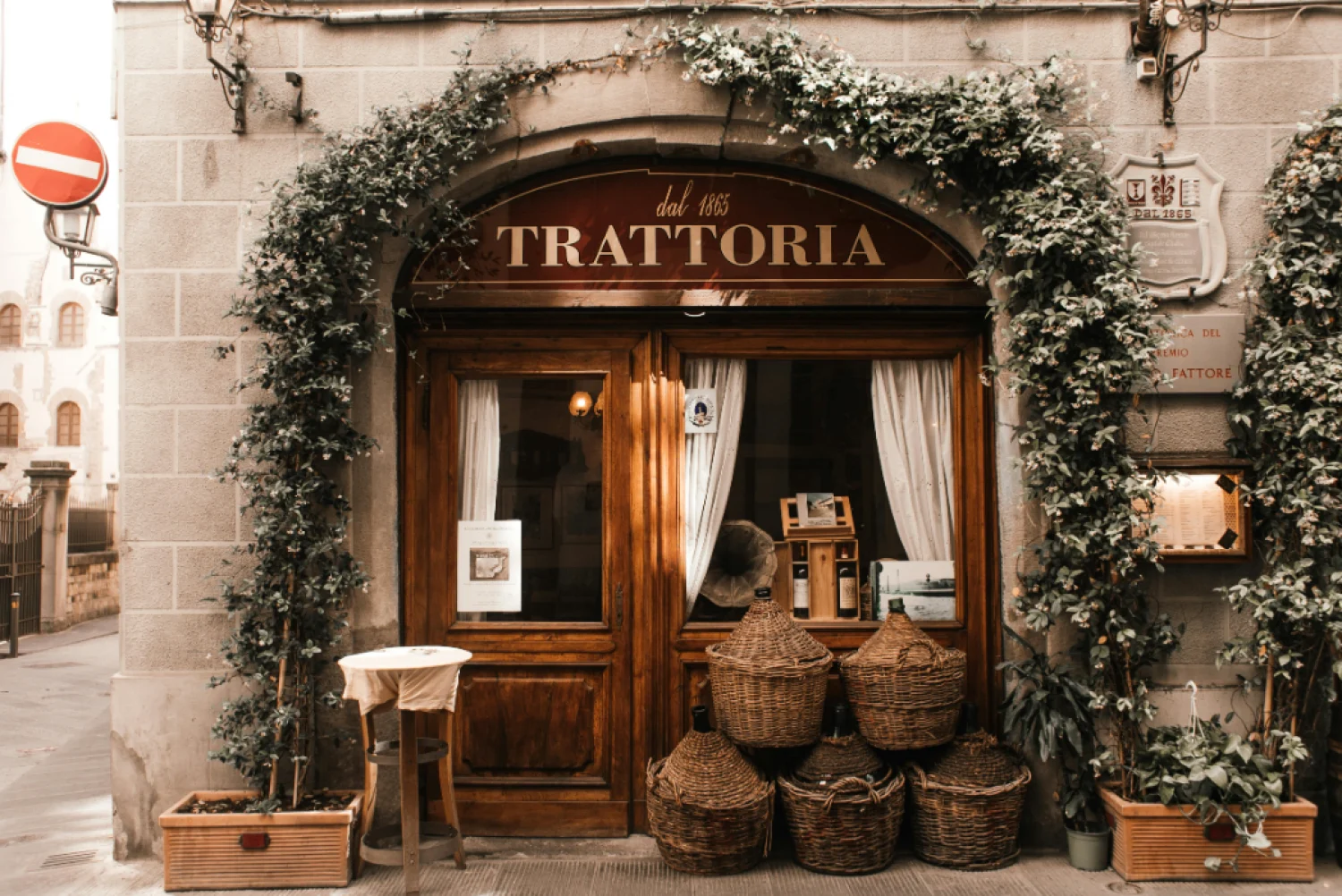
Ristorante Pizzeria Trattoria Regina Margherita – Known for traditional Italian dishes and pizza.
Osteria Vecchio Umberto – Offers classic Apulian dishes in a cozy atmosphere.
Ristorante Pizzeria Amici Miei – A popular spot for pizza and pasta lovers.
Osteria del Rione Antico – Specializes in regional cuisine with a focus on local ingredients.
Ristorante Le Terrazze – Offers a mix of seafood and traditional Apulian dishes with a view.
Ristorante L’Archetto – Known for its seafood and pasta dishes.
Trattoria Al Vecchio Pioppo – A family-run trattoria serving authentic local cuisine.
Ristorante Pizzeria La Sosta – Offers a wide range of pizzas and Italian dishes.
Trattoria del Corso – Focuses on traditional Apulian recipes in a casual setting.
Ristorante Pizzeria La Cantina – Known for its wood-fired pizzas and pasta dishes.
Trattoria da Nonna Peppina – Offers homestyle cooking with a menu that changes with the seasons.
Ristorante La Mela d’oro – A fine dining restaurant specializing in seafood and gourmet cuisine.
Pizzeria Foggiana – Famous for its Neapolitan-style pizzas and local specialties.
Ristorante del Gallo – Offers a fusion of Italian and international dishes.
Trattoria Cucina & Vino – Focuses on seasonal ingredients and traditional cooking methods.
Ristorante La Locanda di Federico II – Offers a historical setting with traditional Apulian dishes.
Osteria del Tempo Perso – Known for its rustic atmosphere and traditional regional dishes.
Ristorante La Ruota – Offers a mix of seafood and meat dishes with a modern twist.
Trattoria da Lucia – A family-friendly restaurant serving homemade pasta and local specialties.
Ristorante Pizzeria La Lanterna – Offers a variety of pizzas and Italian dishes in a relaxed setting.
Transportation In Foggia


Transportation in Foggia, a city located in the Apulia region of Italy, primarily revolves around a mix of public and private options that cater to both local residents and tourists.
**1. Public Transport:
Bus: Foggia has a comprehensive bus network operated by the Azienda Trasporti Pubblici (ATP) which connects the city center with its suburbs and neighboring towns. Buses are generally reliable and offer an affordable way to travel within the city.
Local Trains: Foggia is a major railway hub in southern Italy, with connections to major cities like Naples, Bari, and Rome. The local train station, Foggia Centrale, is centrally located and serves both regional and long-distance routes.
**2. Private Transport:
Cars and Taxis: Like many Italian cities, Foggia has a network of taxis that provide convenient point-to-point transportation. Rental car services are also available for those preferring to explore the region independently.
Bicycles: Cycling is gaining popularity in Foggia, and the city has been making efforts to improve its cycling infrastructure with dedicated bike lanes and rental services.
**3. Air Travel:
Airport: The closest major airport serving Foggia is Bari Karol Wojtyla Airport (BRI), located approximately 150 kilometers away. This airport offers domestic and international flights, with connections to major European cities.
**4. Local Mobility and Accessibility:
Walking: Foggia’s city center is relatively compact and pedestrian-friendly, making walking a pleasant way to explore its historic streets, shops, and restaurants.
Accessibility: Efforts have been made to improve accessibility for people with disabilities, including accessible public transport options and infrastructure.
**5. Inter-City and Regional Travel:
Coaches: Long-distance coaches connect Foggia with other cities and towns within Apulia and beyond, providing an alternative mode of travel for both residents and visitors.
Regional Trains: Apart from local trains, Foggia is well-connected by regional trains that facilitate travel to nearby destinations within the Apulia region.
In conclusion, transportation in Foggia offers a mix of traditional and modern options that cater to the diverse needs of its residents and visitors. Whether by bus, train, car, or bicycle, exploring Foggia and its surrounding areas is convenient and accessible, ensuring a seamless travel experience in this charming Italian city.
In the heart of Apulia, Foggia stands as a testament to the region’s rich history, vibrant culture, and enduring agricultural traditions. From its ancient roots dating back millennia to its modern-day bustling city life, Foggia captivates visitors with its blend of historical landmarks, delicious cuisine, and warm hospitality.
A Journey Through History and Heritage: Foggia’s storied past unfolds through its impressive architecture, from the imposing Aragonese Castle to the elegant Cathedral of Foggia. Each structure tells a tale of the city’s evolution, shaped by Roman, Byzantine, Norman, and Swabian influences that have left indelible marks on its identity.
Cultural Riches and Culinary Delights: The city’s cultural richness is mirrored in its lively markets, inviting cafes, and traditional trattorias where locals and visitors alike gather to savor authentic Apulian flavors. From the renowned Pane di Altamura to fresh seafood dishes and robust local wines, Foggia’s cuisine is a celebration of its fertile land and coastal bounty.
Modern Vitality and Gateway to Apulia: As a modern city with a youthful spirit fostered by its university, Foggia offers not just a glimpse into its past but also a vibrant present. It serves as an ideal gateway to explore the diverse landscapes and treasures of Apulia, from the sun-kissed beaches of the Gargano Peninsula to the UNESCO World Heritage sites of Alberobello and Matera.
An Invitation to Explore: Whether strolling through its ancient streets, admiring its architectural marvels, or venturing into the surrounding countryside, Foggia invites travelers to embark on a journey of discovery. Here, amidst a backdrop of golden fields and azure seas, one can uncover the timeless charms that make Foggia a destination steeped in history, culture, and natural beauty.
In essence, Foggia beckons with open arms, promising an enriching experience that resonates long after the journey ends—a testament to the enduring allure of southern Italy’s Apulia region.
Leave a comment