

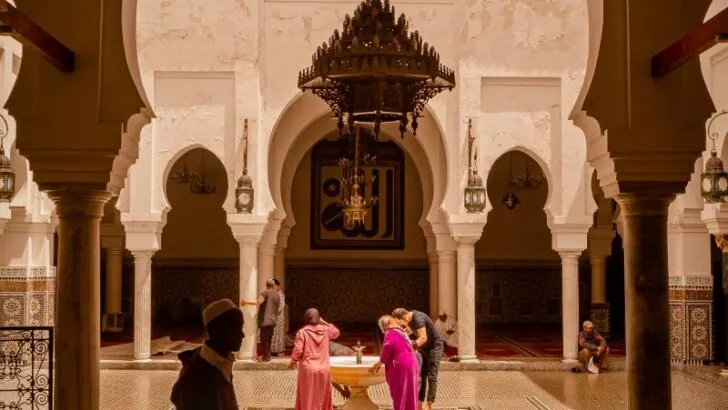
Fes, also known as Fez, is a historic city located in northern Morocco. It is one of the country’s oldest imperial cities and holds great significance as a cultural and intellectual center. Fes is divided into three main parts: Fes el-Bali (Old Fes), Fes el-Jdid (New Fes), and the modern Ville Nouvelle.
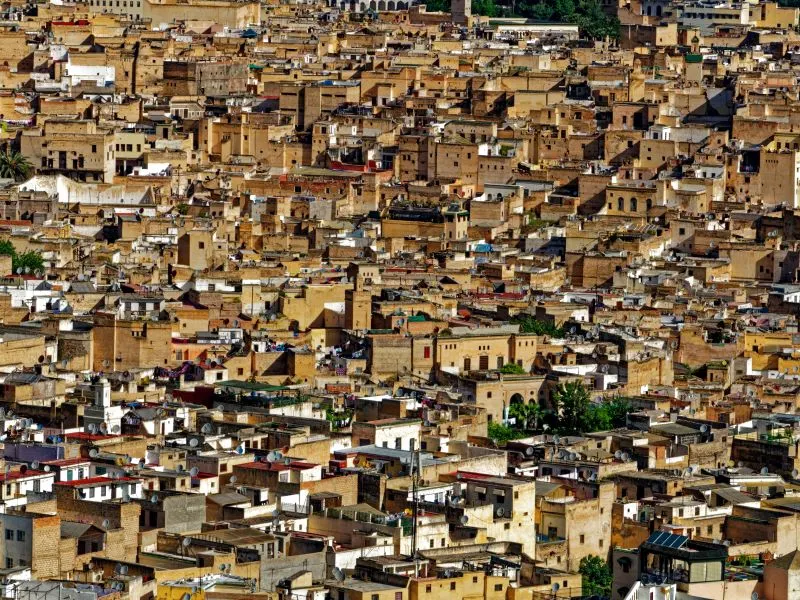
Fes el-Bali is the heart of the city and is home to the famous Medina of Fes, a UNESCO World Heritage site. The medina is a maze-like, bustling labyrinth of narrow alleyways, vibrant markets, and ancient architectural gems.
It’s one of the world’s largest car-free urban areas and offers a glimpse into the rich history and traditional way of life in Morocco.
The medina is known for its impressive historic monuments, including mosques, madrasas (religious schools), and palaces.
The University of Al-Qarawiyyin, founded in the 9th century, is considered the oldest continuously functioning university in the world. It has played a significant role in shaping Islamic education and intellectual pursuits.

Fes el-Jdid, the newer part of the city, features a blend of historic and modern architecture. Here you can find the Royal Palace (Dar el-Makhzen), with its stunning golden gates and intricate tilework. The Jewish Quarter (Mellah) is also located in Fes el-Jdid and offers a glimpse into the city’s Jewish heritage.
Beyond its architectural wonders, Fes is renowned for its craftsmanship and traditional arts. The city is famous for its tanneries, where leather is processed using age-old methods, and the Chouara Tannery is a must-visit attraction.
The Nejjarine Museum of Wood Arts and Crafts is another highlight, showcasing exquisite woodwork and artisanal creations.
Fes is also known for its culinary delights, offering a wide array of traditional Moroccan dishes. Visitors can indulge in flavorsome tagines, aromatic couscous, and sweet pastries. The city’s street food scene is vibrant, with stalls serving up delectable treats like “sfenj” (Moroccan donuts) and “b’ssara” (a savory fava bean soup).
The annual Fes Festival of World Sacred Music attracts visitors from around the globe. This cultural event celebrates the diversity of world music and spiritual traditions, featuring performances by renowned artists in various historic venues across the city.
With its rich history, cultural heritage, and vibrant atmosphere, Fes offers a captivating experience for travelers. Whether you’re exploring the narrow streets of the medina, discovering architectural marvels, immersing yourself in traditional crafts, or savoring the local cuisine, Fes is sure to leave a lasting impression and provide a unique glimpse into Moroccan culture and history.
1. Visit the Medina of Fes: Explore the UNESCO World Heritage-listed ancient walled city, filled with narrow winding streets and bustling markets

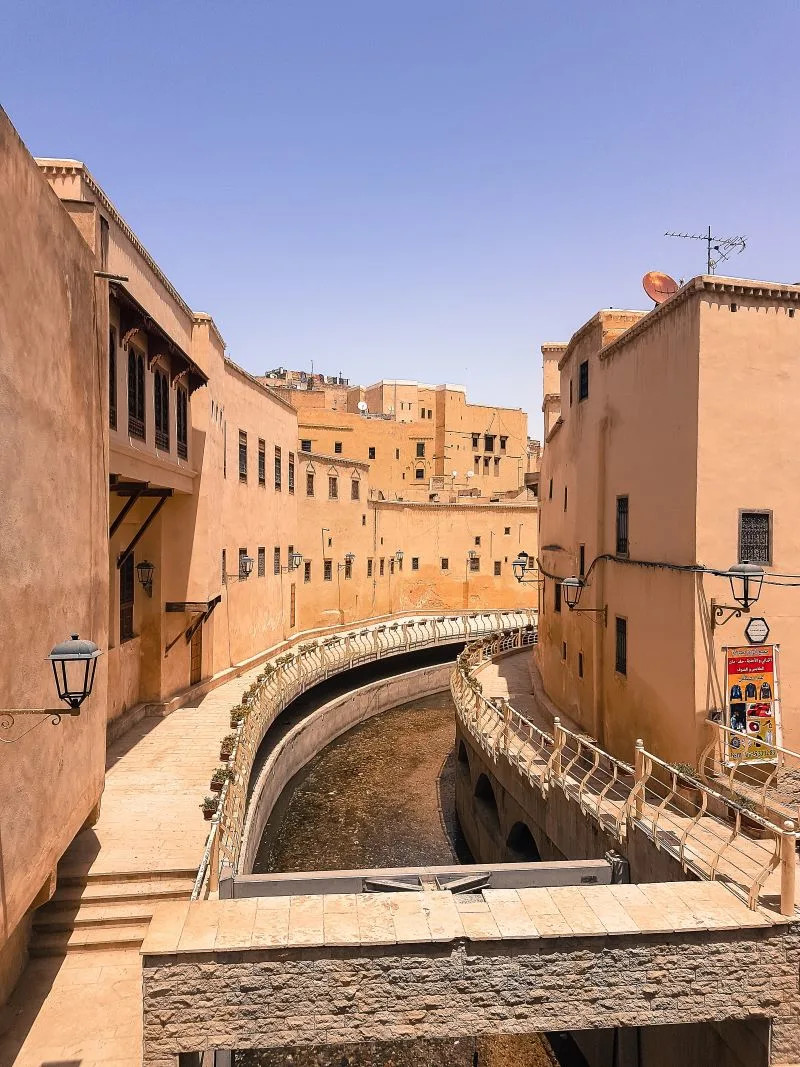
Visiting the Medina of Fes is a must-do experience when in Fes, Morocco. The Medina, also known as Fes el-Bali, is the historic heart of the city and a UNESCO World Heritage site. It is one of the most well-preserved medieval cities in the world and offers a captivating glimpse into the rich cultural heritage of Morocco.
As you enter the Medina, you’ll find yourself transported back in time, surrounded by a labyrinth of narrow winding streets, bustling markets, and impressive architecture.
The vibrant atmosphere, filled with the sounds of merchants, locals, and the occasional donkey cart, creates an immersive and authentic Moroccan experience.
The Medina is home to numerous landmarks, including historic mosques, traditional riads (guesthouses), and fascinating museums. The streets are lined with an array of shops and workshops, offering a wide range of handicrafts, including leather goods, ceramics, textiles, and traditional Moroccan lamps.
Exploring the Medina is a sensory adventure. You’ll encounter a symphony of vibrant colors, enticing aromas of spices and street food, and the intricate craftsmanship displayed in the architecture and artisanal products.
Be sure to take the time to appreciate the beautiful Moroccan tile work, carved wooden doors, and ornate ironwork that adorn many of the buildings.
One of the highlights of the Medina is the Chaouwara Tanneries, where you can witness the age-old leather tanning process. From the surrounding terraces, you’ll enjoy a panoramic view of the tannery vats filled with colorful dyes, creating a mesmerizing sight.
While navigating the Medina can be challenging due to its labyrinthine layout, it’s highly recommended to hire a local guide who can help you navigate the narrow streets and provide insights into the history, culture, and hidden gems of the Medina.
The Medina of Fes is not just a place to visit; it’s an immersive experience that allows you to delve into the heart and soul of Moroccan culture. It’s a captivating journey through time and a chance to witness the traditions and craftsmanship that have been passed down through generations.
2. Explore Al-Qarawiyyin Mosque: Visit one of the oldest universities in the world, founded in the 9th century

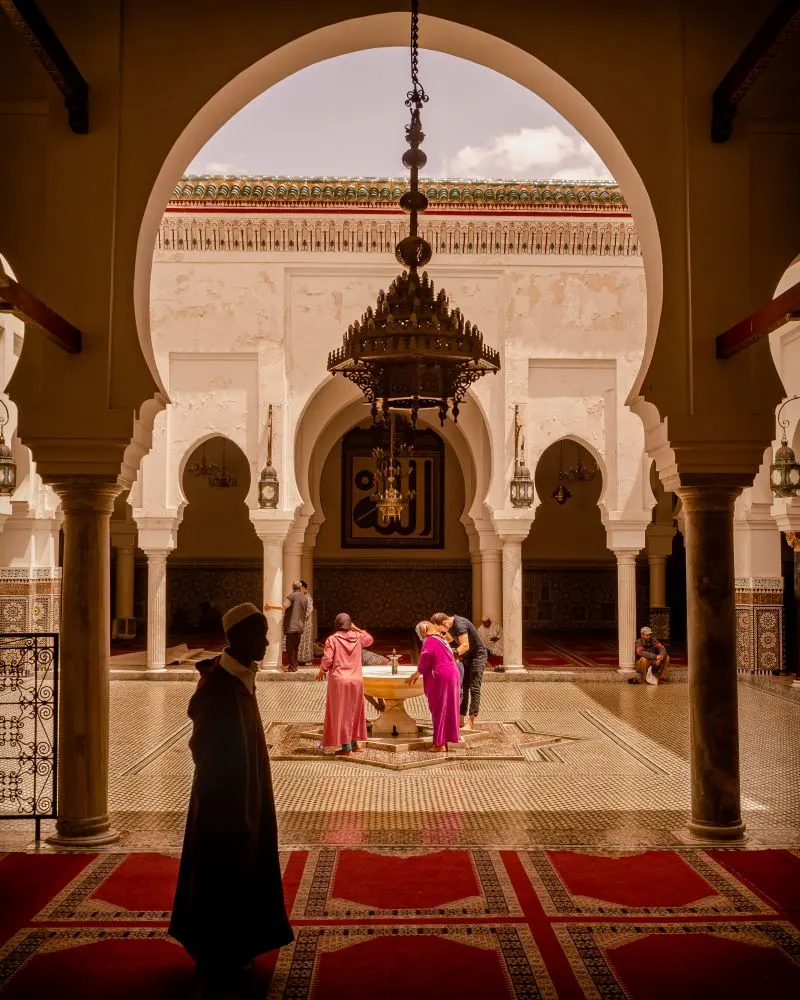
Al-Qarawiyyin Mosque is a historic and prestigious religious site located in Fes, Morocco. It holds the distinction of being one of the oldest continuously functioning universities and mosques in the world.
Founded in 859 CE by Fatima al-Fihri, a wealthy woman from Tunisia, it has played a significant role in the intellectual and cultural development of the region.
The mosque is a magnificent example of Moroccan Islamic architecture, characterized by its intricate geometric patterns, carved plasterwork, and ornate calligraphy.
As you approach the mosque, you’ll be greeted by an impressive entrance adorned with intricate decorations and a towering minaret that stands as a testament to its historical significance.
Once inside, you’ll discover a tranquil courtyard surrounded by arched arcades. The courtyard is adorned with beautiful zellige tile work and offers a serene atmosphere for contemplation and prayer.
The mosque’s prayer hall is equally stunning, with grand chandeliers, intricate woodwork, and a sense of spiritual reverence.
Al-Qarawiyyin Mosque is not only a place of worship but also an esteemed center of learning. The adjacent Qarawiyyin University, which is considered the oldest existing degree-granting university, has been a beacon of knowledge for centuries. It has played a vital role in Islamic education, theology, law, and various scientific disciplines.
The mosque and university complex also house a library that boasts an impressive collection of ancient manuscripts, including rare and valuable texts.
This library is known as the Al-Qarawiyyin Library, and it holds thousands of books, manuscripts, and documents, some of which date back over a thousand years. It is considered one of the world’s oldest libraries and an invaluable repository of knowledge.
Visiting Al-Qarawiyyin Mosque provides not only a chance to witness breathtaking architecture but also an opportunity to appreciate the historical and intellectual legacy of Morocco.
It offers a glimpse into the intellectual pursuits and scholarly traditions that have flourished within its walls for centuries.
While visiting, it’s important to respect the mosque’s religious significance and adhere to the customs and dress code. It is advisable to check visiting hours in advance, as certain areas may have restricted access during prayer times or for non-Muslim visitors.
Exploring Al-Qarawiyyin Mosque is a unique and enriching experience that allows you to appreciate the architectural splendor and the profound cultural and educational heritage that it represents.
3. Wander through the Chouara Tannery: Observe the traditional leather tanning process and enjoy panoramic views of the colorful dyeing vats

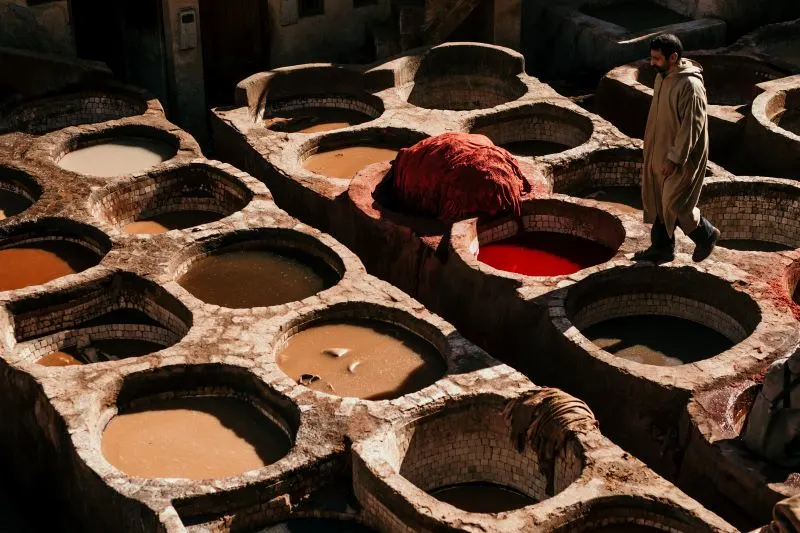
Wandering through the Chouara Tannery in Fes, Morocco is a sensory adventure that offers a fascinating glimpse into the traditional leather tanning process.
The tannery dates back several centuries and continues to operate much as it has for generations, making it a unique and historically significant site to explore.
As you approach the tannery, you’ll notice the distinctive smell of animal hides and the vibrant sight of large stone vats filled with colorful dyes.
The Chouara Tannery is known for its traditional methods of tanning leather, using natural ingredients and age-old techniques that have been passed down through the generations.
The tannery consists of a series of interconnected stone vessels or pits, where the raw animal hides undergo a meticulous process of soaking, tanning, and dyeing.
The hides are treated with a mixture of natural substances, such as cow urine, pigeon excrement, and vegetable-based dyes, to soften the leather and give it its desired color.
To get a closer look at the tannery, you can climb to one of the surrounding terraces of nearby shops and workshops. From these vantage points, you’ll witness the tanners working diligently in the vats, often standing waist-deep in the colored liquids. The tanners use their bare hands and feet to knead and soften the hides, creating a mesmerizing sight.
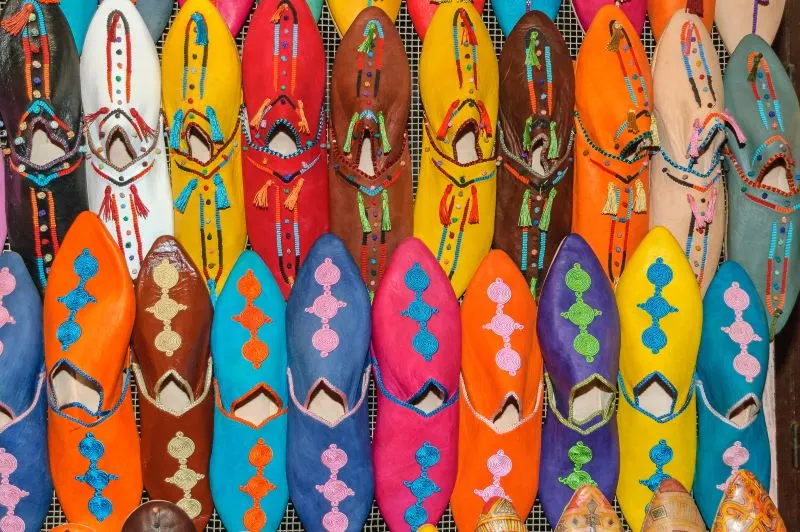
The Chouara Tannery is renowned for producing high-quality leather products, including bags, shoes, jackets, and traditional Moroccan slippers known as babouches.
Many of these items are handcrafted in the workshops surrounding the tannery, allowing visitors to observe the skilled artisans at work and even purchase unique leather goods directly from them.
While the Chouara Tannery offers an immersive and unique experience, it’s important to note that the smell can be strong and somewhat overwhelming for some visitors.
It is advisable to bring a scented handkerchief or purchase a sprig of mint from nearby vendors, as the locals often use it to mask the odor.
Exploring the Chouara Tannery provides a glimpse into the traditional craftsmanship and time-honored techniques that have shaped Fes’ reputation as a center of leather production.
It is an opportunity to witness the dedication and skill of the tanners and gain a deeper appreciation for the labor-intensive process behind the creation of leather goods.
Remember to be respectful of the workers and the tannery’s surroundings. It is advisable to hire a local guide who can provide insights into the tanning process and ensure a smooth and enjoyable experience.
4. Visit Bou Inania Medersa: Explore this stunningly beautiful Islamic school featuring intricate tile work and exquisite architectural details

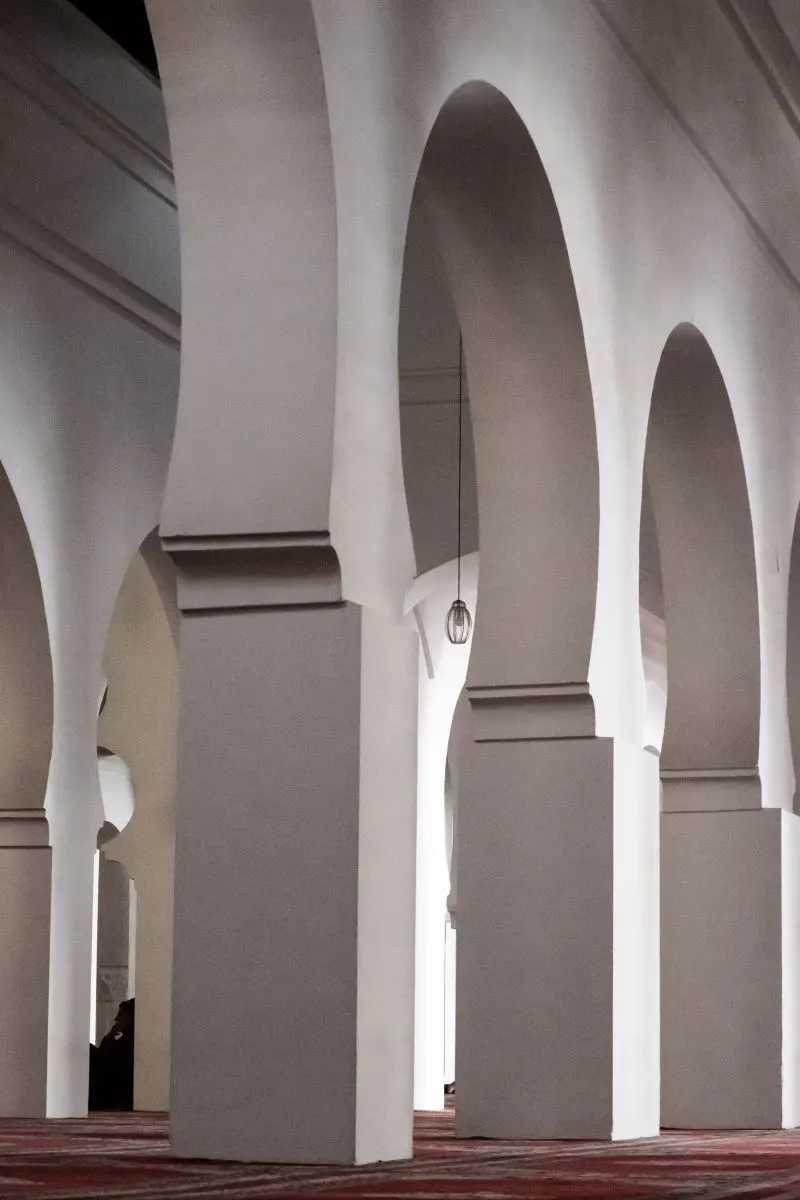
Visiting Bou Inania Medersa in Fes, Morocco is a captivating experience that allows you to admire the architectural beauty and cultural significance of this historic Islamic school.
Built in the 14th century, Bou Inania Medersa is a masterpiece of Moroccan architecture, showcasing intricate details and exquisite craftsmanship.
As you approach the entrance, you’ll be greeted by a grand portal adorned with stunning geometric patterns and ornate calligraphy.
Stepping inside, you’ll enter a serene courtyard surrounded by beautifully carved wooden balconies and arched arcades. The courtyard is adorned with intricate zellige tile work, showcasing a dazzling display of colors and patterns.
One of the highlights of Bou Inania Medersa is the prayer hall, featuring an impressive mihrab (prayer niche) intricately decorated with carved plasterwork and geometric motifs.
The walls are adorned with Quranic inscriptions and the traditional Moroccan polychrome tile work that adds a sense of elegance to the space.
The student quarters of the medersa are equally impressive. As you explore the small chambers, you’ll notice the intricately carved cedarwood ceilings, the mosaic floors, and the peaceful atmosphere that once provided a conducive environment for learning and spiritual growth.
Bou Inania Medersa not only showcases remarkable architectural features but also serves as a cultural and historical landmark. It represents the rich Islamic heritage and intellectual traditions that were nurtured within its walls.
The medersa is still an active religious institution, and visitors can often witness students engaged in study or prayer.
As you stroll through the medersa, you can appreciate the harmonious blend of geometric patterns, calligraphy, and architectural elements that reflect the artistic and cultural influences of the time.
The medersa’s design and decorative elements are representative of the Merinid dynasty’s architectural style, which flourished during the medieval period in Morocco.
Visiting Bou Inania Medersa offers a glimpse into the past, allowing you to step back in time and imagine the vibrant scholarly atmosphere that once filled its halls.
It is an opportunity to appreciate the intricate craftsmanship, the devotion to Islamic education, and the cultural heritage that continue to be cherished in Fes.
Remember to dress modestly when visiting religious sites, and be mindful of the medersa’s opening hours. Exploring Bou Inania Medersa will undoubtedly leave you with a deeper appreciation for Moroccan architecture and the historical significance of this remarkable place.
5. Discover the Royal Palace (Dar el-Makhzen): Admire the grand entrance and beautiful golden doors of the royal palace


Discovering the Royal Palace, also known as Dar el-Makhzen, in Fes, Morocco, is a fascinating experience that offers a glimpse into the regal heritage and architectural grandeur of the Moroccan monarchy.
While access to the palace’s interior is restricted to the public, the exterior showcases impressive features that command attention.
As you approach the Royal Palace, you’ll be greeted by a magnificent entrance adorned with intricately carved golden doors and ornate metalwork. The doors themselves are a testament to the craftsmanship and attention to detail that define Moroccan architecture.
The palace complex is vast, covering a considerable area, and its architecture is influenced by traditional Moroccan design elements.
The exterior walls feature striking zellige tile work, elaborate geometric patterns, and exquisite calligraphy. The combination of colors and motifs creates an imposing and majestic façade that reflects the country’s rich cultural heritage.
One of the prominent features of the Royal Palace is the large courtyard, which can be glimpsed from the entrance. The courtyard is often adorned with beautiful gardens, fountains, and meticulously manicured landscapes, evoking a sense of serenity and grandeur.
While the interior of the Royal Palace is not open to the public, its significance lies in its role as the official residence of the Moroccan royal family and a venue for ceremonial and official events. The palace complex serves as a symbol of Moroccan monarchy and the country’s rich history.
Visitors can appreciate the architectural splendor and capture memorable photographs of the palace’s exterior, which stands as a testimony to the nation’s cultural and architectural legacy.
The grandeur of the Royal Palace and its surroundings offers a glimpse into the royal lifestyle and the traditions that have shaped Moroccan society.
When visiting the Royal Palace, it’s important to note that certain areas may have restricted access, as it remains an active residence for the royal family. However, even from the exterior, you can marvel at the craftsmanship, attention to detail, and regal ambiance that permeates the surroundings.
Remember to be respectful of the palace’s grounds and adhere to any guidelines or instructions provided by the authorities. Exploring the exterior of the Royal Palace allows you to appreciate the grandeur of Moroccan architecture and the historical significance of this esteemed residence.
6. Explore the Nejjarine Museum of Wood Arts and Crafts: Learn about traditional Moroccan woodworking and enjoy the impressive collection of artifacts

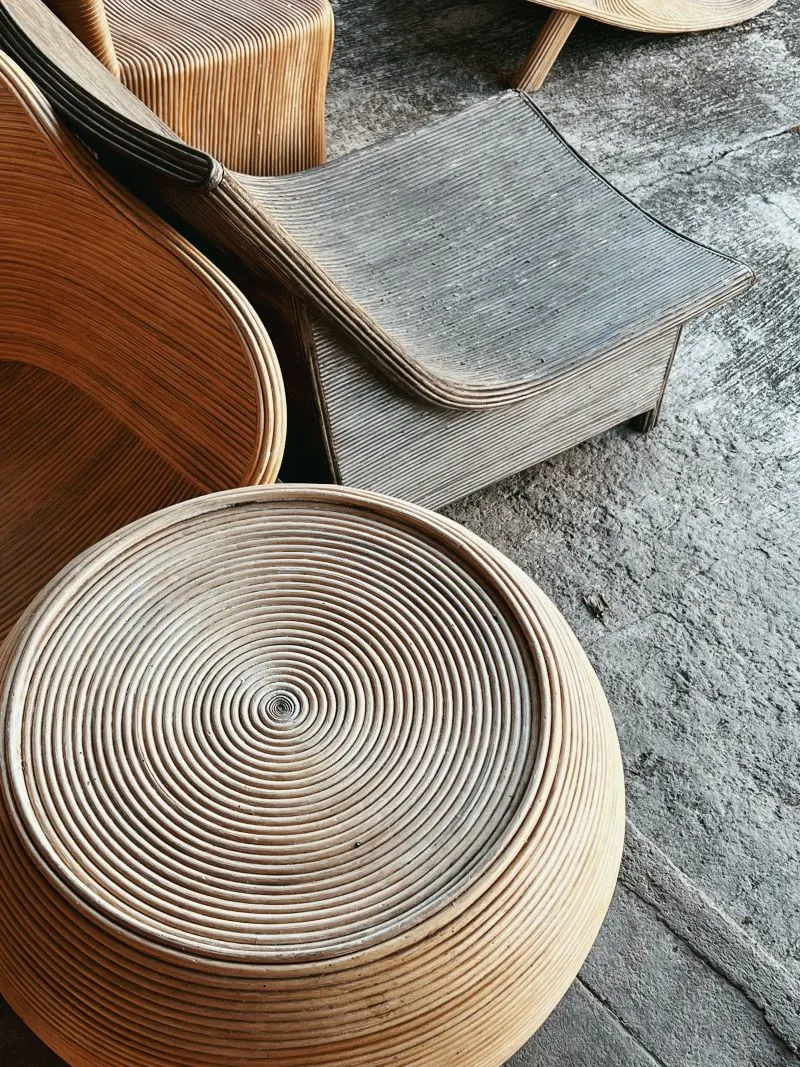
Exploring the Nejjarine Museum of Wood Arts and Crafts in Fes, Morocco, is a delightful journey into the rich artistic traditions and craftsmanship associated with woodwork.
Housed in a beautifully restored caravanserai, which was once a bustling inn for traveling merchants, the museum provides a captivating insight into the history and techniques of Moroccan woodworking.
Upon entering the museum, you’ll be greeted by a stunning courtyard adorned with intricate wooden lattice screens, ornate balconies, and a central fountain. The courtyard itself is a masterpiece of Moroccan architecture, creating a tranquil and inviting atmosphere.
As you make your way through the museum’s exhibition spaces, you’ll encounter a diverse collection of wooden artifacts, tools, and artworks.
The displays showcase the versatility of wood as a medium and the intricate craftsmanship involved in creating various pieces, including furniture, decorative objects, musical instruments, and architectural elements.
The Nejjarine Museum offers a comprehensive overview of different woodworking techniques and styles found across Morocco.
You’ll have the opportunity to admire the intricately carved panels, delicate latticework, and exquisite marquetry that exemplify the mastery of Moroccan wood artisans.
Throughout the museum, you’ll find informative displays that provide insights into the historical and cultural significance of woodworking in Moroccan society.
You can learn about the traditional tools and methods employed by woodworkers, as well as the symbolism and motifs often incorporated into their creations.
The museum also hosts temporary exhibitions and cultural events, offering visitors a chance to further explore the artistic heritage and contemporary expressions of Moroccan woodworking.
In addition to the exhibits, the Nejjarine Museum boasts a rooftop terrace that offers panoramic views of the surrounding area, including the picturesque Fes Medina. It’s an ideal spot to relax, reflect on the exhibits, and appreciate the architectural beauty of the museum’s surroundings.
Whether you have a deep appreciation for craftsmanship or simply an interest in the cultural heritage of Morocco, exploring the Nejjarine Museum of Wood Arts and Crafts provides a captivating and educational experience.
It allows you to immerse yourself in the intricate world of Moroccan woodworking and gain a deeper appreciation for the skill and artistry involved in this traditional craft.
7. Visit the Batha Museum: Discover Moroccan arts, ceramics, and textiles in a former 19th-century palace

Visiting the Batha Museum in Fes, Morocco is a captivating journey through Moroccan art, culture, and history. Housed in a beautifully restored 19th-century palace, the museum showcases a diverse collection of artifacts that offer insights into the rich heritage of the region.
As you enter the Batha Museum, you’ll be greeted by a tranquil courtyard adorned with lush gardens and a central fountain. The courtyard itself is a haven of serenity, providing a respite from the bustling city outside. It sets the stage for the treasures that await within the museum’s walls.
The museum’s exhibition spaces are divided into different sections, each highlighting a particular aspect of Moroccan art and craftsmanship. The displays feature a wide range of artifacts, including ceramics, textiles, woodwork, metalwork, traditional costumes, and intricate embroidery.
One of the highlights of the museum is its extensive collection of traditional Moroccan ceramics. You’ll have the opportunity to admire beautifully decorated pottery, from colorful plates and bowls to intricately patterned tiles and ornate zellij (mosaic) work. These ceramics showcase the skill and artistry of Moroccan artisans and provide a glimpse into the country’s rich cultural heritage.
The Batha Museum also houses a remarkable collection of textiles and carpets. The intricate weavings, vibrant colors, and delicate embroidery on display reflect the rich traditions of Moroccan textile arts.
You can marvel at the mastery of techniques such as weaving, embroidery, and decorative knotting that have been passed down through generations.
Throughout the museum, you’ll find informative displays and explanations that provide context and background information about the exhibits. This enhances the visitor’s understanding of the cultural and historical significance of the artifacts.
The Batha Museum also boasts a rooftop terrace that offers panoramic views of the surrounding area, including the Fes Medina and the Atlas Mountains in the distance. It’s an ideal spot to take in the breathtaking vistas and reflect on the artistic and cultural heritage showcased in the museum.
Whether you are a lover of art, history, or simply curious about Moroccan culture, visiting the Batha Museum is a rewarding experience. It allows you to appreciate the craftsmanship, aesthetics, and traditions that have shaped Morocco’s artistic legacy. The museum’s serene setting and diverse collection make it a must-visit destination in Fes.
8. Take a stroll in the Andalusian Quarter: Wander through this picturesque neighborhood known for its stunning architecture and tranquil atmosphere

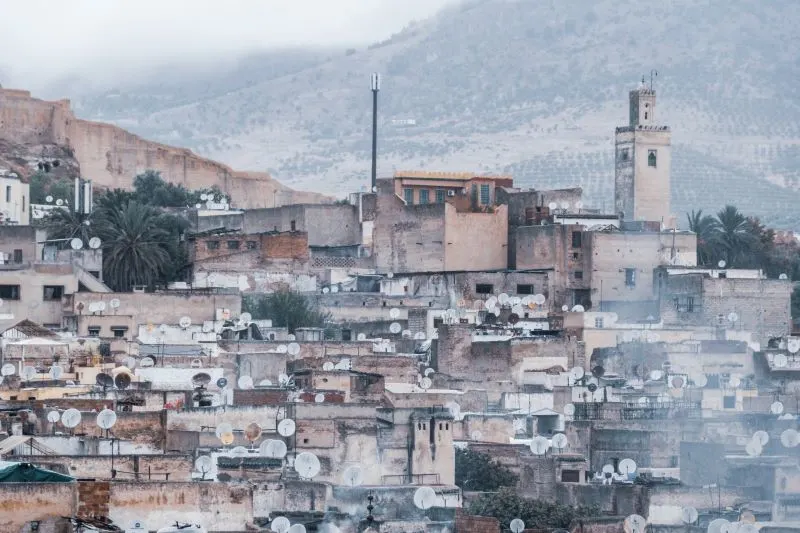
Taking a stroll in the Andalusian Quarter of Fes, Morocco is like stepping back in time to an era of rich history and cultural exchange. This neighborhood, also known as the Andalusian Quarter or the Mellah, holds a special place in Fes, as it represents the heritage of the Andalusian Muslims who settled here after being expelled from Spain during the 15th century.
As you explore the narrow, winding streets of the Andalusian Quarter, you’ll be immersed in its unique ambiance. The architecture reflects a blend of Andalusian, Moroccan, and Moorish influences, with whitewashed buildings, decorative balconies, and intricately carved wooden doors. The streets are often lined with colorful flowers and plants, adding a touch of vibrancy to the surroundings.
One of the remarkable features of the Andalusian Quarter is its peaceful atmosphere. Away from the hustle and bustle of the more crowded areas of Fes, this neighborhood offers a quieter and more relaxed experience. It’s an ideal place to take a leisurely stroll, soak up the atmosphere, and appreciate the architectural details that abound.
As you wander through the Andalusian Quarter, you’ll encounter charming squares, small plazas, and hidden courtyards that invite exploration.
These spaces often serve as gathering places for locals, where you can observe daily life and perhaps even witness traditional activities such as artisans at work or children playing in the streets.
The Andalusian Quarter is also home to several historic landmarks, including mosques, synagogues, and mausoleums. These religious sites reflect the diverse religious and cultural heritage of the neighborhood.
One notable landmark is the Ibn Danan Synagogue, a beautifully preserved synagogue that provides a glimpse into the Jewish history of the area.
Exploring the Andalusian Quarter is not only an opportunity to appreciate the architectural beauty and historical significance of the neighborhood but also a chance to experience the local way of life. You’ll find small shops, traditional bakeries, and local cafes where you can indulge in Moroccan treats and interact with friendly residents.
As you meander through the streets, be sure to take your time and allow yourself to get lost in the maze-like layout of the Andalusian Quarter. It’s in these hidden corners that you may stumble upon unexpected surprises, whether it’s a hidden courtyard, a beautiful piece of street art, or an encounter with a friendly local.
Taking a stroll in the Andalusian Quarter offers a glimpse into the cultural tapestry of Fes and allows you to appreciate the neighborhood’s unique charm and historical legacy. It’s an opportunity to immerse yourself in the rich heritage of Andalusian Muslims and experience the authentic spirit of this enchanting quarter.
9. Explore the Mellah (Jewish Quarter): Visit the old Jewish quarter and its ancient synagogue


Exploring the Mellah, or Jewish Quarter, in Fes, Morocco is a fascinating journey through Jewish history, culture, and the vibrant heritage of this distinctive neighborhood.
The Mellah holds a significant place in Fes as one of the oldest Jewish quarters in Morocco and a testament to the coexistence of different religious and cultural communities.
As you enter the Mellah, you’ll immediately notice its unique character and architectural charm. The streets are often narrower and more intimate than other areas of Fes, creating a sense of intimacy and a captivating atmosphere.
The buildings, with their whitewashed walls and traditional Moroccan design elements, exude a timeless beauty.
One of the notable features of the Mellah is the historic Jewish cemetery, which is often the first point of interest for visitors.
This sacred burial ground, with its weathered tombstones and ornate mausoleums, tells the stories of generations of Jewish families who once called this neighborhood their home.
As you wander through the Mellah, you’ll discover synagogues, small shops, and houses that offer a glimpse into the daily lives of the Jewish community that once thrived here.
Some of the synagogues, such as the Ibn Danan Synagogue, are architectural gems with intricate designs and beautiful craftsmanship.
The Mellah is also known for its vibrant market, where you can find a variety of goods, including traditional Moroccan crafts, spices, and local produce. It’s a bustling hub of activity, and the vendors’ friendly interactions add to the vibrant energy of the quarter.
Exploring the Mellah is an opportunity to learn about the Jewish heritage and culture of Morocco. You can visit the Museum of Jewish Art and History, located in the heart of the Mellah, which showcases a collection of Judaica, artifacts, and exhibits that provide insights into the rich Jewish history of the region.
In addition to the historical and cultural aspects, the Mellah offers a chance to savor the flavors of Moroccan Jewish cuisine. Traditional dishes such as tagines, couscous, and pastries can be found in local eateries, providing a delightful culinary experience.
It’s important to note that while the Mellah is historically associated with the Jewish community, the population has significantly decreased over the years.
However, the area still holds cultural and historical significance, and visitors can witness the remnants of a once-thriving Jewish community.
Exploring the Mellah provides a deeper understanding of Fes’ multicultural past and the coexistence of different religious and cultural communities. It allows you to appreciate the architectural beauty, cultural heritage, and the lasting impact of the Jewish community in shaping the identity of this enchanting neighborhood.
10. Discover the Dar Batha Garden: Relax in this beautifully landscaped garden featuring traditional Moroccan plants and a charming Andalusian-style pavilion

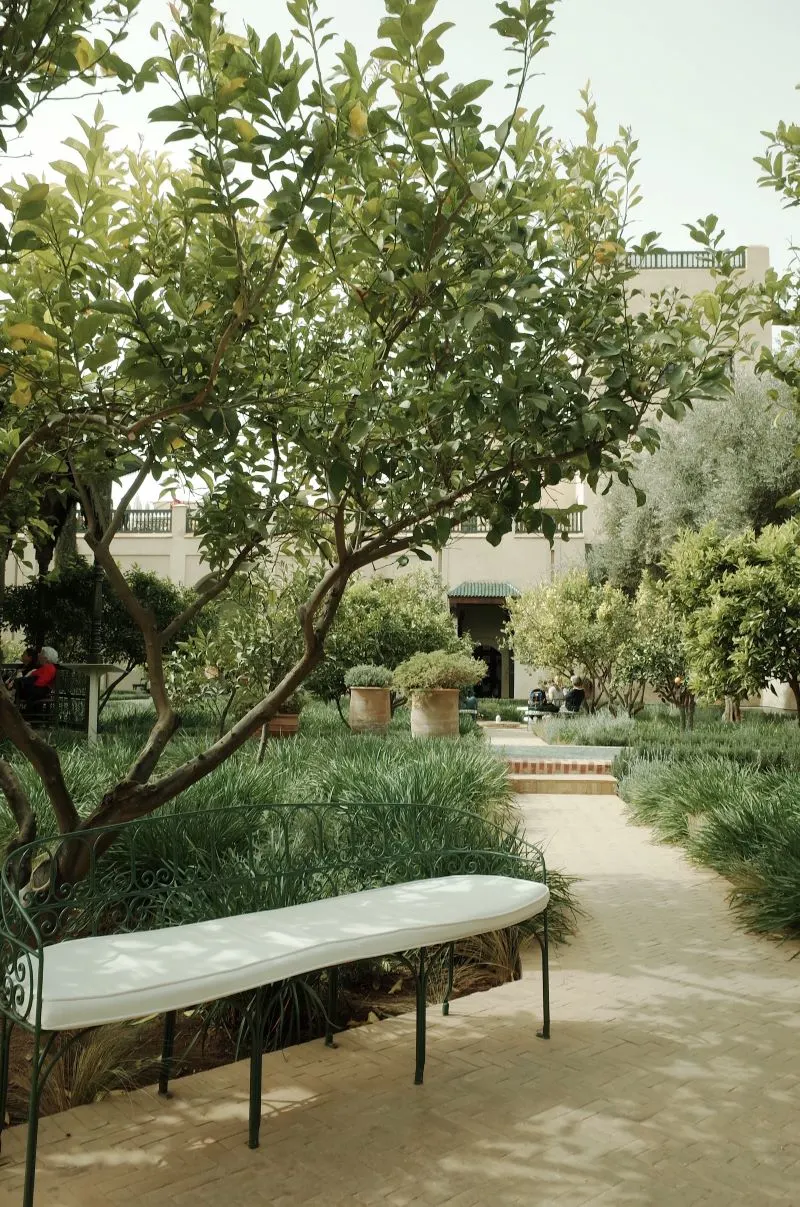
Discovering the Dar Batha Garden in Fes, Morocco is like stepping into a peaceful oasis amid the bustling city. Located near the Batha Museum, the garden offers a serene retreat where you can relax, rejuvenate, and immerse yourself in the natural beauty of Morocco.
As you enter the Dar Batha Garden, you’ll be greeted by lush greenery, fragrant flowers, and the soothing sound of flowing water. The garden’s design combines Moroccan and Andalusian influences, creating a harmonious blend of colors, scents, and textures.
The pathways wind through the garden, leading you to various areas where you can explore and appreciate the diverse plant life.
You’ll encounter fragrant orange trees, vibrant bougainvillea, and a variety of other Mediterranean and North African flora. The well-tended flower beds burst with colors, offering a visual feast for the eyes.
One of the highlights of the garden is the central courtyard, which features a traditional Moroccan fountain surrounded by benches and shaded areas. It’s an ideal spot to sit and soak up the tranquility while listening to the gentle sound of water cascading down the fountain.
The Dar Batha Garden also showcases traditional Moroccan architecture. The buildings within the garden feature intricate tile work, carved plaster, and ornate wooden details. They serve as a reminder of the artistic and architectural heritage that is deeply rooted in Moroccan culture.
Exploring the garden offers a chance to experience different elements of Moroccan design. You can admire the colorful zellige tile work, the geometric patterns, and the delicate craftsmanship that adorn the structures within the garden.
The garden is not only a visual delight but also a cultural destination. It hosts various cultural events, exhibitions, and festivals throughout the year, showcasing the rich artistic traditions of Morocco.
From traditional music performances to art exhibitions, these events provide an opportunity to further immerse yourself in the vibrant culture of the region.
Whether you’re seeking a moment of tranquility, an appreciation of nature, or a cultural experience, the Dar Batha Garden offers a delightful escape from the bustling city. It’s a place to unwind, enjoy the beauty of the surroundings, and connect with the artistic and natural heritage of Morocco.
11. Visit the Al-Attarine Madrasa: Admire the intricate tile work and stunning courtyard of this historic Islamic school

Visiting the Al-Attarine Madrasa in Fes, Morocco is a captivating experience that allows you to delve into the rich architectural and cultural heritage of the city.
Located near the Al-Qarawiyyin Mosque, this stunning madrasa is a testament to the grandeur of Moroccan craftsmanship and Islamic artistry.
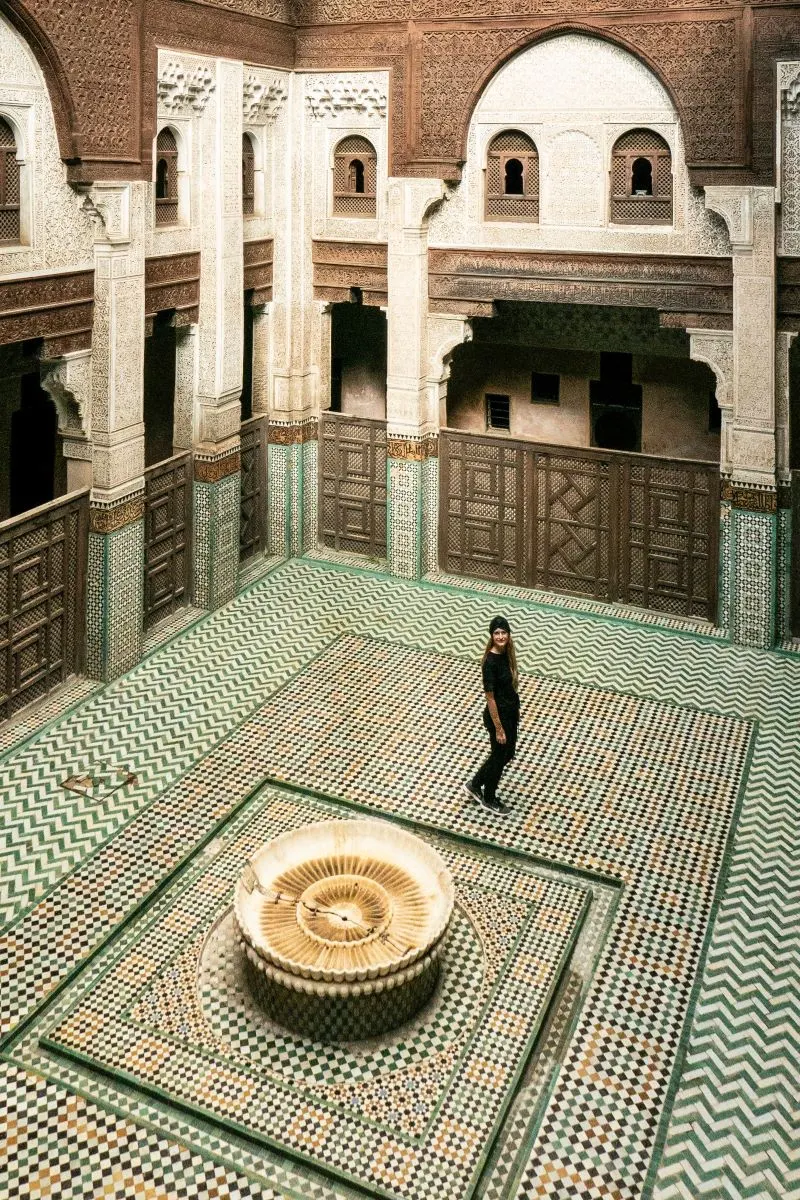
As you enter the Al-Attarine Madrasa, you’ll be greeted by a magnificent courtyard that immediately captures your attention. The courtyard is adorned with exquisite zellij tilework, intricately carved plaster, and beautiful calligraphy. The combination of vibrant colors, geometric patterns, and floral motifs creates a mesmerizing visual spectacle.
The central courtyard is often adorned with a tranquil fountain, adding a sense of serenity to the atmosphere. It’s a perfect spot to pause, admire the intricate details, and absorb the architectural splendor that surrounds you.
The madrasa’s prayer hall is another highlight of the visit. Step inside, and you’ll be awestruck by the intricate stucco work, carved cedar wood ceilings, and the ambiance of spiritual devotion that permeates the space. The walls are adorned with beautiful Quranic verses, while the mihrab (prayer niche) serves as a focal point for worship.
Throughout the Al-Attarine Madrasa, you’ll find exquisite craftsmanship and attention to detail in every corner. The intricate stucco carvings, the delicate tile mosaics, and the finely carved wooden elements showcase the mastery of Moroccan artisans.
While exploring the madrasa, take the time to appreciate the subtle play of light and shadow that dances across the surfaces, enhancing the beauty of the architectural features. The interplay between the geometric patterns and the natural light creates a visually captivating experience.
Visiting the Al-Attarine Madrasa also provides an opportunity to learn about the historical significance of madrasas in Islamic education.
Madrasas were religious schools where students studied Islamic sciences, theology, and law. The Al-Attarine Madrasa stands as a testament to the importance of education in Moroccan history and the preservation of cultural heritage.
As you explore the Al-Attarine Madrasa, remember to be respectful of the sacred space and adhere to any guidelines or instructions provided by the authorities. Take your time to appreciate the beauty, tranquility, and architectural grandeur that this historical site offers.
A visit to the Al-Attarine Madrasa is an immersion into the artistry and spirituality of Moroccan Islamic architecture. It’s an opportunity to admire the intricate craftsmanship, marvel at the details, and gain a deeper understanding of the cultural legacy that shapes Fes as a captivating destination.
12. Enjoy a traditional Moroccan hammam: Experience a rejuvenating and relaxing spa treatment at a traditional hammam

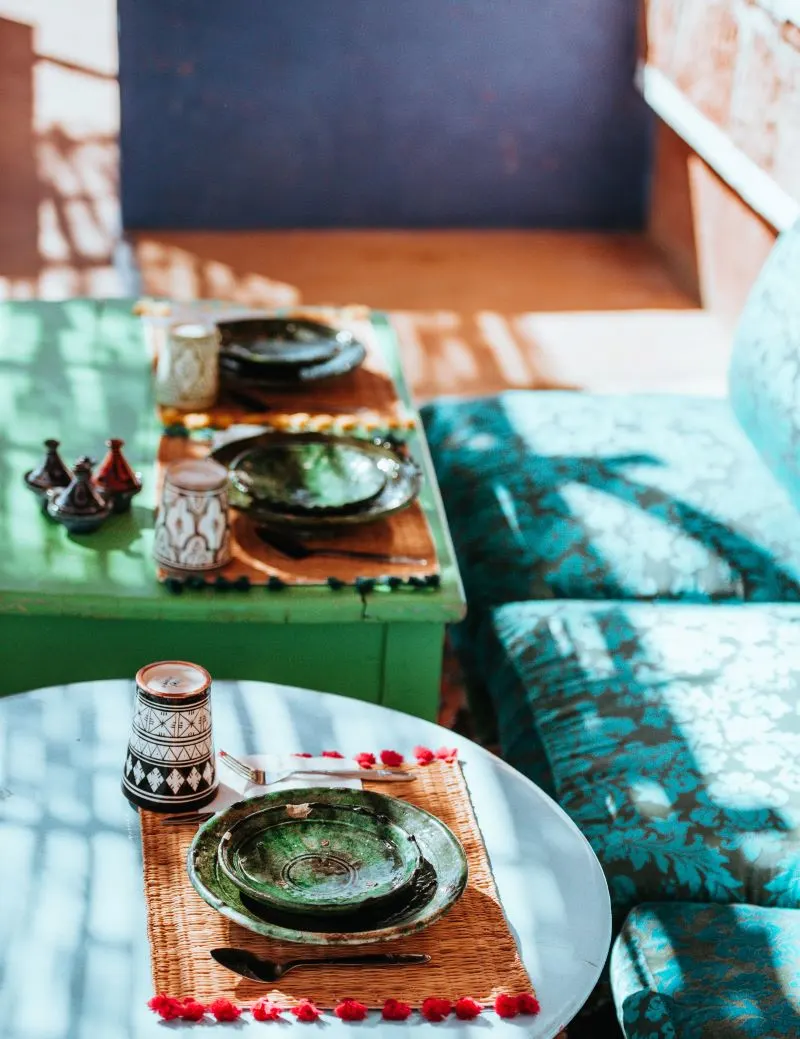
Enjoying a traditional Moroccan hammam is an indulgent and rejuvenating experience that immerses you in the centuries-old bathing rituals and cultural traditions of Morocco.
A hammam is a traditional steam bath that serves as a social and cleansing ritual in Moroccan culture, providing relaxation, purification, and a sense of well-being.
Upon entering a traditional hammam, you’ll step into a serene and dimly lit environment that is designed to promote relaxation and tranquility. The hammam typically consists of several interconnected rooms, each with a specific purpose in the cleansing process.
The first step is to unwind in the warm room, which allows your body to acclimate to the steam and heat. As you relax on the heated marble bench, the steam envelops you, opening your pores and preparing your skin for cleansing.
Next, you move to the hot room, where you’ll receive a thorough exfoliation known as “gommage.” A skilled attendant, known as a “kessala” or “tellak,” uses a special glove made of coarse fabric or natural fibers to gently scrub away dead skin cells and impurities. This exfoliation not only leaves your skin feeling incredibly soft and smooth but also improves circulation and promotes detoxification.
After the exfoliation, you’ll receive a soothing rinse with warm water, followed by a cool water splash to invigorate your senses and close the pores. This temperature contrast offers a refreshing and revitalizing sensation.
For an added touch of luxury, you may choose to indulge in additional treatments, such as a clay or mud mask, hair conditioning, or a massage using fragrant Moroccan oils. These treatments further enhance the relaxation and leave you feeling pampered from head to toe.
During your hammam experience, you can also immerse yourself in the ambiance and soak up the cultural traditions. The atmosphere is often enhanced by the soft glow of candlelight, the aroma of essential oils, and the soothing sounds of traditional Moroccan music.
It’s important to note that hammams are often segregated by gender, with separate facilities for men and women. This allows for a more comfortable and culturally appropriate experience.
Whether you visit a hammam in a luxury spa or a traditional public hammam, the experience offers a rejuvenating escape from the outside world. It provides an opportunity to unwind, cleanse both body and mind, and embrace the ancient traditions of Moroccan wellness.
A traditional Moroccan hammam is an invitation to indulge in self-care, relaxation, and the cultural heritage of Morocco. It’s an experience that leaves you feeling refreshed, revitalized, and deeply connected to the traditions and rituals that have been passed down through generations.
13. Visit the Fes el-Jdid Quarter: Explore this area known for its historic monuments, including the Mellah and the Royal Palace


Visiting the Fes el-Jdid Quarter in Fes, Morocco is like stepping into a different era of the city’s history. Located outside the walls of the UNESCO-listed Fes Medina, this neighborhood offers a glimpse into the royal past of Fes and showcases a distinct architectural style and cultural ambiance.
Fes el-Jdid, meaning “New Fes,” was established in the 13th century as an extension to the original Fes Medina. The quarter was intended to accommodate the royal court and its associated institutions. Today, it retains a regal charm and a sense of grandeur that sets it apart from other parts of the city.
One of the main attractions in Fes el-Jdid is the Royal Palace, also known as Dar el-Makhzen. This magnificent palace complex, although not open to the public, offers an impressive sight with its ornate golden doors, intricately carved plasterwork, and stunning mosaic tiles.
The palace showcases the architectural mastery of Moroccan artisans and reflects the opulence and grandeur associated with Moroccan royal residences.
While exploring Fes el-Jdid, you’ll also encounter wide avenues lined with majestic palm trees and elegant buildings that house government institutions and embassies. The neighborhood exudes a sense of space and openness, providing a contrast to the narrow and bustling streets of the Medina.
Fes el-Jdid is also home to several historic sites and landmarks. The Mellah, or Jewish Quarter, is located within the quarter and offers an opportunity to learn about the Jewish heritage and culture of Morocco.
You can visit the Ibn Danan Synagogue and explore the surrounding streets, which hold stories of a vibrant Jewish community that once thrived in the area.
Another notable site in Fes el-Jdid is the Merinid Tombs, a collection of historic mausoleums dating back to the 14th century. These tombs are the final resting place of the Merinid rulers, and they provide a glimpse into the rich history of the region.
Exploring Fes el-Jdid is a chance to appreciate the city’s royal legacy and witness the blending of different architectural styles. The quarter combines Moroccan, Andalusian, and Moorish influences, resulting in a unique architectural tapestry that is both visually captivating and historically significant.
As you stroll through the streets of Fes el-Jdid, take the time to observe the details of the buildings, such as the decorative balconies, carved wooden doors, and intricate tile work.
The neighborhood offers a more relaxed and spacious environment compared to the Medina, allowing you to enjoy a leisurely walk and soak up the regal atmosphere.
Visiting Fes el-Jdid provides a deeper understanding of the historical and cultural layers of Fes. It offers a glimpse into the royal past of the city, showcases remarkable architecture, and presents a different perspective on the diverse heritage of Morocco.
14. Discover the Borj Nord Arms Museum: Learn about Moroccan military history and enjoy panoramic views of Fes from the tower


Discovering the Borj Nord Arms Museum in Fes, Morocco is a fascinating journey into the military history and weaponry of the region.
Housed within the historic Borj Nord fortress, this unique museum showcases a collection of arms, armor, and military artifacts that offer insights into the rich heritage of Moroccan warfare and defense.
The Borj Nord fortress itself is an impressive structure that dates back to the 16th century. Its strategic location atop a hill provides panoramic views of the city of Fes and its surrounding landscapes. As you approach the museum, you’ll be greeted by the imposing fortress walls and fortified towers, which create a sense of awe and curiosity.
Once inside the museum, you’ll find a carefully curated collection of weapons and armor from different periods of Moroccan history.
The exhibits include a wide range of items, such as swords, rifles, cannons, crossbows, and traditional Berber weapons. Each piece is accompanied by informative displays and descriptions, providing historical context and shedding light on their significance.
The museum allows you to trace the evolution of military technology and tactics in Morocco, from ancient times to more recent periods.
You can learn about the influence of various civilizations and empires on Moroccan warfare, including the Romans, Arabs, Berbers, and Ottoman Empire.
One of the highlights of the museum is the collection of intricately designed Moroccan firearms. These ornate weapons, adorned with beautiful engravings and decorative details, exemplify the artistic craftsmanship that was integrated into functional military tools.
Throughout your visit, you’ll gain insights into the role of the Borj Nord fortress itself in the defense of Fes. The museum provides a glimpse into the fortress’s strategic importance and its historical significance as a defensive stronghold.
Aside from the exhibits, the museum often hosts special events and demonstrations that bring the history of Moroccan warfare to life.
These interactive experiences may include traditional weapon demonstrations, reenactments, or workshops that allow visitors to handle replica weapons and learn about their usage.
Visiting the Borj Nord Arms Museum is a unique opportunity to explore the military history and cultural heritage of Morocco. It offers a different perspective on the country’s rich past and provides a deeper understanding of the role of defense and warfare in shaping the region.
As you immerse yourself in the exhibits, you’ll appreciate the craftsmanship, diversity, and strategic prowess that characterize Moroccan military history.
The museum allows you to connect with the past, honor the traditions of Moroccan warfare, and gain a greater appreciation for the unique heritage of the region.
15. Visit the Dar el-Magana: Witness the mechanical water clock that dates back to the 14th century

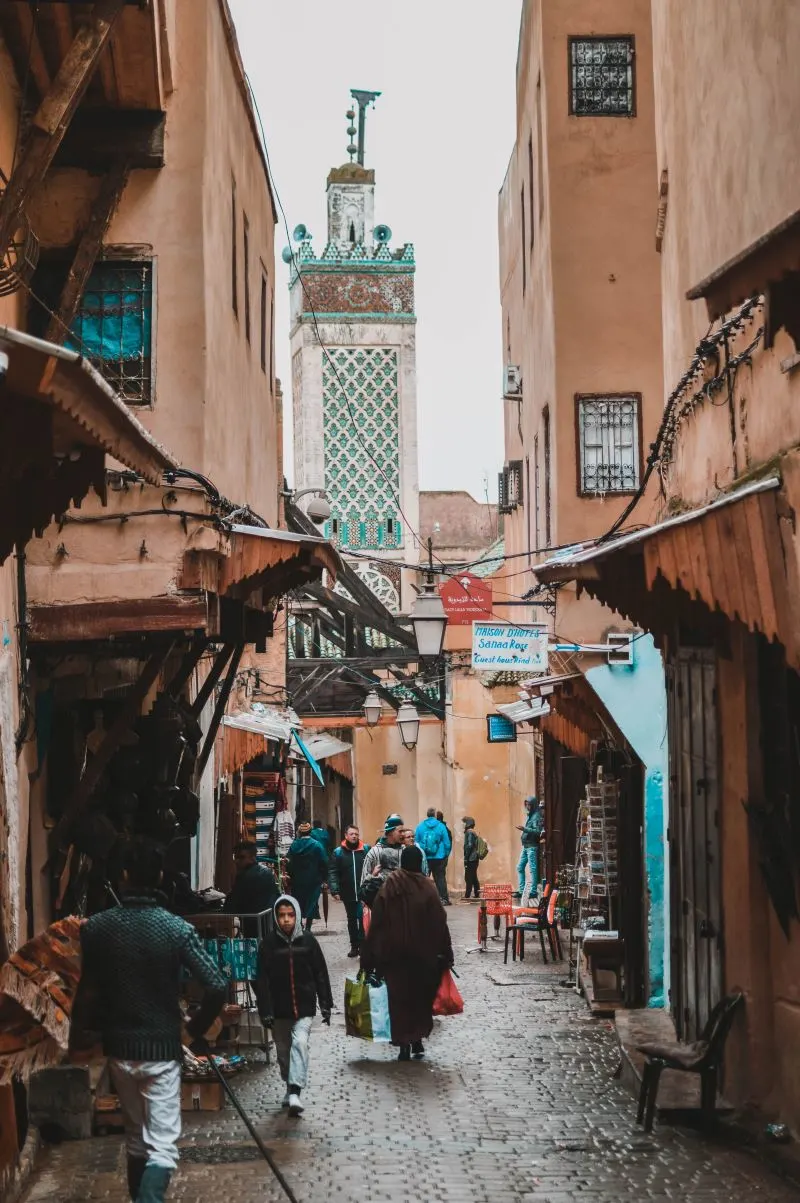
Visiting Dar el-Magana in Fes, Morocco is like stepping back in time to witness the ancient clockwork technology and marvel at the ingenuity of Moroccan engineering.
Dar el-Magana, also known as the Water Clock, is a historical monument that showcases an innovative system for marking time using water and gravity.
Located near the Al-Qarawiyyin Mosque, Dar el-Magana dates back to the 14th century and is considered one of the oldest water clocks in the world.
The structure comprises a vertical stone water wheel connected to a complex network of channels and cisterns. The wheel, driven by the force of water, operates a system of gears and pulleys that control the movement of timekeeping mechanisms.
As you approach Dar el-Magana, you’ll notice the elegant architectural design of the building. The exterior features intricate geometric patterns, ornate tile work, and decorative elements that reflect the artistic traditions of Moroccan craftsmanship.
Inside, you’ll discover the fascinating mechanism of the water clock. The water wheel slowly rotates, causing metal balls to drop at regular intervals, marking the passage of time.
This ingenious system, driven solely by the natural flow of water, demonstrates the mastery of hydraulic engineering and mechanical craftsmanship that existed in medieval Morocco.
Observing the Water Clock in action provides a captivating experience. You can witness the rhythmic flow of water, the gentle movement of the wheel, and the precise timing of the falling metal balls.
It’s a mesmerizing display of ancient technology that highlights the scientific and technological advancements achieved by Moroccan scholars and inventors.
Beyond its timekeeping function, Dar el-Magana also served a practical purpose in the daily lives of Fes residents. The clock’s chimes and bells would announce the call to prayer, mark the opening and closing of the city gates, and indicate the beginning and end of work hours.
Visiting Dar el-Magana offers an opportunity to appreciate the historical significance and cultural heritage of Fes. The water clock stands as a testament to the ingenuity, creativity, and scientific knowledge of the past, showcasing the contributions of Moroccan scholars to fields such as astronomy, engineering, and timekeeping.
While the water clock is no longer in regular operation, it remains a remarkable testament to human inventiveness and a reminder of the remarkable achievements of medieval Morocco.
A visit to Dar el-Magana allows you to connect with the ancient roots of technology, admire the architectural beauty of the structure, and gain a deeper understanding of the historical and cultural legacy of Fes.
16. Explore the Jardin Jnan Sbil: Relax in this serene garden with beautiful fountains, flowers, and trees

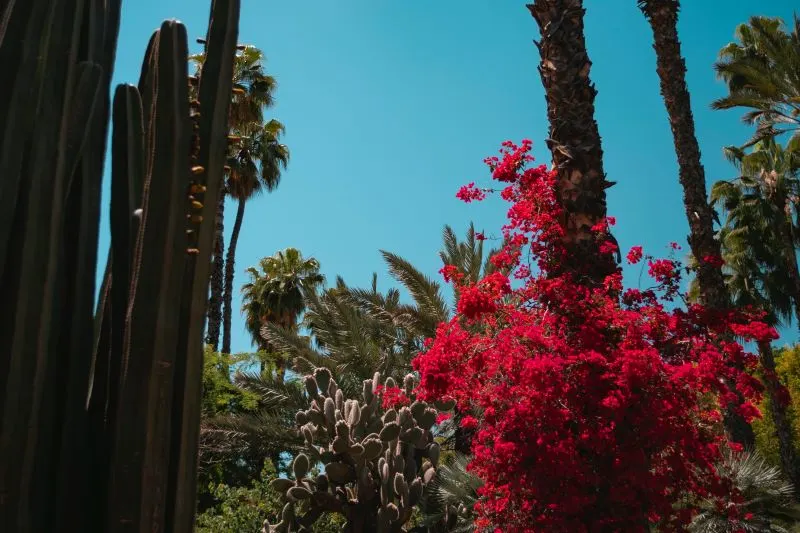
Exploring the Jardin Jnan Sbil in Fes, Morocco is a delightful experience that offers a tranquil escape from the bustling city and invites you to immerse yourself in the beauty of nature. Also known as the Bou Jeloud Gardens, this historic public park is a verdant oasis nestled in the heart of Fes.
As you enter the Jardin Jnan Sbil, you’ll be greeted by a serene atmosphere and a sense of tranquility. The park spans over seven hectares and is meticulously landscaped with lush greenery, vibrant flower beds, and towering palm trees.
The well-maintained pathways guide you through the garden, inviting you to explore its various sections and discover hidden corners of natural beauty.
The garden is adorned with numerous species of plants and trees, creating a harmonious blend of colors, scents, and textures. You’ll encounter fragrant roses, blooming lilies, aromatic herbs, and a variety of exotic plant species. The diverse flora provides a feast for the senses, offering a visual spectacle and filling the air with a pleasant fragrance.
The Jardin Jnan Sbil features a central lake that serves as a focal point for the park. The shimmering water, adorned with water lilies and surrounded by benches and shaded areas, provides a peaceful spot to relax and soak in the serene ambiance. You can watch the graceful movement of ducks and swans or simply enjoy the tranquil reflections cast on the water’s surface.
Throughout the garden, you’ll find beautifully designed pavilions, pergolas, and seating areas that blend seamlessly with the natural surroundings. These architectural elements provide shaded retreats where you can sit, unwind, and appreciate the beauty of the garden from different perspectives.
The Jardin Jnan Sbil is not only a place of natural beauty but also a cultural and historical landmark. It was originally established in the 18th century and holds a significant place in Fes’ heritage.
The park has undergone restoration and improvement over the years, ensuring its continued splendor and accessibility to visitors.
The garden often hosts cultural events, exhibitions, and concerts, adding a touch of artistic vibrancy to its natural allure. These events provide an opportunity to experience Moroccan arts, music, and traditions within the serene and picturesque setting of the park.
Exploring the Jardin Jnan Sbil allows you to escape the bustling city and find solace in the embrace of nature. Whether you take a leisurely stroll, find a quiet spot to read a book, or simply sit and absorb the peaceful ambiance, the garden offers a rejuvenating experience that nourishes the soul and leaves you feeling refreshed.
A visit to the Jardin Jnan Sbil is an invitation to appreciate the beauty of nature, connect with the cultural heritage of Fes, and enjoy moments of tranquility amidst the vibrant cityscape. It’s a place where serenity meets natural splendor, and where the harmonious coexistence of humans and nature is celebrated.
17. Enjoy a traditional Moroccan tea ceremony: Experience the hospitality of locals and savor the flavors of Moroccan tea


Enjoying a traditional Moroccan tea ceremony is an enchanting experience that immerses you in the rich cultural heritage and hospitality of Morocco.
Tea holds a special place in Moroccan culture and is often considered a symbol of friendship, warmth, and welcome. The tea ceremony itself is a cherished tradition that involves meticulous preparation, presentation, and shared enjoyment of this aromatic beverage.
The ceremony typically begins with the selection and brewing of green tea, which is usually a high-quality Chinese gunpowder tea. Fresh mint leaves, known as “nana,” are an essential component of Moroccan tea and add a refreshing and fragrant twist to the drink.
The host takes great care in brewing the tea, using a decorative teapot known as a “berrad” and a small charcoal stove called a “majmar” to heat the water.
The tea leaves are placed in the teapot along with a generous amount of mint leaves, and hot water is poured over them. The teapot is then placed on the majmar, allowing the flavors to infuse and create a perfect blend.
As the tea brews, the host engages in a rhythmic pouring technique known as “dripping the tea.” This involves pouring the tea from a height into small, delicate glasses, allowing the liquid to cascade smoothly and create a beautiful foam on the surface. The pouring process is often repeated several times to ensure that the tea is properly mixed and aerated.
Once the tea is poured, it is served to the guests, often accompanied by a small plate of traditional Moroccan pastries or nuts.
The host takes great pride in serving the tea, ensuring that each guest is treated with warmth and hospitality. The tea glasses are held from the top, allowing the bottom part to remain cool while the top part warms your hands.
Sipping Moroccan tea is a pleasure in itself. The combination of the rich green tea and the aromatic mint creates a delightful flavor profile that is both refreshing and soothing.
The tea is traditionally enjoyed hot and in small sips, allowing you to savor the taste and engage in conversation with your fellow tea companions.
The tea ceremony provides an opportunity for bonding, storytelling, and sharing moments of relaxation. It is a time to connect with others, enjoy the company of friends and family, and experience the genuine Moroccan hospitality.
Participating in a traditional Moroccan tea ceremony is not just about the tea itself, but also about the cultural exchange and the appreciation of Moroccan customs.
It allows you to witness the artistry and precision involved in tea preparation, and it provides a glimpse into the values of hospitality and warmth that are deeply ingrained in Moroccan culture.
Whether you enjoy a tea ceremony in a Moroccan home, a local teahouse, or as part of a guided cultural experience, the tradition offers a sensory journey that combines taste, aroma, and social connection. It’s a cherished ritual that embodies the essence of Moroccan hospitality and leaves a lasting impression on visitors.
18. Visit the Moulay Idriss Mausoleum: Pay homage to Moulay Idriss II, the founder of Fes, at this important religious site

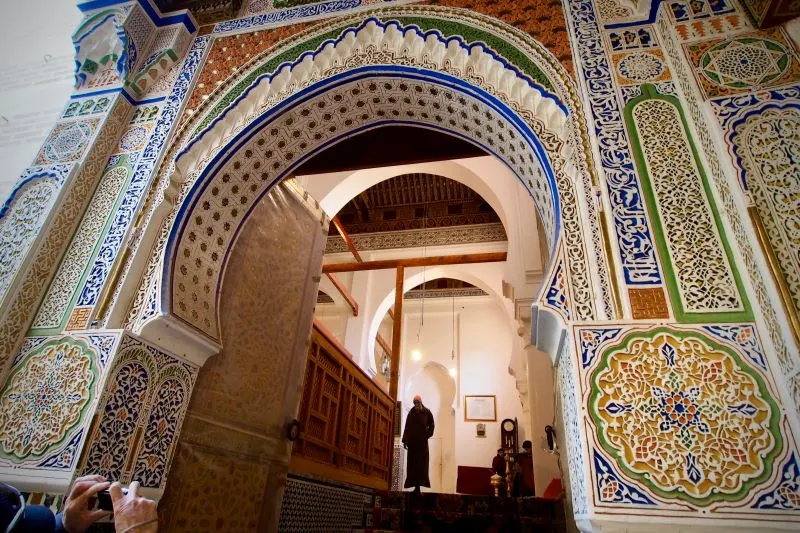
Visiting the Moulay Idriss Mausoleum in Fes, Morocco is a deeply spiritual and culturally significant experience. Located in the ancient city of Moulay Idriss Zerhoun, this mausoleum is one of the most revered pilgrimage sites in Morocco, honoring Moulay Idriss I, the founder of the Idrisid dynasty and the first Islamic ruler of Morocco.
Approaching the mausoleum, you’ll be captivated by its striking architecture and serene setting. The structure features a traditional Moroccan design, with intricately carved arches, decorative tiles, and a green-tiled roof that stands out against the backdrop of the surrounding white buildings.
As you enter the mausoleum, you’ll step into a sacred space that exudes a palpable sense of reverence and tranquility. The interior is adorned with beautiful mosaics, delicate plasterwork, and ornate calligraphy, creating an ambiance of artistic grandeur.
At the heart of the mausoleum lies the tomb of Moulay Idriss I, which is considered a sacred site for Muslims. The tomb is covered in vibrant fabrics and adorned with fragrant flowers, creating a visually captivating focal point.
Visitors often offer prayers, pay their respects, and seek blessings at the tomb, following the traditions of pilgrimage and spiritual devotion.
Beyond the spiritual significance, the Moulay Idriss Mausoleum also offers panoramic views of the city and the surrounding landscape. From the terrace, you can gaze upon the labyrinthine streets, ancient buildings, and the picturesque hills that encircle the city.
The vantage point provides a unique perspective and offers a moment of reflection amidst the beauty of the natural and architectural surroundings.
Visiting the Moulay Idriss Mausoleum provides a profound connection to Moroccan history, culture, and spirituality. It offers a glimpse into the religious devotion and reverence for ancestors that are deeply ingrained in Moroccan society.
The mausoleum serves as a testament to the enduring legacy of Moulay Idriss I and his role in shaping the country’s identity.
Exploring the mausoleum and its surroundings allows you to experience the atmosphere of devotion, witness the architectural splendor, and gain a deeper understanding of Moroccan traditions and beliefs. It’s a place where the past converges with the present, and where the spiritual and cultural threads of Morocco are interwoven.
Visitors to the Moulay Idriss Mausoleum are encouraged to be respectful and mindful of the sacred nature of the site. Modest attire is recommended, and it’s customary to remove your shoes before entering the mausoleum.
A visit to the Moulay Idriss Mausoleum is a profound and humbling experience, offering a glimpse into Morocco’s spiritual heritage and providing an opportunity for reflection and reverence. It’s a place where history, religion, and culture intertwine, leaving a lasting impression on all who venture there.
19. Take a guided tour of the Jewish Cemetery: Learn about the history of the Jewish community in Fes and visit the historic cemetery

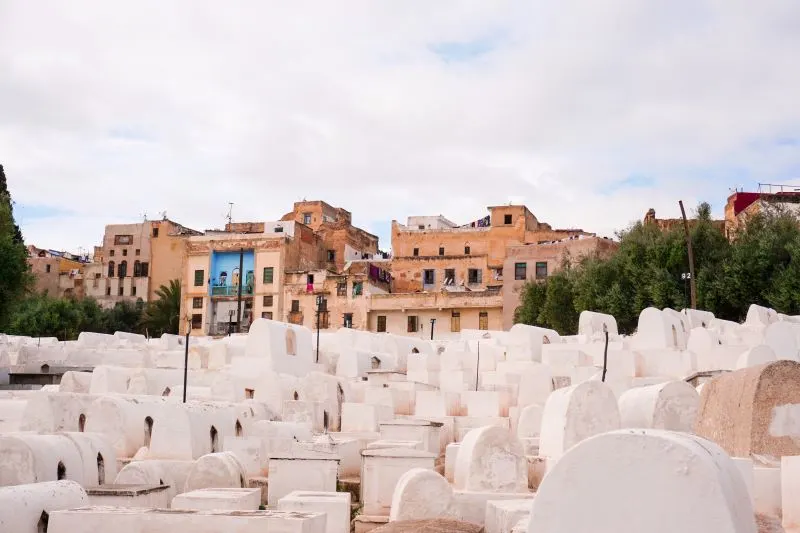
Taking a guided tour of the Jewish Cemetery in Fes, Morocco offers a unique opportunity to explore the rich Jewish heritage and history of the city. The cemetery, known as “Beth HaChaim” in Hebrew, is a sacred place that holds great significance for the Jewish community in Fes.
As you enter the cemetery, you’ll immediately sense the peaceful atmosphere and the profound sense of reverence. The burial ground is beautifully maintained, with rows of tombstones adorned with inscriptions in Hebrew, symbols, and decorative elements that reflect Jewish traditions and customs.
The guided tour provides invaluable insights into the history and stories behind the cemetery. Your guide, often knowledgeable about the Jewish heritage of the city, will share anecdotes, historical facts, and cultural information that bring the place to life.
They will provide context and highlight the contributions and struggles of the Jewish community throughout the centuries.
The cemetery itself is a testament to the enduring presence of the Jewish community in Fes. Some tombstones date back centuries, with inscriptions and engravings that reflect the diverse artistic styles and cultural influences that have shaped the city over time.
The tombstones also serve as a record of the individuals who were laid to rest there, offering a glimpse into the lives and legacies of past generations.
During the tour, you may have the opportunity to visit specific gravesites of notable individuals or families, including rabbis, scholars, or community leaders who made significant contributions to the Jewish community.
Your guide may share stories and anecdotes related to these individuals, providing a deeper understanding of their roles in shaping the community’s history.
The guided tour may also touch upon the history of the Jewish community in Fes and the challenges they faced throughout different periods.
It may shed light on the coexistence and cultural exchange between Jewish and Muslim communities in Morocco, highlighting the importance of tolerance and mutual respect.
Exploring the Jewish Cemetery in Fes allows you to connect with the past, honor the memory of those who came before, and appreciate the cultural diversity that has shaped the city.
It is a reminder of the shared history and the contributions of different religious and ethnic communities to the fabric of Moroccan society.
Visiting the Jewish Cemetery with a knowledgeable guide provides a deeper appreciation for the significance of the site and offers a respectful way to engage with the Jewish heritage of Fes. It is an opportunity to learn, reflect, and foster understanding between different cultures and religious traditions.
As you conclude the tour, you may leave with a greater sense of the collective memory and the importance of preserving cultural heritage for future generations.
The Jewish Cemetery in Fes stands as a testament to the enduring legacy of the Jewish community and serves as a place of remembrance, reflection, and cultural exchange.
20. Explore the Dar Mnebhi Palace: Discover Moroccan architecture and art in this beautifully restored palace

Exploring the Dar Mnebhi Palace in Fes, Morocco is like stepping into a world of opulence, architectural beauty, and cultural history. This magnificent palace, located in the heart of the Fes Medina, offers a glimpse into the lavish lifestyle of the wealthy families of the past.
As you enter the palace, you’ll be immediately struck by its grandeur and intricate details. The architecture showcases a blend of Moroccan and Andalusian influences, with ornate carvings, colorful tiles, and exquisite plasterwork that adorn the walls and ceilings.
The palace is a masterpiece of Islamic architecture, featuring geometric patterns, arabesques, and calligraphic inscriptions that reflect the artistic richness of the region.
The interior spaces are equally impressive, with beautifully decorated rooms and courtyards that evoke a sense of luxury and refinement.
The central courtyard, known as the “patio,” often features a mesmerizing fountain surrounded by lush gardens and a tranquil ambiance. It serves as the heart of the palace, providing a refreshing and serene space for relaxation and contemplation.
The rooms of the palace are adorned with elegant furnishings, traditional Moroccan carpets, and intricate woodwork. Each room offers a unique glimpse into the lifestyle and taste of the palace’s former inhabitants.
From the grand reception halls to the private quarters, every corner of the Dar Mnebhi Palace showcases the rich cultural heritage and artistic mastery of Moroccan craftsmanship.
Exploring the palace allows you to wander through the various rooms and corridors, marveling at the architectural details and decorative elements.
You can imagine the opulent gatherings and social events that took place within these walls, and envision the palace as a vibrant hub of cultural exchange and celebration.
The Dar Mnebhi Palace is not only a showcase of architectural beauty but also serves as a museum that displays a collection of historical artifacts, traditional crafts, and artistic treasures.
These exhibits provide further insights into Moroccan history, lifestyle, and artistic traditions, offering a comprehensive cultural experience.
Visiting the palace with a knowledgeable guide enhances your understanding and appreciation of its historical and cultural significance. They can provide historical context, share captivating stories, and answer any questions you may have, making your exploration even more engaging and informative.
Beyond its architectural and historical importance, the Dar Mnebhi Palace often hosts cultural events, art exhibitions, and performances, adding a contemporary vibrancy to its timeless charm.
These events provide a dynamic and interactive experience, allowing visitors to immerse themselves in the living culture of Fes.
Exploring the Dar Mnebhi Palace is like stepping into a bygone era of splendor and elegance. It offers a captivating journey through Moroccan history, architecture, and artistic traditions, providing a deeper understanding of the country’s rich cultural heritage. It’s a must-visit destination for anyone seeking to immerse themselves in the beauty and grandeur of Moroccan palace life.
21. Visit the Museum of Moroccan Art: Explore a collection of traditional Moroccan crafts and art pieces

Visiting the Museum of Moroccan Art in Fes, Morocco is an enriching experience that allows you to delve into the rich artistic traditions and cultural heritage of the country.
Located in a beautifully restored 19th-century palace, the museum showcases a diverse collection of Moroccan art spanning various mediums and historical periods.
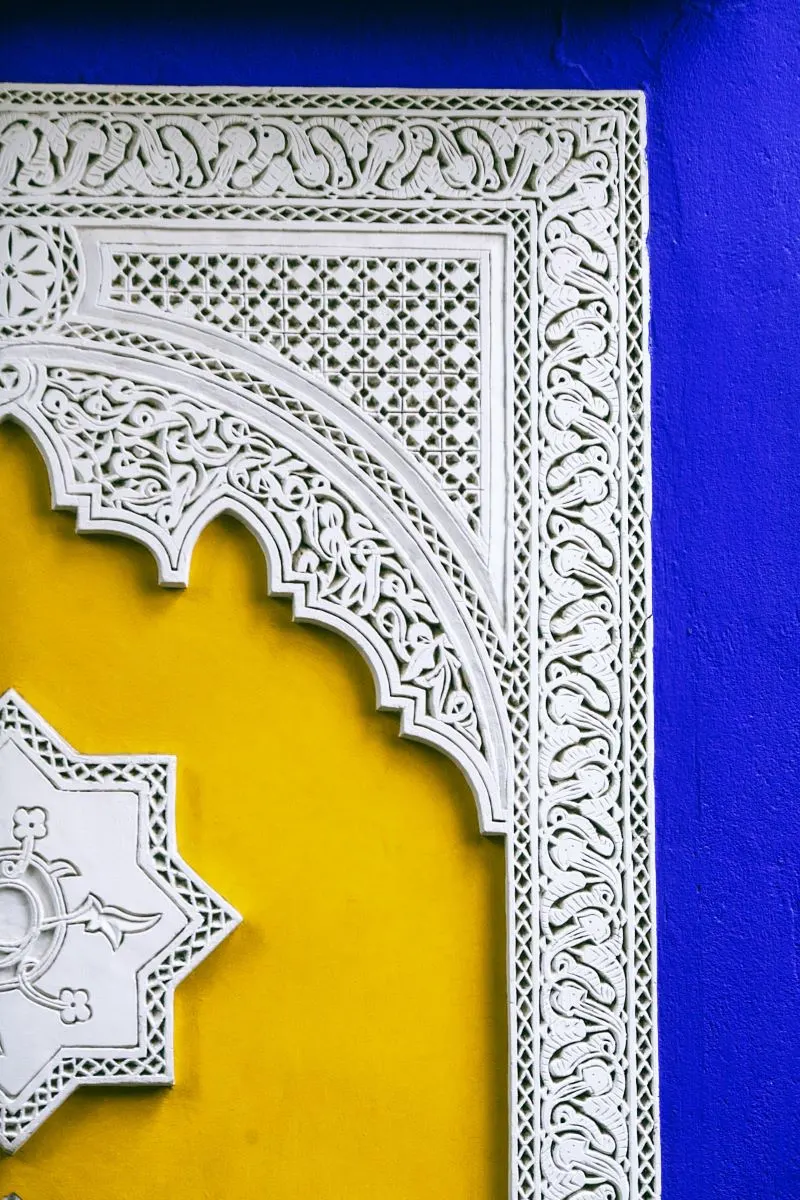
As you enter the museum, you’ll be greeted by a serene and inviting atmosphere. The architecture of the palace itself is a work of art, featuring intricate tilework, carved plaster, and captivating courtyards that provide a tranquil setting for exploring the exhibits.
The museum’s collection includes a wide range of artworks, such as traditional textiles, carpets, ceramics, woodwork, metalwork, calligraphy, and decorative arts. These objects offer insights into the craftsmanship, techniques, and design aesthetics that have shaped Moroccan art over the centuries.
One of the highlights of the museum is its extensive collection of Moroccan carpets and textiles. These vibrant and intricately woven pieces showcase the skill and artistry of Moroccan weavers, with their unique patterns, colors, and motifs that reflect regional traditions and cultural influences.
The museum also features a remarkable display of Moroccan ceramics, which are known for their exquisite craftsmanship and vibrant glazes. From delicate pottery to ornate tilework, these ceramics showcase the mastery of Moroccan artisans and the enduring appeal of this traditional art form.
Another fascinating aspect of the museum is its collection of metalwork, including jewelry, weaponry, and decorative objects. These pieces highlight the intricate metalworking techniques and the cultural significance of jewelry and adornment in Moroccan society.
Throughout the museum, you’ll also find examples of traditional calligraphy, illuminated manuscripts, and Quranic manuscripts, showcasing the importance of the written word and religious art in Moroccan culture.
Visiting the Museum of Moroccan Art offers not only a visual feast but also an opportunity to learn about the historical, social, and cultural contexts that have shaped Moroccan art.
Informational panels and guided tours provide valuable insights into the significance of each artwork, its symbolism, and its cultural relevance.
The museum’s setting within a beautifully restored palace adds to the ambiance and charm of the experience. As you navigate the different exhibition spaces, you’ll also have the opportunity to explore the palace’s architectural features, including ornate courtyards, carved wooden ceilings, and peaceful gardens.
The Museum of Moroccan Art is not only a treasure trove of artistic masterpieces but also a testament to the cultural richness and diversity of Morocco. It offers a deeper appreciation for the country’s artistry, craftsmanship, and the interplay between tradition and innovation.
Whether you’re an art enthusiast, a history lover, or simply curious about Moroccan culture, a visit to the Museum of Moroccan Art provides a fascinating journey through the country’s artistic legacy. It’s a place where past and present converge, showcasing the enduring beauty and cultural significance of Moroccan art.
22. Shop at the Souk el-Henna: Browse through this market specializing in henna products and traditional cosmetics

Shopping at the Souk el-Henna in Fes, Morocco is a vibrant and immersive experience that allows you to explore the bustling market and discover a treasure trove of traditional crafts, textiles, and souvenirs.
Located in the heart of the Fes Medina, this market is known for its lively atmosphere and the wide variety of goods available.
As you step into the Souk el-Henna, you’ll be greeted by a maze of narrow alleyways filled with vibrant displays and bustling activity.
The market is a sensory delight, with the aroma of spices wafting through the air, the vibrant colors of textiles catching your eye, and the sounds of vendors calling out their wares.
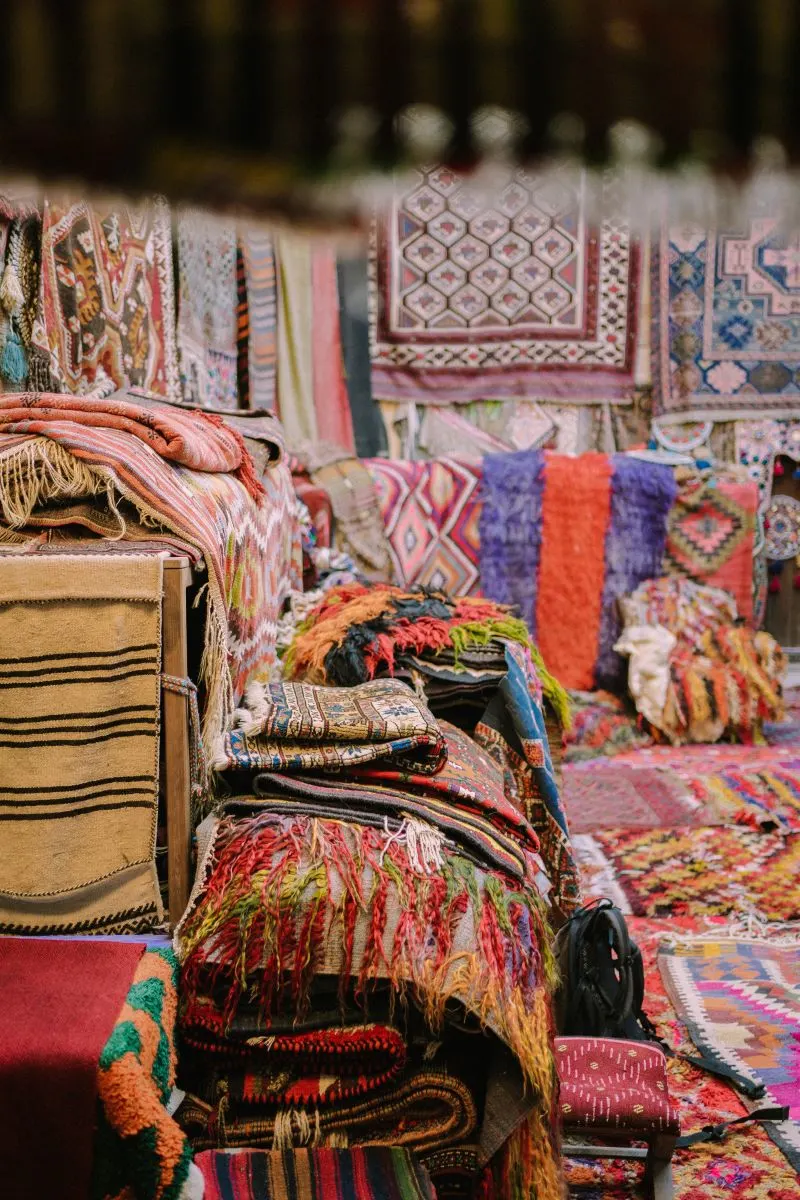
The souk is a haven for those seeking traditional Moroccan crafts and textiles. Here, you’ll find a vast array of handcrafted items, including intricately woven carpets, embroidered fabrics, leather goods, pottery, metalwork, and woodwork. Each stall is a treasure trove of artisanal creations, showcasing the skill and craftsmanship of Moroccan artisans.
One of the highlights of the Souk el-Henna is its collection of henna products. Henna, a natural dye used for body art and hair decoration, holds cultural significance in Morocco.
At the souk, you’ll find stalls offering various henna products, including powders, cones, and pre-made designs. This is the perfect place to explore the rich traditions and intricate beauty of henna art.
The market also offers a wide selection of Moroccan spices, oils, and herbal remedies. Here, you can browse through aromatic spices like cumin, saffron, and paprika, and learn about their culinary uses and health benefits.
The vendors are often friendly and knowledgeable, ready to assist you in finding the perfect ingredients for your Moroccan cooking adventures.
As you navigate through the souk, you’ll have the opportunity to engage with local artisans and vendors, who are often eager to share their stories and expertise.
They can provide insights into traditional techniques, explain the cultural significance of certain crafts, and even demonstrate their craft in action. This interactive experience adds depth and authenticity to your shopping excursion.
While shopping, don’t forget to practice your bargaining skills, as haggling is a customary part of the market culture. Negotiating the price adds to the excitement and can result in finding unique treasures at a reasonable cost. Just remember to be respectful and enjoy the lively banter with the vendors.
Shopping at the Souk el-Henna offers more than just acquiring souvenirs; it allows you to engage with Moroccan culture, support local artisans, and bring home a piece of Morocco’s rich artistic heritage.
Whether you’re seeking a unique rug, a beautifully embroidered garment, or a small trinket as a memento, the souk promises a rewarding and memorable shopping experience.
Remember to take your time, immerse yourself in the vibrant atmosphere, and embrace the spirit of exploration as you navigate through the colorful stalls and discover the hidden gems of the Souk el-Henna.
23. Discover the Dar al-Glaoui: Explore the former palace of the Glaoui family and enjoy panoramic views of the city

Discovering the Dar al-Glaoui in Fes, Morocco offers a fascinating glimpse into the history and lifestyle of one of Morocco’s most prominent families.
Also known as the Glaoui Palace, it was once the residence of the influential Glaoui family, who held considerable power and influence in the region.
As you approach the Dar al-Glaoui, you’ll be struck by its imposing architecture and grandeur. The palace is an exquisite example of Moroccan craftsmanship and architectural design.
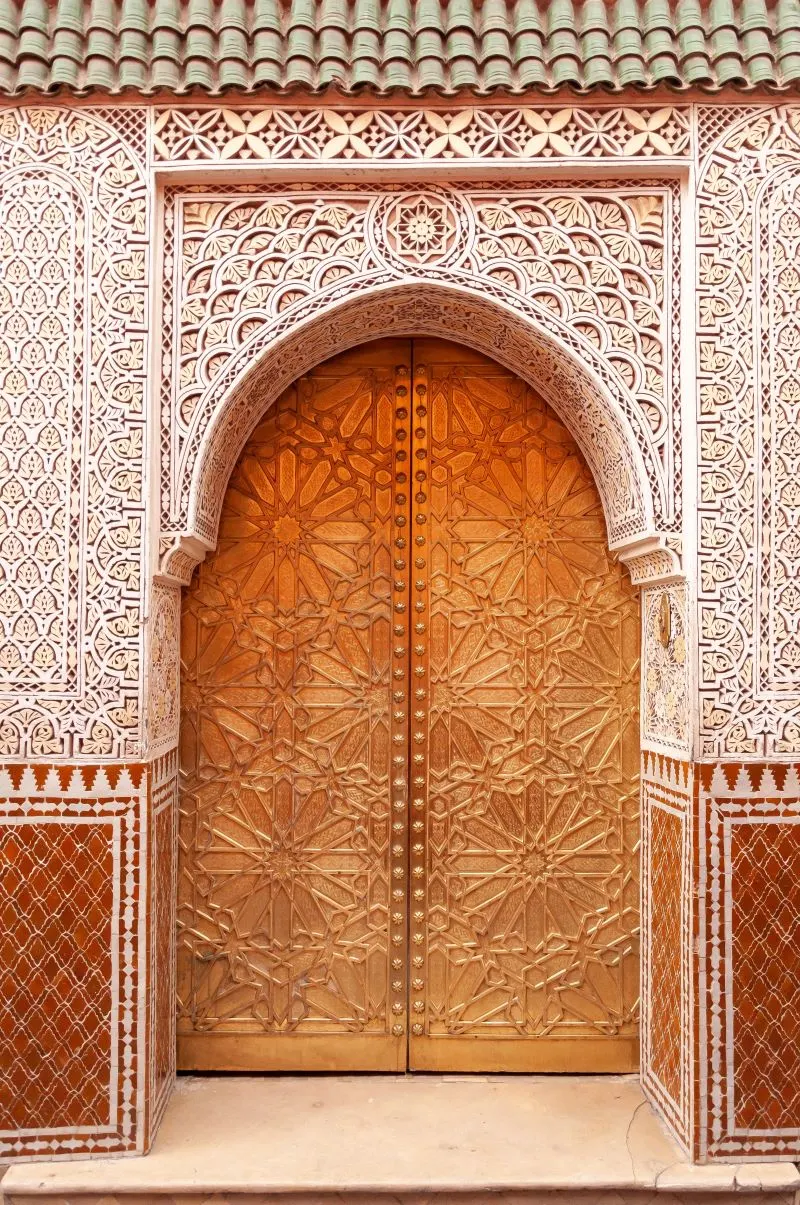
The exterior features intricate carvings, decorative motifs, and traditional elements that reflect the opulence and prestige of the Glaoui family.
Upon entering the palace, you’ll step into a world of luxury and refinement. The interior spaces are adorned with beautiful mosaics, elaborate plasterwork, and ornate woodwork.
The rooms are furnished with exquisite carpets, traditional Moroccan furnishings, and lavish decorations that transport you to a bygone era.
Exploring the Dar al-Glaoui allows you to wander through the various rooms and courtyards, each offering a unique glimpse into the lifestyle and taste of the Glaoui family. From the grand reception halls to the private quarters, every corner of the palace exudes elegance and sophistication.
The palace often houses a collection of artifacts and historical objects that provide insights into the family’s history and their connections to Moroccan culture and society.
These exhibits may include traditional clothing, jewelry, photographs, documents, and other items that shed light on the family’s prominence and their contributions to Moroccan history.
Beyond its architectural and historical significance, the Dar al-Glaoui is a place of stories and legends. The Glaoui family played a significant role in Moroccan politics and held positions of power during the colonial period.
Exploring the palace allows you to immerse yourself in the tales of their influence, alliances, and the relationships they forged with foreign powers.
While the Dar al-Glaoui is not open to the public in its entirety, parts of the palace are accessible, offering a glimpse into its magnificent interior. Visitors can take guided tours that provide valuable insights into the history, architecture, and cultural significance of the palace.
As you explore the Dar al-Glaoui, you’ll feel a sense of awe and wonder at the grandeur and legacy of the Glaoui family. It’s a chance to step back in time, to imagine the grand gatherings, celebrations, and the intrigues that once unfolded within these walls.
Visiting the Dar al-Glaoui allows you to appreciate the beauty of Moroccan architecture, the heritage of influential families, and the interconnectedness of history and culture.
It’s an opportunity to delve into the stories that have shaped Fes and Morocco as a whole, leaving you with a deeper understanding of the city’s rich past and the legacies of its prominent families.
24. Take a cooking class: Learn to prepare traditional Moroccan dishes and enjoy a delicious meal

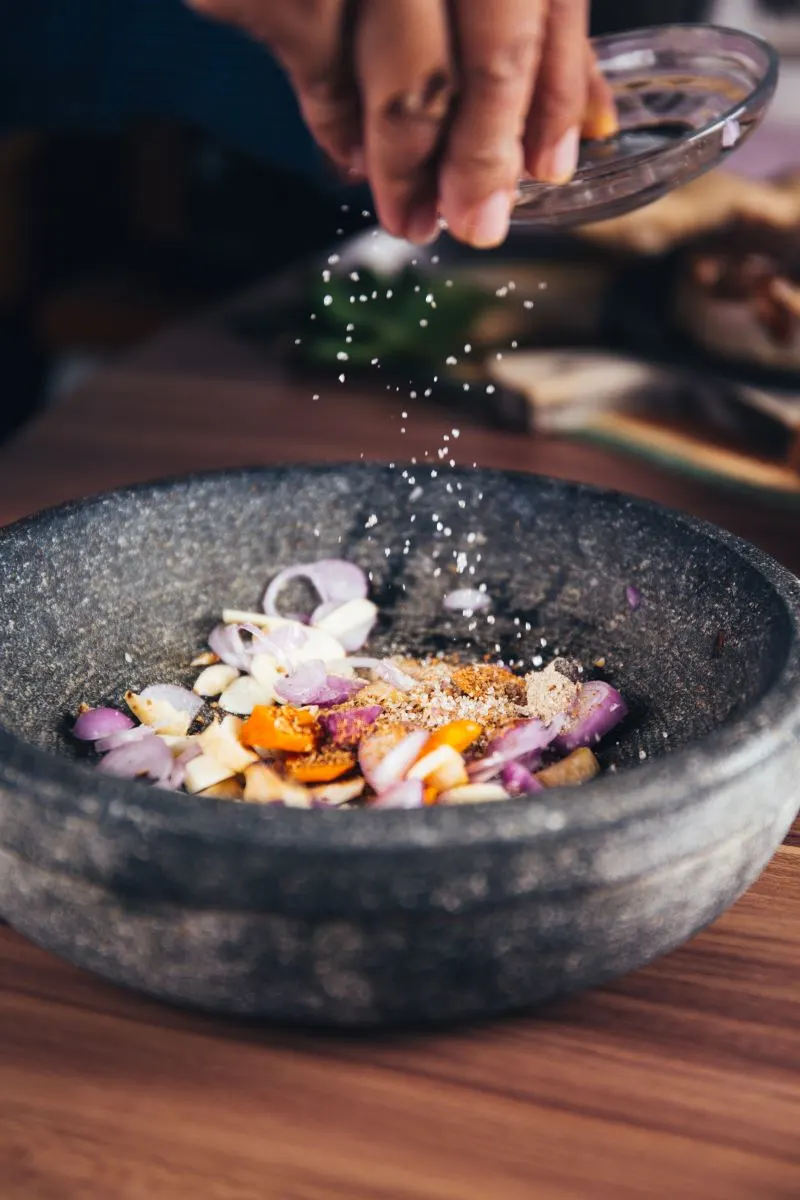
Taking a cooking class in Fes, Morocco is an immersive and enriching experience that allows you to explore the vibrant flavors and culinary traditions of Moroccan cuisine.
Known for its aromatic spices, diverse ingredients, and mouthwatering dishes, Moroccan food offers a delightful blend of flavors and a unique culinary journey.
During a cooking class, you’ll have the opportunity to learn from experienced local chefs who are passionate about sharing their knowledge and love for Moroccan cuisine.
The classes are often held in traditional Moroccan kitchens or cooking schools, providing an authentic setting for your culinary adventure.
The class typically begins with a visit to a local market or souk, where you’ll accompany the chef in selecting fresh ingredients.
This immersive market experience allows you to learn about Moroccan ingredients, observe the vibrant colors and scents, and gain an understanding of the importance of quality produce in Moroccan cooking.
Back in the kitchen, you’ll roll up your sleeves and get hands-on experience preparing traditional Moroccan dishes. Under the guidance of the chef, you’ll learn the techniques, spices, and flavors that make Moroccan cuisine so unique. From chopping vegetables to mixing spices, you’ll be fully involved in the cooking process.
One of the highlights of the cooking class is learning how to create a traditional Moroccan tagine. Tagine, a slow-cooked stew typically prepared in a cone-shaped clay pot, is one of Morocco’s most iconic dishes. You’ll discover the art of layering flavors, balancing spices, and creating tender, flavorful meat or vegetable dishes.
In addition to tagine, you’ll have the opportunity to prepare other classic Moroccan dishes such as couscous, pastilla (a savory pastry), Moroccan salads, and deliciously sweet Moroccan pastries.
The chef will guide you through each step, sharing tips and tricks along the way, ensuring you gain a comprehensive understanding of the recipes and techniques.
As the dishes start to come together, you’ll savor the tantalizing aromas filling the kitchen. Once the cooking is complete, it’s time to sit down and enjoy the fruits of your labor.
You’ll have the pleasure of indulging in the dishes you’ve prepared, accompanied by traditional Moroccan bread, mint tea, and the company of your fellow cooking enthusiasts.
The cooking class experience goes beyond just learning recipes. It offers insights into Moroccan culture, as food is an integral part of Moroccan social life and hospitality.
You’ll learn about the importance of hospitality in Moroccan culture, the significance of communal dining, and the customs and traditions associated with Moroccan cuisine.
Taking a cooking class in Fes provides you with not only a memorable culinary experience but also the skills and knowledge to recreate the flavors of Morocco in your own kitchen.
You’ll leave with a deeper appreciation for Moroccan cuisine, a collection of authentic recipes, and the ability to impress your family and friends with your newfound cooking prowess.
Whether you’re a novice cook or a seasoned food enthusiast, a cooking class in Fes offers a delightful and educational experience that connects you with the rich culinary heritage of Morocco.
It’s an opportunity to immerse yourself in the flavors, aromas, and cultural traditions of Moroccan cuisine, creating lasting memories and a deeper appreciation for the art of Moroccan cooking.
25. Visit the Bab Bou Jeloud: Admire the iconic blue gate, a symbol of Fes, and enter the bustling streets of the Medina

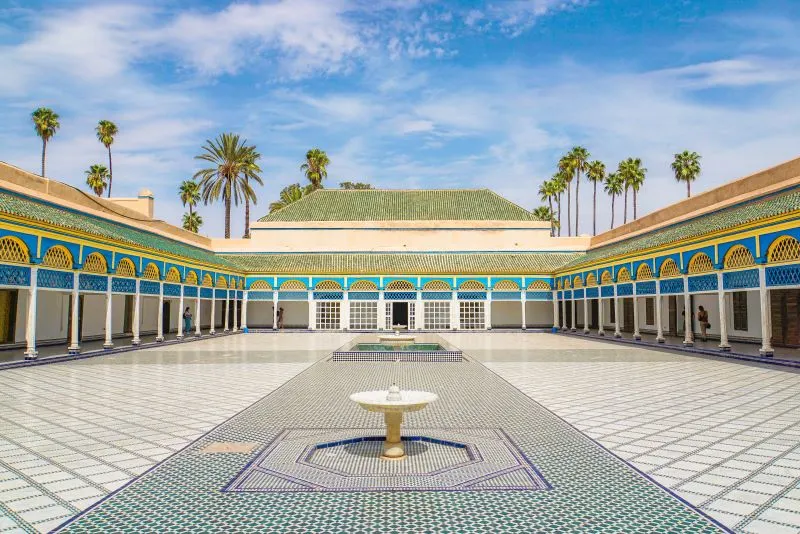
Visiting Bab Bou Jeloud in Fes, Morocco is an iconic experience that takes you back in time and immerses you in the historical charm of the city. Also known as the Blue Gate, Bab Bou Jeloud is one of the main gateways to the Fes Medina, a UNESCO World Heritage site.
As you approach Bab Bou Jeloud, you’ll be captivated by its striking beauty and intricate craftsmanship. The gate features a distinctive blue and green color scheme, with beautiful geometric tilework and calligraphy adorning its arches and walls. The vibrant colors and ornate details make it a true architectural gem.
Passing through Bab Bou Jeloud is like stepping into a different world. Beyond the gate lies the bustling Medina, a labyrinth of narrow streets, lively markets, and ancient buildings. The gate serves as a grand entrance to this vibrant and historic part of Fes.
Once you step through Bab Bou Jeloud, you’ll find yourself amidst a lively atmosphere filled with the sounds, scents, and sights of everyday life in Fes.
The area around the gate is teeming with vendors selling a variety of goods, from traditional crafts and textiles to spices, leather goods, and souvenirs. It’s a vibrant and colorful scene that showcases the rich culture and commerce of Fes.
Bab Bou Jeloud is not only a gateway but also a meeting point and a gathering place. Locals and tourists alike congregate here, creating a dynamic and diverse ambiance. It’s a wonderful spot to people-watch, soak in the atmosphere, and observe the daily life unfolding around you.
The gate holds historical significance as well. Bab Bou Jeloud was constructed in the early 20th century and serves as a symbol of Fes’s rich history and cultural heritage. It stands as a testament to the architectural achievements of the past and the enduring legacy of Moroccan craftsmanship.
In addition to its visual appeal and historical significance, Bab Bou Jeloud also serves as a starting point for exploring the rest of the Fes Medina. From here, you can embark on a journey through the winding streets, discovering hidden gems, historical sites, and architectural marvels.
Whether you’re wandering through the Medina or simply taking a moment to admire the gate from a distance, Bab Bou Jeloud is a must-visit landmark that encapsulates the allure and charm of Fes.
It offers a gateway to the rich history, vibrant culture, and architectural splendor of the city, inviting you to explore and experience the wonders that await within.
Remember to check the opening hours and availability of specific attractions before your visit, as some may have varying schedules. Enjoy your time exploring the enchanting city of Fes!
Food In Fes


Fes, Morocco, a city steeped in history and culture, is not only known for its stunning architecture and bustling markets but also for its mouthwatering culinary delights. Moroccan cuisine is a sensory journey that combines rich flavors, aromatic spices, and vibrant ingredients, and Fes is the perfect destination to embark on this gastronomic adventure.
From fragrant tagines to savory couscous and delectable pastries, Fes offers a treasure trove of culinary experiences that will leave your taste buds tantalized and your belly satisfied.
- Tagines, the Heart of Moroccan Cuisine: No exploration of Moroccan food in Fes would be complete without indulging in a traditional tagine. Slow-cooked in a cone-shaped clay pot, tagines are flavorful stews that showcase the essence of Moroccan cuisine. Whether it’s the classic lamb tagine with apricots and almonds or a vegetarian tagine bursting with vegetables and aromatic spices, these dishes are a true reflection of Moroccan culinary artistry. The tender meat, infused with a medley of spices and complemented by the sweetness of dried fruits, creates a harmonious blend of flavors that will transport you to the heart of Moroccan culture.
- Couscous, a Moroccan Staple: Couscous, often referred to as the national dish of Morocco, holds a special place in Moroccan cuisine. In Fes, you’ll have the opportunity to savor authentic couscous dishes that are prepared with meticulous care and attention to detail. The fluffy semolina grains are steamed to perfection and served alongside succulent meats, such as tender chicken or lamb, and a colorful assortment of vegetables. The flavors are further elevated with the addition of aromatic herbs and spices, creating a symphony of taste that is both comforting and delicious.
- Street Food Delights: One of the best ways to experience the vibrant food culture in Fes is by indulging in its tantalizing street food. Wander through the narrow alleyways and discover food stalls selling an array of irresistible treats. Sink your teeth into savory Moroccan pancakes known as “msemen” or “rghaif,” which are often stuffed with cheese or served with honey. Sample the deliciously spiced grilled meats, such as “kefta” (minced meat skewers) or “merguez” sausages, and savor the burst of flavors. Don’t forget to try the famous Moroccan soups like “harira,” a hearty tomato and lentil soup traditionally enjoyed during Ramadan. The vibrant street food scene in Fes is a feast for the senses and an opportunity to immerse yourself in the local culinary traditions.
- Sweets and Pastries, a Sweet Tooth’s Paradise: Morocco is renowned for its delectable sweets and pastries, and Fes is no exception. Indulge in Moroccan delights such as “baklava,” delicate layers of filo pastry filled with nuts and drenched in honey syrup, or “chebakia,” intricately shaped fried pastries coated in sesame seeds and drizzled with honey. These sweet treats are often enjoyed with a cup of refreshing Moroccan mint tea, which perfectly balances the richness of the desserts. Fes is home to numerous pastry shops and local bakeries where you can witness the artistry of Moroccan pastry-making and satisfy your sweet tooth with these irresistible confections.
Exploring Moroccan food in Fes is an adventure that delights the senses and offers a deeper understanding of the city’s rich culinary heritage.
From the aromatic tagines to the comforting couscous and the tempting array of sweets and pastries, Fes offers a culinary journey that showcases the diversity and richness of Moroccan cuisine.
The city’s culinary scene is a testament to the skill and passion of Moroccan chefs who have perfected the art of blending flavors and creating unforgettable dishes.
Top 20 Best Restaurants In Fes, Morocco

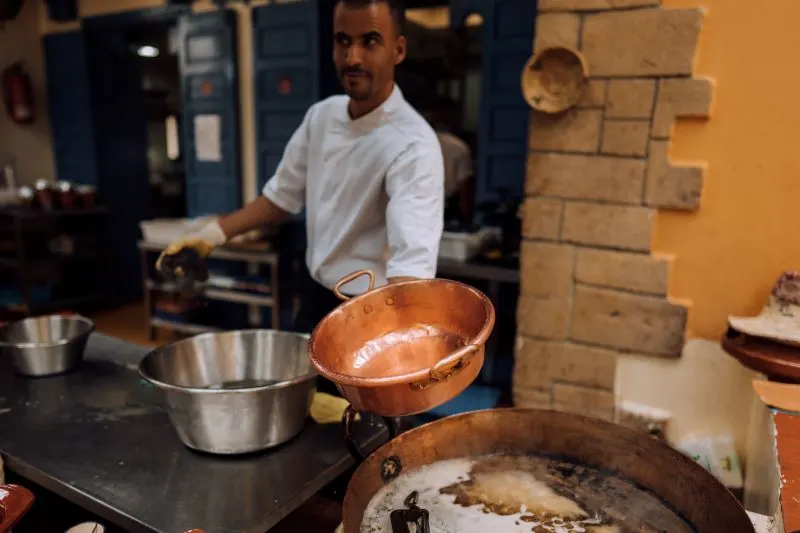
- Café Clock
- Riad Rcif Restaurant
- Dar Roumana
- La Maison Bleue
- Restaurant Numero 7
- Zaytouna
- Restaurant Al Fassia
- Restaurant Nur
- Riad Laaroussa Restaurant
- Palais Amani Restaurant
- L’Ambre at Riad Fes
- Restaurant Jardin des Biehn
- Riad Idrissy Restaurant
- Restaurant Dar Tajine
- Restaurant Le Patio Bleu
- Restaurant Fez Lounge
- Restaurant Riad Idrissy
- Dar Hatim Restaurant
- Riad Andalib Restaurant
- Restaurant Le Chameau Bleu
These restaurants offer a mix of traditional Moroccan cuisine and international flavors, allowing you to explore a variety of culinary experiences in Fes.
Remember to check their opening hours, reservation policies, and any specific recommendations they might have regarding dress code or menu specialties.
Additionally, it’s always a good idea to explore local food markets, street food stalls, and smaller neighborhood restaurants for an authentic and budget-friendly taste of Moroccan cuisine.
Please note that this list is not exhaustive and doesn’t guarantee the availability or quality of these restaurants. It’s recommended to research recent reviews, consult travel guides, and consider personal preferences when choosing where to dine in Fes.
Transportation In Fes
Transportation in Fes, Morocco, offers a range of options to help you navigate the city and explore its surroundings. From traditional modes of transportation to modern alternatives, here’s a description of the transportation options available in Fes:
- Taxis: Taxis are a common mode of transportation in Fes. You’ll find two types: petit taxis (small taxis) and grand taxis (larger shared taxis). Petit taxis are typically used for short trips within the city and can accommodate up to three passengers. Grand taxis are more spacious and are usually shared among multiple passengers for longer journeys or trips to neighboring towns.
- City Buses: Fes has a network of city buses that operate on fixed routes. These buses are an affordable way to get around and explore different parts of the city. Bus stops are marked with signs indicating the route numbers, and the buses are usually color-coded.
- Horse-Drawn Carriages (Caleches): For a unique and nostalgic experience, you can opt for a horse-drawn carriage ride, known as a caleche. Caleches are often found near popular tourist areas and can be an enjoyable way to explore the city at a leisurely pace.
- Walking: Fes is a city best explored on foot, especially within the medina. The narrow streets and alleys are not suitable for vehicles, making walking the most convenient way to navigate the bustling markets and discover hidden gems. Remember to wear comfortable shoes and be prepared for some steep inclines and uneven surfaces.
- Rental Cars: If you prefer to have more flexibility and independence, you can rent a car in Fes. Several car rental companies operate in the city, and having a vehicle allows you to explore the wider region at your own pace. However, be aware that driving in Fes can be challenging due to narrow streets and heavy traffic, especially within the medina.
- Private Transfers: Another option for transportation is booking private transfers, which can provide convenience and comfort, particularly for airport transfers or day trips to nearby attractions. Private transfers can be arranged through hotels, travel agencies, or online platforms.
It’s important to note that Fes has specific traffic regulations and restrictions within the medina. Vehicles are not permitted in certain areas, and navigating the narrow streets can be challenging.
It’s recommended to familiarize yourself with the medina’s layout and consider using a combination of walking and taxis for inner-city transportation.
As with any travel destination, it’s advisable to plan your routes in advance, allow for extra time during peak hours, and ensure you have a map or GPS navigation system handy to navigate the city comfortably.
Remember to prioritize your safety and use licensed taxis or reputable transportation services. Negotiate fares before entering taxis or agree on a price for horse-drawn carriage rides to avoid any misunderstandings.
By considering these transportation options and planning accordingly, you can navigate Fes with ease and make the most of your visit to this vibrant Moroccan city.
In conclusion, Fes is a city that truly captivates the senses and immerses you in the rich history, culture, and beauty of Morocco.
From exploring the ancient Medina of Fes, with its labyrinthine streets and stunning architectural treasures, to visiting historic landmarks like Al-Qarawiyyin Mosque and the Royal Palace, every step in Fes is a journey through time.
The city’s museums, such as the Nejjarine Museum of Wood Arts and Crafts and the Batha Museum, offer a deeper understanding of Moroccan craftsmanship and artistic traditions.
You can also wander through the vibrant souks, where the air is filled with the aroma of spices and the buzz of bartering, and shop for unique treasures and handicrafts.
Fes is not just a feast for the eyes but also for the taste buds. Indulge in the diverse flavors of Moroccan cuisine, from aromatic tagines to sweet pastries, and be sure to experience a traditional Moroccan tea ceremony. For a truly immersive cultural experience, consider taking a cooking class to learn the secrets of Moroccan gastronomy.
Beyond the city limits, you can embark on day trips to the nearby Roman ruins of Volubilis, explore the serene beauty of the Atlas Mountains, or discover the spiritual town of Moulay Idriss. These excursions provide a glimpse into the diverse landscapes and history of the region surrounding Fes.
Lastly, Fes hosts the renowned Fes Festival of World Sacred Music, a celebration of global music and spiritual traditions that brings together artists from around the world. Attending this festival is an opportunity to witness the city come alive with enchanting melodies and cultural performances.
Whether you’re an art enthusiast, history buff, food lover, or simply seeking an immersive cultural experience, Fes has something to offer.
Its ancient charm, combined with its vibrant present, makes it a destination that leaves a lasting impression on every visitor. Discover the magic of Fes and let its rich heritage and warm hospitality create memories that will stay with you for a lifetime.
Leave a comment