

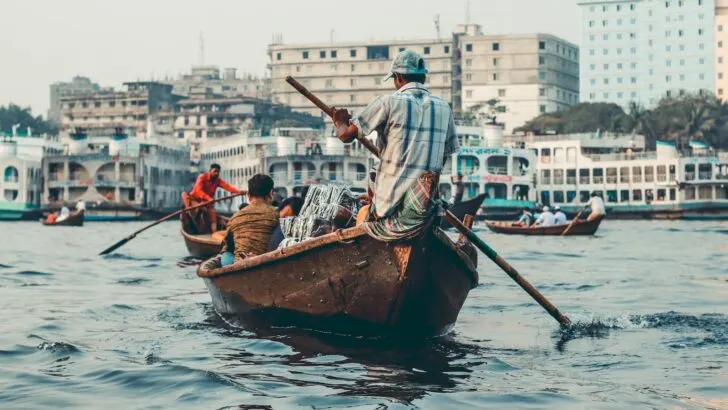
Dhaka is the vibrant and bustling capital city of Bangladesh, located in the heart of the country’s deltaic plains. As one of South Asia’s most populous and fast-growing cities, Dhaka is a vibrant metropolis that offers a rich tapestry of cultural heritage, history, and modernity.
Historical Significance: Dhaka has a deep-rooted history that dates back over a thousand years. Throughout its existence, the city has witnessed the rise and fall of various empires and dynasties, including the Mughals, British, and Bengali sultans.
As a result, Dhaka is adorned with a blend of architectural styles, from ancient monuments and forts to colonial-era buildings and contemporary structures.
Cultural Diversity: The city’s cultural diversity is reflected in its people, customs, and traditions. Dhaka is a melting pot of different ethnicities, religions, and languages, making it a vibrant and tolerant city.
The cultural scene is enriched by colorful festivals, traditional music and dance, and a wide range of culinary delights.
Economic Hub: Dhaka is the economic heart of Bangladesh, driving the country’s commerce, industry, and trade. The city’s central location and robust infrastructure make it a major center for manufacturing, textiles, and garment industries. Additionally, Dhaka serves as the financial and administrative hub of the nation.
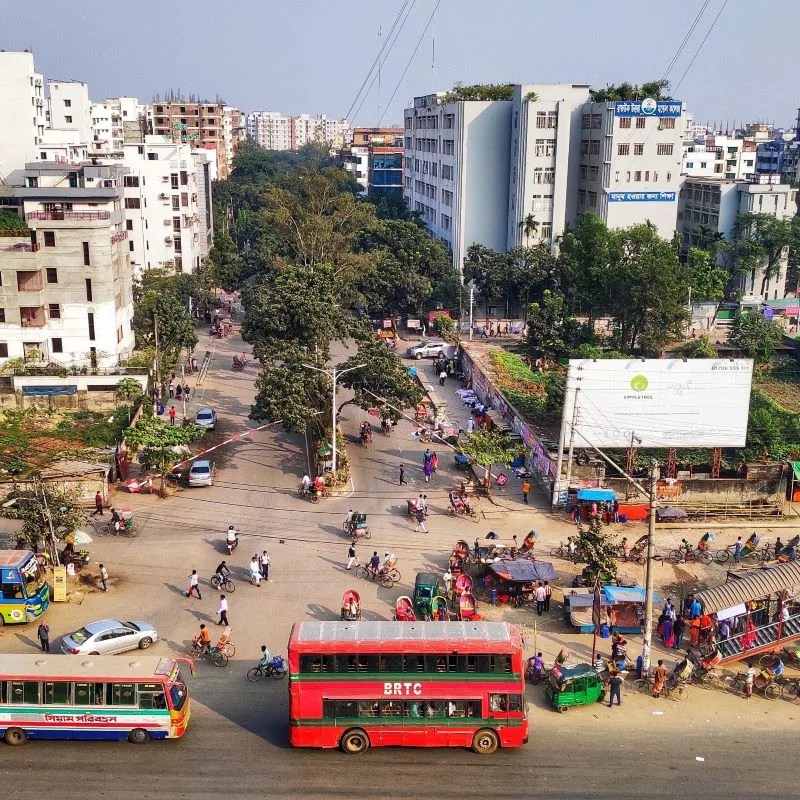
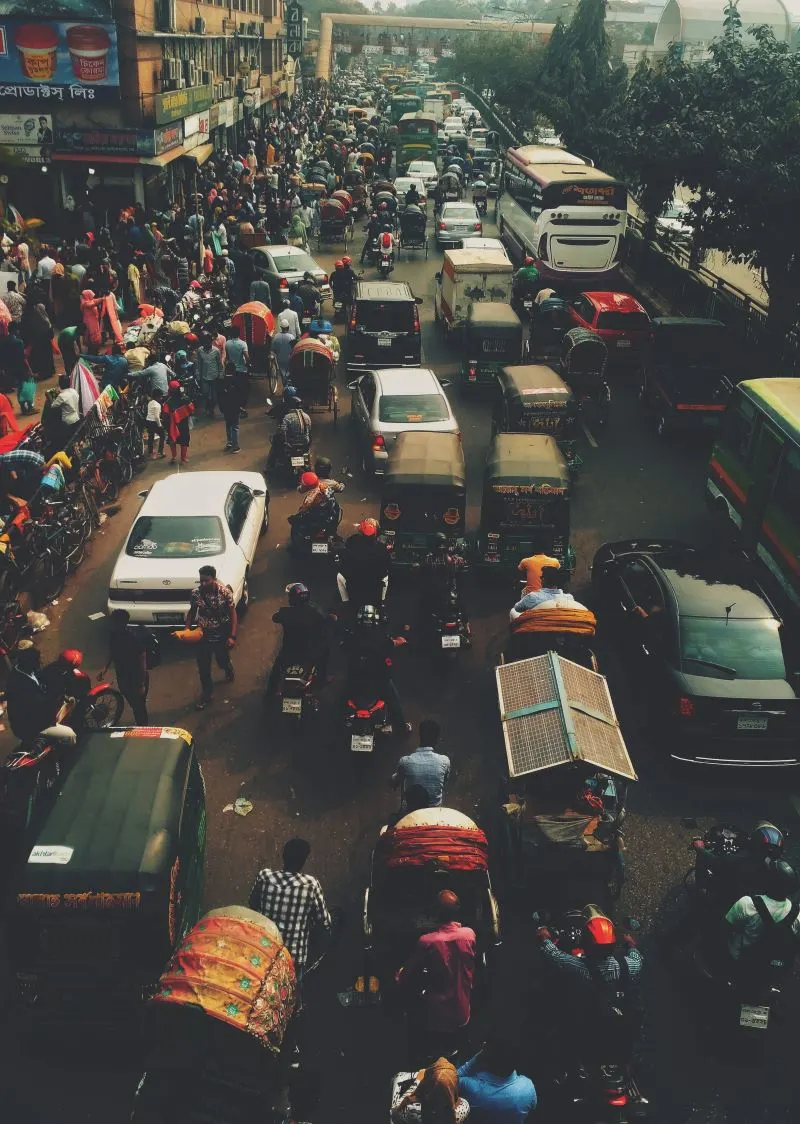
Cityscape: Dhaka’s cityscape is characterized by a juxtaposition of modern high-rise buildings, bustling markets, and narrow lanes lined with traditional rickshaws. Traffic congestion is a common feature, but the city’s energy and vibrancy make it an exciting and dynamic place to explore.
Tourist Attractions: While often overlooked as a tourist destination, Dhaka has a plethora of attractions worth exploring.
From historical landmarks like Lalbagh Fort and Ahsan Manzil to modern architectural marvels like the National Parliament House, Jatiya Sangsad Bhaban, the city offers a mix of heritage and modernity.
Culinary Delights: Dhaka is a haven for food enthusiasts, offering a rich array of Bengali and international cuisines. From mouthwatering street food to upscale dining experiences, visitors can indulge in a delightful gastronomic journey.
Dhaka is a city that captivates travelers with its authenticity, warmth, and vibrant spirit. Whether you’re exploring its historical heritage, immersing yourself in its cultural richness, or experiencing its bustling urban life, Dhaka promises a captivating journey into the heart of Bangladesh.
1. Visit Lalbagh Fort: Explore this impressive 17th-century Mughal fort and its beautiful gardens


Lalbagh Fort, also known as Lalbagh Kella, is a magnificent historical landmark located in Old Dhaka, Bangladesh. This 17th-century Mughal fort holds significant historical and architectural importance, making it a must-visit destination for travelers and history enthusiasts.
The fort was commissioned by Prince Muhammad Azam, the son of Mughal Emperor Aurangzeb, in 1678 AD. However, it remained unfinished due to unforeseen circumstances, and today, visitors can witness a captivating blend of red brick and intricate Mughal architecture.
As you enter Lalbagh Fort, you’ll be greeted by its imposing main gateway, known as the Lalbagh Gate. The fort’s complex encompasses several structures, including the Diwan-i-Aam (Hall of Audience), the tomb of Pari Bibi, and the Diwan-i-Khas (Hall of Private Audience).
One of the fort’s most remarkable features is the Mausoleum of Bibi Pari, the beloved daughter of Nawab Shaista Khan, a prominent Mughal governor. The tomb’s intricate marble carvings and detailed workmanship add to the fort’s allure and artistic grandeur.
Lalbagh Fort is surrounded by lush gardens and greenery, providing a serene ambiance that contrasts with the vibrant atmosphere of Old Dhaka surrounding it.
2. Discover Ahsan Manzil (Pink Palace): Marvel at the grandeur of this historic pink palace turned museum

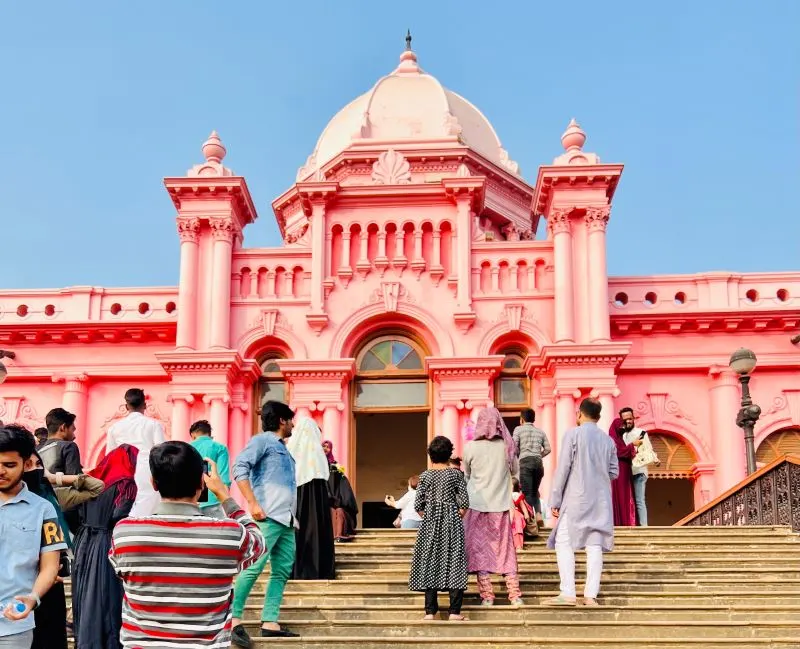
Ahsan Manzil, also known as the Pink Palace, is an enchanting historical palace located in Dhaka, Bangladesh. It stands proudly on the banks of the Buriganga River, serving as a symbol of the city’s rich cultural heritage and architectural splendor.
Built during the late 19th century, Ahsan Manzil was the official residential palace of the Nawabs of Dhaka, who were prominent rulers in the region during the British colonial period. The palace was constructed under the supervision of Khwaja Alimullah, a wealthy merchant and landowner.
The Pink Palace derives its name from the beautiful pink hue of its exterior, which adds to its captivating allure. The building’s design blends influences from Mughal and European architectural styles, resulting in a unique and elegant structure.
The palace’s main entrance welcomes visitors with an intricately designed gate that leads into a courtyard surrounded by stunning archways and columns. Inside, you’ll find a museum that showcases the history of the Nawabs and the city of Dhaka during the colonial era.
The museum exhibits a diverse collection of artifacts, photographs, and historical documents, offering a glimpse into the opulent lifestyle of the Nawabs.
The Pink Palace also boasts a picturesque garden overlooking the river, providing a peaceful escape amidst the bustling cityscape. The view of the Buriganga River from the palace grounds adds to the romantic charm of the place.
3. Wander through Jatiya Sangsad Bhaban: Admire the iconic National Parliament House, designed by Louis Kahn


Wandering through Jatiya Sangsad Bhaban is a captivating journey into the architectural marvel of Bangladesh’s National Parliament House.
Designed by renowned architect Louis Kahn, this iconic structure is a masterpiece that embodies the spirit of the nation’s democracy and cultural identity.
Located in Sher-e-Bangla Nagar, Dhaka, Jatiya Sangsad Bhaban stands as a symbol of modernity and pride for the Bangladeshi people.
The construction of the parliament complex began in 1961, but due to political upheavals and Kahn’s untimely demise, the building was completed in the early 1980s.
The complex’s design showcases Kahn’s innovative approach to architecture, blending elements of modernism with traditional influences from Bengal’s historical heritage. The building’s distinctive geometric shapes, soaring arches, and grand corridors create an impressive visual spectacle.
As you wander through the halls and open spaces of Jatiya Sangsad Bhaban, you’ll be struck by its powerful sense of scale and proportion.
The assembly hall, with its imposing grand staircase and dramatic lighting, serves as the focal point of the structure, reflecting the importance of democratic governance in the nation’s progress.
The use of natural light and thoughtful integration with surrounding water bodies and landscape add a touch of tranquility to the ambiance. The building’s design emphasizes both functionality and aesthetics, providing an environment conducive to the democratic process while inspiring a sense of national unity and pride.
Though visitors can explore the exterior and the surrounding premises, entry inside the main assembly hall is generally restricted to authorized personnel.
Nonetheless, witnessing the grandeur of Jatiya Sangsad Bhaban from the outside is an awe-inspiring experience that highlights Bangladesh’s dedication to preserving its architectural heritage and promoting democratic ideals.
4. Explore Dhakeshwari Temple: Visit the national Hindu temple, an important religious and cultural site

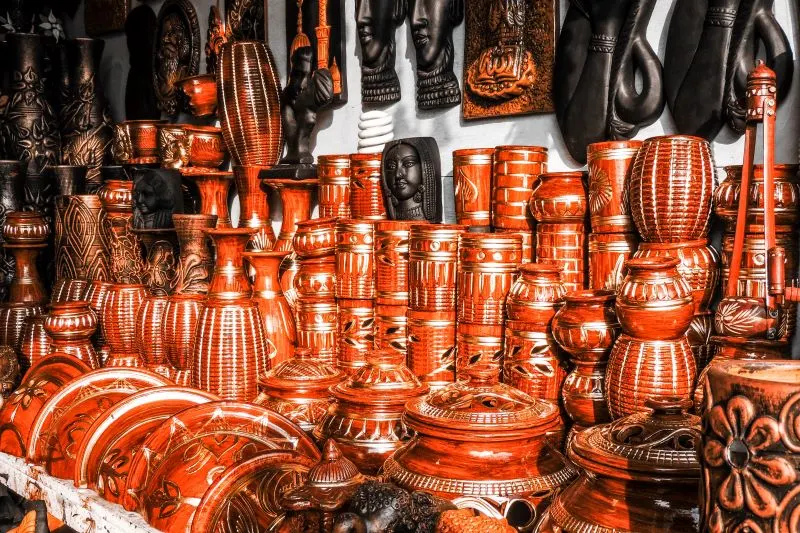
Dhakeshwari Temple is a significant religious and cultural site located in Dhaka, the capital city of Bangladesh. It holds immense importance for the Hindu community and is considered the national Hindu temple of the country. The temple’s name, “Dhakeshwari,” means “Goddess of Dhaka,” and it is dedicated to the goddess Devi.
The temple’s history dates back over a millennium, making it one of the oldest Hindu temples in Bangladesh. It is believed that the original structure was built during the 12th century by Ballal Sen, a king of the Sena dynasty.
Over the centuries, the temple has undergone various renovations and restorations, but its spiritual significance has remained unchanged.
The architecture of Dhakeshwari Temple showcases a blend of Hindu and Mughal styles, reflecting the region’s cultural diversity and historical influences.
The main deity worshipped here is Goddess Durga, an embodiment of female power and strength, and the temple attracts devotees and visitors from all walks of life, both local and international.
As you step inside the temple complex, you’ll be greeted by intricate carvings, colorful motifs, and a sense of serenity.
The central sanctum houses the idol of Goddess Durga, adorned with vibrant clothes and adorned with beautiful jewelry. Visitors often offer prayers, light incense sticks, and perform rituals to seek blessings and guidance from the deity.
The temple also plays a significant role during various Hindu festivals, such as Durga Puja, Navratri, and Kali Puja, when it becomes a focal point of religious celebrations and cultural gatherings.
5. Take a rickshaw ride in Old Dhaka: Experience the chaotic charm of the city’s bustling streets

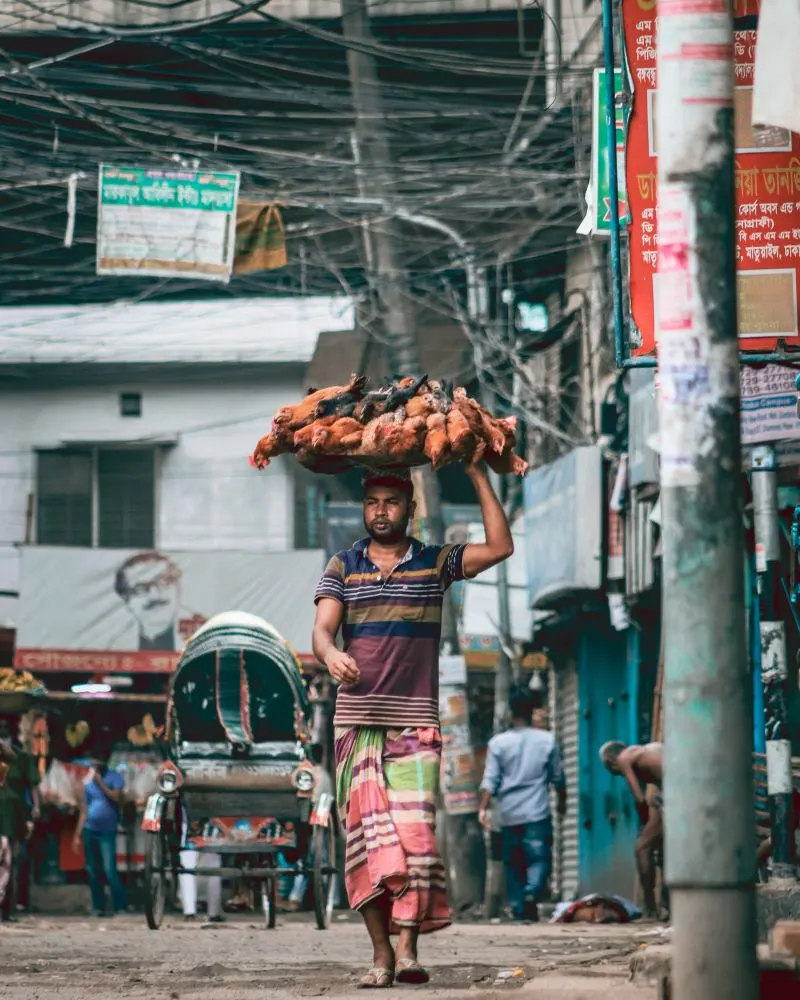
A rickshaw ride in Old Dhaka is a delightful and immersive experience that allows you to explore the vibrant and bustling heart of Bangladesh’s capital city.
Old Dhaka, also known as Puran Dhaka, is a historic area characterized by narrow, winding streets, colorful markets, and a fascinating blend of colonial and traditional architecture.
As you hop on a rickshaw, a traditional mode of transport in Bangladesh, you’ll immediately be enveloped in the lively atmosphere of the city.
The rickshaw puller, often dressed in simple attire, will skillfully navigate through the chaotic streets, maneuvering through traffic, pedestrians, and street vendors with ease.
During the ride, you’ll witness a captivating amalgamation of sights, sounds, and smells that define the essence of Old Dhaka.
The streets are lined with shops selling spices, textiles, handicrafts, and street food, creating an eclectic and sensory-rich environment. The vibrant colors of the markets and the cultural diversity of the people will leave you awe-inspired.
The rickshaw will take you past historic landmarks such as Lalbagh Fort, Ahsan Manzil (Pink Palace), and Star Mosque, showcasing the architectural beauty and rich heritage of the region.
You may also catch glimpses of the Buriganga River, which flows through the city and is an integral part of Dhaka’s daily life.
As you continue your journey, you’ll witness the dynamic lifestyle of the locals, as they engage in various activities, from bargaining at the markets to enjoying street snacks like fuchka (pani puri) and jhalmuri (spicy puffed rice).
6. Shop at New Market: Browse through a wide variety of goods, from clothing to handicrafts


New Market, also known as “Hossaini Dalan” or “New Market Complex,” is a bustling and iconic shopping destination located in the heart of Dhaka, Bangladesh.
Established in 1954, the market holds a special place in the city’s history and has been a favorite shopping spot for locals and tourists alike.
The market is easily recognizable by its distinctive red-brick facade and large central clock tower. As you step inside, you’ll find yourself immersed in a vibrant maze of shops, stalls, and boutiques, offering a wide array of goods to cater to all tastes and budgets.
New Market is a one-stop destination for shopping enthusiasts, as it houses a diverse range of products. From traditional Bangladeshi clothing such as sarees, salwar kameez, and panjabis to modern fashion wear, you’ll find a plethora of options to update your wardrobe.
Additionally, the market is a treasure trove of handicrafts, accessories, jewelry, and footwear, making it an ideal place to pick up unique souvenirs or gifts.
The bustling atmosphere, combined with the friendly and enthusiastic shopkeepers, creates an enjoyable shopping experience. Bargaining is a common practice here, so don’t hesitate to haggle for the best prices and deals.
Apart from clothing and accessories, New Market also houses various shops offering electronics, household items, books, and stationery.
Additionally, you’ll find a selection of local street food stalls and small eateries, where you can savor traditional Bangladeshi delicacies during your shopping expedition.
7. Experience the Star Mosque: Marvel at the intricate mosaic decorations of this beautiful mosque

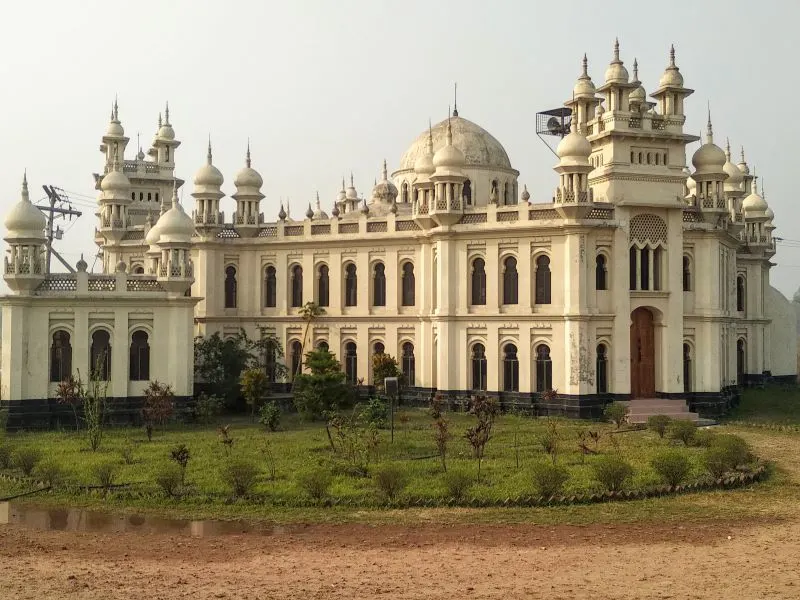
The Star Mosque, also known as Tara Masjid, is a stunning and enchanting mosque located in Old Dhaka, Bangladesh.
It is renowned for its intricate architectural design and exquisite decoration, making it a must-visit attraction for travelers seeking to explore the cultural and religious heritage of the region.
The mosque’s construction dates back to the early 19th century when it was originally built as a small and modest place of worship.
However, it was later renovated and expanded, acquiring the breathtaking appearance that it showcases today. The name “Star Mosque” comes from the stunning mosaic work of stars that adorns the interior and exterior walls of the mosque.
As you approach the mosque, you’ll be captivated by its beautiful facade, adorned with blue star motifs and intricate floral patterns. The entrance features a gracefully arched doorway, inviting you into the serene and peaceful ambiance of the prayer hall.
Once inside, you’ll be mesmerized by the dazzling array of stars that adorn the walls and ceiling. The entire interior is embellished with thousands of star-shaped mosaic tiles, which, when illuminated by natural light or chandeliers, create a breathtaking play of light and shadows, evoking a celestial atmosphere.
The main prayer hall houses a mihrab, a niche indicating the direction of Mecca, and a mimbar, a pulpit from which the Imam delivers sermons.
The stunning artwork and calligraphy throughout the mosque reflect the fine craftsmanship and artistic prowess of the artisans who crafted this masterpiece.
8. Visit the National Museum of Bangladesh: Learn about the country’s history and cultural heritage

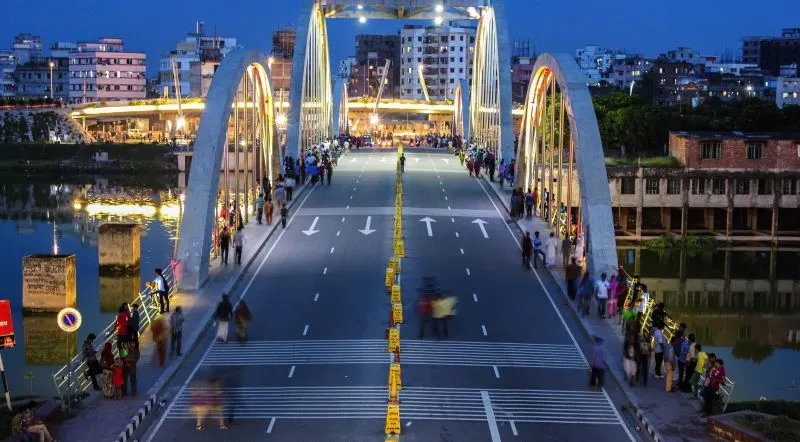
The National Museum of Bangladesh is a captivating institution located in Dhaka, the capital city of Bangladesh. This museum serves as a cultural hub, preserving and showcasing the rich history and heritage of the country.
Upon visiting the National Museum, you’ll embark on a fascinating journey through Bangladesh’s past. The museum’s extensive collection includes a diverse array of artifacts, ancient relics, traditional crafts, and artworks that span various historical periods.
Visitors have the opportunity to learn about the country’s ancient civilizations, like the Indus Valley and the Bengal Sultanate, and explore the contributions of various dynasties and rulers that have shaped the region’s culture over time.
The exhibits cover a wide range of topics, from archaeology and anthropology to art and literature, providing a comprehensive understanding of Bangladesh’s cultural evolution.
You’ll encounter traditional crafts, intricate textiles, and significant archaeological discoveries that offer insights into the daily lives of past communities.
Furthermore, the museum sheds light on Bangladesh’s struggle for independence, a pivotal period in its history. This section often includes memorabilia, photographs, and narratives that showcase the nation’s journey towards freedom.
9. Stroll through Suhrawardy Udyan: Enjoy the tranquility of this historical park


Suhrawardy Udyan is a historic and picturesque public park located in Dhaka, Bangladesh. It holds significant cultural and political importance in the country.
The park’s name honors Huseyn Shaheed Suhrawardy, a prominent political leader and former Prime Minister of Pakistan (which included Bangladesh at the time of his leadership). Suhrawardy Udyan is not only a recreational spot but also a site of historical events.
As you stroll through the lush greenery of Suhrawardy Udyan, you’ll find yourself surrounded by beautifully landscaped gardens, tall trees providing ample shade, and serene ponds.
The peaceful atmosphere offers an escape from the hustle and bustle of the city, making it a popular destination for locals and tourists alike seeking relaxation and tranquility.
However, Suhrawardy Udyan is not just a leisure spot; it holds significance for its role in Bangladesh’s political history.
On March 7, 1971, the historic speech by Bangabandhu Sheikh Mujibur Rahman took place here, which played a crucial role in inspiring the people of Bangladesh to fight for independence from Pakistan.
As you explore the park, you’ll come across various monuments and sculptures commemorating significant historical events and national heroes.
The park’s layout and design blend the elements of a recreational space with those of a memorial site, making it a unique and culturally rich destination.
10. Explore the Armenian Church: Discover this centuries-old church in Old Dhaka

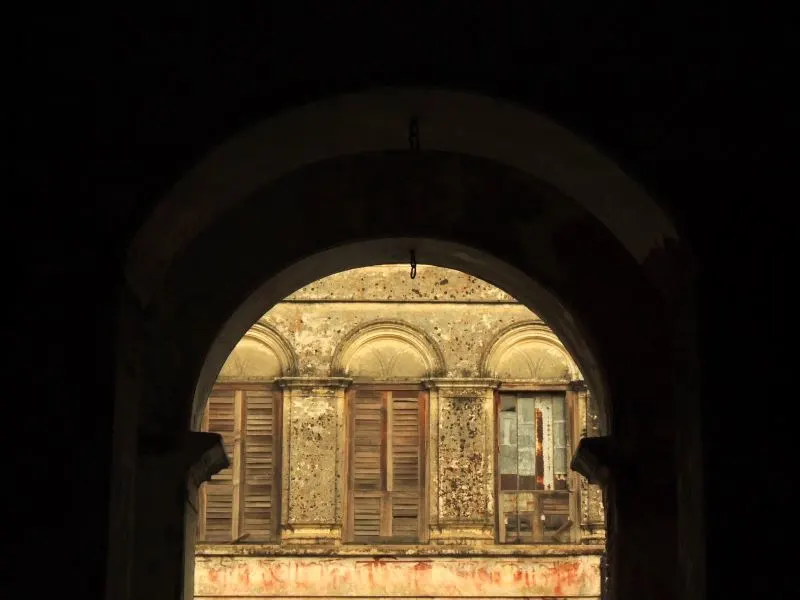
The Armenian Church in Old Dhaka is a captivating and historically significant religious site that offers a glimpse into Bangladesh’s multicultural past.
The Armenian Church, officially known as the Armenian Church of the Holy Resurrection, is one of the oldest churches in Bangladesh and dates back several centuries. It was established by the Armenian community that once thrived in the region during the height of the Armenian diaspora.
As you explore the church, you’ll be enchanted by its architectural beauty, reflecting a blend of Armenian and local influences.
The church’s facade boasts intricate carvings and detailing, showcasing the craftsmanship of the time. Its distinctive bell tower and domed roof add to its allure.
Inside, you’ll find an atmosphere of serenity and reverence, with beautiful religious icons, ornate altars, and historic artifacts on display.
The church’s interior decor exemplifies the rich heritage of the Armenian community and provides a unique perspective on their faith and traditions.
The Armenian Church is not only a place of worship but also a testament to the cultural exchange and diversity that once characterized Old Dhaka. It stands as a symbol of the harmonious coexistence of different communities in the region.
11. Take a boat ride on the Buriganga River: Experience the river life and witness the Sadarghat river port

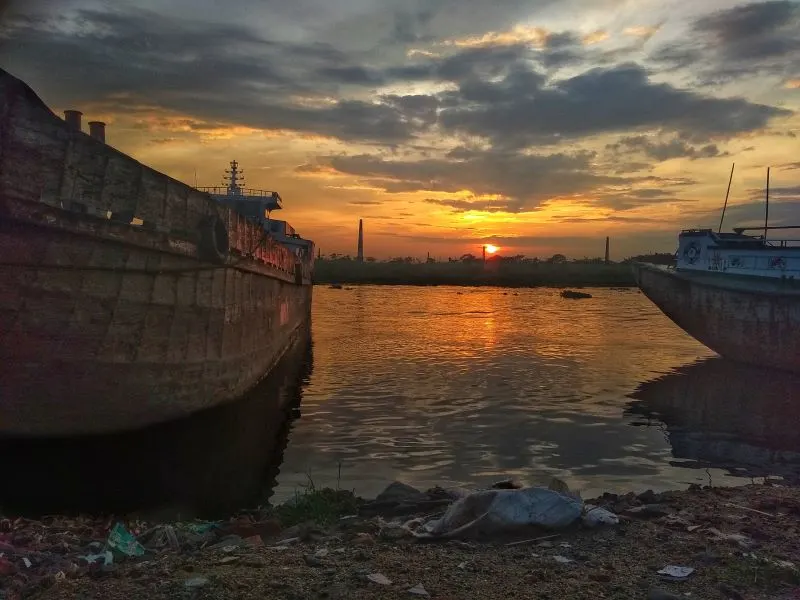
Taking a boat ride on the Buriganga River is a delightful and iconic experience in Dhaka, the capital city of Bangladesh.
The Buriganga River is a major river that flows through the heart of Dhaka, and it has been an integral part of the city’s history and culture for centuries. Boarding a boat and gliding along its waters allows you to witness the vibrant life and dynamic atmosphere of the riverfront.
As you set sail, you’ll pass by bustling waterfront markets, where local vendors sell fresh produce, traditional crafts, and various goods.
The riverbanks are teeming with activity, giving you a glimpse of the daily life of the people who depend on the river for their livelihoods.
Along the way, you’ll encounter a fascinating array of boats, ranging from small wooden dinghies to larger cargo vessels, all contributing to the colorful and lively spectacle on the water.
The boat ride also provides a unique perspective of Dhaka’s skyline, with a mix of modern buildings and historical landmarks creating a captivating backdrop.
One of the highlights of the boat ride is reaching Sadarghat, the bustling river port of Dhaka. Here, you’ll witness the constant flow of passengers embarking and disembarking from various types of watercraft, adding to the vibrant and chaotic ambiance of the area.
As the boat gently glides through the river, you can take in the sights, sounds, and smells that make up the essence of life along the Buriganga.
The experience offers a glimpse into the heart of Dhaka’s riverine culture and provides a sense of the city’s connection to its waterways.
12. Visit the Liberation War Museum: Gain insights into Bangladesh’s struggle for independence

 m
m
The Liberation War Museum is a poignant and significant museum located in Dhaka, Bangladesh, dedicated to commemorating the country’s struggle for independence during the Bangladesh Liberation War of 1971.
The museum serves as a tribute to the heroic efforts and sacrifices made by the Bangladeshi people in their fight for freedom and liberation from Pakistan.
It houses a vast collection of artifacts, photographs, documents, and personal accounts that narrate the harrowing and inspiring stories of the war.
As you explore the Liberation War Museum, you’ll be taken on a journey through the events leading up to the war, the atrocities committed during the conflict, and the eventual victory that led to the birth of Bangladesh as an independent nation.
Exhibits include relics and testimonies from freedom fighters, civilians, and families who endured unimaginable hardships during the war.
The museum also sheds light on the international support and solidarity that played a crucial role in Bangladesh’s struggle for independence.
One of the most impactful sections of the museum is the “Killing Fields” exhibit, which portrays the atrocities committed by the Pakistani military and their collaborators during the war.
This serves as a poignant reminder of the immense human cost and the resilience of the Bangladeshi people in the face of adversity.
13. Enjoy a boat ride at Baridhara Lake: Relax in the serene surroundings of the lake


Enjoy a boat ride at Baridhara Lake in Dhaka, where you can indulge in a truly tranquil experience amidst the serene surroundings of the lake.
As you embark on your boat journey, you’ll be greeted by the picturesque beauty of the water body and its lush green environs.
The gentle ripples on the water’s surface and the soothing sounds of nature will create a calming atmosphere, providing you with the perfect opportunity to unwind and escape the bustling city life of Dhaka.
Whether you’re seeking a peaceful moment alone or enjoying the company of friends and family, this boat ride offers a rejuvenating escape to relax and appreciate the natural splendor of Baridhara Lake.
14. Explore the Baitul Mukarram Mosque: Admire the grandeur of the national mosque


Explore the Baitul Mukarram Mosque, an awe-inspiring religious landmark located in Dhaka, Bangladesh. As the national mosque of the country, it holds great significance for the Muslim community.
The architecture of the mosque is a marvelous blend of modern and traditional Islamic design, featuring a grand central dome and several minarets that reach towards the sky.
Upon entering the mosque, you’ll be greeted by a vast prayer hall that can accommodate thousands of worshippers. The interior is adorned with intricate geometric patterns, elegant calligraphy, and beautiful chandeliers, creating a captivating spiritual atmosphere.
Visitors can witness the devotion of locals as they come to pray and seek solace within the serene halls of Baitul Mukarram.
The mosque’s central location makes it easily accessible, and it stands as a symbol of unity and faith for the people of Bangladesh.
15. Shop at Bashundhara City: Experience one of South Asia’s largest shopping malls

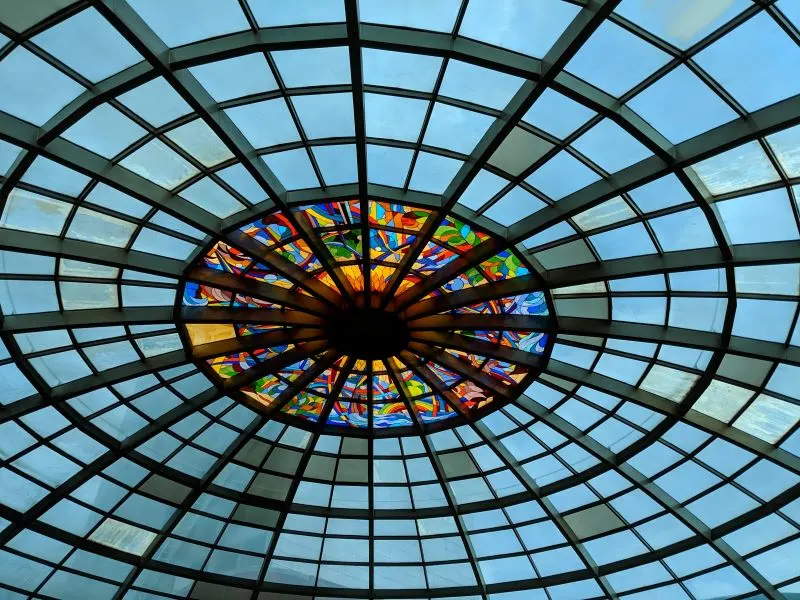
Shop at Bashundhara City, the largest shopping mall in Bangladesh, located in Dhaka. This sprawling retail complex offers a diverse and vibrant shopping experience, catering to a wide range of interests and preferences.
With over 2,500 shops and outlets, Bashundhara City provides a vast selection of products, including clothing, accessories, electronics, home decor, cosmetics, and more.
Fashion enthusiasts will find an array of trendy apparel from local and international brands, while tech-savvy shoppers can explore the latest gadgets and electronics.
The mall’s architecture is impressive, with a modern design that includes spacious walkways, escalators, and elevators, ensuring a comfortable and convenient shopping experience.
There are also several food courts and restaurants, offering a variety of cuisines to satisfy your taste buds after a long day of shopping.
Bashundhara City is not just a shopping destination but also a hub of entertainment and leisure. It houses a multiplex cinema, gaming zones, and other recreational facilities, making it an ideal place for families and friends to spend quality time together.
16. Wander around Jatiyo Sriti Shoudho (National Martyrs’ Memorial): Pay homage to the martyrs of the Liberation War

Wander around Jatiyo Sriti Shoudho, also known as the National Martyrs’ Memorial, located in Savar, near Dhaka, Bangladesh. This poignant and significant memorial stands as a solemn tribute to the brave souls who sacrificed their lives during the Bangladesh Liberation War of 1971.
The architectural design of the memorial is awe-inspiring and deeply symbolic. It comprises seven triangular-shaped towers that ascend towards the sky, representing the seven divisions of Bangladesh.
The towers are interconnected by walkways, creating a somber and contemplative space for visitors to explore and pay their respects.
As you wander through the memorial complex, you’ll come across a serene reflecting pool and lush greenery, fostering an atmosphere of serenity and reverence.
The surroundings encourage visitors to reflect on the history and sacrifice of those who fought for the nation’s independence.
The Jatiyo Sriti Shoudho is not only a place of remembrance but also an important cultural landmark in Bangladesh. It attracts both locals and tourists, offering an opportunity to learn about the country’s history and the valiant efforts of its people to secure freedom and sovereignty.
17. Visit the Bangladesh National Zoo: Explore the zoo and see a variety of animals


Visit the Bangladesh National Zoo for a delightful and educational experience in Dhaka, the capital city of Bangladesh.
The zoo, also known as Mirpur Zoo, is a popular destination for locals and tourists alike, offering a diverse collection of wildlife from different parts of the world.
As you explore the zoo, you’ll encounter a wide range of animals, including mammals, birds, reptiles, and more. From majestic Bengal tigers and playful monkeys to colorful birds and fascinating reptiles, the zoo provides a chance to observe and learn about various species up close.
The spacious and well-maintained enclosures offer a comfortable environment for the animals, ensuring their well-being and allowing visitors to see them in a naturalistic setting.
The zoo also emphasizes conservation and education, with informative signs and exhibits providing insights into the importance of protecting wildlife and their habitats.
Families and children will especially enjoy their time at the zoo, as it offers a chance to have fun and connect with nature. There are often interactive programs and feeding sessions, enhancing the overall experience and making it engaging for everyone.
Beyond its animal exhibits, the Bangladesh National Zoo features a picturesque setting, with lush gardens and green spaces, providing a pleasant atmosphere for leisurely walks and picnics.
18. Experience the Dhaka International Folk Fest: Attend this vibrant annual music festival

Experience the Dhaka International Folk Fest, a vibrant and culturally rich festival that celebrates the diversity of folk music from around the world. Held in Dhaka, Bangladesh, this annual event brings together musicians, artists, and enthusiasts to create a dynamic and memorable experience.
During the festival, you’ll be treated to captivating performances by talented folk musicians and traditional artists from both Bangladesh and other countries.
The stage comes alive with a fusion of traditional instruments, rhythmic beats, and soulful melodies, showcasing the unique musical heritage of different cultures.
The Dhaka International Folk Fest is not just about music; it’s a celebration of cultural exchange and understanding. As you immerse yourself in the performances, you’ll have the opportunity to witness the richness and diversity of various folk traditions, connecting you with the shared heritage of humanity.
The festival’s atmosphere is electric, with a mix of excitement and appreciation from the audience, as well as a warm camaraderie among participants and visitors.
Beyond the performances, the festival often includes workshops, exhibitions, and interactive sessions, allowing you to learn more about the folk traditions and engage with the artists.
19. Try street food in Puran Dhaka: Sample delicious local snacks and dishes

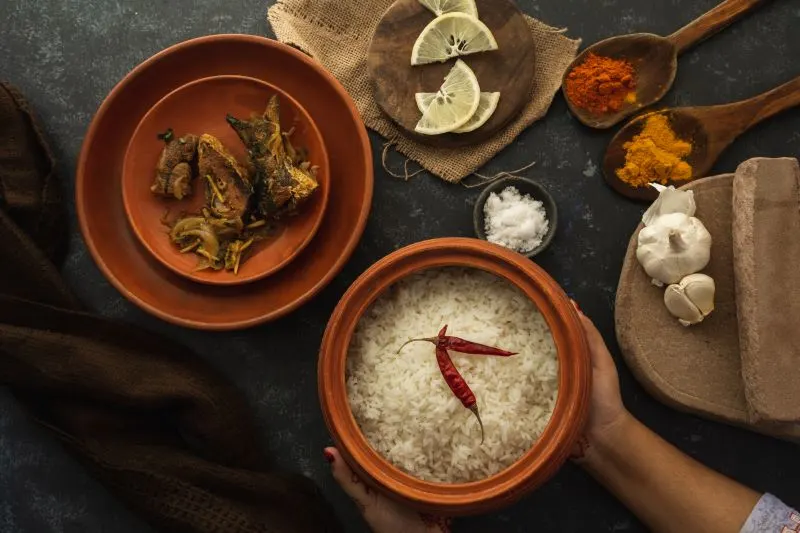
Try street food in Puran Dhaka for an unforgettable culinary adventure in the heart of Bangladesh’s capital city. Puran Dhaka, or Old Dhaka, is renowned for its bustling streets and vibrant food scene, where local vendors dish out a delectable array of mouthwatering treats.
As you explore the streets of Puran Dhaka, you’ll be enticed by the aroma of various dishes being cooked right before your eyes. The options are diverse, ranging from savory to sweet, and each bite offers a unique burst of flavors and textures.
Sample traditional Bangladeshi delights like “Fuska” – a popular street snack made of crispy puris filled with tangy tamarind water, chickpeas, and spices.
“Chotpoti” is another must-try, a spicy and flavorful mix of peas, potatoes, eggs, and chopped vegetables, garnished with crunchy puffed rice.
For those seeking something heartier, try the delicious “Haleem,” a thick and rich stew made from slow-cooked meat, lentils, and wheat, infused with aromatic spices.
The succulent “Kebabs” are also a local favorite, with various options like beef, chicken, or lamb, grilled to perfection and served with accompaniments like naan or paratha.
To satisfy your sweet tooth, indulge in “Firni” – a creamy rice pudding flavored with cardamom and garnished with nuts, or try “Jilapi,” a syrupy and crispy dessert that is truly irresistible.
20. Discover the Dhaka Art Summit: Experience contemporary art at Asia’s premier art event


The Dhaka Art Summit is a prestigious and internationally acclaimed art event held in Dhaka, the capital city of Bangladesh. It is regarded as Asia’s premier platform for contemporary art, attracting artists, art enthusiasts, curators, collectors, and critics from around the world.
The summit is organized by the Samdani Art Foundation, a non-profit organization committed to promoting art and culture in Bangladesh and beyond.
Since its inception in 2012, the event has rapidly gained prominence for its focus on showcasing cutting-edge contemporary art from South Asia and beyond.
At the Dhaka Art Summit, visitors can immerse themselves in a diverse range of artistic expressions, including paintings, sculptures, installations, video art, photography, and performances. The event often features a curated selection of works by both emerging and established artists, offering a glimpse into the dynamic and evolving art scene of the region.
Beyond the art exhibitions, the summit hosts panel discussions, lectures, and workshops, providing a platform for intellectual discourse and artistic exchange.
It fosters dialogues on critical issues related to art, culture, and society, making it a hub for thought-provoking discussions and creative exploration.
The Dhaka Art Summit is not just a celebration of art but also a reflection of Bangladesh’s growing significance in the global art world.
Its commitment to promoting emerging talent and engaging with contemporary issues has contributed to its reputation as one of the most anticipated art events in Asia.
21. Visit the Bangladesh National Museum of Science and Technology: Engage with interactive exhibits

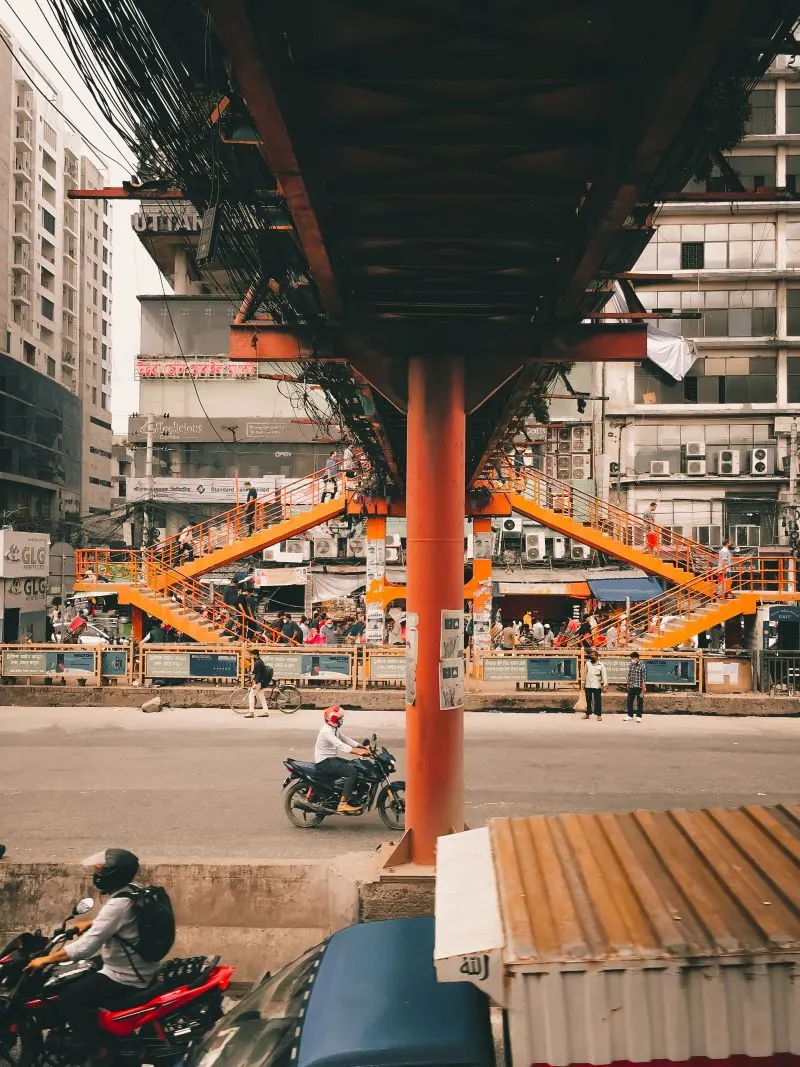
Visit the Bangladesh National Museum of Science and Technology: Explore the wonders of science and technology in Dhaka!
The Bangladesh National Museum of Science and Technology is a fascinating institution located in Dhaka, the capital city of Bangladesh.
Established to promote scientific knowledge and technological advancements, the museum offers a captivating and educational experience for visitors of all ages.
Inside the museum’s diverse galleries, you’ll find an impressive array of interactive exhibits, displays, and models that cover a wide range of scientific disciplines. From physics and chemistry to biology and engineering, the museum aims to engage visitors in a hands-on and immersive manner, making learning an enjoyable adventure.
Visitors can explore exhibits that showcase the principles of mechanics, optics, electricity, and other fundamental concepts in physics.
The chemistry section may demonstrate chemical reactions and the wonders of the periodic table, while the biology section could feature anatomical models and educational materials about living organisms and ecosystems.
Moreover, the museum often highlights technological innovations and their impact on society, illustrating the contributions of Bangladeshi scientists and inventors.
From ancient technological marvels to modern breakthroughs, the exhibits present a comprehensive journey through the evolution of science and technology in the country.
For aspiring young minds and students, the museum serves as an inspiring hub for learning and discovery. It frequently hosts educational programs, workshops, and demonstrations that encourage scientific inquiry and critical thinking.
22. Explore the Botanical Garden: Enjoy a peaceful retreat amid lush greenery


The Botanical Garden is a serene oasis that offers a tranquil escape from the bustling city life, where visitors can indulge in the wonders of diverse plant species, enchanting floral displays, and calming landscapes.
Strolling through the garden’s well-maintained pathways, visitors will encounter a rich tapestry of plant collections, including rare and exotic species, local flora, and international specimens.
The garden’s design is carefully crafted to provide a perfect blend of leisure and education, making it an ideal destination for nature enthusiasts, families, and anyone seeking a moment of serenity.
As visitors explore the various themed sections of the garden, they will learn about the importance of conservation and sustainable practices, fostering an appreciation for the natural world.
The botanical garden also serves as an educational center, hosting workshops and events that promote environmental awareness and gardening knowledge.
Whether it’s a leisurely walk, a relaxing picnic, or simply unwinding amidst nature’s tranquility, the Botanical Garden in Dhaka offers a rejuvenating experience that rejuvenates the mind and nourishes the soul. It is a place where one can connect with the beauty of the Earth and find solace in the embrace of lush greenery.
23. Witness the Hussaini Dalan: Attend the annual Tazia procession during Muharram

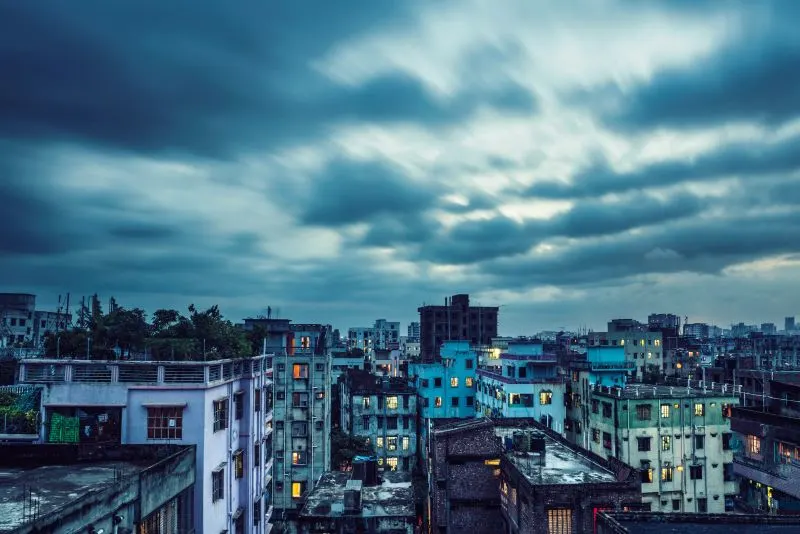
Hussaini Dalan is a historic Shia shrine and a place of great importance for the local Muslim community. During the Islamic month of Muharram, particularly on the 10th day known as Ashura, the shrine becomes a focal point for a vibrant and emotive religious procession known as the Tazia procession.
The Tazia procession commemorates the martyrdom of Imam Hussain, the grandson of Prophet Muhammad, who is revered as a symbol of sacrifice and righteousness in Islam.
Devotees from various Shia communities come together to mourn and remember the tragic events that occurred at the Battle of Karbala.
The atmosphere during the Tazia procession is both solemn and passionate. The participants, clad in black, march with Tazias – symbolic replicas of the tomb of Imam Hussain – carried on ornate wooden structures.
The Tazias are lavishly decorated, and the procession is accompanied by mournful recitations, beating of drums, and melodic chants that evoke a sense of grief and devotion.
The procession winds its way through the streets of Dhaka, drawing crowds of onlookers who come to witness the spectacle and pay their respects. It is a deeply moving experience, providing a glimpse into the cultural and religious traditions of the Shia community in Bangladesh.
24. Shop for traditional crafts at Bangla Bazar: Buy handicrafts and souvenirs.

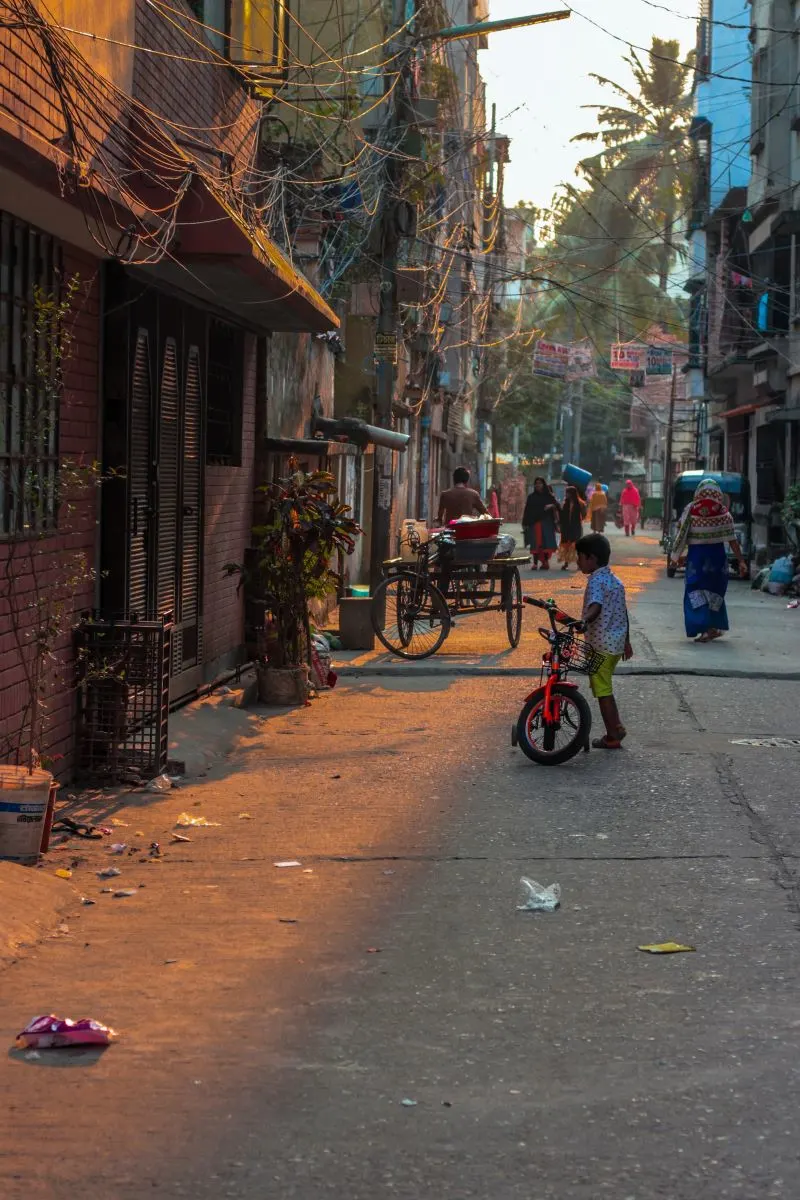
Bangla Bazar is a bustling marketplace located in the heart of Dhaka, the country’s capital, and it is renowned for its wide array of traditional crafts and unique souvenirs.
Visitors to Bangla Bazar can expect to find a treasure trove of authentic handicrafts that showcase the craftsmanship and artistic skills of local artisans.
From intricately woven textiles, such as sarees and lungis, to beautifully hand-carved wooden items, pottery, and brassware, the market offers a diverse range of products that capture the essence of Bangladeshi culture.
One of the highlights of shopping at Bangla Bazar is the opportunity to interact with the artisans themselves. Many of the vendors are craftsmen and craftswomen who take great pride in their work and are eager to share the stories behind their creations. This personal touch adds an extra layer of meaning and appreciation to the items purchased.
Travelers can find an assortment of souvenirs and keepsakes to take home, making Bangla Bazar the perfect place to pick up gifts for friends and loved ones or mementos to commemorate their journey in Bangladesh.
The vibrant and bustling atmosphere of Bangla Bazar creates a lively and enjoyable shopping experience. Visitors are encouraged to engage in friendly bargaining with the sellers, which adds to the charm of the traditional market setting.
25. Enjoy a boat ride on Hatirjheel Lake: Experience the urban lake’s beauty.

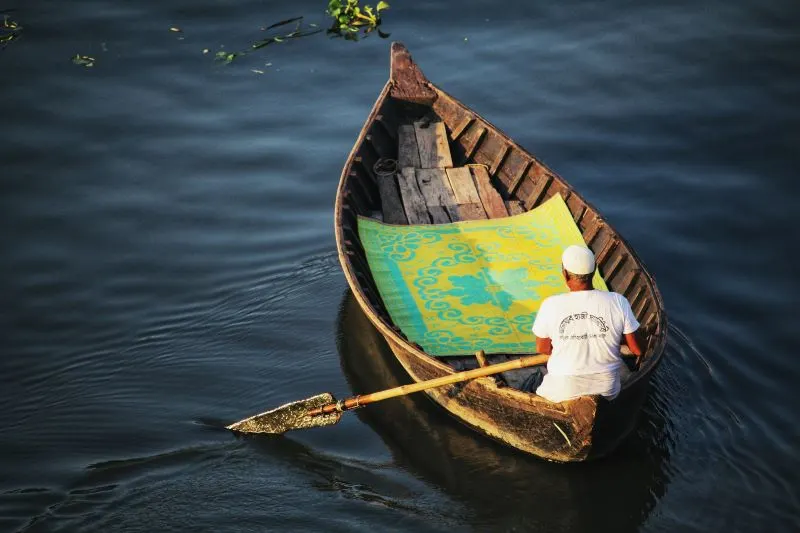
Hatirjheel Lake is an artificial lake and a popular recreational spot that offers a tranquil escape from the city’s bustling streets.
Boat rides on Hatirjheel Lake provide a refreshing way to soak in the natural beauty of the surroundings. Visitors can choose from a variety of boats, including paddleboats and rowboats, to leisurely explore the calm waters.
The lake is beautifully landscaped, with well-maintained gardens and walking paths, creating a pleasant ambiance for a relaxing outing.
As you glide across the lake’s sparkling waters, you’ll be treated to picturesque views of the surrounding skyline, including modern buildings and the iconic bridges that span the water.
The gentle ripples and the gentle breeze add to the serene atmosphere, making it an ideal setting for a peaceful and romantic boat ride.
The lake’s surroundings are also adorned with colorful lights that create a magical atmosphere during the evenings. Nighttime boat rides are especially enchanting as the city lights reflect on the water, offering a unique perspective of Dhaka’s urban landscape.
Boat rides on Hatirjheel Lake are suitable for individuals, families, and couples alike. Whether you’re looking for a moment of tranquility amidst nature or simply want to enjoy a leisurely activity with loved ones, a boat ride on Hatirjheel Lake provides an enjoyable and memorable experience for visitors and locals alike.
Dhaka offers a wealth of experiences, from historical sites and cultural landmarks to lively festivals and vibrant markets. With its warm hospitality and diverse attractions, the city promises an enriching and memorable journey for all who visit.
Food In Dhaka

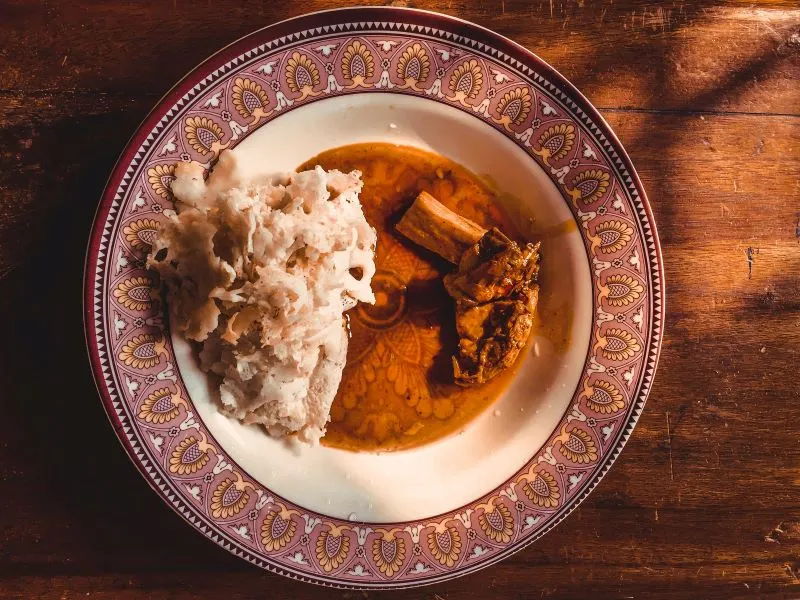
Dhaka, the bustling capital city of Bangladesh, is a melting pot of cultures, traditions, and flavors. The city’s rich culinary landscape reflects its diverse heritage, combining traditional Bangladeshi cuisine with influences from various regions and communities.
From mouthwatering street food to elegant dining experiences, Dhaka offers a delightful array of dishes that cater to every palate. Let’s embark on a gastronomic journey through the bustling streets and hidden culinary gems of Dhaka.
- Street Food Extravaganza:
No visit to Dhaka would be complete without indulging in its vibrant street food scene. Wander through the bustling bazaars and alleys, and you’ll be greeted with an assortment of tempting snacks and treats. Try “Fuska,” a popular street food made from hollow puris filled with spicy chickpea mash, tamarind water, and tangy chutney. For a more filling experience, savor a plate of mouthwatering “Fuchka,” also known as “Panipuri” or “Golgappa” in other parts of South Asia.
- The Irresistible Biryanis:
Biryani holds a special place in the hearts of Dhaka’s food enthusiasts. A fragrant rice dish layered with tender meat, aromatic spices, and fried onions, Dhakai Biryani is a must-try culinary masterpiece. The dish is a harmonious blend of flavors that leaves a lasting impression on anyone fortunate enough to taste it. For a more traditional experience, visit some of the iconic old Biryani houses that have been perfecting their recipes for generations.
- Mouthwatering Street Kebabs:
Kebabs are an integral part of Dhaka’s food culture, and you’ll find countless vendors grilling succulent pieces of meat on open flames. Sink your teeth into delicious chicken, beef, or mutton kebabs, seasoned with a tantalizing blend of spices. Accompanied by freshly baked naan or paratha and a side of mint chutney, these kebabs make for an incredibly satisfying meal.
- Hidden Gems of Old Dhaka:
Explore the narrow lanes of Old Dhaka, and you’ll discover a treasure trove of hidden culinary gems. “Haji Biriyani” and “Nanna Biriyani” are legendary eateries known for serving delectable Biryanis with an authentic touch. Delight in the mouthwatering sweets of “Nimtoli Hawker Goli” or savor traditional Bangladeshi desserts like “Roshogolla” and “Chomchom.”
- The Global Flavors:
As a cosmopolitan city, Dhaka caters to diverse tastes, offering a wide range of international cuisine. From upscale restaurants offering Western and Continental delicacies to eateries serving Chinese, Thai, and Indian fare, you’ll find plenty of options to satisfy international cravings.
- Street Desserts and Refreshing Beverages:
Quench your thirst and satisfy your sweet tooth with refreshing street beverages and desserts. “Borhani,” a tangy spiced drink, is a popular choice to complement your meal. Don’t miss out on trying “Firni,” a delectable rice pudding flavored with cardamom and topped with nuts.
Dhaka’s culinary landscape is a delightful fusion of flavors, aromas, and experiences that cater to all tastes. From savoring street food amidst the bustling bazaars to indulging in the city’s iconic Biryanis, Dhaka offers a gastronomic adventure like no other. So, immerse yourself in the vibrant food scene, and let the flavors of this captivating city leave a lasting impression on your palate and heart.
Top 20 Best Restaurants In Dhaka, Bangladesh

- Pan Tao Chinese Restaurant
- Nandos
- Star Kabab & Restaurant
- Salt Bistro & Café
- The Westin Dhaka – Prego
- 8 (Eight) – The Signature Thai Restaurant
- Izumi Japanese Restaurant
- Dhaba – The Authentic Indian Restaurant
- Gloria Jean’s Coffees
- The 8 – Signature Thai Cuisine
- The Atrium Restaurant
- Spice & Rice Thai Restaurant
- Bar-B-Q Tonight
- Handi
- The Pit Grill – Steakhouse
- Bunka Japanese Restaurant
- Soi 71 – Tejgaon
- Topkapi Dhaka
- Copper Kitchen
- Crimson Cup Coffee House
Transportation In Dhaka
Transportation in Dhaka, the capital city of Bangladesh, is a vibrant and dynamic mix of various modes of travel. With a dense population and bustling streets, navigating the city can be both exciting and challenging.
- Rickshaws: One of the iconic sights in Dhaka is the colorful cycle rickshaws. These three-wheeled vehicles are a popular mode of transport for short distances, especially in narrow and congested lanes where larger vehicles may not fit. Rickshaws are an essential part of Dhaka’s cultural heritage, providing an eco-friendly and inexpensive way to get around.
- CNG Auto-Rickshaws: Compressed Natural Gas (CNG) auto-rickshaws are another common means of transportation in Dhaka. These small, green-colored vehicles can be found all over the city and are suitable for short to medium distances. Negotiating the fare with the driver is common as most CNG auto-rickshaws do not have meters.
- Buses: Dhaka has an extensive network of public buses that connect various neighborhoods and suburbs. Public buses come in different sizes, including large buses for longer routes and minibusses for shorter distances. However, buses can be overcrowded during peak hours, and traffic congestion can significantly affect travel times.
- Ride-Hailing Services: Ride-hailing services like Uber and Pathao have gained popularity in Dhaka, providing a convenient and relatively comfortable option for getting around the city. These services allow passengers to book rides through mobile apps, and fares are calculated based on distance and time.
- CNG Taxis: CNG taxis are readily available in Dhaka and offer a more private and comfortable alternative to public buses and auto-rickshaws. They are equipped with meters, which help ensure a fair fare, but it’s still advisable to negotiate the price before starting the journey.
- Metro Rail: Dhaka is in the process of developing an extensive metro rail system to address the city’s growing transportation needs and ease traffic congestion.
- Waterways: Dhaka is also known for its waterways, with rivers and water bodies crisscrossing the city. While water-based transportation options like ferries and boats exist, they are not as commonly used for daily commuting within the city.
It’s essential for travelers to be aware of the traffic congestion and plan their journeys accordingly, especially during peak hours. Additionally, using a combination of transportation modes may be necessary to navigate the diverse and bustling city of Dhaka.
In conclusion, Dhaka, Bangladesh, is a city that offers a diverse and enchanting array of experiences for travelers to explore. With its rich history, cultural heritage, and modern vibrancy, there are countless ways to immerse yourself in the essence of this bustling metropolis.
From wandering through ancient forts and museums to savoring the delectable flavors of street food, Dhaka caters to a wide range of interests and preferences.
As you venture through the city’s winding streets, you’ll encounter a fascinating blend of tradition and progress, where centuries-old landmarks stand tall beside contemporary architectural marvels.
Dhaka’s people, known for their warmth and hospitality, add a distinct charm to the overall experience, making visitors feel welcome and embraced by the city’s vibrant spirit.
Whether it’s exploring the grandeur of Lalbagh Fort and Ahsan Manzil, admiring the modernity of Jatiya Sangsad Bhaban, or taking a serene boat ride on the Buriganga River, Dhaka invites you to embark on a journey of discovery and wonder.
The city’s cultural diversity, reflected in its festivals, music, and cuisine, will leave a lasting impression on your heart, and the bustling markets and vibrant streets will keep you captivated throughout your stay.
Dhaka’s dynamic energy, combined with its historical significance and economic importance, showcases a unique blend of old-world charm and contemporary aspirations.
The city’s vibrant atmosphere and the warmth of its people create an unforgettable experience that lingers in your memories long after you leave.
Whether you’re a history enthusiast, a food lover, or an adventurer seeking new experiences, Dhaka beckons with its myriad of offerings, inviting you to delve into its tapestry of colors, flavors, and traditions.
As you explore the 25 best things to do in Dhaka, you’ll undoubtedly find yourself enchanted by the city’s allure and leave with cherished memories of a truly remarkable journey in the heart of Bangladesh.
Leave a comment