
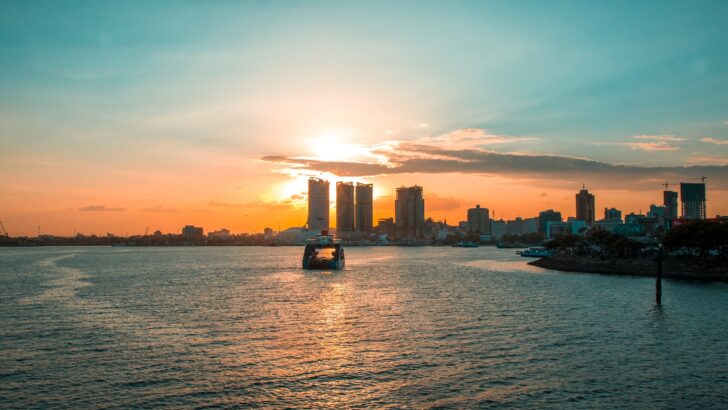
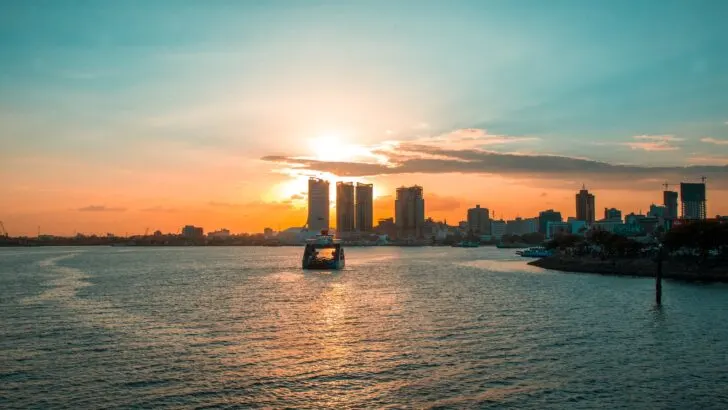
Nestled along the enchanting eastern coast of Tanzania, Dar es Salaam stands as a vibrant metropolis and the largest city in the country.
With a rich history, diverse cultural influences, and a bustling urban atmosphere, it serves as a prominent gateway to Tanzania’s stunning landscapes and coastal wonders. Known for its warm hospitality, bustling markets, and a fusion of Swahili, African, Indian, and Arabic traditions, Dar es Salaam offers visitors a unique and unforgettable experience.
- Historical Significance: The name “Dar es Salaam” translates to “Haven of Peace” in Arabic, and the city has lived up to its name by providing refuge to traders and travelers for centuries. Established as a fishing village in the 1860s, Dar es Salaam gained importance during the German colonial period in the late 19th century and later became the administrative capital under British rule. Today, it remains a crucial political, economic, and cultural hub of Tanzania.
- Cultural Melting Pot: Dar es Salaam’s cultural fabric is a beautiful tapestry woven by the interactions of various ethnic groups. The city is home to a diverse population, including Swahili, Makonde, Zaramo, and various immigrant communities from India, the Arab world, and beyond. This rich cultural blend is evident in the architecture, language, music, and cuisine, making it a true melting pot of traditions.
- Bustling Markets and Commerce: The city’s markets are a vibrant display of local life and trade. Kariakoo Market, one of the largest open-air markets in East Africa, bustles with traders selling everything from fresh produce and spices to colorful fabrics and artisan crafts. The market is a sensory delight, where visitors can immerse themselves in the hustle and bustle of Tanzanian daily life.
- Beautiful Coastline: Dar es Salaam’s location along the Indian Ocean offers stunning coastal vistas and a range of beach experiences. From bustling beaches with vibrant social scenes to tranquil, secluded spots, visitors can explore a variety of seaside destinations. The nearby islands of Zanzibar and Mbudya provide easy access to idyllic getaways, promising relaxation and water-based adventures.
- Modern Infrastructure: As Tanzania’s major economic and administrative center, Dar es Salaam boasts modern infrastructure and a developing skyline. The city’s landscape is a mix of modern high-rise buildings, colonial-era structures, and bustling urban neighborhoods.
- Gateway to Safari Adventures: While Dar es Salaam itself offers a vibrant city experience, it also serves as a primary gateway for travelers embarking on safari adventures in Tanzania’s world-famous national parks, such as the Serengeti, Ngorongoro Crater, and Selous Game Reserve. The city’s convenient location and well-connected transportation networks make it an ideal starting point for exploring Tanzania’s incredible wildlife and natural wonders.
In conclusion, Dar es Salaam is a dynamic city that bridges the past and present, blending diverse cultures, and offering a taste of Tanzania’s rich heritage.
Whether visitors seek to explore its historical landmarks, indulge in its flavorsome cuisine, or use it as a launching point for safari experiences, Dar es Salaam promises a memorable journey through the heart of East Africa.
1. Visit the National Museum: Learn about Tanzania’s history, culture, and wildlife at the National Museum, which houses fascinating exhibits and artifacts
The National Museum in Dar es Salaam, Tanzania, is a must-visit destination for those interested in learning about the country’s rich history, culture, and natural heritage. The museum is located in the city center and serves as a gateway to Tanzania’s past and present.
The National Museum houses an impressive collection of exhibits and artifacts that showcase various aspects of Tanzania’s diverse heritage.
Visitors can explore displays related to archaeology, ethnography, paleontology, and more. The museum provides valuable insights into the traditional lifestyles, customs, and beliefs of different Tanzanian tribes and ethnic groups.
Among the notable exhibits are ancient fossils that shed light on the region’s prehistoric past, traditional artworks, historical artifacts, and a range of cultural objects.
The museum also features exhibits on Tanzania’s natural wonders, including its remarkable wildlife and geological formations.
Through its captivating displays, the National Museum offers a captivating narrative of Tanzania’s past, present, and cultural identity.
It’s an educational and enriching experience for both locals and tourists alike, providing a deeper understanding of the nation’s fascinating heritage.
2. Explore the Village Museum: Experience traditional Tanzanian culture and customs at the Village Museum, which showcases different tribal homesteads

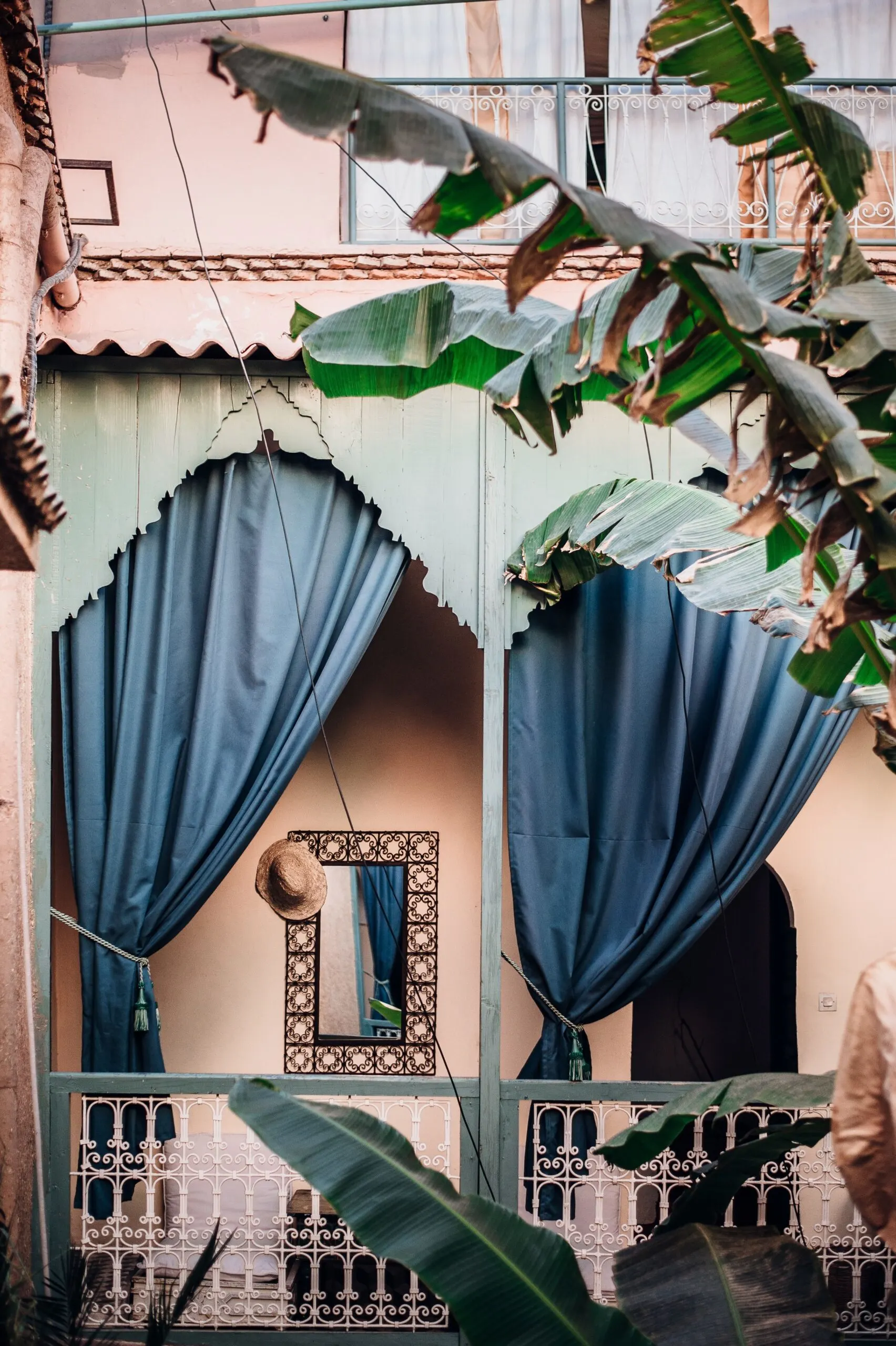
The Village Museum, located in Dar es Salaam, Tanzania, is a unique and immersive cultural attraction that offers visitors a glimpse into the traditional lifestyles and customs of various Tanzanian ethnic groups and tribes.
The museum is designed to resemble a traditional Tanzanian village, with different tribal homesteads representing various regions of the country. Each homestead showcases the distinct architecture, customs, and daily activities of the respective ethnic group it represents.
Visitors to the Village Museum have the opportunity to interact with local artisans and performers who demonstrate traditional crafts, music, dance, and other cultural practices.
This hands-on experience allows visitors to engage with Tanzanian culture and gain a deeper appreciation for the country’s diverse heritage.
Throughout the museum grounds, visitors can explore thatched huts, wooden carvings, and other artifacts that provide insights into the traditional ways of life of the Maasai, Chagga, Sukuma, Makonde, and other Tanzanian tribes.
3. Stroll along Coco Beach: Enjoy a leisurely walk on the sandy shores of Coco Beach and witness the beautiful sunset

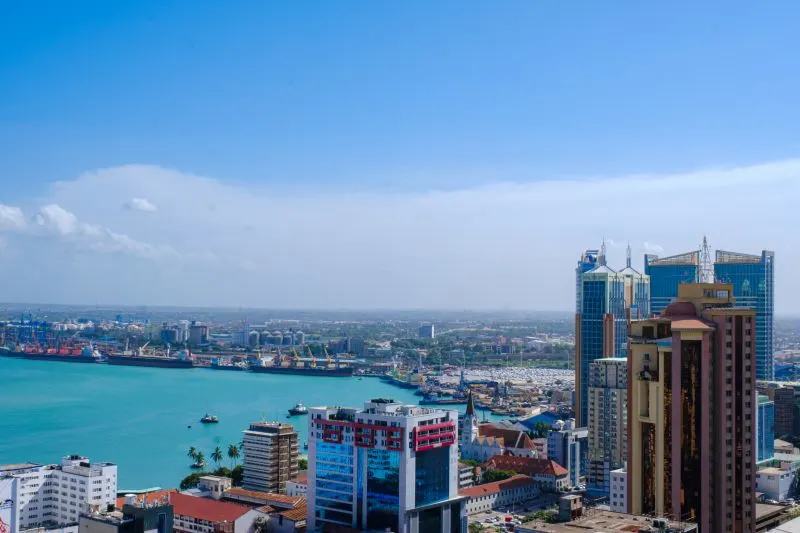
Coco Beach is a popular coastal destination located in Dar es Salaam, Tanzania. It is known for its picturesque sandy shoreline and relaxed atmosphere, making it an ideal spot for leisurely strolls and enjoying the beauty of the Indian Ocean.
Strolling along Coco Beach allows visitors to experience the natural charm of the Tanzanian coastline. The beach offers a tranquil escape from the hustle and bustle of the city, providing a serene setting for a peaceful walk.
The beach’s soft sands and clear waters invite visitors to take a leisurely walk by the water’s edge, breathe in the fresh sea breeze, and listen to the gentle sounds of the waves. It’s a perfect spot for a romantic evening walk, a fun family outing, or simply some solo relaxation.
Moreover, Coco Beach is renowned for its spectacular sunsets. Many visitors flock to the beach in the late afternoon to witness the breathtaking sight of the sun setting over the Indian Ocean, casting vibrant hues across the sky and the water.
In addition to strolling, Coco Beach offers various activities such as beach volleyball, swimming, and beachcombing. Local food vendors and cafes line the beachfront, allowing visitors to sample some delicious Tanzanian snacks or enjoy a refreshing drink while soaking in the coastal ambiance.
4. Take a ferry to Bongoyo Island: Hop on a boat to Bongoyo Island, a serene escape with clear waters for swimming and snorkeling

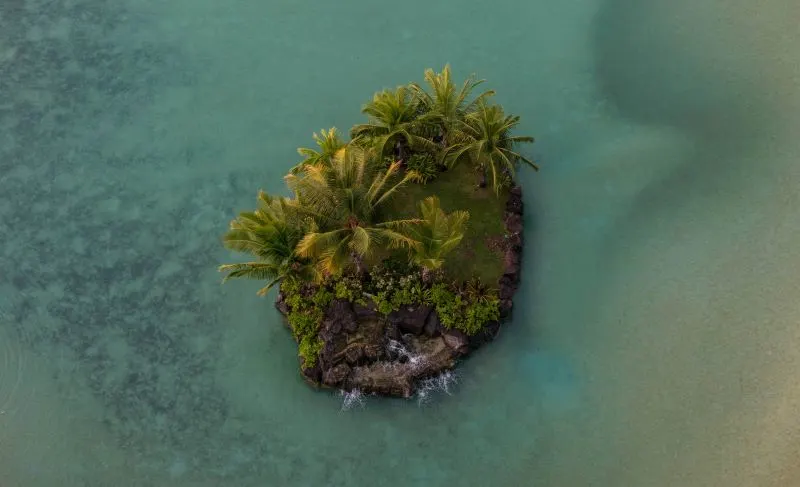
Taking a ferry to Bongoyo Island is a popular excursion from Dar es Salaam, Tanzania, offering visitors the opportunity to escape to a serene and beautiful island retreat in the Indian Ocean.
Bongoyo Island is located a short distance from Dar es Salaam’s mainland and is part of the Dar es Salaam Marine Reserve.
The island is known for its pristine beaches, crystal-clear waters, and vibrant marine life, making it a haven for nature lovers and beach enthusiasts.
To reach Bongoyo Island, visitors can board a ferry from the city’s Slipway area, which is a convenient starting point for the journey. The ferry ride itself can be a pleasant experience, providing glimpses of the city’s coastline and the surrounding waters.
Upon arrival at Bongoyo Island, visitors are greeted by a tropical paradise. The island’s sandy beaches and turquoise waters invite travelers to relax, sunbathe, and swim. Snorkeling is a popular activity here, as the island’s coral reefs are teeming with colorful fish and other marine creatures.
Bongoyo Island is also a great spot for picnics and nature walks. It offers various trails through lush vegetation, allowing visitors to explore the island’s natural beauty. Keep an eye out for local wildlife, including exotic birds and marine species that inhabit the area.
As Bongoyo Island is part of a marine reserve, the ecosystem is well-preserved and protected. Visitors are encouraged to be respectful of the environment, taking their trash back with them and avoiding any disturbances to the wildlife or coral reefs.
5. Shop at Kariakoo Market: Discover local products, fresh produce, and traditional crafts at this bustling market


Shopping at Kariakoo Market is a vibrant and bustling experience in Dar es Salaam, Tanzania. It is one of the largest and busiest markets in East Africa, offering a wide array of goods and products that cater to locals and tourists alike.
Kariakoo Market is a sprawling open-air market that consists of numerous stalls and shops selling everything from fresh produce, fruits, and vegetables to clothing, textiles, shoes, household items, electronics, and more. It’s a one-stop destination for both daily necessities and unique finds.
Visiting Kariakoo Market provides a glimpse into the lively and dynamic atmosphere of Tanzanian commerce. The market is always abuzz with activity as vendors call out their offers, shoppers haggle for the best deals, and the aroma of various spices and street food wafts through the air.
As you explore the market, you’ll have the chance to interact with friendly local vendors and immerse yourself in the vibrant culture of Dar es Salaam. Bargaining is a common practice at Kariakoo, so haggling over prices can be a fun and engaging part of the shopping experience.
For those interested in traditional Tanzanian crafts and souvenirs, there are also stalls dedicated to selling local handicrafts, artwork, and curios, making it an excellent place to find authentic mementos to take back home.
However, since Kariakoo Market can get crowded and chaotic, it’s essential to keep an eye on your belongings and be cautious of pickpockets. It’s advisable to visit during the daytime and practice basic safety precautions.
6. Wander through Kivukoni Fish Market: Experience the lively atmosphere of the fish market and observe fishermen selling their catch


Wandering through Kivukoni Fish Market is an immersive and sensory-rich experience in Dar es Salaam, Tanzania. Located near the city center, this bustling market is a hub for the trade of fresh seafood, offering a fascinating glimpse into the local fishing industry.
Kivukoni Fish Market comes to life early in the morning when fishermen bring in their catches from the Indian Ocean. The market is a hive of activity as vendors, restaurateurs, and locals gather to buy and sell a wide variety of fish and seafood.
As you wander through the market, you’ll be greeted with a colorful array of fish, prawns, lobsters, crabs, squid, and other marine delicacies displayed on ice or in traditional wooden boats. The sight and smell of the fresh catch create a lively and sometimes chaotic atmosphere that is unique to fish markets.
You’ll witness the lively interaction between sellers and buyers as they negotiate prices and conduct their transactions. The market is known for its energetic and bustling ambiance, with vendors shouting out their offers and haggling over prices with customers.
Visiting Kivukoni Fish Market also offers a chance to observe the traditional methods of fish handling and processing. You may see fishermen mending their nets, women sorting and cleaning the fish, and buyers carefully selecting their preferred seafood.
For photography enthusiasts, Kivukoni Fish Market provides an excellent opportunity to capture vibrant and authentic images of daily life in Dar es Salaam, especially during the busy morning hours.
It’s important to be mindful of the bustling activity and the wet and slippery surfaces while walking through the market. Also, respect the vendors’ space and be considerate while taking photos.
7. Visit the Azania Front Lutheran Church: Admire the impressive architecture of this historic church built in the late 19th century


Visiting the Azania Front Lutheran Church is a captivating experience that offers a glimpse into the rich architectural and historical heritage of Dar es Salaam, Tanzania.
The Azania Front Lutheran Church, also known simply as Azania Church, is a prominent landmark located in the heart of Dar es Salaam’s city center.
Built in the late 19th century, the church showcases a unique blend of Gothic and Victorian architectural styles, making it one of the most impressive and historically significant buildings in the city.
As you approach the church, you’ll be struck by its magnificent façade, adorned with intricate carvings, ornate spires, and pointed arches. The imposing bell tower stands tall, adding to the church’s grandeur and charm.
Stepping inside, visitors are greeted with a serene and reverent atmosphere. The interior of the church features beautiful stained glass windows, polished wooden pews, and a stunning altar, all of which add to its religious and historical significance.
The Azania Front Lutheran Church has played a central role in the religious and cultural life of Dar es Salaam for over a century. It has served as a place of worship for the Lutheran community and has witnessed significant events in Tanzania’s history.
During your visit, you can take a moment for quiet contemplation or attend one of the church’s services to experience the local religious practices and traditions.
Beyond its religious importance, the church’s architectural beauty makes it a popular spot for photography enthusiasts and history buffs alike.
8. Explore the Askari Monument: Learn about Dar es Salaam’s colonial past by visiting this iconic statue in the city center

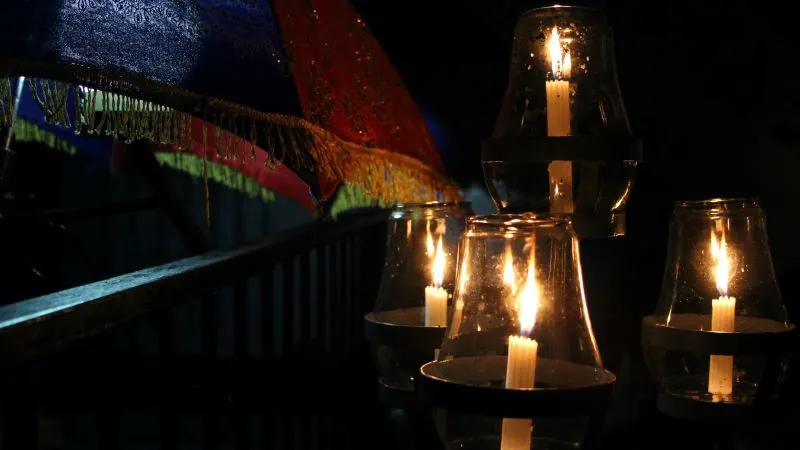
Exploring the Askari Monument is a fascinating journey into the colonial history and architectural heritage of Dar es Salaam, Tanzania.
The Askari Monument is a prominent statue located in the heart of the city, at the roundabout near the St. Joseph’s Cathedral. It was erected in 1927 as a tribute to the African soldiers who served in the British Carrier Corps during World War I.
The monument itself features a bronze statue of an African soldier, known as an “askari,” standing at attention and looking outward.
The soldier is depicted in his World War I uniform, with a rifle slung over his shoulder, symbolizing the courage and bravery of Tanzanian soldiers who fought alongside the British forces during the war.
The base of the monument is made of stone, and it is adorned with inscriptions in English and Swahili, honoring the African soldiers who served during the war.
Beyond its historical significance, the Askari Monument is an iconic landmark in Dar es Salaam, serving as a meeting point and a place of remembrance.
It is a popular spot for locals and tourists alike, with its central location and the picturesque St. Joseph’s Cathedral as a backdrop.
Visitors to the monument can take a moment to reflect on its historical significance, as it represents the contributions and sacrifices of African soldiers during World War I.
Additionally, the surrounding area offers an opportunity to soak in the lively atmosphere of Dar es Salaam’s city center, with various shops, cafes, and local vendors nearby.
9. Admire the State House: Marvel at the official residence of Tanzania’s president, an impressive structure surrounded by beautiful gardens


Admiring the State House in Dar es Salaam, Tanzania, offers a glimpse of the country’s political and architectural significance.
The State House, also known as Ikulu, is the official residence and workplace of the President of Tanzania. It is an imposing and elegant structure located in the city center, set against the backdrop of beautiful gardens and well-maintained grounds.
The building’s architectural style blends both modern and traditional elements, reflecting Tanzania’s diverse cultural heritage. The State House stands as a symbol of the country’s political leadership and governmental authority.
As the official residence of the President, the State House is a highly secured area, and public access to the interior is generally restricted.
However, visitors can still admire the building’s exterior from a distance and appreciate its stately appearance and well-maintained surroundings.
The State House is often used for official ceremonies, meetings with foreign dignitaries, and other important events related to the governance of the country.
While the primary function of the State House is administrative and governmental, its prominent location and architectural significance make it an important landmark in Dar es Salaam. Many tourists and locals find it intriguing to witness the official residence of the nation’s highest officeholder.
10. Discover the Botanical Gardens: Relax in the peaceful surroundings of the Botanical Gardens, home to a diverse range of plant species

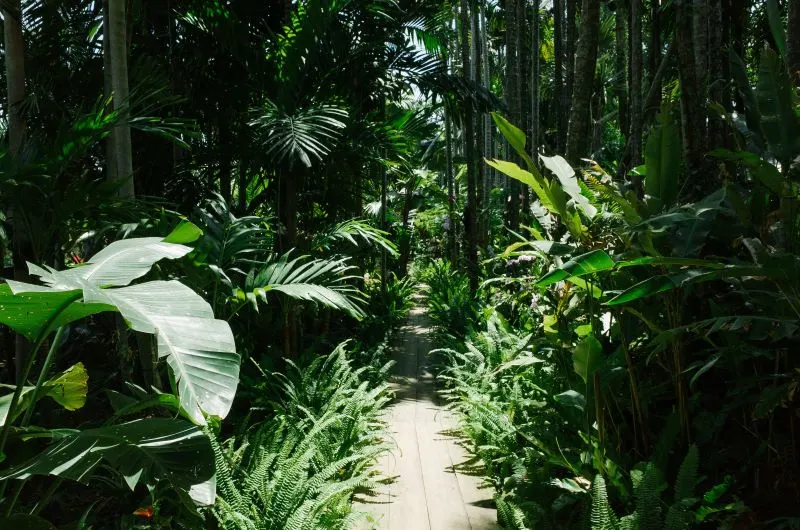
Discovering the Botanical Gardens in Dar es Salaam, Tanzania, is a delightful and peaceful experience that allows visitors to immerse themselves in the beauty of nature and explore a diverse range of plant species.
The Botanical Gardens, also known as the Dar es Salaam Botanical Gardens, is a serene oasis located in the heart of the city. It serves as a green refuge from the urban hustle and bustle, providing a tranquil setting for relaxation and exploration.
The gardens feature a wide variety of indigenous and exotic plants, including trees, flowers, shrubs, and ferns, many of which are labeled for educational purposes. It’s an excellent opportunity to learn about the rich plant diversity of Tanzania and beyond.
As you wander through the pathways of the Botanical Gardens, you’ll encounter shaded spots, benches, and open lawns, creating perfect spots for picnics, reading, or simply enjoying the natural surroundings.
The gardens are also home to various bird species, making it a popular spot for birdwatchers and nature enthusiasts. Keep an eye out for colorful avian visitors as they flit among the branches and flowers.
For families, the Botanical Gardens offer a great place for children to run around, play, and learn about the importance of conservation and environmental stewardship.
Moreover, the gardens host occasional events, such as plant exhibitions and horticultural shows, which provide further insight into the world of botany and gardening.
11. Visit the Tingatinga Arts Cooperative Society: Witness the creation of beautiful Tingatinga paintings, a unique and vibrant Tanzanian art form


Visiting the Tingatinga Arts Cooperative Society in Dar es Salaam, Tanzania, is a vibrant and artistic experience that allows visitors to immerse themselves in the world of Tanzanian art and witness the creation of unique and colorful Tingatinga paintings.
The Tingatinga Arts Cooperative Society is dedicated to promoting and preserving the Tingatinga art form, which is a distinctive style of African art known for its bright colors, bold patterns, and whimsical depictions of animals, nature, and everyday life.
Upon entering the cooperative, visitors are greeted with an array of beautiful Tingatinga paintings displayed on the walls and racks. The paintings often depict scenes from Tanzanian landscapes, wildlife, and culture, and they showcase the creativity and talent of local artists.
Visitors have the opportunity to watch skilled artists at work as they create new Tingatinga paintings. The artists use a combination of brushes and fingers to apply paint on canvas, and observing their techniques can be a captivating experience.
The cooperative provides a welcoming environment where visitors can learn about the history and significance of Tingatinga art, as well as the stories behind the individual paintings. They can also interact with the artists and gain insights into their creative processes.
For art enthusiasts and collectors, the Tingatinga Arts Cooperative Society offers a unique opportunity to purchase original Tingatinga paintings directly from the artists, supporting the local art community and taking home a piece of Tanzanian creativity.
12. Explore the Dar es Salaam Zoo: Enjoy a day with the family at the zoo, which houses a variety of animals and birds


The Dar es Salaam Zoo is a popular attraction located in Dar es Salaam, Tanzania. It is one of the oldest and largest zoological parks in East Africa. The zoo is home to a diverse range of wildlife, including various species of mammals, birds, and reptiles.
Visitors to the Dar es Salaam Zoo have the opportunity to observe and learn about the native and exotic animals from Tanzania and other parts of the world. The zoo aims to promote conservation efforts and raise awareness about wildlife protection and environmental issues.
In addition to the animal exhibits, the zoo may offer various amenities such as food stalls, souvenir shops, and educational programs for visitors, especially children.
It is essential to note that details about attractions can change over time, so it is recommended to check for the latest information, operating hours, and any specific guidelines or regulations before planning a visit to the Dar es Salaam Zoo.
13. Dive into the Dar es Salaam Marine Reserve: Embark on a scuba diving or snorkeling adventure to explore the marine life of the reserve

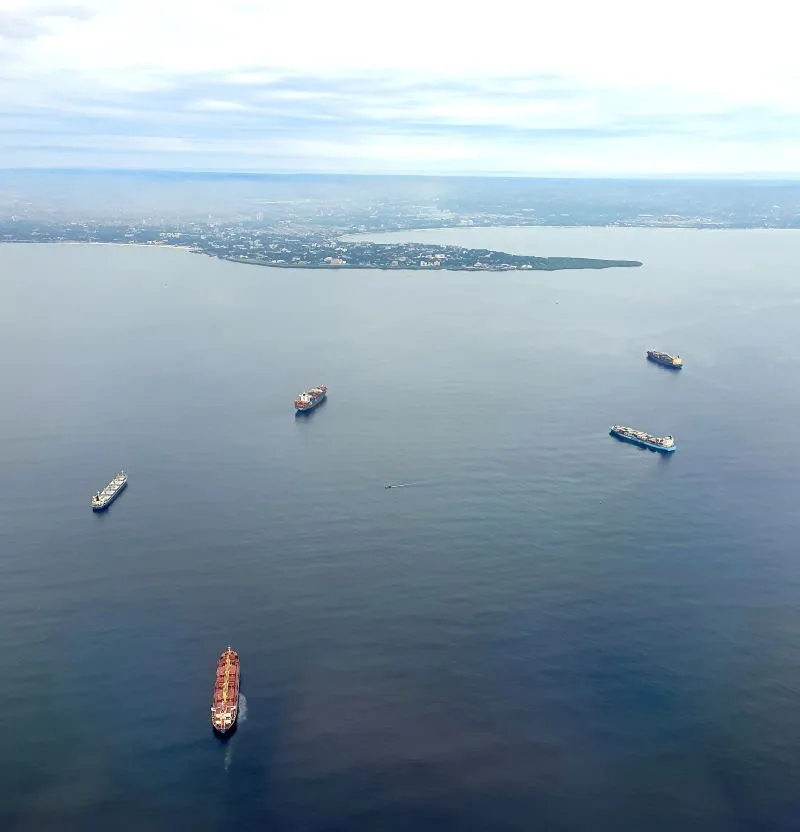
The Dar es Salaam Marine Reserve is a designated protected area located off the coast of Dar es Salaam, Tanzania. This marine reserve is known for its rich biodiversity and stunning underwater landscapes, making it a popular destination for diving enthusiasts and nature lovers.
Diving into the Dar es Salaam Marine Reserve offers the opportunity to explore vibrant coral reefs teeming with marine life.
Snorkeling and scuba diving activities are prevalent, allowing visitors to encounter a variety of colorful fish species, sea turtles, rays, and even occasional sightings of dolphins and whales.
The marine reserve’s waters are generally clear and warm, providing excellent visibility and comfortable conditions for diving year-round.
Beyond its natural beauty, the reserve also serves as an important conservation area, promoting the protection of marine ecosystems and supporting sustainable tourism practices.
If you plan to visit the Dar es Salaam Marine Reserve for diving or snorkeling, it’s essential to check with local authorities or reputable dive operators for up-to-date information on diving sites, safety guidelines, and any specific regulations in place to protect the delicate marine environment.
14. Visit the St. Joseph’s Cathedral: Admire the stunning architecture and serene atmosphere of this Catholic cathedral

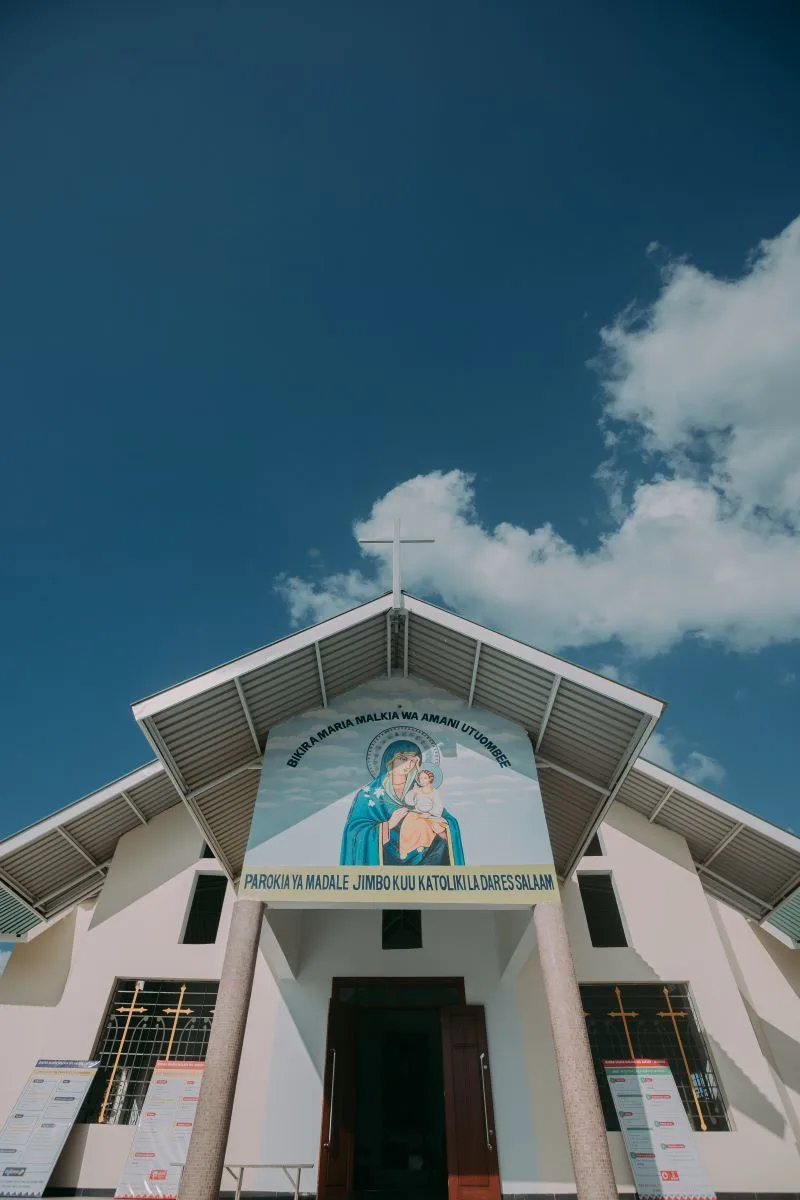
St. Joseph’s Cathedral is a significant religious landmark located in Dar es Salaam, Tanzania. It is one of the oldest and most prominent Roman Catholic cathedrals in the city.
The St. Joseph’s Cathedral, also known as the Cathedral of Dar es Salaam, boasts impressive architectural design and historical significance. The cathedral’s construction began in the late 19th century and continued through the early 20th century, with its completion in the 1910s.
The cathedral’s architecture blends elements of Gothic and Romanesque styles, featuring intricate stained glass windows, high vaulted ceilings, and ornate decorations. Its imposing facade and tall spires make it a recognizable landmark in the city’s skyline.
Inside, visitors can admire the serene and reverent atmosphere, with beautifully crafted altars, religious statues, and detailed artwork adorning the walls.
The cathedral serves as the main place of worship for the local Catholic community and hosts religious ceremonies and events throughout the year.
For tourists and travelers interested in religious history and architecture, a visit to St. Joseph’s Cathedral offers a glimpse into Tanzania’s religious heritage and the significance of Christianity in the country.
15. Experience the Mwenge Woodcarvers Market: Buy intricate wood carvings and handicrafts as souvenirs from local artisans


The Mwenge Woodcarvers Market is a bustling and vibrant open-air market located in Dar es Salaam, Tanzania. It is renowned for its wide array of beautifully handcrafted wood carvings and artwork, making it a popular destination for tourists and locals alike.
The market is named after the Mwenge area in Dar es Salaam where it is situated. It plays a significant role in promoting and preserving Tanzanian culture and traditional craftsmanship.
The talented artisans at the market create intricate and unique wooden sculptures, masks, figurines, furniture, and other decorative items.
Visiting the Mwenge Woodcarvers Market provides an opportunity to witness the artistic skills of local craftsmen and learn about the cultural significance behind the various carvings.
Each piece often reflects elements of Tanzanian folklore, wildlife, or tribal motifs, making them meaningful souvenirs for travelers to take home.
Beyond wood carvings, the market may also offer other handicrafts, such as textiles, baskets, and jewelry, providing a comprehensive shopping experience for those interested in Tanzanian arts and crafts.
When visiting the Mwenge Woodcarvers Market, visitors can engage with the artisans, observe them at work, and even commission custom pieces. It’s essential to be prepared for some haggling, as bargaining is a common practice in markets like these.
16. Relax at the Slipway: Enjoy waterfront views, dining, shopping, and live music at this popular leisure complex

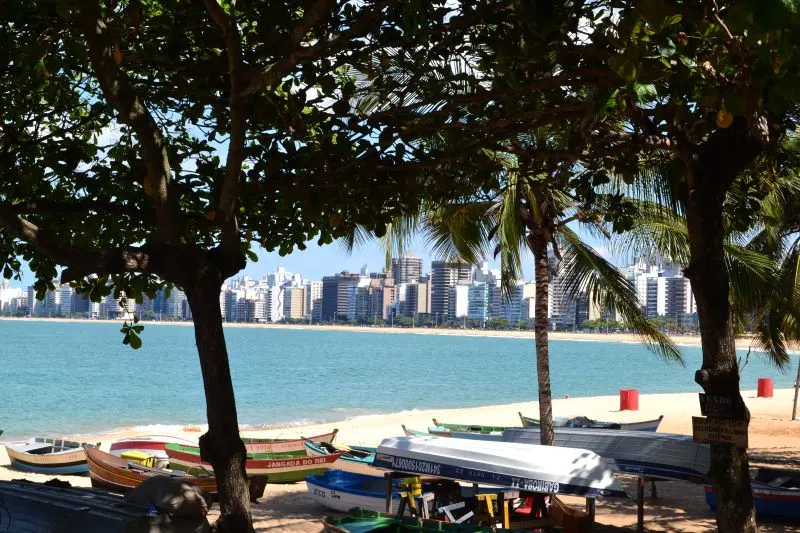
The Slipway is a popular leisure complex located in Dar es Salaam, Tanzania, known for providing a relaxing and enjoyable experience by the Indian Ocean. It is a favored destination for both locals and tourists seeking a tranquil escape from the bustling city life.
The Slipway offers a range of amenities and activities, making it a versatile destination for various interests. Here are some key aspects:
Ocean Views: The complex is situated by the coast, offering stunning views of the Indian Ocean. Visitors can enjoy the calming sea breeze and take in picturesque sunsets.
Restaurants and Cafes: The Slipway hosts a variety of restaurants and cafes, providing an excellent selection of local and international cuisine. It’s a great place to savor delicious seafood or enjoy a leisurely coffee while overlooking the ocean.
Shopping: The complex includes several shops and boutiques selling a diverse range of products, from souvenirs and handicrafts to clothing and accessories.
Water Activities: For those seeking a bit of adventure, The Slipway often offers opportunities for water-based activities, such as boat rides, kayaking, or jet skiing.
Spa and Wellness: Visitors can indulge in relaxation at the spa facilities, offering various treatments and massages.
Cultural Events: The Slipway occasionally hosts cultural events, performances, and exhibitions, providing a taste of Tanzanian traditions and arts.
Marina: The complex has a marina, which adds to its charm, and visitors may enjoy watching boats come and go.
17. Learn at the Nafasi Art Space: Engage with contemporary Tanzanian art, attend workshops, and interact with local artists


Nafasi Art Space is known for its commitment to nurturing and supporting artistic talent in Tanzania and the wider East African region.
Their “Learn” programs typically include a variety of art workshops, classes, and mentorship opportunities for emerging artists, students, and enthusiasts interested in various artistic disciplines, such as painting, sculpture, photography, digital media, performance art, and more.
These learning programs are designed to foster creativity, skill development, and critical thinking in the arts, helping participants to grow and express themselves through their chosen artistic medium.
The center often collaborates with experienced artists, both local and international, who act as facilitators and mentors to provide guidance and inspiration to the aspiring artists.
18. Take a day trip to Bagamoyo: Explore the historical town of Bagamoyo, known for its colonial architecture and rich cultural heritage

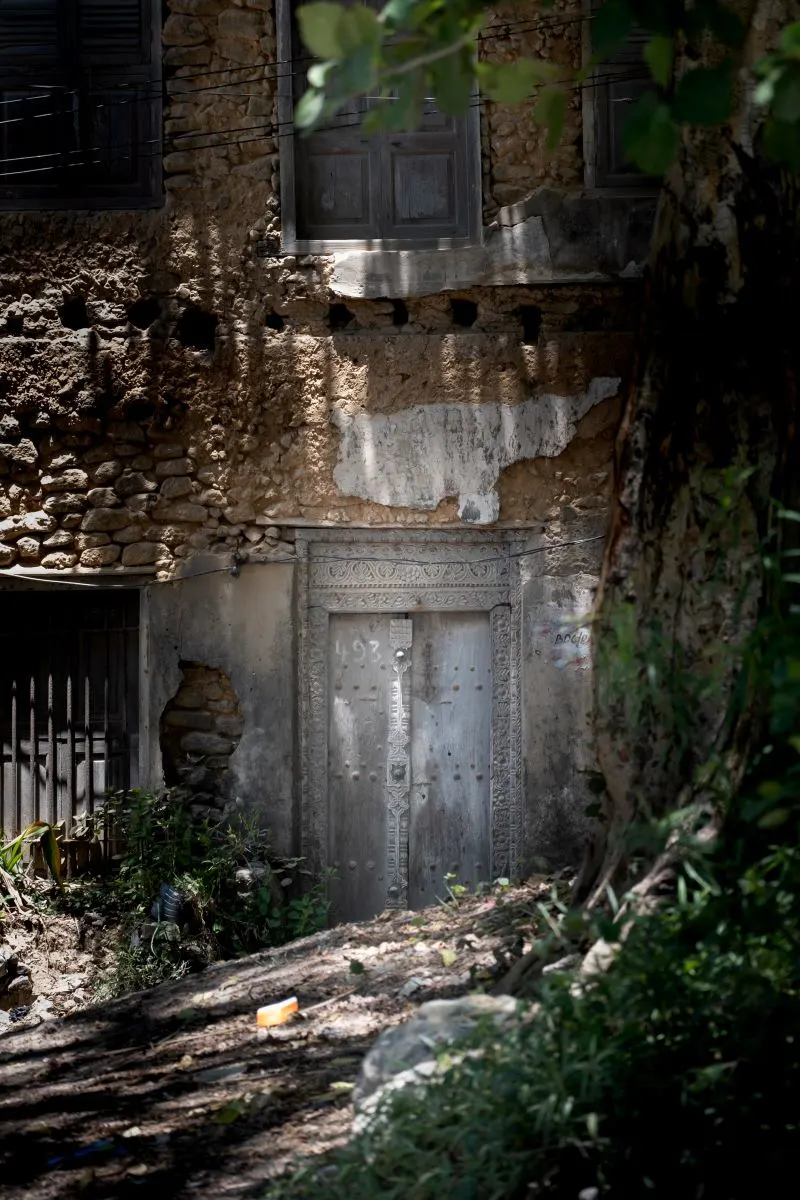
Bagamoyo is a historical town located on the coast of Tanzania, East Africa. It is situated approximately 75 kilometers north of Dar es Salaam, the country’s largest city. Taking a day trip to Bagamoyo can offer you a unique and enriching experience.
Bagamoyo has a rich cultural and historical significance, as it was once an important trading port in East Africa during the 19th century. The town served as a crucial link in the slave trade route, and remnants of this dark past can still be seen in certain areas.
During your day trip, you can explore various attractions and points of interest, such as:
- Bagamoyo Old Town: Wander through the narrow, cobbled streets and admire the architecture, which reflects a blend of African, Arab, and European influences.
- Bagamoyo Beach: Relax on the beautiful coastline and enjoy the tranquil atmosphere. The beaches are less crowded than those in Dar es Salaam, making it a peaceful escape.
- Kaole Ruins: Visit the Kaole Ruins, an ancient archaeological site that contains the remnants of mosques and tombs, giving you a glimpse into the region’s Islamic history.
- Bagamoyo Arts and Crafts Market: Explore the vibrant market, where you can find a wide range of local handicrafts, artwork, and souvenirs to take home.
- Bagamoyo Historical Museum: Learn about the town’s history, including its role in the slave trade, at this museum, which showcases various artifacts and exhibits.
- Catholic Church: Visit the oldest Catholic church in East Africa, the Holy Ghost Mission, which holds significant historical importance.
- Bagamoyo College of Arts: If you’re interested in Tanzanian culture, this college offers workshops and performances showcasing traditional music, dance, and drama.
While a day trip to Bagamoyo can give you a taste of its rich heritage and coastal charm, keep in mind that there is much more to explore in this historical town. If you have the time, consider extending your stay to fully immerse yourself in the local culture and history.
19. Experience the Kunduchi Wet ‘N’ Wild Water Park: Have a fun-filled day with water slides and other exciting activities at this water park

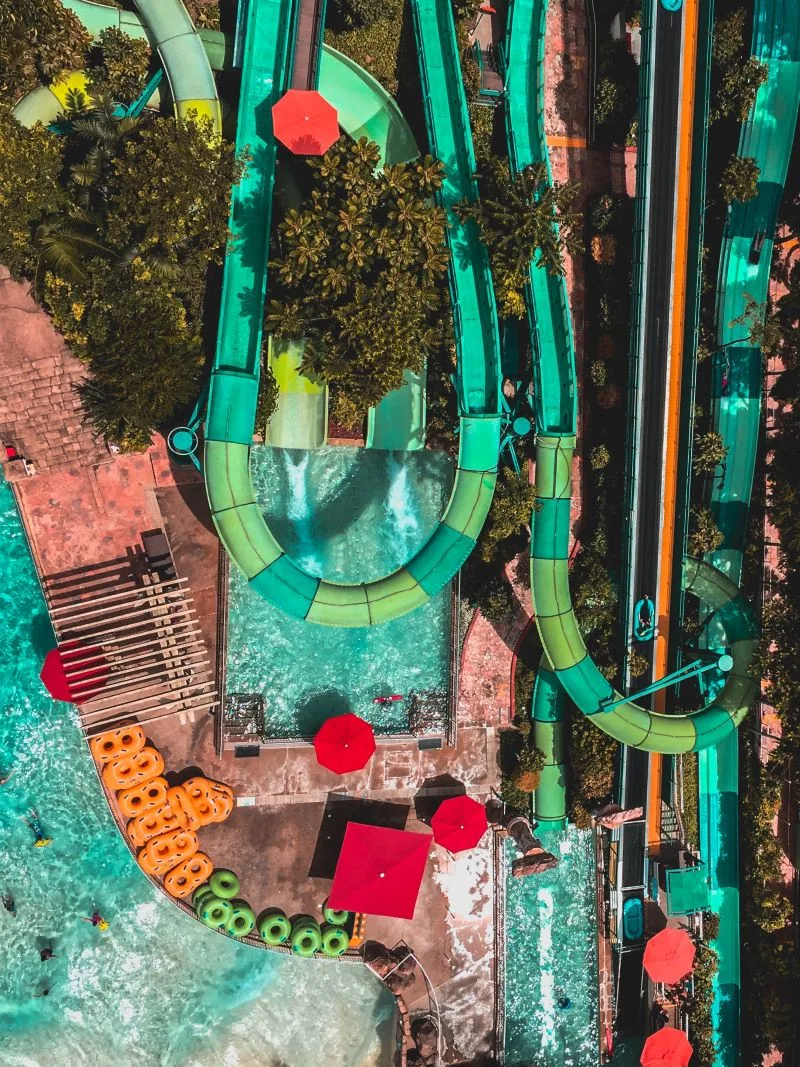
Kunduchi Wet ‘N’ Wild Water Park is a popular water park located in Dar es Salaam, Tanzania. It is a fun-filled entertainment destination for locals and tourists alike, offering a wide range of water-based attractions and activities.
The park features thrilling water slides, wave pools, lazy rivers, and various other water-based rides suitable for all ages. Whether you’re looking for an adrenaline-pumping adventure or a relaxing day by the pool, Kunduchi Wet ‘N’ Wild has something to offer.
Additionally, the water park is known for its family-friendly atmosphere, making it a great destination for parents and children to enjoy together. Visitors can also find amenities such as restaurants, snack bars, and shaded areas to rest and refuel during their visit.
Please note that operational details, attractions, and facilities may change over time, so it’s always a good idea to check for the most recent information and reviews before planning your trip to Kunduchi Wet ‘N’ Wild Water Park.
20. Take a boat ride to Mbudya Island: Escape to this picturesque island for a relaxing beach day and snorkeling opportunities


Taking a boat ride to Mbudya Island is a delightful experience that allows visitors to explore one of Tanzania’s picturesque and serene coastal destinations.
Mbudya Island is a small, uninhabited island located off the coast of Dar es Salaam, known for its pristine white sandy beaches, crystal-clear turquoise waters, and vibrant marine life.
The boat ride to Mbudya Island typically starts from a designated departure point in Dar es Salaam, and it’s usually a short trip that takes around 20 to 30 minutes, depending on the weather and sea conditions.
Once you arrive at Mbudya Island, you’ll be greeted by a beautiful tropical paradise with swaying palm trees and inviting beachfronts. The island offers a relaxing and peaceful environment, making it an ideal getaway from the hustle and bustle of the city.
Visitors can enjoy a range of activities on Mbudya Island, such as swimming, snorkeling, and sunbathing on the pristine beaches. The surrounding coral reefs teem with colorful marine life, making it a fantastic spot for snorkelers to explore the underwater world.
Additionally, you can indulge in freshly prepared seafood and other local delicacies served at the island’s beachside restaurants. Many visitors also choose to bring a picnic along to savor a meal amidst the stunning natural surroundings.
It’s essential to keep in mind that Mbudya Island is a protected marine reserve, so maintaining its cleanliness and ecological balance is crucial.
Visitors are encouraged to follow responsible tourism practices, such as disposing of waste properly and refraining from damaging the coral reefs or disturbing the local wildlife.
21. Play at the Gymkhana Club: If you’re a golf enthusiast, enjoy a game at this lush golf course


Playing golf at the Gymkhana Club offers a unique and enjoyable experience for golf enthusiasts in Dar es Salaam, Tanzania.
The Gymkhana Club is one of the oldest and most prestigious golf clubs in the region, boasting a well-maintained golf course and a rich history dating back to colonial times.
The golf course at the Gymkhana Club is known for its lush green fairways, manicured greens, and scenic surroundings, providing a tranquil and serene atmosphere for golfers to enjoy their game.
The layout of the course may challenge players of all skill levels, with various obstacles and hazards strategically placed to add excitement and complexity to each hole.
Golfers visiting the Gymkhana Club can expect excellent facilities, including a clubhouse offering amenities such as changing rooms, pro shops, and dining options. After a round of golf, players often gather at the clubhouse to socialize, relax, and discuss their game over refreshments.
The club’s friendly and welcoming atmosphere makes it an excellent place for both seasoned golfers and newcomers to the sport. Golf lessons and coaching sessions may also be available for those looking to improve their skills.
Beyond golf, the Gymkhana Club might offer other recreational and sports facilities, such as tennis courts, swimming pools, and social events, further enhancing the overall experience for members and visitors alike.
22. Indulge in local cuisine: Savor traditional Tanzanian dishes at local restaurants and street food vendors

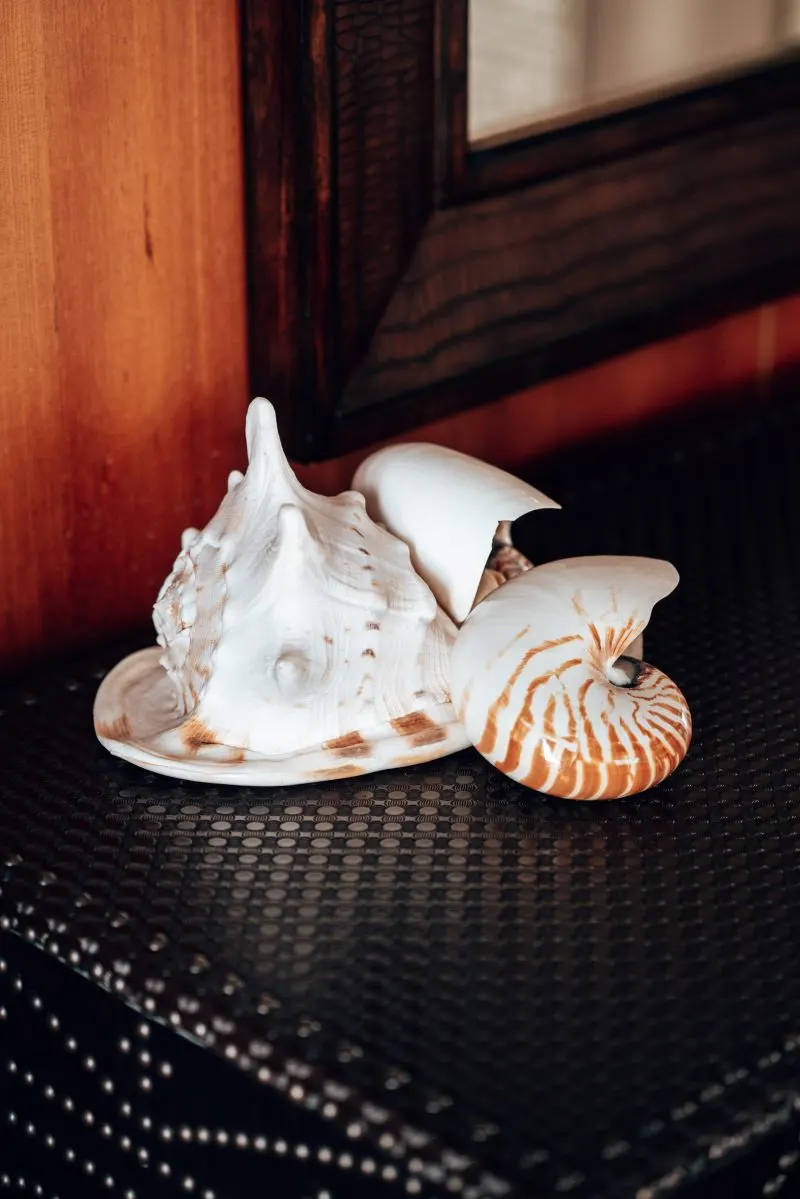
Being a coastal city, Dar es Salaam’s cuisine is influenced by a mix of traditional African, Indian, Arabic, and Swahili culinary traditions, resulting in a vibrant and unique food scene.
Seafood is a highlight of Dar es Salaam’s local cuisine, with fresh catches of fish, prawns, crab, and lobster commonly featured in many dishes. Grilled, fried, or prepared in flavorful stews, seafood delights are a must-try for visitors looking to indulge in the city’s coastal flavors.
One of the most iconic dishes you’ll find in Dar es Salaam is “Nyama Choma,” which translates to grilled meat. This dish features succulent pieces of roasted or grilled meat, often served with side dishes like ugali (maize porridge) or pili pili (spicy sauce). Nyama Choma is a popular choice for locals gathering at social events or casual outings.
For those seeking a taste of the city’s Indian influence, “Pilau” is a must-try. It’s a flavorful rice dish cooked with various spices, including cumin, cardamom, cloves, and cinnamon, often accompanied by tender pieces of meat or vegetables.
Another Swahili delicacy worth experiencing is “Zanzibar Mix,” which is a delicious combination of deep-fried cassava, sweet potatoes, and plantains, served with spicy chutneys and sauces.
To satisfy your sweet tooth, explore local desserts like “Mandazi,” which are delightful deep-fried dough snacks with a touch of coconut flavor, or “Kashata,” a sweet coconut candy often sold in street markets.
Don’t miss the opportunity to visit local restaurants and street food vendors, known as “mama lishe,” to get a taste of the most authentic and flavorful dishes in the city.
23. Attend a live performance at the National Stadium: Catch a football match or enjoy a concert at this multi-purpose stadium

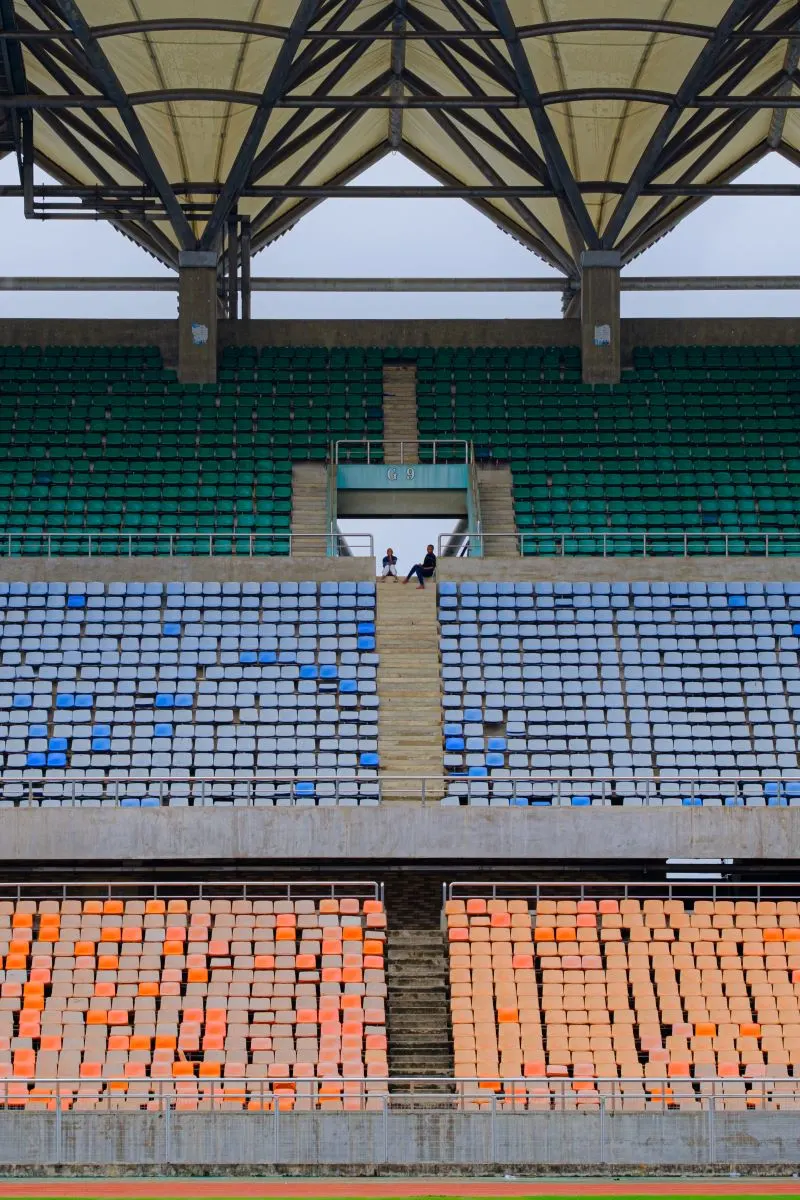
The National Stadium, also known as Uhuru Stadium, is the country’s largest sports and entertainment venue, capable of accommodating a significant number of spectators.
The stadium hosts a wide range of events, including sporting competitions, music concerts, cultural shows, and other entertainment performances.
Depending on the occasion, you may find yourself immersed in the excitement of a thrilling football match, cheering for your favorite team alongside passionate fans.
If you attend a music concert or cultural event, the stadium transforms into a pulsating hub of music, dance, and celebration.
Whether it’s traditional Tanzanian music, contemporary African beats, or international artists gracing the stage, the atmosphere is sure to be vibrant and full of energy.
The large seating capacity of the National Stadium ensures that attendees are part of a massive gathering, creating a sense of unity and camaraderie among the audience.
The shared experience of being part of a live performance in such a grand setting is truly exhilarating and can leave a lasting impression.
The stadium’s facilities are designed to cater to large crowds, with food and beverage vendors offering a variety of snacks and refreshments to keep the audience energized throughout the event.
Moreover, attending a live performance at the National Stadium provides an opportunity to engage with the local culture and witness the enthusiasm and passion Tanzanians have for sports and entertainment.
24. Visit the Karimjee Hall: Attend exhibitions, cultural events, and performances at this historic venue

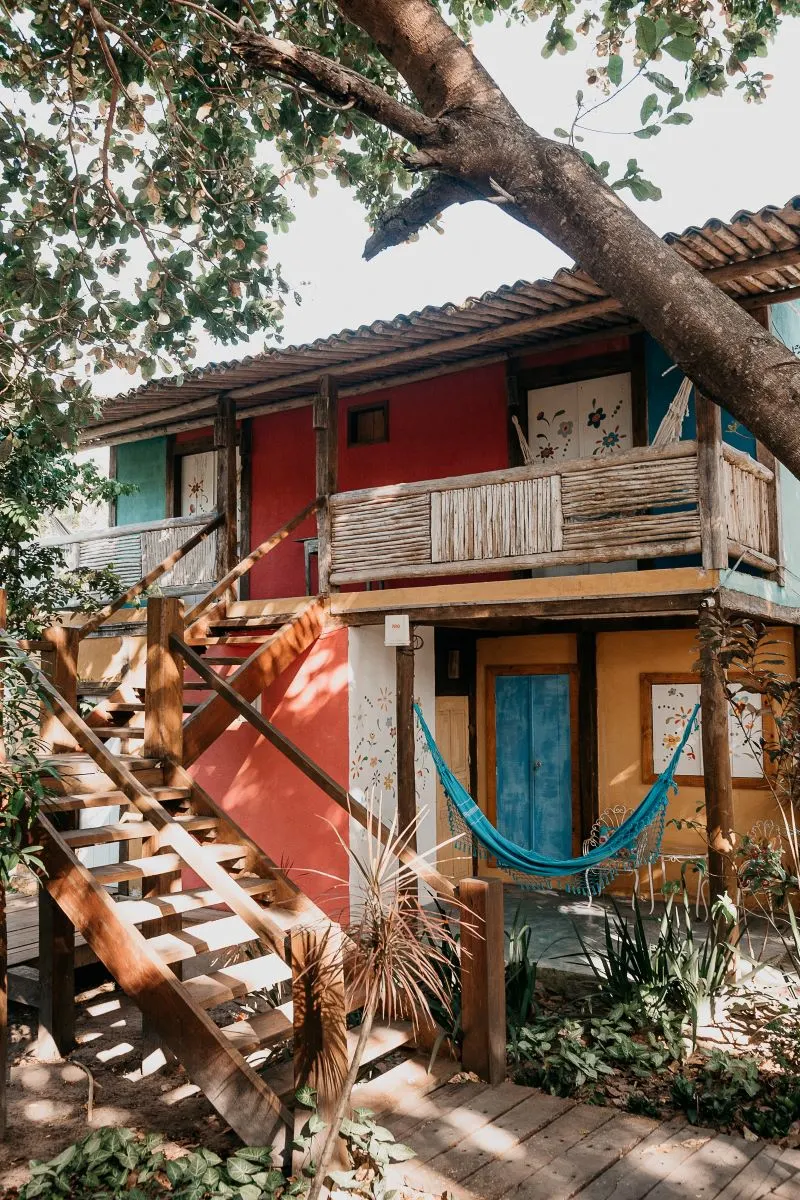
The Karimjee Hall is a historical building located in Dar es Salaam, Tanzania. It holds significant cultural and architectural importance in the city and serves as a prominent landmark.
Originally built in the late 1800s, the Karimjee Hall has undergone several renovations and restorations to preserve its unique design and heritage.
The hall has been utilized for various purposes over the years, including hosting cultural events, concerts, exhibitions, and conferences. It has also served as a meeting place for social gatherings and community events.
The architecture of Karimjee Hall showcases a blend of traditional and colonial styles, making it an intriguing sight for visitors interested in history and culture.
25. Take a boat ride to Mbudya Island: Escape to this picturesque island for a relaxing beach day and snorkeling opportunities

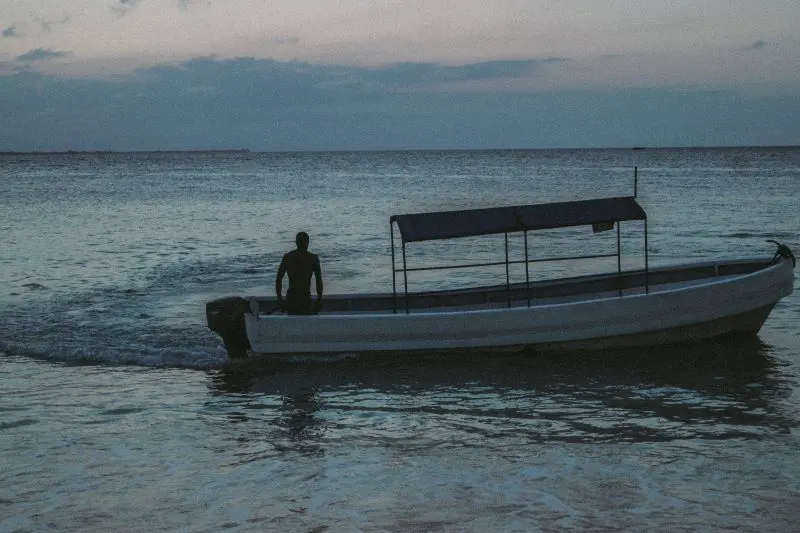
Taking a boat ride to Mbudya Island is a popular and enjoyable activity for visitors to Dar es Salaam, Tanzania. Mbudya Island is a small, picturesque island located in the Indian Ocean, just off the coast of Dar es Salaam.
The boat ride to Mbudya Island offers stunning views of the turquoise waters and the surrounding coastline. The journey is relatively short, typically lasting around 30 minutes to an hour, depending on the departure point.
Once you arrive at Mbudya Island, you’ll be greeted by pristine white sandy beaches, clear waters, and swaying palm trees, creating a tropical paradise setting.
The island is relatively undeveloped, making it an ideal destination for those seeking a tranquil and secluded beach experience.
Visitors can spend their time on the island swimming, snorkeling, and sunbathing on the beach. The crystal-clear waters provide excellent opportunities for snorkeling, allowing you to explore the vibrant marine life and coral reefs that thrive in the area.
For those who wish to take a break from the water, there are shaded areas with thatched huts where you can relax and enjoy a picnic. Some local vendors may offer fresh seafood and refreshments for purchase.
Remember, this list offers a diverse range of activities to suit various interests, and you can tailor your itinerary based on your preferences. Enjoy your time in Dar es Salaam!
Food In Dar es Salaam

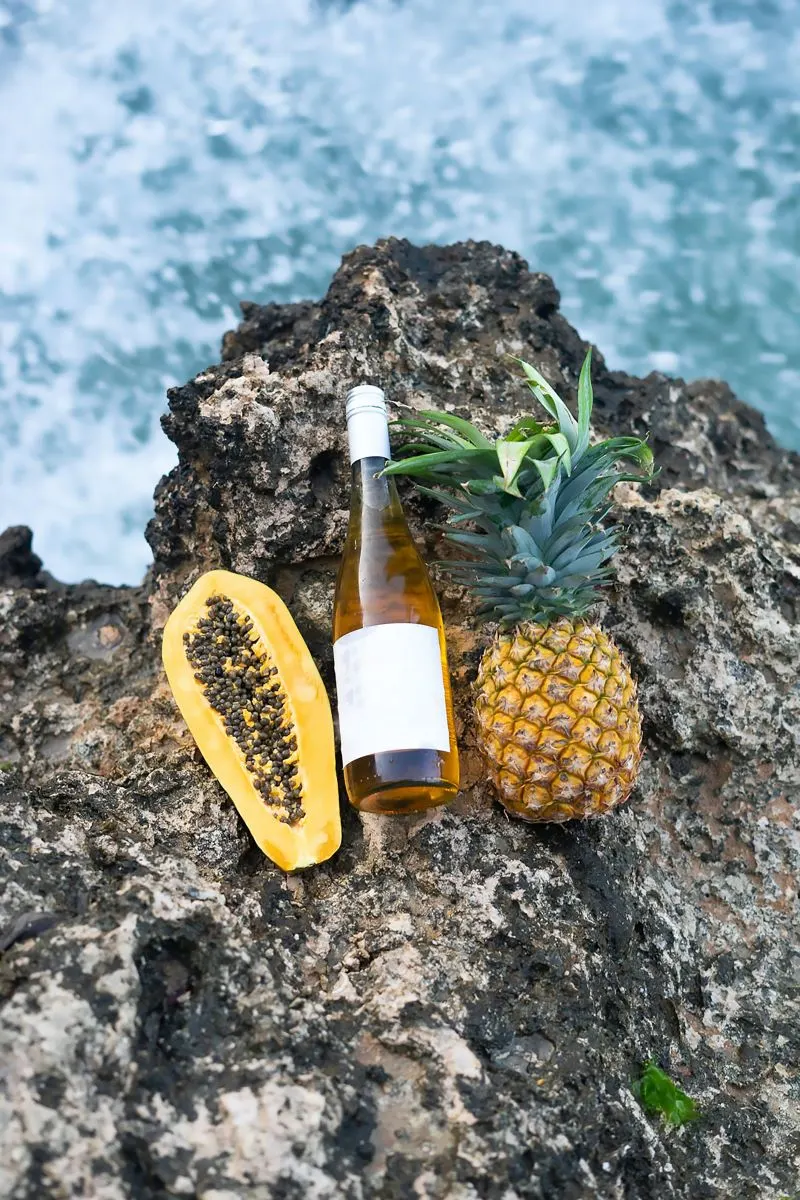
Nestled along the stunning Indian Ocean coastline, Dar es Salaam, the largest city in Tanzania, is not only known for its rich history, vibrant culture, and bustling markets but also for its mouthwatering and diverse culinary offerings.
As a melting pot of various cultures, Dar es Salaam’s food scene is a delightful fusion of African, Arabic, Indian, and European influences, resulting in a gastronomic adventure that tantalizes the taste buds of both locals and visitors alike.
- Traditional Tanzanian Cuisine
Dar es Salaam’s cuisine draws heavily from traditional Tanzanian dishes, celebrating the country’s unique flavors. A must-try dish is “Ugali,” a starchy staple made from maize flour and typically served with meat, fish, or vegetables.
“Nyama Choma” is another local favorite, consisting of grilled meat, often accompanied by a tangy tomato-based sauce. For seafood enthusiasts, “Fish Curry” is a tantalizing treat, featuring freshly caught fish simmered in a rich blend of spices and coconut milk.
- Swahili Delicacies
The city’s Swahili heritage shines through in its delectable delicacies. “Zanzibari Pilau” is a fragrant rice dish infused with spices, meat, and sometimes dried fruits, creating a delightful medley of flavors. “Mishkaki” is a popular street food – succulent skewered and grilled meat, marinated to perfection. For a snack on the go, “Mandazi” – Swahili donuts – are widely enjoyed for their delightful sweetness and fluffy texture.
- Exquisite Indian Fare
Indian influence on Dar es Salaam’s cuisine is unmistakable, thanks to a significant Indian population that has called the city home for generations. “Chapati,” a flatbread perfect for sopping up flavorful curries, is a common accompaniment to many dishes. “Biryani,” a fragrant rice dish layered with tender meat, vegetables, and aromatic spices, is a true feast for the senses. Be sure to indulge in “Samosas,” savory pastries filled with spiced potatoes, peas, or minced meat, commonly served as appetizers or snacks.
- International Cuisine
As a cosmopolitan city, Dar es Salaam caters to diverse tastes, offering a plethora of international cuisines. From Italian trattorias to Chinese dim sum spots, visitors can relish in a global culinary experience. For a taste of continental Europe, French and Mediterranean restaurants offer gourmet delights that will transport you to the heart of their respective regions.
- Fresh Seafood Galore
Given its coastal location, Dar es Salaam boasts a bounty of fresh seafood. Locals and tourists alike flock to beachside restaurants to enjoy dishes like “Grilled Lobster,” “Prawns Peri-Peri,” and “Octopus Curry.” The ocean’s offerings are a true highlight of the city’s culinary landscape.
Dar es Salaam’s food scene is a treasure trove of flavors, reflecting the city’s rich cultural heritage and diversity. Whether you’re exploring the local delicacies that celebrate Tanzania’s traditions, indulging in the enticing Indian influences, or savoring international cuisines, the culinary journey in Dar es Salaam is an unforgettable experience
. So, the next time you find yourself in this coastal gem, be prepared to embark on a gastronomic adventure that will leave you with a lasting appreciation for the diverse and delectable food it has to offer. Karibu! (Welcome!)
Top 20 Best Restaurants In Dar es Salaam, Tanzania


- The Waterfront Sunset Restaurant & Beach Bar
- Slipway Waterfront Restaurant
- Akemi Revolving Restaurant
- Alcove Restaurant
- Samaki Samaki Seafood Restaurant
- The Larder
- Mamboz Corner BBQ
- Addis in Dar
- Mbalamwezi Beach Club
- Cape Town Fish Market
- Chef’s Pride Restaurant
- Epi d’Or Restaurant
- Open House Restaurant
- Mediterraneo Hotel & Restaurant
- The Terrace Restaurant
- Q Bar & Restaurant
- Flavours Restaurant
- Royal India Restaurant
- Mediterraneo Restaurant
- Mayfair Plaza Hotel Restaurant
Transportation In Dar es Salaam
Transportation in Dar es Salaam, Tanzania’s largest city, is diverse and reflects the city’s status as a major economic hub and transportation gateway.
- Dala-dalas: Dala-dalas are the most popular and affordable means of public transportation in Dar es Salaam. These minibus or commuter vans operate along fixed routes, and their vibrant colors and loud music make them easily recognizable. Dala-dalas can get crowded, but they provide an authentic local experience and are widely used by residents for daily commuting.
- Bajaj (Three-Wheeled Taxis): Bajajs, also known as tuk-tuks or auto-rickshaws, are three-wheeled vehicles that operate as taxis. They are a convenient and relatively cheap way to get around the city, especially for short distances or in areas where larger vehicles may have difficulty navigating.
- Buses: In addition to dala-dalas, larger buses, often run by private companies, offer transportation services in Dar es Salaam. These buses are more spacious than dala-dalas and are a preferred choice for longer distances within the city and intercity travel.
- Taxis: Metered taxis and ride-hailing services like Uber and Bolt are available in Dar es Salaam. Taxis provide a more comfortable and convenient option for those willing to pay a higher fare. It’s essential to negotiate the fare or ensure the meter is used before starting the trip.
- Ferries: Dar es Salaam is a coastal city, and ferries play a crucial role in connecting the city to its nearby islands, such as Zanzibar and Mbudya Island. Ferries offer both passenger and cargo transportation services, and they are an integral part of the region’s transportation network.
- Motorcycle Taxis (Boda-bodas): Boda-bodas are motorcycle taxis commonly found in many African cities, including Dar es Salaam. They are a quick and convenient option for short rides and are particularly useful for navigating through traffic-congested areas.
- Private Cars: Private cars are also prevalent in Dar es Salaam, especially among residents with higher income levels. However, traffic congestion can be a challenge during peak hours, making public transportation or alternative modes of transportation more appealing for some.
- Trains: Dar es Salaam has a commuter rail service that operates between the city center and the suburbs. Although not as extensive as other transportation options, the train offers a more comfortable and less congested means of travel for certain routes.
It’s worth noting that traffic congestion can be a significant issue in Dar es Salaam, especially during rush hours. Planning travel accordingly and allowing extra time for commuting can help mitigate delays.
Additionally, public transportation schedules may not always be strictly adhered to, so it’s advisable to be flexible with travel plans.
Dar es Salaam, Tanzania’s vibrant coastal city, offers a diverse array of experiences that cater to all types of travelers. From its rich cultural heritage to its stunning natural landscapes, the city has something to captivate every visitor.
As we conclude the list of the 25 Best Things To Do in Dar es Salaam, it becomes evident that this bustling metropolis is much more than just a gateway to Tanzania’s safari wonders. It is a destination brimming with its unique charm and authentic experiences.
Exploring the local markets, such as Kariakoo Market, and indulging in the flavors of Swahili, Indian, and Arabic cuisine provide a true taste of the city’s multicultural essence.
The historical landmarks, such as the National Museum and Village Museum, offer valuable insights into Tanzania’s diverse past and present.
The city’s proximity to pristine beaches and idyllic islands, such as Zanzibar and Mbudya Island, allows visitors to unwind in tropical paradise and engage in water-based adventures.
Dar es Salaam’s dynamic arts scene, represented by the Nyumba ya Sanaa cultural center and art galleries, showcases the creativity and talent of local artists, providing a unique perspective on Tanzanian culture.
For wildlife enthusiasts, the Dar es Salaam Zoo and the Mwalimu Nyerere Memorial Park offer glimpses of Tanzania’s fascinating fauna and honor the legacy of the country’s first president.
Visitors seeking relaxation can bask in the tranquility of the Botanical Gardens or enjoy a leisurely stroll along the city’s scenic waterfront.
Furthermore, Dar es Salaam serves as a stepping stone for thrilling safari experiences in Tanzania’s renowned national parks, allowing travelers to witness the iconic wildlife and stunning landscapes that define East Africa.
Lastly, engaging with the warm and welcoming local community exemplifies the spirit of “ujamaa,” Tanzania’s ethos of unity and togetherness.
In conclusion, whether one seeks cultural immersion, wildlife encounters, or simply a taste of urban East African life, Dar es Salaam exceeds expectations with its abundance of enriching experiences.
This coastal gem truly encapsulates the essence of Tanzania, making it an unforgettable destination for all who venture to this mesmerizing corner of the world.
Leave a comment