


Catania is a vibrant city located on the eastern coast of Sicily, Italy, facing the Ionian Sea. It is the second-largest city on the island and a popular tourist destination for its rich history, culture, and stunning natural landscapes.
There are many things to do in Catania, from exploring ancient ruins and baroque architecture to enjoying the local cuisine and soaking up the sun on sandy beaches.
Whether you’re a history buff, a foodie, or an outdoor enthusiast, there is something for everyone to enjoy in Catania. In this guide, we’ll highlight the 25 best things to do in Catania, Italy, to help you plan your trip and make the most of your visit.
1. Explore the historic center of Catania, a UNESCO World Heritage Site, known for its stunning baroque architecture

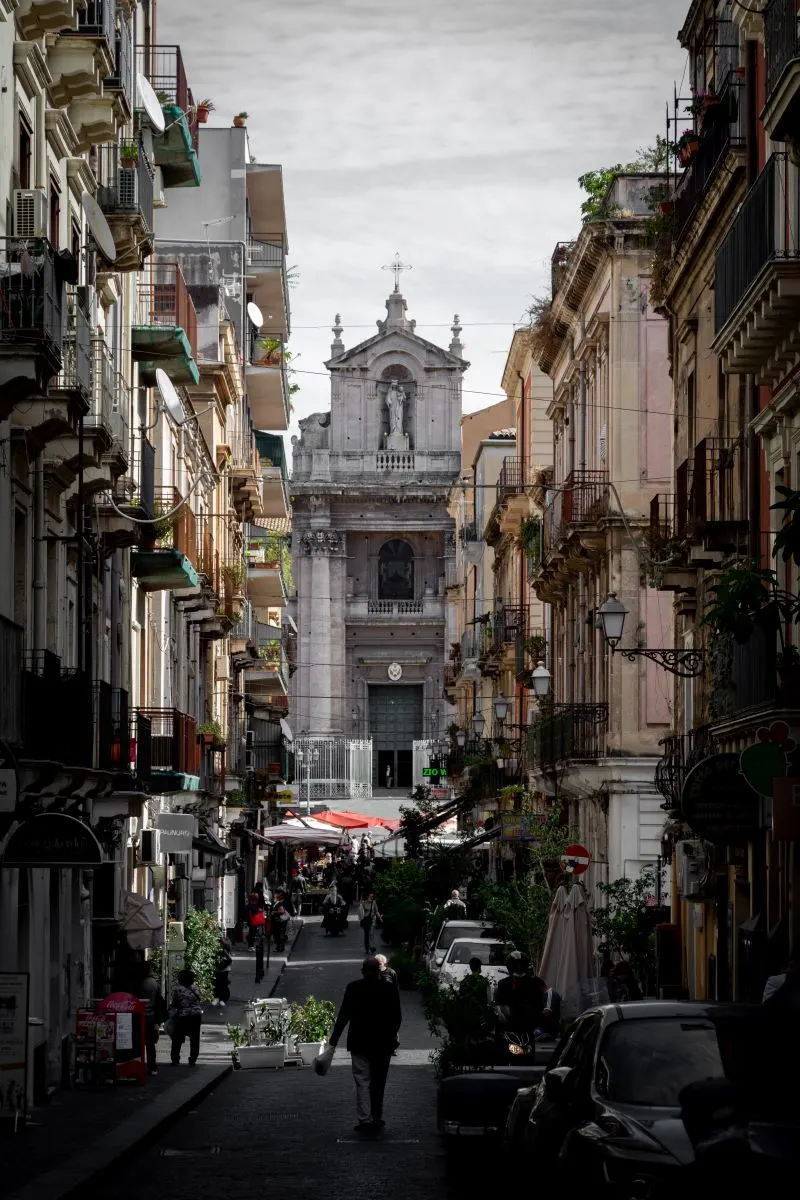
The historic center of Catania, a UNESCO World Heritage Site, is a captivating destination renowned for its stunning baroque architecture and rich cultural heritage. Located on the eastern coast of Sicily, Italy, Catania’s historic center showcases the city’s tumultuous past and its resilience.
As you wander through the streets of the historic center, you’ll be immersed in a world of ornate buildings, grand squares, and elegant facades.
The baroque architecture dominates the scenery, characterized by intricate details, decorative motifs, and dramatic flourishes. The facades of churches, palaces, and public buildings display an impressive fusion of local lava stone, white limestone, and volcanic rock, creating a unique visual spectacle.
One of the highlights of the historic center is Piazza del Duomo, the main square, where you’ll find the magnificent Cathedral of Sant’Agata.
The cathedral is a true masterpiece, featuring intricate details and an imposing facade adorned with statues. Inside, you can admire exquisite artworks, stunning chapels, and the tomb of the city’s patron saint, Sant’Agata.
As you continue your exploration, you’ll come across other architectural gems, such as Palazzo degli Elefanti, the city hall with its iconic elephant statue, and the Church of San Nicolò l’Arena, a former Benedictine monastery known for its vast size and grandeur.
The narrow streets of the historic center are filled with charm, bustling with life and lined with shops, cafes, and traditional trattorias. The vibrant atmosphere invites you to immerse yourself in the local culture, interact with friendly locals, and indulge in Sicilian delicacies.
While strolling through the historic center, you’ll also encounter lively squares like Piazza Università and Piazza Stesicoro, where you can relax and soak up the ambiance.
The picturesque Via Etnea, Catania’s main street, stretches through the heart of the historic center, offering a mix of shops, boutiques, and historical buildings.
The historic center of Catania is not only a feast for the eyes but also a place where you can delve into the city’s fascinating history and heritage. It tells a story of resilience, as much of the area was destroyed and rebuilt several times due to volcanic eruptions and earthquakes.
Despite these challenges, the city’s architectural wonders have withstood the test of time, creating an extraordinary blend of beauty and historical significance.
Exploring the historic center of Catania allows you to immerse yourself in a world of architectural splendor, stroll through charming streets, and uncover the secrets of this captivating UNESCO World Heritage Site.
2. Visit Piazza del Duomo, the main square, and admire the magnificent Cathedral of Sant’Agata

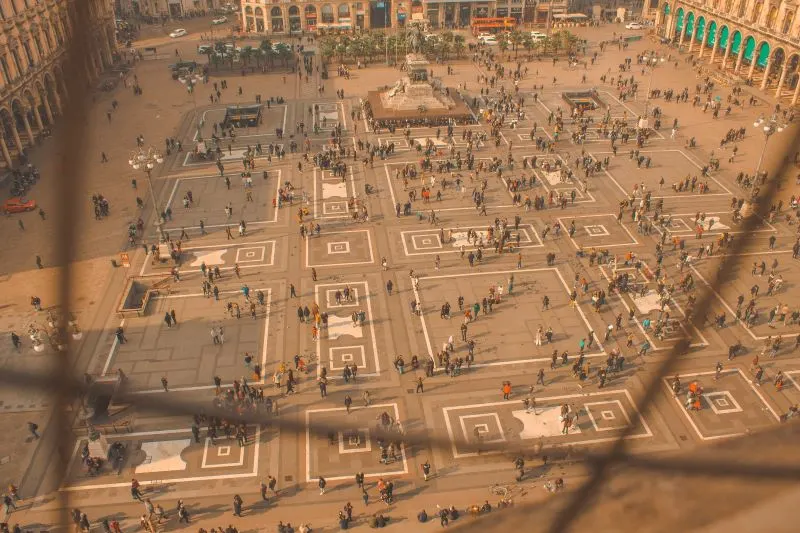
Piazza del Duomo is the main square in Catania, located in the heart of the city’s historic center. It is a vibrant and bustling gathering place that showcases the rich history and architectural beauty of Catania.
The square takes its name from the impressive Cathedral of Sant’Agata, which dominates the entire area. The cathedral is dedicated to Saint Agatha, the patron saint of Catania, and is a significant religious and cultural landmark. As you approach the square, you’ll be captivated by the grandeur of the cathedral’s facade, adorned with intricate details, statues, and columns.
The Cathedral of Sant’Agata is a masterpiece of baroque architecture, reflecting the city’s history and cultural heritage. Step inside, and you’ll be greeted by a stunning interior, with ornate chapels, beautiful frescoes, and exquisite artwork. The tomb of Saint Agatha is a significant focal point, attracting pilgrims and visitors from around the world.
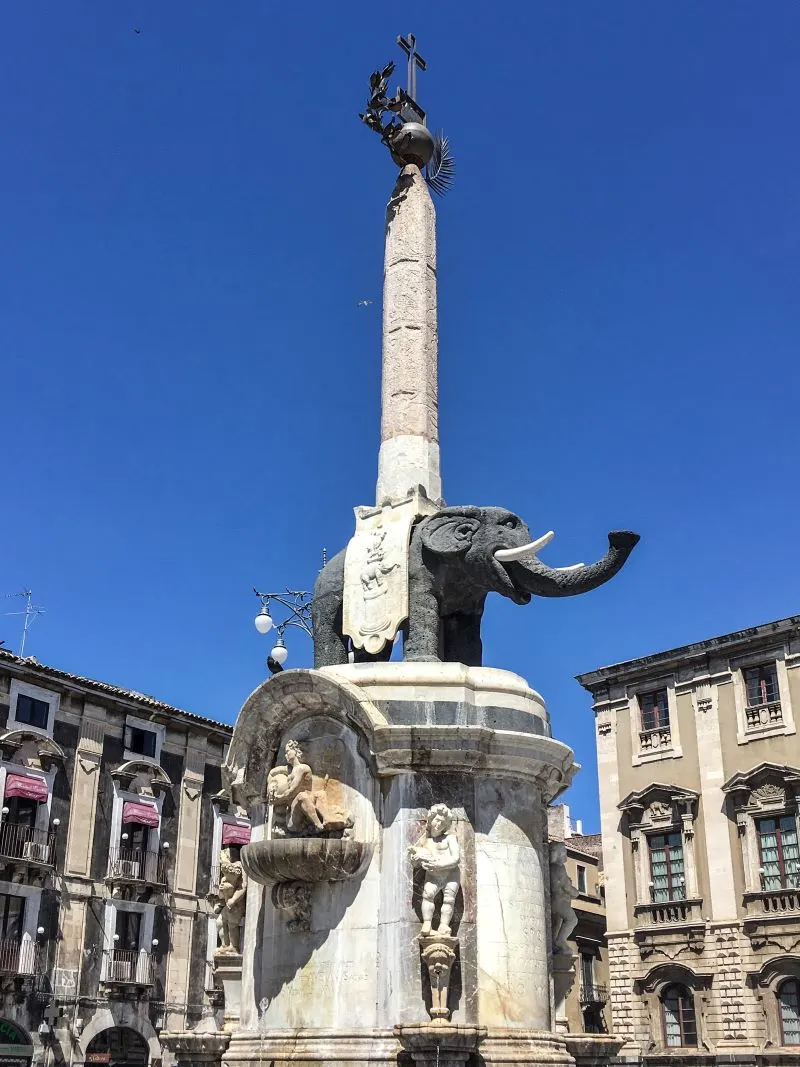
Piazza del Duomo is not only defined by the cathedral but also by its surrounding buildings and attractions. On one side of the square, you’ll find the Fontana dell’Elefante, a unique fountain featuring an ancient black lava stone elephant with an Egyptian obelisk on its back. This iconic symbol of Catania has become one of the city’s most recognizable landmarks.
Adjacent to the cathedral, you’ll find the Palazzo degli Elefanti, the city hall, with its magnificent architecture and historical significance. The building is named after the elephant fountain and houses various administrative offices and cultural institutions.
The square itself is a lively and vibrant hub, teeming with activity. Locals and visitors gather here to relax, meet friends, and soak up the vibrant atmosphere. Cafes, restaurants, and shops line the perimeter, offering a variety of dining and shopping experiences.
Piazza del Duomo is also a venue for various events and festivities throughout the year. From religious processions to concerts and cultural celebrations, the square comes alive with a sense of community and celebration.
Visiting Piazza del Duomo allows you to immerse yourself in the heart of Catania’s historical and cultural heritage. The combination of the awe-inspiring cathedral, the majestic elephant fountain, and the lively ambiance of the square creates a captivating experience. It is a place where history, art, and local life converge, inviting you to explore, admire, and embrace the essence of Catania.
3. Explore the fish market, La Pescheria, and experience the lively atmosphere and fresh seafood


La Pescheria is Catania’s vibrant fish market, located in the heart of the historic center near Piazza del Duomo. It is a lively and bustling place where locals and visitors come together to experience the vibrant atmosphere, vibrant colors, and incredible array of fresh seafood.
As you approach La Pescheria, you’ll be greeted by a sensory explosion of sights, sounds, and aromas. The market is a bustling maze of narrow streets and stalls filled with an impressive variety of seafood. From fish and shellfish to squid, octopus, and prawns, the market showcases the bounty of the Mediterranean Sea.
The vibrant colors of the seafood catch your eye as vendors enthusiastically display their offerings, creating a visual feast for the senses. The freshness and quality of the seafood are evident, with glistening scales, sparkling eyes, and the aroma of the sea lingering in the air.
Wandering through the market, you’ll witness the lively interaction between vendors and customers. The vendors are known for their boisterous voices as they enthusiastically promote their catch, engaging in lively banter with potential buyers. It’s an experience that immerses you in the vibrant local culture and allows you to witness the authentic rhythm of daily life in Catania.
La Pescheria is not just a place to buy seafood; it’s an experience in itself. You can engage with the vendors, learn about different types of fish and seafood, and even haggle for the best prices.
The market is also an excellent opportunity to observe the traditional fish cleaning and preparation techniques, which are often performed right in front of you.
While the market is primarily known for its seafood, you’ll also find stalls selling a variety of other local products, including fruits, vegetables, spices, and Sicilian delicacies. The lively atmosphere, the vibrant colors, and the energetic buzz of the market create an unforgettable experience that reflects the spirit of Catania.
After exploring La Pescheria, you can savor the freshest seafood in the city by visiting the nearby restaurants and trattorias that offer traditional Sicilian dishes.
From mouthwatering seafood pasta to grilled fish, you can indulge in the flavors of the sea while enjoying the authentic charm of Catania’s culinary scene.
Exploring La Pescheria allows you to immerse yourself in the vibrant and authentic atmosphere of Catania. It’s a place where you can witness the daily rhythms of local life, experience the culinary delights of the sea, and engage with the friendly vendors who are proud to share their catch. A visit to La Pescheria is an essential part of experiencing the true essence of Catania.
4. Discover the Roman Amphitheater, an ancient theater dating back to the 2nd century AD

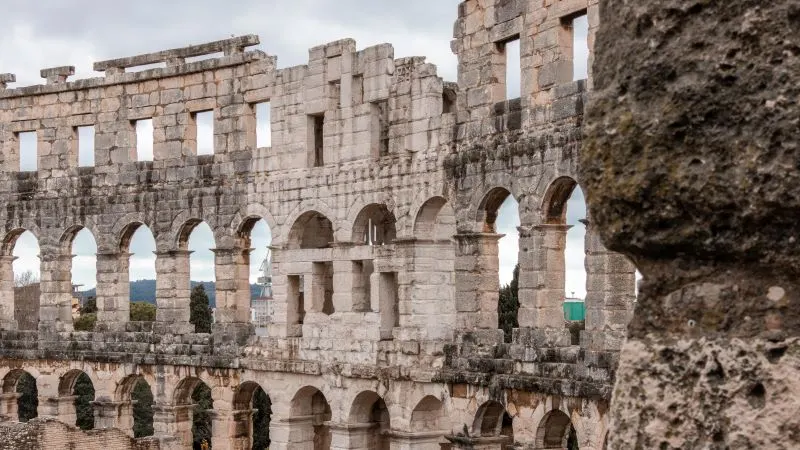
The Roman Amphitheater in Catania is an impressive archaeological site that offers a glimpse into the city’s ancient past. Located in the heart of the historic center, this well-preserved amphitheater dates back to the 2nd century AD and provides a fascinating window into the Roman era.
As you explore the Roman Amphitheater, you’ll be struck by the grandeur of its architecture and the sense of history that pervades the site.
The amphitheater was once a prominent venue for gladiatorial contests, animal hunts, and public spectacles, showcasing the entertainment preferences of the Roman citizens of Catania.
The amphitheater features a circular shape with tiered seating, designed to accommodate thousands of spectators. Although much of the structure is now underground and only partially excavated, you can still get a sense of its original scale and magnificence.
Archaeological remnants, including sections of the seating area and the central arena, are visible, giving you a tangible connection to the past.
Walking through the site, you can imagine the vibrant atmosphere that once filled the amphitheater. The roar of the crowd, the cheers of spectators, and the anticipation of the events would have created an electric ambiance.
In addition to the amphitheater itself, you’ll find an onsite museum where you can learn more about the history and significance of the site.
The museum displays artifacts and exhibits that shed light on the ancient Roman culture, including weapons, sculptures, and mosaics. It offers a deeper understanding of the amphitheater’s role in the social and cultural fabric of ancient Catania.
Beyond its historical importance, the Roman Amphitheater is also a popular gathering place and venue for cultural events and performances. Concerts, theater productions, and other artistic displays occasionally take place here, allowing visitors to experience the site in a whole new way.
A visit to the Roman Amphitheater in Catania is an opportunity to step back in time and explore the remnants of an ancient civilization. It’s a chance to immerse yourself in history, imagine the events that once unfolded within its walls, and appreciate the architectural mastery of the Romans.
Whether you’re a history enthusiast or simply curious about Catania’s past, the Roman Amphitheater is a must-visit destination that provides a fascinating glimpse into the city’s rich heritage.
5. Visit Castello Ursino, a medieval castle housing a museum showcasing Catania’s history

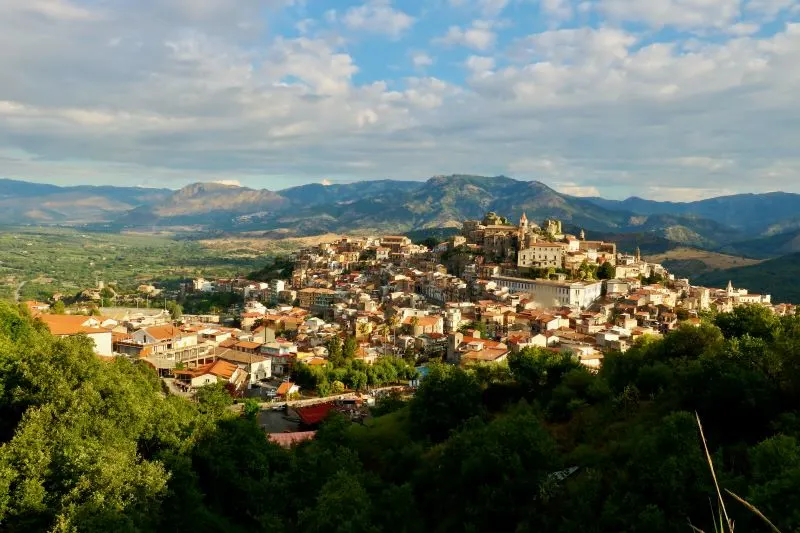
Castello Ursino is a magnificent castle located in Catania, Italy, and is a must-visit destination for history and architecture enthusiasts. Its imposing presence and rich history make it a significant landmark in the city.
The castle was constructed in the 13th century by Emperor Frederick II of Swabia, and it served as a defensive fortress to protect the city from invaders. Over the centuries, it has witnessed numerous historical events and undergone various modifications, yet it has managed to retain its grandeur and charm.
Approaching Castello Ursino, you’ll be captivated by its robust structure and distinctive medieval architecture. The castle stands on a prominent position overlooking the city, with its fortified walls, towers, and battlements creating an impressive sight.
Upon entering the castle, you’ll discover a treasure trove of history and art. The interior houses the Civic Museum, which showcases a remarkable collection of artifacts and artwork spanning different periods. You’ll have the opportunity to explore archaeological finds, ancient artifacts, sculptures, ceramics, and paintings that provide insight into Catania’s rich cultural heritage.
As you wander through the castle’s rooms and corridors, you’ll be transported back in time, imagining the castle’s former function as a military stronghold. The sturdy walls, the strategic layout, and the architectural details evoke a sense of awe and wonder.
From the castle’s ramparts, you’ll enjoy panoramic views of the surrounding area, including the cityscape, the Ionian Sea, and the majestic Mount Etna in the distance. It’s a perfect spot to capture stunning photographs and appreciate the beauty of Catania’s landscape.
Castello Ursino also hosts temporary exhibitions and cultural events, offering visitors a chance to engage with contemporary art and cultural displays within this historic setting. From art exhibitions to concerts and theater performances, the castle’s dynamic atmosphere ensures there’s always something intriguing to discover.
Adjacent to the castle, you’ll find a beautiful park where you can take a leisurely stroll, relax, and enjoy the serene surroundings. It’s a peaceful oasis amidst the bustling city, providing a pleasant escape and a chance to soak up the ambiance.
A visit to Castello Ursino is a journey through history, art, and architecture. It allows you to delve into the medieval past of Catania, appreciate the castle’s architectural splendor, and gain a deeper understanding of the city’s cultural heritage. With its captivating exhibits, breathtaking views, and serene surroundings, Castello Ursino offers a memorable and enriching experience for all visitors.
6. Explore the Benedictine Monastery of San Nicolò l’Arena, one of the largest monastic complexes in Europe

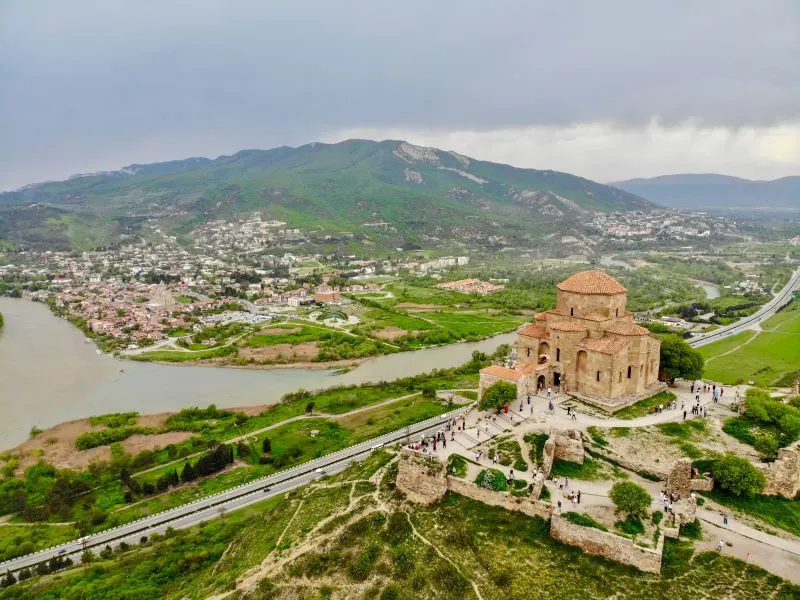
The Benedictine Monastery of San Nicolò l’Arena is an extraordinary architectural gem located in Catania, Italy. It is one of the largest monastic complexes in Europe and a testament to the grandeur and religious significance of the Benedictine order.
The monastery was originally built in the 16th century, and its construction spanned several centuries, resulting in a blend of architectural styles, including Baroque and Sicilian Gothic. Its sheer size and intricate details make it a marvel to behold.
As you approach the monastery, you’ll be awestruck by its imposing facade and majestic presence. The ornate entrance and grand staircase lead you into a world of architectural wonders and spiritual tranquility.
Inside the monastery, you’ll find a stunning courtyard adorned with elegant colonnades, decorative elements, and a beautiful garden. The courtyard is a peaceful oasis, providing a serene atmosphere for contemplation and reflection.
Exploring the monastery’s interior reveals a wealth of artistic treasures. The halls and chapels are adorned with intricate frescoes, intricate stucco work, and ornate decorations.
The ceilings feature magnificent paintings depicting religious scenes, and the walls are adorned with elaborate carvings and sculptures.
The highlight of the monastery is its stunning library, considered one of the most impressive in Europe. The library houses a vast collection of books, manuscripts, and historical documents, including rare texts and illuminated manuscripts. The shelves are lined with antique volumes, creating a captivating ambiance for book lovers and history enthusiasts.
As you wander through the monastery, you’ll discover numerous rooms and corridors that offer glimpses into monastic life. From the monastic cells to the refectory and the ancient kitchen, each space provides insights into the daily routines and rituals of the Benedictine monks.
Beyond its architectural and artistic significance, the Benedictine Monastery of San Nicolò l’Arena is a place of spiritual contemplation and tranquility. Its peaceful atmosphere invites visitors to slow down, escape the bustling city, and connect with a sense of spirituality and history.
Today, the monastery serves as a cultural center and hosts various exhibitions, concerts, and events, showcasing the rich heritage and artistic traditions of Catania and Sicily. It is also a venue for academic research and cultural exchange, attracting scholars and visitors from around the world.
A visit to the Benedictine Monastery of San Nicolò l’Arena is a journey into the past, a celebration of art and architecture, and an opportunity to appreciate the spiritual and cultural heritage of Catania. It is a place where history, beauty, and tranquility converge, leaving visitors with a lasting impression of awe and inspiration.
7. Wander through Villa Bellini, a beautiful park with lush gardens and panoramic views of the city

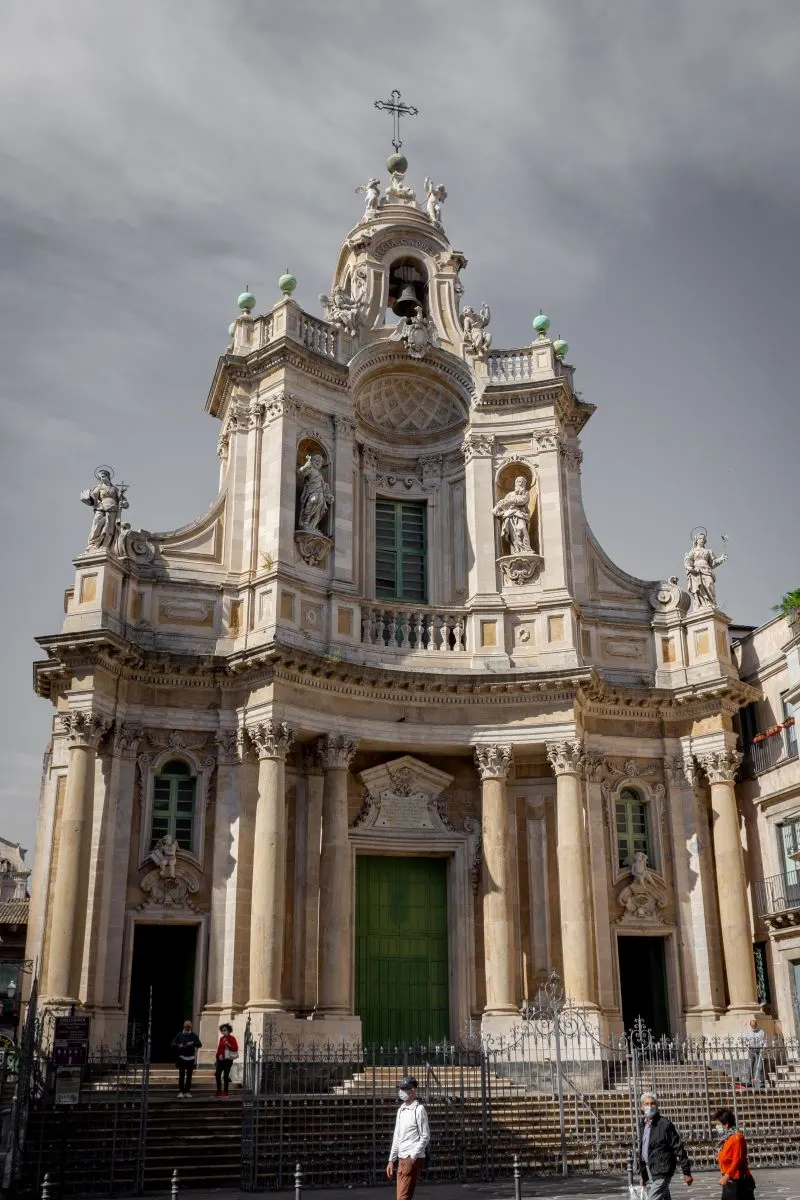
Villa Bellini is a picturesque park located in the heart of Catania, Italy. It is a delightful oasis of greenery and tranquility, offering visitors a peaceful escape from the bustling city streets.
As you enter Villa Bellini, you’ll be greeted by a lush landscape of trees, flowers, and well-manicured lawns. The park spans a considerable area, making it an ideal place for a leisurely stroll, a picnic, or simply finding a peaceful spot to relax.
Wandering through Villa Bellini, you’ll discover winding paths that lead you deeper into the park’s enchanting beauty. Tall trees provide shade and shelter, creating a serene ambiance, especially during hot summer days.
The park’s design incorporates various elements, including fountains, statues, and decorative structures that add to its charm and visual appeal.
The park’s central location makes it a popular gathering place for both locals and tourists alike. You’ll often find families, couples, and friends enjoying quality time together or engaging in recreational activities.
Whether it’s a game of frisbee, a peaceful reading session, or a moment of contemplation, Villa Bellini offers a welcoming space for all.
Throughout the park, you’ll find benches strategically placed, inviting you to sit and soak up the peaceful atmosphere. From these vantage points, you can observe the surroundings, listen to the sound of birds chirping, and feel a sense of tranquility wash over you.
Villa Bellini also serves as a venue for various cultural events and performances. During the summer months, the park comes alive with concerts, theater productions, and art exhibitions, creating a vibrant and dynamic atmosphere. These events further enhance the park’s appeal and provide an opportunity to engage with the local arts and culture scene.
The park’s natural beauty extends beyond its green spaces. From certain viewpoints, you can catch glimpses of Catania’s architectural gems, such as the dome of the Cathedral and the majestic Mount Etna in the distance. It’s a perfect setting for capturing memorable photographs and immersing yourself in the city’s scenic backdrop.
Whether you’re seeking a moment of tranquility, a leisurely walk, or a peaceful retreat from the city’s hustle and bustle, Villa Bellini offers a serene and welcoming environment.
It invites you to embrace nature, appreciate the beauty of the surroundings, and create cherished memories during your visit to Catania.
8. Discover the underground tunnels of the San Giovanni Crypt and the Ogninella Catacombs

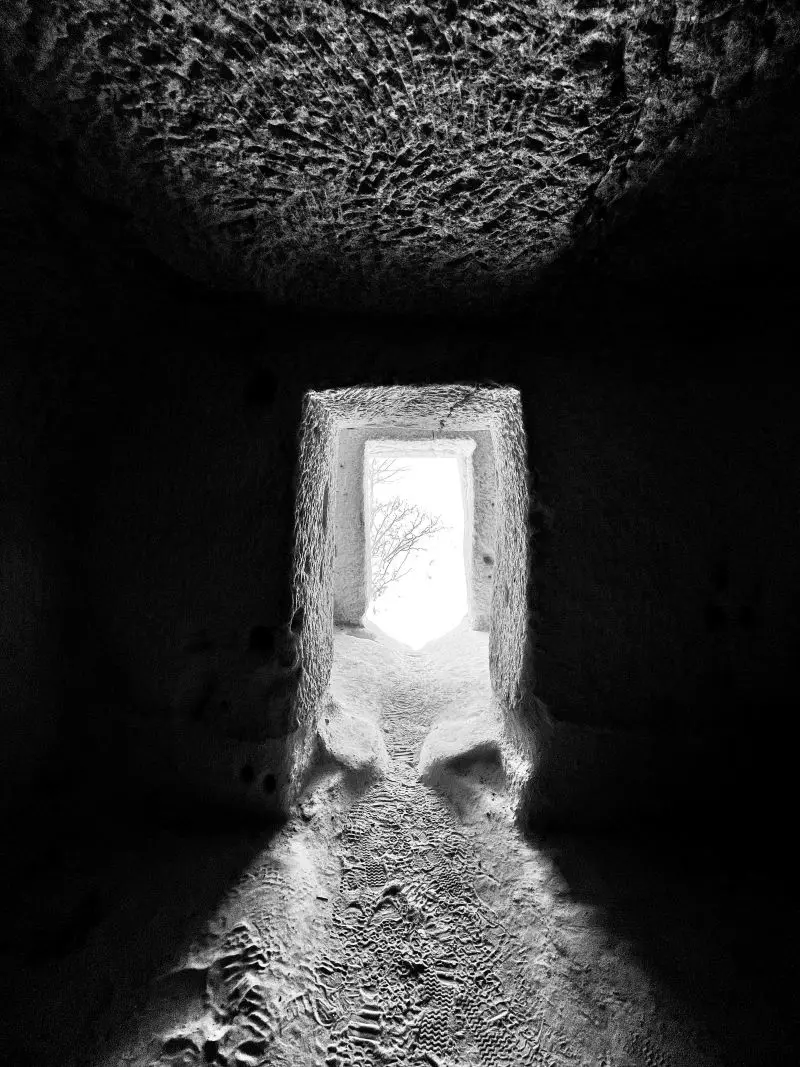
The underground tunnels of the San Giovanni Crypt and the Ogninella Catacombs offer a fascinating glimpse into the ancient past of Catania, Italy. These subterranean sites are of historical and cultural significance, providing a unique and intriguing experience for visitors.
The San Giovanni Crypt is located beneath the Church of San Giovanni Battista. Descending into the crypt, you’ll find yourself immersed in a network of narrow tunnels and chambers that were used as burial sites during the Byzantine and Norman periods.
The crypt is adorned with ancient frescoes, intricate carvings, and tombs, offering a captivating insight into the funerary practices and religious beliefs of the time.
As you explore the underground tunnels, you’ll encounter remnants of the past, such as ancient sarcophagi and burial niches. The eerie yet awe-inspiring atmosphere adds to the sense of discovery and historical immersion. You’ll gain a deeper understanding of the city’s history, the customs of its inhabitants, and the profound religious significance associated with these underground spaces.
Moving on to the Ogninella Catacombs, located near the Via Etnea, you’ll delve further into the subterranean mysteries of Catania. The catacombs are an extensive network of tunnels and chambers that were used as burial grounds during the early Christian period. Here, you’ll find numerous tombs, sarcophagi, and burial niches that bear witness to the practices and rituals of that era.
Exploring the Ogninella Catacombs allows you to trace the development of Christian burial traditions and gain insight into the lives and beliefs of the early Christians in Catania. The dimly lit corridors, the echoes of the past, and the tangible connection to ancient rituals create a memorable and thought-provoking experience.
Visiting these underground tunnels provides a unique perspective on Catania’s history and offers a glimpse into the lives of its early inhabitants. It’s an opportunity to explore the hidden depths of the city, unravel its mysteries, and appreciate the cultural and religious heritage that shaped its identity.
It’s worth noting that due to the delicate nature of these underground sites, access may be restricted, and guided tours might be required. This ensures the preservation of these historical treasures and enhances the overall experience by providing knowledgeable insights and explanations.
Discovering the underground tunnels of the San Giovanni Crypt and the Ogninella Catacombs is like stepping into a hidden world beneath the surface of Catania. It’s a chance to connect with the city’s ancient past, marvel at the artistry and architecture of the time, and gain a deeper appreciation for the layers of history that make Catania such a fascinating destination.
9. Visit the Church of San Benedetto and admire its stunning baroque architecture and interior

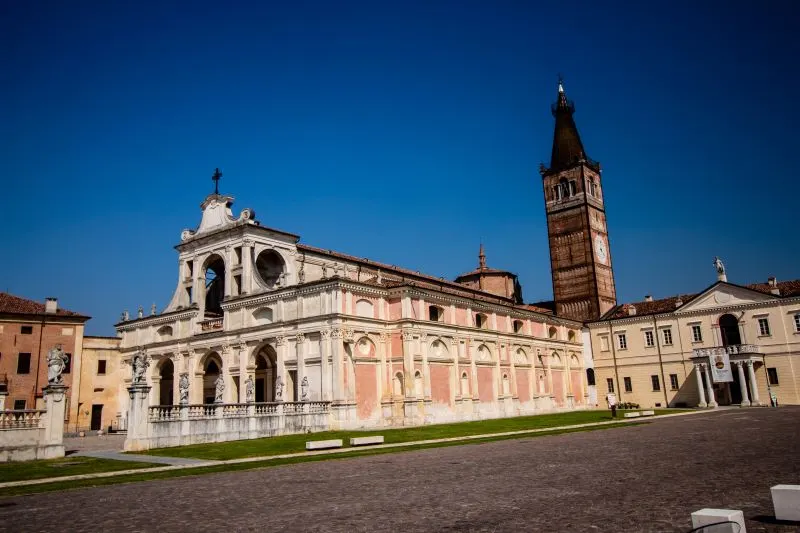
The Church of San Benedetto is a magnificent religious site located in Catania, Italy. It is an architectural masterpiece that showcases the city’s rich artistic heritage and religious traditions.
The church, dedicated to Saint Benedict, is a prime example of Sicilian Baroque architecture. Its construction began in the late 16th century and continued over several decades, resulting in a harmonious blend of styles and influences. The facade, adorned with intricate decorations and sculptures, immediately captures the attention of visitors.
Stepping inside the Church of San Benedetto, you’ll be greeted by a breathtaking interior that reflects the opulence and grandeur of the Baroque era.
The central nave is adorned with ornate stucco work, frescoes, and gilded details that create a sense of awe and reverence. The high ceiling is embellished with beautiful paintings, and the walls are adorned with statues, reliefs, and marble accents.
One of the most striking features of the church is its magnificent altar. Elaborately decorated and dedicated to Saint Benedict, the altar is a testament to the craftsmanship and artistic talent of the period. It serves as a focal point of worship and a place of contemplation for visitors.
As you explore the Church of San Benedetto, take note of the side chapels that flank the nave. Each chapel is a small masterpiece in itself, featuring intricate details, beautiful artwork, and religious relics. These chapels provide intimate spaces for prayer and reflection, allowing visitors to connect with their spirituality and appreciate the religious significance of the church.
The Church of San Benedetto also houses a variety of religious artifacts, including sacred vessels, religious paintings, and vestments. These treasures offer a glimpse into the religious traditions and practices of the church and its significance in the local community.
Attending a religious service or a musical performance in the Church of San Benedetto can be a memorable experience. The acoustics of the space, combined with the ethereal atmosphere, create a sublime setting for spiritual and cultural events.
Beyond its religious significance, the Church of San Benedetto is a testament to the architectural splendor of Catania. It stands as a symbol of the city’s rich cultural heritage and serves as a reminder of the artistic achievements of past generations.
A visit to the Church of San Benedetto is an opportunity to immerse yourself in the beauty of Baroque art and architecture, to admire the craftsmanship of the period, and to appreciate the spiritual and cultural significance of this remarkable place of worship.
10. Explore the historical neighborhood of San Berillo, known for its vibrant street art scene

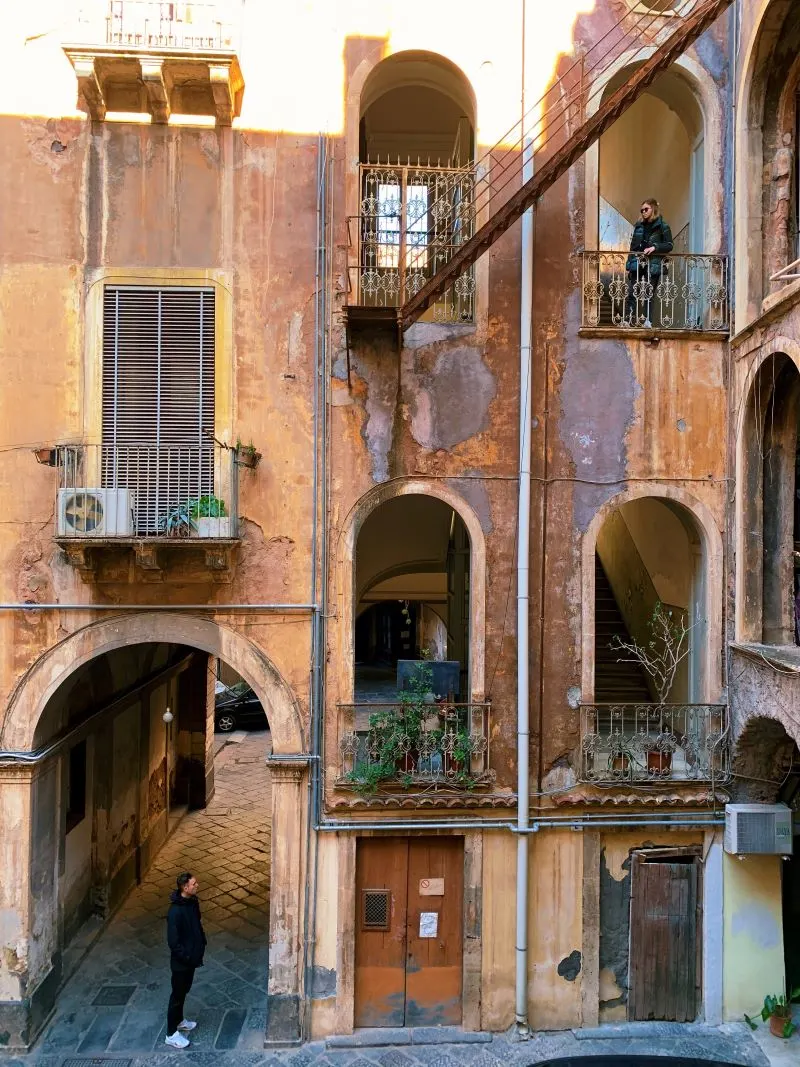
The historical neighborhood of San Berillo in Catania, Italy, is a fascinating area that offers a glimpse into the city’s rich past and cultural heritage. This unique neighborhood, located adjacent to the historic center, has a distinct character and a captivating history.
As you explore San Berillo, you’ll be enchanted by its narrow winding streets, lined with old buildings and traditional houses. The architectural style reflects the various periods of Catania’s history, including medieval, Baroque, and even some remnants of ancient Roman structures. The neighborhood’s charm lies in its authenticity and the sense of stepping back in time.
San Berillo is known for its vibrant street life and bustling atmosphere. The streets are filled with the energy of locals going about their daily activities, creating a lively and dynamic ambiance. It’s a great place to immerse yourself in the local culture, observe the hustle and bustle of daily life, and interact with friendly residents.
One of the highlights of San Berillo is its rich artistic scene. The neighborhood is renowned for its street art, with colorful murals adorning the walls and buildings.
These vibrant artworks not only add a visual feast to the streetscape but also serve as expressions of creativity and social commentary. Taking a leisurely stroll through San Berillo is like walking through an open-air gallery, where art merges with the urban fabric.
In addition to street art, San Berillo is also home to a number of cultural and historical landmarks. One notable site is the Church of San Placido, an ancient church with a beautiful façade that showcases exquisite Baroque architecture. Inside, you can admire impressive religious artworks and experience a serene and spiritual atmosphere.
San Berillo is also known for its local markets, where you can indulge in the vibrant colors and aromas of fresh produce, local delicacies, and traditional crafts.
These markets offer an authentic taste of Catania’s culinary traditions and provide an opportunity to interact with local vendors and experience the city’s gastronomic delights.
While San Berillo has undergone some transformations over the years, it still retains its unique charm and historical significance. Exploring this neighborhood allows you to delve into the layers of Catania’s history, experience its cultural diversity, and witness the resilience of the community that calls San Berillo home.
Visiting the historical neighborhood of San Berillo is like stepping into a living museum, where the past and present blend seamlessly. It’s a chance to appreciate the architectural beauty, immerse yourself in the local culture, and uncover the hidden gems that make Catania such a captivating destination.
11. Visit the Roman Odeon, a well-preserved ancient theater built during the 2nd century BC

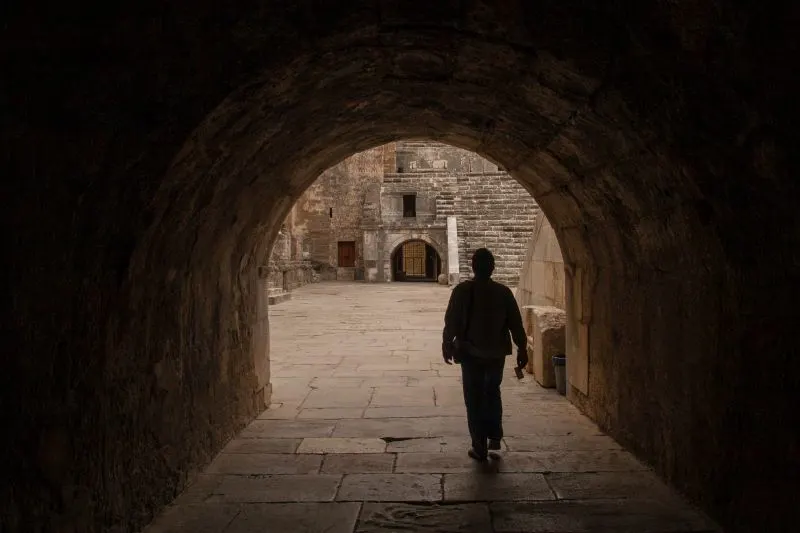
Visiting the Roman Odeon in Catania, Italy, is a captivating journey back in time to the ancient Roman era. This archaeological site provides a glimpse into the city’s rich history and architectural heritage.
The Roman Odeon is an ancient theater that was built during the 2nd century AD. It served as a venue for various cultural events, including musical performances, poetry recitals, and theatrical shows. The theater was an integral part of the social and cultural life of the Roman inhabitants of Catania.
As you approach the Roman Odeon, you’ll be struck by the grandeur of its remains. The theater’s elliptical shape and tiered seating arrangement offer insight into the architectural sophistication of the time.
While only a portion of the theater has been preserved, it still exudes a sense of magnificence and allows visitors to imagine its former glory.
Walking among the ancient ruins, you can envision the bustling atmosphere that once filled the theater. It’s fascinating to contemplate the performances that took place on the same stage centuries ago and to imagine the spectators eagerly awaiting the entertainment unfolding before them.
The Roman Odeon is not just an architectural marvel; it also holds significant historical value. Its existence highlights the influence of the Roman Empire on the development of Catania and its cultural identity.
Exploring this site provides a deeper understanding of the city’s ancient past and its connections to the broader Roman world.
To enhance your visit, informative panels and displays provide historical context and insights into the Roman Odeon’s significance. These resources offer a deeper appreciation of the theater’s role in the social and cultural fabric of ancient Catania.
The Roman Odeon is a testament to the enduring legacy of the Roman Empire and its impact on the city’s history. It is a place where history comes alive, allowing visitors to step into the shoes of the ancient Romans and experience the splendor of their cultural gatherings.
Visiting the Roman Odeon is not only a journey back in time but also an opportunity to appreciate the preservation efforts that have allowed us to glimpse the past. It’s a chance to immerse yourself in the rich heritage of Catania and to marvel at the architectural prowess and cultural significance of the ancient Romans.
A trip to the Roman Odeon is a must for history enthusiasts, culture seekers, and anyone fascinated by the ancient world. It offers a captivating experience that connects the present with the past and deepens our appreciation for the historical treasures that shape Catania’s identity.
12. Relax at Catania’s sandy beaches, such as Playa di Catania or Plaja


Catania, Italy, is blessed with beautiful sandy beaches that offer the perfect setting for relaxation and leisure. Two notable beaches in Catania are Playa di Catania and Plaja, both of which provide a fantastic coastal retreat.
Playa di Catania, also known as the Catania Beach, is a popular destination for locals and visitors alike. Located along the city’s eastern coast, this beach stretches for several kilometers, offering ample space for sunbathing, picnicking, and engaging in various beach activities.
As you arrive at Playa di Catania, you’ll be greeted by soft golden sand and crystal-clear turquoise waters. The beach is well-maintained, with designated areas for sun loungers and umbrellas, providing comfort and shade for those seeking relaxation. You can spread out your towel, bask in the warm Mediterranean sun, and soak up the serene coastal atmosphere.
Playa di Catania is also a hub of beachside activities. You can take a refreshing swim in the sea, build sandcastles with your family, or engage in beach volleyball with friends.
The beach is known for its vibrant social scene, where you can join in beach games or simply sit back and watch the lively energy of fellow beachgoers.
When hunger strikes, you’ll find a range of beachfront bars and restaurants lining the promenade. These establishments offer a variety of delicious Mediterranean cuisine, including fresh seafood, traditional Sicilian dishes, and refreshing beverages. Indulging in a beachside meal or sipping a cocktail while overlooking the sea is a delightful way to savor the coastal experience.
Plaja, another popular beach in Catania, is located a short distance north of the city center. It is known for its pristine sandy shores, calm waters, and tranquil ambiance.
Plaja offers a more secluded and serene beach experience compared to Playa di Catania, making it an ideal choice for those seeking a quieter atmosphere.
At Plaja, you can unwind in a peaceful setting, surrounded by nature and the soothing sound of waves gently lapping against the shore. The beach is fringed by lush vegetation and offers a picturesque backdrop for relaxation and contemplation. It’s a perfect escape from the hustle and bustle of the city.
Both Playa di Catania and Plaja provide convenient amenities, including showers, restrooms, and beachside cafes. They are easily accessible from the city center, either by public transportation or a short drive, making them ideal options for a day trip or an extended beach vacation.
Whether you choose Playa di Catania or Plaja, Catania’s sandy beaches offer a haven of tranquility and natural beauty. They provide a wonderful opportunity to unwind, soak up the sun, and enjoy the refreshing Mediterranean waters. So, grab your towel, sunscreen, and a good book, and prepare to relax and rejuvenate on the stunning beaches of Catania.
13. Explore the medieval town of Randazzo, located at the foot of Mount Etna.


The medieval town of Randazzo, nestled at the foot of the majestic Mount Etna in Sicily, Italy, offers a captivating journey through time. With its well-preserved architecture, rich history, and scenic surroundings, Randazzo invites visitors to immerse themselves in its medieval charm and natural beauty.
As you enter Randazzo, you’ll be greeted by narrow cobblestone streets, stone buildings, and imposing medieval gates that once served as fortifications.
The town’s architecture reflects its historical significance, with a mix of Gothic, Norman, and Baroque influences. The well-preserved structures evoke a sense of the past and offer a glimpse into Randazzo’s medieval heyday.
One of the town’s notable landmarks is the Basilica di Santa Maria, an impressive church with a unique blend of architectural styles. Its façade showcases intricate stone carvings and a beautiful rose window, while the interior boasts exquisite artworks and religious relics. Visiting this church allows you to appreciate the town’s religious heritage and the skill of its craftsmen.
Wandering through Randazzo’s streets, you’ll discover quaint shops, cozy cafes, and traditional Sicilian restaurants. The town’s culinary scene offers a delightful array of local specialties, such as arancini (rice balls), cannoli (sweet pastries), and hearty pasta dishes. It’s a great opportunity to savor the authentic flavors of Sicilian cuisine while enjoying the relaxed ambiance of a medieval town.
Randazzo is also known for its lively local markets, where you can browse a variety of goods, including fresh produce, local crafts, and traditional products.
These markets offer a glimpse into the daily life of the community and allow you to interact with friendly locals, who are often happy to share stories and recommendations.
Nature enthusiasts will appreciate Randazzo’s proximity to the magnificent Mount Etna. The town serves as a gateway to this iconic volcano, providing easy access to hiking trails, scenic viewpoints, and volcanic landscapes.
Exploring the area around Randazzo allows you to witness the dramatic effects of past volcanic activity and to marvel at the unique flora and fauna that have adapted to this environment.
Throughout the year, Randazzo hosts various cultural events and festivals that celebrate its history, traditions, and local produce. These include medieval reenactments, religious processions, and food and wine festivals. Participating in these events offers a deeper understanding of Randazzo’s cultural heritage and provides an opportunity to engage with the community.
Randazzo’s strategic location near Mount Etna also makes it an excellent base for outdoor activities. From hiking and biking to horseback riding and skiing (during winter months), the region offers a wide range of adventures for nature enthusiasts and thrill-seekers.
Visiting the medieval town of Randazzo is like stepping into a bygone era. With its well-preserved architecture, historic landmarks, and close proximity to the natural wonders of Mount Etna, Randazzo offers a unique blend of history, culture, and outdoor exploration.
Whether you’re fascinated by medieval architecture, interested in Sicilian traditions, or seeking an active adventure, Randazzo promises an enriching and memorable experience.
14. Take a trip to Mount Etna, Europe’s tallest active volcano, and explore its otherworldly landscapes


Taking a trip to Mount Etna, Europe’s tallest active volcano, is a truly unforgettable experience that allows you to immerse yourself in otherworldly landscapes and witness the raw power of nature. Located on the eastern coast of Sicily, Italy, Mount Etna is a prominent symbol of the region and a UNESCO World Heritage Site.
As you approach Mount Etna, you’ll be awestruck by its towering presence and the majestic beauty of its surroundings. The volcano dominates the skyline, with its peak reaching an impressive height of approximately 3,300 meters (10,900 feet). Its cone is often covered in snow, creating a striking contrast against the rugged volcanic terrain.
Exploring Mount Etna offers a unique opportunity to witness the geological forces at work. The volcano is still active and frequently exhibits volcanic activity, including occasional eruptions and lava flows. The ever-changing landscape is a testament to the continuous transformation and creation of new land.
There are several ways to explore Mount Etna, catering to different interests and fitness levels. Guided tours are available that take you to various points of interest on the volcano, providing insights into its geological history, flora, and fauna. You can choose to hike along well-marked trails, which lead you through ancient lava fields, craters, and volcanic caves.
For a more adventurous experience, you can take a cable car or a 4×4 vehicle to reach higher altitudes, where you can witness breathtaking panoramic views of Sicily and the surrounding coastline. From these elevated vantage points, you’ll have a unique perspective of the volcano’s expansive crater and the vast expanse of lava fields that stretch as far as the eye can see.
The landscapes of Mount Etna are truly otherworldly. As you explore its slopes, you’ll encounter barren lava fields, jagged volcanic rocks, and the occasional burst of vibrant plant life that has managed to thrive in this extreme environment. The stark contrast between the black volcanic ash and the blue sky creates a surreal and captivating atmosphere.
Throughout your journey, you’ll have the opportunity to learn about the scientific research conducted on Mount Etna and the monitoring systems in place to study its activity.
Volcanic experts and knowledgeable guides will share fascinating insights into the volcano’s behavior, its historical eruptions, and the impact it has on the surrounding communities.
Additionally, Mount Etna offers a range of activities for outdoor enthusiasts. In the winter months, you can enjoy skiing and snowboarding on its slopes, while in the summer, hiking, mountain biking, and horseback riding are popular pursuits. These activities allow you to fully appreciate the diverse landscapes and engage with the natural wonders of the volcano.
Visiting Mount Etna is an awe-inspiring journey into the heart of nature’s power. It’s an opportunity to witness the dynamic forces that shape our planet, explore unique landscapes, and gain a deeper understanding of the delicate balance between human civilization and the natural world. A trip to Mount Etna is an adventure that will leave you with lasting memories and a profound appreciation for the wonders of our planet.
15. Visit the Botanical Gardens of Catania and admire its diverse collection of plant species


The Botanical Gardens of Catania, located in the heart of the city on Via Biscari, offer a serene escape and a delightful opportunity to immerse yourself in the beauty of nature. These gardens, known as “Orto Botanico” in Italian, have a rich history dating back to the 19th century and are a popular destination for both locals and visitors alike.
As you enter the Botanical Gardens, you’ll be greeted by a peaceful and lush oasis away from the bustling streets of Catania. The gardens span over 16 acres and are home to a diverse collection of plant species from Sicily and various parts of the world. The well-maintained paths wind through green lawns, vibrant flower beds, and shady groves, inviting you to explore at a leisurely pace.
One of the highlights of the Botanical Gardens is the impressive collection of plants and trees. You’ll have the opportunity to see a wide variety of species, ranging from towering palms and exotic tropical plants to aromatic herbs and colorful flowers.
The gardens are organized into different sections, each representing a specific ecological environment, such as Mediterranean flora, succulents, and aquatic plants.
As you wander through the gardens, you’ll discover hidden corners and peaceful spots where you can relax and enjoy the tranquil ambiance. Benches and shaded areas provide perfect spots for contemplation, reading, or simply taking in the beauty of your surroundings. The gentle sound of water features and the aroma of blooming flowers add to the sensory experience, creating a peaceful and rejuvenating atmosphere.
The Botanical Gardens of Catania also serve as a center for scientific research and education. The gardens house a herbarium and a botanical library, which are valuable resources for researchers and botany enthusiasts. They also host educational programs, workshops, and exhibitions, offering visitors the opportunity to deepen their understanding of plant life and environmental conservation.
In addition to its botanical treasures, the gardens are also home to several historic buildings that add to their charm. The Palazzina dei Principi di Biscari, a magnificent 18th-century palace, is located within the gardens and houses the Botanical Museum.
This museum showcases a collection of botanical specimens, scientific instruments, and historical artifacts, providing a fascinating glimpse into the world of botany and natural history.
Visiting the Botanical Gardens of Catania is a delightful experience for nature lovers, botany enthusiasts, and those seeking a tranquil retreat from the city’s hustle and bustle. Whether you’re strolling along the winding paths, admiring the diverse plant life, or simply enjoying a moment of serenity, the gardens offer a refreshing and enchanting escape in the heart of Catania.
16. Discover the Catania Roman Baths, a well-preserved ancient thermal complex

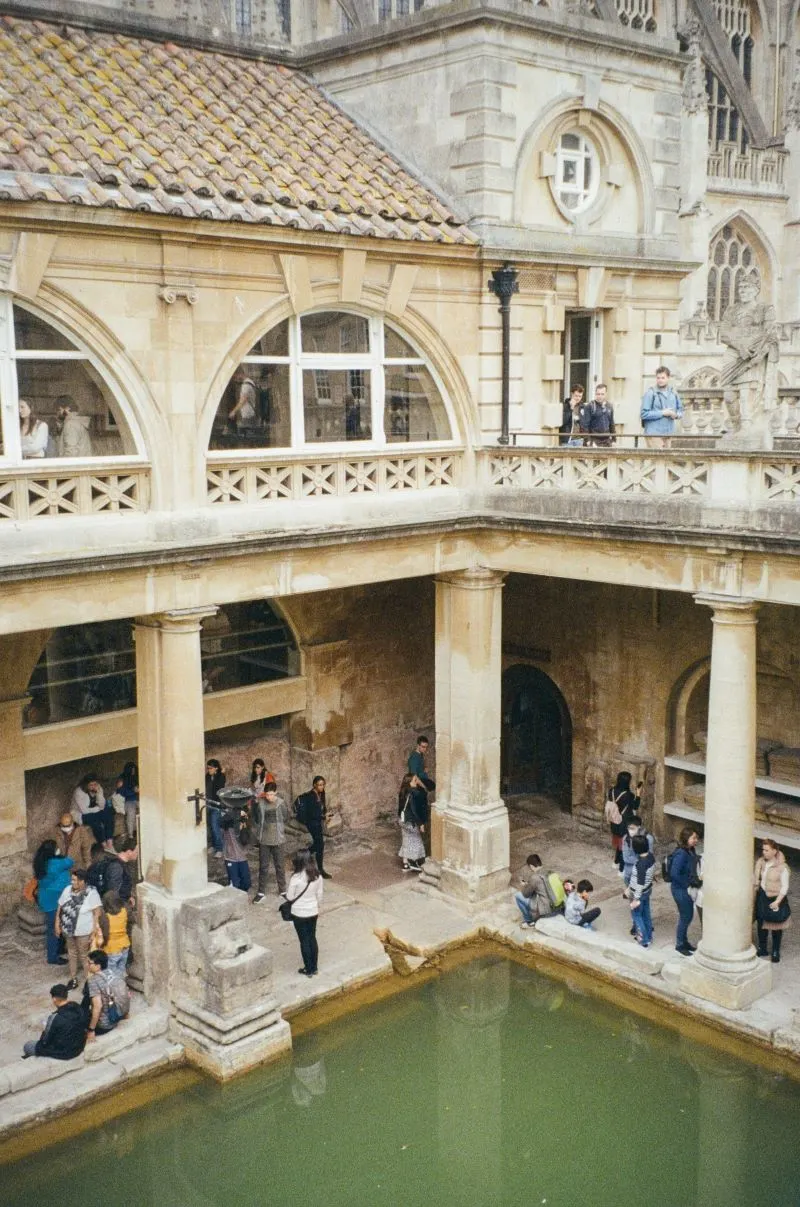
Discovering the Catania Roman Baths is like stepping back in time to the ancient era of the Roman Empire. Located in Catania, Sicily, these baths offer a fascinating glimpse into the daily life and bathing rituals of the Romans.
The Catania Roman Baths are situated beneath the Piazza Stesicoro, one of the city’s main squares, and are a testament to the rich historical heritage of Catania. This archaeological site showcases the remains of the thermal baths complex that once served as a social and cultural hub for the ancient inhabitants of the city.
As you explore the site, you’ll come across the remnants of the various rooms that comprised the baths. These include the frigidarium (cold room), tepidarium (warm room), and caldarium (hot room), each serving a specific purpose in the bathing process.
The architectural features, such as columns, mosaic floors, and decorative elements, provide insight into the grandeur and sophistication of the Roman design.
The Roman Baths of Catania are believed to have been in use from the 4th century AD until the 6th century AD. They were an integral part of Roman society, serving not only as places for bathing and personal hygiene but also as social gathering spots where people would engage in leisure activities, discussions, and even conduct business.
While exploring the site, you’ll also find a collection of artifacts and archaeological finds that have been excavated from the area. These include statues, pottery, and various objects that offer a glimpse into the daily lives and customs of the Roman inhabitants of Catania.
Visiting the Catania Roman Baths provides a unique opportunity to immerse yourself in the history and architecture of ancient Rome. It’s a chance to envision the vibrant social scene that once thrived in these baths, where people from all walks of life came together to relax, socialize, and enjoy the therapeutic benefits of the thermal waters.
The site is well-preserved and offers informative signage and displays that help visitors understand the significance and layout of the baths. Knowledgeable guides and audio tours are often available to provide additional insights into the historical context and answer any questions you may have.
The Catania Roman Baths are not only a historical site but also a cultural treasure that contributes to the understanding and appreciation of the city’s past.
Exploring these ancient thermal baths allows you to connect with the rich heritage of Catania and gain a deeper understanding of the influences that have shaped the city over time.
Whether you’re a history enthusiast, an architecture lover, or simply curious about the ancient world, a visit to the Catania Roman Baths promises a captivating journey back in time. It’s a chance to explore the remnants of an ancient civilization and to appreciate the remarkable engineering and cultural legacy left by the Romans in Catania.
17. Enjoy the vibrant nightlife in Catania’s historic center, with its many bars and clubs


Enjoying the vibrant nightlife in Catania‘s historic center is an exciting and energetic experience that showcases the city’s lively and social atmosphere. When the sun sets, the streets of Catania come alive with a diverse range of entertainment options, making it a popular destination for locals and visitors alike.
Catania’s historic center is known for its vibrant and bustling nightlife scene. The lively Piazza Duomo, located at the heart of the city, serves as a gathering point and a hub of activity. Here, you’ll find a plethora of bars, cafes, and restaurants with outdoor seating, creating a vibrant ambiance where people gather to socialize, enjoy drinks, and indulge in delicious cuisine.
As you stroll through the narrow streets of the historic center, you’ll discover a wide variety of establishments that cater to different tastes and preferences. From trendy cocktail bars and chic lounges to traditional pubs and wine bars, there is something to suit every mood and style.
Many of these venues offer live music performances, DJ sets, or themed nights, adding to the vibrant and dynamic atmosphere.
One of the highlights of Catania’s nightlife is its thriving street food culture. Along the main streets and bustling squares, you’ll find numerous street vendors and food stalls offering mouthwatering local specialties. Whether it’s arancini (fried rice balls), freshly baked pizza, or cannoli (traditional Sicilian pastries), you can indulge in delicious treats as you explore the vibrant streets.
Catania is also known for its vibrant music scene, with various venues hosting live performances and concerts. From intimate jazz clubs to larger music halls, you can enjoy a wide range of genres, including jazz, rock, pop, and traditional Sicilian music. These venues often attract both local and international artists, providing a platform for cultural exchange and musical exploration.
For those who enjoy dancing the night away, Catania has a selection of nightclubs and discos where you can let loose and enjoy the pulsating beats of the music.
These venues often feature renowned DJs, themed parties, and energetic dance floors that keep the party going until the early hours of the morning.
In addition to the lively atmosphere, Catania’s historic center offers a safe and welcoming environment for nighttime activities. The streets are well-lit, and there is a vibrant energy that permeates the city, creating a sense of excitement and camaraderie among those enjoying the nightlife.
Whether you’re looking for a laid-back evening sipping cocktails, exploring the local street food scene, or dancing until dawn, Catania’s historic center offers a multitude of options to suit your preferences. The combination of historical charm, lively venues, and friendly atmosphere ensures that your nightlife experience in Catania will be both memorable and enjoyable.
Please note that it’s always a good idea to check the opening hours and any specific requirements or dress codes for individual establishments, as these may vary.
18. Take a food tour and savor the local specialties, such as arancini, cannoli, and pasta alla Norma

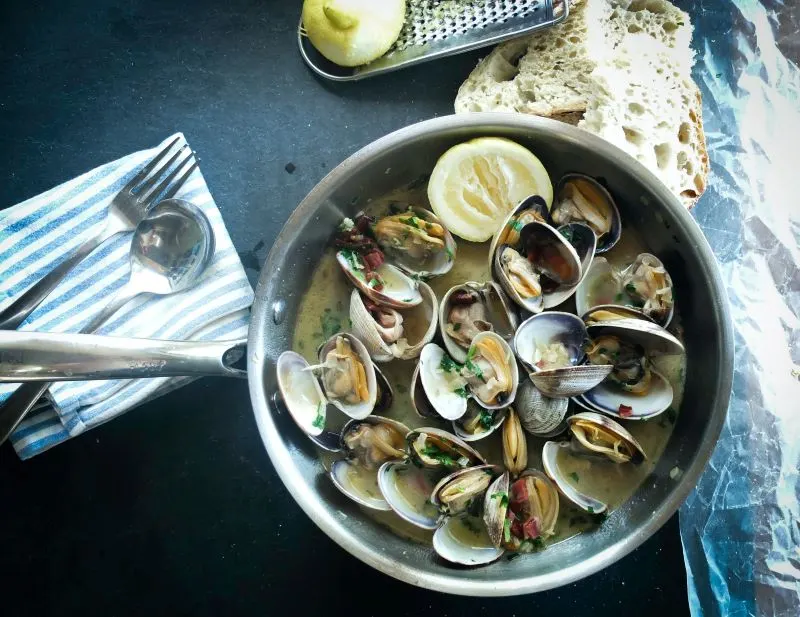
Taking a food tour in Catania is a delightful way to immerse yourself in the local culinary scene and savor the city’s unique flavors and specialties.
Catania is known for its rich gastronomic traditions, influenced by the bountiful produce of the surrounding land and the Mediterranean Sea. A food tour allows you to discover hidden culinary gems, meet passionate food artisans, and indulge in a variety of mouthwatering dishes.
During a food tour, you’ll have the opportunity to explore different neighborhoods and local markets, accompanied by knowledgeable guides who will share insights into the city’s food culture and history. They will lead you to tucked-away eateries, traditional food stalls, and family-owned establishments, where you can sample authentic Sicilian cuisine at its best.
Catania is renowned for its street food culture, and a food tour is the perfect way to discover the city’s most beloved street food delicacies. You’ll have the chance to try arancini, which are deep-fried rice balls stuffed with various fillings such as ragù (meat sauce), cheese, or vegetables. Another popular street food item is the cipollina, a delicious onion-shaped pastry filled with cheese, spinach, or other savory ingredients.
Seafood lovers will be delighted by the fresh catch from the Mediterranean Sea. The food tour may include stops at seafood markets or restaurants where you can sample delicacies like grilled swordfish, marinated anchovies, or succulent prawns. Catania’s coastal location ensures that you’ll savor the flavors of the sea in every bite.
No food tour in Catania would be complete without indulging in the city’s famous dessert, the cannolo. These crispy pastry tubes filled with sweet ricotta cream and adorned with candied fruit are a Sicilian specialty that will satisfy any sweet tooth. You’ll find expert pastry chefs who craft these delectable treats to perfection.
Throughout the food tour, you’ll also have the chance to taste traditional Sicilian cheeses, such as pecorino and ricotta, paired with locally produced wines. Sicily is known for its excellent wines, and you can expect to sample varieties such as Nero d’Avola, Etna Rosso, or Malvasia.
Aside from the culinary delights, a food tour provides an opportunity to engage with local vendors and learn about their craftsmanship. You’ll hear stories about traditional recipes, food traditions, and the cultural significance of certain dishes in Sicilian cuisine. It’s a chance to gain a deeper understanding of the culinary heritage that shapes the city’s identity.
Whether you’re a passionate foodie or simply curious about Sicilian cuisine, a food tour in Catania promises an unforgettable culinary adventure.
It allows you to explore the city’s culinary treasures, taste authentic flavors, and gain a deeper appreciation for the vibrant and diverse food culture that thrives in Catania.
19. Visit the Bellini Theater, one of Italy’s oldest opera houses, and attend a performance

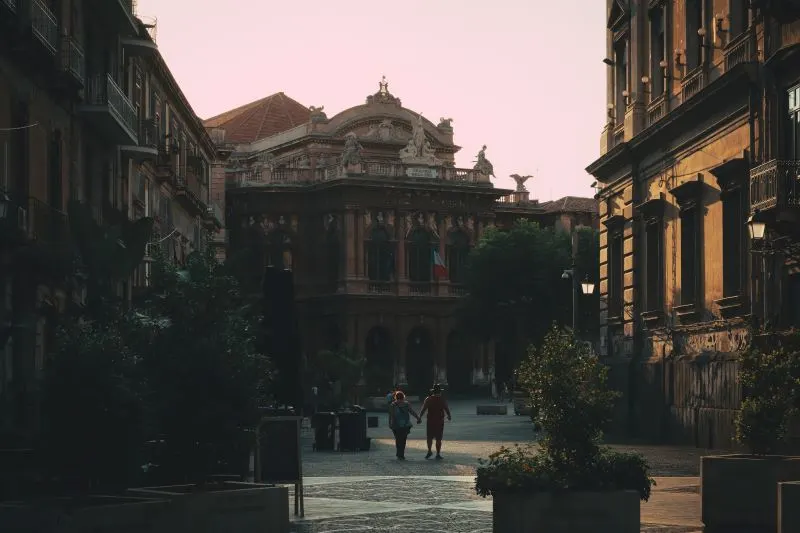
Visiting the Bellini Theater in Catania is a treat for lovers of performing arts and architectural enthusiasts alike. This historic theater, located in the heart of the city, is a testament to Catania’s cultural heritage and plays a significant role in its artistic scene.
The Bellini Theater, also known as Teatro Massimo Bellini, is named after the renowned Italian opera composer Vincenzo Bellini, who was born in Catania. It was originally built in the late 19th century and has since undergone renovations and restorations to preserve its grandeur and charm.
As you approach the Bellini Theater, you’ll be captivated by its magnificent façade, characterized by neoclassical and art nouveau elements. The intricate detailing, grand archways, and ornate decorations hint at the elegance and opulence that lies within.
Step inside, and you’ll find yourself in a majestic auditorium adorned with rich velvet curtains, sparkling chandeliers, and luxurious seating. The theater’s design reflects the architectural styles of the time, blending neoclassical and baroque influences. The meticulously crafted balconies, boxes, and gallery create an intimate and immersive setting for performances.
The Bellini Theater is primarily known for its opera productions, showcasing both traditional and contemporary works. It has been a venue for world-class opera singers, orchestras, and ballet performances, attracting audiences from far and wide. The acoustics are meticulously designed to enhance the sound quality, allowing the audience to fully immerse themselves in the performances.
In addition to opera, the Bellini Theater also hosts a variety of other cultural events, including classical music concerts, theater performances, and dance shows. It serves as a hub for artistic expression and a platform for local and international talent to showcase their skills and creativity.
Beyond its artistic significance, the Bellini Theater holds historical and cultural importance for the city. It stands as a symbol of Catania’s enduring passion for the arts and its commitment to preserving its cultural heritage. The theater has witnessed significant moments in Catania’s history and has been a gathering place for generations of residents and visitors.
If you have the opportunity to attend a performance at the Bellini Theater, you’ll be treated to an unforgettable experience. The combination of the stunning architecture, the powerful performances, and the electric atmosphere creates a magical ambiance that lingers long after the final curtain falls.
Even if you’re unable to catch a performance, the Bellini Theater is worth a visit simply to admire its architectural beauty. Guided tours are often available, allowing you to explore the theater’s backstage areas, learn about its history, and gain insights into the production process.
The Bellini Theater stands as a testament to Catania’s passion for the arts and its commitment to preserving its cultural heritage. Whether you’re an opera enthusiast, a lover of architecture, or simply seeking a memorable cultural experience, a visit to the Bellini Theater is sure to leave a lasting impression.
20. Explore the Museum of Contemporary Art in Sicily (CAM), showcasing modern and contemporary art


Exploring the Museum of Contemporary Art in Sicily (CAM) in Catania is an enriching experience that offers a glimpse into the vibrant and ever-evolving world of contemporary art. Situated in the heart of the city, CAM showcases a diverse collection of modern artworks, installations, and exhibitions.
The Museum of Contemporary Art in Sicily, often referred to as CAM, is a cultural institution dedicated to promoting and exhibiting contemporary art in its various forms. It aims to foster artistic dialogue, challenge conventions, and provide a platform for local and international artists to showcase their creations.
As you enter the museum, you’ll be greeted by a dynamic and thought-provoking environment. CAM features a range of artistic disciplines, including painting, sculpture, photography, video art, and multimedia installations. The exhibits span different styles, themes, and techniques, reflecting the diversity and innovation of contemporary art.
One of the highlights of CAM is its ever-changing roster of temporary exhibitions. These exhibitions often feature the works of renowned contemporary artists, emerging talents, and thematic showcases. They explore pressing social issues, cultural phenomena, and artistic trends, offering a unique perspective on the world we live in.
CAM also pays special attention to supporting local artists and promoting the artistic heritage of Sicily. You may find exhibitions that celebrate the work of Sicilian artists or explore the cultural identity and history of the region. This focus on local art contributes to the museum’s mission of preserving and promoting the artistic legacy of Sicily.
In addition to the exhibitions, CAM frequently organizes workshops, lectures, and educational programs to engage visitors of all ages and backgrounds. These activities provide opportunities for interaction, learning, and creative expression, making the museum a vibrant hub of artistic and cultural exploration.
The architecture and design of the museum itself add to the overall experience. The space is often contemporary and minimalist, allowing the artworks to take center stage.
Well-curated displays, innovative lighting, and carefully selected installations create a visually captivating environment that enhances the impact of the artworks.
Whether you’re a seasoned art enthusiast or simply curious about contemporary art, a visit to the Museum of Contemporary Art in Sicily promises to inspire, challenge, and provoke thought. The museum’s dedication to showcasing diverse artistic expressions and fostering artistic dialogue ensures that each visit is a unique and engaging experience.
CAM is not only a destination for art lovers but also a catalyst for creative inspiration and cultural exploration in Catania. It reflects the city’s vibrant artistic scene and its commitment to nurturing the contemporary art community. Exploring the Museum of Contemporary Art in Sicily allows you to connect with the current artistic landscape and immerse yourself in the power of creativity and expression.
21. Take a stroll along Via Etnea, Catania’s main street, lined with shops, cafes, and historical buildings

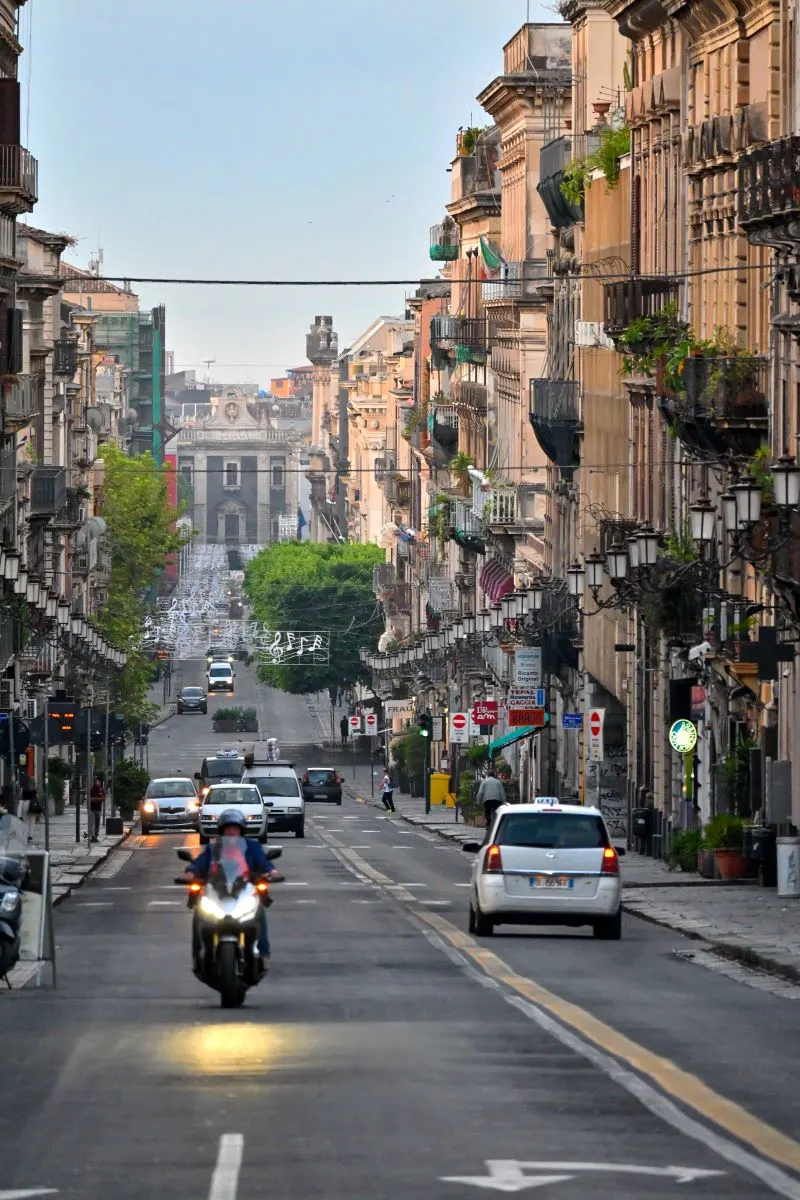
Taking a stroll along Via Etnea in Catania is a wonderful way to immerse yourself in the city’s vibrant atmosphere and witness its historical and cultural charm. As one of Catania’s main thoroughfares, Via Etnea stretches from the historic center to the base of Mount Etna, offering a delightful blend of architectural splendor, bustling activity, and local flavor.
Starting from the heart of Catania, you’ll find yourself surrounded by a mix of elegant palaces, ornate buildings, and bustling shops. The street is lined with a variety of architectural styles, ranging from Baroque to Neoclassical and Art Nouveau, reflecting different periods in Catania’s history.
As you stroll along, take in the intricately carved facades, wrought iron balconies, and grand doorways that add a touch of grandeur to the street.
Via Etnea is not only visually captivating but also a lively hub of activity. As you walk, you’ll encounter a vibrant mix of locals and visitors going about their daily routines. Cafes, restaurants, and gelaterias beckon with their tantalizing aromas and invite you to take a break and indulge in some Sicilian treats. Grab a coffee, sip a refreshing granita, or sample a delicious cannolo as you watch the world go by.
The street is also home to a variety of shops, boutiques, and artisanal stores. From high-end fashion to local crafts and souvenirs, you’ll find something to catch your eye at every turn.
Take the opportunity to browse through the displays, interact with local artisans, and perhaps find a unique memento to take home.
As you continue along Via Etnea, the bustling urban landscape gradually gives way to a more relaxed and verdant atmosphere. The street becomes flanked by beautiful parks and gardens, providing a refreshing respite from the city’s hustle and bustle.
One such park is the picturesque Villa Bellini, a sprawling green space with fountains, statues, and tree-lined avenues. It’s the perfect spot to relax, enjoy a picnic, or simply soak in the tranquility of nature.
One of the highlights of strolling along Via Etnea is the ever-present backdrop of Mount Etna. As you approach the end of the street, the majestic volcano looms in the distance, creating a dramatic and awe-inspiring view. On clear days, you can marvel at its imposing presence, its snow-capped peak contrasting with the urban landscape.
Taking a leisurely stroll along Via Etnea allows you to experience the essence of Catania—a city that seamlessly blends history, culture, and modernity.
It offers a glimpse into the daily life of the locals, presents architectural wonders, and showcases the city’s unique character. Whether you’re exploring the shops, enjoying a gelato, or simply taking in the sights and sounds, a walk along Via Etnea is sure to be a memorable part of your Catania experience.
Visit the Church of San Francesco d’Assisi all’Immacolata, known for its ornate baroque interior

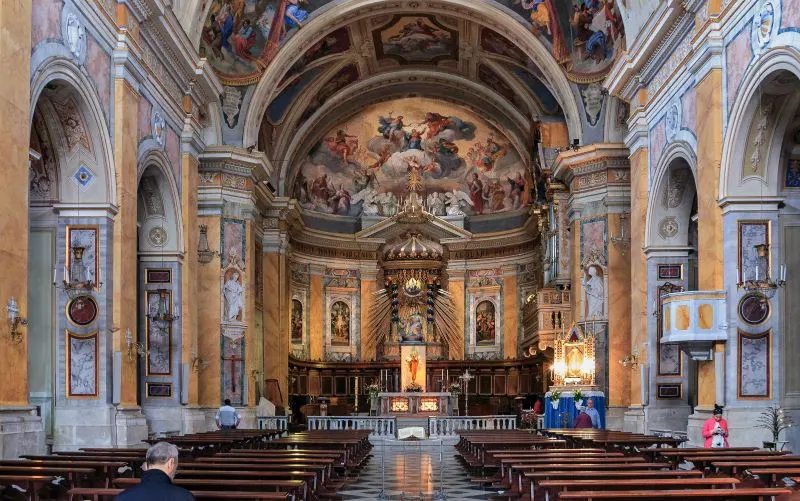
The Church of San Francesco d’Assisi all’Immacolata is a captivating religious landmark located in Catania, Italy. This beautiful church is renowned for its architectural splendor, rich history, and significant religious importance.
The Church of San Francesco d’Assisi all’Immacolata, commonly referred to as San Francesco, showcases stunning Baroque architecture that is emblematic of the city. Its façade boasts intricate details, elaborate carvings, and decorative elements that are a testament to the craftsmanship of the era.
As you approach the church, you’ll be immediately struck by its grandeur and the harmonious blending of different architectural styles.
Upon entering the church, you’ll find yourself immersed in a tranquil and sacred atmosphere. The interior is adorned with ornate decorations, gilded altars, and beautiful frescoes that depict biblical scenes and religious motifs.
The delicate stucco work, elegant marble columns, and the interplay of light and shadows create a sense of serenity and reverence.
One of the most significant features of the Church of San Francesco is its impressive main altar. The altar is adorned with intricate sculptures, decorative elements, and a centerpiece that often houses a religious icon or statue. It serves as a focal point for worship and reflection, radiating a sense of spiritual devotion.
Exploring the church further, you’ll discover side chapels dedicated to various saints and religious figures. These chapels showcase exquisite artwork, including paintings, sculptures, and religious artifacts. Each chapel tells its own story and adds to the overall spiritual ambiance of the church.
Beyond its architectural and artistic treasures, the Church of San Francesco holds great historical and religious significance. It has been a place of worship and devotion for centuries, and it continues to play an active role in the religious life of Catania. The church has witnessed numerous events, including religious ceremonies, processions, and celebrations that are deeply rooted in the local culture.
Visiting the Church of San Francesco d’Assisi all’Immacolata offers a chance to experience the spiritual and artistic heritage of Catania. Whether you are a religious pilgrim, an art enthusiast, or simply seeking a moment of tranquility, this iconic church provides a captivating and meaningful journey into the heart of Catania’s history and culture.
Explore the ancient Roman Villa Romana del Casale, a UNESCO World Heritage Site, located near Catania

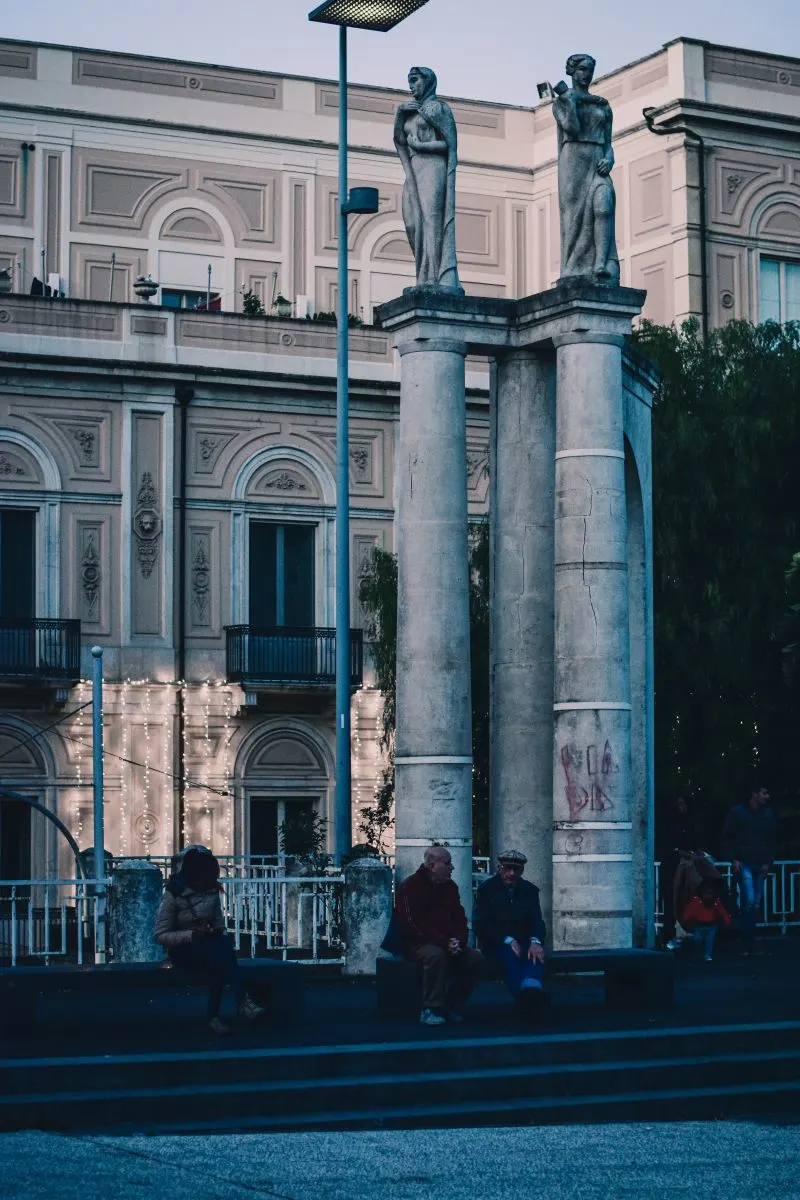
Exploring the ancient Roman Villa Romana del Casale is a captivating journey back in time to the days of the Roman Empire. Located near the town of Piazza Armerina in Sicily, Italy, this archaeological site is renowned for its remarkably preserved Roman villa and its exceptional collection of well-preserved mosaics.
Villa Romana del Casale, a UNESCO World Heritage Site, dates back to the 4th century AD and is a testament to the opulence and grandeur of the Roman elite.
As you step into the villa complex, you’ll be immediately struck by its size and architectural splendor. The remains of the villa span over 3,500 square meters, providing a glimpse into the luxurious lifestyle of the Roman aristocracy.
The highlight of the villa is undoubtedly its magnificent mosaics, which adorn the floors of various rooms throughout the complex. These mosaics are exceptionally well-preserved and showcase intricate details, vibrant colors, and impressive craftsmanship.
Each mosaic tells its own story, depicting scenes from Roman mythology, daily life, hunting expeditions, and the famous “Bikini Girls” mosaic, which portrays women engaging in various athletic activities.
As you explore the villa, you’ll come across different rooms and areas that offer insights into the various aspects of Roman life. From the grand reception halls and private quarters to the thermal baths and the basilica, the villa complex presents a comprehensive picture of the Roman lifestyle, architecture, and cultural influences.
The villa’s thermal baths, complete with elaborate heating systems and pools, highlight the Romans’ appreciation for relaxation and well-being.
You can envision the Roman inhabitants enjoying the luxuries of the baths, immersing themselves in the warm waters and indulging in leisurely activities.
Wandering through the villa’s courtyard, you’ll also encounter beautifully landscaped gardens, complete with statues, fountains, and lush vegetation. These elements reflect the Romans’ love for nature and their mastery of horticulture.
Beyond its architectural and artistic treasures, Villa Romana del Casale provides valuable insights into the daily lives of the Roman inhabitants.
The villa’s layout, with its various rooms and functional spaces, sheds light on the social dynamics, household activities, and cultural practices of the time.
Visiting Villa Romana del Casale is a truly immersive experience that allows you to step into the world of ancient Rome. As you explore the remarkably preserved ruins and marvel at the stunning mosaics, you’ll gain a deeper understanding of the rich history, cultural heritage, and artistic achievements of the Roman Empire.
The site is well-maintained and provides informative displays and signage that help you navigate the complex and interpret its significance.
With its exceptional preservation and captivating artwork, Villa Romana del Casale is a must-visit destination for history enthusiasts, art lovers, and anyone fascinated by the grandeur of ancient civilizations.
Discover the picturesque fishing village of Acitrezza and enjoy its beautiful coastal scenery

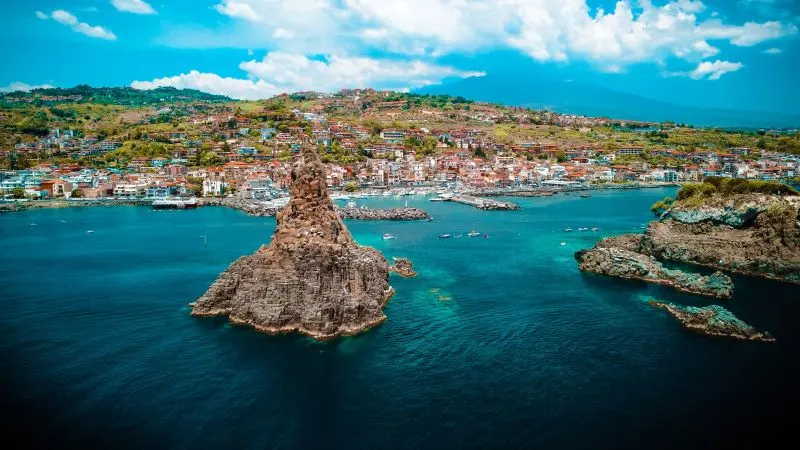
Discovering the picturesque fishing village of Acitrezza is like stepping into a charming coastal paradise. Located on the eastern coast of Sicily, just a short distance from Catania, Acitrezza is renowned for its natural beauty, vibrant fishing tradition, and captivating atmosphere.
As you arrive in Acitrezza, you’ll be greeted by a picturesque harbor lined with colorful fishing boats bobbing in the clear blue waters of the Ionian Sea.
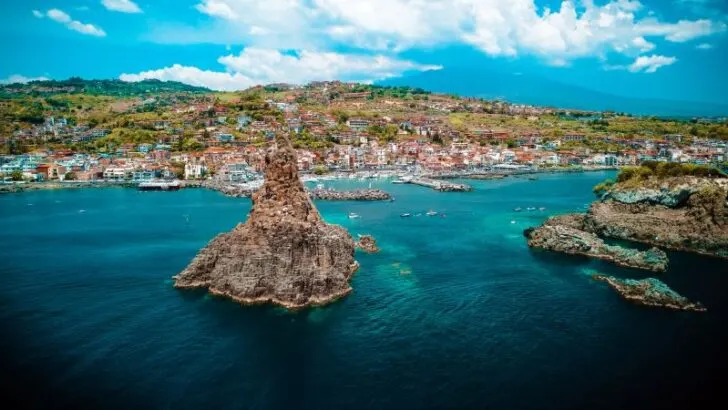
The village is nestled against a backdrop of dramatic volcanic rock formations, known as the “Faraglioni,” which are a defining feature of the landscape. These towering rock stacks, formed by ancient lava flows, add a sense of drama and mystique to the village’s coastal charm.
Wandering through the narrow streets of Acitrezza, you’ll encounter quaint houses, charming cafes, and local shops that exude a relaxed and welcoming vibe. The village has managed to retain its authentic fishing village ambiance, and you’ll often see local fishermen going about their daily activities, repairing nets, or preparing their boats for the next fishing expedition.
One of the highlights of visiting Acitrezza is exploring the scenic waterfront promenade. Take a leisurely stroll along the promenade, lined with palm trees and small cafes, and enjoy the breathtaking views of the sea and the Faraglioni. You can sit at a café terrace, savor a refreshing drink, and watch as the fishing boats come and go, creating a lively and bustling scene.
Acitrezza is also renowned for its delicious seafood. The village is dotted with seafood restaurants and trattorias that offer a delectable selection of fresh catch from the sea. Indulge in local specialties such as grilled swordfish, spaghetti alle vongole (spaghetti with clams), or the famous “granita di pesca,” a refreshing peach-flavored slushy dessert.
Dining in Acitrezza is a delightful experience that allows you to savor the flavors of the Mediterranean while enjoying the idyllic coastal setting.
For those seeking outdoor adventures, Acitrezza offers opportunities for swimming, snorkeling, and boat excursions. You can rent a boat or join a guided tour to explore the nearby caves, coves, and hidden beaches along the coast. These activities provide a chance to immerse yourself in the natural beauty of the area and witness the stunning marine life beneath the crystal-clear waters.
Acitrezza’s charm extends beyond its coastal allure. The village is also associated with Greek mythology, particularly the story of Odysseus and the Cyclops. According to legend, the Faraglioni rocks are the petrified stones thrown by the blinded Cyclops at Odysseus’ ship. This mythical connection adds an intriguing layer of storytelling and cultural significance to the village.
Visiting Acitrezza is a perfect escape from the hustle and bustle of city life, allowing you to unwind, connect with nature, and experience the authentic charm of a traditional Sicilian fishing village.
Whether you’re exploring the harbor, indulging in delicious seafood, or simply taking in the serene coastal scenery, Acitrezza promises a memorable and enchanting experience that captures the essence of Sicilian coastal life.
Visit the Catania University Botanic Garden, home to a wide variety of plant species


The Catania University Botanic Garden offers a serene and enchanting oasis in the heart of Catania, Sicily. Nestled within the vibrant city, this botanical gem showcases a rich collection of plant species, educational exhibits, and a peaceful atmosphere, making it a perfect destination for nature enthusiasts and those seeking tranquility.
As you enter the Catania University Botanic Garden, you’ll be greeted by lush greenery, vibrant blooms, and a sense of serenity. The garden spans over four hectares and is meticulously landscaped, featuring diverse plant collections from different regions of Sicily and around the world. The garden serves as a living laboratory for the study and conservation of plant biodiversity.
Wandering through the garden’s pathways, you’ll encounter a wide variety of plant species, including native Sicilian plants, exotic flowers, towering trees, and aromatic herbs.
The garden is divided into different sections, each representing specific ecosystems or plant families, allowing visitors to explore and appreciate the diversity of plant life.
One of the highlights of the Catania University Botanic Garden is its impressive collection of succulent plants, including cacti and other desert-adapted species. These plants showcase unique shapes, textures, and vibrant colors, creating a captivating display that transports you to arid landscapes from around the world.
The garden also features thematic areas dedicated to Mediterranean flora, aquatic plants, aromatic herbs, and rare or endangered plant species.
Educational signs and labels provide informative details about the plants, their natural habitats, and their cultural significance, offering visitors an opportunity to learn and deepen their understanding of the botanical world.
Beyond the plant collections, the Catania University Botanic Garden offers various facilities and amenities to enhance your visit. There are shaded picnic areas where you can relax and enjoy a packed lunch amidst the natural surroundings. Benches and seating areas are scattered throughout the garden, providing peaceful spots for contemplation or simply soaking in the beauty of the surroundings.
The garden often hosts educational workshops, lectures, and exhibitions, further enriching the visitor experience and promoting awareness about environmental conservation and sustainable practices. These activities cater to visitors of all ages, fostering a sense of curiosity and appreciation for the natural world.
Whether you’re a botany enthusiast, a nature lover, or simply seeking a serene escape from the city, a visit to the Catania University Botanic Garden offers a rejuvenating experience. It provides an opportunity to reconnect with nature, discover the wonders of plant life, and find solace in the tranquil ambiance.
The garden’s commitment to conservation, education, and research adds a deeper layer of significance to your visit, allowing you to contribute to the preservation of biodiversity and environmental awareness.
The Catania University Botanic Garden is a hidden gem in the heart of Catania, inviting you to immerse yourself in the beauty of nature and explore the fascinating world of plants.
These 30 activities offer a diverse range of experiences, allowing you to immerse yourself in the rich history, vibrant culture, and natural beauty of Catania and its surrounding areas. Enjoy your exploration of this captivating city!
Food In Catania


Catania, the vibrant city on the eastern coast of Sicily, is not only known for its rich history and stunning architecture but also for its mouthwatering cuisine. With its proximity to the sea and a fertile land, Catania offers a culinary experience that reflects the best of Italian flavors.
From traditional dishes passed down through generations to innovative culinary creations, the food in Catania is a celebration of Sicilian and Italian gastronomy. Join us on a delightful journey as we explore the delectable Italian food scene in Catania.
- Pasta Perfection: No Italian culinary adventure is complete without savoring the tantalizing pasta dishes that Catania has to offer. From the classic Pasta alla Norma with its succulent eggplant, tomato sauce, and ricotta salata to the comforting flavors of Pasta con le Sarde, featuring sardines, wild fennel, pine nuts, and saffron, each bite is a taste of pure Italian goodness.
- Seafood Extravaganza: With its location on the coast, Catania boasts an abundance of fresh seafood. Indulge in dishes like Pesce Spada alla Ghiotta, where swordfish is cooked to perfection in a savory tomato sauce with olives and capers, or try a seafood platter featuring a delightful assortment of clams, mussels, prawns, and squid. The flavors of the Mediterranean come alive in every mouthwatering bite.
- Arancini: Sicily’s Savory Delight: Catania’s love affair with arancini, the beloved fried rice balls, is truly special. These golden orbs of deliciousness are filled with a variety of savory delights, such as ragu, mozzarella, and peas. Whether enjoyed as a snack on the go or as part of a meal, arancini are a staple in Catania’s street food culture.
- Sweet Temptations: Catania’s dessert scene is a treasure trove of heavenly treats. Dive into the world of cannoli, delicate pastry shells filled with sweet ricotta cheese and adorned with candied fruit and chocolate. Indulge in granita, a refreshing semi-frozen dessert made with seasonal fruits like lemon, almond, or strawberry. And don’t forget to try the decadent cassata Siciliana, a traditional Sicilian cake bursting with flavors of candied fruit, ricotta, and marzipan.
- Street Food Delights: Catania’s vibrant street food culture is a feast for the senses. Explore the bustling La Pescheria fish market, where you can savor freshly fried seafood, grilled octopus, and tantalizing panelle (chickpea fritters). Taste the flavors of the city while immersing yourself in its lively atmosphere.
- Local Wine and Cheese: To complement the flavors of Catania’s cuisine, indulge in the region’s excellent wines and cheeses. Sip on a glass of Etna Bianco, a crisp white wine produced from vineyards on the slopes of Mount Etna. Pair it with artisanal cheeses like pecorino, caciocavallo, or ricotta salata, and experience the harmony of flavors that Sicily has to offer.
Catania is a culinary haven where the traditions of Italian cuisine intertwine with the unique flavors of Sicily. From the comforting pasta dishes to the succulent seafood and delightful street food, the city’s food scene captivates both locals and visitors alike.
Exploring the Italian food in Catania is an immersive experience that will leave you with lasting memories and a deeper appreciation for the country’s gastronomic heritage. So, embrace the flavors, open your palate to new taste sensations, and let the culinary delights of Catania transport you to the heart of Italian gastronomy.
Top 20 Best Restaurants In Catania, Italy

- Il Sale Art Cafe – Known for its creative seafood dishes and elegant atmosphere.
- Antica Marina – A seafood-focused restaurant with a lively ambiance and waterfront views.
- Trattoria De Fiore – Offers traditional Sicilian cuisine in a cozy and welcoming setting.
- Ristorante Il Cuciniere – Known for its innovative dishes that showcase the best of Sicilian ingredients.
- La Siciliana Trattoria – A charming restaurant that serves authentic Sicilian dishes with a modern twist.
- Sicilia in Tavola – Offers a fusion of Sicilian and international flavors in a contemporary setting.
- Nangalarruni – Known for its farm-to-table concept and the use of organic, local ingredients.
- Ostello del Plebiscito – Offers a mix of traditional and contemporary dishes in a historical setting.
- Ristorante Gourmet Il Riccio – A fine dining restaurant that specializes in Sicilian gourmet cuisine.
- Ristorante I Crociferi – Offers a refined dining experience with a menu inspired by Sicilian traditions.
- Osteria Antica Marina – Known for its rustic charm and traditional Sicilian dishes.
- Duomo Ristorante – A Michelin-starred restaurant offering innovative cuisine with a focus on local ingredients.
- Trattoria Da Antonio – A family-run trattoria serving classic Sicilian dishes in a friendly atmosphere.
- I Tre Bicchieri – A wine bar and restaurant known for its extensive wine list and delicious food pairings.
- Ristorante La Piazzetta – Offers a variety of Sicilian specialties in a relaxed and welcoming environment.
- Trattoria Catania Ruffiana – Known for its generous portions of traditional Sicilian dishes.
- Ristorante Agorà – A modern restaurant offering a fusion of Sicilian and international flavors.
- Ristorante La Fenice – A charming eatery known for its fresh seafood and warm hospitality.
- Ristorante 4 Archi – Offers a mix of traditional Sicilian and Mediterranean dishes in a cozy setting.
- Osteria Antichi Sapori – A family-owned osteria serving authentic Sicilian cuisine with a focus on traditional recipes.
Please note that restaurant rankings may vary depending on personal preferences and individual experiences. It’s always recommended to check reviews, availability, and make reservations in advance to ensure a delightful dining experience.
Transportation In Catania
Catania, being a vibrant city in Sicily, offers various modes of transportation to help residents and visitors navigate the city efficiently. Here are the main transportation options available in Catania:
- Public Buses: Catania has an extensive bus network operated by the company called AMT. Buses are a popular and affordable way to get around the city and its outskirts. The bus routes cover most areas of Catania and connect to neighboring towns and villages.
- Metro: Catania has a single metro line known as the “Metropolitana di Catania.” It runs from the city center to the outskirts, providing a convenient and fast mode of transportation. The metro is particularly useful for traveling to areas such as the Central Station, the University, and the city’s eastern districts.
- Taxis: Taxis are readily available in Catania, and they can be hailed on the street or found at designated taxi stands. It’s advisable to ensure that the taxi has a working meter or agree on a fare before starting the journey. Taxis are a convenient option for short distances or when traveling with heavy luggage.
- Car Rental: Renting a car in Catania gives you the flexibility to explore the city and its surroundings at your own pace. Several car rental companies operate in Catania, and you can find rental offices at the airport and in the city center. It’s important to note that traffic in the city center can be congested, and parking may be limited, so plan accordingly.
- Bicycles: Catania has introduced a bike-sharing system called “Bicicletta Pubblica.” It allows users to rent bicycles from various stations located throughout the city. This eco-friendly option is perfect for short trips within the city center and along the coastal areas.
- Walking: Catania’s city center is relatively compact, making it easy to explore on foot. Walking allows you to soak in the city’s charming atmosphere, admire the historical buildings, and discover hidden gems. Many of Catania’s major attractions are within walking distance of each other, making it an enjoyable and convenient way to get around.
It’s important to note that Catania experiences traffic congestion, especially during peak hours. Therefore, it’s advisable to plan your journeys accordingly and allow for extra time when traveling by road. Additionally, public transportation schedules may vary, so it’s recommended to check the latest timetables or use digital transportation apps for real-time updates.
Exploring Catania, Italy, is a journey filled with historical wonders, cultural experiences, and natural beauty. From its UNESCO World Heritage-listed baroque architecture to its stunning coastline and the majestic presence of Mount Etna, Catania offers a diverse range of attractions and activities.
Whether you’re strolling through its charming streets, savoring the local cuisine, delving into ancient ruins, or immersing yourself in the vibrant atmosphere of the city, Catania has something to captivate every visitor.
In conclusion, Catania is a city that seamlessly blends its ancient past with its modern charm, creating a unique destination that has much to offer. The 25 best things to do in Catania mentioned in this guide are just the beginning of the adventures that await you.
Soak up the rich history, indulge in culinary delights, witness breathtaking natural landscapes, and embrace the warm hospitality of the locals. Whether you’re visiting for a short getaway or a longer stay, Catania promises to leave you with lasting memories and a deep appreciation for the beauty and culture of Sicily.
Leave a comment