


Located on the southeastern coast of the Korean Peninsula, Busan is a vibrant and bustling city known for its stunning beaches, rich cultural heritage, and lively atmospher
As South Korea’s second-largest city, Busan offers a fascinating blend of traditional charm and modern development, making it a popular destination for both locals and international travelers.
With a population of over 3.5 million people, Busan is a thriving metropolis that serves as a major economic and cultural hub in the region.
The city’s strategic coastal location has contributed to its growth as a bustling port, connecting South Korea to international trade and maritime activities.
One of Busan’s major draws is its beautiful coastline. The city boasts several pristine beaches, including Haeundae Beach, Gwangalli Beach, and Songdo Beach, where visitors can relax, soak up the sun, and enjoy a variety of water sports. These beaches are not only popular during the summer months but also offer breathtaking views year-round.
Beyond its beaches, Busan is rich in cultural heritage. The city is home to numerous temples, historic sites, and traditional markets that showcase the essence of Korean culture.
Places like Beomeosa Temple, Gamcheon Culture Village, and Jagalchi Fish Market provide a glimpse into Busan’s history, architecture, and local way of life.
For art and entertainment enthusiasts, Busan offers a vibrant cultural scene. The Busan International Film Festival (BIFF) held annually in October draws film enthusiasts from around the world.
The city also hosts a variety of cultural festivals, concerts, and art exhibitions throughout the year, showcasing both traditional and contemporary art forms.
Food lovers will find themselves in culinary heaven in Busan. The city is renowned for its fresh seafood, thanks to its coastal location. Visitors can indulge in a wide array of seafood dishes, including sashimi, grilled fish, and savory stews.
Busan’s bustling markets and vibrant street food scene offer a plethora of culinary delights, where you can sample local favorites such as milmyeon (wheat noodles), hotteok (sweet pancakes), and tteokbokki (spicy rice cakes).
Transportation in Busan is efficient and well-developed, with a subway system, buses, taxis, and other modes of transportation readily available. This makes it convenient to explore the city’s diverse neighborhoods, landmarks, and attractions.
Whether you’re drawn to its stunning beaches, cultural heritage, delicious cuisine, or energetic atmosphere, Busan offers a captivating experience that combines natural beauty, urban vitality, and warm Korean hospitality.
With its unique blend of traditional and modern elements, Busan is a city that captivates the senses and leaves a lasting impression on all who visit.
1. Visit Haeundae Beach: Enjoy the beautiful sandy beach, relax, and take a swim

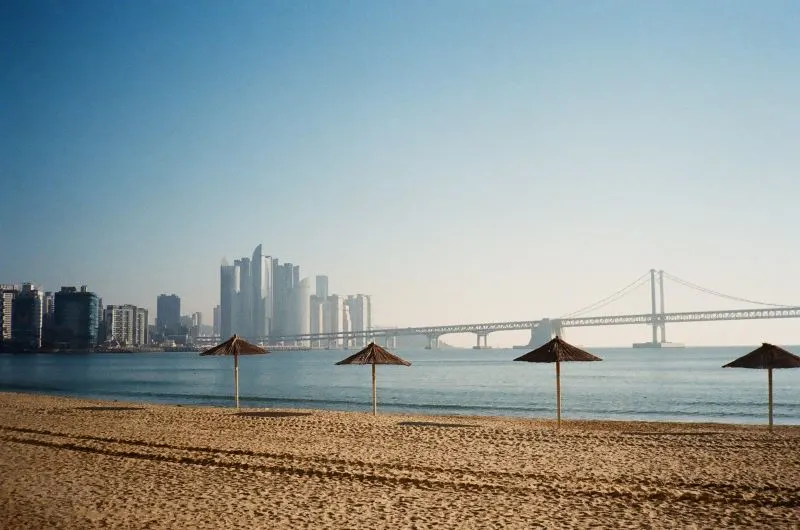
Haeundae Beach is one of the most popular and iconic beaches in Busan, South Korea. Located in the Haeundae District, it stretches for about 1.5 kilometers along the coastline, offering visitors a stunning sandy beach and clear waters.
The beach is known for its vibrant and energetic atmosphere, especially during the summer months when it attracts a large number of locals and tourists alike. It is a favorite destination for both relaxation and water activities.
Haeundae Beach offers a range of amenities and facilities to ensure a comfortable visit. You can find numerous beachfront cafes, restaurants, and convenience stores where you can grab a bite to eat or enjoy a refreshing drink while overlooking the ocean. There are also rental shops where you can rent beach umbrellas, mats, and various water sports equipment.
The beach itself is perfect for sunbathing, taking leisurely walks along the shoreline, or simply enjoying the panoramic views of the sea.
If you’re feeling more adventurous, you can engage in various water activities such as swimming, jet skiing, banana boat rides, or even trying your hand at stand-up paddleboarding.
During the peak season, Haeundae Beach hosts various events and festivals, including beach concerts, fireworks displays, and sand sculpture competitions, adding to the lively atmosphere.
Adjacent to the beach, you’ll find the Haeundae Market, where you can explore a wide array of food stalls, shops selling local snacks, and souvenirs. It’s a great place to immerse yourself in the local culture and try delicious street food.
Whether you’re seeking relaxation, outdoor activities, or a vibrant beach experience, Haeundae Beach offers it all. Its picturesque setting, combined with the lively ambiance, make it a must-visit destination for travelers exploring Busan.
2. Explore Gamcheon Culture Village: Wander through the colorful alleyways and unique art installations

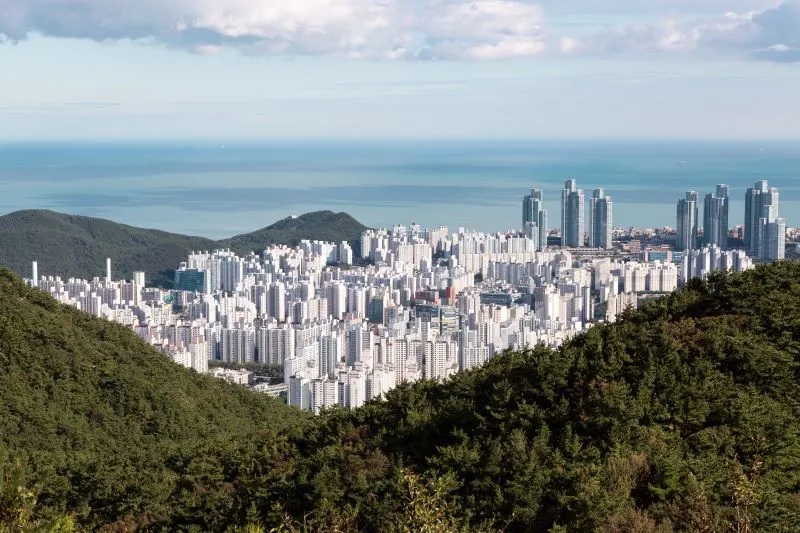
Gamcheon Culture Village is a unique and colorful neighborhood located in Busan, South Korea. It is often referred to as the “Machu Picchu of Busan” due to its steep hillsides and vibrant, multi-colored houses that cascade down the slopes.
Originally a shantytown formed by refugees during the Korean War, Gamcheon Culture Village has been transformed into a charming and artistic community.
The village underwent a revitalization project in 2009, where artists and residents came together to create an immersive cultural and artistic experience.
As you explore Gamcheon Culture Village, you’ll be captivated by its narrow winding alleys adorned with vibrant murals, street art, and sculptures.
The colorful houses, which are stacked one upon another, create a picturesque and whimsical scene at every turn. Each alleyway has its own unique character and artistic flair, making it a delight to wander through the labyrinthine streets.
Throughout the village, you’ll find small art galleries, boutiques, and craft shops showcasing the work of local artists and artisans.
You can browse and purchase unique handmade crafts, paintings, and other artistic creations, making it an ideal place to find one-of-a-kind souvenirs.
One of the highlights of Gamcheon Culture Village is the “Little Prince” theme. Inspired by Antoine de Saint-Exupéry’s famous novella, you’ll encounter various installations and murals depicting scenes from the story. It adds a touch of whimsy and enchantment to the already magical atmosphere of the village.
To truly appreciate the panoramic views of the village and the surrounding landscape, head to the observatory deck located at the top of the village. From there, you can admire the stunning vistas of the colorful houses, the sea, and the cityscape of Busan.
Visiting Gamcheon Culture Village is not just about visual delights; it’s also an opportunity to interact with the friendly and welcoming residents. The locals take pride in their community and are often eager to share stories about the village’s history and their daily lives.
3. Visit the Haedong Yonggungsa Temple: A picturesque seaside temple known for its stunning architecture

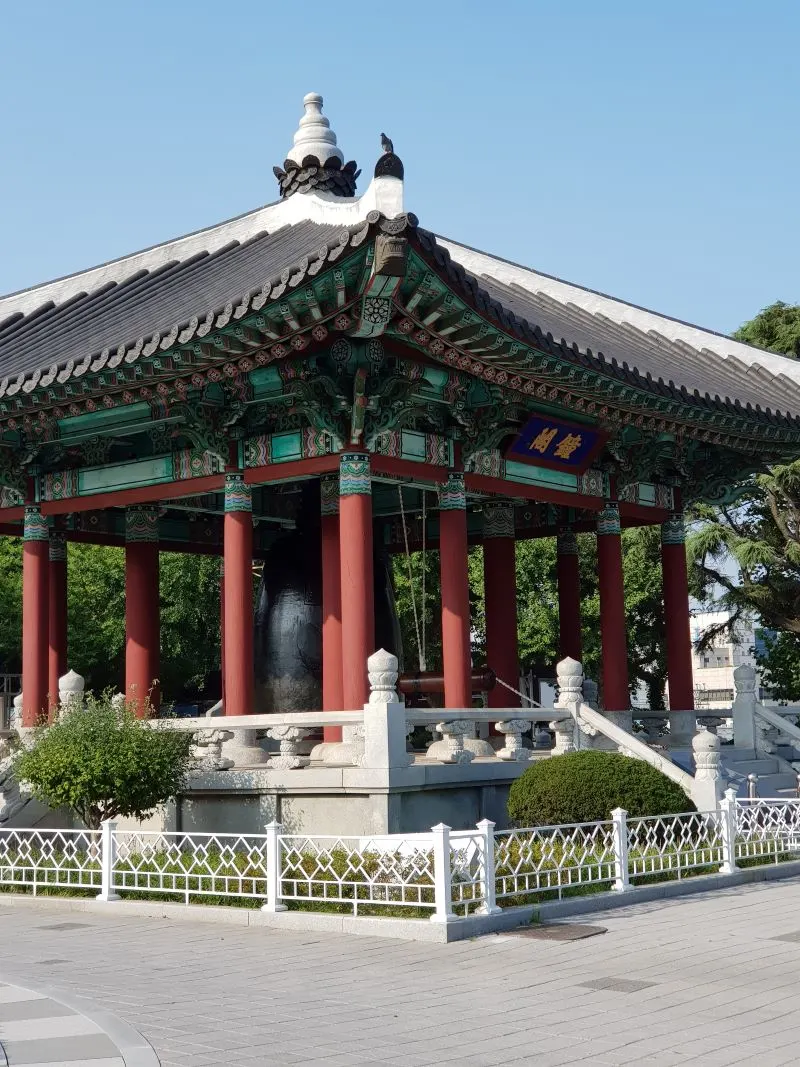
Haedong Yonggungsa Temple is a stunning Buddhist temple located in Busan, South Korea. What sets it apart from many other temples in the country is its unique oceanfront setting, as it is perched on a rocky cliff overlooking the East Sea (Sea of Japan).
The temple was originally built in 1376 by the Buddhist teacher Naong during the Goryeo Dynasty. However, it has undergone multiple renovations and expansions over the centuries, with the current structures dating back to the 1930s.
As you approach Haedong Yonggungsa Temple, you’ll be greeted by a beautiful entrance gate adorned with intricate stone carvings. Walking through the gate, you’ll follow a scenic path that leads you down towards the coastline, passing by various statues, Buddhist relics, and serene prayer areas.
One of the highlights of the temple is the magnificent main hall, known as Daeungjeon. This two-story structure showcases traditional Korean architecture and is adorned with vibrant colors, intricate detailing, and impressive statues of Buddha and Bodhisattvas. Inside the hall, you can observe devotees engaged in prayers and rituals, creating a peaceful and spiritual ambiance.
Another notable feature of Haedong Yonggungsa Temple is the 12-meter-tall statue of the Goddess of Mercy (Guan Yin) that stands at the edge of the cliff, facing the sea. It is a symbol of compassion and protection, and many visitors come to offer prayers and seek blessings.
The temple complex offers several other halls, shrines, and pagodas, each with its own unique architectural and artistic elements. These structures blend harmoniously with the natural surroundings, creating a picturesque and serene environment.
While visiting Haedong Yonggungsa Temple, take the time to explore the surrounding grounds, which feature beautiful gardens, tranquil ponds, and stone lanterns.
There are also numerous small prayer areas and meditation spots nestled amidst the lush greenery, offering visitors a peaceful retreat.
Haedong Yonggungsa Temple holds special significance for both locals and visitors, particularly during the Buddha’s birthday celebrations and New Year’s festivities when the temple is adorned with colorful lanterns and decorations.
4. Take a stroll along Gwangalli Beach: Admire the city skyline and the famous Diamond Bridge


Gwangalli Beach is a beautiful sandy beach located in the Gwangan neighborhood of Busan, South Korea. It is a popular destination known for its stunning views, vibrant atmosphere, and lively nightlife.
Stretching for about 1.4 kilometers along the coastline, Gwangalli Beach offers visitors a picturesque setting with soft golden sand and clear blue waters. The beach is lined with palm trees and modern buildings, creating a unique juxtaposition of nature and urban elements.
One of the main attractions of Gwangalli Beach is the Gwangan Bridge, also known as the Diamond Bridge. The bridge spans across the beach, beautifully illuminated at night, creating a mesmerizing light show that reflects on the water. The sight of the bridge, especially when lit up, adds to the magical ambiance of the beach.
Taking a stroll along Gwangalli Beach provides an opportunity to enjoy the panoramic views of the ocean and the city skyline. The beach offers a wide promenade perfect for leisurely walks, jogging, or cycling. You can take in the fresh sea breeze, soak up the sun, or simply relax on the sandy shore.
Gwangalli Beach is also known for its vibrant nightlife scene. As the sun sets, the beachfront comes alive with numerous restaurants, cafes, and bars.
You can enjoy a wide variety of cuisines, ranging from traditional Korean dishes to international flavors, while enjoying the stunning views of the beach and the bridge.
In the evening, the beachfront is beautifully illuminated, creating a lively and energetic atmosphere. You can find street performers, live music, and even outdoor movie screenings during certain times of the year.
The combination of the city lights, the sounds of laughter and music, and the gentle waves crashing on the shore make for a memorable and vibrant experience.
Gwangalli Beach also hosts various events and festivals throughout the year, including beach volleyball tournaments, water sports competitions, and fireworks displays. These events add to the festive and joyful ambiance of the beach, attracting both locals and tourists alike.
Whether you visit Gwangalli Beach during the day or at night, it offers a blend of natural beauty, urban charm, and vibrant entertainment options. It’s a wonderful place to relax, enjoy the beachside activities, indulge in delicious food, and soak up the lively atmosphere of Busan’s coastal gem.
5. Visit Beomeosa Temple: One of the most important Buddhist temples in Korea, known for its serene atmosphere

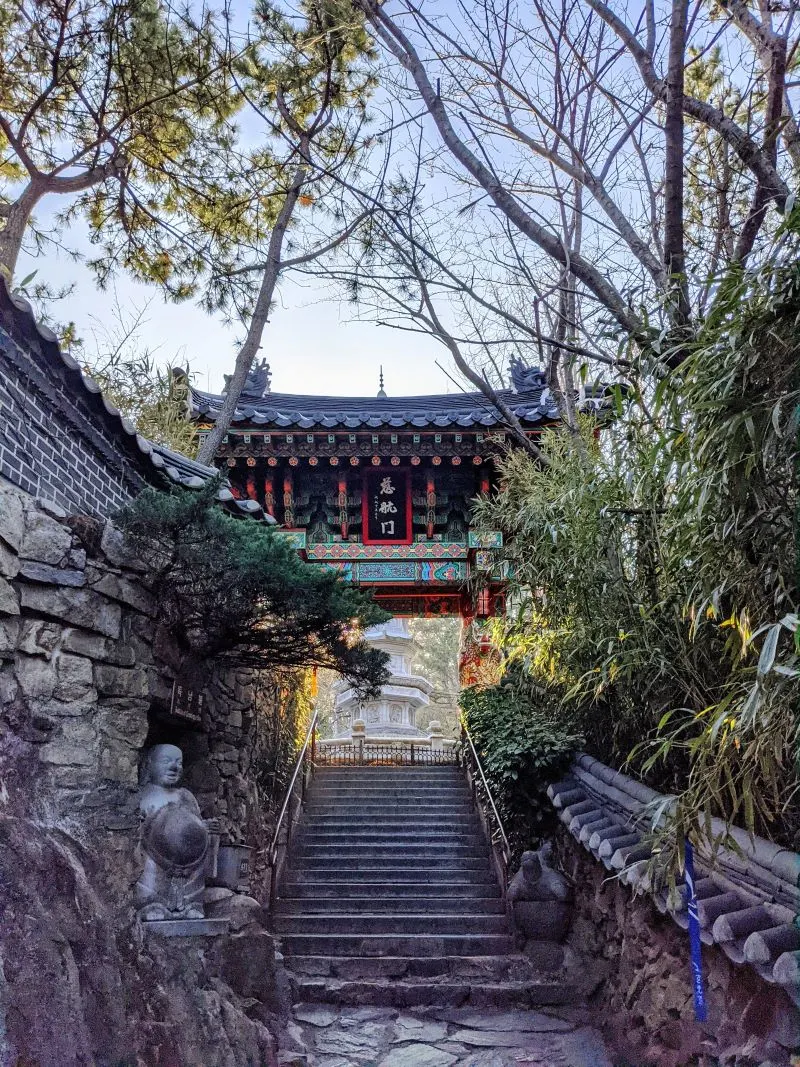
Beomeosa Temple is a historic and significant Buddhist temple located on the slopes of Mt. Geumjeongsan in Busan, South Korea. It is one of the country’s most revered and beautiful temples, known for its serene atmosphere, stunning architecture, and lush natural surroundings.
Founded in 678 during the reign of the Silla Dynasty, Beomeosa Temple has a long and rich history. Although it has been destroyed and rebuilt several times throughout the centuries, the present structures date back to the 17th century.
As you enter Beomeosa Temple, you’ll be greeted by a beautiful entrance gate, known as One Pillar Gate (Iljumun). Passing through the gate, you’ll walk along a tranquil path surrounded by ancient pine trees and peaceful gardens, creating a sense of tranquility and spirituality.
The main hall of Beomeosa Temple, called Daeungjeon, is a masterpiece of traditional Korean Buddhist architecture. It showcases intricate wooden carvings, vibrant paintings, and detailed decorations.
Inside the hall, you’ll find various Buddha statues, including the main statue of Amitabha Buddha, which is the focus of worship and reverence for devotees.
The temple complex also includes several other halls, shrines, and pagodas. One of the notable structures is the Three-story Stone Pagoda, designated as a National Treasure of South Korea. It stands as a testament to the artistic and architectural skills of the ancient craftsmen.
Beyond the main temple buildings, Beomeosa Temple is nestled within the pristine natural beauty of Mt. Geumjeongsan. The surrounding forested mountains create a peaceful and serene backdrop, offering visitors an opportunity to connect with nature and find inner peace.
The temple grounds provide peaceful spots for meditation and reflection, with beautiful views of the surrounding mountains and valleys. The sound of chanting monks and the scent of incense create an atmosphere conducive to contemplation and spiritual practice.
Beomeosa Temple is also known for its various cultural and religious events throughout the year. These include lantern festivals, ceremonial rituals, and Buddhist ceremonies that offer visitors a chance to experience the temple’s vibrant traditions and practices.
For those seeking a deeper understanding of Buddhism, Beomeosa Temple offers temple stay programs where visitors can immerse themselves in monastic life, participate in meditation sessions, and learn about Buddhist teachings and practices.
A visit to Beomeosa Temple provides a unique opportunity to experience the profound spirituality and cultural heritage of South Korea. It offers a serene retreat from the bustling city and a chance to appreciate the harmonious blend of natural beauty and architectural splendor.
6. Explore Taejongdae Park: Enjoy panoramic views of the ocean and cliffs, and visit the lighthouse

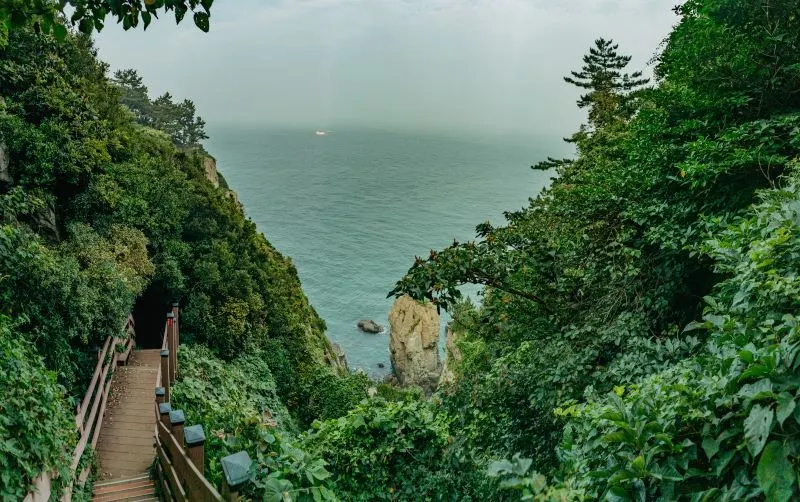
Taejongdae Park is a picturesque natural park located on the southern coast of Busan, South Korea. It is renowned for its stunning cliffs, panoramic ocean views, dense forests, and tranquil atmosphere, making it a popular destination for nature lovers and outdoor enthusiasts.
Named after King Taejong, the third king of the Joseon Dynasty, Taejongdae Park offers a blend of natural beauty and historical significance. The park covers an area of about 200 hectares and is characterized by its rugged coastline, rocky cliffs, and dense vegetation.
One of the main attractions of Taejongdae Park is its dramatic cliffs that overlook the vast expanse of the East Sea (Sea of Japan).
The cliffs rise dramatically from the ocean, offering breathtaking views of the crashing waves and the distant horizon. Visitors can walk along the cliffside paths and find several observation points that provide stunning vistas of the surrounding landscape.
At the southernmost point of the park, you’ll find the Taejongdae Lighthouse. This iconic red-and-white striped lighthouse stands tall and serves as a symbol of the park. It offers a great vantage point to soak in the panoramic views of the ocean and the rugged coastline.
Another highlight of Taejongdae Park is the dense forested areas that cover much of the park. Walking through the forest trails, you’ll encounter a variety of plant species, including towering pine trees, bamboo groves, and vibrant wildflowers.
The forested areas provide a peaceful and refreshing ambiance, making it an ideal place for a leisurely stroll or a picnic.
Within the park, you’ll also find a few unique rock formations, such as the Mangbuseok Rock and the Sinseon Rock. These rocks are said to have mythological and historical significance, adding an intriguing element to the natural landscape.
Taejongdae Park is not only a haven for nature enthusiasts but also offers various recreational activities. You can take a ride on the Danubi Train, a small train that takes visitors on a scenic tour of the park, offering a convenient way to explore its vast expanse.
Additionally, there are walking paths, including the Taejongdae Cliff Course, which offers a more challenging hiking experience.
The park also provides facilities such as rest areas, restaurants, and cafes where you can relax and enjoy refreshments while taking in the serene surroundings.
7. Shop at Jagalchi Fish Market: Experience the bustling atmosphere of Korea’s largest seafood market


Jagalchi Fish Market is a vibrant and bustling seafood market located in the heart of Busan, South Korea. It is the largest seafood market in the country and is renowned for its wide variety of fresh seafood, lively atmosphere, and cultural significance.
As you enter Jagalchi Fish Market, you’ll be greeted by rows of bustling stalls and vendors showcasing an impressive selection of live and freshly caught seafood.
From fish and shellfish to octopus, squid, and various crustaceans, you’ll find an abundance of marine delicacies available for purchase.
The market is divided into two main sections: an indoor market building and an outdoor area known as the “raw fish center.” In the indoor market, you’ll find a vibrant mix of stalls selling all types of seafood, including live fish swimming in tanks, freshly shucked oysters, and an array of exotic marine creatures.
One of the unique experiences at Jagalchi Fish Market is the opportunity to select your seafood and have it prepared on-site.
You can choose from various cooking methods such as grilling, steaming, or boiling, and the vendors will skillfully prepare your selection for a delicious meal. Many restaurants and eateries within the market offer dining options where you can enjoy your freshly cooked seafood.
If you’re not in the mood for a meal, you can also find dried seafood, spices, and condiments available for purchase. These make great souvenirs or ingredients to take home and incorporate into your own culinary creations.
Apart from shopping for seafood, Jagalchi Fish Market offers a glimpse into the daily lives of local fishermen and the maritime culture of Busan.
You’ll witness the energetic hustle and bustle of vendors negotiating prices, buyers inspecting their purchases, and the occasional fish auction.
For those interested in learning more about the local seafood industry and culture, there is a second-floor seafood museum within the market. The museum provides educational exhibits on various types of fish, fishing techniques, and the history of the market.
Jagalchi Fish Market is not only a place for shopping but also a hub of local activity and a culinary paradise for seafood enthusiasts.
It offers a unique and authentic glimpse into Busan’s maritime traditions and provides an opportunity to savor the freshest seafood available in the region.
8. Visit the Busan Museum: Learn about Busan’s history, culture, and art through its extensive collection

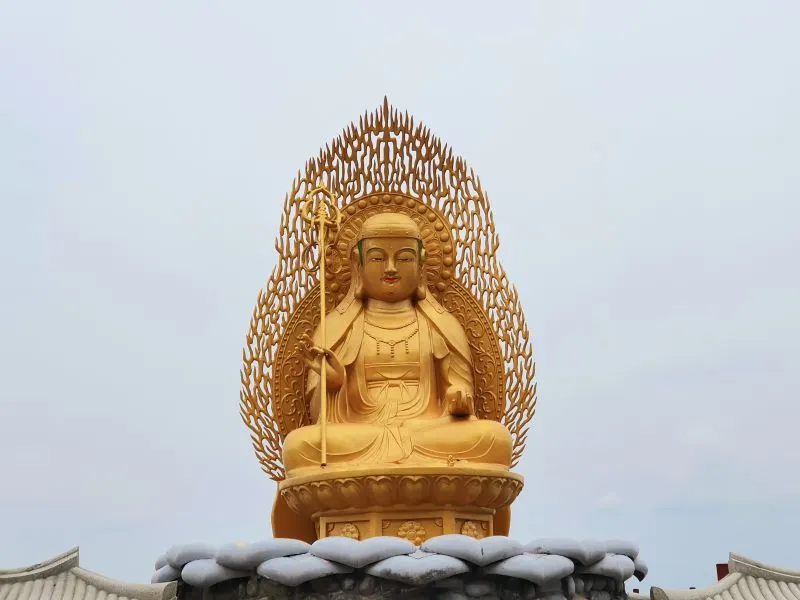
The Busan Museum is a cultural institution located in Busan, South Korea, dedicated to preserving and showcasing the rich history and cultural heritage of the region. It is a must-visit destination for history enthusiasts and those interested in learning about the local heritage.
The museum is housed in a modern and spacious building, offering a comfortable and engaging environment for visitors. It features a diverse collection of artifacts, exhibits, and interactive displays that span various periods of Busan’s history, from ancient times to the modern era.
As you explore the museum, you’ll encounter exhibits that provide insights into the region’s prehistoric origins, the development of early civilizations, the influences of neighboring cultures, and the transformation of Busan into a modern metropolis.
The museum’s permanent collection includes a wide range of artifacts, such as ancient pottery, tools, weapons, and artwork. These items offer glimpses into the daily lives, customs, and beliefs of the people who once inhabited the region.
One of the highlights of the Busan Museum is its attention to maritime history and culture. Busan has a long history as a thriving port city, and the museum reflects this significance by showcasing exhibits related to maritime trade, shipbuilding, fishing, and seafaring traditions.
You can learn about the role of Busan as a hub of maritime activities and its connections with other cultures and countries throughout history.
The museum also offers temporary exhibitions that focus on specific themes or showcase unique collections. These exhibitions often feature contemporary artworks, cultural performances, or special archaeological discoveries, providing visitors with new and diverse perspectives on Busan’s cultural heritage.
In addition to the exhibits, the Busan Museum offers educational programs, workshops, and guided tours that provide a deeper understanding of the displayed artifacts and historical context.
These programs are suitable for visitors of all ages and can be a great way to engage with the museum’s content on a more personal level.
The museum building itself is an architectural marvel, with its modern design and spacious galleries allowing for comfortable exploration. It also features amenities such as a café, a museum shop, and outdoor spaces where you can relax and enjoy the surroundings.
A visit to the Busan Museum offers a comprehensive and immersive experience of Busan’s cultural heritage. Whether you are a history enthusiast, an art lover, or simply curious about the region’s past, the museum provides a fascinating journey through time and a deeper appreciation for Busan’s rich and diverse cultural legacy.
9. Explore Shinsegae Centum City: Shop ’til you drop at the world’s largest department store

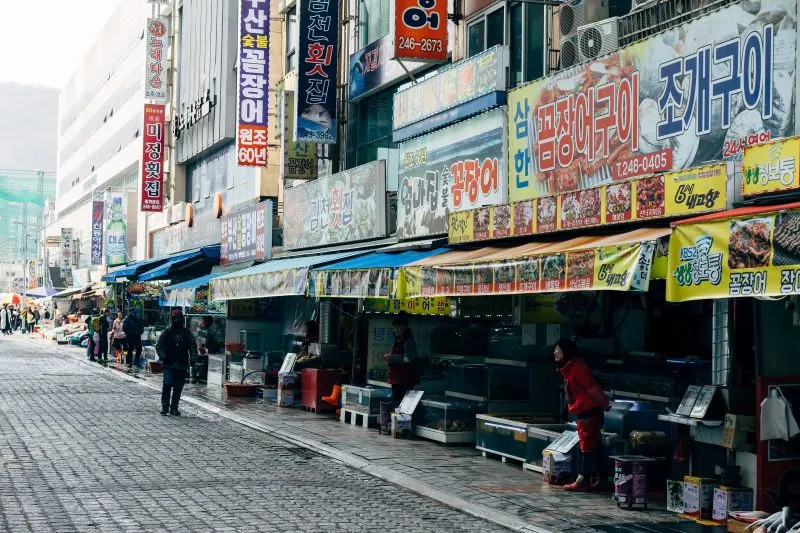
Shinsegae Centum City is a massive shopping complex located in Busan, South Korea. It is one of the largest department stores in the world and offers a wide range of shopping, dining, and entertainment options, making it a must-visit destination for shoppers and leisure seekers.
As you step into Shinsegae Centum City, you’ll be greeted by a luxurious and modern shopping environment. The complex spans an impressive area and features multiple floors dedicated to various retail categories.
From high-end luxury brands to popular international and local labels, you’ll find a vast selection of fashion, accessories, cosmetics, and more.
The department store prides itself on providing a premium shopping experience, offering top-notch customer service and beautifully curated displays. The stores are well-organized, making it easy to navigate and explore the diverse range of products available.
Aside from fashion and beauty, Shinsegae Centum City also boasts sections dedicated to home decor, electronics, books, and gourmet food. You can find a wide array of household items, gadgets, books, and culinary delights from both local and international brands.
One of the standout features of the complex is the luxurious food court, which offers an impressive selection of local and international cuisines.
From Korean delicacies to Japanese sushi, Italian pasta, and more, you can satisfy your taste buds with a diverse range of flavors. The food court provides a comfortable and stylish setting to relax and enjoy your meal amidst the shopping experience.
Shinsegae Centum City is not just about shopping. The complex offers various entertainment options as well. It houses a multiplex cinema where you can catch the latest movies in state-of-the-art theaters. Additionally, there are dedicated spaces for recreational activities like bowling and arcade games, ensuring that visitors of all ages can find something enjoyable to do.
The architecture and design of the complex are also impressive. The exterior of Shinsegae Centum City is a sleek and modern structure, while the interior features elegant and contemporary design elements. The wide, spacious halls and stylish decor add to the overall luxurious ambiance of the complex.
Located within Centum City, an urban development district in Busan, the shopping complex is surrounded by other attractions and landmarks.
These include the Busan Cinema Center, the Busan Museum of Art, and the Centum City Park, offering visitors opportunities to explore the surrounding area and enjoy additional cultural experiences.
Whether you are a dedicated shopper, a food enthusiast, or simply looking for entertainment options, Shinsegae Centum City provides a one-stop destination for all your needs.
With its impressive selection of stores, stylish ambiance, and range of amenities, it promises a memorable and enjoyable experience for visitors of all tastes.
10. Take a ride on the Busan Air Cruise: Enjoy a scenic cable car ride with panoramic views of Busan


The Busan Air Cruise is a unique attraction in Busan, South Korea, that offers visitors a breathtaking aerial view of the city’s stunning landscapes and landmarks. It is a cable car system that takes passengers on a scenic ride through the sky, providing a memorable and panoramic perspective of Busan’s beauty.
The cable car ride begins at Songdo Beach, located in the western part of Busan. Passengers board the cable car and are gently lifted into the air, offering a bird’s-eye view of the surrounding area.
The cable car cabins are spacious and equipped with large windows, allowing for unobstructed views of the landscapes below.
As the cable car ascends, passengers are treated to breathtaking vistas of the ocean, the coastline, and the cityscape. You can marvel at the turquoise waters of the sea, the sandy beaches, and the rugged cliffs that characterize Busan’s coastal charm. On clear days, you might even catch a glimpse of distant islands dotting the horizon.
One of the highlights of the Busan Air Cruise is the panoramic view of the iconic Busan Harbor Bridge. This impressive bridge stretches across the city’s harbor, connecting the neighborhoods of Yeongdo and Nam-gu.
The cable car ride provides an unparalleled view of the bridge, showcasing its architectural beauty and the bustling maritime activities beneath it.
The ride also takes you over lush green hills, offering scenic vistas of Busan’s natural landscapes. You can admire the dense forests, rolling hills, and vibrant foliage, especially during the autumn season when the leaves transform into vibrant hues of red, orange, and yellow.
At the end of the cable car journey, passengers disembark at Amnam Park. This hilltop park provides a peaceful and serene environment, with walking paths and observation decks that offer stunning views of Busan’s skyline and the sea. It’s an excellent opportunity to capture memorable photographs or simply enjoy the tranquil surroundings.
The Busan Air Cruise is not only a thrilling and enjoyable experience but also an opportunity to appreciate the city’s beauty from a unique perspective.
The combination of the cable car ride, the breathtaking vistas, and the fresh sea breeze create a truly unforgettable adventure.
Whether you’re a nature enthusiast, a photography lover, or simply seeking a memorable experience, the Busan Air Cruise provides a scenic and immersive journey through Busan’s captivating landscapes, allowing you to see the city from a whole new angle.
11. Visit the Busan Tower: Climb to the top for a panoramic view of the city

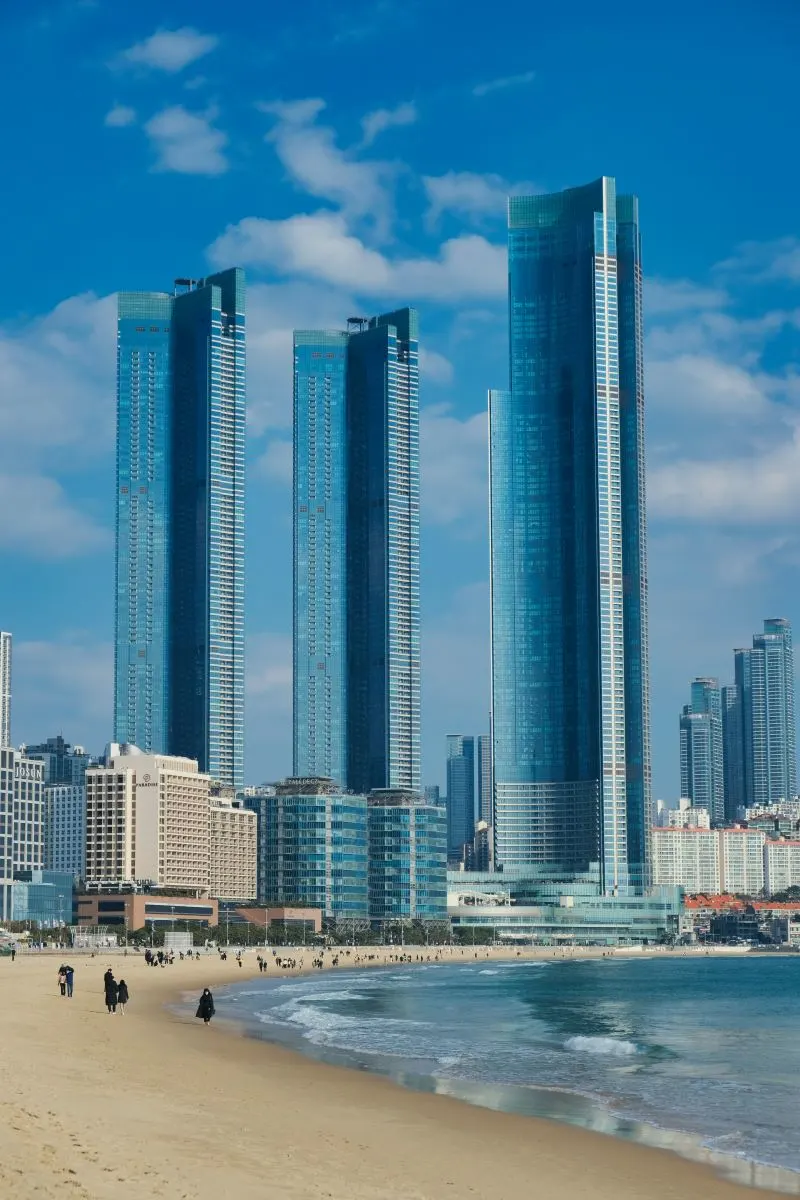
The Busan Tower, also known as Yongdusan Tower, is an iconic landmark located in the heart of Busan, South Korea. Standing at a height of 120 meters, it offers visitors a spectacular panoramic view of the city’s skyline and surrounding landscapes.
Perched atop Yongdusan Park, the Busan Tower is a symbol of the city’s growth and development. The tower itself is an architectural marvel, with its sleek and modern design. It has become a popular tourist attraction, drawing visitors from all over the world.
To reach the top of the tower, visitors can take an elevator that ascends to the observatory deck. As you step out onto the deck, you’ll be greeted by awe-inspiring vistas that stretch as far as the eye can see.
The panoramic views from the Busan Tower allow you to admire the city’s urban sprawl, the sparkling waters of the harbor, and the surrounding mountains.
On a clear day, you can enjoy stunning views of the iconic Busan Harbor Bridge, the bustling port, and the dynamic cityscape. At night, the city lights up, creating a magical ambiance as you gaze upon the twinkling lights below.
Aside from the breathtaking views, the Busan Tower also offers various attractions within its premises. On the ground floor, you’ll find a souvenir shop where you can purchase unique mementos to remember your visit.
Additionally, there are several cafes and restaurants where you can relax and enjoy refreshments while taking in the stunning vistas.
At the base of the tower, you’ll also find a vibrant plaza that often hosts cultural performances, events, and festivals. This adds to the lively atmosphere and provides an opportunity to experience Busan’s cultural scene while visiting the tower.
Yongdusan Park, where the Busan Tower is located, is a beautiful green space that offers a tranquil escape from the bustling city below. The park features walking paths, gardens, and historical monuments, allowing visitors to explore and relax in a serene environment.
Whether you’re a photography enthusiast, a sightseeing adventurer, or simply looking for a peaceful retreat, visiting the Busan Tower offers a remarkable experience.
It provides a bird’s-eye view of the city’s grandeur, immerses you in the vibrant culture of Busan, and offers a moment of tranquility in the midst of urban life.
12. Explore the Busan International Film Festival (BIFF) Square: See the handprints of famous actors and enjoy the vibrant atmosphere


The Busan International Film Festival (BIFF) Square is a vibrant cultural and entertainment hub located in the heart of Busan, South Korea. It is a lively pedestrian area that serves as the epicenter of the renowned Busan International Film Festival and offers visitors a unique experience blending cinema, art, and urban life.
BIFF Square is a bustling street lined with shops, cafes, restaurants, and theaters. It stretches for approximately 428 meters and is adorned with numerous film-related sculptures, murals, and decorations, creating an atmosphere of creativity and excitement.
One of the highlights of BIFF Square is its connection to the Busan International Film Festival, one of the most prestigious film festivals in Asia.
The festival takes place annually in October and attracts filmmakers, actors, industry professionals, and film enthusiasts from around the world. During the festival, BIFF Square comes alive with various film screenings, red carpet events, exhibitions, and outdoor performances, creating a vibrant and festive atmosphere.
Even outside the festival period, BIFF Square retains its cultural charm and offers visitors plenty to explore. The street is adorned with handprints and signatures of famous actors and directors who have attended the festival in previous years.
These imprints serve as a testament to the rich cinematic history and the international significance of the Busan International Film Festival.
As you stroll along BIFF Square, you’ll encounter a wide range of shops, from trendy boutiques to souvenir stores, offering unique and diverse merchandise.
You can find film-related memorabilia, local handicrafts, fashion items, and a variety of snacks and street food to satisfy your cravings.
The square is also home to numerous theaters and art galleries where you can immerse yourself in the world of cinema and visual arts. You can catch screenings of independent films, art exhibitions, and cultural performances, further enhancing your cultural experience.
BIFF Square is not just about film and art; it’s also a hub of culinary delights. You’ll find an array of restaurants, cafes, and food stalls offering a wide range of cuisines, from Korean street food to international flavors. It’s an excellent opportunity to indulge in local delicacies and experience the vibrant food scene of Busan.
BIFF Square’s lively atmosphere, unique artistic ambiance, and its connection to the Busan International Film Festival make it a must-visit destination for film enthusiasts, art lovers, and those seeking a vibrant urban experience.
Whether you’re exploring during the festival or visiting at any other time of the year, BIFF Square is sure to leave you captivated by its cultural energy and creative spirit.
13. Visit the UN Memorial Cemetery: Pay respects to the fallen soldiers and learn about the Korean War

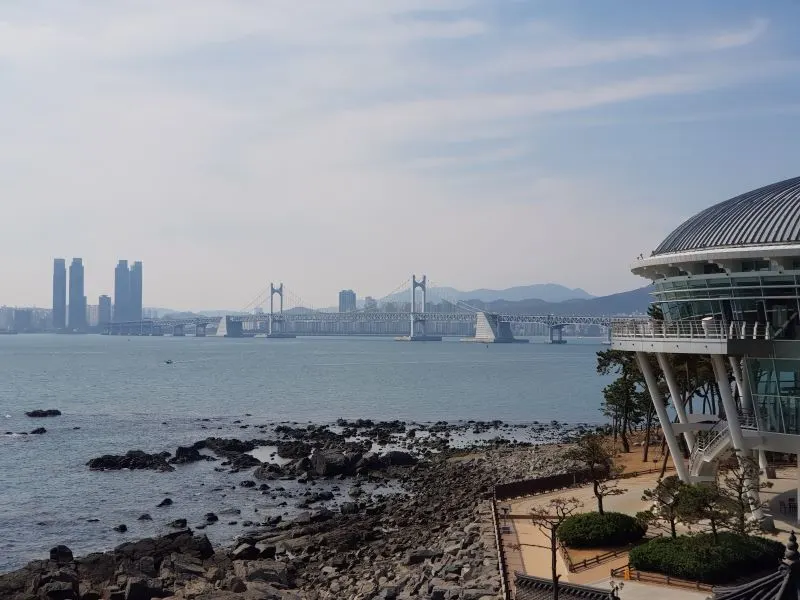
The UN Memorial Cemetery in Busan, South Korea, is a solemn and significant site that commemorates the sacrifices made by United Nations forces during the Korean War. It serves as a memorial and final resting place for the soldiers who lost their lives in the conflict.
The cemetery is located in the lush green hills of Busan, providing a serene and tranquil setting for remembrance. It covers an area of approximately 35 acres and is meticulously maintained, creating a peaceful and respectful atmosphere.
As you enter the UN Memorial Cemetery, you’ll be greeted by beautifully landscaped gardens, pathways, and rows of memorial stones.
The cemetery is designed to honor the soldiers from 16 different nations who fought and perished in the Korean War. The graves are arranged in an orderly manner, each marked with a white marble headstone engraved with the soldier’s name, nationality, and date of death.
The memorial park within the cemetery features a central monument that pays tribute to the fallen soldiers. The monument is adorned with the emblem of the United Nations and serves as a symbol of unity and peace.
Surrounding the monument are walls engraved with the names of the soldiers who could not be individually identified or whose remains were never recovered.
One of the notable features of the UN Memorial Cemetery is the peaceful atmosphere it provides for reflection and contemplation.
The meticulously maintained gardens, the gentle sound of rustling leaves, and the panoramic views of the surrounding hills contribute to a sense of tranquility.
Visitors can explore the cemetery grounds at their own pace, paying their respects to the fallen soldiers and reflecting on the human cost of war.
There are also informational displays and plaques that provide historical context and information about the United Nations’ involvement in the Korean War.
The UN Memorial Cemetery is not only a place of remembrance but also a site for ongoing commemorative events. Memorial services and ceremonies are held regularly, particularly on significant anniversaries or holidays, to honor the soldiers and promote peace and reconciliation.
The cemetery also serves as a testament to the enduring friendship between the nations that contributed forces to the United Nations effort during the Korean War. It stands as a reminder of the importance of international cooperation and the pursuit of peace in the face of adversity.
A visit to the UN Memorial Cemetery offers a chance to pay homage to the soldiers who made the ultimate sacrifice and to gain a deeper understanding of the history and impact of the Korean War.
It provides a solemn and humbling experience, fostering a sense of gratitude and promoting reflection on the value of peace and international cooperation.
14. Take a walk through Dalmaji-gil Road: Enjoy beautiful views of the ocean and cherry blossoms (during spring)


Dalmaji-gil Road, also known as Dalmaji Hill, is a picturesque walking trail located in the Haeundae district of Busan, South Korea. It is renowned for its scenic beauty, tranquil atmosphere, and stunning views of the ocean and surrounding landscapes.
The name “Dalmaji” translates to “moon-viewing” in Korean, and the road lives up to its name by offering enchanting vistas during moonlit nights. However, it is equally captivating during the daytime, providing visitors with a refreshing and enjoyable walking experience.
The road winds along the hills of Dalmaji, which are covered in beautiful trees and greenery. As you stroll along the path, you’ll be surrounded by a peaceful and serene environment, away from the hustle and bustle of the city. The gentle sea breeze and the melodious sounds of nature create a calming atmosphere that invites you to relax and appreciate the natural beauty around you.
Dalmaji-gil Road is particularly famous for its cherry blossoms in spring. During this season, the road is adorned with blooming cherry blossom trees, creating a romantic and dreamlike ambiance.
The delicate pink petals form a canopy overhead, and the ground is carpeted with a soft layer of fallen blossoms, making it a perfect destination for nature lovers and photographers.
As you continue walking along the road, you’ll be treated to breathtaking views of the coastline and the sparkling waters of the ocean.
The panoramic vistas provide a stunning backdrop, especially during sunrise and sunset when the sky is painted with vibrant hues of orange, pink, and purple. These magical moments offer an opportunity to witness the beauty of nature in all its splendor.
Dalmaji-gil Road is not just about natural beauty; it is also dotted with charming cafes, art galleries, and boutiques. You can take a break from your walk and enjoy a cup of coffee while soaking in the scenic views.
The cafes and galleries often feature local artwork and exhibitions, adding an artistic touch to the overall experience.
The road is also home to several popular attractions, including the Busan Museum of Art and the Nurimaru APEC House, which are worth a visit if you’re interested in culture and history.
Whether you’re seeking a peaceful walk, a romantic outing, or simply a place to enjoy the beauty of nature, Dalmaji-gil Road offers a delightful experience.
Its scenic charm, serene atmosphere, and captivating views make it a must-visit destination for anyone looking to connect with nature and enjoy the serenity of Busan’s coastal landscapes.
15. Explore the Yongdusan Park: Visit the iconic Busan Tower and enjoy the park’s peaceful ambiance

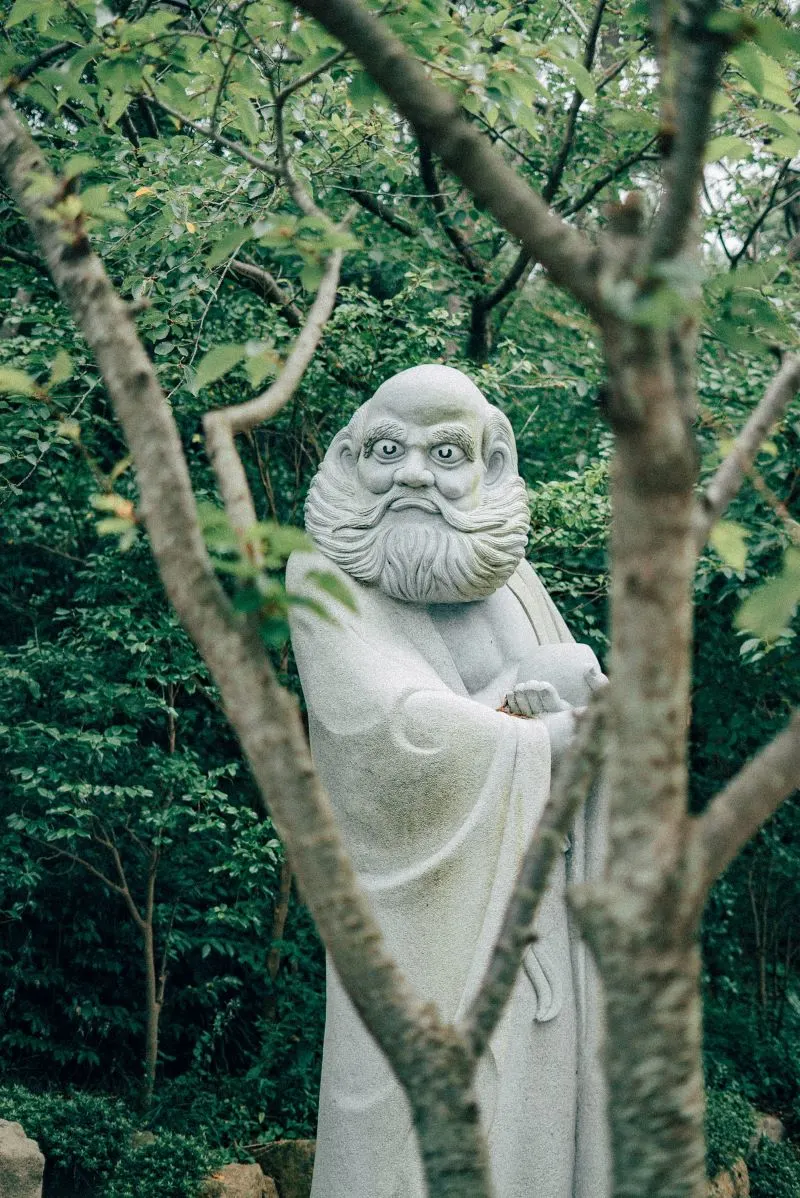
Yongdusan Park is a scenic and historic park located in the heart of Busan, South Korea. It is a popular destination for locals and tourists alike, offering a tranquil oasis amidst the bustling cityscape.
Yongdusan Park sits atop Yongdusan Mountain, which translates to “Dragon’s Head Mountain” in Korean. As you ascend to the park, you’ll be greeted by lush greenery, winding paths, and beautifully landscaped gardens.
The park covers an area of approximately 69,000 square meters, providing ample space to relax, unwind, and enjoy nature.
One of the main attractions within Yongdusan Park is the iconic Busan Tower, which stands tall at the summit of the mountain.
The tower offers visitors a panoramic view of the city’s skyline, the surrounding mountains, and the vast expanse of the sea. You can take an elevator to the observation deck and marvel at the breathtaking vistas that stretch as far as the eye can see.
Aside from the Busan Tower, Yongdusan Park boasts various other attractions and landmarks. One notable feature is the statue of Yi Sun-sin, a revered admiral from the Joseon Dynasty who is celebrated for his naval victories against Japanese invaders. The statue pays homage to his contributions and serves as a symbol of bravery and resilience.
As you explore the park, you’ll come across tranquil gardens adorned with vibrant flowers, decorative sculptures, and serene ponds.
These elements create a peaceful atmosphere, making it an ideal place to take a leisurely stroll, have a picnic, or simply sit back and enjoy the tranquility.
Yongdusan Park is also home to several historic and cultural sites. The 7-story pagoda, known as the “Cheokhwabi,” is a notable structure that represents the spirit of Buddhism. It serves as a reminder of Busan’s rich cultural heritage.
Throughout the year, Yongdusan Park hosts various festivals and events, adding to its vibrant atmosphere. These include traditional performances, music concerts, and cultural exhibitions, offering visitors a chance to immerse themselves in Busan’s cultural scene.
Another highlight of Yongdusan Park is the convenient access it provides to nearby attractions. Located in the heart of the city, it is within walking distance of bustling markets, shopping districts, and historical landmarks. This makes it an excellent starting point for exploring Busan and its surrounding areas.
Whether you’re seeking natural beauty, historical landmarks, or a peaceful retreat in the heart of the city, Yongdusan Park offers a delightful experience.
Its harmonious blend of nature, culture, and scenic views creates a captivating atmosphere that invites visitors to relax, explore, and appreciate the beauty of Busan.
16. Visit the Busan Modern History Museum: Discover Busan’s modern history and its role in international trade

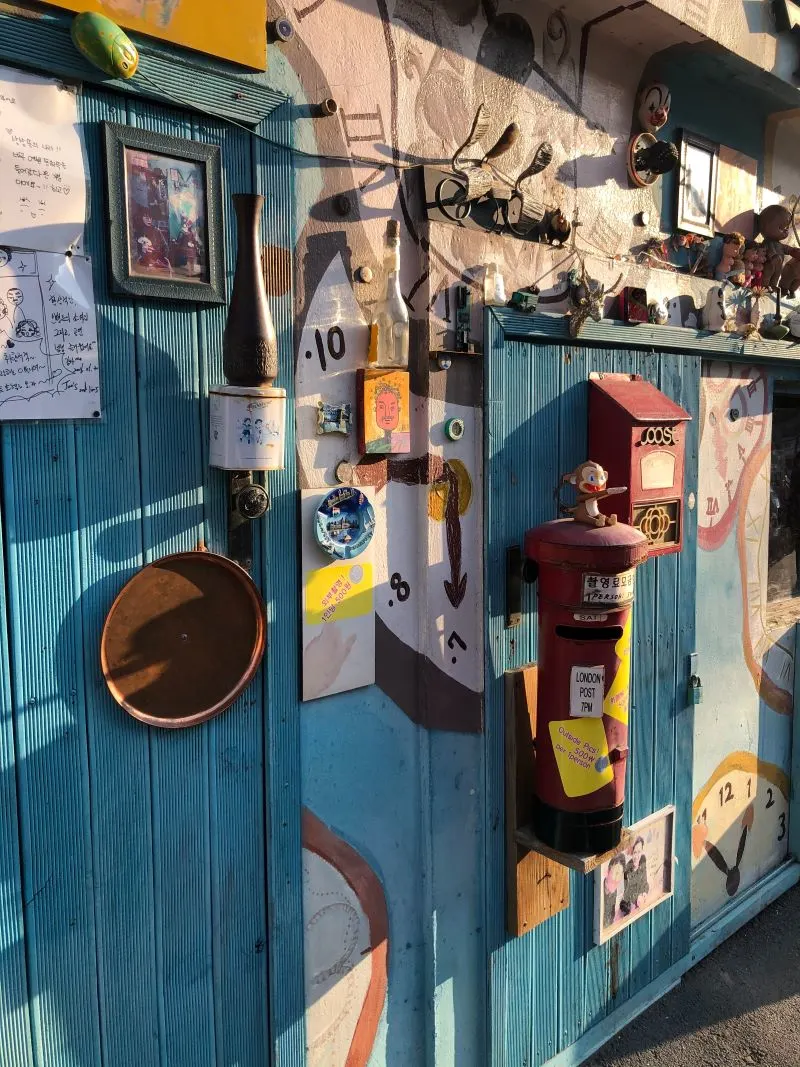
The Busan Modern History Museum is a fascinating museum located in Busan, South Korea, that showcases the city’s rich history and development during the modern era. It provides visitors with a comprehensive understanding of Busan’s transformation from a small fishing village to a bustling metropolis.
The museum is housed in a modern and architecturally striking building, offering a visually appealing experience from the moment you arrive. Inside, you’ll find a variety of exhibits, artifacts, and multimedia displays that take you on a journey through Busan’s history.
The museum’s exhibits are thoughtfully curated and cover a wide range of topics. They provide insights into various aspects of Busan’s development, including its economic growth, cultural heritage, urbanization, and contributions to the nation’s industrial and maritime industries.
As you explore the museum, you’ll encounter immersive displays that bring the city’s history to life. These may include interactive exhibits, dioramas, historical photographs, and audiovisual presentations.
Through these engaging displays, you can learn about the city’s past, the challenges it faced, and the achievements it celebrated.
The Busan Modern History Museum also showcases the unique cultural heritage of the region. It sheds light on the customs, traditions, and lifestyles of the people of Busan throughout different periods.
You’ll have the opportunity to gain insights into the local culture, including traditional crafts, performing arts, and religious practices.
Additionally, the museum often hosts special exhibitions that delve into specific themes or periods of Busan’s history. These temporary exhibits offer a deeper exploration of certain aspects and provide a fresh perspective on the city’s past.
One of the highlights of visiting the Busan Modern History Museum is the chance to interact with knowledgeable staff members who can provide further insights and answer your questions.
They are dedicated to enhancing your museum experience and ensuring that you leave with a deeper understanding and appreciation of Busan’s history.
Whether you’re a history enthusiast, a culture lover, or simply curious about Busan’s past, the Busan Modern History Museum offers a valuable and engaging experience. It invites visitors to explore, learn, and connect with the city’s vibrant history and cultural heritage.
17. Explore the Songdo Skywalk: Walk along a glass bridge extending over the ocean and enjoy the stunning views


The Songdo Skywalk is a unique attraction in Busan, South Korea, that offers visitors a thrilling experience of walking above the ocean. It is a pedestrian bridge that extends out into the sea, providing panoramic views of the coastline and the surrounding natural beauty.
Located in Songdo Beach, the Skywalk is designed to give visitors the sensation of walking on water. As you step onto the glass-bottomed walkway, you’ll be greeted with awe-inspiring views of the turquoise waters beneath your feet.
The transparent floor allows you to see the ocean and marine life below, creating a sense of exhilaration and a memorable experience.
The Songdo Skywalk stretches for approximately 365 meters, providing ample space for leisurely strolls and photo opportunities.
As you walk along the bridge, you can admire the vastness of the ocean, feel the refreshing sea breeze, and enjoy the panoramic vistas of the surrounding cliffs and rocky coastline.
The Skywalk is also lined with various observation decks and rest areas where you can pause to take in the scenery or capture stunning photographs. These vantage points offer unobstructed views of the sea, the coastal landscape, and the distant horizon, making it an ideal spot for photographers and nature enthusiasts.
In addition to the captivating ocean views, the Songdo Skywalk is adorned with artistic sculptures and decorative elements that add to its charm. The combination of art, nature, and the thrill of walking on a glass-bottomed bridge creates a unique and memorable experience.
Nearby the Skywalk, you’ll find a lively promenade area with restaurants, cafes, and street food vendors. It’s a great opportunity to indulge in local delicacies, savor seafood dishes, or simply enjoy a refreshing beverage while taking in the coastal atmosphere.
Whether you’re seeking an adventure, a romantic outing, or a unique way to experience the beauty of the ocean, the Songdo Skywalk offers a captivating and exhilarating experience. It allows you to immerse yourself in the natural splendor of Busan’s coastline while creating memories that will last a lifetime.
18. Visit the Busan Museum of Art: Admire contemporary and traditional artworks by local and international artists


The Busan Museum of Art is a prominent cultural institution located in Busan, South Korea, dedicated to promoting and showcasing contemporary art. It is a vibrant and dynamic space that offers visitors an opportunity to explore a diverse range of artistic expressions.
The museum is housed in a modern and architecturally impressive building, which itself is a work of art. Its sleek design and spacious galleries provide an ideal setting for the display and appreciation of various forms of contemporary art.
The Busan Museum of Art hosts a wide array of exhibitions throughout the year, featuring works by local, national, and international artists.
These exhibitions cover a broad spectrum of artistic mediums, including painting, sculpture, photography, video art, installations, and multimedia presentations. The museum’s dynamic exhibition schedule ensures that there is always something new and exciting to discover during your visit.
The museum’s permanent collection showcases a diverse range of contemporary artworks that reflect the artistic heritage and trends of Busan and the wider region.
The collection includes both established and emerging artists, providing visitors with an opportunity to engage with the local art scene and gain insights into contemporary artistic practices.
In addition to exhibitions, the Busan Museum of Art offers various educational programs and events. These may include artist talks, workshops, seminars, and guided tours that aim to deepen visitors’ understanding and appreciation of contemporary art.
These programs provide a valuable opportunity to engage with artists, learn about their creative processes, and explore different art forms.
The museum also features spacious and well-designed public areas, including an outdoor sculpture garden and a rooftop terrace. These spaces provide visitors with a chance to relax, enjoy the surrounding scenery, and reflect on the art they have encountered during their visit.
Whether you’re an art enthusiast, a casual observer, or simply curious about contemporary artistic expressions, the Busan Museum of Art offers a vibrant and immersive experience. It invites visitors to explore, appreciate, and engage with the dynamic world of contemporary art in Busan.
19. Discover the Taejongdae Resort Park: Take a tour of the cliffs, enjoy the scenic views, and visit the observatory

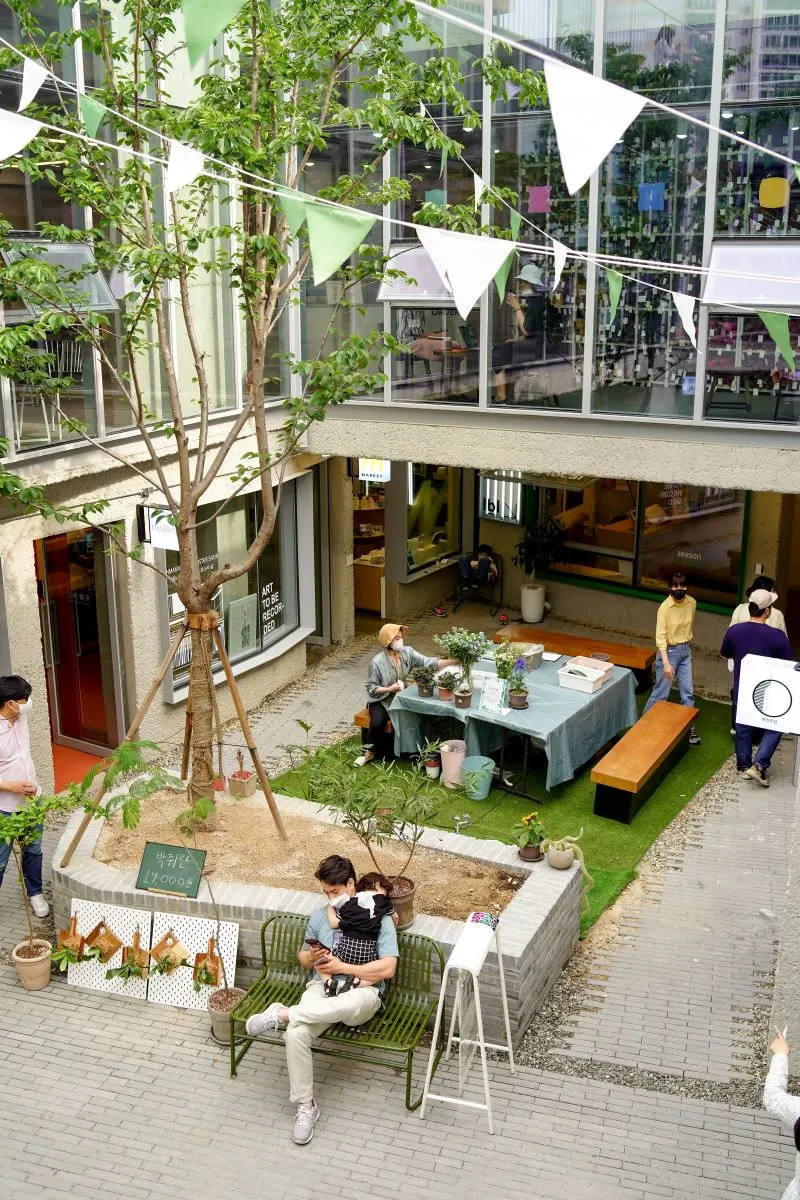
Taejongdae Resort Park is a picturesque and natural attraction located in Busan, South Korea. It is a stunning coastal park that offers visitors a blend of breathtaking landscapes, cultural attractions, and outdoor activities.
The park is named after King Taejong, the third king of the Joseon Dynasty, who was said to have enjoyed the scenic beauty of the area during his reign. Taejongdae Resort Park covers an expansive area, characterized by rugged cliffs, dense forests, and panoramic ocean views.
One of the highlights of Taejongdae is its majestic cliffs that tower above the sea. These cliffs, formed over centuries of erosion, offer dramatic vistas and create a sense of awe-inspiring natural beauty. As you explore the park, you’ll come across several observation decks and viewpoints that provide stunning panoramic views of the coastline, the open sea, and the distant islands.
Within the park, there are several walking trails and pathways that lead visitors through the lush forested areas. These trails offer opportunities for leisurely hikes, nature walks, and tranquil moments amidst the serene surroundings.
As you wander through the park, you’ll encounter various plant species, including pine trees, cherry blossoms (during the spring season), and other flora native to the region.
Taejongdae is also home to several cultural and historical landmarks. One notable site is the Taejongsa Temple, a small Buddhist temple nestled amidst the trees.
The temple exudes a tranquil atmosphere and offers visitors a chance to explore its intricate architecture and beautiful gardens.
Another highlight of Taejongdae is the Danubi Train, a charming mini-train that takes visitors on a leisurely ride through the park. The train ride offers a convenient way to explore the park’s key attractions and enjoy the scenic views from a different perspective.
The park also features a lighthouse, known as the Taejongdae Lighthouse, which has become a symbol of the area. The lighthouse stands tall on a rocky promontory, providing a picturesque backdrop for photos and adding to the park’s coastal charm.
For those seeking a moment of relaxation, there are various picnic areas and benches scattered throughout the park where visitors can sit back, unwind, and enjoy a picnic or simply soak in the peaceful ambiance.
Taejongdae Resort Park is not just a natural attraction; it offers a complete experience with a range of facilities and amenities. These include restaurants, cafes, and souvenir shops where you can indulge in local cuisine and purchase unique mementos of your visit.
Whether you’re a nature lover, a history enthusiast, or simply seeking a tranquil escape, Taejongdae Resort Park is a must-visit destination in Busan. Its stunning cliffs, serene forested areas, cultural landmarks, and sweeping ocean views create a captivating and unforgettable experience for visitors of all ages.
20. Explore the Busan Citizens Park: Relax in a peaceful park setting, perfect for picnics or leisurely walks

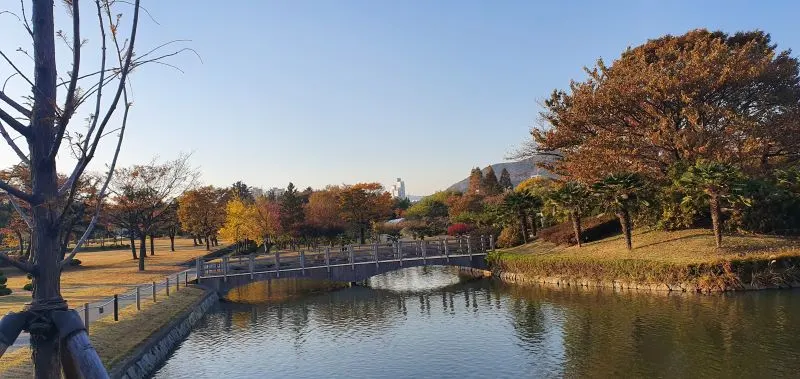
Busan Citizens Park is a beautiful urban park located in Busan, South Korea. It is a sprawling green space that offers visitors a peaceful retreat from the bustling city and a variety of recreational activities.
Spanning over 71 hectares, Busan Citizens Park is one of the largest parks in the city. It was once the site of a former landfill, but it has been transformed into a vibrant and eco-friendly park that caters to the needs and interests of its citizens and visitors.
The park is characterized by lush greenery, scenic walking paths, and beautifully landscaped gardens. As you enter the park, you’ll be greeted by a serene and tranquil atmosphere. The well-maintained pathways invite visitors to take leisurely walks, go for a jog, or simply enjoy the natural surroundings.
One of the notable features of Busan Citizens Park is the abundance of trees and plants. The park is home to a diverse range of flora, including cherry blossom trees, pine trees, and various seasonal flowers that create a vibrant and colorful atmosphere throughout the year.
The changing seasons bring different hues and scents, providing a delightful experience for nature enthusiasts.
The park also boasts several themed gardens that showcase different plant species and landscape designs. These gardens offer a chance to appreciate the beauty of nature in various settings, from traditional Korean gardens to contemporary flower beds. They are ideal for relaxation, photography, or simply immersing oneself in the tranquility of the surroundings.
Busan Citizens Park is not just about green spaces; it also features various recreational facilities. There are open spaces for picnics, sports fields for activities like soccer and baseball, and playgrounds for children.
The park provides a perfect setting for families, friends, and individuals to engage in outdoor activities and enjoy quality time together.
For art enthusiasts, the park is home to the Busan Museum of Art, which showcases contemporary artworks and hosts temporary exhibitions. The museum is a cultural hub within the park and offers visitors an opportunity to engage with the vibrant art scene in Busan.
In addition to the natural and recreational attractions, Busan Citizens Park often hosts events and festivals throughout the year. These may include cultural performances, music concerts, and outdoor exhibitions, adding to the vibrant atmosphere of the park.
Whether you’re seeking a peaceful escape, a place to exercise, or a cultural experience, Busan Citizens Park has something for everyone.
Its lush greenery, well-designed landscapes, and range of amenities make it a beloved destination for locals and tourists alike. It offers a chance to connect with nature, engage in recreational activities, and enjoy the beauty of Busan’s urban oasis.
21. Visit the Busan Aquarium: Explore the diverse marine life through various exhibits and interactive displays


The Busan Aquarium is a popular tourist attraction located in Busan, South Korea. It is a modern and immersive aquarium that offers visitors a fascinating journey into the underwater world, showcasing a diverse range of marine life from around the globe.
The aquarium is located in the Haeundae area, near Haeundae Beach, making it easily accessible for both locals and tourists. It is housed in a large and architecturally impressive building, designed to resemble a wave, adding to the overall aesthetic appeal.
Upon entering the Busan Aquarium, visitors are greeted with a captivating underwater experience. The aquarium is divided into various themed zones, each representing a different aquatic environment.
As you explore the different zones, you’ll encounter a wide array of marine species, from colorful tropical fish to majestic sharks and graceful sea turtles.
The highlight of the Busan Aquarium is its large and immersive tanks, which allow visitors to observe marine creatures up close.
These tanks simulate the natural habitats of the marine animals, providing a realistic and captivating experience. You can marvel at the vibrant coral reefs, watch schools of fish swim gracefully, and even witness captivating feeding sessions.
The aquarium also offers interactive experiences and educational displays. Visitors can participate in touch tanks, where they can gently interact with certain marine species, such as starfish or rays.
There are also informative exhibits that provide insights into the conservation efforts and environmental challenges facing marine ecosystems.
Throughout the day, the Busan Aquarium hosts various shows and performances that showcase the natural behaviors and skills of marine animals. These entertaining and educational presentations include dolphin shows, seal shows, and even diving demonstrations.
In addition to the underwater exhibits, the Busan Aquarium features other attractions and amenities. There are cafes and restaurants where visitors can enjoy a meal or a refreshing drink, as well as souvenir shops where you can find unique mementos to remember your visit.
The Busan Aquarium is not only a fascinating attraction for families and marine enthusiasts but also an educational resource that promotes awareness and conservation of marine life.
It provides a memorable and immersive experience that allows visitors to appreciate the beauty and diversity of the underwater world.
Whether you’re a nature lover, an animal enthusiast, or simply seeking an entertaining and educational experience, a visit to the Busan Aquarium offers an enchanting journey into the depths of the ocean and a chance to connect with the wonders of marine life.
22. Explore the Bosu-dong Book Street: Browse through the charming bookstores and enjoy a cup of coffee


Bosu-dong Book Street is a charming and unique destination located in Busan, South Korea. It is a quaint neighborhood dedicated to books and literature, offering a delightful haven for book lovers and a glimpse into the rich literary culture of the city.
Nestled in the historic Bosu-dong area, the book street is a narrow alley lined with small independent bookstores, secondhand bookshops, and literary cafes.
As you step onto the street, you’ll be greeted by rows of bookshelves filled with a diverse selection of books, ranging from bestsellers to rare and out-of-print editions.
The atmosphere on Bosu-dong Book Street is cozy and inviting. The bookstores are often small and intimate, creating a warm and nostalgic ambiance. The owners and staff are knowledgeable and passionate about literature, and they are happy to assist visitors in finding their next great read or engaging in literary discussions.
The bookstores in Bosu-dong Book Street cater to various interests and genres. You can find stores specializing in Korean literature, international bestsellers, poetry, history, art, and much more.
Whether you’re a voracious reader, a collector of rare books, or simply looking for a new adventure in literature, Bosu-dong Book Street has something to offer.
Apart from the bookstores, the street is adorned with charming cafes and small eateries where you can take a break, sip a cup of coffee, and immerse yourself in the world of words.
Many of these cafes have cozy reading corners, allowing you to enjoy your favorite book while savoring a hot beverage or a tasty treat.
The ambiance of Bosu-dong Book Street is enhanced by its traditional architecture and picturesque surroundings. The area is dotted with hanok-style buildings, traditional Korean houses, and narrow alleyways, creating a unique blend of old and new. It’s a place where you can lose yourself in the pages of a book while soaking in the charm of Busan’s cultural heritage.
Bosu-dong Book Street is not only a haven for book enthusiasts but also a cultural hub. The street often hosts literary events, book signings, author talks, and book fairs, attracting writers, scholars, and avid readers from near and far. These events provide opportunities to engage with the literary community and gain insights into the local literary scene.
Whether you’re searching for a hidden gem, seeking inspiration, or simply looking to spend a leisurely afternoon surrounded by books, Bosu-dong Book Street offers a unique and enchanting experience.
It’s a place where you can lose track of time, explore the literary treasures of Busan, and discover the joy of getting lost in the pages of a good book.
23. Experience the nightlife in Seomyeon: Explore the vibrant district filled with shops, restaurants, and entertainment venues

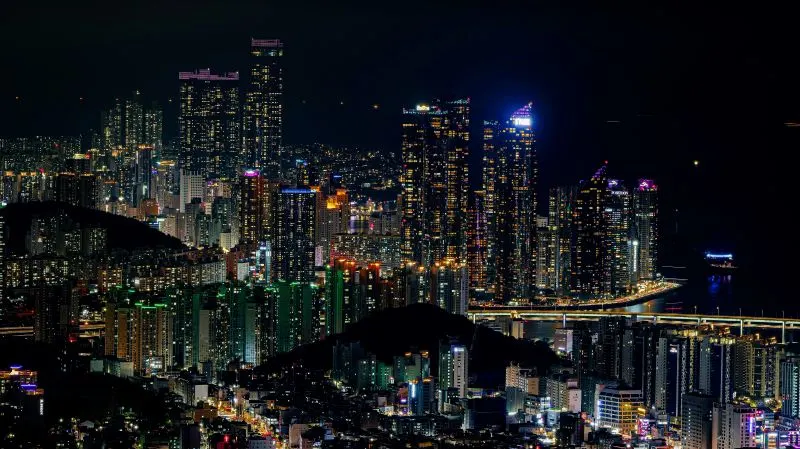
Seomyeon is a vibrant neighborhood in Busan, South Korea, known for its energetic atmosphere and bustling nightlife. It is a popular destination for locals and tourists alike, offering a wide range of entertainment options, lively streets, and a vibrant culinary scene.
As the sun sets, Seomyeon comes alive with an electric energy. The streets are lined with neon lights, illuminated signs, and a plethora of shops, restaurants, bars, and clubs.
The area is particularly known for its youthful and trendy vibe, attracting a diverse crowd of locals, students, and travelers looking to experience Busan’s nightlife.
One of the main draws of Seomyeon’s nightlife is its extensive range of dining options. You’ll find everything from traditional Korean cuisine to international flavors and trendy fusion restaurants. Whether you’re craving street food, barbecue, seafood, or vegetarian dishes, Seomyeon has it all. It’s a great place to indulge in a delicious meal before embarking on a night of fun and entertainment.
Seomyeon is also home to numerous bars and pubs, offering a wide variety of drink options. From trendy cocktail bars and craft beer establishments to lively sports bars and casual pubs, there’s something to suit every taste.
Many bars in the area have unique themes, live music performances, and a lively atmosphere, making them perfect for socializing, meeting new people, and enjoying a night out with friends.
For those looking to dance the night away, Seomyeon boasts a vibrant club scene. The area is dotted with clubs and lounges that cater to different music genres, from EDM and hip-hop to K-pop and live bands.
These clubs often feature talented DJs, energetic dance floors, and state-of-the-art sound systems, providing an unforgettable party experience.
Apart from dining, drinking, and dancing, Seomyeon also offers other entertainment options. You can find karaoke rooms, pool halls, and board game cafes where you can enjoy some friendly competition and laughter with friends. There are also arcade centers where you can challenge yourself with a variety of games and activities.
Seomyeon’s lively streets are a spectacle in themselves. As you stroll through the neighborhood, you’ll encounter vibrant crowds, street performers, and a lively atmosphere that truly captures the essence of Busan’s nightlife.
It’s worth noting that Seomyeon is conveniently located near public transportation, making it easily accessible for visitors. The area is well-connected, allowing you to explore other parts of Busan before or after experiencing the nightlife in Seomyeon.
Whether you’re looking for a night filled with food, drinks, music, or simply soaking in the energetic ambiance, Seomyeon offers a vibrant and unforgettable nightlife experience. It’s a place where you can let loose, embrace the lively atmosphere, and create lasting memories of your time in Busan.
24. Enjoy a traditional Korean spa (jjimjilbang) experience: Relax in hot tubs, saunas, and indulge in various spa treatments


Enjoying a traditional Korean spa, known as a jjimjilbang, is a unique and rejuvenating experience that allows you to immerse yourself in Korean culture and indulge in relaxation and wellness.
A jjimjilbang is a large public bathhouse that offers a wide range of facilities and services designed to promote health, cleansing, and rejuvenation. It is a popular activity for both locals and visitors in South Korea, and it’s an excellent way to unwind and recharge after a long day of exploring.
Upon entering a jjimjilbang, you’ll typically be provided with a locker key and a set of comfortable clothing, often referred to as a “jjimjilbang uniform.” After changing into the uniform, you can begin your spa journey.
The first step is to enter the gender-segregated bath area, where you’ll find a variety of hot and cold pools, saunas, and steam rooms.
These baths are usually filled with natural mineral water believed to have therapeutic benefits for the body and mind. You can soak in the warm waters, relax your muscles, and enjoy the soothing ambiance.
In addition to the baths, many jjimjilbangs offer various sauna rooms with different temperatures and themes. These saunas, called “jjimjil rooms,” are typically made of different materials like salt, clay, or wood, each providing unique health benefits. You can move from one room to another, experiencing the different temperatures and healing properties they offer.
One of the most distinctive features of a jjimjilbang is the communal area, where both genders can gather and enjoy additional amenities.
This area often includes heated floors, lounging spaces, and even sleeping rooms where you can rest and take a nap. You’ll find Koreans of all ages relaxing, chatting, and even playing traditional board games or watching TV together.
Many jjimjilbangs also provide additional services for an extra fee, such as body scrubs, massages, facials, and even hair salons. These services offer an opportunity to further indulge in self-care and pampering, leaving you feeling refreshed and rejuvenated.
To complete the experience, you can visit the dining area within the jjimjilbang. Here, you can savor a variety of Korean dishes, snacks, and beverages, ranging from traditional Korean cuisine to popular street food items. It’s a perfect opportunity to refuel your energy and taste the flavors of Korean culinary delights.
Visiting a jjimjilbang is not only about relaxation and rejuvenation but also a chance to immerse yourself in Korean culture and socialize with locals. It’s a space where people come together to unwind, take care of their well-being, and enjoy a sense of community.
When planning to visit a jjimjilbang, keep in mind that they are typically open 24 hours a day, allowing you to enjoy the experience at any time.
Whether you visit during the day or opt for an evening soak, a jjimjilbang experience offers a tranquil escape from the bustling city and a chance to indulge in traditional Korean wellness practices.
So, take some time to unwind, embrace the soothing waters, and embrace the tranquil atmosphere of a traditional Korean spa. The jjimjilbang experience promises relaxation, rejuvenation, and a deeper connection to Korean culture.
25. Visit the Busan National Science Museum: Engage in interactive exhibits and learn about science and technology


The Busan National Science Museum is a fascinating destination located in Busan, South Korea, offering a range of engaging exhibits and educational experiences that explore various scientific disciplines.
The museum is designed to inspire curiosity and promote learning in the fields of science and technology. It features interactive displays, hands-on activities, and multimedia presentations that cater to visitors of all ages.
Whether you’re a child, a student, or an adult with an interest in science, there is something for everyone to enjoy and discover.
Upon entering the museum, you’ll be greeted by a spacious and modern facility that houses a diverse collection of exhibits. The museum covers a wide range of scientific topics, including physics, biology, astronomy, earth sciences, and more.
Each exhibit is thoughtfully curated to provide informative and engaging experiences that make complex scientific concepts accessible and enjoyable.
One of the highlights of the Busan National Science Museum is its interactive exhibits. Visitors can participate in hands-on activities, experiments, and demonstrations that allow them to explore scientific principles firsthand.
From experimenting with gravity and electricity to observing the wonders of nature and the universe, the museum offers a dynamic and immersive learning environment.
The museum also features planetarium shows, where visitors can embark on virtual journeys through the cosmos and gain a deeper understanding of the universe. These shows utilize state-of-the-art technology to project stunning visuals and provide a captivating educational experience.
In addition to the exhibits, the Busan National Science Museum often hosts special exhibitions and temporary displays that delve into specific scientific themes or showcase the latest advancements in scientific research.
These exhibitions offer a chance to explore cutting-edge topics and stay up-to-date with the latest developments in the world of science.
For those interested in the natural world, the museum includes sections dedicated to fossils, geology, and wildlife. You can learn about the evolution of life on Earth, examine fossils from ancient creatures, and study the geological processes that have shaped our planet.
The Busan National Science Museum is not only a place for learning but also a center for scientific education and engagement.
It regularly organizes workshops, lectures, and educational programs that cater to schools, families, and science enthusiasts. These activities provide opportunities for further exploration, experimentation, and in-depth learning.
The museum is also surrounded by beautiful outdoor spaces, including gardens and green areas, where visitors can relax and enjoy the natural surroundings. It’s a perfect place to take a break and reflect on the wonders of science.
These are just some of the many wonderful things to do in Busan. The city offers a rich blend of cultural, historical, and natural attractions that cater to various interests.
Food In Busan


When it comes to culinary adventures, Busan, South Korea’s second-largest city, is a food lover’s paradise. Nestled along the southeastern coast, Busan offers a vibrant and diverse food scene that tantalizes the taste buds and showcases the rich flavors of Korean cuisine.
From fresh seafood straight from the bustling fish markets to sizzling street food stalls, Busan is a gastronomic journey waiting to be savored.
Seafood Galore:
As a coastal city, it’s no surprise that seafood takes center stage in Busan’s culinary landscape. The Jagalchi Fish Market, one of the largest seafood markets in Korea, is a must-visit destination for seafood enthusiasts. Here, you’ll find a dazzling array of live seafood, including fish, crabs, clams, and octopus.
The market also boasts numerous restaurants where you can sample the catch of the day prepared in various mouthwatering ways.
A highlight of Busan’s seafood offerings is the iconic dish called “hoe,” which is a Korean-style sashimi. Freshly sliced raw fish or shellfish is expertly prepared and served with a variety of dipping sauces. It’s a delightful experience to savor the delicate flavors and textures of the sea in each bite.
Street Food Extravaganza:
Busan’s streets come alive with vibrant street food stalls, offering an assortment of delectable treats. The bustling Gukje Market and BIFF Square are hotspots for street food lovers. Here, you can indulge in classics like hotteok (sweet Korean pancakes filled with brown sugar and nuts), tteokbokki (spicy rice cakes), and gimbap (seaweed rice rolls filled with a variety of ingredients).
For those craving a hearty snack, Busan’s famous “milmyeon” is a must-try dish. Milmyeon consists of chewy wheat noodles served in a refreshing and tangy broth, topped with thinly sliced vegetables and sometimes with spicy chili sauce. It’s a beloved local specialty that captures the essence of Busan’s culinary heritage.
Hearty Delights:
When it comes to comfort food, Busan delivers with its own regional dishes. One such dish is “dwaeji gukbap,” a flavorful pork soup served with rice. This satisfying and nourishing meal is made by simmering pork bones and meat for hours, resulting in a rich and savory broth that warms the soul.
Another popular Busan delicacy is “ssiat hotteok,” a twist on the traditional sweet pancake. Ssiat hotteok is filled with a mixture of seeds, such as peanuts, sunflower seeds, and sesame seeds, giving it a delightful crunch and nutty flavor. It’s the perfect street food snack to enjoy while exploring the city.
Cultural Fusion:
Busan’s food scene isn’t just limited to Korean cuisine. Thanks to its international influences and diverse population, the city offers a range of international flavors.
The vibrant neighborhoods of Gwangan and Seomyeon are known for their trendy restaurants, offering cuisines from around the world, including Japanese, Italian, Indian, and more. It’s a testament to Busan’s cosmopolitan nature and its ability to satisfy every craving.
From the freshest seafood to sizzling street food and a blend of international flavors, Busan is a haven for food enthusiasts. Exploring the culinary delights of this coastal city is an adventure that will leave you with a satisfied palate and a deeper appreciation for the diverse and delicious offerings of Korean cuisine.
So, pack your appetite and embark on a culinary journey through Busan’s vibrant markets, street food stalls, and restaurants for an unforgettable food experience you won’t soon forget.
Top 20 Best Restaurants In Busan, South Korea


- Daedo Sikdang (대도식당)
- Paragon (파라곤)
- Hiwajip (히와집)
- Busan Jib Gukbap (부산집국밥)
- Myeongga Dwaeji Gukbap (명가돼지국밥)
- Bibim Dangmyeon Milmyeon (비빔당면 밀면)
- Bokcheon Jogaegui (복천조개구이)
- Dongnae Halmae Nakji (동래할매낙지)
- Songdo Sashimi Alley (송도 회뜨기 골목)
- Podo Cheong (포도청)
- Jangeo-gui Alley (장어구이 골목)
- Yeontabal (연타발)
- Jejuga (제주가)
- Bulgogi Brothers (불고기브라더스)
- Choryang Milmyeon (초량 밀면)
- Haeundae Market (해운대 시장)
- Samjung Sikdang (삼정식당)
- Ssiat Hotteok Street (씨앗호떡거리)
- Busan Nakji Town (부산 낙지타운)
- Bexco Food Street (벡스코 푸드스트리트)
These restaurants offer a range of culinary experiences, including traditional Korean dishes, seafood specialties, street food, and international cuisine. Remember to check their operating hours, reservation policies, and reviews before visiting.
Transportation In Busan
- Metro: The Busan Metro is a reliable and efficient subway system that covers most areas of the city. It consists of six lines (Lines 1, 2, 3, 4, Busan-Gimhae Light Rail Transit, and Donghae Line), providing easy access to popular attractions, shopping districts, and residential areas. The metro operates from early morning until late at night, and the trains are known for being punctual and clean.
- Buses: Busan has an extensive bus network that connects various neighborhoods and destinations within the city. The buses are a convenient and affordable option for getting around, with different routes serving different areas. You can find regular city buses as well as express buses that provide faster transportation between major locations. Bus fares can be paid with a transportation card (T-money card) or in cash when boarding the bus.
- Taxis: Taxis are widely available in Busan and offer a convenient way to travel, especially for shorter distances or when public transportation options are limited. You can easily find taxis at designated taxi stands or hail them on the street. Most taxis in Busan are metered, and the drivers are generally reliable and knowledgeable about the city’s routes. However, it’s important to note that taxi fares can vary depending on the time of day and traffic conditions.
- KTX (Korea Train Express): If you’re looking to travel to other cities in South Korea or explore the country further, Busan is well-connected through the KTX high-speed train service. The Busan Station is a major transportation hub where you can catch KTX trains to Seoul, Gyeongju, Daegu, and other cities. The KTX offers a fast and comfortable way to travel long distances within South Korea.
- Ferries: Given its coastal location, Busan also serves as a gateway to nearby islands and international destinations via ferry services. The Busan International Passenger Terminal offers ferry connections to popular destinations such as Jeju Island and Japan. If you’re looking to explore the beautiful islands around Busan or embark on an international adventure, ferries are a convenient option.
- Rental Cars: Renting a car is another option for getting around Busan and exploring the surrounding areas at your own pace. There are several car rental companies available, and you can choose from a variety of vehicles based on your needs. However, it’s important to note that traffic in Busan can be congested, and parking can sometimes be challenging, especially in busy areas.
In addition to these modes of transportation, Busan also has dedicated bike lanes and bike rental services, making it possible to explore the city on two wheels. The city also promotes walking as a means of transportation, especially in areas with pedestrian-friendly streets and scenic walkways.
In conclusion, Busan, South Korea, offers a multitude of experiences that cater to a wide range of interests. From stunning beaches and vibrant cultural landmarks to delicious cuisine and a lively atmosphere, the city has something for everyone.
Whether you’re a nature lover, history enthusiast, foodie, or art aficionado, Busan invites you to explore its unique blend of traditional charm and modern development.
Immerse yourself in the beauty of Haeundae Beach, Gwangalli Beach, and Songdo Beach, where you can relax, soak up the sun, and enjoy various water activities. Discover the rich cultural heritage of Busan by visiting temples like Haedong Yonggungsa and Beomeosa, or exploring the colorful Gamcheon Culture Village.
Indulge in the local flavors at the vibrant Jagalchi Fish Market or sample street food delicacies at BIFF Square and Bosu-dong Book Street.
Take in panoramic views of the city from Busan Tower, explore the vibrant shopping scene at Shinsegae Centum City, and enjoy a ride on the Busan Air Cruise for breathtaking coastal vistas.
Engage with art and history at the Busan Museum, Busan Museum of Art, and Busan Modern History Museum. For nature lovers, Taejongdae Park, Dalmaji-gil Road, and Yongdusan Park offer serene settings and stunning views.
Experience the dynamic energy of the Busan International Film Festival (BIFF) Square and the bustling nightlife in Seomyeon.
Pay your respects at the solemn UN Memorial Cemetery and take a day trip to Gyeongju to explore its UNESCO World Heritage sites. For relaxation, rejuvenation, and cultural immersion, enjoy a traditional Korean spa (jjimjilbang) experience.
Throughout your journey, you’ll find efficient transportation options such as the Busan Metro, buses, taxis, and even ferries to nearby islands. These will help you navigate the city and make the most of your time in Busan.
With its captivating blend of natural beauty, rich history, cultural vibrancy, and culinary delights, Busan offers an unforgettable experience that will leave you with lasting memories.
So, whether you’re a first-time visitor or returning for another adventure, embrace the spirit of Busan and embark on a journey filled with exploration, discovery, and unforgettable moments.
Leave a comment