

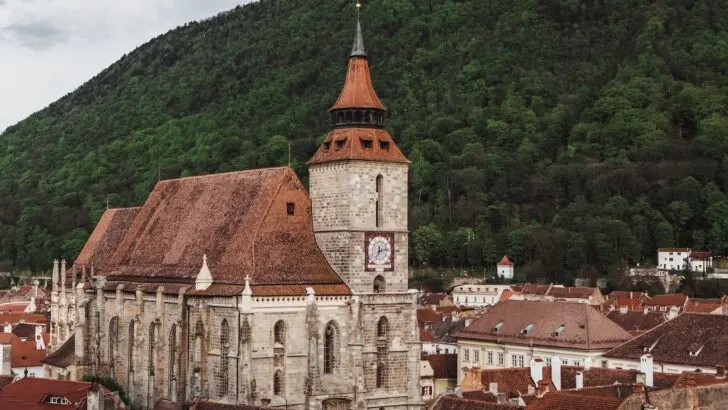
Nestled in the Carpathian Mountains of Romania lies the picturesque city of Brasov, a place filled with history, culture, and natural beauty.
The city is renowned for its well-preserved medieval architecture, cobblestone streets, and charming town center. Brasov is an ideal destination for travelers who want to immerse themselves in Romanian culture and history while enjoying a range of outdoor activities.
From exploring the city’s landmarks and museums to hiking and skiing in the nearby mountains, there is no shortage of things to do in Brasov. In this article, we will take a closer look at the top activities and attractions that make Brasov a must-visit destination for any traveler.
20 Best Things To Do In Brasov, Romania
Whether you’re interested in learning about the rich history of the region, sampling local Romanian cuisine, or simply enjoying the breathtaking scenery, Brasov has it all.
Visitors can explore the medieval fortress of Rasnov or the Gothic-style Black Church, take a cable car up Mount Tampa for a panoramic view of the city, or take a relaxing soak in the thermal waters of the nearby resort town of Poiana Brasov.
For the more adventurous, there are opportunities to go skiing, snowboarding, hiking, or biking in the nearby mountains and national parks. And for those who want to experience the city’s culture and traditions, there are museums, theaters, and local events that showcase the best of Brasov.
In this article, we will provide a comprehensive guide to the top 20 best things to do in Brasov, along with practical information about transportation, restaurants, and other useful tips to help you plan your trip. Here are 20 great things to do in Brasov, Romania:
1. Visit the Gothic-Style Black Church

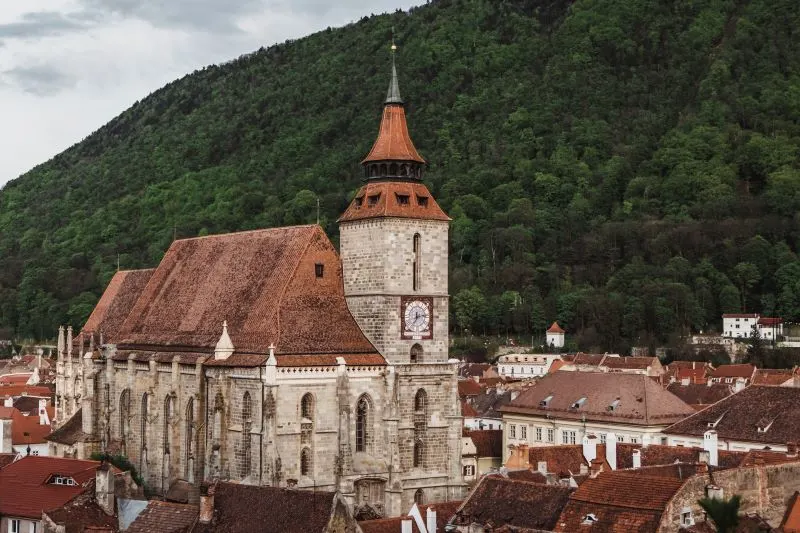
Visiting the Gothic-style Black Church is a must-see attraction for anyone traveling to Brasov, Romania. The church, which is also known as Biserica Neagra in Romanian, is one of the most iconic landmarks in the city, and it is considered to be the largest Gothic church in Eastern Europe.
As you approach the church, you will be immediately struck by its impressive size and striking black façade, which was caused by a fire in the 17th century.
Once inside, you’ll be amazed by the intricate details of the Gothic architecture, including the high vaulted ceilings, stained glass windows, and ornate carvings.
The church is also home to a vast collection of religious artifacts, including a remarkable collection of Anatolian carpets, which were donated by local merchants in the 15th and 16th centuries.
The most impressive of these carpets is the “Great Turkish Carpet,” which measures over 11 square meters and is considered to be one of the largest of its kind in the world.
Visitors can also see the impressive pipe organ, which was built by the German organ builder Johannes Klais in 1836 and is one of the largest in Europe. The organ has more than 4000 pipes, and it is still used for concerts and services today.
2. Take a stroll through the historic center of Brasov

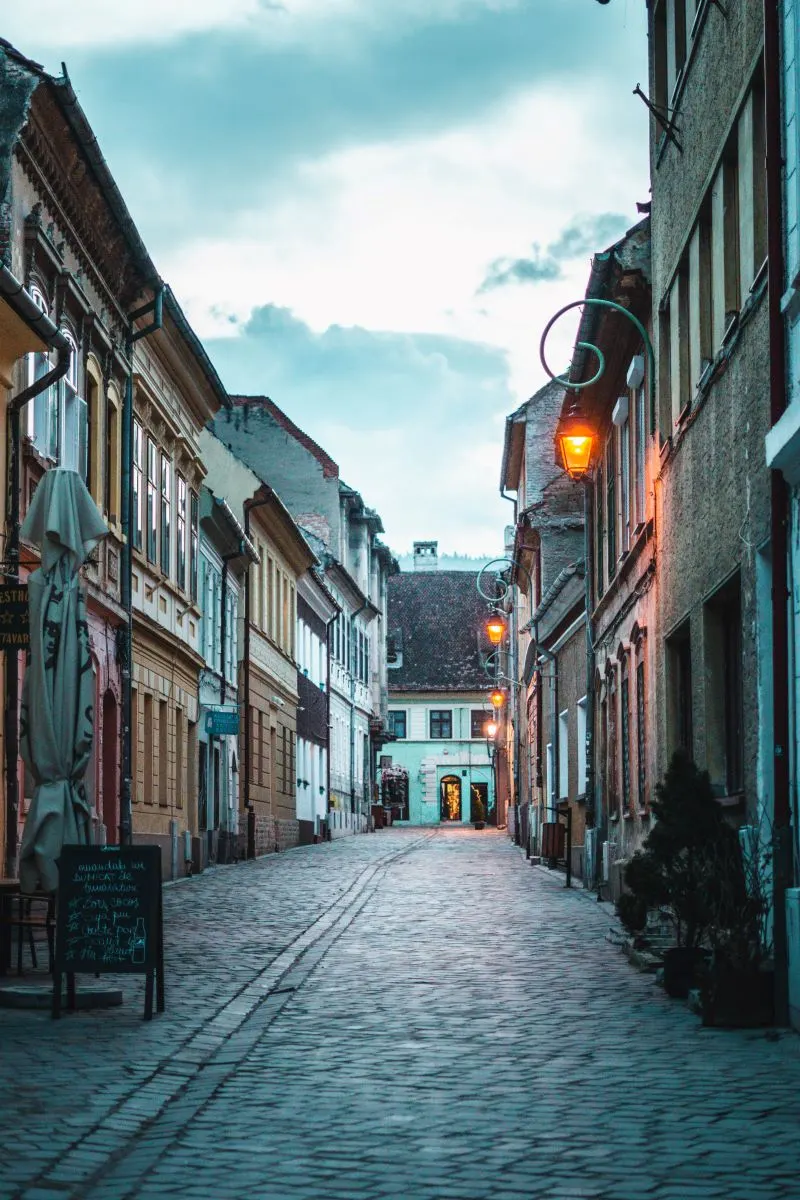
Taking a stroll through the historic center of Brasov is a must-do activity for anyone visiting this beautiful Romanian city. The historic center, also known as Old Town or the Citadel, is a charming and picturesque area that is filled with historic buildings, narrow cobbled streets, and quaint cafes and shops.
One of the most famous landmarks in the historic center is the Black Church, a Gothic-style church that dates back to the 14th century. The church is a stunning example of medieval architecture, and visitors can admire its intricate stone carvings, stained glass windows, and massive pipe organ.
As visitors explore the historic center, they’ll also come across a variety of other landmarks and attractions, including the Council Square, which is surrounded by colorful Baroque-style buildings and is the site of various festivals and events throughout the year. Nearby, visitors can also explore the Old Town Hall, a medieval building that now houses the Brasov History Museum.
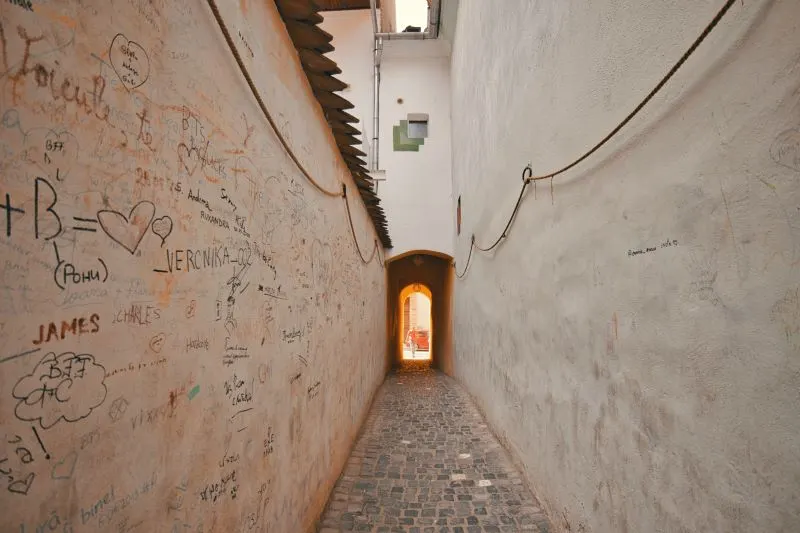
Other highlights of the historic center include the Weavers’ Bastion, which is a 15th-century fortification that now houses a museum dedicated to medieval weapons and armor, as well as the Rope Street, which is one of the narrowest streets in Europe and is lined with colorful houses and charming cafes.
3. Walk along the walls of the Brasov Citadel


Walking along the walls of the Brasov Citadel is a fantastic way to experience the history and culture of this beautiful Romanian city.
The citadel, which dates back to the 14th century, was built to defend the city against invaders, and its walls offer stunning views of the surrounding mountains and countryside.
As you make your way along the walls, you’ll pass by numerous towers and gates, each of which has its own unique history and architectural style.
One of the most impressive towers is the Black Tower, which is named after the black stone used to build it. This tower was used as a prison in the past, and you can still see the cells and torture chambers inside.
Another notable tower is the White Tower, which is located at the highest point of the citadel and offers panoramic views of the city and the surrounding countryside.
From here, you can see the Gothic-style Black Church, the winding streets of the old town, and the snow-capped peaks of the Carpathian Mountains.
As you walk along the walls, you’ll also have the opportunity to explore the bastions, which were used to house soldiers and ammunition during times of war.
Many of these bastions have been restored and converted into museums, where you can learn more about the history and culture of the city.
4. Visit Ecaterina’s Gate

Visiting Ecaterina’s Gate is a great way to experience the history and culture of Brasov, Romania. The gate is located in the heart of the city’s historic center and is one of the most well-preserved examples of medieval architecture in the region.
The gate was built in the 16th century and was originally part of the city’s defensive walls. It features a towering archway, a series of turrets and towers, and numerous intricate carvings and decorations. The gate was named after the wife of Prince Gabriel Bathory, Ecaterina, who is said to have financed its construction.
Today, visitors to Ecaterina’s Gate can explore the gate’s many rooms and learn about the history and culture of the region. The gate also houses a museum that showcases the history of Brasov and its role in the development of Romania.
One of the highlights of a visit to Ecaterina’s Gate is the stunning view from the top of the tower. Visitors can climb a narrow staircase to the top of the tower and enjoy panoramic views of the city and surrounding countryside.
The view is especially stunning at sunset, when the light casts a warm glow over the city and the surrounding mountains.
5. Visit Bran Castle, Also Known As Dracula’s Castle

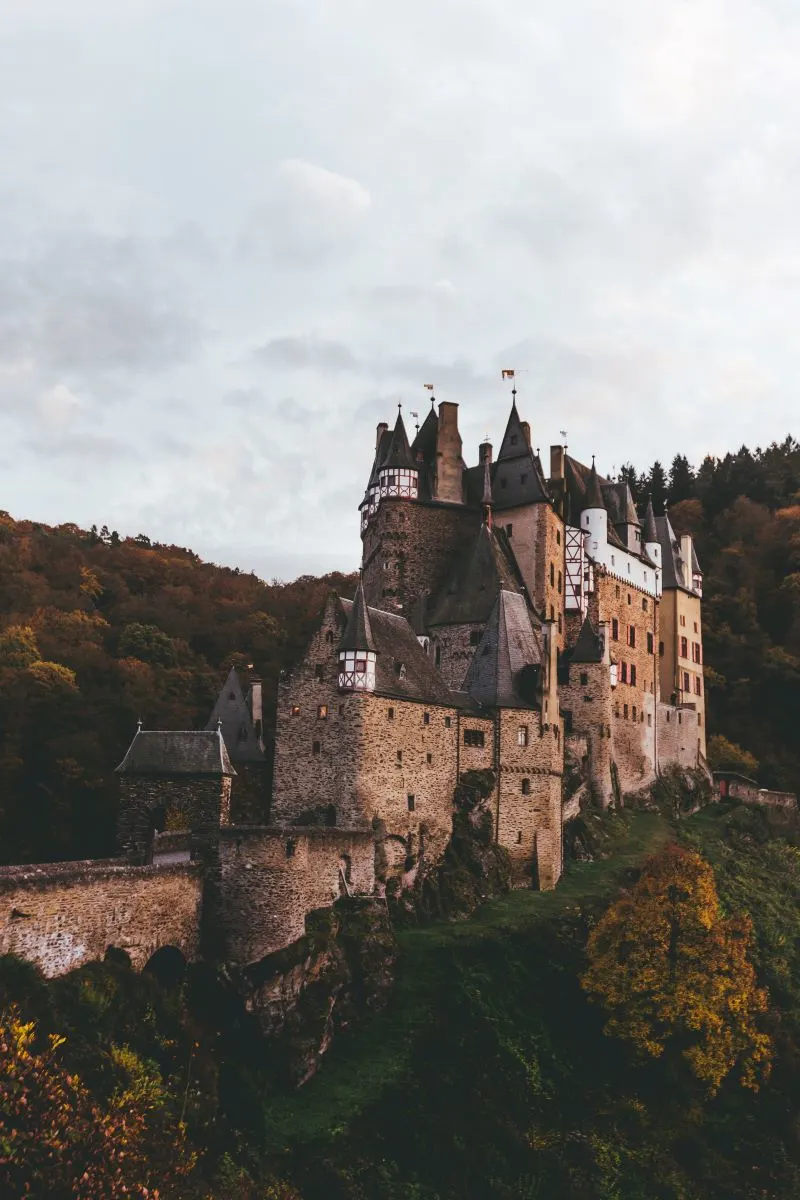
Bran Castle, also known as Dracula’s Castle, is a fortress located on a hilltop just outside of Brasov, Romania. The castle was built in the 14th century as a defensive stronghold against the Ottoman Empire, and it later became famous as the residence of Vlad III Dracula, the 15th-century ruler of Wallachia who inspired Bram Stoker’s fictional character, Count Dracula.
Today, Bran Castle is a popular tourist destination and museum, where visitors can explore the castle’s various rooms and chambers, which are decorated with period furniture, weapons, and artwork.
Some of the castle’s highlights include the medieval courtyard, the torture chamber, and the impressive collection of historical artifacts and furniture.
In addition to its historical and cultural significance, Bran Castle is also known for its stunning views of the surrounding Carpathian Mountains, which can be seen from the castle’s towers and ramparts.
Visitors can also take a leisurely stroll through the castle’s charming gardens and grounds, which are filled with beautiful flowers and trees.
6. Visit the Saint Nicholas Orthodox Church

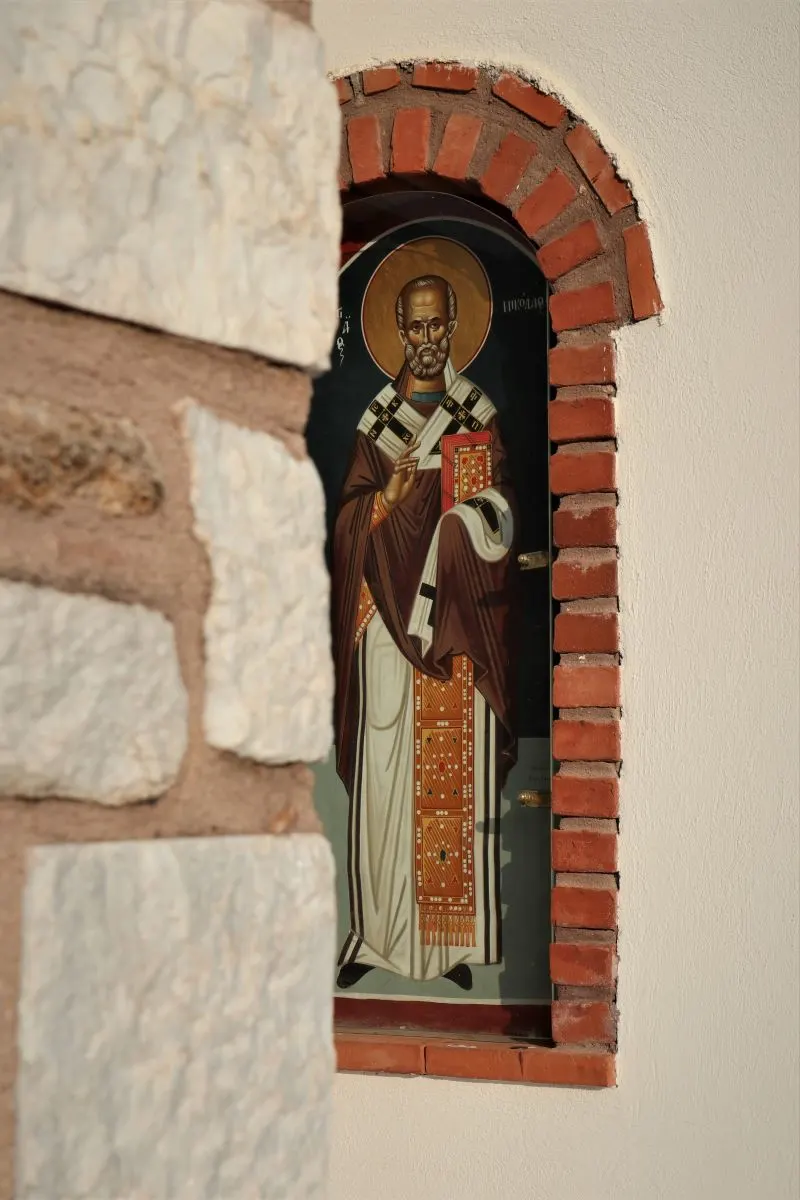
Visiting the Saint Nicholas Orthodox Church is an excellent way to experience the beauty and spirituality of Orthodox Christianity in Romania. The church is located in the city of Brasov and is one of the most iconic religious sites in the region.
The church was built in the 15th century and is known for its stunning frescoes and intricate wood carvings. The exterior of the church is simple and unassuming, but the interior is a true work of art, with colorful frescoes covering the walls and ceilings.
One of the most notable features of the church is the iconostasis, which is a wall of icons that separates the sanctuary from the rest of the church. The iconostasis is made of wood and is intricately carved and decorated with gold leaf.
Visitors can attend a church service at Saint Nicholas Orthodox Church and experience the traditional Orthodox liturgy, which is characterized by beautiful chanting and the use of incense. The services are conducted in Romanian, but English translations are often available.
In addition to its religious significance, the Saint Nicholas Orthodox Church is also a cultural and historical landmark in Brasov. The church has been beautifully preserved over the centuries and offers a glimpse into the rich history and traditions of Orthodox Christianity in Romania.
7. Visit the Museum of Ethnography

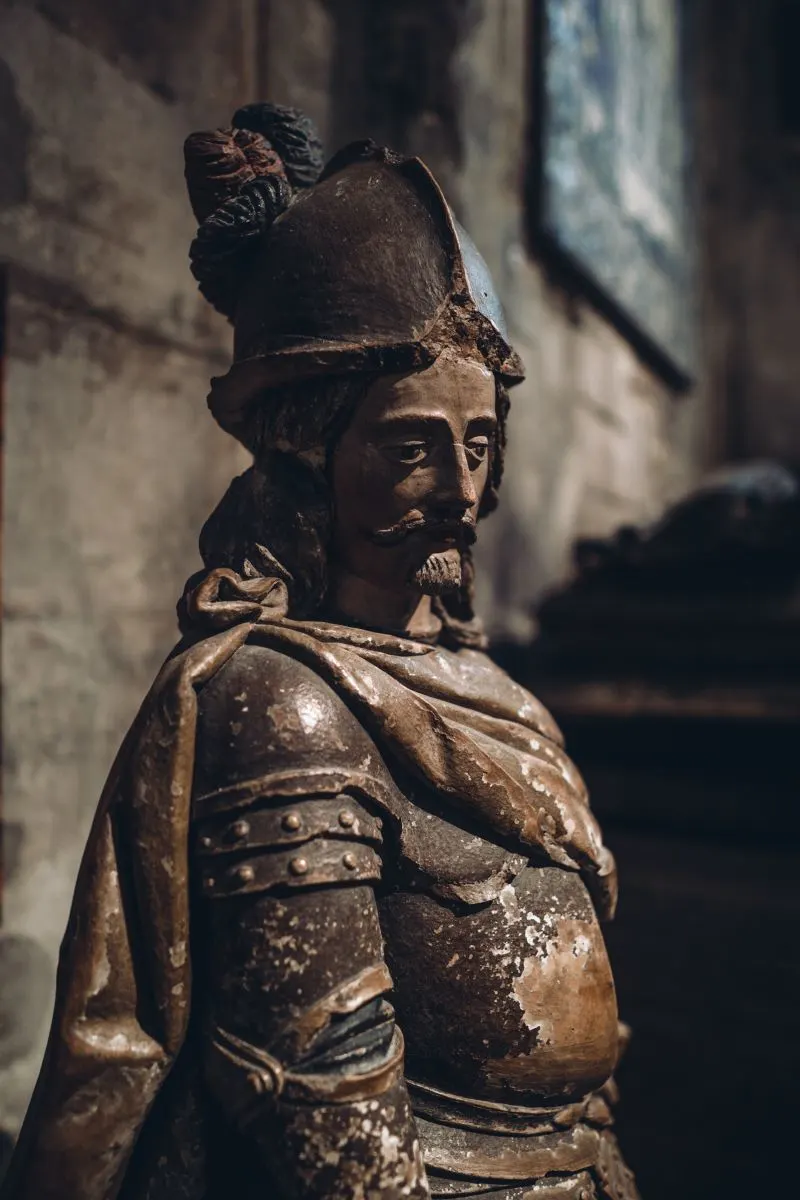
The Museum of Ethnography in Brasov, Romania is a fascinating destination that offers visitors a glimpse into the traditional culture and customs of the region.
Housed in a beautiful historic building, the museum features a vast collection of exhibits and artifacts that highlight the rich cultural heritage of Romania.
The museum’s exhibits cover a wide range of topics, including traditional crafts such as pottery, weaving, and woodcarving, as well as folk costumes, religious traditions, and daily life in rural communities. Visitors can also see a collection of traditional household objects, musical instruments, and other items that offer insights into the customs and beliefs of the region.
One of the highlights of the museum is its outdoor exhibit, which includes a traditional Romanian village with several historic buildings, including a church, a school, and a mill. Visitors can explore the village and learn about the daily lives of rural communities in the past.
The Museum of Ethnography also hosts a variety of special events and exhibitions throughout the year, including traditional festivals and craft fairs, making it a great destination for anyone interested in learning more about the rich cultural heritage of Romania.
8. Go on a guided tour of the underground tunnels and bastions of the Brasov Citadel

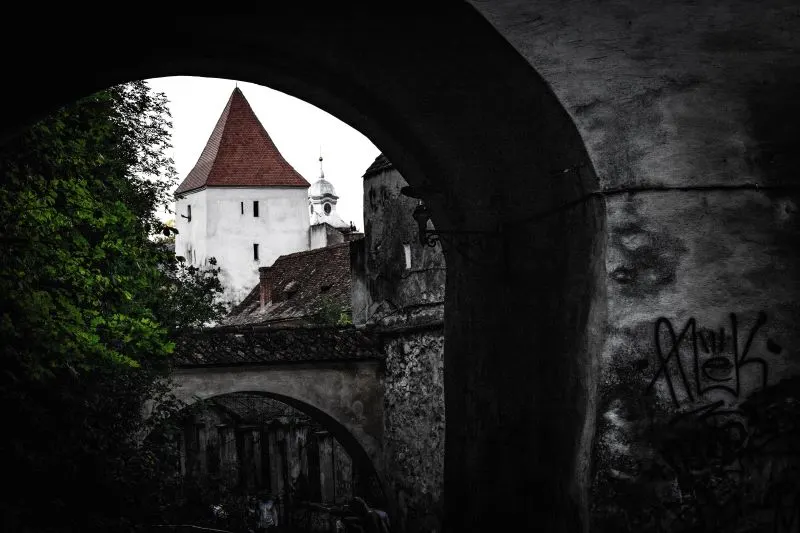
The Brasov Citadel is a well-preserved fortress that dates back to the 15th century, and it is one of the most important historical landmarks in Brasov, Romania. One of the most interesting ways to explore the citadel is to go on a guided tour of its underground tunnels and bastions.
The tour takes visitors deep into the underground labyrinth of tunnels and chambers that were once used to defend the fortress. The tunnels are narrow and winding, and they offer a fascinating glimpse into the daily life of the soldiers who once lived and worked there.
As visitors explore the underground tunnels, they will also have the opportunity to learn about the history of the citadel and the important role it played in the defense of the region.
The tour guides are knowledgeable and passionate about the history of the fortress, and they are always happy to share their knowledge and answer questions.
In addition to the underground tunnels, the guided tour also includes a visit to the bastions of the citadel, which offer stunning views of the surrounding countryside. Visitors can climb to the top of the bastions and enjoy panoramic views of the city, the mountains, and the countryside.
9. Take a horse-drawn carriage ride through the historic streets of Brasov

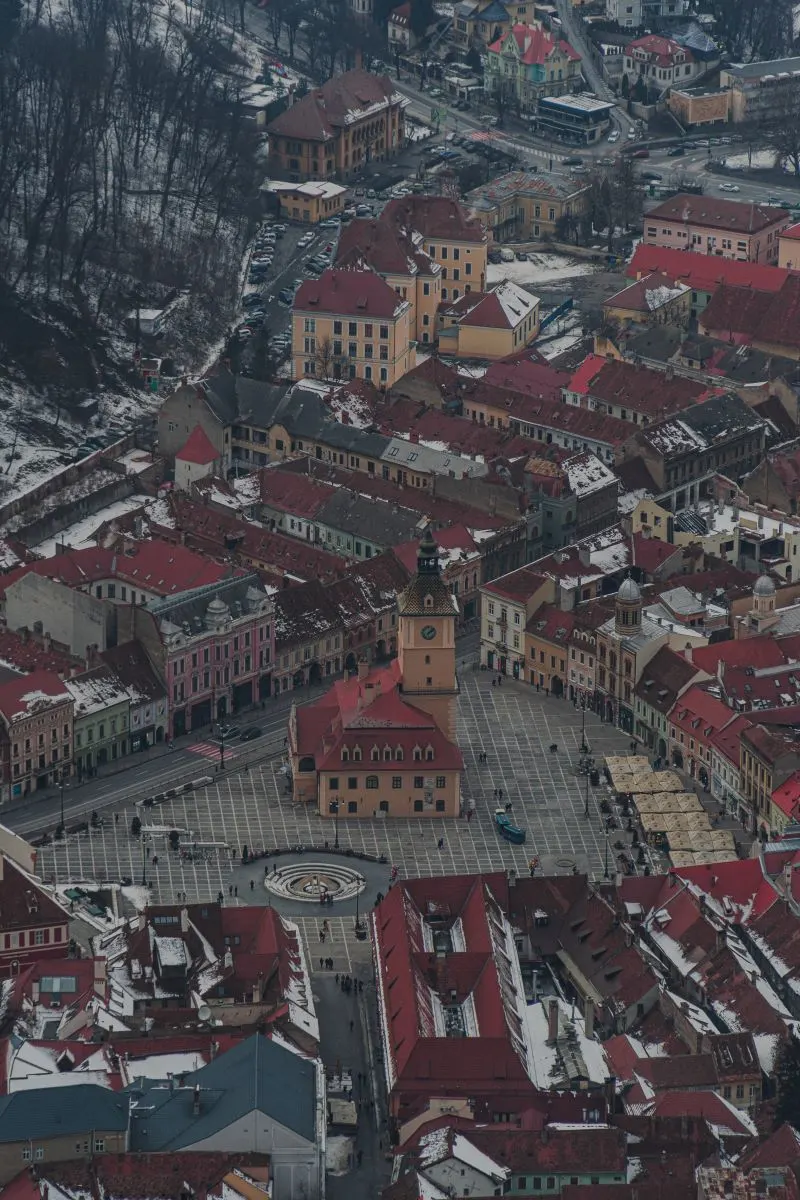
Taking a horse-drawn carriage ride through the historic streets of Brasov is a charming and memorable experience that allows visitors to explore the city in a unique and leisurely way.
The carriages are typically driven by local drivers dressed in traditional clothing, and they offer a relaxing and romantic way to take in the sights of the city.
The carriage ride takes visitors on a tour of the historic center of Brasov, where they can admire the city’s beautiful architecture and landmarks, including the Black Church, the Council Square, and the city walls.
Along the way, the driver will share stories and insights about the history and culture of Brasov, making the experience both entertaining and informative.
As the carriage moves through the streets, visitors can enjoy the gentle clip-clop of the horse’s hooves and take in the sights and sounds of the city at a leisurely pace. The ride is especially enchanting in the evening, when the streets are lit up and the city takes on a magical atmosphere.
10. Hike Up Mount Tampa

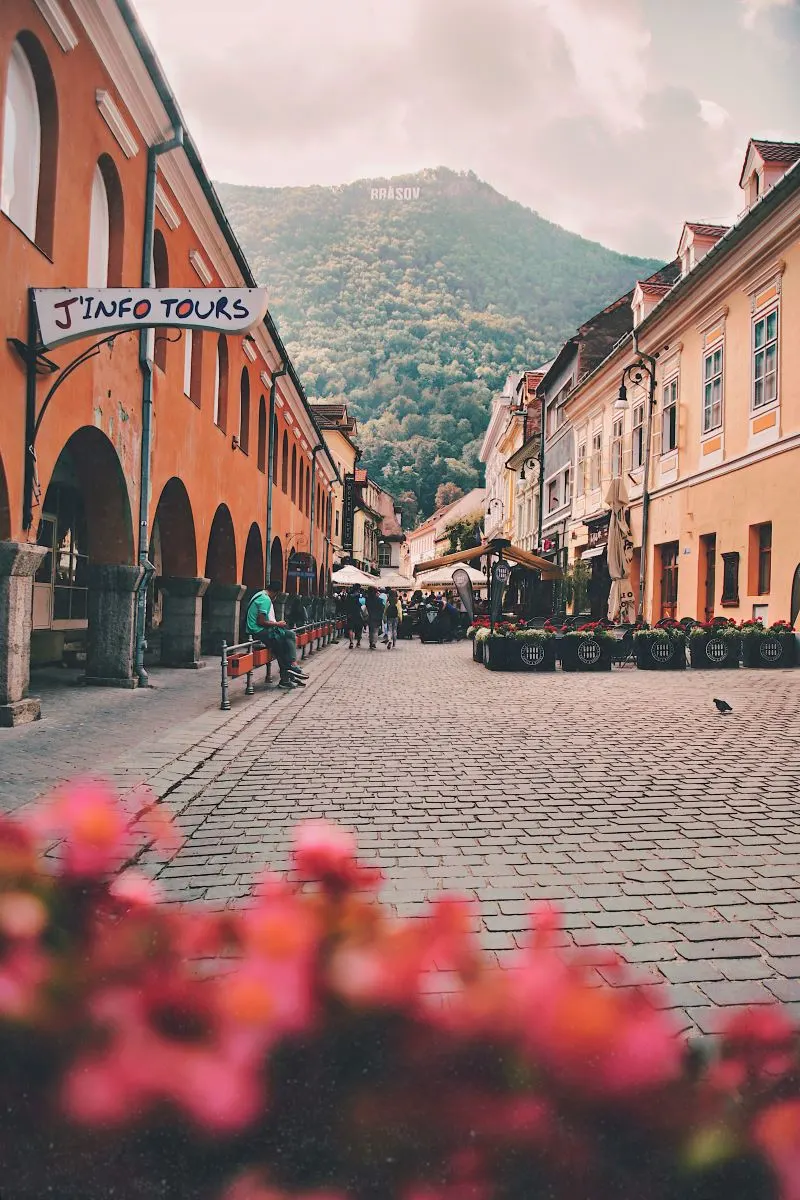
Hike or taking the cable car up Mount Tampa are two great ways to experience the natural beauty and stunning views of this popular landmark in Romania.
If you choose to hike up Mount Tampa, you can expect a moderately challenging trek through a forested terrain, with occasional steep climbs and rocky paths.
The hike can take anywhere from 1 to 2 hours, depending on your pace and fitness level, but the reward is well worth it. As you climb higher, you’ll be treated to breathtaking panoramic views of the surrounding landscape, including the medieval town of Brasov, the Carpathian Mountains, and the Transylvanian plateau.
On the other hand, taking the cable car up Mount Tampa offers a more relaxed and convenient way to reach the summit. The cable car departs from the heart of Brasov and takes you to the top of the mountain in just a few minutes, allowing you to enjoy the scenery without breaking a sweat.
Once you reach the summit, you can explore the various hiking trails, take in the views from the observation deck, or simply relax and enjoy the tranquil atmosphere.
11. Explore the Ruins of the Medieval Fortress of Rasnov

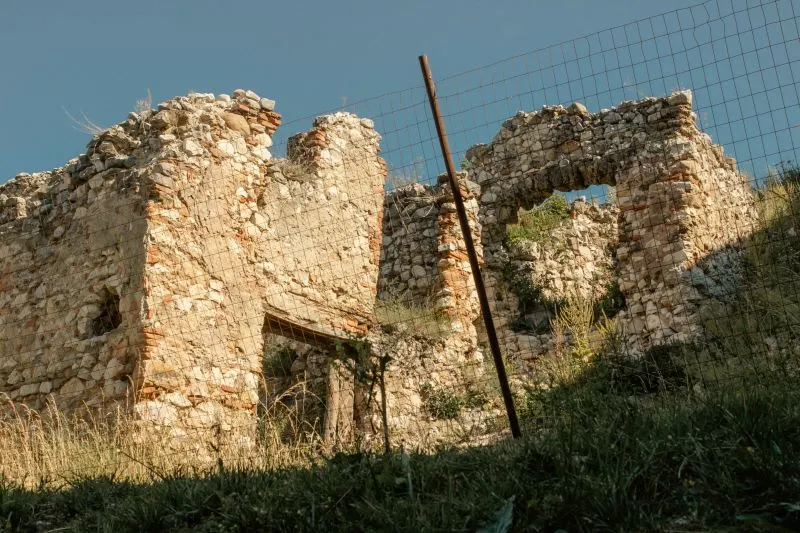
Exploring the ruins of the medieval fortress of Rasnov is a thrilling experience that takes you back in time to the 13th century. Located in the town of Rasnov in Romania, the fortress is perched high on a hilltop overlooking the surrounding countryside, and it offers stunning views of the Carpathian Mountains.
As you make your way up the hill to the fortress, you’ll pass through a series of gates and towers, which were built to defend the fortress against invaders. Inside the walls, you’ll find the remains of a medieval village, including a school, a church, and over 30 houses, where the residents of the fortress once lived.
One of the most impressive features of the fortress is its well, which is over 140 meters deep and was used to provide water for the residents during times of siege. You can still see the well today and even descend down to its depths if you’re feeling adventurous.
Another notable feature of the fortress is the large, central tower, which was used as a lookout point and a place of refuge during times of attack. The tower offers breathtaking views of the surrounding countryside and is a popular spot for taking photos.
12. Check out the First Romanian School Museum, the oldest Romanian School in Transylvania
Checking out the First Romanian School Museum is an excellent way to learn about the history of education in Romania and see how children were taught in the past. Located in the town of Brasov, the museum is housed in a historic building that was once used as a school.
The museum features a collection of books, manuscripts, and artifacts from the 16th century, when the school was founded. Visitors can explore the classrooms, which have been restored to their original condition, and see the desks, benches, and other items used by the students and teachers of the time.
One of the most fascinating exhibits in the museum is the collection of textbooks and teaching materials, which offer a glimpse into the curriculum and teaching methods used in the past.
You can also see examples of the students’ handwriting and artwork, which provide insights into their daily lives and experiences.
Another notable feature of the museum is the old printing press, which was used to print the first Romanian language books. Visitors can see how the printing press works and learn about the history of book printing in Romania.
13. Take a day trip to the nearby town of Sighisoara

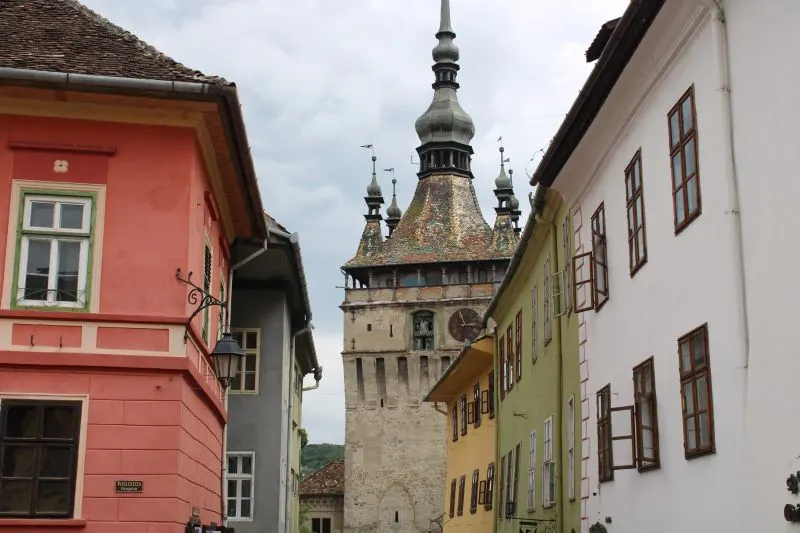
Taking a day trip to the nearby town of Sighisoara is a fantastic way to experience the rich history and culture of Romania. Sighisoara is a small medieval town located in the heart of Transylvania and is often referred to as the “pearl of Transylvania”.
The town is renowned for its well-preserved medieval architecture, including its 14th-century citadel, which is a UNESCO World Heritage Site. Visitors can explore the narrow cobbled streets, which are lined with colorful houses and shops, and see the historic landmarks, including the Clock Tower and the Church on the Hill.
One of the most notable attractions in Sighisoara is the birthplace of Vlad the Impaler, who is believed to have inspired the legend of Dracula. Visitors can explore the house where Vlad was born, which has been converted into a museum, and learn about the history of the region and the life of Vlad himself.
Another popular attraction in Sighisoara is the fortified church, which dates back to the 14th century and is one of the most impressive examples of Gothic architecture in Romania.
The church features a stunning interior with intricate carvings and frescoes, and visitors can climb to the top of the bell tower for panoramic views of the town and surrounding countryside.
14. Go skiing or snowboarding in Poiana Brasov

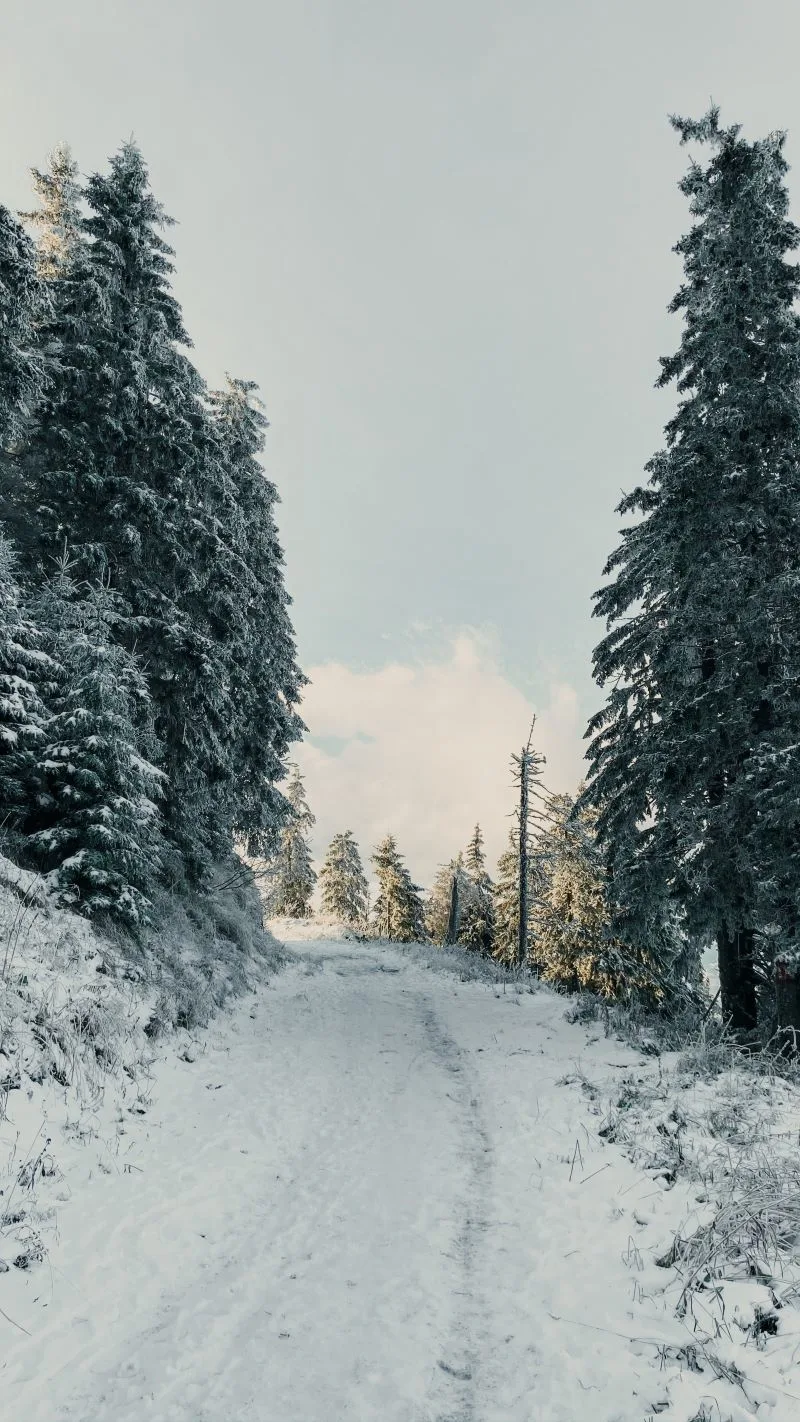
Going skiing or snowboarding in Poiana Brasov is a must-do activity for anyone who loves winter sports. Poiana Brasov is a popular ski resort located in the Carpathian Mountains, near the city of Brasov in Romania.
The resort features a variety of ski runs for all skill levels, ranging from gentle slopes for beginners to challenging black diamond runs for advanced skiers and snowboarders. The ski runs are well-groomed and maintained, and there are plenty of lifts and gondolas to take you up the mountain.
In addition to skiing and snowboarding, Poiana Brasov offers a range of other winter activities, including snowshoeing, cross-country skiing, and sledding.
There are also several restaurants and bars located on the mountain, where you can take a break and enjoy some traditional Romanian cuisine and drinks.
One of the most notable features of Poiana Brasov is the stunning scenery. The resort is situated in a picturesque valley surrounded by snow-capped mountains, offering breathtaking views of the natural beauty of the region.
Whether you’re a seasoned skier or snowboarder or a first-timer, the beauty of the surroundings is sure to take your breath away.
15. Enjoy Local Romanian Cuisine In Brasov
Enjoying local Romanian cuisine is an essential part of any visit to Romania, and there are many delicious traditional dishes to try. One of the most popular dishes is sarmale, which are stuffed cabbage rolls filled with minced meat, rice, and spices.
The cabbage leaves are carefully rolled around the filling and then simmered in a flavorful tomato sauce. Sarmale are often served with polenta or mashed potatoes and sour cream.
Another traditional dish to try is mici, which are grilled minced meat rolls made from a combination of pork, beef, and lamb. Mici are typically seasoned with garlic, paprika, and other spices, and are served with mustard, bread, and pickles. Mici are a staple of Romanian cuisine and are often enjoyed at barbecues and outdoor gatherings.
Other traditional dishes to try include ciorba, which is a sour soup made with meat and vegetables, and mamaliga, which is a type of cornmeal porridge similar to polenta.
Romanian cuisine also features a wide variety of pastries and sweets, including cozonac, which is a sweet bread filled with nuts, raisins, and candied fruit, and papanasi, which are fried doughnuts topped with sour cream and jam.
16. Take a tour of the Peles Castle In Sinaia

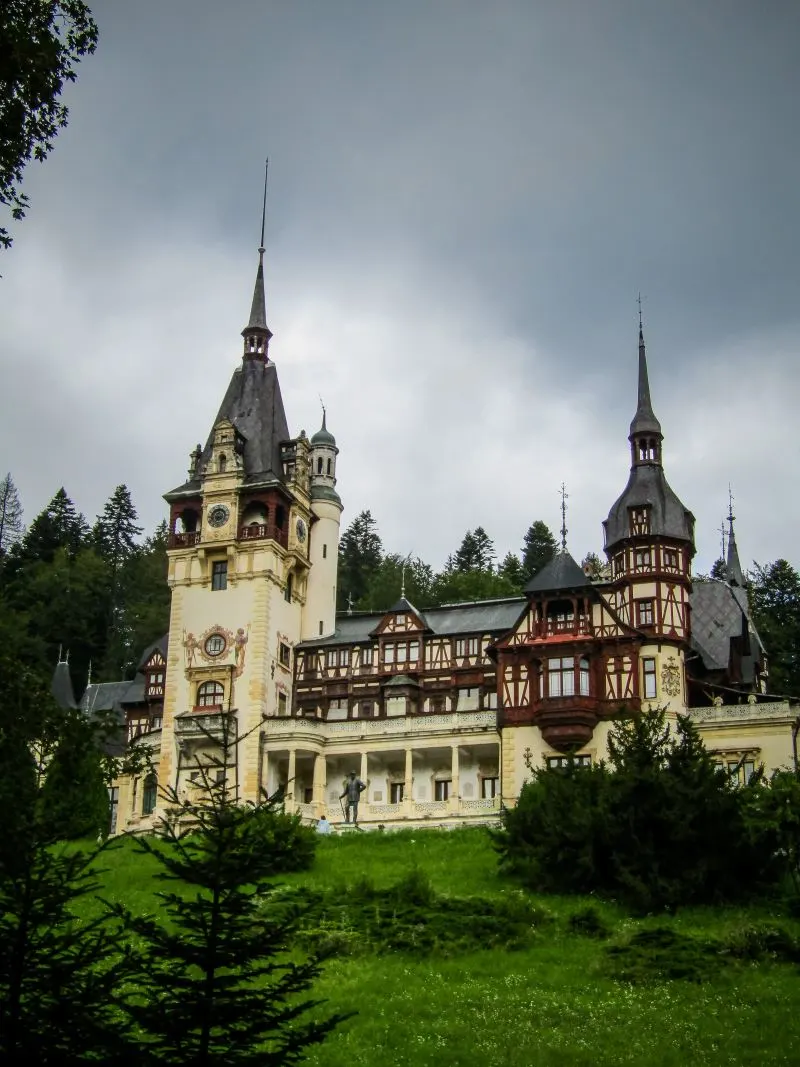
Taking a tour of Peles Castle is an absolute must for anyone visiting the nearby town of Sinaia in Romania. The castle is a stunning example of Neo-Renaissance architecture and is considered one of the most beautiful and well-preserved castles in Europe.
Built in the late 19th century, Peles Castle was the summer residence of the Romanian royal family and is located in the heart of the Carpathian Mountains.
The castle’s exterior features intricate carvings, colorful frescoes, and numerous turrets and towers. The interior is equally impressive, with richly decorated rooms that showcase the opulence and grandeur of the Romanian royal court.
During a tour of Peles Castle, visitors can explore the castle’s many rooms and learn about the history and culture of Romania.
Highlights include the Music Room, which features a stunning fresco ceiling and a collection of rare musical instruments, and the Turkish Chamber, which is decorated with intricate wood carvings and beautiful Oriental rugs.
The castle also features a beautiful courtyard and a well-manicured garden that is open to visitors during the summer months. The garden is home to a variety of flowers, trees, and sculptures, and offers stunning views of the surrounding mountains.
17. Go for a bike ride or hike in the nearby Piatra Craiului National Park

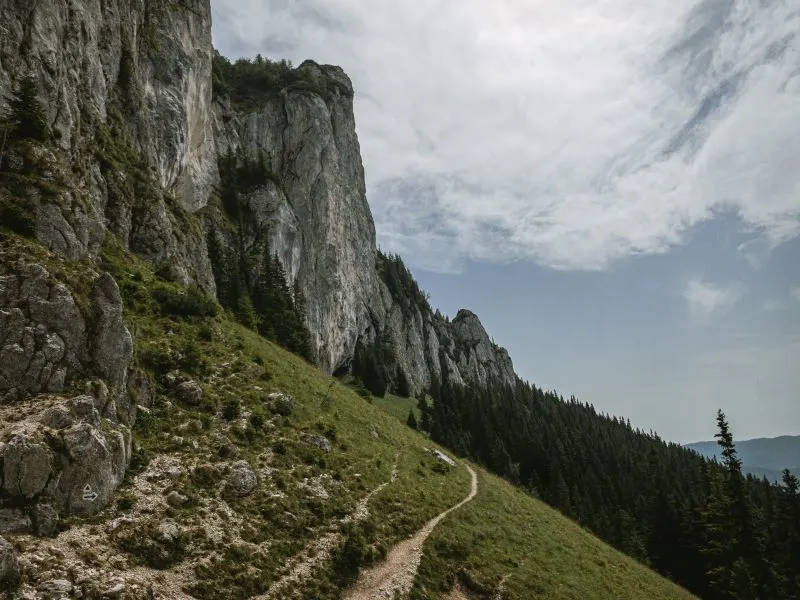
Going for a bike ride or hike in Piatra Craiului National Park is an amazing way to experience the natural beauty of Romania. The park is located in the Carpathian Mountains and is known for its rugged terrain, stunning vistas, and diverse flora and fauna.
The park is home to a wide variety of wildlife, including brown bears, wolves, lynx, and wild boar, as well as a variety of bird species.
The park’s hiking trails wind through dense forests, across rocky ridges, and along rushing streams, offering visitors a chance to explore the park’s many natural wonders.
For those who prefer biking, the park offers a network of trails that range from easy to challenging, with options for both mountain and road biking. The trails wind through stunning mountain landscapes and offer breathtaking views of the surrounding countryside.
One of the highlights of a visit to Piatra Craiului National Park is the opportunity to see traditional Romanian villages and farms that are scattered throughout the park. Visitors can stop and explore these villages, which offer a glimpse into the daily life and culture of the region.
18. Check out the Museum of Urban Civilization, which showcases the history of Brasov

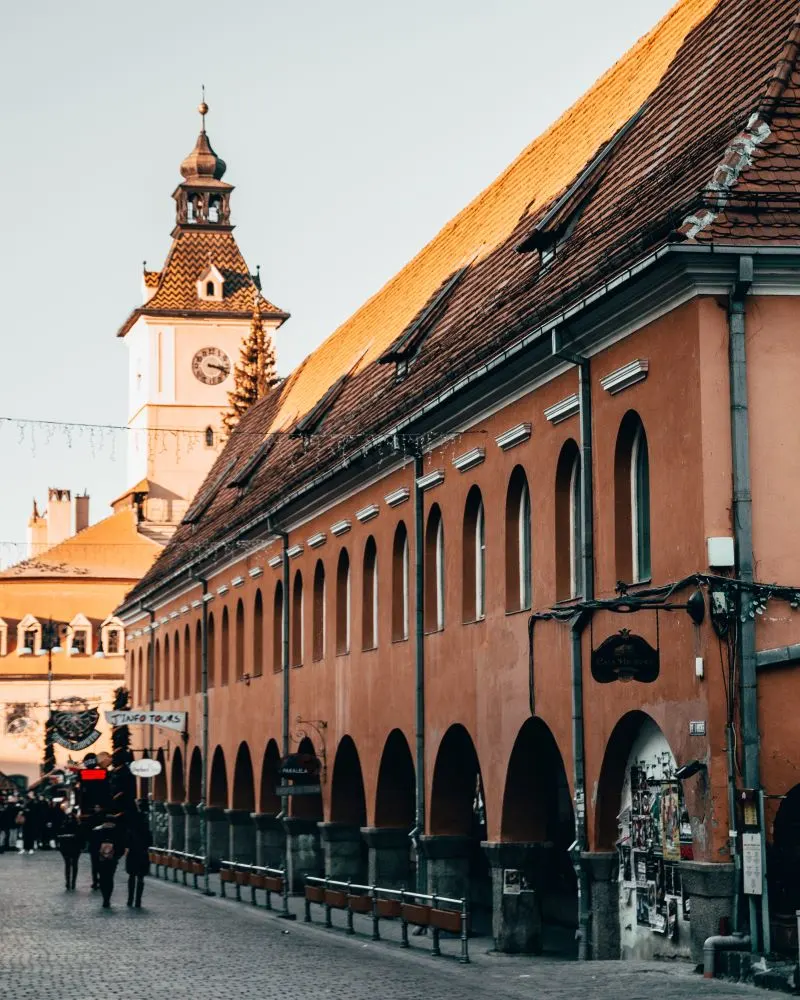
The Museum of Urban Civilization, located in Brasov, Romania, offers visitors a fascinating look into the city’s history and development.
The museum is housed in a beautiful historic building in the heart of the city’s Old Town, and is dedicated to showcasing the unique cultural heritage of Brasov.
The museum’s exhibits cover a wide range of topics, including the city’s medieval history, its role in the development of Romania, and its cultural and artistic traditions. Visitors can explore the museum’s collections of artifacts, photographs, and documents, which offer a glimpse into the city’s rich history and culture.
One of the highlights of the museum is its collection of traditional Romanian costumes, which are beautifully displayed in the museum’s galleries.
These costumes offer a window into the unique cultural traditions of the region, and showcase the intricate embroidery and weaving techniques that have been passed down through generations.
Another fascinating exhibit at the Museum of Urban Civilization is the collection of medieval arms and armor. Visitors can see a variety of swords, shields, and other weapons that were used by medieval knights and warriors, and can learn about the history of these weapons and the battles they were used in.
19. Attend a concert or performance at the Brasov Opera House
Attending a concert or performance at the Brasov Opera House is a truly unforgettable experience. Located in the heart of Brasov, Romania, the opera house is housed in a beautiful historic building that dates back to the early 20th century.
The opera house hosts a wide variety of concerts and performances throughout the year, ranging from classical music and opera to ballet and modern dance.
The venue boasts excellent acoustics and a beautiful stage, making it an ideal destination for music lovers and performing arts enthusiasts.
One of the highlights of attending a performance at the Brasov Opera House is the opportunity to experience the vibrant cultural scene of Romania. The country has a rich musical and theatrical tradition, and the opera house is one of the best places to experience this firsthand.
The opera house also hosts a number of special events and festivals throughout the year, including the Brasov International Opera Festival, which attracts performers and audiences from all over the world.
20. Take a relaxing soak in the thermal waters of the nearby resort town of Poiana Brasov

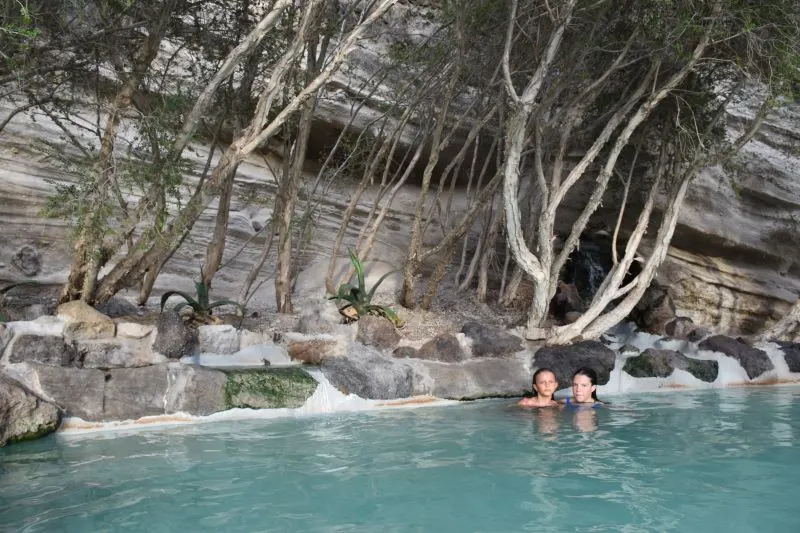
Poiana Brasov is a picturesque resort town located in the mountains of Romania, famous for its stunning natural scenery and hot springs. Taking a relaxing soak in the thermal waters of the area is a popular activity for visitors and locals alike.
The thermal waters of Poiana Brasov are rich in minerals such as calcium, magnesium, and sulfur, which are believed to have numerous health benefits. Soaking in the warm waters is said to help relieve stress, soothe tired muscles, and promote relaxation and rejuvenation.
There are several spas and wellness centers in the area that offer thermal baths, massages, and other treatments using the natural hot springs. Many of these facilities are set in beautiful surroundings, surrounded by lush forests and mountain vistas, making for a truly serene and tranquil experience.
In addition to its hot springs, Poiana Brasov is also a popular destination for skiing and other winter sports, making it a great year-round destination for outdoor enthusiasts.
Whether you’re looking to unwind after a long day on the slopes or simply want to relax and recharge in a beautiful natural setting, the thermal waters of Poiana Brasov are not to be missed.
Romanian Food In Brasov

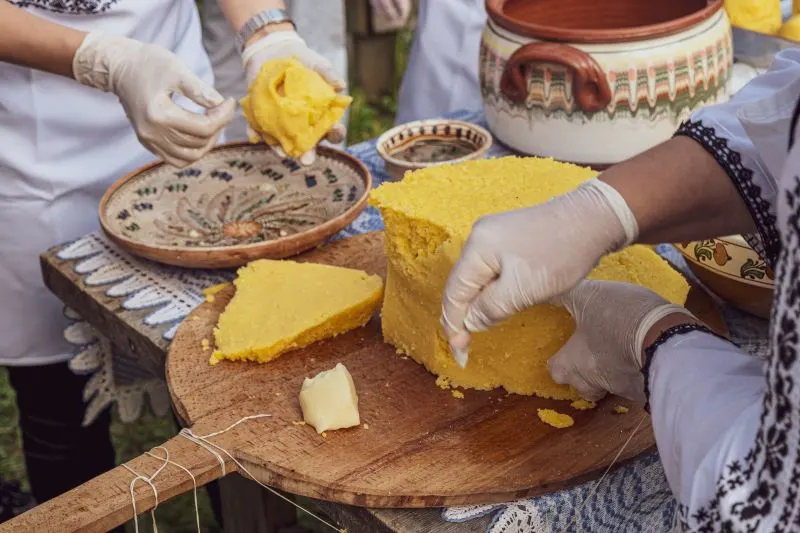
Romanian cuisine is a rich and diverse fusion of influences from Central Europe, the Balkans, and the Mediterranean. With its flavorful stews, hearty soups, and grilled meats, Romanian food is a delicious and satisfying experience that should not be missed. And in the city of Brasov, visitors can enjoy some of the best traditional Romanian dishes in the country.
One of the most famous Romanian dishes is sarmale, which are cabbage rolls stuffed with a mixture of ground pork, rice, and spices. Sarmale are typically served with polenta and sour cream, and they are a staple of Romanian cuisine.
In Brasov, visitors can find sarmale in most restaurants, and they are often served as part of a set menu that includes other traditional dishes.
Another popular Romanian dish is mici, which are small grilled minced meat rolls made from a combination of beef, pork, and lamb.
Mici are typically served with mustard, bread, and beer, and they are a favorite of locals and tourists alike. In Brasov, visitors can find mici in many restaurants and street vendors, and they are often served as a snack or as part of a larger meal.
One dish that is unique to Brasov is covrigi, which are soft pretzels coated in sesame seeds or poppy seeds. Covrigi can be found in bakeries and street vendors all over the city, and they are a perfect snack to enjoy while exploring the city’s historic streets.
Another local specialty is papanași, which are fried doughnuts stuffed with sweet cheese and served with sour cream and jam. Papanași are a delicious dessert that can be found in many restaurants and cafes throughout Brasov.
Finally, no visit to Brasov would be complete without trying some of the local wines. The region is known for its red wines, especially the Fetească Neagră and Merlot varieties. Visitors can sample the wines at local wineries and restaurants, or they can purchase bottles to enjoy later.
Best Restaurants In Brasov, Romania
Here is a list of some of the best restaurants in Brasov, in no particular order:
- Sergiana – serves traditional Romanian dishes in a cozy, rustic atmosphere.
- Bella Musica – an Italian restaurant with a beautiful terrace and live music performances.
- La Ceaun – a cozy restaurant serving hearty Romanian stews and soups.
- Bistro de l’Arte – a French-inspired bistro with a romantic atmosphere.
- La Taifas – a restaurant with a large outdoor terrace serving traditional Romanian dishes.
- Trattoria Pocol – an Italian restaurant with an extensive wine list and delicious pastas.
- Restaurant Transilvania – a restaurant serving both traditional Romanian dishes and international cuisine.
- Vino e Sapori – an Italian wine bar with a wide selection of wines and small bites.
- La Pastorella – a pizzeria with a cozy atmosphere and delicious wood-fired pizzas.
- Restaurant Aro Palace – located in the Aro Palace Hotel, this restaurant serves international cuisine in an elegant setting.
- Carpathia Restaurant – a restaurant with a beautiful view of the city and traditional Romanian dishes.
- Casa Tudor – a restaurant with a traditional Romanian decor and live music performances.
- Roata Norocului – a restaurant with a fun atmosphere and a menu that includes both Romanian and international dishes.
- Kronwell Bistro – located in the Kronwell Hotel, this restaurant serves international cuisine with a focus on local ingredients.
- Belvedere Restaurant – a restaurant with a stunning view of the city and a menu that includes both Romanian and international dishes.
- Casa Hirscher – a restaurant located in a historic building with a cozy atmosphere and traditional Romanian dishes.
- Dei Frati – an Italian restaurant with a large outdoor terrace and delicious pastas and pizzas.
- Cucina Ferina – a restaurant with a modern decor and a menu that combines Italian and Romanian cuisine.
- Restaurant Transylvania – a restaurant with a traditional Romanian decor and a menu that includes both Romanian and international dishes.
- Kafe Pub – a cozy pub with a menu that includes both Romanian and international dishes.
Keep in mind that restaurant rankings can change over time, and these are just a few of the many great dining options available in Brasov.
Transportation In Brasov

Brasov is a relatively small city, so many of the popular tourist attractions are within walking distance of each other. However, there are several transportation options available for getting around the city:
- Public Transportation: Brasov has a network of buses and trolleybuses that run throughout the city. Tickets can be purchased from kiosks or directly from the driver.
- Taxis: Taxis are readily available throughout the city and can be hailed on the street or ordered by phone. Be sure to check the taxi company and fare before getting in to avoid overcharging.
- Car Rentals: Several car rental companies operate in Brasov, and renting a car can be a convenient option for exploring the surrounding areas.
- Bicycle Rentals: There are several places in Brasov where you can rent bicycles, including the train station and the city center. Biking is a popular way to explore the city and the nearby countryside.
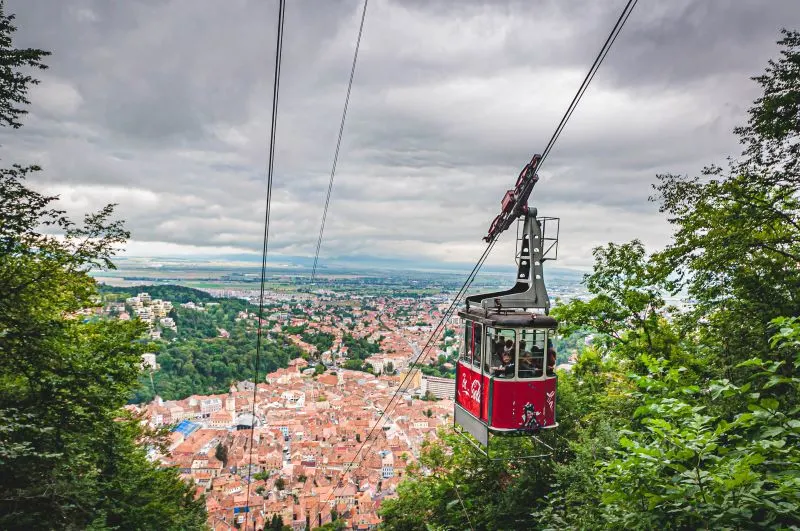
- Cable Car: The cable car to Mount Tampa is a popular attraction in Brasov and offers stunning views of the city. The cable car runs daily from early morning until late in the evening.
Transportation in Brasov is relatively affordable and convenient, with several options available to suit different needs and budgets.
Brasov is a relatively small city, so many of the popular tourist attractions are within walking distance of each other. However, there are several transportation options available for getting around the city:
- Public Transportation: Brasov has a network of buses and trolleybuses that run throughout the city. Tickets can be purchased from kiosks or directly from the driver.
- Taxis: Taxis are readily available throughout the city and can be hailed on the street or ordered by phone. Be sure to check the taxi company and fare before getting in to avoid overcharging.
- Car Rentals: Several car rental companies operate in Brasov, and renting a car can be a convenient option for exploring the surrounding areas.
- Bicycle Rentals: There are several places in Brasov where you can rent bicycles, including the train station and the city center. Biking is a popular way to explore the city and the nearby countryside.
- Cable Car: The cable car to Mount Tampa is a popular attraction in Brasov and offers stunning views of the city. The cable car runs daily from early morning until late in the evening.
Overall, transportation in Brasov is relatively affordable and convenient, with several options available to suit different needs and budgets.
Brasov is a fascinating and beautiful city that offers a wealth of activities and attractions for visitors. From exploring the historic landmarks to enjoying the local cuisine and natural beauty, there is something for everyone in Brasov.
Whether you’re interested in history, culture, outdoor adventures, or simply relaxing and soaking up the atmosphere, this city has it all. With its convenient location and transportation options, it’s easy to see why Brasov is a popular destination for travelers.
Leave a comment