

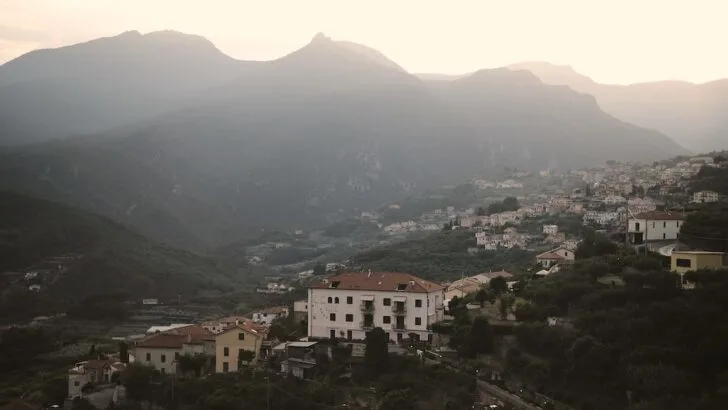
Avellino, a charming city nestled in the heart of Campania, Italy, captivates visitors with its rich history, picturesque landscapes, and vibrant cultural heritage. Situated at the foot of the Apennine Mountains, Avellino serves as the capital of its namesake province, offering a blend of ancient traditions and modern Italian life.
Historical and Cultural Heritage: Founded in antiquity, Avellino boasts a history that spans millennia, shaped by successive civilizations including the Samnites, Romans, Normans, and Angevins. This historical tapestry is reflected in the city’s architecture, where ancient ruins blend harmoniously with Baroque churches, elegant palaces, and narrow cobblestone streets.
15 Best Things To Do In Avellino, Italy
Culinary Delights: Avellino is celebrated for its culinary prowess, showcasing the flavors of Campanian cuisine through dishes crafted from locally sourced ingredients. From hearty pastas and savory meats to delicate pastries and renowned wines like Greco di Tufo and Fiano di Avellino, the city’s gastronomic offerings are a testament to its agricultural richness and cultural pride.
Natural Beauty: Surrounded by verdant hills, fertile valleys, and vineyard-covered slopes, Avellino enjoys a stunning natural setting that beckons outdoor enthusiasts and nature lovers alike. The Monti Picentini Regional Park offers hiking trails, scenic vistas, and opportunities for exploring the region’s diverse flora and fauna.
Art and Architecture: Artistic expression flourishes in Avellino, evident in its museums, galleries, and architectural landmarks. Visitors can admire frescoes in historic churches such as the Cathedral of Avellino and the Convent of San Francesco, or explore contemporary art exhibitions that reflect the city’s creative spirit.
Community and Hospitality: At its core, Avellino is a city defined by its warm hospitality and strong sense of community. Festivals, cultural events, and traditional gatherings offer opportunities for locals and visitors to come together, celebrate shared traditions, and experience the vibrant spirit that animates everyday life in this historic Italian city.
In essence, Avellino invites travelers to embark on a journey through time, taste, and culture, where ancient history meets modern vibrancy in a setting that promises discovery, relaxation, and authentic Italian experiences at every turn.
1. Visit the Cathedral of Avellino (Cattedrale di Avellino)
The Cathedral of Avellino, or Cattedrale di Avellino, is a remarkable religious edifice that traces its origins to the 12th century. Nestled in the heart of Avellino, Italy, this cathedral stands as a testament to centuries of architectural evolution and historical significance in the region of Campania.
Visitors to the Cathedral of Avellino are greeted by a facade that blends elements of Romanesque, Gothic, and Baroque styles, showcasing the various periods of its construction and renovation. The interior is equally impressive, adorned with frescoes, intricate sculptures, and ornate altars that highlight its role as a center of worship and cultural heritage.
Stepping inside, visitors can admire the grandeur of its nave and chapels, each telling a story of religious devotion and artistic expression throughout the ages. The cathedral’s peaceful ambiance invites contemplation and reflection, offering a glimpse into Avellino’s rich spiritual and architectural history.
Whether for its architectural beauty, historical significance, or spiritual resonance, a visit to the Cathedral of Avellino promises a memorable experience steeped in culture and tradition.
2. Discover the Abbey of Loreto
The Abbey of Loreto, nestled in Avellino, Italy, stands as a serene testament to centuries of spiritual devotion and architectural grace. This historic Benedictine abbey is renowned for its tranquil atmosphere and Romanesque architectural style, drawing visitors seeking both contemplation and cultural exploration.
As you approach the Abbey of Loreto, its Romanesque facade greets you with simplicity and elegance, reflecting the medieval craftsmanship that characterizes the structure. Inside, the abbey’s interior unfolds with graceful arches, sturdy columns, and subdued lighting, creating a space conducive to quiet reflection and spiritual introspection.
The abbey’s cloisters, often considered among the finest examples of Romanesque architecture in southern Italy, offer a peaceful retreat where visitors can wander amidst ancient stone arches and lush greenery, evoking a sense of timeless tranquility.
Throughout its history, the Abbey of Loreto has been a center of Benedictine monastic life, a repository of religious art and artifacts, and a place of pilgrimage for those seeking solace and inspiration. Whether exploring its architectural details, contemplating its religious significance, or simply enjoying its serene ambiance, a visit to the Abbey of Loreto promises a journey into the heart of Avellino’s spiritual and cultural heritage.
3. Explore the Archaeological Museum of Irpinia
The Archaeological Museum of Irpinia offers a captivating journey through the rich history of the Irpinia region in southern Italy. Located in Avellino, this museum is a treasure trove of artifacts and exhibits that span millennia, providing insights into the ancient civilizations that once thrived in this area.
As you enter the museum, you are greeted by a collection that includes archaeological finds dating from prehistoric times to the Roman era. Exhibits are meticulously curated to showcase the evolution of human settlement and culture in Irpinia, featuring pottery, tools, jewelry, and sculptures that highlight the craftsmanship and daily life of past civilizations.
The museum’s displays are complemented by informative panels and multimedia presentations that contextualize the artifacts within their historical and cultural settings. Visitors can explore reconstructed scenes of ancient settlements and burial sites, gaining a deeper understanding of the region’s archaeological significance.
One of the museum’s highlights is its collection of artifacts from the Roman town of Aeclanum, an important archaeological site located near Avellino. These relics provide a glimpse into the urban life, architecture, and artistic achievements of ancient Aeclanum, enriching the visitor’s experience with tangible connections to Irpinia’s past.
4. Walk around Piazza della Libertà
Walking around Piazza della Libertà in Avellino, Italy, offers a delightful experience of the city’s vibrant atmosphere and historical charm. This central square serves as a hub of activity and a focal point for both locals and visitors alike.
Surrounded by elegant buildings, cafes, and shops, Piazza della Libertà exudes a sense of Italian elegance and community. The square is often bustling with activity throughout the day, with people gathering to socialize, enjoy a coffee at outdoor cafes, or simply take in the surroundings.
At the center of the piazza stands a monument or fountain, serving as a focal point and adding to the square’s picturesque allure. The architecture around the square ranges from historical landmarks to more modern structures, reflecting Avellino’s evolving identity over time.
Strolling through Piazza della Libertà allows you to soak in the local ambiance, observe daily life in Avellino, and perhaps discover hidden gems such as local boutiques or traditional trattorias tucked away in nearby streets. The atmosphere is lively yet relaxed, making it a perfect spot for leisurely walks or simply sitting and people-watching.
5. Taste local wines
Tasting local wines in Avellino is a journey into the heart of Campanian viticulture, renowned for producing some of Italy’s most distinguished wines. Avellino, nestled in the foothills of the Apennine Mountains, is celebrated for two primary varietals: Greco di Tufo and Fiano di Avellino.
Greco di Tufo is a white wine known for its crisp acidity and mineral notes, cultivated primarily in the Tufo area. Fiano di Avellino, another esteemed white wine, offers a more aromatic profile with hints of pear, almond, and floral undertones, reflecting the region’s volcanic soils and Mediterranean climate.
Visiting local wineries in Avellino provides an opportunity to immerse oneself in the winemaking traditions and terroir that define these wines. Many wineries welcome visitors for tastings, where you can sample different vintages and learn about the production methods from knowledgeable staff or winemakers.
Typically, wine tastings in Avellino include a guided exploration of the winery facilities, such as vineyards and cellars, allowing you to witness firsthand the dedication and craftsmanship that go into each bottle. Some wineries also offer tours that delve into the history of winemaking in the region and the unique characteristics of Greco di Tufo and Fiano di Avellino.
Moreover, the experience of tasting local wines is often complemented by stunning views of vineyard-covered hillsides and panoramic vistas, enhancing the sensory journey with a backdrop of natural beauty.
6. Enjoy the cuisine
Enjoying the cuisine of Avellino is a delightful exploration of authentic flavors deeply rooted in Campanian tradition. From rustic trattorias to cozy local restaurants, the culinary scene in Avellino offers a rich tapestry of dishes that reflect the region’s agricultural abundance and culinary heritage.
Start your culinary journey with Aglianico wine, a robust red varietal that pairs perfectly with the hearty flavors of local cuisine. Produced from grapes grown in the volcanic soils of Campania, Aglianico wine embodies the terroir with its bold flavors and balanced acidity, making it a favorite among wine enthusiasts.
As for appetizers, soppressata reigns supreme—an artisanal cured sausage characterized by its rich, savory taste and subtle spice. Savor it alongside fresh, crusty bread and local cheeses for a true taste of Avellino’s gastronomic prowess.
For main courses, indulge in homemade pasta dishes that showcase the region’s culinary craftsmanship. Whether it’s the simplicity of spaghetti alla puttanesca with its tangy tomato sauce and briny olives, or the comforting allure of gnocchi alla sorrentina bathed in creamy tomato sauce and melted mozzarella, each bite is a testament to the dedication to quality ingredients and traditional cooking methods.
Seafood lovers will delight in dishes like scialatielli ai frutti di mare, featuring tender pasta ribbons tossed with a medley of fresh seafood and aromatic herbs, perfectly capturing the essence of Campanian coastal cuisine.
No meal in Avellino is complete without a taste of local desserts, such as pastiera napoletana—a ricotta and wheat pie adorned with candied fruits, symbolizing the arrival of spring and Easter celebrations in southern Italy.
Throughout your culinary adventure, the warmth and hospitality of local trattorias and restaurants add to the overall experience, ensuring that every dish is enjoyed in an ambiance that celebrates the region’s cultural heritage and love for good food.
7. Hike in the Monti Picentini Regional Park
Hiking in the Monti Picentini Regional Park offers a breathtaking immersion into the natural beauty of the Picentini mountains in southern Italy. The park features a network of scenic hiking trails that wind through lush forests, verdant meadows, and alongside picturesque streams.
Hikers can explore trails of varying difficulty levels, from leisurely paths suitable for beginners to more challenging routes that reward with stunning panoramic views of the surrounding countryside. Along the way, you’ll encounter diverse flora and fauna, including Mediterranean scrubland, oak forests, and perhaps spot native wildlife such as wild boars or deer.
Picnicking spots dot the landscape, inviting hikers to rest and rejuvenate amidst the tranquility of nature. These scenic spots provide perfect opportunities to savor local snacks or simply soak in the serene ambiance of the Picentini mountains.
Whether you’re seeking a peaceful stroll or a more adventurous trek, hiking in Monti Picentini Regional Park promises an unforgettable experience of natural beauty and outdoor exploration in Avellino, Italy.
8. Visit the Rocca Normanna
Visiting the Rocca Normanna in Avellino, Italy, is a journey into medieval history and architectural splendor.
This ancient fortress, perched atop a hill, offers panoramic views of Avellino and the surrounding countryside. Built during the Norman period, the Rocca Normanna impresses with its sturdy stone walls and strategic layout, reflecting its former role as a defensive stronghold.
Exploring the Rocca Normanna allows visitors to wander through its historical corridors, climb its towers for sweeping vistas, and imagine life within its ancient walls.
The fortress’s strategic position and commanding presence provide a glimpse into Avellino’s past, making it a must-see attraction for history enthusiasts and those seeking scenic views of the region.
9. See the Convent of San Francesco
The Convent of San Francesco in Avellino, Italy, stands as a testament to centuries of Franciscan heritage and architectural elegance. Nestled in a serene setting, this historic convent welcomes visitors with its peaceful atmosphere and captivating beauty.
As you approach the Convent of San Francesco, you are greeted by its imposing yet graceful architecture, characterized by arched cloisters, intricate stone carvings, and tranquil courtyards. These architectural elements not only reflect the convent’s religious significance but also showcase the craftsmanship of artisans throughout the centuries.
Inside, the convent’s interior unfolds with serene chapels adorned with frescoes depicting religious scenes, while quiet corridors invite contemplation and reflection. The ambiance is one of tranquility, offering visitors a retreat from the bustling streets of Avellino into a world steeped in history and spirituality.
Exploring the Convent of San Francesco allows you to delve into the Franciscan order’s legacy and its impact on Avellino’s cultural landscape. Whether admiring the architectural details, experiencing moments of quiet contemplation, or simply appreciating the serene atmosphere, a visit to this historic convent promises a meaningful journey into Italy’s religious and architectural heritage.
10. Stroll through the Historic Center
Strolling through Avellino’s historic center offers a captivating journey through time, where each cobblestone street and ancient building tells a story of the city’s rich cultural heritage. This charming district is a tapestry of narrow alleys, picturesque piazzas, and architectural gems that blend medieval, Renaissance, and Baroque styles.
As you wander through the historic center of Avellino, you’ll encounter quaint cafes, traditional trattorias serving local delicacies, and artisanal shops offering handmade goods. The area is dotted with churches and basilicas, each with its own unique architectural details and religious significance, providing glimpses into centuries-old traditions and spiritual devotion.
The bustling atmosphere of the historic center invites exploration, whether you’re admiring the ornate facades of historic buildings, discovering hidden courtyards adorned with vibrant flowers, or simply soaking in the lively ambiance of local life.
Street performers and markets occasionally add to the vibrant scene, offering a taste of the city’s dynamic cultural scene.
11. Attend a local festival
Attending a local festival in Avellino, such as the Chestnut Festival (Sagra della Castagna) or the Wine Festival (Sagra del Vino), is a vibrant celebration of community spirit, culinary delights, and cultural heritage.
During the Chestnut Festival (Sagra della Castagna), typically held in autumn, the streets come alive with the aroma of roasting chestnuts and the cheerful sounds of music and laughter. This festival pays homage to the region’s agricultural traditions, showcasing an array of dishes featuring chestnuts, from savory stews to sweet desserts like castagnaccio (chestnut cake). Visitors can enjoy tasting local delicacies, participating in traditional games, and exploring artisanal crafts that celebrate the harvest season.
The Wine Festival (Sagra del Vino) is another highlight, celebrating Avellino’s renowned winemaking heritage. Held at various times throughout the year, this festival offers opportunities to sample a wide selection of local wines, including the prestigious Greco di Tufo and Fiano di Avellino varieties. Visitors can engage with local winemakers, learn about the winemaking process, and enjoy live music and entertainment that adds to the festive atmosphere.
Both festivals provide a glimpse into the cultural fabric of Avellino, allowing participants to mingle with locals, appreciate traditional music and dance performances, and immerse themselves in the flavors and customs that define life in this vibrant Italian city.
12. Explore the Valle Caudina
Exploring Valle Caudina offers a serene escape into the scenic beauty and historical charm of this picturesque valley in Campania, Italy. Nestled between rolling hills and lush greenery, Valle Caudina is renowned for its vineyards, orchards, and quaint historic villages that dot the landscape.
Vineyards stretch across the valley, where local winemakers cultivate grapes for renowned wines such as Aglianico and Falanghina, reflecting the region’s rich viticultural heritage. The sight of orderly rows of vines against the backdrop of the Apennine Mountains creates a postcard-perfect setting for leisurely walks or wine tours.
Orchards in Valle Caudina are brimming with citrus fruits, figs, and olives, adding to the valley’s agricultural bounty. Visitors can savor the flavors of freshly picked fruits or sample artisanal products like extra virgin olive oil produced by local farmers.
Historic villages nestled in Valle Caudina showcase centuries-old architecture and cultural traditions. Charming cobblestone streets lead to medieval churches, ancient castles, and traditional trattorias offering authentic Campanian cuisine. Each village tells its own story of rural life in southern Italy, inviting exploration and discovery.
Beyond its agricultural and historical allure, Valle Caudina is also a haven for nature enthusiasts. Hiking trails meander through verdant hillsides and oak forests, offering panoramic views of the valley and opportunities to observe local wildlife.
13. Visit the Church of Santa Maria di Costantinopoli
Visiting the Church of Santa Maria di Costantinopoli in Avellino, Italy, offers a glimpse into the opulence and grandeur of Baroque architecture. This historic church is renowned for its ornate facade and richly decorated interior, showcasing intricate details and religious artistry typical of the Baroque period.
The exterior of Santa Maria di Costantinopoli features elaborate stonework and sculptural elements that captivate visitors upon arrival. Inside, the church dazzles with its gilded altars, frescoed ceilings, and finely crafted marble columns, all illuminated by the soft glow of stained glass windows.
Admiring the Baroque architecture and interior decorations of Santa Maria di Costantinopoli allows visitors to appreciate the craftsmanship and devotion that went into creating this spiritual sanctuary.
The church’s serene atmosphere and historical significance make it a cultural gem worth exploring in Avellino.
14. Learn about the Battle of Montemiletto
The Battle of Montemiletto, fought in 1266, was a pivotal conflict in Italian history, particularly significant for the Kingdom of Sicily.
It took place near Avellino and marked the decisive victory of Charles I of Anjou over Manfred of Sicily, solidifying Charles’ control over southern Italy.
This battle is notable for its impact on the balance of power in medieval Italy, leading to Charles I’s establishment as King of Sicily and Naples and the subsequent Angevin rule in the region.
The Battle of Montemiletto is studied for its military strategy, political repercussions, and its role in shaping the medieval history of southern Italy.
15. Relax in Terme di Serino
Relaxing in Terme di Serino offers a rejuvenating experience centered around the healing waters of this renowned thermal spa in the town of Serino, near Avellino, Italy. Nestled amidst scenic surroundings, Terme di Serino invites visitors to indulge in therapeutic thermal baths and wellness treatments that have been cherished since ancient times.
The thermal waters of Terme di Serino are celebrated for their mineral-rich properties, believed to promote relaxation, relieve muscle tension, and improve overall well-being. Visitors can immerse themselves in pools filled with natural thermal waters or indulge in specialized treatments such as massages, mud baths, and hydrotherapy sessions.
The serene ambiance of Terme di Serino, combined with its picturesque setting amid rolling hills and verdant landscapes, provides a tranquil retreat for those seeking to unwind and rejuvenate.
Whether enjoying a day of pampering or exploring the therapeutic benefits of the thermal baths, Terme di Serino offers a blissful escape into the healing traditions of Campania.
Food In Avellino
Nestled in the heart of Campania, Italy, Avellino is a city steeped in culinary tradition, where every dish tells a story of local heritage and the bounty of the fertile Irpinia region. From rustic trattorias to bustling piazzas, Avellino’s food scene offers a gastronomic adventure that captivates the senses and celebrates the richness of southern Italian cuisine.
A Taste of Terroir: Wines and Vineyards
One cannot explore Avellino’s culinary landscape without indulging in its renowned wines. The region is famed for producing exceptional varietals such as Greco di Tufo and Fiano di Avellino, both benefiting from the volcanic soils and Mediterranean climate that define the local terroir. These wines, characterized by their crisp acidity and complex flavors, pair perfectly with the region’s hearty dishes and are a testament to centuries of winemaking expertise.
Visitors to Avellino have the opportunity to tour local vineyards, where they can sample these exquisite wines and learn about the meticulous process of grape cultivation and wine production that shapes each bottle.
Gastronomic Delights: From Farm to Table
Avellino’s cuisine is rooted in the agricultural abundance of the Irpinia region, where fertile valleys yield a bounty of fresh produce, dairy products, and meats. Local trattorias and restaurants showcase these ingredients in traditional dishes that embody the essence of Campanian flavors.
Start your culinary journey with antipasti featuring soppressata, a savory cured sausage known for its robust flavor and perfect accompaniment to crusty bread and local cheeses. Move on to primi piatti like homemade pasta dishes such as pasta alla genovese, a rich and savory pasta with slow-cooked meat sauce that warms the soul.
For main courses, indulge in hearty dishes like pollo alla cacciatora, a hunter’s-style chicken stew bursting with aromatic herbs and tomatoes, or agnello alla brace, grilled lamb seasoned with local herbs and olive oil. Seafood lovers can savor the freshness of dishes like zuppa di pesce, a flavorful seafood soup brimming with shellfish, fish, and tomatoes.
Sweet Endings: Desserts and Delicacies
No meal in Avellino is complete without sampling traditional desserts that reflect the region’s sweet tooth and mastery of pastry arts. Delight in pastiera napoletana, a ricotta and wheat pie with hints of citrus and vanilla, traditionally enjoyed during Easter celebrations. Alternatively, indulge in sfogliatella, a flaky pastry filled with sweet ricotta and candied fruit, offering a perfect balance of textures and flavors.
Experiencing Avellino: Culinary Traditions and Hospitality
Beyond its exquisite flavors, Avellino’s food culture embodies a warm and welcoming hospitality that invites visitors to savor each dish in the company of family and friends. Dining in Avellino is not just about satisfying hunger—it’s a cultural experience that connects people through shared meals, lively conversations, and a deep appreciation for the culinary heritage of southern Italy.
Whether exploring bustling markets, enjoying a leisurely meal in a trattoria tucked away in a cobblestone alley, or sipping wine amidst vineyard-covered hillsides, Avellino offers a culinary journey that celebrates the artistry of food and the enduring traditions that define its unique identity in the heart of Campania.
Top 20 Best Restaurants In Avellino
Ristorante Al Cortiletto – Known for its cozy ambiance and authentic Neapolitan cuisine.
Hostaria Dei Briganti – Offers a rustic setting with hearty local dishes and regional wines.
Trattoria Da Gigino – A family-run trattoria serving homemade pasta and traditional Irpinian dishes.
Ristorante La Locanda del Re – Renowned for its seafood specialties and scenic views.
Il Grillo Parlante – Offers a fusion of traditional and contemporary Italian cuisine in a modern setting.
Ristorante Il Borgo – Located in a historic building, known for its seasonal menus and local ingredients.
Taverna dei Sapori – Offers a wide range of pizzas and classic Italian dishes in a casual atmosphere.
Osteria del Borgo – Focuses on regional cuisine with a creative twist, using locally sourced ingredients.
Trattoria La Dolce Vita – A charming trattoria known for its warm hospitality and traditional recipes.
Antica Osteria Da Salvatore – Offers a cozy atmosphere and a menu featuring regional specialties.
Ristorante La Tana del Lupo – Known for its elegant ambiance and creative interpretations of Italian cuisine.
Osteria del Gusto – Offers a menu inspired by traditional Irpinian cuisine and a selection of local wines.
Ristorante Pizzeria Da Nino – Famous for its wood-fired pizzas and pasta dishes.
Trattoria Da Peppino – A family-friendly restaurant serving classic Campanian dishes.
Ristorante Ettore – Offers a refined dining experience with a focus on fresh seafood and pasta.
Ristorante La Taverna del Duca – Known for its historic setting and traditional Italian recipes.
Osteria da Mimi – Offers a cozy atmosphere and a menu featuring regional specialties.
Ristorante Lo Spuntino – A casual eatery serving pizza, pasta, and traditional dishes.
Trattoria Vecchia Avellino – Offers a warm ambiance and traditional Irpinian cuisine.
Pizzeria Ristorante La Taverna dei Gracchi – Known for its pizzas and casual dining experience.
Transportation In Avellino
Transportation in Avellino, Italy, primarily revolves around a combination of local buses, taxis, and private vehicles, offering residents and visitors convenient options for getting around the city and its surroundings.
1. Public Transportation: Avellino’s public transportation network is primarily served by buses operated by SITA Sud and other local companies. These buses connect Avellino with nearby towns and villages within the province of Avellino, making it relatively easy to explore the region using public transit. The central bus station in Avellino, Piazza Kennedy, serves as a hub for bus routes departing to various destinations.
2. Taxis: Taxis are available in Avellino for convenient point-to-point transportation within the city and surrounding areas. They can be hailed on the street or found at designated taxi stands. Taxis provide a flexible option for travelers who prefer direct and efficient transportation, especially for reaching destinations not easily accessible by bus.
3. Private Vehicles: Many residents and visitors in Avellino rely on private vehicles for daily transportation. The city is well-connected by roads, including the A16 motorway (Autostrada A16), which links Avellino with Naples to the west and Bari to the east. Local roads and highways provide access to nearby towns and cities, facilitating travel throughout the Campania region.
4. Cycling and Walking: Avellino is also conducive to cycling and walking, especially within the city center where attractions, shops, and restaurants are often within walking distance. Cyclists can explore designated bike lanes and paths, although the hilly terrain surrounding Avellino may pose challenges for some routes.
5. Car Rentals: For visitors looking to explore Avellino and its surroundings independently, car rental services are available both in the city center and at nearby transportation hubs like Naples International Airport. Renting a car allows for flexibility in exploring the picturesque countryside, visiting wineries, or accessing more remote attractions not easily reachable by public transport.
In conclusion, Avellino stands as a gem in the heart of Campania, Italy, offering visitors a rich tapestry of history, culture, and natural beauty. From its ancient roots dating back to the Samnites to its vibrant present as a hub of culinary excellence and artistic expression, Avellino captivates with its blend of old-world charm and modern vitality.
The city’s architectural landmarks, including Roman ruins and Baroque churches, narrate a story of centuries past, while its picturesque landscapes of vineyards, rolling hills, and mountainous terrain provide a backdrop for outdoor adventures and scenic escapes. Avellino’s culinary scene delights with traditional dishes made from locally sourced ingredients, complemented by renowned wines that reflect the region’s terroir.
Moreover, Avellino’s warm hospitality and strong sense of community create an inviting atmosphere for visitors, whether exploring museums and galleries or participating in lively festivals and cultural events. This city, with its deep-rooted traditions and forward-looking spirit, offers an authentic Italian experience that leaves a lasting impression on all who venture here.
In Avellino, history comes alive, flavors tantalize the palate, and the beauty of nature unfolds, inviting travelers to immerse themselves in the timeless allure of southern Italy. Whether discovering hidden gems in its historic streets or savoring the essence of Campanian life, Avellino promises a memorable journey filled with discovery, cultural enrichment, and the warm embrace of Italian hospitality.
Leave a comment