
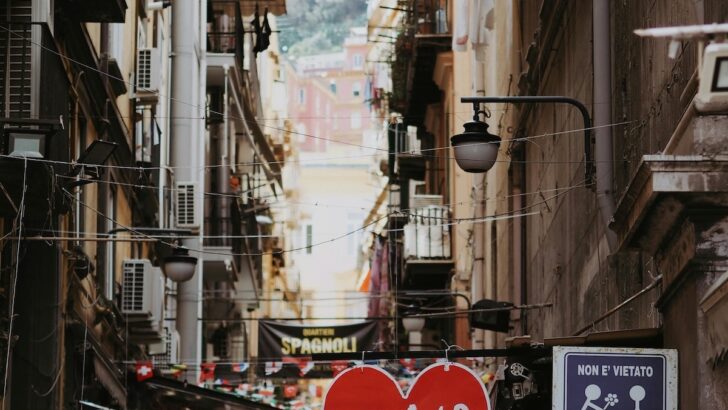

Naples, with its rich history, vibrant culture, and mouthwatering cuisine, is a must-visit destination. However, like many major tourist cities, it’s not immune to scams. Being informed is the best way to ensure your visit is memorable for all the right reasons. Below are the top 10 scams in Naples and how to avoid them.
1. Fake Police Officers
What Happens: Scammers posing as plainclothes police officers may approach tourists, claiming to be conducting random checks for counterfeit money or stolen property. They often target individuals or small groups who appear unfamiliar with the area. The scammers will request your identification, wallet, or purse and, under the pretense of verifying your money, pocket cash or valuables without your immediate notice.
Where: These incidents commonly occur near train stations, airports, or crowded tourist hotspots.
How to Avoid: Always ask for official identification. Legitimate officers will have proper IDs and usually wear uniforms. If someone in plainclothes stops you and insists on checking your belongings, politely decline and insist on going to the nearest police station. Avoid handing over your wallet entirely, as legitimate checks should not require this.
2. Overpriced Taxi Rides
What Happens: Some taxi drivers exploit tourists by refusing to use the meter, quoting unreasonably high fares, or taking unnecessarily long routes to increase the fare. This can leave you significantly overpaying for what should have been a short and affordable trip.
Where: These scams are most prevalent at Naples International Airport, main train stations like Napoli Centrale, and near major tourist attractions.
How to Avoid: Use reputable ride apps like MyTaxi or Uber, where available, to ensure transparency in pricing. If you choose a traditional taxi, make sure the meter is running, or agree on a price before starting the ride. Familiarize yourself with the standard fare ranges for your destination, which you can review on official websites like NapoliToday.
3. Restaurant Scams
What Happens: Unscrupulous restaurants lure tourists with promises like “no cover charge” but add hefty fees for bread, water, or unsolicited appetizers. Some establishments even inflate prices for tourists or include items on the bill you didn’t order.
Where: These scams typically occur in tourist-heavy areas such as Piazza del Plebiscito, Via Toledo, and the vicinity of Castel dell’Ovo.
How to Avoid: Always review the menu carefully for hidden charges and policies. Politely decline any unordered extras, such as bread or small plates of appetizers. To ensure a legitimate dining experience, research restaurants ahead of time by reading reviews on trusted platforms like TripAdvisor or Google Maps.
4. Fake Tour Guides
What Happens: Unlicensed individuals approach tourists at popular attractions, offering guided tours at attractive prices. However, these guides often provide little to no actual value, sometimes even demanding additional fees mid-tour or steering tourists to overpriced shops where they receive commissions.
Where: Common locations include Pompeii, the National Archaeological Museum, and Castel dell’Ovo.
How to Avoid: Book tours through official agencies or reputable online platforms. Verify guide credentials; licensed guides in Italy carry visible identification badges issued by local authorities. Avoid impromptu offers from individuals without clear credentials.
5. Street Vendors Selling Counterfeits
What Happens: Street vendors aggressively sell counterfeit goods, such as “designer” bags, sunglasses, watches, and even electronics. These items are often of very low quality and far from the genuine articles they claim to represent. Some vendors may become confrontational if you try to walk away.
Where: These scams are prevalent in busy areas like Via San Gregorio Armeno, local markets, and near major tourist attractions.
How to Avoid: Avoid engaging with pushy street vendors, no matter how tempting the deals may seem. Remember, purchasing counterfeit items is not only illegal in Italy but also could result in fines if caught by local authorities.
6. Pickpocketing and Bag Snatching
What Happens: Pickpockets often work in pairs or groups, using distractions like asking for directions or spilling something on you while an accomplice steals your belongings. Bag snatching can occur on foot or from thieves riding scooters, particularly if you’re carrying a bag loosely over your shoulder.
Where: Pickpocketing and bag snatching are most common in crowded areas such as Spaccanapoli, Circumvesuviana trains, and busy public transport stations.
How to Avoid: Use anti-theft bags and keep valuables close to your body. Be extra vigilant in crowded areas and avoid using your phone openly in public. Split your cash and cards between different secure locations to minimize losses in case of theft.
7. Fake “Found” Gold Rings
What Happens: A scammer pretends to find a gold ring on the ground near you, claiming it must belong to you. They then insist on giving it to you as a “gift” but demand payment in return, often pressuring you with emotional appeals.
Where: This scam tends to occur in parks, busy sidewalks, and near popular landmarks.
How to Avoid: Firmly and politely decline the ring and walk away. Do not engage in conversation or take the ring, as it’s the scammer’s tool to initiate a transaction.
8. Car Break-Ins and “Helpers”
What Happens: Thieves target parked cars in isolated or poorly monitored areas, breaking in to steal valuables. In some cases, individuals in parking lots offer to “help” you park or “watch” your car for a fee, damaging it if you refuse to pay.
Where: These scams are common in unsupervised parking areas near attractions such as Mount Vesuvius, Pompeii, and suburban tourist spots.
How to Avoid: Always park in secure, official parking lots with attendants. Never leave valuables inside your car, even if they’re hidden. Politely decline offers of unsolicited assistance and choose well-lit, monitored parking locations.
9. Overpriced Souvenirs
What Happens: Shops in tourist-heavy areas sell trinkets and souvenirs at highly inflated prices, often claiming they are unique, handmade, or locally produced. In reality, many of these items are mass-produced and available at lower prices elsewhere.
Where: Streets like Via Toledo, around the Galleria Umberto I, and near major tourist landmarks.
How to Avoid: Compare prices across multiple shops before purchasing souvenirs. For authentic and reasonably priced items, venture into less touristy neighborhoods or visit local artisan markets.
10. Phantom Hotel Bookings
What Happens: Tourists book accommodations through unverified or unofficial platforms only to find that the property doesn’t exist or is vastly different from its description. This can leave travelers stranded or forced to pay exorbitant last-minute rates elsewhere.
Where: Online, particularly on lesser-known or last-minute booking websites.
How to Avoid: Always book through trusted platforms like Booking.com, Expedia, or Airbnb. Cross-check the property’s address on Google Maps and read multiple reviews to confirm its legitimacy. Be wary of deals that seem too good to be true, especially during peak travel seasons.
General Tips for Staying Safe in Naples
- Blend In: Avoid looking like a tourist by dressing modestly and not openly displaying valuables such as cameras or jewelry.
- Stay Alert: Be aware of your surroundings, especially in crowded areas or locations where you might be distracted.
- Emergency Contacts: Save the local emergency number (112) and the tourist police hotline (113) in your phone so you can quickly reach out for assistance if needed.
By staying informed and cautious, you can enjoy Naples’ charm without falling victim to scams.
Leave a comment