
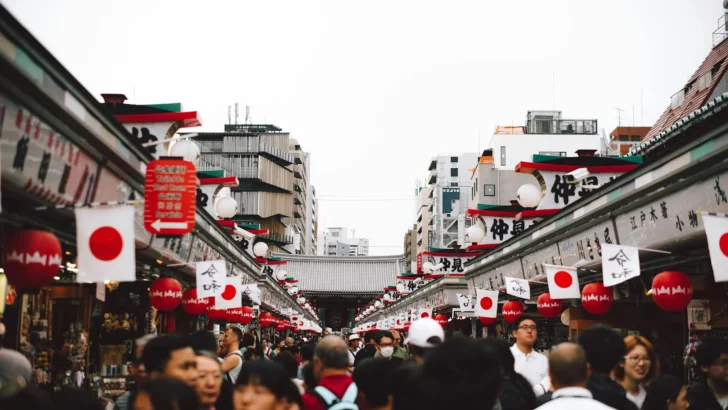
Tokyo, Japan’s bustling capital, is a city where tradition meets innovation, creating a unique and captivating destination. Before you pack your bags and head to this vibrant metropolis, here are the top 10 things you need to know to make your trip enjoyable and stress-free.
1. Understanding Tokyo’s Layout
Tokyo is vast and divided into 23 special wards, each with its own character and attractions. Key areas include:
- Shinjuku: Known for its skyscrapers, shopping, and nightlife.
- Shibuya: Famous for the Shibuya Crossing and youth culture.
- Asakusa: Home to the historic Sensō-ji Temple.
- Ginza: A luxury shopping district.
- Akihabara: The hub for electronics and otaku culture.
Understanding the layout helps in planning your itinerary and accommodation.
2. Transportation System
Tokyo’s public transportation system is one of the most efficient in the world, but it can be overwhelming. Key points include:
- JR Yamanote Line: A loop line that connects major districts.
- Tokyo Metro and Toei Subway: Covering most of the city.
- IC Cards (Suica/Pasmo): Reloadable cards for easy access to trains and buses.
Familiarize yourself with the transport maps and consider downloading navigation apps like Google Maps or Hyperdia.
3. Cultural Etiquette
Respect for local customs is crucial. Some important etiquette tips:
- Bowing: A common form of greeting and showing respect.
- Shoes: Remove shoes when entering homes, certain restaurants, and temples.
- Quietness: Maintain a low volume in public spaces, especially on public transportation.
Being aware of these customs shows respect and helps you blend in.
4. Language Barrier
While many Japanese people understand basic English, particularly in tourist areas, learning a few Japanese phrases can be beneficial:
- Hello (こんにちは, Konnichiwa)
- Thank you (ありがとう, Arigatou)
- Excuse me (すみません, Sumimasen)
Carrying a translation app can also be helpful for more complex interactions.
5. Cash and Credit
Japan is still largely a cash-based society. Ensure you have enough yen for daily expenses:
- ATMs: Available at convenience stores like 7-Eleven and Family Mart, which accept international cards.
- Credit Cards: Widely accepted in larger stores and restaurants, but small businesses may only take cash.
Plan to carry a mix of cash and cards for convenience.
6. Dining Etiquette
Tokyo offers a culinary paradise, but there are dining rules to follow:
- Chopsticks: Avoid sticking chopsticks upright in rice or passing food from chopstick to chopstick, as these actions are associated with funerals.
- Slurping: Acceptable and often encouraged when eating noodles.
- Tipping: Not customary and can be seen as rude. Exceptional service is expected without a tip.
Embrace these practices to fully enjoy the dining experience.
7. Accommodation Options
Tokyo offers a range of accommodation types to suit all budgets:
- Hotels: From luxury international chains to business hotels.
- Ryokan: Traditional Japanese inns with tatami mats and communal baths.
- Capsule Hotels: Budget-friendly, offering small sleeping pods.
- Airbnb: Popular but ensure the listing is licensed due to strict regulations.
Book in advance, especially during peak seasons like cherry blossom (March-April) and autumn (October-November).
8. Internet and Connectivity
Staying connected is vital for navigation and communication:
- Pocket Wi-Fi: Rentable devices providing portable internet.
- SIM Cards: Prepaid data SIM cards are available at airports and electronic stores.
- Free Wi-Fi: Available in some cafes, hotels, and public spaces, but not ubiquitous.
Having reliable internet access will enhance your travel experience.
9. Local Festivals and Events
Tokyo hosts numerous festivals and events throughout the year. Some highlights include:
- Cherry Blossom Viewing (Hanami): Late March to early April.
- Sumo Tournaments: Held in January, May, and September at Ryogoku Kokugikan.
- Ginza Matsuri: A vibrant summer festival.
- New Year’s Celebrations: Unique traditions and temple visits.
Check the event calendar to plan your visit around these cultural experiences.
10. Safety and Cleanliness
Tokyo is one of the safest cities in the world, but it’s still important to be cautious:
- Crime Rate: Very low, but always be aware of your surroundings.
- Emergency Numbers: Police (110), Ambulance/Fire (119).
- Cleanliness: Public spaces are extremely clean, with limited trash bins. Carry a small bag for your rubbish until you find a disposal spot.
Respect local norms and contribute to maintaining the city’s cleanliness.
Tokyo is a city that offers a rich tapestry of experiences, from futuristic technology to deep-rooted traditions. By understanding the city’s layout, mastering the transportation system, respecting local customs, and preparing for practicalities like cash usage and connectivity, you’ll be well-equipped to enjoy all that Tokyo has to offer. Embrace the adventure and immerse yourself in the vibrant culture of this incredible city.
Leave a comment