

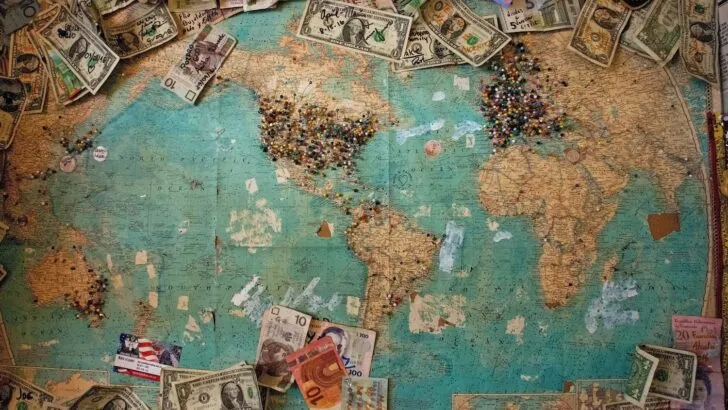
Traveling can be an enriching and transformative experience, but it can also be expensive. However, with careful planning and smart strategies, you can explore the world without breaking the bank. This in-depth guide provides comprehensive tips and tricks to help you save money while traveling.
Planning Your Trip
1. Research and Planning
The foundation of a budget-friendly trip starts with thorough research and planning. Here are steps to ensure you get the best deals:
a. Choose Affordable Destinations
Some destinations are inherently more expensive than others. Southeast Asia, Eastern Europe, and South America offer fantastic experiences at a fraction of the cost compared to Western Europe or North America.
b. Off-Season Travel
Traveling during the off-season can significantly reduce costs. Flights, accommodations, and even attractions are cheaper when demand is lower. Plus, you’ll avoid the crowds.
c. Flexible Dates
Use fare comparison tools like Google Flights, Skyscanner, and Kayak to find the cheapest travel dates. Being flexible with your travel dates can lead to substantial savings on airfare.
2. Budgeting
Set a realistic budget for your trip. Consider all potential expenses including flights, accommodations, food, transportation, activities, and souvenirs. Use budgeting apps or spreadsheets to keep track of your expenses.
Saving on Flights
1. Use Flight Comparison Websites
Websites like Skyscanner, Google Flights, and Momondo allow you to compare prices across multiple airlines and booking platforms. Set up price alerts to monitor fare fluctuations.
2. Book in Advance
Generally, booking flights 2-3 months in advance can help you secure lower prices. However, for international flights, you might need to book 5-6 months ahead.
3. Consider Alternate Airports
Flying into or out of alternate airports can sometimes be cheaper. For example, if you’re traveling to New York City, check flights into Newark, LaGuardia, and JFK.
4. Use Frequent Flyer Miles and Points
Join airline loyalty programs and use credit cards that offer travel rewards. Accumulate points and miles that can be redeemed for free or discounted flights.
Accommodations
1. Budget Hotels and Hostels
Budget hotels and hostels are a great way to save money. Websites like Hostelworld and Booking.com can help you find affordable lodging options.
2. Vacation Rentals
Platforms like Airbnb, Vrbo, and HomeAway offer vacation rentals that can be more economical, especially for longer stays or group travel. You can save on food expenses by cooking your own meals.
3. House Sitting and Home Exchanges
Consider house sitting or home exchange programs. Websites like TrustedHousesitters and HomeExchange connect travelers with homeowners who need someone to look after their property.
4. Stay with Friends or Family
If you have friends or family in your destination, consider staying with them. Not only will you save money on accommodations, but you’ll also get a local’s perspective on the area.
Transportation
1. Public Transportation
Use public transportation instead of taxis or ride-sharing services. Buses, trains, and subways are usually much cheaper and offer a more authentic travel experience.
2. Walk or Bike
Walking or biking is not only free but also a great way to explore a new place. Many cities offer bike rental services or bike-sharing programs.
3. Car Rentals
If you need a car, compare rental prices on websites like Rentalcars.com or Kayak. Consider renting from off-airport locations to avoid extra fees.
4. Ride-Sharing and Carpooling
Services like BlaBlaCar and local carpooling apps can connect you with people traveling to the same destination, allowing you to share travel costs.
Food and Dining
1. Cook Your Own Meals
If your accommodation has a kitchen, take advantage of it. Visit local markets and grocery stores to buy fresh, local ingredients and cook your own meals.
2. Eat Like a Local
Avoid touristy restaurants and seek out places where locals eat. Street food is often cheap and delicious. Apps like Yelp and TripAdvisor can help you find budget-friendly dining options.
3. Take Advantage of Free Breakfasts
Many hotels and hostels offer free breakfast. Take full advantage of this by having a hearty meal in the morning, which can help you save on lunch.
4. Bring Snacks
Carry snacks with you to avoid buying expensive food at tourist attractions or during long transportation rides. Nuts, fruits, and granola bars are great options.
Activities and Attractions
1. Free and Low-Cost Attractions
Many cities offer free or low-cost attractions such as museums, parks, and historical sites. Research and make a list of free things to do at your destination.
2. City Passes and Discount Cards
City passes and discount cards can offer significant savings on attractions, tours, and transportation. Look for passes that cover the most important sites you want to visit.
3. Free Walking Tours
Many cities offer free walking tours led by local guides. These tours are usually tip-based, so you can pay what you feel the tour was worth.
4. DIY Tours
Create your own tours using guidebooks, maps, and online resources. You can explore at your own pace and save money on guided tours.
Shopping and Souvenirs
1. Set a Souvenir Budget
Decide how much you want to spend on souvenirs and stick to your budget. Focus on meaningful, affordable items rather than expensive trinkets.
2. Shop at Local Markets
Local markets often have unique, inexpensive souvenirs. Plus, you’ll be supporting local artisans and businesses.
3. Duty-Free Shopping
If you’re flying internationally, take advantage of duty-free shops at airports. You can find tax-free goods that might be cheaper than buying them in regular stores.
Money Management
1. Avoid Currency Exchange Fees
Use credit and debit cards that don’t charge foreign transaction fees. Withdraw cash from ATMs instead of exchanging large amounts of money at currency exchange booths.
2. Track Your Expenses
Use budgeting apps like Mint or Trail Wallet to keep track of your spending. This helps you stay within your budget and identify areas where you can cut costs.
3. Set Daily Spending Limits
Determine a daily spending limit and stick to it. This helps prevent overspending and ensures you have enough money for the entire trip.
4. Use Local Currency
Whenever possible, pay in the local currency to avoid additional fees. Some merchants may offer to charge your card in your home currency, but this often comes with a poor exchange rate.
Insurance and Safety
1. Travel Insurance
Invest in travel insurance to protect yourself from unforeseen expenses related to medical emergencies, trip cancellations, and lost luggage. Compare plans on websites like InsureMyTrip or World Nomads.
2. Stay Safe
Being aware of your surroundings and taking common-sense precautions can save you money by avoiding theft or scams. Keep your valuables secure and be cautious in unfamiliar areas.
Conclusion
Traveling on a budget requires careful planning, flexibility, and smart decision-making. By choosing affordable destinations, booking in advance, utilizing public transportation, and being mindful of your expenses, you can enjoy a fulfilling travel experience without financial strain. Embrace the adventure of finding creative ways to save money, and you’ll discover that budget travel can be just as rewarding as luxury travel. Happy travels!
Leave a comment