

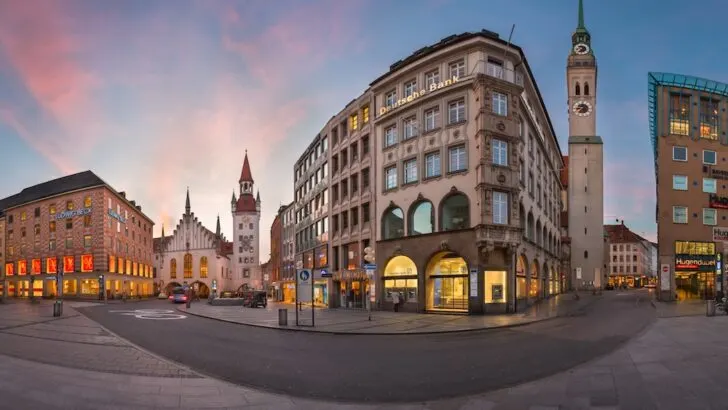
Munich is world-famous for its annual Oktoberfest, a celebration of beer, music, and Bavarian culture that draws visitors from around the globe. The city’s festive spirit extends to other events, including Christmas markets, cultural festivals, and traditional parades.
Munich’s unique blend of history, culture, and modernity creates a city that has something to offer every type of traveler.
Whether you’re exploring its palaces, indulging in Bavarian cuisine, immersing yourself in its arts and music, or simply strolling through its beautiful parks, Munich invites you to experience the harmony between its past and present in a way that’s both enchanting and captivating.
1. Marienplatz: The central square where you can admire the Glockenspiel and the New Town Hall

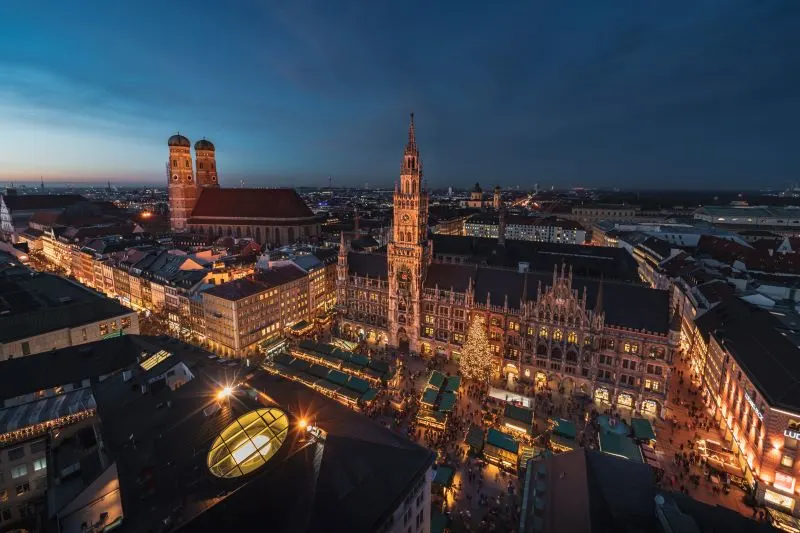
Marienplatz is the central square located in the heart of Munich, Germany. It serves as the city’s main gathering point and a focal point for both locals and tourists. The square is surrounded by historic buildings and is notable for its lively atmosphere and architectural landmarks.
One of the most famous features of Marienplatz is the Glockenspiel, a musical clock located on the New Town Hall (Neues Rathaus) tower.
The Glockenspiel performs daily at 11:00 AM and 12:00 PM (as well as an additional show at 5:00 PM during the summer months), delighting visitors with its intricate figurines that reenact historical events.
Marienplatz is surrounded by cafes, shops, and restaurants, making it a popular spot for people to relax, shop, and soak in the ambiance of the city.
It’s also a starting point for exploring the city’s historic core, as many of Munich’s key attractions are within walking distance.
The square has a vibrant and bustling atmosphere, especially during festivals and events, and it’s a must-visit location for anyone exploring Munich’s rich culture and history.
2. Viktualienmarkt: A bustling outdoor market offering fresh produce, gourmet foods, and Bavarian specialties

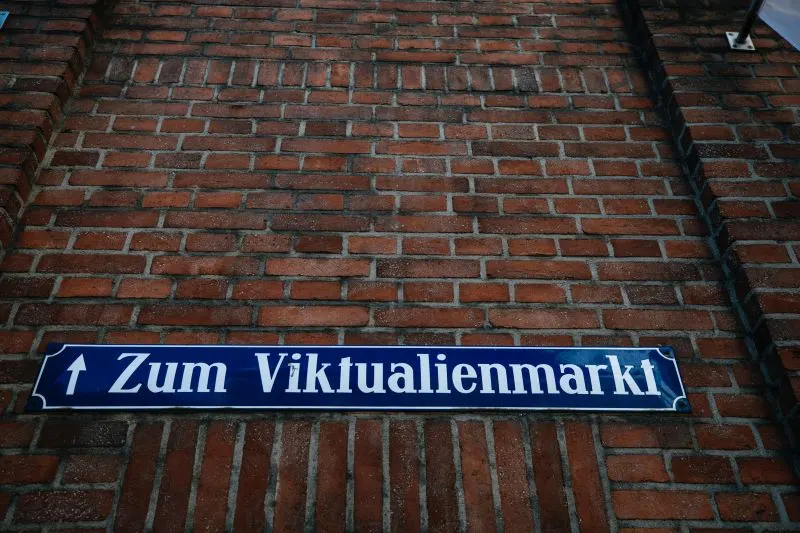
Viktualienmarkt is a vibrant and historic outdoor market located in the heart of Munich, Germany. It has a long-standing tradition dating back to the early 19th century and remains a bustling hub for fresh produce, specialty foods, and local Bavarian products.
The market offers a diverse array of goods, including fresh fruits, vegetables, meats, cheeses, bread, pastries, flowers, spices, and more.
What sets Viktualienmarkt apart is its lively and colorful atmosphere. Visitors can explore the various stalls and stands, interact with vendors, and sample a wide range of culinary delights. The market also features a traditional Biergarten where you can enjoy Bavarian beers and local dishes in a relaxed outdoor setting.
Throughout the year, Viktualienmarkt hosts special events and seasonal festivals that showcase the best of Bavarian cuisine, arts, and culture.
It’s not only a place to shop for high-quality ingredients, but also a cultural experience that allows you to immerse yourself in Munich’s culinary traditions and local way of life.
Whether you’re looking to do some shopping, savor traditional flavors, or simply enjoy the vibrant atmosphere, Viktualienmarkt is a must-visit destination in Munich.
3. Nymphenburg Palace: A stunning Baroque palace with beautiful gardens, fountains, and opulent rooms

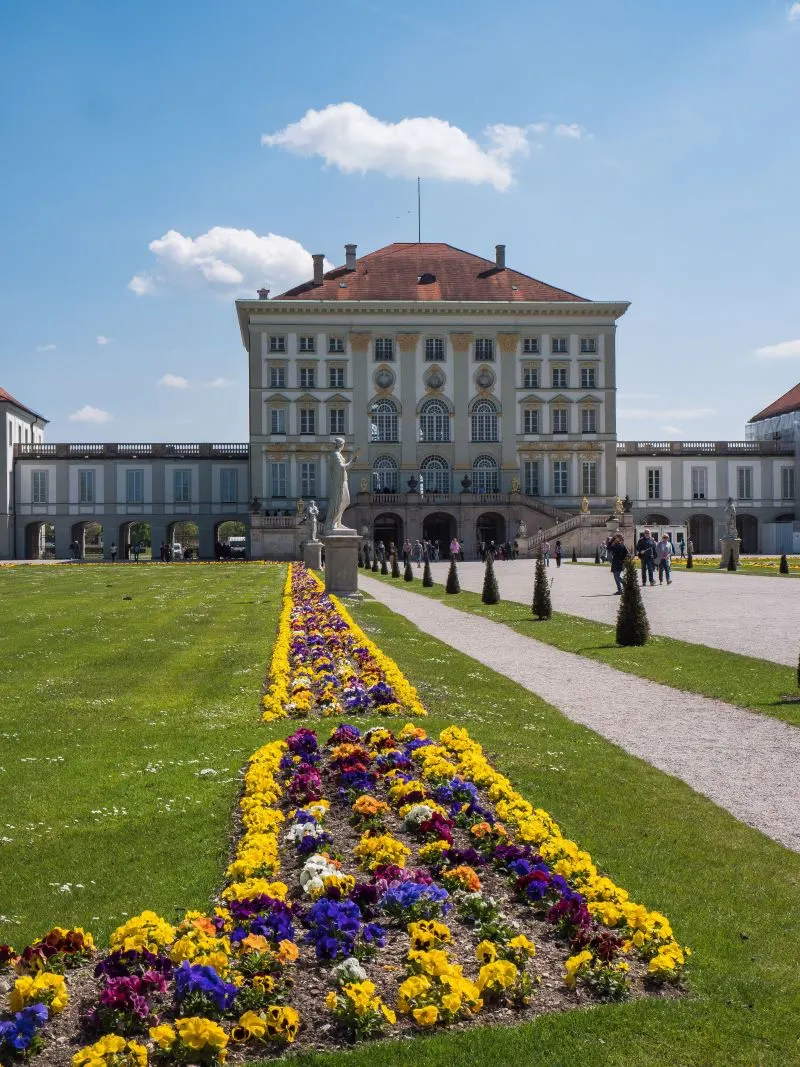
Nymphenburg Palace, located in Munich, Germany, is a stunning Baroque palace that showcases the grandeur and architectural splendor of Bavaria’s royal history.
It was originally built as a summer residence for the Bavarian monarchs in the late 17th century. The palace is surrounded by beautifully landscaped gardens, fountains, and a serene canal.
The palace complex comprises a series of interconnected buildings, each with its own unique architectural style and purpose. The main building, the Nymphenburg Palace itself, features opulent rooms adorned with exquisite artwork, elaborate decorations, and luxurious furnishings.
Notable rooms include the Grand Hall of Ceremonies and the stunning Gallery of Beauties, which showcases portraits of Bavarian women commissioned by King Ludwig I.
The palace is also known for its extensions and pavilions, such as the Amalienburg, a charming hunting lodge designed in a Rococo style, and the Badenburg, a lakeside palace with an indoor swimming pool.
The extensive gardens of Nymphenburg Palace are a masterpiece of landscaping, featuring geometric patterns, lush greenery, tranquil lakes, and beautiful sculptures. The Grand Canal runs through the grounds, adding to the palace’s picturesque setting.
4. Englischer Garten: One of the world’s largest urban parks, perfect for strolling, picnicking, and even surfing on the Eisbach river

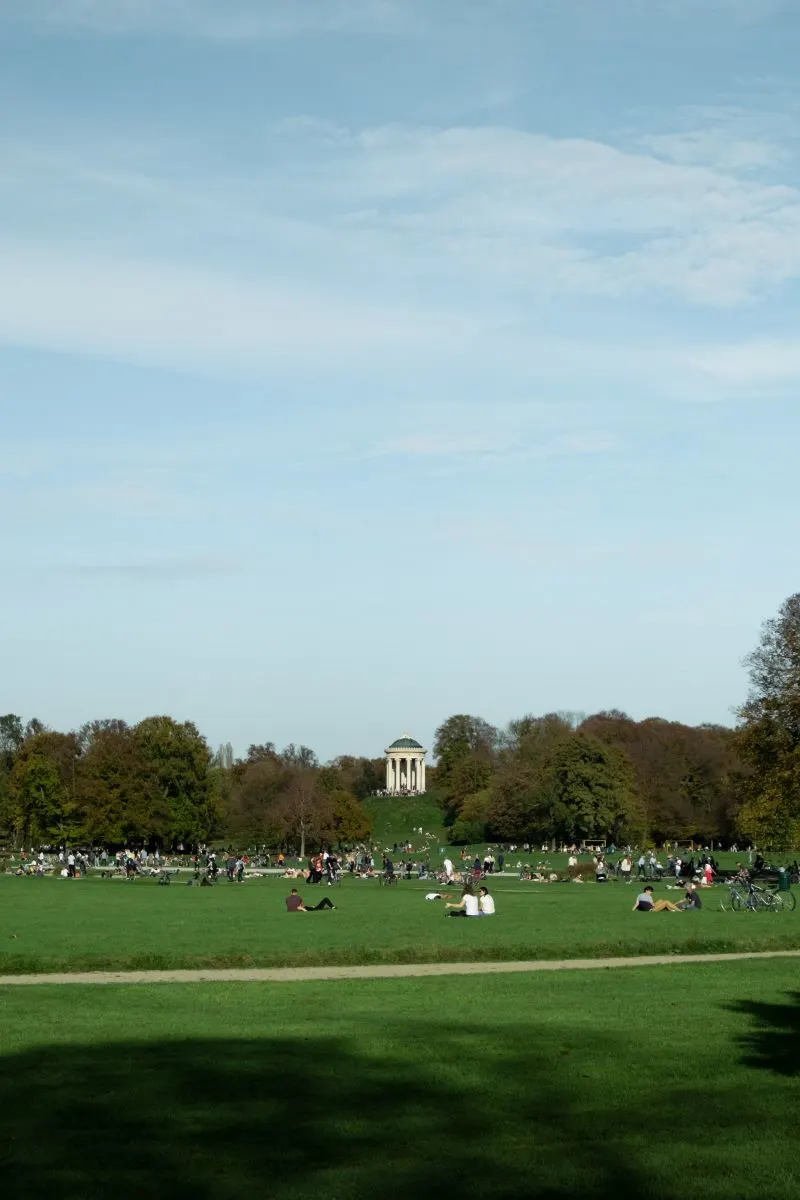
The Englischer Garten, or English Garden, is a sprawling urban park located in Munich, Germany. It is one of the largest city parks in the world and offers a serene and natural escape right within the heart of the city.
Created in the late 18th century, the park’s design was influenced by English landscape gardening principles, hence its name.
The Englischer Garten features expansive meadows, tree-lined pathways, and a gently flowing artificial stream called the Eisbach. One of the unique attractions of the park is the Eisbachwelle, a man-made wave on the Eisbach that has become a popular spot for river surfing.
The park is a favorite among locals and visitors alike for various outdoor activities. You can enjoy leisurely walks or bike rides along the numerous paths, have picnics on the spacious lawns, or simply find a quiet corner to relax and unwind.
There are several charming beer gardens within the park where you can enjoy traditional Bavarian food and beer in a convivial atmosphere.
One of the park’s main landmarks is the Monopteros, a Greek-style temple that offers panoramic views of the surrounding greenery. The Japanese Tea House and the Chinese Tower are also noteworthy attractions within the Englischer Garten.
Additionally, the Englischer Garten is known for its naturist-friendly area near the Schönfeldwiese meadow, where sunbathing in the nude is permitted.
5. BMW Museum and Welt: A paradise for car enthusiasts, showcasing the history and innovation of BMW


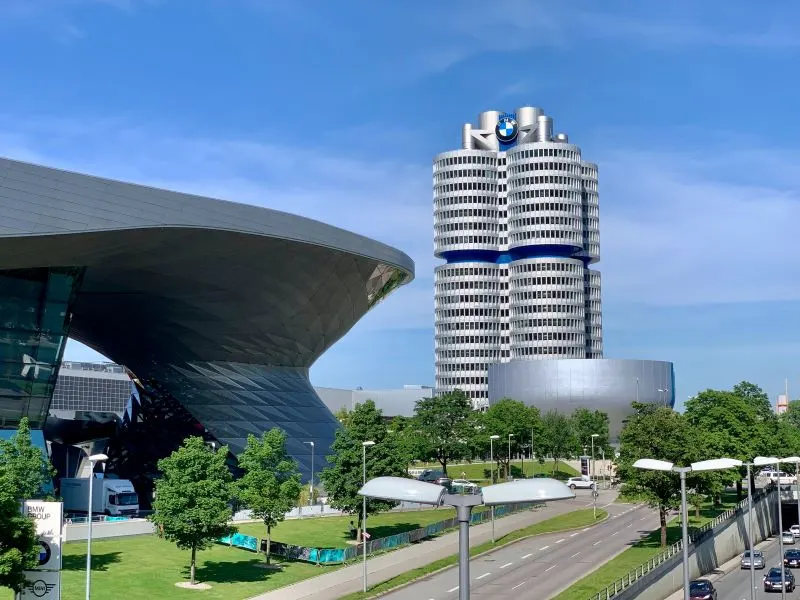
The BMW Museum and BMW Welt (World) are two interconnected attractions in Munich, Germany, dedicated to the world of BMW, the renowned automobile manufacturer.
BMW Museum: The BMW Museum is a modern architectural marvel that showcases the history, innovation, and evolution of BMW’s automobiles and motorbikes.
The museum’s design is distinctively futuristic, with its “double cone” structure. Inside, you’ll find a curated collection of BMW vehicles from various eras, ranging from classic cars to the latest models.
The exhibits trace the company’s development, engineering prowess, and design philosophy. Interactive displays, multimedia presentations, and detailed explanations provide insights into BMW’s technological advancements and its impact on the automotive industry.
BMW Welt (World): Located adjacent to the museum, BMW Welt serves as a multifunctional event and delivery center. It’s the place where new BMW vehicles are handed over to customers in a theatrical experience known as “vehicle delivery.”
Visitors can explore the latest BMW models, learn about the brand’s innovations, and even test-drive vehicles. The building’s architecture is striking, characterized by its futuristic design and a double-cone structure similar to that of the museum.
Both the BMW Museum and BMW Welt provide an immersive experience for automotive enthusiasts, showcasing the brand’s history, design prowess, and cutting-edge technology.
Whether you’re a car aficionado or simply curious about the world of automobiles, these attractions offer a unique perspective on BMW’s legacy and its role in shaping the automotive landscape.
6. Alte Pinakothek: A renowned art museum housing a vast collection of European masterpieces

 g
g
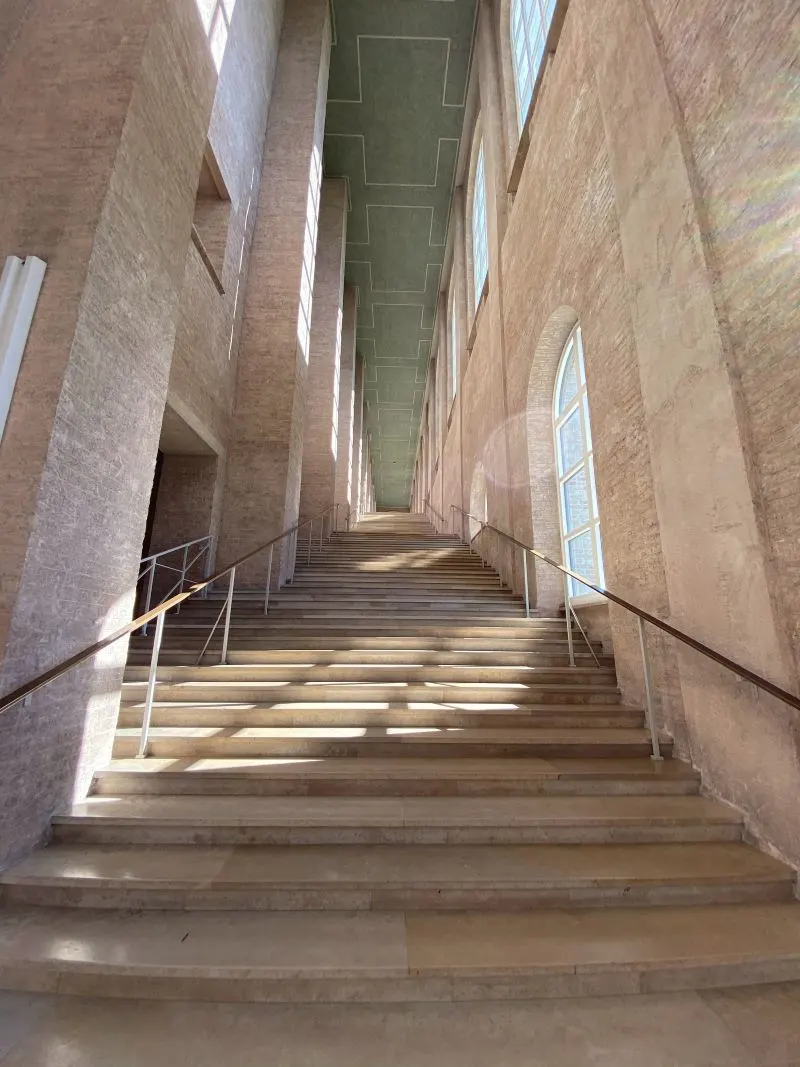
The Alte Pinakothek, located in Munich, Germany, is one of the most prominent art museums in Europe, renowned for its exceptional collection of European art from the 14th to the 18th centuries. “Alte Pinakothek” translates to “Old Picture Gallery,” indicating its focus on older artworks.
The museum’s impressive architecture and interior provide a fitting backdrop for its extensive collection. The building itself is a masterpiece, combining neoclassical elements with a grand entrance and spacious galleries.
Inside, visitors can explore a vast array of masterpieces by some of the greatest artists in Western art history. The collection includes works from various schools and periods, ranging from the Italian Renaissance to the Dutch Golden Age and beyond.
Visitors can admire paintings by artists such as Leonardo da Vinci, Raphael, Albrecht Dürer, Rembrandt, Rubens, and Titian, among many others.
The Alte Pinakothek’s galleries are organized chronologically and geographically, allowing visitors to appreciate the evolution of artistic styles and techniques over the centuries.
The museum’s layout encourages an immersive experience, where you can observe the subtle nuances and monumental achievements of each era.
7. Deutsches Museum: The world’s largest science and technology museum, offering interactive exhibits for all ages


The Deutsches Museum, located in Munich, Germany, is one of the world’s largest and most comprehensive science and technology museums.
Founded in the late 19th century, the museum aims to showcase the advancements and innovations that have shaped various fields of science, engineering, and technology throughout history.
The museum’s vast collection covers a wide range of subjects, including physics, astronomy, chemistry, telecommunications, transportation, energy, and more.
It houses an extensive array of artifacts, interactive exhibits, models, and historical objects that provide insight into the evolution of human knowledge and technological progress.
Visitors to the Deutsches Museum can explore hands-on exhibits that encourage interaction and experimentation. These exhibits make complex scientific concepts accessible to people of all ages and backgrounds.
The museum also offers specialized sections and galleries dedicated to specific fields, such as aerospace, robotics, medical technology, and industrial machinery.
One of the highlights of the museum is the full-scale replica of the first functioning electric dynamo created by Werner von Siemens in the 19th century.
Additionally, the museum features a planetarium, a historical maritime collection, and a section devoted to music and musical instruments.
8. Residenz Palace: Former royal palace showcasing opulent rooms, art collections, and the stunning Cuvilliés Theatre

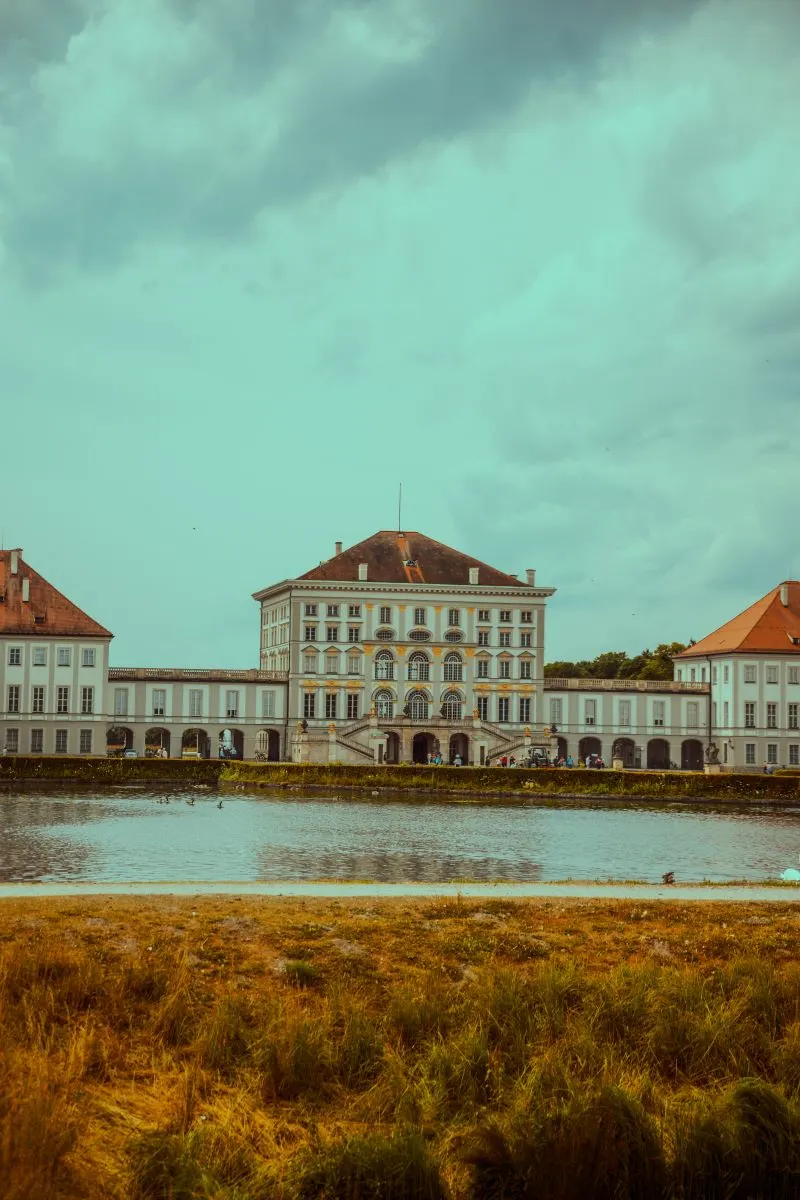
The Residenz Palace, located in Munich, Germany, is a historic and opulent palace complex that was once the seat of Bavarian monarchs.
It showcases a rich blend of architectural styles, from Renaissance to Baroque, and serves as a testament to the power and grandeur of Bavaria’s ruling dynasties.
The palace is a vast complex that encompasses numerous wings, courtyards, and opulent rooms. Visitors can explore its lavish interiors, which feature ornate decorations, intricate stucco work, and sumptuous furnishings.
Notable rooms within the palace include the Antiquarium, a stunning hall adorned with classical sculptures and exquisite ceiling frescoes, and the Cuvilliés Theatre, an intricately designed Rococo theater that hosted performances and courtly events.
The Residenz Palace also houses the Schatzkammer (Treasury), where you can see a remarkable collection of royal jewels, precious artifacts, and ceremonial items.
The palace is surrounded by the Hofgarten (Court Garden), a well-maintained garden that offers a serene space for relaxation and leisure.
Throughout its history, the Residenz Palace underwent multiple expansions and renovations, resulting in a captivating blend of architectural styles and historical periods.
It provides insights into the lifestyle and tastes of Bavarian rulers while offering visitors a glimpse into the artistry and craftsmanship of the past.
9. St. Peter’s Church: Climb the tower for panoramic views of the city and explore the beautiful interior

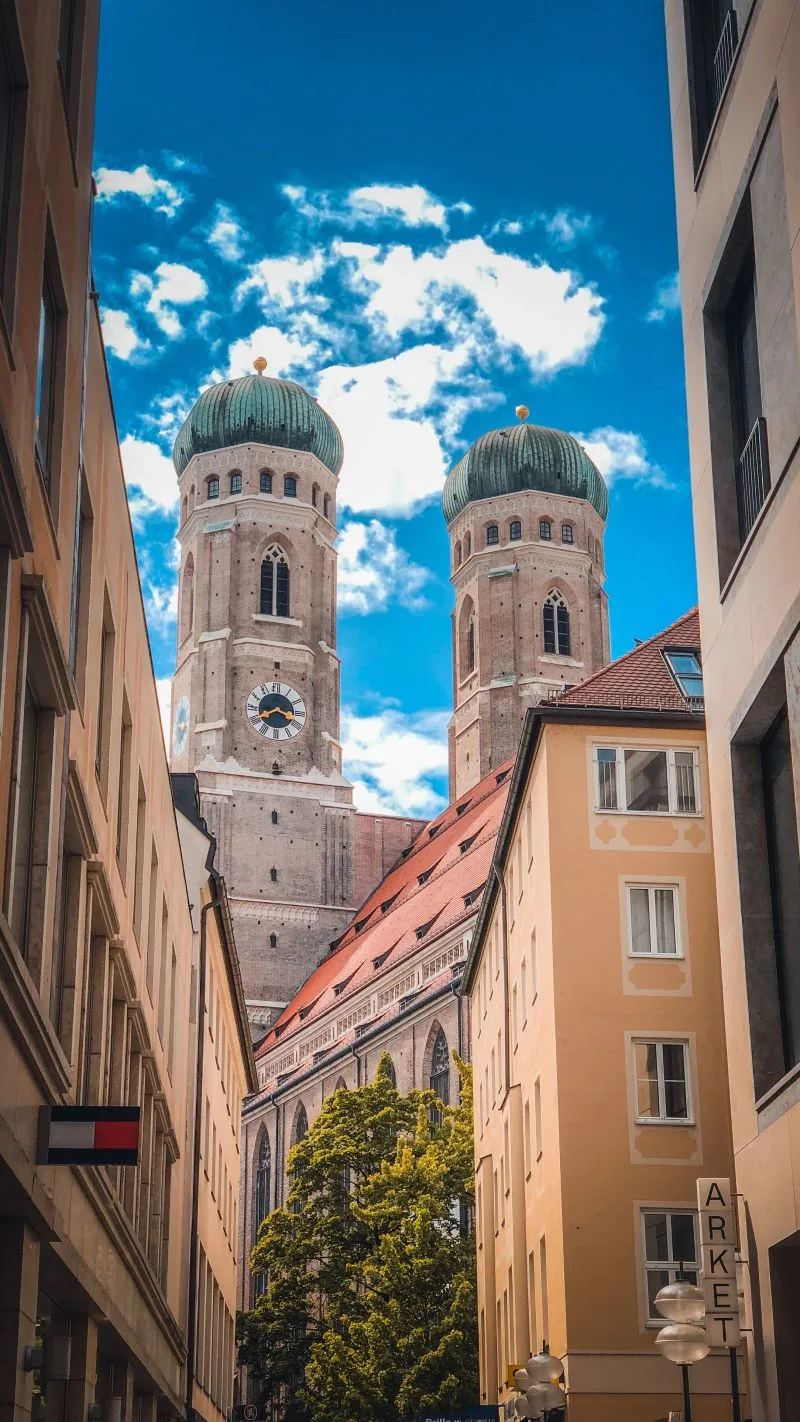
St. Peter’s Church, also known as Peterskirche, is one of the oldest and most significant churches in Munich, Germany. Situated in the heart of the city, it holds historical and architectural significance, and its distinctive tower is a recognizable landmark on Munich’s skyline.
The church’s origins date back to the 12th century, making it one of Munich’s oldest parishes. Over the centuries, St. Peter’s has undergone several renovations and expansions, resulting in a blend of architectural styles, including Romanesque and Baroque elements.
The most prominent feature of St. Peter’s is its towering steeple, known as the Alter Peter (Old Peter). The tower offers panoramic views of Munich and its surroundings, making it a popular attraction for visitors.
To reach the top, visitors must climb a steep and narrow staircase, but the effort is rewarded with breathtaking vistas of the city.
Inside the church, visitors can admire an array of Baroque decorations, altars, sculptures, and intricate artwork. The high altar features a notable painting of the Crucifixion by Johann Baptist Zimmermann.
St. Peter’s Church also houses a macabre historical curiosity known as the “Beinhaus” or ossuary. This small chamber contains the bones of deceased monks and parishioners, arranged in decorative patterns—a reminder of the church’s long history and the medieval tradition of reusing burial space.
10. Dachau Concentration Camp Memorial Site: A somber but important site to learn about Nazi history and the Holocaust


The Dachau Concentration Camp Memorial Site, located just outside Munich, Germany, is a solemn and important historical site that serves as a reminder of the atrocities committed during the Holocaust under Nazi rule. Dachau was one of the first concentration camps established by the Nazis and operated from 1933 to 1945.
The memorial site encompasses the original camp grounds and various exhibits, providing visitors with a sobering and educational experience.
It aims to honor the memory of the prisoners who suffered and died there while educating visitors about the horrors of the Holocaust and the broader context of totalitarianism and persecution.
Upon visiting the site, visitors can explore the preserved barracks, watchtowers, and the remnants of the camp’s infrastructure, gaining a sense of the harsh conditions that prisoners endured.
Exhibits within the visitor center provide historical context, personal accounts, and photographs that shed light on the grim realities faced by those imprisoned in Dachau.
The memorial also includes sculptures, memorials, and plaques dedicated to the memory of the victims. One notable feature is the International Memorial, which commemorates the lives lost in the camp and symbolizes the collective commitment to preventing such tragedies in the future.
11. Olympiapark: A park built for the 1972 Summer Olympics, featuring the Olympic Tower and various sports facilities

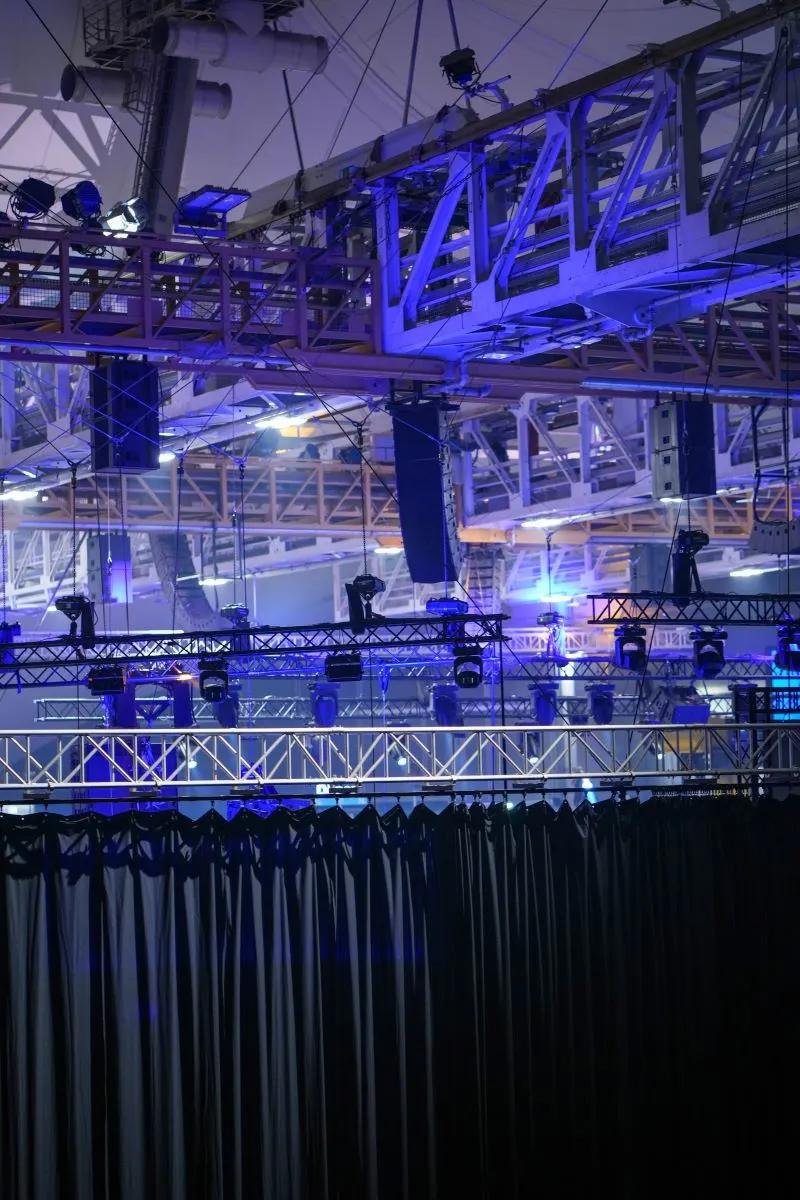
Olympiapark, located in Munich, Germany, is a large and iconic urban park that was originally constructed for the 1972 Summer Olympics.
The park’s design and features make it a popular destination for both locals and visitors, offering a blend of recreational activities, cultural attractions, and architectural landmarks.
Key features and attractions of Olympiapark include:
Olympic Stadium: The centerpiece of the park, this modernist stadium hosted the opening and closing ceremonies of the 1972 Olympics. Its tensile roof structure is an architectural marvel.
Olympic Tower: Standing adjacent to the stadium, the Olympic Tower offers panoramic views of Munich and its surroundings from its observation platform.
Olympic Hall: A versatile indoor arena that has hosted numerous concerts, sporting events, and exhibitions over the years.
Sea Life Munich: An aquarium located within the park, featuring a variety of marine life and interactive exhibits.
Rock Museum: Part of the Olympic Tower, this museum showcases rock and pop music memorabilia and artifacts.
Spiral Walkway: This artistic structure winds around the Olympic Stadium, providing a unique vantage point and an interesting photo opportunity.
Parkland: Olympiapark offers vast green spaces, ideal for jogging, picnicking, or simply enjoying the outdoors. The park’s layout includes gentle hills, water features, and gardens.
Lake and Canals: A central lake surrounded by walking paths, pedal boats, and tranquil canals provide a serene atmosphere for relaxation.
Cultural Events: The park hosts various cultural events, concerts, and festivals, making it a lively hub for entertainment.
Olympiapark’s combination of sports facilities, recreational spaces, cultural attractions, and its distinctive architectural character make it a versatile and dynamic destination. Whether you’re interested in sports, architecture, nature, or cultural experiences, Olympiapark has something to offer for everyone.
12. Asam Church: A hidden gem known for its impressive Baroque architecture and ornate interior

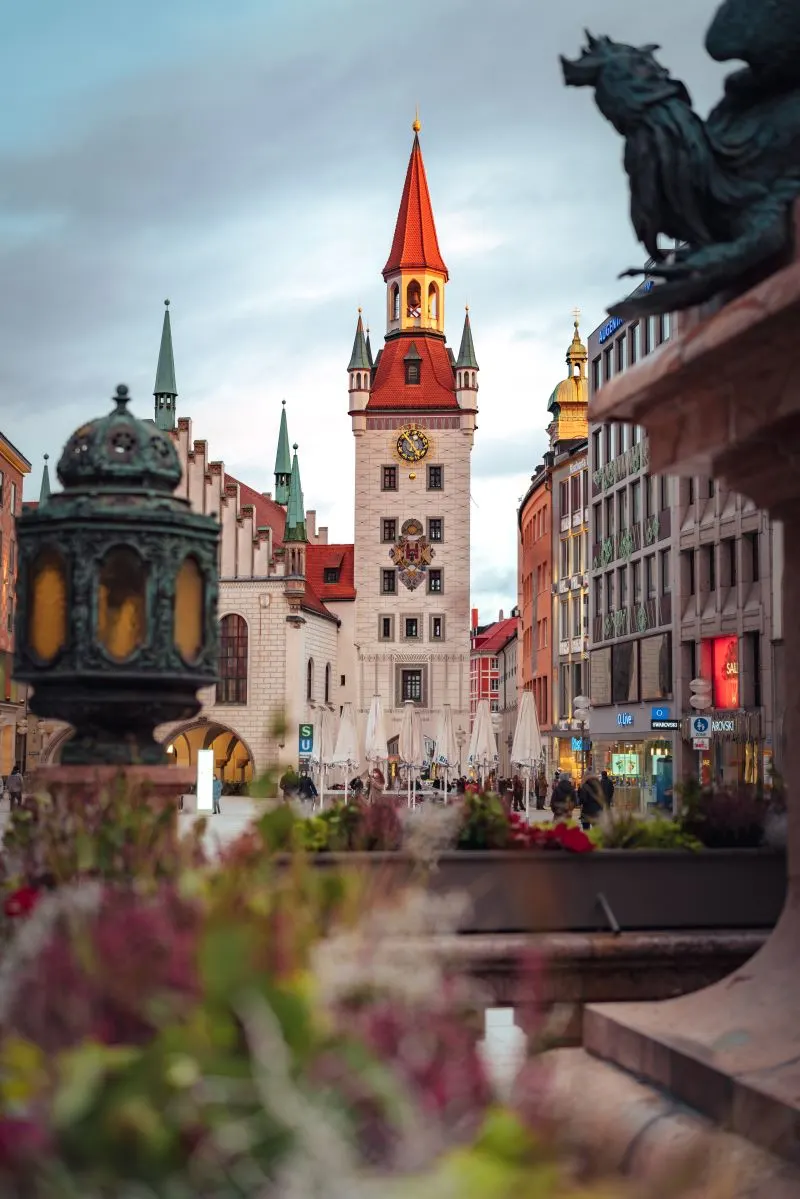
The Asam Church, officially known as St. Johann Nepomuk Church, is a hidden gem located in Munich, Germany. It is a small but remarkable Baroque church known for its ornate and lavish interior, often referred to as the “Asamkirche” after the two brothers who designed and built it.
Built between 1733 and 1746 by the brothers Egid Quirin Asam and Cosmas Damian Asam, the church was intended as a private chapel for the Asam family. However, its artistic beauty and intricate design have drawn visitors and admirers from around the world.
The exterior of the Asam Church is relatively unassuming, blending in with the surrounding buildings. However, stepping inside reveals a breathtaking display of intricate stucco work, sculptures, frescoes, and gilded decorations.
The ceiling and walls are adorned with elaborate designs that create a sense of movement and drama, characteristic of the Baroque style.
The church’s compact size contributes to an intimate atmosphere, allowing visitors to appreciate the details up close. The altar, dedicated to St. John of Nepomuk, features a central painting framed by a richly decorated altarpiece. The pulpit is another masterpiece, with its twisting columns and ornate carvings.
13. Hofbräuhaus: One of Munich’s most famous beer halls, offering traditional Bavarian food and atmosphere


The Hofbräuhaus is a historic beer hall located in Munich, Germany, renowned for its traditional Bavarian atmosphere, lively ambiance, and rich cultural heritage.
It is one of the most famous and iconic beer halls in the world and holds a significant place in Munich’s social and brewing history.
Founded in 1589 by Duke Wilhelm V of Bavaria, the Hofbräuhaus has a long and storied tradition. It originally served as the royal brewery, producing beer exclusively for the Bavarian court.
Over the centuries, it transformed into a public beer hall, welcoming both locals and tourists to enjoy its hearty brews, traditional Bavarian cuisine, and festive atmosphere.
The Hofbräuhaus offers a quintessential Bavarian experience. Inside, visitors can immerse themselves in the vibrant energy of the beer hall, with long communal tables, servers dressed in traditional dirndls and lederhosen, and live music playing folk tunes and classics.
The beer served at the Hofbräuhaus follows the German Beer Purity Law (Reinheitsgebot), ensuring a high-quality and authentic taste.
While at the Hofbräuhaus, visitors can savor a range of Bavarian specialties, including pretzels, sausages, sauerkraut, schnitzel, and more.
The lively atmosphere, combined with the opportunity to interact with locals and fellow travelers, makes the Hofbräuhaus a must-visit destination for those seeking an authentic taste of Munich’s culture and hospitality.
14. Pinakothek der Moderne: A museum dedicated to modern and contemporary art, design, and architecture

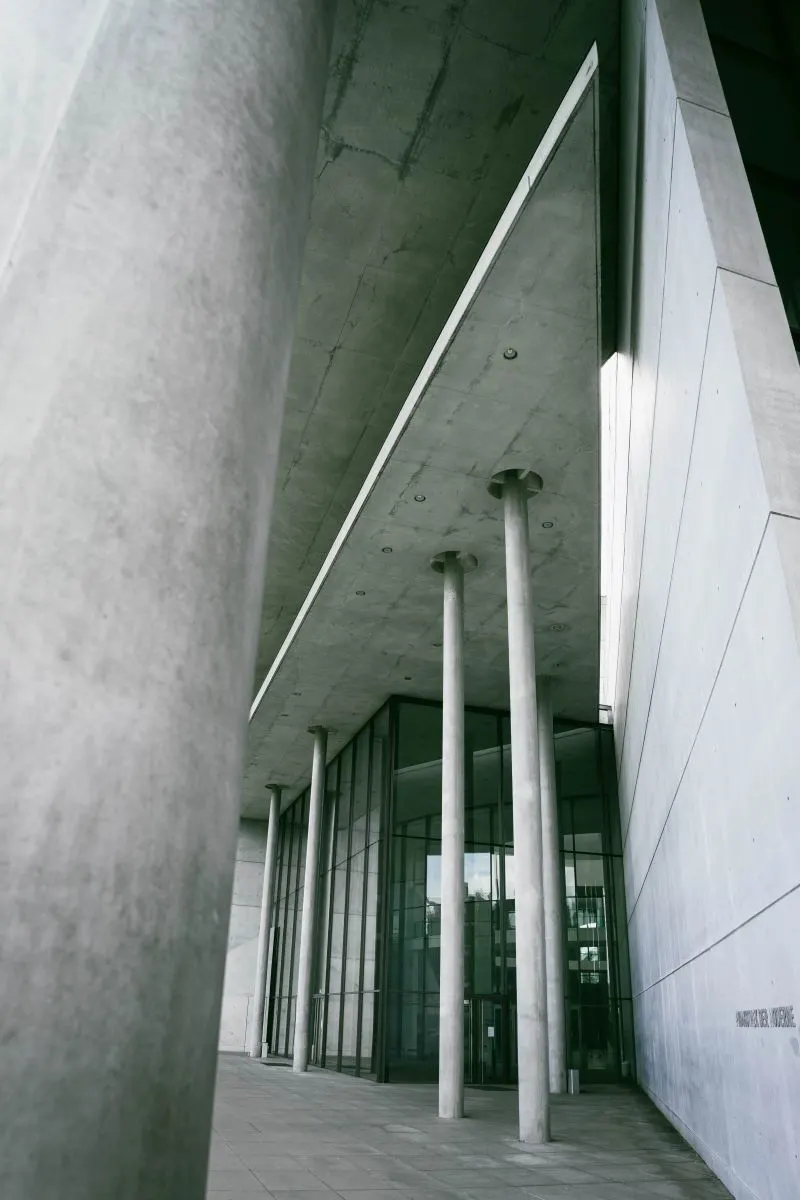
The Pinakothek der Moderne is a prominent modern and contemporary art museum located in Munich, Germany. It is one of the largest museums of its kind in Europe, offering a diverse and comprehensive collection that spans various artistic movements and mediums of the 20th and 21st centuries.
The museum’s architecture is itself a work of art, designed by the renowned architect Stephan Braunfels. Its sleek and angular design reflects modernist principles, providing an elegant and spacious environment for displaying contemporary artworks.
Inside the Pinakothek der Moderne, visitors can explore a wide range of artistic styles, including Expressionism, Cubism, Surrealism, Abstract Art, and Pop Art, among others.
The museum’s collection features paintings, sculptures, graphic art, design objects, photography, and architecture exhibits.
Notable artists represented in the collection include Pablo Picasso, Wassily Kandinsky, Max Beckmann, Salvador Dalí, and Andy Warhol, to name a few.
In addition to its permanent collection, the museum hosts temporary exhibitions, lectures, and events that highlight current trends and developments in modern and contemporary art and design.
15. Cuvilliés Theatre: A beautifully preserved Rococo theater known for its exquisite decor and performances

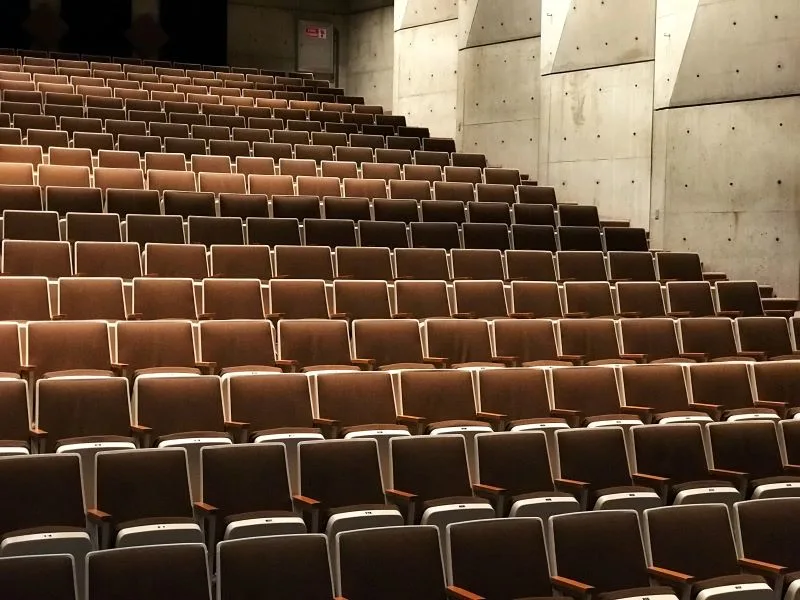
The Cuvilliés Theatre, located in Munich, Germany, is an exquisite Rococo-style theater renowned for its exceptional architectural beauty and historical significance. It is part of the larger Residenz Palace complex and stands as a testament to the opulent artistic tastes of its time.
Built between 1751 and 1753 by the Bavarian court architect François de Cuvilliés, the theater was originally constructed as a private court theater for the Bavarian rulers.
Its lavish interior is adorned with intricate stucco work, ornate decorations, and intricate woodcarvings, all showcasing the Rococo style’s emphasis on detail and elegance.
The Cuvilliés Theatre’s horseshoe-shaped auditorium is designed to offer an intimate and immersive theater experience, ensuring that every seat provides an optimal view of the stage.
The ceiling is adorned with a stunning fresco by François de Cuvilliés the Elder, depicting the goddesses of the arts and the mythological story of Apollo.
Over its history, the theater has hosted a wide range of performances, from opera and ballet to plays and musical events. Today, it continues to be a cultural gem, offering a glimpse into the past through its well-preserved architecture and ongoing performances.
16. Eisbachwelle: Watch surfers ride the man-made wave in the Eisbach river within Englischer Garten


The Eisbachwelle is a man-made standing wave located in the Eisbach river within the Englischer Garten in Munich, Germany. It has gained international recognition as a unique spot for river surfing, drawing surfers and spectators alike.
The Eisbachwelle’s wave is created by the water flow over a submerged concrete ramp, forming a consistent wave that can be ridden by experienced surfers.
Despite its location within a city park, the wave’s power and stability make it suitable for both advanced surfers and those who are new to river surfing.
Surfing at the Eisbachwelle has become a local cultural phenomenon, with dedicated surfers braving the cold waters throughout the year.
The sight of surfers navigating the wave’s challenges within a city park is a captivating juxtaposition of urban and outdoor lifestyles.
Spectators often gather on the riverbanks to watch the surfers in action, creating a unique and lively atmosphere. However, it’s important to note that the Eisbachwelle’s waves are strong and not suitable for inexperienced surfers or swimmers.
For those interested in witnessing an unexpected blend of urban and extreme sports culture, the Eisbachwelle provides a fascinating and unexpected experience within the heart of Munich’s Englischer Garten.
17. Nymphenburg Canal Tour: Enjoy a relaxing boat tour through the scenic canals around Nymphenburg Palace

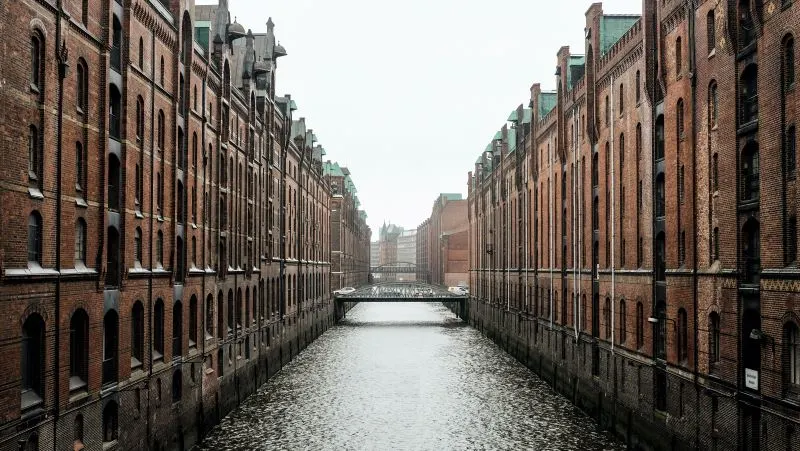
The Nymphenburg Canal Tour offers a leisurely and picturesque boat ride along the tranquil canals that surround Nymphenburg Palace in Munich, Germany.
The tour provides a unique perspective on the palace and its beautiful gardens from the water, allowing visitors to appreciate the palace’s architecture and the natural beauty of its surroundings.
Nymphenburg Palace was originally built as a summer residence for Bavarian monarchs, and the canals were created as part of the palace’s extensive landscaping.
The canal tour takes you on a serene journey through these historic waterways, passing by lush gardens, charming bridges, and scenic vistas.
During the tour, knowledgeable guides often share stories about the history of the palace, the monarchs who lived there, and the significance of the canals.
The boat ride provides a relaxing and informative experience, allowing you to appreciate the palace’s grandeur and the careful design of its landscape from a different perspective.
The Nymphenburg Canal Tour is an excellent opportunity to combine a bit of history, architecture, and nature while enjoying a tranquil boat ride.
It’s a popular option for visitors who want to explore Nymphenburg Palace and its grounds in a unique and memorable way.
18. Glyptothek: A museum focusing on ancient sculptures, including Greek, Roman, and Etruscan works

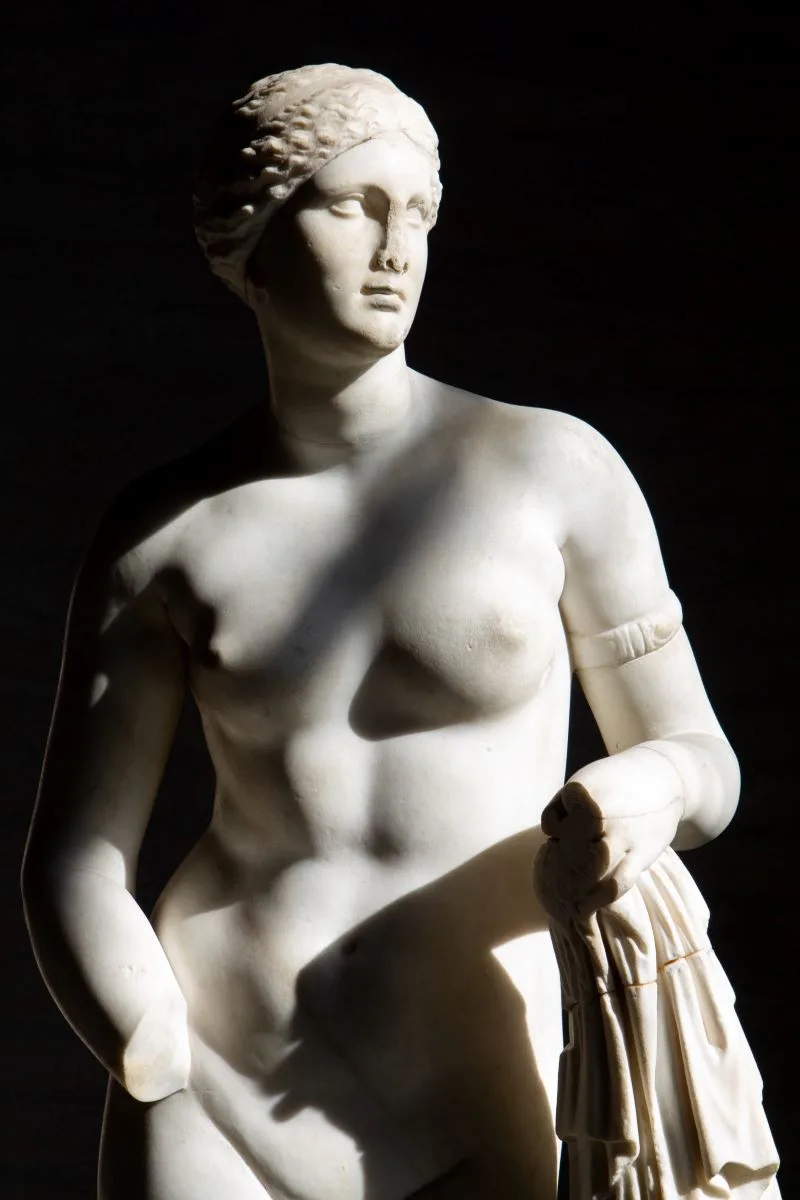
The Glyptothek is a museum in Munich, Germany, dedicated to the art of ancient sculpture. Its name is derived from the Greek words “glyphein” (to carve) and “theke” (repository), reflecting its focus on housing a remarkable collection of Greek and Roman sculptures.
Built in the 19th century, the Glyptothek’s architecture is inspired by ancient Greek and Roman design principles, creating a fitting environment for its collection.
The museum’s neoclassical facade and grand entrance give way to a series of beautifully designed galleries that showcase sculptures ranging from the Archaic period to the Roman Empire.
Inside, visitors can explore a diverse array of sculptures, including statues, reliefs, busts, and friezes, all of which offer insights into the artistic techniques and aesthetics of the ancient world. Notable pieces include works by renowned sculptors such as Praxiteles, Phidias, and Scopas.
The Glyptothek is organized chronologically, allowing visitors to follow the evolution of artistic styles and themes over centuries.
The museum also emphasizes the cultural and historical contexts of the sculptures, providing visitors with a deeper appreciation for their significance.
19. Lenbachhaus: Home to the Blue Rider movement artists, featuring works by Kandinsky, Münter, and others

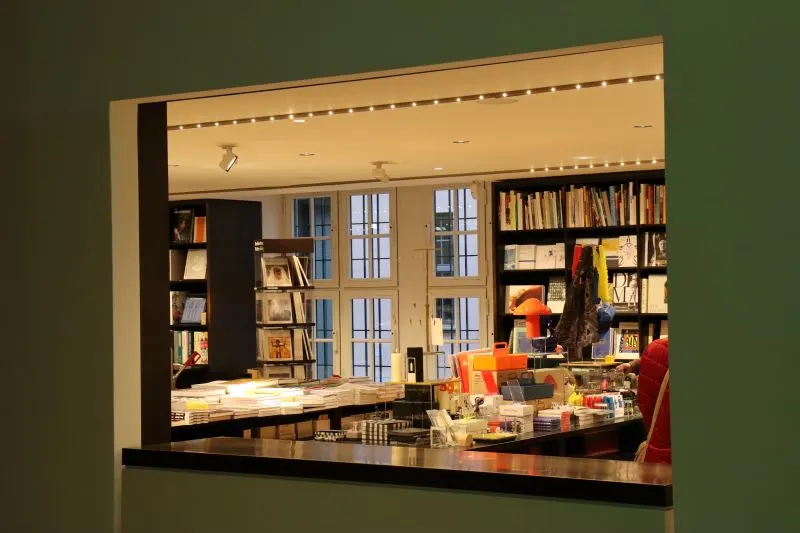
The Lenbachhaus, located in Munich, Germany, is an art museum known for its outstanding collection of works by the Blue Rider movement and other prominent modern and contemporary artists. The museum’s focus on innovative and avant-garde art makes it a significant cultural institution in the city.
Originally a villa owned by the artist Franz von Lenbach, the building was later converted into a museum to house the city’s art collection.
The Lenbachhaus is renowned for its extensive collection of works by the Blue Rider movement, a group of artists that included Wassily Kandinsky, Franz Marc, and Gabriele Münter.
The movement sought to break away from traditional artistic norms and explore new forms of expression through abstraction and vibrant colors.
Inside the museum, visitors can explore a wide range of paintings, drawings, and other artworks that span various styles and artistic movements.
In addition to the Blue Rider works, the Lenbachhaus features collections of 19th-century art, contemporary pieces, and temporary exhibitions that showcase both established and emerging artists.
One of the highlights of the museum is the reconstruction of the living quarters of the artist Gabriele Münter, offering a glimpse into the personal and creative life of a key figure in the Blue Rider movement.
20. Munich Residenz Theatre: Experience opera, ballet, and concerts in this historic theater within Residenz Palace

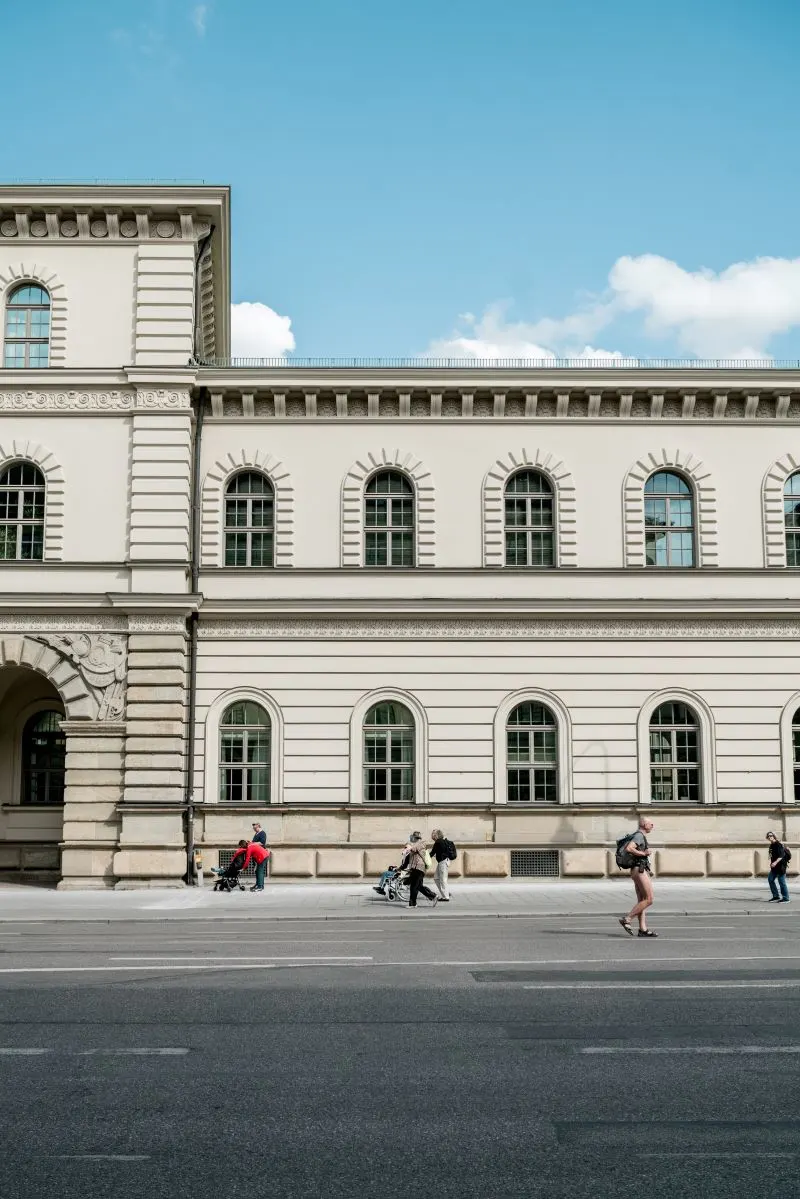
The Munich Residenz Theatre, located within the Residenz Palace complex in Munich, Germany, is a historic theater renowned for its opulent beauty and rich cultural history.
It stands as one of the last remaining court theaters in Europe, providing a glimpse into the theatrical traditions of the Bavarian monarchy.
Built in the late 18th century, the Residenz Theatre is a jewel of Rococo architecture, characterized by its intricate decorations, gilded moldings, and exquisite details. The theater’s interior is a masterpiece of design, featuring ornate boxes, a grand chandelier, and a lavish royal box.
Throughout its history, the theater hosted performances for the Bavarian royal court, showcasing opera, ballet, drama, and musical productions.
Today, the Munich Residenz Theatre continues to stage performances, offering visitors a chance to experience the charm and intimacy of a historic theater setting.
The theater’s repertoire includes a mix of classical works, opera, and contemporary performances, making it a cultural hub that caters to a diverse audience. Its intimate size allows for an immersive experience, allowing patrons to be closer to the stage and performers.
21. Allianz Arena: Visit the iconic football stadium of FC Bayern Munich for a guided tour

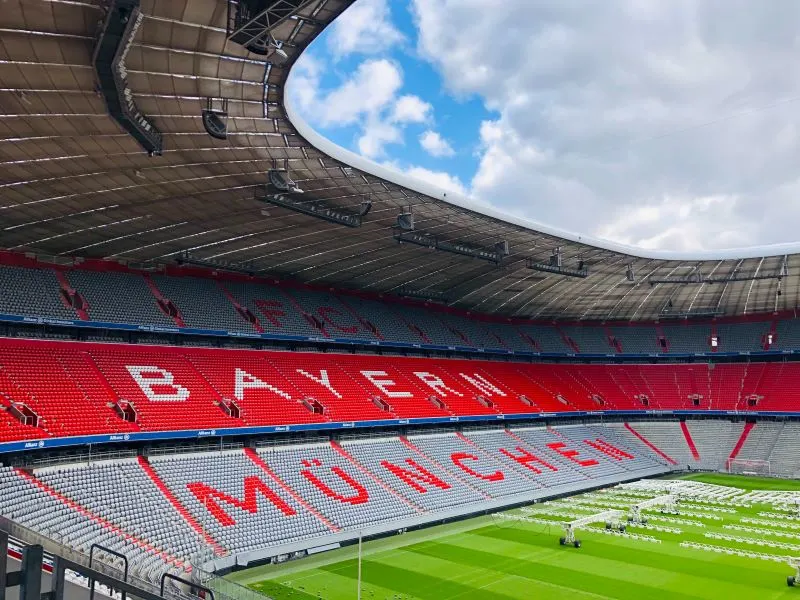
The Allianz Arena is a modern and iconic football stadium located in Munich, Germany. It is the home stadium of two of the city’s major football clubs, FC Bayern Munich and TSV 1860 Munich. The stadium is known for its distinctive and innovative architecture, as well as its cutting-edge technology.
Built for the 2006 FIFA World Cup, the Allianz Arena is instantly recognizable by its façade of inflated ETFE plastic panels.
These panels can be illuminated in various colors, allowing the stadium to change its exterior appearance depending on the teams playing and the events taking place.
The stadium offers a seating capacity of over 75,000 spectators for football matches, and it is equipped with modern facilities, including VIP areas, restaurants, and shops.
The design ensures excellent sightlines and acoustics for fans, creating an immersive and energetic atmosphere during matches.
The Allianz Arena is not only a sports venue but also a hub for sports and entertainment events. It has hosted numerous international football matches, including UEFA Champions League finals, as well as concerts and other large-scale events.
22. Munich Zoo: A family-friendly attraction housing a wide variety of animals in naturalistic habitats


The Munich Zoo, officially known as Tierpark Hellabrunn, is a well-established zoological garden located in Munich, Germany. Founded in 1911, it is one of the world’s first “geo-zoos,” designed to provide naturalistic habitats for its animals and create an immersive experience for visitors.
Spread over a vast area, the Munich Zoo is home to a diverse collection of animals from around the world. The zoo’s design emphasizes spacious enclosures that resemble the animals’ natural habitats, promoting their well-being and allowing visitors to observe them in environments that mimic their native conditions.
Visitors to the Munich Zoo can explore a wide range of animal exhibits, including big cats, primates, elephants, giraffes, penguins, and a variety of bird species.
The zoo’s enclosures often incorporate features like waterfalls, trees, and rocky landscapes to create an engaging and enriching environment for the animals.
In addition to its animal exhibits, the Munich Zoo is involved in conservation efforts, research, and education. It aims to raise awareness about wildlife conservation and biodiversity through interactive exhibits and educational programs for visitors of all ages.
23. Starnberger See: Take a day trip to this picturesque lake just outside of Munich for swimming, boating, or hiking

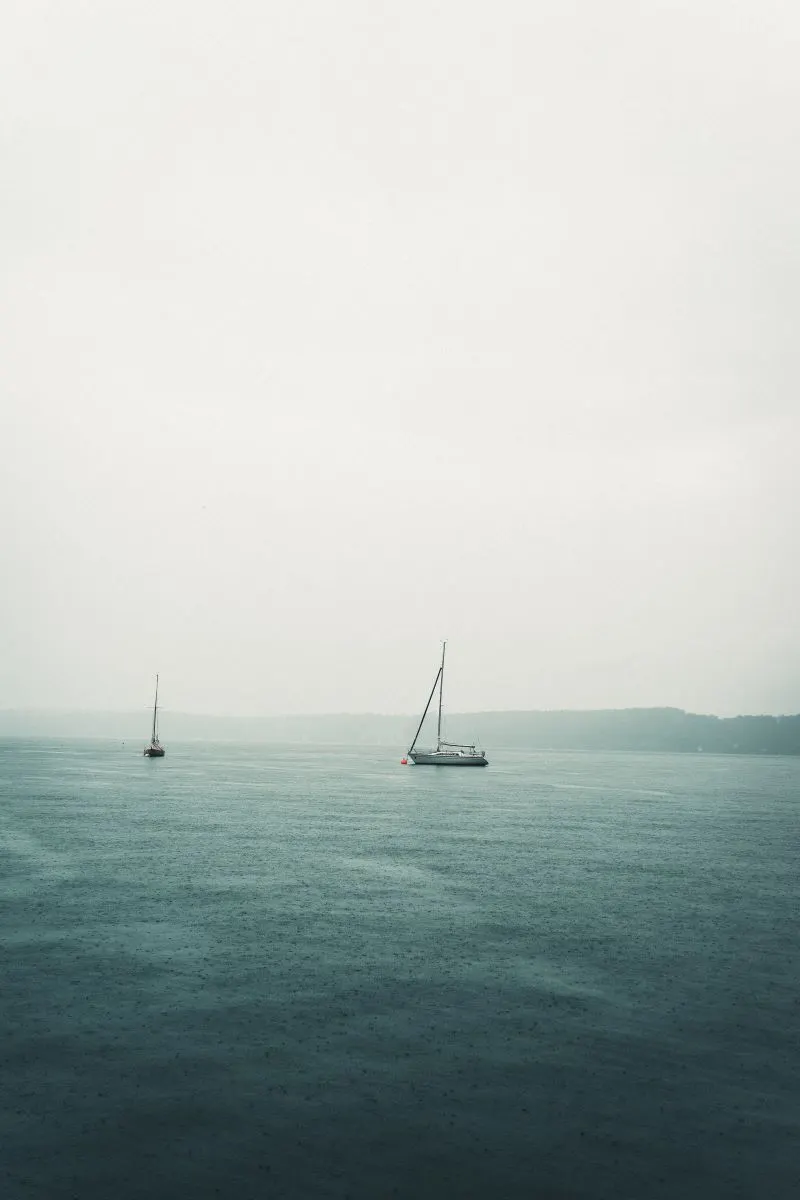
Starnberger See, also known as Lake Starnberg, is a picturesque freshwater lake located southwest of Munich in Bavaria, Germany. It is one of the largest lakes in the region and is renowned for its scenic beauty, clear waters, and tranquil surroundings.
Surrounded by charming towns, lush forests, and rolling hills, Starnberger See is a popular destination for both locals and tourists seeking a peaceful retreat from the city.
The lake’s shores are dotted with elegant villas, historic castles, and picturesque gardens, adding to the area’s charm.
Visitors to Starnberger See can enjoy a variety of activities, such as boating, sailing, swimming, fishing, and hiking along the well-maintained trails that offer stunning views of the lake and the surrounding landscape. The lake also provides opportunities for cycling, picnicking, and simply relaxing by the water’s edge.
One of the notable features of Starnberger See is its connection to history, as it was the site where King Ludwig II of Bavaria tragically drowned in 1886. Visitors can explore memorials and monuments dedicated to the king’s memory along the lake’s shores.
24. Bavaria Filmstadt: Explore the world of film and TV production with guided tours of the Bavaria Film Studios

Bavaria Filmstadt, located in Munich, Germany, is a renowned film and television studio complex that offers visitors a behind-the-scenes look at the world of filmmaking and entertainment.
It’s one of Europe’s largest film production centers and provides a range of interactive attractions and experiences for all ages.
The complex offers guided tours that take visitors through various film sets, sound stages, and production facilities. During these tours, visitors can learn about the different stages of filmmaking, special effects, makeup, and costume design. They may also get a chance to explore iconic film sets, such as those from popular German TV shows and movies.
One of the highlights of Bavaria Filmstadt is the Bullyversum, a museum dedicated to the work of German comedian and filmmaker Michael “Bully” Herbig.
This interactive exhibition showcases his movies, characters, and creative process, allowing fans to immerse themselves in his comedic world.
Visitors can also experience 4D cinema shows, where they can feel the action through sensory effects, and enjoy interactive attractions like the “Ride Film” or the “Magic Cinema.”
25. Schloss Blutenburg: A charming castle with a Renaissance-style courtyard and a cultural history museum

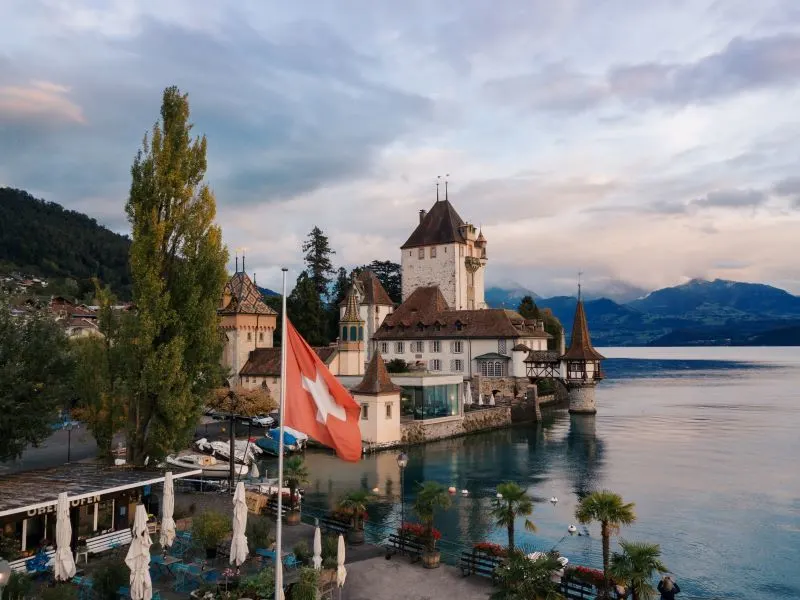
Schloss Blutenburg, or Blutenburg Castle, is a charming and historic castle located in the western part of Munich, Germany. It stands as a cultural and architectural treasure, offering a glimpse into the region’s medieval past.
Originally built in the 15th century, Schloss Blutenburg showcases a mix of architectural styles, including Gothic and Renaissance influences.
The castle is characterized by its picturesque setting along the banks of the Würm River, surrounded by lush gardens and serene landscapes.
The castle’s courtyard, tower, and chapel are particularly noteworthy features. The chapel, known as the “Kapelle zum Heiligen Kreuz,” contains impressive frescoes that depict scenes from the Passion of Christ.
Today, Schloss Blutenburg serves as a cultural center, hosting exhibitions, concerts, and events that celebrate the arts and history.
It’s also home to the International Youth Library, which holds an extensive collection of children’s and young adult literature from around the world.
These are just a few of the many wonderful things you can do in Munich. The city offers a wide range of experiences that cater to history buffs, art enthusiasts, nature lovers, and anyone looking to immerse themselves in Bavarian culture.
Food In Munich


Exploring Culinary Delights: A Gastronomic Journey Through Munich
Munich, the capital of Bavaria in Germany, is renowned for its rich history, stunning architecture, and vibrant cultural scene.
However, a significant aspect that often steals the spotlight is its diverse and hearty culinary offerings. From traditional Bavarian cuisine to international flavors, Munich’s food scene is a delectable blend of tradition and innovation that leaves taste buds yearning for more.
Bavarian Classics: A Taste of Tradition
No visit to Munich is complete without indulging in Bavarian classics that have been savored for generations. Start your culinary adventure with a plate of crispy pork knuckle (Schweinshaxe), a hearty dish featuring tender meat enveloped in a perfectly crispy skin. Complemented by a side of tangy sauerkraut and a warm pretzel, it’s a satisfying taste of Bavaria’s culinary heritage.
Another Bavarian favorite is Weisswurst, a mild white sausage usually enjoyed for breakfast. Served with sweet mustard and freshly baked pretzels, this iconic dish showcases the region’s dedication to preserving its culinary traditions.
Beer Gardens: The Heart of Bavarian Socializing
Munich’s beer gardens are legendary, serving as communal spaces where locals and visitors gather to enjoy quality brews and delectable treats.
The city’s most famous beer garden, the Augustiner-Keller, offers a convivial atmosphere under the shade of chestnut trees, serving locally brewed Augustiner beer and classic Bavarian fare.
At the Hofbräuhaus, Munich’s most iconic beer hall, you can savor a stein of Hofbräu beer while enjoying a hearty platter of Weisswurst, accompanied by live music and the cheerful camaraderie of fellow patrons.
International Flavors: Munich’s Culinary Diversity
Munich’s culinary scene extends far beyond Bavarian borders, offering a diverse range of international flavors. Explore the vibrant Viktualienmarkt, where stalls brim with fresh produce, spices, cheeses, and international specialties. From Italian pasta to Turkish kebabs and Middle Eastern delicacies, this market is a true food lover’s paradise.
For those seeking a touch of the Mediterranean, Munich boasts an array of Italian and Greek restaurants that serve up authentic dishes bursting with flavor.
Whether it’s a simple Margherita pizza or a plate of grilled octopus drizzled with olive oil, these eateries bring the tastes of the Mediterranean to the heart of Bavaria.
Fine Dining and Culinary Innovation
Munich’s culinary landscape also embraces fine dining and innovative gastronomy. Michelin-starred restaurants like Tantris and Atelier offer meticulously crafted tasting menus that showcase the skills of world-class chefs.
These dining experiences present a fusion of flavors, textures, and presentation that elevate Bavaria’s culinary reputation to new heights.
For those seeking culinary experimentation, Munich’s food scene is marked by creative chefs who infuse traditional ingredients with modern twists.
Fusion dishes, farm-to-table concepts, and inventive desserts can be found throughout the city, providing a glimpse into the future of Munich’s gastronomy.
Sweet Temptations: Bavarian Desserts
No meal is complete without indulging in Bavaria’s delectable desserts. Dive into a slice of Apfelstrudel (apple strudel) paired with a dollop of vanilla sauce, or savor a warm Kaiserschmarrn—a fluffy pancake torn into pieces and caramelized to perfection.
For chocoholics, a visit to Munich is incomplete without a stop at one of the city’s artisanal chocolatiers. Treat yourself to handcrafted pralines, rich truffles, and velvety hot chocolate that embody the artistry of chocolate making.
Munich’s culinary scene is a flavorful journey that intertwines tradition and innovation, offering a tantalizing array of options for every palate.
From savoring Bavarian classics in rustic beer gardens to indulging in international cuisines and exploring culinary innovation, Munich’s food offerings are a true reflection of the city’s dynamic spirit and its dedication to providing a memorable dining experience.
So, whether you’re a food enthusiast, an adventurous eater, or simply looking to savor authentic Bavarian flavors, Munich invites you to embark on a gastronomic adventure that promises to satisfy all your culinary cravings.
Top 20 Best Restaurants In Munich, Germany


- Tantris: A renowned Michelin-starred restaurant known for its gourmet cuisine and elegant atmosphere.
- Hofbräuhaus: An iconic beer hall serving traditional Bavarian dishes and, of course, beer.
- Atelier: A fine dining restaurant with Michelin stars, offering creative and beautifully presented dishes.
- Schuhbecks in den Südtiroler Stuben: Celebrity chef Alfons Schuhbeck’s restaurant, known for its Bavarian-Austrian cuisine.
- Dallmayr: A historic delicatessen and restaurant offering a mix of fine dining and gourmet products.
- Pageou: A contemporary restaurant known for its modern European cuisine and stylish ambiance.
- Vinothek by Geisel: A wine bar and restaurant offering a curated selection of wines and Mediterranean-inspired dishes.
- Tian: A vegetarian and vegan restaurant focusing on innovative and sustainable cuisine.
- Takumi Nine: A popular spot for ramen lovers, offering authentic Japanese noodle dishes.
- Pâtisserie Boulangerie Dukatz: A bakery and café known for its delicious pastries and baked goods.
- Les Deux: A French restaurant offering classic dishes in an elegant setting.
- Zum Franziskaner: A traditional Bavarian restaurant serving hearty local cuisine.
- Kaimug: A chain of restaurants offering fresh and flavorful Vietnamese dishes.
- Spatenhaus an der Oper: A historic restaurant near the opera house known for its German cuisine.
- Dean & David: A healthy and fresh fast-casual restaurant with salads, wraps, and more.
- Occam Deli: A deli-style restaurant offering a variety of sandwiches and salads.
- München 72: A retro-style restaurant inspired by the 1970s, serving classic German dishes.
- Unscheinbar: A cozy restaurant offering a mix of German and Mediterranean cuisine.
- Neni: A Middle Eastern restaurant with a vibrant atmosphere and delicious mezze.
- Keko – Greek Kitchen: A modern Greek restaurant with a focus on fresh ingredients and traditional flavors.
Transportation In Munich
Transportation in Munich is efficient, well-organized, and offers a variety of options for getting around the city and beyond.
Munich’s transportation network seamlessly combines public transit, cycling infrastructure, and pedestrian-friendly areas, making it easy to explore the city and its surroundings.
Public Transportation: Munich’s public transportation system is known for its reliability and extensive coverage. It includes:
- U-Bahn (Subway): The underground metro system connects key areas of the city, providing a quick and efficient way to travel.
- S-Bahn (Suburban Train): The suburban train network extends beyond the city limits, connecting Munich to its suburbs and neighboring towns.
- Trams: Trams offer a convenient mode of transport within the city, with numerous lines covering different routes.
- Buses: Buses complement the subway and tram networks, reaching areas not directly served by rail.
- MVV Ticket System: Munich’s integrated ticket system allows passengers to use a single ticket for all modes of public transport, including trains, trams, buses, and the U-Bahn.
Biking: Munich is known for its cyclist-friendly infrastructure. Dedicated bike lanes, bike-sharing programs, and bike rental shops make cycling an eco-friendly and enjoyable way to navigate the city. Munich’s flat terrain and well-marked paths contribute to its reputation as a bike-friendly city.
Walking: Many parts of Munich’s city center are pedestrian-friendly, allowing visitors to explore its historic landmarks, shops, and eateries on foot. The city’s layout and architecture encourage leisurely strolls through charming streets and squares.
Taxis and Ride-Sharing: Taxis are readily available throughout Munich and can be hailed on the street or found at designated taxi stands. Additionally, ride-sharing services like Uber provide an alternative option for convenient and private transportation.
Car Rentals and Driving: While Munich’s public transportation network is robust, some travelers might opt for car rentals to explore destinations outside the city. However, within the city center, traffic can be congested, and parking spaces may be limited and expensive.
Airport Connectivity: Munich Airport (Flughafen München) is well-connected to the city center via the S-Bahn, making it easy for travelers to access their flights or reach the city upon arrival.
In conclusion, Munich, Germany, offers a captivating blend of history, culture, culinary delights, and vibrant experiences that make it a must-visit destination for travelers of all interests.
From exploring the grandeur of Nymphenburg Palace to immersing oneself in the artistic treasures of the Alte Pinakothek, the city seamlessly marries tradition and modernity.
The serene beauty of the English Garden and the exciting energy of the Marienplatz showcase Munich’s diverse facets.
Culinary enthusiasts can relish traditional Bavarian flavors in beer gardens and historic halls, while those seeking artistic enrichment can indulge in the city’s world-class museums and theaters.
Outdoor enthusiasts will find solace in Munich’s green spaces and iconic surfable wave at Eisbachwelle. The city’s festive spirit shines during Oktoberfest and other cultural celebrations, offering a taste of Bavaria’s lively traditions.
As you embark on your journey through Munich, remember that each experience, whether it’s admiring historic landmarks, enjoying local cuisine, or simply strolling through charming streets, contributes to the tapestry of memories you’ll take home.
Munich’s allure lies not just in its attractions, but in the heartfelt embrace of its past, its present dynamism, and the warm welcome it extends to all who visit.
Leave a comment