
Ottawa, the capital city of Canada, is a captivating blend of history, culture, and natural beauty. Situated in the southeastern part of the province of Ontario, Ottawa stands proudly on the banks of the Ottawa River, offering stunning views and a wealth of attractions.
Introduction: Ottawa is a city with a unique identity, where historic landmarks and modern architecture coexist harmoniously.
As the political and administrative center of Canada, it serves as the seat of the federal government, housing the iconic Parliament Hill and the official residences of the Prime Minister and Governor General.
The city’s rich heritage is evident through its neoclassical buildings and majestic Gothic Revival structures, while its vibrant cultural scene reflects a diverse and inclusive society.
History: Originally known as Bytown, Ottawa’s history dates back to the early 19th century when it was established as a settlement for the construction of the Rideau Canal, a UNESCO World Heritage Site.
The canal, built to connect the Ottawa River to Lake Ontario, played a crucial role in shaping the city’s development and remains a prominent feature of its landscape.
In 1857, Ottawa was chosen as the capital of the Province of Canada, and in 1867, it became the capital of the newly confederated Dominion of Canada.
Culture and Arts: Ottawa’s cultural scene is vibrant and dynamic, with a plethora of museums, galleries, and performing arts venues that celebrate Canadian heritage and showcase international creativity.
The National Gallery of Canada houses an impressive collection of Canadian and Indigenous art, while the Canadian Museum of History offers fascinating exhibits on the nation’s past.
The city’s numerous festivals and events, including Winterlude, the Canadian Tulip Festival, and Ottawa Bluesfest, attract visitors from all over the world.
Outdoor Beauty: Nature enthusiasts will find plenty to explore in Ottawa. The city is blessed with abundant green spaces, parks, and gardens, offering residents and visitors an opportunity to connect with nature.
Gatineau Park, located just across the river in Quebec, is a paradise for hikers, cyclists, and outdoor enthusiasts, with its scenic trails and picturesque landscapes.
Culinary Delights: Ottawa’s culinary scene has flourished in recent years, with a diverse array of restaurants, cafes, and food markets.
The city’s farm-to-table approach ensures fresh and locally sourced ingredients, adding a unique touch to its dining experiences.
From iconic Canadian dishes like poutine and BeaverTails to international cuisines representing cultures from around the globe, Ottawa’s food offerings cater to every taste and preference.
Ottawa’s allure lies in its seamless blend of historical significance, modernity, and natural beauty. As a political and cultural capital, the city exudes a sense of pride and heritage while welcoming visitors with warmth and hospitality.
Whether it’s exploring iconic landmarks, immersing oneself in the arts, enjoying the great outdoors, or indulging in culinary delights, Ottawa offers a memorable and enriching experience for all who visit.
1. Parliament Hill: Explore the iconic buildings where Canada’s government conducts its business and attend the Changing of the Guard ceremony in the summer


Parliament Hill is an iconic landmark located in Ottawa, the capital city of Canada. It is the seat of Canada’s federal government and houses the country’s Parliament, where important political decisions and debates take place.
The main features of Parliament Hill include three Gothic Revival-style buildings: the Centre Block, the East Block, and the West Block.
The Centre Block is the most recognizable with its striking Peace Tower rising above the complex. The Peace Tower houses a 53-bell carillon, and visitors can take guided tours to explore its interior and enjoy panoramic views of the city from the top.
The buildings on Parliament Hill are surrounded by beautiful grounds and are located alongside the Ottawa River, offering picturesque views.
Throughout the year, various events and celebrations take place on Parliament Hill, including Canada Day festivities on July 1st, which attracts thousands of visitors to celebrate the country’s national holiday.
Parliament Hill is not only a political hub but also a significant symbol of Canadian history and identity. The architecture and historical significance of the buildings make it a must-visit destination for tourists and an important place for Canadians to learn about their country’s governance and heritage.
2. National Gallery of Canada: Admire a vast collection of Canadian and international art, including works by the Group of Seven and indigenous artists
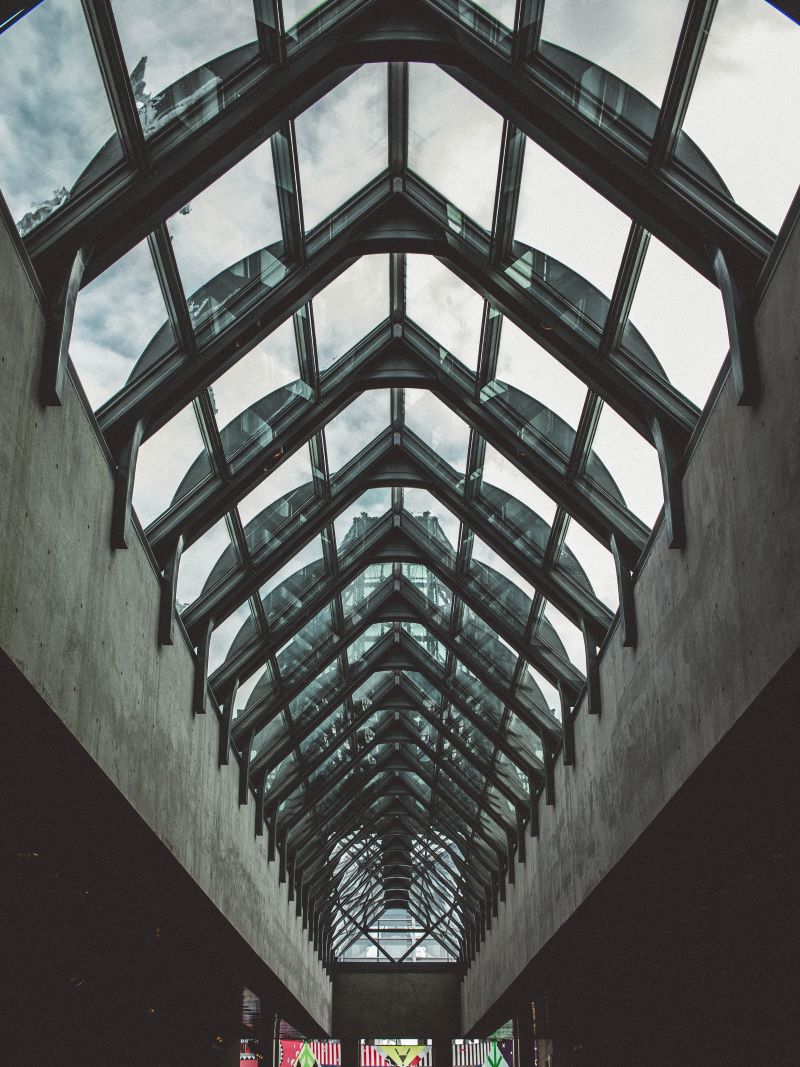
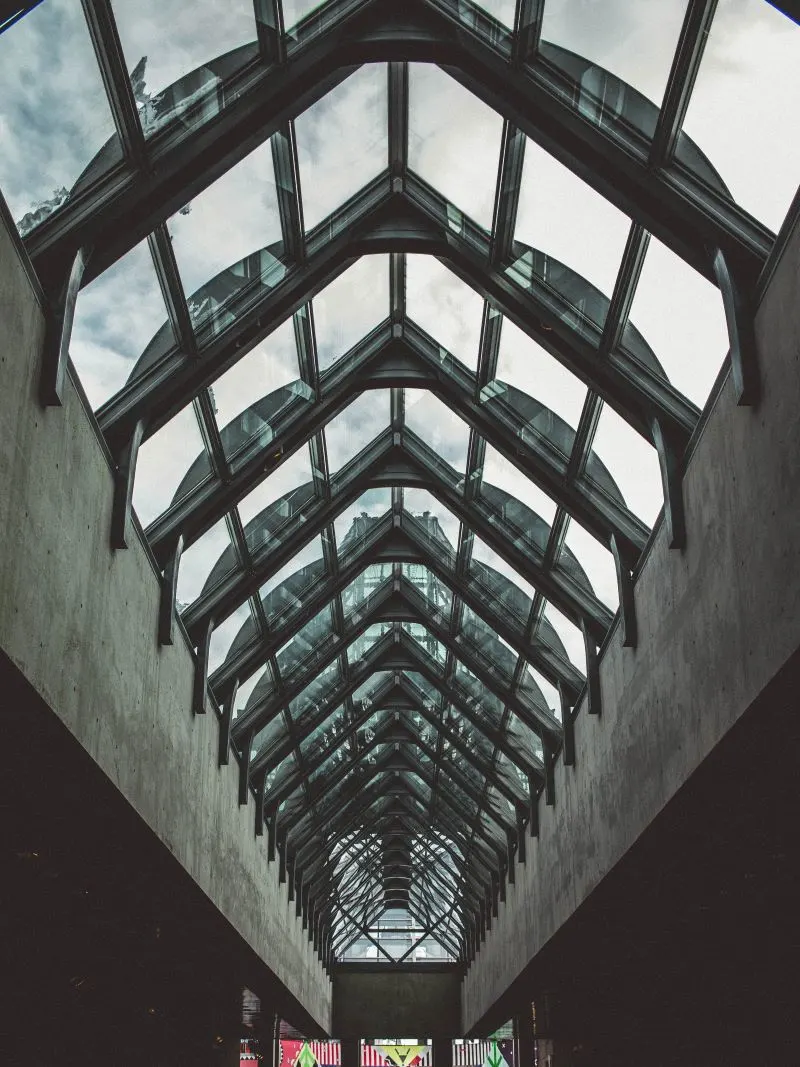
The National Gallery of Canada is an esteemed art museum located in Ottawa, the capital city of Canada. It is one of the country’s premier cultural institutions and holds a vast collection of Canadian and international art.
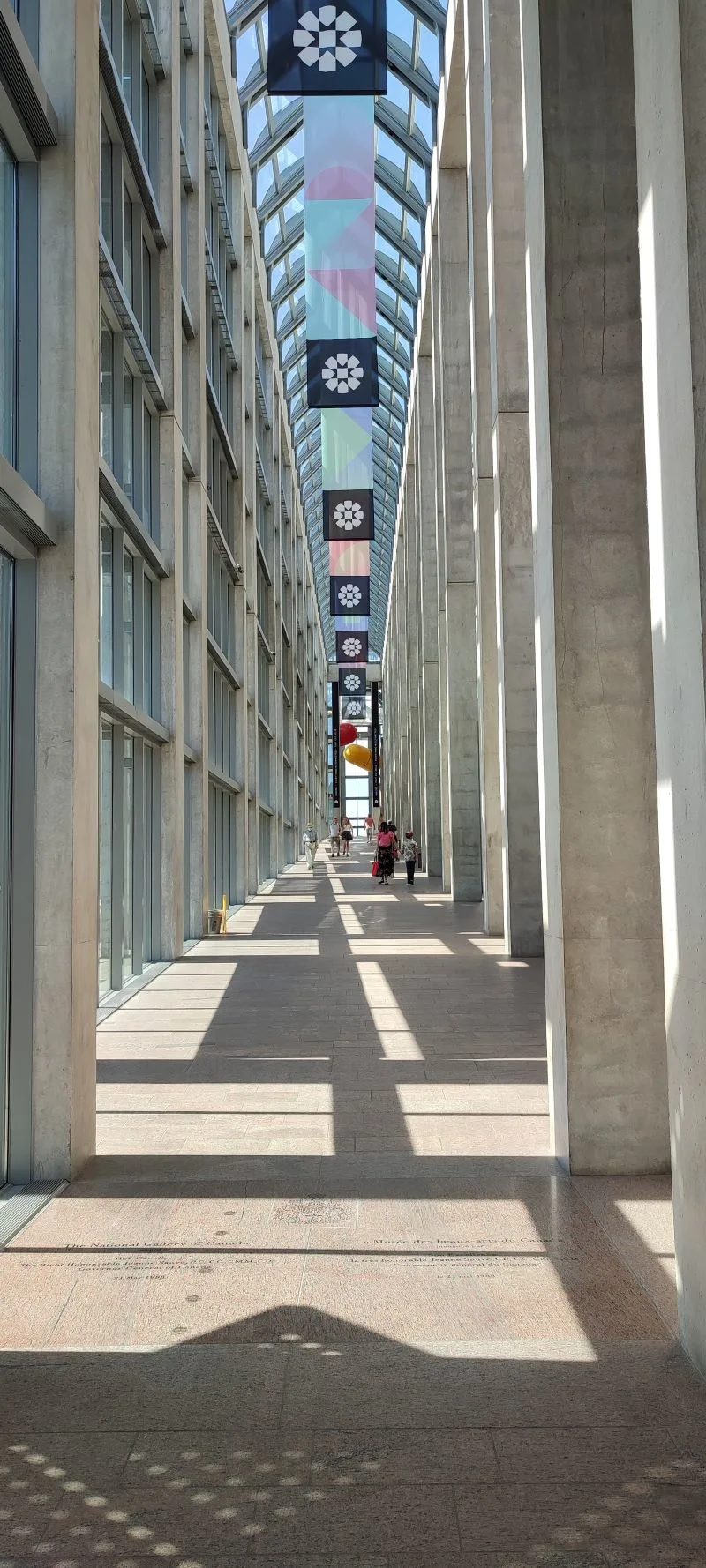
The museum’s striking glass and granite building, designed by architect Moshe Safdie, is an architectural masterpiece itself, situated near Parliament Hill and overlooking the Ottawa River.
Inside, visitors can explore a diverse range of art from various periods and styles. The collection includes works by Canadian artists, such as the iconic Group of Seven, as well as pieces from indigenous artists that showcase the rich cultural heritage of Canada’s First Nations.
Apart from Canadian art, the National Gallery also houses an extensive collection of European and American art, including pieces from renowned artists like Vincent van Gogh, Pablo Picasso, Claude Monet, and many others.
Visitors can admire paintings, sculptures, photographs, drawings, and decorative arts that span centuries of artistic expression.
The National Gallery of Canada regularly hosts temporary exhibitions that feature contemporary art from both Canadian and international artists, making it an ever-evolving space for artistic exploration and appreciation.
In addition to its collections, the museum offers educational programs, guided tours, and interactive activities for visitors of all ages, making it a cultural hub that fosters a deeper understanding and appreciation of art for both Canadians and international guests.
3. Canadian Museum of History: Learn about Canada’s rich history and diverse cultures through captivating exhibits and artifacts


The Canadian Museum of History, located in Gatineau, Quebec (across the Ottawa River from Ottawa, Canada’s capital city), is one of the country’s most prominent national museums. It is dedicated to preserving and showcasing the history and cultural heritage of Canada and its people.
The museum’s architecturally striking building overlooks the Ottawa River and is a prominent landmark in the region. Its design is inspired by the form of a traditional canoe, paying homage to the importance of this historical means of transportation for Indigenous peoples and early settlers in Canada.
Inside the museum, visitors can explore a diverse range of exhibits that cover various aspects of Canadian history, from the indigenous civilizations that predate European contact to the early European explorations and colonization of North America. The museum offers a comprehensive overview of Canada’s cultural, social, and political development over the centuries.
One of the museum’s highlights is the First Peoples Hall, which provides an immersive experience, showcasing the traditions, artifacts, and contributions of Indigenous peoples throughout Canada’s history.
The Canadian Museum of History also features the Canadian History Hall, a vast exhibit that chronicles the country’s history from ancient times to the present day.
This exhibit uses interactive displays, artifacts, and multimedia presentations to engage visitors and provide them with a deeper understanding of Canada’s past.
In addition to its historical exhibits, the museum hosts temporary exhibitions that cover various themes, offering fresh perspectives on different aspects of Canadian and global history.
4. ByWard Market: Experience Ottawa’s oldest and largest market, featuring a vibrant mix of food, crafts, and entertainment
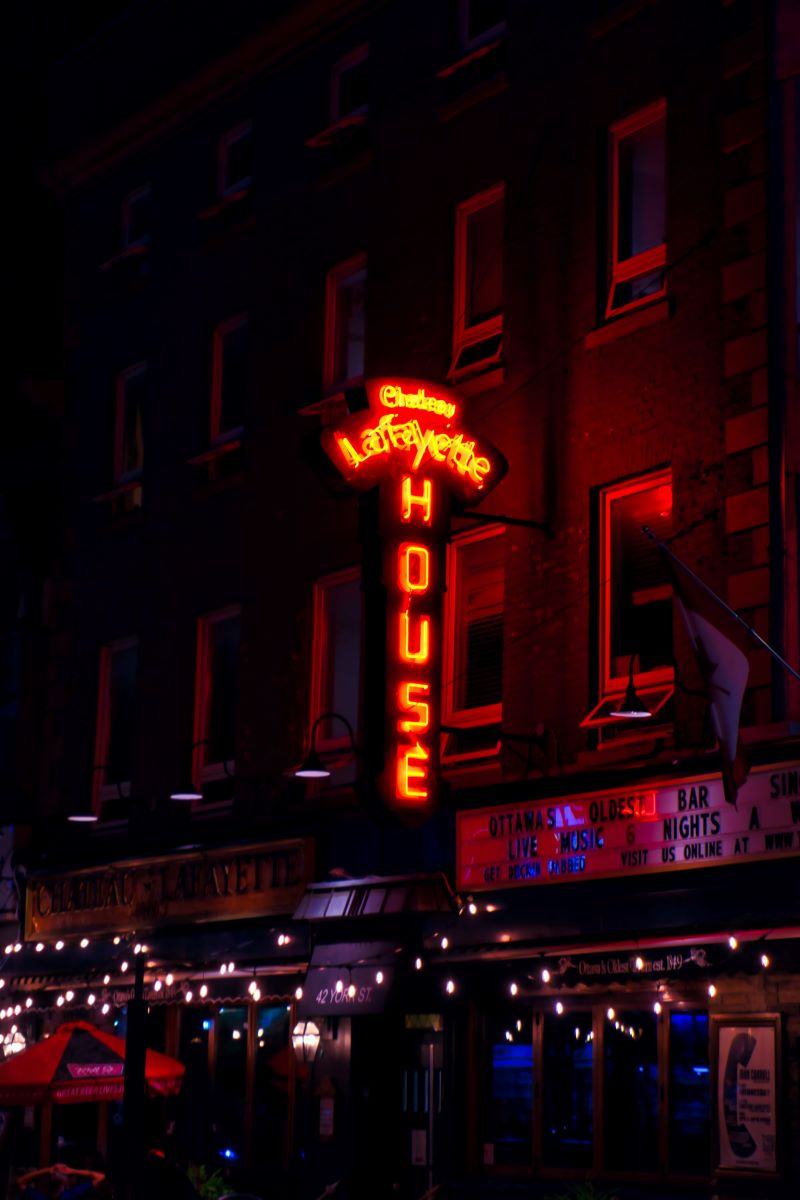
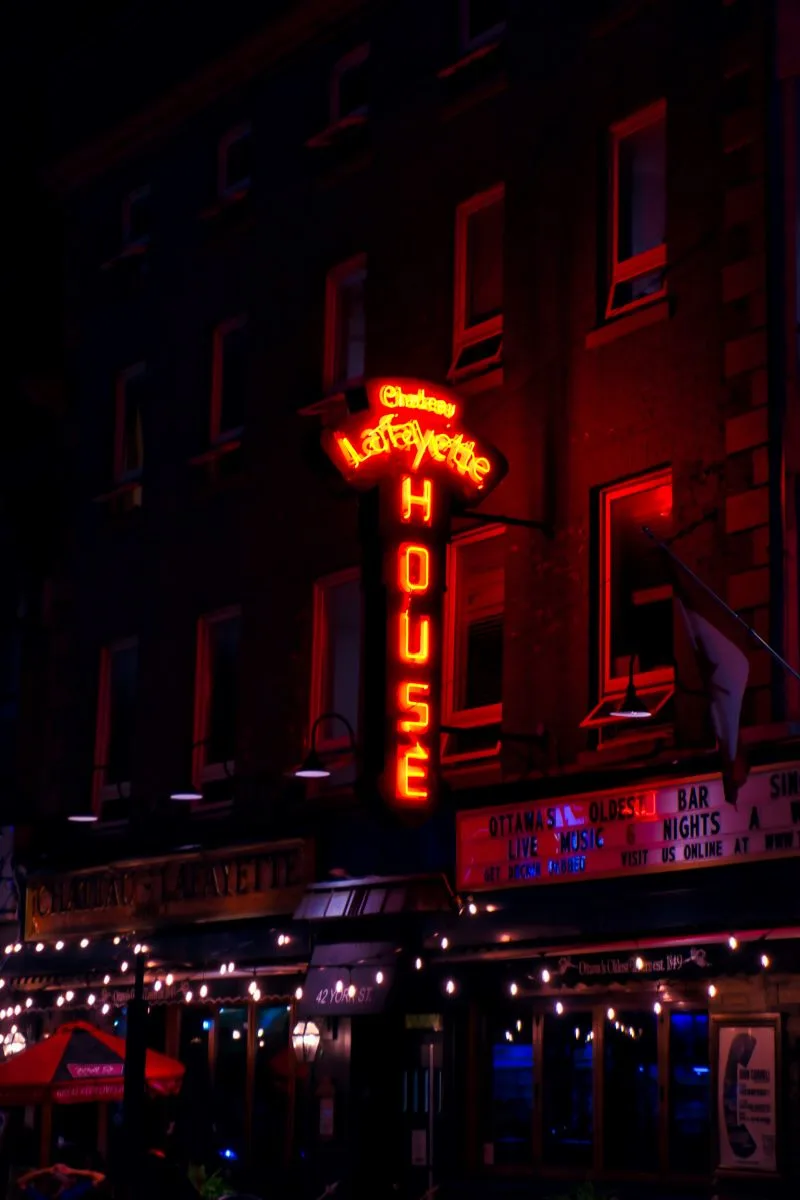
ByWard Market is a vibrant and historic neighborhood located in downtown Ottawa, Canada. It is one of the oldest and most popular markets in the country, attracting both locals and visitors alike.
The market is known for its bustling atmosphere, diverse offerings, and lively entertainment. It features a wide array of stalls and shops, selling fresh produce, artisanal goods, handicrafts, clothing, jewelry, and more.
Whether you’re looking for fresh fruits and vegetables, unique souvenirs, or trendy fashion items, ByWard Market has something to cater to every taste and preference.
Apart from shopping, ByWard Market is a food lover’s paradise. It boasts an impressive selection of restaurants, cafes, and food vendors offering a diverse range of cuisines, from local Canadian specialties to international flavors.
Visitors can indulge in delicious meals, snacks, and treats while immersing themselves in the market’s vibrant and friendly ambiance.
ByWard Market is not just a daytime destination; it comes alive even more in the evenings with its bustling nightlife. The area is dotted with bars, pubs, and clubs where visitors can enjoy live music, dance, and socialize with friends.
Additionally, the market hosts various events, festivals, and outdoor performances throughout the year. It’s a hub of cultural activities, arts and crafts exhibitions, and entertainment that keeps the area lively and engaging no matter the season.
5. Rideau Canal: In the winter, enjoy skating on the world’s largest skating rink; in the summer, take a boat cruise along the scenic waterway
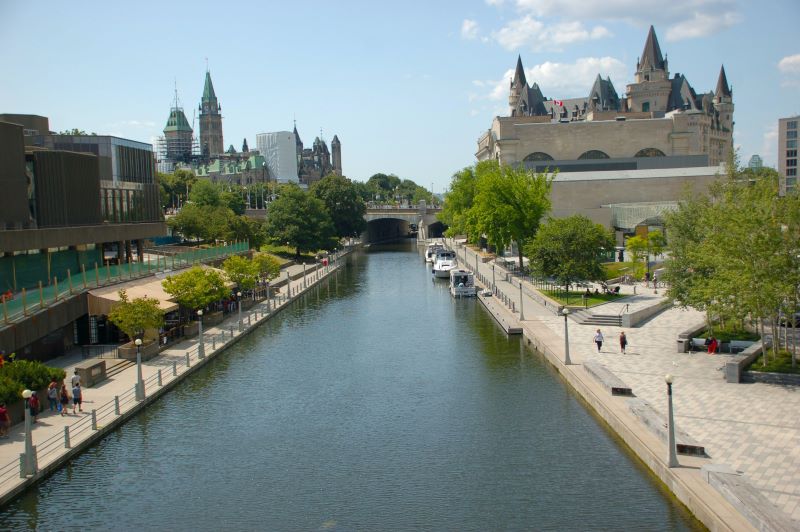
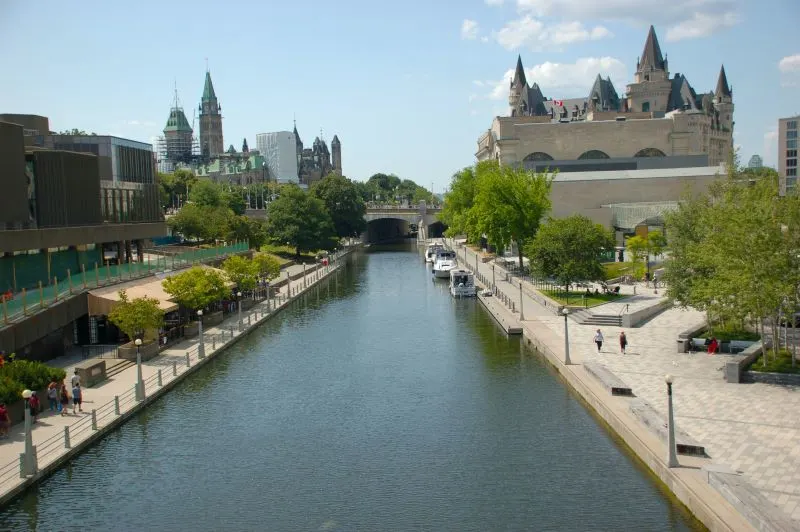
The Rideau Canal is a historic waterway and UNESCO World Heritage Site located in Ottawa, Ontario, Canada. It is one of the city’s most iconic landmarks and a popular destination for locals and tourists alike.
Built between 1826 and 1832, the Rideau Canal stretches for 202 kilometers (125 miles) and connects the Ottawa River in downtown Ottawa to Lake Ontario in Kingston, Ontario.
The canal was originally constructed as a strategic military route, designed to provide a safe supply route between Montreal and Kingston in case of war with the United States.
Today, the Rideau Canal is celebrated for its historical significance, engineering marvel, and scenic beauty. In the summer, it transforms into the world’s longest skating rink, attracting thousands of visitors who come to enjoy the unique experience of skating along the frozen waterway through the heart of the city.
During the warmer months, the canal becomes a hub for various recreational activities. Visitors can take leisurely boat cruises along the canal, rent paddleboats, or simply relax along the picturesque shores.
The pathway that runs alongside the canal is popular among joggers, walkers, and cyclists, offering stunning views and a peaceful atmosphere.
One of the most notable features of the Rideau Canal is the series of historic locks, including the flight of eight locks located in downtown Ottawa, which allows boats to traverse the elevation difference between the Ottawa River and the higher points of the canal.
6. Canadian Museum of Nature: Discover natural history exhibits, including impressive dinosaur fossils and interactive displays
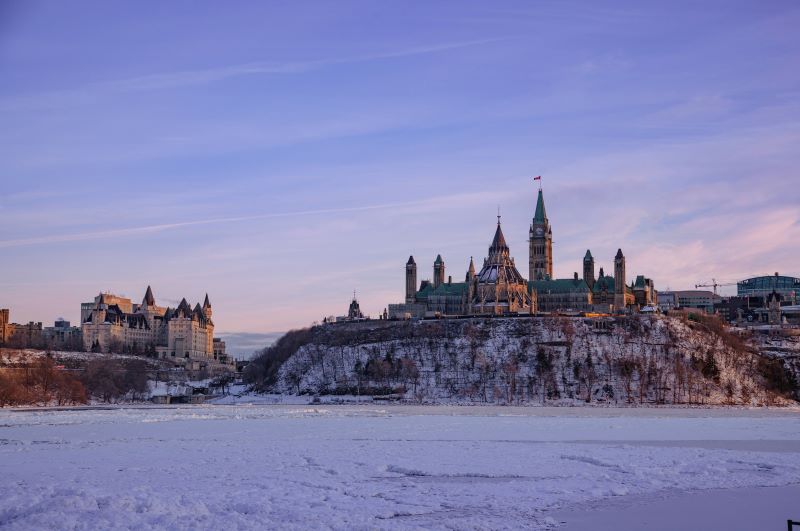
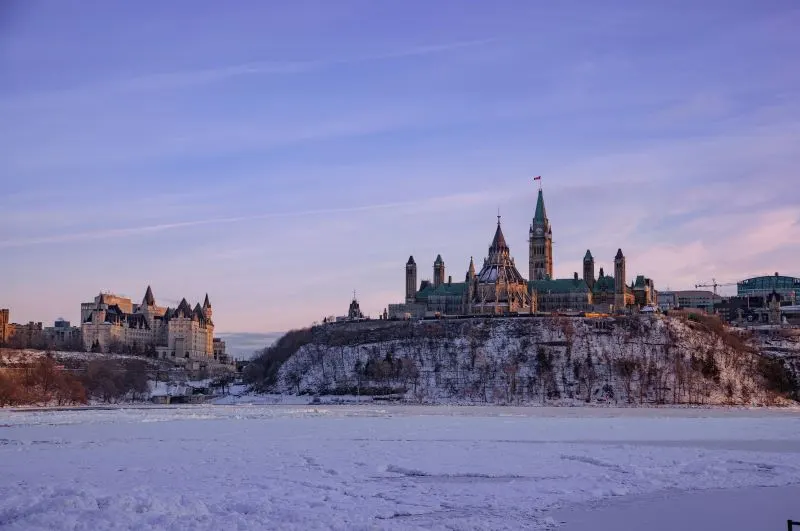
The Canadian Museum of Nature is a prominent natural history museum located in Ottawa, Canada. It is one of the country’s oldest and most significant museums dedicated to the study and preservation of Canada’s diverse natural heritage.
Housed in a stunning heritage building, the museum’s architecture alone is worth a visit. It features beautiful stonework and intricate detailing, adding to the overall charm of the museum.
Inside, visitors can explore a wide range of exhibits that showcase the natural wonders of Canada and beyond. The museum’s collection includes an extensive array of specimens and artifacts, from fossils and minerals to plants and animals.
Visitors can learn about the fascinating history of the Earth, the diversity of ecosystems across Canada, and the importance of conserving the country’s natural resources.
One of the highlights of the Canadian Museum of Nature is the “Canada Goose Arctic Gallery,” which immerses visitors in the Arctic environment, its wildlife, and the impact of climate change on this fragile ecosystem.
Another popular section of the museum is the “Mammal Gallery,” which houses impressive displays of mammals from different regions, including an impressive collection of large mammals like whales and bears.
The museum also has a “Bird Gallery,” showcasing the variety of bird species found in Canada, as well as a “Mineral Gallery” that features dazzling gemstones and minerals.
Throughout the year, the Canadian Museum of Nature hosts special exhibitions that cover various topics related to natural history and environmental science, providing visitors with new perspectives and insights into the world around us.
7. Royal Canadian Mint: Take a guided tour to learn how coins are made and see special coins and medals


The Royal Canadian Mint is a renowned institution responsible for producing Canada’s coins, medals, and other numismatic products. It is one of the most respected mints in the world, known for its high-quality craftsmanship and innovative coin designs.
Located in Ottawa, Ontario, the Royal Canadian Mint operates a state-of-the-art facility that combines traditional coin-making techniques with cutting-edge technology.
The mint has been in operation since 1908, and over the years, it has played a vital role in the country’s monetary system, producing coins used in everyday transactions and special commemorative coins that celebrate significant events and milestones.
In addition to producing Canada’s circulating coins, the Royal Canadian Mint is renowned for its numismatic products. These include collector coins made from precious metals like gold, silver, and platinum, often featuring intricate designs and limited mintages, making them highly sought after by coin enthusiasts and investors around the world.
The mint is also responsible for producing medals and medallions, which are used for various purposes, such as recognizing exceptional achievements, honoring individuals, and commemorating significant anniversaries or events.
Moreover, the Royal Canadian Mint has gained international recognition for its innovative coin technology, such as the development of holograms, glow-in-the-dark elements, and uniquely shaped coins, all of which add to the appeal of their collector products.
The Royal Canadian Mint offers guided tours to the public, allowing visitors to witness the coin-making process and learn about the history of Canadian currency. These tours provide a fascinating glimpse into the mint’s operations and the intricate artistry involved in coin production.
8. Notre-Dame Cathedral Basilica: Marvel at the stunning architecture and intricate interior of this beautiful church
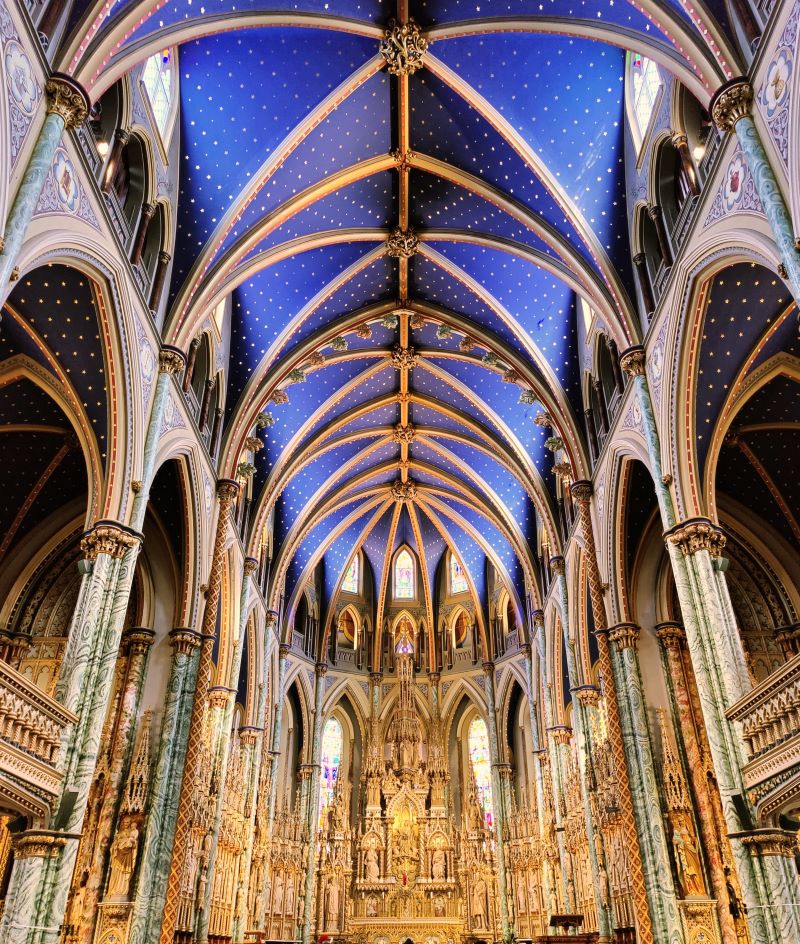
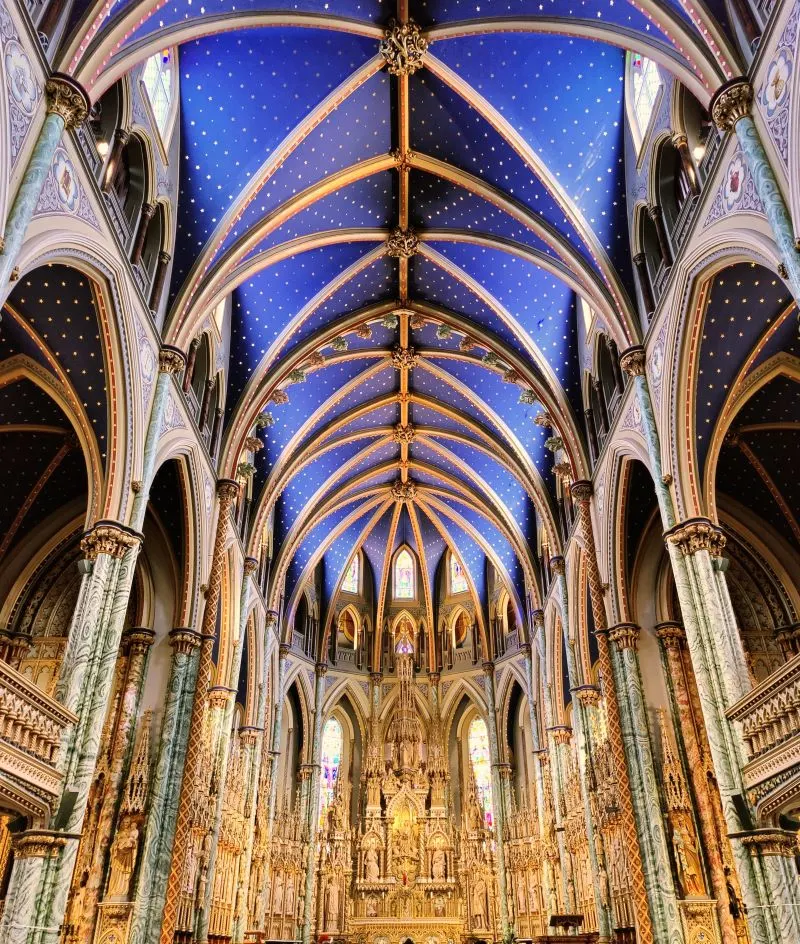
The Notre-Dame Cathedral Basilica is a magnificent and historic church located in Ottawa, Canada. It is one of the city’s most notable landmarks and an important religious and cultural site.
Constructed in the mid-19th century, the Notre-Dame Cathedral Basilica is an excellent example of Gothic Revival architecture. Its striking exterior features twin spires, intricate stone carvings, and beautifully crafted stained glass windows, making it a visually stunning building.
Inside the cathedral, visitors are greeted with a breathtaking interior characterized by soaring arches, ornate decorations, and a sense of grandeur.
The church’s intricate wooden detailing, particularly the intricate carvings of its pulpit, altar, and galleries, showcases the skill and artistry of the craftsmen who worked on its construction.
The cathedral is the seat of the Roman Catholic Archdiocese of Ottawa and serves as an important place of worship and religious ceremonies for the local Catholic community.
It also welcomes visitors of all faiths and backgrounds who come to appreciate its architectural beauty and spiritual atmosphere.
The Notre-Dame Cathedral Basilica hosts regular masses and religious services, and it is also a popular venue for weddings and other significant events.
Additionally, the cathedral often holds special concerts and cultural events, further enriching its role as a cultural and community center.
9. Ottawa River: Try various water sports, like kayaking or paddleboarding, along the picturesque river


The Ottawa River is a prominent river that flows through the provinces of Ontario and Quebec in Canada. It is one of the major waterways in the country and holds significant historical, cultural, and environmental importance.
The river begins in the province of Quebec, near the city of Ottawa, and flows westward, forming the natural boundary between Ontario and Quebec. It ultimately joins the St. Lawrence River, which eventually empties into the Atlantic Ocean.
The Ottawa River is renowned for its scenic beauty and serves as a popular destination for outdoor activities and recreation.
Along its shores, you’ll find numerous parks, walking trails, and lookout points where visitors can enjoy stunning views of the river and the surrounding landscapes.
In the summer, the river becomes a hub for water sports, such as kayaking, canoeing, and paddleboarding. Fishing is also a popular activity, with anglers seeking various species of fish that inhabit the river.
In the winter, when the river freezes over, it transforms into a vast ice-skating playground, offering visitors the unique experience of skating on a frozen natural surface.
The Rideau Canal Skateway, which connects to the Ottawa River, becomes the world’s longest skating rink during the winter months, attracting skaters from near and far.
Aside from its recreational significance, the Ottawa River has played a crucial role in the history and development of the region. It was a vital trade route for Indigenous peoples and early European explorers and settlers.
Today, it continues to support commerce and transportation, with various bridges and ferries facilitating travel between the two provinces.
Moreover, the Ottawa River holds cultural and environmental significance, as it is an essential part of the traditional territory of Indigenous peoples and supports a diverse ecosystem of plant and animal life.
10. Major’s Hill Park: Enjoy scenic views of Parliament Hill and the Ottawa River while strolling through this lovely park
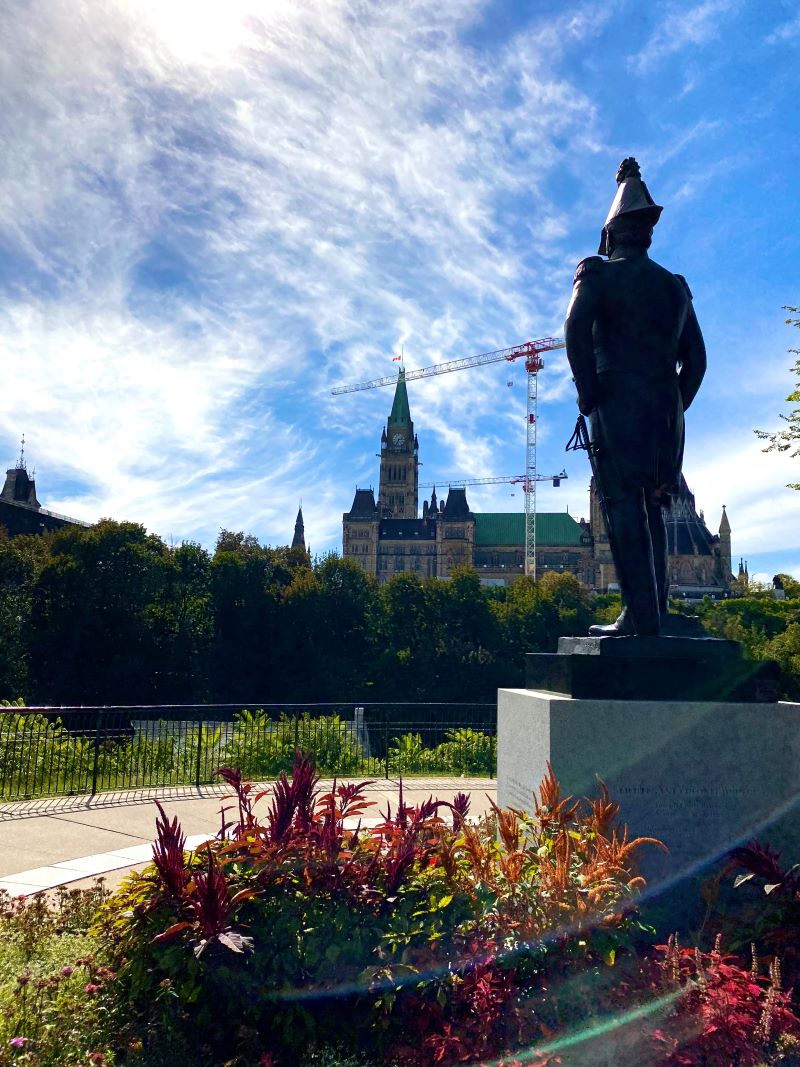
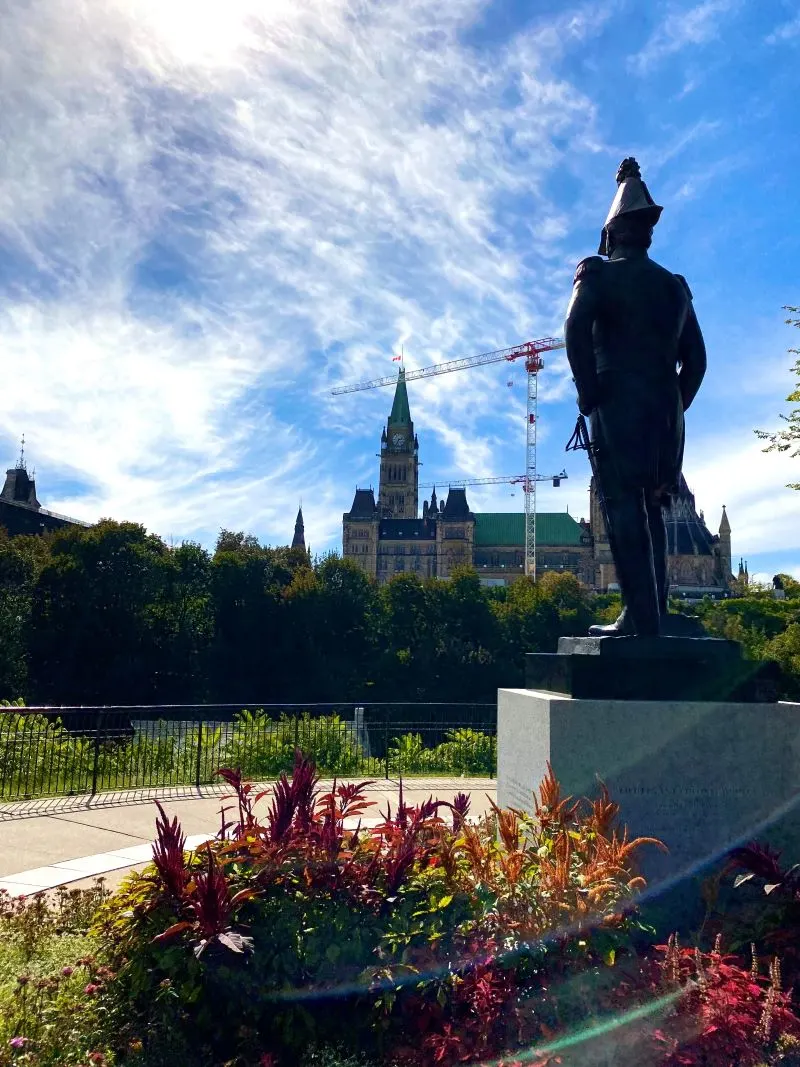
Major’s Hill Park is a picturesque public park located in downtown Ottawa, Canada. It is one of the city’s most beautiful green spaces, offering stunning views and a tranquil retreat in the heart of the bustling capital.
Situated just west of Parliament Hill and adjacent to the Ottawa River, Major’s Hill Park provides visitors with panoramic views of the river, the Parliament Buildings, and other landmarks in the city.
Its strategic location makes it a popular spot for both locals and tourists to enjoy the scenic beauty and take memorable photos.
The park is named after Major Daniel Bolton, an early settler and military officer who once owned the land. Today, it serves as a serene oasis, featuring well-maintained lawns, flower gardens, and mature trees that provide shade and a relaxing atmosphere for picnics, leisurely strolls, and outdoor activities.
Major’s Hill Park is also known for hosting various events and festivals throughout the year. During the summer, it often becomes a venue for cultural events, live music performances, and outdoor art installations, adding to its vibrant ambiance.
The park’s proximity to the ByWard Market, a lively and historic neighborhood known for its shops and restaurants, makes it an ideal starting point for exploring the surrounding areas and experiencing the city’s vibrant culture.
11. Canadian War Museum: Explore the military history of Canada through extensive exhibits and artifacts
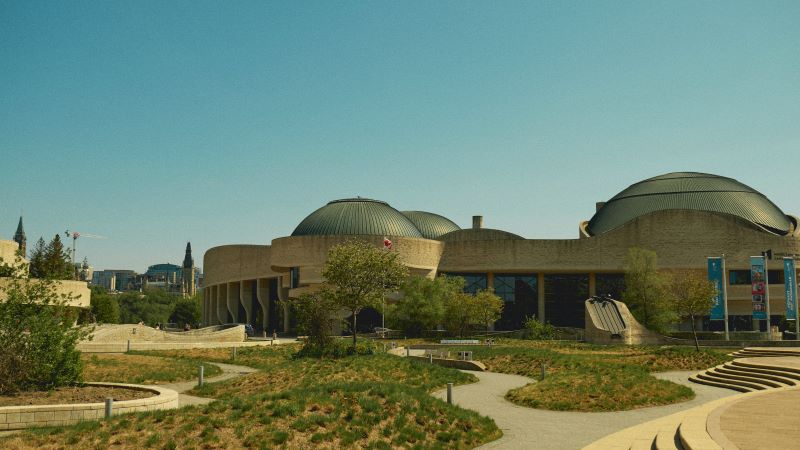
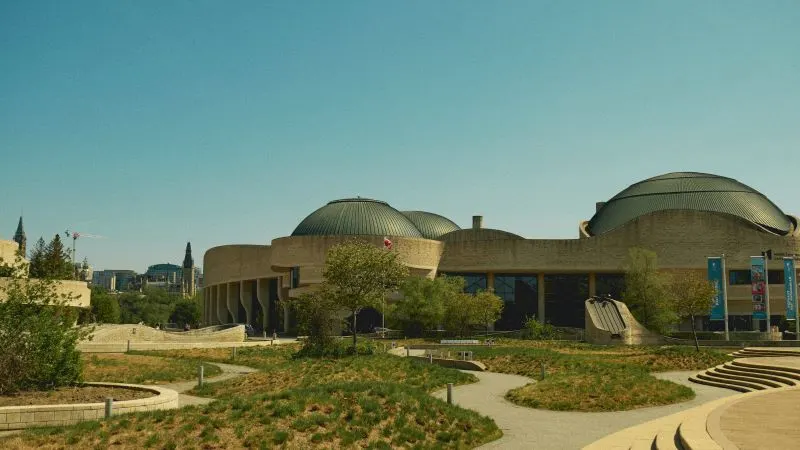
The Canadian War Museum is a prominent national museum located in Ottawa, Canada. It is dedicated to preserving and showcasing the military history of Canada and its armed forces, paying tribute to the sacrifices and contributions of Canadian soldiers throughout history.
The museum’s building itself is a modern architectural masterpiece, designed to resemble a large war shelter with massive granite walls and a striking glass façade. It is located near the Ottawa River, providing visitors with scenic views of the water and the city’s skyline.
Inside, visitors can explore a wide range of exhibits that span Canada’s military history from early conflicts to modern-day peacekeeping missions.
The museum’s collection includes an impressive array of military artifacts, weaponry, vehicles, and equipment used in various wars and conflicts.
The Canadian War Museum showcases both the triumphs and tragedies of Canadian military involvement, emphasizing the human stories behind the battles.
It aims to promote understanding and appreciation of Canada’s military heritage while encouraging discussions about the impact of war on individuals, families, and society.
One of the museum’s most poignant sections is the Memorial Hall, which serves as a solemn space for reflection and remembrance of Canadian soldiers who lost their lives in service. The Hall features a stunning stained glass window and the names of fallen soldiers inscribed on a series of bronze plaques.
The Canadian War Museum also offers interactive displays and multimedia presentations that engage visitors of all ages and provide a deeper understanding of the experiences and challenges faced by soldiers throughout history.
Throughout the year, the museum hosts special exhibitions and events that delve into specific aspects of military history, offering fresh perspectives and engaging experiences for visitors.
12. Diefenbunker: Canada’s Cold War Museum: Visit a former nuclear fallout shelter and learn about Cold War history
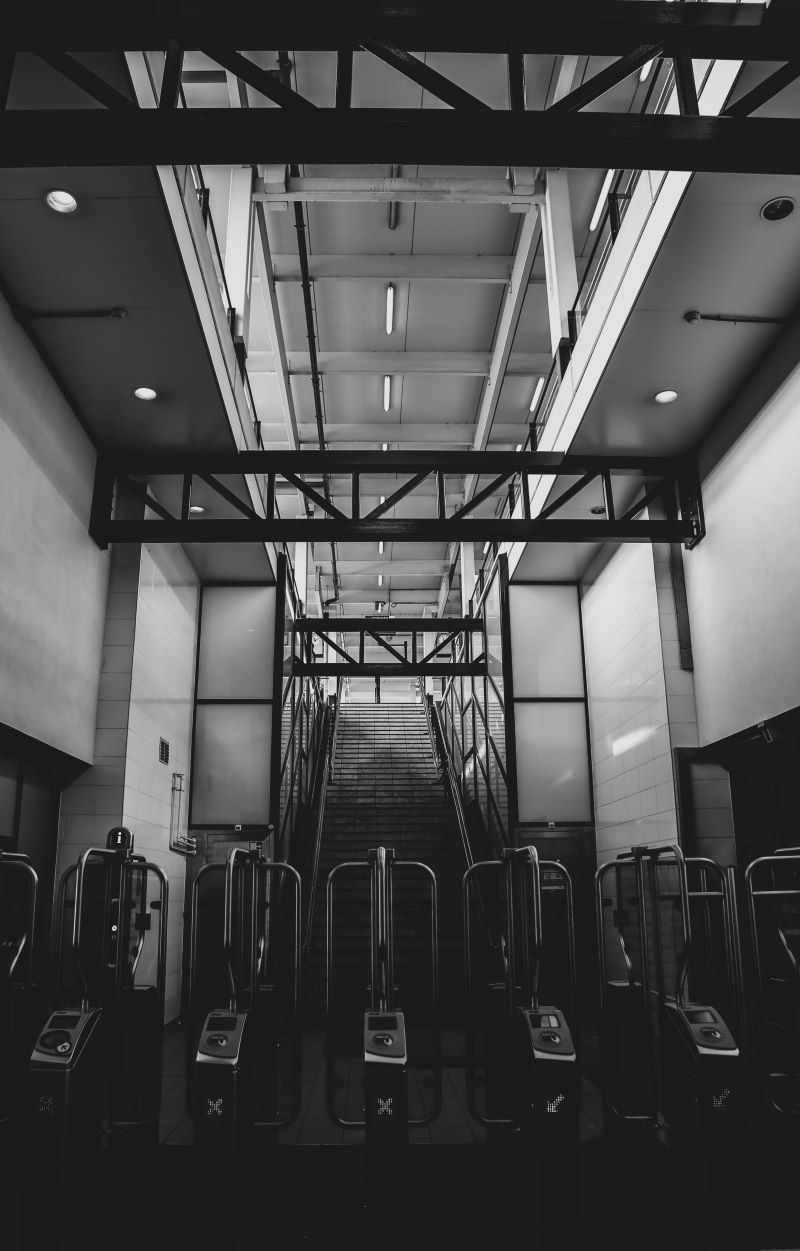

The Diefenbunker, officially known as the Canadian Forces Station Carp, is a unique and fascinating museum located in Carp, Ontario, just outside of Ottawa, Canada.
It is a former top-secret government facility that was built during the Cold War era as a nuclear fallout shelter for the Canadian government and military.
Constructed in the late 1950s and completed in 1961, the Diefenbunker was named after then-Prime Minister John Diefenbaker, who authorized its construction.
Its purpose was to serve as a protected underground command center from which the government could continue to operate in the event of a nuclear attack.
The Diefenbunker is an engineering marvel, designed to withstand a nuclear blast and equipped with state-of-the-art technology for its time.
It has four levels, covering an area of over 100,000 square feet, and is built deep into the ground to offer maximum protection against radiation and other nuclear hazards.
Today, the Diefenbunker is open to the public as a museum, providing visitors with a fascinating glimpse into the realities of the Cold War and the government’s preparedness for a nuclear conflict.
Guided tours take visitors through the various rooms and sections of the bunker, including the prime minister’s suite, the military briefing rooms, the telecommunications center, and the decontamination area.
The museum’s exhibits feature original artifacts, documents, and equipment used during the Cold War era, giving visitors a sense of what life would have been like for the government officials and military personnel who would have operated from the bunker in the event of a crisis.
13. National Aviation Museum: Discover the evolution of aviation with a vast collection of aircraft and interactive exhibits


The National Aviation Museum, officially known as the Canada Aviation and Space Museum, is a premier museum located in Ottawa, Canada. It is one of the country’s most significant aviation museums, dedicated to preserving and showcasing Canada’s rich aerospace history.
The museum is situated near the Ottawa River and is housed in a spacious and modern building. It boasts an impressive collection of aircraft and aerospace artifacts, including historical airplanes, helicopters, gliders, and other flying machines.
Inside the Canada Aviation and Space Museum, visitors can explore a wide range of exhibits that chronicle the evolution of aviation in Canada, from the early days of flight to the modern era.
The museum features both civilian and military aircraft, reflecting Canada’s contributions to both commercial aviation and military aviation over the years.
One of the museum’s highlights is the iconic Canadarm, a robotic arm used on the Space Shuttle and the International Space Station, which symbolizes Canada’s achievements in space exploration.
The Canada Aviation and Space Museum offers interactive displays and immersive exhibits that engage visitors of all ages, making it an enjoyable and educational experience for families, aviation enthusiasts, and history buffs alike.
In addition to its permanent collection, the museum hosts special exhibitions and events that delve into various aspects of aviation and space exploration, providing fresh perspectives and unique opportunities to learn about these fascinating fields.
14. Bytown Museum: Learn about Ottawa’s early history and the construction of the Rideau Canal
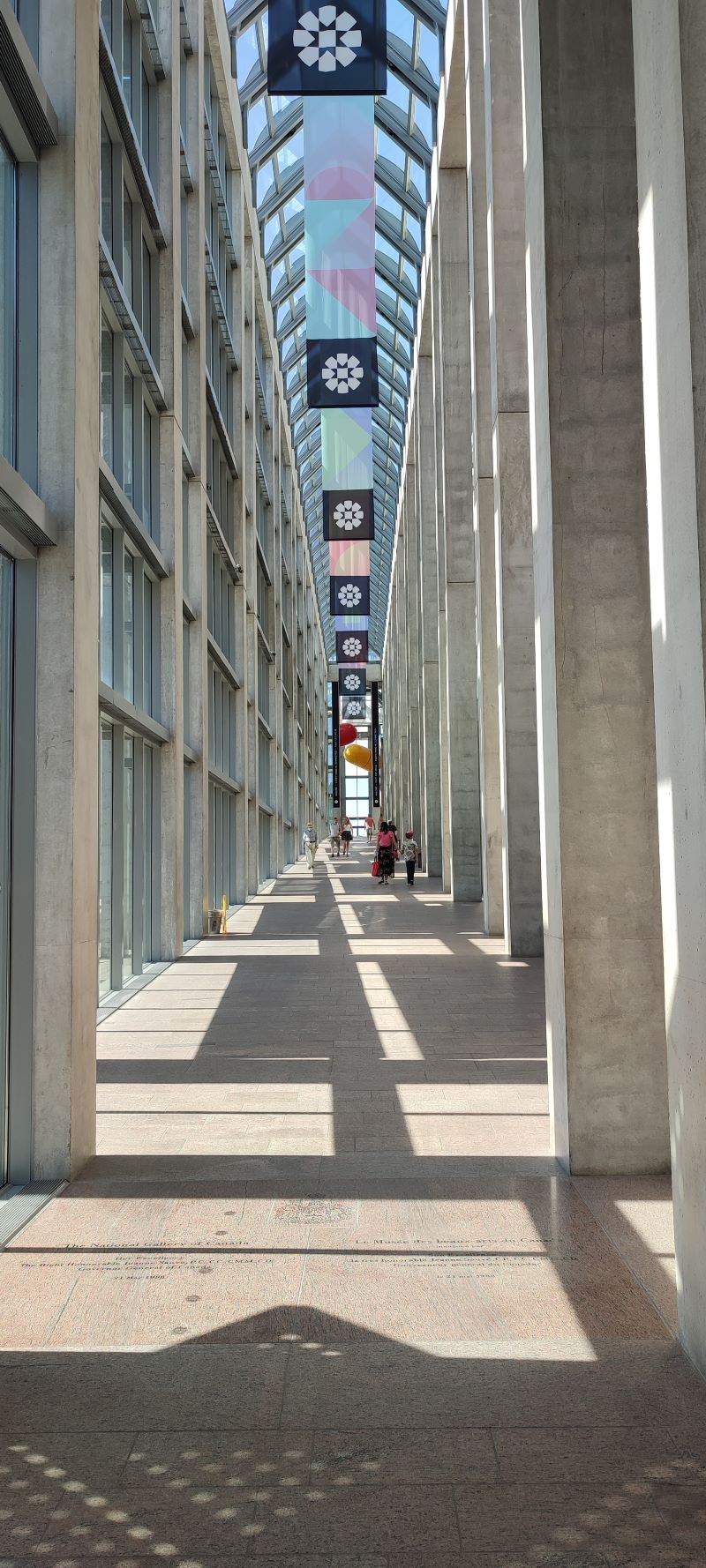
The Bytown Museum is a historical museum located in Ottawa, Canada, that focuses on the early history of the city and the surrounding region. It is one of the oldest museums in Ottawa, housed in a building that holds historical significance.
The museum is situated at the Ottawa Locks, near the Rideau Canal, and its location is essential to its narrative. It was originally constructed as a Commissariat in 1827 and served as a storehouse for the workers who were building the Rideau Canal, a significant engineering project commissioned by Lieutenant Colonel John By.
The Bytown Museum offers visitors an immersive experience into the early days of Ottawa, known as “Bytown” during its early years before it was renamed to Ottawa in 1855.
Exhibits showcase the city’s history, starting with its origins as a rough and bustling lumber town, through its growth and development as a strategic location for trade and commerce.
Inside the museum, visitors can explore artifacts, photographs, and displays that depict life in Bytown during the 19th century, including its connections to the Rideau Canal and the significance of this engineering marvel in shaping the city’s future.
The Bytown Museum also offers insights into the diverse communities that contributed to the city’s development, including the Indigenous peoples, the French and Irish settlers, and the British military presence.
15. Ottawa Art Gallery: Experience contemporary and local art exhibits in the heart of downtown Ottawa


The Ottawa Art Gallery (OAG) is a prominent cultural institution located in downtown Ottawa, Canada. It is the city’s main public art gallery, dedicated to showcasing contemporary and historical Canadian art, with a particular emphasis on artists from the Ottawa-Gatineau region.
The Ottawa Art Gallery’s building, a modern and sleek structure, was expanded and renovated in recent years to accommodate a broader range of exhibits and programming. It is conveniently situated in the heart of the city, making it easily accessible to both locals and tourists.
Inside the gallery, visitors can explore a diverse range of art forms, including paintings, sculptures, photography, mixed media, and installations.
The OAG showcases works by emerging and established artists, providing a platform for creative expression and celebrating the region’s artistic talent.
The gallery regularly hosts temporary exhibitions, which means there is always something new and exciting to see. These exhibitions often cover various themes and topics, reflecting the contemporary art scene in Canada and beyond.
The Ottawa Art Gallery is committed to engaging the community through educational programs, workshops, and events that promote art appreciation and understanding. It is a hub for artistic exploration, a place where visitors can immerse themselves in the ever-evolving world of visual arts.
Beyond its role as a showcase for art, the gallery also contributes to the cultural discourse in Ottawa, fostering conversations about identity, history, and societal issues through artistic expression.
16. Peace Tower: Climb to the top of the Peace Tower for panoramic views of the city
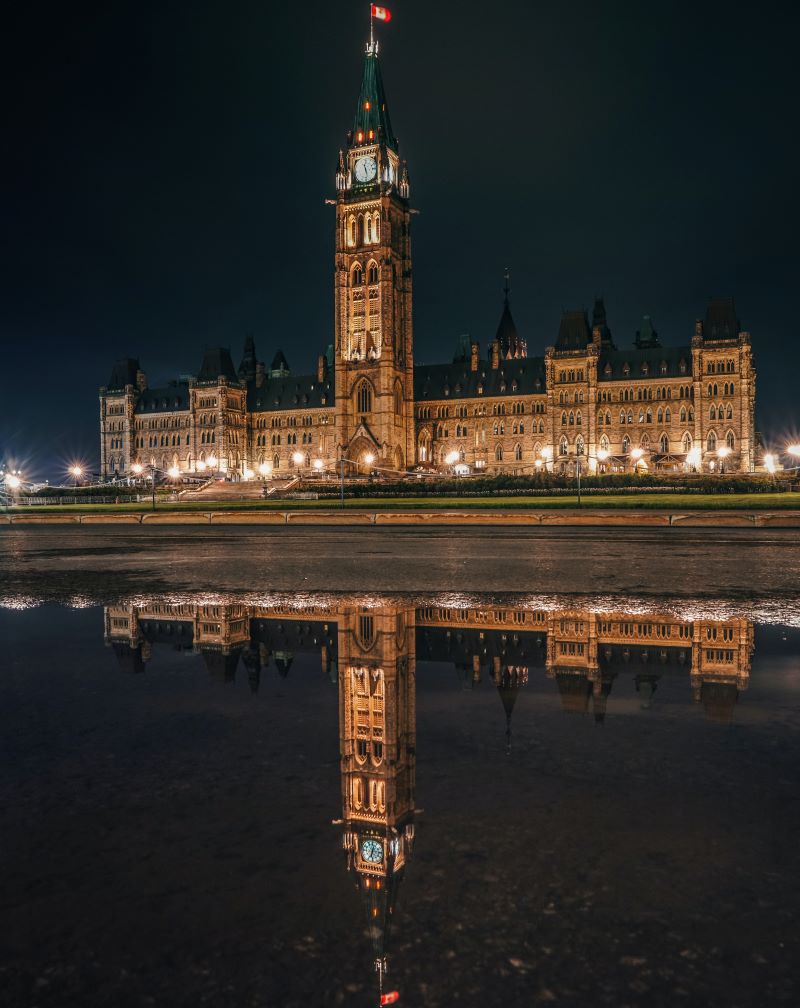
The Peace Tower is an iconic clock tower located on Parliament Hill in Ottawa, Canada. It is one of the most recognizable landmarks in the city and serves as an important symbol of Canada’s government and its commitment to peace.
Standing at 92.2 meters (302 feet) tall, the Peace Tower is an integral part of the Centre Block, the main building of the Canadian Parliament. Its construction was completed in 1927 to mark the 60th anniversary of Canadian Confederation.
The tower is adorned with intricate stone carvings and features Gothic Revival architectural style, blending seamlessly with the surrounding Parliament buildings. At its top, there is a large clock on each of the four faces, making it a prominent timekeeper in the heart of Ottawa.
One of the most impressive features of the Peace Tower is the Peace Carillon, a set of 53 bells located within the tower. The bells play musical performances, and their sweet melodies can be heard across the city during special occasions and events.
Inside the tower, visitors can climb a series of stairs or take an elevator to reach an observation deck located just below the clock faces.
From this vantage point, visitors are rewarded with breathtaking panoramic views of Parliament Hill, the Ottawa River, and the surrounding cityscape.
As a significant symbol of Canada’s commitment to peace, the Peace Tower is often used as a focal point for national ceremonies, celebrations, and remembrance events. For instance, on Remembrance Day, the tower is the centerpiece of a solemn ceremony to honor the sacrifices of Canadian veterans.
17. Gatineau Park: Just across the river in Quebec, this park offers hiking, biking, and stunning natural scenery
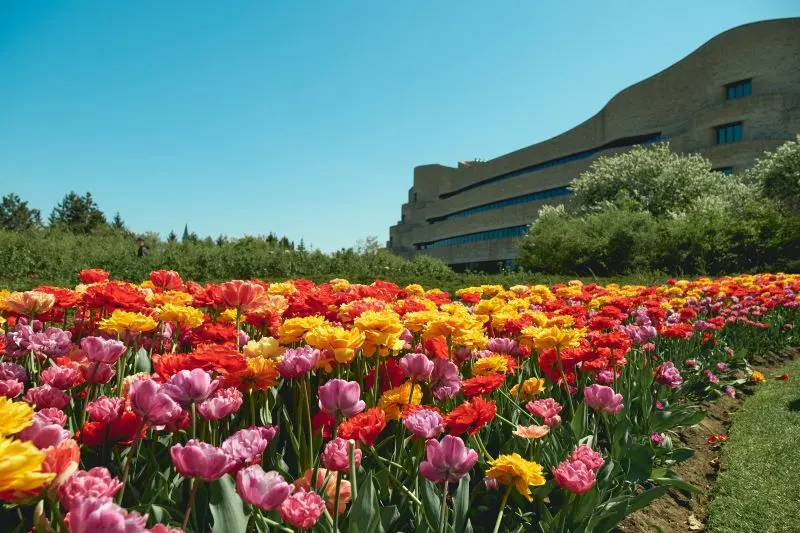
Gatineau Park is a magnificent and vast natural park located in the province of Quebec, just a short drive from downtown Ottawa, Canada. It is a popular outdoor destination for both locals and tourists, offering a wide range of recreational activities and breathtaking natural beauty.
Covering an area of approximately 361 square kilometers (139 square miles), Gatineau Park is characterized by its diverse landscapes, including forests, lakes, hills, and rocky outcrops. Its varied terrain provides opportunities for various outdoor activities throughout the year.
In the warmer months, visitors can enjoy hiking, mountain biking, and picnicking on the park’s numerous trails and scenic lookouts.
The park offers a range of difficulty levels for hikers, from easy family-friendly walks to challenging backcountry routes for experienced adventurers.
Gatineau Park is also a haven for nature enthusiasts and wildlife watchers, with the chance to spot various animals, such as deer, beavers, and a variety of bird species.
During the winter, the park transforms into a winter wonderland, attracting visitors for cross-country skiing, snowshoeing, and winter hiking.
The park’s extensive trail network is groomed for winter activities, offering excellent opportunities to experience the beauty of the snowy landscape.
One of the park’s most famous landmarks is the Champlain Lookout, which provides panoramic views of the Ottawa Valley and the Gatineau Hills. It is a popular spot for photographers and visitors seeking a stunning vista.
Gatineau Park is also home to several pristine lakes and beaches, offering opportunities for swimming, paddling, and relaxation during the warm summer months.
18. Canadian Tulip Festival (seasonal): Admire millions of tulips blooming throughout the city during this springtime festival
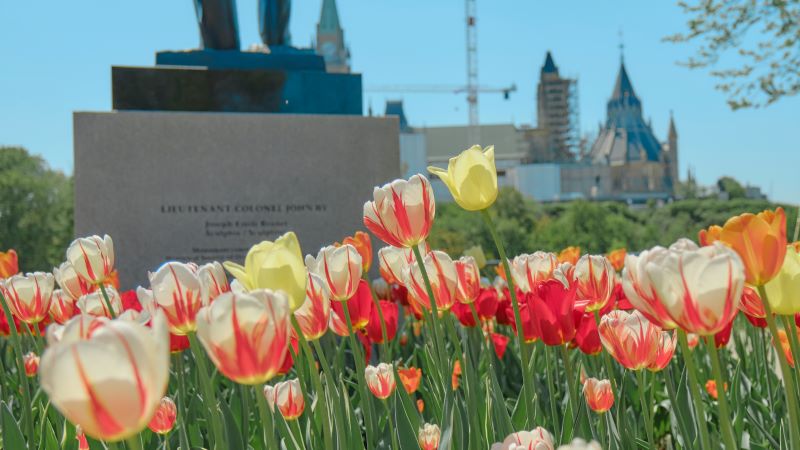
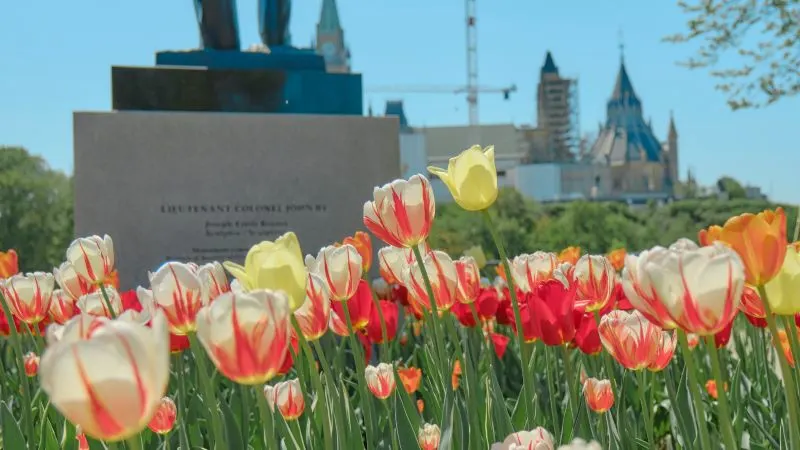
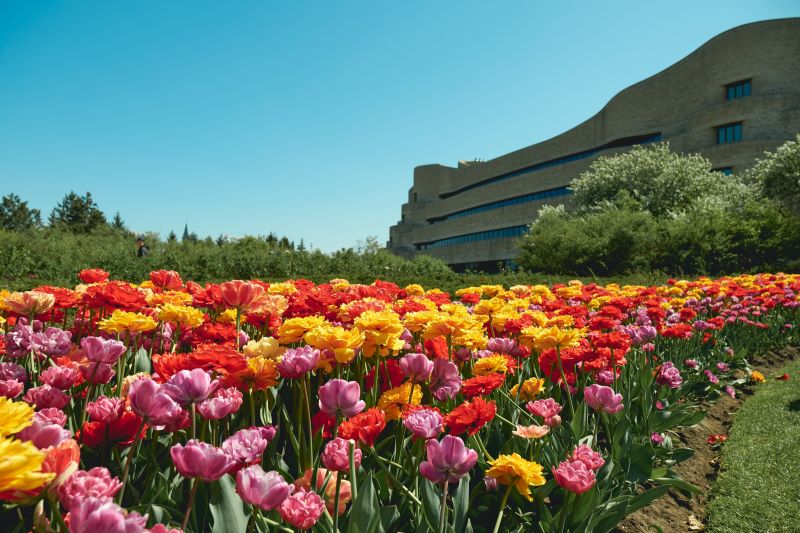
The Canadian Tulip Festival is an annual, seasonal event held in Ottawa, Canada, typically during the springtime, when the tulips are in full bloom. It is one of the country’s most celebrated and colorful festivals, attracting thousands of visitors from near and far.
The festival has a unique and significant history. In 1945, after the end of World War II, the Dutch royal family sent 100,000 tulip bulbs to Canada as a gesture of gratitude for the role played by Canadian soldiers in liberating the Netherlands.
Since then, the Canadian Tulip Festival has been held annually to commemorate this special connection between Canada and the Netherlands.
During the festival, Ottawa’s public spaces, parks, and gardens are adorned with millions of vibrant and beautiful tulips, creating a stunning and picturesque landscape.
The main locations for tulip displays include Commissioners Park near Dow’s Lake, Major’s Hill Park, and Parliament Hill.
In addition to the stunning floral displays, the Canadian Tulip Festival features a variety of activities and events. Visitors can enjoy live music performances, cultural shows, art exhibits, and culinary experiences that showcase the traditions and heritage of both Canada and the Netherlands.
One of the festival’s highlights is the fireworks show that lights up the night sky with dazzling colors, adding to the festive atmosphere. There are also guided tours, workshops, and educational programs about tulips, horticulture, and the festival’s historical significance.
19. Ottawa International Animation Festival (OIAF) (seasonal): Experience a celebration of animated films from around the world


The Ottawa International Animation Festival (OIAF) is an annual, seasonal event held in Ottawa, Canada. It is one of the most prestigious and well-respected animation festivals in the world, attracting animation enthusiasts, filmmakers, industry professionals, and audiences from around the globe.
The OIAF celebrates the art of animation in all its forms, showcasing a diverse and captivating range of animated works, including short films, feature films, student films, and experimental animations.
The festival typically takes place over several days and offers a packed program of screenings, presentations, workshops, and panel discussions.
Filmmakers and animators have the opportunity to present their work to a discerning audience, gain exposure, and network with fellow professionals in the animation industry.
The festival’s main competition categories include various awards for excellence in animation, recognizing outstanding achievements in animation techniques, storytelling, character design, and innovation.
In addition to the competition screenings, the OIAF often features retrospectives, special showcases of animation from different countries, and thematic programs that highlight specific trends or genres within the animation world.
The OIAF also hosts educational events and workshops for aspiring animators and students, providing valuable insights and learning opportunities from industry experts.
As an animation festival, the OIAF celebrates the creativity and artistry of animators while promoting the appreciation and understanding of animation as a powerful storytelling medium.
It serves as a platform for animators to share their unique visions, challenge boundaries, and inspire audiences with their creativity and talent.
20. Ottawa Bluesfest (seasonal): Enjoy live music performances by renowned artists in a lively festival atmosphere
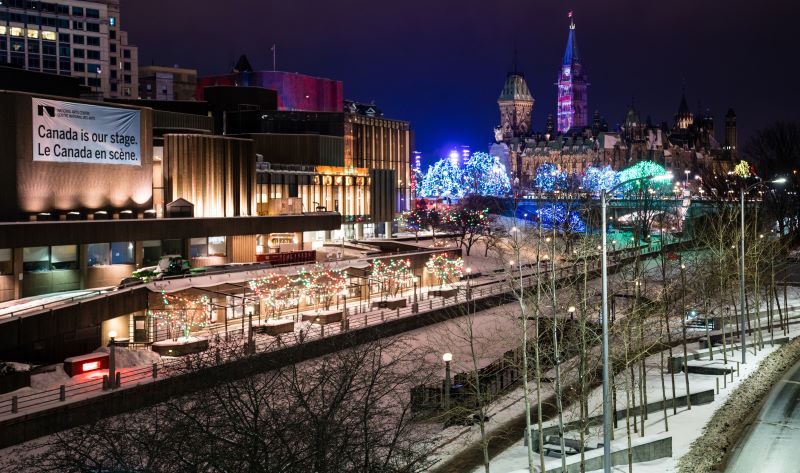
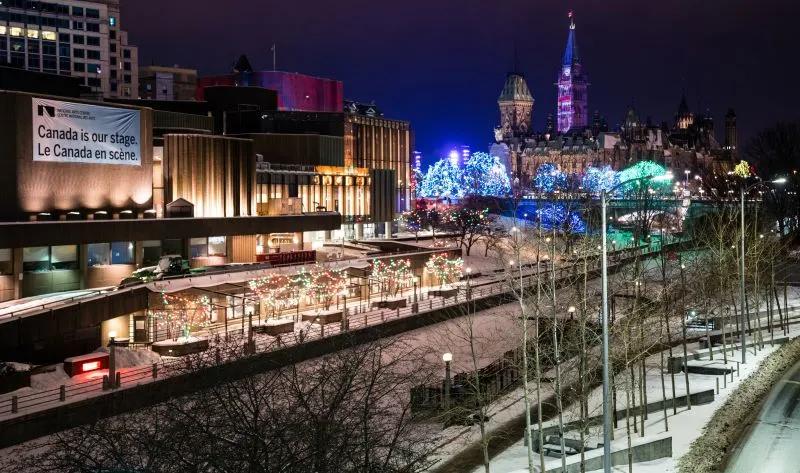
Ottawa Bluesfest is an annual music festival held in Ottawa, Canada, typically taking place over 10 days in early to mid-July.
The festival is one of the largest and most popular music events in Canada, attracting a diverse lineup of artists from various genres, with a primary focus on blues, rock, pop, and folk music.
The festival was first established in 1994 and has since grown in both size and reputation. It usually features multiple stages, allowing attendees to enjoy performances from both well-known and emerging artists simultaneously.
Over the years, Ottawa Bluesfest has hosted a wide range of iconic musicians and bands, drawing music enthusiasts from all over the country and beyond.
Apart from music, the festival often incorporates other entertainment elements, such as food and beverage vendors, arts and crafts exhibitions, and various interactive activities, creating a vibrant and lively atmosphere for festival-goers to enjoy.
21. Winterlude (seasonal): Embrace the winter spirit with ice skating, snow sculptures, and other winter activities
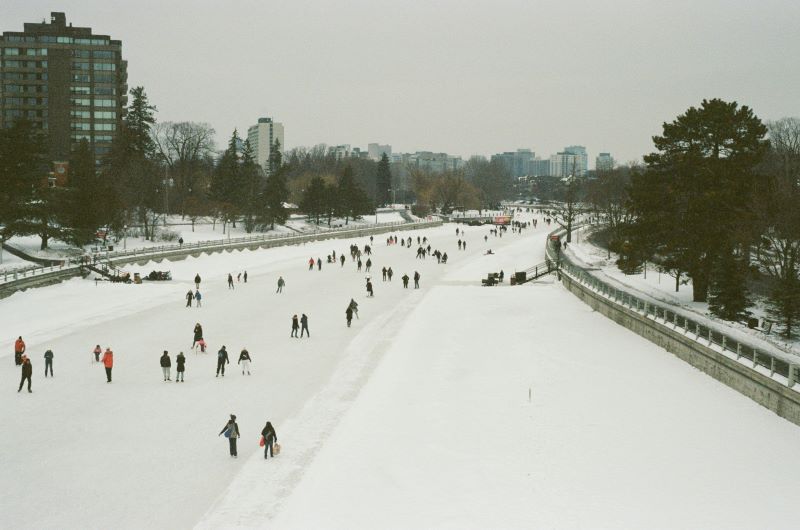

Winterlude is an annual winter festival celebrated in Ottawa, Canada, and Gatineau, Quebec. The festival typically takes place during the first three weekends of February, embracing the beauty and charm of the winter season in the region.
Winterlude is known for its exciting outdoor activities and attractions that are centered around the frozen Rideau Canal, which becomes the world’s largest skating rink during the festival. Skating on the canal is a beloved tradition for locals and visitors alike, offering a unique and picturesque experience.
In addition to ice skating, Winterlude features various snow and ice sculptures displayed in the Snowflake Kingdom at Jacques-Cartier Park in Gatineau.
Skilled artists from around the world create these intricate and impressive works of art, drawing awe and admiration from attendees.
Visitors can also enjoy other activities like ice slides, snowshoeing, winter sports demonstrations, live music performances, and cultural events that showcase the diversity of Canadian and local traditions.
22. Ottawa Little Theatre: Catch a live performance at one of the oldest community theaters in Canada
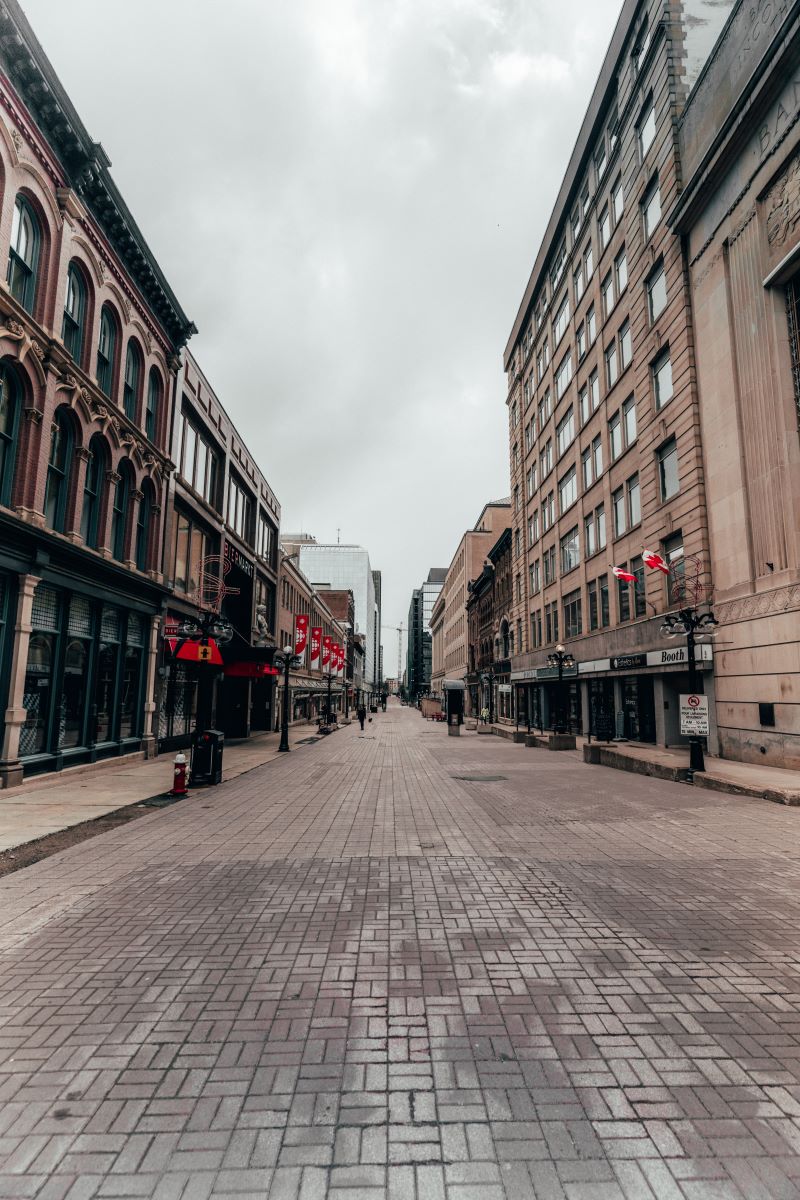

Ottawa Little Theatre (OLT) is one of the oldest community theatre companies in Canada, located in Ottawa, Ontario. Founded in 1913, it has a rich history of providing theatrical performances and engaging the local community in the world of theater arts.
OLT is known for producing a diverse range of plays, including classic dramas, comedies, mysteries, and contemporary works.
The theater’s repertoire often includes productions of both well-known and lesser-known plays, showcasing the talents of local actors, directors, and production teams.
The theater’s venue is situated in a historic building, adding to the charm and character of the performances.
Throughout the years, OLT has been a significant cultural hub in the city, fostering a love for the performing arts and contributing to the vibrant arts scene in Ottawa.
23. Haunted Walk of Ottawa: Take a spooky guided tour through the city’s haunted spots and hear ghost stories


The Haunted Walk of Ottawa is a popular and unique tour company that offers guided walking tours focused on sharing chilling tales of haunted places, ghostly encounters, and eerie history in Canada’s capital city, Ottawa.
The company specializes in providing an engaging and spine-tingling experience, taking participants on a journey through the city’s haunted past and dark folklore.
Led by knowledgeable and entertaining guides, the Haunted Walk of Ottawa offers various themed tours that explore haunted landmarks, historic buildings, and hidden alleyways.
During the tours, participants hear ghost stories, legends, and mysterious accounts associated with the locations they visit, creating an atmospheric and immersive experience.
The tours are designed to entertain and educate, blending historical facts with paranormal tales and local myths. As participants walk through the dimly lit streets and sites with reported paranormal activity, they can expect to be captivated by the haunted history and ghostly lore that surrounds Ottawa.
The Haunted Walk of Ottawa has been a popular attraction for both locals and visitors seeking a thrilling and entertaining experience, especially during Halloween season and other times when tales of the supernatural capture people’s imaginations.
24. Gatineau Hot Air Balloon Festival (seasonal): Watch colorful hot air balloons fill the sky in nearby Gatineau


The Gatineau Hot Air Balloon Festival, also known as “Festival de montgolfières de Gatineau,” is an annual event held in Gatineau, Quebec, Canada. The festival typically takes place over several days during the summer or early autumn, making it a popular seasonal attraction.
The festival celebrates the beauty and wonder of hot air balloons and attracts thousands of visitors each year. Balloon enthusiasts, families, and tourists gather to witness a spectacular display of colorful hot air balloons taking flight and painting the sky with vibrant hues.
Apart from the mesmerizing balloon launches, the Gatineau Hot Air Balloon Festival offers a diverse range of entertainment and activities.
Attendees can enjoy live music performances featuring various artists and bands, amusement park rides, arts and crafts exhibitions, and a wide selection of food and beverage vendors.
One of the highlights of the festival is the “Night Glow” event, where the hot air balloons are inflated on the ground, and their burners are illuminated, creating a stunning light show against the night sky. It’s a captivating and magical experience for both young and old.
25. Bank of Canada Museum: Learn about the economy, money, and monetary policy through interactive exhibits
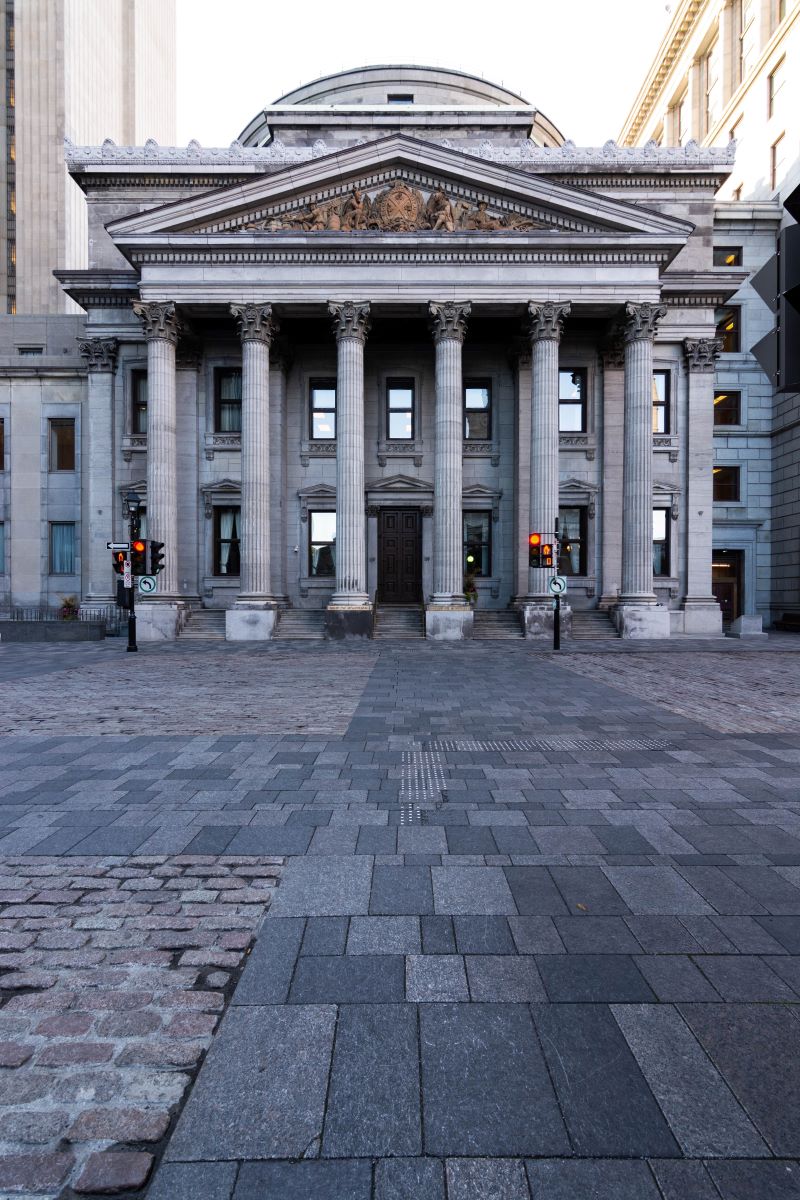
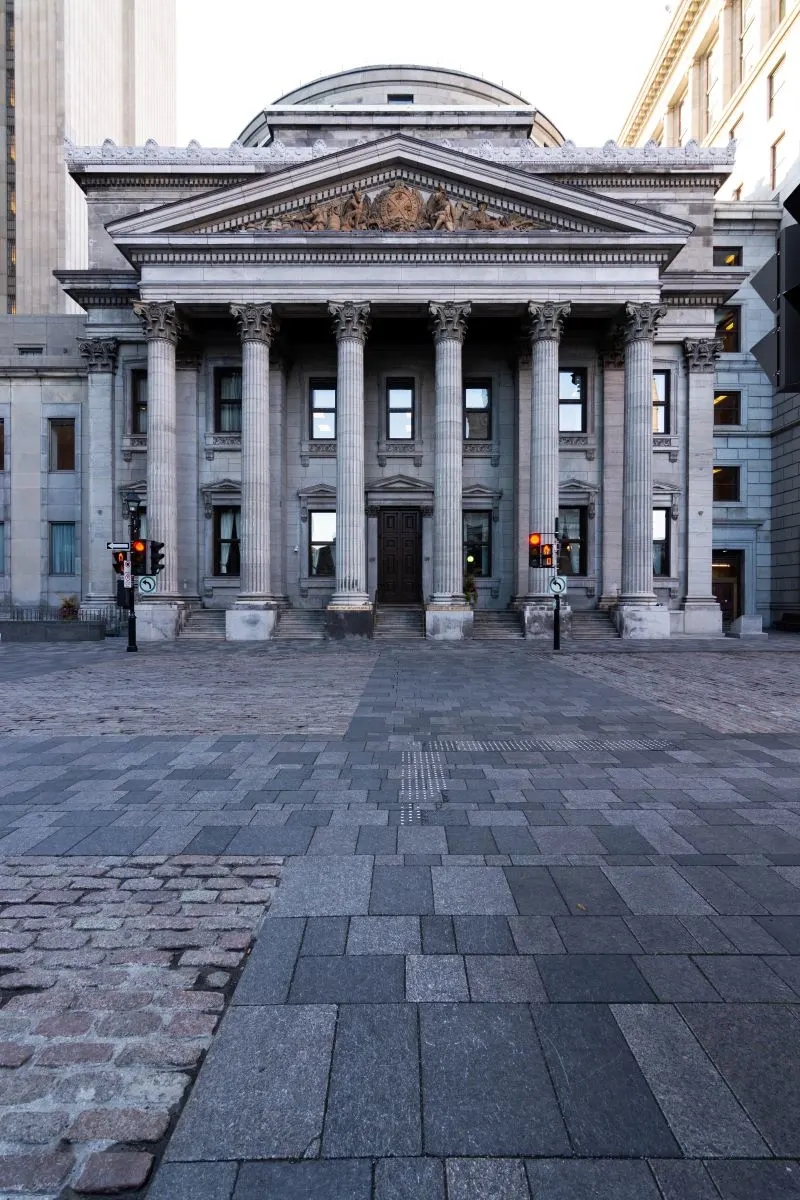
The Bank of Canada Museum, also known as the Currency Museum of the Bank of Canada, is a fascinating and educational museum located in Ottawa, Canada.
The museum is dedicated to showcasing the history of currency and central banking in Canada, providing visitors with a unique insight into the country’s monetary system and economic development.
The museum features a diverse range of exhibits that explore the evolution of money, from early forms of bartering and trade to the introduction of coins and paper currency. Visitors can learn about the intricacies of banknote design, security features, and the technology used to produce currency.
One of the highlights of the Bank of Canada Museum is its collection of rare and historical banknotes, coins, and artifacts, offering a glimpse into Canada’s economic past.
Interactive displays and hands-on activities engage visitors of all ages, making the museum an enjoyable and informative experience for families and individuals alike.
The Bank of Canada Museum also provides insights into the role of the Bank of Canada as the country’s central bank, responsible for monetary policy, issuing currency, and promoting financial stability.
Food In Ottawa


Ottawa, Canada’s vibrant capital city, is not only known for its rich history, stunning architecture, and cultural offerings but also for its diverse and dynamic food scene.
With a plethora of restaurants, food markets, and culinary festivals, Ottawa has become a food lover’s paradise. In this article, we will take you on a gastronomic journey, exploring the delectable dishes and culinary gems that make Ottawa a top destination for food enthusiasts.
- Farm-to-Table Sensations
Ottawa takes pride in its farm-to-table approach, with a growing emphasis on sourcing fresh, locally produced ingredients. Numerous restaurants and eateries in the city are dedicated to showcasing the region’s bounty, and you can indulge in seasonal dishes that celebrate the flavors of Ontario.
From artisanal cheeses and freshly harvested vegetables to succulent meats, Ottawa’s farm-to-table offerings are sure to tantalize your taste buds.
- Iconic BeaverTails
No visit to Ottawa is complete without trying an iconic Canadian treat – BeaverTails. These delectable, hand-stretched pastries are shaped like beaver tails (hence the name) and come in various mouthwatering flavors.
Whether you opt for a classic cinnamon and sugar topping or experiment with chocolate, fruit, or savory toppings, indulging in a BeaverTail is a must-have experience.
- The ByWard Market: A Foodie Haven
The historic ByWard Market is a culinary haven in Ottawa. Here, you’ll find an array of food stalls, specialty shops, and restaurants offering cuisines from around the world.
From fresh produce and artisanal cheeses to gourmet pastries and international street food, the ByWard Market is a melting pot of flavors and aromas that will leave you wanting more.
- Poutine Paradise
No article about Canadian cuisine would be complete without mentioning poutine – Canada’s beloved comfort food. Ottawa boasts several eateries that serve this hearty dish of French fries topped with cheese curds and smothered in rich gravy. You can also find creative variations of poutine, featuring toppings like pulled pork, bacon, or even lobster.
- International Flavors
Ottawa’s multicultural population has resulted in a diverse range of international dining options. From elegant French bistros to authentic Asian eateries and vibrant Middle Eastern restaurants, the city offers a global culinary experience. Food enthusiasts can savor dishes from various cultures, making Ottawa a true melting pot of flavors.
- Craft Beer and Local Brews
For beer aficionados, Ottawa offers a thriving craft beer scene. Numerous microbreweries and brewpubs can be found throughout the city, offering a wide selection of locally brewed beers.
Whether you prefer hoppy IPAs, rich stouts, or refreshing lagers, Ottawa’s craft beer scene has something to satisfy every palate.
- Culinary Festivals
Throughout the year, Ottawa hosts various food festivals that celebrate the city’s gastronomic delights. From the Ottawa Ribfest to the Ottawa Poutinefest and the Ottawa Food and Wine Festival, there are plenty of opportunities to indulge in mouthwatering treats and discover new culinary treasures.
Ottawa’s culinary landscape is a delightful blend of local traditions, international influences, and innovative gastronomic creations.
Whether you’re a food enthusiast or a curious traveler, exploring Ottawa’s diverse and evolving food scene is an adventure that will leave you with unforgettable memories and a taste of Canada’s finest flavors. So, pack your appetite and embark on a gastronomic journey in the capital city of Canada!
Top 20 Best Restaurants In Ottawa, Canada


- Atelier
- Riviera
- El Camino
- Beckta Dining & Wine
- Play Food & Wine
- Fairouz
- Whalesbone Oyster House
- North & Navy
- Fraser Café
- Supply and Demand
- Sidedoor Contemporary Kitchen & Bar
- The Shore Club
- Ahora Mexican Cuisine
- Gongfu Bao
- Das Lokal Kitchen & Bar
- Pure Kitchen
- Datsun
- La Roma Restaurant
- JOEY Rideau
- Town
Transportation In Ottawa
Transportation in Ottawa is well-developed and offers various options for residents and visitors to navigate the city efficiently. As the capital of Canada, Ottawa has a comprehensive transportation network that includes public transit, roads, cycling paths, and pedestrian-friendly areas.
OC Transpo (Public Transit): OC Transpo is the city’s public transit system, offering bus services that connect various neighborhoods, suburbs, and key destinations within Ottawa and nearby areas in Gatineau, Quebec.
The transit network covers a wide area, making it a convenient and cost-effective option for daily commuting and exploring the city.
O-Train: The O-Train is Ottawa’s light rail transit (LRT) system. It includes the Confederation Line, which runs from Blair Station in the east to Tunney’s Pasture Station in the west, passing through the downtown core. The O-Train provides a fast and reliable way to travel between major hubs in the city.
Cycling: Ottawa is a bike-friendly city with an extensive network of cycling paths and bike lanes. Many residents and visitors choose to explore the city by bike, especially during warmer months. Bike-sharing programs and rental services are available for those who don’t have their own bicycles.
Driving: Ottawa’s road infrastructure includes well-maintained roads and highways, providing access to various parts of the city and connecting to other major cities in Canada and the United States. However, like in any major city, traffic congestion can be an issue during rush hours.
Ride-Sharing: Ride-sharing services such as Uber and Lyft are available in Ottawa, providing an alternative to traditional taxis and public transit for those seeking on-demand transportation.
Taxis: Taxis are readily available in Ottawa and can be hailed on the street or booked through a mobile app or phone call. They offer a convenient option for point-to-point transportation, especially during late hours or when public transit is less frequent.
Walking: Ottawa is a walkable city, and many of its attractions, restaurants, and shops are easily accessible on foot. The city’s pathways and parks also provide pleasant walking routes for leisure and exercise.
Ottawa Macdonald-Cartier International Airport: For air travel, Ottawa is served by the Ottawa Macdonald-Cartier International Airport (YOW). The airport offers domestic and international flights, connecting the city to various destinations around the world.
Ottawa, Canada’s captivating capital city, offers a wealth of experiences that cater to all interests and ages. From its rich history and stunning landmarks to its vibrant cultural scene and scenic outdoor spaces, Ottawa has something for everyone.
Whether you’re a history buff, art enthusiast, nature lover, or a foodie seeking culinary delights, this city will leave you with lasting memories and a desire to return for more.
Visiting the iconic Parliament Hill and the beautiful Rideau Canal should be at the top of any traveler’s list, as these landmarks symbolize the essence of Ottawa.
Exploring the numerous museums and galleries, such as the National Gallery of Canada and the Canadian Museum of History, allows you to delve into the nation’s heritage and artistic treasures.
Don’t miss the chance to immerse yourself in Ottawa’s vibrant culture by attending festivals like Winterlude or the Canadian Tulip Festival, where you can experience the city’s liveliness and diverse traditions.
Meanwhile, Gatineau Park and the city’s scenic riverfront offer ample opportunities for outdoor adventures and relaxation.
Throughout your journey, you’ll also savor Ottawa’s delightful culinary scene, sampling iconic Canadian dishes like poutine, as well as exploring international cuisines from around the world.
From the historic Parliament buildings standing proudly against the skyline to the lush greenery of its parks, Ottawa’s charm and allure are undeniable.
As you bid farewell to this captivating city, you’ll carry with you cherished memories of its beauty, culture, and the warmth of its residents.
Whether you’re a first-time visitor or a seasoned traveler, Ottawa’s 25 best things to do will undoubtedly leave a lasting impression and inspire you to uncover even more of the city’s hidden treasures on your next visit.
So, come and experience the captivating blend of history, culture, and natural beauty that awaits you in Ottawa, Canada’s heart and soul.
Leave a comment