




Chengdu, the capital of Sichuan province in southwestern China, is a city known for its rich history, vibrant culture, and captivating natural beauty. With a population of over 16 million people, Chengdu is one of China’s most populous and rapidly growing cities.
History: Chengdu has a history that dates back over 2,300 years, making it one of China’s oldest cities. It served as the capital of the Shu Kingdom during the Three Kingdoms period and played a significant role in ancient China’s political and cultural landscape.
Throughout history, Chengdu has been a center of trade, education, and art, fostering the development of unique local traditions and customs.
Culture: Chengdu is renowned for its relaxed and leisurely pace of life, earning it the reputation of being the “Land of Abundance.” The city embraces a laid-back and friendly atmosphere, with locals known for their warm hospitality and love for traditional Sichuanese culture.
Chengdu is the birthplace of Sichuan opera, an ancient art form characterized by vibrant costumes, face-changing performances, and fiery displays of martial arts.
Cuisine: Sichuan cuisine, with its bold and spicy flavors, is a highlight of Chengdu’s culinary scene. The city is famous for its mouth-watering dishes such as Mapo Tofu, Kung Pao Chicken, and hot pot, all of which showcase the distinctive flavors of Sichuan peppercorns and chili peppers.
Chengdu’s culinary culture extends beyond its renowned spicy cuisine, offering a diverse range of culinary delights to suit all tastes.
Natural Beauty: Chengdu is blessed with breathtaking natural landscapes. The city is surrounded by lush green mountains, picturesque rivers, and fertile plains. Just outside the city, you can explore the serene beauty of Qingcheng Mountain, a UNESCO World Heritage Site, or visit the Dujiangyan Irrigation System, an ancient water management marvel.
Additionally, Chengdu is famous for its adorable giant pandas, and the Chengdu Research Base of Giant Panda Breeding offers visitors a chance to see these iconic creatures up close.
Modern Development: In recent years, Chengdu has experienced significant economic growth and modern development. It has become a major hub for technology, innovation, and commerce, attracting both domestic and international businesses.
The city boasts modern infrastructure, including a well-connected transportation system, impressive shopping centers, and a thriving nightlife scene.
Conclusion: Chengdu is a captivating city that seamlessly blends its rich history and cultural heritage with modern progress. From its delectable cuisine and ancient traditions to its beautiful natural landscapes and warm hospitality, Chengdu offers a unique and unforgettable experience for travelers seeking a taste of authentic China.
Whether you’re exploring historical sites, savoring spicy dishes, or immersing yourself in the local culture, Chengdu is sure to leave a lasting impression.
1. Visit the Chengdu Research Base of Giant Panda Breeding to see adorable pandas

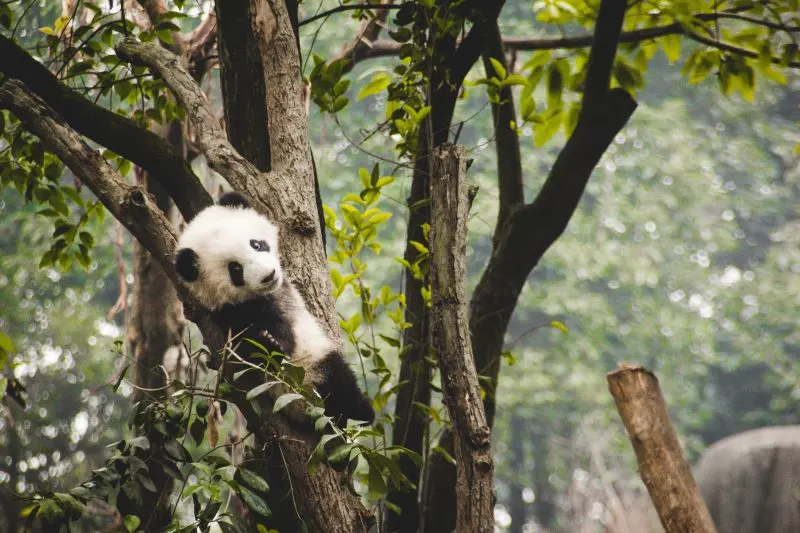
The Chengdu Research Base of Giant Panda Breeding is a world-renowned conservation and research center dedicated to the preservation of giant pandas.
Located just outside Chengdu, it offers visitors a unique opportunity to see these adorable creatures up close in a natural and controlled environment.
As you enter the base, you’ll find yourself immersed in lush greenery, resembling the pandas’ natural habitat. The facility is beautifully designed, providing spacious enclosures for the pandas to roam and play.
You’ll have the chance to observe the pandas as they go about their daily activities, such as eating bamboo, climbing trees, or lounging in the shade.
There are various areas within the base where you can see different age groups of pandas, from playful cubs to adult pandas. The highlight of your visit will undoubtedly be the panda nursery, where you can witness the incredible care given to the newborn pandas.
You might even be lucky enough to see the adorable baby pandas rolling around or being bottle-fed by dedicated caretakers.
In addition to the giant pandas, the base also houses other endangered species, such as red pandas and black-necked cranes. You can explore these areas and learn more about the conservation efforts being made to protect these animals.
Throughout the base, there are informative displays, exhibits, and signage providing insights into the research and breeding programs conducted at the center.
You can learn about the challenges faced by pandas in the wild, as well as the efforts being made to increase their population and protect their natural habitats.
The Chengdu Research Base of Giant Panda Breeding not only offers a delightful experience to see adorable pandas, but it also serves as an important educational institution dedicated to the conservation of this iconic species.
Your visit will leave you with a deep appreciation for these gentle creatures and the vital work being done to ensure their survival.
Note: It’s always recommended to check the latest guidelines and availability before planning a visit to any attraction, including the Chengdu Research Base of Giant Panda Breeding, as operational details may change.
2. Explore the historic Wuhou Memorial Temple, dedicated to the famous Three Kingdoms era figure, Zhuge Liang

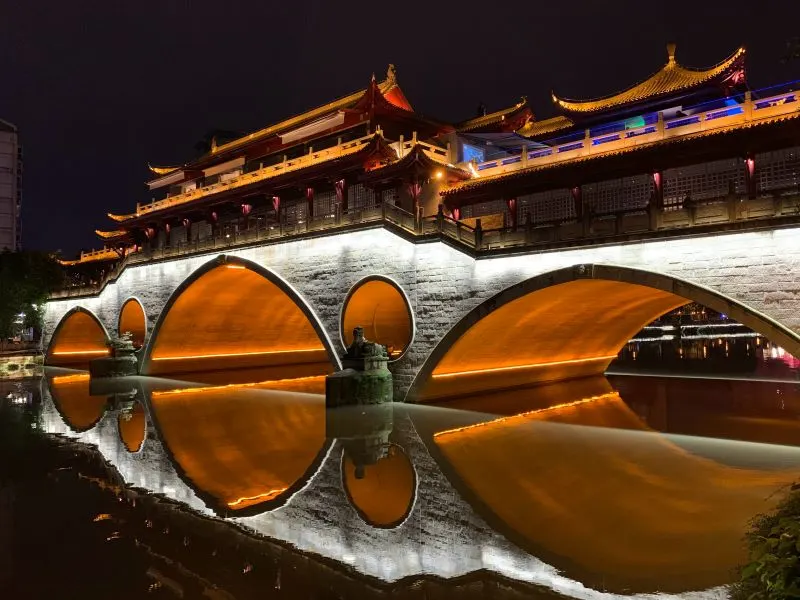
The Wuhou Memorial Temple, located in Chengdu, is a historic site and a revered cultural landmark dedicated to the renowned figure from the Three Kingdoms era, Zhuge Liang. It serves as a tribute to his wisdom, military prowess, and contributions to Chinese history.
As you approach the temple, you’ll be greeted by a grand entrance gate adorned with traditional Chinese architectural elements.
Upon entering, you’ll find yourself immersed in a serene and meticulously designed complex, filled with stunning temples, pavilions, and beautifully landscaped gardens.
The main hall of the Wuhou Memorial Temple houses the statue of Zhuge Liang, also known as the Marquis Wuhou. The statue depicts him in a dignified manner, with intricate details that capture his wisdom and revered status. The hall exudes an atmosphere of respect and admiration for this legendary statesman and strategist.
Beyond the main hall, you’ll find other structures within the temple grounds, such as the Liu Bei Hall, dedicated to the ruler Liu Bei, and the Hall of Loyalty and Righteousness, honoring Zhuge Liang’s loyal followers.
These buildings showcase remarkable architectural features and intricate carvings, reflecting the rich cultural heritage of ancient China.
Strolling through the temple complex, you’ll encounter tranquil courtyards, picturesque gardens, and ancient trees, creating a peaceful and contemplative ambiance. The air is often filled with the scent of incense, as visitors pay their respects and offer prayers.
Visitors can also explore the museum within the temple grounds, which houses a collection of artifacts, historical relics, and calligraphy related to Zhuge Liang and the Three Kingdoms era. This provides a deeper understanding of the historical significance and cultural impact of this period.
As you explore the Wuhou Memorial Temple, you’ll not only gain insights into the life and achievements of Zhuge Liang but also have the opportunity to immerse yourself in the rich history and heritage of China.
The site’s serene atmosphere, stunning architecture, and cultural significance make it a must-visit destination for history enthusiasts and anyone interested in experiencing the essence of ancient Chinese culture.
Note: It’s always recommended to check the latest guidelines and availability before planning a visit to any attraction, including the Wuhou Memorial Temple, as operational details may change.
3. Wander through the beautiful Jinli Ancient Street, known for its traditional architecture, local snacks, and craft shops


Jinli Ancient Street is a vibrant and picturesque pedestrian street located in Chengdu, China. It is renowned for its traditional architecture, charming ambiance, and a wide array of local snacks, crafts, and cultural experiences.
As you enter Jinli Ancient Street, you’ll be transported back in time to the era of the Three Kingdoms, with its narrow alleyways and traditional-style buildings. The street is lined with an array of shops, tea houses, restaurants, and stalls, each offering their own unique delights.
The architecture along Jinli Ancient Street is beautifully preserved and reflects the architectural style of ancient China. The intricate wooden facades, red lanterns, and ornate details create a visually captivating atmosphere. It’s a perfect place to stroll and immerse yourself in the charm of old Chengdu.
The street is not only a shopper’s paradise but also a food lover’s haven. You’ll find a wide variety of local snacks and delicacies, such as spicy Sichuan noodles, skewered meats, steamed buns, and mouthwatering desserts. Be sure to try some of the famous Sichuan dishes, like Mapo Tofu or Kung Pao Chicken, as you explore the street.
In addition to food, Jinli Ancient Street is known for its traditional crafts and cultural experiences. You’ll find shops selling intricate calligraphy, handcrafted jewelry, Chinese paintings, and traditional costumes. You can also witness local artisans showcasing their skills in paper cutting, sugar painting, and Sichuan embroidery.
Throughout the street, you’ll encounter various entertainment performances, such as traditional Chinese music, puppet shows, and Sichuan opera. These cultural displays add a lively and festive atmosphere to the overall experience.
As you wander through Jinli Ancient Street, you’ll have plenty of opportunities to interact with the locals, learn about Chengdu’s history, and embrace the lively spirit of the city.
The street is especially enchanting during the evenings when the red lanterns are illuminated, casting a warm glow over the bustling scene.
Jinli Ancient Street offers a delightful blend of history, culture, gastronomy, and shopping. It’s a must-visit destination for anyone seeking an authentic and immersive experience in the heart of Chengdu.
Note: It’s always recommended to check the latest guidelines and availability before planning a visit to any attraction, including Jinli Ancient Street, as operational details may change.
4. Take a stroll in People’s Park and join locals for tea, dancing, or a game of Mahjong


People’s Park, located in the center of Chengdu, is a bustling urban park that offers a range of activities and a glimpse into the daily lives of locals. Taking a stroll in People’s Park is a wonderful way to immerse yourself in the vibrant culture of Chengdu and connect with the community.
As you enter the park, you’ll be greeted by beautifully landscaped gardens, serene ponds, and colorful flower beds. The park provides a peaceful and refreshing retreat from the bustling city streets. It’s a popular destination for locals of all ages, who visit to relax, socialize, and engage in various recreational activities.
One of the highlights of People’s Park is the opportunity to join locals for a leisurely cup of tea. Tea houses are scattered throughout the park, offering a tranquil setting where you can sit, unwind, and savor a variety of traditional teas.
It’s common to see individuals or small groups gathered around tables, engaged in lively conversations or playing games like Mahjong. Joining in and learning the intricacies of Mahjong can be a fun and immersive cultural experience.
Beyond tea and Mahjong, People’s Park is known for its vibrant social atmosphere. You’ll encounter groups of people engaging in traditional dances, such as square dancing or the popular Sichuan opera face-changing dance.
The rhythmic movements and colorful costumes add a lively energy to the park. Feel free to join in the fun or simply observe and appreciate the vibrant performances.
Additionally, the park often hosts various events and activities, such as calligraphy exhibitions, art shows, and cultural performances. These events provide an opportunity to witness and engage with local arts and crafts.
As you stroll through People’s Park, you’ll have the chance to interact with Chengdu locals, learn about their daily routines, and gain a deeper understanding of the city’s culture. The park is a hub of social activity and a place where you can truly feel the pulse of the community.
Whether you choose to sit back and enjoy a cup of tea, watch or participate in a dance performance, or engage in a friendly game of Mahjong, People’s Park offers a memorable and immersive experience that showcases the vibrant spirit of Chengdu.
Note: It’s always recommended to check the latest guidelines and availability before planning a visit to any attraction, including People’s Park, as operational details may change.
5. Discover the ancient Jinsha Site Museum, showcasing artifacts from the 3,000-year-old Shu Kingdom

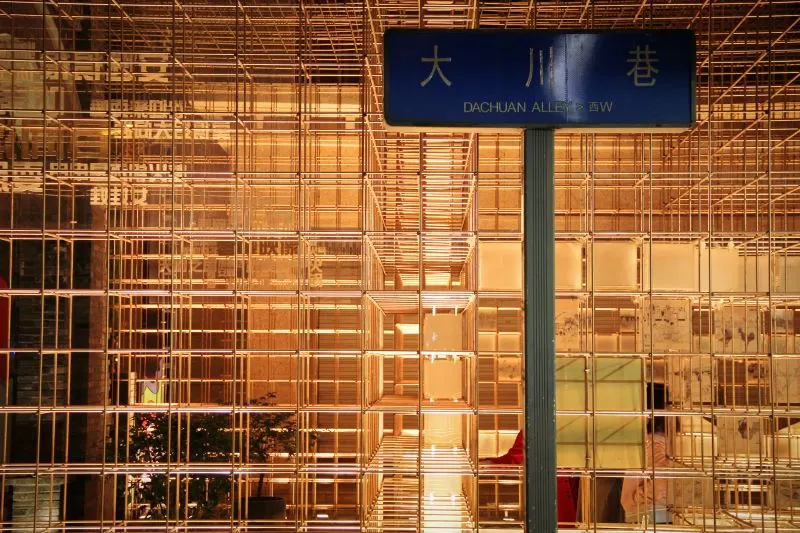
The Jinsha Site Museum, located in Chengdu, is a fascinating archaeological site and museum that offers a glimpse into the ancient Shu civilization.
The museum showcases artifacts and discoveries from the Jinsha site, an important archaeological excavation that uncovered remnants of a significant ancient civilization.
As you enter the Jinsha Site Museum, you’ll be greeted by a modern and well-designed facility that blends seamlessly with the surrounding landscape. The museum is situated on the site where the ancient Shu civilization flourished over 3,000 years ago.
The main highlight of the museum is the exhibition hall, which displays a vast collection of artifacts unearthed at the Jinsha site.
These artifacts include gold, bronze, jade, pottery, and stone objects that provide insights into the daily life, rituals, and artistic achievements of the ancient Shu people. The level of craftsmanship and artistic sophistication displayed in these artifacts is truly remarkable.
The museum offers detailed explanations and contextual information about the artifacts, allowing visitors to understand the historical and cultural significance of each item.
You’ll learn about the rituals, social structures, and religious beliefs of the ancient Shu civilization as you explore the exhibition.
In addition to the main exhibition hall, the museum also houses a variety of other sections, such as the Gold Ware Exhibition Hall, where you can marvel at the intricate gold artifacts that were discovered at the site.
The museum also features multimedia presentations, interactive displays, and informative videos that enhance the learning experience.
Beyond the indoor exhibits, the Jinsha Site Museum also boasts beautifully landscaped gardens and outdoor archaeological sites.
You can walk along the pathways that lead to the remnants of ancient buildings, sacrificial pits, and the iconic Sunbird artifact. The outdoor area offers a glimpse into the scale and layout of the ancient city and provides a sense of the grandeur that once existed.
6. Explore the wide variety of artifacts at the Chengdu Museum, which covers the city’s history and culture

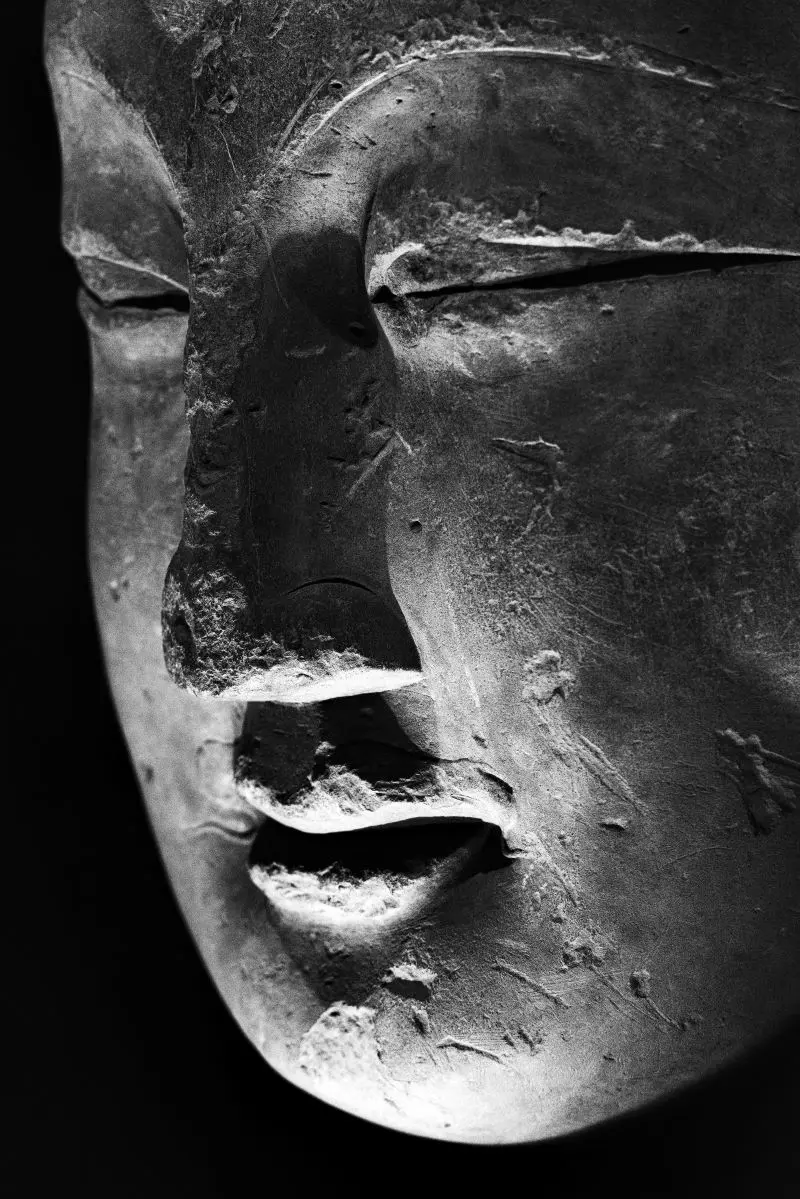
The Chengdu Museum is a comprehensive museum located in Chengdu, China, dedicated to preserving and showcasing the rich history and culture of the region.
Exploring the museum allows visitors to delve into the various aspects of Chengdu’s past, from its ancient roots to its modern developments.
Upon entering the museum, you’ll be greeted by a modern and spacious interior, designed to create an immersive and informative experience. The museum is organized into different sections, each focusing on a particular theme or time period.
The museum’s collection boasts a wide variety of artifacts that span thousands of years. You’ll have the opportunity to see ancient artifacts, cultural relics, historical documents, and artworks, all providing insights into the history, art, and traditions of Chengdu and its surrounding regions.
In the archaeology section, you’ll encounter artifacts from the prehistoric times, including pottery, tools, and remains from ancient settlements.
The collection then leads you through the dynastic periods, showcasing items from the Shang, Zhou, Qin, and Han dynasties, among others. These artifacts provide a glimpse into the daily life, technology, and artistic achievements of the ancient civilizations that thrived in the region.
Moving further into the museum, you’ll discover displays dedicated to various aspects of Chengdu’s culture, such as literature, calligraphy, painting, and traditional crafts.
The exhibits highlight the unique artistic styles and cultural traditions that have shaped Chengdu’s identity throughout history.
The museum also pays homage to the city’s modern development and achievements. You can explore exhibitions on topics like urban planning, architecture, science, and technology, showcasing the transformation of Chengdu into a modern metropolis.
Throughout the museum, interactive displays, multimedia presentations, and informative signage provide a deeper understanding of the artifacts and their historical context. The museum’s commitment to education and interpretation ensures an engaging and enriching experience for visitors of all ages.
In addition to the permanent exhibits, the Chengdu Museum often hosts temporary exhibitions, showcasing diverse themes and artwork from both local and international artists. These special exhibitions offer a fresh perspective and provide an opportunity to explore different aspects of art and culture.
7. Experience the vibrant nightlife and entertainment scene in the popular Chunxi Road shopping district


Chunxi Road is one of the most popular and bustling shopping districts in Chengdu, China. Besides its vibrant shopping scene, Chunxi Road also offers a vibrant and exciting nightlife and entertainment experience, making it a favorite destination for locals and visitors alike.
As the sun sets, Chunxi Road transforms into a lively hub of activity. The street comes alive with brightly lit storefronts, neon signs, and a bustling atmosphere. The district is known for its diverse range of entertainment options, ensuring there’s something for everyone to enjoy.
One of the highlights of the nightlife scene in Chunxi Road is the abundance of bars, clubs, and live music venues. Whether you’re into pulsating beats and dancing the night away or prefer a laid-back atmosphere with live performances, you’ll find an array of options to suit your taste.
Many venues feature local bands and musicians, providing an opportunity to experience Chengdu’s vibrant music scene firsthand.
If you’re a fan of theater and performing arts, Chunxi Road is home to several theaters and cultural venues that host a variety of performances, including plays, musicals, and traditional Chinese opera. These shows offer a chance to immerse yourself in the rich cultural heritage of Chengdu and witness the talent of local performers.
Food lovers will also find themselves in paradise in Chunxi Road after dark. Numerous restaurants, street food stalls, and snack vendors open their doors, offering an array of culinary delights.
Whether you’re in the mood for traditional Sichuan cuisine, international flavors, or late-night snacks, Chunxi Road has it all. You can indulge in a hotpot feast, sample local street food, or dine at trendy eateries serving a fusion of flavors.
Apart from the entertainment and dining options, Chunxi Road also offers a vibrant shopping experience after dark. Many of the shops remain open late into the evening, allowing you to explore the latest fashion trends, luxury brands, and unique local products. The lively atmosphere combined with the opportunity to shop creates a dynamic and engaging nighttime experience.
Exploring the vibrant nightlife and entertainment scene in Chunxi Road is an exciting way to fully immerse yourself in the energy and spirit of Chengdu.
The district’s blend of shopping, dining, live music, and cultural performances ensures there’s always something new and exciting to discover, making it a must-visit destination for those seeking a memorable evening out.
Note: It’s always recommended to check the latest guidelines and availability before planning a visit to any entertainment venue or establishment in Chunxi Road, as operational details may change.
8. Take a boat ride on the scenic Jinjiang River and enjoy the city’s skyline from the water

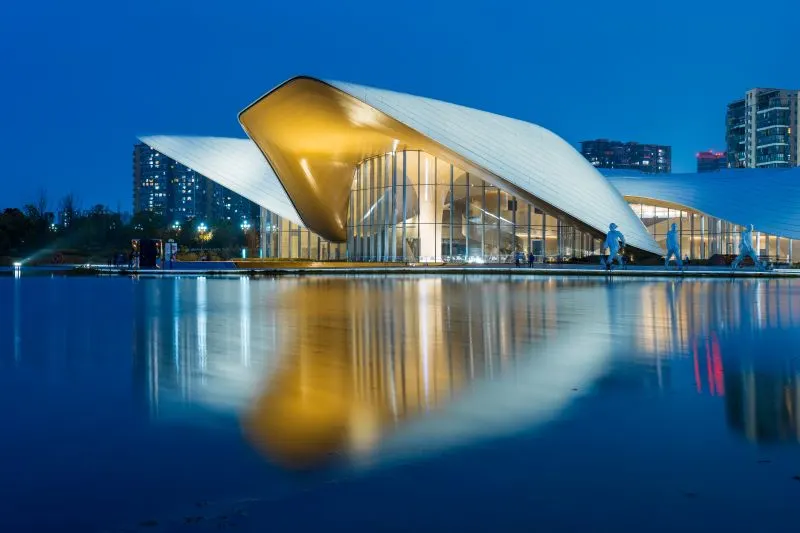
Taking a boat ride on the scenic Jinjiang River in Chengdu offers a unique perspective of the city and allows you to appreciate its beauty from a different vantage point. It’s a wonderful way to relax, soak in the picturesque surroundings, and enjoy the city’s skyline from the water.
As you embark on the boat ride, you’ll find yourself gliding along the tranquil waters of the Jinjiang River. The river is known for its clear and gentle flow, creating a serene atmosphere that contrasts with the bustling cityscape.
From the boat, you’ll have the opportunity to take in panoramic views of Chengdu’s skyline, dotted with modern skyscrapers, historic buildings, and picturesque bridges.
The juxtaposition of old and new architecture adds to the charm of the experience, showcasing the city’s blend of tradition and progress.
As you cruise along the river, you’ll pass by lush riverbanks lined with trees and colorful flowers, creating a peaceful and scenic backdrop. The natural beauty, combined with the urban landscape, creates a harmonious and visually captivating scene.
Depending on the length of the boat ride, you may have the chance to explore different sections of the river. Some boat tours also offer commentary, providing interesting insights into the history, culture, and landmarks of Chengdu as you pass by them.
During the boat ride, you can sit back, relax, and enjoy the gentle breeze while taking photographs of the stunning views. It’s a perfect opportunity to capture memorable moments and create lasting memories of your time in Chengdu.
The boat ride on the Jinjiang River offers a refreshing escape from the hustle and bustle of the city streets. It provides a sense of tranquility and allows you to appreciate Chengdu’s unique blend of natural beauty and urban development.
Note: It’s always recommended to check the availability and operational details of boat rides on the Jinjiang River, as schedules and services may vary. Additionally, consider checking weather conditions and any specific safety guidelines before embarking on the boat ride.
9. Visit the Leshan Giant Buddha, a UNESCO World Heritage site, and the largest carved stone Buddha statue in the world

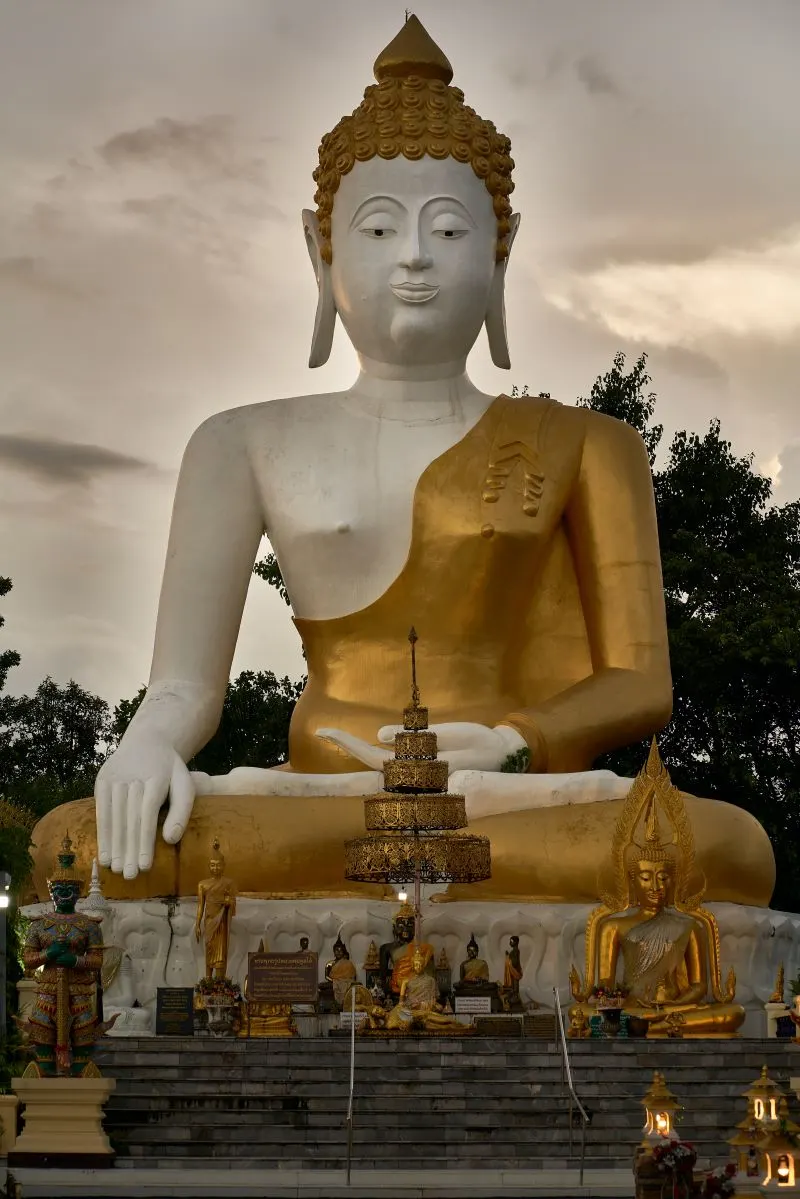
The Leshan Giant Buddha is an awe-inspiring and iconic landmark located in Leshan, just outside of Chengdu. It is one of the largest Buddha statues in the world and a UNESCO World Heritage Site. Visiting the Leshan Giant Buddha offers a unique and unforgettable experience.
As you approach the site, you’ll be struck by the sheer magnitude of the statue. Carved into the side of Lingyun Mountain, the Leshan Giant Buddha stands at a towering height of approximately 71 meters (233 feet). It was constructed during the Tang Dynasty and took over 90 years to complete.
The Buddha’s serene expression and immense size make for a truly humbling sight. It is an extraordinary feat of ancient engineering and artistic craftsmanship. The statue is intricately carved, with details such as flowing robes, delicate fingers, and peaceful facial features.
To appreciate the grandeur of the Leshan Giant Buddha up close, visitors can take a boat or walk along the paths that lead to its feet.
As you descend, you’ll have the opportunity to marvel at the scale and intricacy of the sculpture, while also enjoying breathtaking views of the surrounding rivers and lush greenery.
At the base of the statue, you’ll find a tranquil courtyard with ornate temples, pagodas, and other Buddhist artifacts. These structures provide a deeper understanding of the religious and cultural significance of the Leshan Giant Buddha. It’s a place of reverence and spiritual reflection for many visitors.
Beyond the main statue, the Leshan Giant Buddha Scenic Area encompasses additional attractions, such as the Lingyun Temple and Wuyou Temple.
These temples offer a glimpse into the rich history and religious heritage of the region. You can explore their beautiful architecture, exquisite artwork, and serene gardens, creating a well-rounded cultural experience.
Visiting the Leshan Giant Buddha is an opportunity to witness the magnificence of ancient Chinese art and religion. It’s a place of awe-inspiring beauty and cultural significance, leaving visitors with a sense of wonder and appreciation for the architectural achievements of the past.
Note: It’s always recommended to check the latest guidelines and availability before planning a visit to the Leshan Giant Buddha, as operational details may change.
10. Explore the Dujiangyan Irrigation System, an ancient water conservation project that still functions today


The Dujiangyan Irrigation System is an ancient engineering marvel located near Chengdu in Sichuan Province, China. It is a UNESCO World Heritage Site and one of the most remarkable water management projects in the world.
Exploring the Dujiangyan Irrigation System offers a fascinating journey into the ingenuity and innovation of ancient Chinese civilization.
Built over 2,000 years ago during the Qin Dynasty, the Dujiangyan Irrigation System was designed to tame the unruly Minjiang River and control flooding in the Chengdu Plain.
The system consists of dams, canals, and diversions that distribute water to the surrounding agricultural fields, ensuring irrigation and flood control.
As you explore the Dujiangyan Irrigation System, you’ll encounter a series of impressive structures. The most prominent feature is the Dujiangyan Dam, known as the Yuzui (Fish Mouth) Levee.
This massive dam, made of stones and earth, diverts water into two main channels. It is an engineering marvel that demonstrates the ancient Chinese understanding of hydraulics and water management.
The highlight of the system is the ingenious Fish Mouth Levee, which allows water and sediment to be diverted while enabling fish to pass through unharmed.
This sustainable design has been used for centuries and is still functional today, showcasing the timeless effectiveness of ancient engineering.
Exploring the Dujiangyan Irrigation System provides an opportunity to walk along the canals and bridges that were built to manage the flow of water. The scenic surroundings, with lush greenery and mountains as a backdrop, create a peaceful and picturesque atmosphere.
As you wander through the area, you’ll come across historic temples, pavilions, and statues that pay homage to the creators and protectors of the irrigation system.
These structures not only add to the aesthetic charm but also provide insights into the cultural and religious significance associated with the site.
Visiting the Dujiangyan Irrigation System also offers a chance to learn about the historical and ecological importance of the system.
There are informative displays and exhibitions that explain the engineering principles behind the project and the impact it has had on the local environment and agriculture.
Beyond its historical and cultural significance, the Dujiangyan Irrigation System is a testament to sustainable and effective water management practices. It showcases the wisdom and foresight of ancient Chinese civilization in harnessing and utilizing natural resources to benefit the community.
11. Enjoy a traditional Sichuan opera performance at the Shufeng Yayun Teahouse


Enjoying a traditional Sichuan opera performance at the Shufeng Yayun Teahouse in Chengdu is a cultural experience that immerses you in the vibrant world of Chinese opera and showcases the unique artistry of Sichuan’s performing arts.
Located in the heart of Chengdu, the Shufeng Yayun Teahouse is a renowned venue that offers visitors the opportunity to witness the rich traditions of Sichuan opera.
The teahouse provides a charming and authentic setting, where you can enjoy a cup of tea while being captivated by the captivating performances.
Sichuan opera is known for its distinctive style, characterized by vivid face-changing, acrobatics, puppetry, and a unique form of storytelling. The performances are a blend of music, singing, dancing, and acting, creating a mesmerizing spectacle that is both entertaining and culturally significant.
As you enter the teahouse and settle into your seat, the stage comes alive with vibrant costumes, elaborate makeup, and intricate sets. The performances often portray historical stories, legends, and folktales, allowing you to immerse yourself in the rich cultural heritage of the region.
One of the most mesmerizing aspects of Sichuan opera is the face-changing technique, known as “bian lian.” Performers skillfully change their masks instantaneously, using a series of swift movements, revealing different colorful masks that represent various characters and emotions. It is a mesmerizing display of dexterity and artistry that leaves audiences in awe.
The performances are accompanied by a live orchestra playing traditional Chinese instruments, adding to the immersive experience.
The music, singing, and acting come together harmoniously to transport you to another world, evoking a range of emotions and capturing the essence of Sichuan’s vibrant cultural heritage.
In addition to the opera performances, the Shufeng Yayun Teahouse often features other traditional art forms, such as puppet shows, shadow plays, and folk music performances. These diverse cultural displays offer a comprehensive glimpse into the rich artistic traditions of Sichuan.
Attending a Sichuan opera performance at the Shufeng Yayun Teahouse is not just about entertainment; it’s an opportunity to appreciate the artistry, storytelling, and cultural significance of this ancient form of expression.
It’s a chance to witness the talent and dedication of the performers who have mastered the intricate techniques and rituals of Sichuan opera.
Note: It’s always recommended to check the latest schedule and availability of Sichuan opera performances at the Shufeng Yayun Teahouse, as operational details may change.
12. Relax and rejuvenate with a traditional Chinese massage or spa treatment


Relaxing and rejuvenating with a traditional Chinese massage or spa treatment in Chengdu offers a blissful and therapeutic experience that combines ancient techniques with modern wellness practices.
Chinese massage, commonly known as Tui Na, is a form of bodywork that has been practiced for thousands of years in China. It focuses on the flow of Qi (energy) within the body and aims to restore balance and harmony.
Tui Na involves a combination of acupressure, deep tissue manipulation, and stretching techniques to stimulate the body’s natural healing processes.
When you indulge in a traditional Chinese massage, you’ll be greeted by a serene and tranquil environment. The ambiance is designed to promote relaxation, with soft lighting, soothing music, and aromatic scents that create a calming atmosphere.
As you receive the massage, skilled therapists will use their hands, fingers, elbows, and even sometimes their feet to apply pressure to specific points and meridians on your body.
The techniques used in Tui Na help to release tension, improve circulation, relieve muscle pain, and enhance overall well-being.
In addition to Tui Na, many spas in Chengdu offer a range of other traditional Chinese treatments. These can include herbal baths, hot stone therapies, cupping, and moxibustion, among others. These treatments are believed to promote the flow of energy, detoxify the body, and promote relaxation and vitality.
Spas in Chengdu often combine traditional Chinese therapies with modern spa amenities. You can expect to find luxurious facilities, private treatment rooms, and skilled therapists who are trained in both traditional Chinese techniques and modern wellness practices.
Beyond the physical benefits, a traditional Chinese massage or spa treatment is a holistic experience that nurtures both the body and the mind. It provides a tranquil escape from the stresses of everyday life and offers a moment of self-care and rejuvenation.
After your treatment, it’s common to be offered a cup of Chinese herbal tea, allowing you to continue your relaxation and savor the therapeutic benefits of the treatment.
Whether you’re seeking relief from physical discomfort, relaxation, or simply a rejuvenating experience, indulging in a traditional Chinese massage or spa treatment in Chengdu can be a wonderful way to pamper yourself and restore your vitality.
Note: It’s always recommended to choose reputable spas or massage centers and communicate your preferences and any health concerns to the therapists before the treatment.
13. Discover the unique architecture and serene atmosphere of the Daci Monastery

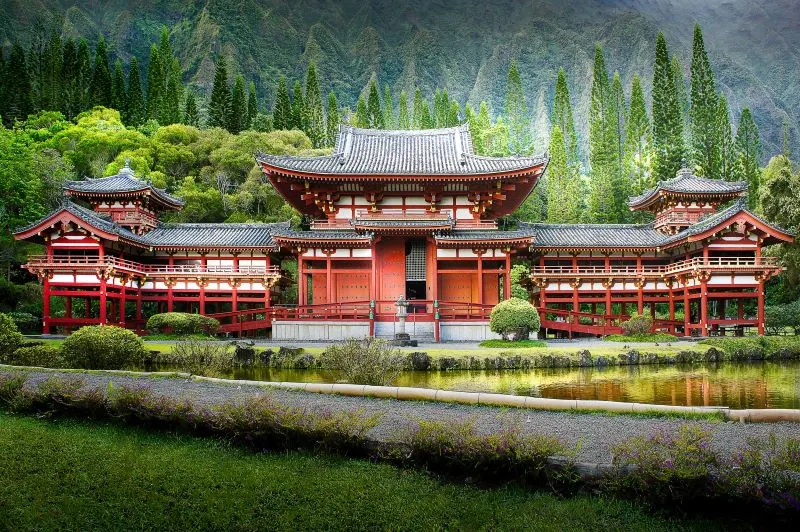
Discovering the unique architecture and serene atmosphere of the Daci Monastery in Chengdu is a journey into the rich religious and cultural heritage of the region.
Located in the heart of the city, the Daci Monastery, also known as the Great Wisdom Temple, is one of the oldest and most important Buddhist temples in Chengdu.
As you approach the Daci Monastery, you’ll be greeted by an impressive entrance gate adorned with intricate carvings and vibrant colors. Stepping through the gate, you’ll enter a tranquil courtyard that sets the tone for the peaceful atmosphere within.
The architecture of the Daci Monastery is a harmonious blend of different styles, reflecting the influences of various dynasties and periods throughout history.
The main buildings feature traditional Chinese temple design, with elaborate roofs, colorful decorations, and intricate details. The combination of red, green, and gold hues adds to the visual splendor of the temple complex.
Exploring the grounds, you’ll come across stunning halls, pavilions, and pagodas that house precious Buddhist relics, statues, and scriptures.
The main hall, known as the Mahavira Hall, is the central worship area where devotees gather for prayers and ceremonies. It houses magnificent statues of Buddha and bodhisattvas, creating a serene and sacred atmosphere.
One of the highlights of the Daci Monastery is the Thousand-Buddha Pagoda, a towering structure that stands as a symbol of enlightenment. Its multi-tiered design and intricate carvings make it a visually captivating sight.
As you wander through the monastery, you’ll find peaceful courtyards, well-maintained gardens, and quiet corners for reflection. The serene atmosphere provides a sense of tranquility and offers a respite from the bustling city outside.
The Daci Monastery is not only a place of worship but also a center for Buddhist study and cultural activities. It often hosts lectures, classes, and exhibitions that showcase the teachings of Buddhism and the cultural traditions of Chengdu.
Visiting the Daci Monastery is not just about admiring the architectural beauty; it’s an opportunity to connect with the spiritual and cultural heritage of Chengdu. It offers a glimpse into the devotion, wisdom, and traditions that have been passed down through generations.
Note: It’s always recommended to check the opening hours and any specific guidelines before planning a visit to the Daci Monastery, as operational details may change. Additionally, remember to respect the sacredness of the place and adhere to any rules or customs observed by the monks and visitors.
14. Take a day trip to the picturesque Qingcheng Mountain, one of the birthplaces of Taoism


Taking a day trip to the picturesque Qingcheng Mountain from Chengdu offers a perfect escape into nature, tranquility, and ancient Taoist heritage.
Located around 60 kilometers (37 miles) southwest of Chengdu, Qingcheng Mountain is a UNESCO World Heritage Site and one of the birthplaces of Taoism.
As you approach Qingcheng Mountain, you’ll be greeted by lush greenery, misty peaks, and a sense of serenity. The mountain is renowned for its natural beauty, with dense forests, gushing waterfalls, and peaceful streams that create a refreshing and rejuvenating atmosphere.
Qingcheng Mountain is divided into two main parts: the Front Mountain (Qingchengshan) and the Back Mountain (Qingchengshan).
The Front Mountain is easily accessible and offers a range of trails suitable for various fitness levels. The Back Mountain, on the other hand, is more challenging and less crowded, ideal for those seeking a more adventurous experience.
Exploring the mountain, you’ll encounter ancient temples, pavilions, and Taoist shrines nestled among the verdant landscape.
The architecture reflects traditional Chinese style, with colorful rooftops, intricate carvings, and peaceful courtyards. The serene environment provides an ideal setting for quiet contemplation and spiritual reflection.
One of the highlights of Qingcheng Mountain is the opportunity to visit the legendary Qingcheng Taoist Temple. This temple, with a history of over 1,800 years, is considered one of the birthplaces of Taoism. Inside the temple, you’ll find sacred halls, incense-filled chambers, and statues of deities and Taoist sages.
For those who love hiking, Qingcheng Mountain offers a network of trails that wind through the picturesque landscape. These trails vary in difficulty, allowing visitors to choose the one that suits their preferences and fitness level. Along the way, you’ll encounter scenic viewpoints, hidden waterfalls, and peaceful meditation spots.
As you ascend the mountain, you’ll be rewarded with panoramic views of the surrounding valleys and Chengdu Plain. The fresh mountain air, coupled with the breathtaking vistas, creates a sense of tranquility and awe.
Qingcheng Mountain is not only a natural retreat but also a place of cultural significance. It is believed to be the birthplace of Taoism and has attracted pilgrims and scholars for centuries.
The mountain offers a glimpse into the spiritual traditions, philosophy, and teachings of Taoism, providing a deeper understanding of Chinese culture and history.
Whether you choose to immerse yourself in nature, explore the ancient temples, or embark on a hiking adventure, a day trip to Qingcheng Mountain from Chengdu offers a refreshing and enriching experience that allows you to reconnect with nature and delve into the mystique of Taoism.
Note: It’s always recommended to check the latest guidelines, weather conditions, and accessibility information before planning a day trip to Qingcheng Mountain, as operational details may change.
15. Sample authentic Sichuan cuisine, including the famous hot pot and spicy dishes

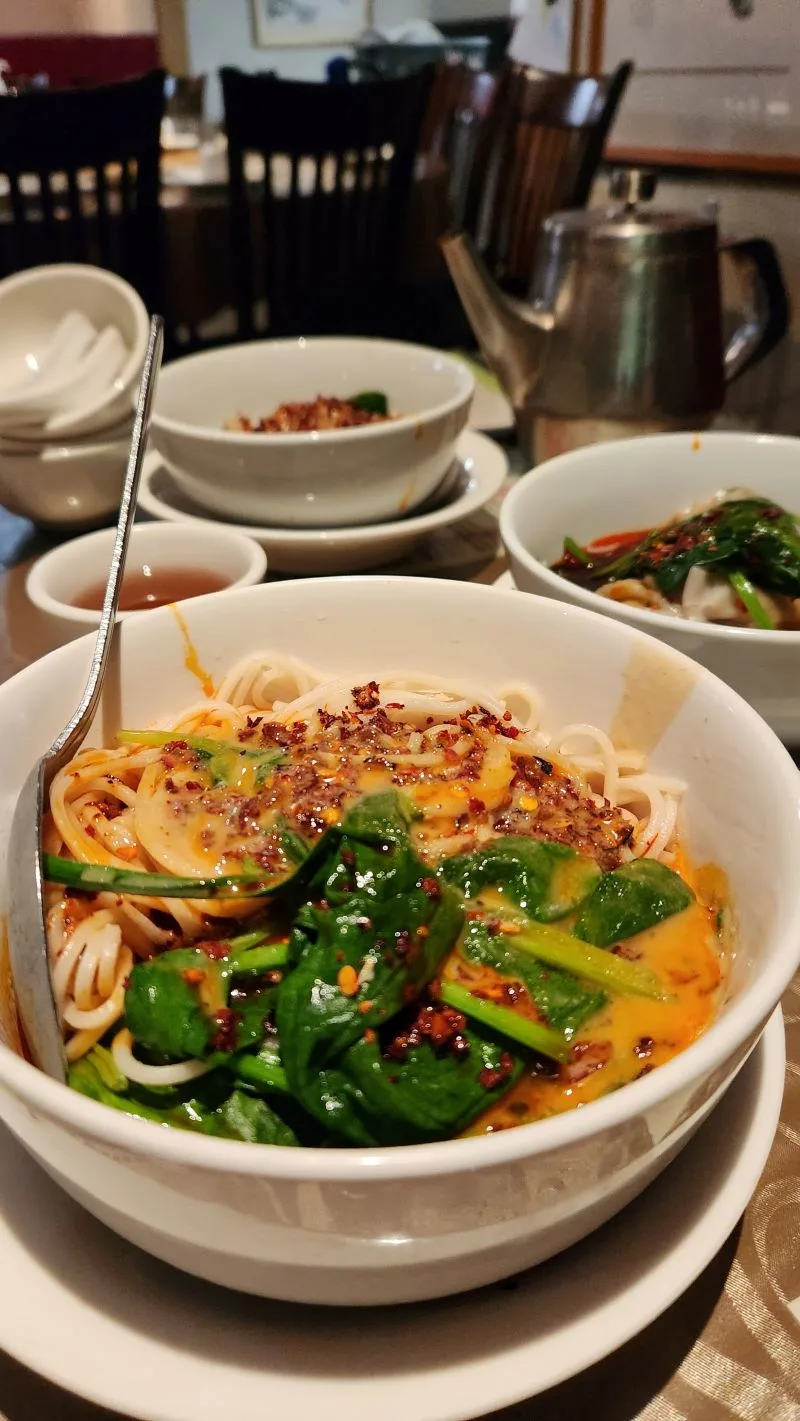
Sampling authentic Sichuan cuisine, including the famous hot pot and spicy dishes, is a culinary adventure that will tantalize your taste buds and introduce you to the bold flavors and unique culinary traditions of the region.
Sichuan cuisine, also known as Szechuan cuisine, is renowned for its fiery and bold flavors. It is characterized by the generous use of chili peppers, Sichuan peppercorns, garlic, ginger, and a variety of aromatic spices, creating a distinctive and addictive taste.
One of the must-try dishes in Sichuan cuisine is the hot pot. It is a communal dining experience where a simmering pot of flavored broth is placed in the center of the table.
You’ll have the opportunity to cook a wide array of ingredients, such as thinly sliced meat, vegetables, tofu, and noodles, in the bubbling broth. The hot pot experience is not just about the food; it’s a social event where friends and family gather, share laughter, and enjoy the interactive nature of the meal.
Sichuan cuisine is famous for its spicy dishes, and the iconic “Kung Pao Chicken” is a prime example. It combines tender chicken, peanuts, and vegetables in a flavorful sauce made with chili peppers, Sichuan peppercorns, and other seasonings. The result is a mouthwatering dish that balances the heat of the spices with savory flavors.
Another classic Sichuan dish is “Mapo Tofu,” which features silky tofu cubes cooked in a spicy and numbing sauce made with chili bean paste, fermented black beans, garlic, and Sichuan peppercorns. The combination of textures and flavors in this dish is truly sensational.
For those who enjoy noodles, “Dan Dan Noodles” are a must-try. These noodles are typically served in a spicy sauce made from chili oil, Sichuan peppercorns, soy sauce, and minced pork. The dish is garnished with green onions, cilantro, and crushed peanuts, adding freshness and a delightful crunch.
Sichuan cuisine also offers a wide range of other dishes, from aromatic stir-fried vegetables to flavorful braised meats and iconic street snacks. The variety of flavors, textures, and spices used in Sichuan cuisine ensure that every meal is a culinary adventure.
When sampling authentic Sichuan cuisine, it’s important to note that the spiciness can be intense. However, many restaurants offer varying levels of spiciness, so you can choose the one that suits your preferences.
Chengdu, as the capital of Sichuan Province, is renowned for its vibrant food scene and numerous local eateries. The city is dotted with traditional restaurants, street food stalls, and trendy dining establishments where you can indulge in the authentic flavors of Sichuan cuisine.
Sampling authentic Sichuan cuisine is not just about the taste; it’s a cultural experience that allows you to immerse yourself in the culinary traditions and vibrant flavors of the region. It’s a journey that will leave you craving for more and create lasting memories of your time in Chengdu.
Note: If you have a low tolerance for spicy food, you can always request milder versions of the dishes or explore the non-spicy options available in Sichuan cuisine.
16. Visit the Wenshu Monastery, a peaceful Buddhist temple with beautiful gardens

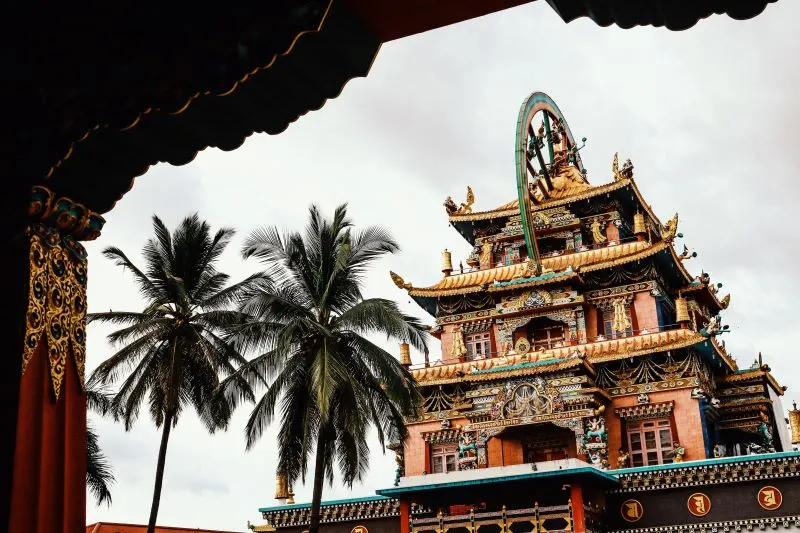
Visiting the Wenshu Monastery in Chengdu offers a serene and spiritual experience that allows you to immerse yourself in the rich Buddhist heritage of the region.
Located in the heart of the city, the Wenshu Monastery, also known as the Manjushri Monastery, is one of the largest and best-preserved Buddhist temples in Chengdu.
As you approach the Wenshu Monastery, you’ll be greeted by a magnificent entrance gate adorned with intricate carvings and colorful decorations. Stepping through the gate, you’ll enter a tranquil courtyard surrounded by lush gardens, ancient trees, and peaceful ponds, creating a serene and welcoming atmosphere.
The architecture of the Wenshu Monastery showcases traditional Chinese temple design, with exquisite roofs, intricate woodwork, and ornate decorations.
The main hall, known as the Mahavira Hall, is the focal point of the monastery and houses a majestic statue of the Buddha. The hall is a place of worship, where visitors can offer prayers, light incense, and immerse themselves in a serene ambiance.
Exploring the monastery grounds, you’ll come across various halls, pavilions, and courtyards that house precious Buddhist relics, scriptures, and statues.
The fragrance of incense fills the air, creating a peaceful and contemplative atmosphere. You’ll have the opportunity to admire the intricate artwork, ornate murals, and beautiful sculptures that depict Buddhist teachings and legends.
The Wenshu Monastery is not just a place of worship; it is also a center for Buddhist study and cultural activities. It hosts regular ceremonies, lectures, and meditation sessions that provide insight into Buddhist philosophy and practices. Visitors can participate in these activities or simply observe and absorb the peaceful atmosphere.
Within the monastery complex, you’ll find tea houses, vegetarian restaurants, and small shops where you can enjoy a cup of traditional Buddhist tea and savor vegetarian delicacies.
These establishments provide a tranquil space for relaxation and reflection, allowing you to experience the monastic way of life.
The Wenshu Monastery is not only a place of religious significance but also a cultural landmark that reflects the history and traditions of Chengdu. It attracts locals and tourists alike, offering a glimpse into the spiritual heritage and ancient wisdom that has been passed down through generations.
Visiting the Wenshu Monastery provides an opportunity to slow down, find inner peace, and connect with the spiritual essence of Chengdu. It’s a place where you can escape the hustle and bustle of the city and find solace in the timeless teachings of Buddhism.
Note: It’s always recommended to check the opening hours and any specific guidelines before planning a visit to the Wenshu Monastery, as operational details may change. Additionally, remember to respect the sacredness of the place and adhere to any rules or customs observed by the monks and visitors.
17. Explore the bustling Tibetan Quarter and visit the Tibetan Buddhist Temple, Wenshu Yuan Monastery

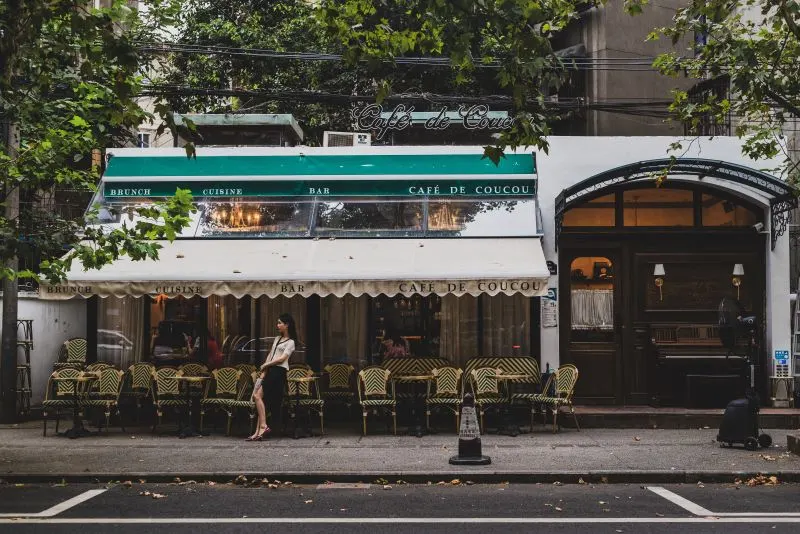
Exploring the bustling Tibetan Quarter in Chengdu and visiting the Tibetan Buddhist Temple, Wenshu Yuan Monastery, offers a fascinating cultural experience that takes you on a journey into the vibrant Tibetan community and its religious traditions.
The Tibetan Quarter in Chengdu is a vibrant neighborhood filled with the sights, sounds, and flavors of Tibetan culture. As you step into this bustling area, you’ll be greeted by colorful prayer flags fluttering in the wind, the aroma of Tibetan incense, and the melodic chants emanating from the temples.
Wandering through the Tibetan Quarter, you’ll encounter a variety of shops selling traditional Tibetan crafts, jewelry, clothing, and artwork. You can browse through the stalls, interact with the friendly vendors, and find unique souvenirs to take home.
One of the highlights of the Tibetan Quarter is the Wenshu Yuan Monastery, a Tibetan Buddhist temple nestled amidst the bustling streets. This temple, also known as the Wenshu Monastery, is dedicated to the Bodhisattva Manjushri, the embodiment of wisdom and enlightenment.
The Wenshu Yuan Monastery showcases traditional Tibetan architectural elements, with ornate decorations, colorful murals, and intricately carved woodwork.
The main hall is adorned with statues of Buddhist deities, including the serene figure of Manjushri. The atmosphere is permeated with a sense of tranquility and devotion, inviting visitors to find inner peace and contemplation.
Within the temple complex, you’ll find various prayer halls, meditation rooms, and courtyards where monks and devotees gather for religious rituals and practices.
You may have the opportunity to witness or participate in chanting sessions, prayers, and other Buddhist ceremonies, providing a glimpse into the spiritual traditions of Tibetan Buddhism.
Visiting the Wenshu Yuan Monastery allows you to immerse yourself in the rich Tibetan Buddhist culture and gain a deeper understanding of its beliefs and practices.
It’s a place where you can observe the devotion of the local Tibetan community and experience the harmonious blend of spirituality and daily life.
After exploring the temple, you can continue your exploration of the Tibetan Quarter by indulging in the authentic flavors of Tibetan cuisine.
Many local restaurants and tea houses offer Tibetan specialties, such as yak meat dishes, butter tea, momos (dumplings), and thukpa (noodle soup). It’s an opportunity to savor the unique flavors and culinary traditions of Tibet.
The Tibetan Quarter in Chengdu is a vibrant and multicultural neighborhood that celebrates the rich heritage of the Tibetan people.
It offers a chance to connect with the local Tibetan community, witness their customs and traditions, and gain a deeper appreciation for their contribution to the cultural tapestry of Chengdu.
Note: While visiting the Tibetan Quarter and the Wenshu Yuan Monastery, it’s important to be respectful of the local customs, beliefs, and practices. Follow any guidelines provided by the temple and interact with the locals in a courteous manner.
18. Learn about traditional Chinese medicine at the Chengdu Traditional Chinese Medicine Museum


Visiting the Chengdu Traditional Chinese Medicine Museum offers a fascinating opportunity to learn about the ancient healing practices and traditions of traditional Chinese medicine (TCM). Located in Chengdu, this museum provides insights into the rich history, principles, and techniques of TCM.
As you enter the Chengdu Traditional Chinese Medicine Museum, you’ll be greeted by informative displays, exhibits, and interactive presentations that guide you through the world of TCM.
The museum showcases a diverse collection of artifacts, ancient texts, medicinal herbs, and tools used in traditional Chinese medicine practices.
The museum’s exhibits offer a comprehensive overview of TCM, including its philosophy, diagnosis methods, herbal remedies, acupuncture, and other therapeutic techniques.
You’ll have the opportunity to learn about the fundamental principles of TCM, such as the balance of yin and yang, the flow of Qi (life energy), and the concept of the Five Elements.
Through the displays, you’ll gain insights into the historical development of TCM and its profound impact on Chinese culture and healthcare. You’ll discover how TCM has been used for centuries to treat various ailments, promote wellness, and maintain a harmonious balance between the body, mind, and environment.
The museum also offers demonstrations and workshops where you can observe or even participate in TCM practices. Knowledgeable guides and practitioners are available to explain the techniques and answer any questions you may have.
You may have the opportunity to witness acupuncture, herbal medicine preparations, cupping therapy, or other traditional treatments.
Additionally, the museum often organizes lectures, seminars, and educational programs on TCM, providing a deeper understanding of its theories, clinical applications, and ongoing research.
These events offer a chance to interact with experts in the field and engage in discussions about TCM’s role in modern healthcare.
Exploring the Chengdu Traditional Chinese Medicine Museum allows you to appreciate the holistic approach to health and well-being that TCM emphasizes. You’ll gain a greater appreciation for the intricate relationship between nature, the human body, and the pursuit of balance and harmony.
After your visit, you may also have the opportunity to explore nearby herbal markets or TCM clinics in Chengdu, where you can witness TCM practices in action and even seek a consultation or treatment from qualified practitioners.
Whether you have a specific interest in traditional Chinese medicine or simply wish to deepen your understanding of alternative healing practices, the Chengdu Traditional Chinese Medicine Museum offers a captivating and educational experience that highlights the rich cultural heritage and enduring wisdom of TCM.
Note: Before planning a visit, it’s recommended to check the opening hours and any specific guidelines or requirements for visiting the Chengdu Traditional Chinese Medicine Museum, as operational details may change.
19. Watch a thrilling Sichuan face-changing performance, an ancient art form unique to the region


Watching a thrilling Sichuan face-changing performance is a mesmerizing experience that showcases the unique artistry and skill of Chinese opera.
This traditional form of performance, known as “Bian Lian” or “face-changing,” originates from the Sichuan province and is a highlight of Sichuan opera.
During a Sichuan face-changing performance, the performers wear vibrant costumes and intricately decorated masks. The most captivating aspect of the show is the rapid and seamless changing of the masks by the performers, revealing different colors and patterns with a swift flick of their hands, a turn of their heads, or even a wave of a fan. It seems as if the masks change magically, leaving the audience in awe.
The face-changing technique involves the use of special masks made of delicate layers of silk, paper, or other materials. The performers have mastered the skill of changing masks quickly and fluidly, often without the audience being able to perceive how it is done.
Each mask represents a different character or emotion, and the face-changing performance is a demonstration of the actor’s versatility and artistry.
In addition to the rapid mask changes, the performers also exhibit impressive skills in acrobatics, martial arts, and dance. The combination of these elements creates a dynamic and visually stunning performance that keeps the audience engaged and entertained.
The face-changing performance is accompanied by traditional Sichuan opera music, featuring instruments such as the bamboo flute, the suona (a double-reed wind instrument), and various percussion instruments. The music adds depth and intensity to the performance, enhancing the overall experience.
The colors, movements, and expressions of the performers convey a range of emotions and tell captivating stories from Chinese folklore and history.
From joy to anger, sorrow to surprise, the face-changing performance is a spectacle that showcases the actor’s ability to express complex emotions through their physicality and facial expressions.
Watching a Sichuan face-changing performance provides a glimpse into the rich cultural heritage of Sichuan province and the artistry of Chinese opera.
It’s a thrilling and enchanting experience that leaves a lasting impression and offers a deeper appreciation for the skill and mastery of the performers.
Sichuan face-changing performances can be enjoyed at various venues in Chengdu, including theaters, cultural centers, and during special events and festivals. It’s an opportunity to witness a unique form of artistic expression and immerse yourself in the vibrant world of Chinese opera.
Note: Due to the intricate nature of the face-changing technique and its cultural significance, some performances may have certain restrictions or limitations on photography or filming. It’s advisable to respect the rules set by the performers and organizers to preserve the integrity of the art form.
20. Visit the Chengdu Sports Center and catch a live sports event or concert


Visiting the Chengdu Sports Center offers an exciting opportunity to immerse yourself in the energetic atmosphere of live sports events and concerts in Chengdu.
The Chengdu Sports Center is a modern multi-purpose venue that hosts a wide range of sporting competitions, concerts, and other entertainment events.
As you enter the Chengdu Sports Center, you’ll be greeted by a sprawling complex with state-of-the-art facilities and a vibrant atmosphere. The venue is designed to accommodate large crowds and provide an excellent viewing experience for spectators.
If you’re a sports enthusiast, catching a live sports event at the Chengdu Sports Center is a thrilling experience. The venue hosts a variety of sporting competitions, including basketball, volleyball, tennis, and more. You can witness the excitement of professional athletes competing at the highest level, feel the energy of the cheering crowd, and immerse yourself in the thrill of the game.
In addition to sports events, the Chengdu Sports Center is a popular venue for concerts and music performances. Renowned local and international artists often grace the stage, offering a diverse range of musical genres and entertainment options.
Whether you enjoy pop, rock, classical, or traditional Chinese music, the Chengdu Sports Center provides an opportunity to experience live performances by top-notch artists.
The facilities at the Chengdu Sports Center are designed to provide a comfortable and enjoyable experience for spectators.
The seating arrangements offer excellent views from every angle, and the acoustics ensure clear and immersive sound quality during concerts. The venue also provides convenient amenities, such as food and beverage options, restrooms, and spacious concourses.
Attending a live event at the Chengdu Sports Center not only allows you to witness top-notch sports competitions or enjoy memorable concerts but also offers a chance to connect with the local community.
You’ll be surrounded by passionate fans or fellow music enthusiasts, creating a shared experience and a sense of camaraderie.
To make the most of your visit, it’s advisable to check the schedule of events at the Chengdu Sports Center in advance. Tickets for popular events may sell out quickly, so it’s recommended to book in advance to secure your spot.
Note: It’s important to follow any rules, regulations, and guidelines set by the venue and event organizers during your visit. Be sure to arrive on time, respect the performers, and enjoy the event responsibly.
Whether you’re a sports fan, a music lover, or simply seeking an exciting and engaging experience, visiting the Chengdu Sports Center to catch a live sports event or concert provides a memorable opportunity to be a part of Chengdu’s vibrant entertainment scene.
21. Discover the vibrant local art scene at the Contemporary Art Museum of Chengdu

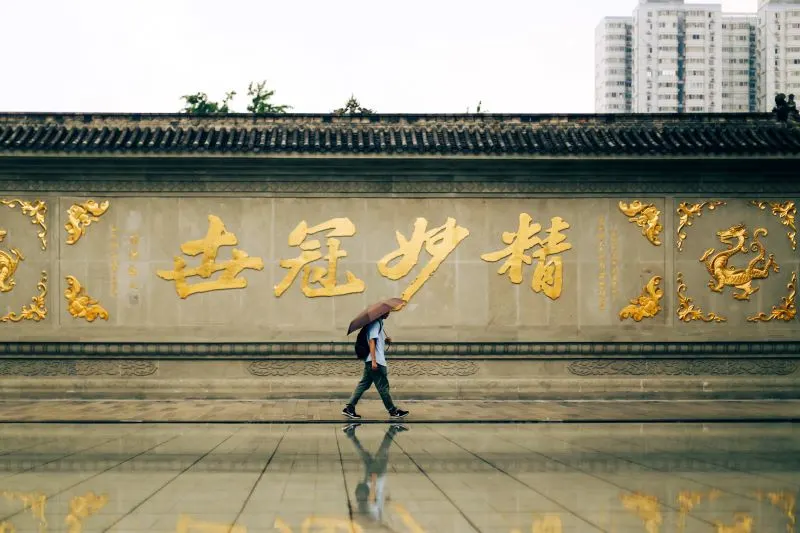
Exploring the Contemporary Art Museum of Chengdu offers a captivating journey into the vibrant and ever-evolving local art scene. Located in Chengdu, this museum showcases contemporary art from both Chinese and international artists, providing a platform for creative expression, cultural exchange, and artistic dialogue.
The Contemporary Art Museum of Chengdu is a modern and spacious venue that houses a diverse range of art exhibitions and installations.
As you step into the museum, you’ll be greeted by a dynamic and immersive environment that reflects the creativity and innovation of contemporary art.
The museum’s exhibitions feature a variety of artistic mediums, including painting, sculpture, photography, video art, installations, and multimedia works.
The artworks on display often reflect current social issues, cultural themes, or experimental artistic approaches. The exhibitions rotate regularly, ensuring that each visit offers a fresh and engaging experience.
Strolling through the museum’s galleries, you’ll encounter thought-provoking artworks that challenge traditional notions of art and push boundaries.
You’ll have the opportunity to appreciate the talent and vision of both established and emerging artists, gaining insights into their unique perspectives and artistic processes.
The Contemporary Art Museum of Chengdu also hosts curated exhibitions and special projects that highlight specific art movements, themes, or collaborations. These curated displays provide a deeper understanding of the broader art world and its connection to the local context.
In addition to the exhibitions, the museum often organizes educational programs, workshops, and artist talks, allowing visitors to engage directly with the art and artists.
These events provide valuable opportunities to learn about the creative process, gain insights into artistic techniques, and foster a deeper appreciation for contemporary art.
The museum’s architecture and design are often as captivating as the artworks themselves. The building may feature sleek and modern interiors, spacious exhibition halls, and innovative lighting that enhances the visual impact of the artworks.
Visiting the Contemporary Art Museum of Chengdu allows you to immerse yourself in the vibrant local art scene and experience the power of contemporary art to provoke thought, spark conversations, and inspire new perspectives. It’s a place where creativity flourishes, and diverse voices are celebrated.
Note: It’s advisable to check the museum’s opening hours and any specific guidelines for visiting or photography before planning your visit, as operational details may change.
Whether you’re an art enthusiast, a curious traveler, or simply seeking inspiration, exploring the Contemporary Art Museum of Chengdu offers a unique and enriching experience that connects you with the ever-evolving world of contemporary art in Chengdu.
22. Take a leisurely walk along the scenic Jin River East Greenway, a picturesque park with beautiful landscapes

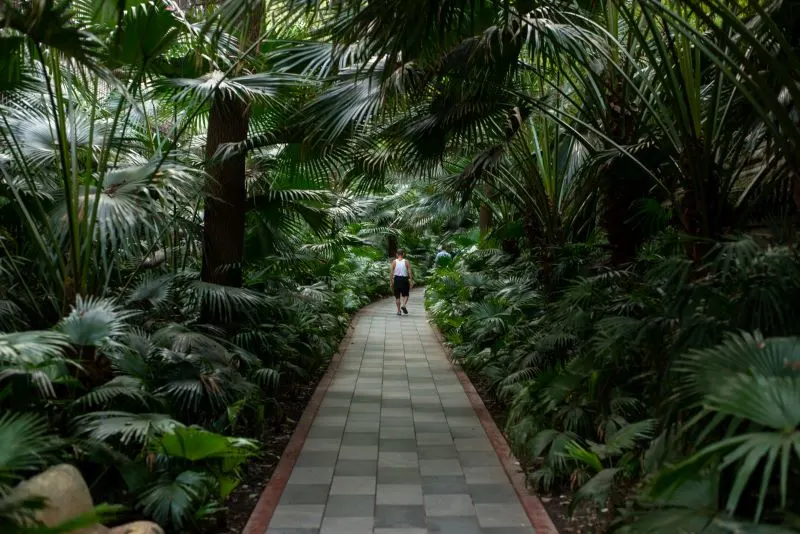
Taking a leisurely walk along the scenic Jin River East Greenway offers a delightful experience immersed in nature and tranquility. The Jin River East Greenway is a picturesque walking path that follows the banks of the Jin River, offering a serene escape from the bustling cityscape of Chengdu.
As you embark on your walk along the Jin River East Greenway, you’ll be greeted by a peaceful and well-maintained pathway lined with lush greenery, beautiful trees, and colorful flowers.
The path meanders along the riverbank, providing scenic views of the gently flowing water, verdant landscapes, and charming bridges.
The Jin River, also known as the Fu River, is a tributary of the mighty Yangtze River. Its tranquil waters and surrounding natural beauty create a serene and soothing ambiance, making it an ideal spot for a leisurely stroll. The gentle breeze and the sound of the flowing river add to the overall tranquility of the experience.
As you walk along the greenway, you’ll have the opportunity to appreciate the natural landscapes, including the diverse flora and fauna that thrive along the riverbanks. The greenway is often adorned with vibrant flowers, creating a picturesque scene and a feast for the senses.
The pathway is well-paved and pedestrian-friendly, making it suitable for walkers of all ages and fitness levels. The greenway is designed to provide a peaceful retreat and a respite from the urban hustle and bustle.
You can choose to walk at your own pace, taking in the scenic beauty and immersing yourself in the serenity of the surroundings.
The Jin River East Greenway offers several rest areas, benches, and pavilions along the route where you can pause, relax, and soak in the tranquil ambiance. These spots provide an opportunity to take in the views, enjoy a picnic, or simply appreciate the natural surroundings.
The greenway is also a popular spot for recreational activities such as jogging, cycling, or rollerblading. It offers a safe and peaceful environment for exercise and outdoor leisure.
Walking along the Jin River East Greenway allows you to connect with nature, unwind, and rejuvenate. It’s an excellent opportunity to escape the urban landscape for a while and immerse yourself in the beauty and serenity of the natural world.
Note: It’s advisable to check the weather conditions and prepare accordingly for your walk along the Jin River East Greenway. Don’t forget to bring water, comfortable walking shoes, and sun protection.
Whether you’re seeking a peaceful retreat, a romantic stroll, or a refreshing outdoor experience, taking a leisurely walk along the scenic Jin River East Greenway provides a rejuvenating and picturesque escape in the heart of Chengdu.
23. Enjoy a cup of tea at a traditional tea house, such as Heming Teahouse or Yuelai Teahouse


Enjoying a cup of tea at a traditional tea house in Chengdu, such as Heming Teahouse or Yuelai Teahouse, is a delightful and immersive experience that allows you to appreciate the rich tea culture and relaxed atmosphere of Chengdu.
Heming Teahouse and Yuelai Teahouse are renowned establishments that embody the charm and authenticity of traditional Chinese tea houses.
These teahouses offer a serene and welcoming environment, where you can escape the hustle and bustle of the city and unwind in a tranquil setting.
Upon entering the tea house, you’ll be greeted by a cozy and inviting ambiance. The interior is often adorned with elegant traditional Chinese décor, including intricate woodwork, ornate furniture, and delicate calligraphy. The serene atmosphere and soft background music create an ideal space for relaxation and contemplation.
The teahouse staff, dressed in traditional attire, will warmly welcome you and guide you through the tea selection process.
Chengdu is famous for its tea culture, and you’ll have the opportunity to choose from a wide variety of teas, including local specialties like jasmine tea, Pu-erh tea, and Sichuan brick tea.
Each tea is prepared with care and precision, following traditional brewing methods. The teahouse staff will skillfully perform the tea ceremony, ensuring that you experience the full aroma, flavor, and beauty of the tea.
They may pour the tea from an elegant teapot into small cups, allowing you to savor the subtle nuances and appreciate the artistry of tea preparation.
As you enjoy your cup of tea, you can engage in leisurely conversations, read a book, or simply immerse yourself in the peaceful atmosphere.
Traditional teahouses are also excellent places for people-watching, as locals and visitors alike gather to relax, socialize, and enjoy the serenity of the surroundings.
In addition to tea, teahouses often offer a selection of light snacks or traditional Chengdu delicacies that pair well with the tea. These may include dumplings, pastries, or local snacks, adding to the overall experience and allowing you to savor the flavors of Chengdu’s culinary delights.
Visiting a traditional tea house in Chengdu provides a window into the city’s tea culture and the art of tea appreciation. It’s an opportunity to slow down, savor the moment, and enjoy the meditative qualities of tea drinking.
Whether you’re a tea connoisseur or simply seeking a tranquil escape, the traditional tea houses of Chengdu offer a serene haven where you can immerse yourself in the beauty and tranquility of Chinese tea culture.
Note: It’s advisable to check the operating hours and any specific guidelines or customs observed at the teahouse you plan to visit. Reservations may be recommended during peak times.
Enjoying a cup of tea at a traditional teahouse such as Heming Teahouse or Yuelai Teahouse is an invitation to indulge in the serene and contemplative side of Chengdu’s culture. It’s a chance to experience the art of tea and find solace in the midst of this vibrant city.
24. Explore the tranquil Wangjianglou Park, known for its beautiful bamboo groves and historical pavilions

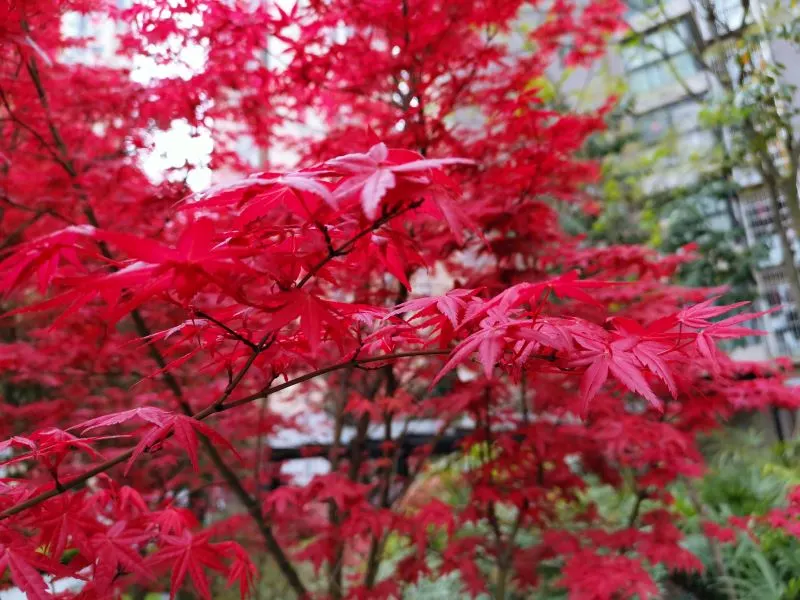
Exploring the tranquil Wangjianglou Park offers a serene and peaceful escape from the bustling city of Chengdu. Located on the southern bank of the Jin River, Wangjianglou Park is a beautiful and well-maintained park known for its natural beauty, historic significance, and tranquil atmosphere.
As you enter the park, you’ll be greeted by lush greenery, towering trees, and a serene environment. The park covers a vast area, providing ample space for leisurely walks, relaxation, and appreciation of the natural surroundings.
One of the highlights of Wangjianglou Park is the Wangjiang Tower, also known as the River-View Pavilion. This iconic five-story tower stands tall within the park and offers panoramic views of the Jin River and the surrounding landscapes.
Climbing to the top of the tower provides a breathtaking vista of the river, the city skyline, and the distant mountains. It’s a perfect spot to take in the beauty of Chengdu and capture memorable photographs.
Wangjianglou Park is also home to a variety of beautiful gardens, including bamboo groves, colorful flower beds, and tranquil ponds.
The park’s landscaping is meticulously designed to create a harmonious blend of nature and architecture. You can stroll along meandering pathways, enjoy the fragrance of blooming flowers, or find a peaceful spot to sit and immerse yourself in the serenity of the park.
The park is an ideal place for relaxation and recreation. You can find shaded areas with benches and pavilions where you can rest, read a book, or simply enjoy the calm ambiance.
Many locals also visit the park for activities such as tai chi, calligraphy, or practicing traditional Chinese musical instruments. Observing these activities adds to the cultural charm and authenticity of the park.
Wangjianglou Park is not only a natural retreat but also a place of historical significance. The park houses various cultural relics and monuments that showcase Chengdu’s rich history.
One notable attraction is the memorial hall dedicated to Xue Tao, a famous female poet from the Tang Dynasty. The hall displays her literary works and provides insights into her life and contributions to Chinese literature.
Throughout the year, Wangjianglou Park hosts cultural events, exhibitions, and performances that celebrate local art, music, and traditions.
These events offer visitors an opportunity to immerse themselves in the vibrant cultural scene of Chengdu and appreciate the artistic expressions of the local community.
Note: It’s advisable to check the park’s opening hours, especially during public holidays, and any specific rules or regulations that may be in place for visitors.
Exploring Wangjianglou Park allows you to reconnect with nature, find solace in tranquility, and appreciate the rich history and cultural heritage of Chengdu.
Whether you seek a peaceful walk, a scenic view, or a deeper connection with the city’s past, Wangjianglou Park offers a serene haven where you can unwind and rejuvenate your senses.
25. Visit the Chengdu New Century Global Center, one of the largest buildings in the world, offering shopping, entertainment, and more

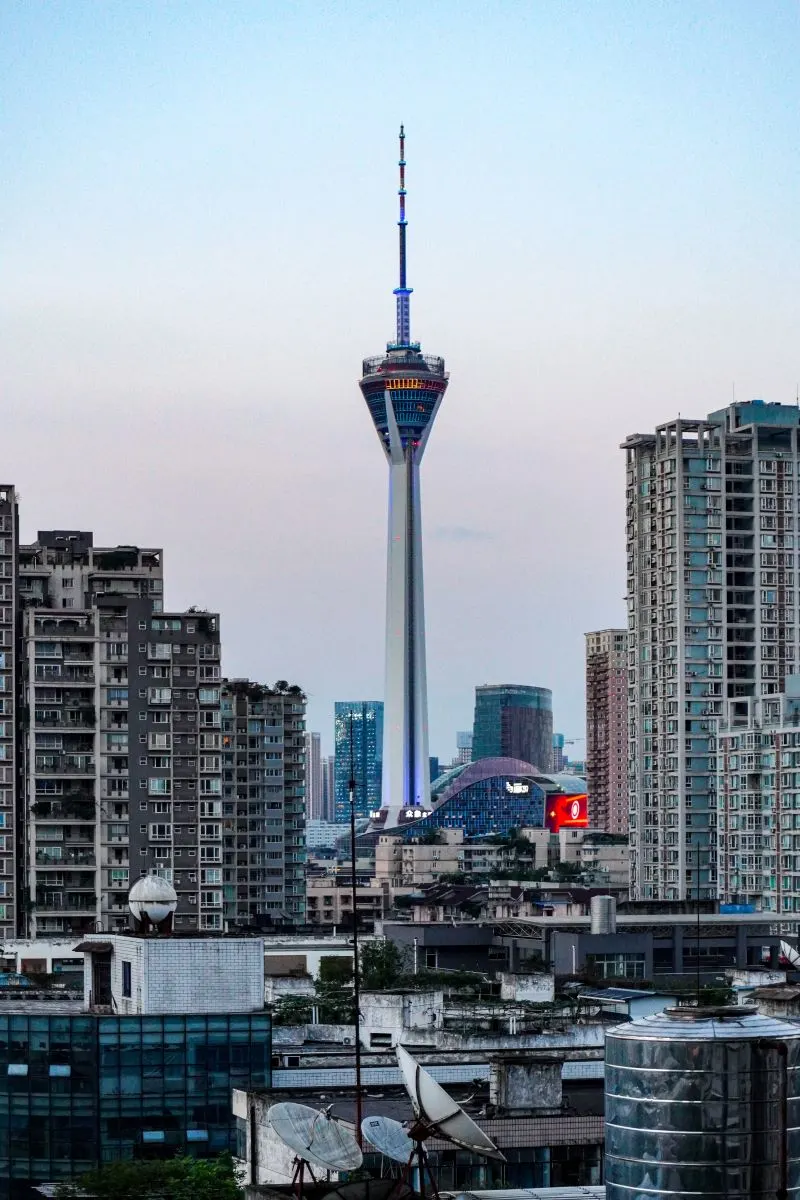
Visiting the Chengdu New Century Global Center offers a unique and awe-inspiring experience in the heart of Chengdu. As one of the largest buildings in the world, the New Century Global Center is an architectural marvel that combines modern design, entertainment, shopping, and leisure activities all under one roof.
Located in the Tianfu New Area of Chengdu, the New Century Global Center is a colossal structure that spans an impressive area. Its sheer size and grandeur make it a landmark in the city. As you approach the building, you’ll be struck by its imposing presence and futuristic design.
Upon entering the New Century Global Center, you’ll find yourself in a vast and bustling indoor city. The interior is a marvel of engineering, featuring a wide array of amenities, entertainment options, shopping outlets, and recreational facilities.
One of the main attractions of the New Century Global Center is its shopping experience. The complex houses a vast selection of retail stores, ranging from high-end international brands to local boutiques. Whether you’re looking for fashion, electronics, home decor, or souvenirs, you’ll find a wide variety of options to explore.
In addition to shopping, the New Century Global Center offers a diverse range of entertainment and leisure activities. You can catch the latest blockbuster movies at the state-of-the-art cinema, enjoy indoor ice skating or roller skating, or immerse yourself in a virtual reality experience.
The center also hosts various exhibitions, performances, and cultural events throughout the year, providing opportunities to engage with art, music, and local talent.
Food enthusiasts will be delighted by the extensive dining options available within the New Century Global Center. The complex features numerous restaurants, cafes, and food courts serving a wide range of cuisines, from local Sichuan dishes to international flavors. Whether you’re craving traditional Chinese delicacies or seeking a taste of global cuisine, there’s something to suit every palate.
Beyond the shopping and entertainment offerings, the New Century Global Center also houses office spaces, conference facilities, and luxury hotels. This multifunctional complex serves as a hub for business activities, conventions, and exhibitions, attracting visitors from all over the world.
The sheer scale and modernity of the New Century Global Center make it a must-visit destination for those seeking a unique experience in Chengdu.
Whether you’re a shopaholic, a cinema enthusiast, a food lover, or simply curious about innovative architecture, a visit to the New Century Global Center promises an unforgettable and immersive experience.
Note: It’s advisable to check the operating hours of specific attractions, as well as any entry fees or reservation requirements, before planning your visit.
Visiting the Chengdu New Century Global Center allows you to witness the grandeur of modern architecture, indulge in shopping and entertainment, and immerse yourself in a dynamic and vibrant atmosphere.
It’s a destination that epitomizes Chengdu’s cosmopolitan spirit and offers a glimpse into the city’s ever-evolving landscape.
These are just a few highlights of the many wonderful things to do in Chengdu. The city offers a rich cultural heritage, delicious cuisine, and unique experiences that make it a fascinating destination to explore.
Food In Chengdu

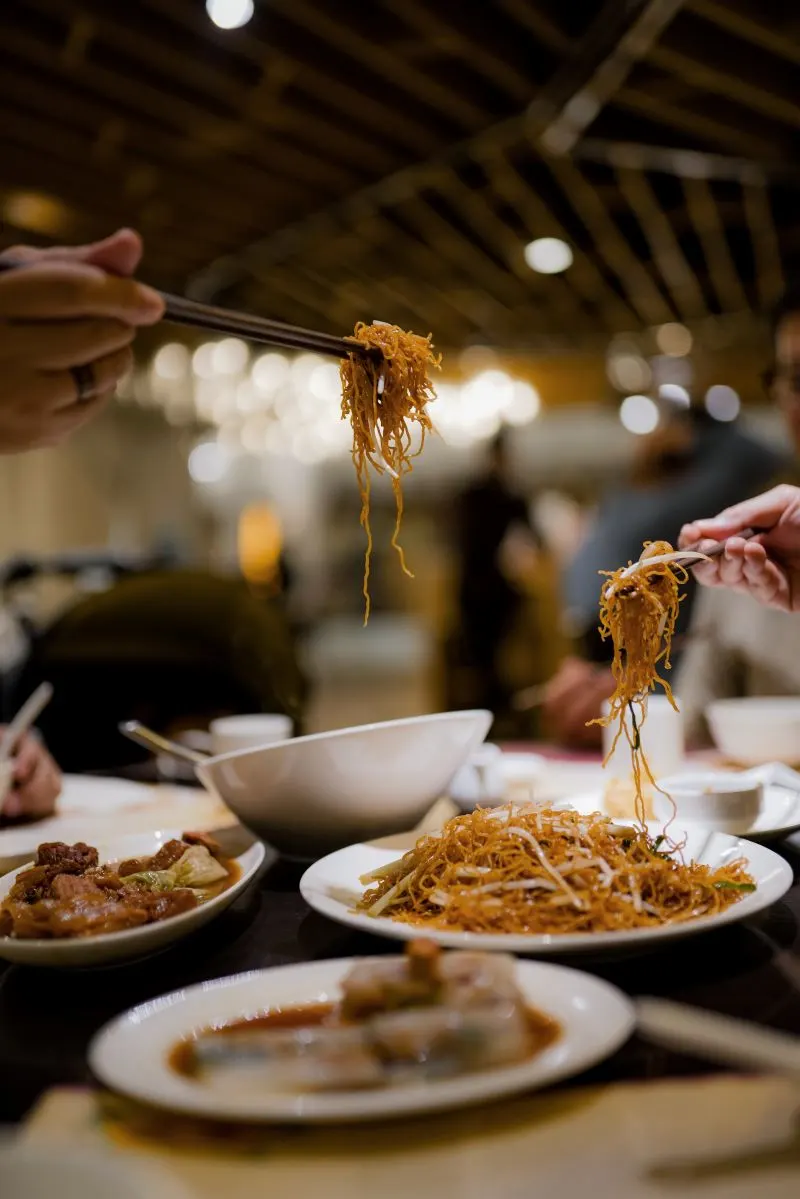
Chengdu, the capital of Sichuan province in China, is renowned for its rich culinary heritage. With a history that spans thousands of years, Chengdu’s cuisine is celebrated for its bold flavors, fiery spices, and unique ingredients.
From the famous Sichuan hot pot to the mouth-numbing sensation of Mapo Tofu, Chengdu offers a gastronomic adventure like no other. Join us as we embark on a culinary journey to explore the delectable food scene of Chengdu.
- Sichuan Hot Pot: No exploration of Chengdu’s cuisine is complete without indulging in a Sichuan hot pot experience. This iconic dish consists of a simmering pot of spicy broth, infused with fragrant Sichuan peppercorns and a variety of herbs and spices. Thinly sliced meats, fresh vegetables, and a myriad of other ingredients are cooked at the table, allowing you to customize the flavors to your preference. The hot pot is not only a meal but also a social experience, bringing people together to savor the spicy and aromatic delights of Sichuan cuisine.
- Mapo Tofu: Prepare your taste buds for a culinary adventure with Mapo Tofu, a famous Sichuan dish that exemplifies the bold and numbing flavors of Chengdu. This dish features silky tofu cubes bathed in a spicy chili and bean-based sauce, enhanced with Sichuan peppercorns that create a unique tingling sensation on the tongue. The combination of spicy, savory, and numbing flavors makes Mapo Tofu a true sensory experience and a must-try dish in Chengdu.
- Kung Pao Chicken: Another classic Sichuan dish that has gained popularity worldwide is Kung Pao Chicken. This stir-fried dish features tender chicken pieces, crunchy peanuts, and a medley of vegetables, all tossed in a savory and slightly sweet sauce. The key to its distinctive flavor lies in the liberal use of Sichuan peppercorns and dried red chilies, which impart a fiery kick and a subtle numbing sensation. Kung Pao Chicken showcases the perfect balance of flavors and textures that Sichuan cuisine is renowned for.
- Dan Dan Noodles: Dan Dan Noodles are a beloved street food staple in Chengdu. This noodle dish consists of springy wheat noodles topped with a flavorful sauce made from chili oil, soy sauce, Sichuan peppercorns, and minced pork. The combination of spicy, savory, and tangy flavors, along with the contrast of textures, creates a delightful and addictive taste experience. Don’t miss the opportunity to savor this quintessential Chengdu dish during your culinary exploration.
- Sichuan Hot and Sour Soup: For a taste of Chengdu’s iconic soups, try the Sichuan Hot and Sour Soup. This hearty and comforting dish is known for its bold flavors and contrasting elements. It combines the heat of chili peppers with the tanginess of vinegar, creating a perfect balance. Packed with ingredients such as tofu, mushrooms, bamboo shoots, and thinly sliced pork, the soup offers a symphony of flavors that will warm your soul and tantalize your taste buds.
Chengdu’s cuisine is a vibrant tapestry of flavors, spices, and textures that has captivated food lovers from around the world. From the fiery Sichuan hot pot to the numbing sensations of Mapo Tofu, the food in Chengdu is an adventure for the senses.
Exploring the culinary delights of Chengdu allows you to appreciate the intricate balance of flavors and the skillful use of spices that make Sichuan cuisine so unique. So, venture forth, embrace the boldness, and embark on a gastronomic journey through the tantalizing flavors of Chengdu.
Top 20 Best Restaurants In Chengdu, China

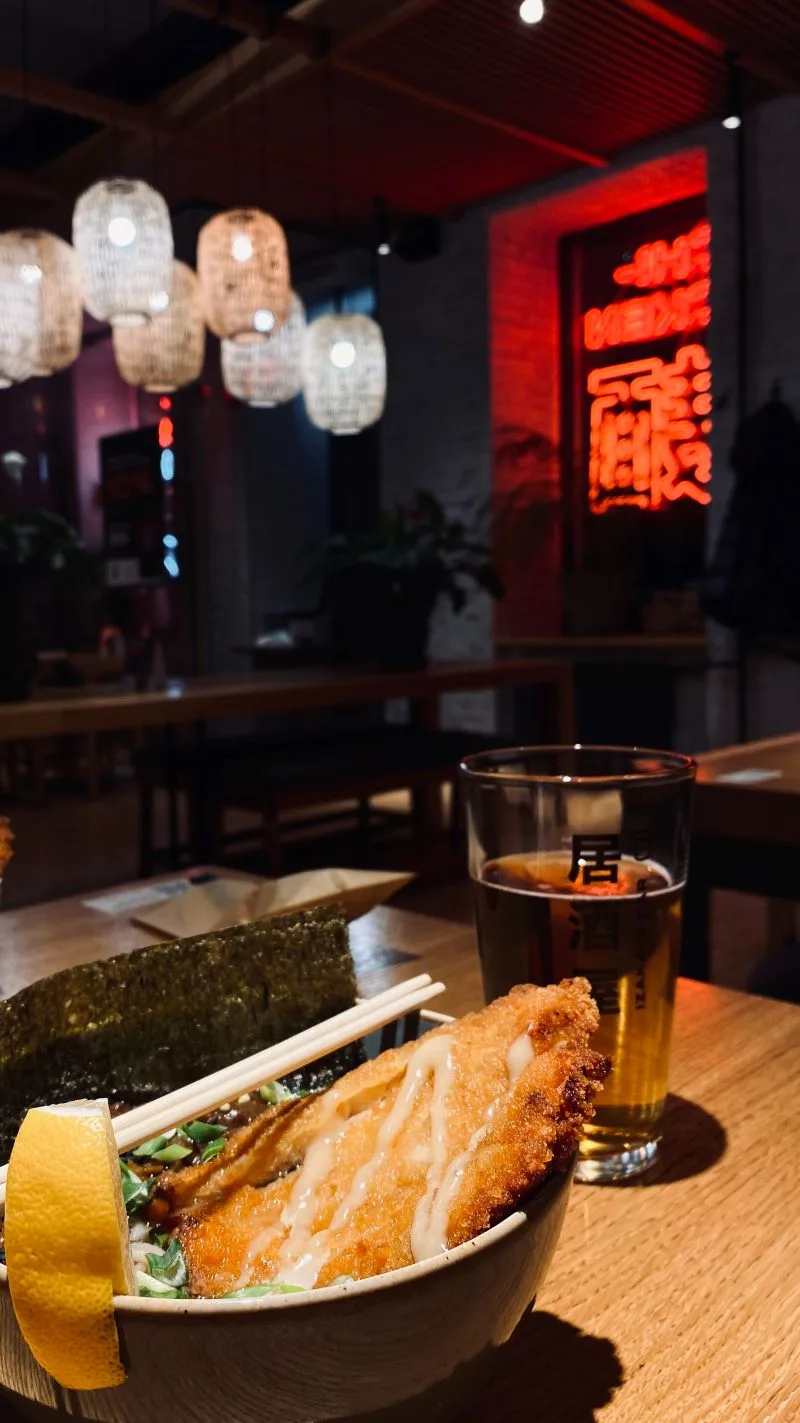
- Yu’s Family Kitchen – Known for its innovative and refined Sichuan cuisine.
- Shu Nine Incense Pot – Offers a delightful hot pot experience with premium ingredients.
- Zi Fi – Specializes in contemporary Sichuan cuisine with a creative twist.
- Fuqi Feipian – Famous for its spicy and flavorful beef offal slices.
- Chen Mapo Tofu – Serves authentic Mapo Tofu, a signature Chengdu dish.
- Da Miao Hot Pot – Provides an immersive and lively hot pot experience with Sichuan opera performances.
- Laoma Tou Hot Pot – A popular spot for traditional Sichuan hot pot with a variety of dipping sauces.
- Lao Ma Tou Chongqing Hot Pot – Known for its Chongqing-style hot pot, featuring bold and fiery flavors.
- The Bridge Café – Offers a fusion of Western and Asian flavors with a cozy atmosphere.
- Sunflower Vegetarian Restaurant – A vegetarian-friendly establishment serving delicious plant-based dishes.
- Ming Ting Restaurant – A fine-dining restaurant specializing in Sichuan and Cantonese cuisine.
- Da Rong He Restaurant – Known for its flavorful dumplings and traditional Sichuan dishes.
- Lei Garden – Offers Cantonese cuisine in an elegant setting with a focus on fresh ingredients.
- Huaxi Yulin Roast Fish – Famous for its aromatic and spicy Sichuan-style roasted fish.
- Peter’s Tex-Mex Grill – A Tex-Mex restaurant serving mouthwatering Mexican cuisine.
- Lei Sheng Ji – Specializes in mouth-watering traditional Sichuan snacks and street food.
- Shu Xiang Yuan – A popular restaurant serving authentic Chengdu-style hot pot.
- Wenshu Monastery Vegetarian Restaurant – Offers a wide selection of vegetarian dishes in a tranquil setting.
- The Beer Nest – A craft beer bar with a wide selection of beers and tasty pub food.
- Hai Di Lao Hot Pot – Renowned for its exceptional service and high-quality ingredients for hot pot lovers.
Please note that restaurant rankings can vary, and it’s always a good idea to check reviews, availability, and specific dietary requirements before visiting. Enjoy your culinary adventures in Chengdu!
Transportation In Chengdu
- Metro: Chengdu has an extensive metro system that covers various parts of the city. The metro network is efficient, clean, and well-maintained. It is a popular mode of transportation for both locals and tourists, offering a convenient way to travel around Chengdu.
- Bus: Chengdu has a comprehensive bus network that connects different neighborhoods and attractions within the city. Buses are a cost-effective mode of transportation, and there are different types available, including regular buses and air-conditioned buses. However, note that bus routes and schedules may be in Chinese, so it’s helpful to have a translation or map to navigate the system.
- Taxis: Taxis are widely available in Chengdu and provide a convenient and comfortable way to travel around the city. Taxis are metered, and it’s advisable to ensure that the driver starts the meter at the beginning of the journey. Taxis can be hailed on the street, or you can find them at designated taxi stands or through ride-hailing apps.
- Bicycle Sharing: Chengdu has a popular bike-sharing system, which allows users to rent bicycles for short trips. You can find bike-sharing stations throughout the city, and the process of renting a bike is usually straightforward through a mobile app.
- DiDi: DiDi is a popular ride-hailing app in China and is widely used in Chengdu. Using the app, you can easily book a ride with a private car or taxi, providing a convenient and reliable way to get around the city.
- High-Speed Rail: Chengdu is well-connected to other major cities in China through its high-speed rail network. The Chengdu East Railway Station is the main hub for high-speed trains, offering fast and efficient travel to destinations like Beijing, Shanghai, Xi’an, and more.
- Flights: Chengdu Shuangliu International Airport is one of the busiest airports in China, serving domestic and international flights. The airport is well-connected to major cities worldwide, making it convenient for both domestic and international travelers.
It’s important to note that while Chengdu’s transportation system is generally efficient, traffic congestion can occur during peak hours. It’s advisable to plan your journeys accordingly and allow for extra travel time if necessary.
Additionally, public transportation signage and announcements are primarily in Chinese, so having a translation app or a phrasebook can be helpful, especially if you’re not fluent in Mandarin.
Chengdu, with its rich history, vibrant culture, and captivating attractions, offers a plethora of experiences that will delight any visitor.
From encountering adorable giant pandas at the Chengdu Research Base of Giant Panda Breeding to exploring the ancient Wuhou Memorial Temple dedicated to Zhuge Liang, the famous figure from the Three Kingdoms era, Chengdu is a city that never fails to impress.
Immerse yourself in the vibrant atmosphere of Jinli Ancient Street, where traditional architecture, local snacks, and handicrafts create a charming ambiance.
Take a stroll in People’s Park and join the locals for tea, dancing, or a game of Mahjong, experiencing the authentic lifestyle of Chengdu residents.
Delve into history and archaeology at the Jinsha Site Museum and Chengdu Museum, which house a wide variety of artifacts and provide insights into the city’s past.
For a taste of the modern, visit the bustling Chunxi Road shopping district, where you can indulge in shopping, dining, and entertainment.
Take a boat ride on the scenic Jinjiang River, marveling at Chengdu’s skyline from the water. Venture outside the city to witness the awe-inspiring Leshan Giant Buddha or explore the ancient Dujiangyan Irrigation System, a marvel of ancient engineering.
Immerse yourself in the local culture by enjoying a traditional Sichuan opera performance at the Shufeng Yayun Teahouse or indulging in a traditional Chinese massage or spa treatment to relax and rejuvenate.
Discover the unique architecture and serene atmosphere of the Daci Monastery, and embark on a day trip to the picturesque Qingcheng Mountain, where nature’s beauty unfolds before your eyes.
Sample the famous Sichuan cuisine, from fiery hot pot to mouth-watering street food, satisfying your taste buds with its bold and spicy flavors.
Visit the Wenshu Monastery and explore the bustling Tibetan Quarter, where the Tibetan Buddhist Temple, Wenshu Yuan Monastery, offers a tranquil haven amidst the city’s hustle and bustle.
Expand your knowledge of traditional Chinese medicine at the Chengdu Traditional Chinese Medicine Museum, and be amazed by the thrilling Sichuan face-changing performances that showcase the artistry and mystery of this ancient craft.
For sports and entertainment enthusiasts, catch a live sports event or concert at the Chengdu Sports Center, or immerse yourself in the vibrant local art scene at the Contemporary Art Museum of Chengdu.
Lastly, take a leisurely walk along the scenic Jin River East Greenway, enjoying the peaceful surroundings and connecting with nature.
Complete your journey with a cup of tea at a traditional teahouse, such as Heming Teahouse or Yuelai Teahouse, where you can relax and appreciate the tea culture of Chengdu.
Chengdu offers an extraordinary blend of history, culture, nature, and culinary delights, making it a destination that captivates the hearts of travelers.
With its warm hospitality, diverse attractions, and unforgettable experiences, Chengdu promises to leave a lasting impression on every visitor.
Leave a comment