

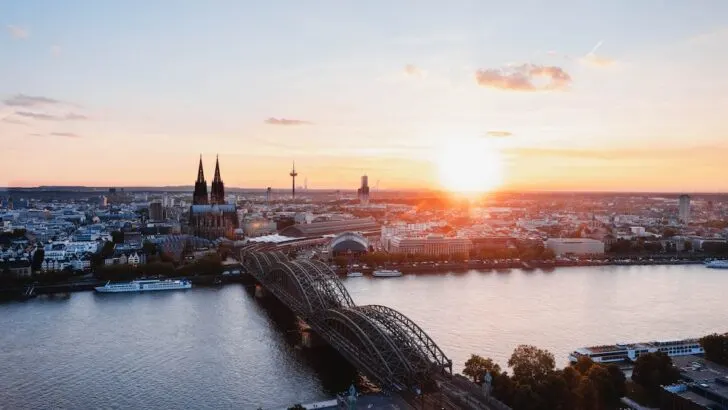
Cologne, known as “Köln” in German, is a vibrant and historic city located in the western part of Germany. As one of the country’s oldest and largest cities, Cologne holds a rich tapestry of history, culture, and modern life.
Situated on the banks of the iconic Rhine River, Cologne captivates visitors with its remarkable architecture, diverse neighborhoods, and a lively atmosphere that blends tradition with contemporary innovation.
Its architecture, museums, festivals, and friendly atmosphere make it a captivating destination that invites exploration and discovery. Whether you’re drawn to history, art, cuisine, or simply the joy of discovering a vibrant European city, Cologne promises a memorable and enriching experience.
1. Cologne Cathedral (Kölner Dom): Visit this iconic Gothic masterpiece, a UNESCO World Heritage site and one of the most impressive cathedrals in the world

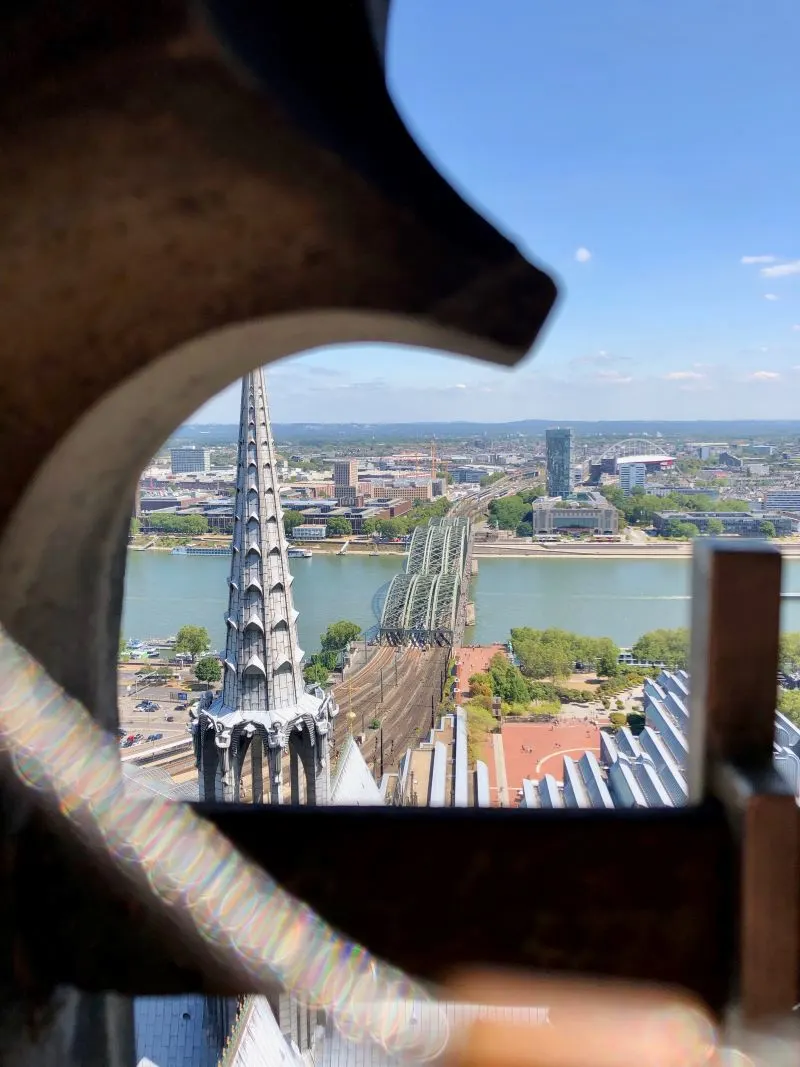
The Cologne Cathedral, known as Kölner Dom in German, is a magnificent Gothic cathedral located in the heart of Cologne, Germany. It is one of the most iconic landmarks in the country and holds significant historical and architectural importance.
The cathedral is characterized by its imposing size, intricate details, and stunning verticality. Its construction began in 1248 but was only completed in 1880.
The cathedral’s most distinctive feature is its twin spires, which soar to a height of over 157 meters (515 feet) and make it one of the tallest cathedrals in the world.
The exterior of the cathedral is adorned with intricate stone carvings, including biblical scenes, saints, and other religious figures. The interior is equally impressive, with a vast nave, beautiful stained glass windows, and ornate decorations. The Shrine of the Three Kings, believed to house the remains of the biblical Magi, is one of the cathedral’s most revered artifacts.
Visitors can explore the interior, climb the tower for panoramic views of the city, and admire the awe-inspiring architecture that seamlessly blends Gothic elements with artistic mastery.
The Cologne Cathedral is not only a place of worship but also a testament to human creativity, craftsmanship, and faith, attracting millions of visitors each year. It’s a UNESCO World Heritage site and a symbol of Cologne’s rich history and cultural heritage.
2. Rhine River Cruise: Enjoy a scenic cruise on the Rhine River, offering stunning views of the city’s skyline and landmarks

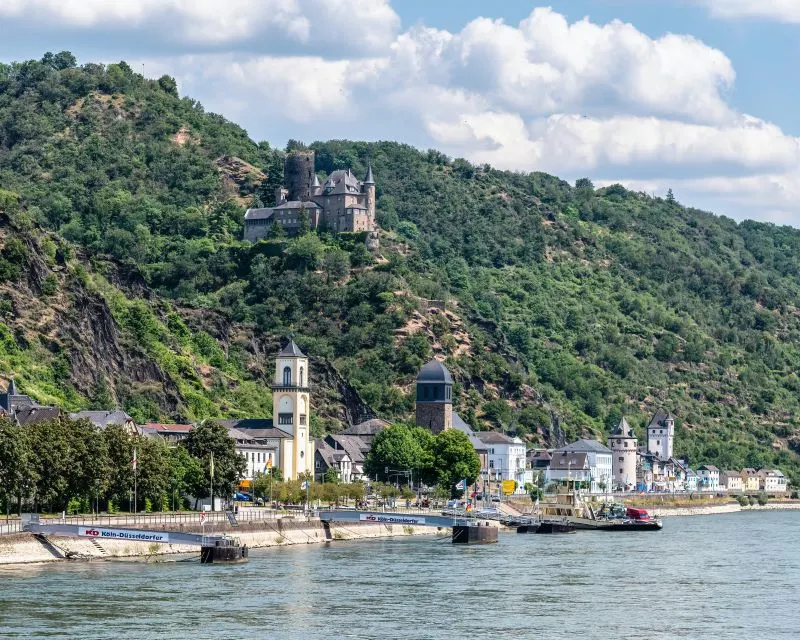
A Rhine River Cruise involves boarding a boat or a ship to travel along the course of the Rhine River, one of Europe’s most important and picturesque rivers.
The river flows through several countries, including Germany, France, the Netherlands, Switzerland, and Austria, but a Rhine River Cruise often focuses on the German section, particularly the stretch between Mainz and Cologne.
During the cruise, passengers are treated to breathtaking views of charming towns, historic castles, lush vineyards, and rolling hills that dot the riverbanks.
Some of the most famous sights include the Lorelei Rock, a legendary rock formation, and numerous medieval castles that add a touch of fairy-tale ambiance to the journey.
The cruise experience can vary, with options ranging from short sightseeing tours to multi-day journeys. Some cruises offer onboard commentary to provide insights into the history, culture, and landmarks along the way.
Additionally, many boats and ships are equipped with comfortable amenities, such as dining options, open-air decks, and panoramic windows, allowing passengers to relax and enjoy the picturesque scenery.
3. Chocolate Museum (Schokoladenmuseum): Learn about the history of chocolate, its production, and indulge in delicious treats

The Chocolate Museum is a modern and interactive museum located in Cologne, Germany, situated on the banks of the Rhine River.
It’s dedicated to all things chocolate, making it a treat for both chocolate lovers and those interested in learning about the fascinating journey from cacao bean to the delectable treat we know and love.
Upon entering the museum, visitors are taken on a multimedia-rich journey through the history of chocolate, from its origins in Mesoamerica to its introduction to Europe and its global popularity today. Exhibits often include informative displays, videos, and even real cacao plants.
One of the highlights of the museum is the opportunity to witness the chocolate-making process. Visitors can observe skilled chocolatiers creating various chocolate products, from pralines and truffles to intricate sculptures, using traditional techniques and modern methods.
Additionally, there’s usually a section dedicated to showcasing the machinery and equipment used in chocolate production.
The museum often provides insights into ethical and sustainable cacao farming practices as well, shedding light on the industry’s impact on the environment and local communities.
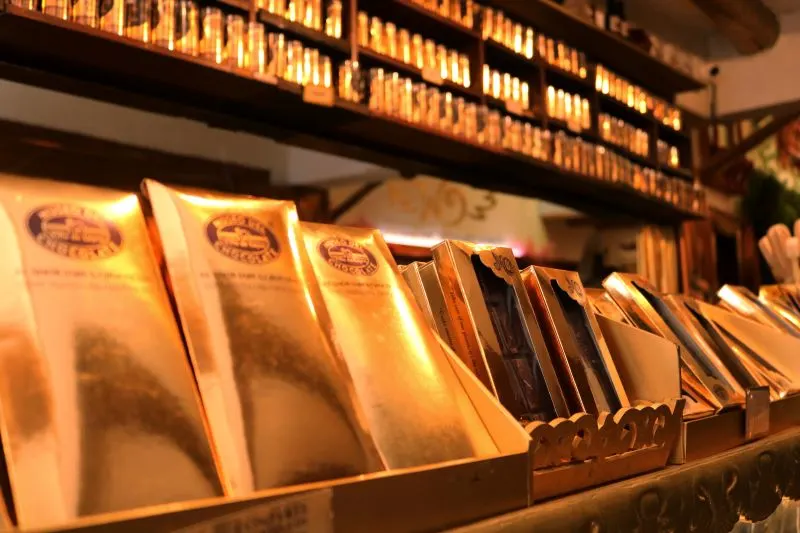
Of course, no visit to the Chocolate Museum is complete without indulging in some chocolatey delights. Many museums have a chocolate café or shop where visitors can sample and purchase a wide variety of chocolate products, ranging from classic bars to innovative and unique flavors.
4. Cologne Zoo (Kölner Zoo): Spend a day exploring this well-maintained zoo that houses a diverse collection of animals


The Cologne Zoo is a spacious and beautifully landscaped zoological facility that houses a remarkable collection of animals from around the world.
It’s known for its commitment to conservation, education, and providing a natural and enriching environment for its residents.
The zoo features various themed areas that aim to recreate the natural habitats of the animals. These areas often include meticulously designed enclosures, lush vegetation, and appropriate enrichment activities to ensure the animals’ well-being.
Visitors to the Cologne Zoo can explore a diverse array of animals, ranging from mammals, birds, and reptiles to amphibians and invertebrates.
Some of the highlights might include large mammals like elephants, big cats, and primates, as well as exotic species such as tropical birds and reptiles.
The zoo places a strong emphasis on conservation and education. Many enclosures have informational displays that offer insights into the animals’ behaviors, natural habitats, and conservation efforts aimed at protecting endangered species.
The zoo also often hosts educational programs, talks, and events to engage visitors of all ages in learning about wildlife and conservation.
For families, the Cologne Zoo provides an opportunity to connect with nature and wildlife while having a fun and enjoyable day out.
It’s not only a place to see animals up close but also to gain a deeper appreciation for the importance of preserving biodiversity and natural ecosystems.
5. Hohenzollern Bridge: Take a stroll across this bridge adorned with love locks and enjoy picturesque views of the cathedral and river

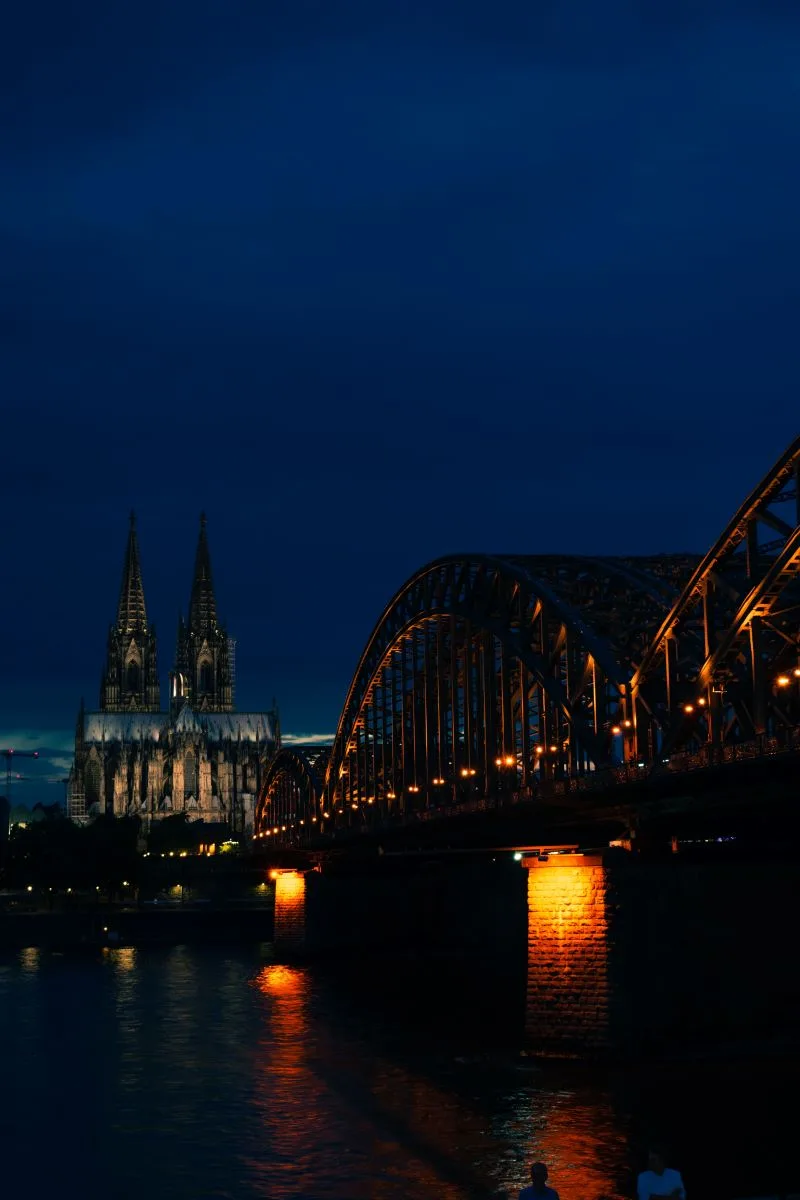
The Hohenzollern Bridge is a prominent steel bridge that connects the two banks of the Rhine River in Cologne. It’s known for its distinctive appearance and its historical significance as a vital transportation link and a symbol of the city.
One of the most recognizable features of the Hohenzollern Bridge is the dense collection of love locks that adorn its railings.
Couples often affix padlocks to the bridge as a symbol of their love and commitment, then throw the keys into the river below. This practice has become a popular and romantic tradition for both locals and visitors.
The bridge also plays a crucial role in the city’s transportation infrastructure. It accommodates both trains and pedestrians, with railway tracks for both regional and long-distance trains running across the bridge. This dual function adds to the dynamic atmosphere of the area.
From the bridge, pedestrians are treated to captivating views of the Rhine River, the Cologne Cathedral, and the city’s skyline.
It’s a popular spot for tourists and locals alike to take leisurely strolls, capture photographs, and enjoy the bustling atmosphere of the area.
6. Ludwig Museum: Immerse yourself in contemporary art, including works by Picasso, Warhol, and Lichtenstein

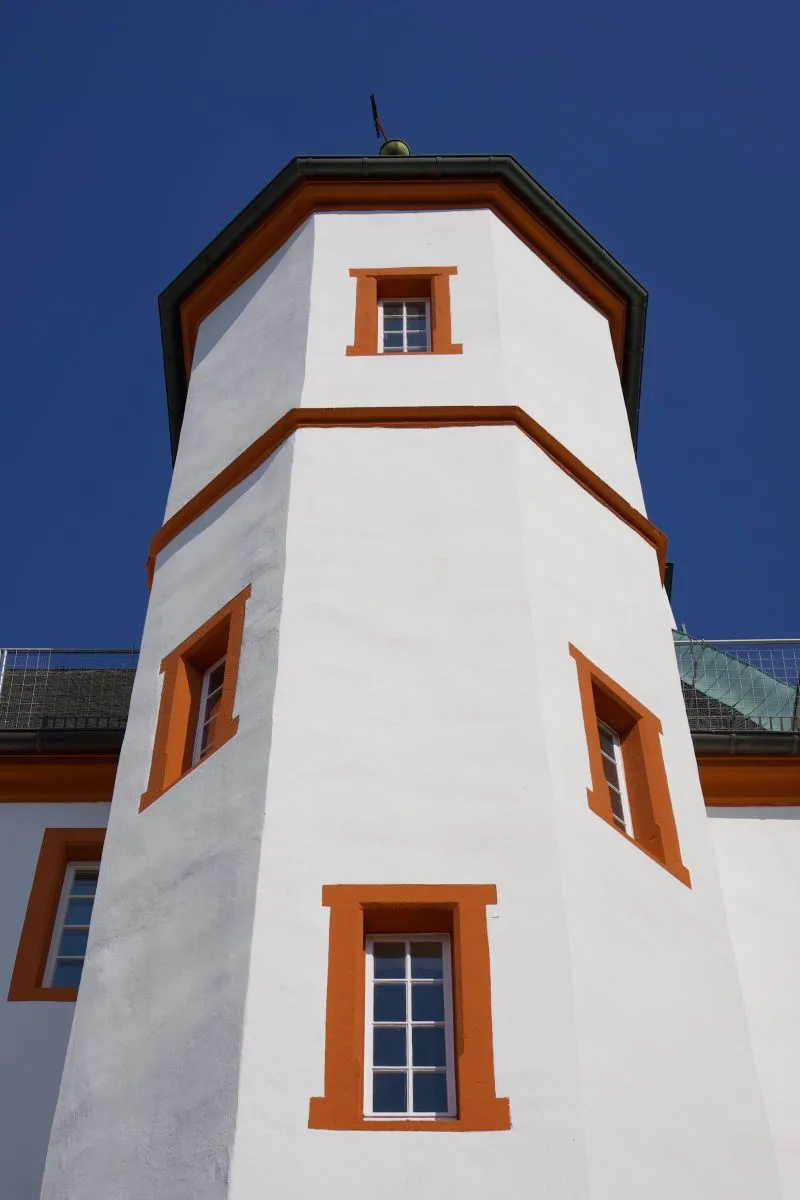
The Ludwig Museum, often referred to simply as “Ludwig,” is an art museum that houses an impressive array of modern and contemporary artworks.
The museum is named after its founders, Peter and Irene Ludwig, who generously donated their vast art collection to the city of Cologne.
The collection at the Ludwig Museum spans a diverse range of artistic movements and mediums, including Pop Art, Abstract Expressionism, Surrealism, and more.
Visitors can expect to see works by renowned artists such as Andy Warhol, Roy Lichtenstein, Pablo Picasso, and Gerhard Richter, among others.
One of the highlights of the museum is its comprehensive collection of Pop Art, featuring iconic pieces that reflect the vibrant and consumer-driven culture of the 20th century.
This includes paintings, sculptures, prints, and multimedia installations that capture the essence of the Pop Art movement.
The museum’s commitment to showcasing contemporary art is evident through its rotating exhibitions and acquisitions of new works.
This ensures that visitors have the opportunity to engage with cutting-edge artistic expressions and explore the evolution of art over time.
7. Romano-Germanic Museum (Römisch-Germanisches Museum): Explore Roman artifacts, including the famous Dionysus mosaic

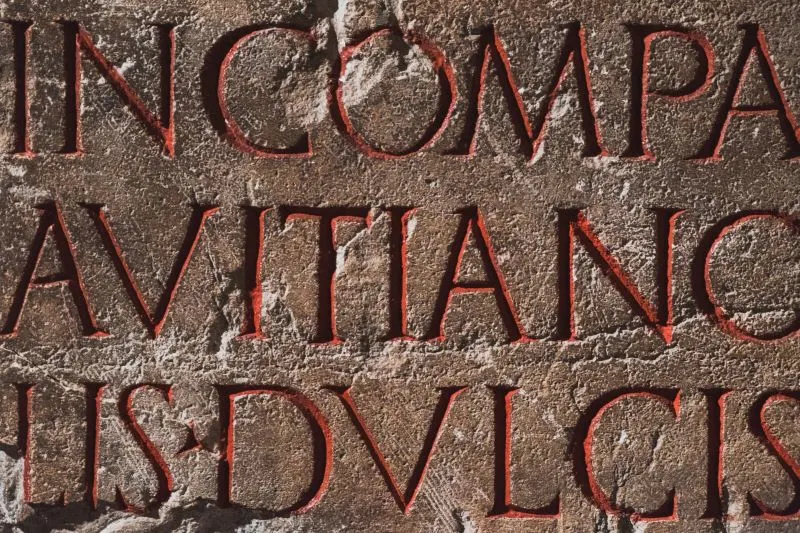
The Romano-Germanic Museum is a cultural institution that offers visitors a fascinating glimpse into the ancient history of the city of Cologne and the surrounding region.
The museum is particularly known for its rich collection of artifacts from the Roman period, shedding light on the city’s past as a significant Roman settlement known as Colonia Claudia Ara Agrippinensium.
The museum’s exhibits showcase a wide range of archaeological finds, including sculptures, mosaics, jewelry, pottery, and everyday objects that provide insights into the daily life, art, and culture of the Roman inhabitants of Cologne.
One of the museum’s most famous exhibits is the Dionysus Mosaic, a beautifully preserved mosaic floor depicting scenes from the life of the god Dionysus.
Visitors to the museum can explore the reconstructed remains of a Roman villa and gain a sense of what life was like in ancient Cologne.
The museum often provides historical context and explanations of the archaeological discoveries, helping visitors connect with the city’s Roman heritage.
The Romano-Germanic Museum is located in close proximity to the Cologne Cathedral and other historic sites, making it a convenient stop for those interested in delving into the city’s history.
Its diverse collection and immersive exhibits make it an engaging destination for history enthusiasts, archaeology buffs, and anyone curious about Cologne’s roots as a Roman settlement.
8. Cologne Cable Car (Kölner Seilbahn): Get a unique perspective of the city while crossing the Rhine River in a cable car


The Cologne Cable Car is a distinctive mode of transportation that provides passengers with breathtaking aerial views of the city of Cologne and the Rhine River. It connects the neighborhoods of Riehl on the right bank and the Zoobrücke area on the left bank of the river.
Passengers board the cable car cabins and are lifted above the river, offering stunning panoramic views of the Cologne skyline, the Hohenzollern Bridge, the Cologne Cathedral, and the surrounding landscape.
The experience of gliding over the water and the cityscape provides a unique perspective that is both exhilarating and memorable.
The cable car ride is not only a practical means of crossing the river but also a popular attraction for tourists and locals alike. It offers an opportunity to see Cologne’s landmarks from a different angle and capture picturesque photographs of the city’s iconic sites.
The Cologne Cable Car operates year-round, and its schedule is subject to weather conditions. It’s particularly popular during clear days and sunny weather when the views are at their best. The ride is relatively short, but the visual experience it offers is both impressive and unforgettable.
9. Flora and Botanical Garden: Relax in this beautiful garden that features a wide variety of plants and a peaceful atmosphere


The Flora and Botanical Garden, known as “Flora und Botanischer Garten” in German, is a tranquil and picturesque destination located in the heart of Cologne.
It’s a harmonious blend of meticulously maintained gardens, vibrant floral displays, and a rich history that dates back to the 19th century.
The botanical garden is home to a diverse collection of plants from around the world, organized into themed sections that highlight various ecosystems and species.
Visitors can explore lush greenhouses filled with exotic plants, rare species from different continents, and themed gardens that range from Mediterranean to tropical environments.
In addition to the botanical attractions, the Flora and Botanical Garden features extensive walking paths, ponds, and fountains that create a relaxing ambiance.
It’s a popular place for both leisurely strolls and peaceful moments of reflection, making it a favorite spot for locals and tourists seeking respite from the urban environment.
The historical aspect of the site is equally compelling. The main building, known as the Flora, was constructed in the 19th century as an exhibition hall and event space. Today, it continues to host a variety of events, from flower shows and cultural festivals to art exhibitions and concerts.
10. Old Town (Altstadt): Wander through the charming cobblestone streets, filled with historic buildings, cafes, and shops


The Old Town, or Altstadt, of Cologne is a vibrant and picturesque area that showcases the city’s rich history, architecture, and cultural heritage.
Characterized by its narrow cobblestone streets, medieval buildings, and a lively atmosphere, the Altstadt is a popular destination for both locals and tourists.
One of the most iconic landmarks in the Altstadt is the Cologne Cathedral (Kölner Dom), an imposing Gothic masterpiece that dominates the skyline. The cathedral’s presence adds to the district’s historical significance and draws visitors from around the world.
Wandering through the Old Town, you’ll encounter a mix of traditional buildings, quaint shops, cafes, and restaurants. The area is known for its lively street life, with artists, performers, and street vendors contributing to the bustling ambiance. You’ll also find a variety of shops selling local crafts, souvenirs, and products.
The Old Town is also home to several other historic sites, including churches, city gates, and remnants of ancient fortifications. Exploring these sites offers a glimpse into the city’s past and the evolution of its architecture over the centuries.
As day turns into night, the Altstadt comes alive with a vibrant nightlife. Numerous bars, pubs, and clubs offer a diverse range of entertainment options, from enjoying a traditional Kölsch beer to dancing the night away.
11. Cologne’s Old Market (Alter Markt): Experience the vibrant atmosphere of the market square surrounded by colorful buildings

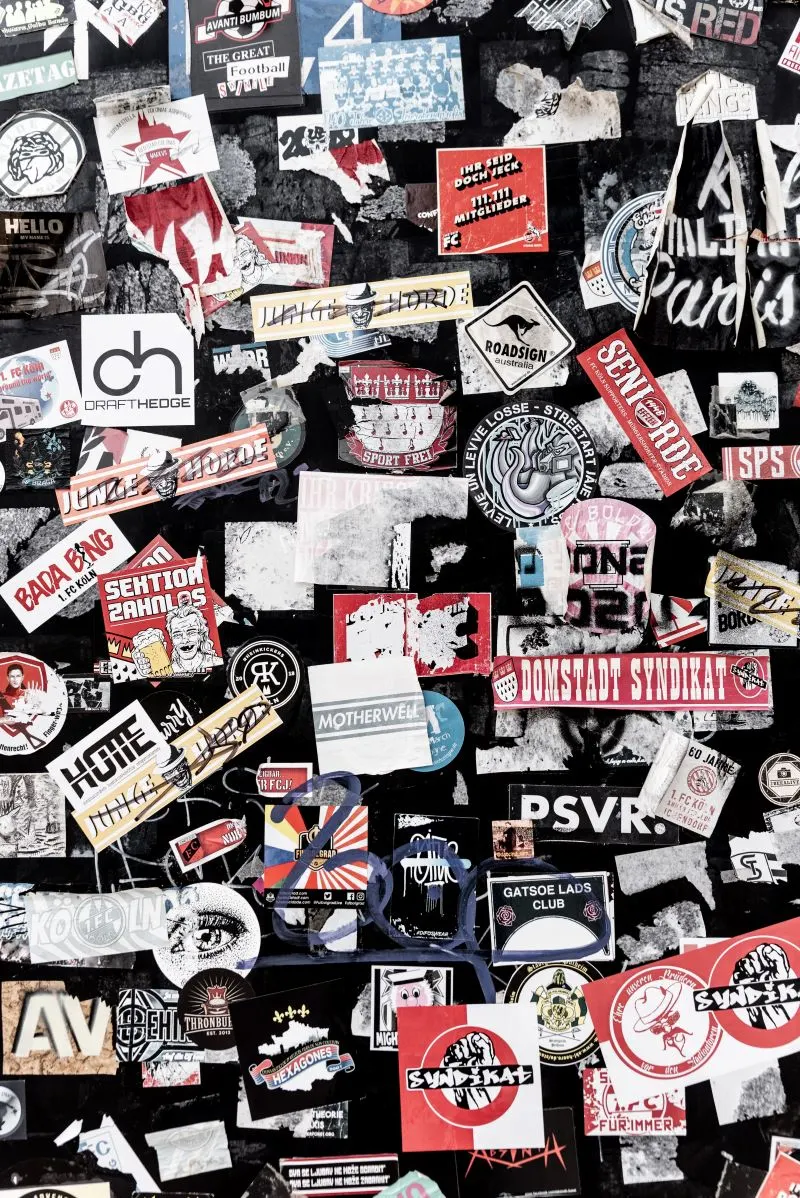
The Alter Markt is a charming and bustling square that holds a significant place in Cologne’s history and culture. It’s one of the city’s oldest marketplaces and has been a central gathering point for centuries. The square is surrounded by well-preserved medieval buildings, giving it a timeless and picturesque atmosphere.
One of the prominent features of the Alter Markt is the historical Cologne City Hall (Kölner Rathaus), which stands as an impressive architectural landmark.
The City Hall’s colorful facade and intricate detailing make it a focal point of the square. The building’s tower is adorned with a Renaissance-style clock that features rotating figures representing various historical and mythological figures.
The square is known for its vibrant and lively ambiance. Visitors and locals alike gather here to enjoy outdoor dining in the numerous cafes and restaurants that line the perimeter. The square often hosts events, festivals, and markets, adding to its dynamic character.
Throughout the year, the Alter Markt transforms to host various festivities, such as Christmas markets and carnival celebrations, creating an atmosphere of merriment and community.
Its central location and historical significance make it a popular meeting place and a starting point for exploring the Old Town’s charming streets and landmarks.
12. St. Gereon’s Basilica: Visit this early Christian church known for its impressive architecture and history

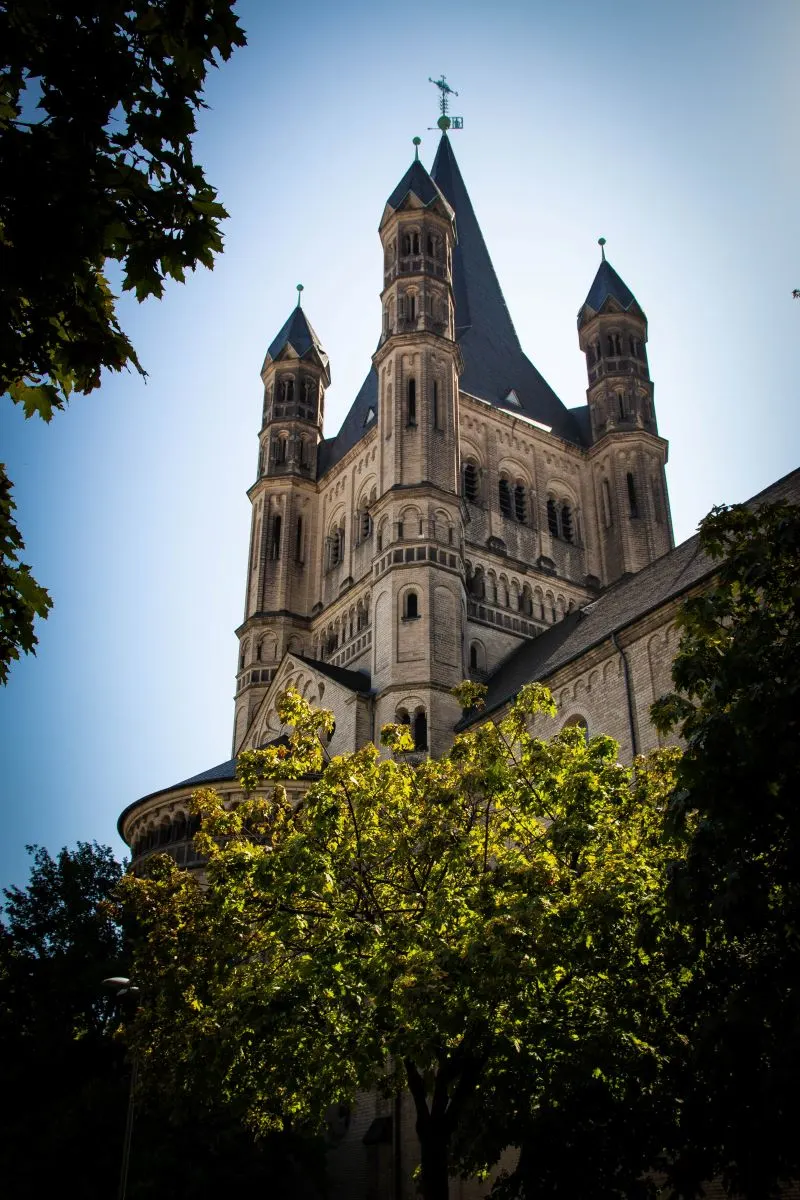
St. Gereon’s Basilica, or “Basilika St. Gereon” in German, is a Romanesque-style church that stands as one of the oldest and most remarkable religious buildings in Cologne. It’s named after Saint Gereon, a Christian martyr.
The basilica’s most distinctive feature is its octagonal structure, which is quite unusual in Christian architecture. The church’s exterior showcases alternating layers of brick and tuff stone, creating a visually captivating pattern. This architectural design reflects the transition from the late Roman period to the early medieval era.
Inside the basilica, visitors can admire a variety of architectural elements and artistic details. The central octagon is surrounded by a circular ambulatory, and the space is adorned with intricate frescoes and sculptures.
The interior offers a serene and contemplative atmosphere, allowing visitors to appreciate the historic and spiritual significance of the basilica.
St. Gereon’s Basilica has a rich history that dates back to the early Christian era, and it has undergone several renovations and restorations over the centuries. It’s considered one of the twelve “Romanesque churches of Cologne” and holds a special place in the city’s cultural heritage.
13. Cologne Triangle Panorama: Enjoy panoramic views of the city from the observation deck of this modern skyscraper

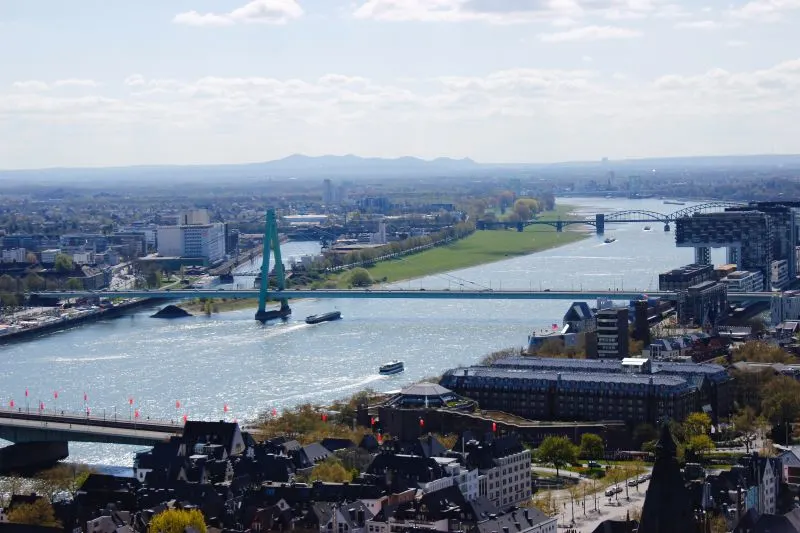
The Cologne Triangle Panorama is an observation platform located in the Cologne Triangle, a high-rise building that offers panoramic views of the city and its surroundings. The building is known for its distinctive triangular shape, which is reflected in the name of the observation deck.
Visitors to the Cologne Triangle Panorama can take an elevator to the top of the skyscraper, where they are treated to breathtaking panoramic views of the cityscape.
From this vantage point, you can enjoy sweeping vistas of Cologne’s landmarks, including the Cologne Cathedral, the Rhine River, and the surrounding urban landscape.
The observation deck typically features large windows that provide unobstructed views and ample opportunities for photography. On clear days, visitors can see for miles and gain a new perspective on the city’s layout, architecture, and natural beauty.
The Cologne Triangle Panorama is a popular attraction for tourists and locals alike. It offers a unique way to appreciate the city’s landmarks from a bird’s-eye view, adding an extra layer of exploration to your visit to Cologne.
Whether you’re a photography enthusiast or simply looking to admire the city from above, the observation deck provides an unforgettable experience.
14. Museum Ludwig: Delve into modern and contemporary art, including a remarkable collection of Pop Art

Museum Ludwig is an art institution situated in the heart of Cologne, known for its extensive collection of modern and contemporary artworks.
The museum’s collection spans a diverse range of artistic movements, styles, and mediums, making it a hub for art enthusiasts seeking to explore the dynamic evolution of art in the 20th and 21st centuries.
Visitors to Museum Ludwig can expect to see an array of works by prominent artists such as Andy Warhol, Roy Lichtenstein, Pablo Picasso, and Gerhard Richter, among others.
The museum is particularly known for its impressive collection of Pop Art, which includes iconic pieces that capture the vibrant spirit of the consumer-driven culture of the mid-20th century.
In addition to Pop Art, the museum features exhibits and displays representing other important art movements, including Abstract Expressionism, Surrealism, and more.
The museum’s commitment to showcasing contemporary art is evident through its rotating exhibitions, which often highlight cutting-edge artistic expressions and the work of emerging artists.
Museum Ludwig’s location in Cologne, near the city’s iconic cathedral and the Rhine River, makes it a prominent cultural destination that draws art enthusiasts and visitors from around the world.
Whether you’re interested in exploring the bold and innovative works of modern artists or gaining insights into the evolution of artistic expressions over time, Museum Ludwig offers a captivating and enriching experience.
15. Imhoff-Schokoladenmuseum: Discover more about chocolate’s history and production at this interactive museum


The Imhoff-Schokoladenmuseum is a modern and interactive museum that invites visitors to explore the history, production, and cultural significance of chocolate.
Situated on the banks of the Rhine River, the museum provides a captivating journey through the world of cocoa and chocolate, from its origins to its modern-day popularity.
Inside the museum, visitors can witness the chocolate-making process firsthand, from the cultivation of cacao beans to the creation of finished products.
The museum often features live demonstrations by chocolatiers, showcasing various techniques used in chocolate production, molding, and decoration.
One of the highlights of the museum is its collection of historical artifacts related to chocolate, including antique chocolate-making equipment, packaging, and advertisements from different eras. The exhibits provide insights into the evolution of chocolate consumption and production over time.
Visitors also have the opportunity to indulge their senses by sampling a variety of chocolate treats and confections. The museum typically houses a chocolate café where guests can savor different flavors and creations, enhancing the immersive experience.
16. St. Maria im Kapitol: Admire the stunning frescoes and Romanesque architecture of this basilica

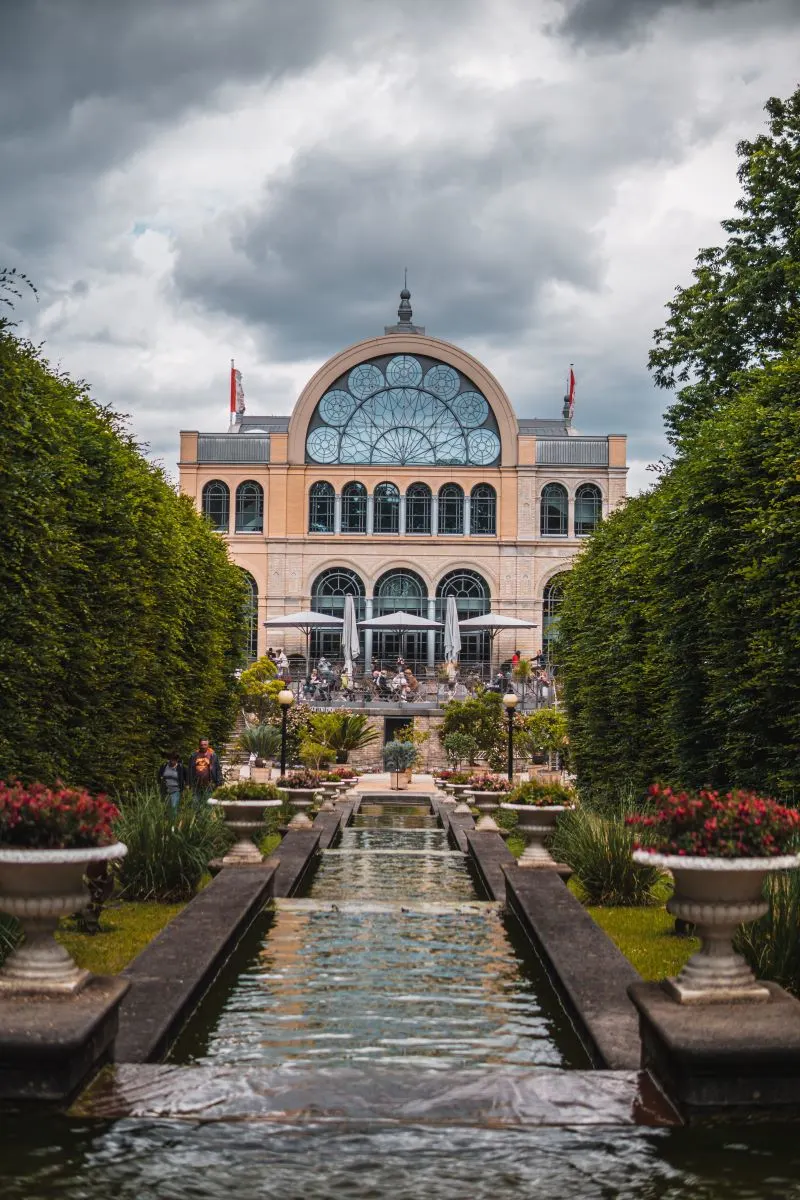
St. Maria im Kapitol, also known as St. Mary’s Church, is a Roman Catholic basilica situated in Cologne. The church is renowned for its Romanesque architecture and its significance as one of the twelve Romanesque churches that define the city’s architectural heritage.
The basilica’s exterior showcases a blend of Romanesque and Byzantine influences, with striking arches, intricate stone carvings, and a central dome that adds to its architectural grandeur. The façade is adorned with sculptures and reliefs that depict biblical scenes and saints.
Inside St. Maria im Kapitol, visitors are treated to a captivating display of Romanesque art and design. The interior features a basilica floor plan with a nave and aisles, as well as a crypt that houses the relics of St. Engelbert.
The impressive frescoes and intricate decorations on the walls and ceilings create a visually stunning and spiritually inspiring atmosphere.
One of the basilica’s most noteworthy features is the Golden Chamber (Goldene Kammer), an ornate reliquary that holds the remains of Christian martyrs. The chamber is a masterful work of artistry, showcasing intricate metalwork and intricate designs.
17. Rautenstrauch-Joest Museum: Learn about the world’s cultures and ethnology through a diverse range of exhibits

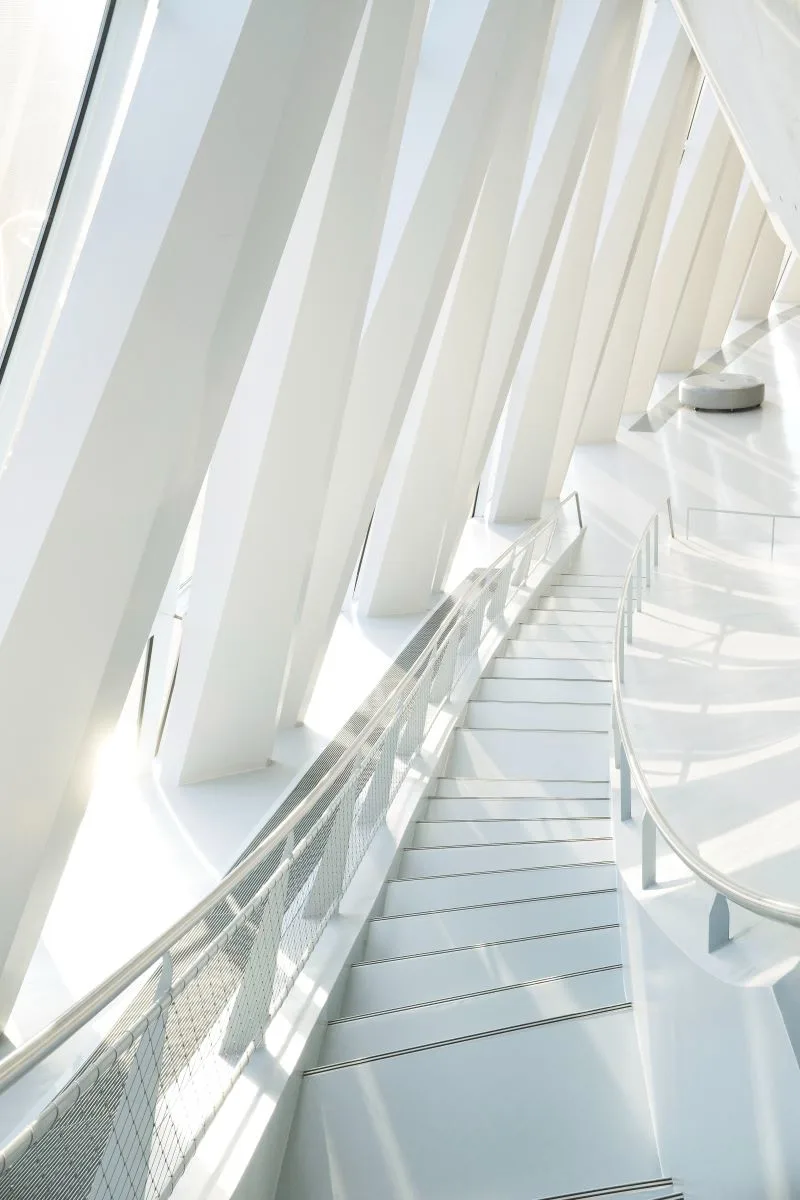
The Rautenstrauch-Joest Museum is an ethnographic museum in Cologne dedicated to exploring the diversity of world cultures and human societies. Its mission is to showcase the traditions, customs, art, and daily life of various cultures from around the globe.
The museum’s exhibits cover a wide range of topics, including anthropology, archaeology, art, and cultural history. Visitors can expect to see a diverse collection of artifacts, textiles, sculptures, masks, and everyday objects that provide a glimpse into the rich tapestry of human heritage.
One of the museum’s strengths lies in its efforts to present cultural artifacts within their historical and social contexts. The exhibits often provide explanations and narratives that help visitors understand the significance of the objects and the communities that created them.
The Rautenstrauch-Joest Museum is known for its innovative and interactive displays that encourage visitors to engage with the materials and reflect on the interconnectedness of cultures across time and space.
It seeks to foster cross-cultural understanding and appreciation while highlighting the differences that make each culture unique.
18. Cologne City Hall (Kölner Rathaus): Marvel at the impressive Gothic architecture of this historic city hall

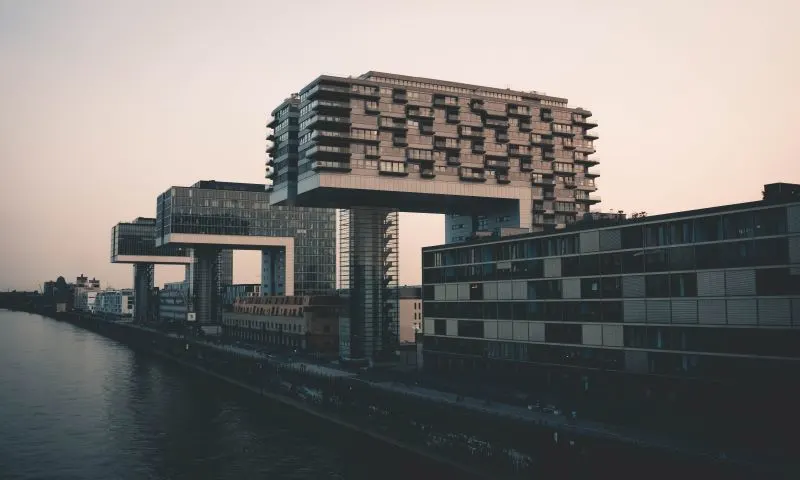
The Cologne City Hall is a magnificent and beautifully adorned Gothic building that serves as the administrative and political center of the city. Its history dates back to the Middle Ages, and it remains a symbol of Cologne’s civic pride and rich heritage.
The City Hall’s architecture is characterized by its intricate façade, soaring spires, and ornate decorations. One of its most prominent features is the Tower of the City Hall (Turm des Kölner Rathauses), which stands tall as a landmark visible from various points in the city.
The tower is adorned with a distinctive Renaissance-style clock that features rotating figures representing different historical and mythological figures.
Inside the City Hall, visitors can explore various rooms and chambers that have played a role in Cologne’s governance over the centuries.
One of the highlights is the Historischer Ratssaal (Historical Council Chamber), which is adorned with elaborate woodcarvings, paintings, and stained glass windows.
The City Hall is also known for its central location in Cologne’s Old Town, making it a popular spot for both tourists and locals.
The square in front of the City Hall often hosts events, markets, and festivals, contributing to the vibrant atmosphere of the area.
19. Eigelstein Gate: Explore one of the medieval city gates that once protected Cologne

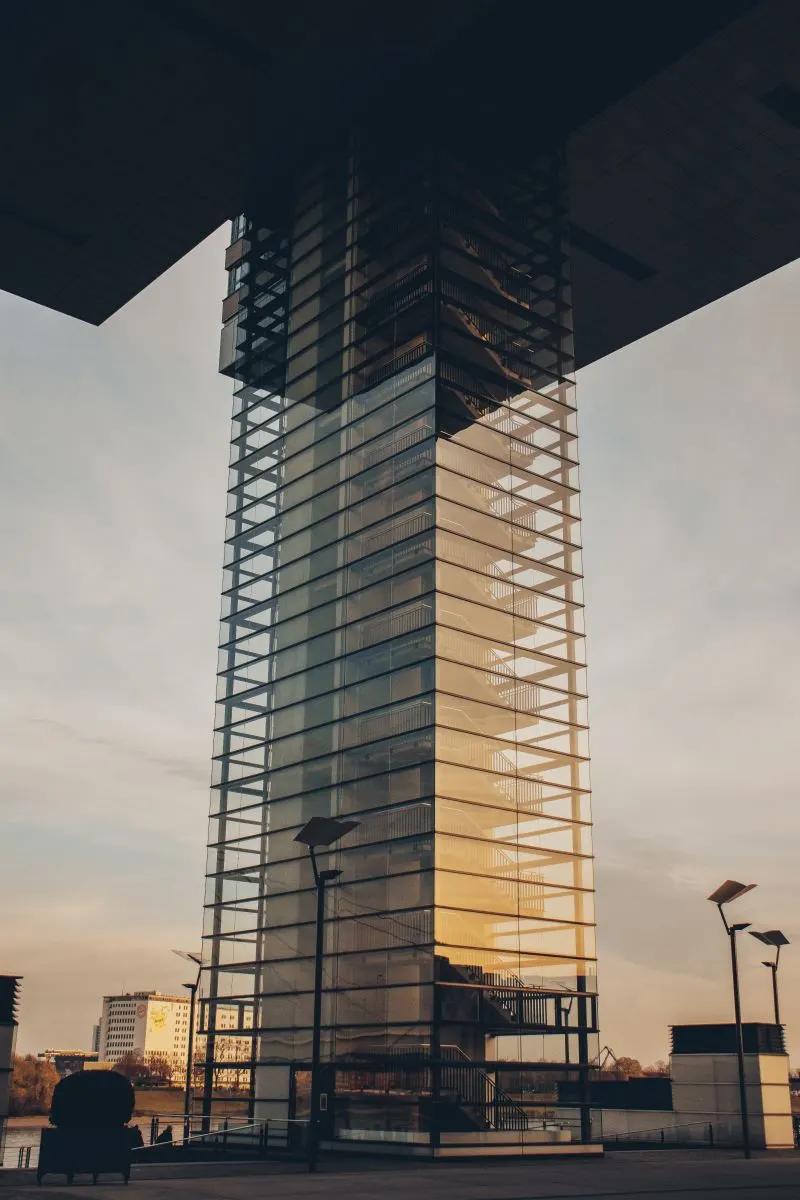
The Eigelstein Gate is a well-preserved medieval city gate that stands as a testament to Cologne’s historical fortifications. It was part of the city’s defensive walls and served as an entrance and exit point for travelers and merchants during the Middle Ages.
The gate’s architecture is characterized by its sturdy construction, fortified walls, and imposing tower. Its design reflects the defensive needs of the time, with elements such as arrow slits and battlements that would have been used for protection and surveillance.
While the Eigelstein Gate no longer serves its original defensive purpose, it has retained its historical significance and remains a symbol of Cologne’s medieval past.
The gate stands as a link to the city’s history and a reminder of the architectural techniques and urban planning of its time.
The Eigelstein Gate is often visited by tourists and history enthusiasts who are interested in exploring Cologne’s historic landmarks and learning about the city’s development over the centuries. It’s a notable example of the city’s efforts to preserve its cultural heritage and provide insight into its rich history.
20. Cologne Sculpture Park: Enjoy art in a natural setting, featuring a collection of sculptures from various artists

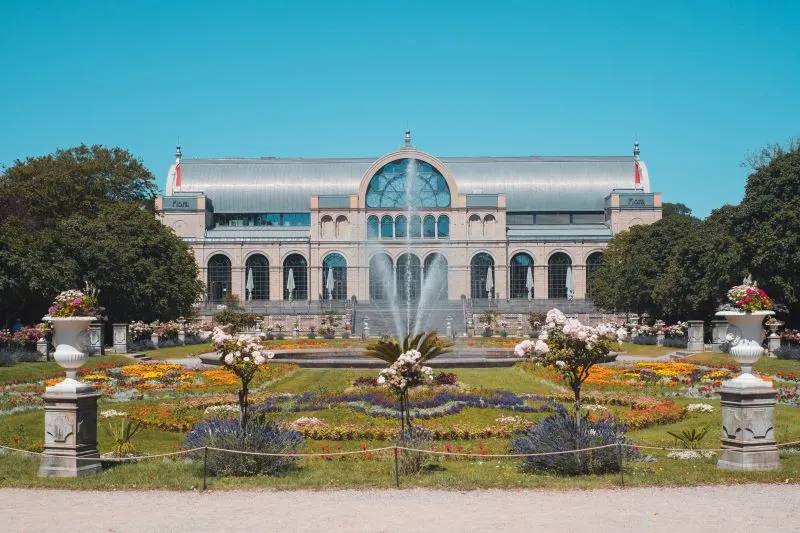
The Cologne Sculpture Park is an outdoor art museum located in Cologne, Germany. It offers a unique blend of art and nature, providing visitors with the opportunity to engage with contemporary sculptures in an open-air setting.
The park showcases a rotating selection of sculptures by both renowned and emerging artists from around the world. The sculptures are often large-scale and diverse in style, material, and theme, reflecting a wide range of artistic expressions and perspectives.
Visitors to the Cologne Sculpture Park can explore the park’s pathways, gardens, and green spaces while encountering sculptures that interact with the landscape in creative and thought-provoking ways.
The dynamic interaction between art and nature enhances the overall aesthetic experience and provides a platform for artistic experimentation.
The park’s location along the banks of the Rhine River adds to its appeal, offering picturesque views and a tranquil atmosphere that complements the artistic installations.
Additionally, the park often hosts cultural events, exhibitions, and educational programs that engage visitors in deeper conversations about contemporary art and its role in society.
21. Kolumba Art Museum: Experience the combination of contemporary architecture and religious art in this unique museum

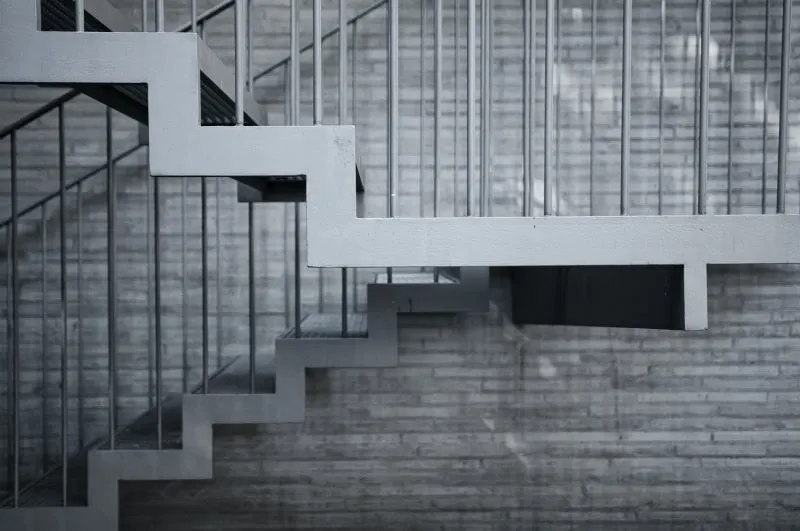
The Kolumba Art Museum is a modern architectural masterpiece that houses a diverse collection of art and artifacts spanning different periods and styles. The museum is built on the site of the former St. Columba Church, which was heavily damaged during World War II.
Designed by Swiss architect Peter Zumthor, the museum seamlessly integrates the remains of the old church with contemporary architectural elements.
This creates a harmonious juxtaposition of historical and modern design that enhances the museum’s atmosphere and aesthetic.
The museum’s collection includes a wide range of art, including religious sculptures, paintings, and artifacts from different eras. It showcases works by renowned artists, as well as pieces that reflect Cologne’s history and cultural heritage.
The Kolumba Art Museum’s interior spaces are carefully designed to create a sense of serenity and contemplation. The play of light, minimalist design, and carefully curated exhibits encourage visitors to engage deeply with the artworks and the unique architectural environment.
22. KölnTriangle Observation Deck: Capture breathtaking panoramic views of the city and the Rhine River

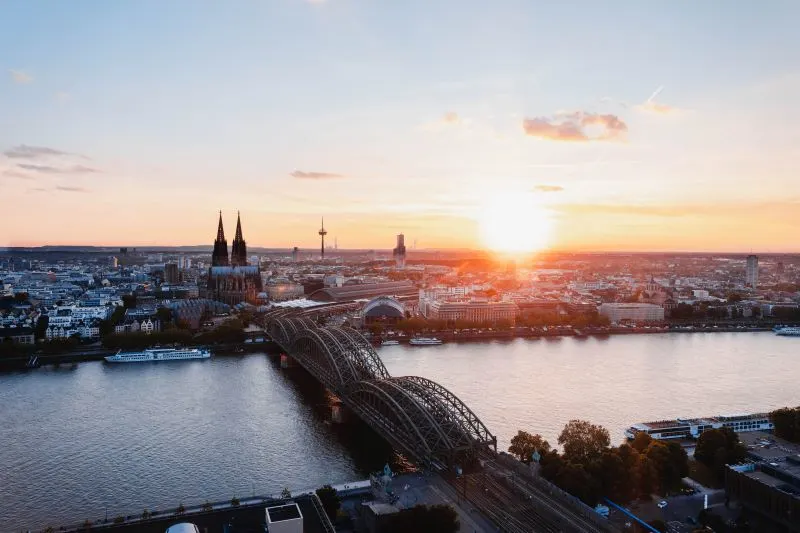
The KölnTriangle Observation Deck is an elevated platform situated in the KölnTriangle building, a modern high-rise structure in Cologne.
The main highlight of the observation deck is its spectacular panoramic views that provide visitors with an unparalleled vantage point to admire the cityscape.
Visitors to the KölnTriangle Observation Deck can access the platform by taking an elevator to the top of the building. Once there, they are treated to breathtaking views of Cologne’s landmarks, including the Cologne Cathedral, the Rhine River, and the surrounding urban landscape.
The observation deck typically features large windows and outdoor areas that allow visitors to capture photographs and enjoy the scenery from various angles.
On clear days, the visibility is excellent, offering an opportunity to see the city’s layout, architecture, and natural beauty in great detail.
The KölnTriangle Observation Deck is a popular attraction for tourists and locals alike. It provides a unique and memorable experience for those looking to appreciate Cologne’s beauty from a different perspective.
Whether you’re interested in photography, city views, or simply enjoying a breathtaking panorama, the observation deck offers a captivating and unforgettable visit.
23. St. Ursula’s Basilica: Visit this basilica, known for its Golden Chamber adorned with the bones of Christian martyrs

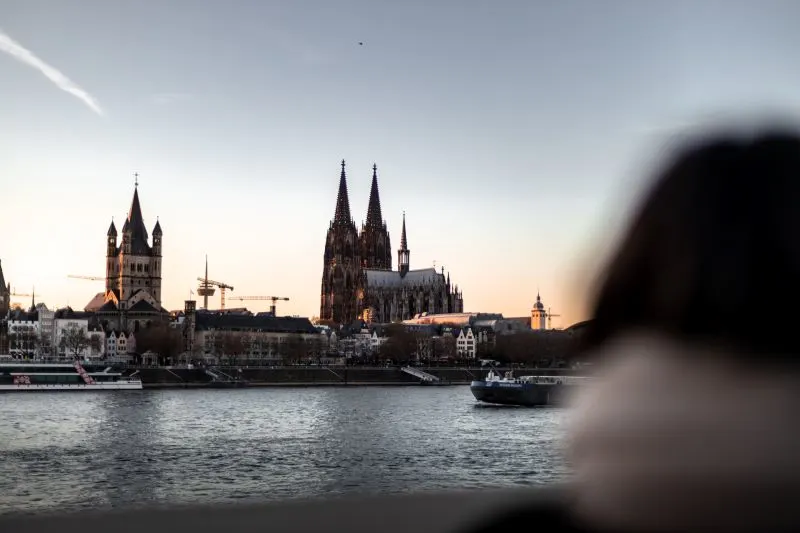
St. Ursula’s Basilica, or “Basilika St. Ursula” in German, is a Roman Catholic basilica that holds both historical and religious importance. The basilica is dedicated to Saint Ursula, a legendary Christian martyr, and her companions.
One of the most remarkable features of St. Ursula’s Basilica is the “Golden Chamber” (Goldene Kammer), a reliquary that contains the purported remains of Saint Ursula and other martyrs.
The chamber is an ornate and intricately decorated shrine that showcases impressive metalwork, sculptures, and religious imagery.
The basilica’s interior features a nave and aisles with a series of chapels dedicated to the 11,000 virgins, which includes Saint Ursula and her companions. The walls of the chapels are adorned with paintings and sculptures that depict scenes from the lives of these saints.
The basilica’s history dates back to the early Christian era and has undergone various renovations and additions over time.
The combination of architectural styles, historical artifacts, and religious significance makes St. Ursula’s Basilica a fascinating destination for those interested in Cologne’s cultural and spiritual heritage.
24. German Sports and Olympic Museum: Learn about the history of sports and the Olympic Games in Germany

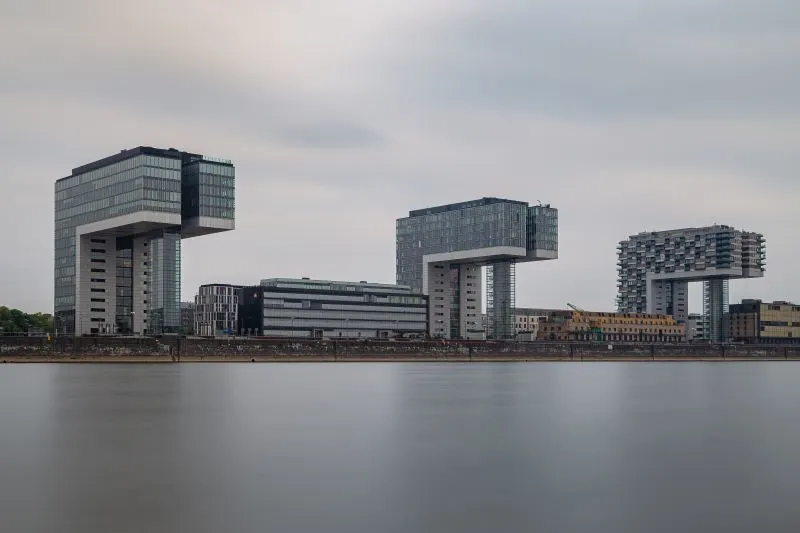
The German Sports and Olympic Museum provides visitors with an immersive journey through the world of sports, athleticism, and the Olympic movement.
The museum’s exhibits cover a wide range of topics, from the history of sports and its impact on society to the stories of athletes who have achieved greatness on both national and international stages.
Visitors can explore a diverse collection of artifacts, memorabilia, and interactive displays that highlight the evolution of sports and the Olympic Games.
The museum often features multimedia presentations, historical photographs, and exhibits that engage visitors in understanding the cultural, social, and personal aspects of sports.
One of the museum’s highlights is its exploration of the Olympic Games and the role they play in promoting international unity and friendly competition.
Visitors can learn about the history of the Olympic Games, the athletes who have left a lasting legacy, and the values that the games represent.
The German Sports and Olympic Museum aims to inspire, educate, and entertain visitors of all ages. It’s a destination that appeals to sports enthusiasts, history buffs, and individuals interested in exploring the stories behind the athletes and the events that have shaped the world of sports.
25. Claudius Therme: Relax and unwind in this Roman-themed thermal bath complex

Claudius Therme is a modern spa and wellness oasis situated in Cologne. The facility is known for providing a diverse array of relaxation, rejuvenation, and health-focused experiences, making it a popular destination for both locals and visitors seeking a break from the stresses of everyday life.
The spa features a variety of thermal baths, saunas, pools, and wellness areas that cater to different preferences and needs.
The thermal baths offer warm mineral-rich waters that are believed to have therapeutic properties, promoting relaxation and wellness. The saunas provide opportunities for detoxification and relaxation through heat therapy.
Visitors to Claudius Therme can enjoy a tranquil environment where they can unwind, recharge, and pamper themselves. The facility often offers additional services such as massages, beauty treatments, and wellness classes that enhance the overall experience.
The spa’s architecture and design contribute to the serene ambiance, with indoor and outdoor spaces that blend seamlessly with natural surroundings. The panoramic views of the Rheinpark area and the Rhine River add to the soothing atmosphere.
These activities showcase the diversity of experiences Cologne has to offer, from historic landmarks to modern attractions, cultural experiences, and natural beauty.
Food In Cologne

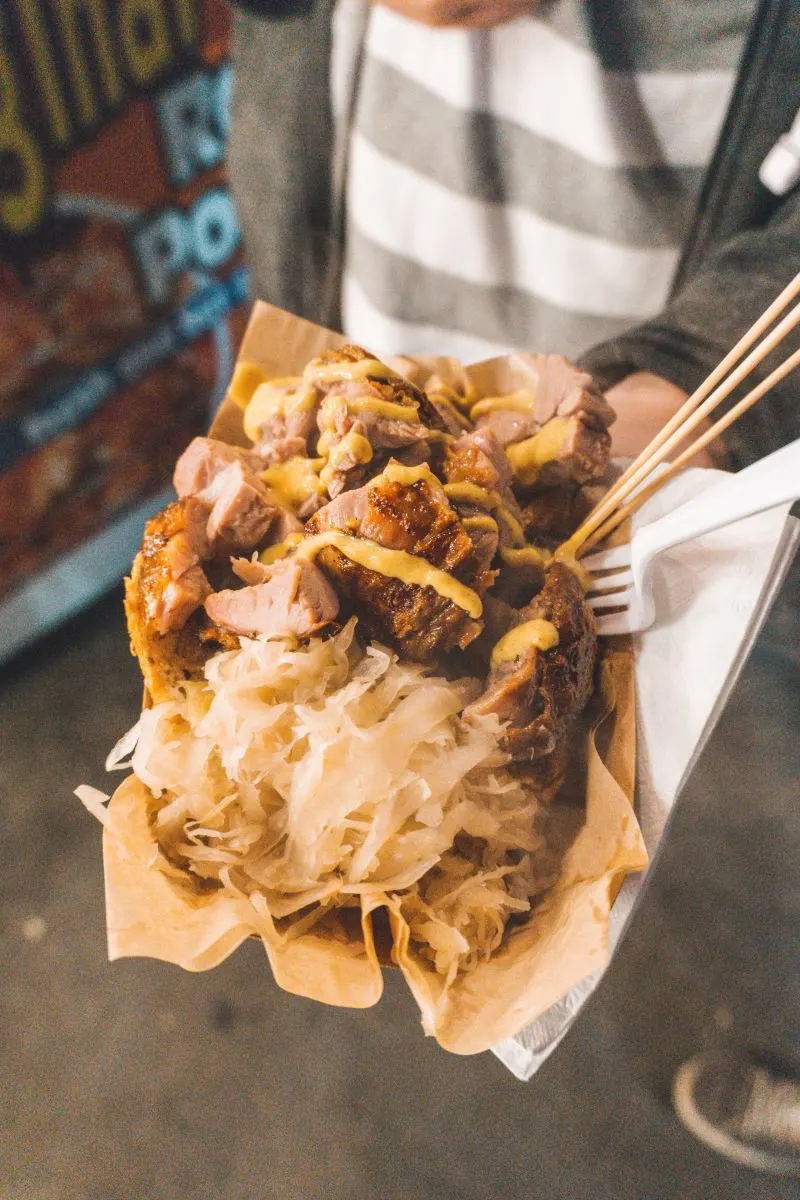
Exploring Culinary Delights: A Gourmet Journey through Cologne’s Food Scene
Cologne, the vibrant city nestled along the banks of the Rhine River, is not only renowned for its historic architecture and cultural attractions but also for its diverse and delectable culinary offerings.
From traditional local dishes to international flavors, Cologne’s food scene is a delightful adventure that tempts the taste buds of both locals and visitors. Let’s embark on a gastronomic journey through the culinary treasures of Cologne.
Traditional Treats: Kölsche Küche
No exploration of Cologne’s food scene is complete without diving into the world of “Kölsche Küche,” or Cologne’s traditional cuisine.
One of the iconic dishes you must try is “Himmel un Ääd” (Heaven and Earth), a hearty combination of mashed potatoes and apples with black pudding, offering a delightful play between sweet and savory flavors.
Another beloved specialty is “Kölsche Kaviar,” a humorous name for a simple but delicious spread made from blood sausage or liverwurst. Enjoy it on a slice of fresh rye bread for an authentic local experience.
Culinary Landmarks: Brauhaus Culture
Cologne’s vibrant brauhaus culture adds a unique flavor to the city’s culinary landscape. These traditional breweries offer not only exceptional Kölsch beer but also a variety of mouthwatering dishes.
At a brauhaus, you can savor crispy “Hänchen mit Pommes” (roast chicken with fries) or the hearty “Sauerbraten” (marinated pot roast) accompanied by a refreshing glass of Kölsch beer, served in small glasses called “Stangen.”
International Flavors: Global Gastronomy
Cologne’s food scene also boasts a diverse range of international flavors that cater to all palates. From Italian trattorias to Turkish kebab stands, the city is a melting pot of global cuisines.
Stroll through the Belgian Quarter to discover trendy cafes and restaurants offering everything from artisanal pizzas to vegan delights.
For a taste of the Middle East, explore the bustling Ehrenfeld district, where you can indulge in authentic falafel, shawarma, and aromatic spices that transport you to distant lands.
Sweet Sensations: Indulging in Desserts
No culinary journey is complete without a touch of sweetness. Treat yourself to a slice of “Kölsche Kaffee” (Cologne coffee) paired with a “Kölsche Kuchen” (Cologne cake) at one of the city’s cozy cafes.
Savor local specialties like “Butterkuchen” (butter cake) or the irresistible “Apfelstrudel” (apple strudel) that warm your heart with each bite.
Markets and More: Culinary Exploration
To truly immerse yourself in Cologne’s food culture, a visit to its bustling markets is a must. The Alter Markt and Neumarkt host vibrant farmers’ markets where you can find fresh produce, regional cheeses, and artisanal bread.
Don’t miss the opportunity to sample the local street food, including “Reibekuchen” (potato pancakes) served with applesauce.
Culinary Festivals: A Feast for the Senses
Cologne’s culinary scene is celebrated through various food festivals and events throughout the year. The “Cologne Gourmet Festival” brings together renowned chefs, vintners, and producers for a gastronomic celebration of flavors.
During “Cologne Carnival,” the city’s streets come alive with food stalls serving traditional treats to accompany the festive atmosphere.
In Conclusion
Cologne’s food scene is a vibrant tapestry woven with the threads of tradition, international influences, and modern innovation. From savoring traditional Kölsche dishes to exploring global flavors and indulging in sweet delights, the city offers a culinary journey that delights the senses and captures the heart.
Whether you’re a passionate foodie or a curious traveler, Cologne’s culinary treasures await your discovery, promising an unforgettable gastronomic experience.
Top 20 Best Restaurants In Cologne, Germany


- Hanse-Stube: A fine dining restaurant known for its elegant atmosphere and exquisite European cuisine.
- Le Moissonnier: A Michelin-starred French restaurant offering a creative and refined dining experience.
- La Société: A contemporary brasserie with a focus on fresh ingredients and a diverse menu.
- OX & KLEE: A modern eatery known for its innovative and artistic approach to food presentation.
- Taku: Offering Asian cuisine with a modern twist, Taku is celebrated for its stylish decor and creative dishes.
- Ristorante Il Valentino: A beloved Italian restaurant known for its authentic flavors and warm ambiance.
- Ecco: A Michelin-starred restaurant offering innovative dishes with an emphasis on seasonal and regional ingredients.
- Malerwinkel Restaurant: Situated by the Rhine River, this restaurant offers picturesque views along with its gourmet cuisine.
- Yoshi by Nagaya: A Japanese fine dining restaurant renowned for its sushi and sashimi.
- Wein am Rhein: Combining regional cuisine with an extensive wine list, this restaurant offers a delightful dining experience.
- Brennerei Restaurant and Lounge: Known for its stylish decor and international cuisine, including German specialties.
- Sonder: A popular restaurant with a focus on locally sourced ingredients and creative, seasonal dishes.
- Stadtgarten Restaurant: Offers Mediterranean-inspired cuisine in a beautiful garden setting.
- Haus Scholzen: A traditional German restaurant known for its hearty dishes and rustic ambiance.
- Fischermanns: Specializing in seafood, this restaurant offers fresh catches in a modern and stylish environment.
- Die Waidmühle: A classic steakhouse known for its quality cuts of meat and cozy atmosphere.
- Landhaus Kuckuck: A historic restaurant with a menu that highlights regional German flavors.
- Cristall’s Restaurant: Offers European and Mediterranean cuisine in an elegant setting.
- Im Ferkulum: Known for its modern German cuisine and innovative flavors.
- L’escalier by Süngür: A fine dining restaurant offering a blend of French and Mediterranean influences.
Transportation In Cologne
Transportation in Cologne is well-developed and offers a variety of options for getting around the city and beyond. Whether you’re looking to explore the city center, visit neighboring towns, or navigate the surrounding areas, there are efficient and convenient modes of transportation available.
Public Transport:
- Trams and Buses: The Cologne tram and bus network is extensive and well-connected, making it easy to travel within the city and to its suburbs. Trams and buses are operated by Kölner Verkehrs-Betriebe (KVB). They run frequently and provide a reliable means of getting around. The tram system is particularly convenient for accessing major attractions, shopping districts, and neighborhoods.
- Subway (U-Bahn): The U-Bahn in Cologne is a subway system that offers rapid transit throughout the city. It’s an efficient way to travel longer distances within Cologne and reach areas that might be less accessible by tram or bus.
Trains:
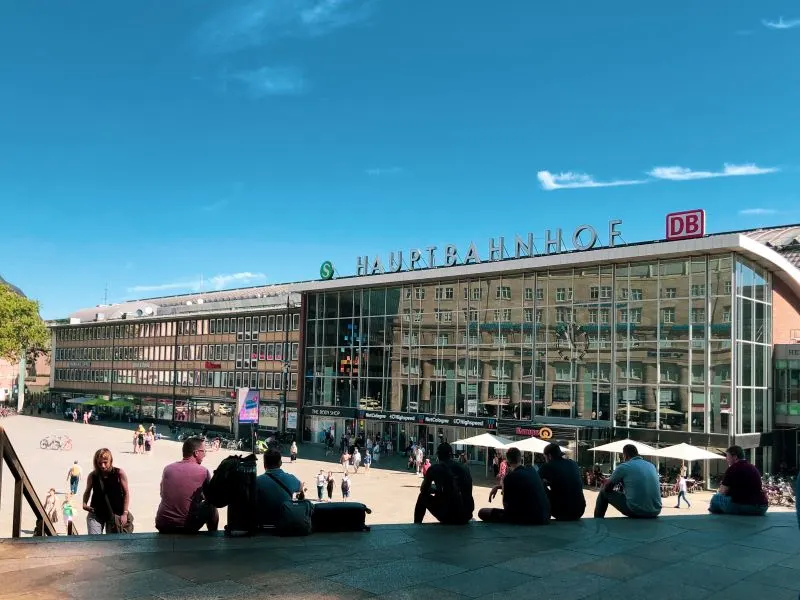
- Regional Trains: Cologne is a major hub for regional and intercity train connections. Köln Hauptbahnhof (Cologne Central Station) is one of the busiest train stations in Europe, providing connections to various destinations within Germany and neighboring countries.
Biking:
- Bike Rentals: Cycling is a popular and eco-friendly way to explore Cologne. The city features designated bike lanes and paths, making it easy and safe to navigate by bike. Many bike rental services are available for both locals and tourists, offering an enjoyable and active way to see the sights.
Taxis and Ridesharing:
- Taxis: Taxis are readily available in Cologne and can be flagged down or hired from designated taxi stands. They offer a convenient option for travelers looking for a door-to-door transportation experience.
- Ridesharing: Ridesharing services like Uber are also available in Cologne, providing an alternative to traditional taxis. These services offer the convenience of booking rides through smartphone apps.
Car Rentals:
- Car Rentals: While public transportation is efficient, some travelers may prefer the flexibility of renting a car, especially if they plan to explore the surrounding regions or countryside. Rental car agencies can be found in various locations within the city.
River Transport:
- Rhine River Cruises: The Rhine River flows through Cologne, and taking a river cruise is a unique way to enjoy the city’s sights from a different perspective. Various operators offer cruises that showcase Cologne’s landmarks and provide insights into its history.
Cologne’s well-connected transportation network ensures that visitors and locals have easy access to all parts of the city, making it convenient to explore its rich cultural offerings, historic sites, and vibrant neighborhoods.
Whether you prefer the efficiency of public transport, the freedom of cycling, or the convenience of taxis, Cologne’s transportation options cater to a range of preferences and needs.
In conclusion, Cologne, Germany, offers a rich tapestry of experiences that cater to a wide range of interests and preferences. From its iconic Gothic cathedral to its vibrant neighborhoods, cultural institutions, and culinary delights, the city presents a captivating blend of history, art, architecture, and modern life.
Whether you’re a history enthusiast, an art lover, a foodie, or someone seeking the energy of a cosmopolitan city, Cologne has something to offer.
As you explore the city, you’ll have the chance to marvel at the intricate details of the Cologne Cathedral, immerse yourself in the world of contemporary art at the Ludwig Museum, and stroll through charming neighborhoods like the Old Town and Belgian Quarter. The Rhine River, with its stunning vistas and relaxing cruises, adds an extra layer of beauty to your visit.
Don’t miss the chance to indulge in Kölsche cuisine, from traditional dishes like “Himmel un Ääd” to international flavors in trendy eateries. The city’s vibrant food scene reflects its dynamic and open-minded character.
Cologne’s festivals, such as Carnival and its Christmas markets, showcase its festive spirit and provide a glimpse into its local traditions and celebrations. And for those seeking relaxation and wellness, places like Claudius Therme offer a tranquil escape.
As you experience the top 25 things to do in Cologne, you’ll find yourself immersed in a city that treasures its history while embracing the present.
The harmonious blend of past and present, tradition and innovation, creates a unique and unforgettable destination that leaves a lasting impression on all who visit.
Cologne’s charm, diversity, and warm-heartedness make it a city that welcomes you to explore, discover, and create cherished memories.
Leave a comment