

Badajoz is a captivating city located in the southwestern part of Spain, near the border with Portugal. It serves as the capital of the province of Badajoz, within the autonomous community of Extremadura.
With a rich history dating back thousands of years, Badajoz offers a unique blend of cultural heritage, stunning architecture, and warm hospitality.
The city is strategically situated on the banks of the Guadiana River, which has played a significant role in shaping its history and development. Badajoz boasts a strategic location, serving as a gateway between Spain and Portugal, with historical ties to both countries.
Badajoz showcases a fascinating mix of architectural styles, representing its diverse past. From medieval fortifications and Renaissance palaces to Baroque churches and modern structures, the city’s architectural landscape is a testament to its historical importance and cultural evolution.
The historic center of Badajoz is a captivating area to explore, with its narrow streets, picturesque squares, and charming plazas. The Plaza Alta, the city’s main square, is a vibrant hub where locals and visitors gather to enjoy the bustling atmosphere and admire the surrounding historic buildings.
Badajoz also offers a wealth of cultural attractions and museums. The Museum of Fine Arts showcases an impressive collection of artworks, while the Carnival Museum delves into the vibrant tradition of the Badajoz Carnival.
The Taurino Museum celebrates the region’s bullfighting heritage, and the Archaeological Museum provides insights into the area’s ancient history.
Culinary enthusiasts will appreciate the diverse gastronomy of Badajoz. Traditional dishes like migas extremeñas (fried breadcrumbs), Caldereta Extremeña (lamb stew), and Torta del Casar cheese highlight the region’s rich culinary heritage. The local wines, particularly from the Ribera del Guadiana region, are also worth exploring.
Nature lovers will find plenty to enjoy in and around Badajoz. The Rivillas Reservoir offers a picturesque setting for outdoor activities, and the nearby Sierra de San Pedro provides opportunities for hiking, birdwatching, and exploring pristine natural landscapes.
With its warm climate, friendly locals, and a wealth of cultural and historical attractions, Badajoz invites visitors to immerse themselves in its unique charm.
Whether you’re interested in history, culture, gastronomy, or natural beauty, Badajoz has something to offer every traveler.
1. Visit the Alcazaba of Badajoz: Explore the impressive Moorish fortress and enjoy panoramic views of the city from its towers
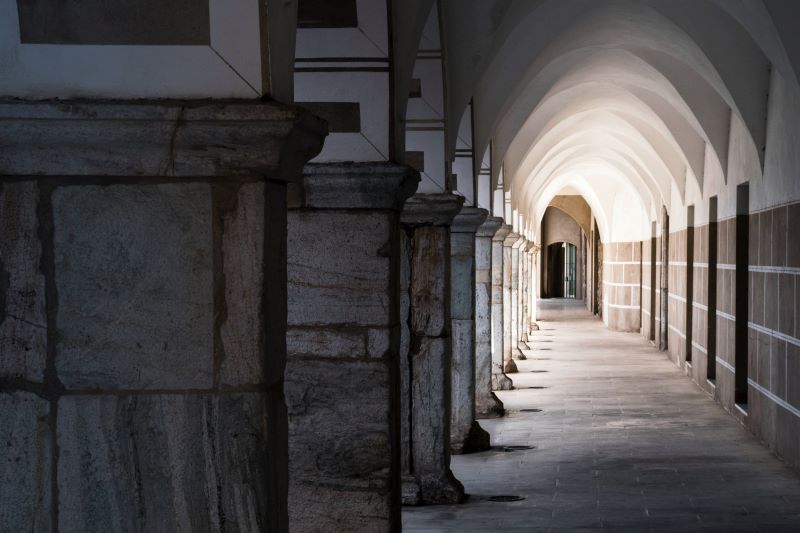
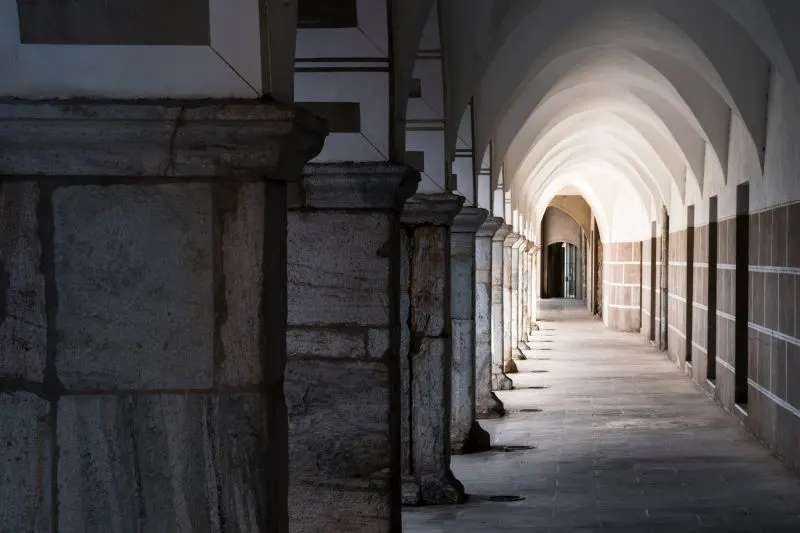
The Alcazaba of Badajoz is an impressive Moorish fortress located in the heart of Badajoz, Spain. It dates back to the 9th century and is one of the largest and best-preserved Alcazabas in the country.
The fortress is characterized by its robust defensive walls, towers, and gates, which served as a stronghold for various civilizations throughout history.
Visiting the Alcazaba allows you to step back in time and explore its architectural wonders. You can climb the towers to enjoy panoramic views of Badajoz and the surrounding area.
The fortress also houses several museums and exhibitions that provide insights into its rich history and the different cultures that have influenced the region.
As you wander through the Alcazaba, you’ll encounter beautiful gardens, courtyards, and historic structures. The intricate details of the architecture, such as arches, columns, and decorative elements, showcase the craftsmanship of the period.
2. Wander around Plaza Alta: Explore the historic square, admire the architecture, and relax in one of the many outdoor cafés
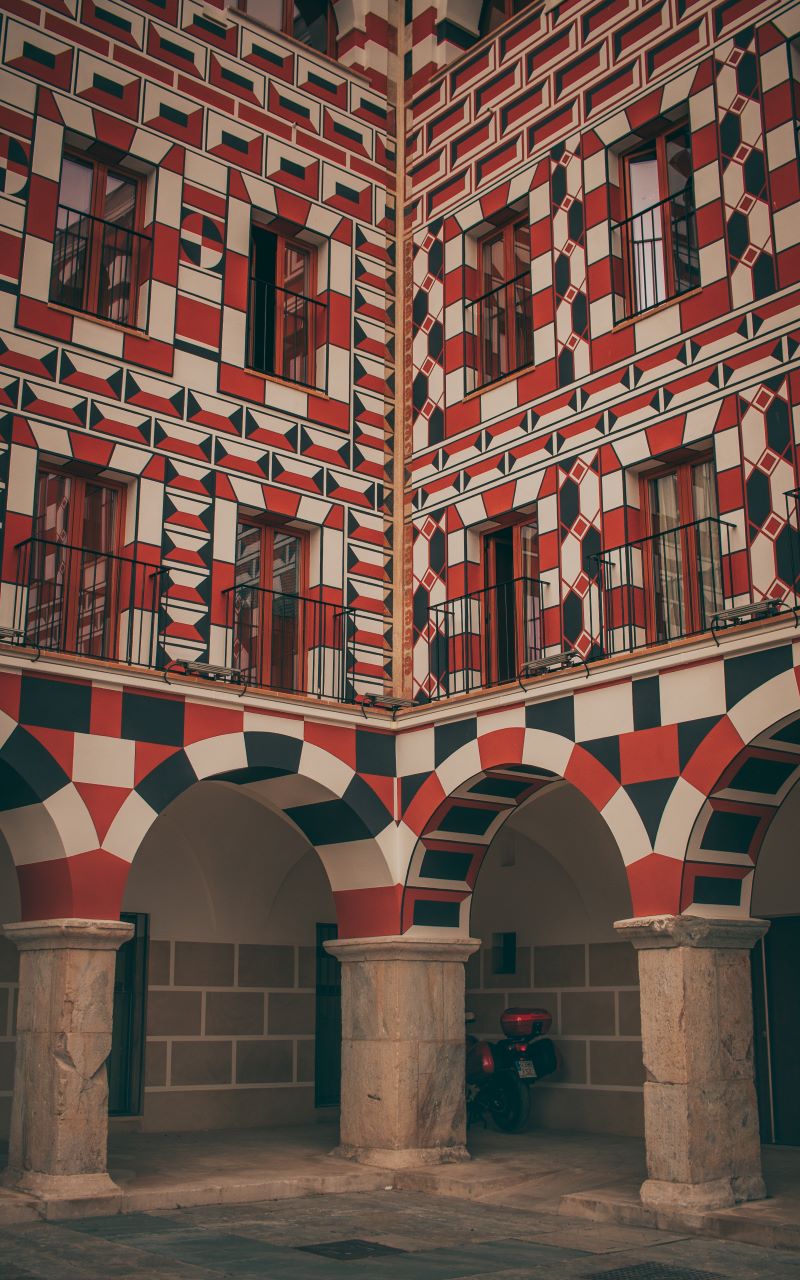
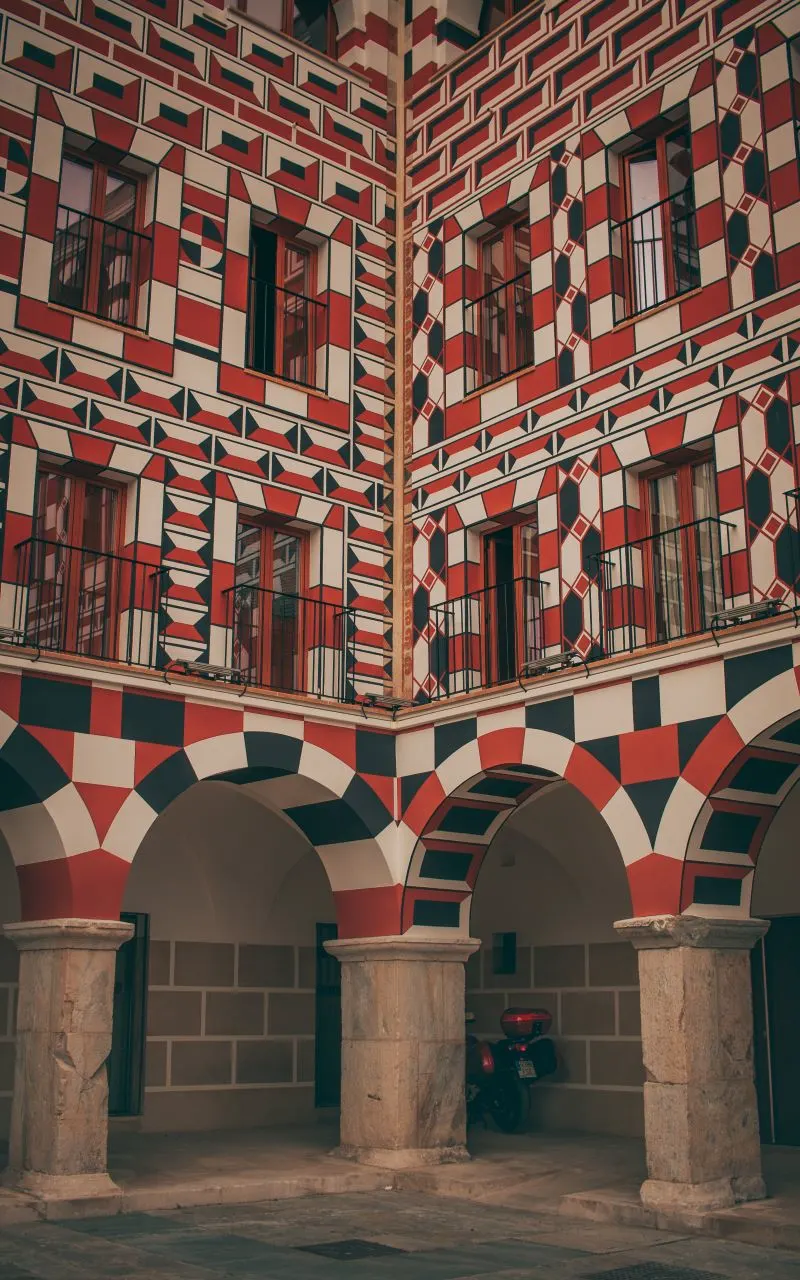
Plaza Alta is a historic square located in the heart of Badajoz, Spain. It is known for its picturesque beauty and vibrant atmosphere.
The square dates back to the 15th century and is surrounded by charming buildings that showcase a mix of architectural styles, including Gothic, Renaissance, and Baroque.
As you wander around Plaza Alta, you’ll be captivated by the stunning facades of the buildings that line the square. Many of them feature intricate details, decorative elements, and balconies adorned with flowers. The square itself is paved with traditional cobblestones, adding to its old-world charm.
Plaza Alta is a popular gathering spot for both locals and visitors alike. It is a lively place with a bustling atmosphere, especially during the evenings and weekends.
The square is dotted with outdoor cafés, restaurants, and shops, where you can relax, grab a bite to eat, or enjoy a refreshing drink while taking in the surroundings.
The central location of Plaza Alta makes it a hub for various events and celebrations throughout the year. It is often adorned with colorful decorations and hosts cultural festivals, concerts, and markets, adding to its vibrant ambiance.
In addition to the architectural and cultural aspects, Plaza Alta offers a lovely viewpoint to admire the surrounding area. From certain vantage points, you can enjoy panoramic views of the city and its landmarks.
3. Explore the Badajoz Cathedral: Visit this beautiful cathedral with its mix of architectural styles and stunning interior
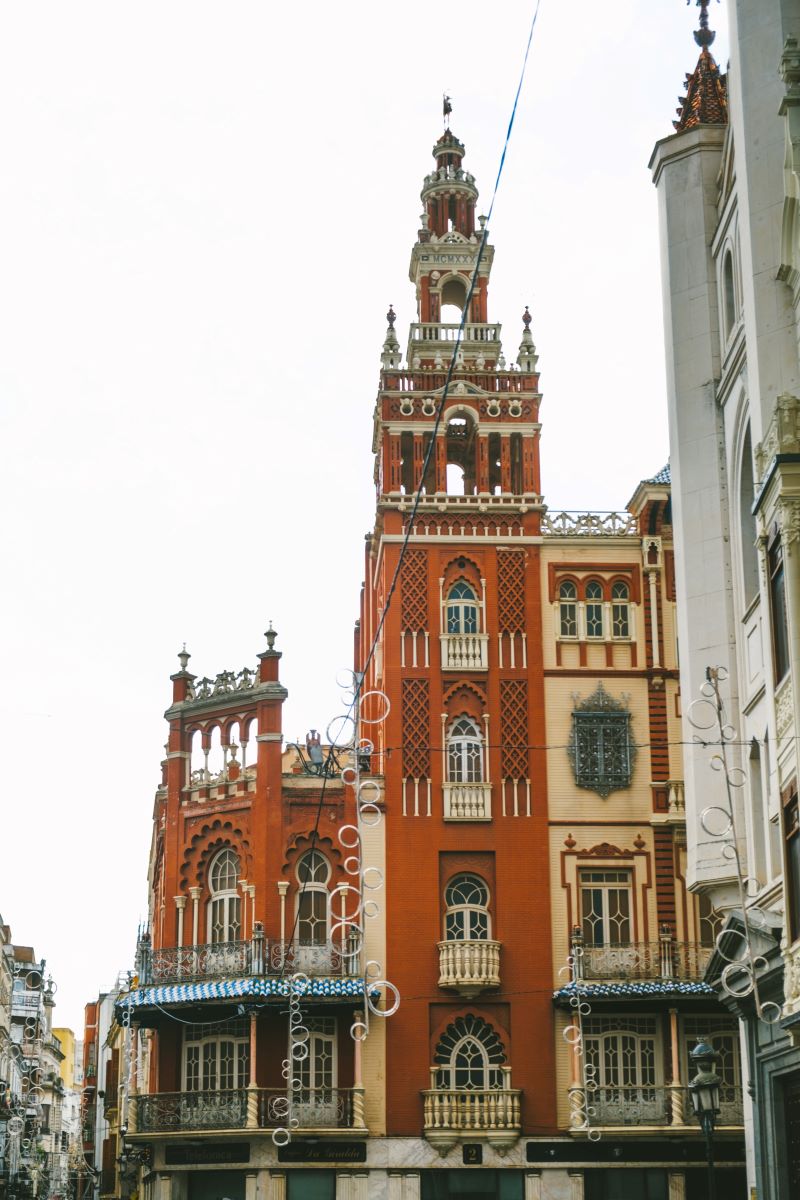
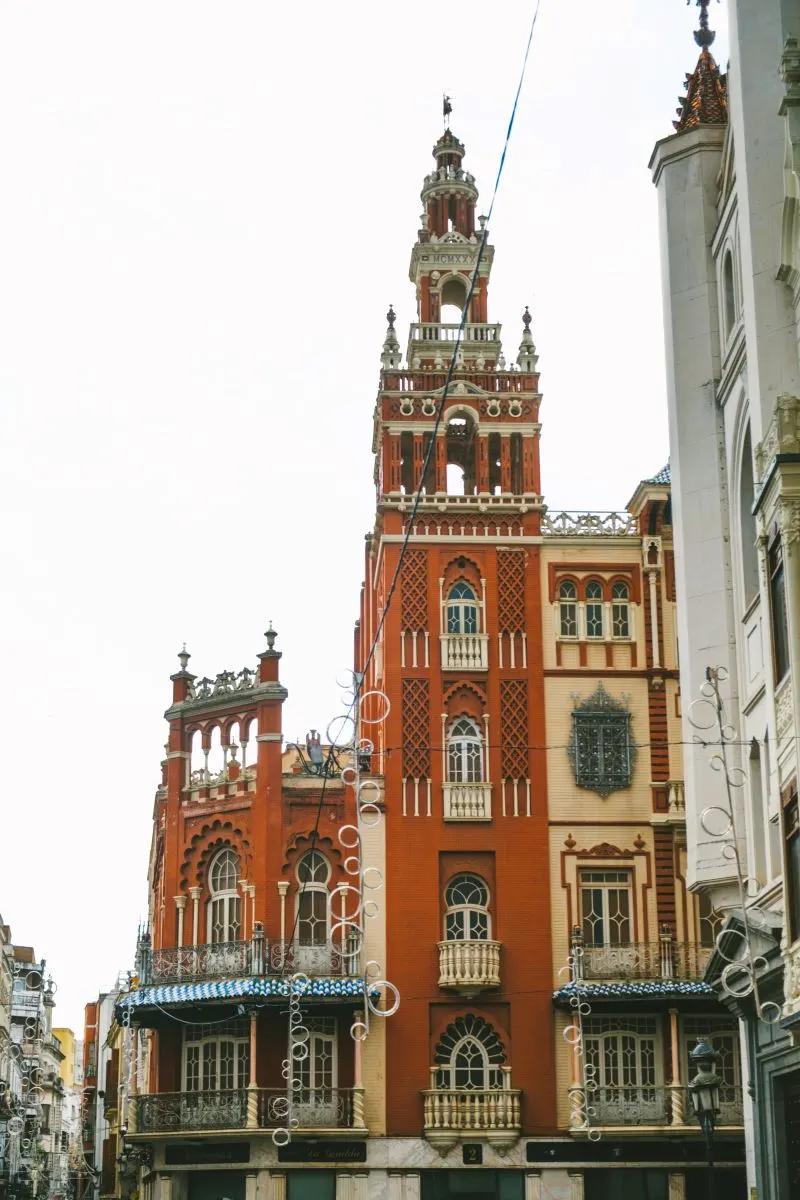
The Badajoz Cathedral, also known as the Cathedral of San Juan Bautista, is a stunning architectural gem located in Badajoz, Spain. This grand cathedral is a prominent landmark in the city and holds significant historical and cultural importance.
The cathedral’s construction began in the 13th century, although it underwent subsequent modifications and additions in different architectural styles, including Gothic, Renaissance, and Baroque. This blending of styles gives the cathedral a unique and captivating aesthetic.
As you explore the Badajoz Cathedral, you’ll be greeted by its impressive façade adorned with intricate stone carvings and sculptures. The entrance features a grand portal and a large rose window, both showcasing exquisite craftsmanship.
Upon entering the cathedral, you’ll be captivated by the spacious and serene interior. The soaring vaulted ceilings, majestic columns, and ornate chapels create an atmosphere of grandeur and tranquility.
Admire the beautiful stained glass windows that allow colorful light to filter into the space, adding to its ethereal beauty.
The cathedral is home to numerous chapels and altarpieces, each with its own unique artwork and religious significance. Take the time to explore these intricate details and learn about the stories and traditions they represent.
One of the highlights of the Badajoz Cathedral is its magnificent organ, known for its exceptional sound and craftsmanship. If you have the opportunity, attending a musical performance or a religious service can be a truly captivating experience.
4. Take a stroll along the Guadiana River: Enjoy a peaceful walk along the riverbank, taking in the views and the natural surroundings
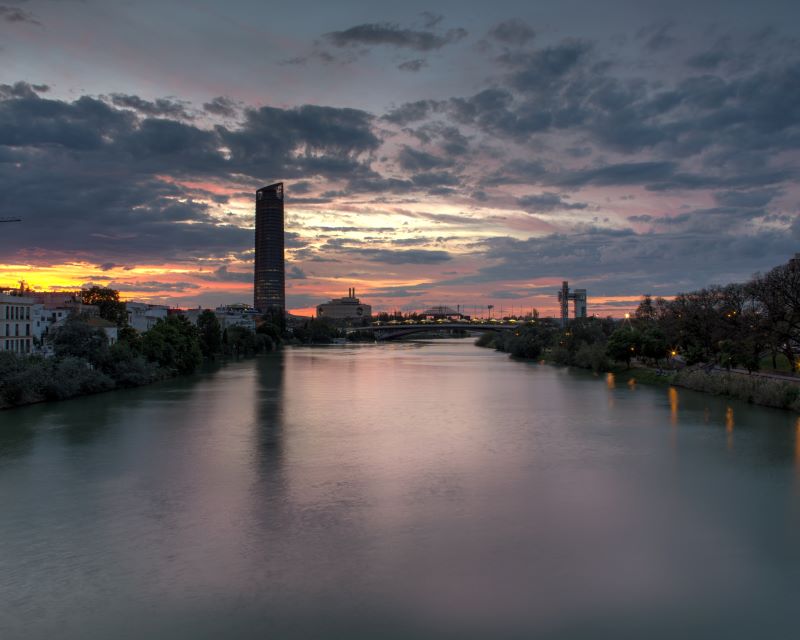
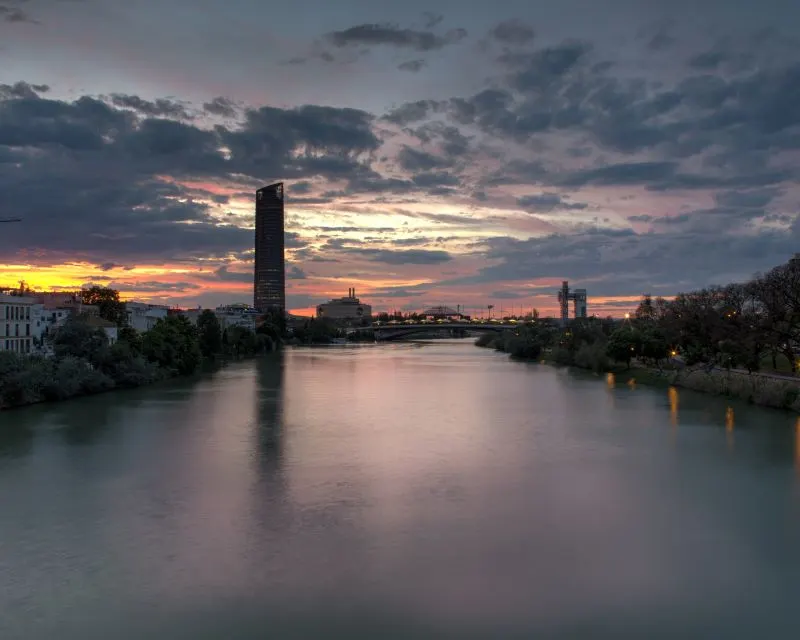
Taking a stroll along the Guadiana River in Badajoz offers a picturesque and serene experience in southwestern Spain. The Guadiana River is a significant waterway that flows through Badajoz, providing an enchanting setting for leisurely walks and outdoor exploration.
As you embark on your stroll, you’ll find yourself surrounded by the river’s natural beauty, with its gently flowing waters and lush greenery along the banks. The river’s tranquil atmosphere creates a peaceful ambiance, ideal for relaxation and enjoying nature.
The path along the Guadiana River offers scenic views at every turn. You can take in the impressive bridges that span the river, adding to the charm of the surroundings. The wide promenades and well-maintained pathways provide a comfortable route for walkers, joggers, and cyclists.
While walking along the Guadiana River, you can also appreciate the cityscape of Badajoz, as the riverfront offers glimpses of the city’s architecture and historical landmarks.
The blend of natural and urban scenery creates a unique contrast, showcasing the city’s rich heritage against the backdrop of the river’s tranquility.
Additionally, there are often various recreational activities taking place along the riverbank, such as picnics, fishing, and boat rides, further enhancing the vibrant atmosphere.
You may encounter locals and tourists alike enjoying the outdoor amenities and the vibrant social scene that accompanies the riverside ambiance.
5. Visit the Museum of Fine Arts: Discover an impressive collection of Spanish art from the 16th to 20th centuries
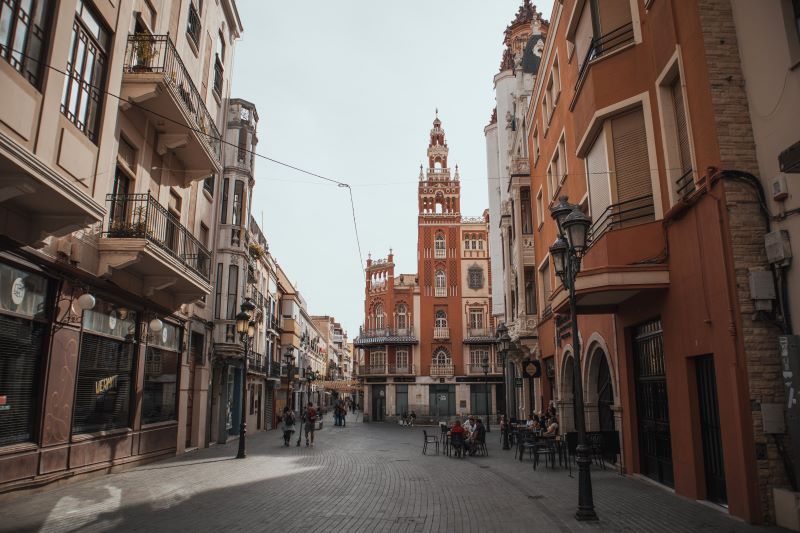
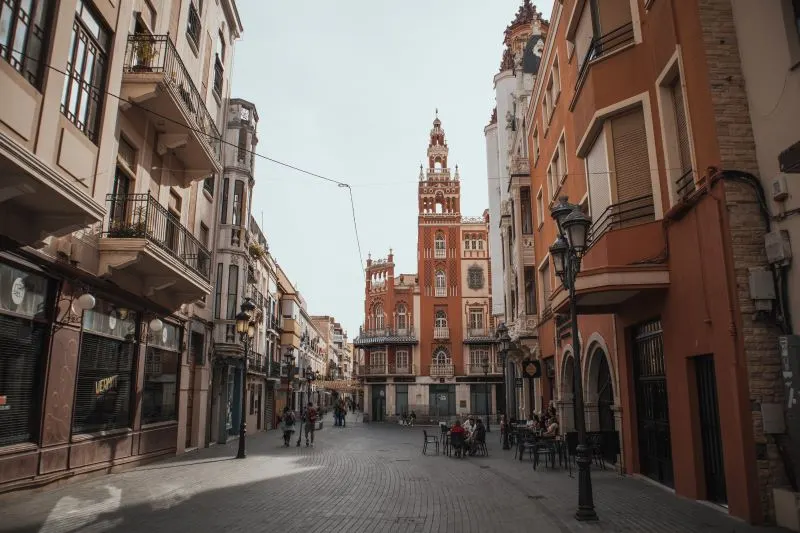
Visiting the Museum of Fine Arts in Badajoz offers a captivating journey into the world of art, showcasing a rich collection that spans various periods and artistic styles. Located in the heart of Badajoz, Spain, this museum provides a cultural haven for art enthusiasts and curious visitors alike.
Upon entering the museum, you’ll be greeted by a welcoming atmosphere that combines modern aesthetics with historical charm.
The museum’s architecture harmoniously blends the traditional and contemporary elements, providing an ideal backdrop for the diverse artworks on display.
Inside, you’ll find an impressive collection of paintings, sculptures, and other artistic creations. The museum exhibits artworks from different periods, ranging from medieval to contemporary, allowing you to witness the evolution of artistic expression throughout history.
You may encounter masterpieces by renowned Spanish and international artists, as well as works by local talents, providing a well-rounded and culturally diverse experience.
The museum’s galleries are thoughtfully curated, offering a visually stimulating journey through various artistic movements, themes, and techniques.
From realistic portraits to abstract compositions, the artworks on display showcase the breadth and depth of human creativity, inviting you to contemplate and appreciate their beauty and significance.
As you explore the Museum of Fine Arts, you’ll have the opportunity to delve into the narratives behind the artworks, learning about their historical context and the artists who created them.
Additionally, the museum often hosts temporary exhibitions and educational programs that further enhance the visitor experience, fostering a deeper understanding and engagement with the world of art.
6. Explore the Plaza de San José: Relax in this charming square surrounded by historic buildings and outdoor cafés


The Plaza de San José is a picturesque square located in the heart of Badajoz, a city in western Spain. It is a popular gathering place for both locals and visitors, offering a charming and inviting atmosphere.
The square is named after the Church of San José, which stands on one side of the plaza. This beautiful church adds to the square’s character and serves as a focal point for the surrounding area. The architectural style of the church is predominantly Baroque, showcasing intricate details and ornate decorations.
The Plaza de San José features a spacious open area with a central square surrounded by charming buildings. It is adorned with trees and well-maintained gardens, providing a pleasant environment to relax and enjoy the surroundings.
The square often hosts cultural events and festivities, creating a lively atmosphere and giving visitors an opportunity to experience the local traditions and celebrations.
The plaza is also home to several cafes, bars, and restaurants, offering visitors a chance to savor delicious local cuisine and beverages while enjoying the vibrant ambiance. It’s a great spot to sit outdoors, soak up the atmosphere, and observe the daily life of the city.
7. Discover the Carnival Museum: Learn about the rich tradition of the Badajoz Carnival, one of the most famous in Spain


The Carnival Museum in Badajoz, Spain, is a fascinating destination that allows visitors to immerse themselves in the rich tradition of the Badajoz Carnival, one of the most renowned carnivals in the country.
The museum offers a comprehensive experience that educates visitors about the history, customs, and cultural significance of this vibrant celebration.
As you step inside the museum, you’ll find a collection of exhibits that showcase the evolution of the Badajoz Carnival throughout the years.
The displays feature elaborate costumes, masks, props, and other artifacts that highlight the artistic creativity and craftsmanship associated with the festival.
You’ll have the opportunity to learn about the different characters and themes that make the Badajoz Carnival unique.
The museum provides a multi-sensory experience, using audiovisual presentations, interactive displays, and informative panels to engage visitors.
You can watch videos documenting past carnival processions, listen to traditional music, and even try on costumes to get a taste of the carnival spirit.
In addition to the exhibits, the museum often hosts temporary displays and special events related to the carnival. These may include workshops, performances, and demonstrations that further enhance your understanding of the festival’s traditions and cultural significance.
8. Visit the Church of Santo Domingo: Admire the Baroque architecture and beautiful altarpieces in this historic church
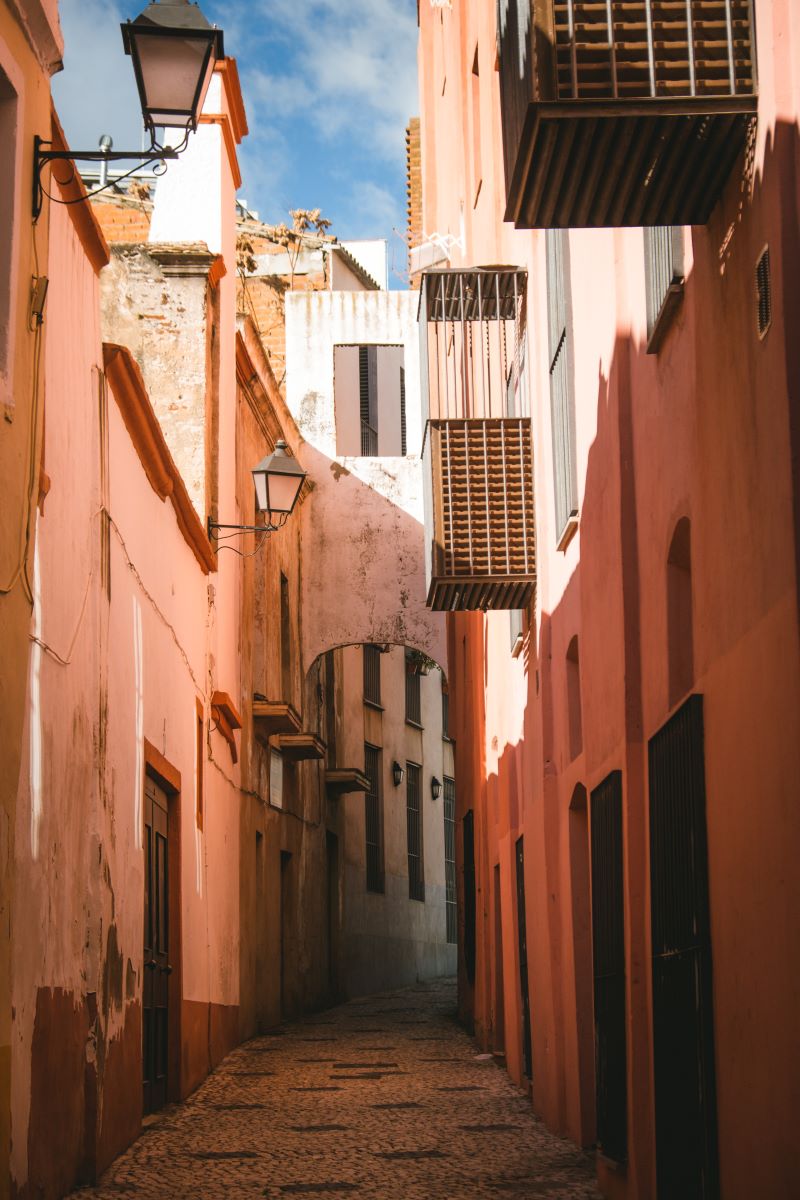
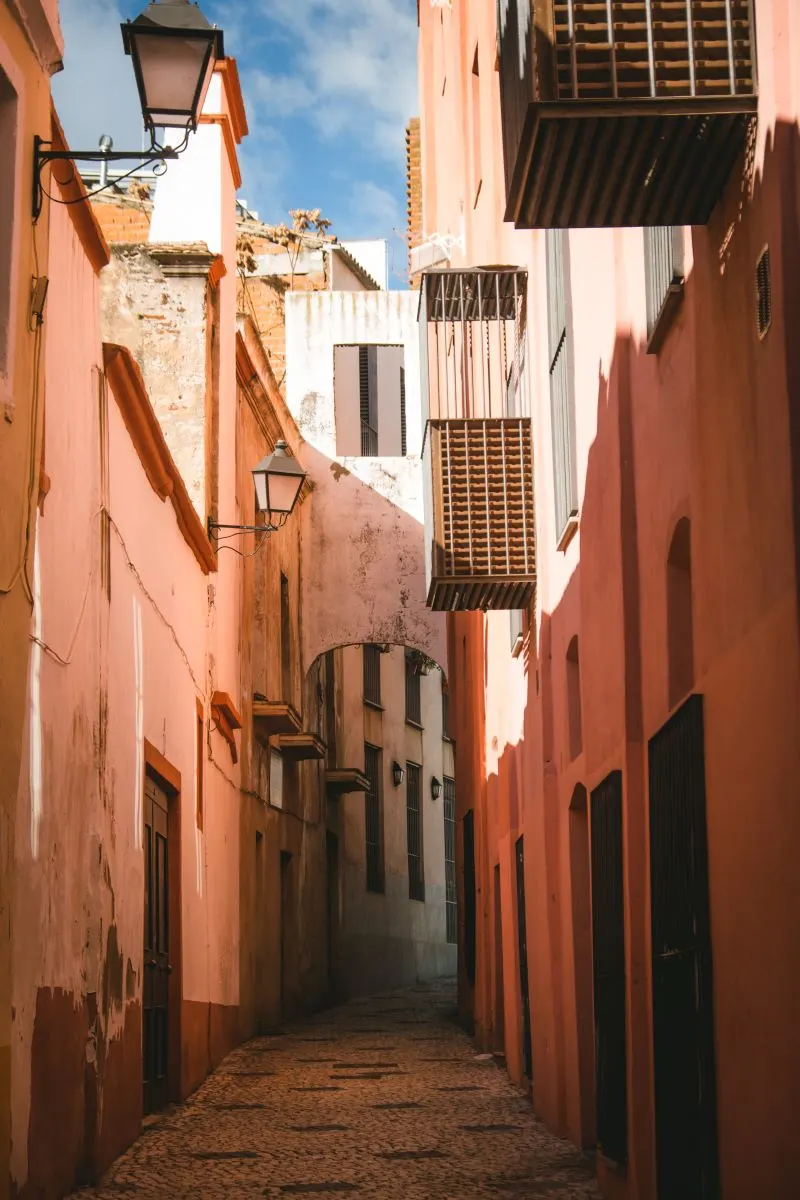
The Church of Santo Domingo is a notable religious landmark located in Badajoz, Spain. It is a historic and architecturally significant church that attracts visitors from near and far.
The church, dedicated to Santo Domingo de Guzmán, dates back to the 13th century. It showcases a blend of architectural styles, primarily Gothic and Baroque, due to multiple renovations and additions over the centuries. This fusion of styles gives the church a unique and visually captivating appearance.
The exterior of the Church of Santo Domingo is characterized by its imposing façade and intricately carved stone details.
As you step inside, you will be greeted by a grand interior featuring lofty ceilings, ornate altars, and elegant arches. The church houses numerous religious artworks, including sculptures, paintings, and religious artifacts, showcasing the artistic heritage of the region.
One of the highlights of the Church of Santo Domingo is its stunning main altar, adorned with exquisite carvings and intricate gold leaf decorations.
The altar is a testament to the craftsmanship and devotion of the artisans who created it. Additionally, the church boasts a beautiful choir area, which is often used for musical performances and religious ceremonies.
9. Explore the Taurino Museum: Learn about the history and culture of bullfighting in Extremadura


The Taurino Museum, also known as the Bullfighting Museum, is a captivating destination for those interested in the art and cultural significance of bullfighting in Badajoz, Spain.
The museum provides an opportunity to explore the history, traditions, and unique aspects of this centuries-old Spanish tradition.
Upon entering the Taurino Museum, visitors will encounter a comprehensive collection of exhibits that delve into the world of bullfighting. The displays feature a wide range of artifacts, including matador costumes, bullfighting equipment, photographs, paintings, and sculptures.
These items showcase the evolution of bullfighting and provide insights into the techniques, rituals, and symbolism associated with this iconic spectacle.
The museum offers a wealth of information through informative panels, videos, and interactive displays. Visitors can learn about the different stages of a bullfight, the roles of the bullfighter and other participants, and the historical significance of bullfighting in Spanish culture. There may also be exhibits dedicated to notable matadors and their contributions to the sport.
The Taurino Museum aims to create an immersive experience, enabling visitors to gain a deeper understanding of bullfighting’s cultural and artistic aspects.
It may also explore the controversies and debates surrounding the practice, reflecting diverse perspectives on this traditional event.
10. Take a guided tour of the Roman Theatre: Discover the ruins of a Roman theater and learn about its history
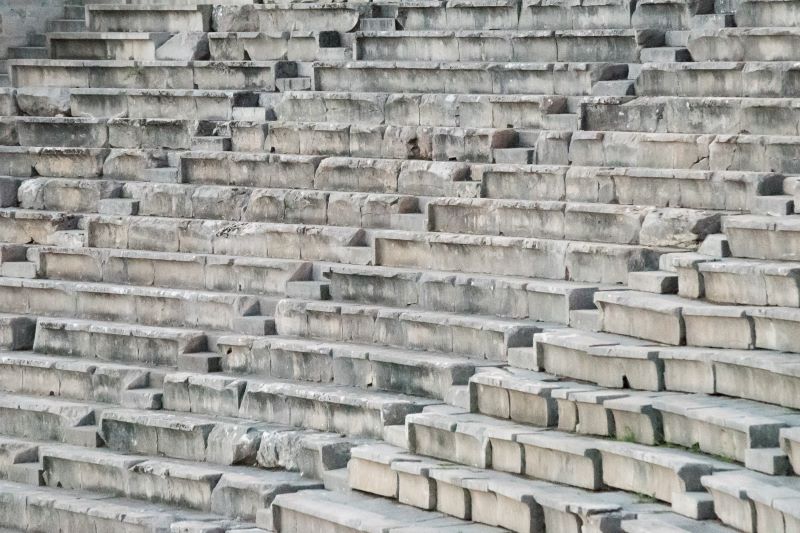
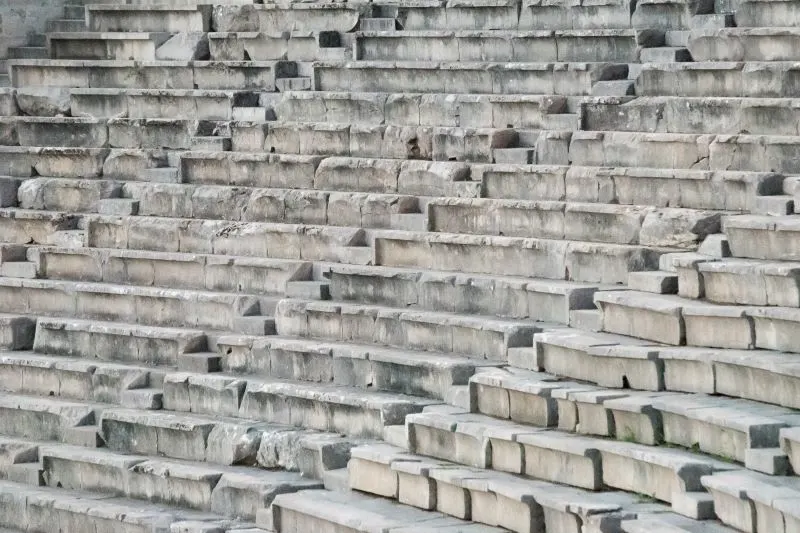
Taking a guided tour of the Roman Theatre in Badajoz, Spain, is a remarkable opportunity to explore the remnants of an ancient Roman structure and learn about the city’s rich history.
The Roman Theatre, also known as the Teatro Romano de Badajoz, is an archaeological site that dates back to the 1st century AD.
It was originally used for theatrical performances and other cultural events during the Roman era. Over time, the theatre fell into disuse and was buried beneath layers of earth until its rediscovery and subsequent excavation.
During a guided tour of the Roman Theatre, visitors can expect to be accompanied by knowledgeable guides who will provide historical context, architectural insights, and fascinating anecdotes about the site.
As you walk through the ruins, you will witness the remains of the theatre’s seating area, stage, and other architectural features that have withstood the test of time.
The guided tour offers a chance to imagine the grandeur of the theatre in its prime, picturing ancient Romans gathering to watch plays and performances against the backdrop of the Guadiana River.
You’ll learn about the construction techniques employed by the Romans, the cultural significance of the theatre in their society, and the historical events that took place in Badajoz during that era.
Guides often explain the various architectural elements of the theatre, such as the orchestra pit, the semicircular seating arrangement, and the stage structures. They may also share stories about the prominent playwrights and actors who once graced the theatre’s stage.
11. Visit the Luis de Morales House-Museum: Explore the former residence of the famous Renaissance painter and see some of his works
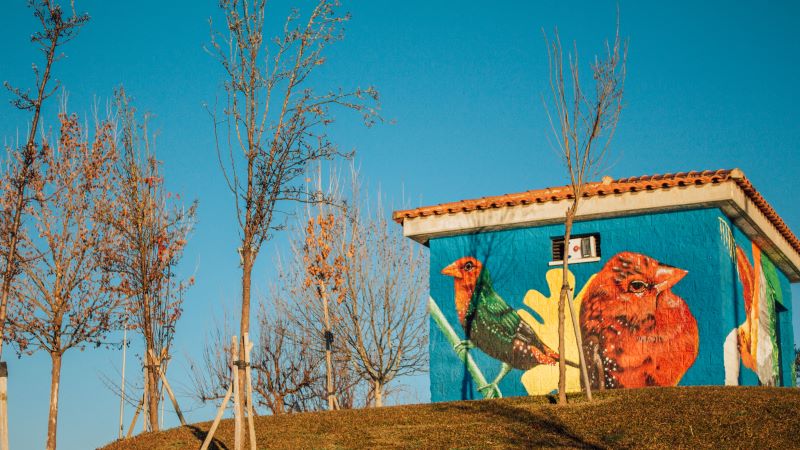
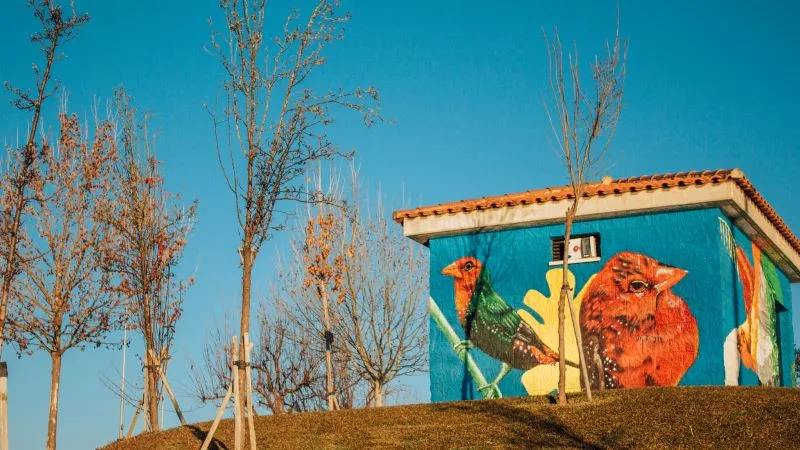
The Luis de Morales House-Museum is a museum dedicated to preserving and showcasing the artistic legacy of this influential artist.
The museum is located in a historic building that was once the home of Morales, adding an extra layer of authenticity and connection to the artist’s life.
Upon entering the museum, visitors are treated to a collection of artworks that exemplify Morales’ unique style and mastery.
Known as “El Divino” (The Divine), Morales was celebrated for his religious paintings, particularly his depictions of the Virgin Mary. His works are characterized by their serene and emotive qualities, exquisite detail, and a meticulous attention to light and shadow.
The museum houses a variety of paintings, drawings, and other artistic pieces by Morales, allowing visitors to appreciate the evolution of his style and themes throughout his career.
You can admire his iconic religious compositions, which often feature delicate expressions, soft colors, and a profound sense of spirituality.
As you explore the Luis de Morales House-Museum, you’ll also find informative exhibits about the artist’s life, historical context, and the significance of his contributions to Spanish Renaissance art.
The museum provides insights into Morales’ techniques, influences, and the cultural milieu in which he worked.
Visitors can immerse themselves in the serene atmosphere of the museum, contemplating the masterful brushstrokes and contemplating the spiritual depth of Morales’ art.
The intimate setting of the house-museum enhances the experience, offering a glimpse into the environment where the artist lived and created.
12. Enjoy nature at the Rivillas Reservoir: Take a hike, go bird-watching, or have a picnic in this beautiful natural area
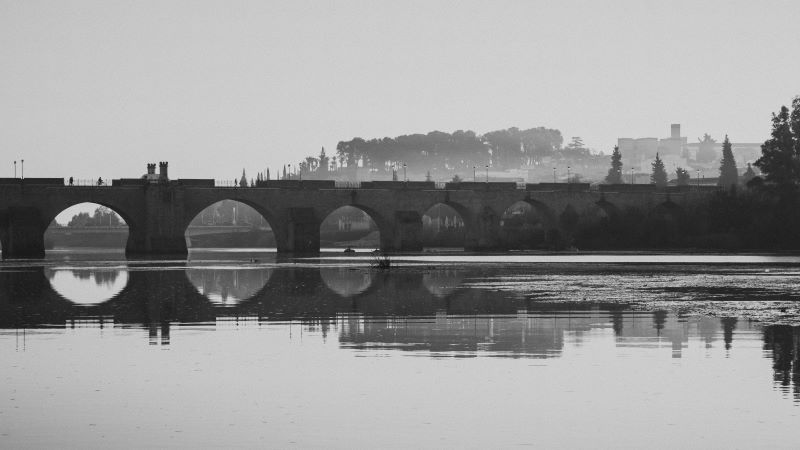
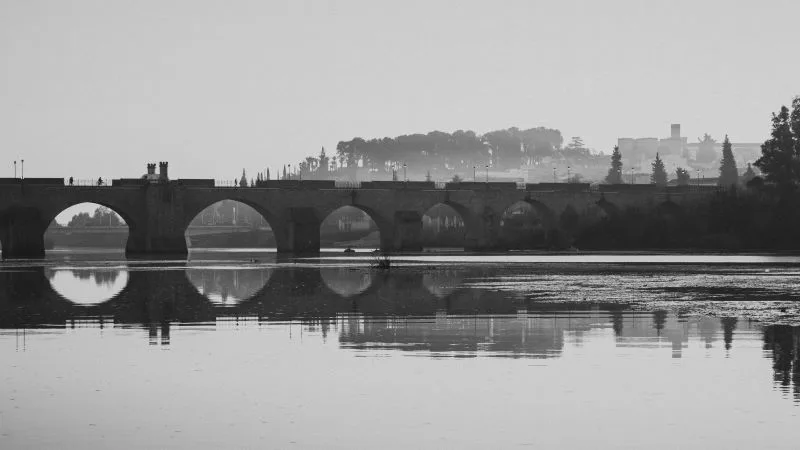
The Rivillas Reservoir is a man-made lake that was created for irrigation and water supply purposes. However, it has also become a popular destination for nature lovers, outdoor enthusiasts, and those seeking a peaceful retreat.
The reservoir is surrounded by beautiful landscapes, including rolling hills, lush vegetation, and the tranquil waters of the lake itself. It provides a serene environment where visitors can connect with nature and enjoy a range of recreational activities.
One of the main attractions of the Rivillas Reservoir is its scenic beauty. The calm waters of the lake reflect the surrounding greenery, creating a peaceful and idyllic atmosphere.
It’s an ideal spot for a leisurely stroll along the shoreline, taking in the views and capturing memorable photographs.
The reservoir also offers opportunities for water-based activities. Fishing enthusiasts can try their luck in catching various fish species that inhabit the lake. Additionally, birdwatchers can observe a variety of bird species that frequent the area, especially during migratory seasons.
The surrounding area of the Rivillas Reservoir often features walking trails and picnic spots, allowing visitors to explore the natural surroundings and enjoy a leisurely outdoor meal amidst the tranquil ambiance. It’s a perfect place for a family outing or a peaceful escape from the bustling city.
13. Explore the Badajoz City Walls: Walk along the well-preserved walls and enjoy the views of the city
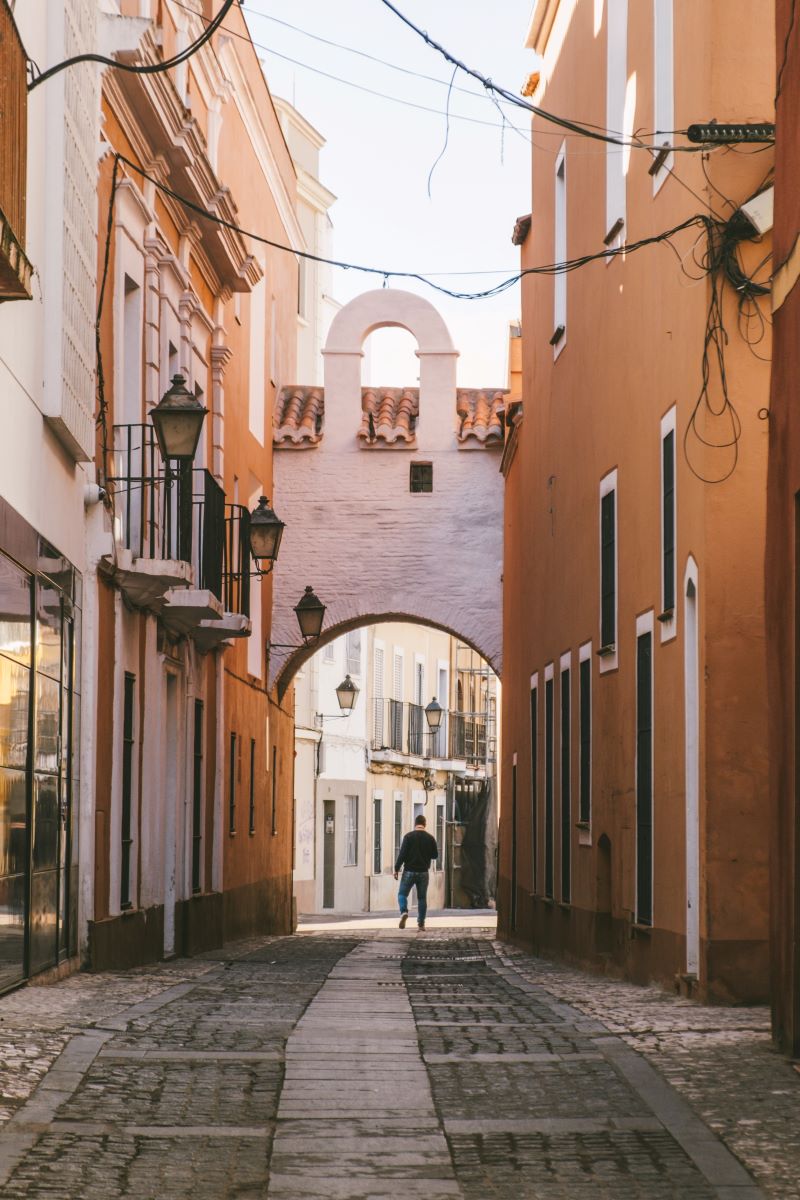

The Badajoz City Walls, also known as the Alcazaba, are a series of fortifications that encircle the old town of Badajoz, Spain.
These walls date back to different periods, with some sections originating from the Roman era, while others were constructed during the Almohad and Al-Andalus periods.
As you embark on a journey to explore the city walls, you’ll encounter impressive structures that showcase the defensive strategies employed throughout history.
The walls are made of stone and feature sturdy towers, bastions, and gates that were strategically positioned to protect the city from invasions and attacks.
Walking along the fortified walls offers panoramic views of Badajoz and its surroundings. You can admire the picturesque rooftops, the Guadiana River, and the sprawling landscapes that stretch beyond the city. It’s a wonderful vantage point to appreciate the city’s layout and understand the strategic significance of its fortifications.
Throughout the walls, you may come across historical plaques, information boards, and interpretive displays that provide insights into the history, architecture, and notable events related to the fortifications. These resources help visitors understand the importance of the walls and the role they played in shaping the city’s destiny.
The Badajoz City Walls are not only a testament to the city’s historical past but also serve as a venue for cultural events and festivals.
From music performances to art exhibitions, the walls provide a unique backdrop that adds to the vibrancy and cultural richness of Badajoz.
14. Relax in the Parque de Castelar: Spend some time in this lovely park, featuring beautiful gardens and a lake
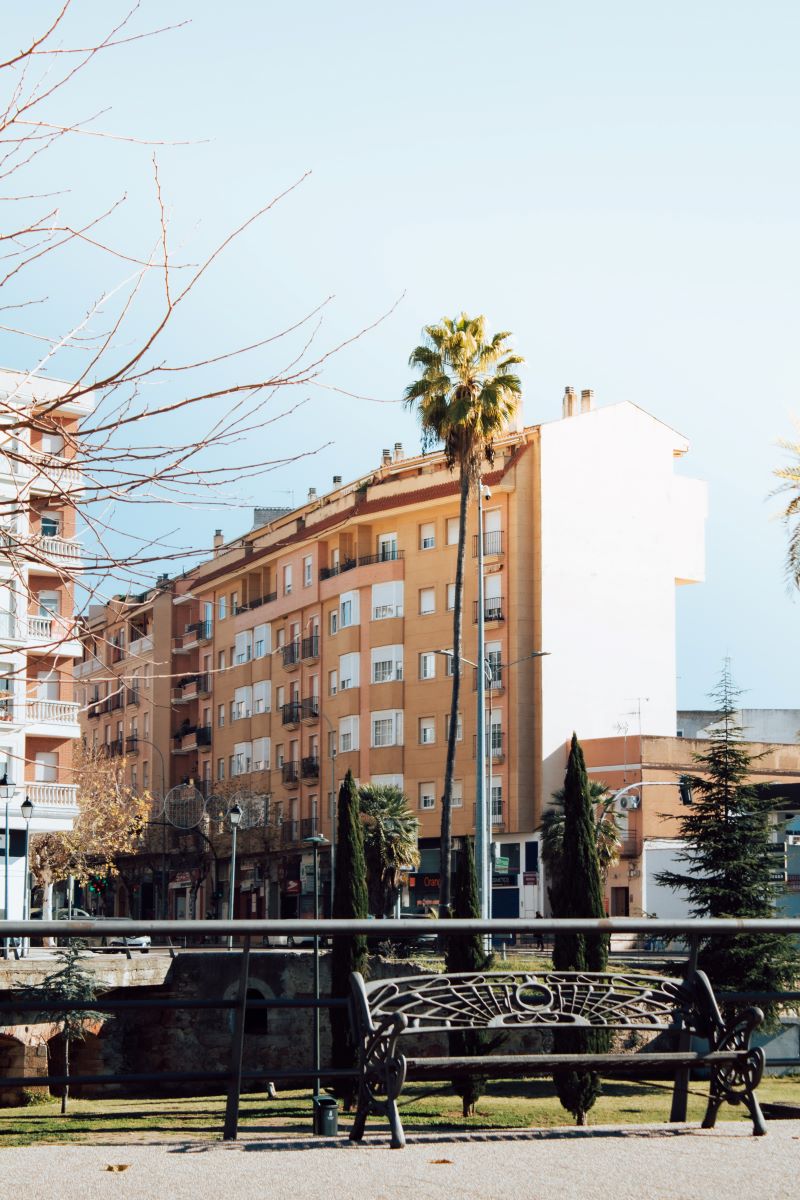
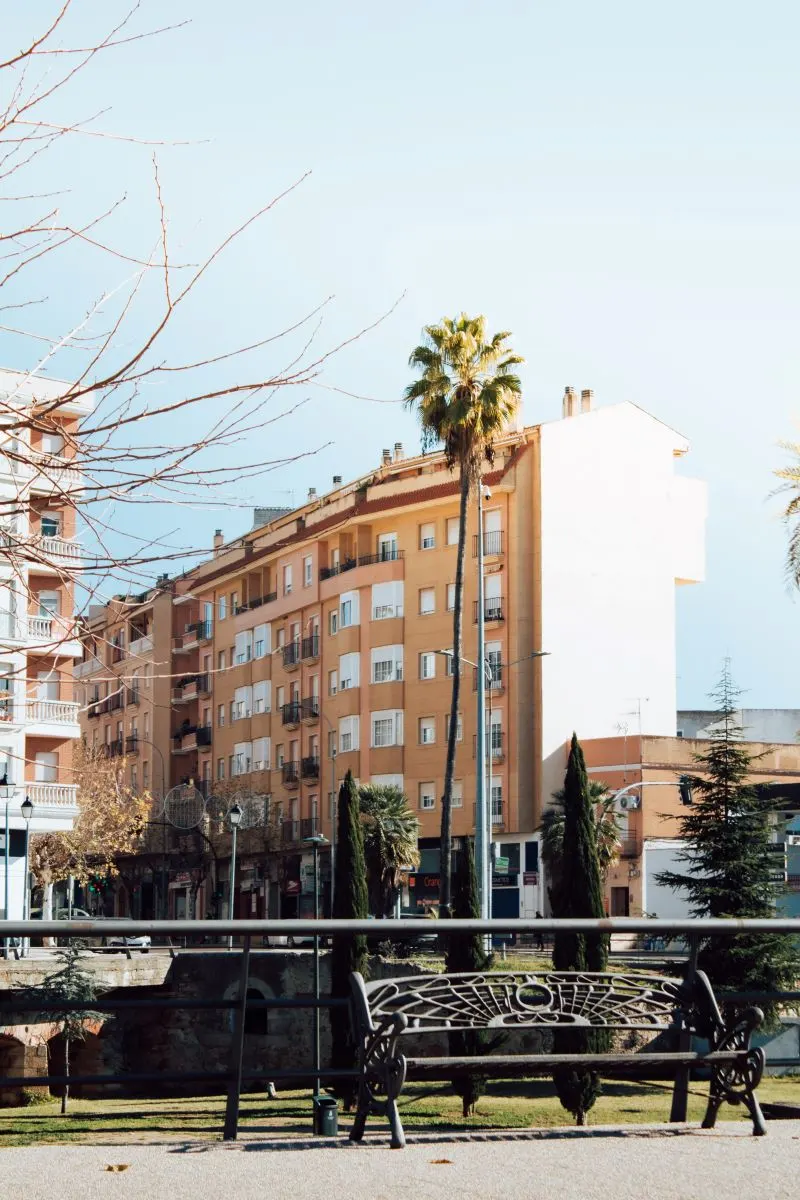
Parque de Castelar is a picturesque urban park located in the heart of Badajoz. It offers a peaceful retreat from the bustling city and provides a variety of amenities and features to enhance your relaxation.
The park features lush green lawns, tall trees, and well-maintained gardens, creating a refreshing and inviting atmosphere. It’s an ideal place to unwind, take a leisurely stroll, or find a cozy spot to sit and enjoy the tranquility of nature.
Parque de Castelar provides ample seating areas where you can relax and soak up the peaceful ambiance. Benches and shaded areas are scattered throughout the park, allowing visitors to find their preferred spot for relaxation.
Whether you want to read a book, have a picnic, or simply take a break from your day, the park offers a calm and pleasant environment to do so.
The park also boasts charming walking paths that wind through the greenery, offering opportunities for a leisurely walk or a gentle jog. You can explore the park’s different sections, discover hidden corners, and enjoy the natural beauty that surrounds you.
For families, Parque de Castelar often includes playgrounds and recreational facilities for children. These areas are designed to provide entertainment and fun activities for kids, ensuring that the park is a welcoming space for visitors of all ages.
In addition to its natural features, the park may host occasional events, such as concerts, cultural performances, or art exhibitions, which further enhance the park’s ambiance and offer additional opportunities for leisure and enjoyment.
15. Visit the Puerta de Palmas: Admire this historic city gate, a symbol of Badajoz


The Puerta de Palmas, also known as the Gate of Palmas, is an iconic landmark and one of the main entrances to the historic center of Badajoz. It stands as a testament to the city’s rich architectural heritage and the strategic importance it held throughout history.
The gate dates back to the 16th century and was part of the defensive walls that encircled Badajoz. It served as an access point for travelers entering the city, and its imposing structure provided protection against potential invasions.
The gate features a solid stone construction, with large arched openings and sturdy defensive elements, creating a sense of strength and grandeur.
Visiting the Puerta de Palmas allows you to appreciate the architectural details and historical significance of this ancient structure.
As you approach the gate, you’ll notice its well-preserved facade, the decorative elements adorning its arches, and the imposing towers that flank it.
Beyond its architectural appeal, the Puerta de Palmas provides a connection to the city’s past and serves as a symbol of Badajoz’s cultural heritage.
It stands as a reminder of the centuries of history that have shaped the city and the defensive strategies employed to safeguard its inhabitants.
Near the Puerta de Palmas, you’ll often find pedestrian areas, plazas, and lively streets that are perfect for a leisurely walk. This allows you to explore the surrounding area, soak up the ambiance, and experience the vibrant atmosphere of Badajoz.
16. Discover the Plaza de España: Enjoy the bustling atmosphere of this central square and visit the shops and restaurants nearby

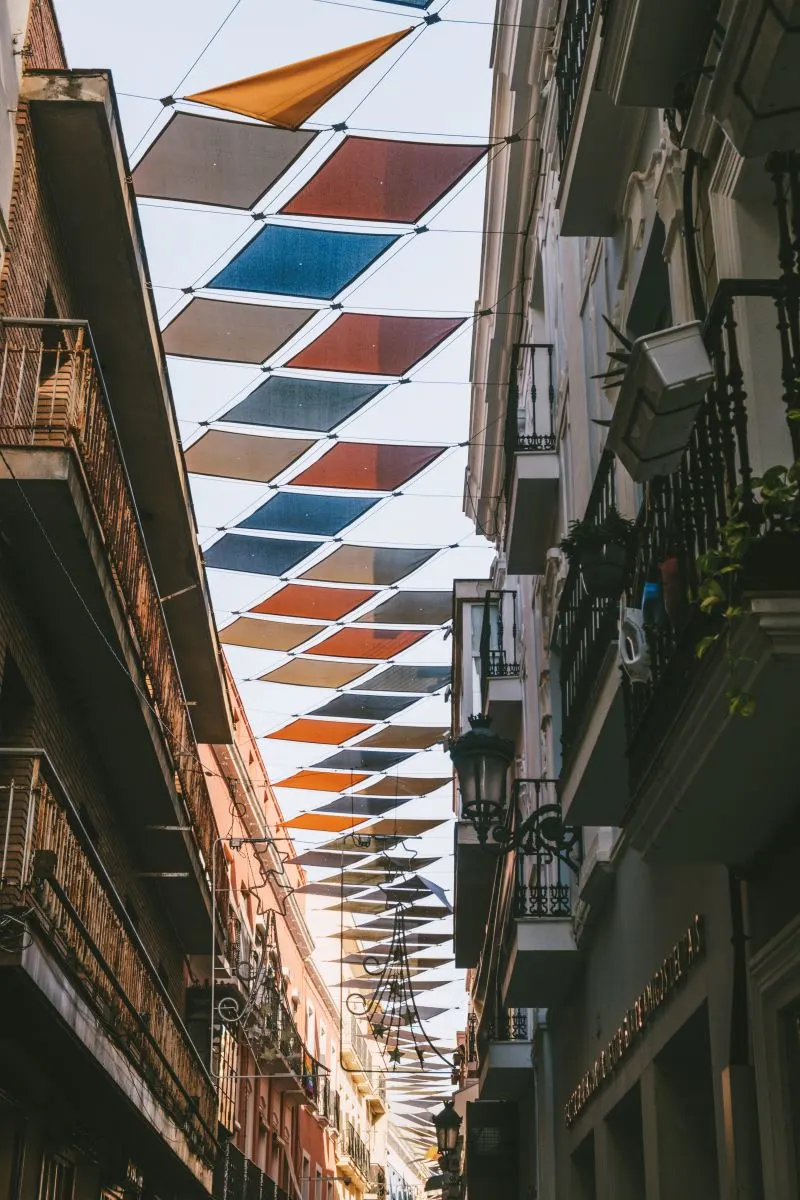
The Plaza de España serves as a central hub and a bustling square that brings locals and visitors together. It is located in the heart of Badajoz and is surrounded by a mix of historic and modern buildings, creating a dynamic and visually appealing atmosphere.
The square is known for its open space and well-maintained gardens, making it a pleasant spot to relax and enjoy the surroundings. The presence of trees, flowerbeds, and fountains adds to the beauty and tranquility of the plaza.
Architecturally, the Plaza de España features a mix of styles that reflect different periods of Badajoz’s history. You may find buildings that exhibit influences from the Renaissance, Baroque, and neoclassical periods, showcasing the city’s architectural evolution.
The facades of these buildings are often adorned with ornate details and decorative elements, adding to the visual charm of the square.
The Plaza de España is also home to several cafes, restaurants, and shops, providing opportunities to indulge in local cuisine, relax with a cup of coffee, or browse through unique products. The outdoor seating areas allow you to soak up the ambiance while enjoying a meal or a drink.
The plaza often serves as a venue for cultural events and celebrations, including concerts, performances, and markets. These events inject a lively and festive spirit into the square, giving visitors a chance to experience the local culture and traditions.
17. Explore the Convent of La Merced: Visit this beautiful convent and its church, known for its stunning architecture and art
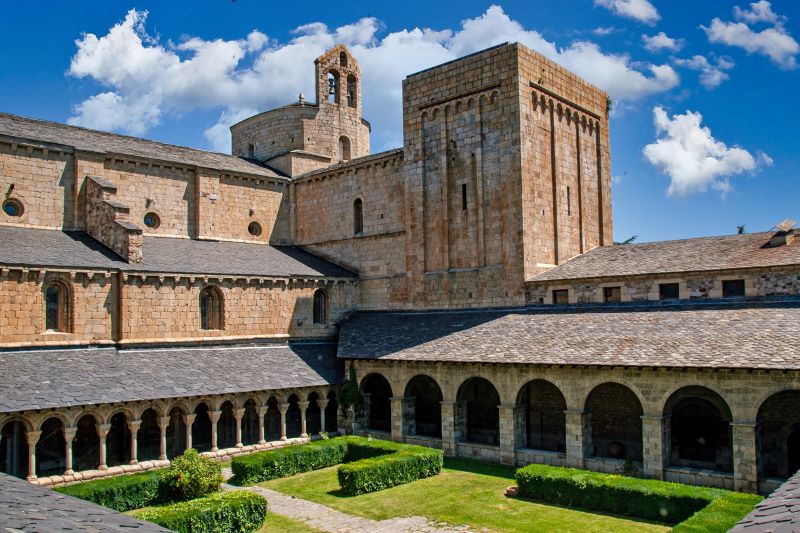
The Convent of La Merced, also known as the Monastery of Our Lady of Mercy, is a historic religious site that dates back to the 16th century.
The convent was originally established by the Order of Mercedarian Friars and has served as a center of spiritual devotion and community for centuries.
The architectural style of the Convent of La Merced is primarily Renaissance, with intricate details and graceful lines that showcase the artistry of the period.
The facade of the building features a grand entrance adorned with ornate decorations, including sculptures and carvings.
As you step inside, you’ll encounter a tranquil and serene environment. The convent often features a cloister, with its arcades and peaceful garden, providing a quiet space for contemplation and reflection.
The architecture and ambiance of the convent allow visitors to immerse themselves in the spiritual atmosphere and appreciate the tranquility that permeates the space.
The Convent of La Merced may also house significant religious artworks, including paintings, sculptures, and religious artifacts.
These treasures showcase the artistic legacy of the region and offer insights into the devotional practices of the Mercedarian Friars.
Exploring the convent often involves guided tours or visits to specific areas of the building that are open to the public.
These experiences provide the opportunity to learn about the history and significance of the convent, the daily lives of the friars, and the religious traditions associated with the Mercedarian Order.
18. Attend a concert or event at the Palacio de Congresos Manuel Rojas: Experience live performances in this modern venue
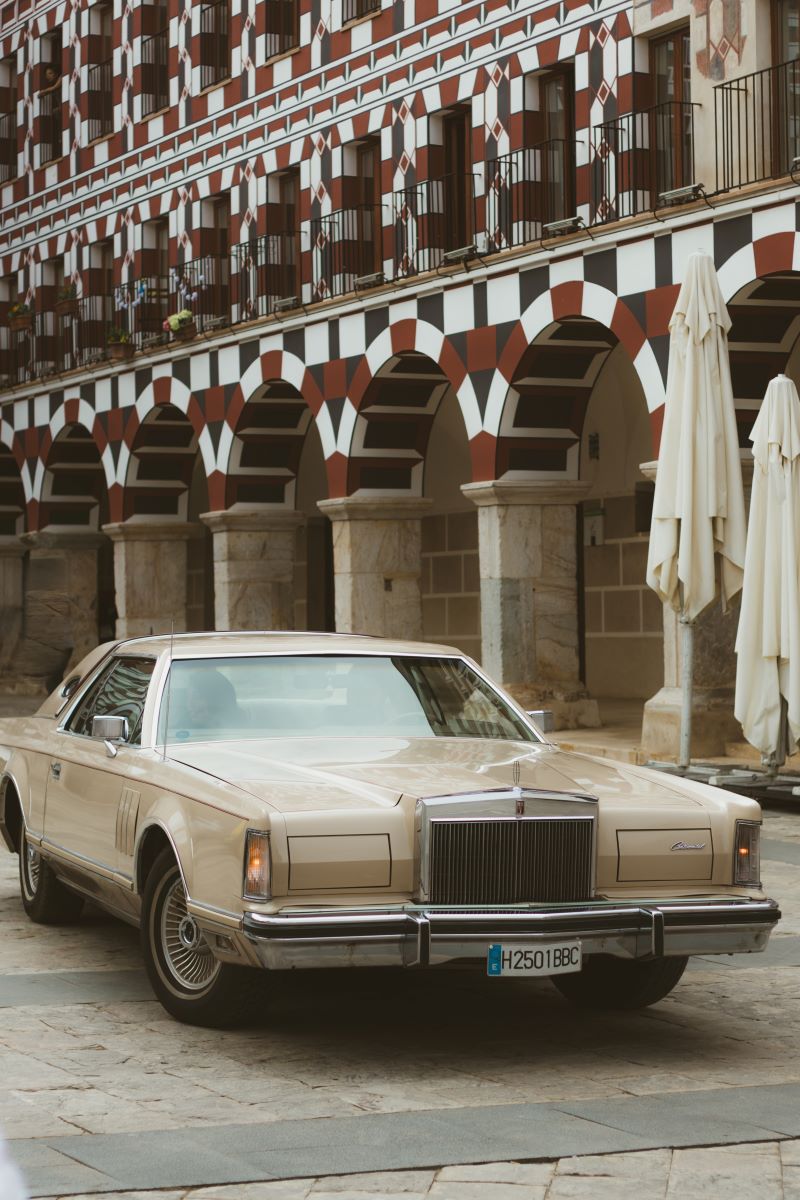

The Palacio de Congresos Manuel Rojas is a contemporary convention center and cultural space that hosts a variety of concerts, performances, conferences, and exhibitions.
The venue is named after Manuel Rojas, a renowned Spanish writer from Badajoz, adding a local touch to its significance.
The architecture of the Palacio de Congresos combines modern design elements with functionality. The venue boasts state-of-the-art facilities, including a large auditorium or theater, versatile event spaces, and technologically advanced audiovisual equipment. It provides a comfortable and visually pleasing environment for attendees.
Attending a concert or event at the Palacio de Congresos Manuel Rojas allows you to enjoy performances by acclaimed musicians, bands, or cultural groups.
The venue attracts a diverse range of artists and genres, ensuring there is something for every taste and preference. Whether it’s a classical concert, a contemporary music performance, a theatrical production, or a dance show, the venue offers a platform to showcase talented performers.
The Palacio de Congresos often hosts conferences and exhibitions as well, allowing participants to gather and exchange knowledge in a professional and well-equipped setting.
These events cover a wide range of topics, from business and technology to art and culture, providing opportunities for learning and networking.
The venue’s layout and seating arrangements are designed to provide optimal viewing and acoustics, ensuring an enjoyable experience for attendees.
The staff is dedicated to creating a welcoming atmosphere and delivering high-quality services to enhance your overall event experience.
19. Visit the Church of San Andrés: Admire the Gothic architecture and intricate details of this historic church


The Church of San Andrés is a notable landmark that dates back to the 13th century, making it one of the oldest churches in Badajoz.
It represents a blend of architectural styles, predominantly Romanesque and Gothic, with later additions and renovations reflecting Renaissance and Baroque influences.
The exterior of the church exhibits a striking combination of stone and brickwork, with intricate details and decorative elements that catch the eye.
The facade often features a grand entrance adorned with religious sculptures, carvings, and ornate stonework. These architectural features provide a glimpse into the craftsmanship and artistic talent of the period.
As you step inside, you’ll be immersed in the serene atmosphere of the church. The interior typically boasts soaring ceilings, elegant arches, and a sense of sacredness.
The altar area is often adorned with religious artworks, including sculptures and paintings, that depict saints, biblical scenes, or the life of Christ. These artistic treasures serve as a testament to the religious devotion and artistic heritage of the region.
The Church of San Andrés offers visitors a chance for contemplation and reflection. The peaceful ambiance invites quiet moments of prayer or simply an appreciation of the architectural beauty and spiritual significance of the space.
20. Explore the Arab Cisterns: Descend into the underground cisterns and learn about their historical significance

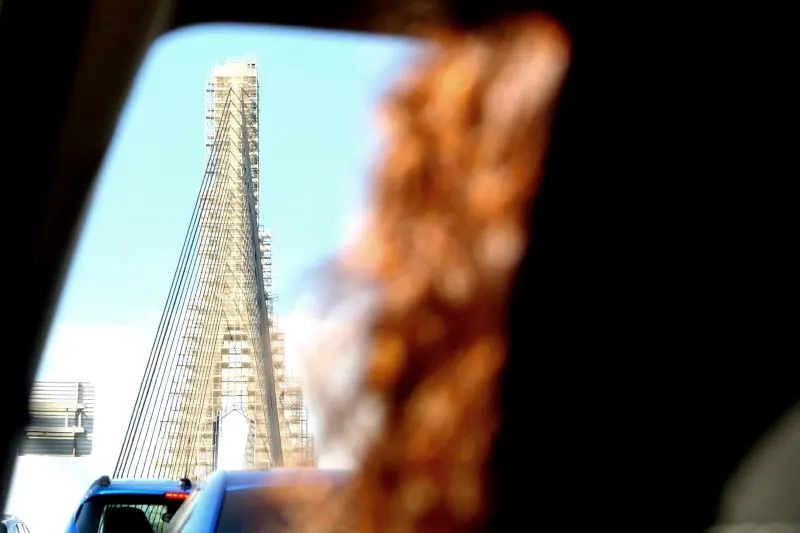
The Arab Cisterns, also known as Aljibes Árabes, are underground water storage structures that date back to the Moorish period of Badajoz.
Built during the Islamic rule, these cisterns served as a vital water supply system for the city and are an impressive testament to the engineering skills of that time.
Visiting the Arab Cisterns allows you to descend into an underground world of arches, vaults, and passageways. The cisterns are typically accessed through narrow stairways, leading you into a subterranean labyrinth that evokes a sense of mystery and awe.
As you explore the cisterns, you’ll discover an intricate network of interconnected chambers and channels that were designed to collect, store, and distribute water throughout the city.
The walls are often adorned with ancient Arabic inscriptions and decorative elements, reflecting the artistic craftsmanship of the period.
The Arab Cisterns provide a unique perspective on the city’s water management system and the importance of water conservation in arid regions.
These architectural marvels showcase the resourcefulness of the Arab engineers who constructed them, utilizing techniques to ensure the efficient collection and preservation of water.
21. Take a day trip to Elvas, Portugal: Cross the border and visit this charming Portuguese town known for its historic fortifications
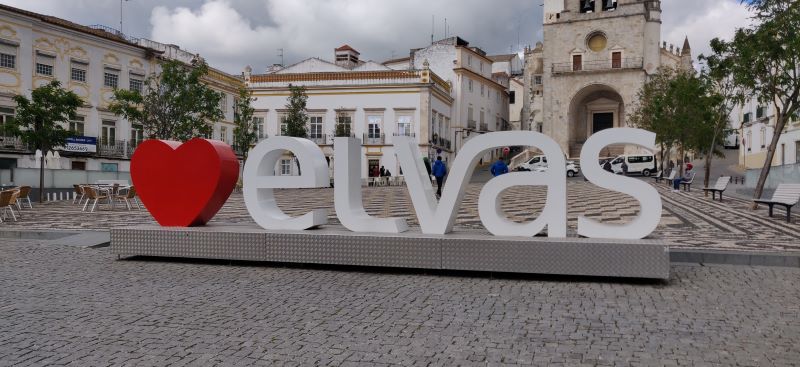
Elvas is a picturesque Portuguese town located just across the border from Badajoz. It is known for its exceptionally well-preserved fortifications, which have earned it a UNESCO World Heritage designation.
These fortifications were constructed during different periods, including the medieval, Renaissance, and modern eras, creating a unique ensemble that showcases the town’s strategic importance throughout history.
Upon arrival in Elvas, you’ll be greeted by the imposing walls and fortresses that surround the town. The fortifications include bastions, bulwarks, and impressive gates, such as the Amoreira Aqueduct, which not only served as a defensive structure but also provided water to the town.
Walking along the walls offers panoramic views of the town and the surrounding countryside, allowing you to appreciate the strategic significance and architectural grandeur of the fortifications.
Elvas is also home to several other notable landmarks and attractions. The town’s historic center features charming streets lined with traditional Portuguese buildings, picturesque squares, and beautiful churches. The Cathedral of Elvas, with its intricate architecture, is worth a visit for its historical and artistic value.
Visiting Elvas provides an opportunity to immerse yourself in Portuguese culture and heritage. You can explore local museums that offer insights into the town’s history, traditional crafts, and regional traditions. The local cuisine, known for its hearty flavors and delicious pastries, can be savored in the town’s restaurants and cafes.
22. Explore the Ethnographic Museum: Learn about the traditional customs, crafts, and lifestyle of the Extremadura region
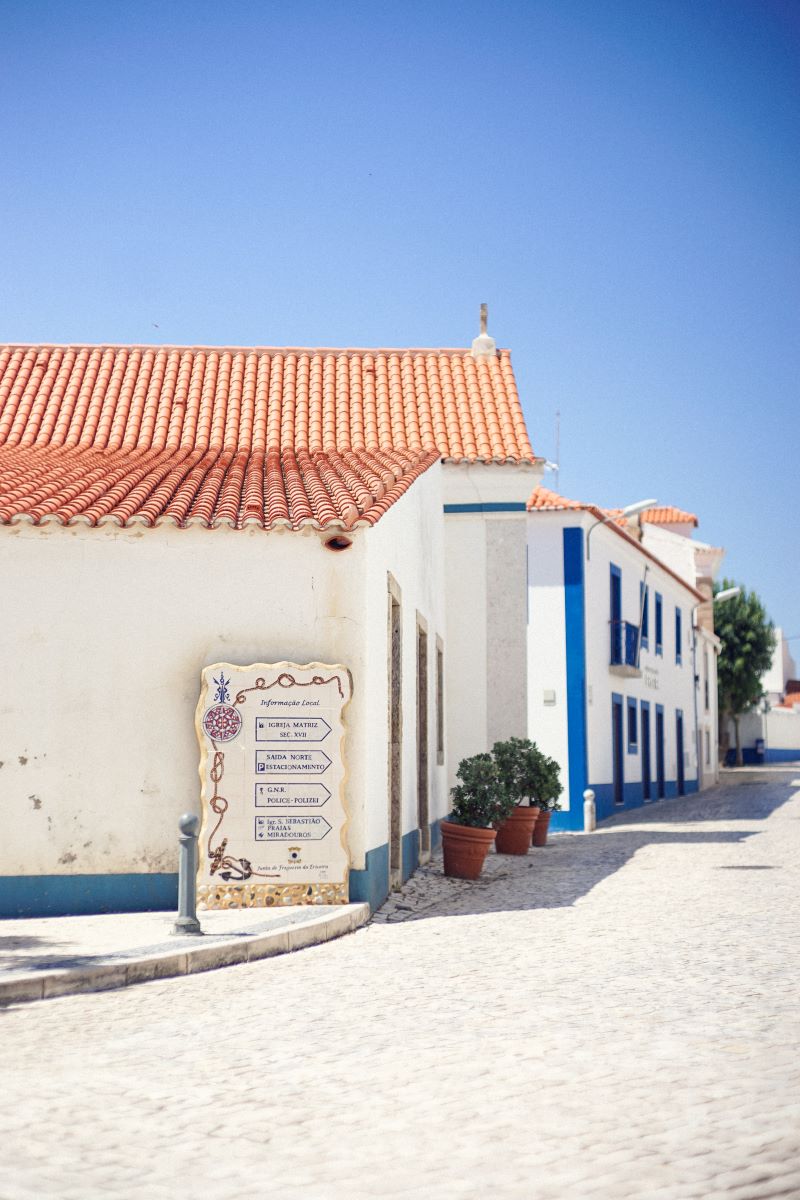
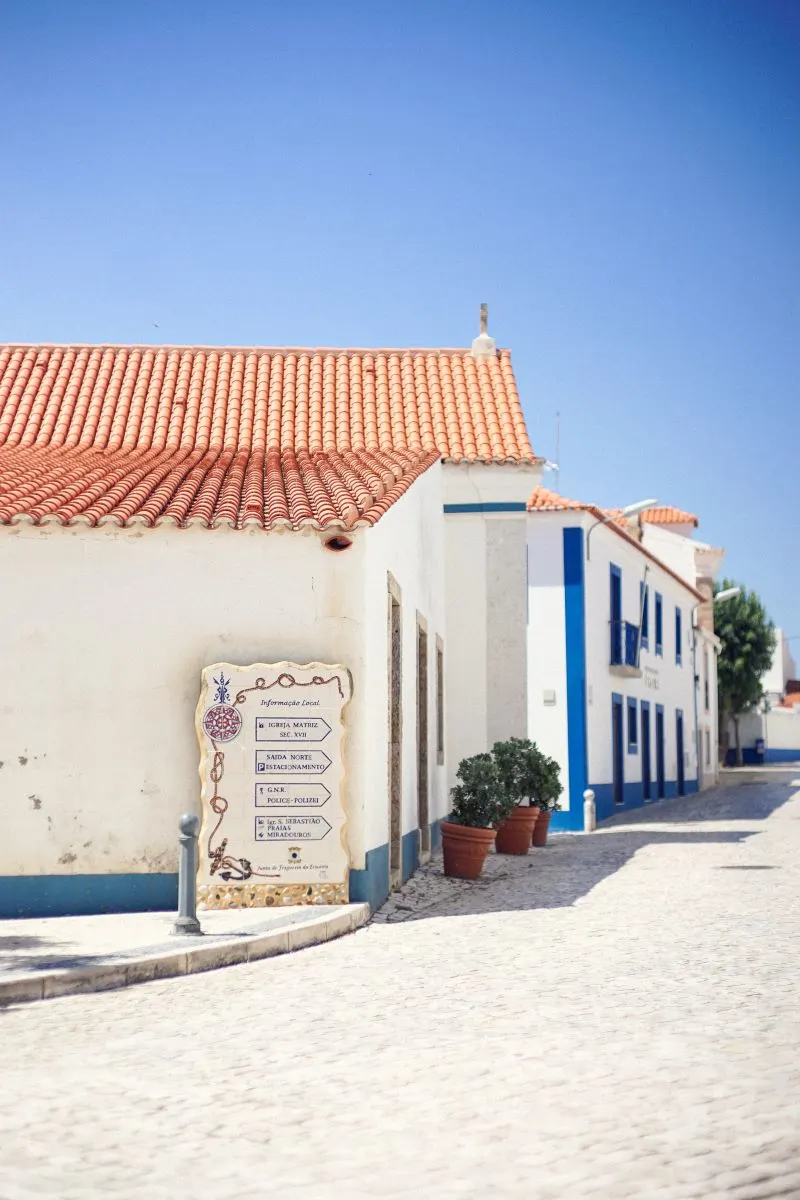
The Ethnographic Museum is dedicated to preserving and showcasing the diverse cultural aspects of Badajoz and its surrounding areas. The museum exhibits a vast collection of artifacts, objects, and displays that provide insights into the daily life, customs, and traditions of the local community.
As you explore the museum, you’ll encounter exhibits that cover various aspects of regional life, such as agriculture, rural crafts, traditional costumes, household items, and religious practices.
These displays offer a glimpse into the historical and cultural development of Badajoz, providing a deeper understanding of its roots and identity.
The Ethnographic Museum often employs multimedia presentations, interactive exhibits, and audiovisual materials to enhance the visitor experience. These resources offer engaging ways to learn about the region’s cultural heritage, providing a dynamic and immersive exploration of the exhibits.
The museum may also organize temporary exhibitions and events that highlight specific themes or aspects of the local culture.
These exhibits can range from folk art displays to demonstrations of traditional crafts or cultural performances. Such events further enrich the visitor experience and provide opportunities to witness the living traditions of Badajoz.
The Ethnographic Museum serves as a bridge between the past and the present, fostering an appreciation for the region’s cultural diversity and the importance of preserving traditional practices.
It aims to educate and engage visitors of all ages, allowing them to connect with the local community and gain a deeper appreciation for the cultural richness of Badajoz.
23. Enjoy local cuisine: Indulge in delicious traditional dishes such as migas extremeñas, torta del casar cheese, and Iberian ham


Indulging in the local cuisine of Badajoz offers a delectable journey through traditional dishes that showcase the rich flavors and culinary heritage of the region.
One must-try dish is migas extremeñas, a beloved local specialty. It consists of breadcrumbs fried with garlic, olive oil, and various additions like chorizo, bacon, or peppers. The result is a flavorful and satisfying dish that exemplifies the simple yet delicious nature of traditional Spanish cuisine.
Another culinary delight from Badajoz is Torta del Casar cheese. This artisanal sheep’s milk cheese is known for its creamy texture and strong, slightly tangy flavor.
It is traditionally served at room temperature, allowing the cheese to fully express its unique characteristics. Pair it with crusty bread or quince paste for a delightful combination of flavors.
No exploration of local cuisine would be complete without savoring Iberian ham. This renowned cured ham comes from acorn-fed Iberian pigs and is known for its exceptional taste and quality.
The ham is often sliced thinly and enjoyed on its own or as an accompaniment to other dishes. Its rich, savory flavor and melt-in-your-mouth texture make it a true gastronomic delight.
Apart from these specific dishes, Badajoz also offers a wide range of traditional Spanish and regional delicacies. From hearty stews and fresh seafood to mouthwatering pastries and desserts, the local cuisine provides a diverse culinary landscape to explore and enjoy.
When visiting Badajoz, you’ll have the opportunity to indulge in these delightful flavors at local restaurants, taverns, and markets. These establishments often prioritize using high-quality, locally sourced ingredients, ensuring an authentic and satisfying dining experience.
24. Experience the Badajoz Carnival: If you’re visiting in February, join the festivities of the famous Carnival, filled with parades, costumes, and music
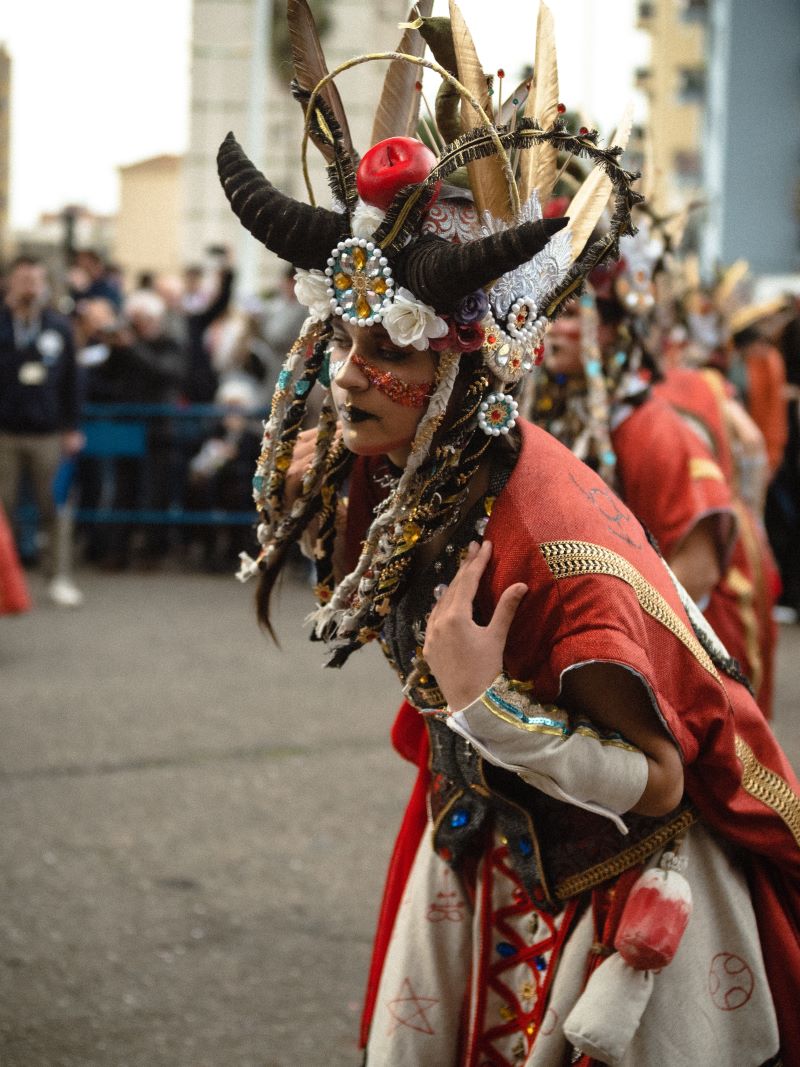

The Badajoz Carnival is a major cultural event that takes place in the city of Badajoz, attracting thousands of visitors each year. The carnival is known for its lively parades, elaborate costumes, and exuberant street celebrations.
During the carnival, the streets of Badajoz come alive with music, dancing, and laughter. Participants, both locals and visitors, don colorful and imaginative costumes representing a wide range of characters, themes, and cultural references. The streets become a stage for creative expression, as people showcase their unique outfits and join in the festivities.
One of the highlights of the Badajoz Carnival is the grand parade, where elaborate floats and troupes of performers parade through the city’s streets.
The parade features music, dancing, and extravagant displays, creating a spectacle of sights and sounds that captivate the crowd. The energy and enthusiasm of the participants and spectators create an electrifying atmosphere that is truly infectious.
In addition to the parades, the Badajoz Carnival offers a multitude of activities and events, including concerts, street parties, costume contests, and cultural exhibitions. These festivities provide a diverse range of experiences, ensuring there is something for everyone to enjoy and participate in.
25. Visit the Chapel of San Blas: Admire the beautiful frescoes and religious art in this small chapel
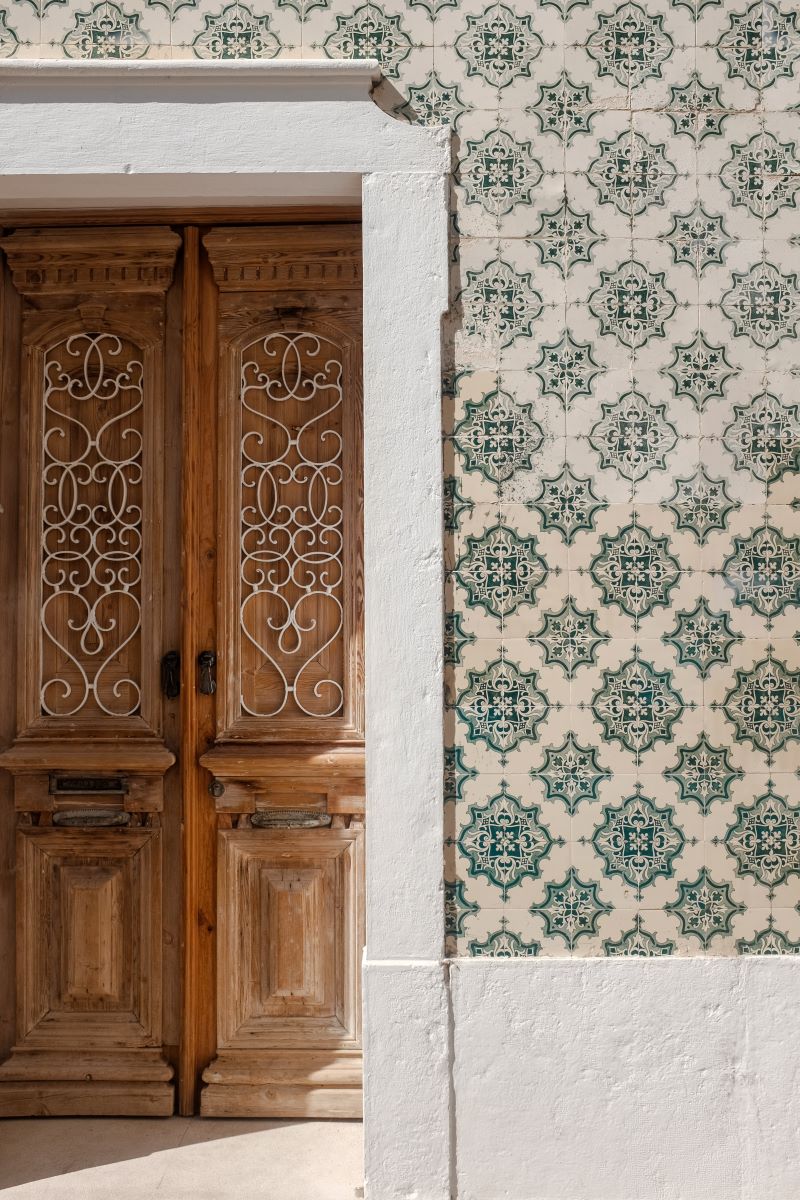
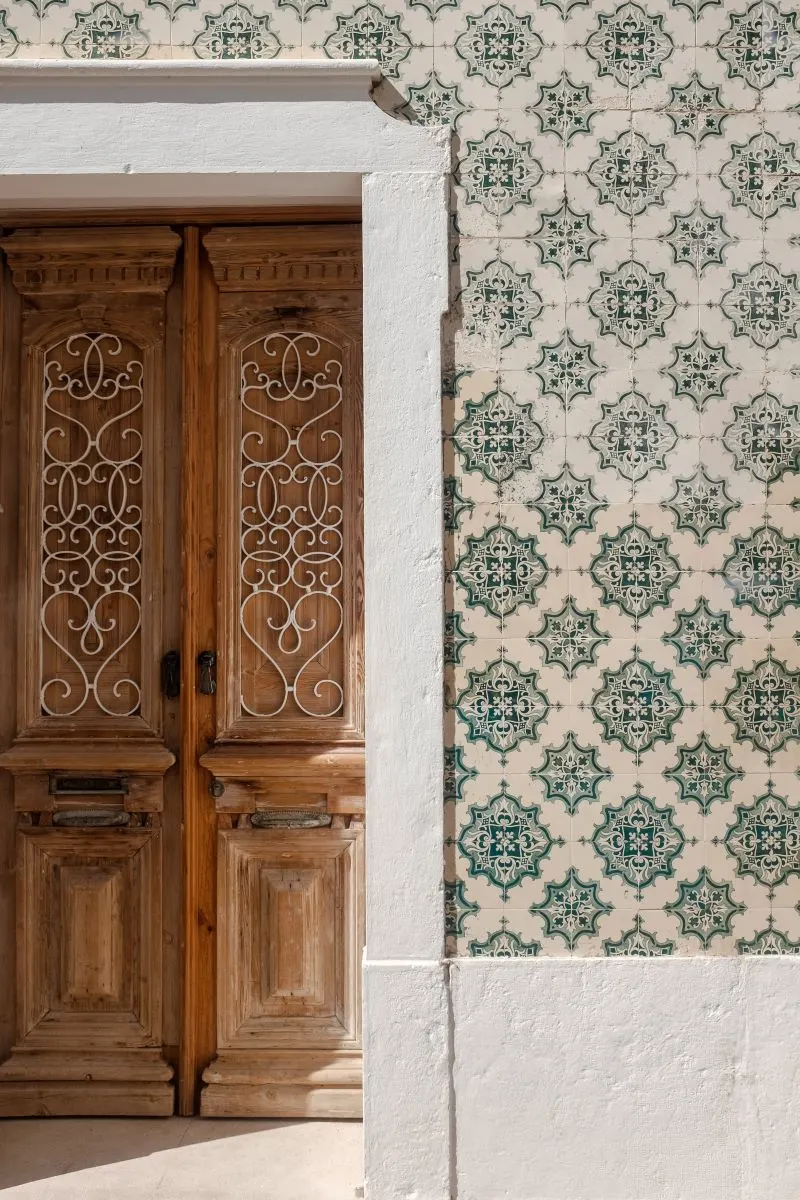
The Chapel of San Blas is a charming and intimate place of worship located in the heart of Badajoz. It is dedicated to Saint Blaise, a revered saint in the Catholic tradition known for his patronage of throat ailments and protection against illnesses.
The chapel’s architecture typically reflects a blend of styles, showcasing elements from different periods of its history. While the exterior may appear unassuming, the interior often surprises visitors with its ornate altars, beautiful artwork, and religious symbols.
Inside the Chapel of San Blas, you may find intricate religious sculptures, paintings, and other artworks that adorn the walls and altars. These pieces of religious art add to the spiritual ambiance and offer insights into the devotional practices of the faithful.
Visiting the chapel provides an opportunity for quiet contemplation and prayer. The serene atmosphere invites visitors to reflect and find solace in the peaceful surroundings, away from the hustle and bustle of daily life.
The Chapel of San Blas may also hold religious services and ceremonies, providing a chance to experience a traditional Catholic worship environment and participate in the spiritual life of the community.
These are just some of the highlights of Badajoz, and there is plenty more to see and do in this vibrant Spanish city. Enjoy your visit!
Food In Badajoz


Nestled in the heart of southwestern Spain, Badajoz not only boasts a rich historical and cultural heritage but also offers a diverse and flavorful culinary scene.
The region’s cuisine is deeply rooted in traditional Spanish flavors and showcases a delightful blend of ingredients, techniques, and influences.
From hearty stews and succulent meats to delectable pastries and delightful wines, the food in Badajoz is a gastronomic journey that delights the senses and leaves a lasting impression.
Hearty Stews and Traditional Delights: One cannot truly experience the cuisine of Badajoz without indulging in its hearty stews. One iconic dish is the Caldereta Extremeña, a savory lamb stew slow-cooked with local spices and vegetables, resulting in tender meat and rich flavors.
Another popular choice is the Olla Gitana, a traditional “gypsy pot” stew made with a variety of vegetables, legumes, and cured meats. These stews not only satisfy the appetite but also offer a taste of the region’s rustic charm.
Local Meats and Sausages: Badajoz is renowned for its high-quality meats and sausages, a result of the region’s rich agricultural tradition.
The star of the show is the Iberian pork, particularly the prized acorn-fed Iberian ham (Jamón Ibérico). The ham’s intense flavor, marbled texture, and melt-in-your-mouth goodness make it a true delicacy.
Sausages like the Chorizo Extremeño and Morcilla de Patatera (potato black pudding) showcase the region’s love for bold, smoky flavors.
Cheeses and Tapas: Badajoz is also home to a wide variety of delectable cheeses. One must-try is the Torta del Casar, a creamy, raw sheep’s milk cheese with a slightly tangy taste.
Enjoy it spread on warm bread for a truly heavenly experience. Tapas, small plates of appetizers, are a culinary tradition in Badajoz.
Sample local tapas like the Queso de la Serena (a soft cheese), Patatas Revolconas (mashed potatoes with paprika), and the classic Gambas al Ajillo (garlic prawns) while sipping on a glass of local wine or a refreshing Estrella beer.
Sweet Temptations: No culinary journey is complete without satisfying your sweet tooth, and Badajoz delivers. Indulge in the Pestiños, delicious pastries made with honey, cinnamon, and sesame seeds.
The famous Técula Mécula is a local dessert made from almonds, eggs, and sugar, boasting a unique texture and sweet aroma.
Don’t miss out on the traditional bakery treats like Magdalenas, Rosquillas, and Mantecados, which offer a delightful taste of Badajoz’s baking traditions.
Wine and Beyond: To complement your culinary adventures in Badajoz, explore the region’s vibrant wine scene. Badajoz is part of the Extremadura wine region, known for its full-bodied red wines and aromatic whites.
Sip on a glass of Ribera del Guadiana wine, produced from local grape varieties, and discover the region’s winemaking heritage.
In Badajoz, food is more than sustenance; it is a celebration of culture, tradition, and the art of savoring life’s simple pleasures. From robust stews and succulent meats to mouthwatering cheeses and tempting pastries, the culinary delights of Badajoz capture the essence of Spanish cuisine with a regional twist.
So, embark on a culinary journey, immerse yourself in the flavors, and let the food of Badajoz leave an indelible mark on your taste buds and memories. ¡Buen provecho!
Top 20 Best Restaurants In Badajoz, Spain


- Restaurante Cocina Portuguesa
- Restaurante Gadea
- Restaurante El Alma del Genio
- Restaurante Rincón de César
- Restaurante El Alma del Genio
- Restaurante Las Barandas
- Restaurante El Alma del Genio
- Restaurante Las Barandas
- Restaurante El Alma del Genio
- Restaurante Las Barandas
- Restaurante El Alma del Genio
- Restaurante Las Barandas
- Restaurante El Alma del Genio
- Restaurante Las Barandas
- Restaurante El Alma del Genio
- Restaurante Las Barandas
- Restaurante El Alma del Genio
- Restaurante Las Barandas
- Restaurante El Alma del Genio
- Restaurante Las Barandas
Transportation In Badajoz
- Public Transportation: Badajoz has a well-developed public transportation system, primarily consisting of buses. The local bus network, operated by Empresa Municipal de Transportes Urbanos de Badajoz (EMTUBSA), covers various routes within the city and provides affordable and reliable transportation. Buses generally operate from early morning until late evening, offering regular service throughout the day.
- Taxis: Taxis are readily available in Badajoz, and they provide a convenient way to travel around the city. Taxis can be hailed on the street or found at designated taxi stands. It’s important to note that taxi fares in Spain usually include a starting fee and additional charges based on distance and time traveled. It’s recommended to confirm the fare with the driver before the journey begins.
- Private Vehicles: Many residents and visitors in Badajoz choose to use private vehicles for transportation. The city has well-maintained roads and parking facilities, making it relatively easy to navigate by car. However, it’s important to be aware of traffic regulations, parking restrictions, and any specific rules or requirements when driving in the city.
- Bicycles: Badajoz promotes cycling as an eco-friendly and healthy mode of transportation. The city has developed a network of bike lanes and paths, allowing cyclists to navigate the streets safely. Bike rental services are available for short-term use, providing an alternative way to explore the city while enjoying the outdoors.
- Walking: Badajoz is a compact city with many attractions, landmarks, and amenities within walking distance. The city’s pedestrian-friendly layout makes walking a convenient and enjoyable option for getting around, especially in the historic center and areas with heavy foot traffic.
- Inter-City Transportation: Badajoz’s central location provides easy access to other cities and regions. The city has a bus station with connections to various destinations within Spain and neighboring countries. Additionally, Badajoz has a train station that offers rail connections to major Spanish cities and regions.
In conclusion, Badajoz is a captivating city that offers a rich tapestry of history, culture, and natural beauty. With its strategic location near the border with Portugal, the city has been shaped by centuries of influences from various civilizations.
From its impressive fortifications and historic landmarks to its vibrant festivals and culinary delights, Badajoz invites visitors to explore its unique charm.
The city’s historic center is a treasure trove of architectural wonders, featuring a blend of styles that reflect its diverse past. The Alcazaba Fortress, Badajoz Cathedral, and Plaza Alta are just a few examples of the city’s architectural gems that showcase its rich heritage.
Badajoz is also a cultural hub, with a thriving arts scene and numerous museums that offer insights into the region’s history and traditions.
The city’s festivals, such as the renowned Badajoz Carnival, provide an opportunity to witness the exuberance and passion of the local community.
Nature enthusiasts will find solace in the surrounding landscapes, with the Guadiana River, Rivillas Reservoir, and Sierra de San Pedro offering scenic beauty and outdoor recreation opportunities.
But perhaps one of the greatest highlights of Badajoz is its warm and welcoming atmosphere. The locals are known for their hospitality, making visitors feel right at home as they explore the city’s streets, enjoy local cuisine, and engage in cultural experiences.
Whether you’re a history buff, a lover of the arts, a foodie, or simply seeking an authentic Spanish experience, Badajoz has something to offer.
It is a city that invites you to delve into its past, immerse yourself in its present, and create memories that will last a lifetime.
Leave a comment